Shoseiryuto May Prevent Bronchial Epithelial Tight Junction Disruption by Inhibiting the Inflammatory NF-κB Signaling Pathway

 , , ,
, , ,
Simple Summary
Abstract
1. Introduction
2. Materials and Methods
2.1. Test Agents
2.2. Cell Culture
2.3. Experimental Design
2.3.1. Effects of Test Agents on Cell Viability
2.3.2. Effects of SST on Inflammation and TJ Barrier Disruption
2.3.3. Effects of NF-κB Signaling Inhibitors on Inflammation and TJ Barrier Disruption
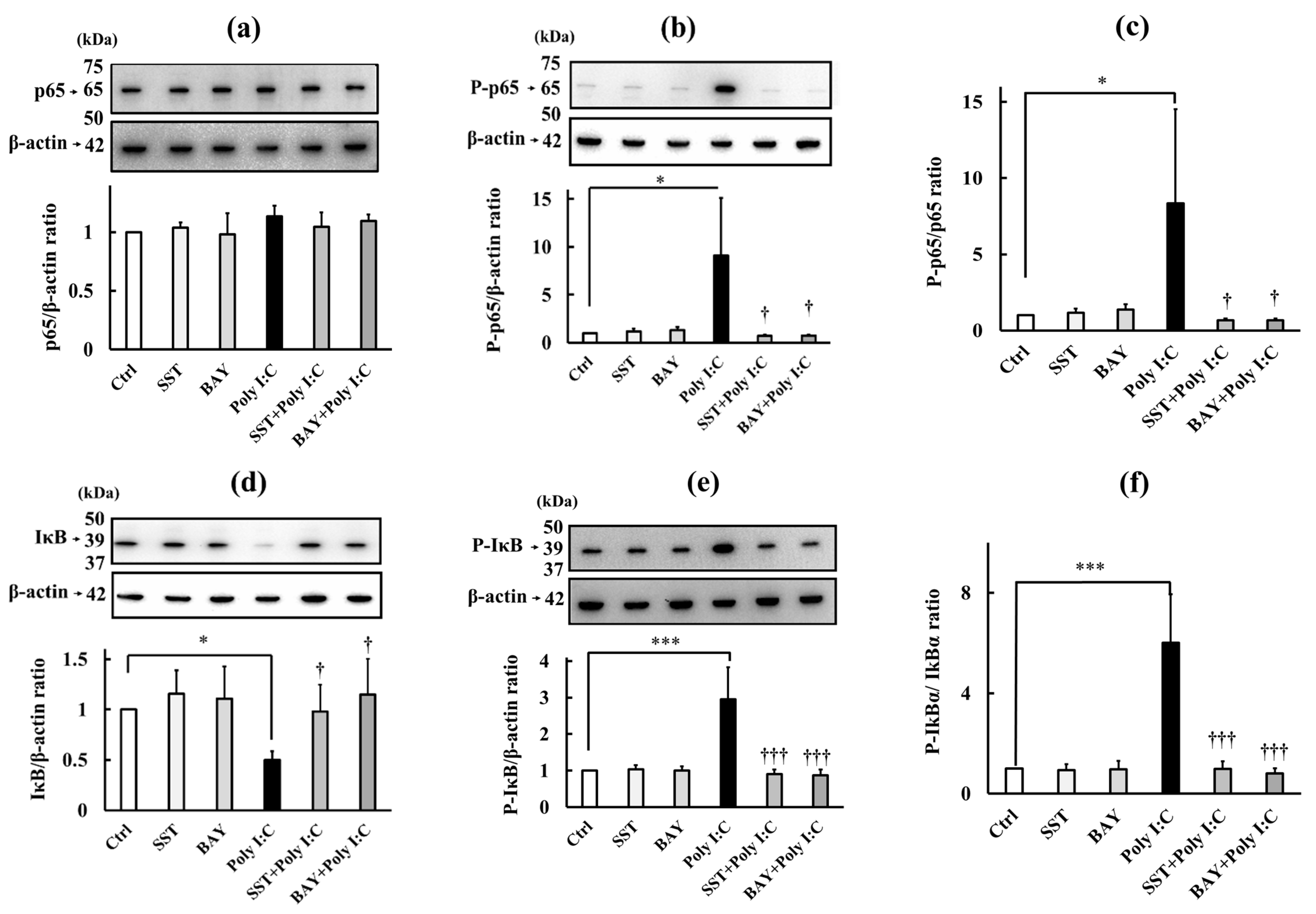
2.3.4. Effects of SST and BAY11-7085 on the Phosphorylation Levels of NF-κB p65 and IκBα Proteins
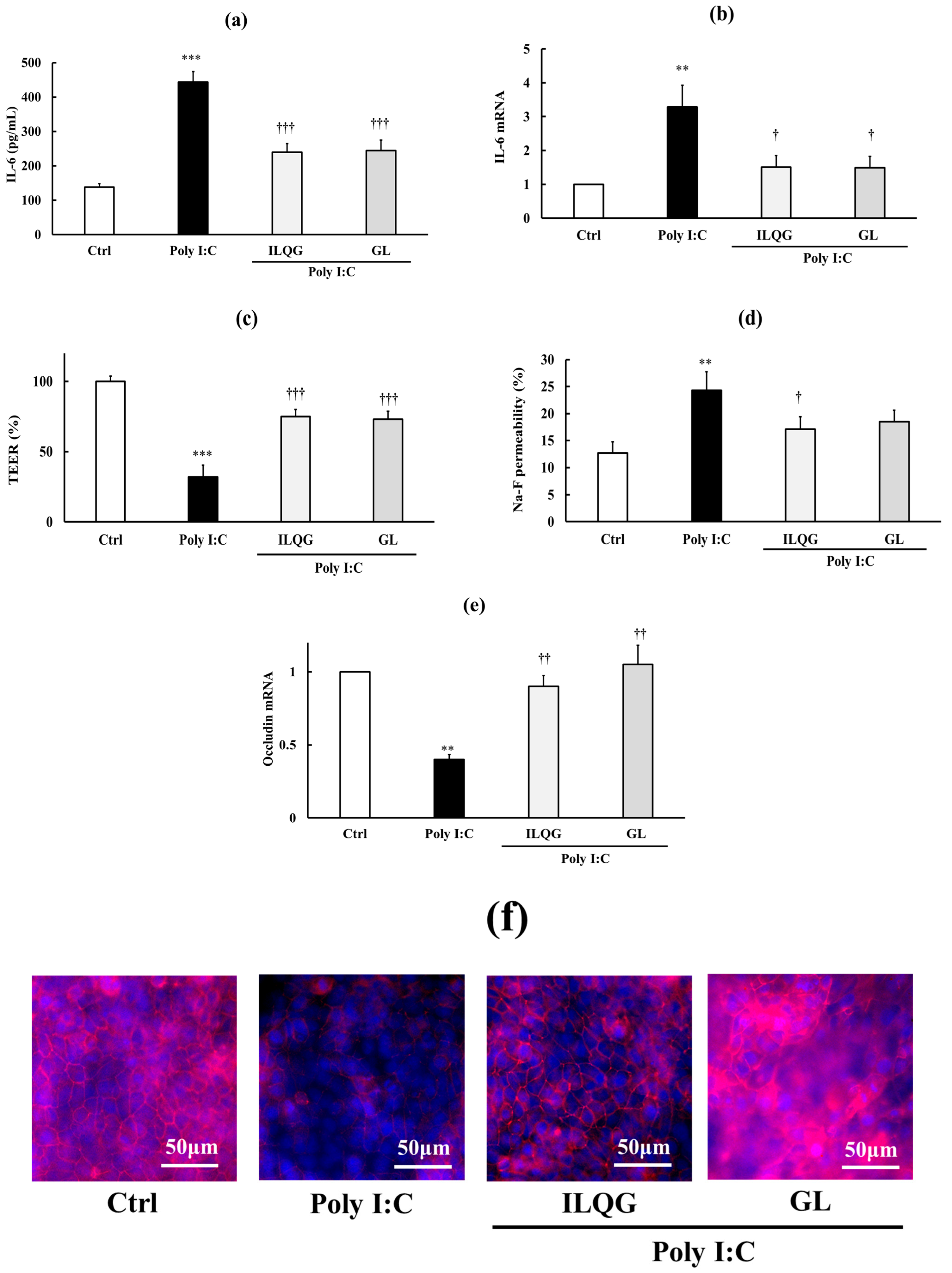
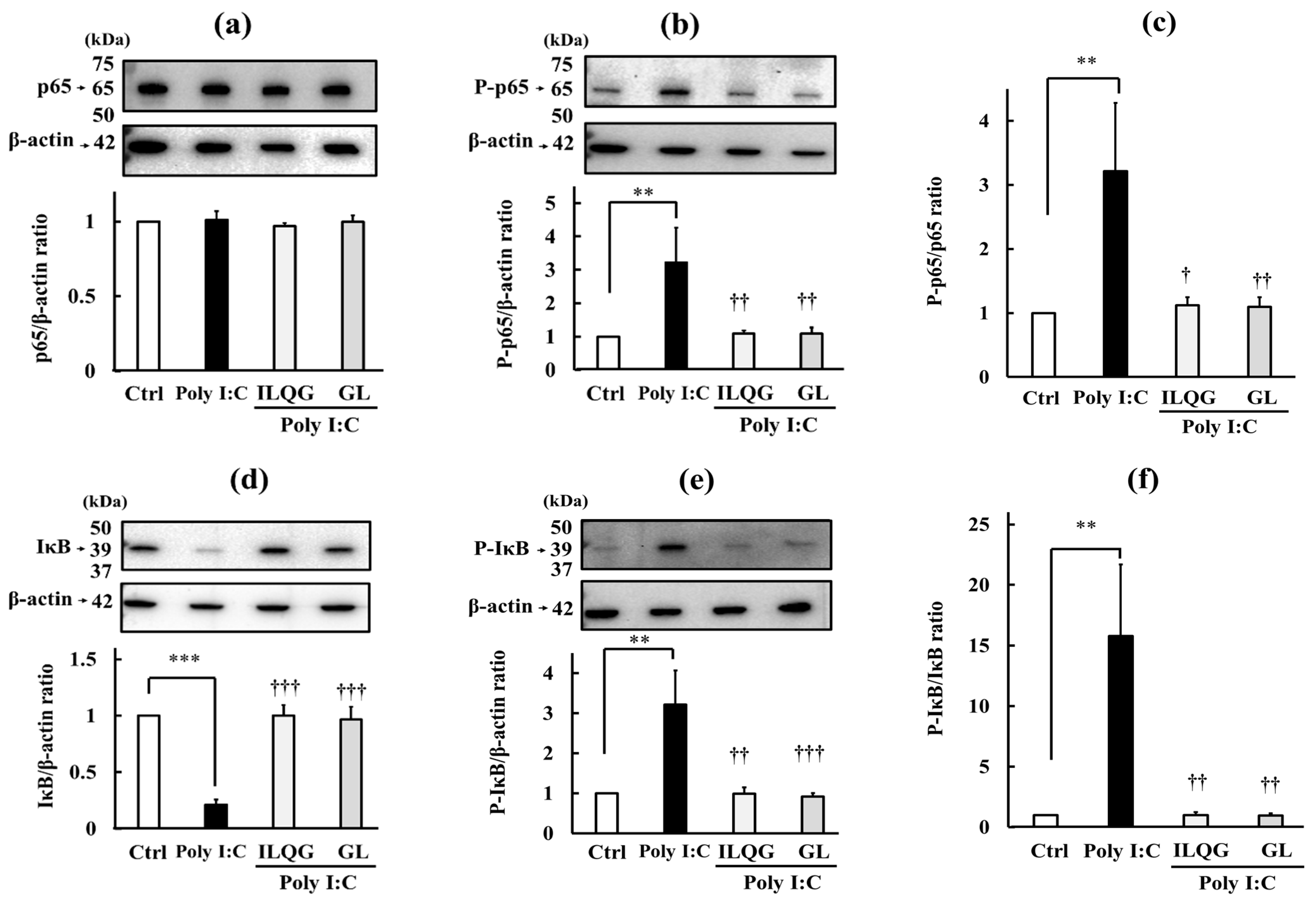
2.3.5. Effects of GL and ILQG on Poly I:C-Induced Inflammation, TJ Barrier Disruption, and NF-κB Signaling Activity
2.4. Assay Methods
2.4.1. Measurements of Cell Viability
2.4.2. Measurement of Inflammatory Markers
2.4.3. Measurement of TJ Barrier Markers
2.4.4. Measurement of NF-κBα Signaling Pathway Markers
2.5. Statistical Analysis
3. Results and Discussion
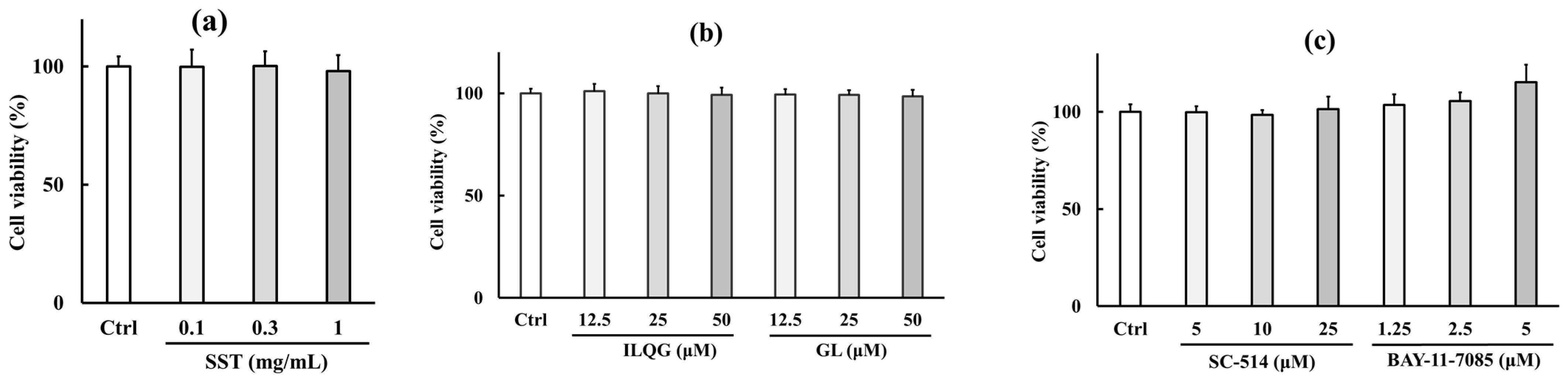
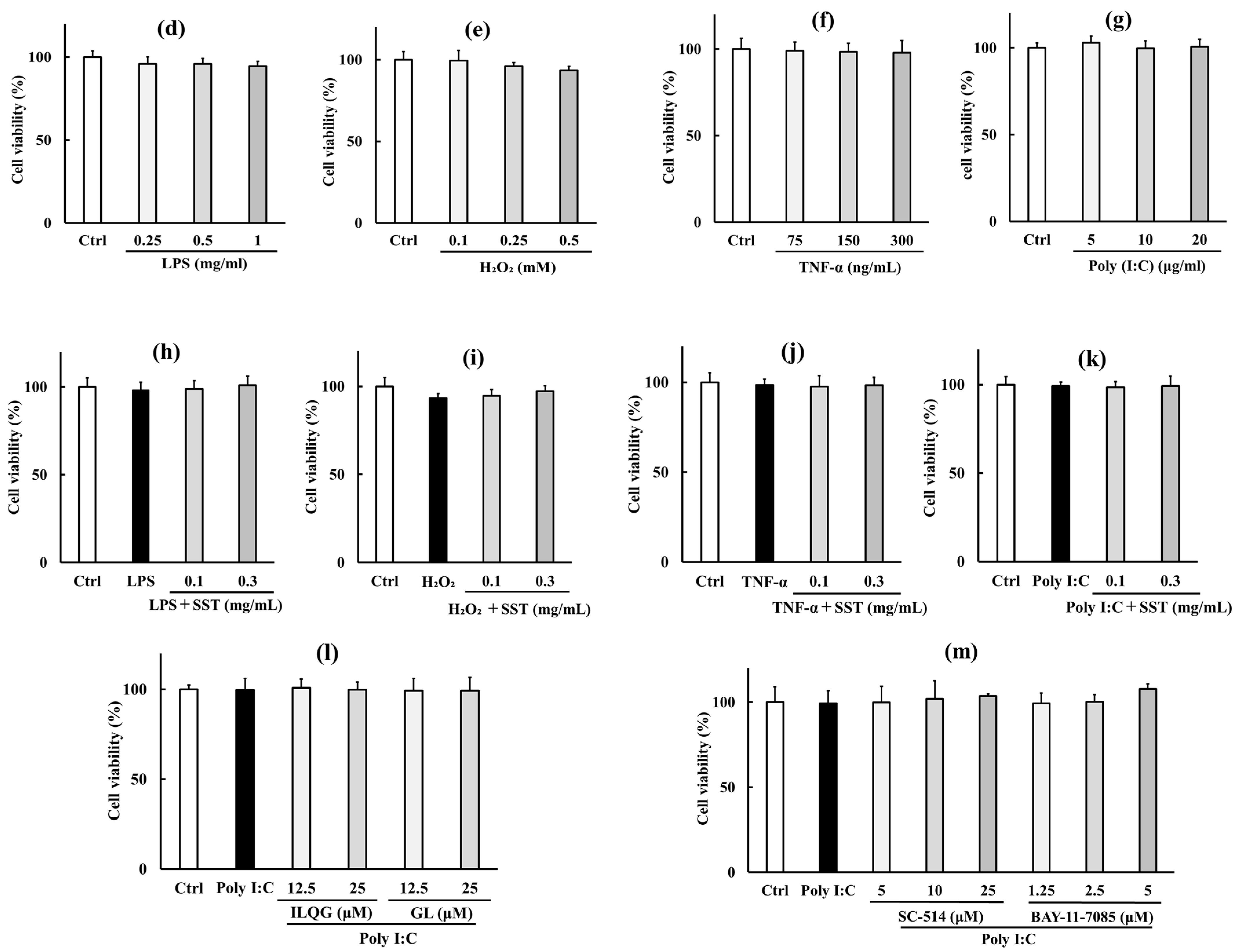
3.1. Cytotoxicity
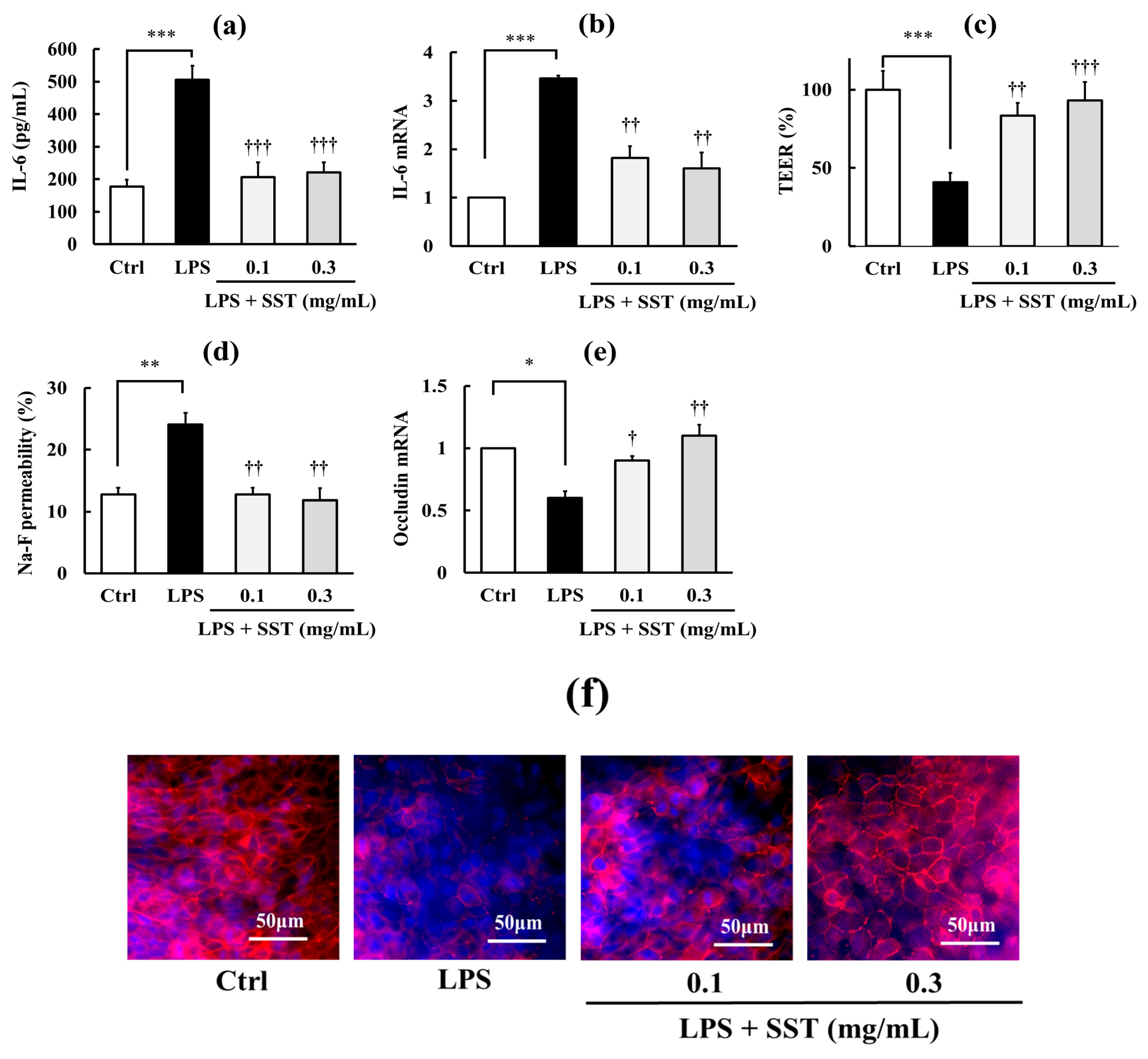
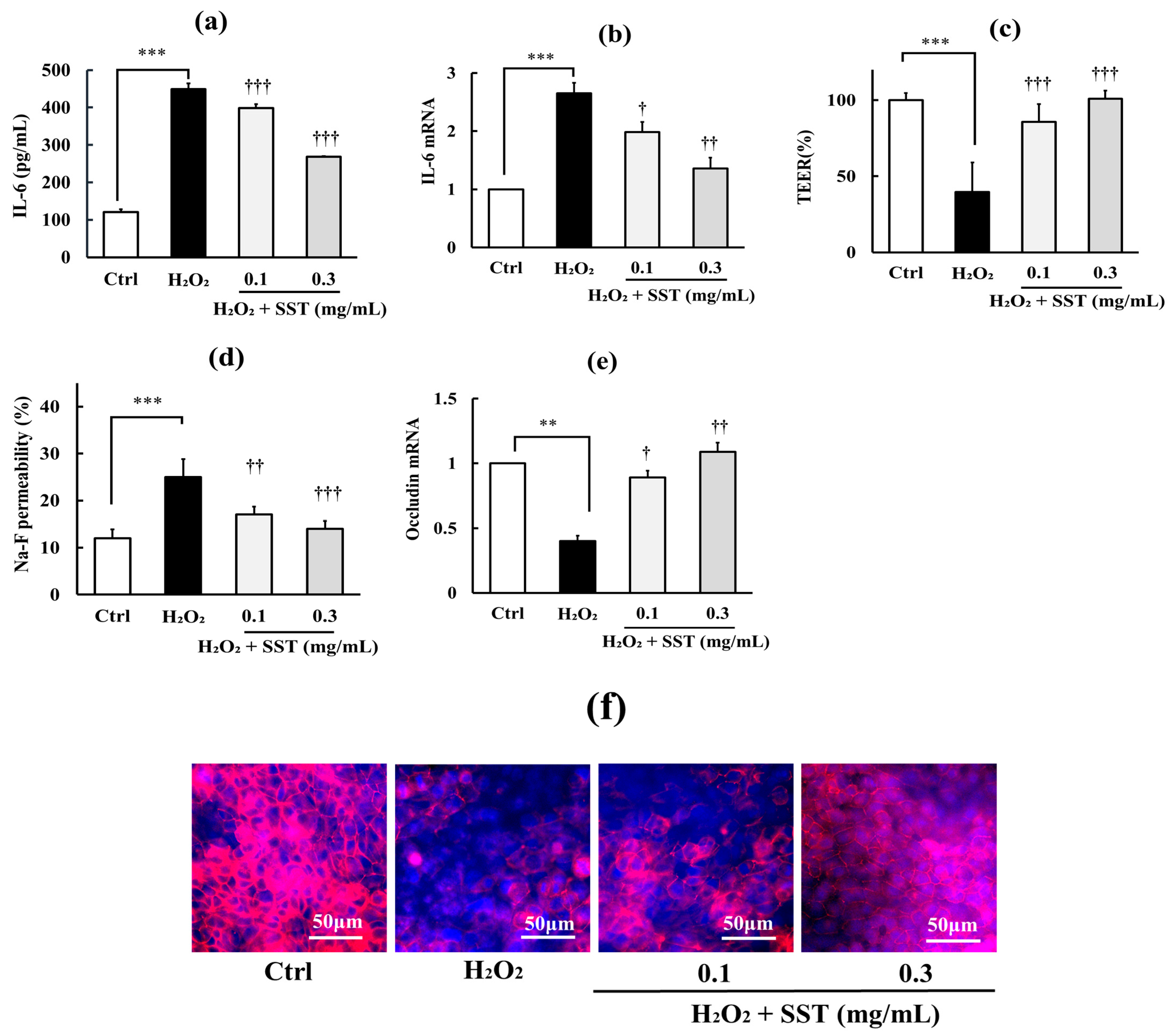
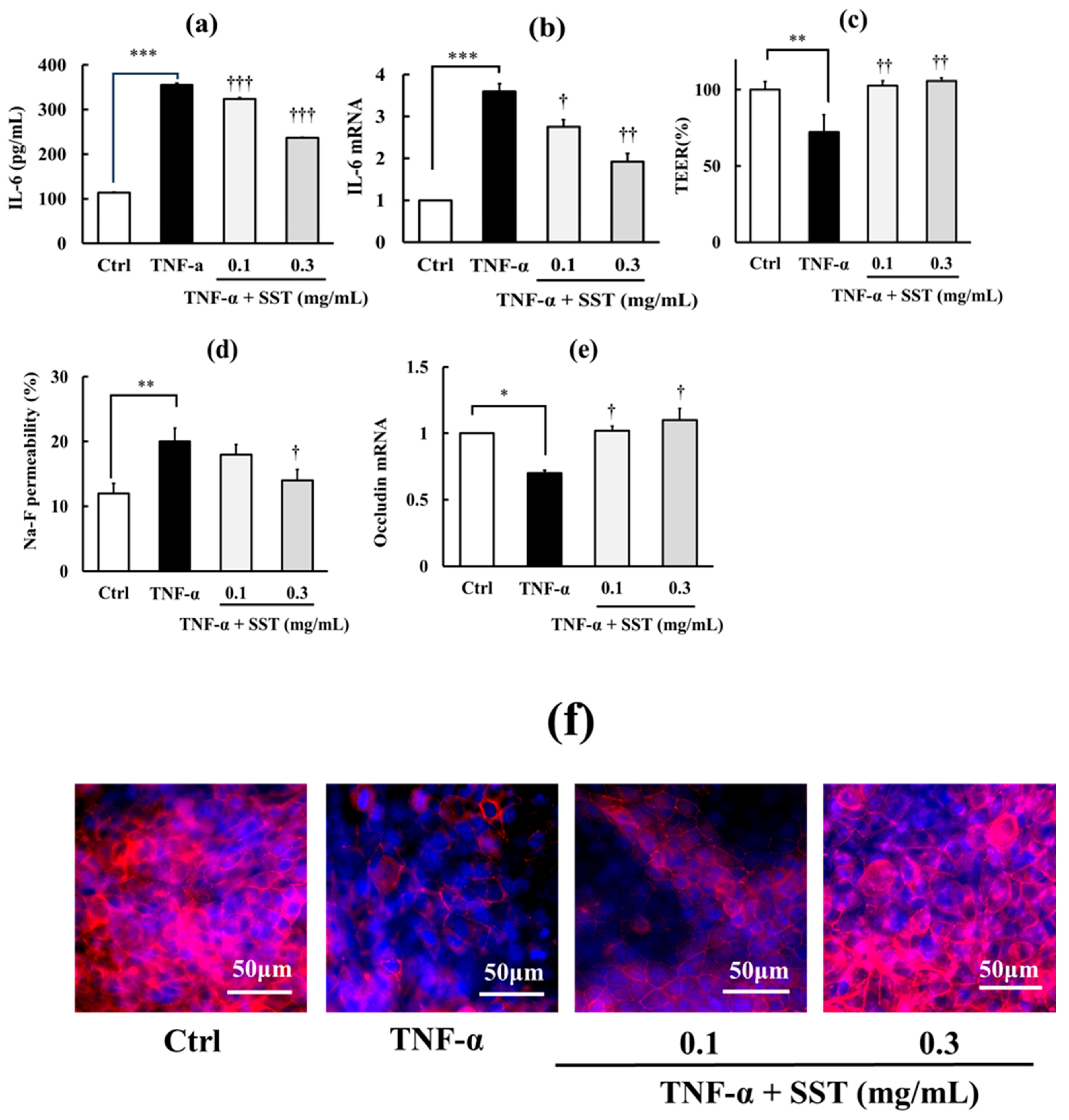
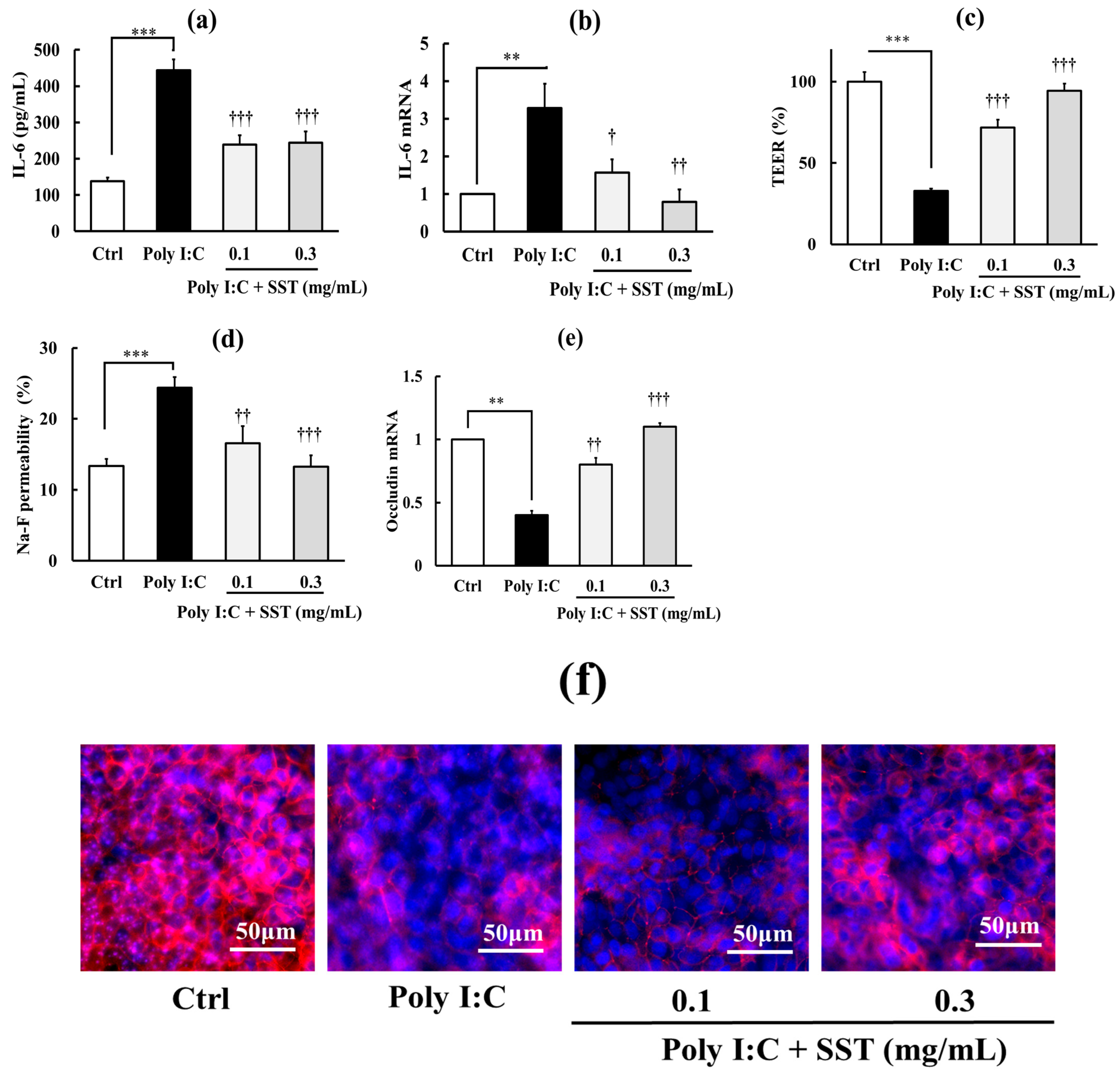
3.2. Protective Effects of SST on Inflammation and TJ Barrier Disruption
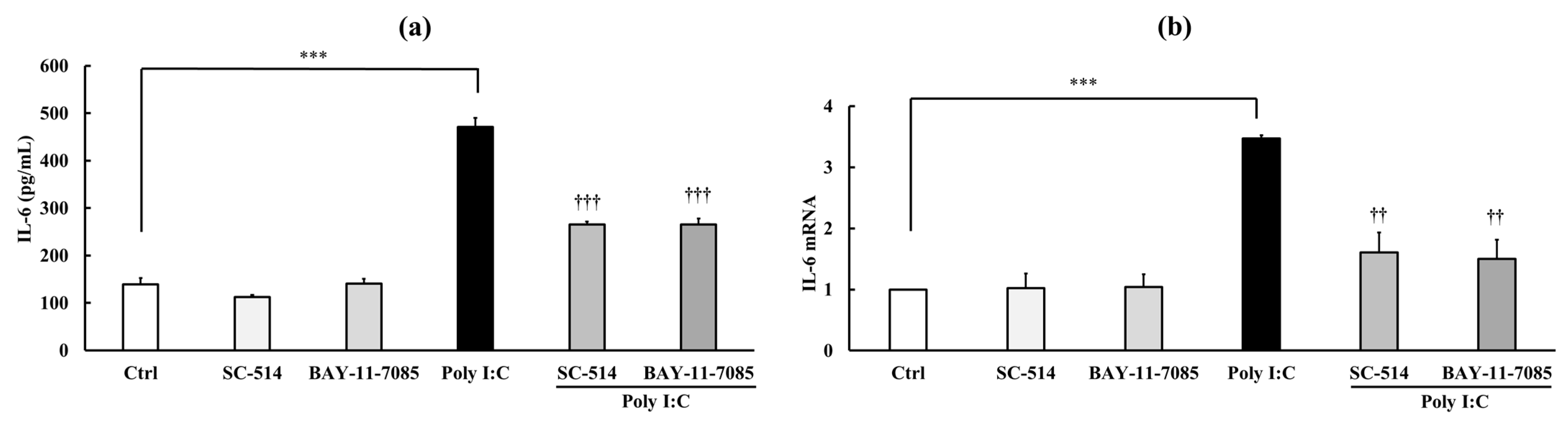
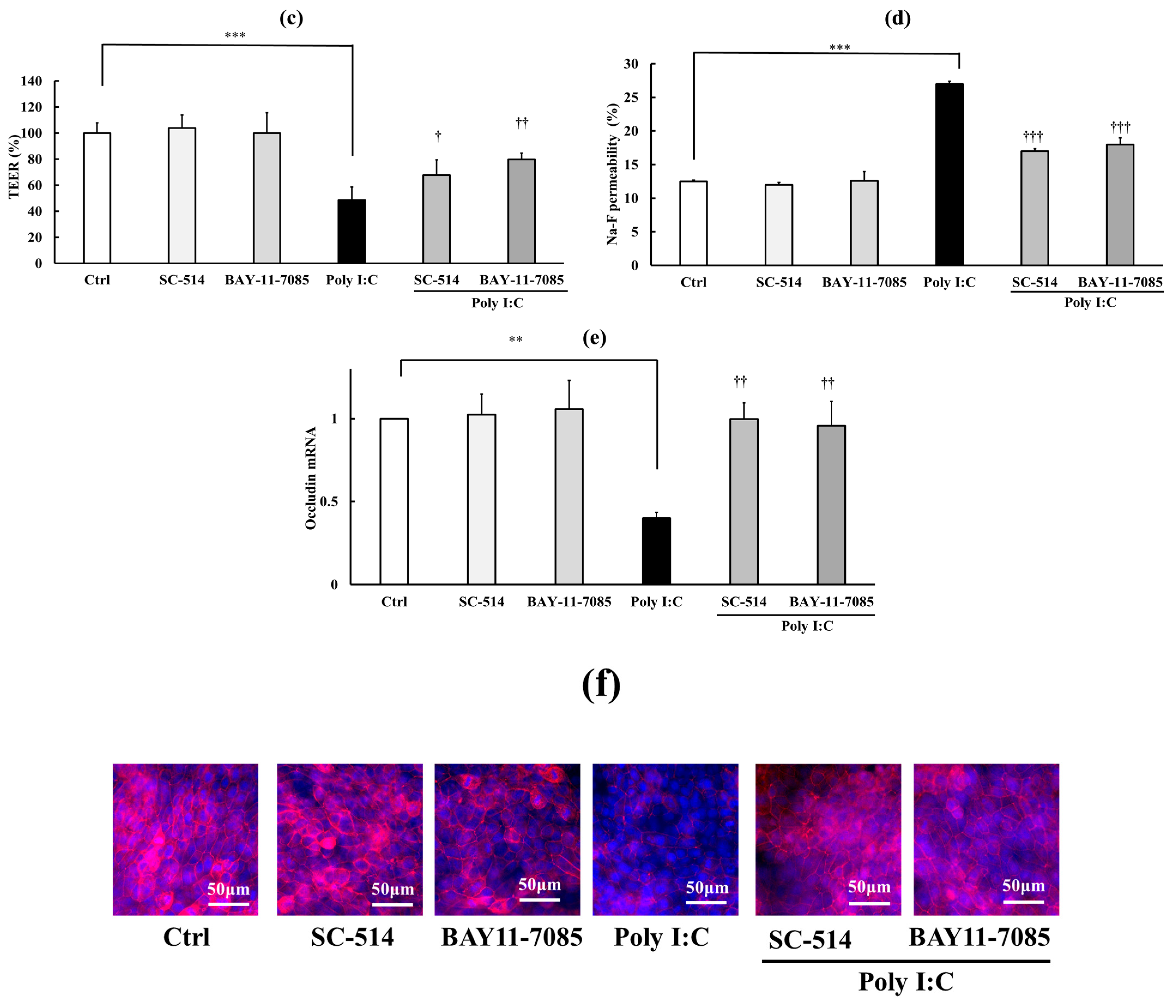
3.3. Involvement of the NF-κB Signaling Pathway in Inflammation and TJ Barrier Disruption
3.4. Inhibitory Effect of SST on the NF-κB Signaling Pathway
3.5. Active Components
3.6. Limitations of the Study
4. Conclusions
Supplementary Materials
Author Contributions
Funding
Institutional Review Board Statement
Informed Consent Statement
Data Availability Statement
Acknowledgments
Conflicts of Interest
Abbreviations
| 16HBE | Human bronchial epithelial |
| GL | Glycyrrhizin |
| IκB | Inhibitor of κB |
| IKK | IκB kinase |
| IL | Interleukin |
| ILQG | Isoliquiritigenin |
| LPS | Lipopolysaccharide |
| MAPK | Mitogen-activated protein kinase |
| AP-1 | Activator protein-1 |
| JAK | Janus kinase |
| STAT | Signal transducer and activator of transcription |
| Na–F | Sodium fluorescein |
| NF-κB | Nuclear factor kappa B |
| P-p65 | Phosphorylated p65 |
| P-IκB | Phosphorylated IκB |
| Poly I:C | Polyinosinic–polycytidylic acid |
| SD | Standard Deviation |
| SST | Shoseiryuto |
| TEER | Transepithelial electrical resistance |
| TNF-α | Tumor necrosis factor-α |
| TJ | Tight junction |
| XQLT | Xiao-Qing-Long-Tang |
References
- Kitano, M.; Fukuoka, S.; Adachi, N.; Hisamitsu, T.; Sunagawa, M. Shoseiryuto ameliorated TDI-induced allergic rhinitis by suppressing IL-33 release from nasal epithelial cells. Pharmaceutics 2022, 14, 2083. [Google Scholar] [CrossRef] [PubMed]
- Yan, Y.; Zhang, J.; Liu, H.; Lin, Z.; Luo, Q.; Li, Y.; Ruan, Y.; Zhou, S. Efficacy and safety of the Chinese herbal medicine Xiao-Qing-Long-Tang for allergic rhinitis: A systematic review and meta-analysis of randomized controlled trials. J. Ethnopharmacol. 2022, 297, 115169. [Google Scholar] [CrossRef]
- Kang, S.J.; Cho, H.B.; Jo, E.H.; Yang, G.J.; Hong, J.E.; Lee, J.H.; Shim, Y.H.; Mun, J.H.; Park, M.C. Efficacy and safety of So-Cheong-Ryong-Tang in patients with atopic dermatitis and respiratory disorders: Study protocol of a double-blind randomized placebo-controlled trial. Medicine 2020, 99, e18565. [Google Scholar] [CrossRef]
- Kim, M.H.; Hong, S.U.; Kim, H.T.; Seo, H.S.; Kim, K.; Ko, S.G.; Choi, I. A multicenter study on the efficacy and safety of So-Cheong-Ryong-Tang for perennial allergic rhinitis. Complement. Ther. Med. 2019, 45, 50–56. [Google Scholar] [CrossRef]
- Lu, J.; Hu, A.; Yamaguchi, T.; Tabuchi, M.; Ikarashi, Y.; Kobayashi, H. Shoseiryuto promotes the formation of tight-junction barrier in cultured human bronchial epithelial cells. Evid. Based Complement. Alternat. Med. 2023, 2023, 4694243. [Google Scholar] [CrossRef]
- Crystal, R.G.; Randell, S.H.; Engelhardt, J.F.; Voynow, J.; Sunday, M.E. Airway epithelial cells: Current concepts and challenges. Proc. Am. Thorac. Soc. 2008, 5, 772–777. [Google Scholar] [CrossRef]
- Zihni, C.; Mills, C.; Matter, K.; Balda, M.S. Tight junctions: From simple barriers to multifunctional molecular gates. Nat. Rev. Mol. Cell Biol. 2016, 17, 564–580. [Google Scholar] [CrossRef]
- Heijink, I.H.; Kuchibhotla, V.N.S.; Roffel, M.P.; Maes, T.; Knight, D.A.; Sayers, I.; Nawijn, M.C. Epithelial cell dysfunction, a major driver of asthma development. Allergy 2020, 75, 1902–1917. [Google Scholar] [CrossRef] [PubMed]
- Henriquez, O.A.; Den Beste, K.; Hoddeson, E.K.; Parkos, C.A.; Nusrat, A.; Wise, S.K. House dust mite allergen Der p 1 effects on sinonasal epithelial tight junctions. Int. Forum Allergy Rhinol. 2013, 3, 630–635. [Google Scholar] [CrossRef] [PubMed]
- Ai, M.; Lin, S.; Zhang, M.; Wu, T.; Yang, N.; Li, Y.; Li, L. Cirsilineol attenuates LPS-induced inflammation in both in vivo and in vitro models via inhibiting TLR-4/NF-κB/IKK signaling pathway. J. Biochem. Mol. Toxicol. 2021, 35, e22799. [Google Scholar] [CrossRef]
- Sahin, B.; Ergul, M. Captopril exhibits protective effects through anti-inflammatory and anti-apoptotic pathways against hydrogen peroxide-induced oxidative stress in C6 glioma cells. Metab. Brain Dis. 2022, 37, 1221–1230. [Google Scholar] [CrossRef]
- Guo, J.; Meng, X.; Zheng, Y.M.; Zhao, S.K.; Qiang, C.; Zhou, L.B. Cigarette smoke mediates nasal epithelial barrier dysfunction via TNF-α. Am. J. Rhinol. Allergy 2023, 37, 646–655. [Google Scholar] [CrossRef]
- Ai, P.; Pan, H.; Chen, K.; Zheng, J.; Gao, Z.; Jin, G. Viral mimetic poly(I:C) induces neutrophil extracellular traps via PAD4 to promote inflammation and thrombosis. Biochem. Biophys. Res. Commun. 2021, 565, 64–71. [Google Scholar] [CrossRef]
- Gupta, S.; Sundaram, C.; Reuter, S.; Aggarwal, B. Inhibiting NF-κB activation by small molecules as a therapeutic strategy. Biochim. Biophys. Acta 2011, 1799, 775–787. [Google Scholar] [CrossRef]
- Yu, M.; Levine, S.J. Toll-like receptor, RIG-I-like receptors and the NLRP3 inflammasome: Key modulators of innate immune responses to double-stranded RNA viruses. Cytokine Growth Factor Rev. 2011, 22, 63–72. [Google Scholar] [CrossRef]
- Guo, Q.; Jin, Y.; Chen, X.; Ye, X.; Shen, X.; Lin, M.; Zeng, C.; Zhou, T.; Zhang, J. NF-κB in biology and targeted therapy: New insights and translational implications. Signal Transduct. Target. Ther. 2024, 9, 53. [Google Scholar] [CrossRef] [PubMed]
- Mulero, M.C.; Wang, V.Y.; Huxford, T.; Ghosh, G. Genome reading by the NF-κB transcription factors. Nucleic Acids Res. 2019, 47, 9967–9989. [Google Scholar] [CrossRef]
- Zhang, Q.; Lenardo, M.J.; Baltimore, D. Thirty years of NFκB: A blossoming of relevance to human pathobiology. Cell 2017, 168, 37–57. [Google Scholar] [CrossRef] [PubMed]
- Yu, H.; Lin, L.; Zhang, Z.; Zhang, H.; Hu, H. Targeting NFκB pathway for the therapy of diseases: Mechanism and clinical study. Signal Transduct. Target. Ther. 2020, 5, 209. [Google Scholar] [CrossRef]
- Haque, M.; Kaminsky, L.; Abdulqadir, R.; Engers, J.; Kovtunov, E.; Rawat, M.; Al-Sadi, R.; Ma, T.Y. Lactobacillus acidophilus inhibits the TNF-α-induced increase in intestinal epithelial tight junction permeability via a TLR-2 and PI3K-dependent inhibition of NF-κB activation. Front. Immunol. 2024, 15, 1348010. [Google Scholar] [CrossRef] [PubMed]
- Wu, Y.; Zhang, X.; Liu, X.; Zhao, Z.; Tao, S.; Xu, Q.; Zhao, J.; Dai, Z.; Zhang, G.; Han, D.; et al. Galactooligosaccharides and Limosilactobacillus reuteri synergistically alleviate gut inflammation and barrier dysfunction by enriching Bacteroides acidifaciens for pentadecanoic acid biosynthesis. Nat. Commun. 2024, 15, 9291. [Google Scholar] [CrossRef]
- Sadakane, C.; Watanabe, J.; Fukutake, M.; Nisimura, H.; Maemura, K.; Kase, Y.; Kono, T. Pharmacokinetic profiles of active components after oral administration of a Kampo medicine, Shakuyakukanzoto, to healthy adult Japanese volunteers. J. Pharm. Sci. 2015, 104, 3952–3959. [Google Scholar] [CrossRef]
- Menzel, M.; Ramu, S.; Calvén, J.; Olejnicka, B.; Sverrild, A.; Porsbjerg, C.; Tufvesson, E.; Bjermer, L.; Akbarshahi, H.; Uller, L. Oxidative Stress Attenuates TLR3 Responsiveness and Impairs Anti-viral Mechanisms in Bronchial Epithelial Cells From COPD and Asthma Patients. Front. Immunol. 2019, 10, 2765. [Google Scholar] [CrossRef] [PubMed]
- Sakurai, M.; Hu, A.; Yamaguchi, T.; Tabuchi, M.; Ikarashi, Y.; Naraoka, Y.; Kobayashi, H. The bioactive flavonoid taxifolin inhibits differentiation and the production of the inflammatory cytokine interleukin-6 in cultured human adipocytes. Adv. Pharmacol. Clin. Trials 2022, 7, 000195. [Google Scholar] [CrossRef]
- Liu, B.; Li, C.; Zhang, H.; Jin, Y.; Lu, Q. IKKβ regulates the expression of coagulation and fibrinolysis factors through the NF-κB canonical pathway in LPS-stimulated alveolar epithelial type II cells. Exp. Ther. Med. 2019, 18, 2155–2164. [Google Scholar] [CrossRef]
- Ciesielska, A.; Matyjek, M.; Kwiatkowska, K. TLR4 and CD14 trafficking and its influence on LPS-induced pro-inflammatory signaling. Cell Mol. Life Sci. 2021, 78, 1233–1261. [Google Scholar] [CrossRef] [PubMed]
- Jiang, F.; Xu, X.R.; Li, W.M.; Xia, K.; Wang, L.F.; Yang, X.C. Monotropein alleviates H2O2-induced inflammation, oxidative stress and apoptosis via NF-κB/AP-1 signaling. Mol. Med. Rep. 2020, 22, 4828–4836. [Google Scholar] [CrossRef]
- Zhao, Y.; Shao, C.; Zhou, H.; Yu, L.; Bao, Y.; Mao, Q.; Yang, J.; Wan, H. Salvianolic acid B inhibits atherosclerosis and TNF-α-induced inflammation by regulating NFκB/NLRP3 signaling pathway. Phytomedicine 2023, 119, 155002. [Google Scholar] [CrossRef]
- Okuma, N.; Ito, M.A.; Shimizu, T.; Hasegawa, A.; Ohmori, S.; Yoshida, K.; Matsuoka, I. Amplification of poly (I:C)-induced interleukin-6 production in human bronchial epithelial cells by priming with interferon-gamma. Sci. Rep. 2023, 13, 21067. [Google Scholar] [CrossRef]
- Tripp, R.A.; Jones, L.P.; Martin, D.E. Intersection of inflammation and viral replication: The central role of MAPK signaling in viral respiratory infections. Front. Microbiol. 2026, 16, 1735254. [Google Scholar] [CrossRef] [PubMed]
- Sarapultsev, A.; Gusev, E.; Komelkova, M.; Utepova, I.; Luo, S.; Hu, D. JAK-STAT signaling in inflammation and stress-related diseases: Implications for therapeutic interventions. Mol. Biomed. 2023, 4, 40. [Google Scholar] [CrossRef]
- Kishore, N.; Sommers, C.; Mathialagan, S.; Guzova, J.; Yao, M.; Hauser, S.; Huynh, K.; Bonar, S.; Mielke, C.; Albee, L.; et al. A selective IKK-2 inhibitor blocks NFκB-dependent gene expression in interleukin-1β-stimulated synovial fibroblasts. J. Biol. Chem. 2003, 278, 32861–32871. [Google Scholar] [CrossRef]
- Nasu, K.; Tsuno, A.; Kawano, Y.; Yuge, A.; Tsukamoto, Y.; Narahara, H. Application of the nuclear factor-κB inhibitor BAY 11-7085 for modulation of hormonal effects in endometriotic stromal cells. Am. J. Physiol. Endocrinol. Metab. 2007, 293, E16–E23. [Google Scholar] [CrossRef]
- Giridharan, S.; Srinivasan, M. Mechanisms of NF-κB p65 and strategies for therapeutic manipulation. J. Inflamm. Res. 2018, 11, 407–419. [Google Scholar] [CrossRef]
- Hinz, M.; Scheidereit, C. The IκB kinase complex in NF-κB regulation and beyond. EMBO Rep. 2014, 15, 46–61. [Google Scholar] [CrossRef] [PubMed]
- Zhou, J.X.; Wink, M. Evidence for anti-inflammatory activity of isoliquiritigenin, 18β-glycyrrhetinic acid, ursolic acid, and the traditional Chinese medicine plants Glycyrrhiza glabra and Eriobotrya japonica, at the molecular level. Medicines 2019, 6, 55. [Google Scholar] [CrossRef] [PubMed]
- Sharifi-Rad, J.; Quispe, C.; Herrera-Bravo, J.; Belén, L.H.; Kaur, R.; Kregiel, D.; Uprety, Y.; Beyatli, A.; Yeskaliyeva, B.; Kırkın, C.; et al. Glycyrrhiza genus: Enlightening phytochemical components for pharmacological and health-promoting abilities. Oxid. Med. Cell Longev. 2021, 2021, 7571132. [Google Scholar] [CrossRef] [PubMed]
- Yang, R.; Yuan, B.C.; Ma, Y.S.; Zhou, S.; Liu, Y. The anti-inflammatory activity of licorice, a widely used Chinese herb. Pharm. Biol. 2017, 55, 5–18. [Google Scholar] [CrossRef]
- Kitagawa, H.; Munekage, M.; Ichikawa, K.; Fukudome, I.; Munekage, E.; Takezaki, Y.; Matsumoto, T.; Igarashi, Y.; Hanyu, H.; Hanazaki, K. Pharmacokinetics of active components of yokukansan, a traditional japanese herbal medicine after a single oral administration to healthy japanese volunteers: A cross-over, randomized study. PLoS ONE 2015, 10, e0131165. [Google Scholar] [CrossRef]
- Zhao, Y.; Jia, R.; Qiao, Y.; Wang, D. Glycyrrhizic acid, an active component from Glycyrrhizae radix, prevents toxicity of graphene oxide by influencing functions of microRNAs in nematode Caenorhabditis elegans. Nanomedicine 2016, 12, 735–744. [Google Scholar] [CrossRef]
- Kawakami, Z.; Ikarashi, Y.; Kase, Y. Isoliquiritigenin is a novel NMDA receptor antagonist in Kampo medicine yokukansan. Cell Mol. Neurobiol. 2011, 31, 1203–1212. [Google Scholar] [CrossRef]
- Behl, T.; Rana, T.; Alotaibi, G.H.; Shamsuzzaman, M.; Naqvi, M.; Sehgal, A.; Singh, S.; Sharma, N.; Almoshari, Y.; Abdellatif, A.A.H.; et al. Polyphenols inhibiting MAPK signalling pathway mediated oxidative stress and inflammation in depression. Biomed. Pharmacother. 2022, 146, 112545. [Google Scholar] [CrossRef]
- Hoesel, B.; Schmid, J.A. The complexity of NFκB signaling in inflammation and cancer. Mol. Cancer 2013, 12, 86. [Google Scholar] [CrossRef] [PubMed]
- Chen, Z.; Zhou, Y.; Tan, Y.; He, S.D.; Ji, X.; Xiao, B.; Chen, H. Network pharmacology analysis and experimental validation of Xiao-Qing-Long-Tang’s therapeutic effects against neutrophilic asthma. J. Pharm. Biomed. Anal. 2024, 243, 116063. [Google Scholar] [CrossRef]
- Zheng, Q.; Mu, X.; Pan, S.; Luan, R.; Zhao, P. Ephedrae herba: A comprehensive review of its traditional uses, phytochemistry, pharmacology, and toxicology. J. Ethnopharmacol. 2023, 307, 116153. [Google Scholar] [CrossRef] [PubMed]
- Zhang, S.; DiMango, E.; Zhu, Y.; Saroya, T.K.; Emala, C.W.; Sang, S. Pharmacokinetics of gingerols, shogaols, and their metabolites in asthma patients. J. Agric. Food Chem. 2022, 70, 9674–9683. [Google Scholar] [CrossRef]
- Ji, B.; Zhao, Y.; Zhang, Q.; Wang, P.; Guan, J.; Rong, R.; Yu, Z. Simultaneous determination of cinnamaldehyde, cinnamic acid, and 2-methoxy cinnamic acid in rat whole blood after oral administration of volatile oil of Cinnamoni Ramulus by UHPLC-MS/MS: An application for a pharmacokinetic study. J. Chromatogr. B Anal. Technol. Biomed. Life Sci. 2015, 1001, 107–113. [Google Scholar] [CrossRef]
- Ehambarampillai, D.; Wan, M.L.Y. A comprehensive review of Schisandra chinensis lignans: Pharmacokinetics, pharmacological mechanisms, and future prospects in disease prevention and treatment. Chin. Med. 2025, 20, 47. [Google Scholar] [CrossRef] [PubMed]
- Xu, T.; Wu, Z.; Yuan, Q.; Zhang, X.; Liu, Y.; Wu, C.; Song, M.; Wu, J.; Jiang, J.; Wang, Z.; et al. Proline is increased in allergic asthma and promotes airway remodeling. JCI Insight 2023, 8, e167395. [Google Scholar] [CrossRef]
- Ikarashi, Y.; Mizoguchi, K. Neuropharmacological efficacy of the traditional Japanese Kampo medicine yokukansan and its active ingredients. Pharmacol. Ther. 2016, 166, 84–95. [Google Scholar] [CrossRef] [PubMed]
- Park, D.; Kwak, D.W.; Kim, J.H. Leukotriene B4 receptors contribute to house dust mite-induced eosinophilic airway inflammation via TH2 cytokine production. BMB Rep. 2021, 54, 182–187. [Google Scholar] [CrossRef] [PubMed]
- Kao, S.T.; Wang, S.D.; Wang, J.Y.; Yu, C.K.; Lei, H.Y. The effect of Chinese herbal medicine, Xiao-Qing-Long-Tang (XQLT), on allergen-induced bronchial inflammation in mite-sensitized mice. Allergy 2000, 55, 1127–1133. [Google Scholar] [CrossRef] [PubMed]
- Wang, S.D.; Lin, L.J.; Chen, C.L.; Lee, S.C.; Lin, C.C.; Wang, J.Y.; Kao, S.T. Xiao-Qing-Long-Tang attenuates allergic airway inflammation and remodeling in repetitive Dermatophagoides pteronyssinus-challenged chronic asthmatic mice model. J. Ethnopharmacol. 2012, 142, 531–538. [Google Scholar] [CrossRef] [PubMed]
- Zhou, X.; Zhao, X.; Dong, H.; Gao, Y. Chrysene contribution to bronchial asthma: Activation of TRPA1 disrupts bronchial epithelial barrier via ERK pathway. Ecotoxicol. Environ. Saf. 2024, 286, 117095. [Google Scholar] [CrossRef] [PubMed]
- Gong, J.Y.; Ren, H.; Chen, H.Q.; Xing, K.; Xiao, C.L.; Luo, J.Q. Magnesium isoglycyrrhizinate attenuates anti-tuberculosis drug-induced liver injury by enhancing intestinal barrier function and inhibiting the LPS/TLRs/NF-κB signaling pathway in mice. Pharmaceuticals 2022, 15, 1130. [Google Scholar] [CrossRef]


Disclaimer/Publisher’s Note: The statements, opinions and data contained in all publications are solely those of the individual author(s) and contributor(s) and not of MDPI and/or the editor(s). MDPI and/or the editor(s) disclaim responsibility for any injury to people or property resulting from any ideas, methods, instructions or products referred to in the content. |
© 2026 by the authors. Licensee MDPI, Basel, Switzerland. This article is an open access article distributed under the terms and conditions of the Creative Commons Attribution (CC BY) license.
Share and Cite
Lu, J.; Hu, A.; Lin, Y.; Luo, Y.; Yuan, W.; Yamaguchi, T.; Kawakami, Z.; Ikarashi, Y.; Abe, M.; Orita, H.; et al. Shoseiryuto May Prevent Bronchial Epithelial Tight Junction Disruption by Inhibiting the Inflammatory NF-κB Signaling Pathway. Biology 2026, 15, 603. https://doi.org/10.3390/biology15080603
Lu J, Hu A, Lin Y, Luo Y, Yuan W, Yamaguchi T, Kawakami Z, Ikarashi Y, Abe M, Orita H, et al. Shoseiryuto May Prevent Bronchial Epithelial Tight Junction Disruption by Inhibiting the Inflammatory NF-κB Signaling Pathway. Biology. 2026; 15(8):603. https://doi.org/10.3390/biology15080603
Chicago/Turabian StyleLu, Jingya, Ailing Hu, Yunhai Lin, Yi Luo, Wenshu Yuan, Takuji Yamaguchi, Zenji Kawakami, Yasushi Ikarashi, Masaaki Abe, Hajime Orita, and et al. 2026. "Shoseiryuto May Prevent Bronchial Epithelial Tight Junction Disruption by Inhibiting the Inflammatory NF-κB Signaling Pathway" Biology 15, no. 8: 603. https://doi.org/10.3390/biology15080603
APA StyleLu, J., Hu, A., Lin, Y., Luo, Y., Yuan, W., Yamaguchi, T., Kawakami, Z., Ikarashi, Y., Abe, M., Orita, H., & Kobayashi, H. (2026). Shoseiryuto May Prevent Bronchial Epithelial Tight Junction Disruption by Inhibiting the Inflammatory NF-κB Signaling Pathway. Biology, 15(8), 603. https://doi.org/10.3390/biology15080603