
Extracellular Vesicles: Diagnostic and Therapeutic Applications in Cancer


1
Department of Biomedicine, Neurosciences and Advanced Diagnostics, University of Palermo, 90133 Palermo, Italy
2
Institute of Translational Pharmacology (IFT), National Research Council (CNR), 90146 Palermo, Italy
*
Author to whom correspondence should be addressed.
Biology 2024, 13(9), 716; https://doi.org/10.3390/biology13090716
Submission received: 30 July 2024
/
Revised: 9 September 2024
/
Accepted: 9 September 2024
/
Published: 12 September 2024
(This article belongs to the Special Issue Role of Extracellular Vesicles in Cancer Development, Metastasis and Treatment)
Simple Summary
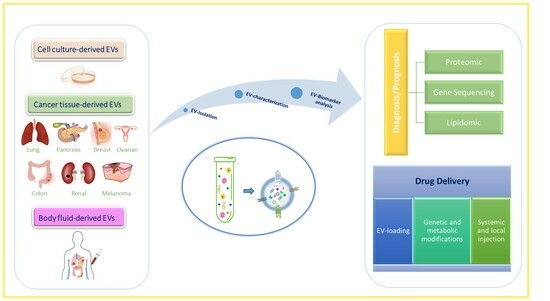
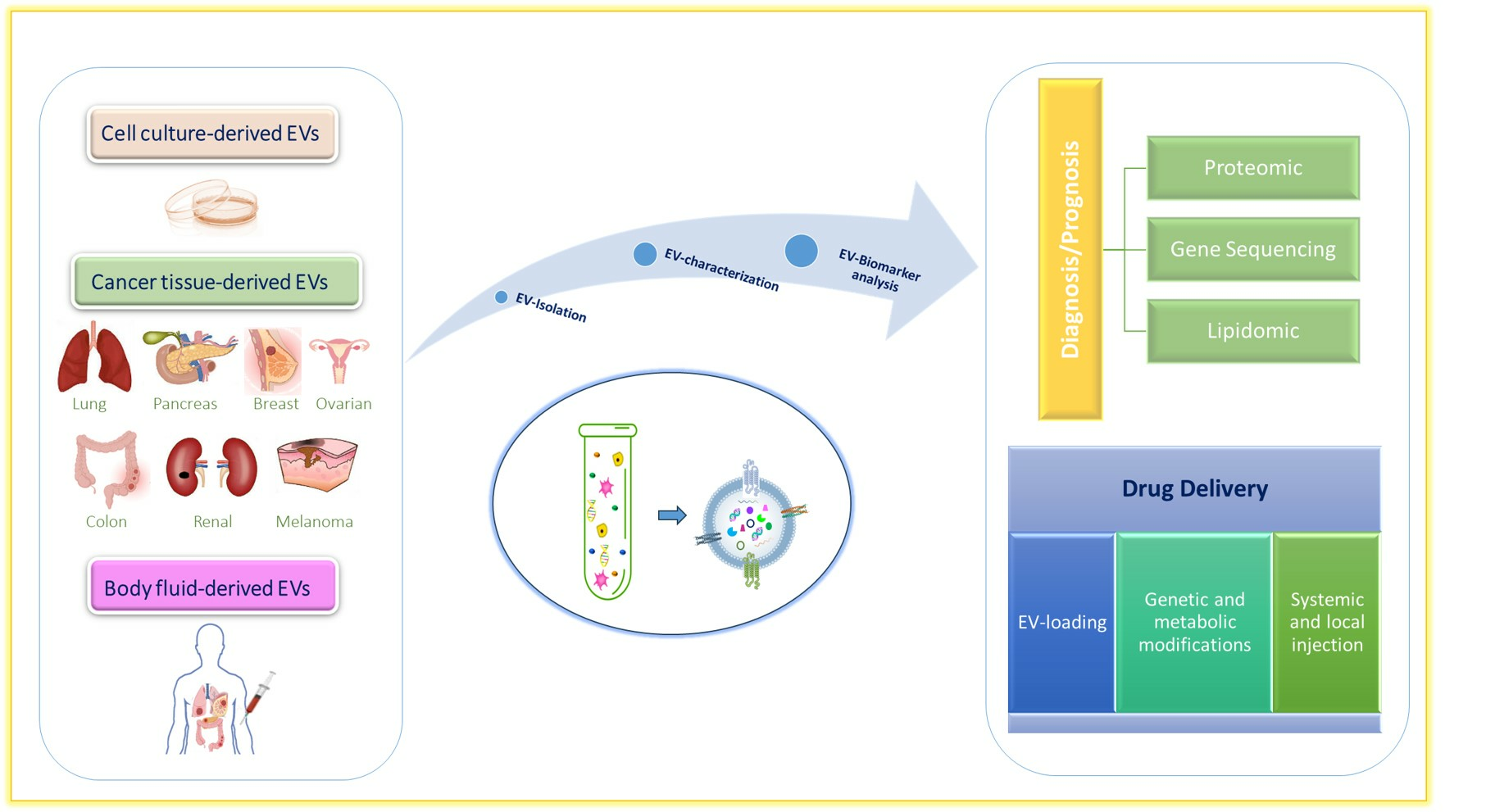
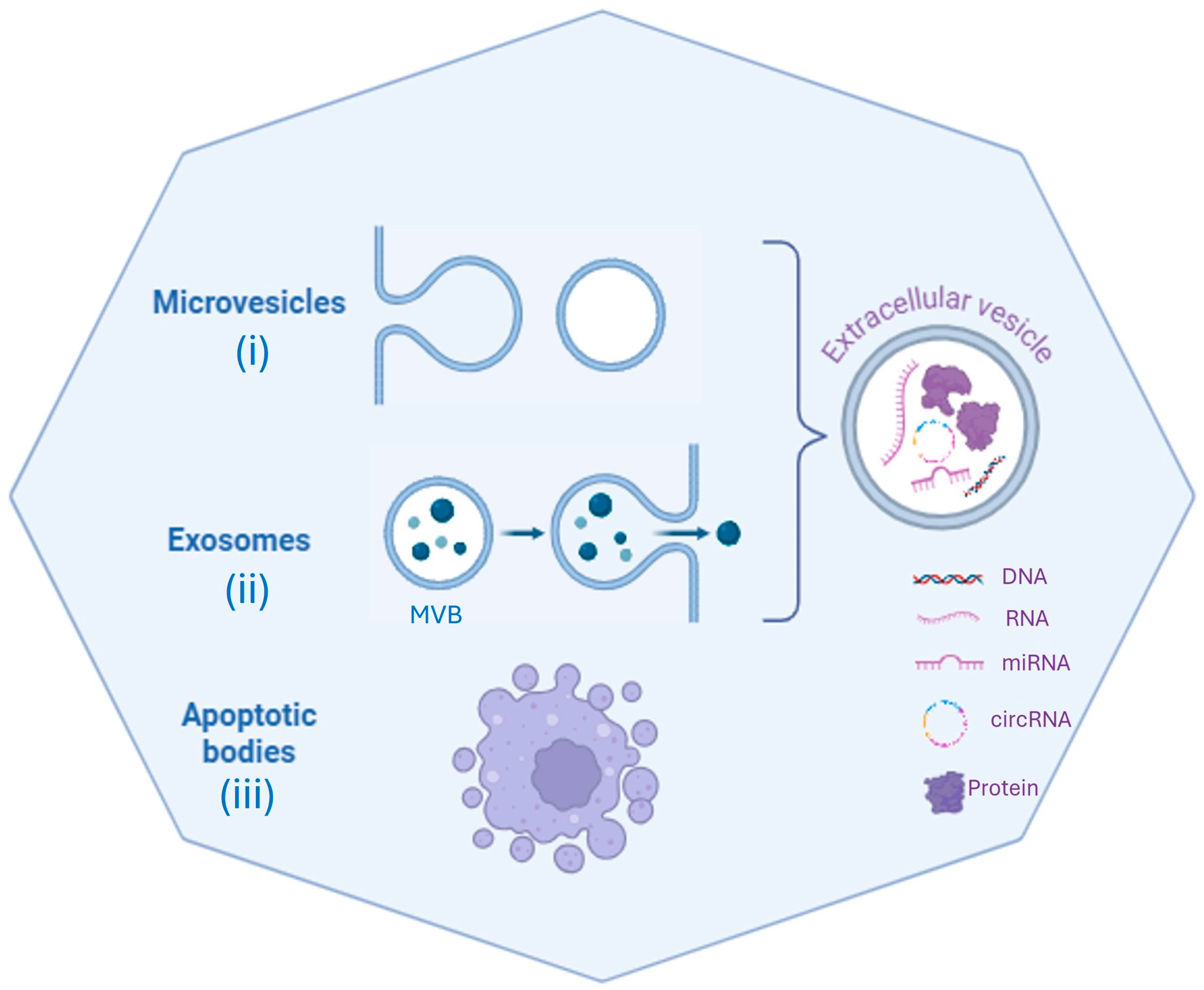
Extracellular vesicles represent a heterogeneous family of lipid bilayer-enclosed particles naturally released by all cytotypes into the extracellular space. They can act as mediators of cell–cell communication. Recently, the applications of extracellular vesicles (EVs) have been of great interest in translational cancer research. The advances in next-generation omics technologies allow us to discover EVs’ selective cargo packaging and as EV roles in horizontal transport, non-invasive biomarkers, and as new therapeutic options. Herein, discussing recent studies, information on extracellular vesicle (EV) biogenesis, morphological characteristics, isolation, and current detection methods is summarized.
Abstract
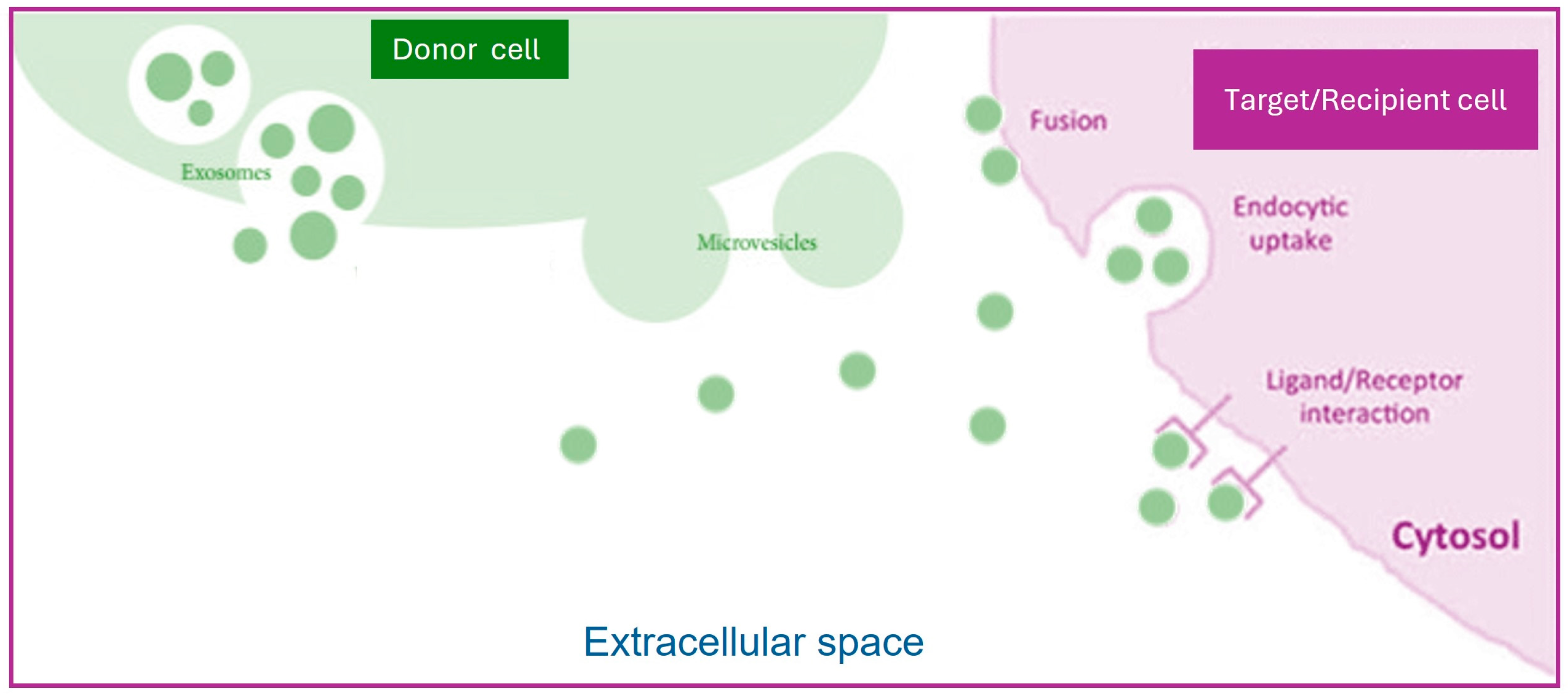
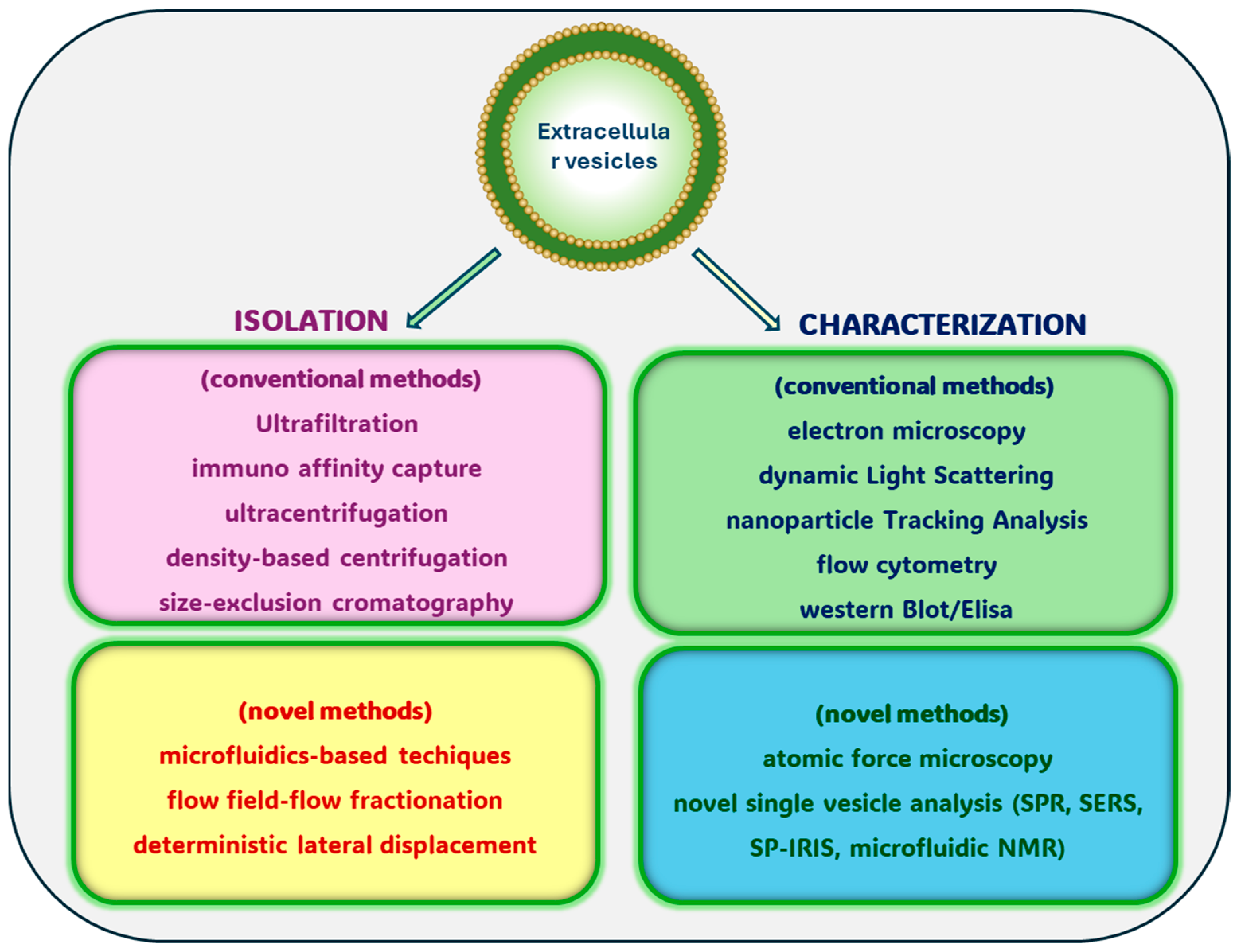
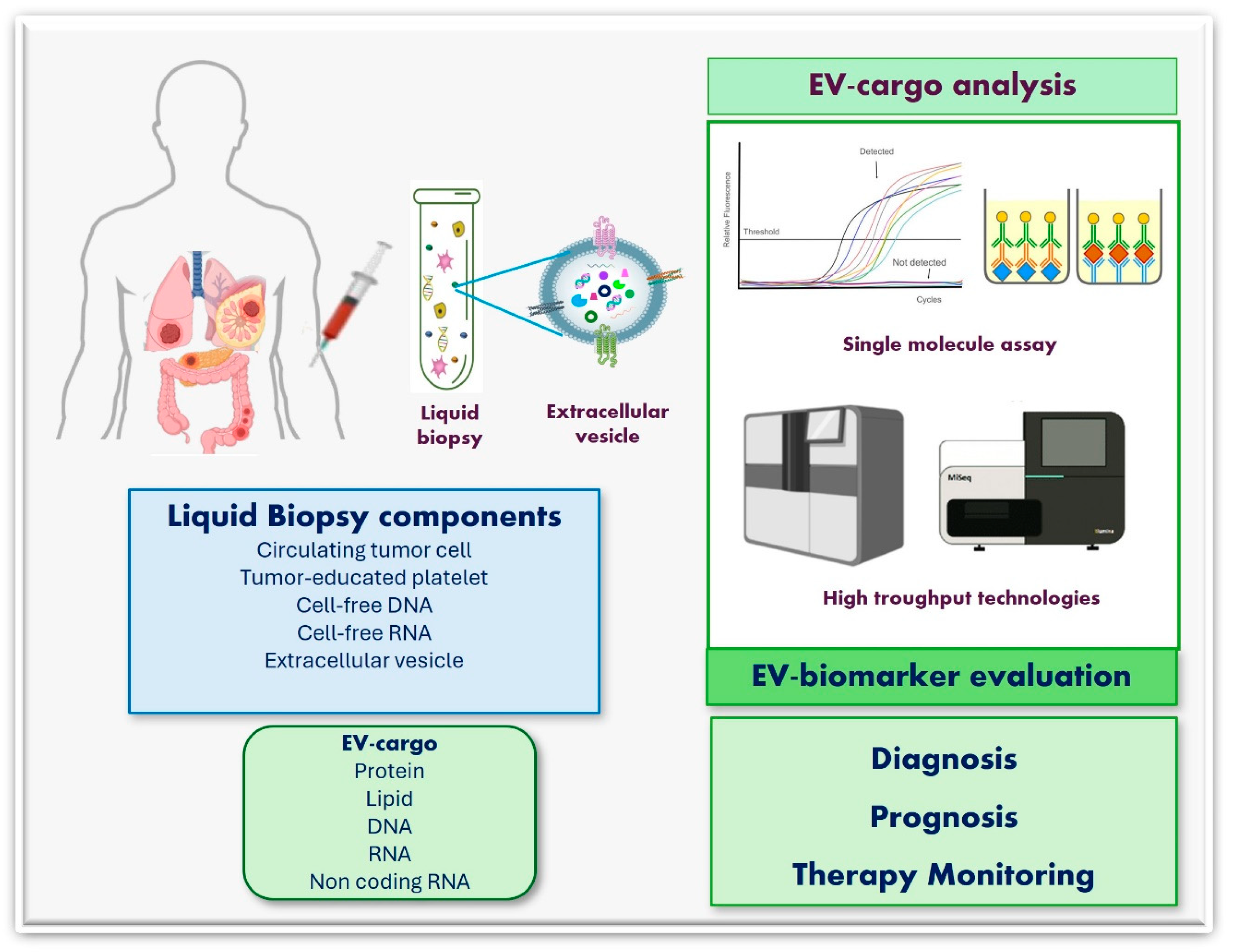
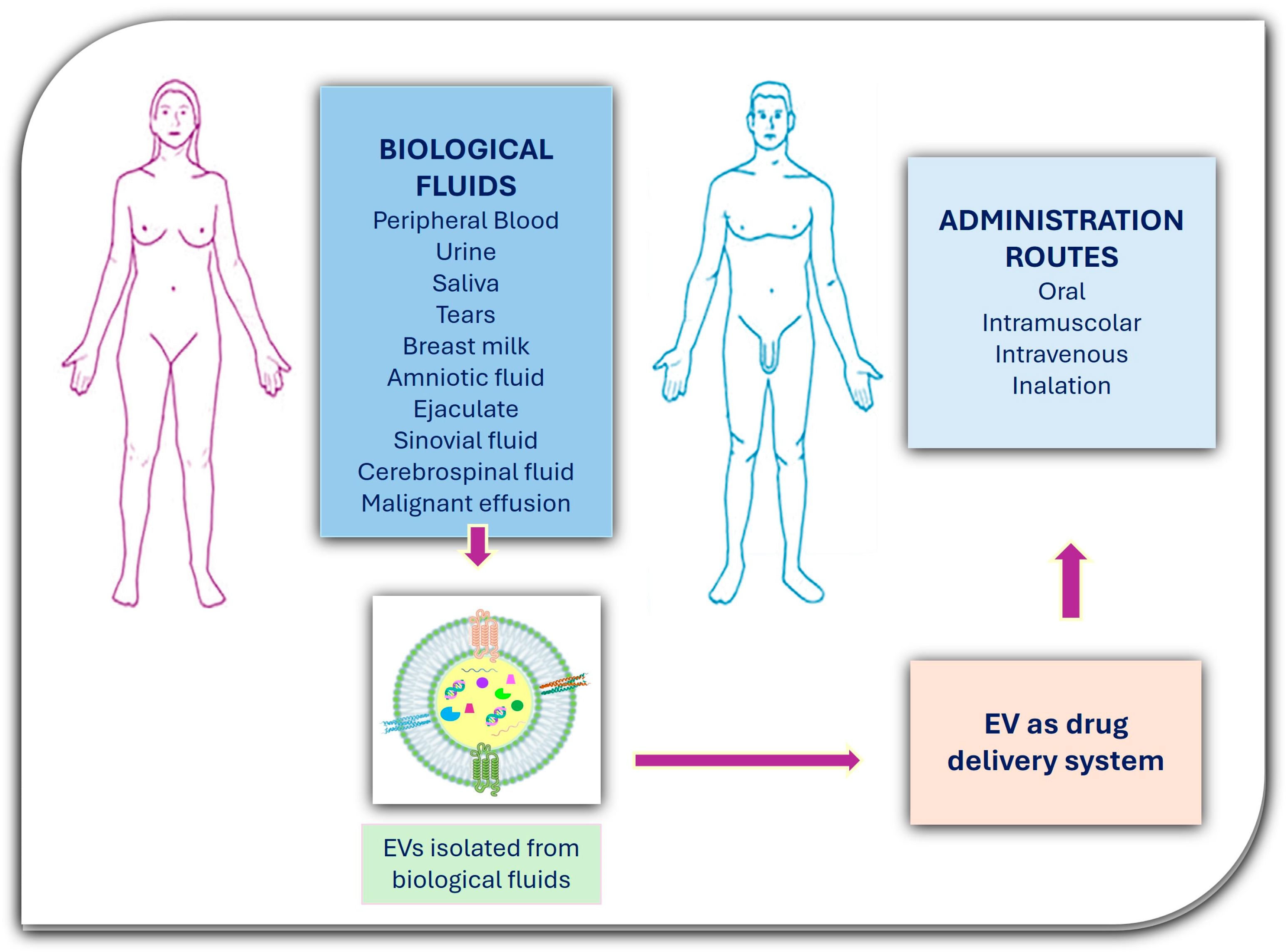
In recent years, knowledge of cell-released extracellular vesicle (EV) functions has undergone rapid growth. EVs are membrane vesicles loaded with proteins, nucleic acids, lipids, and bioactive molecules. Once released into the extracellular space, EVs are delivered to target cells that may go through modifications in physiological or pathological conditions. EVs are nano shuttles with a crucial role in promoting short- and long-distance cell–cell communication. Comprehension of the mechanism that regulates this process is a benefit for both medicine and basic science. Currently, EVs attract immense interest in precision and nanomedicine for their potential use in diagnosis, prognosis, and therapies. This review reports the latest advances in EV studies, focusing on the nature and features of EVs and on conventional and emerging methodologies used for their separation, characterization, and visualization. By searching an extended portion of the relevant literature, this work aims to give a summary of advances in nanomedical applications of EVs. Moreover, concerns that require further studies before translation to clinical applications are discussed.
Keywords:
extracellular vesicles; cancer; biomarkers; diagnosis; therapeutic applications