
Expression Analysis of FGF/FGFR and FOX Family Proteins in Mucosal Tissue Obtained from Orofacial Cleft-Affected Children



Department of Morphology, Institute of Anatomy and Anthropology, Riga Stradinš University, LV-1007 Riga, Latvia
*
Author to whom correspondence should be addressed.
Biology 2021, 10(5), 423; https://doi.org/10.3390/biology10050423
Submission received: 13 April 2021
/
Revised: 4 May 2021
/
Accepted: 6 May 2021
/
Published: 10 May 2021
(This article belongs to the Section Developmental and Reproductive Biology)
Simple Summary
Craniofacial development is an intricate and delicate process in normal embryogenesis requiring spatiotemporal release of various mediators/proteins that provide communication between different cell/tissue types, like epithelial cells, connective tissue, and endothelial cells. If this sequence is impaired or blocked due to genetic or environmental factors, it can lead to clefting. A cleft is an abnormal space or gap in the upper lip, alveolus, or palate that occurs due to failure of completion of fusion processes in the midline during facial development. Previous studies have identified various genetic factors (genes) that can lead to clefting. The most promising candidates amongst them are FGF/FGFR (fibroblast growth factor/FGF receptor) signaling genes and FOX (forkhead box protein) genes. We investigated the expression of these genes in tissue material obtained from cleft-affected patients. Our results indicate that these genes profoundly affect the pathogenesis and manifestation of clefts, especially by enhancing local site inflammation and fibrosis. Further, they play a vital role in angiogenesis, apoptosis, and cell proliferation.
Abstract
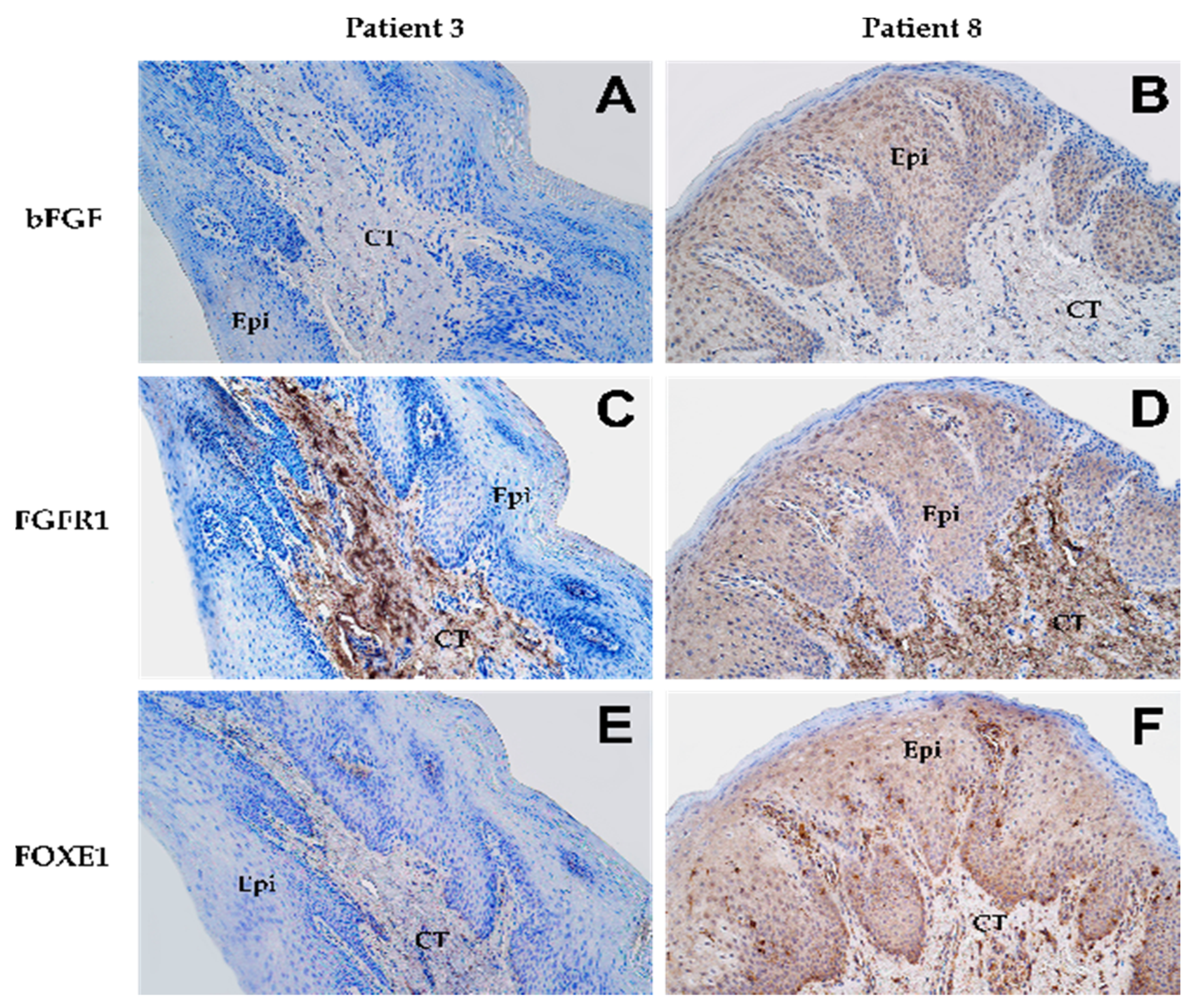
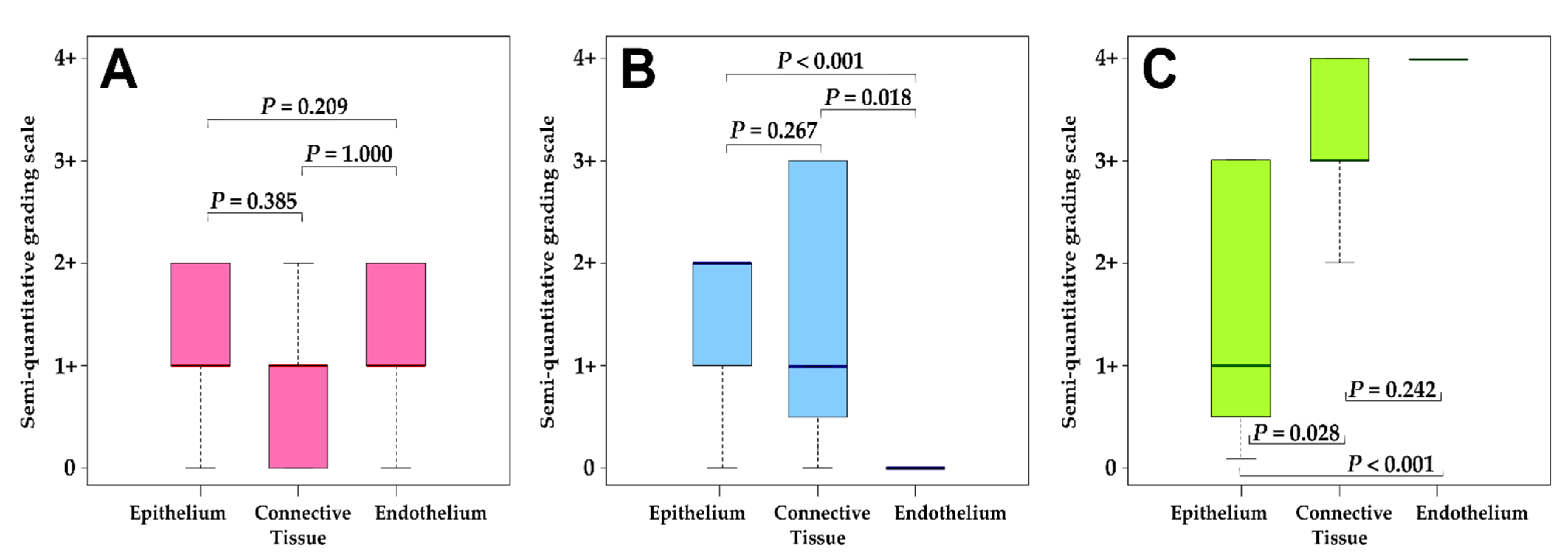
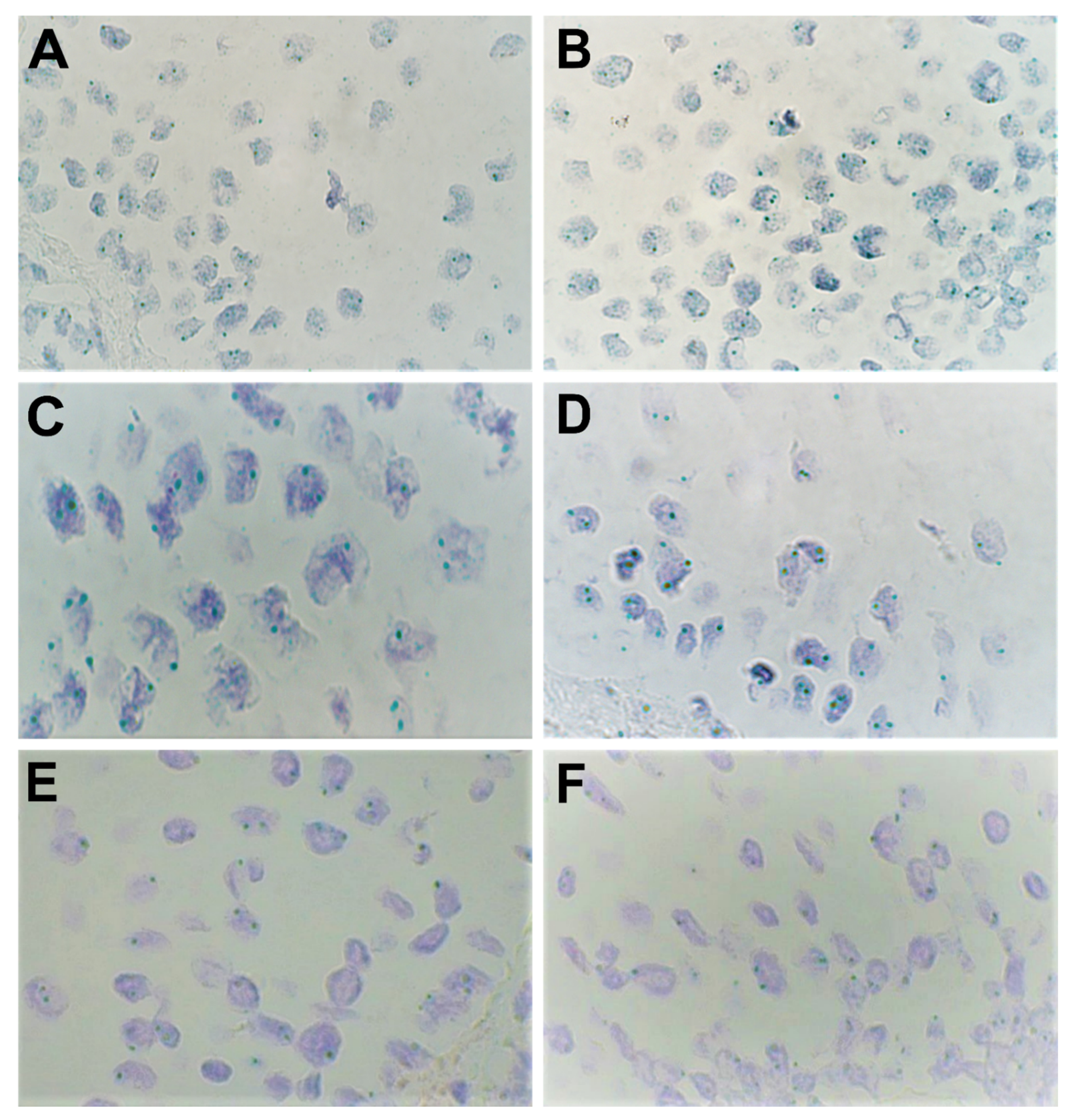
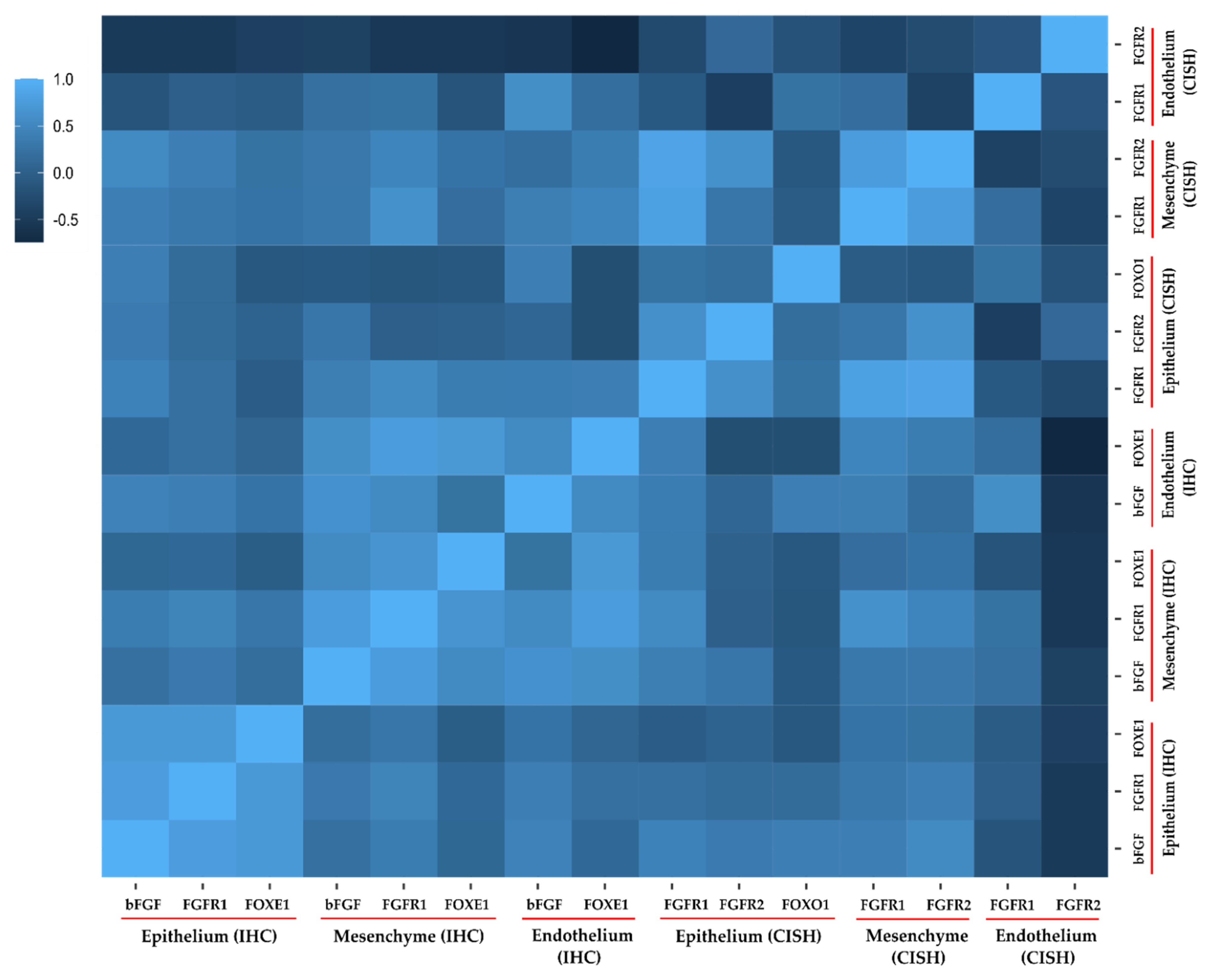
Orofacial clefts affect hundreds of thousands of children worldwide annually and are usually corrected by a series of surgeries extending to childhood. The underlying mechanisms that lead to clefts are still unknown, mainly because of the multifactorial etiology and the myriad of interactions between genes and environmental factors. In the present study, we investigated the role and expression of candidate genes belonging to the FGF/FGFR signaling pathway and FOX family in tissue material obtained from 12 pediatric patients undergoing cleft correction surgery. The expression was investigated using immunohistochemistry (IHC) and chromogenic in-situ hybridization (CISH) in three cell/tissue types—epithelial cells, connective tissue, and endothelial cells. We found elevated expression of FGFR1 in epithelial cells while no expression was observed in endothelial cells. Further, our results elucidate the potential pathogenetic role of FGFR1 in cellular proliferation, local site inflammation, and fibrosis in cleft patients. Along with bFGF (also called FGF2), FGFR1 could play a pro-inflammatory role in clefts. Over-amplification of FGFR2 in some patients, along with bFGF, could potentially suggest roles for these genes in angiogenesis. Additionally, increased expression of FOXE1 (also called TTF2) contributes to local site inflammation. Finally, zero to low amplification of FOXO1 could suggest its potential role in inducing oxidative stress in the endothelium along with reduced epithelial apoptosis.
Keywords:
cleft palate; cleft lip; immunohistochemistry; in-situ hybridization; inflammation; FGF/FGFR; FOXE1; FOXO1