Article

Lower-Sized Chitosan Nanocapsules for Transcutaneous Antigen Delivery

by
Juan I. Bussio
1,
Carla Molina-Perea
1 and
José Vicente González-Aramundiz
1,2,*
1
Departamento de Farmacia, Facultad de Química, Pontificia Universidad Católica de Chile, Santiago 7820436, Chile
2
Centro de Investigación en Nanotecnología y Materiales Avanzados “CIEN-UC”, Pontificia Universidad Católica de Chile, Santiago 7820436, Chile
*
Author to whom correspondence should be addressed.
Nanomaterials 2018, 8(9), 659; https://doi.org/10.3390/nano8090659
Submission received: 25 July 2018 / Revised: 14 August 2018 / Accepted: 22 August 2018 / Published: 26 August 2018

Abstract

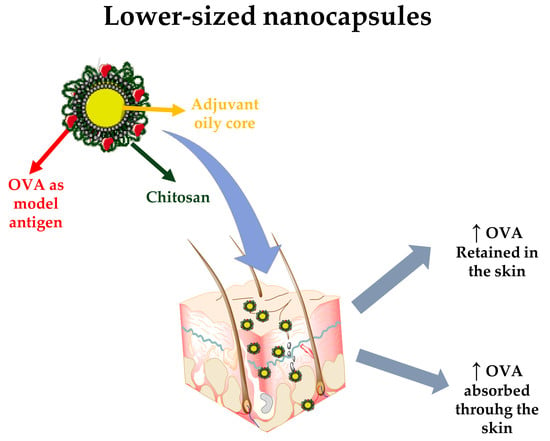
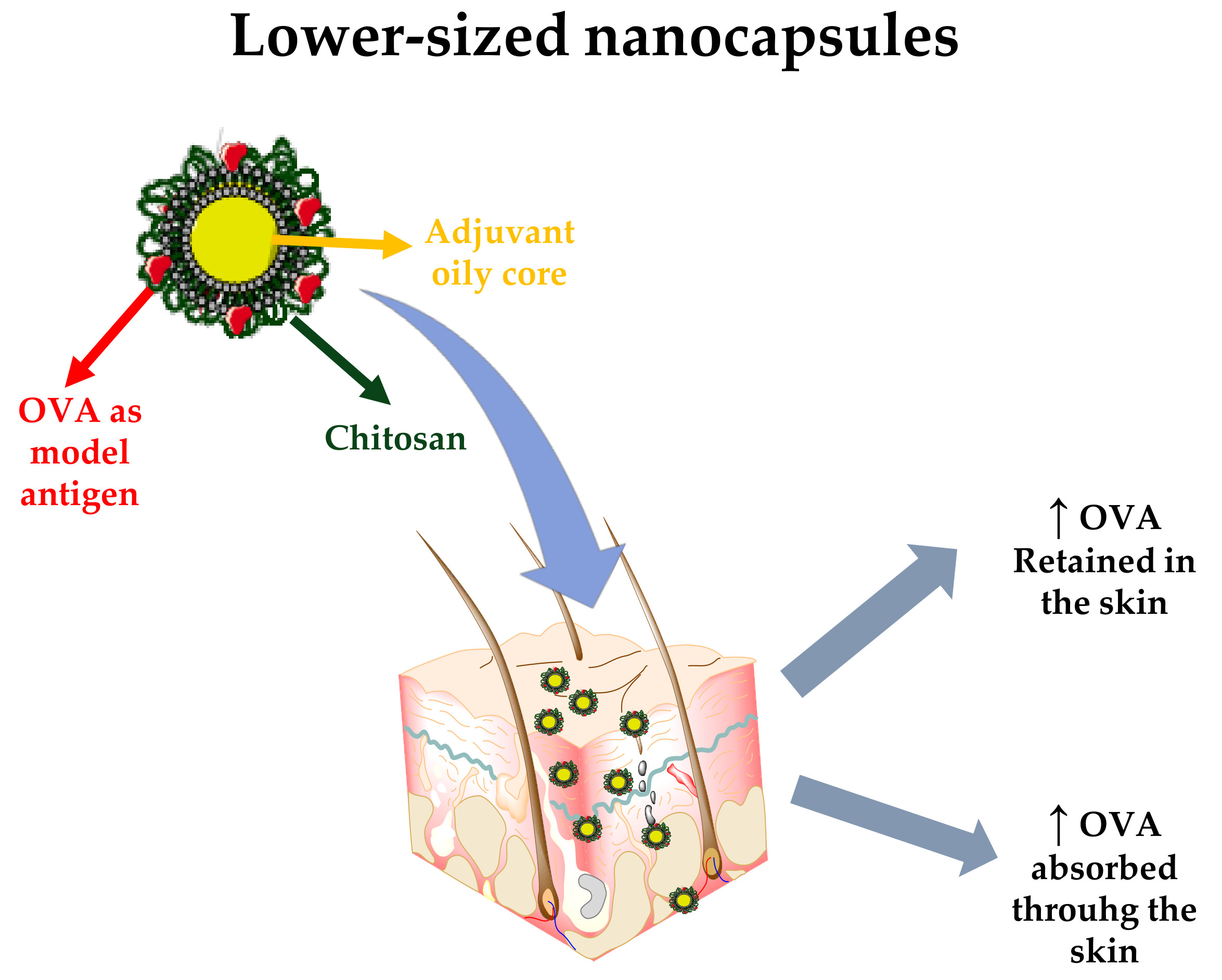
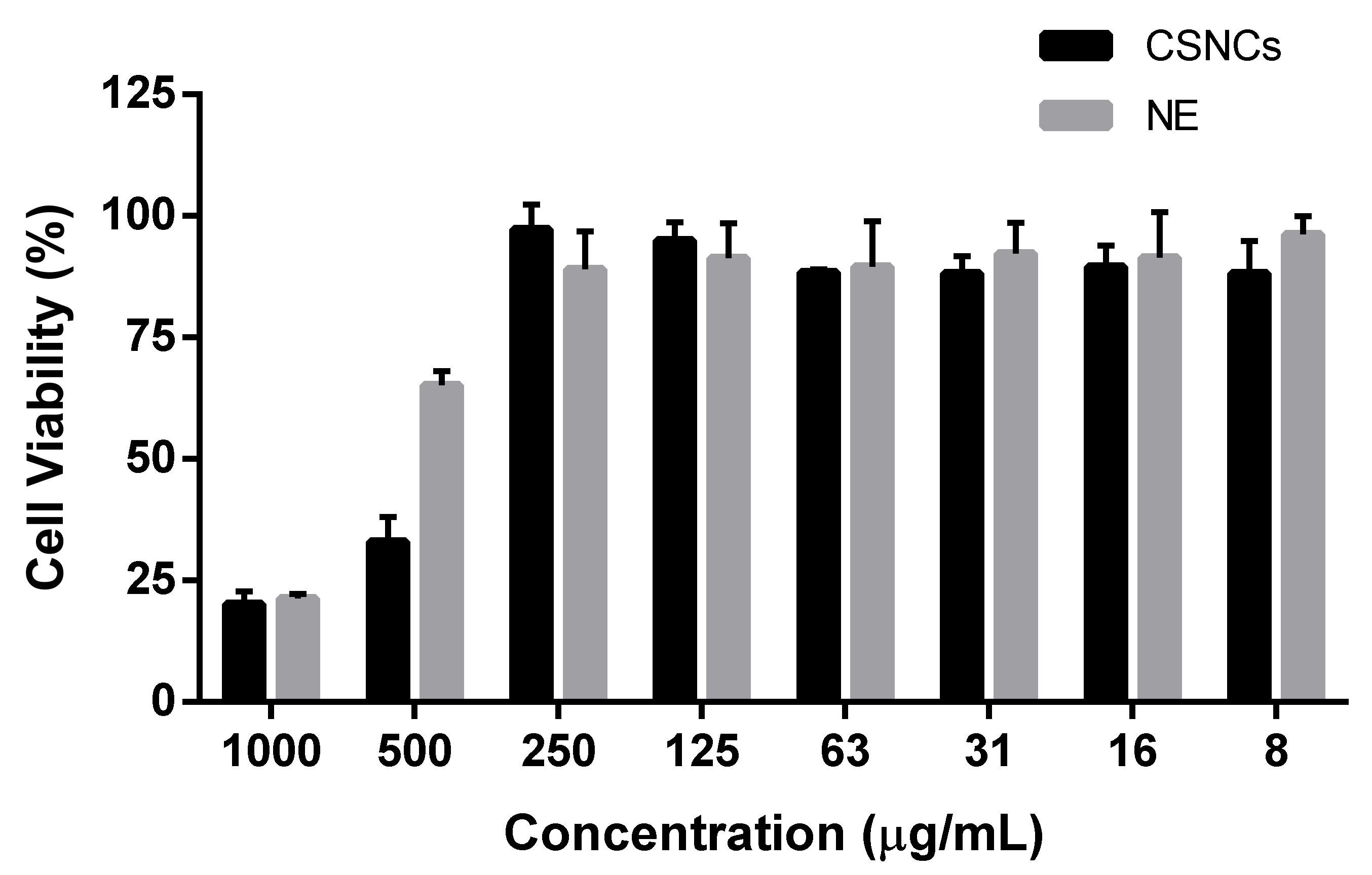
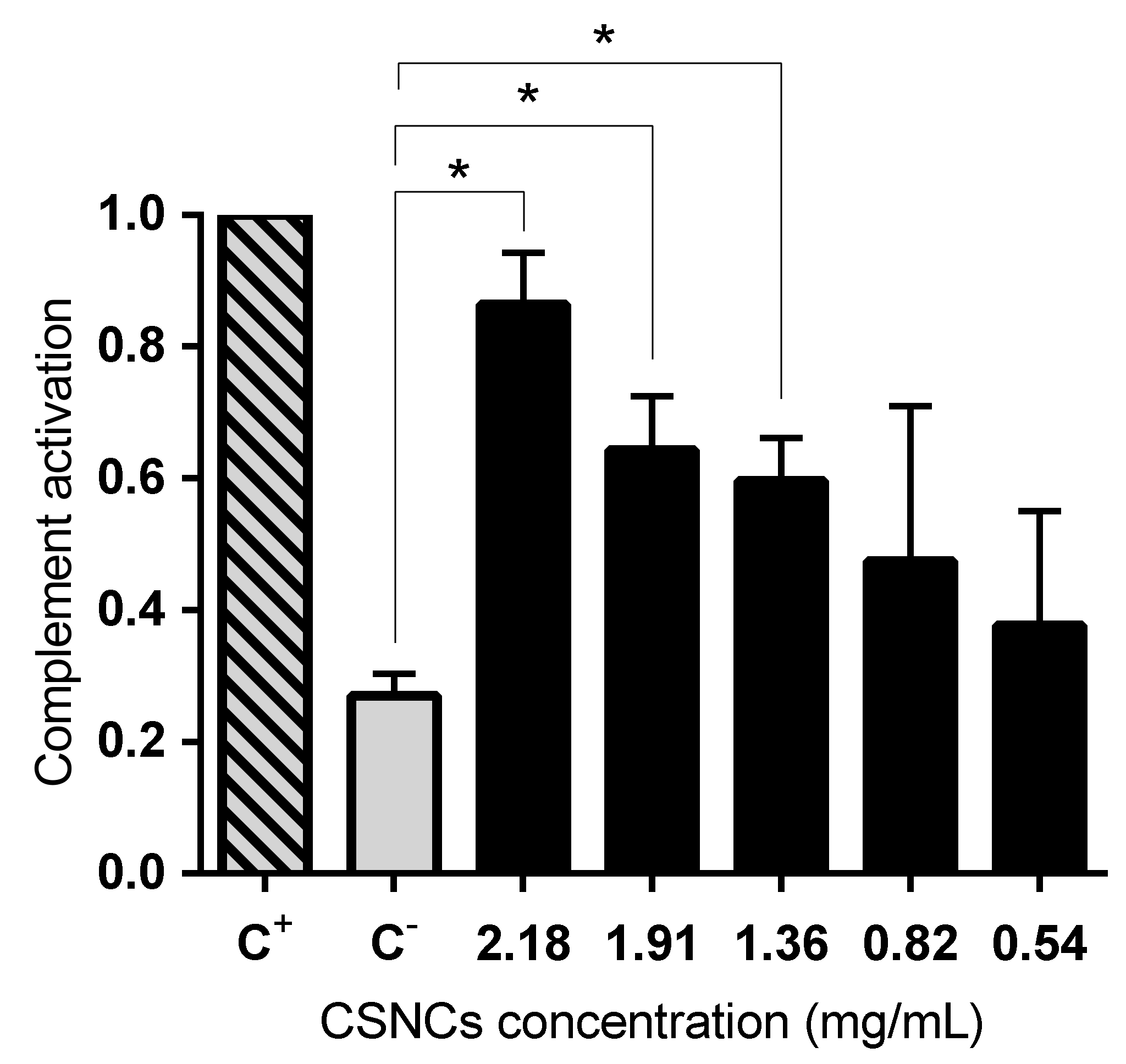
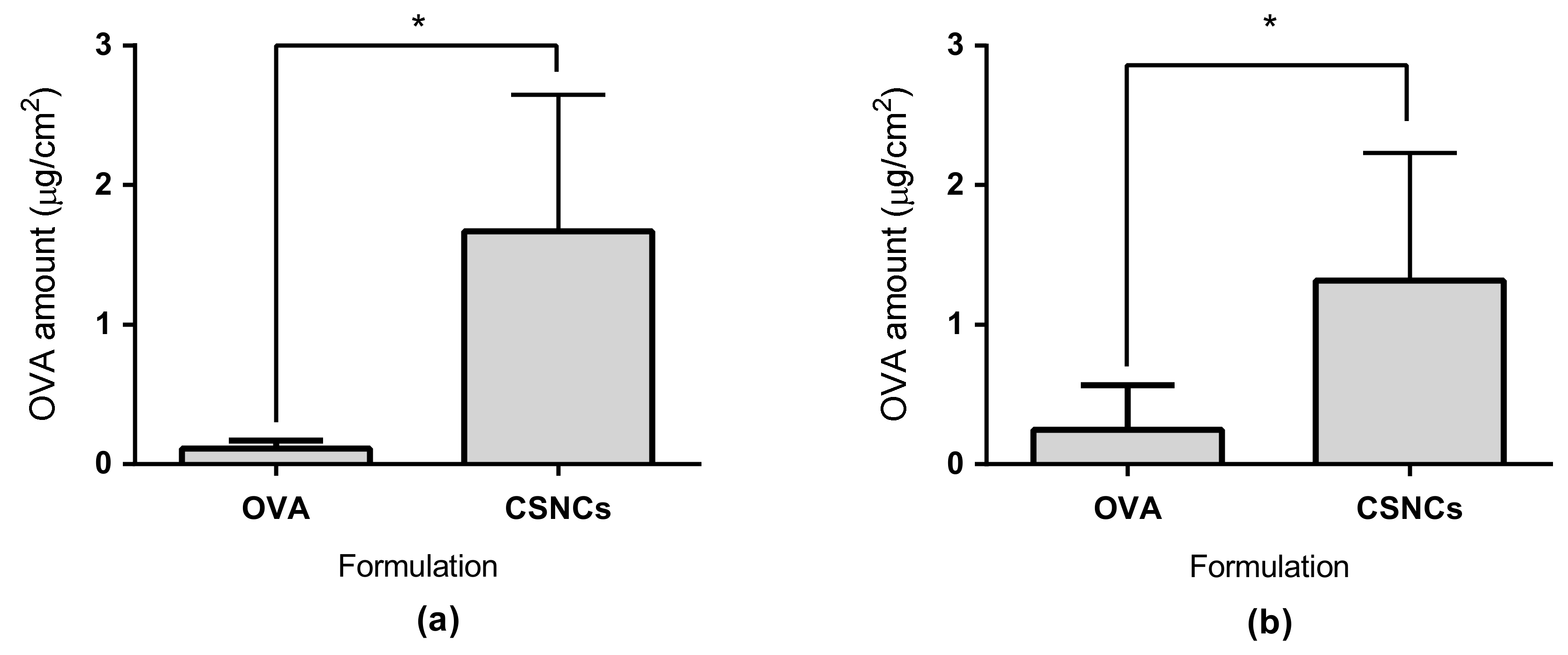
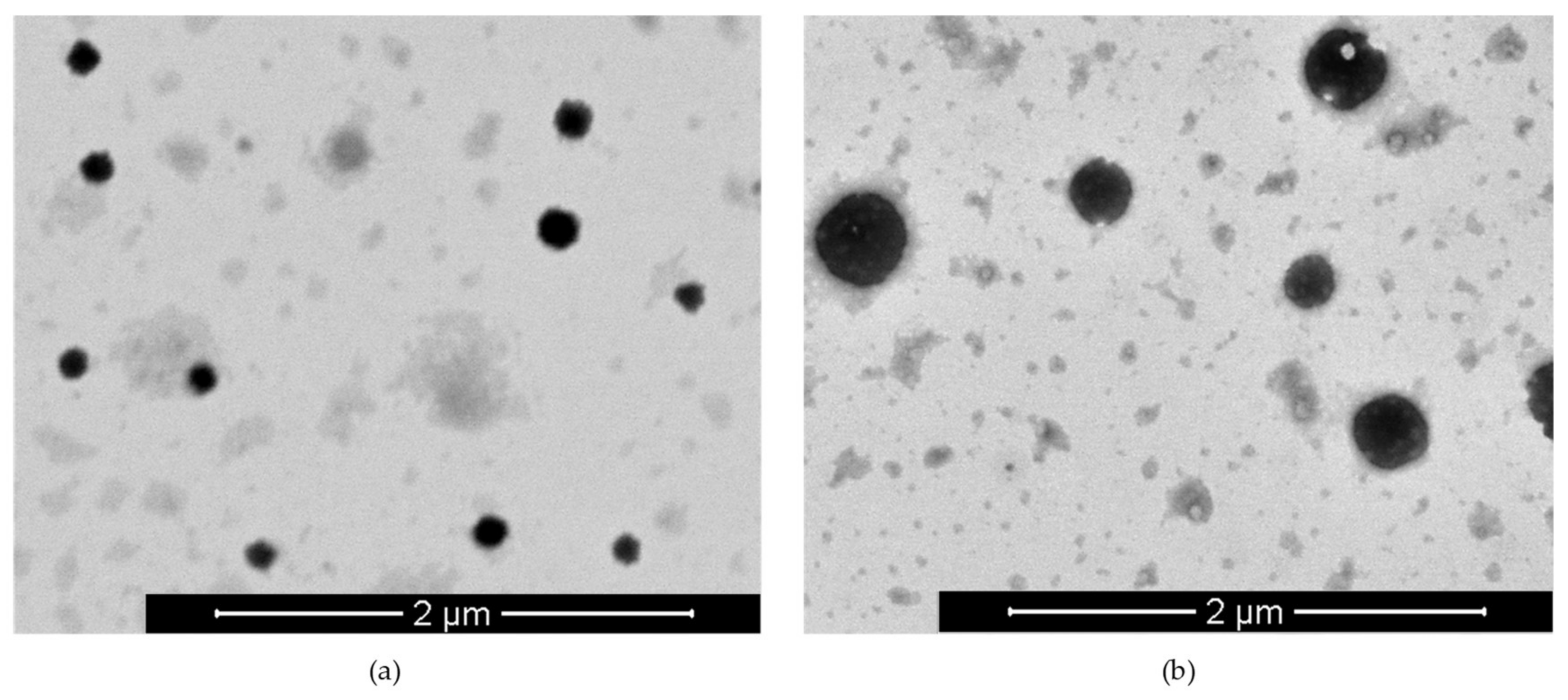
Transcutaneous vaccination has several advantages including having a noninvasive route and needle-free administration; nonetheless developing an effective transdermal formulation has not been an easy task because skin physiology, particularly the stratum corneum, does not allow antigen penetration. Size is a crucial parameter for successful active molecule administration through the skin. Here we report a new core-shell structure rationally developed for transcutaneous antigen delivery. The resulting multifunctional carrier has an oily core with immune adjuvant properties and a polymeric corona made of chitosan. This system has a size of around 100 nm and a positive zeta potential. The new formulation is stable in storage and physiological conditions. Ovalbumin (OVA) was used as the antigen model and the developed nanocapsules show high association efficiency (75%). Chitosan nanocapsules have high interaction with the immune system which was demonstrated by complement activation and also did not affect cell viability in the macrophage cell line. Finally, ex vivo studies using a pig skin model show that OVA associated to the chitosan nanocapsules developed in this study penetrated and were retained better than OVA in solution. Thus, the physicochemical properties and their adequate characteristics make this carrier an excellent platform for transcutaneous antigen delivery.
Keywords: nanocapsules; chitosan; antigen delivery; transcutaneous immunization; vaccine nanocapsules; chitosan; antigen delivery; transcutaneous immunization; vaccine
Graphical Abstract