
Article

Application of Machine Learning to Predict Blockage in Multiphase Flow

1
Department of Mechanical Engineering and Maritime Studies, Western Norway University of Applied Sciences, 5063 Bergen, Norway
2
Department of Computer Science, Electrical Engineering and Mathematical Sciences, Western Norway University of Applied Sciences, 5063 Bergen, Norway
3
NORCE Norwegian Research Centre, 5008 Bergen, Norway
*
Author to whom correspondence should be addressed.
Computation 2024, 12(4), 67; https://doi.org/10.3390/computation12040067

Submission received: 26 December 2023 / Revised: 10 March 2024 / Accepted: 29 March 2024 / Published: 31 March 2024
(This article belongs to the Special Issue 10th Anniversary of Computation—Computational Engineering)

Abstract

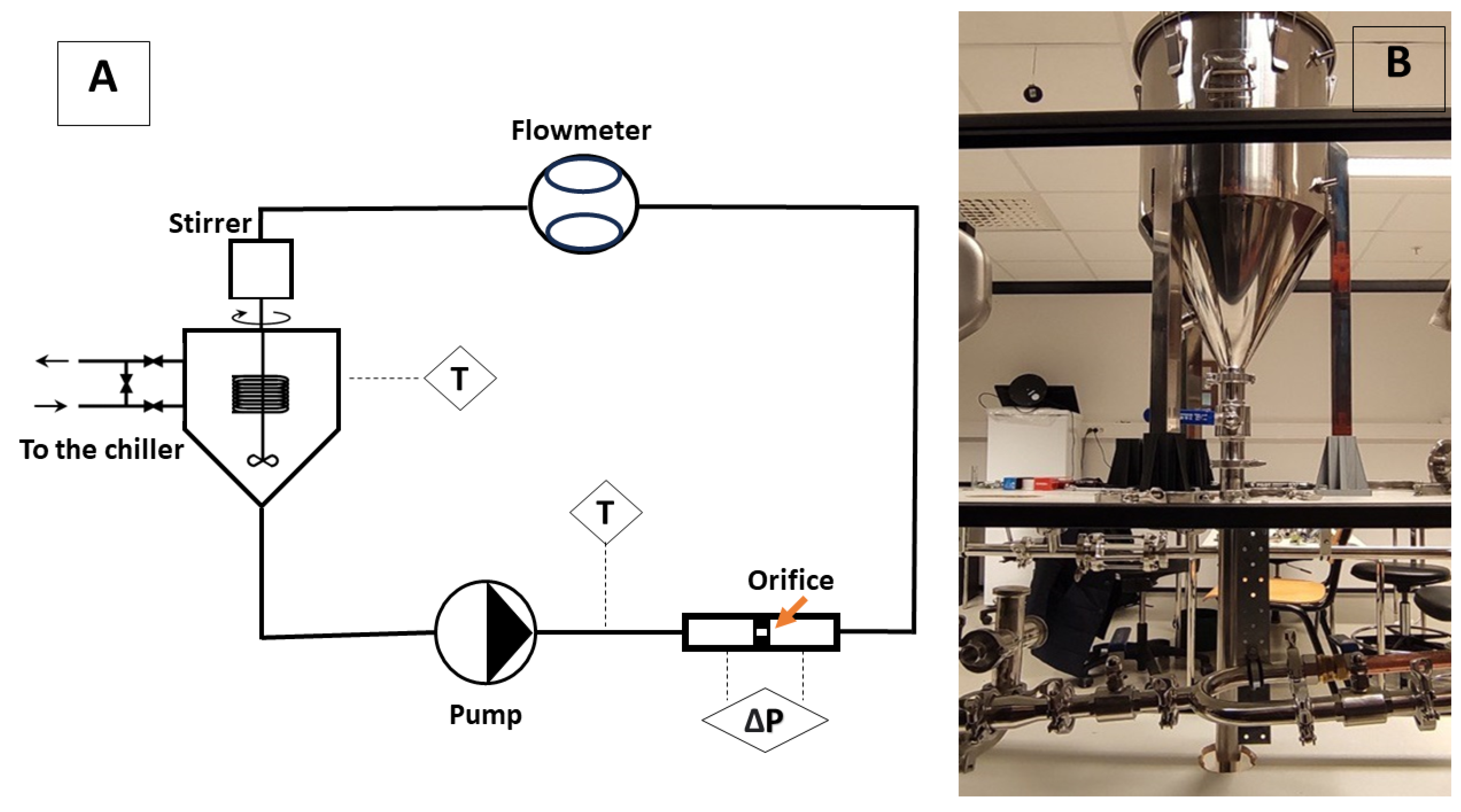
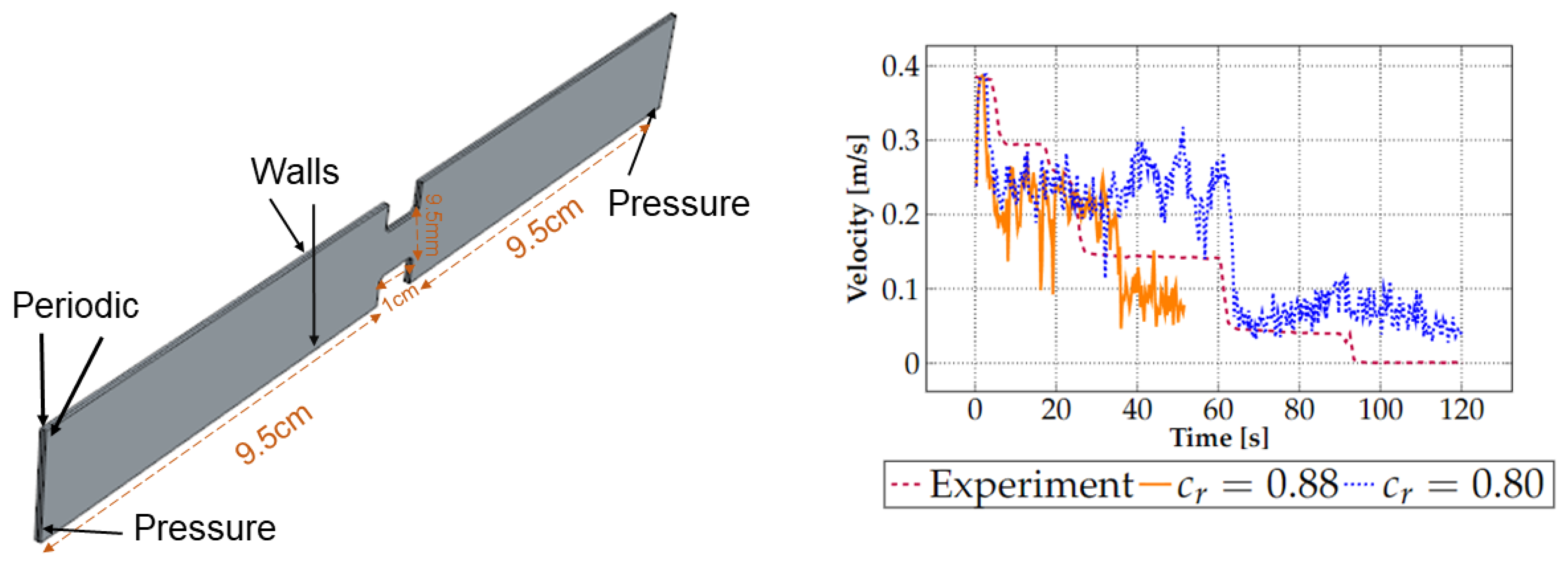
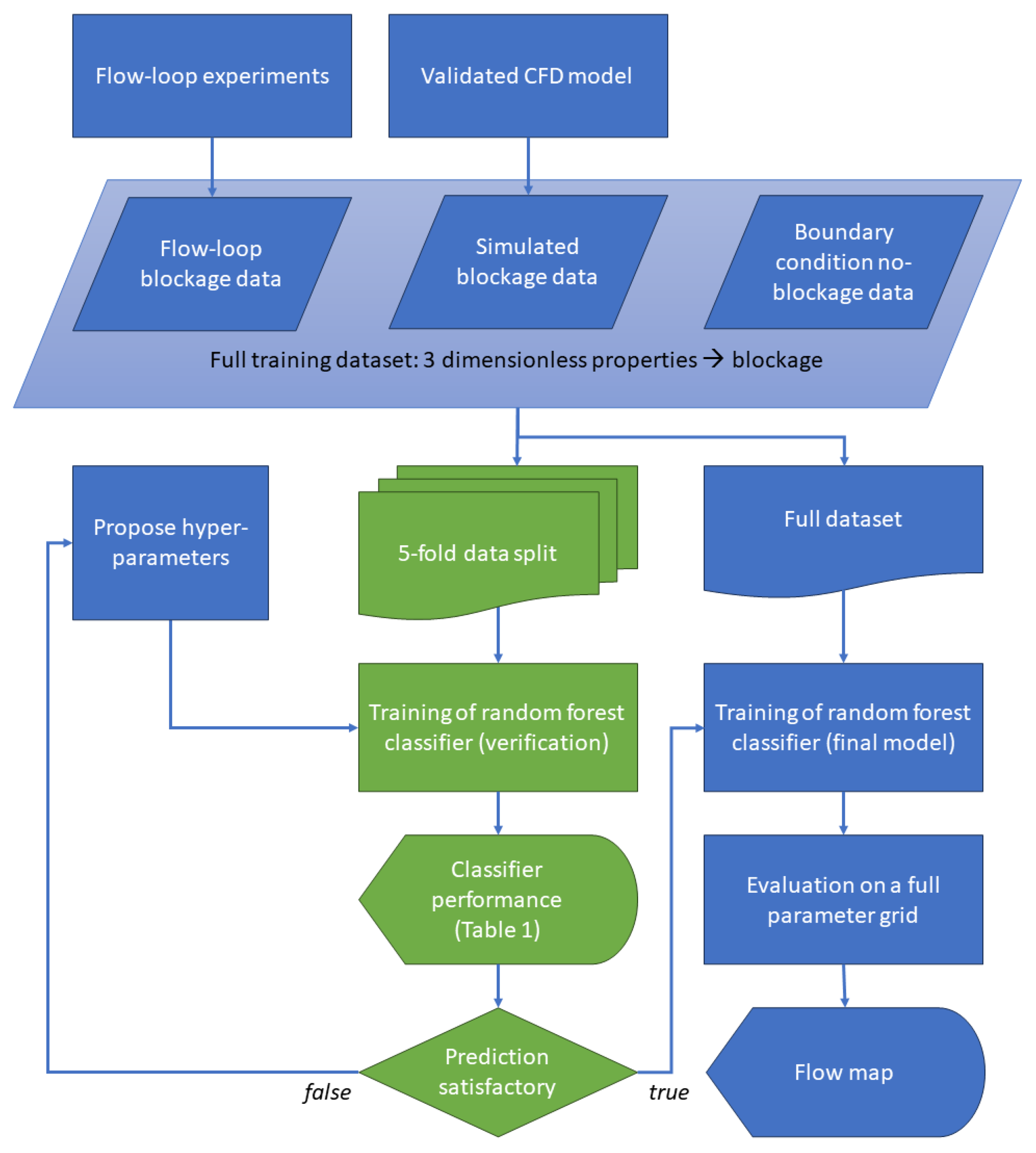
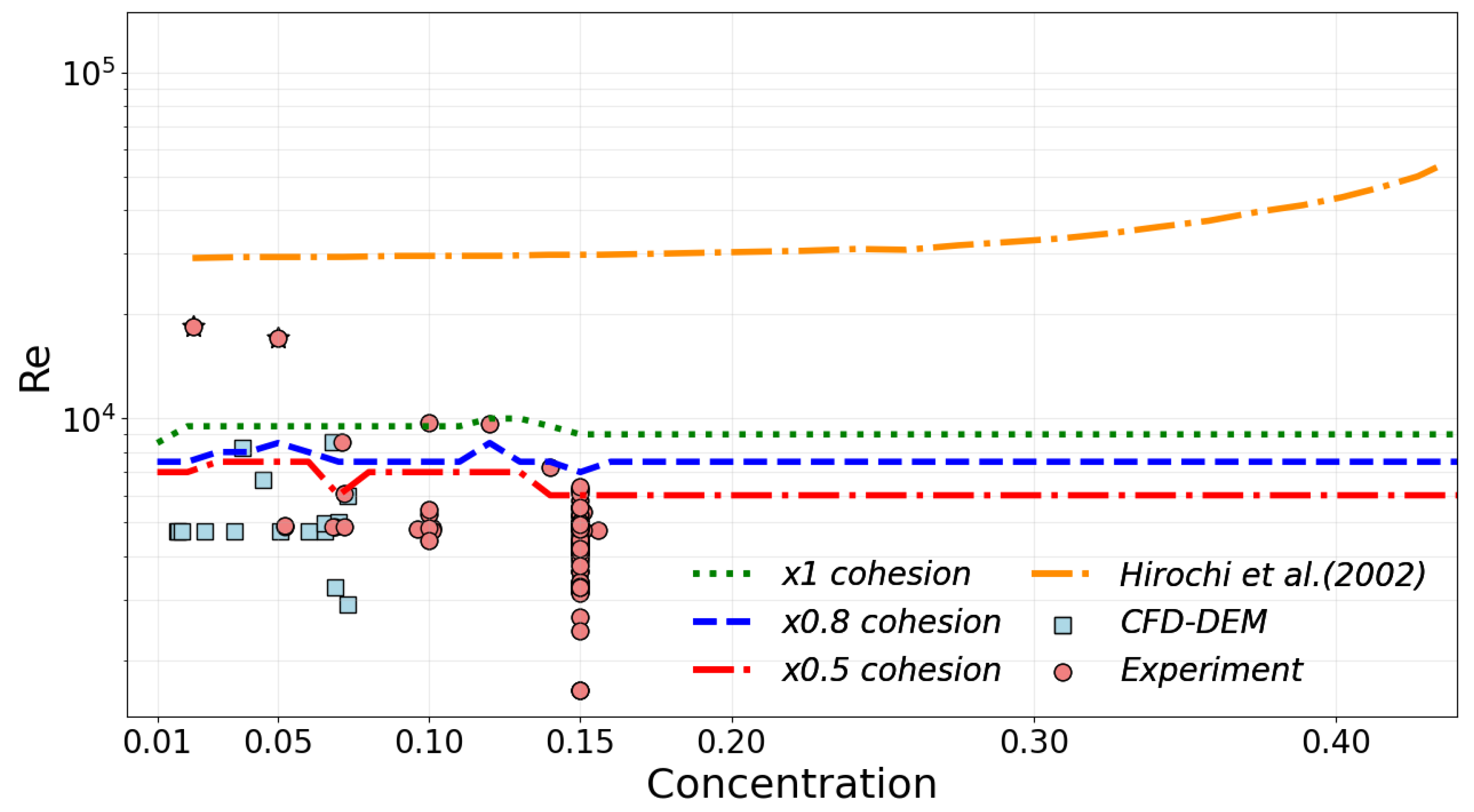
This study presents a machine learning-based approach to predict blockage in multiphase flow with cohesive particles. The aim is to predict blockage based on parameters like Reynolds and capillary numbers using a random forest classifier trained on experimental and simulation data. Experimental observations come from a lab-scale flow loop with ice slurry in the decane. The plugging simulation is based on coupled Computational Fluid Dynamics with Discrete Element Method (CFD-DEM). The resulting classifier demonstrated high accuracy, validated by precision, recall, and F1-score metrics, providing precise blockage prediction under specific flow conditions. Additionally, sensitivity analyses highlighted the model’s adaptability to cohesion variations. Equipped with the trained classifier, we generated a detailed machine-learning-based flow map and compared it with earlier literature, simulations, and experimental data results. This graphical representation clarifies the blockage boundaries under given conditions. The methodology’s success demonstrates the potential for advanced predictive modelling in diverse flow systems, contributing to improved blockage prediction and prevention.
Keywords: multiphase flow; blockage prediction; machine learning classifier; CFD-DEM simulations; flow loop experiments multiphase flow; blockage prediction; machine learning classifier; CFD-DEM simulations; flow loop experiments