


Abstract
Digital Mental Health Interventions (DMHIs) offer a scalable solution to the global mental health crisis, yet their real-world impact is often hampered by low user engagement. Gamification has been widely adopted as a strategy to enhance adherence, but its implementation creates a complex and often unacknowledged “Engagement–Efficacy–Ethics Trilemma”. This systematic review synthesises the current literature to deconstruct this trilemma, arguing that an uncritical focus on maximising engagement can fail to improve—or may even undermine—clinical efficacy, while simultaneously introducing significant ethical risks. Our analysis reveals a persistent “Engagement–Efficacy Gap”, where increased usage of mobile health applications (mHealth apps) does not consistently translate to better therapeutic outcomes. Furthermore, we map the ethical landscape, identifying potential harms such as manipulation, psychological distress, and privacy violations that arise from persuasive design. The roles of Artificial Intelligence (AI) in personalising these experiences and Human–Computer Interaction (HCI) in mediating user responses are critically examined as key factors that both amplify and potentially mitigate the tensions of the trilemma. The findings indicate a pressing need for a paradigm shift toward an integrated approach that concurrently evaluates engagement, efficacy, and ethical integrity. We conclude by proposing a framework for responsible innovation, emphasising theory-driven design, co-design with users, and prioritising intrinsic motivation to harness the potential of gamified DMHIs safely and effectively. Following Preferred Reporting Items for Systematic Reviews and Meta-Analyses (PRISMA) guidelines, a systematic search was conducted across Scopus, Web of Science, MEDLINE, and PsycINFO for studies published between 2015 and 2025.
1. Introduction
Research on the influence of gamification on engagement, efficacy, and ethics in digital mental health has emerged as a critical area of inquiry due to the increasing prevalence of mental health disorders and the growing adoption of digital interventions. Over recent years, the integration of game elements into mental health applications has evolved from early serious games to sophisticated gamified platforms leveraging smartphone capabilities and virtual reality, reflecting a trajectory from basic engagement tools to complex therapeutic modalities [1,2,3]. This evolution is significant given that mental health conditions affect a substantial portion of the global population, with up to 20% of children and adolescents experiencing disorders such as anxiety and depression [4,5]. Digital gamified interventions offer scalable, accessible, and potentially cost-effective solutions to address treatment gaps, especially in underserved populations [6,7].
Despite promising developments, specific challenges persist in understanding how gamification impacts user engagement, therapeutic efficacy, and ethical considerations within digital mental health contexts. While some studies report enhanced engagement and symptom reduction through gamified cognitive behavioural therapy and serious games [8,9], others highlight heterogeneity in outcomes and methodological inconsistencies [10,11]. Moreover, ethical concerns regarding privacy, autonomy, and potential adverse effects such as addiction remain underexplored, particularly in vulnerable groups like adolescents [12,13,14]. Competing perspectives debate the balance between the motivational benefits of gamification and its risks of over-engagement or misuse [15,16]. The lack of standardised frameworks and comprehensive evaluations limits the ability to generalise findings and optimise intervention design [17,18].
To synthesise these disparate findings, this review introduces and applies the “Engagement–Efficacy–Ethics Trilemma” as a novel conceptual framework. We posit that the design of gamified DMHIs involves inherent trade-offs between three competing vertices: (1) Engagement, the maximisation of user adherence and retention; (2) Efficacy, the achievement of meaningful clinical outcomes; and (3) Ethics, the upholding of principles of user autonomy, privacy, and beneficence. While established models like the Fogg Behaviour Model (FBM) or the Persuasive Design Category (PDC) focus on the mechanics of behavioural change, the Engagement–Efficacy–Ethics Trilemma extends these by explicitly integrating the clinical and ethical trade-offs often overlooked in technical HCI research. Unlike previous deductive models, this framework emerged inductively from a synthesis of current DMHI literature. The resulting conceptual model, along with the specific tensions between its vertices, is illustrated in Figure 1.
Figure 1.
The Engagement–Efficacy–Ethics Trilemma: A conceptual framework for analysing tensions in gamified digital mental health interventions.
As illustrated in Figure 1, the trilemma is defined by three distinct mechanisms of tension that govern the design and impact of DMHIs:
- (1)
- The Engagement–Efficacy Tension: This represents the ‘Engagement–Efficacy Gap’ identified in the literature, where design optimised for momentary behavioural adherence results in high ‘app engagement’ (e.g., logins, time-on-app) but fails to trigger the deep cognitive processing required for ‘therapeutic engagement’ and symptom reduction.
- (2)
- The Engagement–Ethics Tension: This occurs when persuasive mechanics, such as variable reward schedules or competitive leaderboards, leverage cognitive biases to sustain use. These risks cross the line from supportive nudging into cognitive manipulation, potentially undermining user autonomy or inducing psychological distress.
- (3)
- The Efficacy–Ethics Tension: This tension is frequently amplified by intelligent systems, where AI-driven personalisation relies on invasive data collection and ‘black-box’ algorithms. While such tailoring can increase clinical efficacy, it often creates a conflict with ethical principles of transparency, privacy, and user agency.
This paper will systematically deconstruct this trilemma, using it as a lens to analyse the current evidence, explore the amplifying role of Artificial Intelligence (AI) and the mediating role of Human–Computer Interaction (HCI), and propose a path toward a more integrated and responsible approach to design and evaluation.
Specifically, this review aims to systematically synthesise empirical evidence and theoretical perspectives on gamified Digital Mental Health Interventions (DMHIs) through the lens of the Engagement–Efficacy–Ethics Trilemma, identifying key design tensions, methodological gaps, and future research priorities. The paper is structured as follows: Section 2 outlines the key theoretical foundations of gamification. Section 3 details the systematic review methodology. The main findings are then presented across four sections that deconstruct the trilemma: Section 4 examines the Engagement–Efficacy Gap, Section 5 explores the ethical landscape, Section 6 analyses the role of AI as an amplifier, and Section 7 discusses HCI as a mediator. Finally, Section 8 provides a general discussion of the findings, and Section 9 concludes with recommendations for responsible innovation in digital mental health.
2. Theoretical Foundations of Gamification
The motivational appeal of gamification is rooted in established psychological theories of human behaviour. Understanding these foundations is crucial for analysing their application in a therapeutic context.
2.1. Behaviourism and Operant Conditioning
Many common gamification elements, such as points, badges, and rewards, are direct applications of behaviourist principles, specifically Skinner’s theory of operant conditioning [19]. These elements function as positive reinforcement, delivered on a schedule to encourage the repetition of desired behaviours, such as completing a daily therapeutic exercise [20]. Immediate feedback and small rewards can trigger the release of dopamine, creating a powerful reinforcement loop that motivates continued use [21]. However, this approach primarily fosters extrinsic motivation, which may not be sustainable in the long term and can lead to user fatigue if not carefully balanced [20].
2.2. Self-Determination Theory (SDT)
A more nuanced perspective is offered by Self-Determination Theory (SDT), which posits that intrinsic motivation—the drive to engage in an activity for its inherent satisfaction—is fostered by satisfying three core psychological needs: Autonomy (a sense of control), Competence (a feeling of mastery), and Relatedness (a feeling of social connection) [22]. Effective gamification can be designed to support these needs. For example, customisable avatars can enhance autonomy [8], progress bars and levels can support competence [18], and social leaderboards can foster relatedness [23]. A design focus that supports these innate psychological needs is more likely to lead to sustained, internally motivated engagement than one based purely on extrinsic rewards [16].
2.3. The Fogg Behaviour Model (FBM)
The Fogg Behaviour Model (FBM) [24] provides a practical framework for designing persuasive technology by positing that a behaviour (B) occurs when three elements converge simultaneously: Motivation (M), Ability (A), and a Prompt (P). The model is often expressed as the formula B = MAP. FBM is particularly useful in the context of gamification as it provides a clear diagnostic and design tool for encouraging user actions and has been used to guide the selection of game elements in health interventions.
- Motivation: This aligns with the drives discussed in SDT and Behaviourism. Fogg categorises core motivators into three pairs: Sensation (pleasure/pain), Anticipation (hope/fear), and Belonging (social acceptance/rejection). Gamification directly targets these, for instance, by offering rewards (pleasure) or creating leaderboards (social belonging).
- Ability: Fogg reframes ability as simplicity. A behaviour is more likely to be performed if it is easy to do. Gamification can increase a user’s ability by breaking down complex therapeutic tasks into smaller, more manageable steps, such as quests or levels, thereby reducing the required physical or mental effort.
- Prompt: A behaviour will not happen without a trigger or cue. Gamified systems are rich with prompts, from push notifications that remind users to complete a daily challenge to in-app visual cues that prompt the following action.
The FBM is valuable because it shows that motivation and ability are trade-offs; a user with very high motivation might complete a difficult task, but a user with low motivation will only complete a very simple one. For designers of DMHIs, this provides an actionable insight: to ensure a therapeutic behaviour occurs, they can focus on making the action as simple as possible, which is often more practical than trying to increase a user’s motivation perpetually. Together, Behaviourism, Self-Determination Theory, and the Fogg Behaviour Model provide a complementary theoretical foundation for understanding the motivational mechanisms that underlie gamified Digital Mental Health Interventions. This synthesis highlights how the interplay between extrinsic reinforcement, intrinsic motivation, and behavioural triggers can inform both the design and ethical evaluation of these systems.
3. Methodology of Literature Selection
The review process followed the PRISMA framework (Figure 2) to ensure transparency and reproducibility in study identification, screening, and inclusion. The objective was to identify, synthesise, and critically appraise studies concerning the influence of gamification on engagement, efficacy, and ethics in digital mental health. The completed PRISMA 2020 Checklist, detailing the location of all reporting items within this manuscript, is provided in Supplementary Materials.
Figure 2.
PRISMA 2020 flow diagram for the systematic review.
3.1. Search Strategy and Information Sources
A comprehensive literature search was conducted across multiple electronic databases, including MEDLINE (via PubMed), PsycINFO, Web of Science, and Scopus, for articles published between January 2015 and June 2025. The search strategy combined keywords and subject headings related to three core concepts: (1) Gamification, (2) Digital Mental Health, and (3) the outcomes of interest. An example search string used for Scopus was: (TITLE-ABS-KEY(gamif*) OR TITLE-ABS-KEY(“serious games”)) AND (TITLE-ABS-KEY(“mental health” OR “digital health” OR mHealth)) AND (TITLE-ABS-KEY(engag* OR efficac* OR ethic* OR adher*)).
3.2. Eligibility Criteria
Studies were included if they met the following criteria: (1) were empirical studies (e.g., randomised controlled trials, quasi-experimental studies), systematic reviews, or meta-analyses; (2) focused on interventions using gamification or game-based elements for mental health purposes; (3) reported on outcomes related to user engagement, clinical efficacy, or ethical considerations; and (4) were published in English. Exclusion criteria were strictly defined to eliminate ‘noise’ and ensure clinical validity. We excluded: (1) conference abstracts, dissertations, and grey literature to maintain strong evidence quality. Preprints were screened to capture emerging evidence, but they were not considered primary evidence in the synthesis. (2) pilot studies lacking statistical power analysis or reporting solely on user experience (UX) and usability without clinical outcomes; and (3) general ‘wellness’ apps not targeting specific psychiatric disorders (e.g., DSM-5 criteria) to ensure relevance to therapeutic efficacy. This rigorous filtering process resulted in a final selection of 50 high-quality empirical studies. To address the risk of bias, all 50 included studies were critically appraised using the Mixed Methods Appraisal Tool (MMAT (2018 Version)) to ensure the robustness of the synthesis, even where a formal meta-analysis of trial data was not performed. The MMAT appraisal was used to inform the critical interpretation of findings and assess methodological robustness, rather than as a strict exclusion threshold.
3.3. Study Selection and Data Extraction
Following the removal of duplicates, titles and abstracts were independently screened by two reviewers. Full texts of potentially relevant articles were then retrieved and assessed for final inclusion. A citation chaining process, encompassing both backwards (reviewing reference lists) and forward (identifying citing articles) searches, was conducted on key systematic reviews to identify additional relevant studies.
Data were extracted from the final included studies using a standardised form, capturing information on study design, population, intervention characteristics, gamification elements, and key findings related to engagement, efficacy, and ethics. Included studies were qualitatively coded based on three dimensions: (1) Engagement (quantified by retention rates or app usage frequency); (2) Efficacy (measured by standardised clinical symptom scales such as the PHQ-9 or GAD-7); and (3) Ethics (identified through reported discussions on privacy, autonomy, or adverse behavioural effects). This structured synthesis provided the inductive basis for identifying the tensions within the Trilemma. Any discrepancies between reviewers during the screening or data extraction stages were resolved through discussion and consensus.
The systematic search and selection process resulted in the inclusion of 50 studies. A descriptive summary of these studies is provided in Appendix A (Table A1). At the same time, a critical appraisal of their methodological quality is detailed in Appendix B. Thematic patterns across these studies, which informed the development of the Trilemma, are synthesised in Appendix C.
4. The Engagement–Efficacy Gap: The First Tension of the Trilemma
The primary justification for implementing gamification in DMHIs is its purported ability to solve the engagement crisis. A compelling body of evidence suggests that gamification is successful in achieving this primary aim, leveraging motivational design to sustain user engagement and participation. However, a critical analysis of the literature reveals a significant “Engagement–Efficacy Gap”, where increased app usage and interaction do not consistently or reliably translate into superior clinical outcomes. This paradox forms the first major tension of the trilemma.
A substantial portion of the reviewed literature (35 out of 50 studies) reports that gamification significantly enhances user engagement, motivation, and retention. Interventions that incorporate elements such as rewards, progress tracking, and customisation consistently demonstrate higher adherence and interaction time [1,20]. For example, a large-scale randomised controlled trial of the gamified app eQuoo found it retained 42% more participants than control groups, with an overall adherence rate of 64.5% [6]. Similarly, features like avatar customisation have been shown to increase in-the-moment engagement and foster a stronger user connection to the intervention [8].
While the evidence for increased engagement is strong, the data on whether this translates into superior clinical efficacy is far more ambiguous. Meta-analyses and systematic reviews repeatedly find no significant difference in effectiveness for reducing symptoms of depression or anxiety between gamified and non-gamified apps [10]. For instance, a meta-analysis of mental health app RCTs found that while interventions effectively reduced depressive symptoms overall (Hedges g = −0.27), the number of gamification elements was not a significant predictor of efficacy ( = −0.03, = 0.38) [25]. These quantitative values are cited to illustrate consistent patterns reported in prior meta-analyses, rather than to constitute a new quantitative synthesis conducted within this review. This demonstrates a clear ‘Engagement–Efficacy Gap’ numerically: the presence of game mechanics does not statistically improve outcomes compared to non-gamified versions. Furthermore, meta-regression indicates that gamification elements do not significantly impact intervention adherence ( = −1.93, = 0.40), directly challenging the assumption that ‘pointsification’ alone solves the engagement crisis [25]. The divergence between engagement metrics and clinical outcomes is summarised in Table 1, which juxtaposes evidence of the Engagement–Efficacy Gap across a subset of high-impact studies.
Some reviews even report no significant effect of gamification on intervention adherence, directly challenging the simpler narrative [26]. The literature is characterised by a high degree of heterogeneity in outcomes for conditions like anxiety and stress, with many studies suffering from small sample sizes and short follow-up periods, which limits the robustness of efficacy claims [11,27].
This discrepancy suggests a critical distinction between “app engagement” and “therapeutic engagement”. The former, often measured by logins or time spent on the app, can be driven by extrinsic motivators that may only lead to superficial interaction with game mechanics. The latter requires deep cognitive and emotional processing of therapeutic content. The risk is that users may learn to “game the system” for rewards without engaging in the more effortful work required for clinical improvement, thus creating a gap between high activity metrics and stagnant therapeutic progress. This divergence underscores the need for a multidimensional definition of engagement that distinguishes between behavioural, cognitive, and affective components, each contributing differently to therapeutic outcomes.
Table 1.
Juxtaposing Evidence for the Engagement–Efficacy Gap.
Overall, the evidence suggests a persistent Engagement–Efficacy Gap that challenges assumptions about the therapeutic value of gamification, setting the stage for examining the ethical tensions that arise when persuasive design succeeds in sustaining use without demonstrable clinical benefits.
5. The Ethical Landscape: The Second Tension of the Trilemma
The pursuit of engagement, particularly when it does not guarantee efficacy, forces a confrontation with the third vertex of the trilemma: ethics. Gamified DMHIs are persuasive technologies designed to influence the behaviour of a vulnerable population, a context that demands rigorous ethical scrutiny. The literature reveals that the very mechanics used to drive engagement are often the source of the most significant ethical risks, establishing a direct tension between maximising user retention and the ethical imperative to “not harm”.
A significant portion of the reviewed literature (22 out of 50 studies) raises critical ethical concerns. Yet, these discussions are often underdeveloped, focusing narrowly on research ethics while neglecting broader socio-political implications [12,13]. The most frequently cited ethical concern is the potential for psychological distress, which can manifest as stress from unattainable goals, anxiety from constant feedback, or demotivation from social comparison on leaderboards [25,26,27,29,30]. These findings illustrate that ethical risks are not peripheral side effects, but structural consequences of design choices aimed at sustaining engagement.
Furthermore, while persuasive design—grounded in ‘nudge theory’—can encourage positive behavioural change while respecting user autonomy, it exists on a spectrum. When design becomes opaque, it risks transitioning into cognitive manipulation. However, it is essential to acknowledge that for patients with severe depression, short-term extrinsic motivation (e.g., rewards) may serve as a `necessary short-term trade-off’ to encourage the first steps toward engagement, provided long-term autonomy is not compromised [14]. This is particularly problematic when the underlying persuasive mechanisms are opaque to the user, as illustrated in Table 2. The continuous data tracking required for personalisation and feedback loops poses significant privacy risks and can evoke feelings of surveillance, while also increasing the likelihood of data exploitation and misuse [13,14,30,31]. Finally, the same design patterns that make apps “sticky” can foster addictive or compulsive behaviours, which are antithetical to the therapeutic goal of fostering self-control and well-being [15].
Table 2.
Mapping Engagement Mechanics to Documented Ethical Harms.
In sum, the ethical tension within the trilemma emerges from the paradox that the very mechanisms enhancing engagement may simultaneously compromise user autonomy, privacy, and psychological well-being. Addressing this tension requires an explicit ethical framework integrated into the design and evaluation of gamified DMHIs, rather than treating ethics as an afterthought.
6. AI as an Amplifier of the Trilemma
The emergence of Artificial Intelligence (AI), particularly the recent integration of Large Language Models (LLMs), is reshaping the landscape of gamified DMHIs. AI amplifies the trilemma through specific mechanisms: for example, ‘black box’ algorithmic personalisation can increase efficacy through extreme tailoring while simultaneously reducing ethics by masking the logic behind interventions. This lack of Explainable AI (XAI) exacerbates the tension between therapeutic success and user transparency [32,33,34,35,36,37,38,39]. AI is often positioned as the key to resolving the shortcomings of static, one-size-fits-all interventions by introducing a new level of personalisation and adaptability that could potentially close the Engagement–Efficacy gap [4,32,33,34,35,36,37,38,39]. However, this same capability simultaneously intensifies the ethical tensions of the trilemma to an unprecedented degree [40,41]. This dual amplification effect positions AI not merely as a tool within the trilemma but as an active agent that reshapes its boundaries and dynamics.
AI-driven systems promise to enhance efficacy by crafting highly personalised treatment plans in real-time [41]. By analysing vast datasets, including user behaviour, self-reported moods, and even biometric data from wearable devices, AI algorithms can dynamically adjust the difficulty of therapeutic challenges, recommend specific interventions when signs of distress are detected, and tailor feedback to an individual’s personality [4,36,37,38,39,42,43,44]. This capacity for deep personalisation holds the promise of making treatments more engaging and, crucially, more clinically relevant, and effective [32,33,34,35]. Conversational agents, also known as chatbots, represent a prominent application, offering 24/7 accessibility and a non-judgmental space for users to practice coping skills. Platforms like Woebot and Wysa have demonstrated effectiveness in reducing symptoms of depression and anxiety [45,46,47].
This pursuit of personalisation, however, magnifies the ethical risks exponentially. AI-driven adaptation requires even more invasive and continuous data collection, deepening privacy concerns and creating what could be termed a “hyper-personalised panopticon” [48,49,50,51,52,53,54]. The algorithms themselves are often opaque “black boxes”, making it difficult for users or clinicians to understand why a particular recommendation was made, which raises profound issues of accountability and algorithmic bias [41,48,49,50,51,53,54]. Such biases, often stemming from unrepresentative training data, can lead to AI systems that systematically underdiagnose or misclassify individuals from marginalised groups, thereby perpetuating existing health disparities [55,56]. The potential for manipulation also becomes far more sophisticated; an adaptive system can learn an individual’s psychological vulnerabilities and tailor its persuasive strategies accordingly, making manipulation more effective and almost impossible to detect [48,49,50,51,52,53,54]. This creates a fundamental power asymmetry between the user and a system that not only tracks behaviour but also actively evolves its strategies to capture and hold their attention [38,41,57,58,59]. Table 3 illustrates this multifaceted role of AI in the gamification trilemma.
Table 3.
The Dual Role of AI in the Gamification Trilemma.
Explainable AI (XAI) as a Potential Mitigator
In response to the ethical challenges posed by opaque “black box” models, the field of Explainable AI (XAI) has emerged as a critical area of research [60,61,62,63,64,65]. XAI refers to methods and techniques that make the outputs of machine learning models understandable to humans, providing clear and interpretable explanations for how and why specific decisions were made. In the context of mental health, XAI can promote trust, transparency, and accountability [60,61,62,63]. For clinicians and patients to trust an AI’s recommendation, they need to understand its reasoning, moving beyond a simple prediction to a comprehensible rationale [64,65,66].
However, implementing XAI is not without its own challenges. There is often a trade-off between a model’s performance and its interpretability; the most accurate deep learning models are often the most complex and challenging to explain. Furthermore, the explanations themselves must be meaningful to the end-user (e.g., a clinician or patient), not just to a data scientist [64,65,66]. While XAI offers a promising path to mitigating some of the trilemma’s ethical risks by making AI systems more transparent and accountable, it is not a complete solution. It remains an active area of research [60,63,65,66]. Future research should therefore explore how principles of Explainable and Responsible AI can be systematically embedded into the design of gamified DMHIs, ensuring that personalisation enhances rather than undermines ethical integrity.
7. HCI as the Mediator of the Trilemma
The abstract tensions of the Engagement–Efficacy–Ethics trilemma are not decided in theory but are negotiated in the tangible reality of the user’s interaction with the digital interface. Human–Computer Interaction (HCI) is the discipline that governs this reality, and its principles and practices are where design choices can either exacerbate the trilemma’s conflicts or mediate them to create more balanced, effective, and ethical interventions [67,68].
A central challenge in digital mental health is fostering a “digital therapeutic alliance” (DTA)—the sense of trust, collaboration, and connection that is a key predictor of positive outcomes in traditional therapy [69]. HCI design choices, from the tone of a chatbot’s language to the perceived responsiveness of the system, play a critical role in building or hindering this alliance by fostering empathy and trust [69]. The literature underscores that a lack of interpersonal factors is a primary reason for disengagement, highlighting the need for HCI to focus not just on technical usability but on designing for relational connection [67]. This shift reframes HCI from a focus on usability metrics to one of ethical mediation, where every design element carries both therapeutic and moral weight.
To better analyse how these systems function, it is useful to deconstruct the user’s experience through an HCI lens that categorises different modes of interactivity. These modes reveal how every design decision is an implicit negotiation of the trilemma:
- Human-to-Data Interaction: The user inputs data (e.g., a mood log) and receives a visualisation back. This can enhance competence but raises privacy concerns about the data being logged.
- Human-to-Human Interaction: The system mediates connections between people, such as in peer support forums or competitive leaderboards. While this can foster relatedness, leaderboards are a clear example of a design choice that prioritises engagement at the potential cost of ethical well-being (by inducing anxiety) and efficacy (by distracting from therapeutic goals).
- Human-to-AI Interaction: The user interacts with an intelligent agent, such as a therapeutic chatbot. The design of this interaction directly mediates the tension between personalised efficacy and the ethical risks of manipulation and a lack of genuine empathy.
- Human-to-Algorithm Interaction: The user interacts with the underlying game mechanics, such as levelling up or earning points. The design of these algorithms determines whether the motivation is primarily extrinsic (potentially undermining long-term efficacy) or intrinsic (supporting autonomy and competence).
Table 4 illustrates how specific HCI design choices within different interaction modes represent a direct negotiation of the trilemma’s tensions.
Table 4.
HCI Design Choices as a Negotiation of the Trilemma.
Ultimately, HCI is the discipline of applied ethics for these complex systems. The principles of user-centred design and co-design, which involve users with lived experience and clinicians throughout the development process, are presented in the literature as the most promising path to mitigating the harms of the trilemma [12,18]. By prioritising the user’s therapeutic needs and ethical safety over simplistic engagement metrics, HCI can guide the development of interventions that are not just sticky but genuinely supportive. In this sense, HCI serves as the operational domain where the abstract principles of engagement, efficacy, and ethics are translated into concrete design decisions. Strengthening this translational bridge through participatory and theory-driven design represents a crucial step toward resolving, rather than merely managing, the trilemma [70,71,72,73].
8. Discussion
This systematic review has synthesised evidence across clinical psychology, information ethics, AI, and HCI to construct and apply the Engagement–Efficacy–Ethics Trilemma as a critical framework. The complexities identified in this review often stem from conflicting results across diverse populations; a detailed Analysis of Agreement and Divergence (AAD) in the existing literature is presented in Appendix E. The analysis reveals that the current paradigm, often characterised by a siloed focus on maximising engagement, is fundamentally flawed. Specifically, our findings substantiate the three core mechanisms of tension established in Section 1. The “Engagement–Efficacy Tension” is evidenced by the consistent disconnect between adherence metrics and symptom reduction. Furthermore, the “Engagement–Ethics Tension” and “Efficacy–Ethics Tension” are clearly manifested in the way persuasive design and AI-driven black-box personalisation often compromise user autonomy and transparency in favour of “stickiness” and tailored outcomes. This integrated framework moves beyond descriptive mapping toward a normative model that defines what responsible and effective gamification should look like in digital mental health.
The findings call for a paradigm shift away from designing for simple “app engagement” and toward designing for “therapeutic engagement”. This requires moving beyond extrinsic motivators and prioritising designs that foster intrinsic motivation by supporting users’ needs for autonomy, competence, and relatedness. Furthermore, the field must shift from a reactive to a proactive ethical stance, embedding ethical risk assessment into every stage of the design process. A comprehensive roadmap for addressing these unresolved tensions is detailed in Appendix G, which categorises gaps and future research directions by priority level.
Based on the literature, several key research gaps must be addressed to resolve the tensions of the trilemma. There is a pressing need for the standardisation of engagement metrics [10], the execution of more longitudinal studies to assess long-term effects [10,20], and the development of comprehensive ethical frameworks that go beyond basic research ethics [10,12,13,14]. Future research should focus on isolating the specific mechanisms by which different game elements impact therapeutic outcomes and prioritise the cultural adaptation of interventions through participatory co-design with diverse user groups [18,74,75].
A detailed thematic analysis and chronological evolution of these research directions are summarised in Appendix C and Appendix D. Specifically, our data extraction identifies a significant trend toward ‘pointsification’ with 70% (35/50) of included studies leveraging extrinsic motivators such as rewards and progress tracking to drive participation (Appendix C). However, the chronological mapping in Appendix D reveals that while earlier works (2012–2015) focused primarily on feasibility and initial engagement, the most recent literature (2024–2025) illustrates an increasing reliance on immersive technologies and AI-driven personalisation, which often intensifies the trilemma’s ethical tensions by prioritising tailored efficacy over user transparency.
9. Conclusions
The accumulated literature on gamification in digital mental health interventions reveals a compelling consensus that gamification enhances user engagement, boosts therapeutic efficacy, and offers novel opportunities for mental health promotion and treatment. However, this review demonstrates that its application is far more complex than initially conceived. The Engagement–Efficacy–Ethics Trilemma provides a crucial conceptual lens for navigating this complex territory, revealing the inherent trade-offs between keeping users engaged, achieving clinical outcomes, and upholding ethical principles. The accelerating integration of Artificial Intelligence promises to push this trilemma to its limits, offering unprecedented opportunities for personalised efficacy alongside unprecedented risks of manipulation and surveillance. Ultimately, the future of gamified DMHIs depends on a fundamental reorientation toward responsible innovation. By embracing principles of co-design, prioritising ethics, fostering intrinsic motivation, and demanding transparency, it may be possible to harness the immense potential of these technologies. To do so, we must design not only for the user’s attention, but also for their autonomy, well-being, and dignity. Resolving the Engagement–Efficacy–Ethics Trilemma requires a systemic convergence of technological innovation, psychological theory, and ethical design—a triadic balance that should define the next generation of digital mental health research and practice. Our synthesis of the current dataset identifies that addressing these tensions requires a shift from feature-centric to motivation-centric design (Appendix H). The broader theoretical and practical implications arising from this synthesis, including the need for standardised engagement metrics and proactive ethical risk assessment, are expanded upon in Appendix F, providing a foundational roadmap for sustainable innovation in this domain.
Supplementary Materials
The following supporting information can be downloaded at: https://www.mdpi.com/article/10.3390/info17020168/s1, PRISMA Checklist. Reference [76] is cited in Supplementary Materials.
Author Contributions
Conceptualisation, H.N.-W.; methodology, H.N.-W., L.D., I.S.V. and V.T.; validation, H.N.-W., L.D., I.S.V. and V.T.; formal analysis, H.N.-W., L.D., I.S.V. and V.T.; investigation, H.N.-W., L.D., I.S.V. and V.T.; resources, H.N.-W., L.D. and I.S.V.; writing—original draft preparation, H.N.-W., L.D. and I.S.V.; writing—review and editing, H.N.-W., L.D. and I.S.V.; supervision, L.D. and I.S.V. All authors have read and agreed to the published version of the manuscript.
Funding
This research received no external funding.
Institutional Review Board Statement
Not applicable.
Informed Consent Statement
Not applicable.
Data Availability Statement
The original contributions presented in this study are included in the article. Further inquiries can be directed to the corresponding author.
Acknowledgments
The authors acknowledge the partial use of generative AI and/or LLM tools for copy-editing to improve language and readability in accordance with emerging best practices in academic publishing. The authors are fully responsible for the content, accuracy, and integrity of this study.
Conflicts of Interest
The authors declare that they have no conflicts of interest.
Abbreviations
The following abbreviations are used in this manuscript:
| AAD | Analysis of Agreement and Divergence |
| ACT | Acceptance and Commitment Therapy |
| ADHD | Attention-Deficit/Hyperactivity Disorder |
| AI | Artificial Intelligence |
| CBT | Cognitive Behavioural Therapy |
| DMHIs | Digital Mental Health Interventions |
| DTA | Digital Therapeutic Alliance |
| FBM | Fogg Behaviour Model |
| HCI | Human–Computer Interaction |
| MMAT | Mixed Methods Appraisal Tool |
| PDC | Persuasive Design Category |
| PRISMA | Preferred Reporting Items for Systematic Reviews and Meta-Analyses |
| RCTs | Randomised Controlled Trials |
| SDT | Self-Determination Theory |
| UX | User Experience |
| VR | Virtual Reality |
| XAI | Explainable Artificial Intelligence |
| XR | Extended Reality |
Appendix A
Descriptive Summary of Included Studies
This section maps the research landscape of the literature on the Influence of gamification on engagement, efficacy, and ethics in digital mental health, encompassing a diverse range of empirical studies, systematic reviews, and theoretical frameworks. The studies span various populations, including adults, young people, and specific clinical groups, with methodologies ranging from randomised controlled trials to scoping and narrative reviews. Geographic and disciplinary focuses are broad, encompassing global contexts and interdisciplinary approaches that integrate psychology, game design, and ethics. This comparative analysis addresses key research questions by synthesising findings on engagement metrics, therapeutic efficacy, ethical considerations, gamification design features, and user experience, thereby illuminating current trends and gaps in the field.
This appendix provides extended data tables and critical appraisals that support the analyses presented in the main manuscript, ensuring full transparency and reproducibility of the review process.
Table A1.
Descriptive Summary of Key Studies.
- Engagement Metrics:
- 30 studies found that gamification enhances user engagement through frequent interaction, retention, and motivation, with smartphone and mobile platforms being predominant delivery modes [1,6,78].
- 10 studies highlighted variability in engagement metrics and retention rates, often influenced by design features such as rewards, customisation, and narrative immersion [10,26,79].
- 5 studies emphasised the importance of culturally sensitive and context-specific engagement strategies to improve adherence, especially in diverse populations [74,75,86].
- Therapeutic Efficacy:
- 28 studies reported positive clinical outcomes, including symptom reduction in depression, anxiety, and stress, as well as improvements in resilience and psychological well-being [6,10,81].
- 7 studies demonstrated efficacy comparable or superior to traditional therapies, particularly in paediatric and young adult populations [4,5,83].
- Some studies noted heterogeneity in outcomes for anxiety and stress, indicating the need for further research on specific mechanisms of effect [10,90].
- Ethical Frameworks:
- 15 studies provided in-depth ethical analyses focusing on privacy, autonomy, inclusivity, and potential harms such as addiction and data misuse [12,13,14].
- 10 studies emphasised the necessity of integrating ethics throughout design and implementation, advocating for co-design and culturally sensitive approaches [15,75,91].
- Several studies identified gaps in ethical reflection, particularly regarding long-term impacts and social embeddedness of gamified interventions [12,16].
- Gamification Design Features:
- 35 studies identified common game elements, including rewards, progress tracking, customisation, narrative, feedback, and social interaction as key to engagement and efficacy [1,23,77].
- 8 studies highlighted the role of personalisation and avatar customisation in enhancing identification and therapeutic outcomes [8,18].
- Emerging technologies such as VR and extended reality were noted for their potential to enrich gamification design and user experience [23,85].
- User Experience and Adherence:
- 25 studies reported positive user satisfaction, motivation, and sustained adherence linked to well-designed gamification features and therapeutic content [9,78,84].
- 7 studies stressed the importance of user-centred design, cultural adaptation, and ethical safeguards to maintain long-term adherence and prevent disengagement [20,75].
- Some studies noted challenges with attrition and the need for ongoing engagement strategies to sustain treatment adherence [7,10].
Appendix B
Critical Analysis and Synthesis of Strengths and Weaknesses in the Literature
The literature on the influence of gamification in digital mental health interventions reveals promising potential for enhancing engagement and therapeutic efficacy while simultaneously raising significant ethical considerations. Studies consistently highlight the ability of gamified elements to increase user motivation and adherence; however, methodological heterogeneity and inconsistent reporting limit the comparability and generalizability of the findings. Ethical discourse remains underdeveloped, often narrowly focused on research ethics rather than broader socio-political implications. Furthermore, the integration of design principles and user experience factors is recognised as crucial but is variably addressed across studies. This synthesis critically evaluates these themes, emphasising the need for rigorous, theory-driven research and comprehensive ethical frameworks to optimise gamified mental health interventions.
Table A2.
Critical Analysis of Strengths and Weaknesses in the Literature.
Overall, this supplementary synthesis reinforces the main review’s conclusion that the benefits of gamification for engagement and efficacy are promising but contingent upon ethical design, methodological rigour, and contextual sensitivity. The dataset presented here provides a foundation for future meta-analytic and theoretical work aimed at resolving the Engagement–Efficacy–Ethics Trilemma.
Appendix C
Thematic Review of Literature
The literature on gamification in digital mental health reveals several converging themes centred on user engagement, efficacy, and ethical considerations. Numerous studies have highlighted the positive impact of gamification on user motivation, adherence, and therapeutic outcomes across diverse populations and settings. Simultaneously, ethical concerns regarding privacy, user autonomy, and potential adverse effects are increasingly recognised as critical to the design and implementation of responsible interventions. Design principles and game mechanics further emerge as pivotal in optimising both engagement and efficacy. At the same time, co-design and contextual tailoring are underscored as crucial for cultural sensitivity and practical application.
Table A3.
Thematic Analysis of the Literature.
Taken together, these thematic patterns confirm that engagement, efficacy, and ethics are not isolated domains but interdependent dimensions that must be addressed concurrently in the design of gamified digital mental health interventions. This synthesis provides the conceptual basis for the Engagement–Efficacy–Ethics Trilemma articulated in the main text.
Appendix D
Chronological Evolution of Research Directions
The research on the influence of gamification in digital mental health has evolved significantly over the past decade. Early studies focused on feasibility, ethical considerations, and foundational frameworks integrating gaming elements with mental health interventions. Progressively, there has been a shift toward empirical evaluations of engagement, efficacy, and design principles across diverse populations, including children, adolescents, and adults. More recent literature emphasises ethical implications, user-centred design, scalability, and novel technologies, such as virtual and extended reality, to enhance therapeutic outcomes.
Table A4.
Chronological Evolution of Research Directions.
This chronological trajectory illustrates an evident maturation of the field, from exploratory feasibility studies toward integrative, ethically grounded, and technologically advanced interventions, culminating in the contemporary recognition of the Engagement–Efficacy–Ethics Trilemma as a defining challenge for future research.
Appendix E
Analysis of Agreement and Divergence in the Literature
Most studies agree that gamification enhances engagement and can improve therapeutic outcomes in digital mental health interventions, particularly by using rewards, customisation, and narrative elements. There is consensus on the need for ethical considerations, especially concerning user autonomy, privacy, and vulnerability; however, the depth and scope of ethical frameworks vary widely across studies. While efficacy is positive, some studies highlight heterogeneity in outcomes depending on the population, intervention design, and measurement tools. Divergences often arise due to differences in target groups (e.g., paediatric vs. adult), cultural contexts, and intervention modalities (e.g., VR, mobile apps, cognitive training).
Table A5.
Analysis of Agreement and Divergence in the Literature.
Appendix F
Theoretical and Practical Implications
- Theoretical Implications
- The synthesis of current research supports the theoretical premise that gamification enhances user engagement in digital mental health interventions by leveraging intrinsic motivational dynamics such as reward systems, narrative immersion, and customisation, which align with established behavioural and cognitive theories of motivation and learning [1,8,23]. This confirms that gamification is a viable mechanism for increasing adherence and therapeutic interaction.
- Evidence indicates that specific game mechanics, including avatar customisation and feedback loops, not only improve engagement but also directly contribute to intervention efficacy by fostering identification and emotional investment, particularly among users with lower baseline psychological needs satisfaction [8,18]. These findings nuance existing theories by highlighting the mediating role of user experience factors in therapeutic outcomes.
- The integration of gamification with cognitive behavioural therapy (CBT) and acceptance and commitment therapy (ACT) frameworks demonstrates a promising theoretical convergence, suggesting that gamified elements can effectively operationalise therapeutic techniques in digital formats, thereby enhancing skill acquisition and application [9,84,87].
- The reviewed literature reveals a tension between the healthcare and entertainment paradigms in gamified mental health intervention development, underscoring the need for integrative frameworks that balance clinical efficacy with engaging game design principles [17]. This challenges traditional intervention development models and calls for interdisciplinary theoretical approaches.
- Ethical considerations emerge as a critical theoretical dimension, with current frameworks often limited to research ethics and privacy concerns, while broader socio-political and cultural implications remain underexplored [12,13]. This gap suggests the necessity to expand ethical theories to encompass the social embeddedness and long-term impacts of gamified mental health technologies.
- The role of social dynamics, such as multiplayer and collaborative features, remains underutilised in current gamified interventions, indicating a theoretical opportunity to incorporate social cognitive and community engagement theories to enhance motivation and therapeutic outcomes further [23].
- Practical Implications
- For industry practitioners, the findings emphasise the importance of user-centred design that incorporates personalisation, adaptive difficulty, and meaningful reward systems to sustain engagement and improve clinical efficacy in digital mental health products [1,20,26]. This calls for iterative development processes that involve end-user feedback and behavioural data analytics.
- Policymakers and healthcare providers should recognise gamified digital mental health interventions as scalable, cost-effective adjuncts or alternatives to traditional therapies, particularly in low-resource settings and among populations with limited access to conventional care [7,75,83]. Integration into existing care pathways requires attention to cultural sensitivity and clinical oversight to ensure seamless care.
- The evidence underscores the necessity for standardised taxonomies and rigorous evaluation frameworks to assess the specific game elements and mechanisms of action that drive engagement and therapeutic benefit, facilitating comparability and reproducibility across studies [10,11,26].
- Ethical frameworks and regulatory policies must evolve to address privacy, autonomy, and potential adverse effects such as addiction or disengagement, ensuring responsible gamification practices that protect vulnerable users while maximising benefits [13,14,15].
- The demonstrated efficacy of gamified CBT and ACT interventions suggests practical opportunities for mental health app developers to embed evidence-based therapeutic content within engaging game formats, enhancing treatment adherence and outcomes [9,84].
- Future implementation strategies should prioritise co-design with target populations, including culturally and contextually relevant content, to improve acceptability, reduce stigma, and foster sustained use, particularly among youth and marginalised groups [12,74,93].
Overall, the convergence between theoretical constructs and practical applications reinforces the Engagement–Efficacy–Ethics Trilemma as a unifying framework for understanding both the promises and constraints of gamified digital mental health interventions. Bridging theory and practice through ethically grounded design represents the most viable path toward sustainable innovation in this domain.
Table A6.
Limitations of the Literature.
Taken together, these limitations highlight the methodological fragmentation that currently constrains the field. Addressing these weaknesses, through larger, longitudinal, and ethically informed studies, will be essential to produce more reliable evidence and strengthen the theoretical foundations of gamified digital mental health research.
Appendix G
Gaps and Future Research Directions
This appendix provides a detailed overview of the identified research gaps and proposes specific directions for future studies to advance the field.
Table A7.
Identified Gaps and Directions for Future Research.
Collectively, these gaps underscore the urgent need for a coordinated research agenda that unites behavioural science, ethical theory, and technological innovation. Addressing them systematically will be essential to advance from fragmented empirical evidence toward a coherent, ethically responsible science of gamified digital mental health.
Appendix H
Overall Synthesis and Conclusion
The accumulated literature on gamification in digital mental health interventions reveals a compelling consensus that gamification enhances user engagement, therapeutic efficacy, and offers novel opportunities for mental health promotion and treatment. Gamified elements, such as rewards, progress tracking, customisation, narrative immersion, and social interaction, consistently emerge as key drivers of sustained user participation and motivation across diverse populations and settings. Mobile platforms, particularly smartphone-based applications, dominate the delivery modalities, leveraging accessibility and ubiquitous connectivity to support self-administered and scalable interventions. Evidence supports the positive impact of gamified interventions on clinical outcomes, particularly for depression, anxiety, and stress, with some studies demonstrating comparable or superior efficacy relative to traditional or non-gamified treatments. The synergy of gamification with established therapeutic frameworks such as cognitive behavioural therapy (CBT) and acceptance and commitment therapy (ACT) further strengthens intervention effectiveness and facilitates skill acquisition.
Despite these encouraging findings, the literature highlights significant variability in engagement metrics and therapeutic outcomes, influenced by heterogeneity in study designs, gamification components, and population characteristics. This inconsistency underscores the need for standardised measures and rigorous methodologies to clarify the specific mechanisms by which gamification enhances mental health outcomes. Moreover, while personalisation and cultural sensitivity in design have shown promise in improving adherence and acceptability, these factors remain underexplored and insufficiently integrated across interventions.
Ethical considerations represent a critical but underdeveloped dimension of the field. Current discourse primarily addresses privacy, autonomy, and inclusivity within a limited research ethics framework, often neglecting broader socio-political implications such as data surveillance, regulatory gaps, and potential behavioural harms like addiction. Effective ethical integration requires ongoing, holistic reflection embedded throughout intervention development and deployment, including participatory co-design and attention to vulnerable populations.
In conclusion, the literature advocates for a balanced approach that leverages engaging gamification design principles while rigorously evaluating clinical efficacy and embedding comprehensive ethical safeguards. Addressing methodological heterogeneity, advancing theory-driven research, and fostering interdisciplinary collaboration will be essential to optimise gamified digital mental health interventions. This will enable the development of accessible, effective, and ethically sound solutions that responsibly harness gamification to enhance mental health engagement and outcomes across diverse user groups. This comprehensive synthesis reinforces the Engagement–Efficacy–Ethics Trilemma as the central paradigm for understanding both the potential and the pitfalls of gamified digital mental health interventions, offering a roadmap for responsible innovation and future interdisciplinary inquiry.
References
- Gomez-Cambronero, A.; Mann, A.; Mira, A.; Doherty, G.; Casteleyn, S. Smartphone-based serious games for mental health: A scoping review. Multimed. Tools Appl. 2024, 83, 84047–84094. [Google Scholar] [CrossRef] [Scilit]
- Fleming, T.; Bavin, L.; Stasiak, K.; Hermansson-Webb, E.; Merry, S.N.; Cheek, C.; Lucassen, M.; Lau, H.M.; Pollmuller, B.; Hetrick, S.E. Serious games and gamification for mental health: Current status and promising directions. Front. Psychiatry 2017, 7, 215. [Google Scholar] [CrossRef] [Scilit]
- Huang, Y. Serious games for improving mental health: Status and prospects. Lect. Notes Educ. Psychol. Public Media 2024, 64, 64–69. [Google Scholar] [CrossRef] [Scilit]
- Bryant, B.R.; Sisk, M.R.; McGuire, J. Efficacy of gamified digital mental health interventions for pediatric mental health conditions. JAMA Pediatr. 2024, 178, 1136–1146. [Google Scholar] [CrossRef] [Scilit]
- Bryant, B.R.; Sisk, M.R.; McGuire, J.F. 2.56 Gamified digital mental health interventions as therapeutics for common pediatric mental health conditions: A systematic review and meta-analysis. J. Am. Acad. Child Adolesc. Psychiatry 2023, 62, S143. [Google Scholar] [CrossRef] [Scilit]
- Litvin, S.; Saunders, R.; Jefferies, P.; Seely, H.D.; Pössel, P.; Lüttke, S. The impact of a gamified mobile mental health app (eQuoo) on resilience and mental health in a student population: Large-scale randomised controlled trial. JMIR Ment. Health 2023, 10, e47285. [Google Scholar] [CrossRef] [Scilit] [PubMed]
- Barkley, C.; Nyakonda, C.N.; Kuthyola, K.; Ndlovu, P.; Lee, D.; Dallos, A.; Kofi-Armah, D.; Obeng, P.; Merrill, K.G. A gamified digital mental health intervention across six sub-Saharan African countries: A cross-sectional evaluation of a large-scale implementation. Int. J. Environ. Res. Public Health 2025, 22, 1281. [Google Scholar] [CrossRef] [Scilit] [PubMed]
- Birk, M.V.; Mandryk, R.L. Improving the efficacy of cognitive training for digital mental health interventions through avatar customisation: Crowdsourced quasi-experimental study. J. Med. Internet Res. 2019, 21, e10133. [Google Scholar] [CrossRef] [Scilit]
- Pramana, G.; Parmanto, B.; Lomas, J.; Lindhiem, O.; Kendall, P.C.; Silk, J.S. Using mobile health gamification to facilitate cognitive behavioural therapy skills practice in child anxiety treatment: Open clinical trial. JMIR Serious Games 2018, 6, e11. [Google Scholar] [CrossRef] [Scilit] [PubMed]
- Alzghoul, B. The Effectiveness of Gamification in Changing Health-related Behaviors: A Systematic Review and Meta-analysis. Open Public Health J. 2024, 17. [Google Scholar] [CrossRef] [Scilit]
- Aschentrup, L.; Steimer, P.A.; Dadaczynski, K.; Call, T.M.; Fischer, F.; Wrona, K.J. Effectiveness of gamified digital interventions in mental health prevention and health promotion among adults: A scoping review. BMC Public Health 2024, 24, 13. [Google Scholar] [CrossRef] [Scilit]
- Spahl, W.; Motta, V.; Woodcock, K.; Rubeis, G. Gamified digital mental health interventions for young people: Scoping review of ethical aspects during development and implementation. JMIR Serious Games 2024, 12, e64488. [Google Scholar] [CrossRef] [Scilit]
- Pavarini, G.; Reay, E.; Smith, L. Ethical implications of applied digital gaming interventions for mental health: A systematic review and critical appraisal. INPLASY Protocol 2023, 202330035. [Google Scholar] [CrossRef] [Scilit]
- Kapoor, U. The dark side of gamification. In Ethical Implications of AI in Digital Marketing; IGI Global: Hershey, PA, USA, 2025; Chapter 9. [Google Scholar] [CrossRef] [Scilit]
- Coelho, L.; Reis, S.S. Ethical issues of gamification in healthcare: The need to be involved. In Handbook of Research on Solving Modern Healthcare Challenges with Gamification; IGI Global: Hershey, PA, USA, 2021; pp. 1–20. [Google Scholar]
- Cheng, C.; Ebrahimi, O.V. Gamification: A novel approach to mental health promotion. Curr. Psychiatry Rep. 2023, 25, 577–586. [Google Scholar] [CrossRef] [Scilit]
- Lukka, L.; Palva, J.M. The development of game-based digital mental health interventions: Bridging the paradigms of health care and entertainment. JMIR Serious Games 2023, 11, e42173. [Google Scholar] [CrossRef] [Scilit]
- Hewko, M.; Shaigetz, V.G.; Smith, M.S.D.; Kohlenberg, E.; Ahmadi, P.; Hernández, M.E.H.; Proulx, C.; Cabral, A.; Segado, M.; Chakrabarty, T.; et al. Considering theory-based gamification in the co-design and development of virtual reality cognitive remediation for depression (bwell-d). JMIR Serious Games 2025, 13, e59514. [Google Scholar] [CrossRef] [Scilit] [PubMed]
- Skinner, B.F. Science and Human Behavior; Macmillan: New York, NY, USA, 1953. [Google Scholar]
- Nagvanshi, S.; Munshi, A.; Bhatnagar, S. Gamification and retention in mental health apps. In Ethical Implications of AI in Digital Marketing; IGI Global: Hershey, PA, USA, 2025; Chapter 11. [Google Scholar] [CrossRef] [Scilit]
- Kapp, K.M. The Gamification of Learning and Instruction: Game-Based Methods and Strategies for Training and Education; John Wiley & Sons: Hoboken, NJ, USA, 2012. [Google Scholar]
- Ryan, R.M.; Deci, E.L. Self-determination theory and the facilitation of intrinsic motivation, social development, and well-being. Am. Psychol. 2000, 55, 68–78. [Google Scholar] [CrossRef] [PubMed]
- Coelho, F.; Abreu, A. Designing immersive healing: Exploring extended reality game-based intervention elements for mental health. In Proceedings of the 2025 IEEE 13th International Conference on Serious Games and Applications for Health (SeGAH), Manchester, UK, 6–8 August 2025. [Google Scholar] [CrossRef] [Scilit]
- Fogg, B.J. A behavior model for persuasive design. In Proceedings of the 4th International Conference on Persuasive Technology, Claremont, CA, USA, 26–29 April 2009; pp. 1–7. [Google Scholar] [CrossRef] [Scilit]
- Six, S.; Byrne, K.A.; Tibbett, T.P.; Pericot-Valverde, I. Examining the effectiveness of gamification in mental health apps for depression: Systematic review and meta-analysis. JMIR Ment. Health 2021, 8, e32199. [Google Scholar] [CrossRef] [Scilit]
- Valentine, L.; Hinton, J.D.X.; Bajaj, K.; Boyd, L.; O’Sullivan, S.; Sorenson, R.P.; Bell, I.; Vega, M.; Liu, V.; Peters, W.; et al. A meta-analysis of persuasive design, engagement, and efficacy in 92 RCTs of mental health apps. NPJ Digit Med. 2025, 8, 229. [Google Scholar] [CrossRef] [Scilit]
- Falero, S.S. Computer-based cognitive behavioural therapy intervention for depression, anxiety, and stress disorders: A systematic review. Int. J. Cogn. Ther. 2024, 17, 885–918. [Google Scholar] [CrossRef] [Scilit]
- Johnson, D.; Deterding, S.; Kuhn, K.A.; Staneva, A.; Stoyanov, S.; Hides, L. Gamification for health and wellbeing: A systematic review of the literature. Internet Interv. 2016, 6, 89–106. [Google Scholar] [CrossRef] [Scilit]
- Al-Msallam, S.; Xi, N.; Hamari, J. Unethical Gamification: A Literature Review. In Proceedings of the 56th Hawaii International Conference on System Sciences, Maui, HI, USA, 3–6 January 2023. [Google Scholar] [CrossRef] [Scilit]
- Arora, C.; Razavian, M. Ethics of gamification in health and fitness-tracking. Int. J. Environ. Res. Public Health 2021, 18, 11052. [Google Scholar] [CrossRef] [Scilit]
- Rocha, I.; Silveira, M.S. Potential adverse effects caused by gamification elements in mhealth apps. J. Braz. Comput. Soc. 2024, 30, 11. [Google Scholar] [CrossRef] [Scilit]
- Sundus, H.; Chhabra, C.; Kaur, H.; Jain, S.; Shankar, M. Enhancing the Future of Personalized Health Care Through Artificial Intelligence and Gaming. In Psychology in the Digital Era: Navigating the Intersection of Minds and Machines; Redshine Publications: London, UK, 2024. [Google Scholar]
- Olawade, D.B.; Wada, O.Z.; Odetayo, A.; David-Olawade, A.C.; Asaolu, F.T.; Eberhardt, J. Enhancing mental health with artificial intelligence: Current trends and future prospects. J. Med. Surg. Public Health 2024, 3, 100099. [Google Scholar] [CrossRef] [Scilit]
- Abd-Alrazaq, A.; Abuelezz, I.; Hassan, A.; AlSammarraie, A.; Alhuwail, D.; Irshaidat, S.; Serhan, H.A.; Ahmed, A.; Alrazak, S.A.; Househ, M. Artificial intelligence–driven serious games in health care: Scoping review. JMIR Serious Games 2022, 10, e39840. [Google Scholar] [CrossRef] [Scilit]
- Alowais, S.A.; Alghamdi, S.S.; Alsuhebany, N.; Alqahtani, T.; Alshaya, A.; Almohareb, S.N.; Aldairem, A.; Alrashed, M.; Saleh, K.B.; Badreldin, H.A.; et al. Revolutionizing healthcare: The role of artificial intelligence in clinical practice. BMC Med. Educ. 2023, 23, 689. [Google Scholar] [CrossRef] [Scilit] [PubMed]
- Tolks, D.; Schmidt, J.; Kühn, S. The role of AI in serious games and gamification for health: Scoping review. JMIR Serious Games 2024, 12, e48258. [Google Scholar] [CrossRef] [Scilit]
- Meadi, M.R.; Sillekens, T.; Metselaar, S.; van Balkom, A.J.; Bernstein, J.; Batelaan, N.M. Exploring the ethical challenges of conversational AI in mental health care: Scoping review. JMIR Ment. Health 2025, 12, e60432. [Google Scholar] [CrossRef] [Scilit] [PubMed]
- Saeidnia, H.R.; Fotami, S.G.H.; Lund, B.; Ghiasi, N. Ethical considerations in artificial intelligence interventions for mental health and well-being: Ensuring responsible implementation and impact. Soc. Sci. 2024, 13, 381. [Google Scholar] [CrossRef] [Scilit]
- Dhiman, V.K. The emergence of AI in mental health: A transformative journey. World J. Adv. Res. Rev. 2024, 22, 1867–1871. [Google Scholar] [CrossRef] [Scilit]
- Isa, A.K. Exploring digital therapeutics for mental health: AI-driven innovations in personalized treatment approaches. World J. Adv. Res. Rev. 2024, 24, 2733–2749. [Google Scholar] [CrossRef] [Scilit]
- Sticksen, D.; Prasad, P. AI and Mental Health: Reviewing the Landscape of Diagnosis, Therapy, and Digital Interventions; Alpha Press: Orlando, FL, USA, 2025. [Google Scholar]
- Zafar, F.; Alam, L.F.; Vivas, R.R.; Wang, J.; Whei, S.J.; Mehmood, S.; Sadeghzadegan, A.; Lakkimsetti, M.; Nazir, Z. The role of artificial intelligence in identifying depression and anxiety: A comprehensive literature review. Cureus 2024, 16, e56472. [Google Scholar] [CrossRef] [Scilit] [PubMed]
- Espejo, G.; Reiner, W.; Wenzinger, M. Exploring the role of artificial intelligence in mental healthcare: Progress, pitfalls, and promises. Cureus 2023, 15, e44748. [Google Scholar] [CrossRef] [Scilit] [PubMed]
- Graham, S.; Depp, C.A.; Lee, E.; Nebeker, C.; Tu, X.; Kim, H.; Jeste, D.V. Artificial intelligence for mental health and mental illnesses: An overview. Curr. Psychiatry Rep. 2019, 21, 116. [Google Scholar] [CrossRef] [Scilit]
- Thakkar, A.; Gupta, A.; de Sousa, A. Artificial intelligence in positive mental health: A narrative review. Front. Digit. Health 2024, 6, 1280235. [Google Scholar] [CrossRef] [Scilit]
- Allen, B. The promise of explainable AI in digital health for precision medicine: A systematic review. J. Pers. Med. 2024, 14, 277. [Google Scholar] [CrossRef] [Scilit]
- Suharwardy, S.; Ramachandran, M.; Leonard, S.A.; Gunaseelan, A.; Lyell, D.J.; Darcy, A.; Robinson, A.; Judy, A. Feasibility and impact of a mental health chatbot on postpartum mental health: A randomized controlled trial. AJOG Glob. Rep. 2023, 3, 100165. [Google Scholar] [CrossRef] [Scilit]
- Warrier, U.; Warrier, A.; Khandelwal, K. Ethical considerations in the use of artificial intelligence in mental health. Egypt. J. Neurol. Psychiatry Neurosurg. 2023, 59, 111. [Google Scholar] [CrossRef] [Scilit]
- Murdoch, B. Privacy and artificial intelligence: Challenges for protecting health information in a new era. BMC Med. Ethics 2021, 22, 115. [Google Scholar] [CrossRef] [Scilit]
- Lustgarten, S.D.; Garrison, Y.L.; Sinnard, M.T.; Flynn, A. Digital privacy in mental healthcare: Current issues and recommendations for technology use. Curr. Opin. Psychol. 2020, 36, 25–31. [Google Scholar] [CrossRef] [Scilit]
- Mennella, C.; Maniscalco, U.; Di Pietro, G.; Esposito, M. Ethical and regulatory challenges of AI technologies in healthcare: A narrative review. Heliyon 2024, 10, e26297. [Google Scholar] [CrossRef] [Scilit] [PubMed]
- Solanki, P.; Grundy, J.; Hussain, W. Operationalising ethics in artificial intelligence for healthcare: A framework for AI developers. AI Ethics 2023, 3, 223–240. [Google Scholar] [CrossRef] [Scilit]
- Pham, T.D. Ethical and legal considerations in healthcare AI: Innovation and policy for safe and fair use. R. Soc. Open Sci. 2025, 12, 241873. [Google Scholar] [CrossRef] [Scilit]
- Göktas, P.; Grzybowski, A. Shaping the future of healthcare: Ethical clinical challenges and pathways to trustworthy AI. J. Clin. Med. 2025, 14, 1605. [Google Scholar] [CrossRef] [Scilit]
- Cross, J.M.; Choma, M.A.; Onofrey, J.A. Bias in medical AI: Implications for clinical decision-making. PLoS Digit. Health 2024, 3, e0000651. [Google Scholar] [CrossRef] [Scilit]
- Agarwal, R.; Bjarnadóttir, M.V.; Rhue, L.A.; Dugas, M.; Crowley, K.; Clark, J.; Gao, G. Addressing algorithmic bias and the perpetuation of health inequities: An AI bias aware framework. Health Policy Technol. 2023, 12, 100702. [Google Scholar] [CrossRef] [Scilit]
- Lei, X. The ethical challenges of AI-based mental health interventions: Toward a layered accountability framework. Commun. Humanit. Res. 2025, 81, 169–177. [Google Scholar] [CrossRef] [Scilit]
- Li, F.; Ruijs, N.; Lü, Y. Ethics & AI: A systematic review on ethical concerns and related strategies for designing with AI in healthcare. AI 2023, 4, 28–53. [Google Scholar] [CrossRef] [Scilit]
- Poudel, U.; Jakhar, S.; Prakash, M.; Nepal, A. AI in mental health: A review of technological advancements and ethical issues in psychiatry. Issues Ment. Health Nurs. 2025, 46, 693–701. [Google Scholar] [CrossRef] [Scilit]
- Elendu, C.; Amaechi, D.C.; Elendu, T.C.; Jingwa, K.A.; Okoye, O.K.; Okah, M.J.; Ladele, J.A.; Farah, A.H.; Alimi, H.A. Ethical implications of AI and robotics in healthcare: A review. Medicine 2023, 102, e36671. [Google Scholar] [CrossRef] [Scilit]
- Tang, L.; Li, J.; Fantus, S. Medical artificial intelligence ethics: A systematic review of empirical studies. Digit. Health 2023, 9, 20552076231186064. [Google Scholar] [CrossRef] [Scilit]
- Amedior, N.C. Ethical implications of artificial intelligence in the healthcare sector. Adv. Multidiscip. Sci. Res. J. Publ. 2023, 36, 1–12. [Google Scholar] [CrossRef] [Scilit]
- Pathni, R.K. Beyond algorithms: Ethical implications of AI in healthcare. Med. J. Armed Forces India 2024, 81, 630–636. [Google Scholar] [CrossRef] [Scilit]
- Bharati, S.; Mondal, M.R.H.; Podder, P. A Review on Explainable Artificial Intelligence for Healthcare: Why, How, and When? IEEE Trans. Artif. Intell. 2024, 5, 1429–1442. [Google Scholar] [CrossRef] [Scilit]
- Sadeghi, Z.; Alizadehsani, R.; Çifçi, M.A.; Kausar, S.; Rehman, R.; Mahanta, P.; Bora, P.K.; Almasri, A.; Alkhawaldeh, R.S.; Hussain, S.; et al. A review of explainable artificial intelligence in healthcare. Comput. Electr. Eng. 2024, 118, 109370. [Google Scholar] [CrossRef] [Scilit]
- Aziz, N.A.; Manzoor, A.; Qureshi, M.D.M.; Qureshi, M.A.; Rashwan, W. Unveiling explainable AI in healthcare: Current trends, challenges, and future directions. medRxiv 2024. [Google Scholar] [CrossRef] [Scilit]
- Balcombe, L.; Leo, D.D. Human-computer interaction in digital mental health. Informatics 2022, 9, 14. [Google Scholar] [CrossRef] [Scilit]
- Slovák, P.; Munson, S.A. HCI contributions in mental health: A modular framework to guide psychosocial intervention design. In Proceedings of the CHI Conference on Human Factors in Computing Systems, Honolulu, HI, USA, 11–16 May 2024; pp. 1–21. [Google Scholar] [CrossRef] [Scilit]
- Malouin-Lachance, A.; Capolupo, J.; Laplante, C.; Hudon, A. Does the digital therapeutic alliance exist? Integrative review. JMIR Ment. Health 2025, 12, e69294. [Google Scholar] [CrossRef] [Scilit] [PubMed]
- Collier, A.F.; Hagemann, S.; Trinidad, S.B.; Vigil-Hayes, M. Human-to-computer interactivity features incorporated into behavioral health mhealth apps: Systematic search. JMIR Form. Res. 2023, 7, e44926. [Google Scholar] [CrossRef] [Scilit]
- Kuhail, M.A.; Alturki, N.; Thomas, J.; Alkhalifa, A.K.; Alshardan, A. Human-human vs human-AI therapy: An empirical study. Int. J. Hum. Comput. Interact. 2024, 41, 6841–6852. [Google Scholar] [CrossRef] [Scilit]
- Maadi, M.; Khorshidi, H.A.; Aickelin, U. A review on human–AI interaction in machine learning and insights for medical applications. Int. J. Environ. Res. Public Health 2021, 18, 2121. [Google Scholar] [CrossRef] [Scilit]
- Dehbozorgi, R.; Zangeneh, S.; Khooshab, E.; Nia, D.H.; Hanif, H.; Samian, P.; Yousefi, M.; Hashemi, F.; Vakili, M.; Jamal-imoghadam, N.; et al. The application of artificial intelligence in the field of mental health: A systematic review. BMC Psychiatry 2025, 25, 132. [Google Scholar] [CrossRef] [Scilit]
- Pozuelo, J.R.; Nabulumba, C.; Sikoti, D.; Davis, M.; Gumikiriza-Onoria, J.L.; Kinyanda, E.; Moffett, B.D.; van Heerden, A.; O’Mahen, H.; Craske, M.G.; et al. A narrative-gamified mental health app (Kuamsha) for adolescents in Uganda: Mixed methods feasibility and acceptability study. JMIR Serious Games 2024, 12, e59381. [Google Scholar] [CrossRef] [Scilit]
- Zakaria, M.Z.; Koh, O.H.; Subramaniam, H.; Rosly, M.M.; Gill, J.S.; En, L.Y.; Sheng, Y.; Ip, J.W.J.; Shanmugam, H.; Ken, C.S.; et al. Exploring the implementation of gamification as a treatment modality for adults with depression in Malaysia. Medicina 2025, 61, 1404. [Google Scholar] [CrossRef] [Scilit]
- Page, M.J.; McKenzie, J.E.; Bossuyt, P.M.; Boutron, I.; Hoffmann, T.C.; Mulrow, C.D.; Shamseer, L.; Tetzlaff, J.M.; Akl, E.A.; Brennan, S.E.; et al. The PRISMA 2020 statement: An updated guideline for reporting systematic reviews. BMJ 2021, 372, n71. [Google Scholar] [CrossRef] [Scilit]
- Tera, T.; Kelvin, K.; Tobiloba, B. Evaluating gamified interventions in healthcare practice. PsyArXiv 2024. [Google Scholar] [CrossRef] [Scilit]
- Amo, V.D.; Prentice, M.; Lieder, F. Formative assessment of the insightapp: A gamified mobile application that helps people develop the (meta-) cognitive skills to cope with stressful situations and difficult emotions. JMIR Form. Res. 2023, 7, e44429. [Google Scholar] [CrossRef] [Scilit]
- Vinogradov, M.; Chang, M.; Lin, F. Improving student mental health through health objectives in a mobile app. In Communications in Computer and Information Science; Springer: Cham, Switzerland, 2023; pp. 110–123. [Google Scholar] [CrossRef] [Scilit]
- Varnfield, M.; Rajesh, K.; Redd, C.B.; Gibson, S.; Gwillim, L.; Polkinghorne, S. Health-e minds: A participatory, personalised and gamified mHealth platform to support healthy living behaviours for people with mental illness. In Proceedings of the 2019 41st Annual International Conference of the IEEE Engineering in Medicine and Biology Society (EMBC), Berlin, Germany, 23–27 July 2019. [Google Scholar] [CrossRef] [Scilit]
- Lau, H.M.; Smit, J.H.; Fleming, T.; Riper, H. Serious games for mental health: Are they accessible, feasible, and effective? A systematic review and meta-analysis. Front. Psychiatry 2017, 7, 209. [Google Scholar] [CrossRef] [Scilit] [PubMed]
- Gkintoni, E.; Vantaraki, F.; Skoulidi, C.; Anastassopoulos, P.; Vantarakis, A. Gamified health promotion in schools: The integration of neuropsychological aspects and CBT-A systematic review. Medicina 2024, 60, 2085. [Google Scholar] [CrossRef] [Scilit] [PubMed]
- Bantjes, J.; Hunt, X.; Cuijpers, P.; Kazdin, A.E.; Kennedy, C.J.; Luedtke, A.; Malenica, I.; Petukhova, M.; Sampson, N.A.; Zainal, N.H.; et al. Comparative effectiveness of remote digital gamified and group CBT skills training interventions for anxiety and depression among college students: Results of a three-arm randomised controlled trial. Behav. Res. Ther. 2024, 178, 104554. [Google Scholar] [CrossRef] [Scilit]
- Gordon, T.C.; Kemp, A.H.; Edwards, D.J. Mixed-methods feasibility outcomes for a novel ACT-based video game ‘Acting Minds’ to support mental health. BMJ Open 2024, 14, e080972. [Google Scholar] [CrossRef] [Scilit] [PubMed]
- Sabbar, M.B.; Davison, R.; Ushaw, G. Virtual reality for cognitive behavioural therapy: A gamified approach and pilot study with university students. In Proceedings of the 2025 IEEE Conference on Virtual Reality and 3D User Interfaces (VR), Wageningen, The Netherlands, 9–11 July 2025. [Google Scholar] [CrossRef] [Scilit]
- Amer, N.A.; Shohieb, S.M.; Eladrosy, W.; Liu, S.; Nam, Y.; Abdelrazek, S. A gamified cognitive behavioural therapy for Arabs to reduce symptoms of depression and anxiety: A case study research. Digit. Health 2024, 10, 20552076241263317. [Google Scholar] [CrossRef] [Scilit]
- Sirivesmas, V.; Simatrang, S. Gamifying cognitive behavioural therapy techniques on smartphones for Bangkok’s millennials with depressive symptoms: Interdisciplinary game development. JMIR Serious Games 2023, 11, e41638. [Google Scholar] [CrossRef] [Scilit]
- Tayal, S.; Rajagopal, K. Quiet pandemic amid COVID-19: A literature review on gamification for mental health. Asia Pac. J. Health Manag. 2024, 19, 251–259. [Google Scholar] [CrossRef] [Scilit]
- Anvari, S.S.; Hammer, J.; Wehbe, R.R. “More than just a game, it’s an app that builds awareness around mental health”: Mental health stigma reduction using games for change. Proc. ACM Hum. Comput. Interact. 2024, 8, 1–30. [Google Scholar] [CrossRef] [Scilit]
- Jingili, N.; Oyelere, S.S.; Nyström, M.B.T.; Anyshchenko, L. A systematic review on the efficacy of virtual reality and gamification interventions for managing anxiety and depression. Front. Digit. Health 2023, 5, 1239435. [Google Scholar] [CrossRef] [Scilit]
- Dunwell, I. Conducting ethical research with a game-based intervention for groups at risk of social exclusion. In Games for Health; Springer: Berlin/Heidelberg, Germany, 2012; pp. 245–254. [Google Scholar] [CrossRef] [Scilit]
- Eashwar, A.; Pricilla, S.E.; Aishwarya, P.A.P.; Baalann, K.P. Exploring gamification and serious games for mental health: A narrative review. Cureus 2024, 16, e74637. [Google Scholar] [CrossRef] [Scilit]
- Colton, E.; Anderson, A.C.; Hanegraaf, L.; Verdejo-García, A. Expanding gamified assessment of cognitive impulsivity through co-design with people with lived experience of eating disorders and mental ill-health: A mixed-methods study. JMIR Preprints 2025. [Google Scholar] [CrossRef] [Scilit]
- Davies, S. Immersive and user-adaptive gamification in cognitive behavioural therapy for hypervigilance. TechRxiv 2024. [Google Scholar] [CrossRef] [Scilit] [PubMed]
- Castellano-Tejedor, C.; Cencerrado, A. Gamification for mental health and health psychology: Insights at the first quarter mark of the 21st century. Int. J. Environ. Res. Public Health 2024, 21, 990. [Google Scholar] [CrossRef] [Scilit]
- Vindigni, G. Exploring digital therapeutics: Game-based and eHealth interventions in mental health care: Potential, challenges, and policy implications. J. Biomed. Eng. Med. Imaging 2023, 10, 1–12. [Google Scholar] [CrossRef] [Scilit]
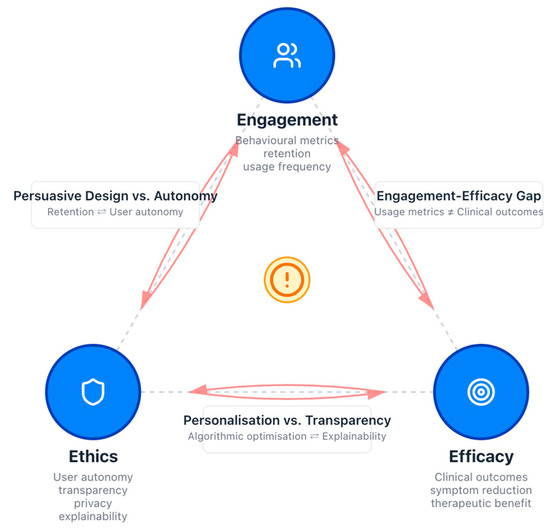
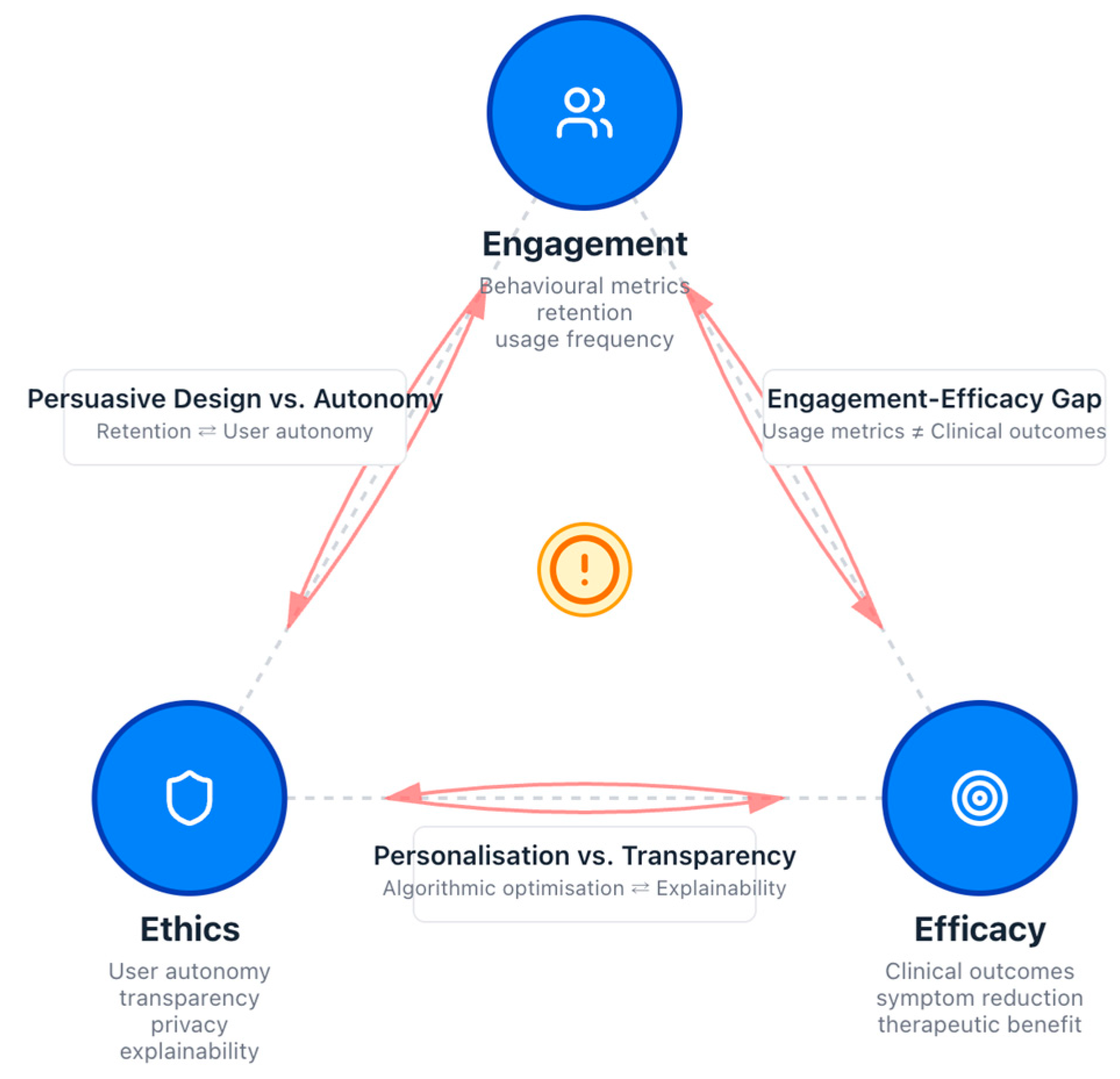
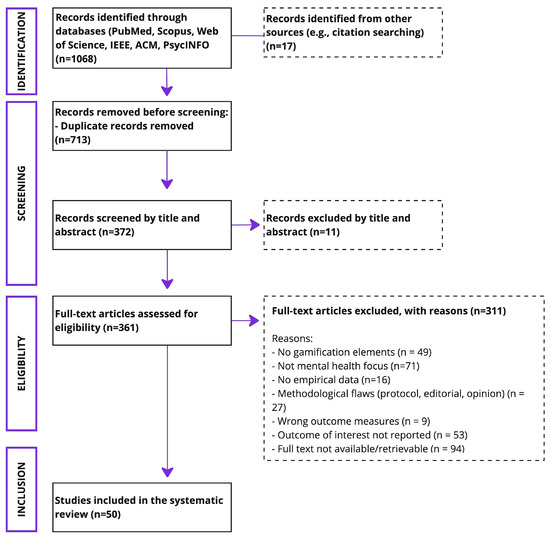
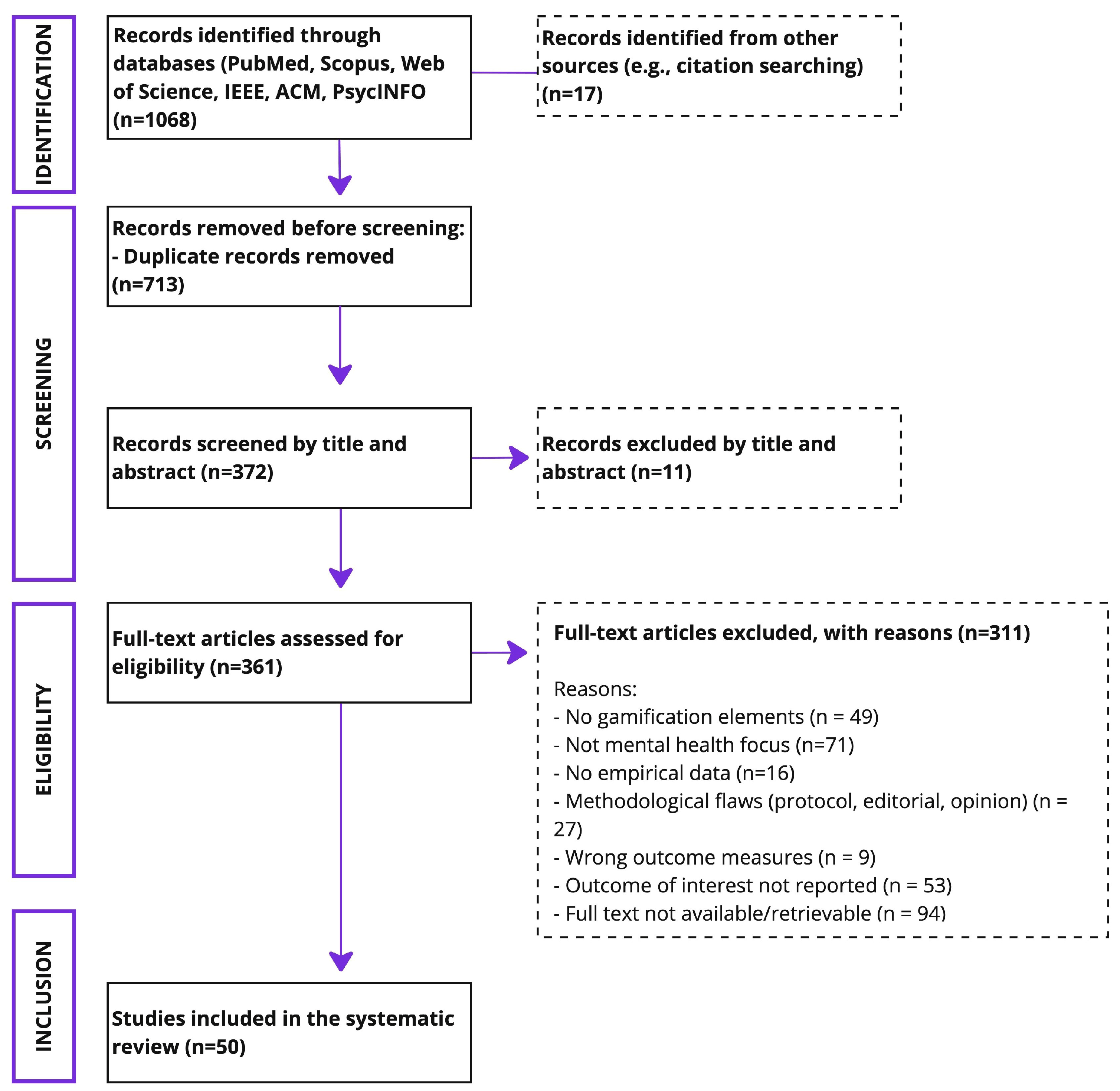

Disclaimer/Publisher’s Note: The statements, opinions and data contained in all publications are solely those of the individual author(s) and contributor(s) and not of MDPI and/or the editor(s). MDPI and/or the editor(s) disclaim responsibility for any injury to people or property resulting from any ideas, methods, instructions or products referred to in the content. |
© 2026 by the authors. Licensee MDPI, Basel, Switzerland. This article is an open access article distributed under the terms and conditions of the Creative Commons Attribution (CC BY) license.