Article

Information Model for Pharmaceutical Smart Factory Equipment Design


by
Roland Wölfle
1,2,
Irina Saur-Amaral
3,4 and
Leonor Teixeira
5,*
1
Doctoral School, University of Aveiro, 3810-193 Aveiro, Portugal
2
Automation and Robotics, pester pac automation GmbH, 87787 Wolfertschwenden, Germany
3
Superior Institute of Accounting and Business, University of Aveiro, 3810-193 Aveiro, Portugal
4
NECE-UBI, Universidade da Beira Interior (UBI), 6201-001 Covilhã, Portugal
5
Department of Economics, Management and Industrial Engineering and Tourism (DEGEIT)/Institute of Electronics and Informatics Engineering of Aveiro (IEETA), University of Aveiro, 3810-193 Aveiro, Portugal
*
Author to whom correspondence should be addressed.
Information 2025, 16(5), 412; https://doi.org/10.3390/info16050412
Submission received: 25 March 2025 / Revised: 11 May 2025 / Accepted: 15 May 2025 / Published: 17 May 2025

Abstract

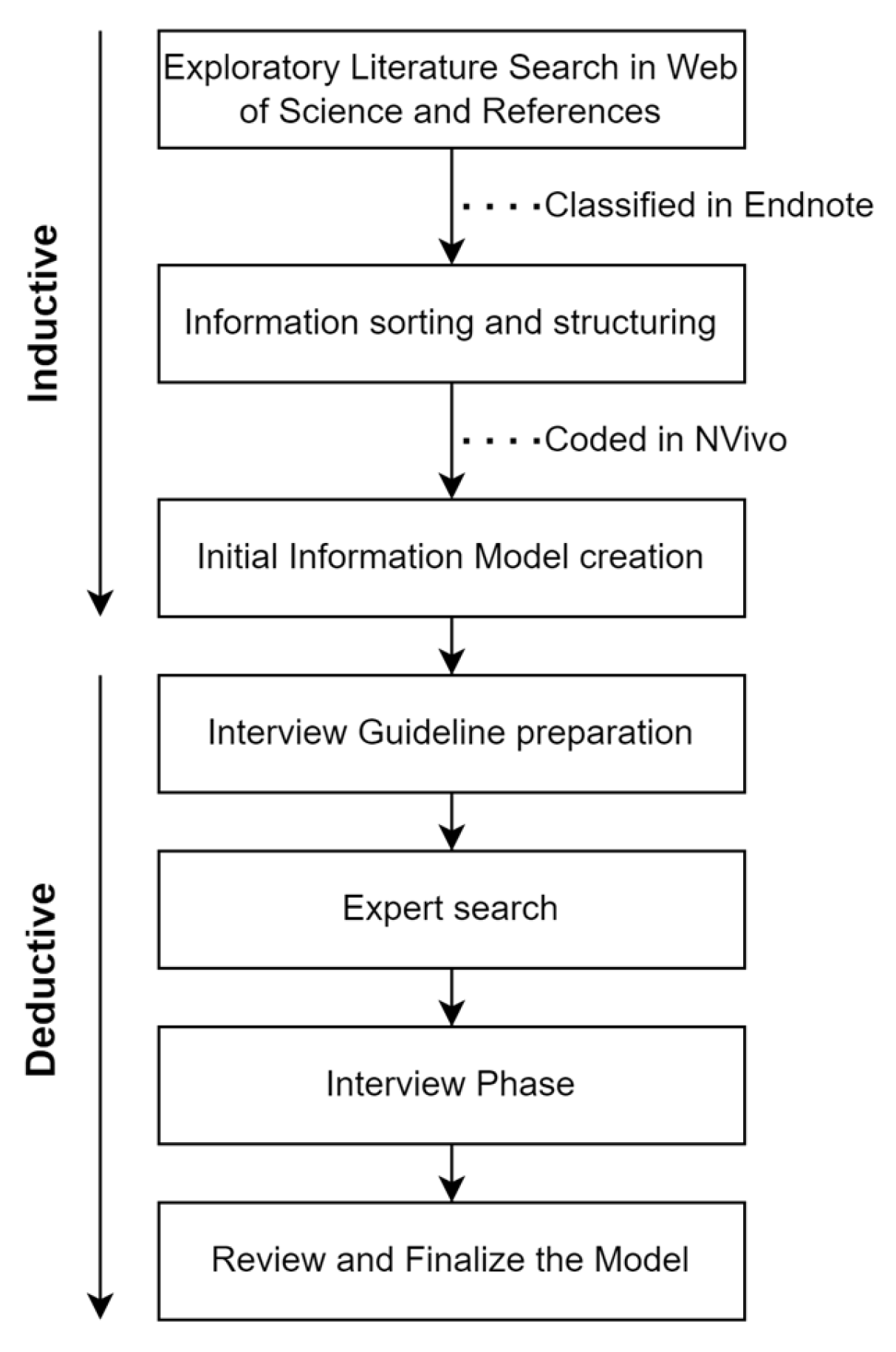
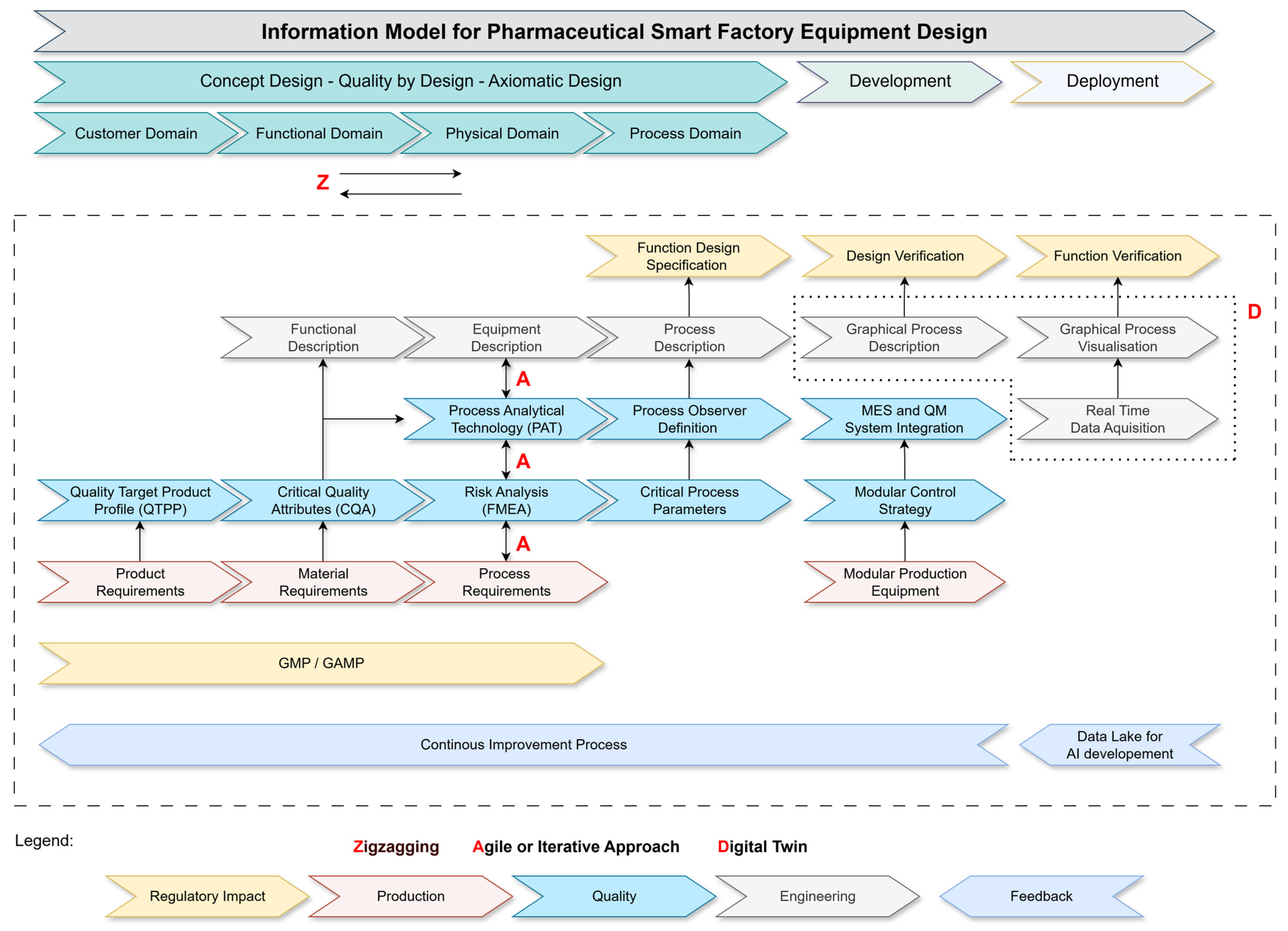
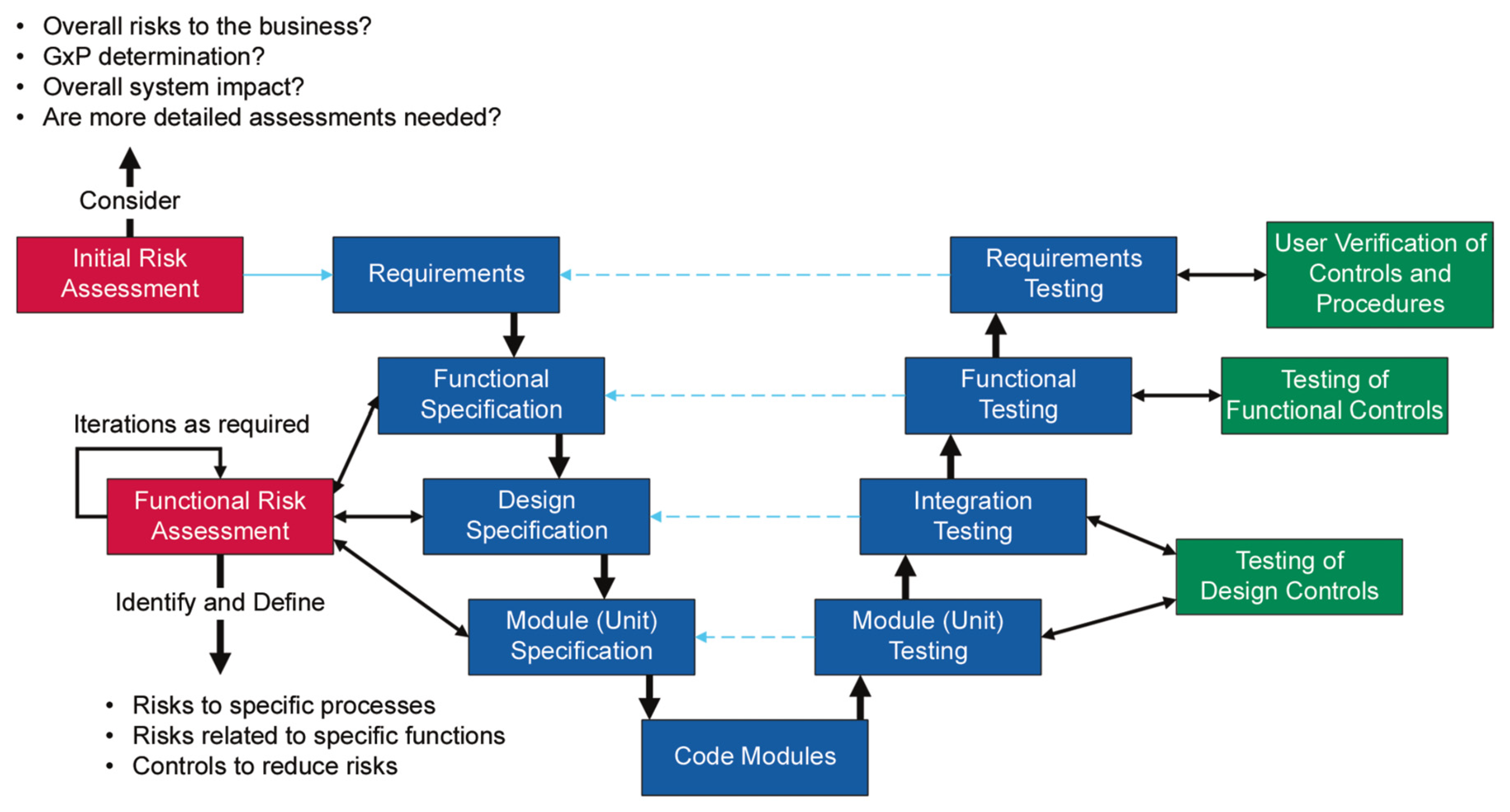
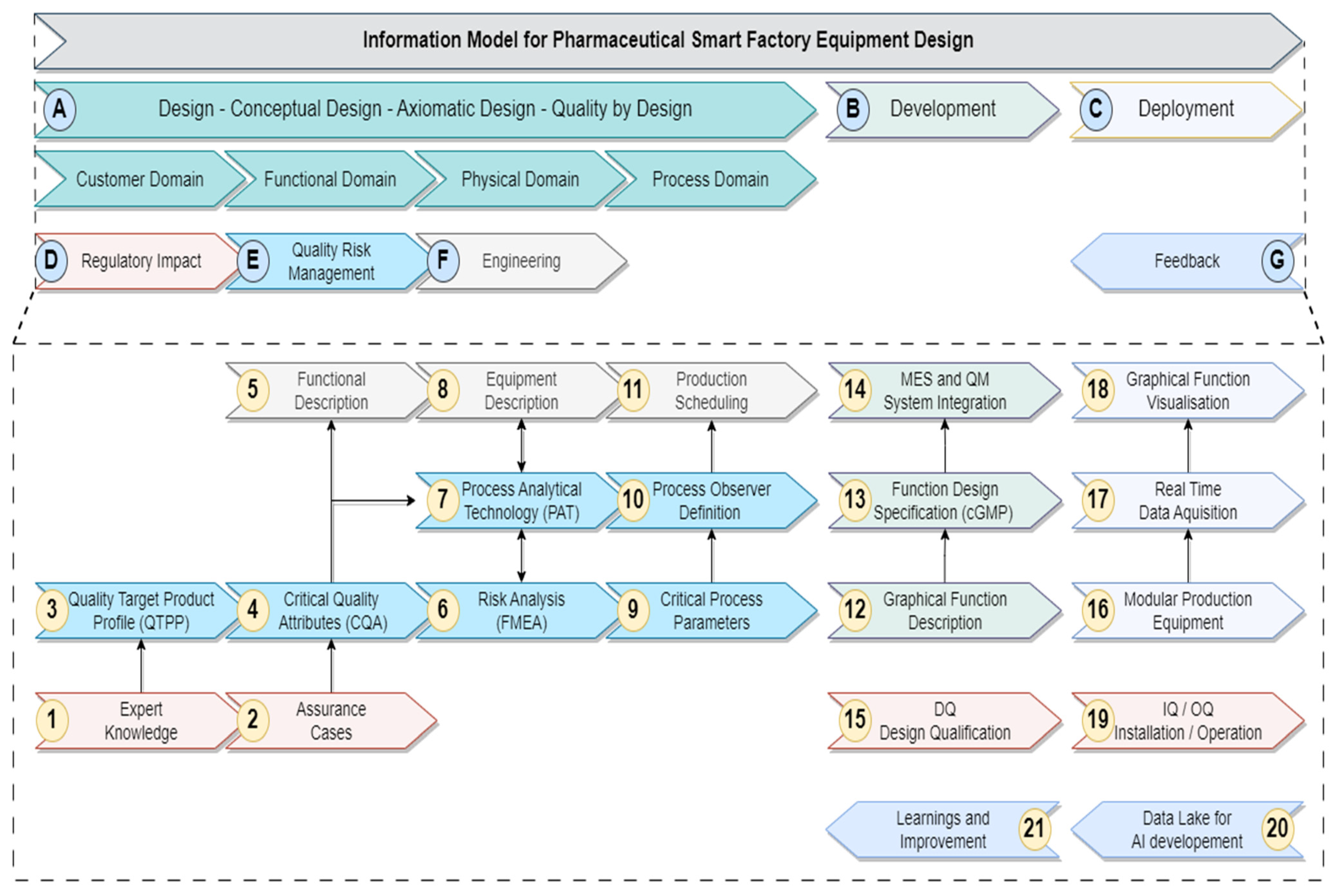
Pharmaceutical production typically focuses on individual drug types for each production line, which limits flexibility. However, the emergence of Industry 4.0 technologies presents new opportunities for more adaptable and customized manufacturing processes. Despite this promise, the development of innovative design techniques for pharmaceutical production equipment remains incomplete. Manufacturers encounter challenges due to rapid innovation cycles while adhering to stringent Good Manufacturing Practice (GMP) standards. Our research addresses this issue by introducing an information model that organizes the design, development, and testing of pharmaceutical manufacturing equipment. This model is based on an exploratory review of 176 articles concerning design principles in regulated industries and integrates concepts from Axiomatic Design, Quality by Design, Model-Based Systems Engineering, and the V-Model framework. Further refinement was achieved through insights from 10 industry experts. The resultant workflow-based information model can be implemented as software to enhance engineering and project management. This research offers a structured framework that enables pharmaceutical equipment manufacturers and users to collaboratively develop solutions in an iterative manner, effectively closing the gap between industry needs and systematic design methodologies.
Keywords: axiomatic design; pharma; equipment design; V-Model; smart factory; model-based design and engineering axiomatic design; pharma; equipment design; V-Model; smart factory; model-based design and engineering