Article

Sacred Nature. Diverging Use and Understanding of Old Sámi Offering Sites in Alta, Northern Norway


1
Department of Archaeology, History, Religious Studies and Theology, UiT—The Arctic University of Norway, NO-9037 Tromsø, Norway
2
Research Unit of History, Culture and Communications, University of Oulu, FI-90014 Oulu, Finland
*
Author to whom correspondence should be addressed.
Religions 2020, 11(7), 317; https://doi.org/10.3390/rel11070317
Submission received: 14 May 2020 / Revised: 11 June 2020 / Accepted: 19 June 2020 / Published: 27 June 2020
(This article belongs to the Special Issue Sámi Religion: Religious Identities, Practices and Dynamics)

Abstract

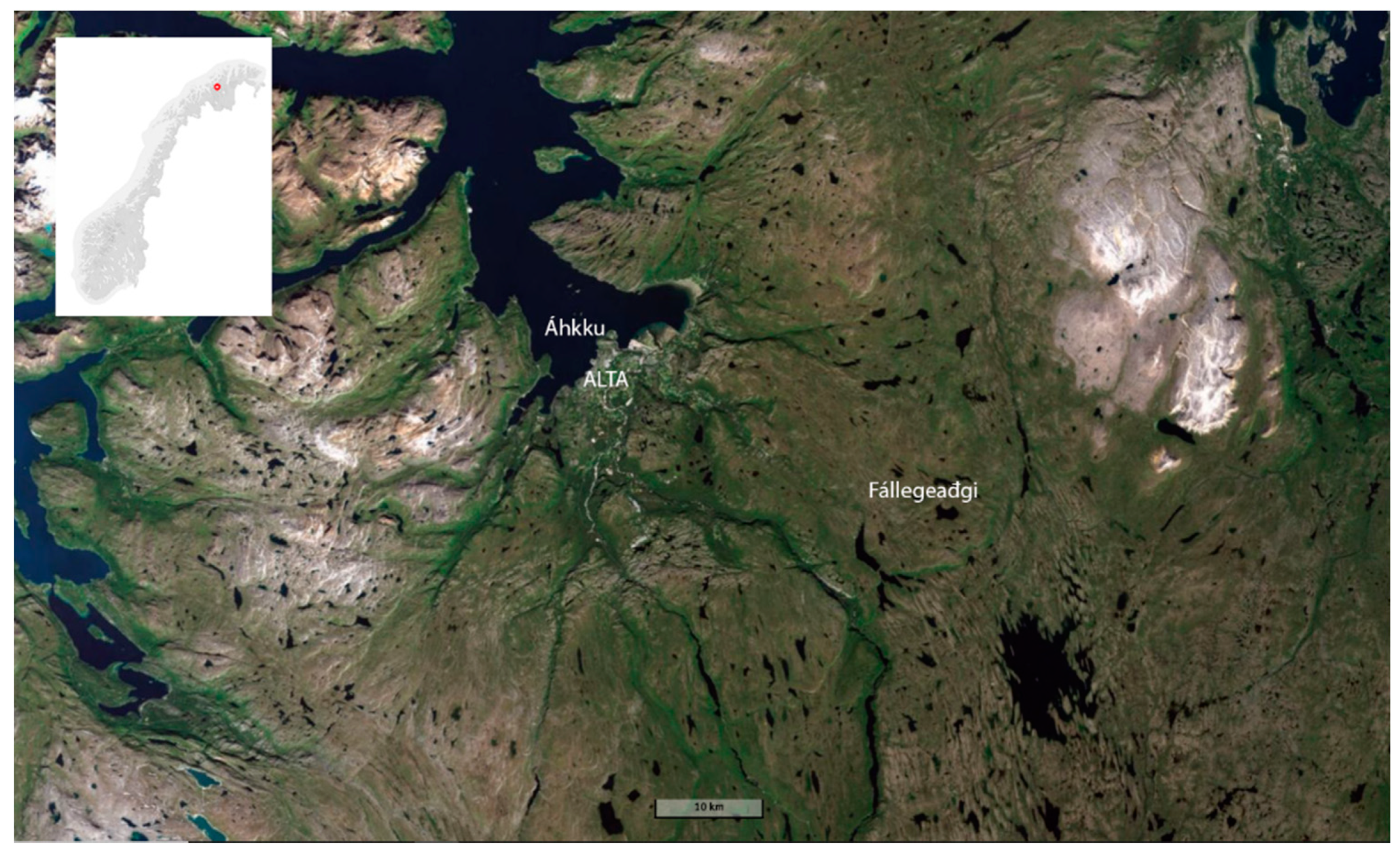
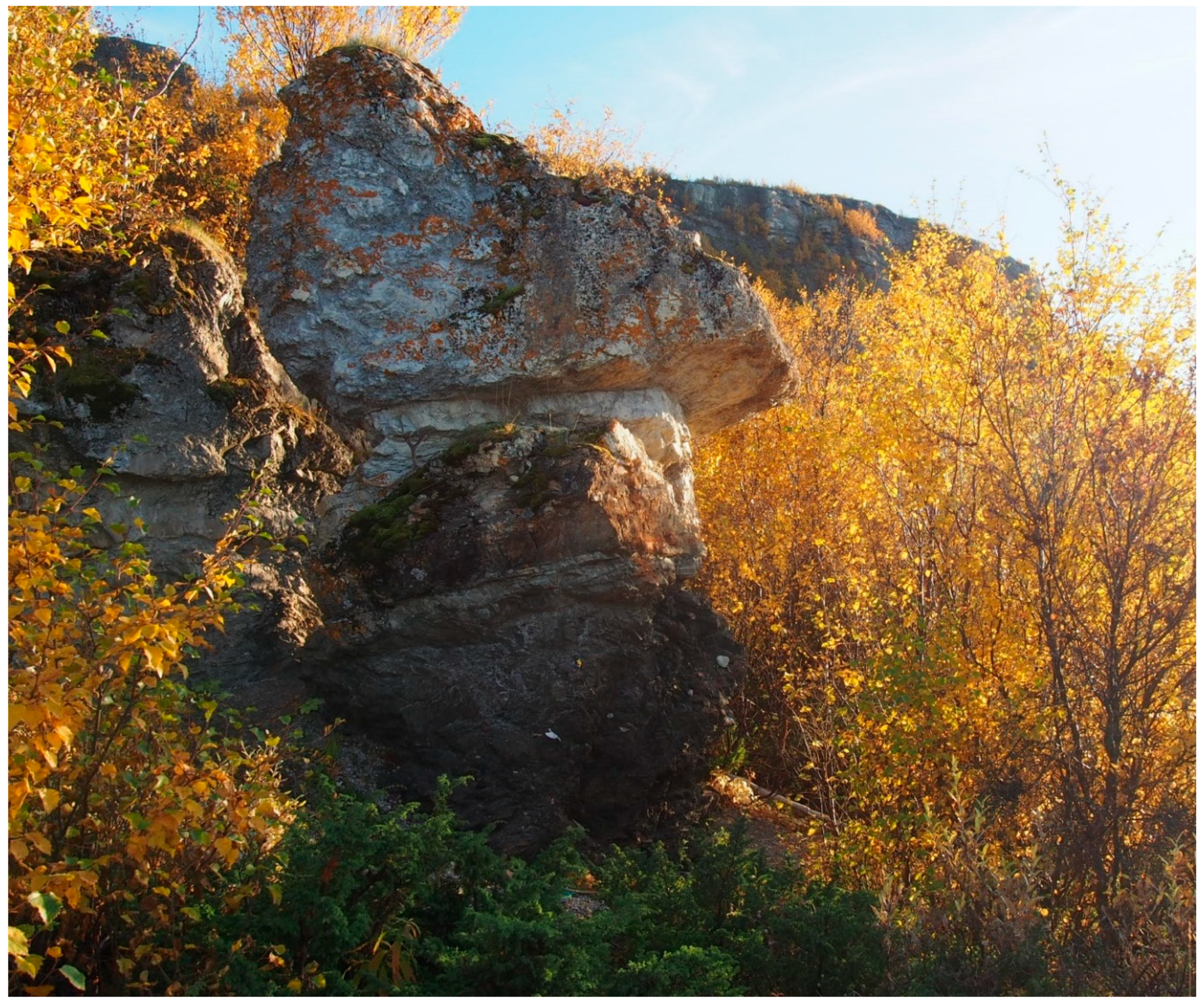
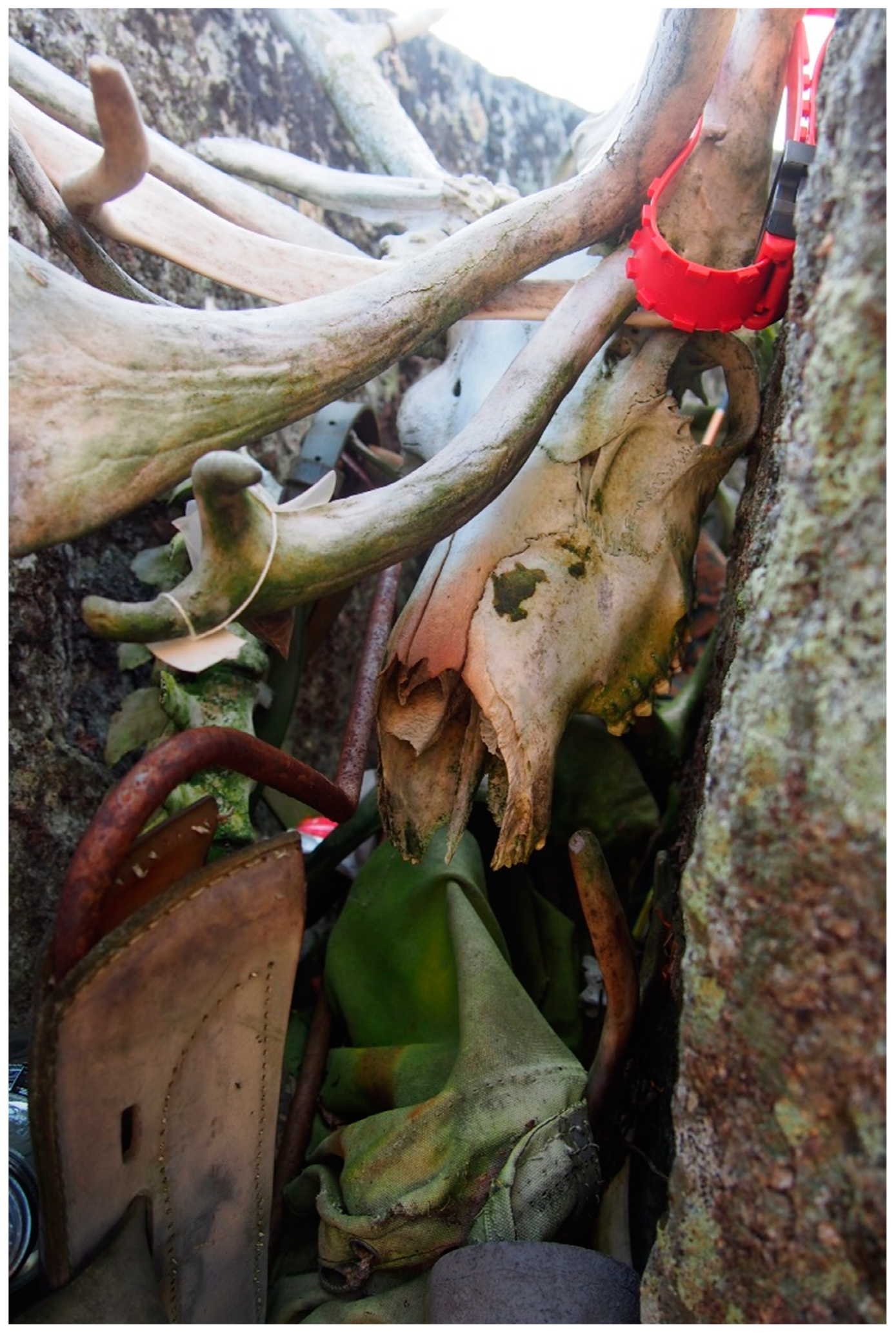
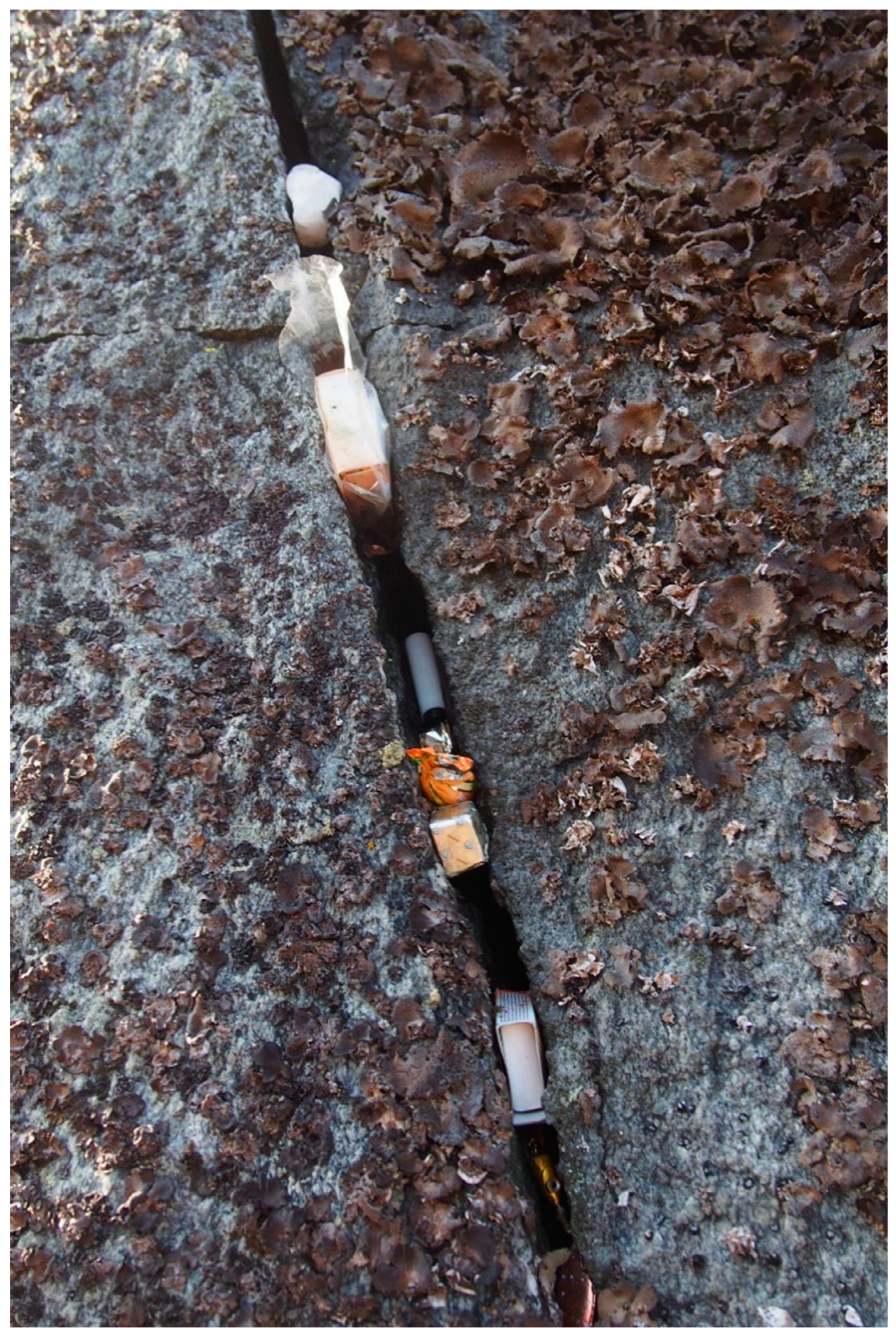
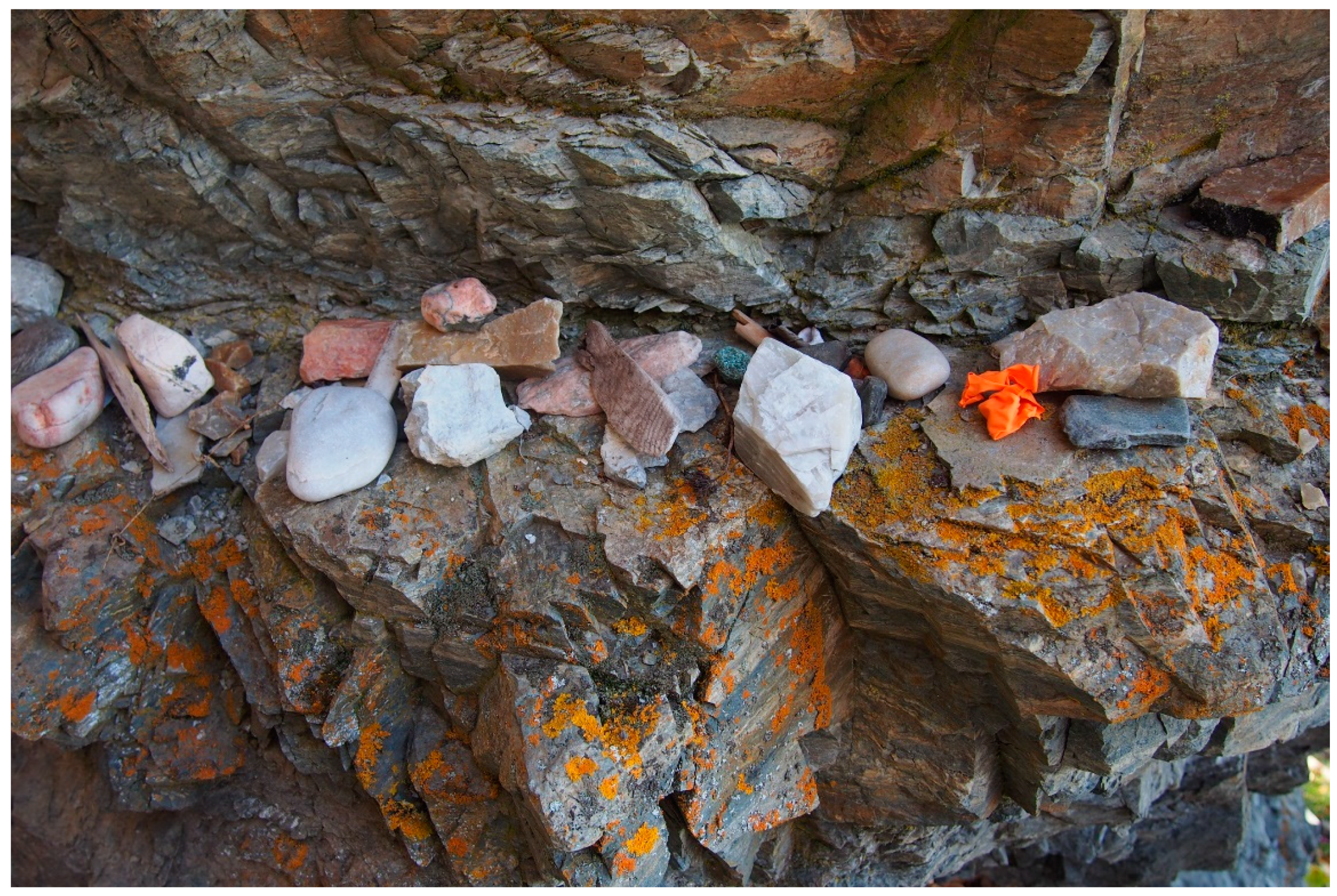
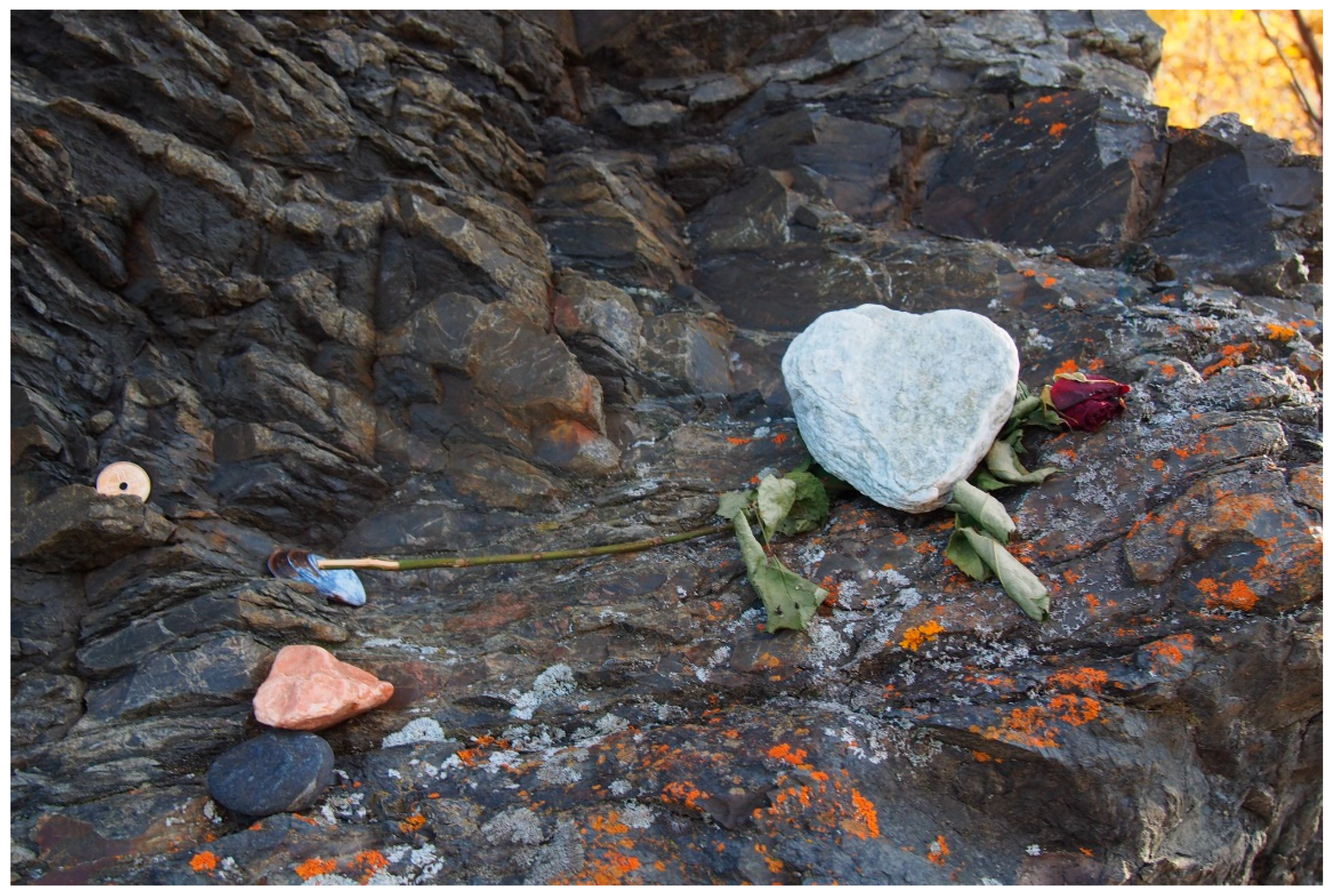
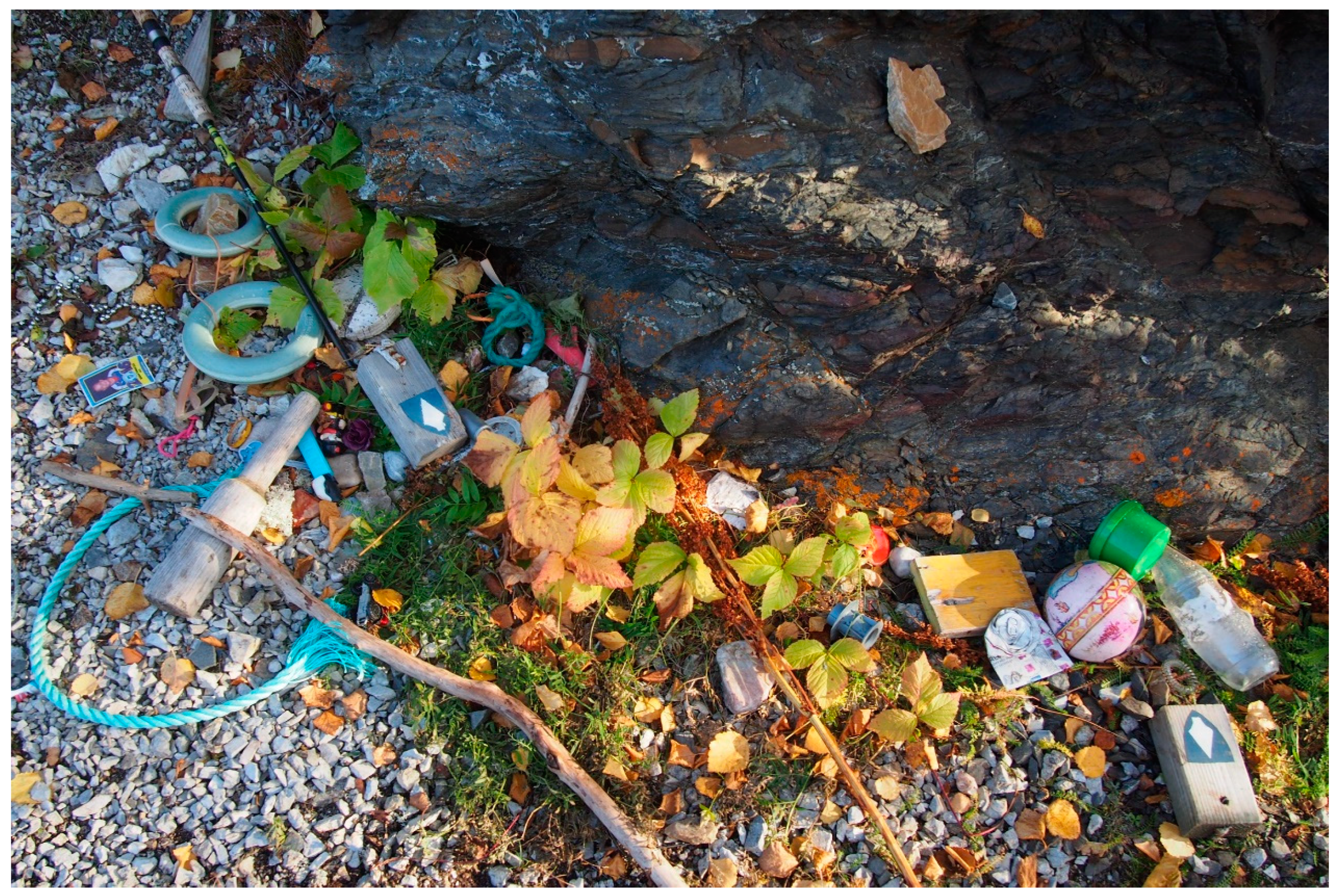
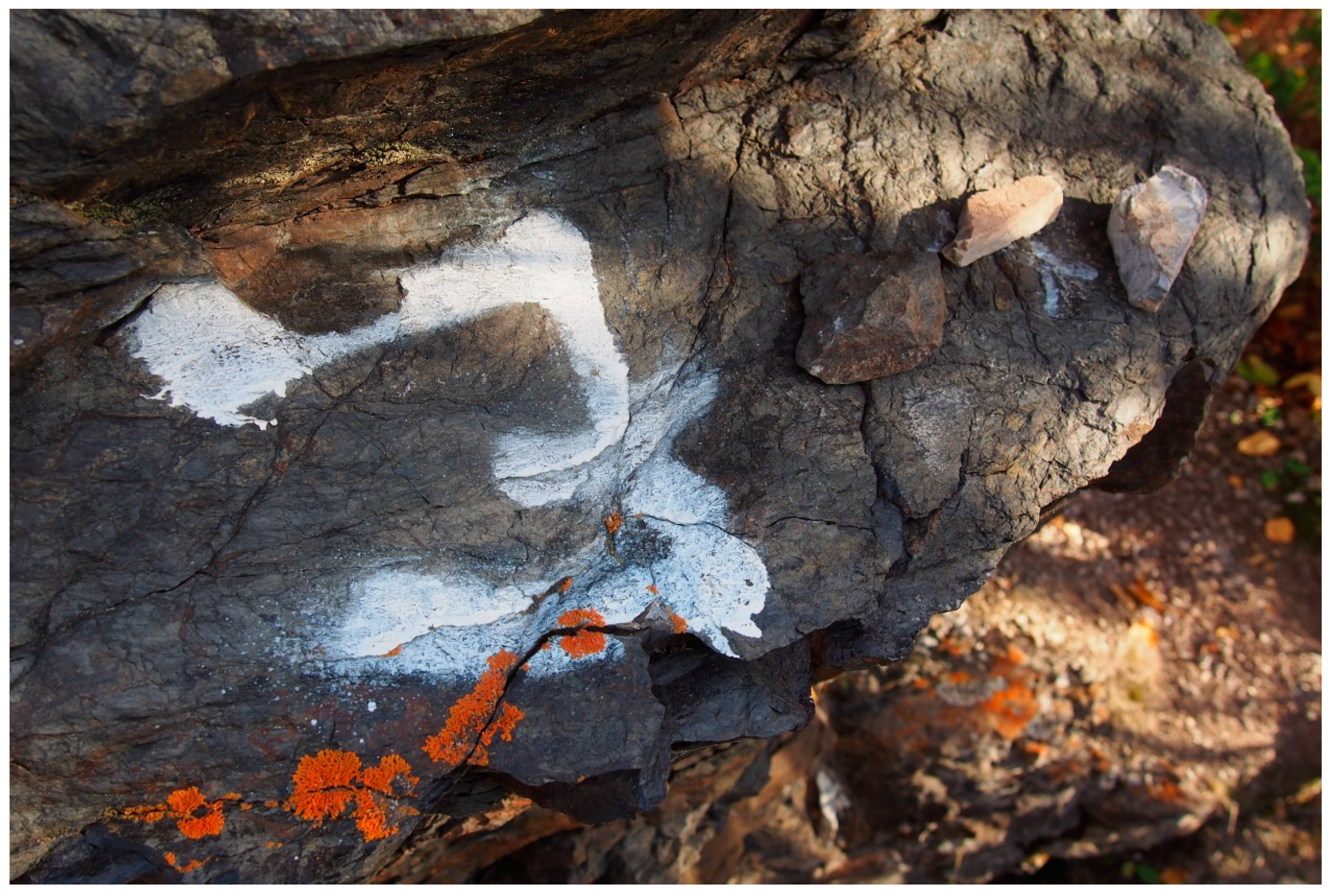
This study focuses on the contemporary use of two well-known Sámi offering sites in Alta, Finnmark, Norway. Today, these are hiking destinations and sightseeing points for both the Sámi and the non-Sámi local population, as well as a few non-local visitors. Many of these visitors leave objects at the sites, such as parts of recently slaughtered reindeer, clothing, coins, toys, sweet wrappers and toilet paper. This indicates that visitors have different levels of knowledge about and reverence for the traditional significance of these places. Through repeated surveys over several years, we also observed a certain development and change in the number and character of these depositions, as well as a variation in depositions between different sites. A series of interviews with various users and key stakeholders were performed to clarify the reasons for these changing practices, as well as what individuals and groups visit these sites, their motivation for doing so and for leaving specific objects, and what potential conflict of interest there is between different users. Furthermore, we surveyed what information has been available to the public about these sites and their significance in Sámi religion and cultural history over time. The results show that a diverse group of individuals visit the sites for a variety of reasons, and that there are contrasting views on their use, even among different Sámi stakeholders. While it is difficult to limit the knowledge and use of these places because they are already well known, more information about old Sámi ritual practices and appropriate behaviour at such sites may mediate latent conflicts and promote a better understanding of the importance of offering sites in both past and present Sámi societies.
Keywords: Sámi religion; sieidi; offering site; contemporary offerings; tourism Sámi religion; sieidi; offering site; contemporary offerings; tourism