Article

Geological Characteristics and a New Simplified Method to Estimate the Long-Term Settlement of Dredger Fill in Tianjin Nangang Region

College of Environment and Civil Engineering, Chengdu University of Technology, Chengdu 610059, China
*
Author to whom correspondence should be addressed.
J. Mar. Sci. Eng. 2026, 14(1), 92; https://doi.org/10.3390/jmse14010092 (registering DOI)
Submission received: 7 December 2025 / Revised: 26 December 2025 / Accepted: 28 December 2025 / Published: 2 January 2026
(This article belongs to the Section Coastal Engineering)

Abstract

Long-term settlement of dredger fill presents substantial challenges to infrastructure stability, particularly in coastal areas such as Tianjin Nangang, where liquefied natural gas (LNG) pipelines are vulnerable to deformation caused by differential settlements. This study investigates the geological properties and long-term settlement characteristics of dredger fill in the Tianjin Nangang coastal zone and develops a simplified predictive model for long-term settlement. Comprehensive laboratory analyses, including field emission scanning electron microscopy (FESEM), X-ray diffraction (XRD) and mercury intrusion porosimetry (MIP), revealed a porous, flaky microstructure dominated by quartz and calcite, with mesopores (0.03–0.8 µm) constituting over 80% of total pore volume. A centrifuge modelling test conducted at 70 g acceleration simulated accelerated settlement behavior, demonstrating that approximately 70% of settlements occured within the initial year. The study proposes an enhanced hyperbolic model for long-term settlement prediction, which shows excellent correlation with experimental results. The findings underscore the high compressibility and low shear strength of dredger fill, highlighting the necessity for specific mitigation measures to ensure infrastructure integrity. This research establishes a simplified yet reliable methodology for settlement estimation, providing valuable practical guidance for coastal land reclamation projects.

1. Introduction

In recent decades, many coastal countries, such as Japan [1], the Netherlands [2], Korea [3], and China [4], have extensively exploited land utilization for coastal area expansion. Using dredger fill for land reclamation from the sea has become an effective way to alleviate the shortage of land resources in coastal port cities [5,6]. In recent years, many liquefied natural gas (LNG) pipelines have been built on dredger fills in coastal areas in China. In the Tianjin Nangang region, in the eastern coastal area of Tianjin city, the first LNG pipeline is currently in service, as shown in Figure 1, and more pipelines are planned in this area. However, the experience of operating the first LNG pipeline has shown that the pipeline in dredger fill is susceptible to settlement. Excessive differential settlement leads to pipeline cracks and even gas leakage, which dramatically affects the safety of the LNG transporting system [7]. LNG pipeline instability accidents often occur because of the complicated mechanical properties of dredger fill [8,9].
Dredger fill is widely distributed in coastal countries around the world and has obvious consolidation settlement characteristics, which easily leads to construction settlement. Dredger fill is not suitable for use as a building foundation because of its high water content, high compressibility, large void ratio and low strength [10,11]. Researchers note that consolidation settlement is strongly affected by dredger fill properties, which are decisive factors in shear strength, compressibility, shrinkage behaviour and creep behaviour [12,13,14]. Tanaka [15] studied the minerals of dredger soft soil in Singapore and reported that kaolinite was the main mineral in the soft soil. Basack [16] studied the chemical analysis of dredger soft soil collected from Visakhapatnam, India. The presence of clay minerals in soft soil, such as montmorillomite, chlorite, kaolinite, vermiculite and quartz, was shown. Yeung [17] investigated the dominant minerals in marine dredger fill and revealed that soft soils exhibit very similar geotechnical engineering properties. According to Eriktius [18], high compressibility and low shear strength are the reasons for most of the problems encountered when projects are constructed on dredger soft soil.
Some basic research has focused on pipeline settlement during operation in terms of long-term soft soil settlement [19,20,21]. Yamazoe [22] proposed a quantitative evaluation of initial soft soil settlement based on accepted theories of soil mechanics. Liu [23] investigated the nonlinear force–displacement interactions of pipeline movement and soil resistance. Modak [24] developed a new simplified method to calculate the time-dependent settlement of multilayer soft soils exhibiting creep subjected to multistage loading. Ozcan [25] proposed an approach for the prediction of in situ settlement based on the laboratory experiments and field monitoring conducted in these marine dredger fill regions. Shan [26] concluded that pipeline settlement was essentially in accordance with foundation settlement in soft soil. Centrifuge model tests have been widely used to analyse long-term soft soil settlement [27,28,29]. Mehrzad [30] conducted centrifugal tests to simulate the postconstruction settlements of an offshore airport on dredger soft soil. Centrifugal tests have advanced feasible settlement calculation methods, offering promising applications and deeper insights into long-term soft soil settlement.
In the following sections, the index properties and microstructure characteristics of the dredger fill samples were determined in the laboratory, and a centrifuge modelling test was performed with a soft soil sample from the Tianjin Nangang region to visualize and discuss the settlement development of the dredger fill. An improved calculation model was applied to predict the final settlement of the dredger fill based on the measured and calculated results.

2. Site Characterization in the Tianjin Nangang Region

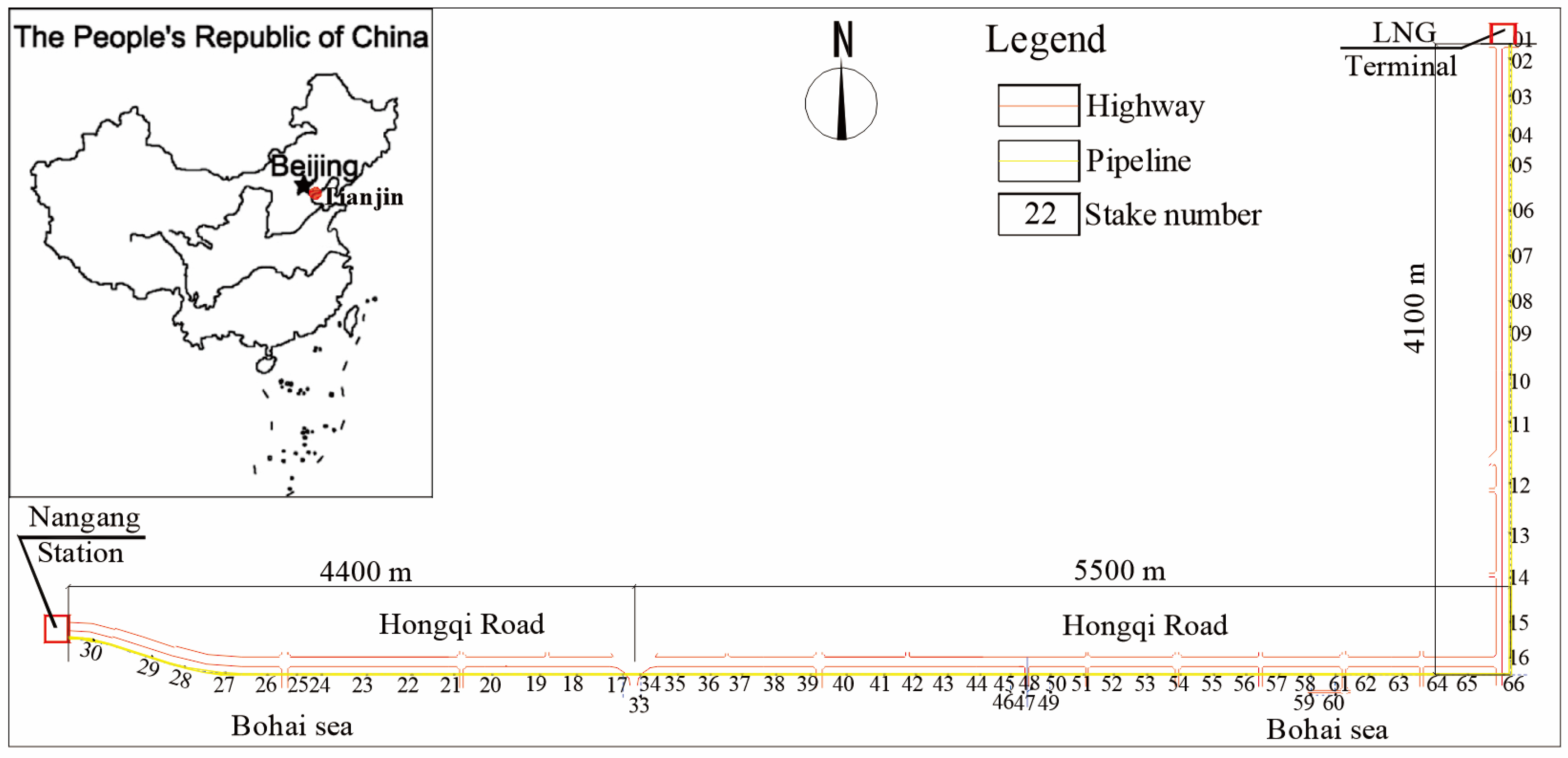
As a significant energy transportation port in northern China, Tianjin plays a key role in LNG imports [31,32]. LNG delivered by LNG carriers is stored and regasified at the onshore receiving terminal, and then natural gas is eventually piped to consumer markets. The first LNG pipeline is in Tianjin Nangang District, China, and has an outside diameter of 1219 mm using an X80 steel grade. The LNG pipeline connecting the LNG terminal and Nangang station has a total length of 4.1 km north–south and 9.9 km east–west. The average burial depth of the pipeline was 2.5 m, and the total distance covered was 14 km (Figure 2).

2.1. Geological and Subsoil Conditions

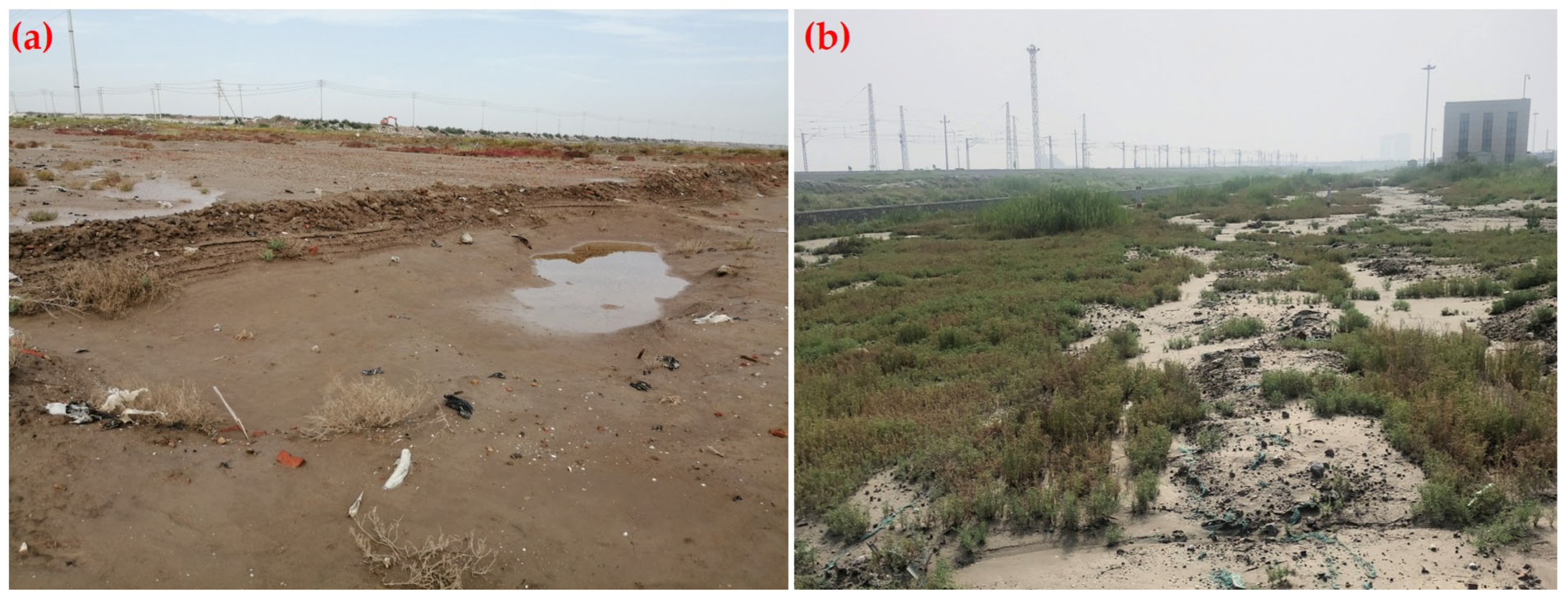
Tianjin is strategically located adjacent to Beijing to the west and borders the Bohai Sea to the east. The region’s geological formation has been significantly influenced by Holocene marine transgression and tectonic subsidence, resulting in a predominantly flat coastal plain. The Nangang area of Tianjin contains extensive dredger fill deposits, which exhibit unfavourable geotechnical properties, including low bearing capacity, high compressibility and elevated natural water content [33]. As illustrated in Figure 3, the dredger fill is interspersed with organic materials such as sedges and plant roots.
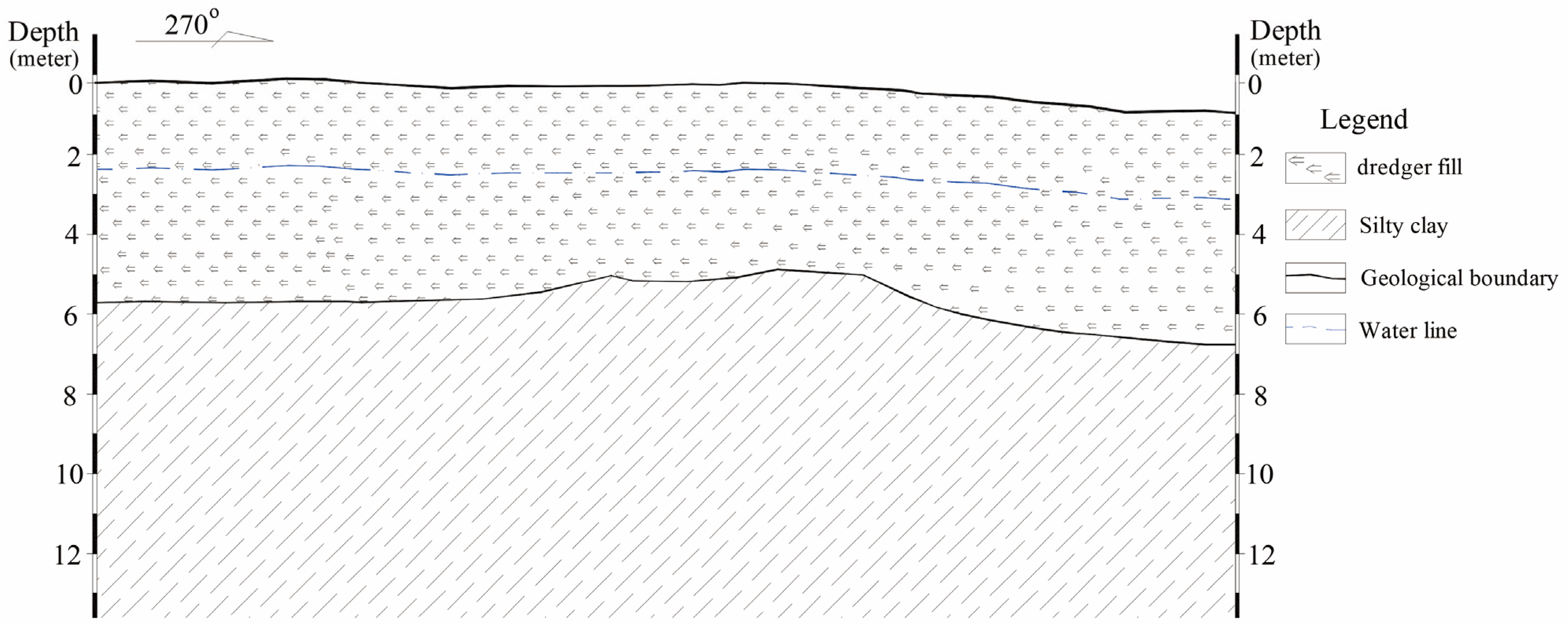
The upper layer of soil strata in the Tianjin Nangang area is composed of dredger fill, and the lower layer is composed mainly of silty clay. The typical geological section is shown in Figure 4, and the average thicknesses of the dredger fill and silty clay are 6 m and 22 m, respectively.

2.2. Effects of Settlement in Dredger Fill

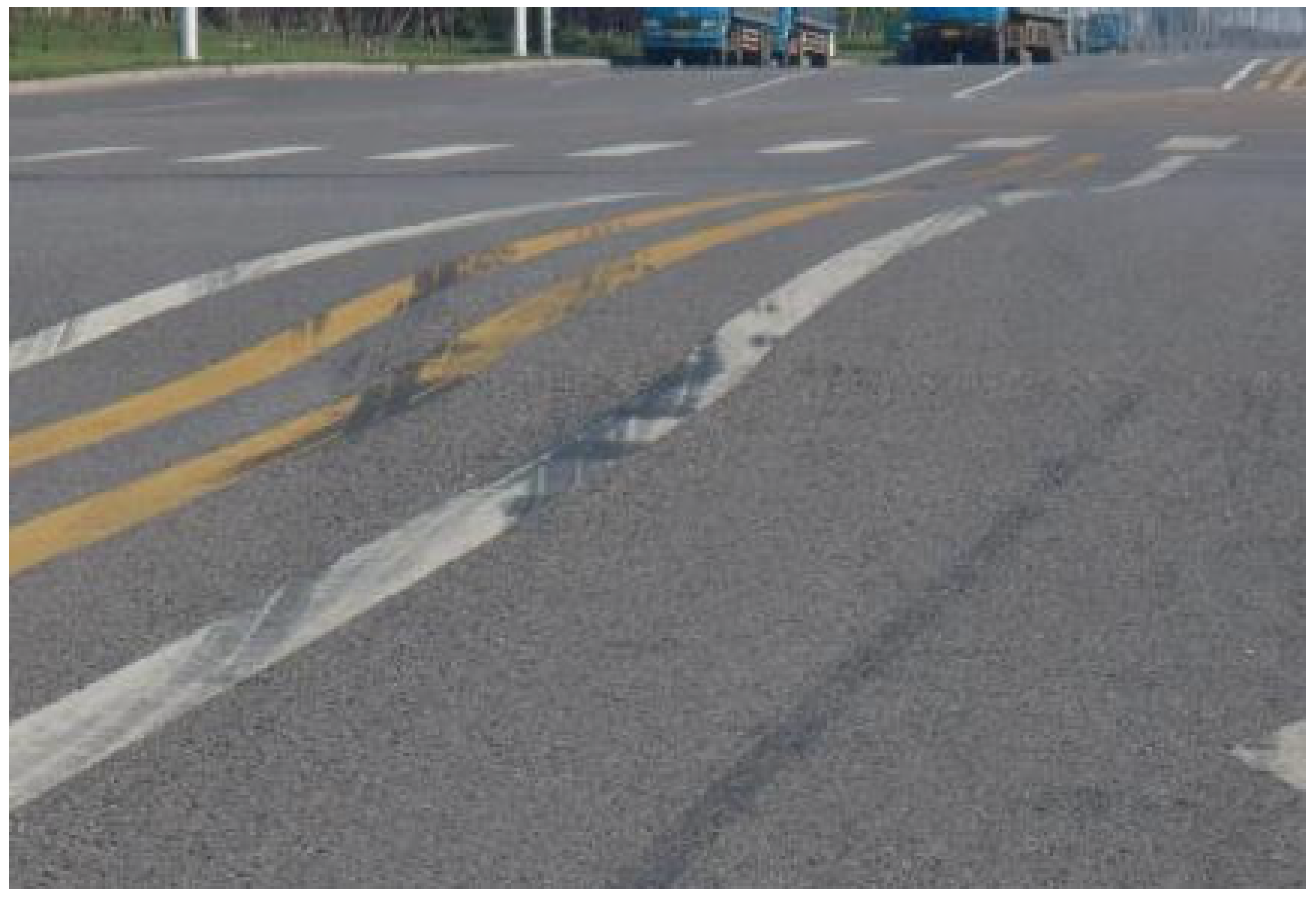
Compared with conventional soil strata, dredger fill layers are characterized by exceptionally high water content and significantly reduced load-bearing capacity; thus, these geotechnical properties render underground pipelines highly susceptible to deformation or even catastrophic collapse [34]. Furthermore, the long-term consolidation settlement of dredger soft soil exerts continuous stress on buried pipelines and overlying road infrastructure, leading to progressive deformation (Figure 5). Over time, such cumulative settlement can induce structural fatigue in pipelines, increasing the risk of localized cracks or large-scale ruptures—especially when differential settlement exceeds tolerable thresholds. The combination of low soil shear strength, high compressibility, and prolonged creep behaviour exacerbates these risks, creating critical challenges for infrastructure durability [35,36].

3. Materials and Methods

3.1. Soft Soil Samples

The soft soil samples studied were taken from the Nangang area, Tianjin, China, as shown in Figure 1. The soft soil used for the tests was dredger fill of the upper layer with an embedded depth of 6 m and silty clay of the lower layer with an embedded depth of 20 m. After the soft soil samples were obtained from underground by drilling, they were sealed with fresh-keeping film and put into sealed containers to keep them in a natural state. The soft soil samples were tested in the soil mechanics laboratory to determine their physical (such as density, water content, void ratio, and grain size distribution) and index properties (such as the liquid limit). The physical parameters and cumulative distributions of the soft soils are shown in Table 1 and Table 2, respectively.

3.2. Characterization

The microstructures of the dredger fill samples were observed with field emission scanning electron microscopy (FESEM) Quanta 250 FEG (FEI Ltd., Mitchel Field, NY, USA). In addition, the mineralogical compositions of the soil samples were obtained by X-ray diffraction (XRD) D/Max-2550 PC (Rigaku Ltd., Tokyo, Japan).

3.3. Mercury Intrusion Porosimetry

Mercury intrusion porosimetry (MIP) AutoPore IV 9500 (Micromeritics Ltd., Norcross, GA, USA) has been used to obtain information on the porous characteristics of dredger fill soil, such as pore volume and pore size distribution [37,38]. MIP is a method used to determine the pore size distribution of porous materials based on the unique relationship between pore size and mercury intrusion pressure, and the following formula was used [39]:
D = 4 γ cos θ P
where D is the pore diameter; γ is the surface tension of mercury; θ is the contact angle and P is the applied pressure.
In this study, MIP with an AutoPore IV mercury porosimeter was used to analyse soft soil to determine its porous characteristics. This porosimeter was manufactured by Micromeritics and can provide a maximum mercury pressure of 414 MPa. To carry out the tests, a dredger fill sample of the dried soil was placed in an MIP penetrometer, and the sealed penetrometer was inserted into the low-pressure port of the equipment. The mass of the dried dredger fill samples used in the MIP analysis ranged from 1.0 to 2.0 g, and a contact angle of 140° and a mercury surface tension of 0.485 N/m were recommended.

3.4. Centrifugal Test

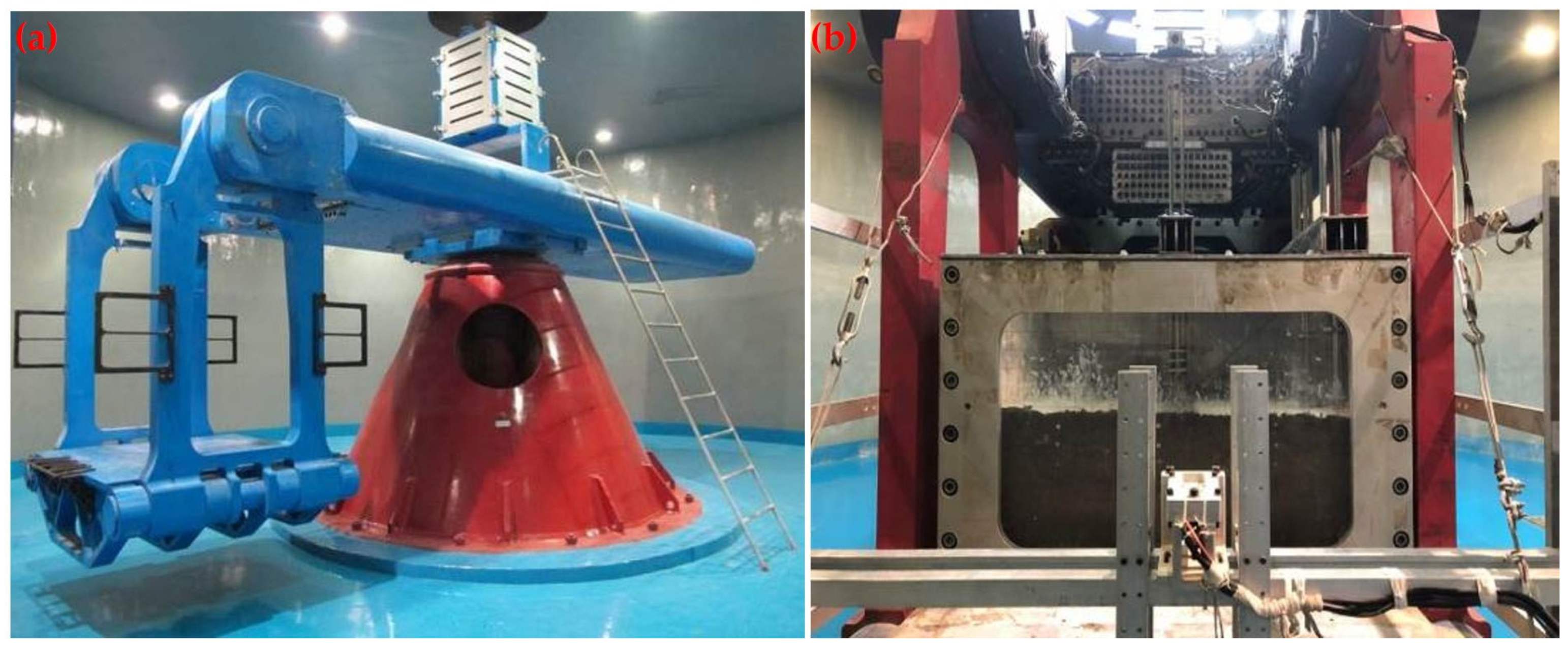
The centrifugal modelling test was performed at the geotechnical centrifuge facility at Chengdu University of Technology, China. The geotechnical centrifuge is a TLJ-500 G-Accelerator (Figure 6a). The design maximum capacity is 500 g tons, the effective rotation radius is 4.0 m, and the largest acceleration is 250 g. A laboratory experiment using a modelling strongbox with interior dimensions of 120 × 100 × 80 cm was designed to study the settlement of dredger fill (Figure 6b).
The acceleration for this test was 70 g, considering several factors, such as the model strongbox size, simulation time and boundary effect. The soft soil samples were subjected to an acceleration of 70 g for 140 min, which was equivalent to 1.3 years in the prototype according to the centrifugal scaling law. Therefore, the scale factor for this test was 70, and the scaling factors for the testing parameters are listed in Table 3. The acceleration increased gradually from 0 to 40 g, and the model rotated at a constant speed for 4 min under the maintained 40 g acceleration. Then, the acceleration was gradually increased from 40 to 70 g (1 min per 5 g). The centrifuge model rotated at a constant speed of 70 g acceleration until the total experiment time reached 140 min, and finally the acceleration was reduced to 0.
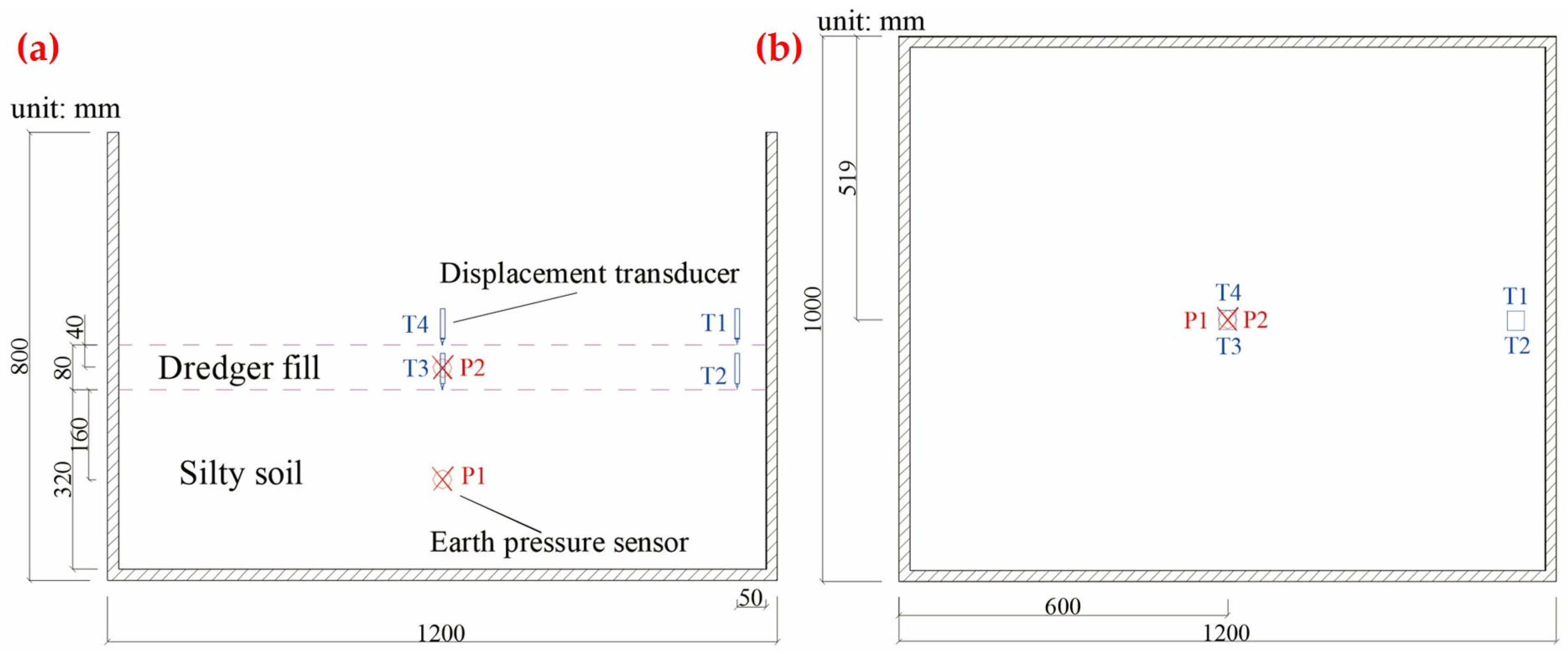
To simulate real subsurface strata conditions, the soft soil samples in the model test were separately added to the strongbox two times. The model employed in this study, however, assumed that the dredger fill layer and the silty clay layer were constructed synchronously. This simplified model aimed to focus on the compression and deformation of the dredger fill itself under long-term self-weight loading, thus disregarding the construction sequence of applying the dredger fill layer by layer over the existing clay layer. A geologic model scale of 1:70 was used according to the centrifuge scaling laws, so a uniform dredger fill thickness of 8 cm and a uniform silty soil thickness of 32 cm were used in the geologic model. First, 32 cm thick silty soil was placed at the bottom of the strongbox. Second, 8 cm-thick dredger fill was placed on the top of the strongbox. Figure 7 shows the lateral view and platform view of the model for the dimensions of the 1/70 scaled model. Four linear variable displacement transducers and two Earth pressure sensors were embedded and installed, as shown in Figure 7.
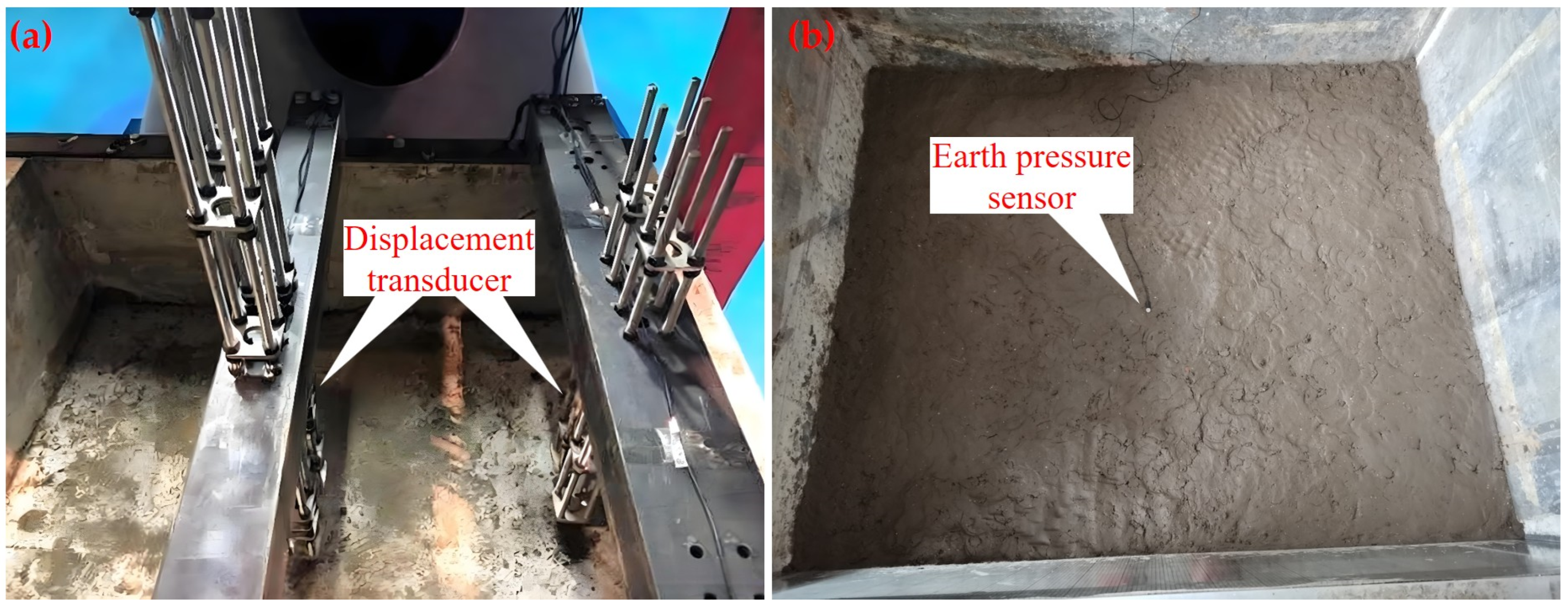
The displacement transducers (Figure 8a) and earth pressure sensors (Figure 8b) were vertically inserted at two depths in the soil profile. In addition, displacement transducers were positioned both in the centre and one side of the model soil to monitor the displacement, and earth pressure sensors were positioned in the centre to monitor the pressure. The working range of the displacement transducer is within 0∼50 mm, and the range of the earth pressure sensors is 0∼500 kPa. All the displacement and pressure data were acquired and recorded through data acquisition systems. In the centrifuge model, single-drainage conditions were simulated. The bottom and sides of the strongbox were designed as impermeable boundaries, while the top surface of the dredger fill layer was exposed to the atmosphere to allow free drainage. In addition, the lubricant oil was brushed on the lateral walls of the model box to reduce frictional force at the boundary.

4. Test Results and Analyses

4.1. Microstructural Characteristics

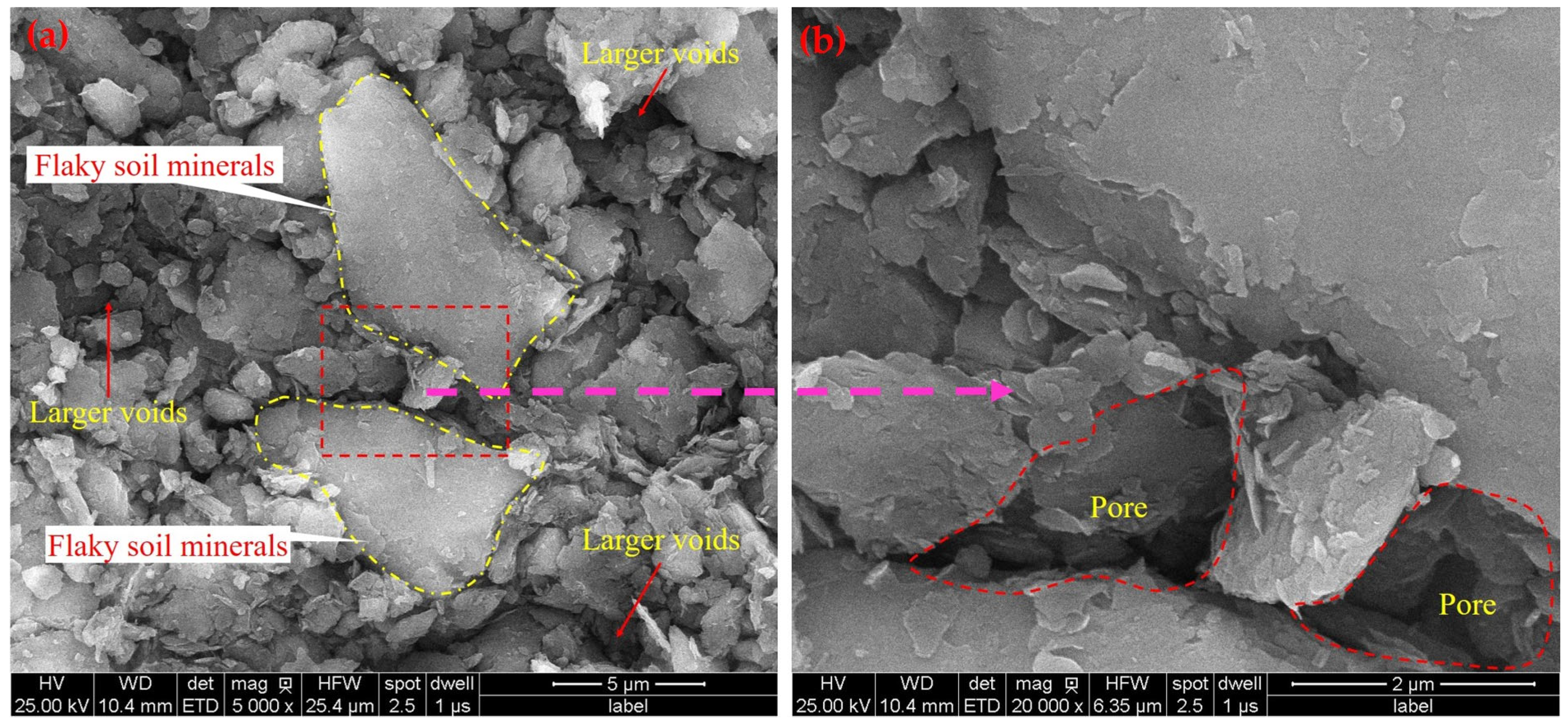
Figure 9 presents FESEM images of dredger fill samples at magnifications of 5000 and 20,000 before testing. As these images show, the dredger fill from the Tianjin Nangang region manifested a honeycomb microstructure, and the microstructure of the soft soil was composed of a large volume of flaky and block structures. The dredger fill was porous, and the boundaries of the soil particles were clearly defined. It is a typical skeleton microstructure formed by flaky soil particles. The pore size distributions for the dredger fill samples are shown in Figure 9, and the diameters of the largest pores were larger than 2 μm, as observed from the 20,000× magnification images. Moreover, the overlap between soil minerals mostly occurs from the surface to the surface and from the surface to the edge. For the soil particles, loose structures were shown in a microphotograph, and this structure can easily cause significant differential settlement of soft soil foundations.

4.2. Mineral Characteristics

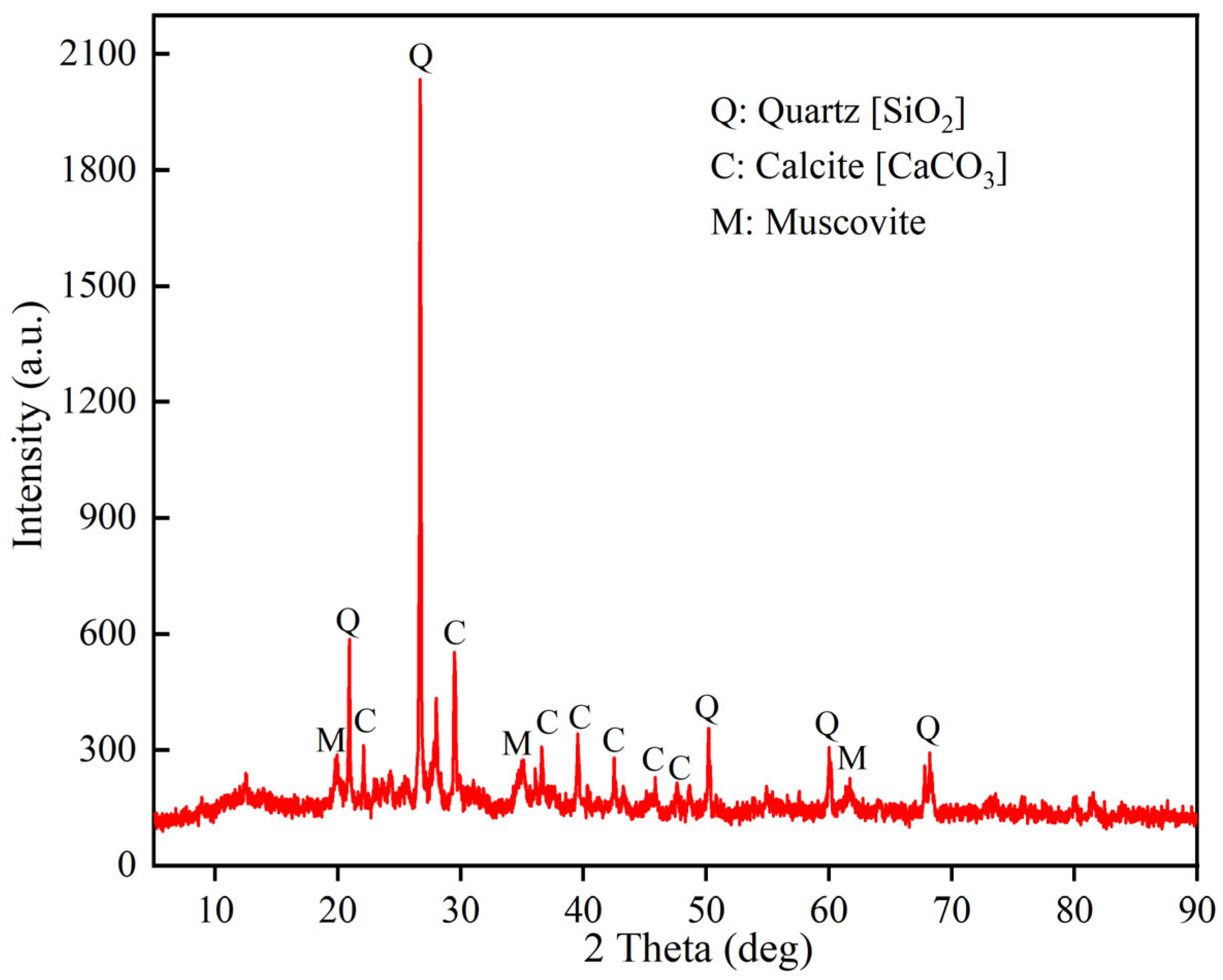
X-ray diffraction patterns of the dredger fill samples are presented in Figure 10, which were obtained to determine the chemical compositions of the minerals present in the soil. In general, the XRD results revealed the substantial presence of silicon dioxide and calcium carbonate in the tested soil samples. The data given in Figure 10 show that quartz and calcite are present in major mineral quantities. The peaks at 2θ values of 20.94, 26.69, 50.19, 60.01 and 68.21 were associated with quartz as the major crystalline structure according to the standard powder diffraction data. The quartz content has been identified as a major determinant of soft soil strength characteristics [40]. Additionally, the XRD peaks at 2θ values of 22.08, 29.51, 36.57, 39.54, 42.51, 45.85 and 47.59 were related to the calcite phase. Calcite is known as a hardening material, which also helps to improve the strength of dredger fill samples, and it is formed by carbonation [41]. Furthermore, the XRD peaks at 2θ values of 19.91, 35.09, and 61.68 were related to the muscovite phase.

4.3. Pore Size Distribution

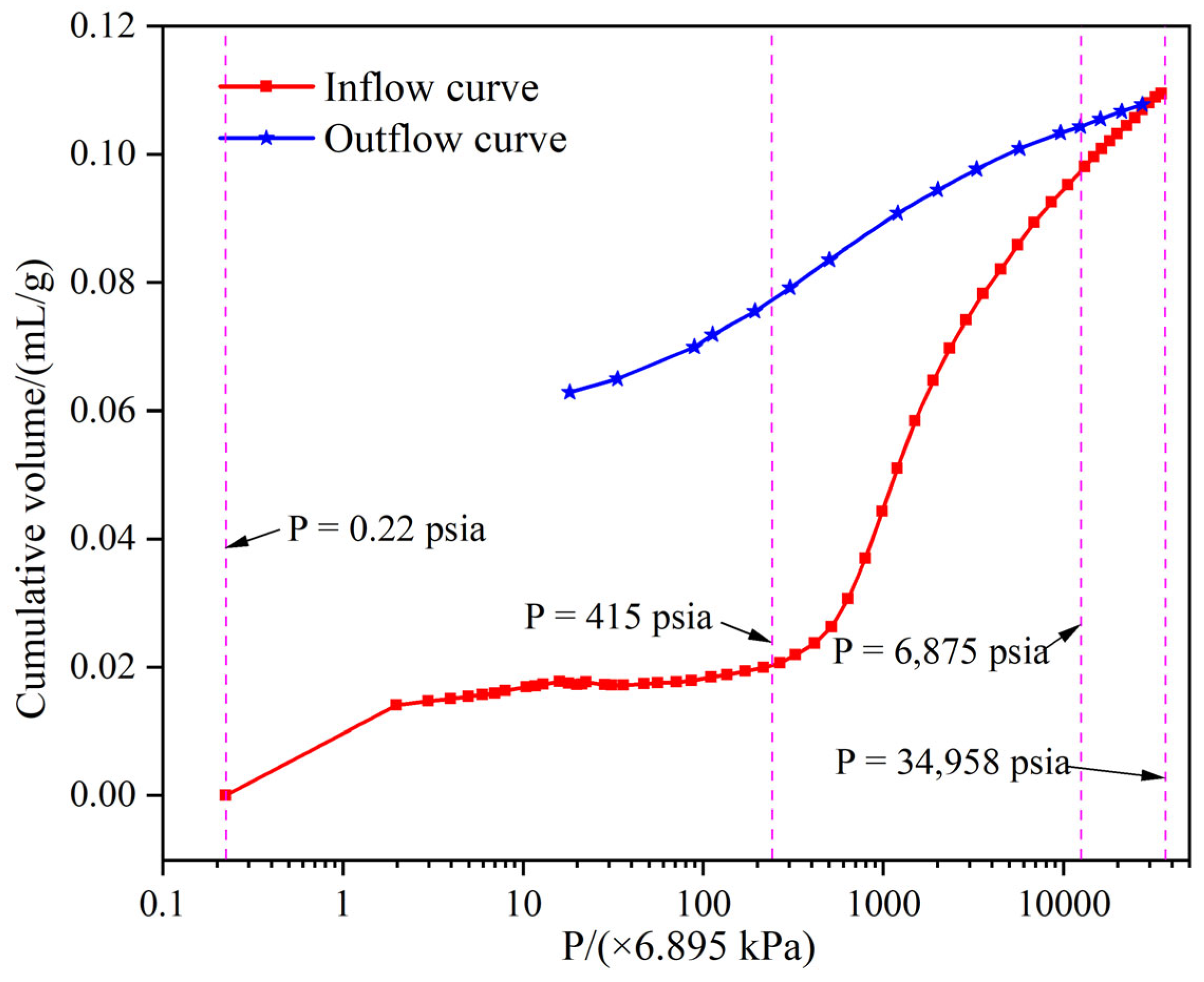
As shown in Figure 11, the mercury inflow of the test soils exhibited a typical S-shaped curve. When the mercury inflow pressure is 0.2–415 psia (1 psia = 6.895 kPa), the mercury inflow curve is gentle and presents approximately linear changes. At 415–6875 psia, the cumulative mercury inflow increases significantly. Here, the slope of the mercury inflow curve is the largest, indicating that the pore content reaches its peak in this pressure region. When the mercury inflow pressure continues to increase to 6875–34,958 psia, the mercury inflow curve flattens, and the slope of the curve decreases accordingly. Figure 11 shows that the mercury inflow–outflow curves do not overlap, and the results indicate that many semi-closed pores are present in the dredger fill and that some mercury is retained in the pores, resulting in mercury inflow–outflow hysteresis.
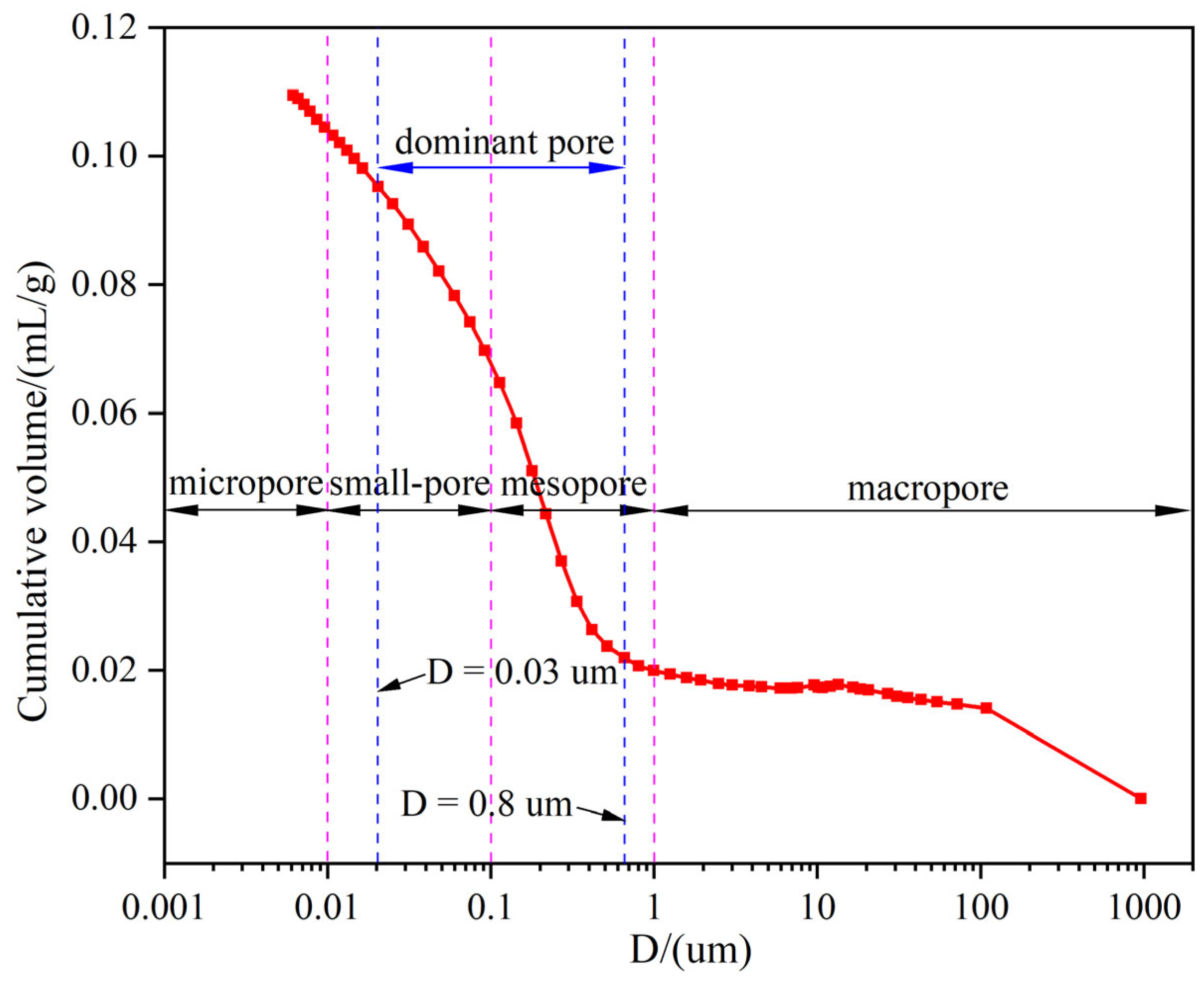
The curve in Figure 12 shows the cumulative mercury intrusion volume per gram of soil (Vm) versus the entrance pore diameter of the tested soils. According to the curve characteristics shown in Figure 12, the results reveal that the cumulative intrusion volume ranges from 0.01 mL/g to 0.11 mL/g of soil and that the pores in the tested soils can be divided into four different grades according to diameter: macropores (>1 µm), mesopores (0.1–1 µm), small pores (0.01–0.1 µm) and micropores (<0.01 µm). The S-shaped curve—flat at two ends and steep in the middle—indicates that high amounts of mercury flow into mesopores and small pores in the middle region. Moreover, mesopores and small pores, with a diameter range of 0.03–0.8 µm, constitute a high proportion of the overall pores in the tested soils. Figure 12 clearly shows that the volume of mesopores and small pores in soft soil accounts for more than 80% of the total pore volume, whereas macropores and micropores account for only a small proportion. This further suggests that the distribution of mesopores and small pores in soils primarily affects the microstructure of dredger fill.

4.4. Discussion of Centrifugal Test Results

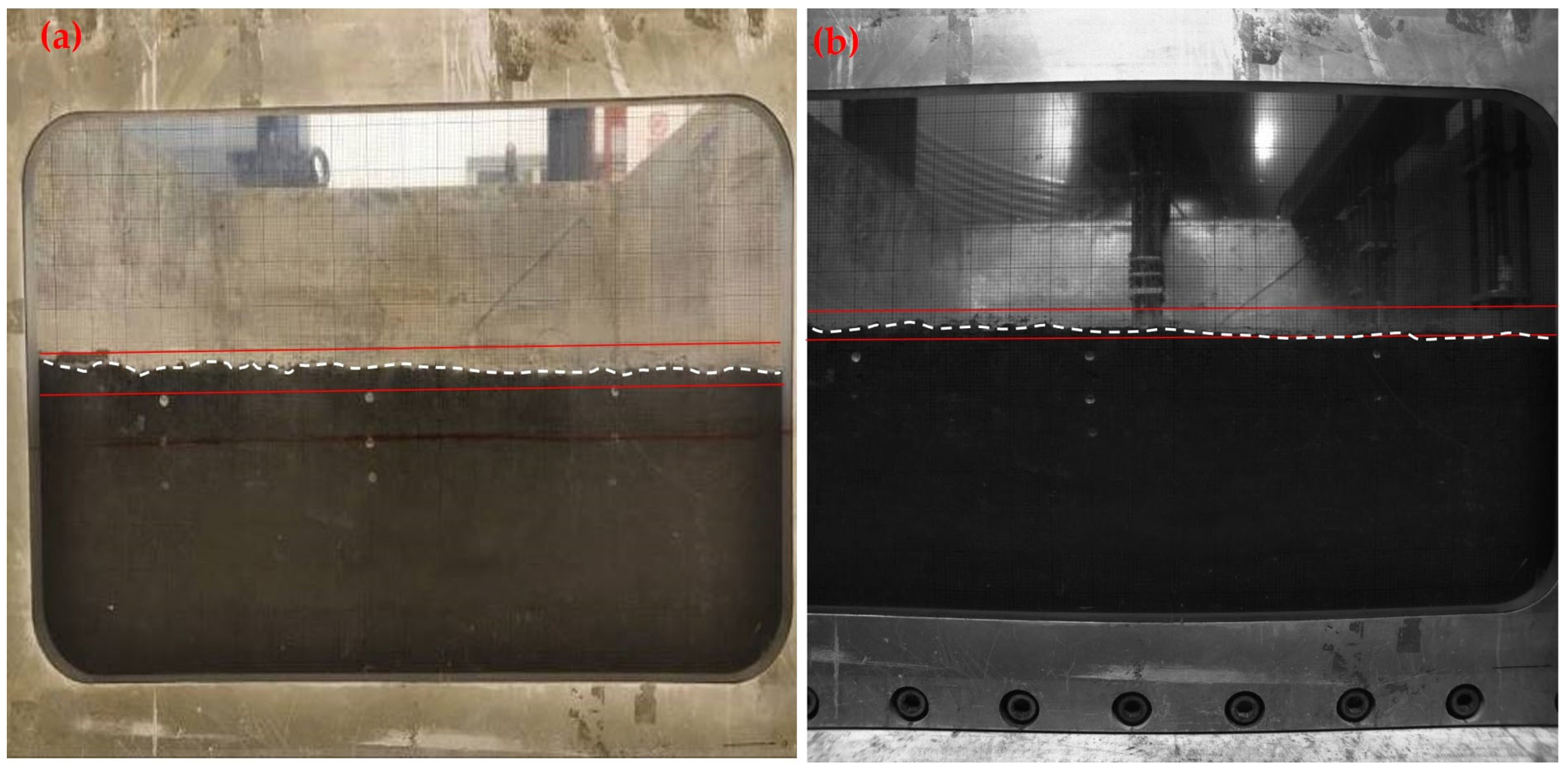
The ground subsided gradually during centrifuge spinning (Figure 13). The subsidence increased rapidly as the acceleration time increased from approximately 0 min to 20 min. The subsidence increased slowly as the acceleration time increased from 20 min to 30 min, and there was little subsidence after reaching the acceleration time of 30 min. The marker displacements were calculated in the image analysis subsystem, and the detected subsidence on one side of the ground was approximately 6 mm. The deformation was concentrated around the centre of the ground, suggesting nonuniform strain due to possible soil creep. The observations here are in good agreement with those of Liyanage [42].
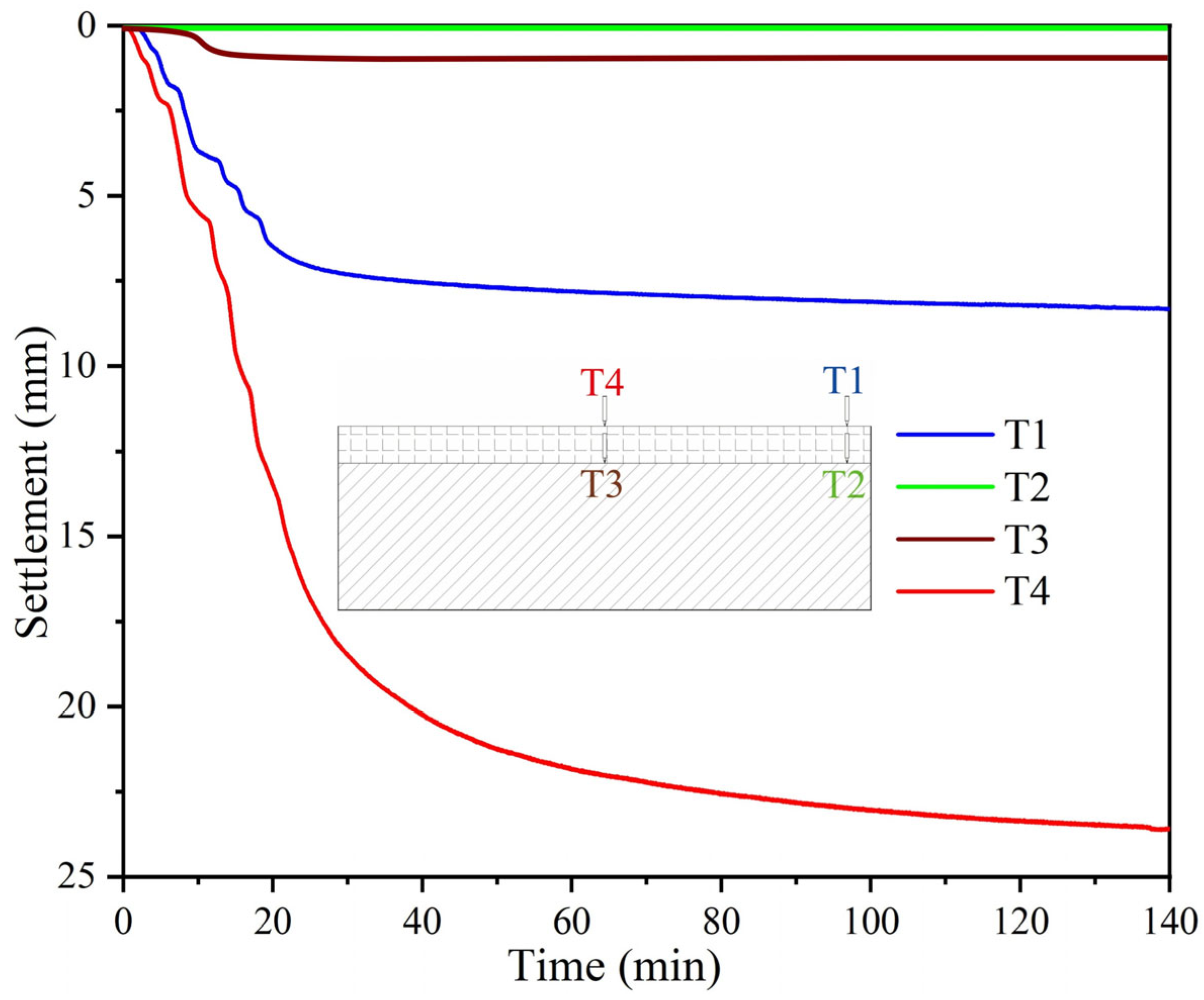
The settlement was monitored using four displacement transducers mounted above the soil surface, enabling continuous measurement throughout all centrifuge testing phases. The settlement of soft soils during all centrifuge stages is shown in Figure 14. The settlement values of monitors T4 and T1 at the end of the test were 23.62 mm and 8.31 mm, respectively, and the trends of both monitor changes were equivalent. However, the settlement magnitudes of monitors T3 and T2 were much smaller than those of monitors T4 and T1, and the settlement values were 1.08 mm and 0.21 mm, respectively. We believe that the small reduction in settlement at T1 and T2 was the result of the boundary effect. In addition, centrifuge test revealed that the dredger fill layer experienced a maximum settlement of 23.62 mm, and the maximum settlement rate was 1.02 mm/min. After appropriate parameter conversion from the centrifuge test, the prototype-equivalent settlement of the dredger fill layer was calculated to be 1.65 m, which is close to that measured in situ. The greater compressibility of dredger fill than silty soil led to significantly greater settlement in the dredger fill [43,44]. Although the natural water content of the dredger fill was 22.5%, and the initial void ratio was 0.71, microstructural analysis revealed that the soil exhibits a porous, flaky microstructure dominated by quartz and calcite, with mesopores (0.03–0.8 µm) accounting for over 80% of the total pore volume. This type of structure was prone to particle rearrangement and pore collapse when subjected to force, leading to large strains even under relatively low stress. The settlement rate of dredger fill reached its maximum value at 40 min, then gradually decreased and tended to stabilize. Although the settlement had not fully stabilized by the end of the test, the settlement rate of the dredger fill showed a decreasing trend and approached zero. As shown in Figure 14, 70% of the settlement occurred during the first year of the dredger fill consolidation process, it was derived based on the centrifugal similarity law and the calculation of the prototype equivalent time.
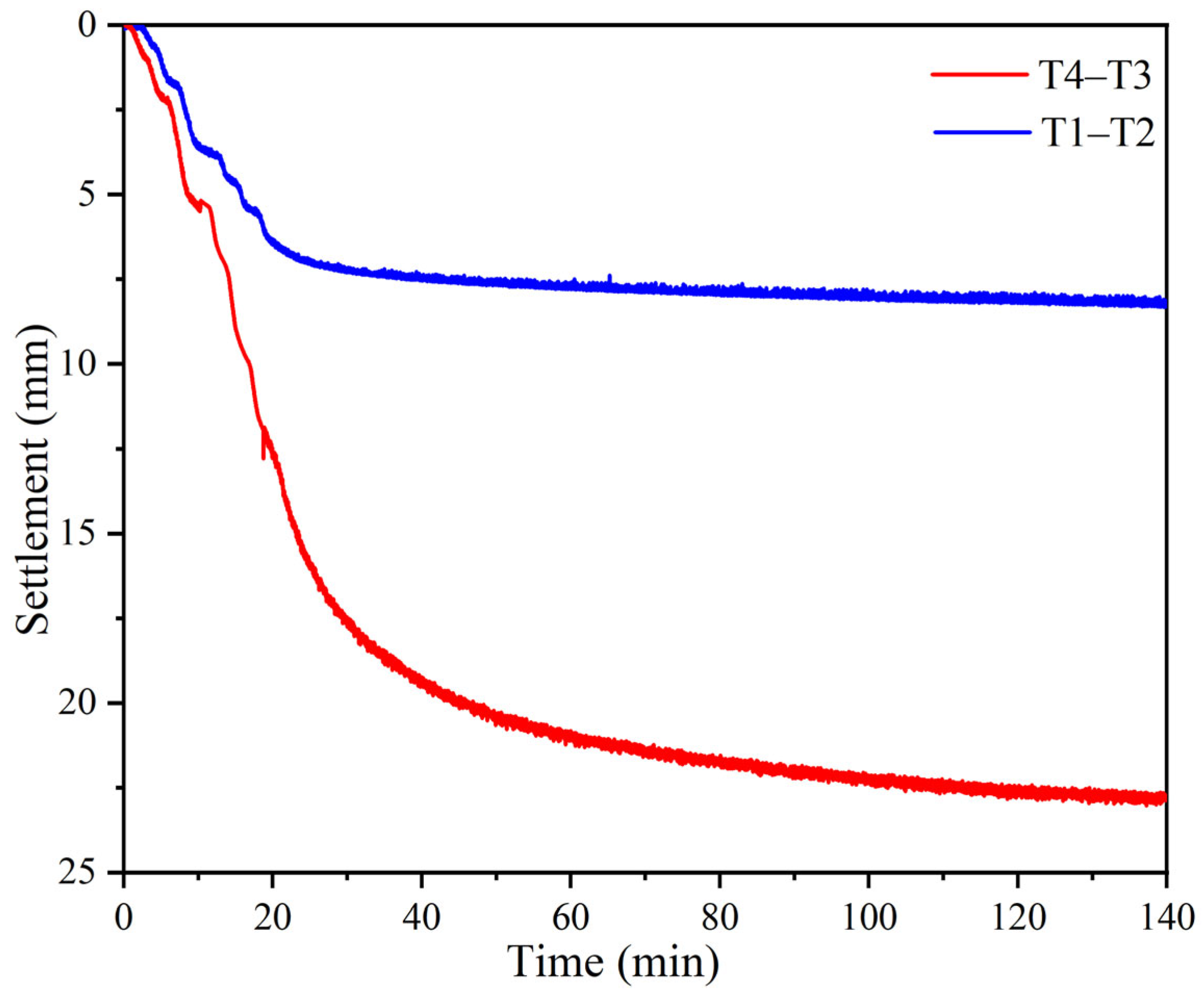
As can be seen from Figure 15, the maximum differential settlement value of the dredger fill at the end of the test was 22.78 mm, while the minimum value was 8.31 mm. The notable variation in settlement across the monitors T4 and T1 indicates non-uniform consolidation behavior within the dredger fill layer and silty soil. The differential settlement observed between the top and bottom of the dredger fill layer further underscores its high compressibility and structural instability. The centrifuge test results suggest that differential settlement develops rapidly during the initial consolidation phase, with the majority occurring within the first prototype-equivalent year. Such uneven deformation poses a significant risk to overlying infrastructure, especially buried pipelines, as it induces bending moments and axial stresses that may exceed material tolerances.
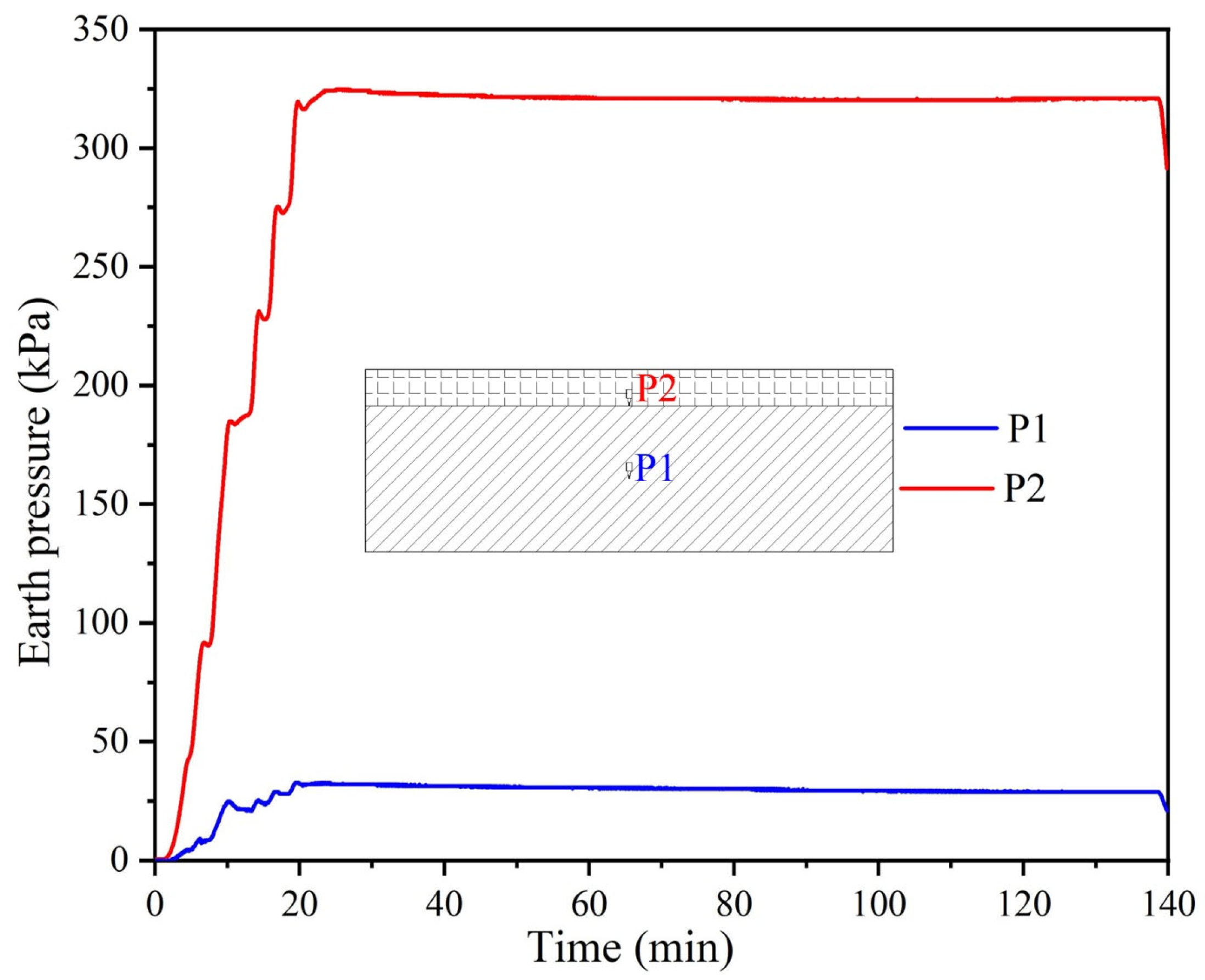
Figure 16 presents the variation in the earth pressure acting on the soft soil during the test. The variation tendencies of P1 and P2 were approximately identical: the earth pressure gradually increased with increasing centrifugal acceleration and tended to be stable during the 40 min consolidation stage. When the centrifugal acceleration increased to 70 g, P1 and P2 instantly increased to 30 kPa and 320 kPa, respectively. The higher earth pressure on the dredger fill than on the silty soil was attributed to its higher initial void ratio, greater water content and higher compressibility, which collectively contributed to the elevated pressure.

4.5. Prediction of in Situ Settlement Using Laboratory Data by Back Analyses

The traditional settlement prediction method is enhanced to adapt to the settlement characteristics during the dredger fill consolidation stage, so this paper proposes to predict the settlement of dredger fill. Buisuman [45] suggested a linear relationship between the consolidation settlement and log(t), which is as follows:
Δ e = γ lg t t 0
or:
S = γ H 1 + e lg t t 0
where S is the consolidation settlement; γ is the consolidation coefficient; H is the depth of the soft soil layer; e is the initial void; t is the calculation time and t0 is the starting time.
In fact, the compressibility capacity of soft soil is finite. During the process of consolidation, the settlement rate exhibits a temporal decline, asymptotically approaching zero over time. However, in the Buisuman model, as t increases to infinity, Sa also tends towards infinity, which contradicts observed behaviour in reality. Owing to the calculations from Equations (2) and (3) failing to account for the limiting behaviour of consolidation, the hyperbolic relationship between ∆e and lgt can be described using the following equation [46]:
Δ e = lg t t 0 α + β lg t t 0
That is,
S = H 1 + e lg t t 0 α + β lg t t 0
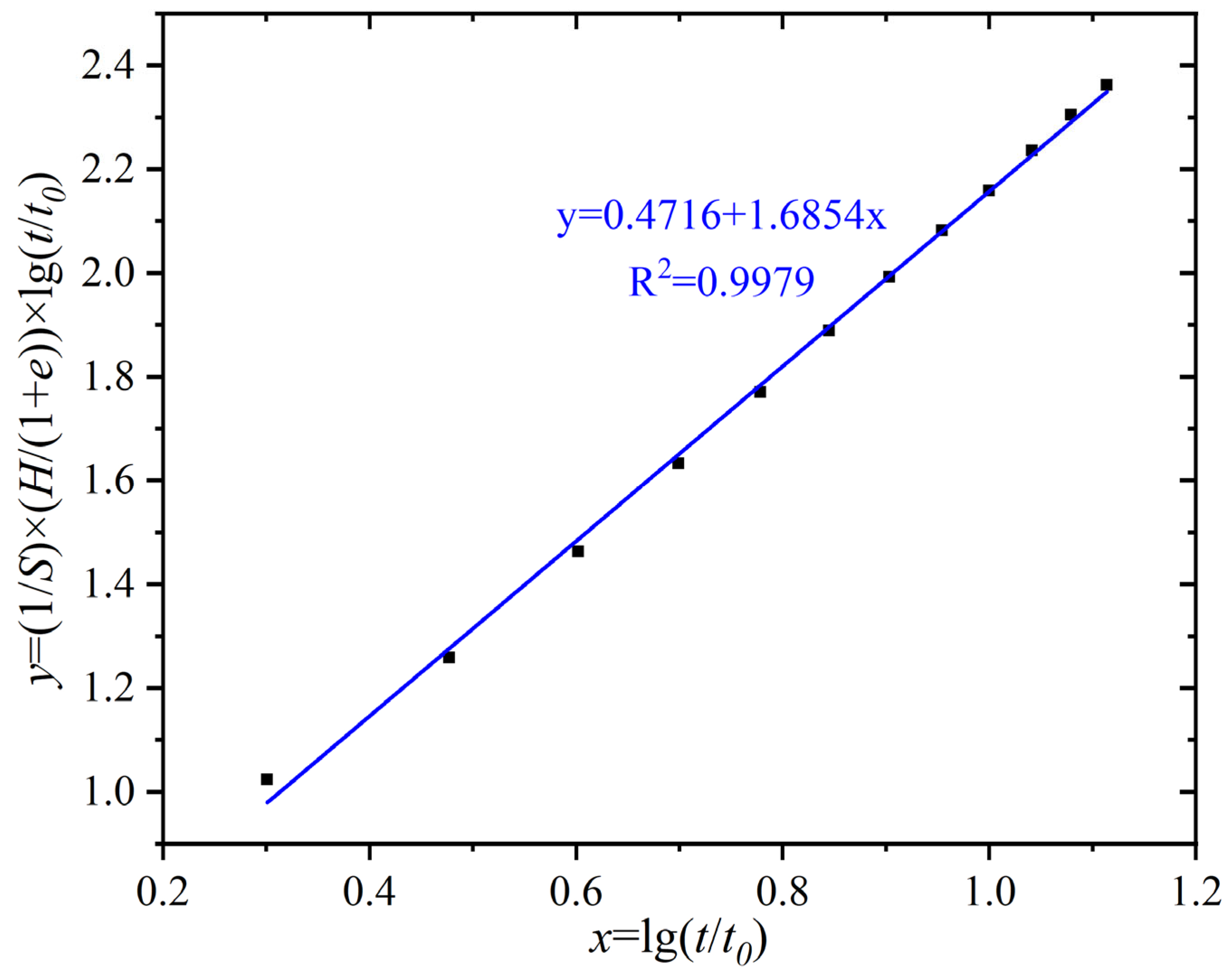
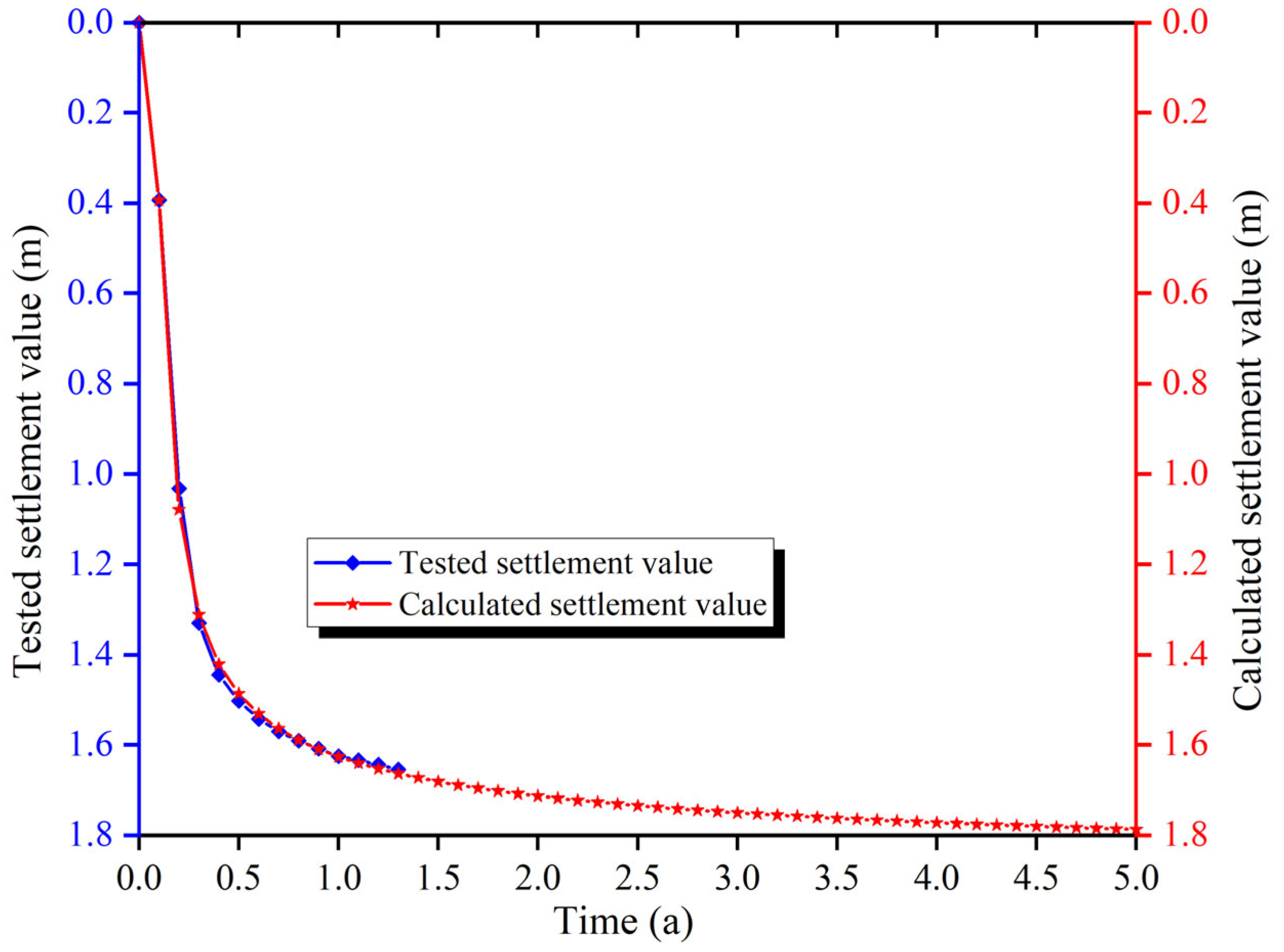
In the model, α and β are hyperbolic parameters. According to the settlement values determined by converting the observed data from centrifuge test, the starting point (t0, s) of the consolidation stage is (0.1, 0.3934), where the unit of t is year and s is m. The depth of the soft soil layer is 6 m, and the initial void is 0.71. Based on the settlement data from 0.2 to 1.3 years, the prediction settlement curve for the consolidation stage was fitted using Equation (5), as illustrated in Figure 17. The fitting process yielded the parameters α = 0.4716 and β = 1.6854 for the model.
The whole prediction curve of settlement in dredger fill can be determined by this fitting method. Combined with the fitting method, the settlement values calculated via Equation (5) and the tested settlement values at different times are shown in Figure 18. The calculated settlement value agreed with the tested value at 1.3 years; as consolidation progressed, the settlement rate gradually decreased, and the process was largely complete by the 4th year.

5. Conclusions

This study investigated the geological characteristics and long-term settlement behavior of dredger fill in the Tianjin Nangang region, with a focus on developing a simplified method to estimate consolidation settlement. The research combined laboratory analyses, centrifuge modeling, and microstructural characterization to evaluate the engineering properties of dredger fill and their implications for infrastructure stability. The following conclusions can be drawn:
(1)
The dredger fill exhibited high compressibility, elevated natural water content (22.54%), and a low dry density (1.62 g/cm3). Microstructural analysis revealed that the dredger fill exhibits a porous, flaky microstructure dominated by quartz and calcite, with mesopores (0.03–0.8 µm) accounting for over 80% of the total pore volume. These characteristics contribute to significant differential settlement under load.
(2)
A centrifuge modelling test conducted at 70 g acceleration simulated accelerated settlement behavior. The dredger fill layer experienced a maximum settlement of 23.62 mm (prototype-equivalent: 1.65 m), and the maximum settlement rate was 1.02 mm/min, with 70% of settlement occurs within the first year. Earth pressure measurements revealed significantly higher compressibility in the dredger fill compared to the underlying silty clay. The dredger fill layer exhibited pressures reaching 320 kPa, attributable to its higher initial void ratio, greater water content and higher compressibility.
(3)
A modified hyperbolic model was developed to predict long-term consolidation settlement. The model incorporates parameters derived from centrifuge test data and demonstrated strong agreement with observed settlement values over 1.3 years. The model predicts that settlement rate gradually decreased and the process was largely complete by the 4th year. The proposed prediction method offers a reliable tool for assessing long-term settlement risks in dredger fill and guiding mitigation strategies.

Author Contributions

Conceptualization, J.Y.; Writing—Original draft, J.Y.; Methodology, Z.P.; Writing—Review and editing, Z.P.; Data curation, J.C. All authors have read and agreed to the published version of the manuscript.

Funding

This research was funded by the National Natural Science Foundation of China (41702318) and the Everest Scientific Research Program of Chengdu University of Technology (80000-2024ZF11411).

Data Availability Statement

The data that support the findings of this study are available on request from the corresponding author.

Acknowledgments

Thank Sheng Wang for his support during the research process.

Conflicts of Interest

The authors declare no conflicts of interest.

References

  1. Asaoka, S.; Jadon, W.A.; Umehara, A.; Takeda, K.; Otani, S.; Ohno, M.; Okamura, H. Organic matter degradation characteristics of coastal marine sediments collected from the Seto Inland Sea. Mar. Chem. 2020, 225, 103854. [Google Scholar] [CrossRef]
  2. Piecuch, C.G.; Calafat, F.M.; Dangendor, S.; Jorda, G. The ability of barotropic models to simulate historical mean sea level changes from coastal tide gauge data. Surv. Geophys. 2019, 40, 1399–1435. [Google Scholar] [CrossRef]
  3. Barale, V. The Asian marginal and enclosed seas: An overview. Remote Sens. Asian Seas 2019, 8, 3–38. [Google Scholar]
  4. Liu, B.Q.; Wang, J.; Xu, M.; Wang, Z.F.; Zhao, L. Evaluation of the comprehensive benefit of various marine exploitation activities in China. Mar. Policy 2020, 116, 103924. [Google Scholar] [CrossRef]
  5. Wu, L.J.; Jiang, C.C.; Wang, W.Q.; Gao, X.; Xia, Y.F. Chloride transport characteristics of concrete exposed to coastal dredger fill silty soil environment. Buildings 2023, 13, 2398. [Google Scholar] [CrossRef]
  6. Onyelowe, K.C.; Tome, S.; Ebid, A.M.; Usungedo, T.; Bui, V.D.; Etim, R.K.; Attah, I.C. Effect of desiccation on ashcrete (HSDA)-treated soft soil used as flexible pavement foundation: Zero carbon stabilizer approach. Int. J. Low-Carbon Technol. 2022, 17, 563–570. [Google Scholar] [CrossRef]
  7. Kaup, M.; Łozowicka, D.; Baszak, K.; Slączka, W.; Kalbarczyk-Jedynak, A. Risk analysis of seaport construction project execution. Appl. Sci. 2022, 12, 8381. [Google Scholar] [CrossRef]
  8. Tseng, W.C.; Chien, L.K.; Chuang, S.T.; Tsai, P.C.; Hsu, Y.T.; Lu, T.T.; Lin, C.K. Stability assessment for the undersea gas pipeline. J. Mar. Sci. Technol. 2010, 18, 809–818. [Google Scholar] [CrossRef]
  9. Tsatsis, A.; Alvertos, A.; Gerolymos, N. Fragility analysis of a pipeline under slope failure-induced displacements occurring parallel to its axis. Eng. Struct. 2022, 262, 114331. [Google Scholar] [CrossRef]
  10. Wang, J.; Cai, Y.; Ma, J.; Chu, J.; Fu, H.; Wang, P.; Jin, Y. Improved vacuum preloading method for consolidation of dredged clay-slurry fill. J. Geotech. Geoenviron. Eng. 2016, 142, 06016012. [Google Scholar] [CrossRef]
  11. Cai, Y.Q.; Chen, Y.; Cao, Z.G.; Ren, C. A combined method to predict the long-term settlements of roads on soft soil under cyclic traffic loadings. Acta Geotech. 2018, 13, 1215–1226. [Google Scholar] [CrossRef]
  12. Rajaraman, J.; Thiruvenkatasamy, K.; Rao, S.N. A conceptual model of environmental geological and geo-technical response of dredged sediment fills to geo-disturbances in lowlands. Int. J. Geomate 2016, 10, 1607–1614. [Google Scholar] [CrossRef]
  13. Hameedi, M.K.; Fattah, M.Y.; Al-omari, R.R. Creep characteristics and pore water pressure changes during loading of water storage tank on soft organic soil. Int. J. Geotech. Eng. 2020, 14, 527–537. [Google Scholar] [CrossRef]
  14. Zhou, Y.; Yin, B.; Wang, P.; Ge, X.; Zhao, B. Pilot test and consolidation theory of marine dredged slurry using the membrane-free horizontal-vacuum method. Ocean Eng. 2024, 293, 116650. [Google Scholar] [CrossRef]
  15. Tanaka, H.; Locat, J.; Shibuya, S.; Soon, T.; Shiwakoti, D.R. Characterization of Singapore, Bangkok, and Ariake clays. Can. Geotech. J. 2001, 38, 378–400. [Google Scholar] [CrossRef]
  16. Basack, S.; Purkayastha, R.D. Engineering properties of marine clays from the eastern coast of India. J. Eng. Technol. Res. 2009, 1, 109–114. [Google Scholar]
  17. Yeung, A.T.; So, S.T.C. Geotechnical engineering properties of Hong Kong marine clays. Soft Soil Eng. 2017, 8, 695–700. [Google Scholar]
  18. Eriktius, D.T.; Leong, E.C.; Rahardjo, H. Shear strength of peaty soil-cement mixes. Soft Soil Eng. 2017, 1, 551–556. [Google Scholar]
  19. Zhang, X.; Bai, X.H.; He, W.B. The experiment of deformation and internal force of soft pipeline caused by subsoil settlement. Appl. Mech. Mater. 2013, 275, 1493–1498. [Google Scholar] [CrossRef]
  20. Tan, Y.; Lu, Y. Responses of shallowly buried pipelines to adjacent deep excavations in Shanghai soft ground. J. Pipeline Syst. Eng. Pract. 2018, 9, 05018002. [Google Scholar] [CrossRef]
  21. Chen, J.; Zhong, B.Y.; Yang, J.X.; Zheng, X.N.; Zhu, X.G.; Tang, Q. Numerical analysis of pipe jacking in deep soft soil based on the construction of urban underground sewage pipeline. J. Mater. Eng. Struct. 2020, 7, 639–644. [Google Scholar]
  22. Yamazoe, N.; Nishimura, S.; Tanaka, H.; Ogino, T.; Kochi, T. Long-term settlement behavior of peat after unloading and applicability of isotach law. Soils Found. 2025, 65, 101560. [Google Scholar] [CrossRef]
  23. Liu, R.; Basu, P.; Xiong, H. Laboratory tests and thermal buckling analysis for pipes buried in Bohai soft clay. Mar. Struct. 2015, 43, 44–60. [Google Scholar] [CrossRef]
  24. Modak, R.; Singh, B. Time-dependent performance of large piled raft in clayey soil. Ocean Eng. 2024, 303, 117839. [Google Scholar] [CrossRef]
  25. Ozcan, N.T.; Ulusay, R.; Isik, N.S. Geo-engineering characterization and an approach to estimate the in-situ long-term settlement of a peat deposit at an industrial district. Eng. Geol. 2020, 265, 105329. [Google Scholar] [CrossRef]
  26. Shan, Y.; Huang, A.J.; Qin, X.G.; Zhou, S.H.; Zhou, X.L. Long-term in-situ monitoring on foundation settlement and service performance of a novel pile-plank-supported ballastless tram track in soft soil regions. Transp. Geotech. 2022, 36, 100821. [Google Scholar] [CrossRef]
  27. Meguid, M.A.; Saada, M.A.; Nunes, J.M.; Mattar, J. Physical modeling of tunnels in soft ground: A review. Tunn. Undergr. Space Technol. 2008, 23, 185–198. [Google Scholar] [CrossRef]
  28. Tan, J.; Cui, Z.D.; Yuan, L. Study on the long-term settlement of subway tunnel in soft soil area. Mar. Georesour. Geotechnol. 2016, 34, 486–492. [Google Scholar] [CrossRef]
  29. Liang, F.Y.; Zhao, M.Y.; Qin, C.R.; Jia, Y.J.; Wang, Z.W.; Yue, G.P. Centrifugal test of a road embankment built after new dredger fill on thick marine clay. Mar. Georesour. Geotechnol. 2020, 38, 114–121. [Google Scholar] [CrossRef]
  30. Wei, M.Z.; Ye, Y.H.; Zhao, W.; Wang, Z.H.; Ge, F.H.; Nian, T.K. Centrifugal Test Study on the Vertical Uplift Capacity of Single-Cylinder Foundation in High-Sensitivity Marine Soil. J. Mar. Sci. Eng. 2024, 12, 2152. [Google Scholar] [CrossRef]
  31. Dong, X.C.; Pi, G.L.; Ma, Z.W.; Dong, C. The reform of the natural gas industry in the PR of China. Renew. Sustain. Energy Rev. 2017, 7, 582–593. [Google Scholar] [CrossRef]
  32. Yang, J.H. Analysis of sustainable development of natural gas market in China. Nat. Gas Ind. B 2018, 5, 644–651. [Google Scholar] [CrossRef]
  33. Li, J.F.; Chen, H.E.; Yuan, X.Q.; Shan, W.C. Analysis of the effectiveness of the step vacuum preloading method: A case study on high clay content dredger fill in Tianjin, China. J. Mar. Sci. Eng. 2020, 8, 38. [Google Scholar] [CrossRef]
  34. Karampour, H. Effect of proximity of imperfections on buckle interaction in deep subsea pipelines. Mar. Struct. 2018, 59, 444–457. [Google Scholar] [CrossRef]
  35. Khelalfa, H. Preloading of harbor’s quay walls to improve marine subsoilcapacity. J. Mater. Eng. Struct. 2019, 6, 305–322. [Google Scholar]
  36. Shan, W.C.; Yuan, X.Q.; Chen, H.E.; Li, X.L.; Li, J.F. Permeability of high clay content dredger fill treated by step vacuum preloading: Pore Distribution Analysis. J. Mar. Sci. Eng. 2023, 11, 1714. [Google Scholar] [CrossRef]
  37. Liu, D.D.; Xu, M.Y.; Chen, H.; Chen, Y.; Feng, X.; Jiang, Z.X.; Fan, Q.Q.; Liu, L.; Du, W. Pore Structure and Its Controlling Factors of Cambrian Highly Over-Mature Marine Shales in the Upper Yangtze Block, SW China. J. Mar. Sci. Eng. 2025, 13, 1002. [Google Scholar] [CrossRef]
  38. Onyekwena, C.C.; Li, Q.; Wang, Y.; Alvi, I.H.; Hou, Y.; Ukaomah, C.F.; Hakuzweyezu, T. Impacts of biochar and slag on carbon sequestration potential and sustainability assessment of MgO-stabilized marine soils: Insights from MIP analysis. Environ. Sci. Adv. 2024, 3, 1564–1577. [Google Scholar] [CrossRef]
  39. Washburn, E.W. Note on a method of determining the distribution of pore sizes in a porous material. Proc. Natl. Acad. Sci. USA 1921, 7, 115–116. [Google Scholar] [CrossRef]
  40. Fasihnikoutalab, M.H.; Asadi, A.; Huat, B.K.; Ball, R.J.; Singh, P. Utilisation of carbonating olivine for sustainable soil stabilisation. Environ. Geotech. 2017, 4, 184–198. [Google Scholar] [CrossRef]
  41. Ahmed, A. Compressive strength and microstructure of soft clay soil stabilized with recycled bassanite. Appl. Clay Sci. 2015, 104, 27–35. [Google Scholar] [CrossRef]
  42. Liyanage, K.; Dhar, A.S. Stresses in cast iron water mains subjected to non-uniform bedding and localised concentrated forces. Int. J. Geotech. Eng. 2018, 12, 368–376. [Google Scholar] [CrossRef]
  43. Chen, Z.X.; Shu, J.W.; Song, S.; Wu, L.X.; Ji, Y.J.; Zhai, C.Q.; Wang, J.; Lai, X.H. Advancements in drainage consolidation technology for marine soft soil improvement: A review. J. Mar. Sci. Eng. 2025, 13, 1951. [Google Scholar] [CrossRef]
  44. Wu, Y.J.; Xu, J.L.; Lu, Y.T.; Zhang, X.D.; Tran, Q.C.; Zhang, H.Q. Geotechnical properties of marine dredger fill with different particle size. Mar. Georesour. Geotechnol. 2023, 41, 24–35. [Google Scholar] [CrossRef]
  45. Buisuman, A.S.K. Results of long duration settlement tests. In 1st International Conference on Soil Mechanics and Foundation Engineering; Cambridge Press: Cambridge, UK, 1936; pp. 103–107. [Google Scholar]
  46. Luo, Y.D.; Zhang, Y.C.; Yao, L.N. Actual example analysis of settlement prediction during soft ground treatment. Appl. Mech. Mater. 2012, 170, 125–130. [Google Scholar] [CrossRef]
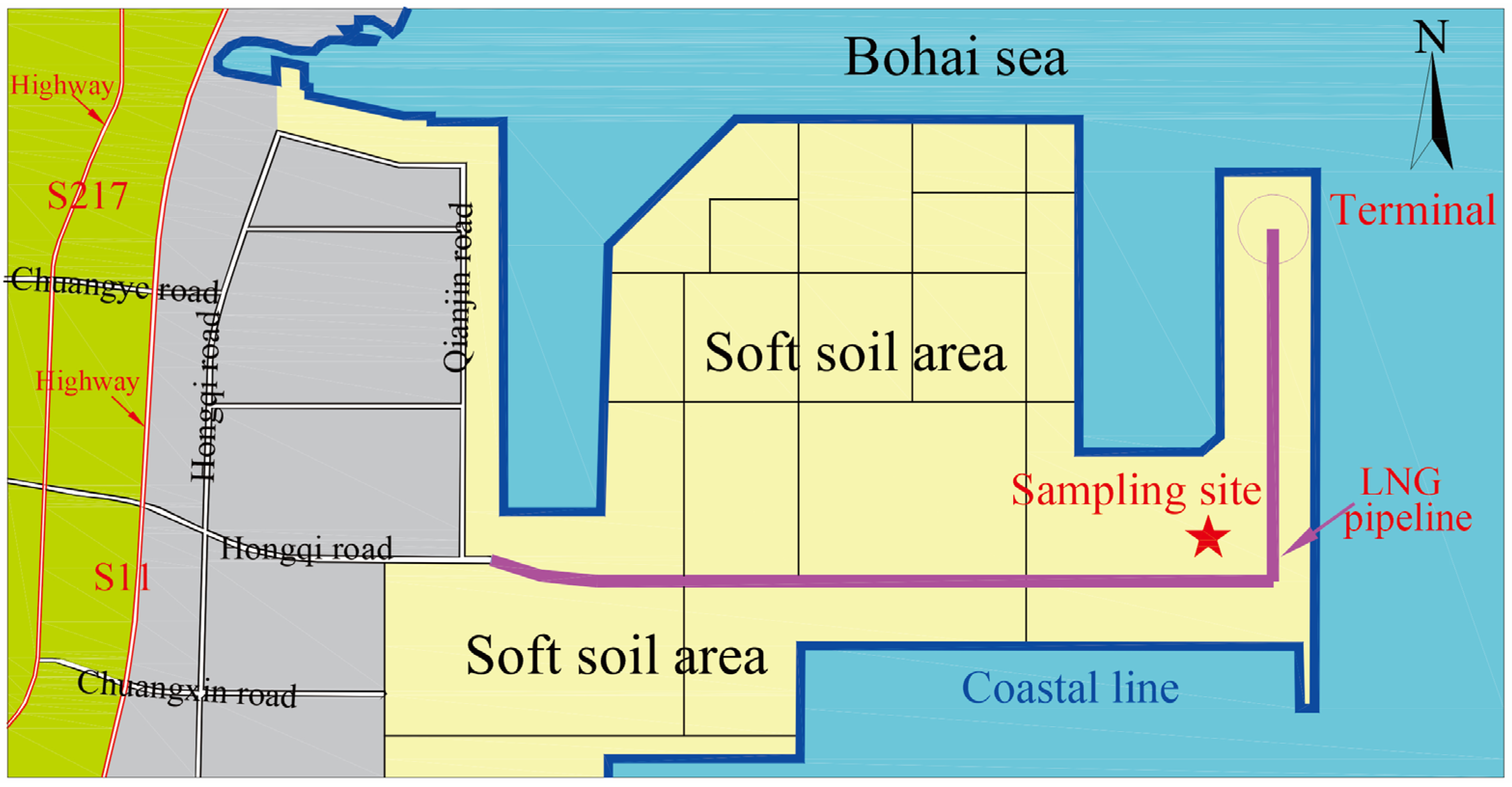
Figure 1. Locations of the 1st LNG pipeline.
Jmse 14 00092 g001
Figure 2. Distribution of LNG pipeline in the Tianjin Nangang region.
Jmse 14 00092 g002
Figure 3. Dredger fill in north–south (a) and east–west (b) directions at Tianjin Nangang.
Jmse 14 00092 g003
Figure 4. Typical geological profile map along Hongqi Road.
Jmse 14 00092 g004
Figure 5. Pavement settlement deformation along Hongqi Road.
Jmse 14 00092 g005
Figure 6. TLJ-150 geotechnical centrifuge (a) and model strongbox (b).
Jmse 14 00092 g006
Figure 7. Model and instrumentation layout. (a) Front view; (b) plan view.
Jmse 14 00092 g007
Figure 8. Displacement transducers (a) and earth pressure sensors (b).
Jmse 14 00092 g008
Figure 9. FESEM images of the sample: (a) 5000× magnification; (b) 20,000× magnification.
Jmse 14 00092 g009
Figure 10. XRD patterns of dredger fill samples.
Jmse 14 00092 g010
Figure 11. Mercury inflow–outflow curves.
Jmse 14 00092 g011
Figure 12. Pore size distribution.
Jmse 14 00092 g012
Figure 13. Photos taken by the image capture system. The times are (a) 0 min and (b) 140 min.
Jmse 14 00092 g013
Figure 14. Settlement amounts of soft soils from the model test.
Jmse 14 00092 g014
Figure 15. Differential settlement amounts of soft soils from the model test.
Jmse 14 00092 g015
Figure 16. Earth pressures of soft soils from model tests.
Jmse 14 00092 g016
Figure 17. Linear fitting for (1/S) × (H/(1 + e)) × lg(t/t0) ~ lg(t/t0) in the consolidation stage.
Jmse 14 00092 g017
Figure 18. Plot of the tested settlement value versus the calculated settlement value.
Jmse 14 00092 g018
Table 1. Physical and mechanical parameters of the experimental soil.
Soil TypeDensity WaterWater ContentDry DensityVoid RatioLiquid LimitPlastic LimitYoung’s
Modulus
(MPa)
Internal
Friction Angle
(°)
Cohesion
(kPa)
Permeability
Coefficient
(cm/s)
(g/cm3)(%)(g/cm3)(%) (%)
Dredger fill1.9722.541.620.7133.6421.532.88.615.33.48 × 10−5
Silty clay2.1518.411.820.4826.4018.95.915.424.13.32 × 10−7
Table 2. Texture of the experimental soil (in weight percent).
Soil Type Grain Size Distribution (mm)
<0.005 0.005–0.075 >0.075
Dredger fill 13.21 65.18 21.61
Silty clay 6.65 59.95 33.40
Table 3. Scaling factors for the testing parameters.
Parameters Scaling Factors
Acceleration 70 g
Settlement 1/N
Density 1
Consolidation coefficient 1
Stress 1
Time 1/N2
Disclaimer/Publisher’s Note: The statements, opinions and data contained in all publications are solely those of the individual author(s) and contributor(s) and not of MDPI and/or the editor(s). MDPI and/or the editor(s) disclaim responsibility for any injury to people or property resulting from any ideas, methods, instructions or products referred to in the content.