
Article

Dissimilar Welded Joints and Sustainable Materials for Ship Structures

1
Department of Engineering, University of Messina, Contrada di Dio, Vill. Sant’Agata, 98158 Messina, Italy
2
Department of Mechanicsv Mathematics and Management, Politechnic University of Bari, Via Edoardo Orabona 4, 70126 Bari, Italy
*
Author to whom correspondence should be addressed.
J. Mar. Sci. Eng. 2025, 13(12), 2296; https://doi.org/10.3390/jmse13122296
Submission received: 4 November 2025 / Revised: 26 November 2025 / Accepted: 27 November 2025 / Published: 3 December 2025

Abstract

Shipbuilding and offshore structures employ a wide range of metallic materials, from standard and high-strength steels to non-ferrous aluminium and titanium alloys. While welding remains the dominant joining method, the reliable joining of dissimilar metals still presents significant challenges. The explosion welding (EXW) technique has been increasingly adopted over traditional methods for joining dissimilar metallic materials, due to the advantage of avoiding constraints related to metallurgical incompatibility. The EXW is a solid-state joining process in which an explosive detonation provides the energy required to drive two metal surfaces into high-velocity collision, producing a metallurgical bond. This process results in partial melting at the wavy interface and the formation of intermetallic properties, which can lead to cracking when exposed to dynamic loading. A well-established application in shipbuilding is the connection of an aluminium superstructure to steel decks. This study evaluates the mechanical behaviour of aluminium–steel explosion-welded joints for ship structures. The examined joints comprise ASTM A516 Gr55 structural steel, clad by explosion welding with AA5086 aluminium alloy using an intermediate layer of AA1050 commercially pure aluminium. Tensile tests were carried out using full-field techniques, such as digital image correlation (DIC) and infrared thermography (IRT).

1. Introduction

In ship design, the selection of the right materials is very important for weight savings and lowering the centre of gravity, as well as for facing marine corrosion, vibrations, and fatigue [1,2]. There is no single material that can meet all the requirements of ship design. The best solution is the adoption of hybrid structures made of different materials to optimise the performance, cost, weight, and environmental impact of the ship [3]. In shipbuilding, one of the most employed configurations is the aluminium/steel joint. However, there are some drawbacks related to joining dissimilar materials [4], making it an important technological challenge to this day. Welding is undoubtedly the leading connection technique, but joining different materials remains a significant challenge.
Friction stir welding (FSW) is a solid-state welding technology capable of significantly reducing solidification-related issues such as oxidation and porosity, thereby enhancing joint permeability [5]. However, like other welding methods, the process involves a series of complex interactions that commonly pose problems. For example, they can lead to the formation of defects such as voids or a lack of penetration, which can affect the integrity and the mechanical properties of the welded joint [6]. Among other welding technologies employed are diffusion welding [7], laser-hybrid welding [8], and casting or liquid metallurgy [9,10]. High heat input during the welding of dissimilar materials is known to be detrimental, due to the formation of brittle intermetallic compounds at the aluminium–steel interface, reducing the joint’s mechanical properties [11].
Explosion welding (EXW) is among the most effective techniques for joining dissimilar metallic materials [12]. EXW is a solid-state joining technique in which two metal plates are accelerated towards one another via a controlled explosive detonation [13]. The impact generates a high-velocity jet at the interface, effectively removing surface impurities. The collision occurs at such high pressures that significant local plastic deformation is induced, resulting in a strong metallurgical bond between the two metals. The explosion welding allows the formation of bimetallic transition joints that are strong and corrosion-resistant, something not easily achievable with traditional fusion welding.
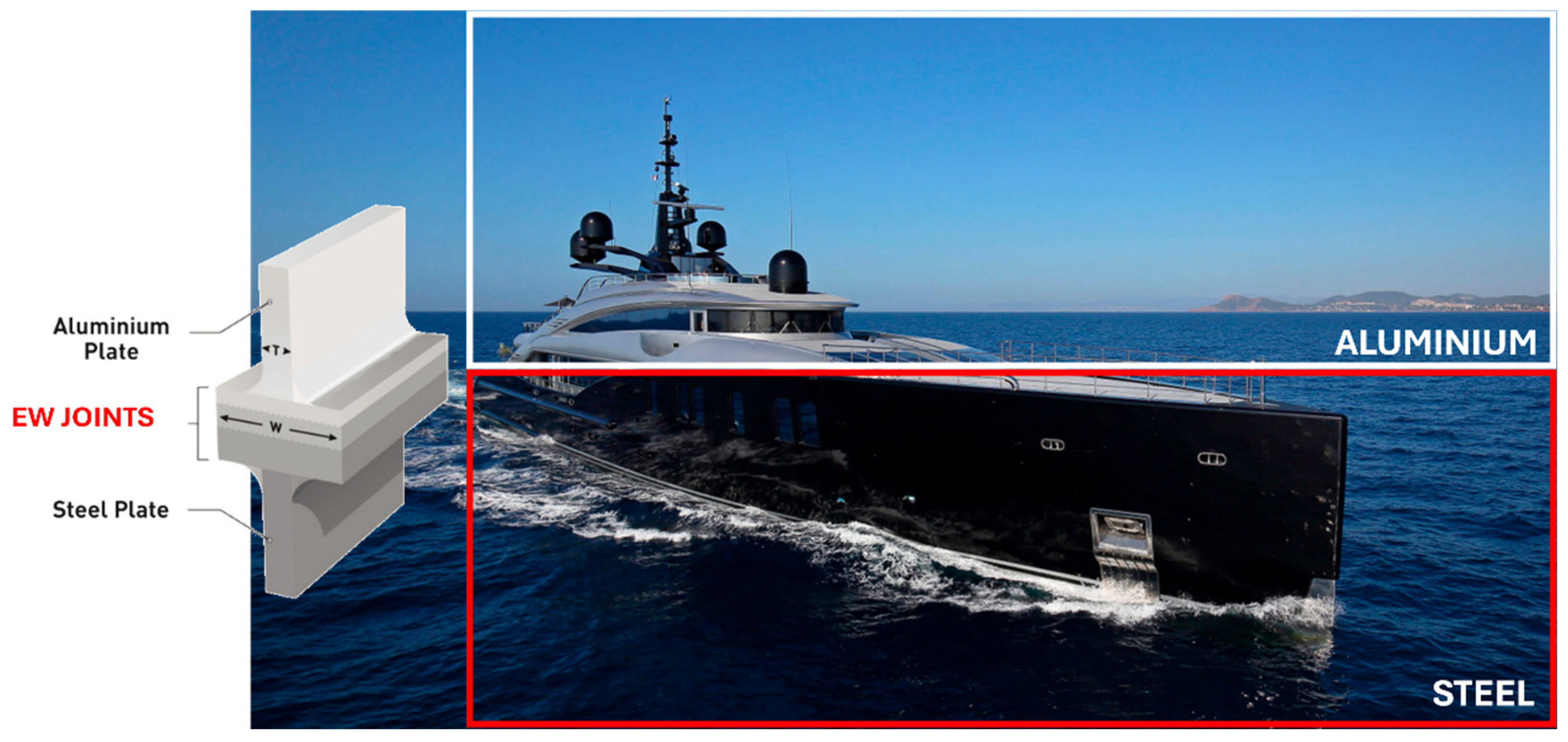
A wider use of explosion-welded joints would facilitate the integration of lightweight alloys in shipbuilding, whose most direct advantage is the reduction in structural weight. Aluminium alloys are the most widely used lightweight alloys in shipbuilding, due to their mechanical properties and their corrosion resistance. Therefore, Al/Fe explosively welded joints are the dominant choice in the marine sector. The use of Al/Fe TriClad EXW joints in a balcony allowed for a joint weight reduction of 37.2%, from 30.9 kg to 19.4 kg, compared to a solution entirely made of steel, as shown in Figure 1.
Recent research works focused on the effect of different factors affecting EXW joints’ performances: thickness [13], corrosion [14], heat treatments [15], and fatigue [16,17,18]. This technology is particularly valuable in shipbuilding [14,15,16,17,18,19], where joining dissimilar metals that are otherwise difficult to weld by conventional methods is often required. In shipbuilding, steel is typically selected for hulls due to its strength and durability, while aluminium alloys are employed for superstructures to reduce weight. In this sector, dissimilar joining usually relies on mechanical fasteners (bolts and rivets), which increase structural weight and promote crevice corrosion and galvanic coupling, thereby limiting service lives. Additional issues arise at steel–aluminium contact regions, which are prone to stress concentrations and localised corrosion (e.g., intergranular corrosion of 7075-T6 aluminium adjacent to steel fasteners). Thus, steel–aluminium EXW joints represent an optimal solution for shipbuilding, as shown in Figure 2 by the Palumbo Superyachts’ ISA GT 66mt M/Y OKTO, which features a steel hull and an aluminium superstructure.
Steel–aluminium EXW joints are widely recognised for their excellent corrosion resistance in marine environments for several reasons:
  • The bond, formed by high-velocity impact and pressure, is mechanical–metallurgical;
  • There is no melting and no heat-affected zone;
  • A pure aluminium interlayer is often incorporated, acting as a galvanic barrier in saline conditions;
  • The characteristic wavy interface increases bonded area and enhances mechanical interlocking, thereby impeding the ingress of moisture and aggressive species;
  • A porosity-free bond resists seawater penetration.
While the exposure of the aluminium–steel hybrid joints to an aggressive environment, such as the marine environment, does not affect the mechanical properties of the joint, it causes degradation on the surface of the less noble metal [20].
EXW joints exhibit more stable electrochemical behaviour than conventional fusion welds, minimising galvanic cell formation driven by the potential difference between steel and aluminium.
Nonetheless, the technology is constrained by high cost and limitations on weldable geometries. Alternatives under investigation include FSW and laser welding. FSW joints often display non-uniform distributions of mechanical properties, whereas the fatigue performance of laser-welded joints requires further comprehensive assessment.
In ship design, selecting technologies that minimise the environmental impact is another crucial priority. The importance of sustainable design choices has intensified significantly in recent years due both to growing public concern and to new rules and standards from governments and regulators [21]. Eco-designing tools include guidelines, strategies, and analysis methods to help in the selection of the most eco-efficient options. Life Cycle Assessment (LCA) is widely recognised as the best method for this purpose [21,22]. In [22], an LCA was implemented to compare three different welding techniques: explosion welding, friction stir welding, and metal inert gas welding. The results of the LCA led to the following conclusions:
  • EXW produces high material efficiency, but elevated CO2 emissions and excessive noise levels raise environmental and occupational safety concerns.
  • The FSW process involves low emissions, minimal scrap, and moderate energy use, confirming FSW as a clean and efficient method.
  • MIG welding offers balanced material efficiency and moderate emissions, with a practical compromise between performance and environmental impact.
Understanding the quality and mechanical properties of EXW joints is crucial for their use in shipbuilding. This study examines the mechanical behaviour of EXW aluminium–steel joints for marine structures using standard mechanical tests. Tensile tests were performed on dog-bone and compact tension (CT) EXW specimens. The experimental campaign included the application of two experimental non-destructive techniques (NDTs)—digital image correlation (DIC) and infrared thermography (IRT)—which are widely applied for the fatigue and fracture characterisation of materials [17]. Furthermore, a preliminary Thermoelastic Stress Analysis was performed to assess the welding quality. These innovative applications lead to initial findings that effectively demonstrate the technique’s potential to characterise the joint by distinguishing the distinct material.
Unlike traditional studies that rely primarily on standard mechanical testing, the present work proposes an innovative multi-technique experimental set-up. Standard tests were combined with advanced full-field optical techniques, specifically DIC and IRT, in order to obtain complementary data that standard tests alone cannot provide. In particular, the thermographic investigation was extended to include Thermoelastic Stress Analysis (TSA). The thermoelastic effect is exploited, which relates small temperature variations to the sum of the principal stresses under dynamic loading within the elastic regime. Owing to the distinct mechanical and thermophysical properties of the base materials, the TSA technique enables a clear distinction between the materials, effectively highlighting the mixing state at the weld interface. It is important to underline that the TSA results presented in this work represent a preliminary study. They currently provide a qualitative assessment that demonstrates the capability of this technique to resolve the interface features of explosion-welded joints, paving the way for future quantitative developments and more in-depth analyses.
While the existing literature offers limited data on characterising these joints and lacks reliable quality control standards, this study aims to provide a step forward. In this study, the mechanical characterisation results reveal that the Al-Fe interface characteristics are the dominant factor influencing component mechanics, a trend confirmed by DIC and IR monitoring. These findings validate the importance of employing such innovative monitoring techniques. Furthermore, the study specifically establishes the feasibility of TSA as a non-destructive method for the quality control of this critical interface.

2. Materials and Methods

2.1. Design and Manufacturing of EXW Sample

The EXW samples were made from Standard TriClad®-Merrem & La Porte’s explosion-welded aluminium/steel transition joints. The shape of the detonation wave is circular, which is typical for the EXW process; furthermore, no post-process heat treatment was applied.
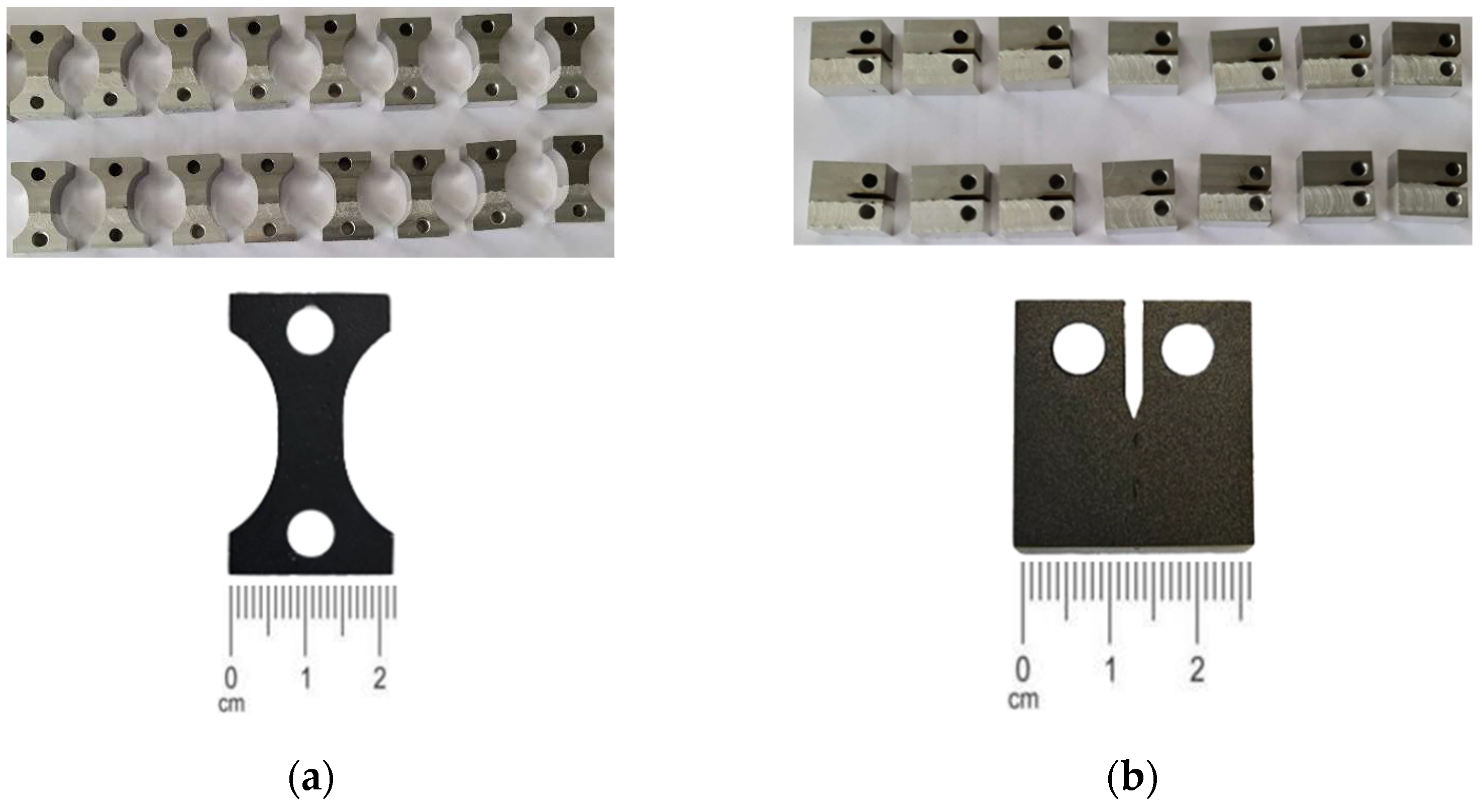
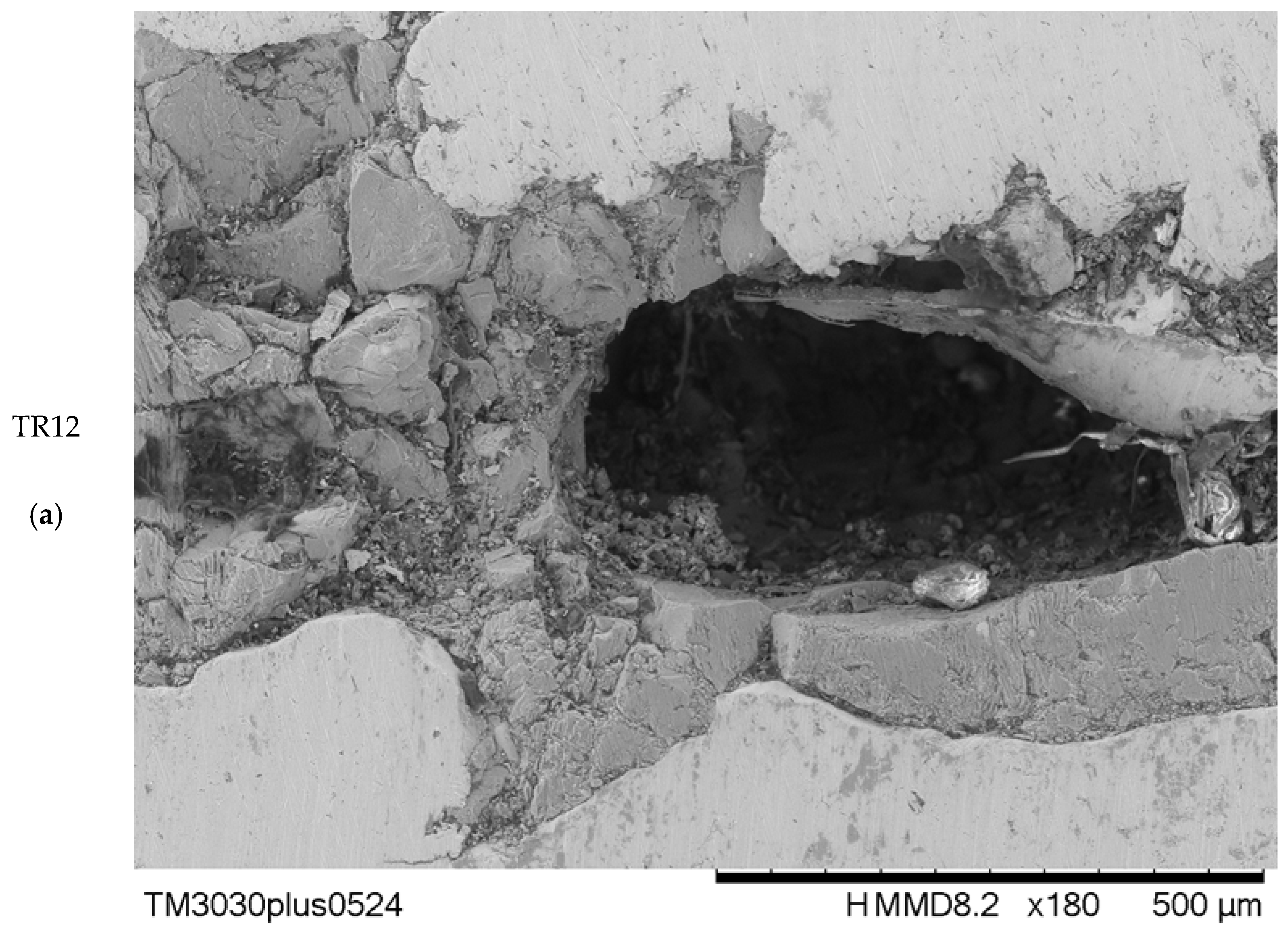
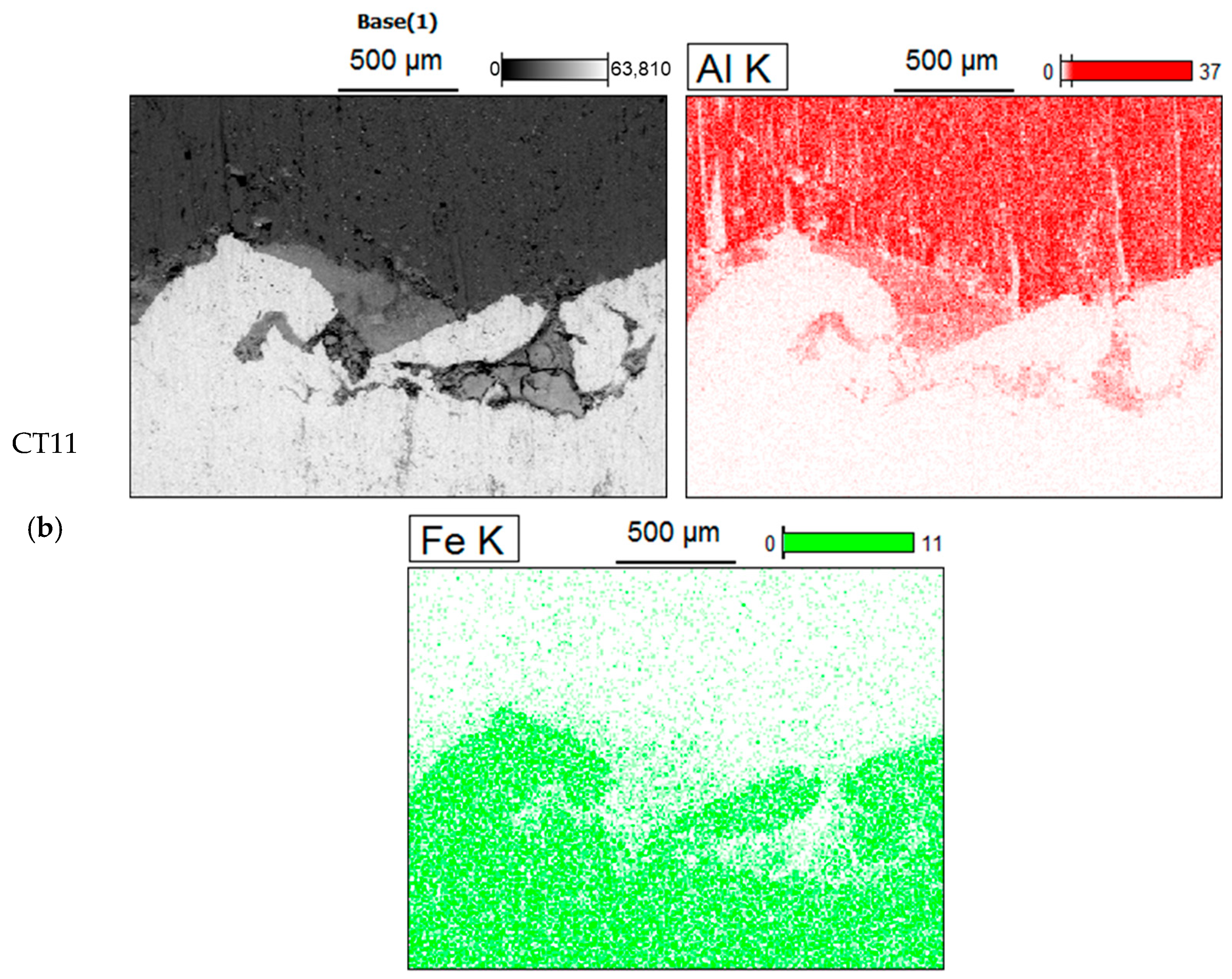
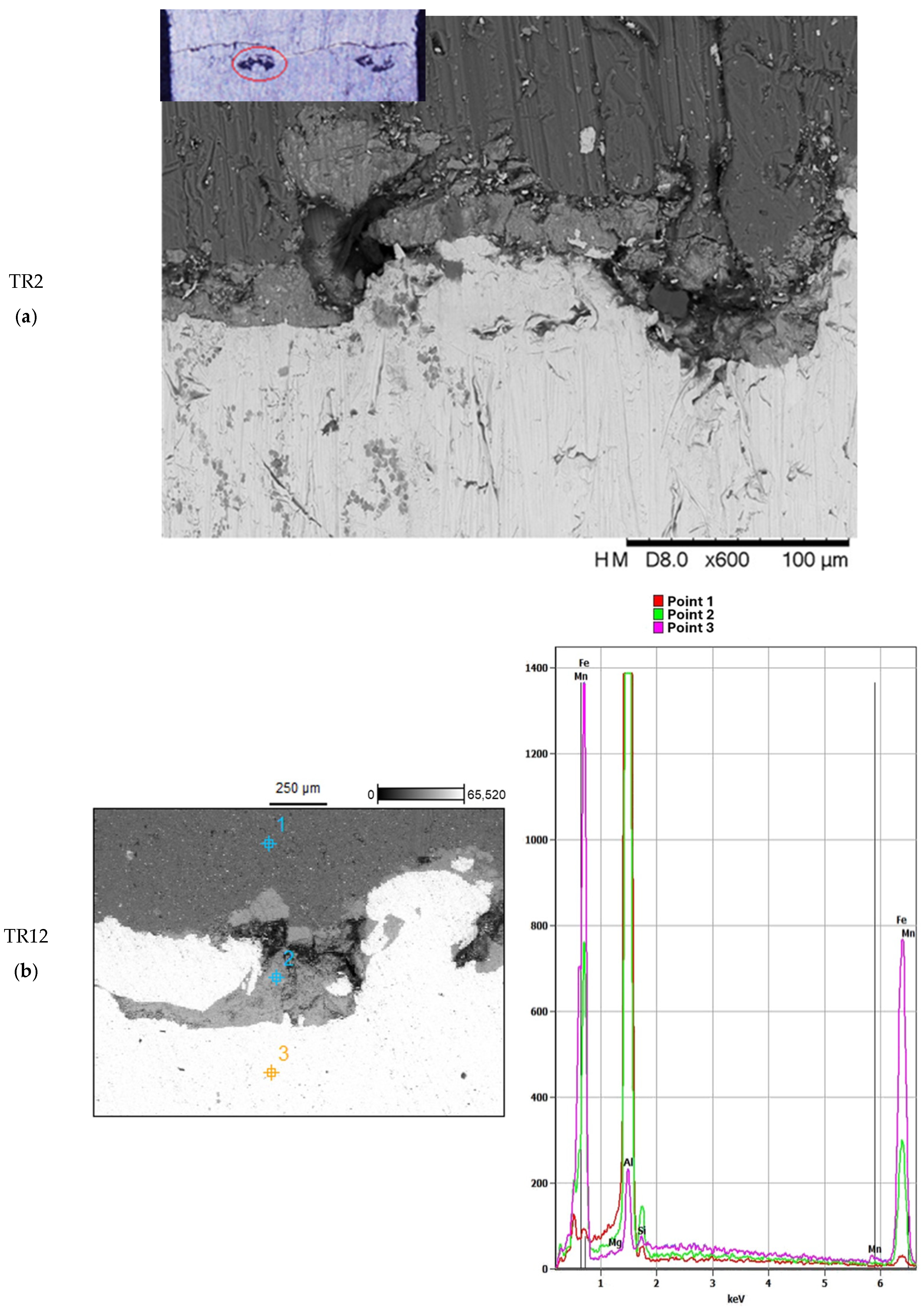
The specimens were first subjected to microscopic analysis in order to detect the potential presence of defects. Figure 3 shows the geometry of the EXW specimens. The thickness of the intermetallic layer determined by SEM analyses has an average value of about 300 µm. Figure 4a shows the results of SEM analyses, where a void of about 500 µm in length is surrounded by intermetallic phases. Several energy-dispersive X-ray spectroscopy (EDS) maps allowed a clear distinction among Fe, Al, and phases containing both elements (Figure 4b).

2.2. Experimental Set-Up

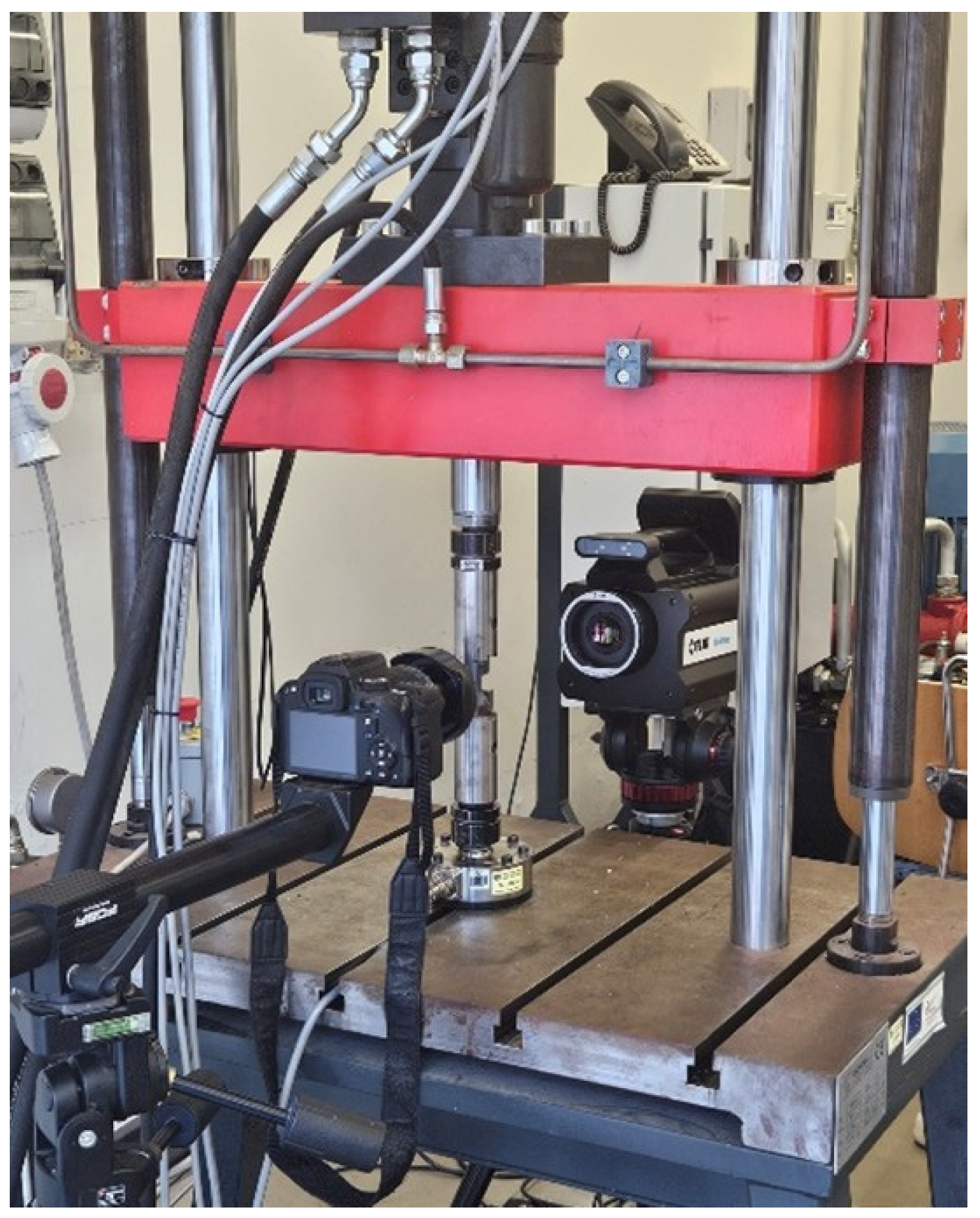
Tensile tests were carried out by using an Italsigma FPF 25 servo-hydraulic testing machine with a 25 kN load cell, calibrated according to ISO 7500-1 (Class 1) [23]. The experimental set-up employed the experimental techniques IRT and DIC, which were applied simultaneously during the tests.
DIC measurements were performed using the open-source 2D software Ncorr v1.2 to evaluate strain fields during tensile loading. A random speckle pattern was applied on the specimen surface using gel coat spray. The tests were recorded with a resolution of 1920 × 1080 pixels and an acquisition rate of 25 fps. The resolution was 0.04 mm/pixel for tensile specimens and 0.03 mm/pixel for fracture mechanics specimens.
A FLIR X8400sc infrared (IR) camera was employed during the tests to record the surface temperature of the specimen. The specimen surface facing the IR camera was painted with matte black paint to improve its emissivity. The IR camera was calibrated considering the blackbody reference for the surface emissivity. The thermal images were acquired at 150 Hz and analysed using the FLIR ResearchIR Max software. The experimental set-up is shown in Figure 5.
Mereum & LaPorte provide minimum and typical values of shear and tensile strength for Standard TriClad®, which are summarised in Table 1. These values are adequate according to the military specification MIL-J-24445A [24].
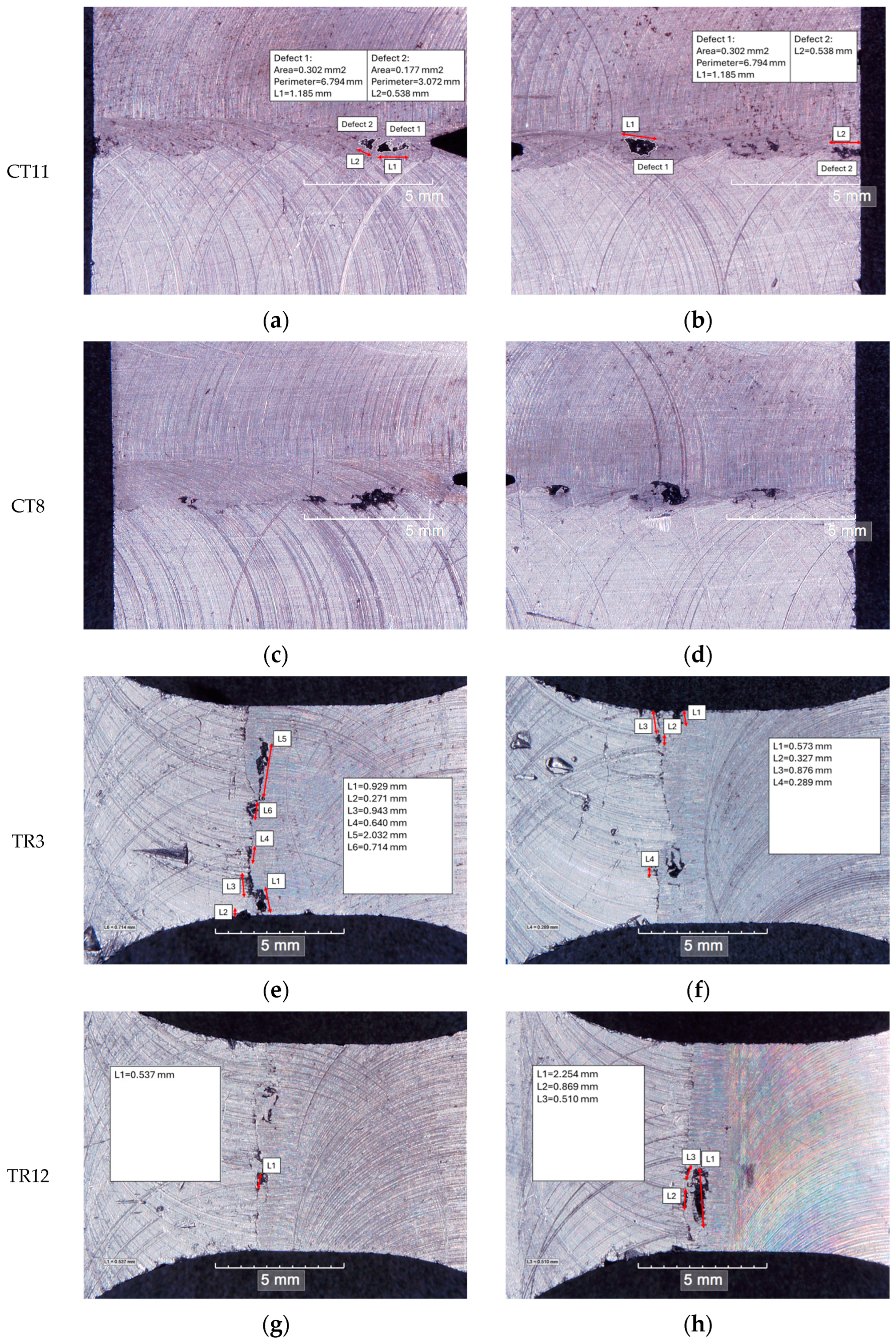
The surface morphology of the specimens was first observed with a Leica DVM 5000 digital microscope and subsequently examined using a Hitachi TM3030Plus SEM. The analysis revealed defects at the Fe/Al interface, as reported in Figure 6. These defects result from both milling and explosive welding and include tooling marks. The defects detected by the microscopy analyses are shown in Figure 6e–h for EXW tensile specimens and in Figure 6a–d for the EXW CT specimens.
The Backscattered Electron (BSE) images, acquired near the Fe/Al interface, show Al 1050A appearing dark grey and A516 steel appearing light grey, while the wavy interfacial region exhibits varying grey levels due to distinct FexAly intermetallics. In the digital-microscope view, shown in Figure 6g,h, the defect in specimen TR12 appears continuous; however, as shown in Figure 7b, it is discontinuous and segmented by FexAly (points 1–3 in Figure 7b) into two smaller defects.

3. Results

3.1. Tensile Tests

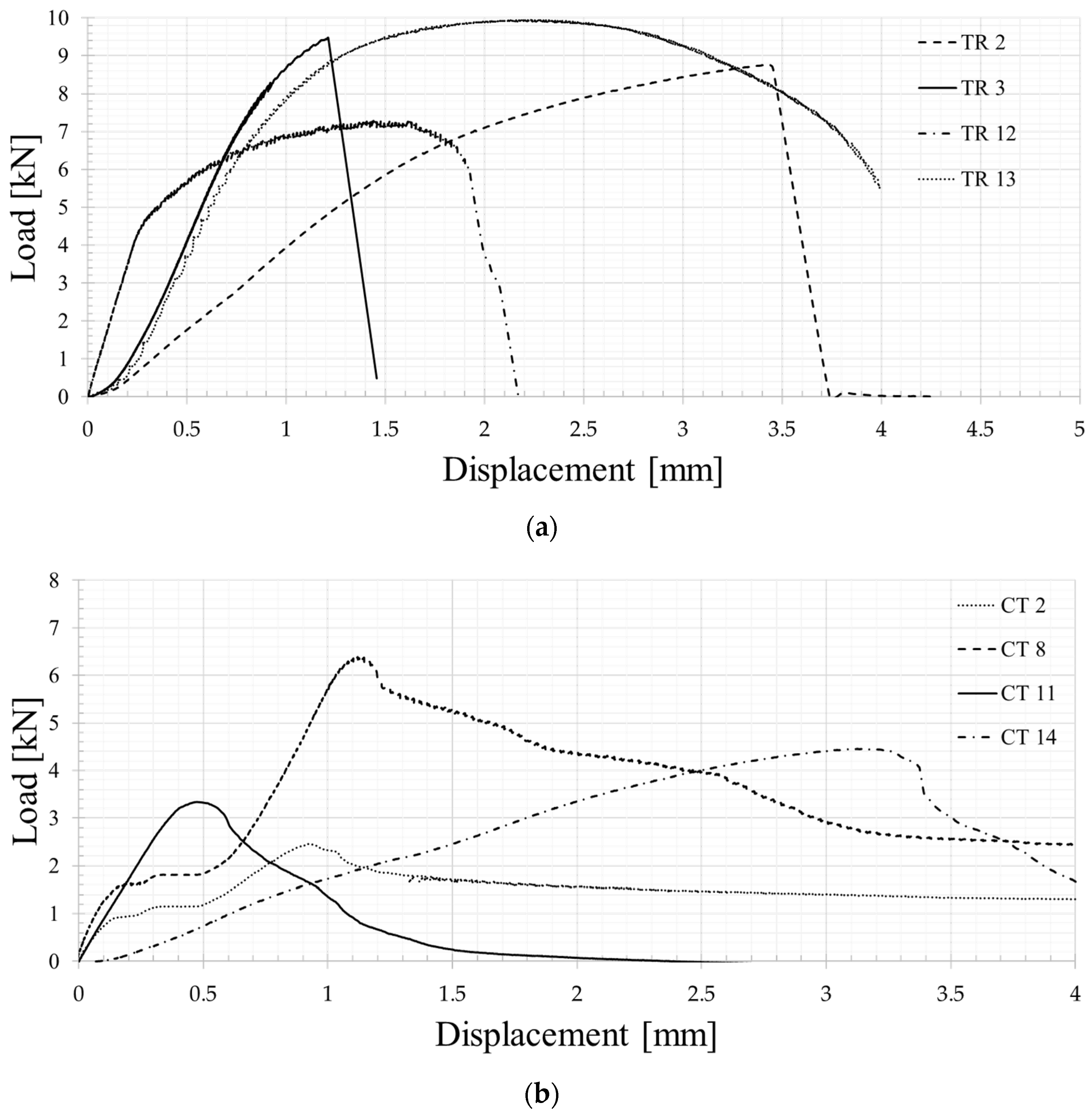
Figure 8a and Figure 8b show the results of mechanical tests for the TR specimens and the CT specimens, respectively. Four repetitions were carried out for each configuration (TR and CT specimens). Table 2 summarises the average and standard deviation values of the results obtained by the mechanical tests.
By analysing the representative curves for both tensile and CT specimens, the strength and the plastic behaviour appear to be affected by defects (Figure 4), shape of the welding interface (Figure 6), intermetallics in the crack path (Figure 4 and Figure 9), and defects in the external surface (Figure 6). The presence of intermetallics was detected by EDS analyses, which highlighted phases containing both Al and Fe, with traces of Si.
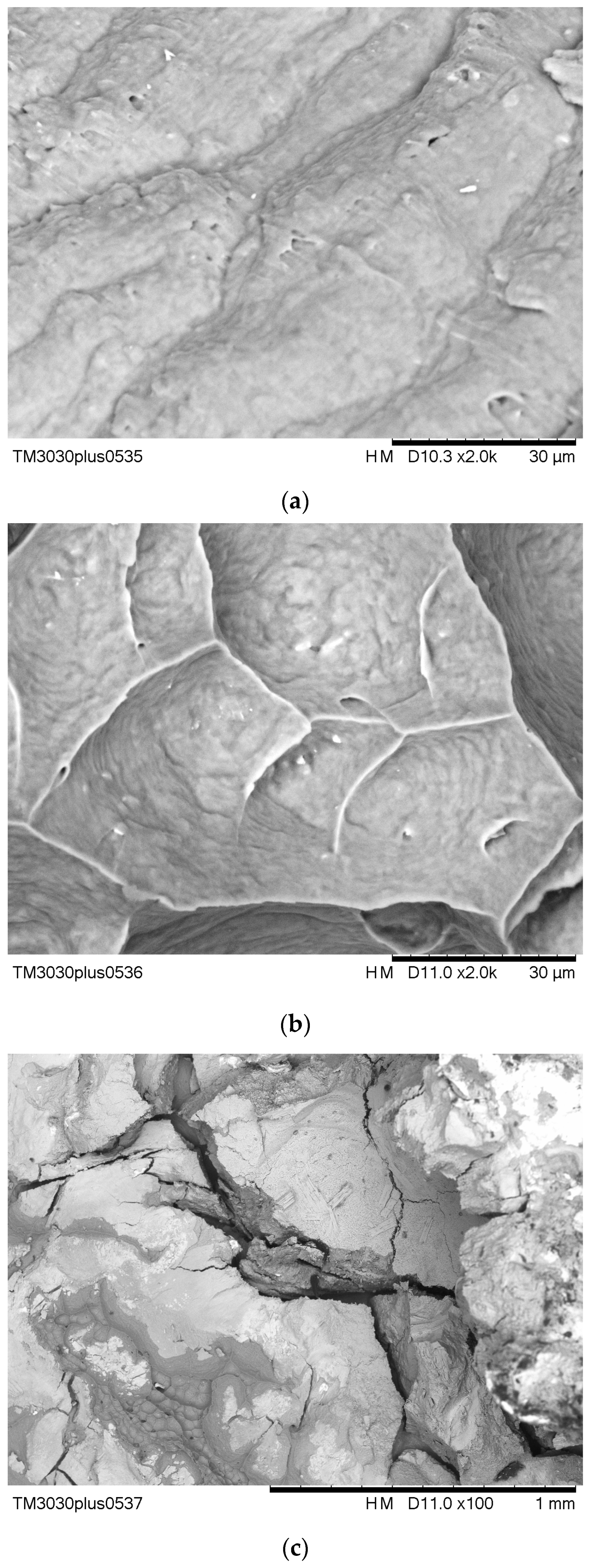
Figure 9 shows the fracture surface of CT14, revealing no distinct defects. Moreover, the surface appears very smooth on the steel side (Figure 9a), and with dimples on the Al side (Figure 9b). The localised brittle behaviour of intermetallics is highlighted in Figure 9c.
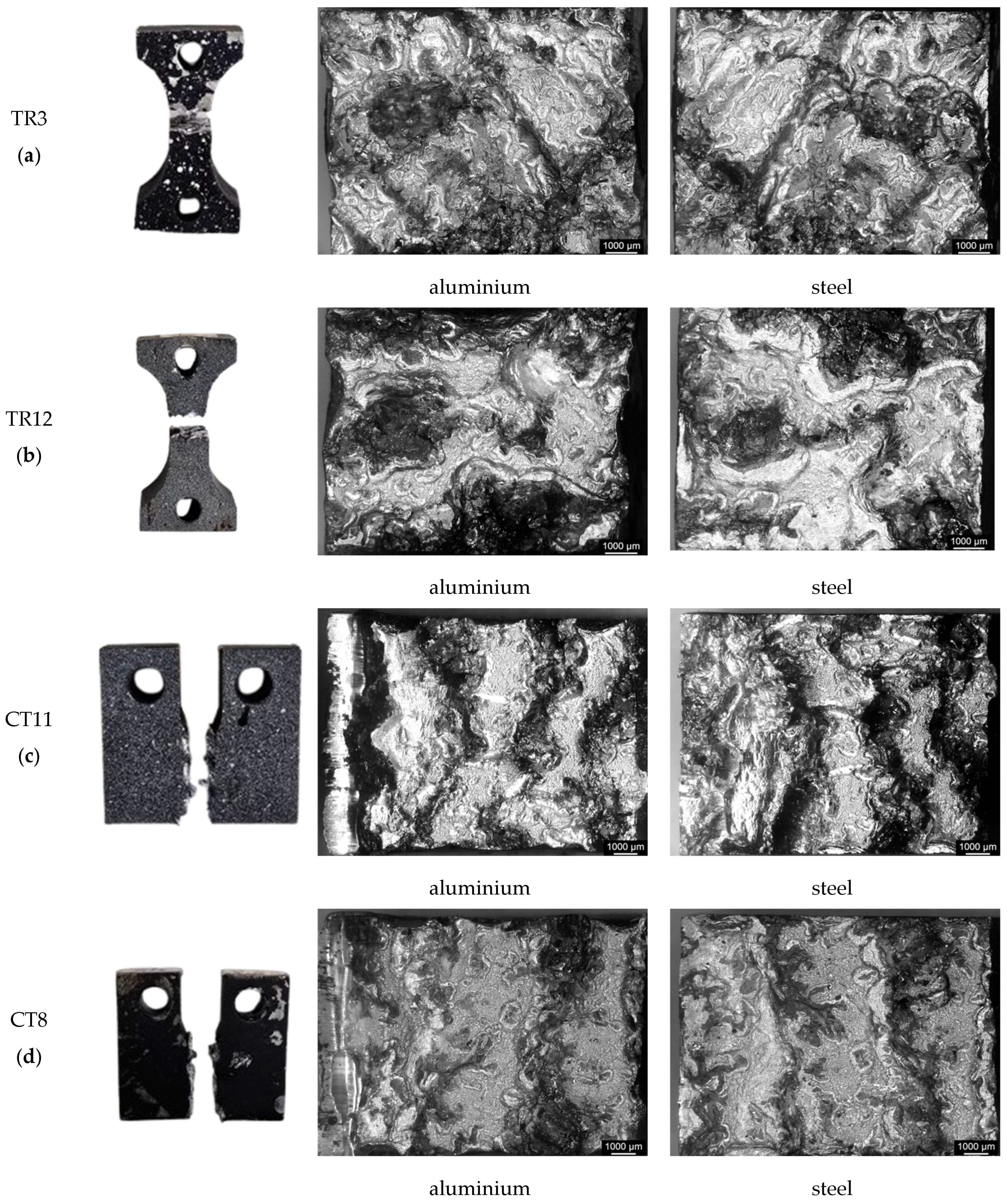
The fracture surfaces of the specimens that showed significantly different mechanical responses were examined using a stereomicroscope. The results are shown in Figure 10a–d, and no evident differences were detected between the micrographs. Thus, the specific mechanical behaviour of each specimen is determined by local defects found on the surface and at the welding interface. Images of the specimens after the mechanical test are also presented in Figure 10.
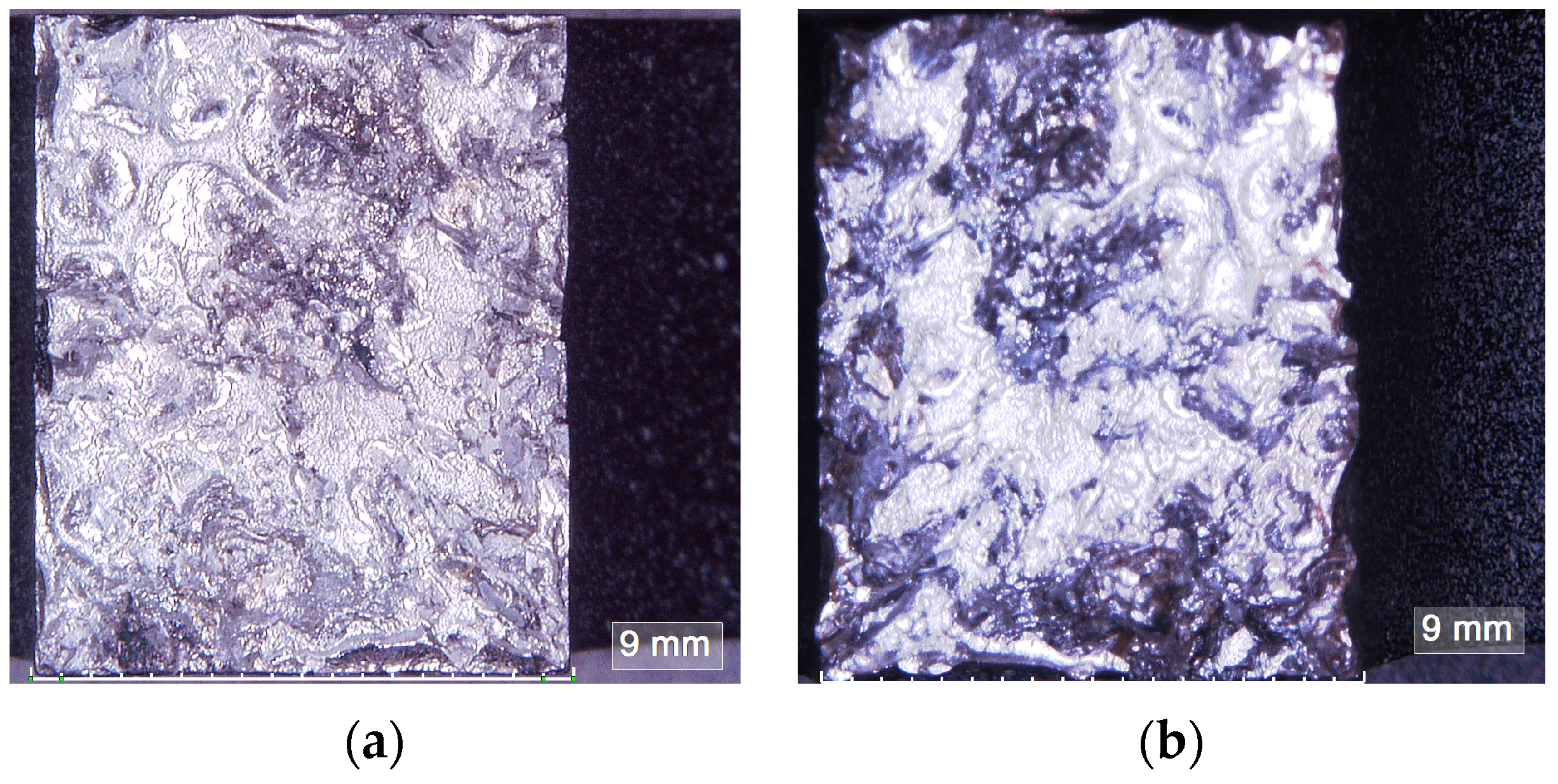
Nonetheless, TR2 and CT14 specimens exhibited ductile behaviour as evidenced by the higher elongation at break and by the fracture surface in Figure 9 and Figure 11.

3.2. Digital Image Correlation

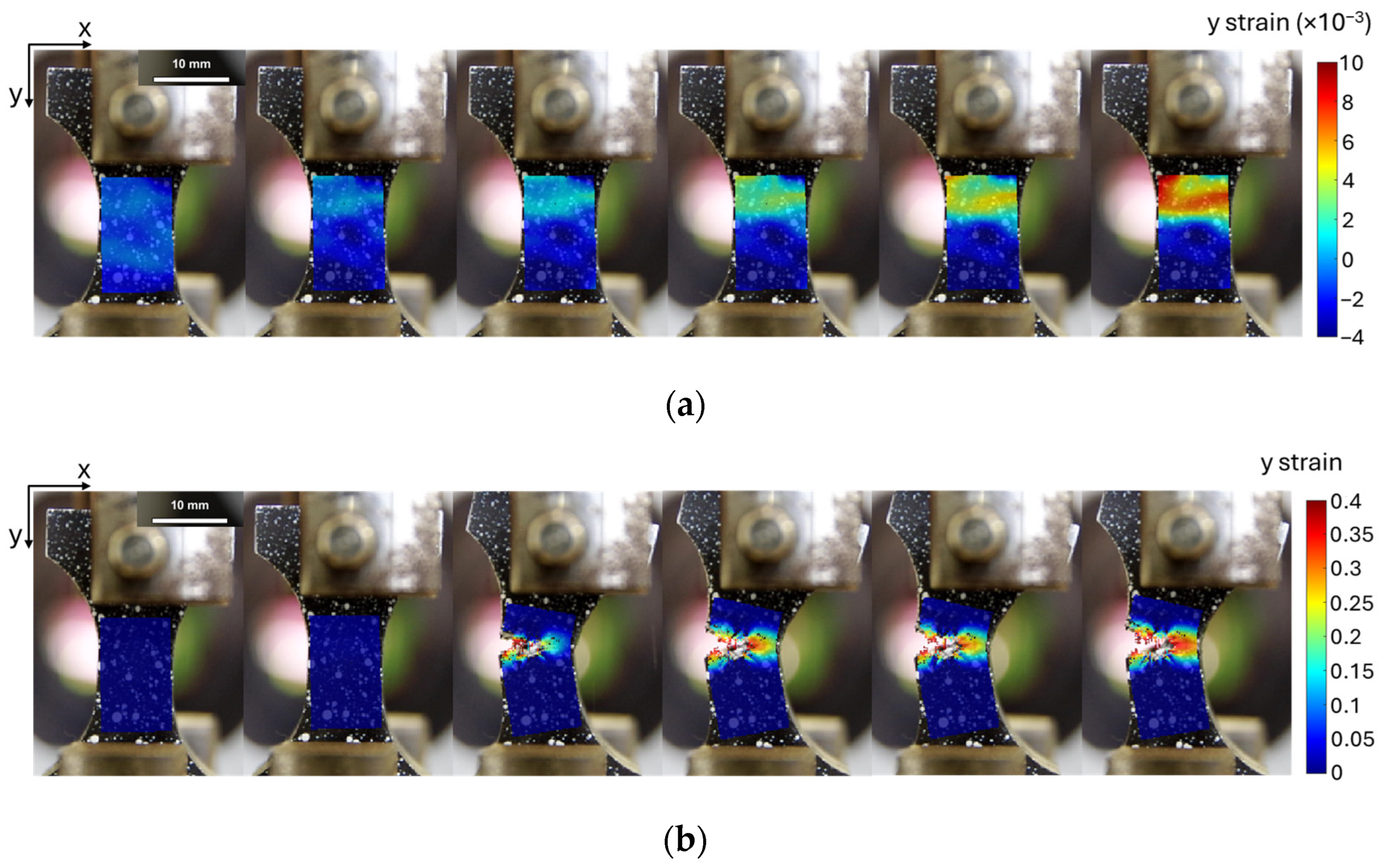
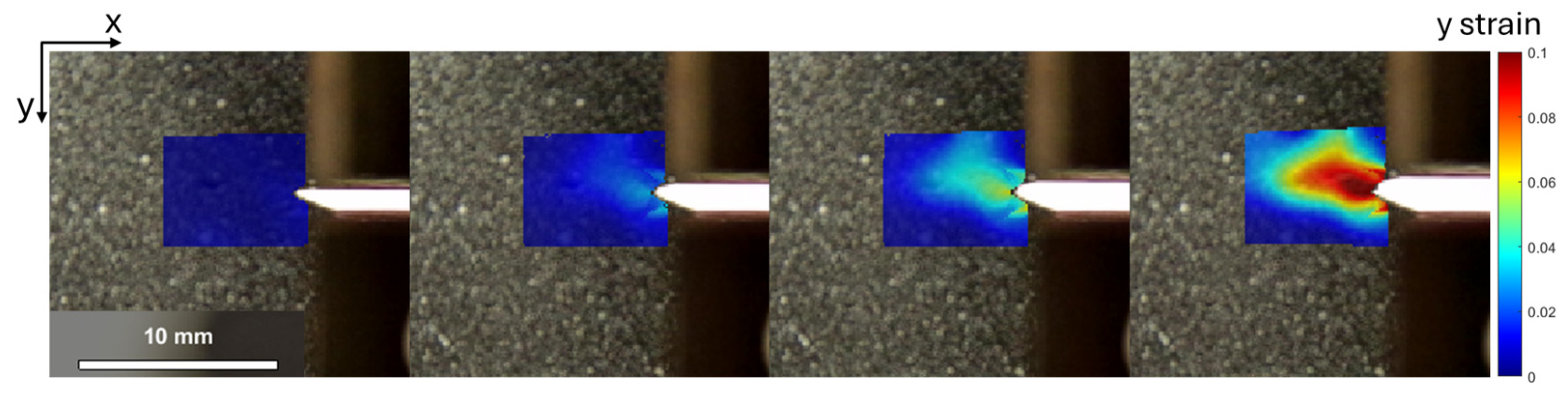
DIC results of the tensile tests highlighted that the strain field in the elastic region is strongly affected by the mismatch between the elastic moduli of steel and aluminium. Not only is the elastic strain higher in pure Al (Figure 12a), but it is also concentrated along the interface, where great quantities of intermetallics and discontinuities were detected by digital microscopy inspection (Figure 6e,f). As expected, the final failure of the specimen was placed in correspondence with the weld as shown in Figure 12b.
The same considerations can be drawn for the CT specimens. Figure 13 shows the strain field for a specimen subjected to a tensile load. The instant the crack started to propagate pointed out that strain concentration appears at the notch, but the values are higher on the aluminium side.

3.3. Infrared Thermography

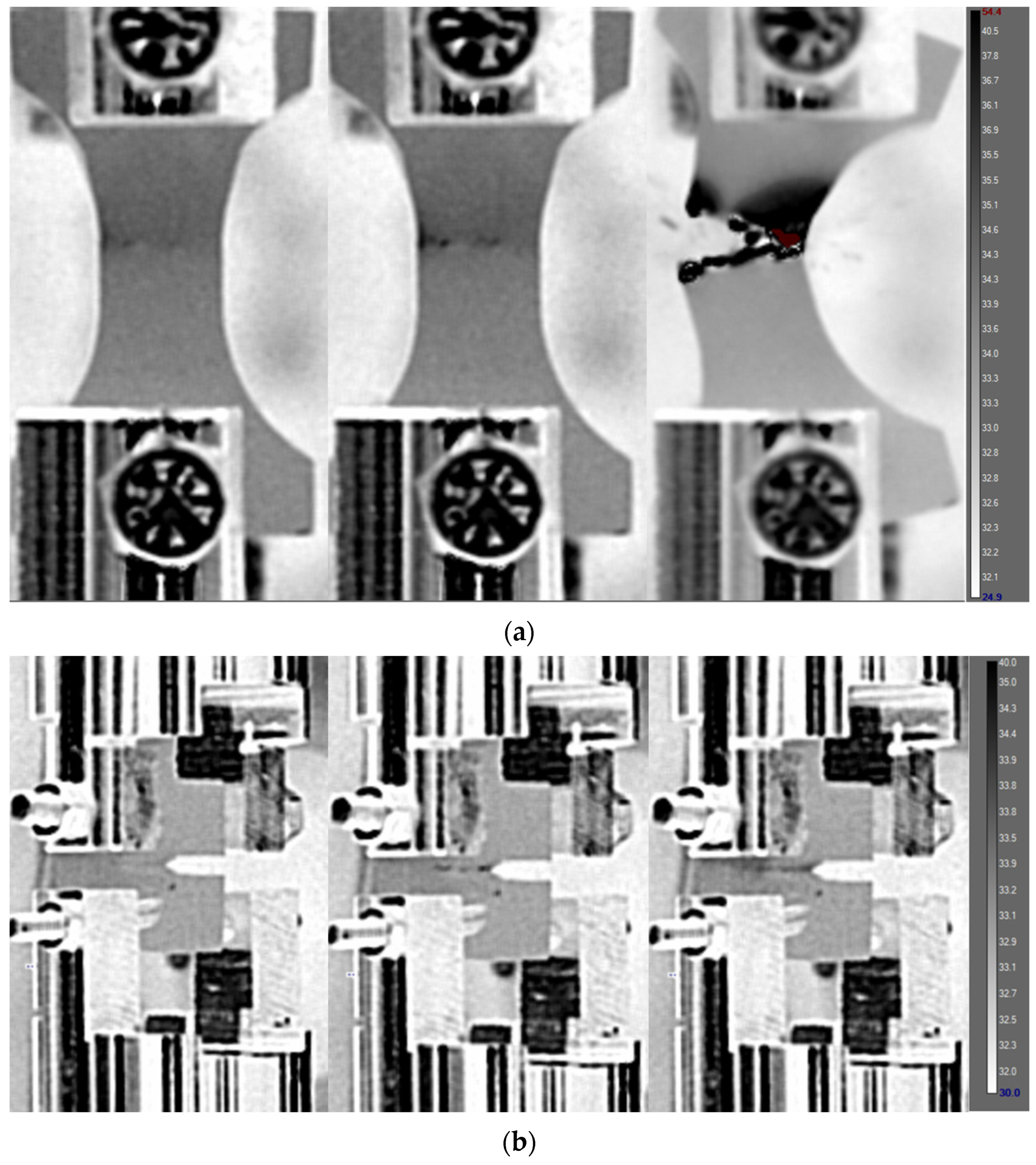
By post-processing the thermal images recorded during the mechanical tests, it was possible to identify the crack initiation and monitor the thermal field due to its propagation. Considering the different thermal behaviour of steel and aluminium, in both dog-bone and CT specimens, the apparent temperature distribution is not symmetric, and it is mostly shifted to the aluminium side (Figure 14). It is worth underlining that the emissivity of the surface is that of the used paint (0.95).

3.4. Preliminary Thermoelastic Stress Analysis: Feasibility for Multi-Material Region Identification

TSA was performed on the EXW specimens to assess the weld quality in terms of material mixing. TSA is a non-destructive and non-contact experimental technique, based on the thermoplastics effect, i.e., in the generation of a small temperature variation due to deformation in the linear elastic stress field. These temperature variations in the case of homogeneous, isotropic material and in adiabatic conditions are proportional to the stress variation and depend on the material’s thermophysical properties [23].
Achieving these experimental conditions requires the application of a high-frequency sinusoidal dynamic load. The resulting surface response is acquired using an IR camera and subsequently analysed for both its amplitude and phase.
Although TSA is a consolidated technique for stress analysis, its application here is novel. The thermoelastic effect was exploited to assess the welding mixing state. Due to the distinct mechanical and thermophysical properties of the base materials, the TSA technique allowed for a sharp distinction between the materials, effectively highlighting the mixing state at the weld interface.
For this study, TSA tests were conducted on dog-bone samples (Figure 3a). Testing was carried out using a 100 kN servo-hydraulic loading machine, and thermal sequences were acquired with a FLIR XC6540 IR camera. The sinusoidal loading characteristics included a load amplitude of 2500 N, a load ratio of R = 0.2, and a load frequency of 12 Hz.
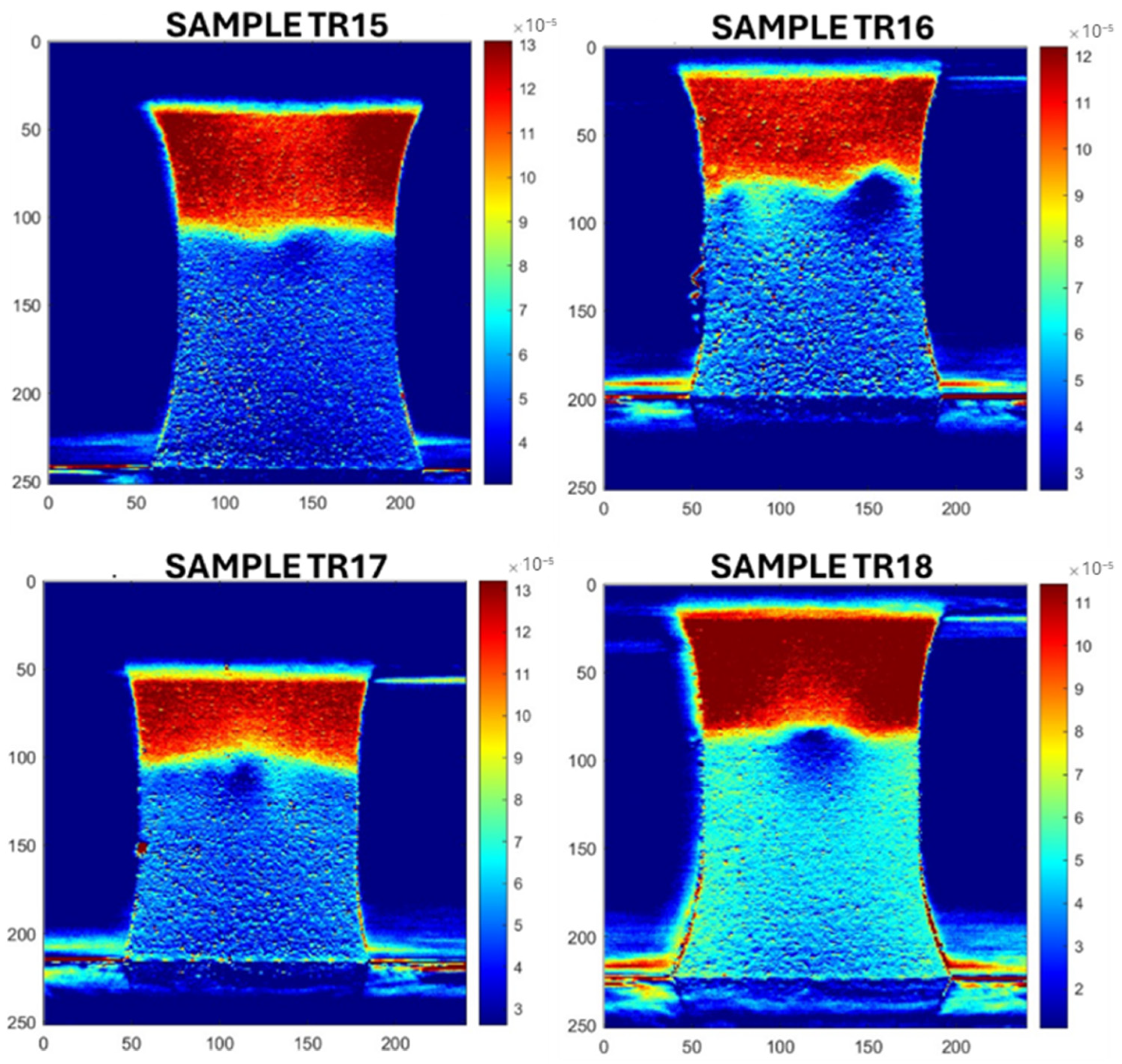
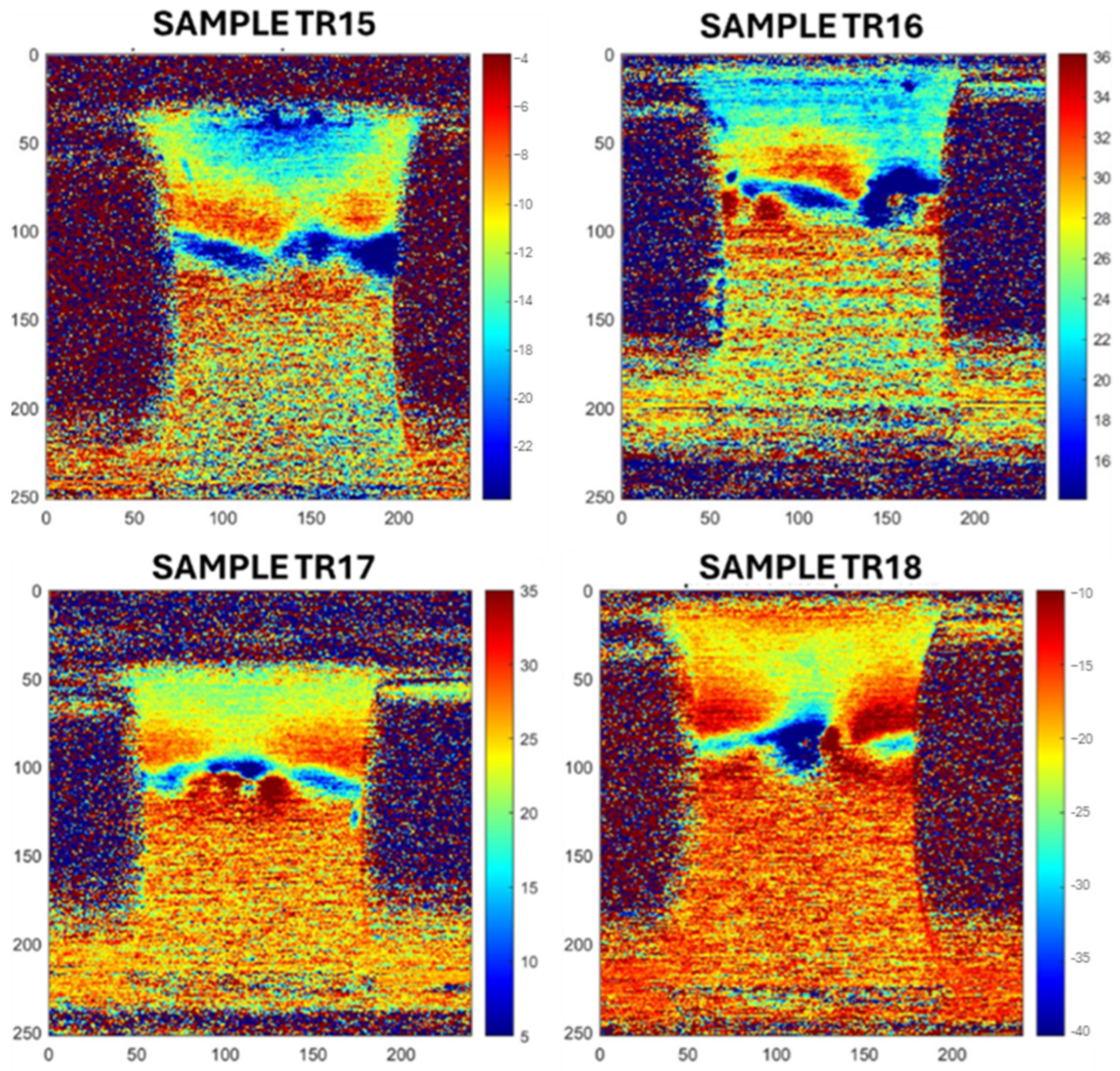
The thermoelastic amplitude and phase maps for four specimens are shown in Figure 15 and Figure 16, respectively. The amplitude distributions of the specimen reveal three distinct regions with markedly different responses, corresponding to aluminium, steel, and an intermediate-composition layer. Examination of the phase and amplitude maps also delineates the weld line and highlights anomalous areas. These observations are crucial for a reliable assessment of the joint’s fatigue behaviour.

4. Conclusions

In this work, the mechanical behaviour of EXW specimens was evaluated by static mechanical tests and non-destructive testing using several experimental techniques: microscopy, thermography, and digital image correlation.
The experimental results highlighted that the mechanical behaviour of the joints is strongly affected by the mismatch of the elastic moduli at the interface of Al-Fe. In the plastic region, an important role is also played by intermetallic phases generated during the welding process, and defects are detected both in the specimens’ external and cracked surfaces. These aspects require additional experimental tests to explore the mechanical characteristics of the Al-Fe interface in depth.
While the application of explosion-welded joints in shipbuilding is currently limited by a lack of comprehensive understanding, the mechanical characterisation proposed in this study aims to provide the foundation to unlock their potential as a highly sustainable solution, directly addressing the maritime sector’s need for enhanced environmental performance.
Specifically, the integration of an EXW joint into structural ship components represents a definitive strategy for sustainability improvement, significantly enhancing the overall environmental performance across multiple life cycle phases. Although the explosion welding process itself is known to be energy-intensive [22] and results in the emission of various fumes, the overall employment of such joints can still lead to a substantial improvement in environmental performance. This is primarily evident during the operational phase of the ship’s life cycle. Crucially, the ability to effectively join dissimilar materials like aluminium to steel is not trivial, yet it is a determining factor for reducing the overall weight of the ship and, consequently, improving its energy efficiency.
Furthermore, another key advantage is the remarkable improvement in the galvanic corrosion resistance offered by these joints compared to more traditional joining solutions, directly contributing to extended component lifespan and reduced maintenance requirements. Traditional steel-to-steel welds are not exempt from corrosion risks, as the presence of porosity (typical in fusion welds) and heterogeneous HAZs favours localised corrosion initiation, even in stainless steels.
Conversely, in aluminium–steel bimetallic joints, the risk of galvanic corrosion is extremely high. In an electrolytic environment, such as that found in marine applications, the aluminium acts as the anode when in contact with steel, making it highly susceptible to degradation. In EXW TriClad joints, this risk is minimised due to the interposition of a second aluminium layer (1000 series), which, due to its superior homogeneity and the absence of alloying elements, prevents localised intergranular corrosion; furthermore, it ensures a defect-free interface, effectively preventing electrolyte penetration.
Finally, the sustainability of components employing bimetallic joints is confirmed during the end-of-life (EoL) phase. Due to their exceptional mechanical strength and extended service life, these joints frequently outlast the structures they are a part of. Consequently, they can often be recovered from decommissioned ships while still in excellent condition. The recovery process for direct reuse is the optimal solution, as it requires minimal, cost-effective, and low-energy interventions, primarily consisting of basic mechanical operations such as cutting, grinding, and polishing.
Even in cases where direct reuse is not feasible, the recycling of the individual constituent materials is characterised by a high recovery rate. The separation of the two metals is straightforward, requiring simple mechanical machining (e.g., sawing or milling). Crucially, material loss during this separation is negligible due to the extremely limited extension of the mixing zone, where the brittle intermetallic phases—which lack the mechanical properties of the base metals—are concentrated.
Regarding the recovery of the individual metals, current recycling technologies ensure high efficiency. This is particularly significant for aluminium, which is characterised by a recycling rate often exceeding 95% without degradation of its properties, allowing the material to be reprocessed while maintaining the structural performance required for high-value applications.
Future developments of this research activity include more static tests for a statistical investigation, fracture mechanics tests to evaluate important crack growth parameters, and fatigue tests to characterise the dynamic behaviour of the Al-Fe joints.

Author Contributions

Conceptualisation, V.C., G.E. and U.G.; methodology, V.C., G.E. and U.G.; software, G.B., F.D. and F.D.C.; validation, V.C., G.E. and U.G.; formal analysis, G.B., F.D. and F.D.C.; investigation, G.B., F.D., F.D.C. and G.E.; resources, V.C., G.E. and U.G.; data curation, G.B., F.D. and F.D.C.; writing—original draft preparation, G.B., F.D. and F.D.C.; writing—review and editing, V.C., G.E. and U.G.; visualisation, G.B., F.D. and F.D.C.; supervision, V.C., G.E. and U.G. All authors have read and agreed to the published version of the manuscript.

Funding

This research received no external funding.

Data Availability Statement

Data will be shared upon request to the corresponding authors.

Acknowledgments

This study shows the results of the research activities of the Research Project PRIN PNRR 2022 “LODE” (circuLar economy-Oriented DEsign using hybrid-dissimilar joints and sustainable materials for lightweight structures), a project funded by the Italian Ministry of Scientific and Technological Research.

Conflicts of Interest

The authors declare no conflicts of interest.

References

  1. Eyres, D.J.; Bruce, G.J. Ship Construction; Butterworth-Heinemann: Oxford, UK, 2012. [Google Scholar]
  2. Dong, Y.; Frangopol, D.M. Risk-Informed Life-Cycle Optimum Inspection and Maintenance of Ship Structures Considering Corrosion and Fatigue. Ocean. Eng. 2015, 101, 161–171. [Google Scholar] [CrossRef]
  3. Shkolnikov, V.M. Hybrid Ship Hulls: Engineering Design Rtionales; Butterworth-Heinemann: Oxford, UK, 2016. [Google Scholar]
  4. Correia, A.N.; Braga, D.F.O.; Moreira, P.M.G.P.; Infante, V. Review on Dissimilar Structures Joints Failure. Eng. Fail. Anal. 2021, 129, 105652. [Google Scholar] [CrossRef]
  5. Zhang, T.; Wang, K.; Qiao, K.; Wu, B.; Liu, Q.; Han, P.; Wang, W.; Wang, Y.; Hao, Z.; Zheng, P. Evolution Mechanism of Intermetallic Compounds and the Mechanical Properties of Dissimilar Friction Stir Welded QP980 Steel and 6061 Aluminum Alloy. Mater. Charact. 2023, 202, 113033. [Google Scholar] [CrossRef]
  6. Kilic, S.; Ozturk, F.; Demirdogen, M.F. A Comprehensive Literature Review on Friction Stir Welding: Process Parameters, Joint Integrity, and Mechanical Properties. J. Eng. Res. 2025, 13, 122–130. [Google Scholar] [CrossRef]
  7. Bergh, T.; Arbo, S.M.; Hagen, A.B.; Blindheim, J.; Friis, J.; Khalid, M.Z.; Ringdalen, I.G.; Holmestad, R.; Westermann, I.; Vullum, P.E. On Intermetallic Phases Formed during Interdiffusion between Aluminium Alloys and Stainless Steel. Intermetallics 2022, 142, 107443. [Google Scholar] [CrossRef]
  8. Chen, Y.; Yang, Z.; Shi, C.; Xin, Z.; Zeng, Z. Laser-CMT Hybrid Welding-Brazing of Al/Steel Butt Joint: Weld Formation, Intermetallic Compounds, and Mechanical Properties. Materials 2019, 12, 3651. [Google Scholar] [CrossRef] [PubMed]
  9. Miclosina, C.-O.; Belu-Nica, R.; Ciubotariu, C.R.; Marginean, G. Processing and Evaluation of an Aluminum Matrix Composite Material. J. Compos. Sci. 2025, 9, 335. [Google Scholar] [CrossRef]
  10. Kota, P.K.; Myilsamy, G.; Ramalingam, V.V. Metallurgical Characterization and Mechanical Properties of Solid–Liquid Compound Casting of Aluminum Alloy: Steel Bimetallic Materials. Met. Mater. Int. 2022, 28, 1416–1422. [Google Scholar] [CrossRef]
  11. TriClad® Detacouple Joints Merren & La Porte. Available online: https://triclad.com/welding-parameters-general-guidelines/ (accessed on 14 November 2025).
  12. Palaci, Y.; Olgun, M. Influences of Heat Treatment on Mechanical Behavior and Microstructure of the Explosively Welded D Grade Steel/EN AW 5083 Aluminium Joint. Arch. Metall. Mater. 2020, 66, 373–380. [Google Scholar] [CrossRef]
  13. Boroński, D.; Skibicki, A.; Maćkowiak, P.; Płaczek, D. Modeling and Analysis of Thin-Walled Al/Steel Explosion Welded Transition Joints for Shipbuilding Applications. Mar. Struct. 2020, 74, 102843. [Google Scholar] [CrossRef]
  14. Kaya, Y. Microstructural, Mechanical and Corrosion Investigations of Ship Steel-Aluminum Bimetal Composites Produced by Explosive Welding. Metals 2018, 8, 544. [Google Scholar] [CrossRef]
  15. Crupi, V.; Chiofalo, G.; Guglielmino, E. Infrared Investigations for the Analysis of Low Cycle Fatigue Processes in Carbon Steels. Proc. Inst. Mech. Eng. C J. Mech. Eng. Sci. 2011, 225, 833–842. [Google Scholar] [CrossRef]
  16. Corigliano, P.; Crupi, V.; Pei, X.; Dong, P. DIC-Based Structural Strain Approach for Low-Cycle Fatigue Assessment of AA 5083 Welded Joints. Theor. Appl. Fract. Mech. 2021, 116, 103090. [Google Scholar] [CrossRef]
  17. Böhm, M.; Kowalski, M. Fatigue Life Estimation of Explosive Cladded Transition Joints with the Use of the Spectral Method for the Case of a Random Sea State. Mar. Struct. 2020, 71, 102739. [Google Scholar] [CrossRef]
  18. Lipiäinen, K.; Afkhami, S.; Havia, J.; Ahola, A.; Moshtaghi, M.; Björk, T. Fatigue Performance of Explosion-Cladded Steel-to-Aluminum Transition Joints for Marine Applications. Weld. World 2025, 69, 2323–2333. [Google Scholar] [CrossRef]
  19. Available online: https://www.isayachts.com/it/fleet/m-y-okto/ (accessed on 3 November 2025).
  20. Corigliano, P.; Calabrese, L.; Crupi, V. Salt Spray Fog Ageing of Al/Steel Structural Transition Joints for Shipbuilding. In Sustainable Development and Innovations in Marine Technologies; CRC Press: London, UK, 2022; pp. 103–108. [Google Scholar]
  21. Di Carolo, F.; John, P.K.; De Finis, R.; Palumbo, D.; D’Accardi, E.; Crupi, V.; Briguglio, G.; Galietti, U. A Comparative Life Cycle Assessment of Structural Solutions Using Dissimilar Materials and Hybrid Joints. In Technology and Science for the Ships of the Future; IOS Press: Amsterdam, The Netherlands, 2025. [Google Scholar]
  22. International Aluminium Institute. Aluminium Sector Greenhouse Gas Pathways to 2050; International Aluminium Institute: London, UK, 2021. [Google Scholar]
  23. ISO 7500-1; Metallic Materials—Verification of Static Uniaxial Testing Machines—Part 1: Tension/Compression Testing Machines—Verification and Calibration of the Force-Measuring System. International Organization for Standardization (ISO): Geneva, Switzerland, 2004.
  24. MIL-J-24445A; Joint, Bimetallic Bonded, Aluminum to Steel. United States Department of Defense: Washington, DC, USA, 1977.
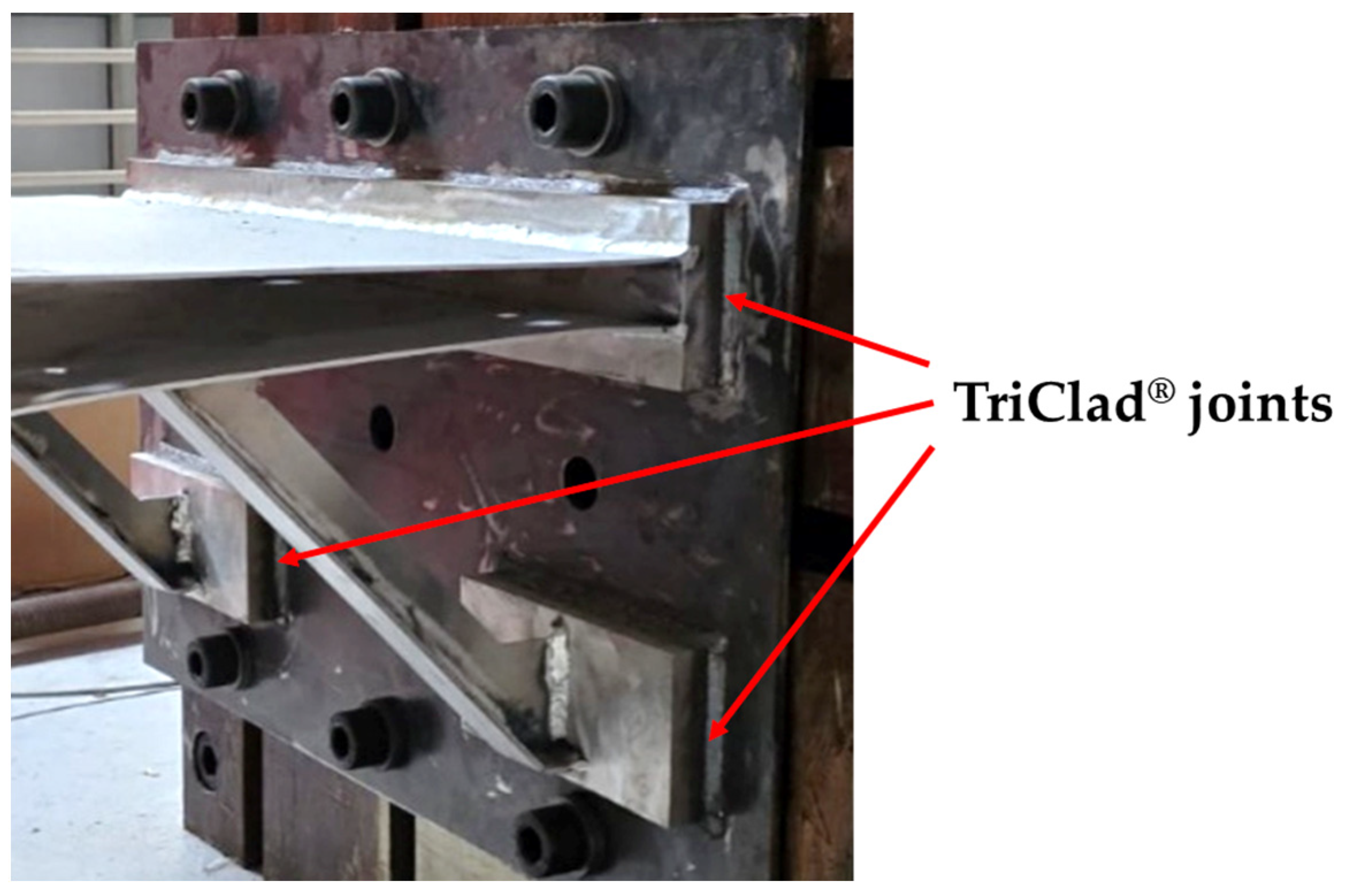
Figure 1. Application of TriClad® in a balcony overhang.
Jmse 13 02296 g001
Figure 2. ISA GT 66mt M/Y OKTO, a superyacht with the hull in steel and the superstructure in aluminium. Edited photo taken from the official website [19].
Jmse 13 02296 g002
Figure 3. Geometry of the EXW specimens: (a) dog-bone specimens (TR) and (b) CT specimens.
Jmse 13 02296 g003
Figure 4. SEM results for the thickness of the intermetallic layer: (a) specimen TR12; (b) specimen CT11.
Jmse 13 02296 g004aJmse 13 02296 g004b
Figure 5. Experimental set-up for tensile tests.
Jmse 13 02296 g005
Figure 6. Digital microscopy defects in EXW specimens: CT11 (a,b); CT8 (c,d); TR3 (e,f); TR12 (g,h).
Jmse 13 02296 g006
Figure 7. SEM results for the specimens: (a) TR2 and (b) TR12.
Jmse 13 02296 g007
Figure 8. Load vs. displacement curves of (a) tensile specimens and (b) CT specimens.
Jmse 13 02296 g008
Figure 9. (a) Steel fracture interface, (b) aluminium fracture interface, and (c) intermetallics for the specimen CT14.
Jmse 13 02296 g009
Figure 10. Digital microscopy surface fracture of the EXW specimens: TR3 (a), TR12 (b), CT11 (c), and CT8 (d).
Jmse 13 02296 g010
Figure 11. (a) Steel fracture interface and (b) aluminium fracture interface for the specimen TR2.
Jmse 13 02296 g011
Figure 12. DIC image of (a) a dog-bone TR3 EXW specimen elastic region and (b) a TR3 EXW specimen plastic region.
Jmse 13 02296 g012
Figure 13. DIC image of a CT11 EXW specimen.
Jmse 13 02296 g013
Figure 14. Failure progress by high-frequency infrared thermography (specimens: (a) TR2 and (b) CT14). This work is licensed under CC BY-NC 4.0. To view a copy of this licence, visit https://creativecommons.org/licenses/by-nc/4.0/ (accessed on 3 November 2025).
Jmse 13 02296 g014
Figure 15. Thermoelastic amplitude for four specimens.
Jmse 13 02296 g015
Figure 16. Thermoelastic phase for four specimens.
Jmse 13 02296 g016
Table 1. Shear and tensile strength of TriClad®.
Shear Strength [MPa]Tensile Strength [MPa]
Minimum value6076
Typical value94126
Table 2. Results of the mechanical tests.
Load [kN]Displacement [mm]Stiffness [N/mm]
TR specimens8.93 ± 1.232.10 ± 0.9810,905 ± 5219
CT specimens4.16 ± 1.691.41 ± 1.176927 ± 3577
Disclaimer/Publisher’s Note: The statements, opinions and data contained in all publications are solely those of the individual author(s) and contributor(s) and not of MDPI and/or the editor(s). MDPI and/or the editor(s) disclaim responsibility for any injury to people or property resulting from any ideas, methods, instructions or products referred to in the content.