


Abstract
Livestock production systems are considered some of the most environmentally degrading due to greenhouse gas (GHG) emissions and their contribution to poor air, soil and water quality, amongst other impacts. Advanced manure treatment technologies are required in response to intensification of dairy production worldwide, and the considerably greater volumes of manure generated that require collection and management. Similarly, in Australian dairy systems cows spend more time off pasture, with increased collection of larger manure volumes from a range of contained housing facilities. Adoption of advanced treatment is required to capture nutrients at risk of loss, and ideally to valorise manure to support uptake of these technologies. This review describes the generation of manure and the manure sources found in commercial Australian systems, including grazing-based and intensive dairy farms, supporting zero grazing. The review draws on manure data from pasture-based industries elsewhere and summarises their properties for comparison with Australian systems. Manure treatments that recover and retain nutrients, water and energy are reviewed. These include additives, mechanical/chemical/membrane separation, thermochemical and biological treatments which produce organic and inorganic soil amendments, clarified or potable water, gases (N2, H2), biofuels and energy. The review describes the technical and operational details of the technologies, and where there are opportunities for the Australian dairy industry. Treatment technologies need to be validated for Australian systems based on the collated data of local manure properties, as differences with international manure data have been observed. The relative costs, technological maturity, and the benefits and challenges associated with adoption are discussed. Many advanced technologies are ready for adoption, but others are experimental or at pilot stage and relative costs range from low to very high. However, to accurately assess feasibility of manure treatments, environmental, and production benefits should be balanced against capital and operating expenses and account for costs associated with current management. For large intensive farms, implementing advanced manure technologies may be required to ensure approval to operate/expand and to meet regulatory compliance. Future research for the Australian industry should investigate nutrient retention and further develop separation treatments incorporating chemical and mechanical technologies. Bioconversion of manure through insect composting as well as investigating co-digestion opportunities to enhance biogas production would support famers currently using these systems.
1. Introduction
The projected growth in global population to over 9 billion by 2050 is expected to increase protein demand by 20% and further intensify dairy production worldwide [1]; resulting in increased on-farm excreta deposition, an important contributor to environmental pollution [2]. Similar intensification has occurred in the largely grazing-based Australian and New Zealand dairy systems, where average herd sizes and per cow milk yield have increased due to greater feed and fertiliser inputs [3,4,5]. The considerably greater volumes of manure generated on intensively managed dairy farms require collection and management including adoption of advanced treatment technologies.
1.1. Intensification of Australian Dairy and Manure Generation
The Australian dairy industry is the third largest rural industry with farms located in all states and across climatic regions that vary from sub-tropical to temperate and include Mediterranean and arid zones (Figure 1; [6]). Australia has 4% of global market share and ranks fifth in world dairy trade. Consequently, the recent international focus on greenhouse gas (GHG) emissions reduction has implications for an industry with high dependence on export markets.
Figure 1.
Eight major dairy regions in Australia [6].
Intensification of the Australian industry is demonstrated by an almost four-fold increase in average herd sizes and more than double per cow milk production over the last 40 years (Table S1). Australian dairy systems are largely pasture-based, with animals spending most (mean of 74%; ranging from 0 to 98%) of their time grazing paddocks [7]. Despite this, only 3% of national milk production comes from cows solely grazing pasture compared to milk produced from the variety of forages, grains, concentrates and by-products imported onto farms and the feed systems used (Table S2, Figure S1; [8,9]). For instance, dairy diets fed in the 2023/24 lactation consisted of an average of 1.8 tonnes of supplementary grain and concentrate, although up to an average of 2.5 tonnes per cow per year of supplements were fed in some regions [10]. Data collected over a lactation from 43 commercial Australian dairy farms ranging in herd sizes from 51 to 1263 show supplementary intakes comprised on average 52% of dietary dry matter (ranging from 0 to 100%) and varied between and within farms at different times of the year [11]. Average annual nutrients excreted by these herds were 34, 5, 26, 3 t N, P, K and S/lactation, representing 62, 57, 116, and 41% respectively, of nutrients imported onto these farms [12] with excreta management required to minimise nutrient losses.
The move to partial mixed ration (PMR) and total mixed ration (TMR) diets in Australia, away from complete dependence on pasture, has been driven by factors including, pasture and animal management in hot, drier regions, the desire for larger per cow and more consistent seasonal milk production, as well as access to equipment and technology to minimise farm labour [13]. In parts of the country intensification has seen increased installation of feeding infrastructure and use of housed structures such as Freestalls and Loose Housing Composted Bedding Pack Barns, similar to that found in the USA and Europe. This change has led to ‘Intensive Animal Production’ land-use where dairy cow diets are imported, with the provision of minimal or incidental grazing, and contrasts with ‘Grazing Animal Production’ where grazing is the main source of feed. Consequently, feeding and housing infrastructure installed on Intensive and Grazing Animal Production system farms has contributed to greater volumes and nutrient content of manures accumulating on farms, influencing environmental and planning requirements.
Concreted or earthen feedpads, which may or may not be covered, are usually found on Grazing Animal Production systems, most commonly where farmers use PMR systems. Up to 60% of the animals’ diets may be provided in feedpads, and although these systems can be considered intensive within the context of Australian dairy farms, cows still graze freely and spend most of their time on pasture. On the other hand, ‘Freestall’, ‘Loose Housing-barn’ and ‘dry lot’ are long-term housing options associated with zero grazing, classified under ‘Intensive Animal Production’ and are associated with TMR systems (Figure 2). Barn systems are most common in the Australian dairy industry, comprising 55% of TMR systems and typically holding less than 1000 animals. Freestalls are 26% of TMR farms and hold over 1000 cows, while dry lots comprise the smallest (13%) proportion of farms. Manure sources accumulating in these places can differ greatly.
Figure 2.
Examples of Australian dairy housing systems typically associated with zero-grazing and where large volumes of manure are produced. Rows (A)–Barn, (B)–Freestall, (C)–Dry lots (source McDonald).
More recently, emerging corporate consolidated dairy farms, exploring opportunities to house herds greater than 10,000 cows, are experiencing difficulties navigating planning pathways, due to manure generation. Using the relationship developed by Nennich et al. [14] and industry mean per cow milk production, a fully housed 2000 cow herd was estimated to produce about 120 t manure/herd per day. However, this estimate does not consider the volume of water used to wash down concreted surfaces (dairy shed, yards, housing, feed pads). Williams et al. [13] calculated a primary pond storage requirement of 90 ML which would lead to difficulties in siting lagoons on large farms, and in securing planning approval. Irrespective of land-use categories, the industry has seen greater use of imported feed nutrients, larger herd sizes, and infrastructure installation, where deposited and collected manure requires treatment.
1.2. Impact of Intensification on Manure Sources Present on Dairy Farms
Houlbrooke et al. [15] describe the variety of manure sources/types found on a survey of commercial grazing-based dairy farms in New Zealand. Classification of the manure types described are similar to those on Australian dairy farms, and contrast to those found in Europe and the US [15,16]. Dirty water, or dairy soiled water has been reported for Ireland, England and Wales [17,18,19], while in South American countries, dairy washed water is classified as slurry [20]. Diluted/washed manure or effluent is present on all Australian dairy farms resulting from the washing of excreta from the dairy shed (milking shed/parlour), feed alleys or other concreted surfaces. On most farms, this diluted manure is stored in at least one (but up to three) ponds or lagoons although some farmers directly irrigate paddocks with the washdown manure (Table S4; [16]). Other manure sources commonly found on farms include solids removed from effluent ponds (sludge), and manure scraped from hard surfaces which is either stored in ponds or stockpiled depending on total solids (TS) concentration. In barns, about two-thirds of manure is deposited on bedding, which can be periodically removed and stockpiled before land application. On some farms, separation systems used to increase the TS concentration and improve manure handling leads to the presence of other manure sources, such as bedding packs (Loose Housing Compost or Deep Litter).
2. Dairy Manure Characteristics
Data of chemical and physical properties for manure collected from grazing system dairy farms in Australia and elsewhere were collated for this review (Supplementary Table S3). Sources include a review and comparison of farm dairy effluent as well as slurry and manure data for farms in New Zealand [15,21,22], slurry management information for pasture-based dairy farms in South America [20,23], dairy soiled water data from England and Wales [17] and Ireland [18,19], as well as data published in peer-reviewed and grey literature for dairy effluent and sludge samples from farms in south east Queensland and Victoria, Australia [16,24,25,26]. In addition, de-identified effluent, solids and sludge data for samples collected from farms across Australia (2008 to 2009; Table S5) and in the major dairy regions in Victoria in the early to mid-2000s and more recently (2016 to 2023) were also accessed from government research and extension databases for summary statistical analysis. Summary statistics, such as mean, range, and coefficient of variation (CV), were calculated in Excel and tabulated for international manure data (Table 1) and effluent samples collected on Victorian commercial farms (Table 2). More detailed summary statistics were performed and visualised using ggplot2 package from R Studio (version 2025.09.0+387, © 2025 Posit Software) and R (version 4.5.1, © The R Foundation) for sample data from commercial dairy farms (Figure 3, Figure 4, Figure 5, Figure 6 and Figure 7). Methodology details are given in the Supplementary Methods.
Table 1.
Summary of mean (CV) physicochemical properties for diluted manure (farm dairy effluent, dairy soiled water) collated for countries with pasture-based dairy systems.
Table 2.
Mean (minimum–maximum; CV) pH, N, P, K, S (mg/L) for effluent samples collected between 2001 and 2006 by government extension staff from different effluent sources on commercial dairy farms in the three Victorian dairy regions.
Figure 3.
pH, EC (mS/cm) and total solids (%) for effluent, sludge and stockpile manure samples collected on commercial dairy farms in the three major dairy regions (Gippsland, n = 195; Northern Victoria, n = 92; South West Victoria, n = 183) in Victoria between 2016 and 2023. Violin plots show density distribution (kernel density) of data. Boxplots within violin plots show the median, hinges, whiskers and outliers (R Studio, for details see Supplementary Methods).
Figure 4.
N, P, K concentrations (and Log10 nutrients) in effluent (mg/L), sludge (mg/kg) and stockpile (mg/kg) manure samples collected on commercial dairy farms in the three major dairy regions (Gippsland, n = 195; Northern Victoria, n = 92; South West Victoria, n = 183) in Victoria between 2016 and 2023. Violin plots show density distribution (kernel density) of data. Boxplots within violin plots show the median, hinges, whiskers and outliers (R Studio, for details see Supplementary Methods).
Figure 5.
Ammonium N and log10 ammonium N concentrations in effluent (mg/L), sludge (mg/kg) and stockpile (mg/kg) manure samples collected on commercial dairy farms in the three major dairy regions (Gippsland, n = 195; Northern Victoria, n = 92; South West Victoria, n = 183) in Victoria between 2016 and 2023. Violin plots show density distribution (kernel density) of data. Boxplots within violin plots show the median, hinges, whiskers and outliers (R Studio, for details see Supplementary Methods).
Figure 6.
pH, EC (mS/cm), total N and log10 total N (mg/L) in effluent collected on commercial dairy farms between 2001 and 2006 (n = 533) and between 2016 and 2023 (n = 470) in the three major Victorian dairy regions (Gippsland, Northern Victoria, South West Victoria). Boxplots show the median, hinges, whiskers and outliers. Notches represent the confidence interval around the median (i.e., median ± 1.58 × IQR/sqrt(n); R Studio, for details see Supplementary Methods).
Figure 7.
Total P, total K, total S concentration (mg/L) and log10 total P, K and S in effluent collected on commercial dairy farms between 2001 and 2006 (n = 533) and between 2016 and 2023 (n = 470) in the three major Victorian dairy regions (Gippsland, Northern Victoria, South West Victoria). Boxplots show the median, hinges, whiskers and outliers. Notches represent the confidence interval around the median (i.e., median ± 1.58 × IQR/sqrt(n); R Studio, for details see Supplementary Methods).
Macronutrients (N, P, K), pH, and electrical conductivity (EC) were the parameters most frequently analysed in collated manure sample data, reflecting their importance facilitating manure use as fertiliser on grazing system dairy farms (Table S3). Diluted manure (dairy soiled water, farm dairy effluent) data (Table 1) for pasture-based dairy systems were highly variable due to the influence of animal (age, breed, stage of lactation, diet) and environmental (rainfall) factors as well as milking and washdown/scraping procedures [18,21]. Repeated sampling from farms rarely occurred, but where this occurred, no clear seasonal trends were observed in some studies [17,18], unlike others, which indicated greatest N concentrations early in the lactation [22]. Longhurst et al. [21] also reported increases in farm dairy effluent nutrient concentrations over two decades that were associated with larger herd sizes and decreased wash water volumes per cow used in the dairy shed, as well as greater use of N fertiliser.
Manure samples collected for analysis between 2001 and 2006 were only from effluent sources on Australian commercial farms, highlighting the relative importance and prevalence of washed manure for nutrient re-use at that time (Table 2). On average these effluents were alkaline (pH = 7.4) as reported by others [22,23], and ranged widely in N, P, K and S concentrations with coefficients of variation generally greater than 50% (Table 2). Most samples were collected from first and second ponds, except in northern Victoria, where samples collected were only from single ponds.
Samples collected for research in the late 2000s (Table S5) from 39 farms across Australia and in different seasons, came from different on-farm sources, such as first or second effluent ponds, composted or separated solids piles. Similarly, more recent (2016–2023) sample collection in Victoria by government extension staff assisting farmers improving manure management also comprised different manure sources. These were categorised as effluent, sludges and stockpiled manures for data analysis (Figure 3, Figure 4 and Figure 5; Table S4), although within these categories the sources were diverse. The variety now present on commercial farms is likely to be a consequence of intensification of dairy systems leading to different manure sources since sample collection between 2001 and 2006. Analysis of the recent manure data showed pH for all sources was on average close to or greater than pH 7.5, while sludges generally had the lowest mean EC (Figure 3). Mean TS concentration of stockpiled manure (50%) was greater than that of sludges (24%), which had been collected from ponds and sumps. Unlike most other data in the literature (Table 1), TS were not measured in effluent samples from Victorian dairy farms. Consequently, the increased effluent TS associated with reduced wash water volumes per cow observed in New Zealand [21] cannot be verified for Australian dairy farms.
Total N, P and K in sludges and stockpiled manure were more than an order of magnitude greater than for effluent samples, due to dilution with wash water (Figure 4). Mean total N was 0.3 g/L in effluent and about 11 and 12 g/kg in sludge and stockpiled manure respectively. Total P and K in effluent were 0.07 and 0.48 g/L, compared with sludge (2.3, 4.3 g/kg) and stockpiled (3.7, 7.7 g/kg) manure, respectively. Victorian effluent nutrient data were generally lower than that reported for dairy wash waters elsewhere, especially the total P data (Table 1). The N:P ratios for effluent, sludges, and stockpiled manures were 4.2, 4.9 and 3.3:1, respectively. Manure N:P ratios fell within the previously reported range of 3 to 5:1 with lower ratios for stockpiled manure likely due to N volatilisation losses. Nitrate (NO3) N concentrations were very low, although these were only measured in a third of the samples. Median ammonium (NH4+) N was highest in sludges (Figure 5) but comprised 50%, 13% and 5% of total N in effluent, sludge, and stockpile manures, respectively, likely decreasing with moisture contents. Soluble P was measured in 58% of sludge and 38% of stockpile samples and comprised 10% and 6% of total P in those manure types, respectively (data not presented). No volatile solids data were found for any of the records sourced from the literature (Table 1), and similarly, they were not measured for Victorian farm manure samples.
Effluent samples collected between 2001 and 2006 and between 2016 and 2023 were analysed to compare pH, EC, and total N (Figure 6), and total P, K, and S (Figure 7). Higher median effluent pH was observed for Northern and South West Victoria, and a trend to greater EC in the north and lower in South West Victoria. Median total N was lower in effluent collected in South West Victoria after 2016, and was not different for the other regions, although there was a trend to greater effluent TN in Gippsland and lower in Northern Victoria. Within the 2016–2023 period effluent was most alkaline in the south-west, while no difference was observed for Northern and South West Victoria in the 2001–2006 data. In both time periods, effluent EC was lowest in Northern Victoria. Total N was similar across regions for the earlier data, but between 2016 and 2023 was lower for effluent from the north and south-west than for Gippsland (Figure 6).
Median effluent total P was similar between the two time periods except for South West Victoria which was lower than Gippsland and lower than the 2001–2006 data. In contrast, median total K only appeared to be greater between 2016 and 2023 than the earlier time period. Total K was highest in Gippsland in the later sampling time but only appeared to be greater between 2001 and 2006. The opposite was observed for total S which was greater in the 2001 and 2006 sample collection with the highest median values in the north. No apparent differences were observed between the three regions for the 2016–2023 data (Figure 7).
These data provide chemical analytical data for the manure sources on commercial dairy farms, and like the ManureDB [28] in the USA, the Australian data are highly variable. Manure samples are seldom collected by farmers to determine application rates [29]. Similarly, Australian data in this review were collected either by advisors to support manure management system design or by researchers. Manure analysis was for properties that supported the use of manure as a nutrient amendment [30]. Further development of an Australian database similar to ManureDB could ensure more uniform collection of manure samples and reporting of data, while supporting the availability of up-to-date data and the implementation of treatment technologies on commercial farms.
Labile N concentration in manure is primarily a result of conversion of urinary urea to NH4+ and ammonia (NH3) through the action of urease enzymes abundantly present in the environment [31]. Scotford et al. [32] describe ammoniacal N, representing both NH4+-N and NH3-N, as a better indicator of readily plant available N, than NH4+-N. Urine initially is the major contributor to NH3-N which exponentially decays and above 400 g dietary N cow−1 day−1, exponentially greater excretion of N as urea occurs in urine compared with a linear increase in faecal N [33]. High average lactating cow N intakes of 545 g N/cow/day (range = 268 to 983 g N/cow/day; [11]), show the potential for considerable volatilisation of NH3 from manure in these systems. Organic bound N needs to be mineralised to NH4+ before plant uptake. Nitrification and denitrification of NH4+ can lead to nitrous oxide (N2O) emissions or NO3 leaching losses both during storage and after land application [34].
Dissolved/soluble P formed a variable proportion of manure P in collated data of washed dairy water and effluent, amounting to 60% [23], 19% [19], and 45% [18] as well as 68 to 74% from studies reviewed by the latter researchers. Insignificant amounts of P are found in urine with virtually all P excreted by dairy cows in faeces, which increases with dietary P [35]. This research, albeit for housed dairy systems, showed that soluble P forms over half of total faecal P, explaining the high proportions reported in washed dairy effluents. While no data are available for Australian dairy effluents, it is expected that this soluble P would contribute to point source pollution losses if land application is not appropriately managed, as reported for other grazing systems [36]. Phosphorus readily binds to particulate matter and therefore settles in sludges, where nutrient recovery methods seek to reduce the amount of soluble P through physical or chemical means (see nutrient recovery Section 3.2).
Potassium in manure is susceptible to leaching losses and can contribute to luxury uptake by plants and subsequent animal health issues (hypomagnesaemia, grass tetany) if applied according to pasture N requirements [36]. Minogue et al. [18] observe the disparity in N:K ratio of soiled dairy water (1:1) and plant requirements (2:1) which may lead to over-fertilisation with K and potential animal health problems. Averaged N:K of Australian effluent, sludges, and stockpiled manure from collated data were 0.6, 2.6 and 1.6:1, respectively. Few studies describe dairy manure S forms and their loss pathways from manure [37]. Hydrogen sulphide (H2S) gas emissions are one form of S loss that contributes to odour impacts of dairy farms and which are influenced by animal diet, environmental factors (temperature, season) and manure management [38,39,40]. Manures from cows fed concentrates or high S content diets emitted more H2S, while emissions were greatest during summer or high temperatures. Largest emissions of H2S occurred between 5% and 9% TS manures, which could mean lower emissions for dairy effluents and stockpiled manures.
Little information is available for heavy metal concentrations in dairy manures in Australia. Unpublished data for deposited faecal manure samples collected in spring 2008 for a study of nutrient fluxes on 43 grazing-based dairy farms across Australia [4] gave concentrations; count for cobalt (2.08 mg/kg; 48), copper (47 mg/kg; 15), iron (2.17 g/kg; 51), manganese (366 mg/kg; 51), and zinc (167 mg/kg; 50). Based on information in the literature of heavy metal concentrations in dairy manures, slurry, and composts from the UK [41] and China [42], these Australian values fell within the reported ranges, which were lower than limits for composts worldwide, except for UK specifications for copper and zinc [43]. Heavy metal concentrations in faeces were shown to be related to their contents in animal feed [44], and may need to be monitored for housed systems in Australia, where TMRs and PMRs are fed.
In addition to NH3 and H2S losses previously mentioned, carbon dioxide (CO2), methane (CH4), and N2O emissions occur at all stages of the manure management chain [45] including from dairy effluent in grazing systems [46]. On Australian dairy farms, manure GHG emissions are estimated to be about 21% of farm losses with CH4 comprising half of manure GHG emitted [47]. Chemical and physical properties of manure sources, determined by dairy cow diets and manure management (storage, flushing etc), influence gas emissions [48]. The high nutrient content of dairy manures and the evidence of on-farm GHG emissions from manure sources indicate the requirement for technologies to enable better recovery and use of manure nutrients, as well as the reduction of GHG emissions, especially CH4.
3. Advanced Manure Treatment
Technologies to improve manure treatment have increased in response to intensification of dairy production, environmental regulations to minimise nutrient losses to water and air, as well as greater emphasis on reductions in GHG emissions, energy recovery and supporting bio-circularity. This interest has resulted in a large number of reviews and meta-analyses, e.g., [31,45,48,49,50,51]. A Scopus search of literature relating to recovery and retention of manure nutrients shows publication of 7950 articles, exponentially increasing from 1995 to present, while dairy manure publications (1114) increased at a slower linear rate over that time (Figure S2). The literature highlights technologies that have been and are being developed to treat manures for nutrient retention and recovery of more sustainable on-farm soil amendments, biogas or biofuel production, environmental impact reduction, and to close nutrient cycling loops through developing circular economies for the livestock and broader agricultural sectors. Manure treatments that can be applied to manure sources typically found in Australian dairy systems (Table 3) are discussed in the following sections. Some of these treatments are more immediately available and appropriate while others need further assessment of their suitability for grazing-based systems.
3.1. Nutrient Retention
Nutrient retention is usually focused on preventing N loss from manures through NH3 volatilisation [52]. The equilibrium between NH4+ and NH3 is influenced by urine N concentration, where partial pressure difference between NH3 gas and NH3 liquid is affected by pH and temperature, while convective NH3 transfer from the manure surface is influenced by turbulence and wind speed particularly before crust formation [31,34,52]. Less information is available regarding volatilisation during rain events, and Kupper et al. [49] suggest losses are low. Prior to land application, N volatilisation from manure can be reduced through increased removal frequency, acidification/bioacidification, enzyme inhibition, or the use of NH3 adsorbents, biological additives or covers depending on manure source (Table 3). The frequency with which manures are collected and land applied reduces interaction of dung and urine with urease enzymes and therefore the extent of NH3 volatilisation. Acidifying manure pushes the equilibrium of the ion away from gas production particularly if manure is maintained at least at pH 5.5 [53,54].
NH4+ ⇌ NH3 (l) ⇌ NH3 (g)
Inorganic (e.g., sulphuric acid, alum) and biological (e.g., simple sugars) amendments [55] have been recommended, but while some acids are effective at reducing NH3 volatilisation others are not economic (phosphoric acid), and many are corrosive and hazardous [52,54]. The addition of sulphuric acid to stored manure can lead to evolution of CO2 and H2S gases. That said, acidification of manure slurry with sulphuric acid is routinely commercially available in Denmark and some countries in the European Union, which has added advantages of reducing costs of mineral fertiliser application (fertiliser, diesel, machinery) and associated soil compaction [56]. Base precipitating salts such as aluminium and magnesium chlorides are safer, but less effective acidifiers. Bioacidification, either through the addition of lactic acid bacteria or through degradation by innate microbial populations of added labile C sources, also reduces manure pH. Lowering pH changes the physicochemical properties of manure leading to increases in EC, dissolution of Ca-P complexes, concentration of dissolved organic compounds and reductions in surface negative charge and viscosity. Acidification can also influence emissions of other gases, (such as increased H2S evolution when sulphuric acid is used), the effectiveness of other manure treatment options (e.g., anaerobic digestion) as well as potential for increased availability and loss of P.
Absorbents such as zeolite are porous and have high cation exchange capacity which allow ready capture of NH3 and NH4+ respectively, although ion exchange selectivity can vary based on chemical properties of zeolites [57]. Similarly carbonaceous materials (biochars, sphagnum peats) also possess large surface areas that readily trap positive ions and gases. Biochar properties such as surface charge and area, porosity, and CEC are variable depending on feedstock and pyrolysis conditions, influencing the choice of biochar to retain manure N [58,59]. Adsorbent use has additional co-benefits when treated manures are land applied including reductions in nitrification, urease activity and improvements in N and P use efficiency and soil properties [58,60]. Early research using saponins to abate NH3 emissions from pig slurry indicated lower effectiveness than either zeolite or peat [52,53].
Other manure nutrient retention treatments include the use of covers and enzymes. Inhibition of the ubiquitous urease enzyme, while successful, it required repeated application to reduce NH3 emissions in various laboratory studies [53]. Permeable (straw, peat, zeolite) and impermeable (e.g., polyethylene) covers can trap NH3 and include surface crusts formed naturally on manures. Both cover types include synthetic and natural materials, but generally impermeable covers are more effective at retaining N in manures [53,61], although increased GHG emissions can occur [62].
Table 3.
Categories of treatment technologies with technology types relevant to each of three manure sources, and their potential to mitigate gas emissions, the products produced and comments including relative cost, technology maturity and advantages/disadvantages.
3.2. Nutrient Recovery
Nutrient recovery implies technology that retrieves nutrients usually in solid form from manures [51] to be reused to reduce/substitute for synthetic fertiliser nutrient use. These technologies can equally be applied to raw manures as well as digestates produced from anaerobic digestion and co-digestion of manures. Many manure nutrient recovery technologies can be too costly for typical grazing system farms, where most manure is deposited on pasture. However, these technologies can provide management options that help reduce manure storage volumes required for the growing number of proposed TMR systems [13] and will be discussed below.
3.2.1. Mechanical/Physical Solid–Liquid Separation
Lower TS manures and slurries can be separated into solid and liquid fractions using technologies that range from simple physical sedimentation to mechanical separation with or without pre-treatment [64,88]. The aim is to generate a solid fraction with greater nutrient content that can be more cost-effectively exported off farm for crop production but also may be used for energy generation. Co-benefits include reduced odour and availability of low-nutrient clarified liquid for on-farm use.
Identification of the most suitable separation system is influenced by manure properties and desired end products, which determine the separation technology used [64,88]. Settling lagoons or ponds, found on virtually all Australian dairy farms, depend on gravity to sediment solids; operating most effectively for manures with less than 6.5% TS [48]. Almost all NH4+-N and K remain in the liquid, whereas P settles in conjunction with small particles and increases over time, while settling of large particles decreases exponentially with time [64]. Mechanical separation of liquid manure includes centrifuges that increase gravitational settling through the use of centrifugal force, thereby reducing the time for separation. Centrifuges are most efficient for separating TS and P where the liquid fraction can have N:P and N:K ratios more similar to crop requirements. Screens (stationary inclined, vibrating, rotating) and filter belts gravity-drain the liquid from diluted manure influent, where most N, P, K are in the liquid, but up to about 25% can be retained in the solid fraction due to its high moisture content. Zhang and Westerman [88] defined screens, centrifuges and sedimentation as primary separators that generate high-moisture-content (85–95%) solids that can be further dewatered using presses. Screw, belt or roller presses, and press augers apply pressure to force the liquid fraction (including small particles) through a screen, although these lead to the poorest N and P separation, where solids have very little N, P and K, as most small particles are in the liquid fraction. Retention time and cost assist in the selection of the mechanical separator best suited to meet nutrient recovery/manure management objectives. Beyond settling ponds, these technologies require additional investment in equipment, built infrastructure, and energy, as well as maintenance costs and have a limited lifespan. For instance, Fournel et al. [89] compared roller, screw press and decanting centrifuge separators based on the production of solids for use in bedding. Solids produced from the decanting centrifuge were most suitable for dairy cow bedding but were also more costly to produce. Furthermore, the final TS concentration of the solid fraction also varied over time, influenced by the properties of the influent manure, which almost doubled operational costs of the screw press and roller press.
3.2.2. Chemical Solid–Liquid Separation
Chemical separation is used to improve nutrient recovery especially when used in conjunction with physical separation methods above. Coagulation/flocculation has historically been used in industrial and urban wastewater treatment but has also been applied to manure management [88]. Coagulants and flocculants reduce charge repulsion between negatively charged suspended colloidal particles in liquid manures, resulting in aggregation and subsequent sedimentation. Aggregation mechanisms include precipitation of dissolved ions as insoluble Ca-, Al-, or Fe-P complexes, coalescing of manure colloids through charge neutralisation, and flocculation. Electrolytes such as ferric chloride (FeCl3), magnesium chloride (MgCl2), aluminium sulphate (alum, Al2 (SO4)3), ferrous sulphate (FeSO4) and lime (Ca(OH)) are used in coagulation and precipitation of manures. Flocculants are polymer molecules that aid the coagulants to increase particle size and accelerate settling by using their tails and loops to bridge coagulated particles [90]. Flocculation produces larger, stronger, less reversible aggregates than coagulation [91]. Modern polymers have been modified to adsorb particles through charge neutralisation, electrostatic patching, bridging and depletion flocculation mechanisms [92]. Even though polymers are known as flocculants, those with both coagulation and flocculation properties, are better known as coagulant-flocculants [93,94]. Coagulant-flocculants are water soluble, either synthetic or natural, and are categorised based on size, charge (cationic, anionic, neutral, amphoteric) and architecture (branched or linear). Most synthetic polymers are polymerised/co-polymerised acrylamides (polyacrylamide, PAM) but also include polymers of ethylene oxide or diallyl dimethyl ammonium chloride (DADMAC), as well as copolymers with other synthetic monomers and functional groups [91]. Cationic PAM is recommended for dairy manures and were shown to have greater removal efficiencies when combined with metal-based salt coagulants such as aluminium chloride [95] and hydrated lime [96]. Pre-polymerized metal-ion coagulants or inorganic polymeric flocculants are a newer category of coagulants (e.g., polyaluminium chloride, PAC; polyferric sulphate, PFS) that demonstrate higher coagulation efficiencies than traditional salts of Al and Fe [97,98]. Synthetic polymers such as PAM are highly efficient coagulant-flocculants as they are required in small volumes, and do not affect the medium pH, and as such, have been widely investigated for their effectiveness in nutrient recovery from dairy manure [99,100,101,102]. However, PAM degradation products (acrylamides) are potentially toxic to animals as a neurotoxin and carcinogen, although there is evidence of microbial degradation of acrylamide in the environment [103]. Natural bio-flocculants, (such as chitosan and tannin extracts) have been identified as safer alternatives for solid–liquid separation [91,94,104,105]. Removal efficiencies of over 95%, 73% and 54% for TSS, TN, and TP, respectively, were observed when chitosan was used with screened diluted dairy manure [104]. While tannin-based flocculants are used in wastewater treatment [91,94], no reports describe their on-farm efficacy for livestock manures. A challenge with using chemical separation is the potential to overdose with coagulants and flocculants, thereby increasing costs, reversing charge reactions, and leading to re-suspension of aggregated solids. Many studies have used jar tests to identify suitable coagulants, flocculants or their combination and their optimum doses for maximum removal efficiencies from dairy manures (e.g., [95,101,104]). However, more rapid automated approaches are required for instantaneous dosing in the field. Parameters such as pH, turbidity, and suspended solids can be measured using sensors and have been shown to have potential for determining optimal doses for wastewater [106] with a turbidity sensor used to dose dairy effluent [98] treatment. A comparison of removal efficiencies of five coagulants and coagulant-flocculants showed that the optimal dose for effluent clarification could be estimated with only turbidity of the untreated liquid manure [107].
3.2.3. Phosphorus Precipitation
Accumulation of P and K within easy application distance of collection infrastructure around dairy sheds and feed pads of Australian dairy farms and to depth on paddocks routinely receiving farm dairy effluent in New Zealand has been reported [108,109]. Mechanical solid–liquid separation systems most commonly found in Australia produce solids that are more easily transported greater distances, but the liquid fractions are relatively high in P. Recovery of P from these liquid fractions would assist in reducing soil P levels. Crystallisation of struvite to recover P produces a low-solubility fertiliser with slow P release that minimises eutrophication potential while providing plant nutrients as required [81,110,111]. Struvite (MgNH4PO4.6H2O) consisting of equal molar concentrations of PO43−, Mg2+, and NH4+, has been successfully crystallised from a wide variety of wastes, including dairy manures, although mostly in laboratory trials rather than commercially [112,113,114,115]. Other precipitates can form or struvite crystallisation can be slowed due to interference from the many ionic species present in manure, as well as its high (>0.1%) concentration of suspended solids. Ca concentration, higher in dairy than swine manure, hinders struvite formation in preference for Ca-P compounds such as apatite/hydroxyapatite [116]. Additionally, the soluble to total P ratio is generally low in dairy manures [81,110,112]. Consequently, struvite precipitation was enhanced by pre-treatment of dairy manures to reduce solids (solid–liquid separation), acid treatment to solubilise bound P, use of chelating agents to trap interfering ions such as Ca, Fe, and microwave treatment with heat or chemicals [110,113,114,117]. Anaerobically digesting dairy manure was considered a pre-treatment that increases total and soluble P, as well as NH4+ and Mg+ availability in manure [112]. However, further treatment of digestates through pH adjustment favours struvite crystallisation, and struvite recovery is increased by minimising Ca-P formation, increasing percent soluble P and managing ionic strength [111,118]. Enhanced biological P removal, where polyphosphate accumulating microflora hydrolyse organically bound P increasing soluble P in liquid fractions, has also been recommended to complement struvite recovery [81,112].
In addition to chemical precipitation (where the simplest method requires Mg addition in conjunction with stirring and pH elevation), Kataki et al. [112] describe three other P recovery methods, (i) electrochemical deposition of struvite (based on the reduction of water leading to increased pH near a cathode, and which requires energy but no chemical additions), (ii) ion exchange of PO34− and NH4+ from NaCl regenerated columns and Mg addition to precipitate struvite, and (iii) biomineralisation through mineralisation of organic N compounds to NH4+ by a variety of microorganisms which increases pH of the medium and leads to struvite production. These techniques have largely been tested at laboratory scale, are more costly than chemical precipitation and require further investigation for dairy manures.
K-struvite (MgKPO4.6H2O), similarly containing equimolar ionic concentration, can be an alternative product to recover K. However, K-struvite is more soluble than MgNH4PO4.6H2O, which preferentially forms when NH4+ concentration is high [67], and therefore, it is best recovered from denitrified liquid manure fractions [56,115]. Further research is required to investigate factors influencing K-struvite production from dairy manures and assess the potential to recover this mineral at scale [67].
A new approach using ‘redox reservoirs’ to electrochemically take up NH4+ and K+ from manure, producing N-K fertiliser salts and either H2 gas or a peroxide disinfectant has been demonstrated at laboratory scale. Modelling based on laboratory findings suggest that this technology showed economic, environmental, and production benefits for a large 1000-cow dairy farm [72].
Calcium, iron and aluminium are other P compounds that can be recovered from manures. Calcium precipitation has mostly been reported for swine and poultry manures, where patents for technologies such as Quick Wash have been filed [68]. These technologies are based on initial acidification of swine lagoon sludge, raw poultry litter or fresh swine manure solids to between pH 3 and 5, using mineral or organic acids to extract P into the liquid fraction. The low-P solids are subsequently separated leaving a high-P liquid from which P is recovered through the addition of hydrated lime (to raise pH to between 9 and 11) and a polymer flocculant. The recovered solids are purported to have low heavy metal concentration but high P, N and C [78]. Iron and aluminium phosphate precipitation uses metal salts mentioned previously for coagulation of diluted manures (i.e., sulphates and chlorides of iron and aluminium). The precipitates have low P availability and therefore are useful for minimising P loss to the environment in run-off.
Variability in Australian dairy manure nutrients suggests that P recovery technologies require research to investigate their feasibility, including addition of Mg with and without pH elevation, as well as potential pre-treatments. The lower TS of Australian effluents compared with liquid manures reported in the literature may support P recovery due to their lower ionic strengths [111]. High K concentrations of Australian dairy manures indicate potential for K-struvite crystallisation. However, these recovery technologies are likely to be costly to implement on commercial farms. Despite this, struvite crystallisation is considered a more cost-efficient method of recovering P while retaining solids that can be used to return organic matter to soils [65] when compared with technologies that yield liquid fractions with greater purity.
3.2.4. Membrane Separation
Membrane technologies aim to concentrate and separate soluble ions through micro, ultra and nano-filtration, as well as reverse osmosis using pressure. Neither membrane distillation (gas-permeable membranes) nor electrodialysis require pressure for ion separation ([119]; Table 4). More recently forward osmosis using osmotic pressure to separate nutrients across a semi-permeable membrane has been trialled in laboratory scale studies [120,121]. Separation is based on size, charge, affinity, vapour or osmotic pressure and uses porous, dense or ionic membranes of different materials and configurations [73,74,122]. Materials used for membranes can include polyvinyl fluoride (PVDF), polyethersulfone (PES), polypropylene (PP), polyamide (PA), polytetrafluorethylene (PTFE) and polymer composites, ceramic, silica, cation/anion exchange, mixed cellulose ester.
The main limitation to membrane treatment is fouling of membranes and the requirement for cleaning strategies to minimise deterioration in transmembrane flux and the resultant increase in pressure to maintain operation. To that end, pre-treatment of manure (e.g., solid–liquid separation to produce an enriched liquid fraction) is usually required and filtration methods like micro- and ultrafiltration can also be used in sequence with other membrane techniques to reduce fouling. Of the main membrane configurations (plate and frame, spiral wound, tubular, hollow fibre, capillary), the latter two are most easily fouled, difficult to clean are require extra pre-treatment, while flat sheet or tubular membranes are more suitable for manure as they are easier to clean. The economics of use of membrane technologies is usually unfavourable compared with other technologies due both to the installation (tanks, pre-treatment, pumps, and compressors), as well as operational (energy consumption, cleaning and maintenance and labour) costs [74]. For this reason, membrane technology is unlikely to be readily adopted by Australian dairy, although a number of commercial membrane systems have been piloted on livestock farms in Europe and elsewhere.
Table 4.
Membrane filtration types used to treat manures including exclusion sizes functions performed, and their disadvantages.
3.3. Thermochemical Treatment Technologies
Thermochemical processes use high temperatures to convert carbonaceous materials like manures to biochar, hydrocarbon fuels and synthesis gases in different proportions depending on temperature, pressure and oxygen availability (Table 5). In these processes, nutrients are recovered from manures, soil conditioners are produced, and alternative energy (biofuels, biogas) generated [50]. Chars produced from dairy manure were shown to have the highest heating value (15.3 MJ/kg), energy density and C in comparison with other manures, and Cantrell et al. [125] considered dairy manure a favourable feedstock for thermochemical processing. Bio-oils produced from manures, on the other hand, are not suitable for internal combustion engines due to impurities (ash, alkali and alkaline elements), water content, and low pH. Despite the potential nutrient recovery, soil conditioner and green fuel production as well as circular economy benefits to be gained from thermochemical treatment of dairy manure, these technologies are not as well established and would be costly to implement in Australian dairy systems. Further research is required to optimise thermochemical processes, including manure source and reactor design with more emphasis on quantifying the impact of variation in manure characteristics on properties of biochars produced and their impact on soils and pastures.
Table 5.
Thermal conversion process conditions and percentages of products (solid, liquid, gas) produced [43,50,71,78].
3.4. Biological Nutrient Removal and Recovery
An alternative to thermochemical processes is biochemical treatment of manure using organisms ranging from prokaryotes through cyanobacteria and algae to plants, in aerobic or anaerobic conditions. These treatments generally require less energy and take longer than thermochemical processes which occur in hours or less [43]. In contrast to thermochemical treatment, biological nutrient removal can be applied to either diluted or high solids manures.
3.4.1. Low Solids Manures
Nitrifying and denitrifying bacteria grown in sequential aerobic and anaerobic tanks or in one tank with intermittent aeration are effective in converting NH4+ to N2 gas [78]. Both planctomycetes-like bacteria as well as Candidatus Brocadia caroliniensis are also able to produce N2 from NH4+. This chemolithoautotrophic bioconversion occurs via an anaerobic NH3 oxidation pathway of high NH4+–low C manures, which requires solid removal from dairy effluents. In contrast to releasing N to the air, nutrient accumulating organisms such as purple non-sulphur bacteria, cyanobacteria and algal-bacterial systems [78,122], allow recovery of N and are very effective at assimilating nutrients with high N accumulation rates.
Enhanced biological P removal (EBPR) from liquid manures by polyphosphate accumulating organisms (PAOs) can sequester P in an aerobic environment and release P under anaerobic conditions [80]. P uptake is associated with energetic use by PAOs of accumulated polyhydroxylalkanoates (PHAs), to increase biomass. During anaerobic stages, formation and accumulation of PHAs depends on energy released from cleavage of polyphosphates. Separation of the P-enriched biomass yields a liquid fraction with reduced P concentration, and P can be released from the solids using previously described technologies. This process is favoured at pHs between 7 and 8, and a C:P of >5. However, performance of this process can be influenced [78] by environment (e.g., rainfall), operational conditions (pH, mixing speed), and manure characteristics (microbial composition).
Algae and plants can be used to accumulate N and P or to support metabolism of N [78,122]. These processes include N accumulation in algae which can be harvested for alternative uses including animal feed, thereby contributing to circularising nutrient use on farms. Vegetative filters and constructed wetlands are other methods that enable nitrification–denitrification, NH3 volatilisation, and N accumulation in plants, as well as P assimilation/immobilisation in soils and plants. These methods slow the movement of nutrient rich waters, allowing conversion mechanisms and plant accumulation. Vanotti et al. [78] suggest that natural wetlands are not suitable for treatment of manures, in contrast to constructed wetlands which are a relatively inexpensive treatment method and typically require large areas of land. This requirement for land is potentially less of an issue for most grazing-based dairy farms, although land would be removed from production.
3.4.2. Bioconversion
Irrespective of herd size, on many Australian dairy farms with concreted or earthen feed pads (e.g., holding areas) or housed animals manure deposited in these areas is scraped and stockpiled, which requires considerably lower volumes of water than used in flood-wash systems. Composting is a frequently used bioconversion method to treat scraped manure, concentrating and stabilising (humifying) nutrients, reducing odour, pathogens, and weed seeds [126,127,128,129]. This traditional composting can generate soil amendments that retain nutrients and enhance soil condition. Composted manures have also been used as bedding for cows and were shown to have similar microbial counts compared with untreated recycled manure solids [130]. To compost manure requires more active management than simply stockpiling. Traditional aerobic composting, usually in windrows, proceeds through mesophilic, thermophilic, cooling and maturation phases, and requires raw materials of suitable C:N ratio (30–40:1) to be regularly turned with temperature (at least 55 °C) and moisture (40–65%) monitoring [129]. The resulting compost has stabilised nutrient contents and low pathogen levels [128]. However, composting of manure showed greatest cumulative CO2-equivalent emissions while emissions from stockpiled scraped manure was a third of Australian emissions factor for ‘waste composting’ [131].
Conversion of organic refuse by saprophage (CORS) systems treat manures through the action of invertebrates. Useable products and benefits include enhanced, non-synthetic soil amendments that improve soil biological and physico-chemical properties and plant growth, biopolymers, alternative energy sources and biofuels, and lower GHG emissions (compared with stockpiled manures) [83,132,133]. Vermicompost produced using earthworms, e.g., Eisenia spp. was shown to have reduced heavy metal concentrations, modified microbial diversity and chemical composition, with the added benefit of earthworm biomass for aquaculture and poultry feed in addition to worm casts. While a usable organic amendment was obtained after 30 days, maximising earthworm biomass required vermicomposts to be managed for 120 days [83,134]. Cammack et al. [85] describe insects that degrade manure such as dung beetles which recycle nutrients deposited on pasture, lesser mealworms (Alphitobius diaperinus) and house flies (Musca domestica L). Black soldier flies (Hermetia illucens; BSF) however, are considered most suitable as they are neither a pest species nor a vector of pathogens unlike mealworms and house flies. Black soldier flies degrade a variety of manures, reduce odour, degrade pharmaceutical residues and antibiotic resistance genes, and may decrease manure pathogens. Products of BSF composting arise from both the larvae and the frass. The latter makes a soil conditioner with reduced mass and lowered N and P content compared with untreated manure thereby reducing nutrient accumulation and loss on farms. The larvae can be used to produce biodiesel (e.g., 1.36 t biodiesel/day from a 2000 head dairy farm), livestock and aquaculture feed (although usually not from manures), and chitin. Chitin can be extracted from BSF prepupae/pupae, insects, cocoons as well as from larvae [135], and while extraction percentage and purity is lower than from crustaceans [136], further processing to chitosan gives almost 90% deacetylation [137]. Chitin and chitosan are valuable products of insect farming required in many industries, such as wastewater treatment and flushed dairy manure solid–liquid separation [104]. There are few examples of black soldier fly composting facilities at commercial scale [86], although a mobile unit was tested using dairy manure from commercial farms [138]. Despite potential circular economy benefits of insect composting, limited data exist at farm scale, where management of these and other bioconversion systems would require farmers to devote time and labour, or depend on commercial contractors. Despite favourable perceptions of BSF-derived fertilisers and a generally willingness to use these amendments, Australian farmers’ choice of and formulation preferences were influenced by their categorisation with ‘alternative’ farmers willing to pay greater costs for BSF frass [139].
3.4.3. Anaerobic Digestion
Bioconversion of manure under anaerobic conditions yields CH4, which, when captured from a digester, reduces GHG emissions attributed to manure on commercial dairy farms, and is considered the “most effective and recommended technology for reducing CH4 emissions from livestock manure” [87]. Biogas generated on commercial dairy farms is most commonly converted to electricity to offset energy, a major and growing cost on dairy farms [140]. In addition to reducing energy costs, other benefits of anaerobic digestion include decreased odour, reductions in animal, human, and plant pathogens, and weed seeds, improved air quality (where biogas is used to replace traditional fuels that generate particulate matter), substitution for fossil fuel use, and production of high-value soil amendments, with a resultant decrease in fertiliser use and associated emissions [87,141].
Anaerobic digesters are increasingly installed on commercial dairy farms in countries around the world. In the US, as of February 2026, of the total 473 digesters across the country, 379 were on dairy farms ([142]; filtered for dairy animal type). Forty-five digesters were operational across livestock farms in Canada processing over 1 million tonnes of manure, mainly from dairy farms in Ontario [143]. Most digesters in North America produce electricity and/or heat for on-farm use, with extra exported for off-farm use. Europe is the largest biogas producer although China has an order of magnitude greater number of biogas plants than Germany the European country with the greatest number [144]. Manure, agricultural waste and energy crops (specifically grown for anaerobic digestion) constitute about 74% of biogas production in Europe although this varies for individual countries [141,144,145].
The four-stage anaerobic digestion process has specific requirements at each step, starting with hydrolysis, where complex organic molecules (e.g., carbohydrates, proteins) are broken down. Fermentation of the resulting smaller molecules produces volatile fatty acids (VFA), as well as carbon dioxide, and hydrogen. In the third acetogenesis stage, VFA are converted to acetate. Finally, methanogenesis yields biogas consisting of CH4 (45 to 75%), CO2 (20 to 50%), and small amounts of other gases. The type of methanogens present will determine whether hydrogen or acetate are primarily used to produce CH4. Biogas yield, volume and composition is affected by factors, such as the chemical and physical characteristics of the feedstock (C:N ratio, acidity (VFA), alkalinity (NH3)), temperature, and frequency of feedstock supply and mixing [145,146,147,148,149]. Additionally, inhibitory substances occurring in dairy manure (antibiotics, sanitisers/cleaners/disinfectants, salts, and sulphate/sulphide) will reduce biogas yield.
Biogas yield of cow manure is generally lower than for other agricultural substrates due to pre-digestion in the animal’s rumen [150]. Gas production also varies depending on farm system, likely influenced by animal dietary intake and milk production [151,152]. Dilution of manures during the washing of milking facilities reduces TS and volatile solids concentrations, further decreasing gas production. Solid–liquid separation of diluted dairy manures increases TS concentration, with Frear et al. [153] reporting that over 70% of methanogens were associated with the higher dry matter solid fraction. A further advantage of physical separation is reduced digester size [154]. An alternative approach to increase biogas yield is to amend diluted manure with more than 10% solid manure [155].
Co-digesting dairy manure with C-rich substrates increases biogas yield, through reducing potential NH4-N toxicity associated with manure [145,156]. Co-digestion substrates for dairy manure include food waste, residues of other agricultural industries (e.g., tomato, potato, fruit, hops), milk, and cheese processor residue, and other livestock manures although accurate agricultural residue data are required for Australia [157,158]. Manure is also a recommended digestion co-substrate due to its year-round availability and an ability to buffer VFA changes during digestion [159]. The benefits of co-digestion includes greater microbial diversity priming microbial activity, balanced nutrients (macro and micro), trace elements and moisture, and dilution of inhibitors. [156]. In addition to increased biogas, the fertiliser value (nutrient content and bioavailability) of digestates produced from co-digestion is also greater. Minerals, metal oxides, monomer and ions, and oxidation agents were generally shown to increase biogas produced from mono- and co-digestion of dairy manure [160]. Industrial slags and clay residues generally increased biogas yield, but the benefits of nanoparticle additives were less definitive. Added iron enhanced biogas production which could be a benefit of chemical solid–liquid separation using salts such as FeCl3 or FeSO4. However, as digestion is inhibited by low pH additives, separation of manure with iron salts, which typically reduce pH of solids, may also reduce biogas production. Trace element ions also effectively counteracted high NH4+ in manure, increasing methanogenesis. Of other manure pre-treatment additives investigated, alkaline agents increased biogas yield, in contrast to sulphuric acid. Within Australian livestock pre- and post-farmgate sectors, co-digestion is an opportunity for treating dairy manure. However, the availability and generation of biomass streams, their properties, biomethane potential and organic loading for effluent are limitations for the development of this technology [156].
Manure and co-digestion substrates may need pre-treatment for anaerobic digestion, including removal of debris and unwanted material, increasing TS content, degrading complex chemical components, reducing particle size and removing inhibitory constituents [150,161]. The aim of pre-treatment is to enhance biogas production, speed anaerobic digestion through creating a more homogenous material that does not stratify thereby reducing the requirement for agitation. Manure pre-treatments have been characterised as physical, chemical, physicochemical, and biological and have been demonstrated to increase biogas yield on average by 40%, primarily through enhancing the hydrolysis of hard to degrade lignin, hemicellulose and cellulose (Table S6; [145,150,160,161,162]).
Temperature is one of the most important factors influencing anaerobic digestion which is particularly relevant for digesters in temperate climates, such as that in the location of the majority of the Australian dairy industry. Lower temperatures slow methanogenic activity and longer hydraulic retention times are required. However, adaptations for psychrophilic anaerobic digestion include use of acclimatised microbes and development of new digester reactors [146].
Anaerobic digesters can be categorised as passive, and low- or high-rate systems with their selection influenced by composition and volume of the material to be digested. Schematics of some common digesters are shown in Supplementary Figure S3 (adapted from [163]). Passive systems include covered anaerobic lagoons or ponds, also called ambient temperature digesters, and require little management of the digestion process, although challenges with removal of sludge and sedimented material that accumulates at the base of ponds can make on-going management of these systems difficult. Also, in temperate regions gas production from covered anaerobic lagoons is likely to be limited during cold weather when temperatures fall below 20 °C.
Complete Mix, Plug Flow and Mixed Plug Flow digesters are low-rate systems. Complete Mix digesters comprise one or more tanks where inflow of material is matched with the outflow to keep a constant volume for between 20 and 30 days. As the name implies the contents are mixed, continuously (continuously stirred tank) or intermittently, and these systems are best suited to manure solids contents of 3 to 6%. Plug Flow digesters use material of at least 15 and up to 20% solids content to allow the material to move as a ‘plug’ through the digester over a 15- to 20-day period, also with equal inflow and outflow volumes. The length of these digesters is usually five times greater than their width. Mixed Plug Flow digesters include a “hairpin” turn in the manure path through the digester and heating tubes to encourage mixing of the manure.
In high-rate systems, active anaerobic digestion organisms in effluent leaving the digester are returned to the inflow which reduces digestion times to as little as five days. This approach can be applied to both Plug Flow and Complete Mix systems with the latter now called Contact Stabilisation (Anaerobic Contact) digesters. Other high-rate systems are Fixed Film, Suspended Media (including Fuidized Bed, Upflow Anaerobic Sludge Blanket, Induced Blanket) and Sequencing Batch Reactors. In Fixed Film digesters microorganisms form a biofilm around material in a digestion column within the digester. Biofilms are formed around larger manure particles by microorganisms suspended in the upflowing liquid in Suspended Media digesters. Sequencing Batch reactors are only required to retain manure for five days or less and can operate with very dilute manure.
Solid State Anaerobic Reactors digest higher solids content organic matter such as food waste and yard waste. Briefly, in these reactors a ‘wet’ methanogenesis stage that converts VFA to CH4 is separated from the ‘dry’ fermentation stage where organic matter is converted into VFA. The process occurs in single (bin) or two (silo) phase reactors, distinguished by whether the fermentation phase occurs in the same or separate place as methanogenesis. Any of the previously mentioned digesters can be used for the ‘wet’ methanogenesis stage in the digesters, but high efficiency reactors such as UASB and ASBR are most frequently used.
A variety of processing technologies are being developed to enhance the use of digestate produced from anaerobic digestion, through improving nutrient, fibre and water recovery [70,164,165]. The characteristics of the digestate produced will depend on the initial primary (and any co-) substrates digested and the anaerobic digester used. Digestates from manure are expected to have lower TS and organic carbon, higher pH and NH4 N compared with undigested animal manure. While decreased GHG emissions were reported, NH3 volatilisation increased, due to greater NH4-N concentration [166]. Technologies to post-process digestates are similar to those mentioned previously in this paper for dairy manures, such as mechanical and chemical separation, nutrient recovery, biological and thermochemical conversion [159,164,165].
4. Adoption Considerations and Conclusions
Advanced manure treatment technologies are required by the dairy industry to (1) assist farmers to more easily manage larger manure volumes generated, (2) reduce the accumulation of nutrients on farms and in particular parts of farms, (3) recover nutrients and increase the value of manure, (4) reduce the potential for negative impact on the broader environment through loss of nutrients to surface and ground water and the air, and (5) reduce GHG emissions associated with increased manure volumes. Without adoption of these technologies, expansion of the industry is likely to be constrained and the ability of the industry to meet climate and sustainability goals will be limited, potentially restricting market access. Global companies manufacturing dairy products, such as Unilever and Nestlé, have committed to meeting Sustainable Development Goals and emissions reduction targets, in turn, requiring dairy farmers to improve their environmental credentials [167,168]. For instance, Unilever has set targets to reduce its Scope 3 (i.e., supplier) GHG emissions from forest, land and agriculture by 30% by 2030, through regenerative agricultural and low carbon practices. For the dairy sector, manure management, including bioenergy generation [169] has been piloted to meet this goal. Similarly, Nestlé highlights ‘manure management’ as a key area for reducing the significant contribution of dairy to their Scope 3 GHG emissions, and identifies suppliers who access milk from pasture-based systems such as in Oceania, Europe and South America. Nestlé’s approach to meet their targets includes on-farm manure technologies that produce solid biofertilisers and reduce CH4 emissions [170]. Manure treatments also have the benefit of contributing to circular bio-based economies [171] and meeting Sustainable Development Goals [172] through reducing reliance on unsustainable agricultural inputs and mitigating their environmental impacts, improving resource use efficiency, minimising waste and adding value to biomass.
Selection of treatment technologies for commercial dairy farms will be influenced by the types, amounts and characteristics of manure sources collected on farms for management. Current Australian manure data for determining on-farm use are largely based on mean nutrient concentrations for samples collected by Victorian government extension staff, as farmers seldom sample prior to application of manures. These data are highly variable, do not always include all major plant nutrients, and lack information (e.g., Ca, Mg), which could inform potential suitability, or operational requirement of different advanced technologies. For instance, many effluent properties were lower than for international diluted/flushed manure data. Additionally, limited data are available for TS concentration of effluents and volatile solids for all manure sources, information that is required to inform anaerobic digestion and which currently relies on international data [156]. The manure data collated for this review are more extensive than available elsewhere nationally and for many locations internationally. Furthermore, these data focus on effluents, while the amounts of stockpiled manure on dairy farms can be large and are unknown. Building on this data repository for the range of dairy farms nationally could aid in treatment selection and manure management. Further improvement in manure use would be supported by rapid and accurate nutrient analysis and quantification of the volumes of manure stores on farms, noting that technologies used in Europe and the US to measure slurry manure nutrients in real time need to be validated for manure types in Australia.
Immediate removal and land application of collected manure is expected to be the lowest cost treatment for most dairy farms, although inability to apply to wet soils means that some form of storage is currently recommended for farmers to best manage on-farm manure sources. Manure treatment is therefore required to minimise gas emissions associated with the storage in stockpiles and lagoons that is typically practiced in grazing systems. The treatment options selected can differ depending on manure TS (Table 3). Effluent, present on all Australian dairy farms, can be treated to prevent gas losses, and to recover nutrients mechanically, chemically, and with membrane and nutrient purification technologies. Biological (bacterial, algal and plant-based) nutrient removal is also appropriate for low TS manures. Thermochemical and biological (composting, anaerobic digestion) treatments to retain and recover nutrients are generally more appropriate for higher dry matter materials.
Technology uptake has been mixed within Australian dairy systems. In contrast to elsewhere globally, little nutrient retention research has been undertaken to demonstrate its effectiveness (Table 3 and Table 6), although application of an adsorbent (lignite) has been shown to reduce NH3 loss from feedlots [173]. On the other hand, mechanical separators (e.g., screens, screw presses, decanting centrifuges) are available commercially but are more commonly adopted on larger Intensive Animal Production dairy systems rather than smaller grazing-based farms. Similarly chemical separation of dairy farm effluents has not been adopted. The effectiveness of chemical separation of solid and clarified liquids has been demonstrated for New Zealand pasture-based dairy, and the treatment was also shown to reduce CH4 emissions. Research should be undertaken to investigate other chemical recovery treatments for the manure sources typically found on Australian dairy farms. Currently, industry advisers are considering chemical treatments in conjunction with mechanical treatment to enhance separation of solids from effluents for a few farms. Additionally, international companies offering these technologies are seeking to enter the Australian market (Table 6). Although examples of more advanced recovery technologies (precipitation/membrane/NH3 stripping) exist internationally (e.g., [56,70,71]), these treatments are generally less commonly used for dairy manure, and are not currently applied in Australian systems. Biological treatments are more commonly adopted with composting most frequently implemented on commercial dairy farms in Australia. Off-setting energy costs while treating manures is a benefit, particularly for dairy farmers managing larger herds. However, despite significant interest from farmers, only a small number of anaerobic digesters have been installed in Australia, in contrast to elsewhere globally. It is important to note that the manure treatments described in this review can be used in combination, incorporating up to five technologies. Sequential deployment of technologies were most frequently used to treat liquid manure fractions [174].
The technologies reviewed in this paper are available to varying degrees for dairy farmers internationally as shown in catalogues of equipment suppliers for small and large scale enterprises (e.g., [43,174,175,176]). For instance, commercial treatment options available to US dairy farmers have been catalogued and evaluated based on six indicators related to liquid manure storage, N and P recovery and environmental impact minimisation, with scores assigned if the technology can be verified [175]. In an earlier report Flotats et al. [174] described technical and economic indicators and environmental impacts of treatment equipment in use commercially or at pilot/laboratory scale in Europe and elsewhere. Similar assessment of treatment technologies, taking into consideration the factors unique to local dairy systems, would benefit Australian farmers.
Operational feasibility of many treatments described in this review has only been demonstrated at a lab, or at best, pilot scale (Table 3 and Table 5). Alternatively, they have been incorporated in livestock systems other than dairy, and seldom for grazing-based farms. For instance, NH3 scrubbers are common in housed systems, particularly poultry while forward osmosis is still to become a more commonplace treatment of high salt and foul-prone liquid residues [79]. Technological maturity, particularly for thermochemical recovery as well as biogas/biofuel production from manures, is still low and requires further development to support the Australian dairy sector. Electrochemical treatment of liquid manures, while promising to both precipitate nutrients and produce either H2 gas or disinfected liquid, is still in early development and needs to progress from lab to farm scale. Likewise, bioelectrochemical separation of either P or N from manures as well as other electrochemical technologies need further development and have seldom been validated at scale [69,72,177].
Table 6.
Treatments used with different manure sources on Australian dairy farms, their maturity and relative costs.
Adoption of advanced manure treatment ideally requires technologies to be simple to operate and have low capital and maintenance costs [74]. However, these can vary significantly depending on the treatment and equipment selected [174]. The equipment, infrastructure and maintenance required will also be influenced by system intensity and farm layout. Costs for nutrient retention treatments are expected to be relatively low [174] with expenses dependent on amendment choice and application equipment. If amendments can be applied using equipment already on farms costs will be reduced. On the other hand, expenses associated with mechanical separation can range. For instance, where costs are provided, they are generally highest for decanting centrifuges and lowest for screens and will be influenced by any additional equipment (e.g., pumps) and concrete infrastructure required. The outlay for chemical separation will depend on the system installed and associated infrastructure. Automated dosing systems and post separation treatment (mechanical separation) will add to costs of chemicals required. Membrane technologies are generally operated in combination with other separation to reduce fouling and minimise cleaning required. The replacement costs of membranes as well as cleaning chemicals contribute to the variation in costs for this category of technologies. Compared to anaerobic digestion, biological technologies, such as turned compost, have lower investment costs than some chemical, membrane and thermochemical technologies, despite the requirement for equipment such as windrow machines and mixers. However, depending on manure amounts generated, the land area required for bioconversion processes will generally be greater, and these treatments could also require infrastructure [79,174].
To more accurately assess costs of implementing new technology, labour and energy expenses also need to be considered, which will vary depending on the treatment(s) selected (Table 3; [56,70,79,175,176]). Bioconversion treatments are potentially more labour intensive, with composting, for example, needing regular turning and management of moisture and temperatures. Reverse osmosis is very energy intensive unlike electrochemical oxidation of manure and electrocoagulation which do not depend on membranes [72,79].
There is interest in anaerobic digestion due to its potential to offset farm energy use, particularly for more intensive systems with greater animal numbers and which generate large dairy manure volumes. Feedstock from about 1000 fully housed dairy cows is thought to be required for traditional biodigesters with an output of 100 kWe combined heat and power [87]. Similarly, a minimum of 1000 cow herds were required for anaerobic digestion to be feasible on Australian dairy farms. Despite this, recent research has investigated the feasibility of ‘Small-Scale Digesters’ for use on smaller livestock farms present in Europe and North America [87,178]. Many dairy farms in these regions have average herd sizes of 100 to 133 cows which can generate less than 20 kWe. In certain instances, small anaerobic digesters were cost effective, easy to operate and an efficient way for farmers to manage manure. However, a study to assess small-scale anaerobic systems for herd sizes of 100 to 300 showed that capital costs decreased as herd sizes increased. Systems that used the biogas directly or accounted for on-farm energy needs had lower net costs per cow than businesses solely reliant on electrical generation [179]. Policy incentives and accounting for avoided costs made small-scale digesters profitable if designed to meet on-farm needs through increasing manure value and reducing GHG emissions [87].
The average Australian grazing-based dairy herd would generate considerably smaller manure volumes than produced on these European dairy farms small-scale digesters (Table 7). When compounded with the flush systems used in dairy sheds and yards, much greater volumes of effluent with TS contents of less than 5% are produced which require pre-treatment to reduce water contents (e.g., solid–liquid separation) and/or larger infrastructure and longer retention times during digestion.
Table 7.
Estimated manure collected from small-scale housed systems (EU, [87]) and Australian grazed and housed systems.
These estimates suggest that even some of the largest grazing herds in Australia still do not generate manure with equivalent potential CH4 to small housed systems, suggesting that farm-based anaerobic digestion without co-digestion would not be economically feasible. Combining technologies to pre-treat diluted manure to increase solids content could be advantageous for these systems [174].
To fully assess the costs and benefits of technologies, financial outlay is usually balanced against environmental benefits, productivity gains (e.g., substitution for purchased fertilisers), and value of co-products generated. For example, membrane technologies and thermal conversion generate higher value products (potable water/high purity fertilisers, biogas/diesel), although equipment and maintenance outlay can be high. However, for more advanced technologies at scale cost data are not available. Improved air and water quality (lower NH3, GHG and odour emissions and other nutrient loss) are environmental benefits of technologies such as acidification, chemical separation, electrochemical synthesis, anaerobic digestion. Worms and insects have been shown to reduce heavy metal accumulation in manures while BSFL can degrade antibiotic resistance genes and pharmaceuticals in manure [82]. Although persistent PFAS compounds have only been found in very low concentrations in animal manures [181] pyrolysis can destroy these organic chemicals [182]. On the other hand, increased secondary pollution can be associated with some manure treatments [79,183,184]. Composting can lead to odour and increased GHG emissions [79]. Chemicals and membranes used during operation of some technologies could generate waste that cannot be recycled. Use of plastic covers to retain NH4+ in manures could contribute microplastics that are then applied to pasture and soil [184]. Furthermore, addition of off-farm residues in co-digestion could introduce contaminants to digestates that need to be managed and accounted for [183,185].
Additional benefits of implementing manure treatment technologies should consider avoided costs, including capital, maintenance and labour, as well as compliance/regulatory levies associated with current manure management. More difficult to quantify is the inability to secure permits to expand, or indeed commence, operation of a dairy enterprise if the farm does not meet state or local planning requirements for manure storage [13]. The financial benefits associated with helping markets meet their Scope 3 targets and industries and governments meet their climate goals should also be counted. For instance, Garnett and Eckard [186] suggest that chemical solid–liquid separation or a passive anaerobic digester could contribute between 5 and 10% reduction in whole farm GHG emissions. Thus, policy instruments could significantly influence cost/benefit estimates and the feasibility of adopting manure treatment technologies. Including these considerations in a decision-making framework could identify trade-offs that need to be taken into account when identifying and selecting treatment technologies [48].
In conclusion, advanced manure treatment technologies offer advantages of improved nutrient and clarified/potable water recovery and reuse, and generation of byproducts including organic soil amendments/fertilisers, energy and biofuels. Manure treatment research continues to grow, as evidenced by the literature citations, particularly for chemical, thermochemical and biological nutrient recovery technologies. Many technologies have been developed as evidenced by catalogues available in Europe and the US. These range from relatively simple low-cost solutions (biological additives, composting) to more costly options (anaerobic digestion, membrane filtration, gasification), with higher value products generated by the latter. Research is required to validate these technologies for Australia as a review of the literature indicates differences in manure characteristics for local compared with international farms. Furthermore, there is an absence of some manure physicochemical data required to support implementation of these technologies in Australia. Currently, within Australian dairy systems, advanced treatment adoption is low and focused on medium-cost mechanical separation, or bioconversion technologies through composting (lower cost) or higher cost anaerobic digestion. Recommending technologies for Australian farms is difficult as choice will be determined by farm size, manure characteristics and volume generated, as well as farmer appetite for technology and the costs involved. That said, manure amendments to retain nutrients should be identified and investigated for manure sources on commercial farms. Further exploration combining mechanical and chemical separation both for raw manure and digestates would enhance treatment benefits for the industry. Current farmer interest in compost could be supported by investigating the potential for vermi- and insect-based conversion, with the latter potentially generating a high-value chitin by-product. Larger farms (>1000 cows), and where animals spend significant periods on concreted infrastructure, need more research into anaerobic digestion and co-digestion options for these systems, including co-use of technologies. Pyrolysis treatment may also be an alternative for dairy farms generating large volumes of solid manures. Collation of industry-wide data of manure generation, TS and volatile solids of effluents and manures will support technology selection. Real-time manure nutrient measurement would aid implementation of treatment options. Furthermore, manure treatment adoption would be supported by up-to-date technology catalogues similar to those available elsewhere. These should include assessment against criteria linked to regulatory compliance and local planning requirements, as well as market access. It is likely that going forward, grazing-based dairy farms will need to demonstrate improvements in manure management. Research into treatment technologies that retain nutrients, reduce carbon loss and environmental and human health impact, minimise noxious emissions and contribute to better soil health will benefit the Australian dairy industry.
Supplementary Materials
The following supporting information can be downloaded at: https://www.mdpi.com/article/10.3390/agriculture16070747/s1, Supplementary Methods: 1.1 Manure data collation and analysis, 1.2 Scopus literature search. Figure S1: Percent of dairy farms nationally and in each of the eight major dairy regions using the five feeding systems as well as only grazing pasture [modified from 6]; Figure S2: Number of manure and dairy manure publications with and without references to soil, from 1995 to 2025 identified in a Scopus search. Inset shows cumulative publications over the same time period; Figure S3: Schematics of example passive, low-rate and high-rate digester systems; Table S1: Changes in Australian dairy industry between 1980 and 2024; Table S2: Feeding systems used by Australian dairy farmers [modified from 7] and average milk solids produced; Table S3: Chemical and physical properties analysed in dairy manure samples collected from predominantly grazing system farms in New Zealand, South America (Argentina, Chile, Uruguay), Ireland, England and Wales, and Australia, reported in published and unpublished sources; Table S4: Manure sources on commercial dairy farms where effluent, sludge and stockpiled manure samples were collected by Victorian government extension staff (BAS) between 2016 and 2023, indicating the number of samples collected from each source in each of the three major dairy regions in Victoria; Table S5: Physicochemical properties of effluent, stockpiled manure and sludge samples collected on commercial farms in dairy regions in six Australian states over four seasons; Table S6: Mechanisms and techniques used to pre-treat anaerobic digestion substrates.
Author Contributions
Conceptualisation, S.R.A.; data curation, R.C.; formal analysis, S.R.A.; methodology, R.C. and S.R.A.; visualisation, S.R.A. and J.A.D.L.-C.; writing—original draft, S.R.A.; writing—review and editing, S.R.A., J.A.D.L.-C., S.M. and R.C. All authors have read and agreed to the published version of the manuscript.
Funding
This data reported in this paper was funded by Agriculture Victoria and various external funders including Melbourne Water, as well as Victorian Catchment Management Authorities through the Department of Energy, Environment and Climate Action.
Data Availability Statement
The original contributions presented in this study are included in the article and Supplementary Materials. Further inquiries can be directed to the corresponding author.
Acknowledgments
We acknowledge Benita Kelsall, Barrie Bradshaw, Alex Goudy, Sarah Clack, Michael O’Keefe, Paul Wallace, Ashley Michael, Frank Mickan, David Shambrook, Maria Rose, Billy Marshall, Del Delpitiya and Helen Chenoweth, who collected manure samples and metadata on commercial dairy farms across Victoria and thank the farmers who supported manure collection. We also gratefully recognise the contributions of anonymous reviewers whose comments and suggestions greatly improved this paper.
Conflicts of Interest
The authors declare no conflicts of interest.
References
- Henchion, M.; Moloney, A.P.; Hyland, J.; Zimmermann, J.; McCarthy, S. Review: Trends for meat, milk and egg consumption for the next decades and the role played by livestock systems in the global production of proteins. Animal 2021, 15, 100287. [Google Scholar] [CrossRef]
- Clay, N.; Garnett, T.; Lorimer, J. Dairy intensification: Drivers, impacts and alternatives. Ambio 2020, 49, 35–48. [Google Scholar] [CrossRef]
- Stott, K.J.; Gourley, C.J.P. Intensification, nitrogen use and recovery in grazing-based dairy systems. Agric. Syst. 2016, 144, 101–112. [Google Scholar] [CrossRef]
- Gourley, C.J.P.; Dougherty, W.J.; Weaver, D.M.; Aarons, S.R.; Awty, I.M.; Gibson, D.M.; Hannah, M.C.; Smith, A.P.; Peverill, K.I. Farm-scale nitrogen, phosphorus, potassium and sulfur balances and use efficiencies on Australian dairy farms. Anim. Prod. Sci. 2012, 52, 929–944. [Google Scholar] [CrossRef]
- Scarsbrook, M.R.; Melland, A.R. Dairying and water-quality issues in Australia and New Zealand. Anim. Prod. Sci. 2015, 55, 856–868. [Google Scholar] [CrossRef]
- Dairy Australia (Dairy Australia Limited). Focus 2024 The Australian Dairy Industry; Dairy Australia Limited: Melbourne, Australia, 2024. [Google Scholar]
- Aarons, S.R.; Gourley, C.J.P.; Powell, J.M.; Hannah, M.C. Estimating nitrogen excretion and deposition by lactating cows in grazed dairy systems. Soil Res. 2017, 55, 489–499. [Google Scholar] [CrossRef]
- Rugoho, I.; Gourley, C.J.P.; Hannah, M.C. Nutritive characteristics, mineral concentrations and dietary cation–anion difference of feeds used within grazing-based dairy farms in Australia. Anim. Prod. Sci. 2016, 57, 858–876. [Google Scholar] [CrossRef]
- Dairy Australia. Dairy Feeding Update—Briefing Notes 2015; Dairy Australia Limited: Melbourne, Australia, 2015. [Google Scholar]
- Dairy Australia (KG2). Feed & Animal Nutrition Survey; KG2: Sydney, Australia, 2023. [Google Scholar]
- Aarons, S.R.; Gourley, C.J.P.; Powell, J.M. Nutrient Intake, Excretion and Use Efficiency of Grazing Lactating Herds on Commercial Dairy Farms. Animals 2020, 10, 390. [Google Scholar] [CrossRef]
- Aarons, S.R.; Gourley, C.J.P.; Powell, J.M. Estimating Excreted Nutrients to Improve Nutrient Management for Grazing System Dairy Farms. Animals 2023, 13, 1404. [Google Scholar] [CrossRef]
- Williams, Y.J.; McDonald, S.; Chaplin, S.J. The changing nature of dairy production in Victoria, Australia: Are we ready to handle the planning and development of large, intensive dairy operations? Anim. Prod. Sci. 2020, 60, 473–486. [Google Scholar] [CrossRef]
- Nennich, T.D.; Harrison, J.H.; VanWieringen, L.M.; Meyer, D.; Heinrichs, A.J.; Weiss, W.P.; St-Pierre, N.R.; Kincaid, R.L.; Davidson, D.L.; Block, E. Prediction of manure and nutrient excretion from dairy cattle. J. Dairy Sci. 2005, 88, 3721–3733. [Google Scholar] [CrossRef]
- Houlbrooke, D.; Longhurst, R.; Orchiston, T.; Muirhead, R. Characterising Dairy Manures and Slurries; Envirolink Tools Report AGRX0901; AgResearch: Hamilton, New Zealand, 2011. [Google Scholar]
- Birchall, S.; Dillon, C.; Wrigley, R. Effluent and Manure Management Database for the Australian Dairy Industry; Dairy Australia: Melbourne, VIC, Australia, 2008. [Google Scholar]
- Cumby, T.R.; Brewer, A.J.; Dimmock, S.J. Dirty water from dairy farms, I: Biochemical characteristics. Bioresour. Technol. 1999, 67, 155–160. [Google Scholar] [CrossRef]
- Minogue, D.; French, P.; Bolger, T.; Murphy, P.N.C. Characterisation of dairy soiled water in a survey of 60 Irish dairy farms. Ir. J. Agric. Food Res. 2015, 54, 1–16. [Google Scholar] [CrossRef]
- Martínez-Suller, L.; Provolo, G.; Carton, O.T.; Brennan, D.; Kirwan, L.; Richards, K.G. The composition of dirty water on dairy farms in Ireland. Ir. J. Agric. Food Res. 2010, 49, 67–80. [Google Scholar]
- Salazar, F.; Herrero, M.A.; Charlón, V.; La Manna, A. Slurry management in dairy grazing farms in South American countries. In Proceedings of the Recycling of Agricultural, Municipal and Industrial Residues in Agriculture Network (RAMIRAN), Lisbon, Portugal, 12–15 September 2010. [Google Scholar]
- Longhurst, R.D.; Roberts, A.H.C.; O’Connor, M.B. Farm dairy effluent: A review of published data on chemical and physical characteristics in New Zealand. N. Z. J. Agric. Res. 2000, 43, 7–14. [Google Scholar] [CrossRef]
- Wang, H.; Magesan, G.N.; Bolan, N.S. An overview of the environmental effects of land application of farm effluents. N. Z. J. Agric. Res. 2004, 47, 389–403. [Google Scholar] [CrossRef]
- Salazar, F.; Dumont, J.C.; Chadwick, D.; Saldaña, R.; Santana, M. Characterization of dairy slurry in southern chile farms. Agric. Técnica (CHILE) 2007, 67, 2155–2162. [Google Scholar]
- Skerman, A.; Kunde, T.; Biggs, C. Nutrient Composition of Dairy Effluent Ponds; Final Report to Subtropical Dairy South-East Queensland Subregional Team; The Department of Primary Industries and Fisheries: Toowoomba, QLD, Australia, 2006. [Google Scholar]
- Jacobs, J.L.; Ward, G.N. Effect of second pond dairy effluent applied in spring to silage regrowth of perennial ryegrass based pasture in southern Australia. 1. Dry matter yield and botanical composition changes. Aust. J. Agric. Res. 2007, 58, 137–143. [Google Scholar] [CrossRef]
- Ward, G.; Jacobs, J. Effectiveness of dairy first pond sludge as a nutrient source for forage crop production. In Proceedings of the Global Issues, Paddock Action, 14th Australian Agronomy Conference, Adelaide, Australia, 21–25 September 2008. [Google Scholar]
- Houlbrooke, D.J.; Paton, R.J.; Littlejohn, R.P.; Morton, J.D. Land-use intensification in New Zealand: Effects on soil properties and pasture production. J. Agric. Sci. 2011, 149, 337–349. [Google Scholar] [CrossRef]
- Bohl Bormann, N.; Cortus, E.; Gunderson, L.; Silverstein, K.; Wilson, M. ManureDB, 1998–2026 Cumulative File. Available online: https://manuredb.umn.edu/ (accessed on 30 January 2026).
- Sheppard, S.; Bittman, S.; Swift, M.; Beaulieu, M.; Sheppard, M. Ecoregion and farm size differences in dairy feed and manure nitrogen management: A survey. Can. J. Anim. Sci. 2011, 91, 459–473. [Google Scholar] [CrossRef]
- Bohl Bormann, N.L.; Cortus, E.L.; Wilson, M.L.; Silverstein, K.A.T.; Janni, K.A.; Gunderson, L.M. ManureDB: Aggregation of U.S. Manure Nutrient Data. J. ASABE 2025, 68, 829–835. [Google Scholar] [CrossRef]
- Hristov, A.N.; Hanigan, M.; Cole, A.; Todd, R.; McAllister, T.A.; Ndegwa, P.M.; Rotz, A. Review: Ammonia emissions from dairy farms and beef feedlots. Can. J. Anim. Sci. 2011, 91, 1–35. [Google Scholar] [CrossRef]
- Scotford, I.M.; Cumby, T.R.; Han, L.; Richards, P.A. Development of a Prototype Nutrient Sensing System for Livestock Slurries. J. Agric. Eng. Res. 1998, 69, 217–228. [Google Scholar] [CrossRef]
- Castillo, A.R.; Kebreab, E.; Beever, D.E.; France, J. A review of efficiency of nitrogen utilisation in lactating dairy cows and its relationship with environmental pollution. J. Anim. Feed Sci. 2000, 9, 1–32. [Google Scholar] [CrossRef]
- He, Z.; Pagliari, P.H.; Waldrip, H.M. Applied and Environmental Chemistry of Animal Manure: A Review. Pedosphere 2016, 26, 779–816. [Google Scholar] [CrossRef]
- Dou, Z.; Knowlton, K.F.; Kohn, R.A.; Wu, Z.; Satter, L.D.; Zhang, G.; Toth, J.D.; Ferguson, J.D. Phosphorus Characteristics of Dairy Feces Affected by Diets. J. Environ. Qual. 2002, 31, 2058–2065. [Google Scholar] [CrossRef] [PubMed]
- Houlbrooke, D.J.; Horne, D.J.; Hedley, M.J.; Hanly, J.A.; Snow, V.O. A review of literature on the land treatment of farm-dairy effluent in New Zealand and its impact on water quality. N. Z. J. Agric. Res. 2004, 47, 499–511. [Google Scholar] [CrossRef]
- Banwart, W.L.; Bremner, J.M. Identification of Sulfur Gases Evolved from Animal Manures. J. Environ. Qual. 1975, 4, 363–366. [Google Scholar] [CrossRef]
- Andriamanohiarisoamanana, F.J.; Sakamoto, Y.; Yamashiro, T.; Yasui, S.; Iwasaki, M.; Ihara, I.; Nishida, T.; Umetsu, K. The seasonal effects of manure management and feeding strategies on hydrogen sulphide emissions from stored dairy manure. J. Mater. Cycles Waste Manag. 2017, 19, 1253–1260. [Google Scholar] [CrossRef]
- Andriamanohiarisoamanana, F.J.; Sakamoto, Y.; Yamashiro, T.; Yasui, S.; Iwasaki, M.; Ihara, I.; Tsuji, O.; Umetsu, K. Effects of handling parameters on hydrogen sulfide emission from stored dairy manure. J. Environ. Manag. 2015, 154, 110–116. [Google Scholar] [CrossRef]
- Shi, Z.; Sun, X.; Lu, Y.; Xi, L.; Zhao, X. Emissions of ammonia and hydrogen sulfide from typical dairy barns in central China and major factors influencing the emissions. Sci. Rep. 2019, 9, 13821. [Google Scholar] [CrossRef]
- Nicholson, F.A.; Chambers, B.J.; Williams, J.R.; Unwin, R.J. Heavy metal contents of livestock feeds and animal manures in England and Wales. Bioresour. Technol. 1999, 70, 23–31. [Google Scholar] [CrossRef]
- Li, J.; Xu, Y.; Wang, L.; Li, F. Heavy metal occurrence and risk assessment in dairy feeds and manures from the typical intensive dairy farms in China. Environ. Sci. Pollut. Res. 2019, 26, 6348–6358. [Google Scholar] [CrossRef]
- Font-Palma, C. Methods for the Treatment of Cattle Manure—A Review. C 2019, 5, 27. [Google Scholar] [CrossRef]
- Hejna, M.; Moscatelli, A.; Onelli, E.; Baldi, A.; Pilu, S.; Rossi, L. Evaluation of concentration of heavy metals in animal rearing system. Ital. J. Anim. Sci. 2019, 18, 1372–1384. [Google Scholar] [CrossRef]
- Montes, F.; Meinen, R.; Dell, C.; Rotz, A.; Hristov, A.N.; Oh, J.; Waghorn, G.; Gerber, P.J.; Henderson, B.; Makkar, H.P.S.; et al. SPECIAL TOPICS—Mitigation of methane and nitrous oxide emissions from animal operations: II. A review of manure management mitigation options. J. Anim. Sci. 2013, 91, 5070–5094. [Google Scholar] [CrossRef]
- Laubach, J.; Heubeck, S.; Pratt, C.; Woodward, K.B.; Guieysse, B.; van der Weerden, T.J.; Chung, M.L.; Shilton, A.N.; Craggs, R.J. Review of greenhouse gas emissions from the storage and land application of farm dairy effluent. N. Z. J. Agric. Res. 2015, 58, 203–233. [Google Scholar] [CrossRef]
- Christie, K.M.; Rawnsley, R.P.; Phelps, C.; Eckard, R.J. Revised greenhouse-gas emissions from Australian dairy farms following application of updated methodology. Anim. Prod. Sci. 2018, 58, 937–942. [Google Scholar] [CrossRef]
- Varma, V.S.; Parajuli, R.; Scott, E.; Canter, T.; Lim, T.T.; Popp, J.; Thoma, G. Dairy and swine manure management—Challenges and perspectives for sustainable treatment technology. Sci. Total Environ. 2021, 778, 146319. [Google Scholar] [CrossRef]
- Kupper, T.; Häni, C.; Neftel, A.; Kincaid, C.; Bühler, M.; Amon, B.; VanderZaag, A. Ammonia and greenhouse gas emissions from slurry storage—A review. Agric. Ecosyst. Environ. 2020, 300, 106963. [Google Scholar] [CrossRef]
- Rout, P.R.; Pandey, D.S.; Haynes-Parry, M.; Briggs, C.; Manuel, H.L.C.; Umapathi, R.; Mukherjee, S.; Panigrahi, S.; Goel, M. Sustainable Valorisation of Animal Manures via Thermochemical Conversion Technologies: An Inclusive Review on Recent Trends. Waste Biomass Valorization 2023, 14, 553–582. [Google Scholar] [CrossRef]
- Pandey, B.; Chen, L. Technologies to recover nitrogen from livestock manure—A review. Sci. Total Environ. 2021, 784, 147098. [Google Scholar] [CrossRef]
- McCrory, D.F.; Hobbs, P.J. Additives to reduce ammonia and odor emissions from livestock wastes: A review. J. Environ. Qual. 2001, 30, 345. [Google Scholar] [CrossRef]
- Ndegwa, P.M.; Hristov, A.N.; Arogo, J.; Sheffield, R.E. A review of ammonia emission mitigation techniques for concentrated animal feeding operations. Biosyst. Eng. 2008, 100, 453–469. [Google Scholar] [CrossRef]
- Fangueiro, D.; Hjorth, M.; Gioelli, F. Acidification of animal slurry—A review. J. Environ. Manag. 2015, 149, 46–56. [Google Scholar] [CrossRef] [PubMed]
- Regueiro, I.; Gómez-Muñoz, B.; Lübeck, M.; Hjorth, M.; Jensen, L.S. Bio-acidification of animal slurry: Efficiency, stability and the mechanisms involved. Bioresour. Technol. Rep. 2022, 19, 101135. [Google Scholar] [CrossRef]
- Fangueiro, D.; Snauwaert, E.; Provolo, G.; Hidalgo, D.; Adani, F.; Kabbe, C.; Bonmati, A.; Brandsma, J. Available Technologies for Nutrients Recovery from Animal Manure and Digestates. Available online: https://ec.europa.eu/eip/agriculture/sites/default/files/fg19_minipaper_1_state_of_the_art_en.pdf (accessed on 29 September 2025).
- Lin, L.; Lei, Z.; Wang, L.; Liu, X.; Zhang, Y.; Wan, C.; Lee, D.-J.; Tay, J.H. Adsorption mechanisms of high-levels of ammonium onto natural and NaCl-modified zeolites. Sep. Purif. Technol. 2013, 103, 15–20. [Google Scholar] [CrossRef]
- Tomczyk, A.; Sokołowska, Z.; Boguta, P. Biochar physicochemical properties: Pyrolysis temperature and feedstock kind effects. Rev. Environ. Sci. Bio/Technol. 2020, 19, 191–215. [Google Scholar] [CrossRef]
- Xie, T.; Reddy, K.R.; Wang, C.; Yargicoglu, E.; Spokas, K. Characteristics and applications of biochar for environmental remediation: A review. Crit. Rev. Environ. Sci. Technol. 2015, 45, 939–969. [Google Scholar] [CrossRef]
- Ramesh, K.; Reddy, D.D. Chapter Four—Zeolites and Their Potential Uses in Agriculture. In Advances in Agronomy; Sparks, D.L., Ed.; Academic Press: Cambridge, MA, USA, 2011; Volume 113, pp. 219–241. [Google Scholar]
- Mohankumar Sajeev, E.P.; Winiwarter, W.; Amon, B. Greenhouse Gas and Ammonia Emissions from Different Stages of Liquid Manure Management Chains: Abatement Options and Emission Interactions. J. Environ. Qual. 2018, 47, 30–41. [Google Scholar] [CrossRef]
- VanderZaag, A.C.; Gordon, R.J.; Glas, V.; Jamieson, R.C. Floating covers to reduce gas emissions from liquid manure storages: A review. Appl. Eng. Agric. 2008, 24, 657–671. [Google Scholar] [CrossRef]
- Grossi, G.; Goglio, P.; Vitali, A.; Williams, A.G. Livestock and climate change: Impact of livestock on climate and mitigation strategies. Anim. Front. 2018, 9, 69–76. [Google Scholar] [CrossRef]
- Hjorth, M.; Christensen, K.V.; Christensen, M.L.; Sommer, S.G. Solid–liquid separation of animal slurry in theory and practice. A review. Agron. Sustain. Dev. (EDP Sci.) 2010, 30, 153–180. [Google Scholar] [CrossRef]
- Schoumans, O.F.; Ehlert, P.A.I.; Regelink, I.C.; Nelemans, J.A.; van Tintelen, W.; Rulken, W.H. Chemical Phosphorus Recovery from Animal Manure and Digestate; Laboratory and Pilot Experiments; Wageningen Environmental Research: Wageningen, The Netherlands, 2017; p. 114. [Google Scholar]
- Kataki, S.; Baruah, D.C. Prospects and Issues of Phosphorus Recovery as Struvite from Waste Streams. In Handbook of Environmental Materials Management; Hussain, C.M., Ed.; Springer International Publishing: Cham, Switzerland, 2018; pp. 1–50. [Google Scholar]
- Yesigat, A.; Worku, A.; Mekonnen, A.; Bae, W.; Feyisa, G.L.; Gatew, S.; Han, J.-L.; Liu, W.; Wang, A.; Guadie, A. Phosphorus recovery as K-struvite from a waste stream: A review of influencing factors, advantages, disadvantages and challenges. Environ. Res. 2022, 214, 114086. [Google Scholar] [CrossRef]
- Szogi, A.A.; Vanotti, M.B.; Hunt, P.G. Process for Removing and Recovering Phosphorus from Animal Waste; US Department of Agriculture (USDA): Washington, DC, USA, 2014. [Google Scholar]
- Zhan, J.; Yao, Y.; Wang, X. Electrochemical technologies for sustainable agricultural water treatment and resource recovery. Int. J. Electrochem. Sci. 2025, 20, 101029. [Google Scholar] [CrossRef]
- Rizzioli, F.; Bertasini, D.; Bolzonella, D.; Frison, N.; Battista, F. A critical review on the techno-economic feasibility of nutrients recovery from anaerobic digestate in the agricultural sector. Sep. Purif. Technol. 2023, 306, 122690. [Google Scholar] [CrossRef]
- Camargo-Valero, M.A.; De Clercq, L.; Delvigne, F.; Haumont, A.; Lebuf, V.; Meers, E.; Michels, E.; Raesfeld, U.; Ramirez-Sosa, D.R.; Ross, A.B.; et al. Recycling Inorganic Chemicals from Agro- and Bio-Industrial Waste Streams—Techniques for Nutrient Recovery from Manure and Slurry; Biorefine: Janderup Vestj, Denmark, 2015. [Google Scholar]
- Wang, R.; Yang, K.; Wong, C.; Aguirre-Villegas, H.; Larson, R.; Brushett, F.; Qin, M.; Jin, S. Electrochemical ammonia recovery and co-production of chemicals from manure wastewater. Nat. Sustain. 2023, 7, 179–190. [Google Scholar] [CrossRef]
- Masse, L.; Massé, D.I.; Pellerin, Y. The use of membranes for the treatment of manure: A critical literature review. Biosyst. Eng. 2007, 98, 371–380. [Google Scholar] [CrossRef]
- Zarebska, A.; Romero Nieto, D.; Christensen, K.V.; Fjerbæk Søtoft, L.; Norddahl, B. Ammonium Fertilizers Production from Manure: A Critical Review. Crit. Rev. Environ. Sci. Technol. 2015, 45, 1469–1521. [Google Scholar] [CrossRef]
- Van Puffelen, J.L.; Brienza, C.; Regelink, I.C.; Sigurnjak, I.; Adani, F.; Meers, E.; Schoumans, O.F. Performance of a full-scale processing cascade that separates agricultural digestate and its nutrients for agronomic reuse. Sep. Purif. Technol. 2022, 297, 121501. [Google Scholar] [CrossRef]
- Carretier, S.; Lesage, G.; Grasmick, A.; Heran, M. Water and nutrients recovering from livestock manure by membrane processes. Can. J. Chem. Eng. 2015, 93, 225–233. [Google Scholar] [CrossRef]
- Burns, M.; Tang, H.; Larson, R.A.; Qin, M. Bioelectrochemically-assisted ammonia recovery from dairy manure. Water Res. 2024, 252, 121243. [Google Scholar] [CrossRef]
- Vanotti, M.B.; García-González, M.C.; Szögi, A.A.; Harrison, J.H.; Smith, W.B.; Moral, R. Removing and Recovering Nitrogen and Phosphorus from Animal Manure. Anim. Manure Prod. Charact. Environ. Concerns Manag. 2020, 67, 275–321. [Google Scholar]
- Zubair, M.; Wang, S.; Zhang, P.; Ye, J.; Liang, J.; Nabi, M.; Zhou, Z.; Tao, X.; Chen, N.; Sun, K.; et al. Biological nutrient removal and recovery from solid and liquid livestock manure: Recent advance and perspective. Bioresour. Technol. 2020, 301, 122823. [Google Scholar] [CrossRef]
- He, Q.; Rajendran, A.; Gan, J.; Lin, H.; Felt, C.A.; Hu, B. Phosphorus recovery from dairy manure wastewater by fungal biomass treatment. Water Environ. J. 2019, 33, 508–517. [Google Scholar] [CrossRef]
- Greaves, J.; Hobbs, P.; Chadwick, D.R.; Haygarth, P. Prospects for the recovery of phosphorus from animal manures: A review. Environ. Technol. 1999, 20, 697–708. [Google Scholar] [CrossRef]
- Fournel, S.; Godbout, S.; Ruel, P.; Fortin, A.; Duquette-Lozeau, K.; Létourneau, V.; Généreux, M.; Lemieux, J.; Potvin, D.; Côté, C.; et al. Production of recycled manure solids for use as bedding in Canadian dairy farms: II. Composting methods. J. Dairy Sci. 2019, 102, 1847–1865. [Google Scholar] [CrossRef] [PubMed]
- Ferraz Ramos, R.; Almeida Santana, N.; de Andrade, N.; Scheffer Romagna, I.; Tirloni, B.; de Oliveira Silveira, A.; Domínguez, J.; Josemar Seminoti Jacques, R. Vermicomposting of cow manure: Effect of time on earthworm biomass and chemical, physical, and biological properties of vermicompost. Bioresour. Technol. 2022, 345, 126572. [Google Scholar] [CrossRef] [PubMed]
- Liu, T.; Klammsteiner, T.; Dregulo, A.M.; Kumar, V.; Zhou, Y.; Zhang, Z.; Awasthi, M.K. Black soldier fly larvae for organic manure recycling and its potential for a circular bioeconomy: A review. Sci. Total Environ. 2022, 833, 155122. [Google Scholar] [CrossRef] [PubMed]
- Cammack, J.A.; Miranda, C.D.; Jordan, H.R.; Tomberlin, J.K. Upcycling of manure with insects: Current and future prospects. J. Insects Food Feed 2021, 7, 605–620. [Google Scholar] [CrossRef]
- Grassauer, F.; Ferdous, J.; Pelletier, N. Manure Valorization Using Black Soldier Fly Larvae: A Review of Current Systems, Production Characteristics, Utilized Feed Substrates, and Bioconversion and Nitrogen Conversion Efficiencies. Sustainability 2023, 15, 12177. [Google Scholar] [CrossRef]
- Lukehurst, C.; Bywater, A. Exploring the Viability of Small Scale Anaerobic Digesters in Livestock Farming; Baxter, D., Banks, C., Eds.; IEA Bioenergy: Paris, France, 2015. [Google Scholar]
- Zhang, R.H.; Westerman, P.W. Solid-liquid separation of animal manure for odor control and nutrient management. Appl. Eng. Agric. 1997, 13, 657–664. [Google Scholar] [CrossRef]
- Fournel, S.; Godbout, S.; Ruel, P.; Fortin, A.; Duquette-Lozeau, K.; Létourneau, V.; Généreux, M.; Lemieux, J.; Potvin, D.; Côté, C.; et al. Production of Recycled Manure Solids Used as Bedding for Dairy Cows in Canada: Analysis of Solid-Liquid Separation and Composting Methods; American Society of Agricultural and Biological Engineers: St. Joseph, MI, USA, 2018. [Google Scholar]
- Lee, C.S.; Robinson, J.; Chong, M.F. A review on application of flocculants in wastewater treatment. Process Saf. Environ. Prot. 2014, 92, 489–508. [Google Scholar] [CrossRef]
- Vajihinejad, V.; Gumfekar, S.P.; Bazoubandi, B.; Rostami Najafabadi, Z.; Soares, J.B.P. Water soluble polymer flocculants: Synthesis, characterization, and performance assessment. Macromol. Mater. Eng. 2019, 304, 1800526. [Google Scholar] [CrossRef]
- Addai-Mensah, J.; Prestidge, C. Structure Formation in Dispersed System. In Coagulation and Flocculation, 2nd ed.; Dobias, B., Stechemesser, H.E., Eds.; CRC Press: Boca Raton, FL, USA, 2005. [Google Scholar]
- Sánchez-Martín, J.; Beltrán-Heredia, J.; Solera-Hernández, C. Surface water and wastewater treatment using a new tannin-based coagulant. Pilot plant trials. J. Environ. Manag. 2010, 91, 2051–2058. [Google Scholar] [CrossRef]
- Hameed, Y.T.; Idris, A.; Hussain, S.A.; Abdullah, N. A tannin-based agent for coagulation and flocculation of municipal wastewater: Chemical composition, performance assessment compared to Polyaluminum chloride, and application in a pilot plant. J. Environ. Manag. 2016, 184, 494–503. [Google Scholar] [CrossRef] [PubMed]
- Timby, G.G.; Daniel, T.C.; McNew, R.W.; Moore, P.A., Jr. Polymer type and aluminum chloride affect screened solids and phosphorus removal from liquid dairy manure. Appl. Eng. Agric. 2004, 20, 57–64. [Google Scholar] [CrossRef]
- Grell, T.; Marchuk, S.; Williams, I.; McCabe, B.K.; Tait, S. Resource recovery for environmental management of dilute livestock manure using a solid-liquid separation approach. J. Environ. Manag. 2023, 325, 116254. [Google Scholar] [CrossRef]
- Zouboulis, A.I.; Tzoupanos, N.D.; Moussas, P.A. Inorganic pre-polymerized coagulants: Current status and future trends. In Proceedings of the 3rd IASME/WSEAS International Conference on Energy, Environment, Ecosystems and Sustainable Development, Agios Nikolaos, Greece, 24–26 July 2007. [Google Scholar]
- Cameron, K.C.; Di, H.J. A new method to treat farm dairy effluent to produce clarified water for recycling and to reduce environmental risks from the land application of effluent. J. Soils Sediments Prot. Risk Assess. Remediat. 2019, 19, 2290–2302. [Google Scholar] [CrossRef]
- Sherman, J.J.; Van Horn, H.H.; Nordstedt, R.A. Use of flocculants in dairy wastewaters to remove phosphorus. Appl. Eng. Agric. 2000, 16, 445–452. [Google Scholar] [CrossRef]
- Krumpelman, B.W.; Daniel, T.C.; Edwards, F.G.; McNew, R.W.; Miller, D.M. Optimum coagulant and flocculant concentrations for solids and phosphorus removal from pre-screened flushed dairy manure. Appl. Eng. Agric. 2005, 21, 127–135. [Google Scholar] [CrossRef]
- DeBusk, J.A.; Arogo Ogejo, J.; Knowlton, K.F.; Love, N.G. Chemical phosphorus removal for separated flushed dairy manure. Appl. Eng. Agric. 2008, 24, 499–506. [Google Scholar] [CrossRef]
- Rico, C.; Rico, J.L.; García, H.; García, P.A. Solid–Liquid separation of dairy manure: Distribution of components and methane production. Biomass Bioenergy 2012, 39, 370–377. [Google Scholar] [CrossRef]
- Xiong, B.; Loss, R.D.; Shields, D.; Pawlik, T.; Hochreiter, R.; Zydney, A.L.; Kumar, M. Polyacrylamide degradation and its implications in environmental systems. Npj Clean Water 2018, 1, 17. [Google Scholar] [CrossRef]
- Garcia, M.C.; Szogi, A.A.; Vanotti, M.B.; Chastain, J.P.; Millner, P.D. Enhanced solid-liquid separation of dairy manure with natural flocculants. Bioresour. Technol. 2009, 100, 5417–5423. [Google Scholar] [CrossRef]
- Popovic, O.; Gioelli, F.; Dinuccio, E.; Rolle, L.; Balsari, P. Centrifugation of digestate: The effect of chitosan on separation efficiency. Sustainability 2017, 9, 2302. [Google Scholar] [CrossRef]
- Ratnaweera, H.; Fettig, J. State of the art of online monitoring and control of the coagulation process. Water 2015, 7, 6574–6597. [Google Scholar] [CrossRef]
- López-Coronado, J.A.D.; Aarons, S.R.; Nagul, E.; Heaven, M.W.; Giri, K.; Jacobs, J.L. Chemical and Modelling Evaluation of Five Coagulants/Flocculants for Clarifying and Recovering Nutrients from Liquid Dairy Manure (Australia). Water Reuse. 2026; accepted.
- Gourley, C.J.P.; Aarons, S.R.; Hannah, M.C.; Awty, I.M.; Dougherty, W.J.; Burkitt, L.L. Soil phosphorus, potassium and sulphur excesses, regularities and heterogeneity in grazing-based dairy farms. Agric. Ecosyst. Environ. 2015, 201, 70–82. [Google Scholar] [CrossRef]
- Hawke, R.M.; Summers, S.A. Effects of land application of farm dairy effluent on soil properties: A literature review. N. Z. J. Agric. Res. 2006, 49, 307–320. [Google Scholar] [CrossRef]
- Shen, Y.; Ogejo, J.; Bowers, K. Reducing the Effects of Calcium on Struvite Precipitation in Liquid Dairy Manure; Transactions of the ASABE: St. Joseph, MI, USA, 2011; Volume 54. [Google Scholar]
- Tao, W.; Fattah, K.P.; Huchzermeier, M.P. Struvite recovery from anaerobically digested dairy manure: A review of application potential and hindrances. J. Environ. Manag. 2016, 169, 46–57. [Google Scholar] [CrossRef]
- Kataki, S.; West, H.; Clarke, M.; Baruah, D.C. Phosphorus recovery as struvite from farm, municipal and industrial waste: Feedstock suitability, methods and pre-treatments. Waste Manag. 2016, 49, 437–454. [Google Scholar] [CrossRef]
- Zhang, H.; Lo, V.K.; Thompson, J.R.; Koch, F.A.; Liao, P.H.; Lobanov, S.; Mavinic, D.S.; Atwater, J.W. Recovery of phosphorus from dairy manure: A pilot-scale study. Environ. Technol. 2015, 36, 1398–1404. [Google Scholar] [CrossRef]
- Qureshi, A.; Lo, K.V.; Liao, P.H. Microwave treatment and struvite recovery potential of dairy manure. J. Environ. Sci. Health Part B 2008, 43, 350–357. [Google Scholar] [CrossRef]
- Schuiling, R.D.; Andrade, A. Recovery of Struvite from Calf Manure. Environ. Technol. 1999, 20, 765–768. [Google Scholar] [CrossRef]
- Hjorth, M.; Christensen, M.L.; Christensen, P.V. Flocculation, coagulation, and precipitation of manure affecting three separation techniques. Bioresour. Technol. 2008, 99, 8598–8604. [Google Scholar] [CrossRef]
- Pan, S.-H.; Lo, K.V.; Liao, P.H.; Schreier, H. Microwave Pretreatment for Enhancement of Phosphorus Release from Dairy Manure. J. Environ. Sci. Health Part B 2006, 41, 451–458. [Google Scholar] [CrossRef]
- Brown, K.; Harrison, J.; Bowers, K. Struvite Precipitation from Anaerobically Digested Dairy Manure. Water Air Soil Pollut. 2018, 229, 217. [Google Scholar] [CrossRef]
- Meng, J.; Shi, X.; Wang, S.; Hu, Z.; Koseoglu-Imer, D.Y.; Lens, P.N.L.; Zhan, X. Application of electrodialysis technology in nutrient recovery from wastewater: A review. J. Water Process Eng. 2024, 65, 105855. [Google Scholar] [CrossRef]
- Rodríguez-Alegre, R.; Zapata-Jiménez, J.; You, X.; Pérez-Moya, M.; Sanchis, S.; García-Montaño, J. Nutrient recovery and valorisation from pig slurry liquid fraction with membrane technologies. Sci. Total Environ. 2023, 874, 162548. [Google Scholar] [CrossRef] [PubMed]
- Xiao, P.; Liu, L. Effect of forward osmosis membrane process on biogas slurry concentration. Desalination Water Treat. 2023, 316, 82–90. [Google Scholar] [CrossRef]
- Mehta, C.M.; Khunjar, W.O.; Nguyen, V.; Tait, S.; Batstone, D.J. Technologies to recover nutrients from waste streams: A critical review. Crit. Rev. Environ. Sci. Technol. 2015, 45, 385–427. [Google Scholar] [CrossRef]
- Shi, L.; Simplicio, W.S.; Wu, G.; Hu, Z.; Hu, H.; Zhan, X. Nutrient Recovery from Digestate of Anaerobic Digestion of Livestock Manure: A Review. Curr. Pollut. Rep. 2018, 4, 74–83. [Google Scholar] [CrossRef]
- Mondor, M.; Masse, L.; Ippersiel, D.; Lamarche, F.; Massé, D.I. Use of electrodialysis and reverse osmosis for the recovery and concentration of ammonia from swine manure. Bioresour. Technol. 2008, 99, 7363–7368. [Google Scholar] [CrossRef]
- Cantrell, K.B.; Hunt, P.G.; Uchimiya, M.; Novak, J.M.; Ro, K.S. Impact of pyrolysis temperature and manure source on physicochemical characteristics of biochar. Bioresour. Technol. 2012, 107, 419–428. [Google Scholar] [CrossRef]
- Dairy Australia; Agriculture Victoria. National Guidelines for Dairy Feedpads and Contained Housing; Dairy Australia: Melbourne, Australia, 2024. [Google Scholar]
- Larney, F.J.; Buckley, K.E.; Xiying, H.; McCaughey, W.P. Fresh, Stockpiled, and Composted Beef Cattle Feedlot Manure: Nutrient Levels and Mass Balance Estimates in Alberta and Manitoba. J. Environ. Qual. 2006, 35, 1844–1854. [Google Scholar] [CrossRef]
- Zhang, Q.; Liu, J.; Guo, H.; Li, E.; Yan, Y. Characteristics and optimization of dairy manure composting for reuse as a dairy mattress in areas with large temperature differences. J. Clean. Prod. 2019, 232, 1053–1061. [Google Scholar] [CrossRef]
- Bernal, M.P.; Alburquerque, J.A.; Moral, R. Composting of animal manures and chemical criteria for compost maturity assessment. A review. Bioresour. Technol. 2009, 100, 5444–5453. [Google Scholar] [CrossRef] [PubMed]
- Cole, K.J.; Hogan, J.S. Short communication: Environmental mastitis pathogen counts in freestalls bedded with composted and fresh recycled manure solids. J. Dairy Sci. 2016, 99, 1501–1505. [Google Scholar] [CrossRef]
- Biala, J.; Lovrick, N.; Rowlings, D.; Grace, P. Greenhouse-gas emissions from stockpiled and composted dairy-manure residues and consideration of associated emission factors. Anim. Prod. Sci. 2016, 56, 1432–1441. [Google Scholar] [CrossRef]
- Sharma, B.; Vaish, B.; Monika; Singh, U.K.; Singh, P.; Singh, R.P. Recycling of Organic Wastes in Agriculture: An Environmental Perspective. Int. J. Environ. Res. 2019, 13, 409–429. [Google Scholar] [CrossRef]
- Zhang, J.-b.; Zhang, J.; Li, J.-h.; Tomerlin, J.K.; Xiao, X.-p.; ur Rehman, K.; Cai, M.-m.; Zheng, L.-y.; Yu, Z.-n. Black soldier fly: A new vista for livestock and poultry manure management. J. Integr. Agric. 2021, 20, 1167–1179. [Google Scholar] [CrossRef]
- Wang, Y.; Han, W.; Wang, X.; Chen, H.; Zhu, F.; Wang, X.; Lei, C. Speciation of heavy metals and bacteria in cow dung after vermicomposting by the earthworm, Eisenia fetida. Bioresour. Technol. 2017, 245, 411–418. [Google Scholar] [CrossRef]
- Eggink, K.M.; Dalsgaard, J. Chitin contents in different black soldier fly (Hermetia illucens) life stages. J. Insects Food Feed 2023, 9, 855–864. [Google Scholar] [CrossRef]
- Pedrazzani, C.; Righi, L.; Vescovi, F.; Maistrello, L.; Caligiani, A. Black soldier fly as a New chitin source: Extraction, purification and molecular/structural characterization. LWT 2024, 191, 115618. [Google Scholar] [CrossRef]
- Soetemans, L.; Uyttebroek, M.; Bastiaens, L. Characteristics of chitin extracted from black soldier fly in different life stages. Int. J. Biol. Macromol. 2020, 165, 3206–3214. [Google Scholar] [CrossRef]
- Franco, A.; Scieuzo, C.; Salvia, R.; Mancini, I.M.; Caniani, D.; Masi, S.; Falabella, P. A mobile black soldier fly farm for on-site disposal of animal dairy manure. Bull. Insectol. 2022, 75, 75–82. [Google Scholar]
- Kragt, M.E.; Dempster, F.; Subroy, V. Black soldier fly fertilisers by bioconversion of livestock waste: Farmers’ perceptions and willingness-to-pay. J. Clean. Prod. 2023, 411, 137271. [Google Scholar] [CrossRef]
- Dairy Australia. Independent Analysis of National Energy Assessment Data; Dairy Australia: Melbourne, Australia, 2015. [Google Scholar]
- Scarlat, N.; Dallemand, J.-F.; Fahl, F. Biogas: Developments and perspectives in Europe. Renew. Energy 2018, 129, 457–472. [Google Scholar] [CrossRef]
- USEPA. Livestock Anaerobic Digester Database. Available online: https://www.epa.gov/agstar/livestock-anaerobic-digester-database (accessed on 28 February 2026).
- CANZA. Taking Action on Methane Emissions Untapping Canada’s Agricultural Biogas Opportunity. Available online: https://canza.ca/wp-content/uploads/2025/09/Taking-Action-on-Agricultural-Methane-Biodigester-Opportunity-E-Book-March-2024.pdf (accessed on 28 February 2026).
- Gustafsson, M.; Meneghetti, R.; Souza Marques, F.; Trim, H.; Dong, R.; Al Saedi, T.; Rasi, S.; Thual, J.; Kornatz, P.; Wall, D.; et al. A perspective on the state of the biogas industry from selected member countries. In IEA Bioenergy Task 37; Gustafsson, M., Liebetrau, J., Eds.; IEA Bioenergy: Paris, France, 2024; Volume 2. [Google Scholar]
- Bumharter, C.; Bolonio, D.; Amez, I.; García Martínez, M.J.; Ortega, M.F. New opportunities for the European Biogas industry: A review on current installation development, production potentials and yield improvements for manure and agricultural waste mixtures. J. Clean. Prod. 2023, 388, 135867. [Google Scholar] [CrossRef]
- Yao, Y.; Huang, G.; An, C.; Chen, X.; Zhang, P.; Xin, X.; Jian, S.; Agnew, J. Anaerobic digestion of livestock manure in cold regions: Technological advancements and global impacts. Renew. Sustain. Energy Rev. 2020, 119, 109494. [Google Scholar] [CrossRef]
- Uddin, M.M.; Wright, M.M. Anaerobic digestion fundamentals, challenges, and technological advances. Phys. Sci. Rev. 2022, 8, 2819–2837. [Google Scholar] [CrossRef]
- He, C.; Mu, Y.; Liu, X.; Yan, Z.; Yue, Z. 3.09—Biogas. In Comprehensive Biotechnology, 3rd ed.; Moo-Young, M., Ed.; Pergamon: Oxford, UK, 2019; pp. 110–127. [Google Scholar]
- Cantrell, K.B.; Ducey, T.; Ro, K.S.; Hunt, P.G. Livestock waste-to-bioenergy generation opportunities. Bioresour. Technol. 2008, 99, 7941–7953. [Google Scholar] [CrossRef] [PubMed]
- Patinvoh, R.J.; Osadolor, O.A.; Chandolias, K.; Sárvári Horváth, I.; Taherzadeh, M.J. Innovative pretreatment strategies for biogas production. Bioresour. Technol. 2017, 224, 13–24. [Google Scholar] [CrossRef] [PubMed]
- Amon, T.; Amon, B.; Kryvoruchko, V.; Zollitsch, W.; Mayer, K.; Gruber, L. Biogas production from maize and dairy cattle manure—Influence of biomass composition on the methane yield. Agric. Ecosyst. Environ. 2007, 118, 173–182. [Google Scholar] [CrossRef]
- Chiumenti, A.; da Borso, F.; Guercini, S.; Pezzuolo, A.; Zanotto, M.; Sgorlon, S.; Delle Vedove, G.; Miceli, F.; Stefanon, B. The Impact of the Dairy Cow Diet on Anaerobic Digestion of Manure. In Proceedings of the 2019 ASABE Annual International Meeting, St. Joseph, MI, USA, 7–10 July 2019; p. 1. [Google Scholar]
- Frear, C.; Wang, Z.-W.; Li, C.; Chen, S. Biogas potential and microbial population distributions in flushed dairy manure and implications on anaerobic digestion technology. J. Chem. Technol. Biotechnol. 2011, 86, 145–152. [Google Scholar] [CrossRef]
- Wilkie, A.C. Anaerobic digestion of flushed dairy manure. In Proceedings of the Anaerobic Digester Technology Applications in Animal Agriculture—A National Summit, Hilton North Raleigh Hotel, Raleigh, NC, USA, 2–4 June 2003; pp. 350–354. [Google Scholar]
- Díaz, I.; Figueroa-gonzález, I.; Miguel, J.Á.; Bonilla-morte, L.; Quijano, G. Enhancing the biomethane potential of liquid dairy cow manure by addition of solid manure fractions. Biotechnol. Lett. 2016, 38, 2097–2102. [Google Scholar] [CrossRef]
- Tait, S.; Harris, P.W.; McCabe, B.K. Biogas recovery by anaerobic digestion of Australian agro-industry waste: A review. J. Clean. Prod. 2021, 299, 126876. [Google Scholar] [CrossRef]
- McCabe, B.K.; Tait, S.; Marchuk, S.; Lee, S.; Antille, D.L.; Eberhard, J.; Baillie, C.P. Identification and analysis of organic waste produced from Australian intensive livestock industries: Opportunities for aggregation and treatment via co-digestion. In Proceedings of the 2019 ASABE Annual International Meeting, St. Joseph, MI, USA, 7–10 July 2019; p. 1. [Google Scholar]
- Atandi, E.; Rahman, S. Prospect of anaerobic co-digestion of dairy manure: A review. Environ. Technol. Rev. 2012, 1, 127–135. [Google Scholar] [CrossRef]
- Karki, R.; Chuenchart, W.; Surendra, K.C.; Shrestha, S.; Raskin, L.; Sung, S.; Hashimoto, A.; Kumar Khanal, S. Anaerobic co-digestion: Current status and perspectives. Bioresour. Technol. 2021, 330, 125001. [Google Scholar] [CrossRef]
- Liu, X.; Qi, L.; Chatzisymeon, E.; Yang, P.; Sun, W.; Pang, L. Inorganic additives to increase methane generation during anaerobic digestion of livestock manure: A review. Environ. Chem. Lett. 2021, 19, 4165–4190. [Google Scholar] [CrossRef]
- Montgomery, L.F.R.; Bochmann, G. Pretreatment of feedstock for enhanced biogas production. In IEA Bioenergy Task 37—Energy from Biogas; Baxter, D., Ed.; IEA Bioenergy: Paris, France, 2014. [Google Scholar]
- Orlando, M.-Q.; Borja, V.-M. Pretreatment of Animal Manure Biomass to Improve Biogas Production: A Review. Energies 2020, 13, 3573. [Google Scholar] [CrossRef]
- Hamilton, D.W. Anaerobic Digestion of Animal Manures: Types of Digesters BAE-1750; Oklahoma Cooperative Extension Service, Oklahoma State University: Stillwater, OK, USA, 2017. [Google Scholar]
- Drosg, B.; Fuchs, W.; Seadi, T.A.; Madsen, M.; Linke, B. Nutrient Recovery by Biogas Digestate Processing; Baxter, D., Ed.; IEA Bioenergy: Paris, France, 2015. [Google Scholar]
- Ma, J.; Kennedy, N.; Yorgey, G.; Frear, C. Review of Emerging Nutrient Recovery Technologies for Farm-Based Anaerobic Digesters and Other Renewable Energy Systems; Innovation center for US Dairy; Washington State University: Pullman, WA, USA, 2013. [Google Scholar]
- Holly, M.A.; Larson, R.A.; Powell, J.M.; Ruark, M.D.; Aguirre-Villegas, H. Greenhouse gas and ammonia emissions from digested and separated dairy manure during storage and after land application. Agric. Ecosyst. Environ. 2017, 239, 410–419. [Google Scholar] [CrossRef]
- Unilever. Climate Transition Action Plan; Unilever: Hoboken, NJ, USA, 2024. [Google Scholar]
- Nestlé. Accelerate, Transform, Regenerate: Nestlé’s Net Zero Roadmap; Nestlé: Vevey, Switzerland, 2023. [Google Scholar]
- Unilever. Ben & Jerry’s Plan to Reduce Dairy Greenhouse Gas Emissions. Available online: https://www.unilever.com/news/news-search/2022/ben-jerrys-plan-to-reduce-dairy-greenhouse-gas-emissions/ (accessed on 30 January 2026).
- Nestlé. Dairy Supply Chain. Available online: https://www.nestle.com/sustainability/sustainable-sourcing/dairy (accessed on 30 January 2026).
- McAllister, T.A.; Becquet, P.; Amon, B.R.; TAG, L.; Lee, M.R.F. Role of livestock in circular bioeconomy systems. Anim. Front. 2025, 15, 7–15. [Google Scholar] [CrossRef]
- Mwirigi, D.; Fekete-Farkas, M.; Borbély, C. From Cow to Climate—Tracing the Path of Dairy Sustainability: Unveiling the Impact on Sustainable Development Goals Through Bibliometric and Literature Analyses. Animals 2025, 15, 931. [Google Scholar] [CrossRef] [PubMed]
- Chen, D.; Sun, J.; Bai, M.; Dassanayake, K.B.; Denmead, O.T.; Hill, J. A new cost-effective method to mitigate ammonia loss from intensive cattle feedlots: Application of lignite. Sci. Rep. 2015, 5, 16689. [Google Scholar] [CrossRef]
- Flotats, X.; Lyngsø Foged, H.; Bonmatí Blasi, A.; Palatsi, J.; Magrí, A.; Schelde, K.M. Manure processing technologies. Project reference: ENV.B.1/ETU/2010/0007. In Technical Report No. II Concerning “Manure Processing Activities in Europe” to the European Commission; Directorate-General Environment: Brussels, Belgium, 2011; p. 184. [Google Scholar]
- Annevelink, B.; van den Oever, M.; Ojeda, I.R.; González, A.C.; Deltoro, B.; Galatsopoulos, A.; Michopoulou, S.; Koufalis, V. Catalogue of Technologies, Business Models and Social Innovations for Smallscale Bio-Based Solutions; Wageningen University & Research: Wageningen, The Netherlands, 2024. [Google Scholar]
- Newtrient. Dairy Manure 101 Technologies Commonly Used Alone or Together to Treat and Manage Manure. Available online: https://www.newtrient.com/newtrient-solutions-catalog/dairy-manure-101/ (accessed on 28 February 2026).
- Xu, Z.; Chen, Z.; Peng, S.; Bai, S.; Li, X.; Wang, G.; Zheng, R.; Ni, B.-J. Electrochemical phosphorus recovery from waste. J. Environ. Chem. Eng. 2025, 13, 117695. [Google Scholar] [CrossRef]
- Sauvé, T.; Debruyn, J.; Duke, C.; Crolla, A.; Wellisch, M.; McKinlay, R.; Hawkes, J. Compact and Automated On-Farm Biogas Production in Southwestern Ontario, Canada. In IEA Bioenergy Task 37—Energy from Biogas; IEA Bioenergy: Paris, France, 2020. [Google Scholar]
- Klavon, K.H.; Lansing, S.A.; Mulbry, W.; Moss, A.R.; Felton, G. Economic analysis of small-scale agricultural digesters in the United States. Biomass Bioenergy 2013, 54, 36–45. [Google Scholar] [CrossRef]
- Dairy Australia. Focus 2021 The Australian Dairy Industry; Dairy Australia: Melbourne, Australia, 2021. [Google Scholar]
- Munoz, G.; Michaud, A.M.; Liu, M.; Vo Duy, S.; Montenach, D.; Resseguier, C.; Watteau, F.; Sappin-Didier, V.; Feder, F.; Morvan, T.; et al. Target and Nontarget Screening of PFAS in Biosolids, Composts, and Other Organic Waste Products for Land Application in France. Environ. Sci. Technol. 2022, 56, 6056–6068. [Google Scholar] [CrossRef]
- Sørmo, E.; Castro, G.; Hubert, M.; Licul-Kucera, V.; Quintanilla, M.; Asimakopoulos, A.G.; Cornelissen, G.; Arp, H.P.H. The decomposition and emission factors of a wide range of PFAS in diverse, contaminated organic waste fractions undergoing dry pyrolysis. J. Hazard. Mater. 2023, 454, 131447. [Google Scholar] [CrossRef] [PubMed]
- Bünemann, E.K.; Reimer, M.; Smolders, E.; Smith, S.R.; Bigalke, M.; Palmqvist, A.; Brandt, K.K.; Möller, K.; Harder, R.; Hermann, L.; et al. Do contaminants compromise the use of recycled nutrients in organic agriculture? A review and synthesis of current knowledge on contaminant concentrations, fate in the environment and risk assessment. Sci. Total Environ. 2024, 912, 168901. [Google Scholar] [CrossRef]
- Sheriff, I.; Yusoff, M.S.; Manan, T.S.B.A.; Koroma, M. Microplastics in manure: Sources, analytical methods, toxicodynamic, and toxicokinetic endpoints in livestock and poultry. Environ. Adv. 2023, 12, 100372. [Google Scholar] [CrossRef]
- Czatzkowska, M.; Rolbiecki, D.; Korzeniewska, E.; Harnisz, M. Heavy Metal and Antimicrobial Residue Levels in Various Types of Digestate from Biogas Plants—A Review. Sustainability 2025, 17, 416. [Google Scholar] [CrossRef]
- Garnett, L.M.; Eckard, R.J. Greenhouse-gas abatement on Australian dairy farms: What are the options? Anim. Prod. Sci. 2024, 64, 1–23. [Google Scholar] [CrossRef]
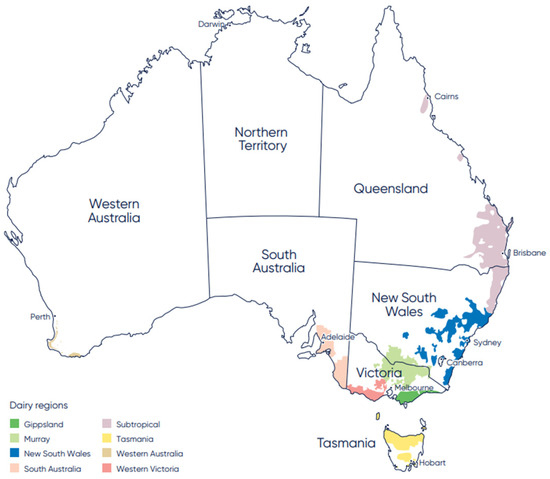
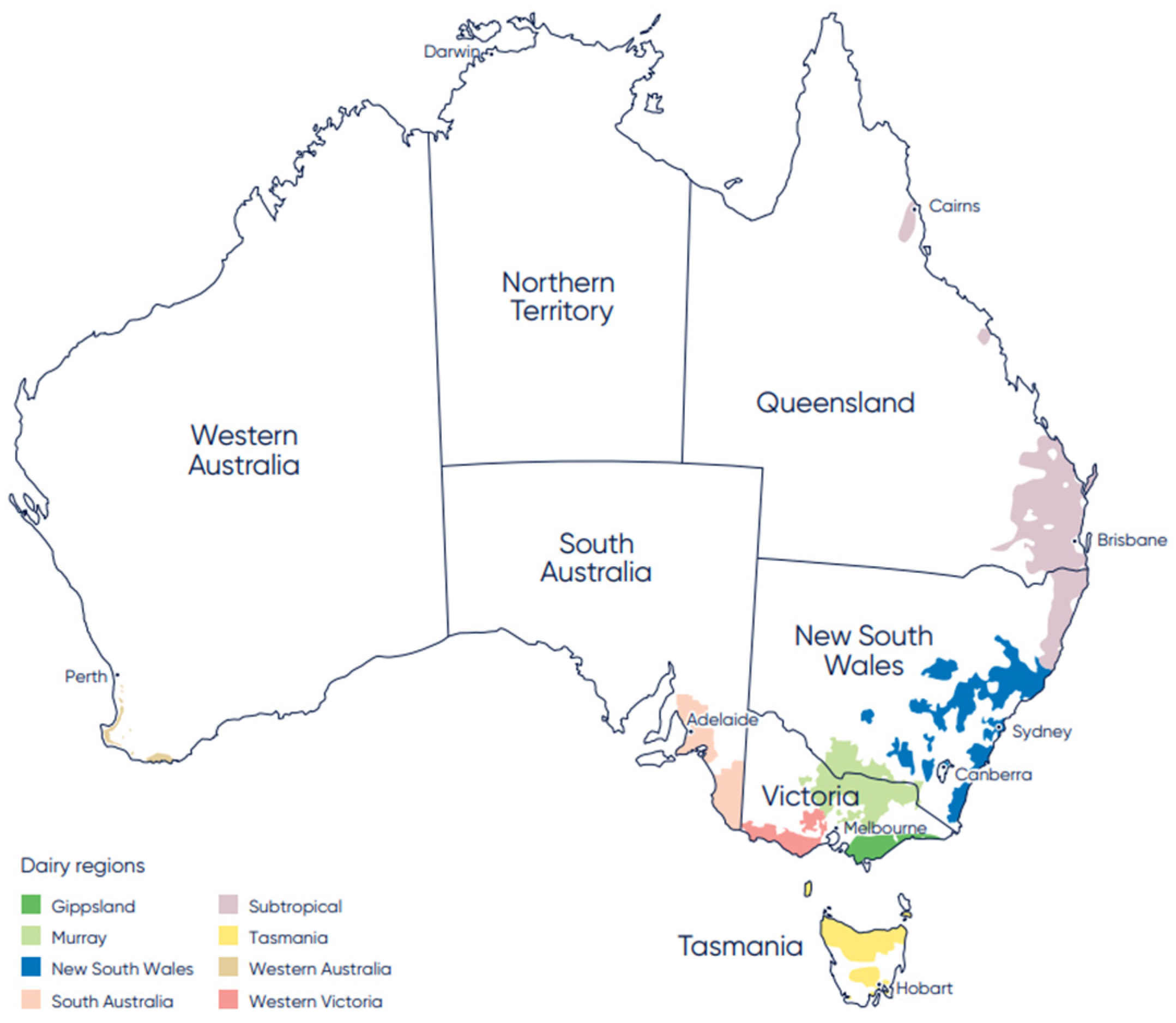
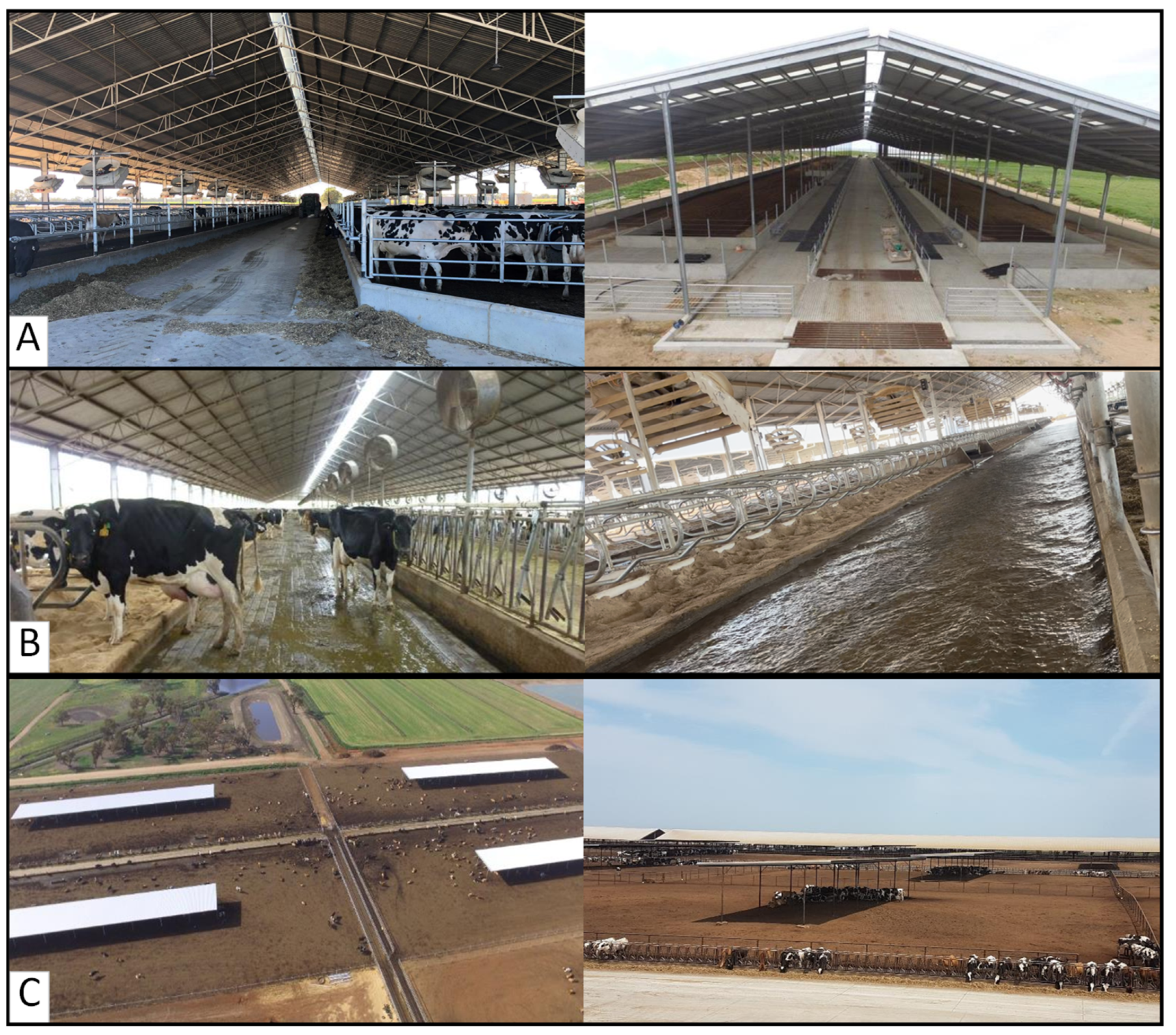
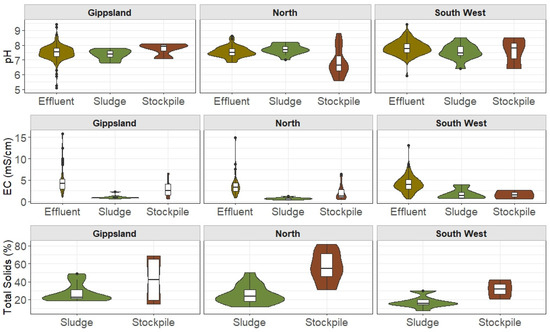
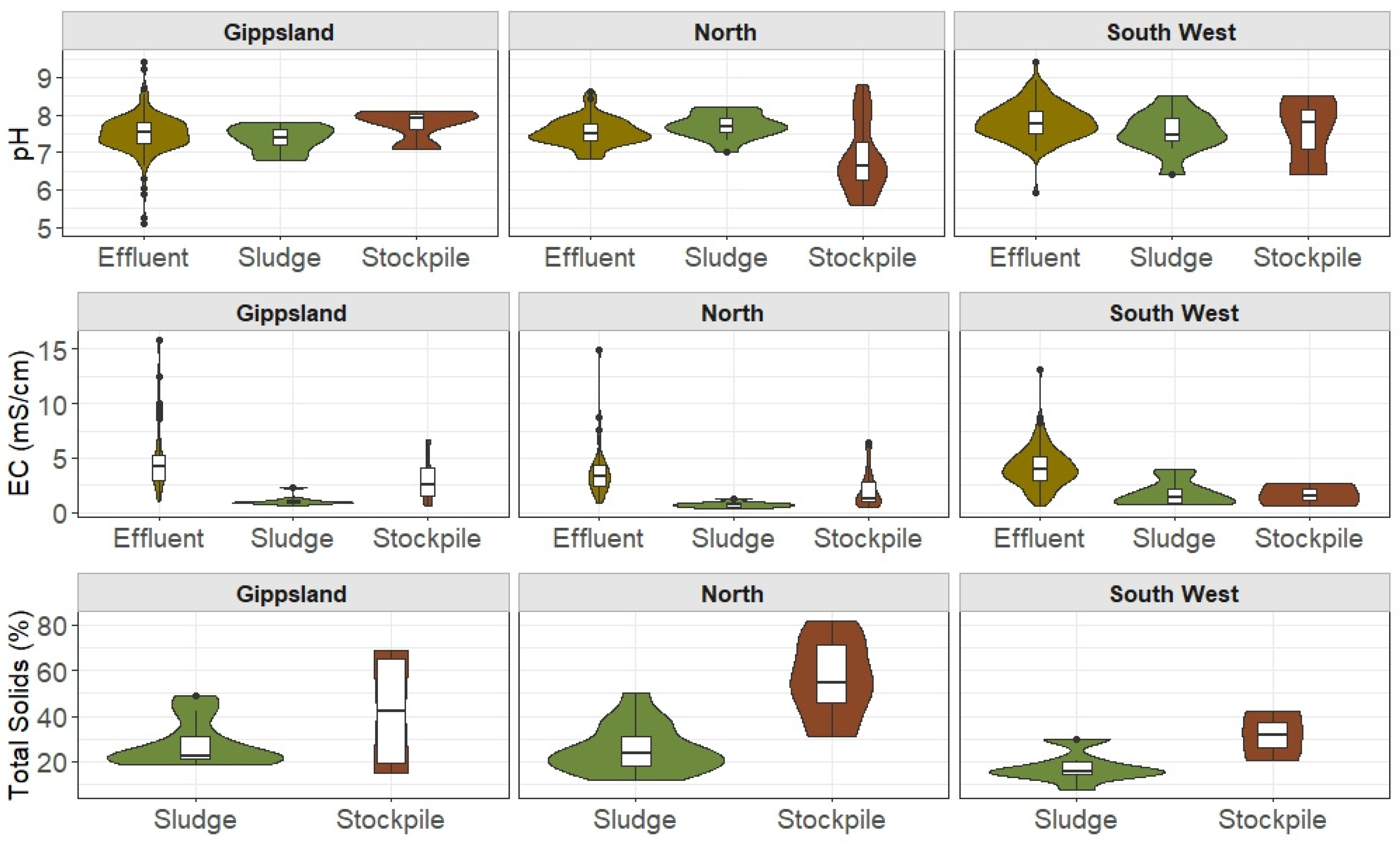
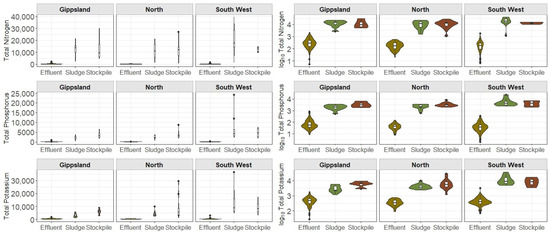
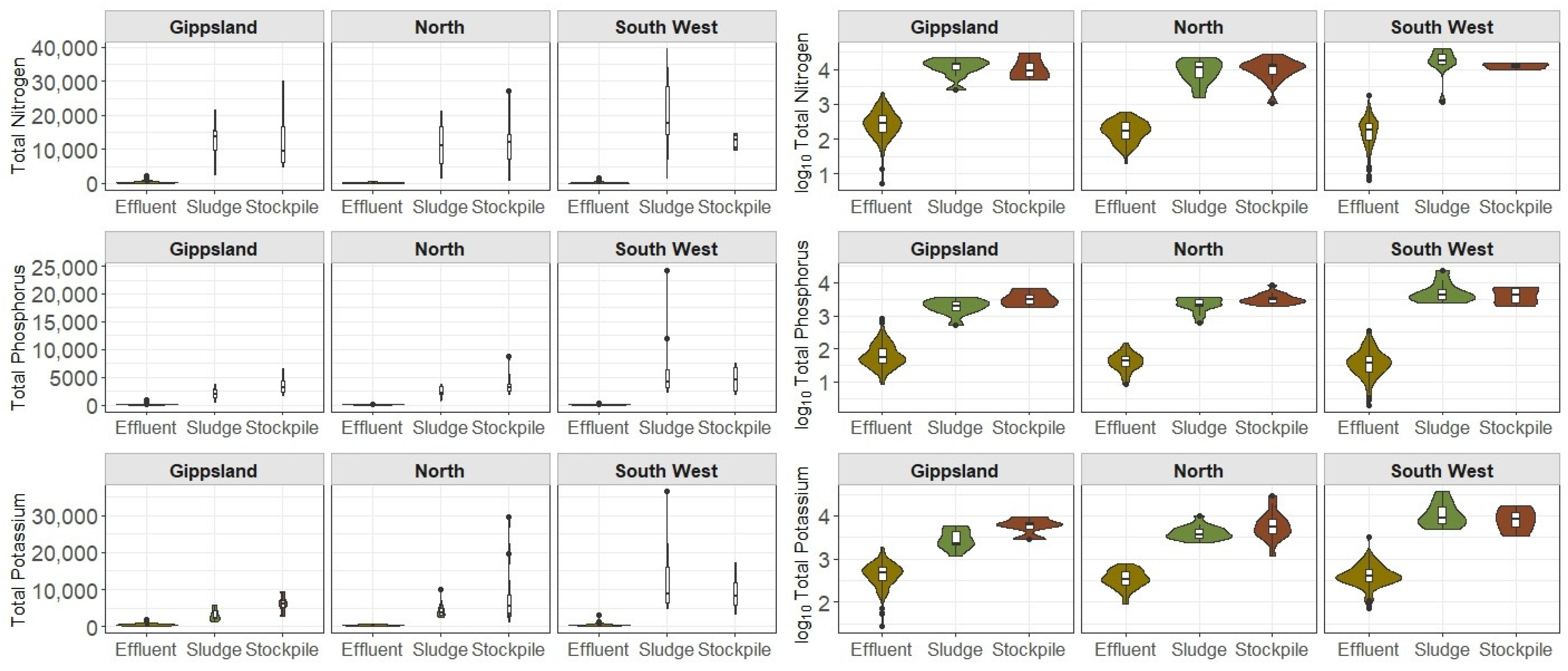
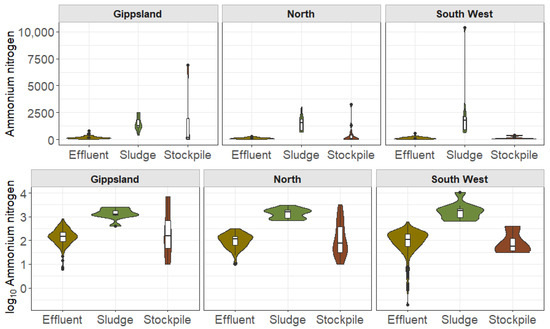
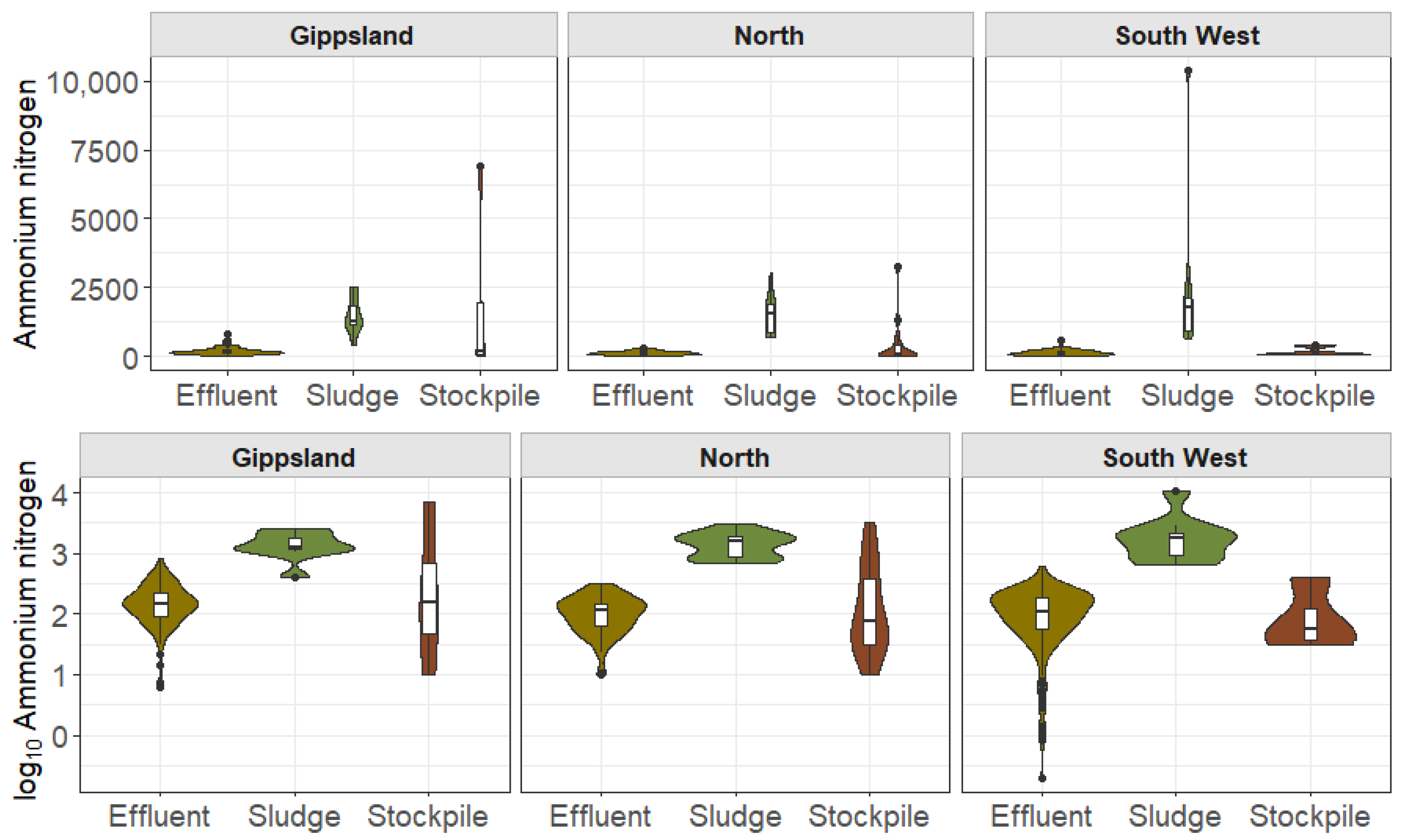
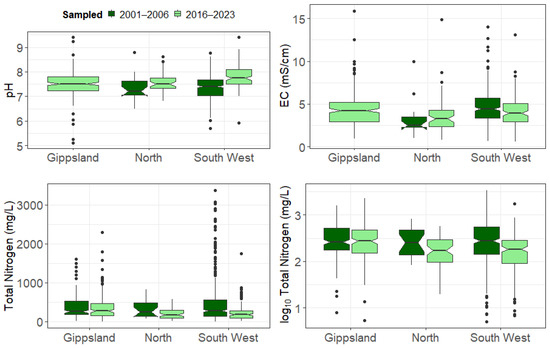
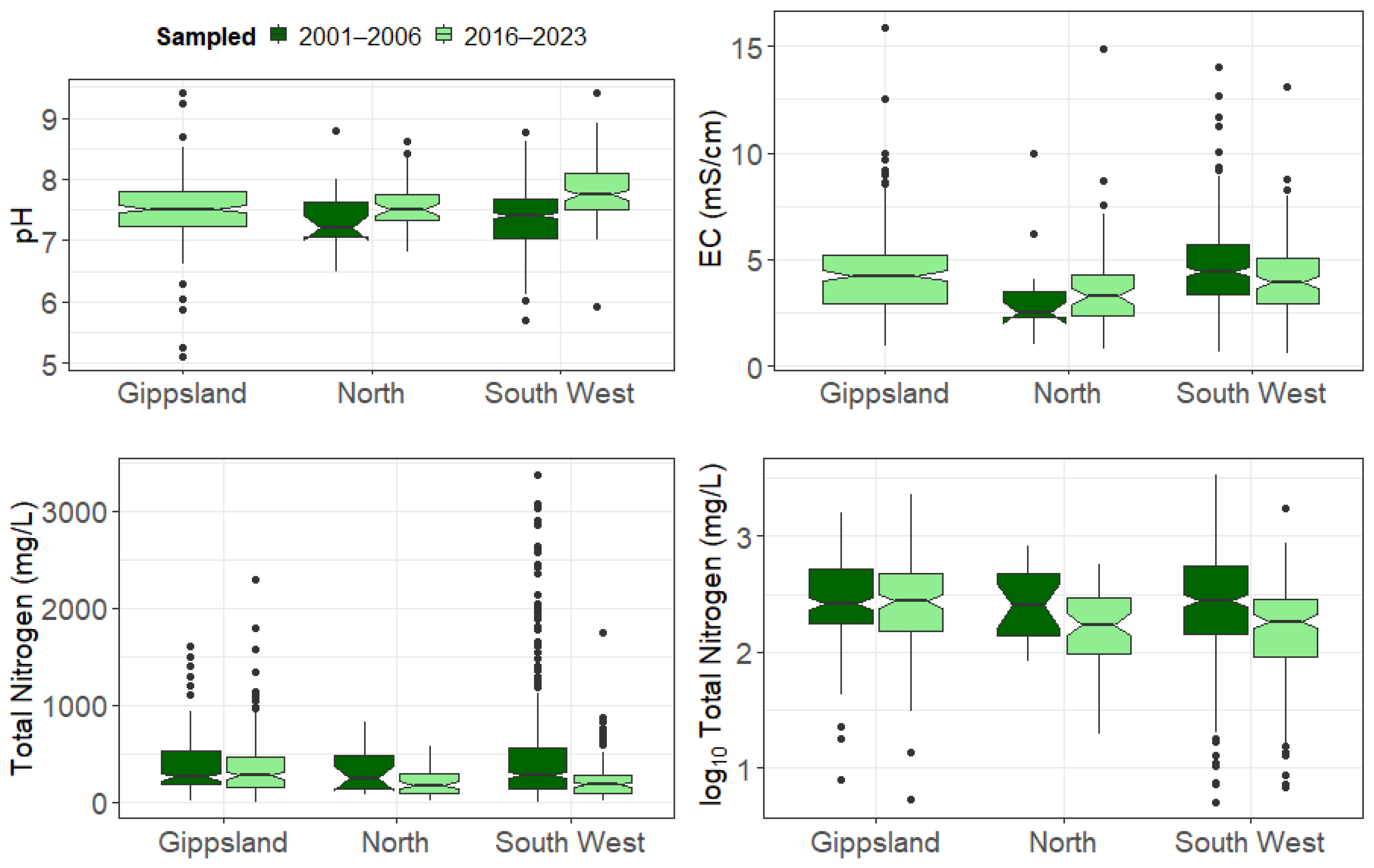
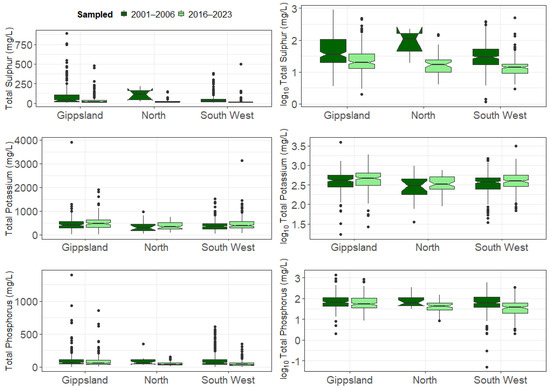
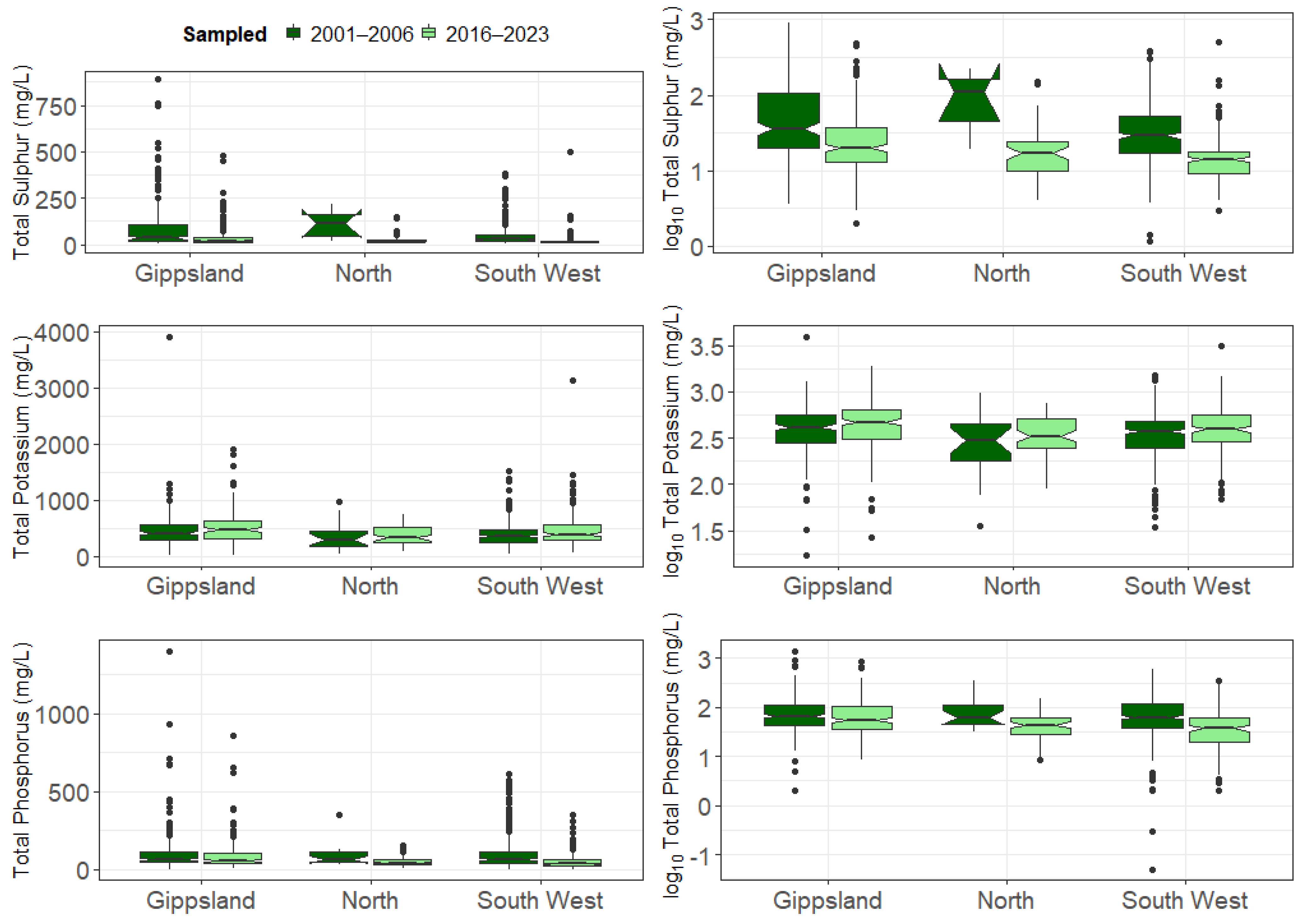

Disclaimer/Publisher’s Note: The statements, opinions and data contained in all publications are solely those of the individual author(s) and contributor(s) and not of MDPI and/or the editor(s). MDPI and/or the editor(s) disclaim responsibility for any injury to people or property resulting from any ideas, methods, instructions or products referred to in the content. |
© 2026 by the authors. Licensee MDPI, Basel, Switzerland. This article is an open access article distributed under the terms and conditions of the Creative Commons Attribution (CC BY) license.