


Abstract
Livestock health knowledge graphs are essential for decision-making and reasoning in animal husbandry, yet existing knowledge is scattered across unstructured literature and encoded in narrowly scoped, species-specific models, resulting in semantic fragmentation and limited reusability. To address these issues, we proposed FARM (Four-dimensional Automated-Reasoning Multi-agent), a zero-shot multi-agent framework used for constructing multi-species livestock health knowledge graphs. FARM is grounded in a Four-Dimension Livestock Health Framework encompassing Rearing Environment, Physiological Status, Feed & Water Inputs, and Production Performance, and employs a unified ontology strategy that integrates cross-species general labels with species-specific constraints to achieve semantic alignment. The framework orchestrates five specialized agents—Coordination, Entity Extraction, Ontology Normalization, Relation Extraction, and Knowledge Fusion—to automate the construction process. Experiments on 2478 expertly annotated text samples demonstrate that FARM achieves an entity-level F1 score of 0.8070 (IoU ≥ 0.5), surpassing the strongest baseline by 0.1627. Moreover, it attains a corrected entity label accuracy of 90.44% and an F1 score of 0.9277 in relation existence identification, outperforming the baseline by 0.1114. Validation on 500 image samples further confirms its capability in multimodal evidence fusion. The resulting knowledge graph contains 29,064 entities and 26,662 triples, providing a reusable foundation for zero-shot extraction and unified cross-species semantic modeling.
1. Introduction
Livestock and poultry production is a knowledge-intensive and highly complex agricultural system, in which animal health, rearing environment, nutritional inputs, and production performance are tightly coupled and jointly influence management outcomes. Knowledge related to livestock and poultry production has long been distributed across unstructured sources such as scientific articles and husbandry manuals, resulting in semantic fragmentation, inconsistent terminology, and heterogeneous data representations. These issues hinder the development of machine-interpretable and reusable knowledge bases, thereby limiting the reasoning capability of vertical-domain large models and constraining the digital and intelligent transformation of the livestock industry [1,2,3]. To support knowledge graph (KG) construction in livestock and poultry husbandry, researchers worldwide have carried out extensive explorations. In the dairy sector, Gao et al. [4] and Wang et al. [5] integrated disease knowledge graphs with transfer learning to achieve high-accuracy diagnosis from dairy cow illness reports, while Cheng et al. [6] developed an estrus-related KG that enables rule-based detection of normal and abnormal estrus behaviors. In the poultry sector, Gu et al. [7] built a diagnostic question-answering system grounded in a chicken disease knowledge graph, and Ma et al. [8] released a foundational KG dataset covering broiler breeds, infectious diseases, and rearing environments. In the swine domain, Zhang et al. [9] constructed a knowledge graph for pig gut microbiota, systematically modeling the relationships among microbial species, metabolites, metabolic pathways, and feed efficiency to support advances in nutritional utilization. Jiang et al. [10] and Ting et al. [11] further developed multimodal knowledge graphs integrating textual and visual information for pig disease understanding, addressing the weak fusion capability commonly observed in traditional KGs when extended to image–text scenarios [12]. As a result, multimodal knowledge graphs have begun to attract increasing attention. Meanwhile, a growing body of research has achieved structured representations and intelligent reasoning in tasks such as clinical disease diagnosis and knowledge-oriented question answering [13,14,15].
Existing studies mainly target single dimensions or tasks, with limited support for unified multidimensional representation and cross-dimension relational modeling. Most pipelines still depend on extensive manual annotation and expert-crafted procedures, making it difficult to standardize knowledge granularity and semantics and driving up data collection and iteration costs. Moreover, they are often customized for a single livestock species, with poor cross-species transferability; in practice, reuse usually requires re-designing ontologies and extraction workflows, which is inefficient and hard to scale. From a livestock health management perspective, an ideal KG should systematically cover rearing environment, physiological status, feed and water inputs, and production performance, while providing a shared knowledge framework and construction process across multiple species to enable integrated knowledge accumulation and coordinated extension. However, such a cross-species, cross-dimension health management KG is still missing, and a unified general knowledge framework [16] and systematic construction paradigm have yet to be established.
The rapid advancement of large language models (LLMs) is reshaping knowledge graph construction, offering new opportunities for large-scale automatic extraction, dynamic updates, and multimodal integration [17,18]. In automated construction, CoDe-KG proposes an end-to-end pipeline integrating syntactic decomposition, coreference resolution, and relation extraction [19]. In multi-agent collaboration, CooperKGC employs iterative interactions among entity, relation, and event expert agents to improve extraction and error correction, while KARMA introduces a multi-agent workflow for automatic KG completion through a retrieve–extract–align–reason–update loop [20,21]. HeDA integrates text, images, and structured data in meteorological disaster scenarios to enable spatial reasoning and geographic entity alignment [22]. RAG-KG-IL reduces hallucinations by combining retrieval-augmented generation with graph reasoning [23].
However, existing approaches mainly target general-purpose or single-domain settings and commonly follow a “strong-prior plus many-examples” adaptation paradigm, relying on predefined ontologies and substantial in-domain examples for alignment or fine-tuning. For instance, UrbanKGent acquires urban KG construction capabilities through domain-specific instructions, tool-augmented trajectories, and hybrid instruction tuning [24]. In medicine, KG4Diagnosis ensures extraction accuracy by tightly coupling LLMs with curated medical ontologies (e.g., SNOMED-CT and UMLS) and domain-specific extraction pipelines [25]. Similarly, Hermes adopts a modular multi-agent pipeline to transform unstructured clinical notes into structured SOAP-style reports and knowledge graphs, with iterative validation to improve cross-agent consistency [26]. Importantly, these successes do not stem from prompt engineering or fine-tuning alone. As demonstrated by SCHEMA-MINERpro, even in high-resource scientific domains, reliable schema induction critically depends on iterative ontology grounding via tool-augmented, agentic workflows under human supervision, rather than one-shot prompting or static fine-tuning [27]. Livestock health management is characterized by dense and specialized terminology, pronounced cross-species semantic heterogeneity, and the tightly coupled nature of knowledge dimensions inherent to this domain. Consequently, existing approaches are still ill-suited for cross-species, multi-dimensional, low-supervision, or zero-shot knowledge graph construction in animal husbandry, underscoring the need for a transferable automated construction paradigm and a reasoning framework specifically tailored to livestock-oriented vertical scenarios.
Based on these challenges, this paper proposes FARM, a multi-agent framework for multi-species livestock health knowledge graph construction, as illustrated in Figure 1. The main contributions of this work are as follows:
Figure 1.
Overall research roadmap and methodological innovations of FARM.
- 1.
- A unified Four-Dimension, cross-species semantic framework for livestock healthWe establish a Four-Dimension Livestock Health Ontology encompassing Rearing Environment, Physiological Status, Feed & Water Inputs, and Production Performance, and operationalize it through a general + species-specific layered ontology-label system. This unified semantic backbone ensures cross-species consistency while preserving species-level specificity, enabling reusable and transferable livestock health knowledge modeling.
- 2.
- Zero-shot automated knowledge graph constructionWe propose a candidate-constrained generation paradigm coupled with a multi-stage ontology-guided normalization strategy, enabling reliable entity and relation extraction without task-specific training data or domain-dependent supervision, even in large and long-tailed label spaces.
- 3.
- A state-aware multi-agent framework with multimodal evidence integrationFARM orchestrates specialized agents through a traceable directed-graph workflow to support joint text-image evidence linking, explicit conflict handling, and incremental knowledge integration, providing a practical foundation for trustworthy and cross-species knowledge reuse.
2. Materials and Methods
2.1. Ontology-Label Modeling and Data Acquisition
2.1.1. Formal Definition of the Livestock Health Management Knowledge Graph
In this work, we define the livestock health management KG as a multi-relational, multimodal KG, formally expressed as:
where E is the set of entities, R is the set of relations, T denotes the set of triples, eh, et ∈ E are the head and tail entities, and r ∈ R is the relation connecting them.
Each triple in T may contain not only the structured subject–relation–object form but also temporal timestamps for fact updating and multimodal attributes that provide evidential support and complement textual information. The objective of the system is to automatically extract and generate the structured triple set T from raw textual data in a manner that ensures semantic consistency and traceability, thereby forming reusable knowledge for downstream reasoning.
To ensure that extraction results across species and modalities map onto a unified semantic system, we further design a Four-Dimension livestock health ontology that serves as the semantic coordinate system and type constraint for KG construction.
2.1.2. Design of the Four-Dimension Livestock Health Ontology
Based on a full-chain understanding of livestock health management, we classify domain knowledge into four core dimensions—Rearing Environment, Physiological Status, Feed & Water Inputs, and Production Performance. These dimensions correspond to the conceptual principles of “healthy living conditions, healthy functioning, healthy feeding, and healthy production”, reflecting the entire regulatory mechanism from environment to productivity. In addition, a set of basic entities is defined as a complementary metadata layer to record fundamental background information.
- Rearing EnvironmentThis dimension describes how external ecological conditions influence animal health and production performance, such as temperature and humidity, ventilation and air quality, housing and facility conditions, stocking density, manure management, lighting conditions, noise, and emission. These concepts capture “healthy living conditions” and provide a complete environmental semantic basis for livestock health.
- Physiological StatusThis dimension describes the internal health conditions and functional states of animals, such as diseases and pathogens, clinical symptoms, health monitoring and diagnosis, immune status and vaccination, nutrition and metabolic conditions, reproductive health, and stress and welfare. These concepts capture “healthy functioning” and provide essential semantic support for health assessment.
- Feed & Water InputsThis dimension focuses on nutritional inputs and resource management during the rearing process, such as feed composition and categories, nutritional structure and parameters, feeding methods and management, water management, additives and medication inputs. These labels correspond to “healthy feeding”, representing knowledge for resource allocation, nutritional regulation, and input safety management.
- Production PerformanceThis dimension describes livestock outputs and economic returns, such as growth performance, reproductive performance, egg production traits, lactation and milk quality traits, carcass and product quality, efficiency and longevity metrics, and overall economic outcomes. These concepts represent “healthy production”, capturing livestock performance and economic returns under healthy rearing conditions.
- Basic EntitiesThis category serves as a metadata-bearing layer outside the four core dimensions, and is used to record fundamental information such as breed, strain, body characteristics, and genetic background.
2.1.3. “General + Species-Specific” Layered Ontology Strategy and Modeling
Ontology modeling aims to formally define domain concepts, attributes, and their semantic relationships, thereby establishing a sharable and machine-interpretable framework [28,29]. Considering that livestock health management is a multi-factor, multi-level, and multi-scale problem [30], where animal health and production performance are jointly shaped by genetic, physiological, environmental, and input-related factors [31,32,33], this study adopts a general + species-specific layered ontology strategy under the Four-Dimension Livestock Health Framework. This strategy balances cross-species semantic consistency with the ability to represent species-level differences. Following a logical progression of semantic abstraction → domain refinement → instance extension, the two-layer structure enables efficient knowledge organization and unified semantic representation across species, as illustrated in Figure 2.
Figure 2.
Semantic architecture of the “general + species-specific” layered ontology.
In this system, the general layer defines the core semantic framework shared across livestock species—for example, temperature and humidity, feed quality and disease prevention—establishing an aligned cross-species semantic standard. The species-specific layer, built upon the general layer, introduces species-dependent properties and entities for cattle, swine, poultry, and other livestock. This refinement captures physiological, ecological, and management characteristics unique to each species, ensuring both semantic uniformity and flexible extensibility in species-level knowledge modeling.
At the early stage of ontology modeling, the general layer referred to multiple standardized semantic ontologies to achieve structural alignment and knowledge reuse, while the species-specific layer was designed separately for five livestock species (Broiler, Layer, Swine, Beef Cattle, and Dairy Cattle) by incorporating existing livestock ontologies such as Animal Quantitative Trait Locus Database (Animal QTLdb) [34] and ATOL [35], resulting in an initial set of 369 labels. In the mid-stage, the ontology was further refined through a “label recommendation” mechanism embedded in the model-assisted annotation process, enabling dynamic evolution and adaptive optimization of the schema. After pruning and consolidation, 490 labels were retained in the final version, and their distribution is summarized in Table 1.
Table 1.
Counts of general and species-specific labels in the Four-Dimension ontology.
2.1.4. Data Collection and Annotation
The data used in this study primarily originate from the scientific literature and authoritative monographs, including journal articles from core academic venues, conference papers, and domain-specific books covering livestock nutrition, environmental control, animal welfare, and production performance. Expert-annotated entities and relations were used both to validate the FARM framework and to train baseline models. To ensure annotation quality while reducing manual workload, we employed a human–machine collaborative annotation strategy, which substantially lowered labor costs and improved labeling accuracy. The overall workflow is illustrated in Figure 3.
Figure 3.
Human-in-the-loop text annotation workflow and example.
To ensure that the annotated relations are both semantically rigorous and compatible with the requirements of open relation extraction and zero-shot reasoning, this study adopts a relation-existence annotation strategy rather than traditional fixed relation-type labeling. After entity annotation is completed, annotators examine each entity pair within a sample and assign a binary label: 1 if a meaningful semantic association exists (i.e., the entities exhibit an interpretable semantic link), and 0 if no clear relationship is present.
The expert-annotated dataset was constructed to ensure a balanced distribution across both dimensions and livestock species, with at least 500 samples per species and 1000 samples per dimension. In total, 5000 raw samples were initially collected and subsequently screened and cleaned by domain experts, resulting in 4206 retained samples with an average length of 157 characters. Among these samples, those related to Beef Cattle, Swine, and Layer were fully annotated at both the entity and relation levels to support model evaluation, yielding 319 labels, 16,192 annotated entities, and 8781 annotated relations. In contrast, samples for Broiler and Dairy Cattle were annotated only at the text level and were incorporated into the construction of the full knowledge graph. The detailed sample distribution and annotation statistics are summarized in Table 2.
Table 2.
Statistics and distribution of the manually curated dataset. Note: A single record may be associated with multiple dimensions.
In addition, we collected 100 images for each of the five livestock species, yielding a total of 500 rearing-related images, all sourced from authoritative livestock production atlases. After acquiring high-resolution scans, descriptive captions were generated based on the original atlas annotations. These image–caption pairs were used to evaluate the model’s effectiveness in multimodal evidence fusion. The image annotation workflow is illustrated in Figure 4.
Figure 4.
Example of image caption annotation.
2.2. FARM Framework
2.2.1. Framework Overview and Workflow
To support automated livestock health knowledge graph construction across multiple species under the Four-Dimension Livestock Health Framework, as well as multimodal semantic integration, we propose FARM, a multi-agent intelligent reasoning framework. FARM formulates domain knowledge construction as a unified pipeline that transforms raw inputs into ontology-constrained structured knowledge by automatically generating aligned triples from text. Unlike existing approaches that are typically limited to a single species or task and rely heavily on large-scale annotated data, FARM is designed to support cross-species, multi-dimensional, zero-shot, and automated KG construction, with an emphasis on transferability and reusability. In addition to textual inputs, FARM further enables integrated multimodal knowledge extraction and fusion by jointly aligning text with accompanying image evidence.
From a functional decomposition perspective, FARM structures the knowledge graph construction process into five interrelated yet functionally distinct subtasks: entity extraction, ontology normalization, relation extraction, knowledge fusion, and coordination. Each subtask is handled by a dedicated heterogeneous agent, and the agents are organized into a traceable directed execution graph using LangGraph’s state-driven orchestration mechanism [36]. This design provides a unified structural backbone for coordinating agent interactions while preserving explicit state transitions and execution traceability.
When a sample enters the system, it is instantiated as an independent execution path and routed through the execution graph according to its characteristics and the current global state. Based on factors such as input modality (text or image), the presence or absence of relations, and the emergence of new entities or labels, FARM dynamically selects relevant agent nodes and bypasses unnecessary stages. This design avoids the rigidity of traditional linear pipelines and improves both robustness and throughput. The overall workflow is illustrated in Figure 5.
Figure 5.
Execution workflow of the FARM framework.
Within this execution framework, each agent is responsible for a clearly defined role. The Coordination Agent initializes and manages sample-level execution by determining appropriate processing paths based on input characteristics and system state. The Entity Extraction Agent identifies candidate entities under Four-Dimension and species constraints, after which the Ontology Normalization Agent aligns and consolidates entities by resolving duplication, alias ambiguity, and label consistency within the unified ontology space. Conditioned on the normalized entity set, the Relation Extraction Agent generates ontology-constrained triples while enforcing entity–relation consistency and feeding back newly surfaced entities when necessary. Finally, the Knowledge Fusion Agent integrates extracted triples into a coherent and auditable knowledge graph, handling conflict resolution and multimodal evidence alignment when available.
In the main text, we focus on the overall workflow and key design principles that enable cross-species, zero-shot, and multimodal knowledge construction. Detailed designs of the five agents, including their inputs, outputs, and interaction logic, are provided in Appendix A.1.
2.2.2. Key Mechanisms of FARM
Building on the functional division of the five agents, FARM further designs three key mechanisms to address the task characteristics of livestock health knowledge graph construction. These mechanisms are introduced to improve extraction stability, semantic consistency, and reliable multimodal fusion.
- Label Priors and Constrained DecodingTo prevent output drift caused by cross-species semantic differences, FARM explicitly encodes the Four-Dimension categories + species labels as a global semantic state and applies dual constraints during entity and relation generation. First, the system determines the dimension and species based on contextual cues and retrieves the corresponding candidate label set to form a constrained prior. Second, the LLM performs structured generation strictly within this candidate space, and both subject and object entities must map back to the previously identified entity set. This mechanism substantially narrows the search space under zero-shot conditions, reducing invalid labels, cross-dimension confusion, and cross-species semantic drift at the source, ensuring that extracted knowledge consistently anchors to the same semantic coordinate system.
- Three-Stage Ontology Normalization and Online Label EvolutionTo address entity redundancy, alias ambiguity, and ontology inconsistencies arising from multi-source and multimodal extraction, FARM adopts governance-oriented ontology normalization framework that decouples entity governance from label governance and coordinates them through structured entity and label tables.On the entity side, FARM employs a three-stage normalization pipeline to progressively stabilize the entity space.
- First stage, newly extracted entities are matched against the existing entity table; unmatched entities are registered as new canonical entries with unique identifiers.
- Second stage, FARM enforces relation-endpoint closure by verifying that all entities participating in extracted relations exist in the entity table. When missing but potentially valuable entities are discovered during relation extraction, they are fed back to the entity extraction agent for necessity assessment and, if retained, are registered through the ontology normalization agent.
- Third stage, alias and synonym relations returned by the relation extraction agent are consolidated through entity matching, allowing multiple surface forms to be merged under a single canonical entity.
This closed-loop process prevents uncontrolled entity proliferation while preserving useful newly discovered concepts under explicit governance control. It is collaboratively executed by the Entity Extraction Agent, Ontology Normalization Agent, and Relation Extraction Agent, and the overall workflow is illustrated in Figure 6. A detailed explanation of this workflow is provided in Appendix A.2.Figure 6. Three-stage ontology normalization and synonym alignment for text-to-triple conversion.In parallel, FARM supports two label-governance modes to control ontology boundary evolution, strict and tolerant, which are controlled by a configuration flag (update_label_table):- Strict mode (update_label_table = False): the system restricts annotations to existing labels only. When no exact or candidate match is found, a dimension-level fallback is applied to ensure pipeline continuity without introducing new labels, thereby preserving ontology boundary stability.
- Tolerant mode (update_label_table = True): the system allows controlled ontology expansion. Unmatched entities mapped to a predefined placeholder trigger an LLM-based new-label recommendation process, where candidate labels are generated with names, definitions, associated dimensions, and species applicability, and are written back to the label table with unique identifiers.
This governance mechanism supports both cross-species semantic unification and continuous domain knowledge expansion, while ensuring that all ontology updates are explicit, auditable, and reversible. - Multimodal Evidence Fusion and VerificationThe Knowledge Fusion Agent evaluates consistency and conflict among incoming triples under an evidence-first, multi-source integration strategy. For facts supported by both textual and visual evidence, evidence sources are merged and confidence scores are calibrated within predefined bounds. When conflicts arise, multiple interpretations are retained with explicit conflict markers and associated evidence chains, accompanied by conservative confidence attenuation, thereby avoiding premature resolution and information loss. For modality-unique knowledge, FARM performs provenance-aware conservative integration, and for image samples containing only a single visible entity, a VisualEntity anchoring relation is introduced to preserve clear semantic boundaries, as illustrated in Figure 7. Throughout the fusion process, the system records timestamped fusion states, repository updates, and summary statistics (e.g., multimodal agreement rate and conflict ratio), enabling auditable knowledge evolution and quality governance. This mechanism ensures consistent multimodal integration and provides a stable evidential foundation for downstream retrieval and reasoning.Figure 7. Example of image-text multi-source evidence modeling and fusion. 耳大前倾 (large, forward-drooping ears); 《猪标准化规模养殖图册》 (a Chinese illustrated atlas on standardized pig farming); 《健康养猪关键点操作四步法》 (a Chinese guide on key practices for healthy pig farming).
3. Experimental Results and Analysis
3.1. Experimental Setup and Evaluation Metrics
We evaluate FARM under a zero-shot setting. All agents share the same backbone model, Qwen2.5-14B-Instruct (temperature = 0.0, seed = 42, max_tokens = 1024), and execute through a fixed directed workflow built with LangGraph. The dataset consists of 2478 expertly annotated samples covering five livestock species × four dimensions and 1728 weakly annotated samples containing only dimension and species labels. Evaluation is conducted using the ontology snapshot and label definitions provided with the paper.
3.1.1. Entity-Level Position Evaluation
Given the characteristics of this task-namely a large label space and relatively sparse annotations (2478 samples, 369 labels, and 16,192 human-annotated entities)-many fine-grained labels exhibit a long-tail distribution in the training data. Consequently, type supervision is highly imbalanced, with some labels appearing only in very limited quantities. Under such conditions, enforcing strict type-consistent matching would incorrectly penalize predictions in which entity boundaries are correctly identified but label assignments deviate due to label sparsity, thereby underestimating the model’s actual entity detection capability. To address this issue, we evaluate entity extraction based solely on boundary overlap, focusing on the model’s ability to discover entities and accurately delineate their spans. This evaluation strategy is consistent with the core objective of this study: under an extremely large label space and limited annotations, the primary requirement is reliable entity detection with reasonable boundary localization. For clarity, we refer to this metric as entity-level position evaluation.
We adopt character-level Intersection over Union (IoU) as the matching criterion. Given the predicted entity span Ep and the gold span Eg, IoU is defined as:
When the IoU between a predicted span and a gold span exceeds a predefined threshold (default: IoU ≥ 0.5), the pair is considered a successful match. For comparison against other baselines, we report three standard metrics—Precision, Recall, and F1—computed as follows:
where TP, FP, and FN denote the number of entities in the gold-standard space that are correctly detected (IoU ≥ 0.5), incorrectly detected, and missed, respectively.
3.1.2. Entity Label Accuracy Metric
Beyond the entity-level position evaluation, we separately assess FARM’s performance on entity label assignment. We first extract from the model outputs all entities that exactly match the gold annotations at the character level, i.e., entities with IoU = 1. For repeated occurrences of the same surface form in the corpus, each mention is treated as an independent sample whose label assignment must be evaluated separately.
Given that fine-grained ontologies often contain ambiguous or overlapping label interpretations, certain cases may legitimately support more than one label. For example, “lactating cow” may be labeled either as a physiological state or as a production-related category, and the phrase “improved feed conversion efficiency” may be categorized under nutritional management or under the production performance dimension. To mitigate the impact of annotation noise and labeling inconsistencies, samples in which the predicted labels differ from the gold labels are subjected to secondary manual review to obtain more reliable evaluation results, yielding a corrected label accuracy.
On this set of perfectly matched entities, we compute entity-level label accuracy using the gold labeling scheme as the reference:
where Ntotal is the total number of entities with IoU = 1, and Ncorrect is the number of entities for which the model’s predicted label set matches the gold labels.
3.1.3. Relation Existence Identification Metric
In the relation identification task, FARM performs open relation extraction, meaning that relation types are not predefined. Therefore, our evaluation focuses on whether the model can correctly detect associated entity pairs. Specifically, for any entity pair, the task is treated as a binary classification problem indicating whether a meaningful semantic connection exists, without distinguishing the specific relation type. To avoid artificial recall loss caused by relation directionality, we adopt an undirected pairing strategy, treating (A, B) and (B, A) as the same relation pair. Based on this formulation, we compute Precision, Recall, and F1, where TP, FP, and FN denote the number of relation pairs in the gold-standard entity space that are correctly identified, incorrectly identified, and missed, respectively.
3.1.4. Ontology Normalization Effectiveness Metric
The ontology normalization module outputs a final canonical entity table, where each standardized entity record includes: the entity’s canonical name, frequency of occurrence, associated dimension, species applicability, and its alias/synonym set. Based on this table, we evaluate normalization effectiveness using the alias/synonym consolidation rate, which measures FARM’s ability to resolve redundancy and unify semantics arising from “multiple names referring to the same entity”.
Let Nalias denote the total number of alias/synonym mentions identified during normalization, and Nmerged denote the number of these mentions that are successfully consolidated into their canonical entity entry. The alias consolidation rate (ACR) is defined as:
A higher ACR indicates stronger alias governance and more consistent canonical entity representations.
3.2. Triple Construction Performance Evaluation
3.2.1. Entity Recognition Performance
To evaluate the applicability of FARM under a fine-grained domain ontology, we compare FARM with four categories of supervised baseline models under a unified data split and evaluation protocol: BiLSTM-CRF (character embedding with BiLSTM encoding and CRF decoding), MacBERT-CRF, RoBERTa-CRF (sequence labeling models using chinese-macbert-base and chinese-roberta-wwm-ext as encoders, respectively), and GlobalPointer (a span/pointer-based extraction model built on MacBERT). All models are trained and evaluated on the same train/validation/test splits, with the maximum sequence length fixed at 256.
Training hyperparameters are standardized within each model category. For BiLSTM-CRF, we use 200-dimensional character embeddings, a 256-dimensional bidirectional LSTM, dropout = 0.5, batch size = 32, and a learning rate of 1 10−3 (weight decay = 1 10−5), training for up to 50 epochs with early stopping based on validation F1 (patience = 5). For MacBERT-CRF and RoBERTa-CRF, batch size is set to 16, learning rate to 3 10−5 (weight decay = 0.01, dropout = 0.1), and training proceeds for up to 20 epochs with early stopping (patience = 3), with mixed-precision training enabled. For GlobalPointer, we set the head size to 64, batch size to 8, learning rate to 2 10−5 (weight decay = 0.01, dropout = 0.1), train for up to 20 epochs (patience = 3), and decode spans at inference time using a threshold of 0.4.
In addition, to isolate the effect of label priors and ontology normalization on entity recognition, we further introduce two prompt-based baselines: Prompt-only (natural language prompts without label p riors or decoding constraints) and Prompt + Label (with label priors but without decoding constraints or ontology normalization). The configurations of all models are summarized in Table 3.
Table 3.
Configurations of FARM and baseline models for the entity recognition task.
For the main evaluation metrics, we report 95% confidence intervals (CIs) computed via non-parametric bootstrap resampling over test samples (B = 1000), using the 2.5th and 97.5th percentiles. In addition, we conduct paired bootstrap significance tests to assess whether FARM provides statistically significant improvements over the strongest baseline under the same test set.
The entity extraction results under entity-level position evaluation (IoU ≥ 0.5) are summarized in Table 4, and the species-wise statistics are reported in Table 5. Under entity-level evaluation with IoU ≥ 0.5, the baseline models exhibit a clear performance hierarchy. Using paired bootstrap tests under the same test set, FARM achieves statistically significant improvements over the strongest supervised baseline in terms of recall (p < 0.001) and F1 score (p < 0.01), while the difference in precision is not statistically significant. Overall, supervised approaches outperform standard zero-shot methods, indicating that prompt-only zero-shot strategies struggle with robust trigger learning and precise span boundary localization. Specifically, Prompt-only achieves higher recall but lower precision, reflecting a tendency toward over-prediction and boundary drift. Incorporating label constraints in Prompt + Label improves the precision–recall balance and yields a higher F1 score, suggesting that explicit label space restriction can partially reduce false triggers. However, its overall performance remains limited, highlighting the challenge of achieving consistent fine-grained boundary modeling under zero-shot inference.
Table 4.
Entity extraction performance under entity-level position evaluation (IoU ≥ 0.5). Values are reported as mean performance. For FARM, 95% confidence intervals are computed via bootstrap resampling over test samples (B = 1000). The symbol “**” denotes a statistically significant improvement of FARM over the strongest baseline, verified via paired bootstrap tests (p < 0.01).
Table 5.
Species-wise entity recognition performance under entity-level position evaluation (IoU ≥ 0.5).
As a zero-shot framework, FARM achieves substantial performance gains not only over other zero-shot baselines but also over the strongest supervised model, RoBERTa-CRF, with an F1 improvement of 0.1627. As shown in Figure 8, FARM produces more exactly matched entities (IoU = 1.0) and a lower proportion of unmatched spans (IoU < 0.5), indicating that its advantage stems from stronger entity discovery and more stable boundary alignment rather than over-prediction.
Figure 8.
Distribution of entity boundary IoU matching quality across different models.
These improvements are attributed to the joint effect of label constraints, ontology normalization, and multi-agent collaboration, which together reduce spurious triggers, suppress type-inconsistent predictions, and enhance entity detection under zero-shot inference.
It is worth noting that, due to incomplete gold annotations for long-tail and semantically ambiguous concepts, some ontology-consistent predictions may be counted as false positives, making the reported precision a conservative estimate.
3.2.2. Entity Label Assignment Accuracy
To evaluate the accuracy of FARM’s Entity Extraction Agent in label assignment, we extract 9712 perfectly matched (IoU = 1) entities from the model outputs. After aligning them one-by-one with the gold annotations, we compute label accuracy. The initial results show that 7308 entities match the gold labels (75.25%), while 2404 cases exhibit label inconsistencies.
We further conduct a secondary manual review of the inconsistent cases and identify 1476 instances attributable to differences in labeling conventions, resulting in a corrected count of Ncorrect = 8784. After this correction, FARM’s label accuracy increases from 75.25% to 90.44% on this subset. These results suggest that FARM generally provides reliable label assignments, and that most initial mismatches arise from annotation noise and convention discrepancies in the gold standard. The species-wise breakdown of these results is summarized in Table 6.
Table 6.
Species-wise entity label accuracy before and after correction.
3.2.3. Relation Existence Identification Performance
To evaluate FARM on the relation existence identification task under a unified data split and evaluation protocol, we compare FARM with three categories of supervised baselines: MacBERT-EntMarker (a supervised pretrained model with explicit entity markers), MacBERT-CLS (a supervised pretrained classification model without entity markers), and BiLSTM-CLS (a conventional sequence-encoding classification model). All baselines are trained and evaluated on the same train/validation/test splits.
Training hyperparameters are standardized within each model category. MacBERT-EntMarker and MacBERT-CLS use the local chinese-macbert-base encoder with a maximum sequence length of 512, batch size = 32, learning rate = 2 10−5, and are trained for 10 epochs. BiLSTM-CLS employs 128-dimensional character embeddings, a two-layer bidirectional LSTM with 256 hidden units, dropout = 0.5, max-pooling for sentence representation, batch size = 32, learning rate = 1 10−3, and is trained for 30 epochs. The results are reported in Table 7, and the species-wise statistics are reported in Table 8.
Table 7.
Performance of FARM and baseline models on relation existence identification. Values are reported as mean performance. For FARM, 95% confidence intervals are computed via non-parametric bootstrap resampling over test samples (B = 1000). The symbol “**” denotes a statistically significant improvement of FARM over the strongest supervised baseline, verified via paired bootstrap tests (** p < 0.01).
Table 8.
Species-wise performance of relation existence identification.
Consistent with the statistical protocol used for entity recognition, FARM shows a statistically significant improvement in F1 score over the strongest supervised baseline (p < 0.01). Specifically, FARM achieves an F1 score of 0.9277 with a 95% confidence interval of [0.9132, 0.9435], outperforming MacBERT-CLS by a clear margin. This gain is primarily driven by a marked improvement in precision (0.9664), while maintaining a high recall (0.8920), indicating more reliable relation predictions with fewer false positives.
Among the supervised baselines, MacBERT-CLS and MacBERT-EntMarker achieve comparable performance and both show consistently better performance than BiLSTM-CLS, highlighting the importance of pretrained semantic representations for relation existence classification. The lack of a clear advantage from EntMarker further suggests that, for this binary task with known entity pairs, explicit entity-position cues provide limited additional benefit.
It should be noted that the reported results for FARM are conservative. Relations involving entities not covered by the gold annotations are excluded from evaluation, ensuring fair comparison within a shared entity space but yielding a lower-bound estimate of Recall and F1. Despite this strict setting, FARM maintains high precision, which is particularly valuable for real-world KG construction scenarios.
To further assess relation quality, we randomly sample 2000 relations predicted by FARM for manual verification. Among these, 1925 relations are judged to be semantically valid, yielding an accuracy of 96.25%, which confirms the high reliability of FARM’s relation predictions.
3.2.4. Species-Wise Summary
Figure 9 consolidates species-wise results across entity labeling, entity recognition, and relation existence identification. FARM exhibits consistently strong performance on Beef Cattle, Layer, and Swine, with only minor variations across species. After correction, entity label accuracy exceeds 90% for all species, and entity recognition maintains a balanced precision–recall profile under IoU ≥ 0.5. Moreover, relation existence identification achieves uniformly high precision across species while preserving strong recall. Overall, these results indicate that FARM’s performance gains are stable across livestock species rather than being driven by any single species, supporting its cross-species applicability.
Figure 9.
Species-wise performance summary across entity labeling, entity recognition, and relation existence identification.
3.3. Ontology Normalization Effectiveness Evaluation
3.3.1. Evaluation of Label Recommendation and Ontology Expansion
All data are processed by FARM with the label recommendation mode enabled to validate and expand the existing ontology. As summarized in Table 9, among the 369 predefined labels, 63 labels are not used in the annotation process. Together with 748 newly recommended labels generated by FARM, a total of 1054 labels are involved in annotating 30,657 entities. By filtering out labels associated with fewer than five annotated entities, 85 predefined labels and 479 newly recommended labels are removed. After filtering, 29,685 entities are retained, while approximately 64% of the labels are eliminated, yet about 97% of entity instances remain covered. Additional details are provided in Figure 10, which illustrates the changes in label counts and entity coverage after filtering, broken down by dimension.
Table 9.
Statistics of FARM label recommendations and final selections.
Figure 10.
Changes in label distribution and entity retention across dimensions during ontology expansion and frequency-based filtering.
These results indicate that the label recommendation mechanism effectively expands the ontology while maintaining high coverage of entity instances, and that simple frequency-based pruning can substantially reduce label redundancy without sacrificing representational capacity.
3.3.2. Evaluation of Entity Distribution
To evaluate the effectiveness of the three-stage ontology normalization mechanism in FARM for multi-species knowledge construction, we perform end-to-end KG construction on 4206 cross-species samples. Based on 490 labels spanning five livestock species and four dimensions, FARM identifies 45,335 entity mentions and generates 26,082 triples under zero-shot extraction with multi-agent collaborative reasoning. After normalization, a closed entity space of 28,611 unique canonical entities is retained, forming a multi-species livestock health KG with a unified semantic backbone and stable identifiers. Figure 11 presents the top 50 entities ranked by frequency of occurrence, with word cloud visualization and detailed frequency statistics for the top 10 entities.
Figure 11.
Distribution of the most frequent entities across dimensions. (a) Word cloud of the top 50 entities by frequency. (b) Frequency counts of the top 10 most frequent entities across dimensions.
Table 10 reports the number of entities stratified by livestock species and ontology dimensions. As shown, each species is associated with entities across all dimensions, indicating comprehensive coverage of the four health dimensions and basic entities in the constructed knowledge graph.
Table 10.
Entity scale statistics by livestock type and dimension.
3.3.3. Alias and Synonym Identification Evaluation
Regarding alias and synonym governance, 272 canonical entities are associated with detected aliases or synonyms, involving 2428 merged alias/synonym mentions, yielding an ACR of 5.36%. This indicates that, in cross-species corpora collected from heterogeneous literature sources, a non-negligible proportion of entities are referred to by multiple surface forms, such as mixed Chinese–English expressions or the coexistence of industry colloquialisms and academic terminology. Without alias consolidation, such variations would lead to semantic duplication and fragmented relations in the knowledge graph. By collapsing aliases into canonical entities and unifying triple endpoints, FARM effectively reduces knowledge fragmentation and improves fact aggregation and retrieval consistency across sources. Representative high-frequency aliases are summarized in Table 11.
Table 11.
Top 5 aliases by frequency of occurrence.
3.4. Multimodal Knowledge Fusion Results and Analysis
We input the 500 caption-annotated images into FARM for multimodal fusion. The fusion results show that 6 text-derived triples were successfully matched with corresponding image evidence, enabling image–text consistency verification. Meanwhile, FARM mined 201 additional triples from image captions, effectively extending the original text-based knowledge base.
On the image side, the system identified 379 single-entity image samples. Based on cross-modal occurrence, these entities fall into two categories:
- Image-only entities (276, 72.8%)These entities are extracted solely from images and have no corresponding descriptions in the text corpus, indicating that images provide substantial incremental knowledge. In particular, they meaningfully complement text in aspects such as facility structures, operational procedures, and visual manifestations of lesions, where textual descriptions are often incomplete or absent.
- Cross-modal entities (103, 27.2%)These entities appear both as single-entity instances in images and in text-derived triples. They can serve as stable anchors for image–text alignment, supporting relation completion, multimodal mutual verification, retrieval, and consistency checking.
Through further analysis of the multimodal triples, we observe that visual information plays several important roles in improving knowledge extraction quality, as illustrated in Figure 12. First, images serve as an independent source for mining new entities and relations. FARM can discover previously unobserved relations from image captions, thereby extending the knowledge graph beyond what is available in the text corpus. Such visual-origin knowledge is especially valuable for capturing scenario elements, including visual manifestations of lesions and concrete actions. Second, images supplement and verify existing text-derived knowledge. For a subset of triples, visual evidence provides direct confirmation of entities and relations extracted from text, enabling image-text consistency checking and improving the reliability of the resulting knowledge graph. This is particularly important for concepts such as facility structures and operational procedures, where textual descriptions are often abstract or incomplete.
Figure 12.
Contributions of visual evidence to multimodal knowledge extraction in FARM.
Overall, visual evidence in FARM contributes not only to verifying and strengthening the reliability of text-derived triples, but also to introducing substantial new knowledge that is absent from text-only sources. The final KG contains 29,064 unique entities (including 379 entities with image evidence) and 26,662 triples (including 207 triples with image evidence). These results experimentally validate FARM’s effectiveness in multimodal evidence integration and knowledge augmentation, enabling automatic expansion and fine-grained calibration of existing husbandry knowledge bases without large-scale manual reformatting of data. With continued collection and captioning of additional livestock-related images, the multimodal KG can be further enriched in visual coverage and semantic connectivity, improving retrieval and reasoning performance in complex scenarios.
4. Discussion
4.1. Novelty and Contributions
4.1.1. Unified Four-Dimension Ontology–Label Framework for Cross-Species Modeling
In multi-species livestock health management, integrated multidimensional representation and unified cross-species modeling are inherently intertwined: the former requires joint characterization of multiple health dimensions within a single semantic framework, while the latter demands aligned and comparable representations across species. Recent studies have shown that ontology- and label-prior-driven zero-shot or few-shot extraction can substantially reduce annotation costs while maintaining high-quality structured outputs, particularly in domains such as medicine and engineering maintenance [37,38,39]. Building on this line of work, FARM integrates multidimensional representation with cross-species modeling and introduces a controlled decoding mechanism guided by label priors, enabling stable ontology-constrained extraction of livestock health knowledge. In contrast to conventional paradigms that construct species-specific ontologies and train separate extraction models for each species—such as independent KGs for swine disease control, feeding efficiency, or broiler production processes [8,11]—FARM reduces data dependence and maintenance cost while improving transferability to new species and scenarios. By unifying knowledge from different species within an isomorphic semantic space, FARM mitigates semantic fragmentation and enhances cross-species comparability and reuse.
4.1.2. Three-Stage Ontology Normalization and Online Label Evolution
Ontology normalization and online label evolution are both essential for maintaining structural consistency in an expanding livestock health knowledge base: normalization enforces semantic closure and boundary consistency (including alias handling), while label evolution enables controlled and traceable updates as new terms and scenarios emerge. In contrast, many existing agricultural and livestock knowledge graphs rely on manual curation, ad hoc rule patching, or static schemas, which limits stability and maintainability over time. Prior studies suggest that staged ontology governance and consistency checking—such as concept registration, structural closure, and alias alignment—can improve robustness and long-term maintenance [40,41]. Building on this perspective, FARM integrates ontology normalization with dynamic label management through a three-stage mechanism: new-entity registration, endpoint closure, and alias consolidation, thereby enabling stable and controllable online evolution in livestock health management settings where terminology and knowledge structures change rapidly.
4.1.3. State-Aware Multi-Agent Orchestration with Multimodal Evidence Integration
LLM-driven multi-agent systems have become a practical paradigm for automated knowledge graph construction and quality governance. Existing studies suggest that delegating key subtasks-such as entity extraction, schema alignment, knowledge fusion, and consistency checking-to specialized agents can improve extraction quality and construction efficiency in heterogeneous settings. Building on this paradigm, FARM decomposes livestock health KG construction into five coordinated agents covering entity extraction, ontology normalization, relation extraction, knowledge fusion, and coordination. This design enables sample-level routing and conditional execution, and ensures that newly generated facts are accompanied by traceable evidence chains. By tightly integrating layered ontology design, zero-shot extraction, and online ontology evolution, FARM extends multi-agent KG construction to multi-species livestock health management. A capability-level comparison with representative KG construction methods is provided in Table 12.
Table 12.
Comparison of core capabilities between FARM and existing KG construction methods.
4.2. Application Scenarios
To intuitively present the multi-species Four-Dimension Livestock Health Knowledge Graph constructed by FARM and to validate its queryability and semantic organization within a graph database, we import the normalized entity tables and triple sets into the Neo4j graph database for storage and visualization, as illustrated in Figure 13 and Figure 14. These visualizations demonstrate how the constructed knowledge graph supports structured exploration from different perspectives, including species- and dimension-level queries as well as entity-centric navigation, thereby facilitating intuitive inspection and interpretation of the extracted structural knowledge.
Figure 13.
Visualization of query results on the multi-species livestock health knowledge graph. The node labels are shown in Chinese, as the graph is instantiated from Chinese-source livestock literature. (a) Subgraph retrieved by querying the knowledge graph for the broiler species. (b) Subgraph retrieved by querying the knowledge graph for the Rearing Environment dimension.
Figure 14.
Visualization of extracted structural knowledge on the multi-species livestock health knowledge graph. (a) Entity node view showing the storage state and associated attributes in the graph database (e.g., Hemorrhagic Mastitis). (b) Disease-centric subgraph retrieved by querying the knowledge graph starting from a disease entity. (c) Symptom-centric subgraph retrieved by querying the knowledge graph starting from an observed symptom (e.g., bloody milk).
Building on this foundation, the cross-species knowledge graph constructed by FARM supports three representative categories of downstream applications.
4.2.1. Knowledge Graph Construction and Extension for Non-Computer Professionals
FARM is designed for scalable and practical deployment in real-world farm environments, enabling non-computer professionals in the livestock sector to construct and extend multi-species knowledge graphs with minimal technical overhead. The framework supports incremental knowledge graph construction, allowing newly collected documents and image records to be continuously integrated through a unified ingestion pipeline without reprocessing existing knowledge, while remaining aligned with the Four-Dimension semantic framework and supported by traceable evidence chains (Figure 15).
Figure 15.
FARM-Agent application interface for data ingestion and automated KG construction.
In deployment, routine maintenance is largely limited to updating structured ontology and entity tables, while the multi-agent extraction and fusion pipeline remains reusable and unchanged, facilitating gradual scaling from single-farm settings to larger operational contexts.
Knowledge graph construction in FARM is performed in an offline or near-offline, batch-oriented manner as a preparatory stage for downstream applications such as question answering, decision support, and monitoring systems. Regarding large language model usage, FARM maintains a low and predictable inference footprint that is appropriate for large-scale, non-real-time knowledge construction. In our setting, the framework typically invokes the language model 3–4 times per sample and adopts a configurable chunk-based ingestion strategy, keeping per-sample inference overhead bounded and amenable to batching, caching, and reuse. Once constructed, the knowledge graph persists as a reusable database asset and can be repeatedly queried or integrated into downstream systems without additional language model inference.
Moreover, FARM is model-agnostic and can be instantiated with either locally deployed open-source models to reduce recurring API cost and support privacy-preserving deployment, or API-based models when higher reasoning fidelity is required. This design enables gradual deployment from single-farm or single-species settings to regional and enterprise-scale livestock operations by reusing the same ontology backbone and construction workflow.
4.2.2. Closed-Loop Knowledge Services for Livestock Operations
Built on the cross-species knowledge graph, FARM supports closed-loop downstream knowledge services for real-world livestock operations, exemplified by cross-species intelligent question answering. In this work, we focus on demonstrating the capability of the constructed KG to support downstream services. By integrating graph database queries with retrieval-augmented generation (RAG), structured constraints and causal relations in the KG guide retrieval and answer generation, providing fact-grounded, ontology-consistent responses across species. Retrieved documents, rules, and temporal graph snapshots are further organized into traceable evidence chains, enabling practitioners to inspect and verify the knowledge basis underlying management decisions and to reuse operational knowledge across species.
Instead of relying on unconstrained free-form reasoning by large language models, answer generation in FARM is guided by graph-structured knowledge, ontology constraints, and explicit evidence retrieval, as illustrated in Figure 16.
Figure 16.
Question answering system built on the FARM-constructed multimodal KG.
This design enables users to inspect what knowledge is used and under which semantic constraints an answer is produced, without requiring the exposure of raw internal model reasoning traces. Such process-level interpretability supports human-in-the-loop decision-making in livestock management settings, where transparency, traceability, and controllability are often more critical than fully automated decision execution.
4.2.3. Dynamic Livestock Health Monitoring and Risk Assessment
In livestock health management, the knowledge graph constructed using FARM can provide a structured and continuously updatable knowledge substrate for dynamic health monitoring and risk-oriented analysis. By mapping multimodal production data—such as environmental signals, behavioral observations, and production records—onto graph entities and relations, the resulting KG enables diverse observations to be integrated within a unified semantic space. This representation allows health-relevant conditions and states to be explicitly captured and incrementally updated as new evidence becomes available.
Building on this representation, the KG constructed by FARM can be used to support knowledge-grounded risk analysis by making explicit how multiple conditions are connected through graph structure and causal relations, rather than directly performing end-to-end risk prediction. Potential risks emerge from the joint activation of related entities and relations in the graph, and the corresponding reasoning paths and supporting evidence can be inspected through traceable evidence chains and conflict annotations. This design supports human experts in understanding which factors contribute to elevated risk indications and in refining management strategies accordingly.
4.3. Beyond Extraction: Explainability and Human Involvement
While the core contribution of this work lies in automated multi-species knowledge extraction, FARM is not designed solely to optimize extraction accuracy or efficiency. Instead, the framework explicitly incorporates explainability, cognitive transparency, and sustained human involvement as first-class design objectives, reflecting the requirements of trustworthy AI systems in agricultural decision-making contexts.
From an explainability perspective, FARM adopts a process-level notion of cognitive transparency rather than post hoc explanation techniques. Each extracted entity and relation is produced through a traceable, state-aware multi-agent workflow, in which agent responsibilities, ontology constraints, and intermediate states are explicitly recorded. As a result, every knowledge item can be associated with its generating agent, the governing ontology labels (dimension and species), and the supporting multimodal evidence, including source text spans and, when available, visual references. This design enables users to inspect not only what knowledge is extracted, but also how and under what semantic constraints it is generated, thereby facilitating human understanding, verification, and trust.
From a human-in-the-loop perspective, human expertise in FARM is not limited to a one-time data annotation role but is embedded as an ongoing cognitive partner that actively steers knowledge construction and governance. In particular, domain experts can predefine and customize the label table to control extraction themes, semantic focus, and cross-species scope, thereby shaping what types of knowledge the system prioritizes during zero-shot extraction. Newly generated labels proposed by the model are subject to explicit human supervision and governance, allowing experts to approve, revise, or reject schema extensions to maintain semantic coherence and domain validity. A similar mechanism applies at the entity level, where the entity table serves as a configurable semantic anchor that guides entity recognition, normalization, and reuse across documents and modalities. Semantic conflicts arising from heterogeneous sources or modalities are not forcibly resolved by the system but are explicitly retained with provenance information, enabling experts to assess uncertainty, contextual validity, and potential contradictions.
Taken together, this control-oriented, human-in-the-loop design situates FARM within the Agriculture 5.0 paradigm and frames the framework as an auditable knowledge substrate that supports downstream reasoning and decision support, rather than an autonomous decision-making system [48,49].
4.4. Limitations and Future Work
Although FARM demonstrates strong performance in cross-species knowledge extraction, fusion, and incremental evolution, several limitations remain.
First, while FARM primarily focuses on text-centric knowledge construction in its current instantiation, it is intentionally designed to be extensible to richer multimodal evidence. As a result, the present implementation can be viewed as a lightweight multimodal setting that does not yet fully exploit high-value visual and sensor signals from real production environments. Future work will incorporate richer modalities (e.g., surveillance, disease-related imagery, behavioral videos, and environmental/physiological time series) and strengthen vision–language alignment and cross-modal consistency checking to improve evidence quality and coverage.
Second, the long-term reliability of fine-grained ontologies and zero-shot extraction depends on sustained ontology governance and reproducible evaluation. Beyond construction-time quality control, future work will develop a more systematic maintenance framework, including lightweight human-in-the-loop review and active-learning-based sampling, to support continuous ontology refinement. In parallel, we will further optimize throughput and robustness for farm- and enterprise-scale deployment.
Finally, livestock knowledge is inherently time-sensitive and uncertain, with new facts often accompanied by noise and conflicts. Explicit support for temporal knowledge graphs and fact versioning is therefore an important next step to systematically represent knowledge evolution over time. While FARM supports incremental updates, stronger self-checking and evidence-closure mechanisms are needed. Future work will enable re-retrieval or human sampling for low-consistency facts, and implement continuous drift monitoring with temporal snapshots and confidence propagation to down-weight, annotate, or roll back outdated or contradicted knowledge.
5. Conclusions
This study addresses knowledge acquisition for livestock health management under multi-species, multi-dimensional, and zero-shot conditions. We propose FARM, a zero-shot multi-agent framework for automated knowledge graph construction grounded in a unified Four-Dimension Livestock Health Framework, and validate its effectiveness under a unified experimental setting.
Experimental results show that FARM can reliably extract entities and relations under an extremely large label space with pronounced long-tail distributions. FARM achieves an entity-level F1 score of 0.8070 (IoU = 0.5), outperforming the strongest supervised baseline by 0.1627, and an F1 score of 0.9277 in relation existence identification, exceeding the best baseline by 0.1114. The corrected entity label accuracy reaches 90.44%, and sampled relation-type verification attains an accuracy of 96.25%, indicating stable boundary detection and reliable extraction performance without example-based supervision.
These results demonstrate that combining dimension–species priors, ontology normalization, and multi-agent collaboration enables scalable and consistent zero-shot knowledge graph construction across livestock species. The constructed knowledge graph, containing 29,064 entities and 26,662 triples, provides an auditable and reusable knowledge foundation for downstream applications such as cross-species question answering, disease risk assessment, input optimization, and performance analysis. Future work will focus on integrating richer multimodal production data and incremental maintenance strategies to further improve reliability and applicability in real-world livestock production systems.
Author Contributions
Conceptualization, S.Z. and W.S.; methodology, S.Z. and F.K.; software, S.Z.; validation, S.Z., S.C. and N.M.; formal analysis, S.Z.; investigation, S.Z. and S.C.; resources, W.S. and F.K.; data curation, S.Z. and N.M.; writing—original draft preparation, S.Z.; writing—review and editing, S.Z., W.S. and F.K.; visualization, S.Z.; supervision, W.S. and F.K.; project administration, W.S.; funding acquisition, F.K. All authors have read and agreed to the published version of the manuscript.
Funding
This work was supported by the National Key R&D Program of China (Grant No. 2024YFD2000305), the Key R&D Project of Xinjiang Uygur Autonomous Region (Grant No. 2022B02049-1-3), the Key R&D Project of Jilin Province (Grant No. 20240303079NC), and the Leading Talent Support Program of the Agricultural Science and Technology Elite Program of the Chinese Academy of Agricultural Sciences (Grant No. 10-IAED-RC-09-2024).
Institutional Review Board Statement
Not applicable.
Data Availability Statement
The data supporting the findings of this study are available upon request from the readers.
Acknowledgments
The authors would like to thank the anonymous reviewers for their valuable comments and suggestions, which helped improve the quality of this manuscript. We also thank Li Zhi, Xiangou Cao, Gusa Luo, Lin Wang, Maoyuan Wang, Suya Zhu, Jinxi Xing, and Mingyang Liu for their constructive discussions and feedback, and contributions to the domain knowledge curation and data annotation during the development of the ontology and experimental evaluation.
Conflicts of Interest
The authors declare no conflicts of interest.
Abbreviations
The following abbreviations are used in this manuscript:
| KG | Knowledge Graph |
| LLM | Large Language Model |
| QTLdb | Quantitative Trait Locus Database |
| ATOL | Animal Trait Ontology for Livestock |
Appendix A
Appendix A.1. Roles and Responsibilities of the Five Agents
FARM deploys five heterogeneous agents that operate collaboratively in a closed loop. Each agent has clearly defined responsibilities and standardized interfaces, maintaining the controllability of a pipeline while enabling dynamic per-sample orchestration through a state-driven execution graph.
- Coordination AgentThis agent manages sample-level task orchestration and end-to-end scheduling. Its inputs include the raw sample and the current global state (e.g., Four-Dimension categories, species labels, extracted entities), and its outputs are the execution path and intermediate results for that sample. The Coordination Agent dynamically selects branches and skips irrelevant nodes according to sample characteristics, while recording states and evidence chains at each stage.
- Entity Extraction AgentThis agent identifies structured entities from text. Its outputs include the entity list, corresponding dimension/species labels, candidate label sets, and relation-existence indicators. By using the Four-Dimension categories + species labels as constrained priors to narrow the candidate label space, the agent guides the LLM toward controlled generation via prompts and candidate lists, ensuring that extracted entities remain aligned and reusable within a shared cross-species semantic space.
- Ontology Normalization AgentThis agent aligns extracted entities and relations to the unified ontology space. Its outputs include de-duplicated canonical entities, alias/synonym merging results, and standardized triples. Through multi-stage normalization and alias governance, the agent stabilizes the entity space and supports two labeling modes:
- Strict mode, which enforces that all entities must belong to the existing label space to maintain cross-species semantic consistency;
- Tolerant mode, which allows new label recommendations to support continuous ontology expansion.
- Relation Extraction AgentThis agent generates structured triples while preserving source context as well as Four-Dimension and species cues. Its inputs are the sample context and the normalized upstream entity set; its outputs are triples with relation labels, confidence scores, and potential new endpoints. The agent enforces tight consistency with the entity set: relation generation is constrained by ontology types and the extracted entity list, while any newly surfaced entities are fed back into the normalization loop, thereby reducing LLM hallucinations under zero-shot reasoning.
- Knowledge Fusion AgentThis agent consolidates triples into a consistent, auditable knowledge repository. It outputs fused triples, conflict logs, and summary statistics. Using entity IDs/labels as anchors, the agent performs cross-modal alignment: consistent facts are merged with calibrated confidence; conflicting facts are retained with explicit source attribution; modality-unique facts are conservatively integrated. For samples containing image evidence, the agent supplements the graph with visual evidence/instance anchoring relations, ensuring clear boundaries and traceable evolution in multimodal fusion.
Appendix A.2. Detailed Explanation of the Three-Stage Ontology Normalization Workflow
Figure 6 illustrates the end-to-end ontology normalization workflow in FARM, showing how a single raw input sample (a text instance) is processed through multiple agents with iterative normalization and feedback loops.
Starting from the raw text input, the Entity Extraction Agent first performs dimension and livestock species identification. In the illustrated example, the text is classified as related to swine, and the relevant dimensions are identified as Basic Entities and Production Performance. Based on the detected species–dimension context, a candidate label set is filtered from the predefined ontology and used to guide constrained entity extraction. The extracted entities are then passed to the Ontology Normalization Agent.
The Ontology Normalization Agent queries the entity table and the synonym (alias) list to determine whether each extracted entity corresponds to an existing canonical entity, represents a new entity, or is a synonymous mention of an existing entity. In the case of synonymous mentions, the agent further checks whether the corresponding canonical entity appears in the same sentence.
- First-stage normalization (Entity Extraction Agent → Ontology Normalization Agent → Relation Extraction Agent).For newly identified entities, two cases are distinguished:
- (1)
- If the entity is new and not listed as a synonym of any existing entity, it is registered as a new canonical entity and forwarded to the Relation Extraction Agent (e.g., The Changbai pig).
- (2)
- If the entity is new but already appears in the synonym list of an existing canonical entity (e.g., the Large White, the Landrace pig), no new entity registration is performed. The agent then determines whether the canonical entity appears in the same sentence. If it does, only the canonical entity is forwarded to relation extraction (e.g., the Large White); otherwise, the synonymous mention itself is forwarded (e.g., the Landrace pig).
- Second-stage normalization (Relation Extraction Agent → Ontology Normalization Agent → Entity Extraction Agent).During relation extraction, additional entities may be surfaced that are not present in the current entity table. These entities are returned to the Ontology Normalization Agent for verification and then sent back to the Entity Extraction Agent for necessity assessment. If deemed valuable, the entity is normalized and registered into the entity table (e.g., long body), preventing uncontrolled entity growth while preserving informative concepts.
- Third-stage normalization (Relation Extraction Agent → Ontology Normalization Agent).Alias relations (e.g., alias_of) are explicitly identified, and verified aliases are added to the synonym list of the corresponding canonical entity, while redundant entity registrations are removed (e.g., Danish Landrace pig).
Through these iterative normalization stages, FARM ensures controlled ontology expansion, consistent entity reuse, and stable relation endpoints, enabling reliable knowledge accumulation under zero-shot, multi-source extraction settings.
References
- Ali, B.; Dahlhaus, P. The Role of FAIR Data towards Sustainable Agricultural Performance: A Systematic Literature Review. Agriculture 2022, 12, 309. [Google Scholar] [CrossRef] [Scilit]
- Delavenne, C.; van Schaik, G.; Frössling, J.; Cameron, A.; Faverjon, C. Reusability Challenges of Livestock Production Data to Improve Animal Health. Sci. Data 2025, 12, 458. [Google Scholar] [CrossRef] [Scilit]
- Chen, G.; Liu, X. A Multi-Agent Collaborative Framework for Constructing Knowledge Graphs from Text. In Proceedings of the 2024 IEEE International Conference on Knowledge Graph (ICKG), Abu Dhabi, United Arab Emirates, 11–12 December 2024; pp. 9–16. [Google Scholar]
- Gao, M.; Wang, H.; Shen, W.; Su, Z.; Liu, H.; Yin, Y.; Zhang, Y.; Zhang, Y. Disease Diagnosis of Dairy Cow by Deep Learning Based on Knowledge Graph and Transfer Learning. Int. J. Bioautom. 2021, 25, 87–100. [Google Scholar] [CrossRef] [Scilit]
- Wang, H.; Shen, W.; Zhang, Y.; Gao, M.; Zhang, Q.; Du, H.; Qiu, B. Diagnosis of Dairy Cow Diseases by Knowledge-Driven Deep Learning Based on the Text Reports of Illness State. Comput. Electron. Agric. 2023, 205, 107564. [Google Scholar] [CrossRef] [Scilit]
- Cheng, Z.; Ding, L.; Peng, C.; Yu, H.; Yang, B.; Yu, L.; Li, Q. Construction and Completion of the Knowledge Graph for Cow Estrus with the Association Rule Mining. Appl. Sci. 2025, 15, 5235. [Google Scholar] [CrossRef] [Scilit]
- Gu, S.; Wang, J.; Zheng, S.; Pan, Y.; Jiang, G.; Dai, W.; Cheng, Z.; Chen, D. Knowledge Graph Based Chicken Disease Diagnosis Question Answering System. In Data Mining and Big Data; Tan, Y., Shi, Y., Eds.; Communications in Computer and Information Science; Springer Nature: Singapore, 2022; Volume 1745, pp. 246–259. ISBN 978-981-19-8990-2. [Google Scholar]
- Ma, N.; Kong, F.; Liu, J.; Zhang, C.; Zhao, C.; Cao, S.; Sun, W. A Knowledge Graph Dataset for Broiler Farming Automatically Constructed Based on a Large Language Model. Data Brief 2025, 62, 112018. [Google Scholar] [CrossRef] [Scilit] [PubMed]
- Zhang, J.; Jiang, Q.; Du, Z.; Geng, Y.; Hu, Y.; Tong, Q.; Song, Y.; Zhang, H.-Y.; Yan, X.; Feng, Z. Knowledge Graph-Derived Feed Efficiency Analysis via Pig Gut Microbiota. Sci. Rep. 2024, 14, 13939. [Google Scholar] [CrossRef] [Scilit] [PubMed]
- Jiang, T.; Zhang, Z.; Hu, S.; Yang, S.; He, J.; Wang, C.; Gu, L. A Two-Stage Framework for Pig Disease Knowledge Graph Fusing. Comput. Electron. Agric. 2025, 229, 109796. [Google Scholar] [CrossRef] [Scilit]
- Tingting, J.; Ao, X.U.; Feifei, W.U.; Shuai, Y.; Jin, H.E.; Lichuan, G.U. “Image-Text” Association Enhanced Multi-Modal Swine Disease Knowledge Graph Fusion. Nongye Jixie Xuebao/Trans. Chin. Soc. Agric. Mach. 2025, 56, 56–64. [Google Scholar]
- Park, H.; Seo, J.; Jang, M.; Park, H.; Baek, H.D.; Chang, G.; Im, H.; Kim, S. VAT-KG: Knowledge-Intensive Multimodal Knowledge Graph Dataset for Retrieval-Augmented Generation. arXiv 2025, arXiv:2506.21556. [Google Scholar]
- Hoang, V.T.; Nguyen, T.S.; Lee, S.; Lee, J.; Nguyen, L.V.; Lee, O.-J. Companion Animal Disease Diagnostics Based on Literal-Aware Medical Knowledge Graph Representation Learning. IEEE Access 2023, 11, 114238–114249. [Google Scholar] [CrossRef] [Scilit]
- Kalidas, V.; Regino, A.G.; Rossanez, A.; dos Reis, J.C.; Alskaif, T.; da Silva Torres, R. ELSA Knowledge Graphs for Animal Treatment Recommendations. In Proceedings of the KG-STAR 2025 Knowledge Graphs for Responsible AI 2025; Vakaj, E., Mihindukulasooriya, N., Gaur, M., Khan, A., Eds.; CEUR Workshop Proceedings: Aachen, Germany, 2025; pp. 12–30. [Google Scholar]
- Xu, S.; Yao, L.; Huang, C.; Jiang, G.; Liu, F. Unifying Large Language Models and Knowledge Graphs for Poultry Diseases Diagnosis. In Proceedings of the Biometric Recognition; Yu, S., Jia, W., Shu, X., Yuan, X., Gui, J., Tang, J., Shan, C., Liu, Q., Eds.; Springer Nature: Singapore, 2025; pp. 272–281. [Google Scholar]
- Kwok, S.; Nguyen, L.; Raymond, K.; Larkins, A.; Omar, H.; Bruce, M.; Rushton, J. Ontologies Related to Livestock for the Global Burden of Animal Diseases Programme: A Review. Sci. Tech. Rev. 2024, 43, 69–78. [Google Scholar]
- Huang, B.; Wu, S.; Wang, W.; Yang, Y.; Liu, J.; Zhang, Z.; Chen, N.; Yang, H. KG-LLM-MCom: A Survey on Integration of Knowledge Graph and Large Language Model. J. Wuhan Univ. (Nat. Sci. Ed.) 2024, 70, 397–412. [Google Scholar] [CrossRef]
- Gao, S.; Yu, K.; Yang, Y.; Yu, S.; Shi, C.; Wang, X.; Tang, N.; Zhu, H. Large Language Model Powered Knowledge Graph Construction for Mental Health Exploration. Nat. Commun. 2025, 16, 7526. [Google Scholar] [CrossRef] [Scilit]
- Anuyah, S.; Kaushik, M.M.; Dwarampudi, K.; Shiradkar, R.; Durresi, A.; Chakraborty, S. Automated Knowledge Graph Construction Using Large Language Models and Sentence Complexity Modelling. arXiv 2025, arXiv:2509.17289. [Google Scholar] [CrossRef] [Scilit]
- Ye, H.; Gui, H.; Zhang, A.; Liu, T.; Jia, W. Beyond Isolation: Multi-Agent Synergy for Improving Knowledge Graph Construction. In China Conference on Knowledge Graph and Semantic Computing; Springer Nature: Singapore, 2024. [Google Scholar]
- Lu, Y.; Wang, J. KARMA: Leveraging Multi-Agent LLMs for Automated Knowledge Graph Enrichment. arXiv 2025, arXiv:2502.06472. [Google Scholar] [CrossRef] [Scilit]
- Wang, Y.; Huang, T.-Y.; Gao, Q.; Zhang, J. HeDA: An Intelligent Agent System for Heatwave Risk Discovery through Automated Knowledge Graph Construction and Multi-Layer Risk Propagation Analysis. arXiv 2025, arXiv:2509.25112. [Google Scholar]
- Yu, H.Q.; McQuade, F. RAG-KG-IL: A Multi-Agent Hybrid Framework for Reducing Hallucinations and Enhancing LLM Reasoning through RAG and Incremental Knowledge Graph Learning Integration. arXiv 2025, arXiv:2503.13514. [Google Scholar]
- Ning, Y.; Liu, H. Urbankgent: A Unified Large Language Model Agent Framework for Urban Knowledge Graph Construction. In Proceedings of the Thirty-Eighth Annual Conference on Neural Information Processing Systems (NeurIPS 2024), Vancouver, BC, Canada, 10–15 December 2024. [Google Scholar]
- Zuo, K.; Jiang, Y.; Mo, F.; Lio, P. Kg4diagnosis: A Hierarchical Multi-Agent Llm Framework with Knowledge Graph Enhancement for Medical Diagnosis. In MM’23: Proceedings of the 31st ACM International Conference on Multimedia; PMLR: New York, NY, USA, 2025; pp. 195–204. [Google Scholar]
- Satsangi, A.; El-Shawa, J.; Devulapalli, U.; Narayan, A. Hermes: A Modular Multi-Agent System for Structuring Clinical Text. In Proceedings of the AAAI Symposium Series; AAAI Press: Washington, DC, USA, 2025; Volume 7, pp. 584–589. [Google Scholar]
- Sadruddin, S.; D’Souza, J.; Poupaki, E.; Watkins, A.; Karasulu, B.; Auer, S.; Mackus, A.; Kessels, E. SCHEMA-MINER pro: Agentic AI for Ontology Grounding over LLM-Discovered Scientific Schemas in a Human-in-the-Loop Workflow. Semant. Web J. 2025; early access.
- Gruber, T.R. A Translation Approach to Portable Ontology Specifications. Knowl. Acquis. 1993, 5, 199–220. [Google Scholar] [CrossRef] [Scilit]
- Guarino, N.; Oberle, D.; Staab, S. What Is an Ontology? In Handbook on Ontologies; Staab, S., Studer, R., Eds.; Springer: Berlin/Heidelberg, Germany, 2009; pp. 1–17. ISBN 978-3-540-92673-3. [Google Scholar]
- Dórea, F.C.; Vial, F.; Hammar, K.; Lindberg, A.; Lambrix, P.; Blomqvist, E.; Revie, C.W. Drivers for the Development of an Animal Health Surveillance Ontology (AHSO). Prev. Vet. Med. 2019, 166, 39–48. [Google Scholar] [CrossRef] [Scilit]
- Yao, W.; Deng, W.; Xu, Y.; Sun, W.; Liu, L.; Shen, M. Poultry sub-health status monitoring and health warning prospect. J. Nanjing Agric. Univ. 2023, 46, 635–644. [Google Scholar]
- Hu, S.; Bai, Z.; Zhu, H.; Tian, Y. Research on the Digital Characterization Index System for Ecological Environment, Physiological Health, and Growth Performance of Intelligent Cow Breeding. China Dairy 2023, 8, 46–49. [Google Scholar]
- Ramon-Perez, A.; Camerlink, I.; van Staaveren, N.; Maschat, K.; van Langeveld, K.; Banhazi, T.; Fels, M.; Jachens, M.; Maselyne, J.; Forkman, B.; et al. Technologies for Automatic Assessment of Pig Welfare Using Animal-Based Indicators in the Slaughterhouse: A Review. Biosyst. Eng. 2025, 259, 104286. [Google Scholar] [CrossRef] [Scilit]
- Hu, Z.-L.; Park, C.A.; Reecy, J.M. Bringing the Animal QTLdb and CorrDB into the Future: Meeting New Challenges and Providing Updated Services. Nucleic Acids Res. 2022, 50, D956–D961. [Google Scholar] [CrossRef] [Scilit] [PubMed]
- Golik, W.; Dameron, O.; Bugeon, J.; Fatet, A.; Hue, I.; Hurtaud, C.; Reichstadt, M.; Salaün, M.-C.; Vernet, J.; Joret, L.; et al. ATOL: The Multi-Species Livestock Trait Ontology. In Proceedings of the Metadata and Semantics Research; Dodero, J.M., Palomo-Duarte, M., Karampiperis, P., Eds.; Springer: Berlin/Heidelberg, Germany, 2012; pp. 289–300. [Google Scholar]
- Duan, Z.; Wang, J. Exploration of LLM Multi-Agent Application Implementation Based on LangGraph+CrewAI. arXiv 2024, arXiv:2411.18241. [Google Scholar]
- Zhang, K.; Huang, T.; Malin, B.A.; Osterman, T.; Long, Q.; Jiang, X. Introducing mCODEGPT as a Zero-Shot Information Extraction from Clinical Free Text Data Tool for Cancer Research. Commun. Med. 2025, 5, 422. [Google Scholar] [CrossRef] [Scilit]
- Yhdego, T.O.; Wang, H.; Chi, H.; Yu, Z. Ontology-Guided Data Sharing and Federated Quality Control With Differential Privacy in Additive Manufacturing. J. Comput. Inf. Sci. Eng. 2024, 25, 011006. [Google Scholar] [CrossRef] [Scilit]
- Subramaniam, S.; Rizvi, S.; Ramesh, R.; Sehgal, V.; Gurusamy, B.; Arif, H.; Tran, J.; Thamman, R.; Anyanwu, E.C.; Mastouri, R.; et al. Ontology-Guided Machine Learning Outperforms Zero-Shot Foundation Models for Cardiac Ultrasound Text Reports. Sci. Rep. 2025, 15, 5456. [Google Scholar] [CrossRef] [Scilit] [PubMed]
- Lippolis, A.S.; Saeedizade, M.J.; Keskisärkkä, R.; Zuppiroli, S.; Ceriani, M.; Gangemi, A.; Blomqvist, E.; Nuzzolese, A.G. Ontology Generation Using Large Language Models. In Proceedings of the European Semantic Web Conference; Springer: Berlin/Heidelberg, Germany, 2025; pp. 321–341. [Google Scholar]
- Kampars, J.; Mosans, G.; Jogi, T.; Roters, F.; Vajragupta, N. LLM-Supported Collaborative Ontology Design for Data and Knowledge Management Platforms. Front. Big Data 2025, 8, 1676477. [Google Scholar] [CrossRef] [Scilit]
- Luo, Y.; Ru, X.; Liu, K.; Yuan, L.; Sun, M.; Zhang, N.; Liang, L.; Zhang, Z.; Zhou, J.; Wei, L.; et al. OneKE: A Dockerized Schema-Guided LLM Agent-Based Knowledge Extraction System. In Proceedings of the ACM Web Conference 2025, Sydney, NSW, Australia, 28 April–2 May 2025. [Google Scholar]
- Anonymous. AutoQG: An Automated Framework for Evidence-Traceable Question Generation via Ontology-Guided Knowledge Graph Construction. In Proceedings of the Submitted to The Fourteenth International Conference on Learning Representations, Singapore, 24–28 April 2025. [Google Scholar]
- Trajanoska, M.; Stojanov, R.; Trajanov, D. A Multi-Agent System for Semantic Mapping of Relational Data to Knowledge Graphs. arXiv 2025, arXiv:2511.06455. [Google Scholar] [CrossRef] [Scilit]
- Wang, X.; Meng, B.; Chen, H.; Meng, Y.; Lv, K.; Zhu, W. TIVA-KG: A Multimodal Knowledge Graph with Text, Image, Video and Audio. In Proceedings of the 31st ACM International Conference on Multimedia; Association for Computing Machinery: New York, NY, USA, 2023; pp. 2391–2399. [Google Scholar]
- Zhao, X.; Wang, G.; Lu, Y. MDKAG: Retrieval-Augmented Educational QA Powered by a Multimodal Disciplinary Knowledge Graph. Appl. Sci. 2025, 15, 9095. [Google Scholar] [CrossRef] [Scilit]
- Lv, B.; Wu, H.; Chen, W.; Chen, C.; Miao, Y.; Zhao, C. VEG-MMKG: Multimodal Knowledge Graph Construction for Vegetables Based on Pre-Trained Model Extraction. Comput. Electron. Agric. 2024, 226, 109398. [Google Scholar] [CrossRef] [Scilit]
- Holzinger, A.; Fister, I.; Fister, I.; Kaul, H.-P.; Asseng, S. Human-Centered AI in Smart Farming: Toward Agriculture 5.0. IEEE Access 2024, 12, 62199–62214. [Google Scholar] [CrossRef] [Scilit]
- Razak, S.F.A.; Yogarayan, S.; Sayeed, M.S.; Derafi, M. Agriculture 5.0 and Explainable Ai for Smart Agriculture: A Scoping Review. Emerg. Sci. J. 2024, 8, 744–760. [Google Scholar] [CrossRef] [Scilit]
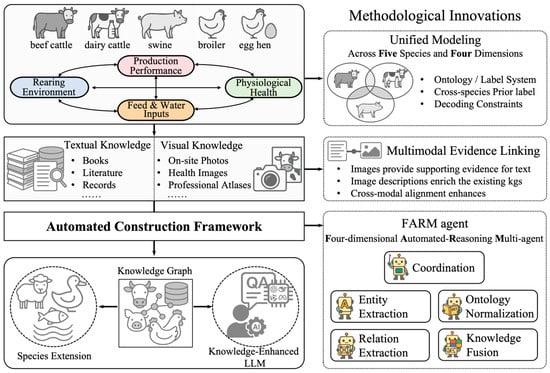
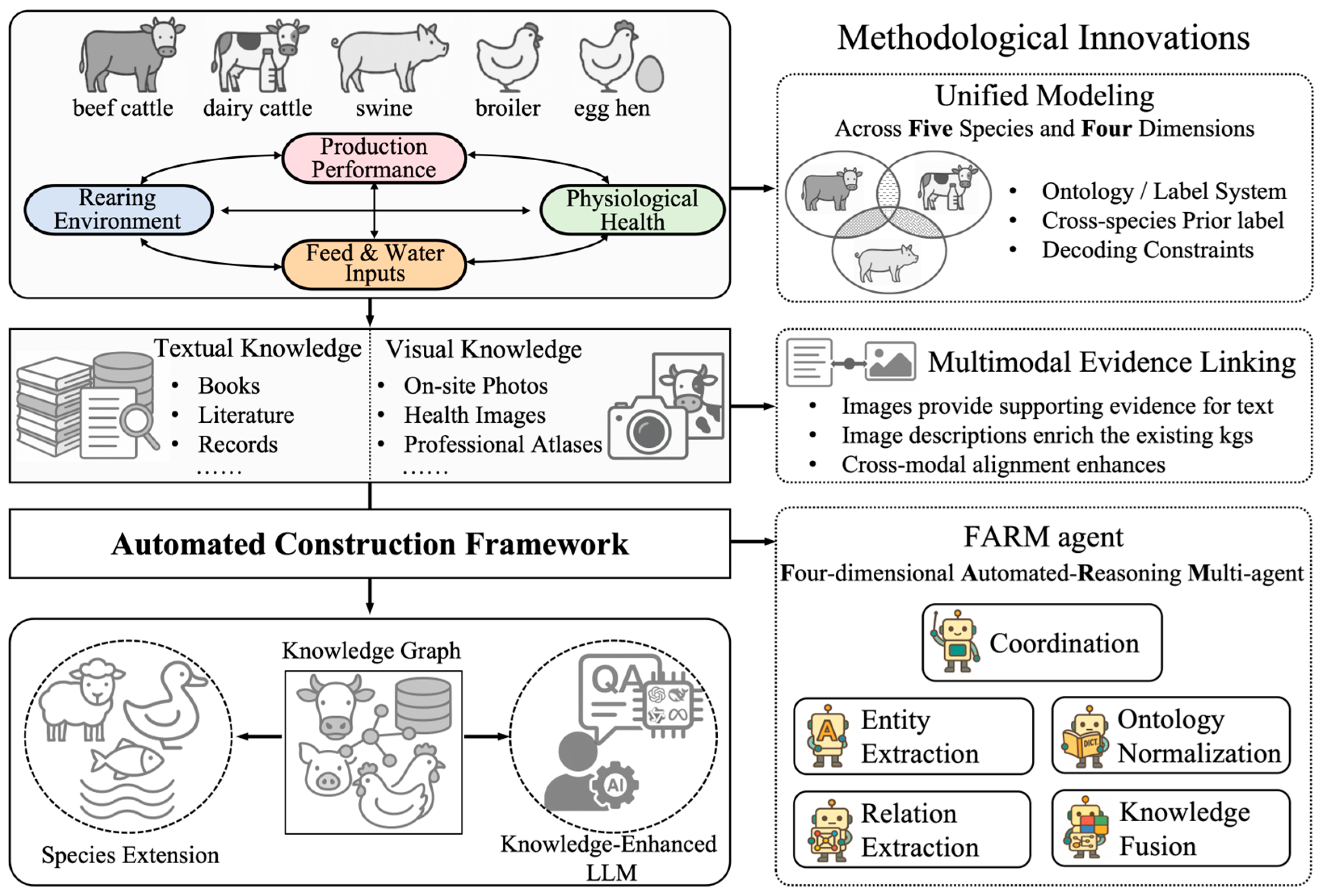
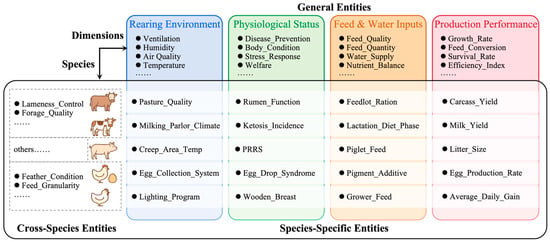
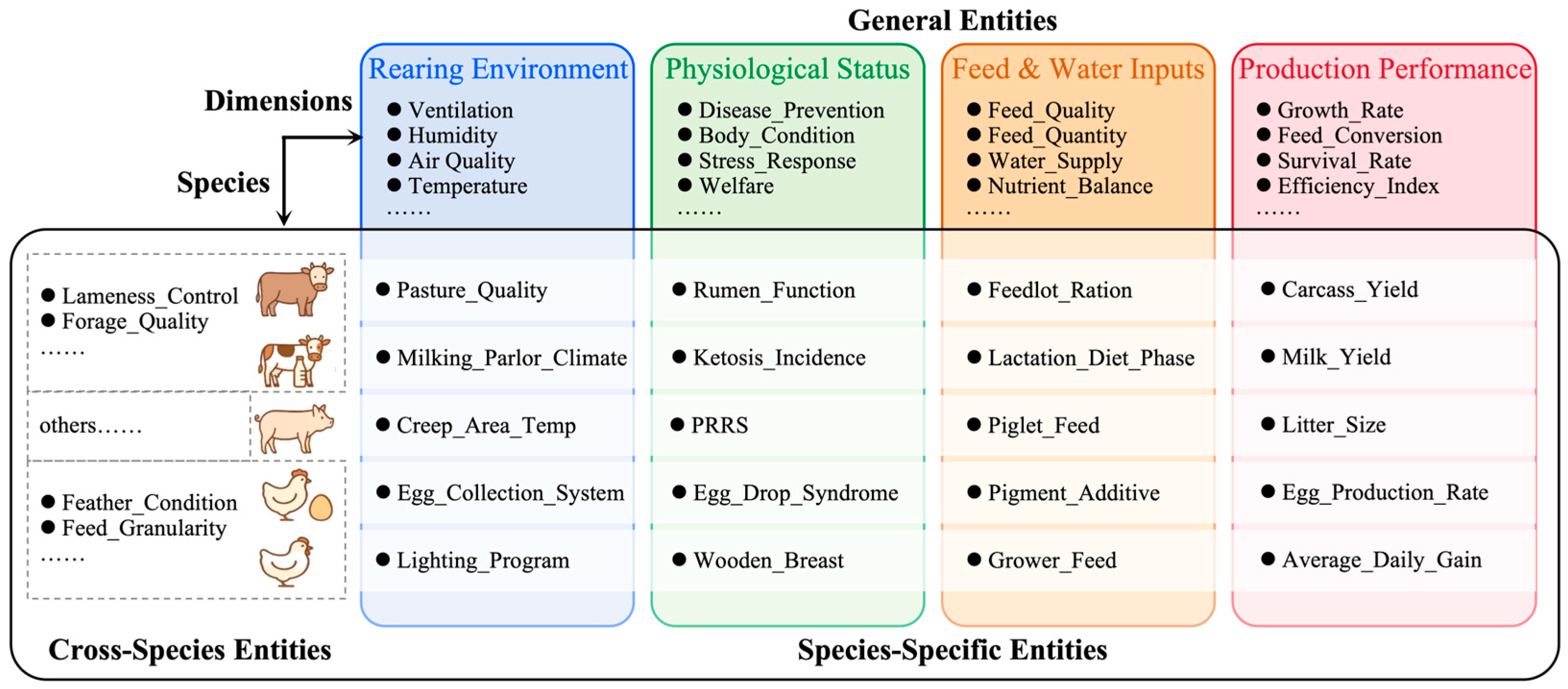
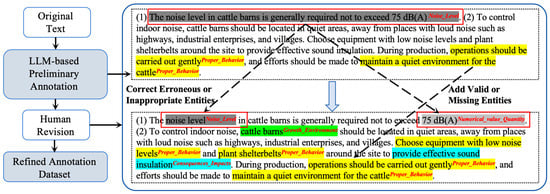
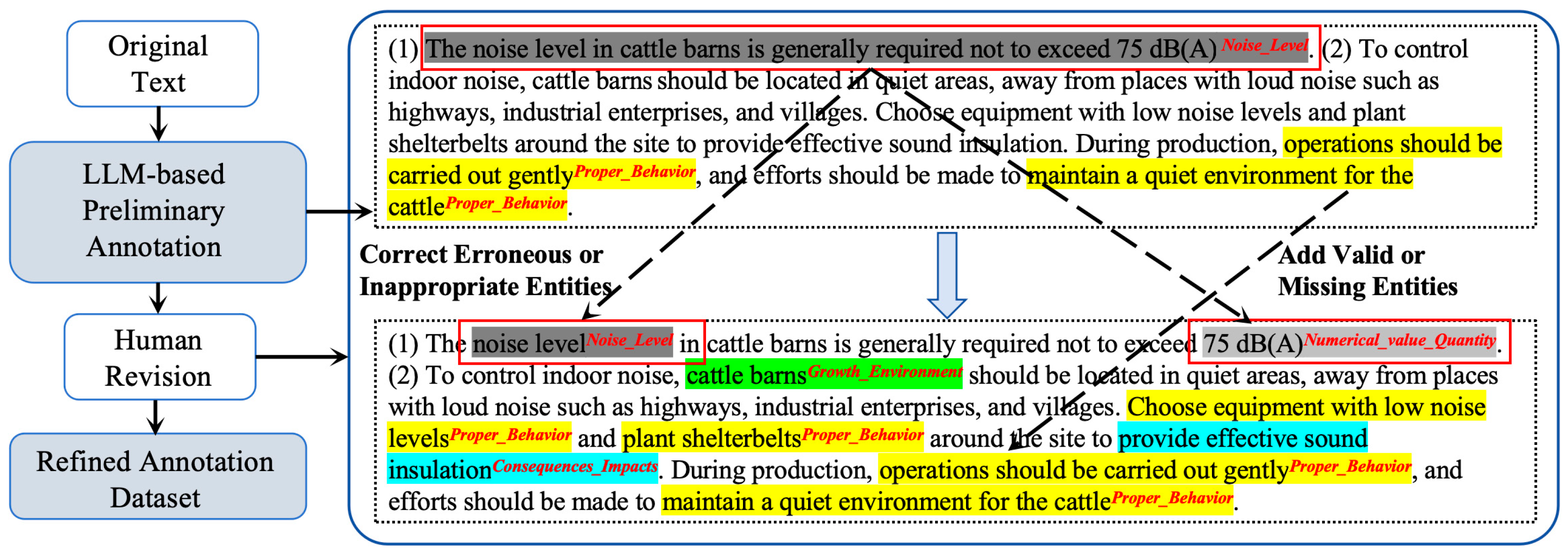
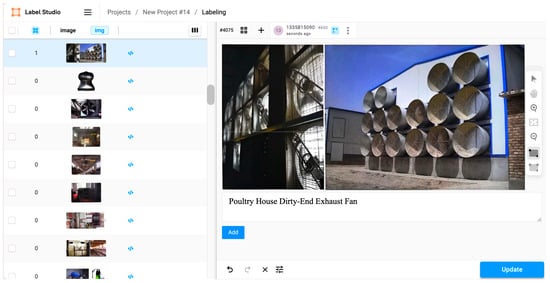
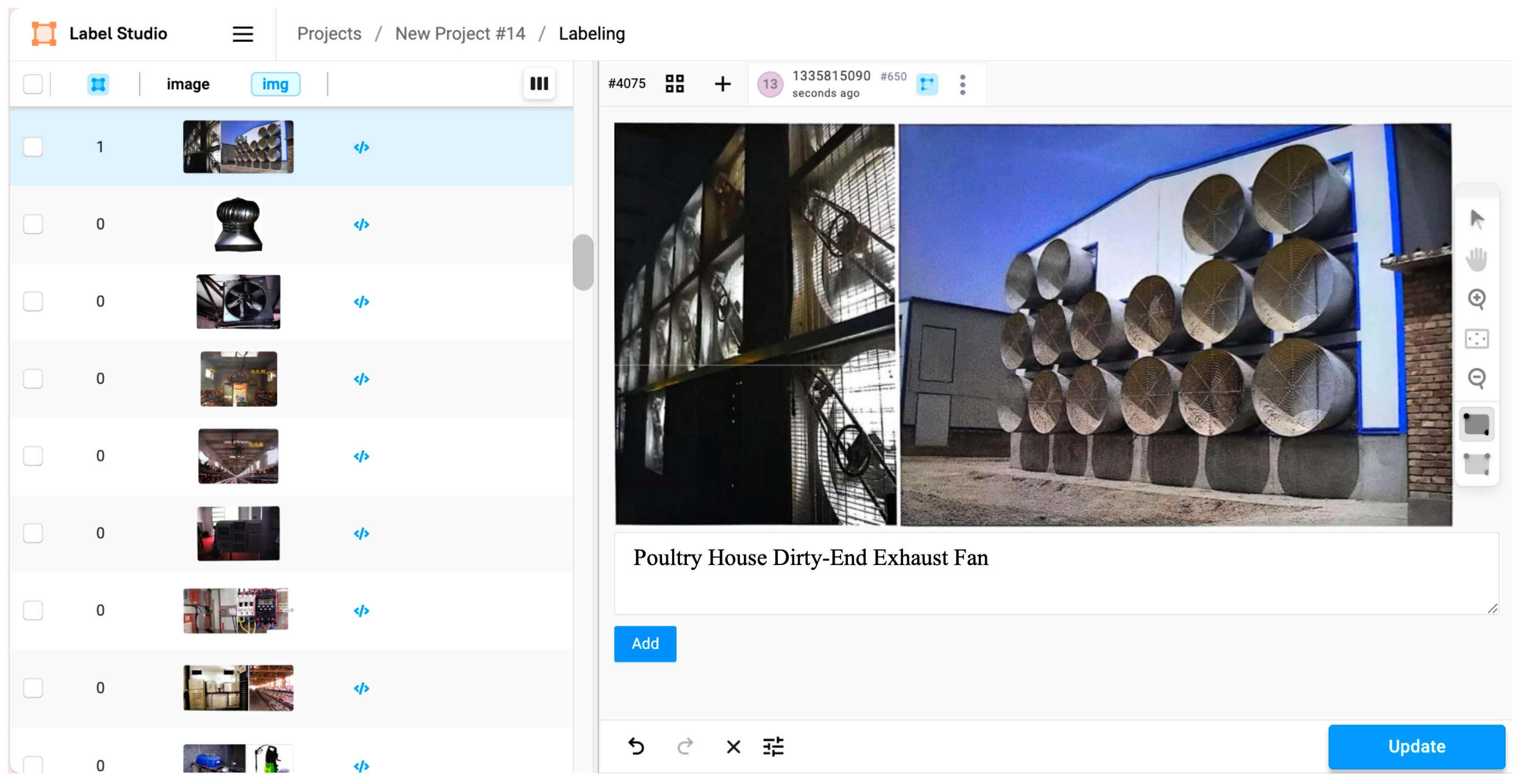
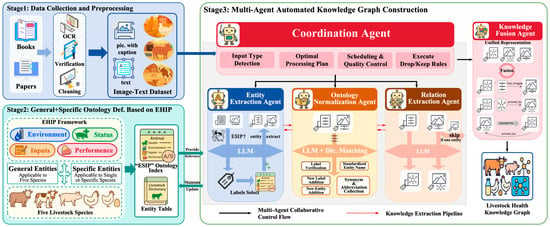
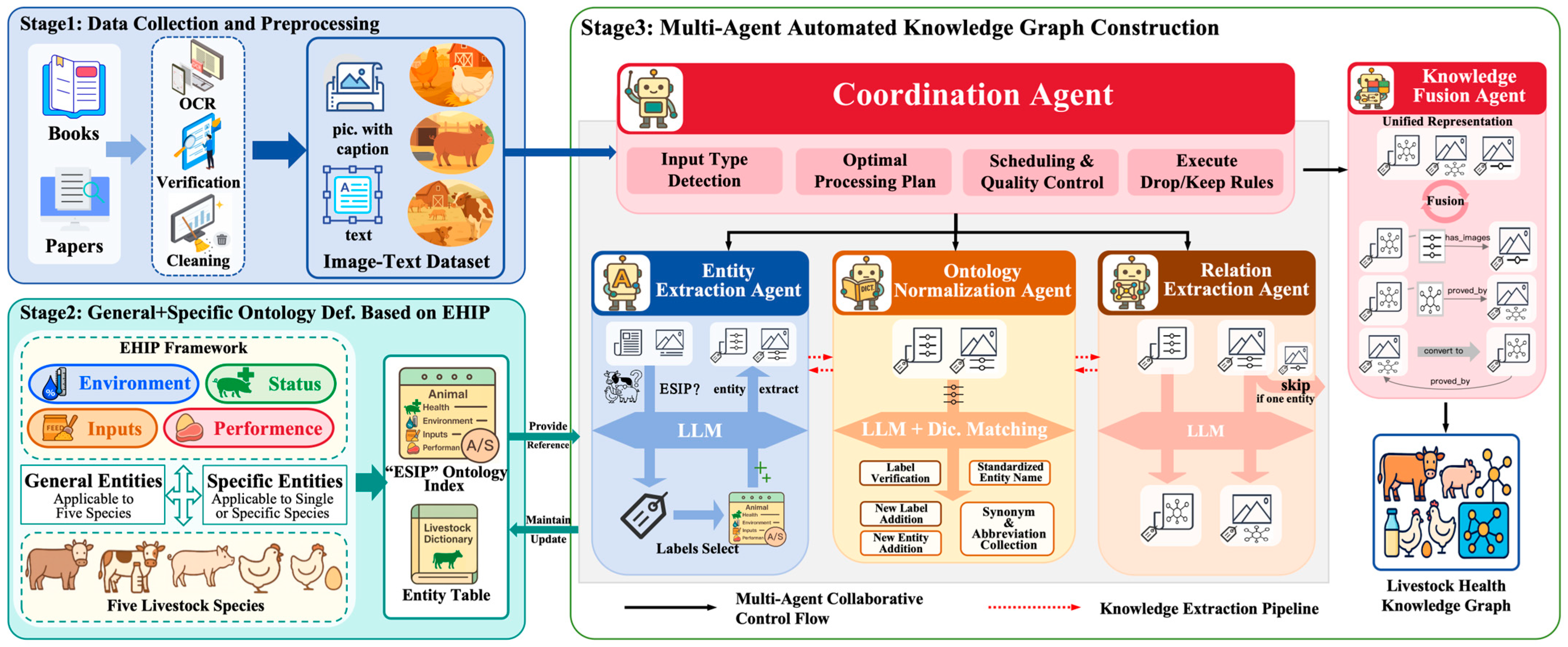
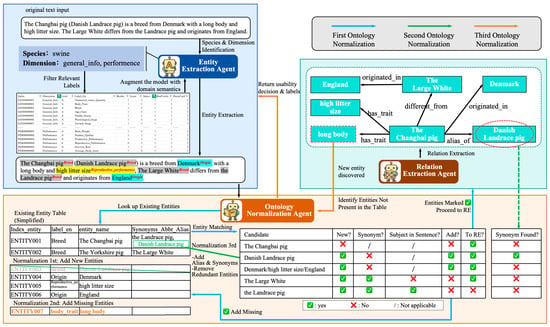
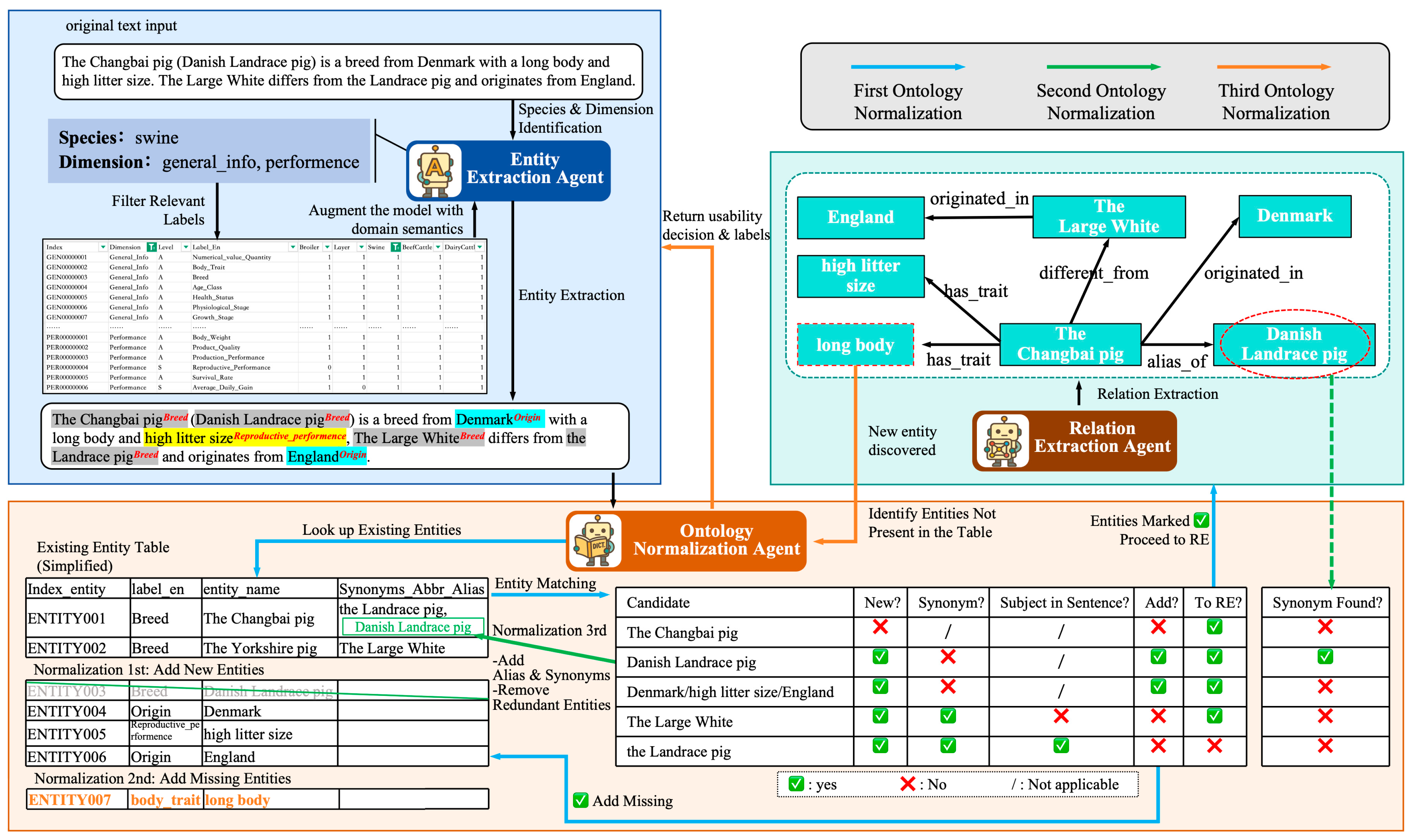
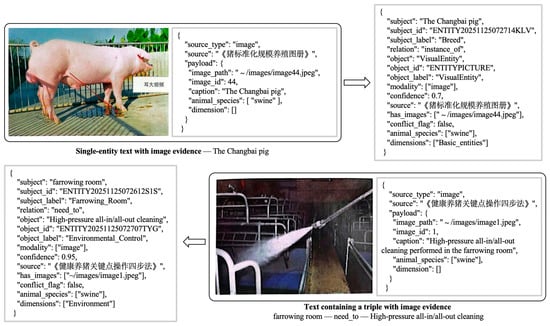
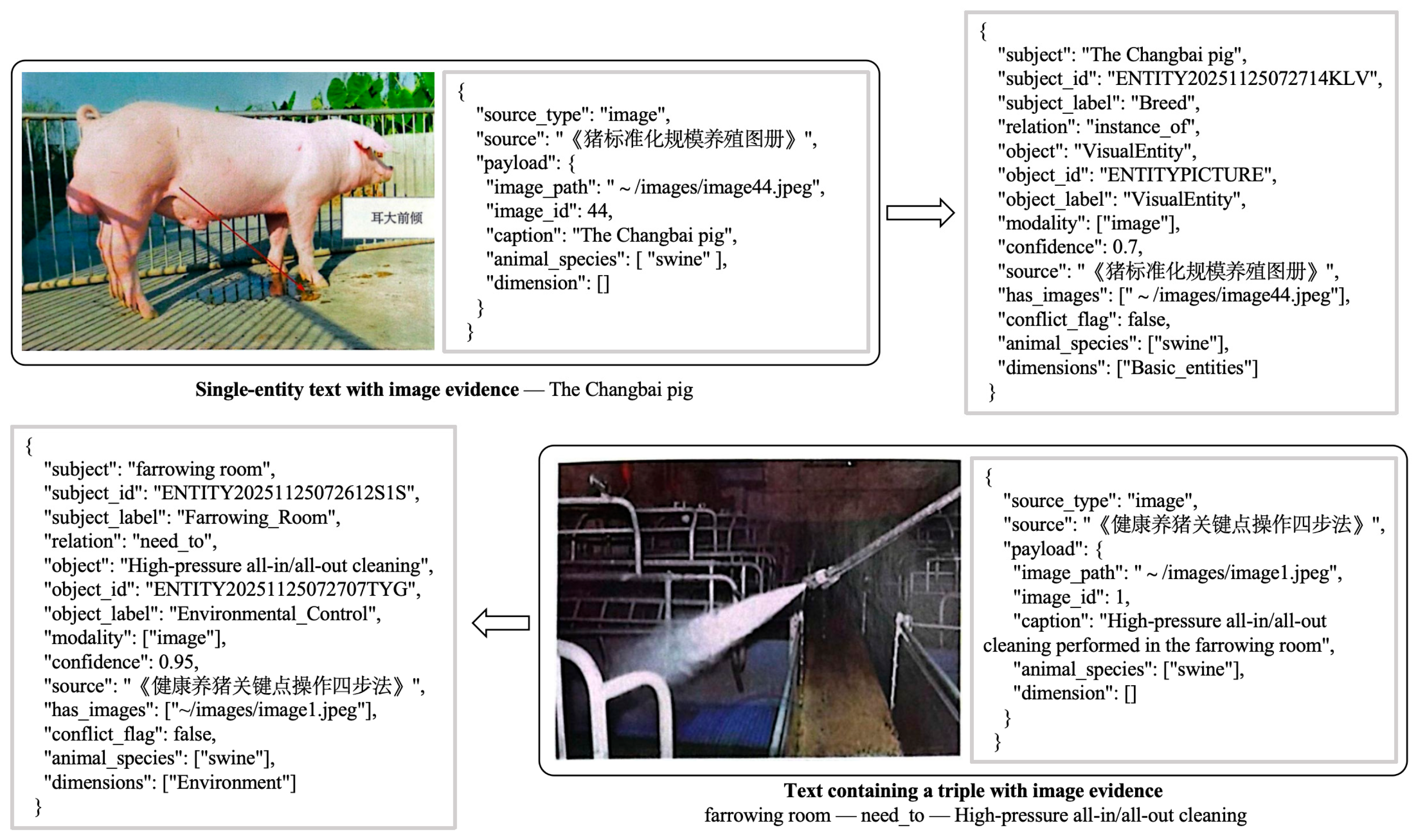
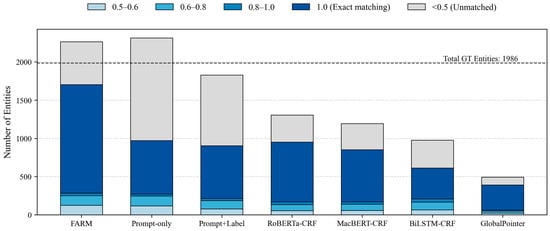
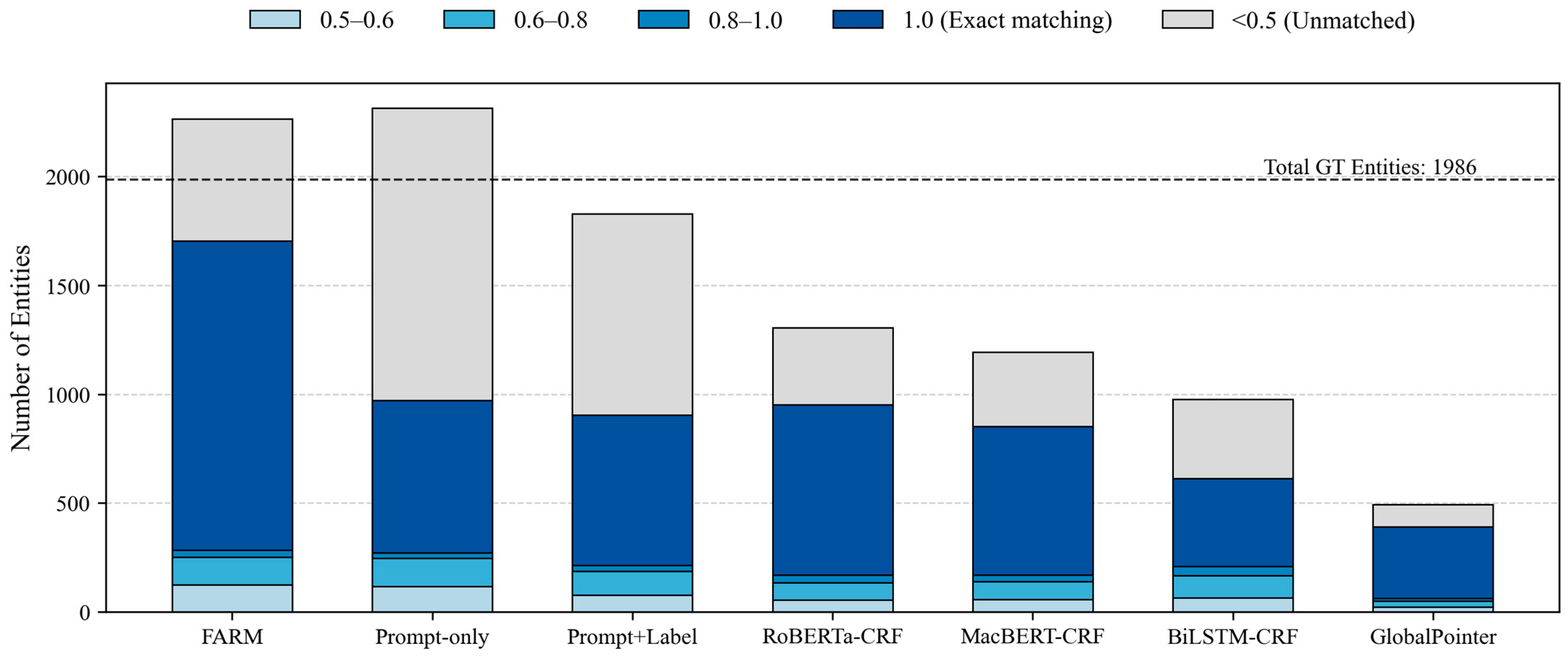
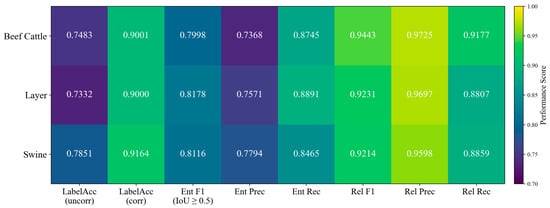
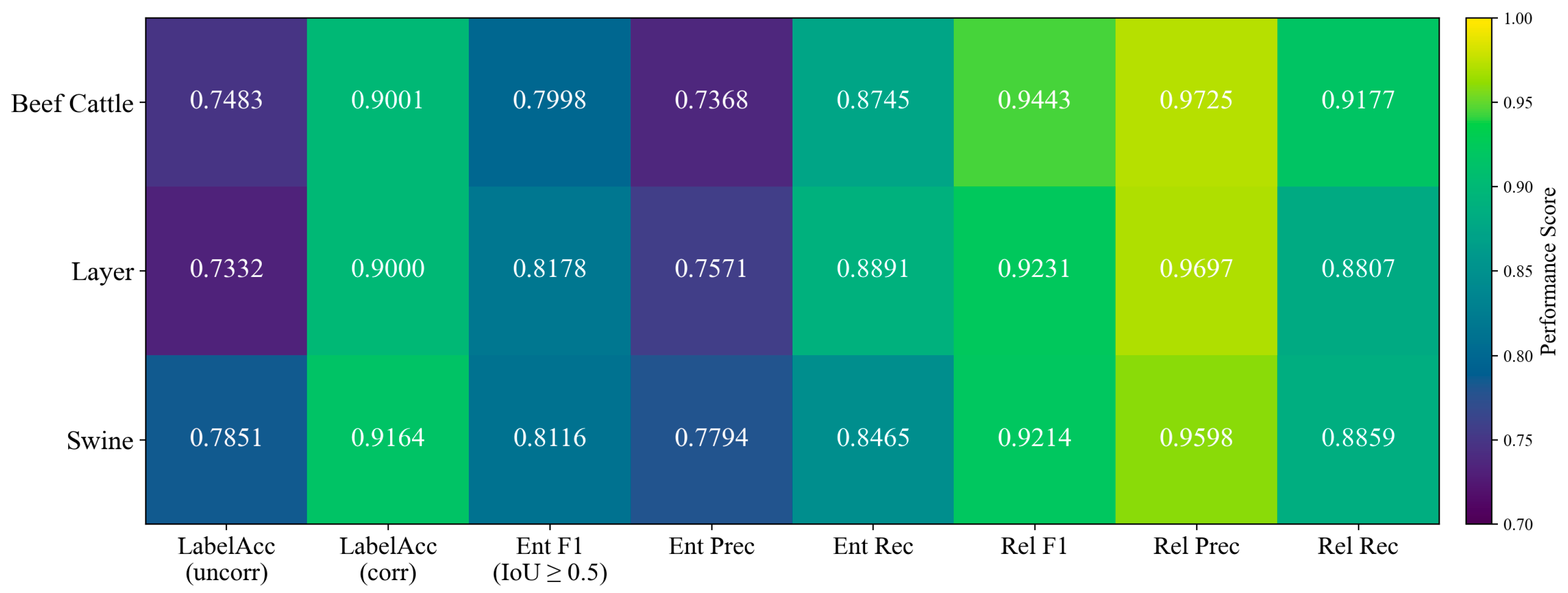
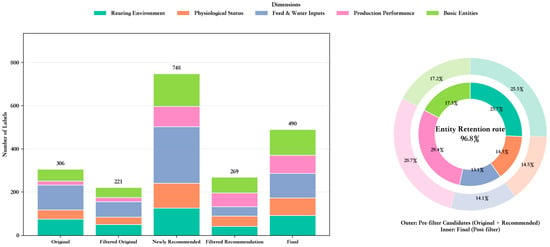
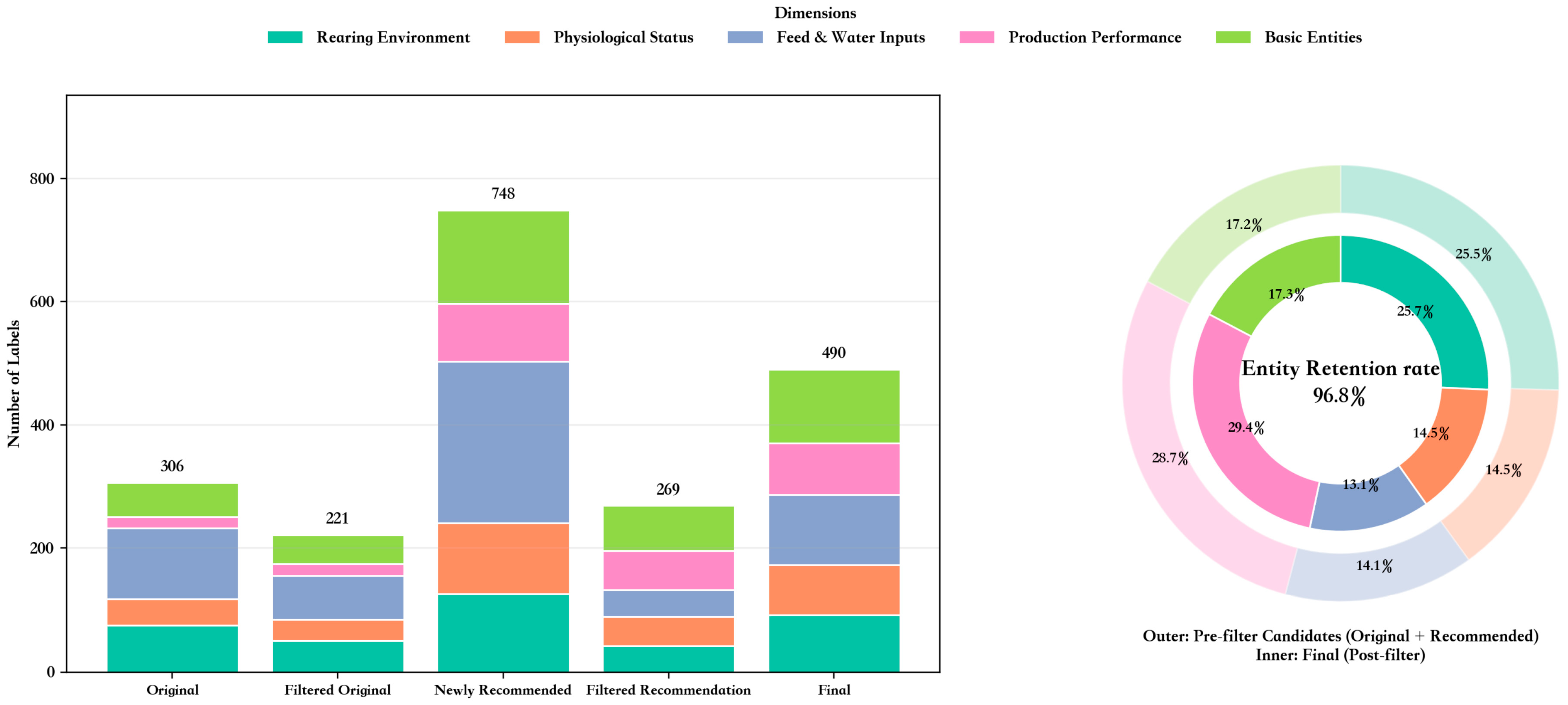
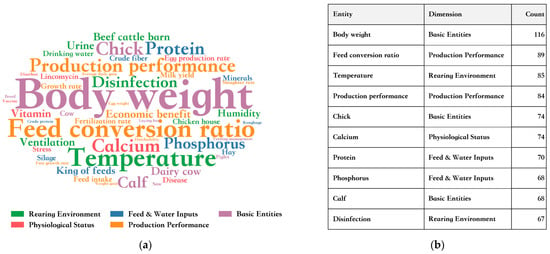
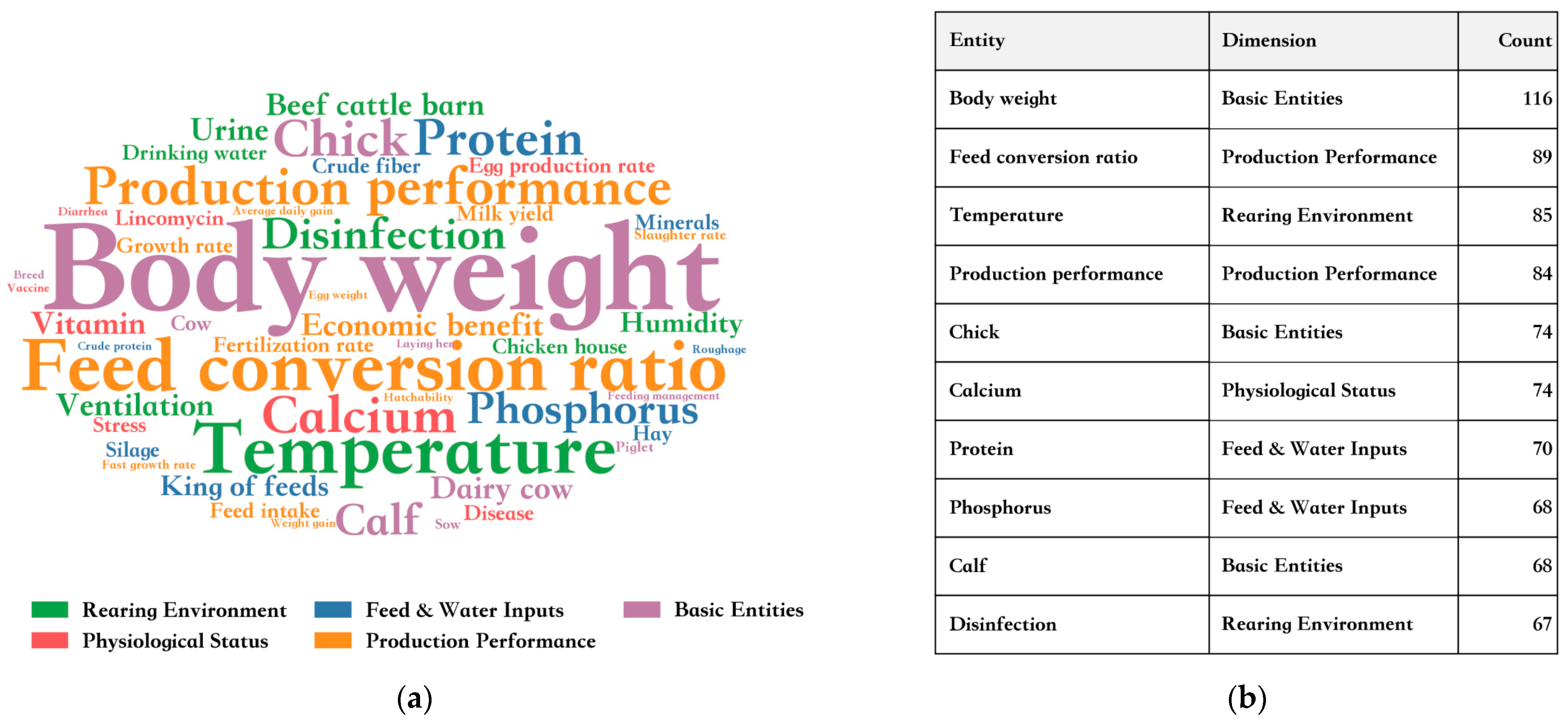
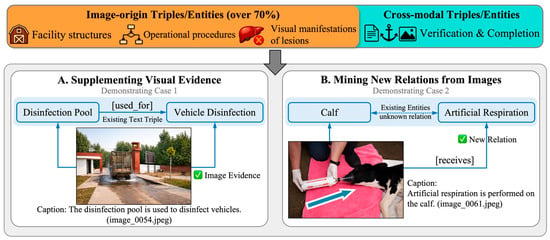
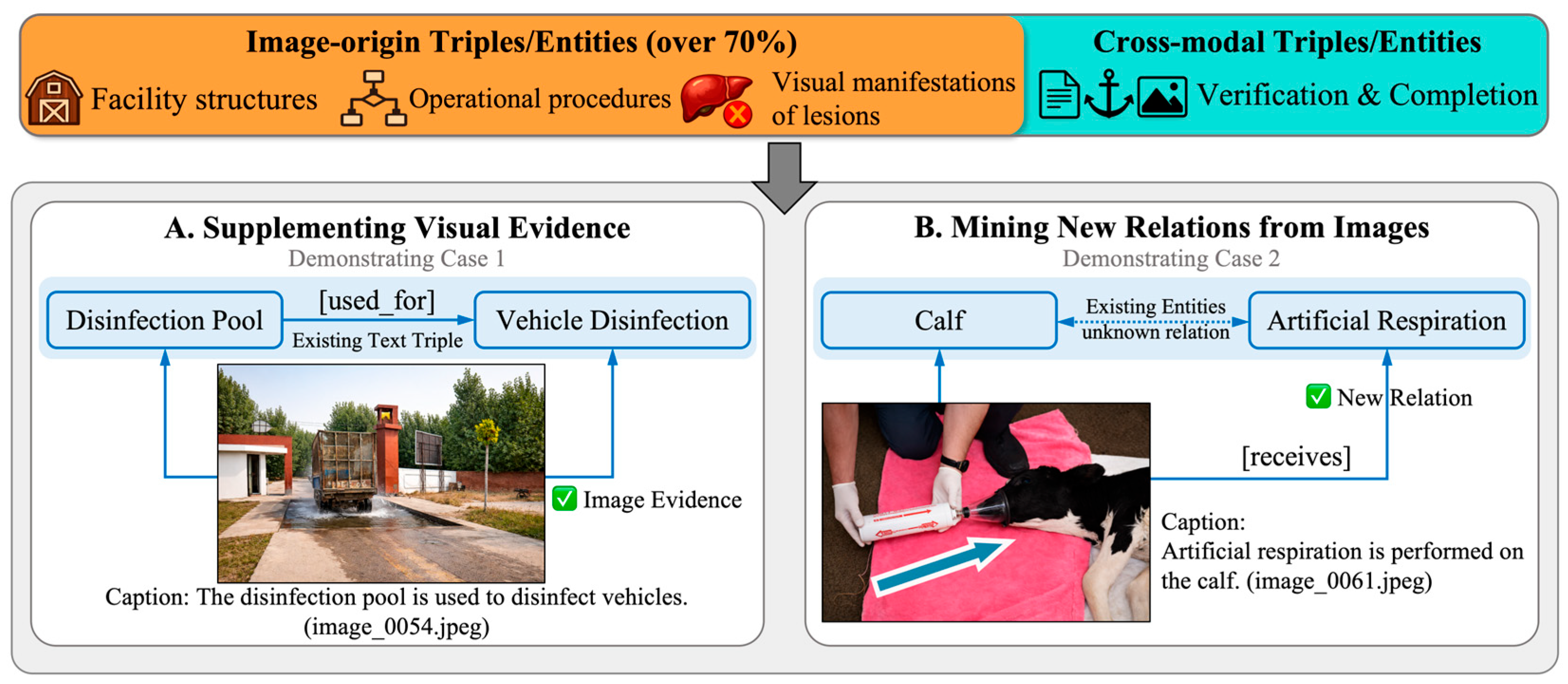
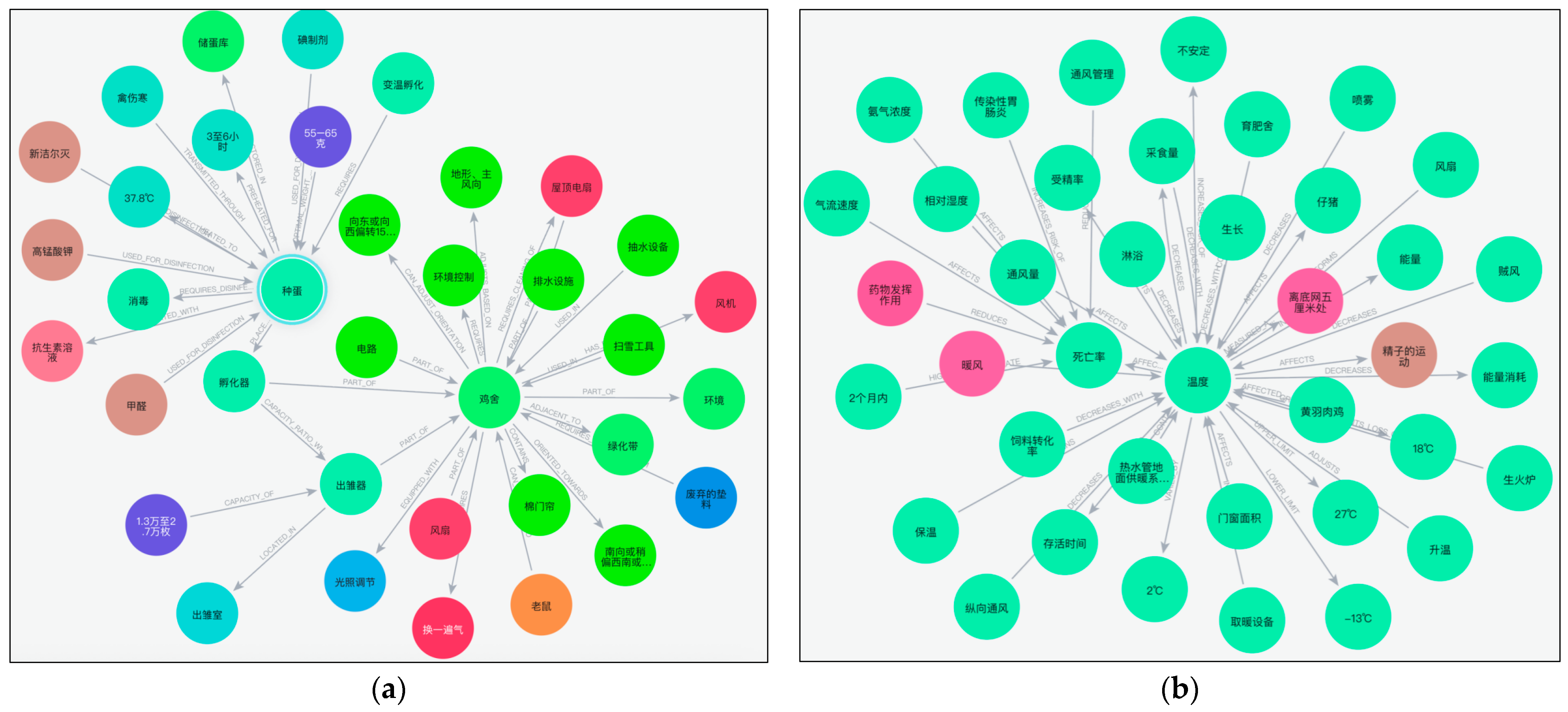
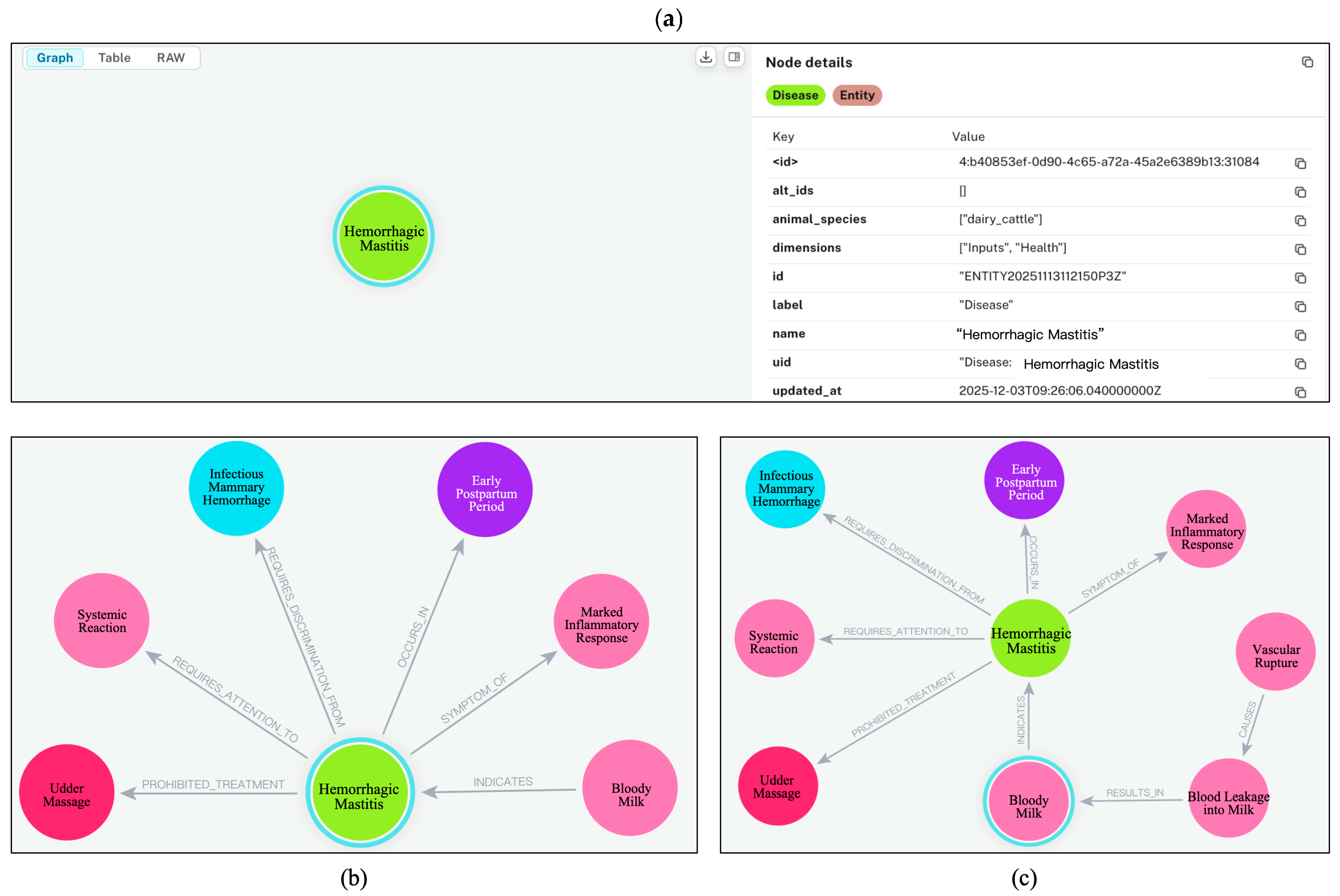
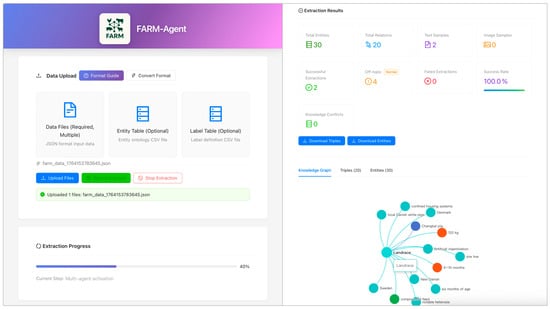
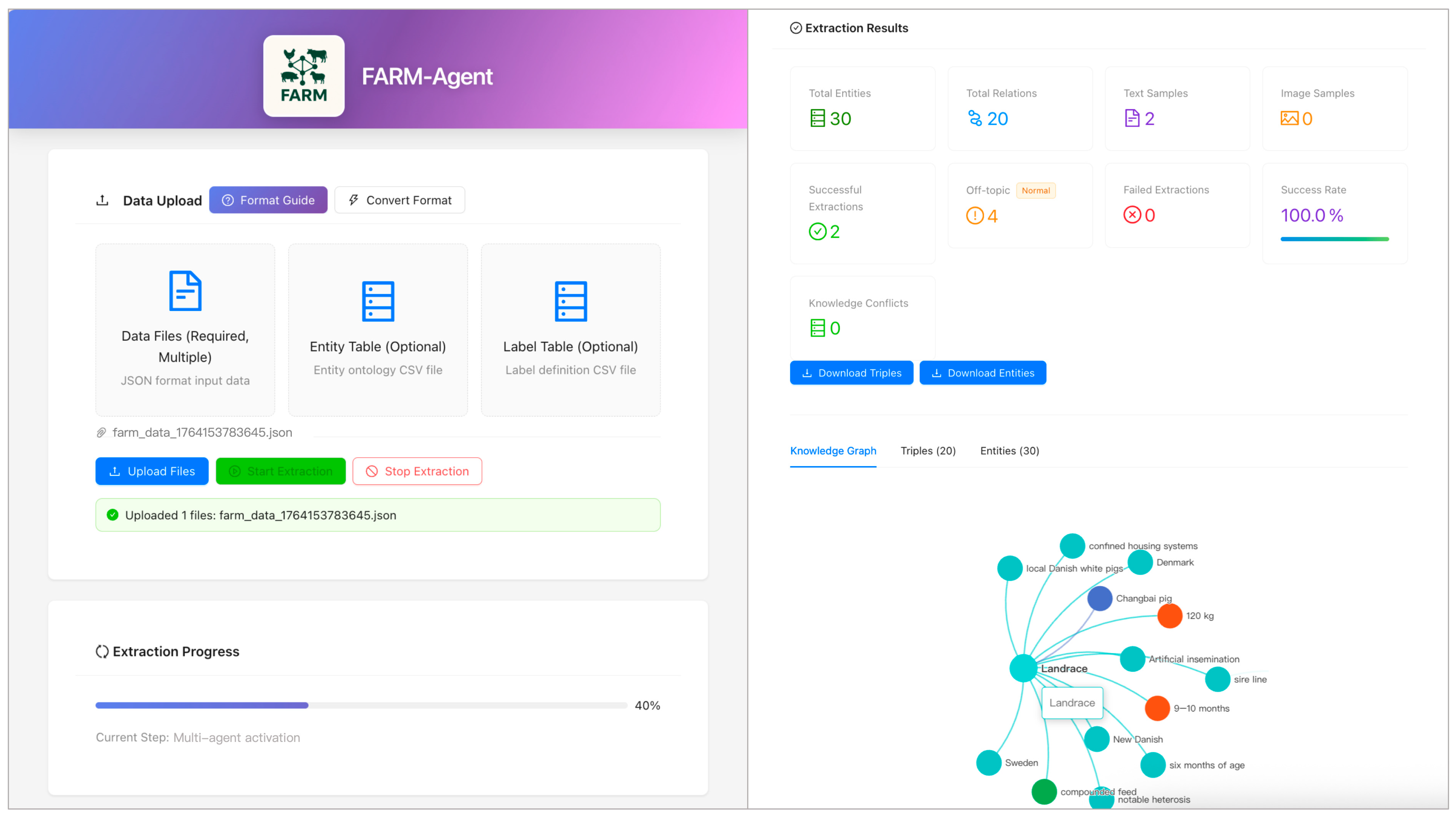
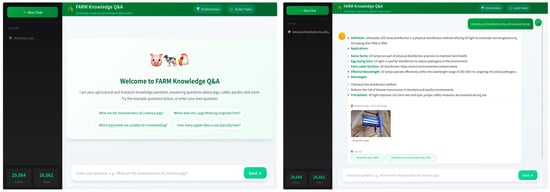


Disclaimer/Publisher’s Note: The statements, opinions and data contained in all publications are solely those of the individual author(s) and contributor(s) and not of MDPI and/or the editor(s). MDPI and/or the editor(s) disclaim responsibility for any injury to people or property resulting from any ideas, methods, instructions or products referred to in the content. |
© 2026 by the authors. Licensee MDPI, Basel, Switzerland. This article is an open access article distributed under the terms and conditions of the Creative Commons Attribution (CC BY) license.