


Abstract
This multi-level study focuses on Thailand’s public good agricultural practices certification standard (Q-GAP) and compares the performance of 100 certified and 229 uncertified growers regarding their pesticide use practices and the levels of pesticide residues detected in on-farm samples. Chili pepper, a crop primarily marketed domestically, was the focal point of this study conducted in the production context of Chiang Mai province. The data for the study were collected through field interview surveys and chili pepper sample collections. The collected crop samples underwent organophosphate pesticide and synthetic pyrethroid analyses using gas chromatography. Statistical analysis techniques, including one-way ANOVA, chi-square tests, probit regression, and multiple linear regression, were employed to analyze the numerical data using the Stata software. The study’s findings revealed several key points. The certified farmers’ main motivation for adopting Q-GAP was to meet market requirements, rather than ensuring safety assurance. They exhibited a significantly lower adoption of insecticides compared to the uncertified farmers, but no significant differences were observed for fungicide or herbicide adoption. The analysis of the pesticide residue results yielded mixed findings, making it challenging to conclude whether certified farmers have better control over pesticide residues compared to uncertified farmers. A probit regression analysis highlighted the critical importance of training for growers’ adoption of the standard.
1. Introduction
In 2006, ASEAN countries launched AseanGAP, a common framework for good agricultural practices, in order to enhance food safety and competitiveness in the agri-food sector, as part of efforts to create the ASEAN Free Trade Area [1,2,3,4]. GAP involves a set of quality standards, primarily aimed at ensuring food safety throughout both on-farm and post-farm activities, including management regulations that promote the production of environmentally and socially acceptable products [5]. This framework encourages countries with less developed agricultural sectors to use AseanGAP as a benchmark in developing their GAP standards [6]. AseanGAP includes guidelines for enforcement, training manuals, and codes of recommended practices in four modules: food safety, environmental management, worker health, safety and welfare, and produce quality [7]. National public standards must align with AseanGAP’s food safety module [8].
Since the early 2000s, all 10 ASEAN countries have developed their own national public GAP standards, in line with the common vision outlined in the AseanGAP standard, although Thailand and Malaysia launched their standards before the creation of AseanGAP [9]. Among them, Thailand’s public GAP certification standard, dubbed “Q-GAP” (Q means ‘quality’), has the highest number of certified farms in the ASEAN region, with 184,000 as of March 2023 [10], nearing the globally recognized GlobalGAP standard’s 200,279 in 2019 [11,12]. In contrast, six ASEAN countries have less than 100 certified farms [9], highlighting a significant disparity in the public GAP certifications among them.
Academic research on GAP began with research on GlobalGAP in the early 2000s (“EurepGAP” by 2007), while research on the national public GAP standards in the ASEAN nations emerged in the early 2010s and gained momentum after the mid-2010s. The scholarship on the national public GAP standards of ASEAN nations for crops can be broadly divided into three categories: growers’ adoption of GAP standards, growers’ level of compliance with GAP standards, and consumer decisions and behavior regarding GAP-certified food commodities. The present study focuses on the first two categories; therefore, the following review concentrates on the research findings in these areas.
Studies on the national public GAP standards in the ASEAN region primarily focus on growers’ GAP adoption and the key factors influencing this. These factors include the gross income derived from selling GAP-certified crops [13,14,15,16,17,18], experience with GAP training [19,20,21], accessibility of GAP information [17,19,22,23,24,25], and farm size [13,17,19,24]. The predicted economic benefits associated with access to high-value markets through GAP certification are considered critically important. However, GAP-certified farmers are not always more profitable than uncertified farmers, particularly in the context of domestic-sales-oriented crop production [23]. The conditions for the adoption of public GAP standards can also significantly vary due to country-specific factors. For instance, in the Philippines, the banana industry dominates GAP adoption, despite governmental efforts to promote certification among small growers in various fresh fruit and vegetable (FFV) sectors [26]. Meanwhile, the biggest reason for growers’ decision not to apply for GAP certification is a lack of knowledge of the particular GAP certification standard [9,13,23,27], highlighting the importance of providing training on GAP adoption [9].
Research on compliance with public GAP standards has mainly focused on comparing the agro-chemical use and management between certified and uncertified farmers. The majority of this research has been conducted on Thailand’s Q-GAP standard. As a public GAP standard with the longest history, the Q-GAP standard has undergone three protocol issuances in 2004, 2009, and 2013, respectively. Previous studies conducted prior to the latest protocol (TAS 9001–2013) have indicated Q-GAP adoption’s lack of effect on agrochemical control (see Appendix A.1 for detailed information on the certification procedure for this protocol). For instance, a 2008 survey of 64 Q-GAP-certified pomelo growers in Chaiyaphum province found that about half of them failed to understand the goal of the Q-GAP policy, and the majority of them credited the reduction in their pesticide use to crop growth stage rather than GAP adoption [27]. Similarly, a 2009–2010 survey in Chiang Mai province found no significant differences in pesticide use, pest control methods, or pesticide handling between certified and uncertified farms for nine studied vegetable crops [28]. However, another study conducted in 2012 showed that continued rice grower adopters spent less on fertilizer costs and used insecticides and fungicides less frequently than their non-adopter counterparts. The authors attributed these findings to the relative ease of agrochemical control in rice cultivation compared to FFVs [29].
Since the issuance of the latest Q-GAP protocol, three studies have been conducted on its effectiveness. A study conducted on certified cabbage farmers in Chiang Mai province showed a better performance in the use of insecticides, fungicides, and herbicides compared to their uncertified counterparts [23]. However, in the case of durian farmers in Chanthaburi and Nakhon Si Thammarat, the differences in the amount of pesticides used by certified and uncertified farmers were significant only for fungicides. Regional contextual factors played a vital role in the use of pesticides, with the more export-oriented region (Chanthaburi) being identified with significantly more pesticide usage [9]. For export-oriented mango production, certified farmers in the Pitsanulok and Chiang Mai provinces showed no significant differences in their pesticide use, except for the Chiang Mai farmers having a significantly better understanding of the Q-GAP’s policy goal. The quality of the local GAP training offered to growers was highlighted as a vital factor for this difference [30].
Apart from studies on Thailand’s Q-GAP, there have been two studies on compliance with public GAP standards. In Malaysia, a survey conducted in 2013 found that MyGAP-certified durian farmers used significantly lower amounts of insecticides, fungicides, and herbicides compared to uncertified farms. However, the authors expressed reservations about the effect of MyGAP on the results, as there was a possibility that Department of Agriculture (DoA) officers selectively chose farmers who were already performing well for MyGAP adoption during the individually-based recruitment process [13]. In Vietnam, a survey conducted in 2015 found that participation in the VietGAP program reduced growers’ health problems related to pesticide exposure by 15.6% to 25.5% over four types of propensity score matching [31].
Recent research on public GAP compliance suggests that, overall, certified farmers exhibit a better performance in pesticide use than uncertified farmers. However, it is important to consider the impact of regional contextual factors, the quality of the local GAP training, and the possibility that better pesticide users may have already been identified prior to GAP adoption. It is also important to note that there is limited research on public GAP compliance outside of Thailand. Further research in other ASEAN countries is needed to gain a more comprehensive understanding of the effectiveness of public GAP standards in different regions.
This study has three main objectives. First, it aims to revisit the investigation of certified farmers’ compliance with a public GAP certification standard by focusing on domestic-sales-oriented crops, as opposed to the majority of ASEAN public GAP studies on production aspects, which focus on export-oriented crops [13,14,15,17,18,19,22,24,26,27,30]. Second, this study seeks to examine the case of spice. There have been two case studies on a spice (chili pepper) in the ASEAN public GAP literature [5,32] (see Appendix A.2 on the agronomic features of chili pepper), but neither examined certified farmers’ compliance with GAP. Third, this study attempts to perform two types of regression analyses: a probit regression analysis to identify the key factors affecting the adoption of the Q-GAP certification standard, and multiple linear regression (MLR) to identify the main factors influencing the amount of pesticide residue detected in the crop samples.
The paper proceeds as follows. The next section discusses the materials and methods. The third section presents the results and discussion. The final section closes the paper with its conclusions.
2. Materials and Methods
2.1. Sampling Procedures
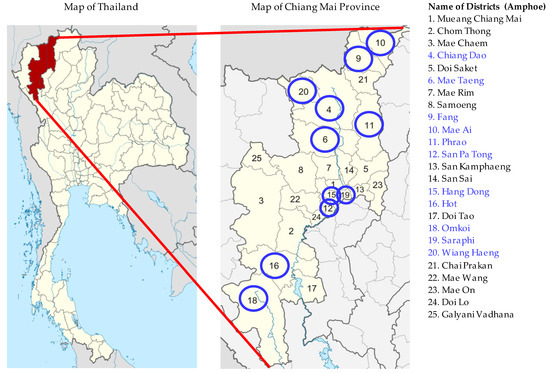
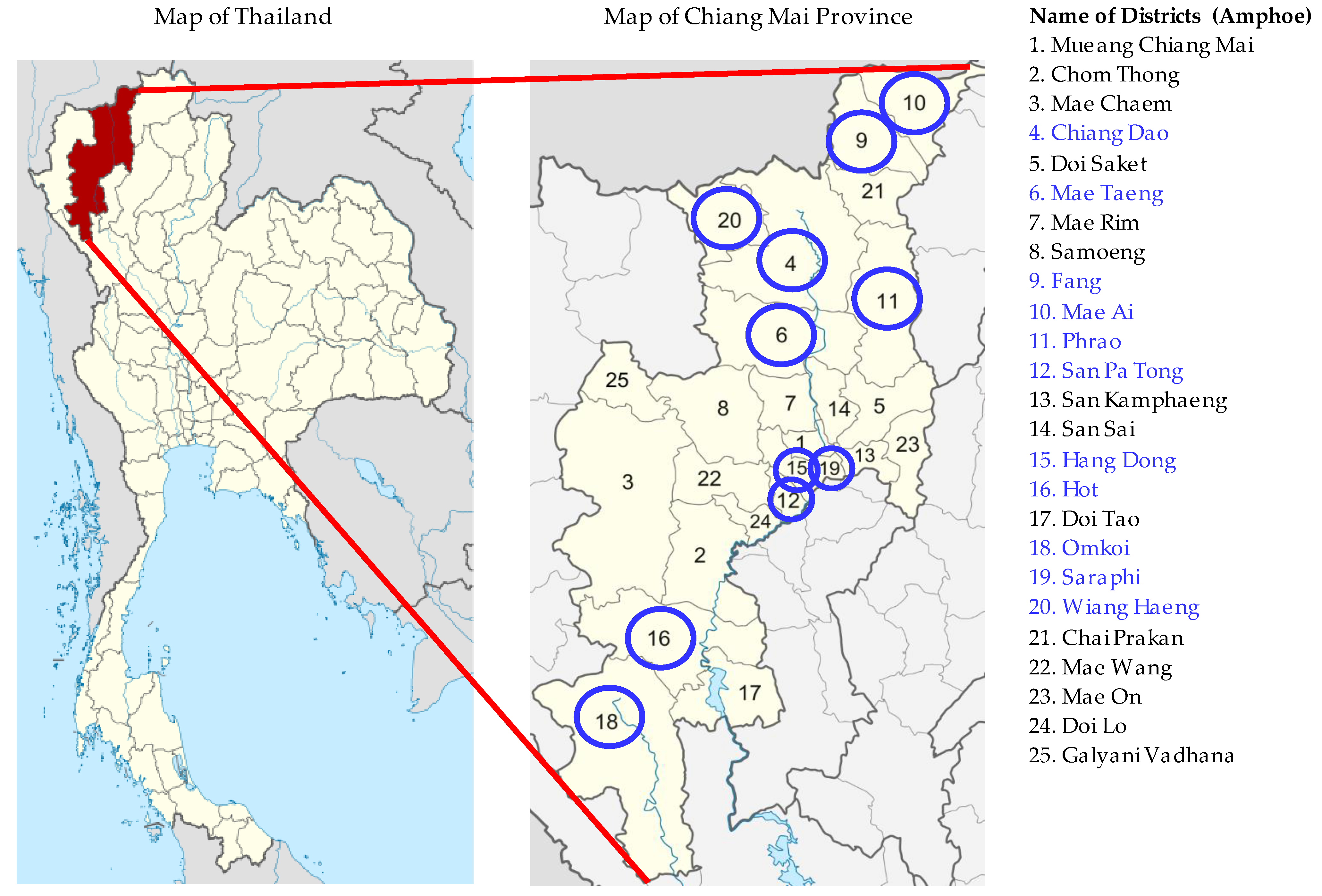
A questionnaire survey and sample collection were conducted by eight research assistants from Chiang Mai University at chili pepper farming sites in Chiang Mai province, Thailand, between May 2020 and April 2021 (see the maps in Figure 1). To obtain a comprehensive list of certified farms, we obtained information from the DoA office in Chiang Mai City. According to the list provided by the DoA, there were a total of 160 Q-GAP-certified chili pepper farms in Chiang Mai province. Considering budget constraints and the accessibility of farmers for interviews in the province, an initial estimation was made to include approximately 100 certified farmers and 200 uncertified farmers. To determine the sample size in each district where certified farmers were located, a proportional sampling method was employed based on the population. Ultimately, we conducted interviews with 100 Q-GAP-certified chili pepper farmers from 11 out of the total 25 districts in Chiang Mai province. Additionally, chili pepper samples were collected from their farms for further analyses of pesticide residues.
Figure 1.
Field survey districts of Chiang Mai province, Thailand (blue highlighted). Source: NordNordWest (2009) for the map of Thailand and Hdamm (2004) for the map of Chiang Mai province.
Furthermore, we conducted interviews with two to three uncertified chili pepper growers near the location where we interviewed one certified farmer. The selection criteria for the uncertified farmers were: 1. they were between 18 and 65 years old and had resided in Chiang Mai province for at least 2 years; 2. they had been involved in chili pepper farming since 2019 or earlier and had experience using pesticides; and 3. they were able to speak and understand the Thai language. We interviewed a total of 229 uncertified farmers in the Thai language and collected chili pepper samples from them. Among these farmers, four held a Q-GAP certification for crops other than chili peppers at the time of the survey. Each farmer was interviewed for 30 to 40 min, using a structured questionnaire and voice recorders.
During the interview, the respondent farmers were asked about their views regarding whether Q-GAP-certified farmers would have more economic advantages compared to uncertified farmers as a result of this certification. However, some of the uncertified farmers were not familiar with Q-GAP or did not understand its goal in relation to food safety. To ensure accurate responses, explanations about the Q-GAP policy were provided to these farmers before asking the question.
2.2. Pesticide Residue Analysis
The chili pepper samples for the pesticide residue analysis were collected randomly from five different locations within a farmer’s field, with each point being approximately equidistant from one another. Five chili pepper samples were collected from each farm. The chili samples were left unwashed and chopped into small pieces. From the collected samples, one randomly selected processed sample weighing 500 g was chosen for the analysis. The sample preparation followed the Codex Protocol 21 [33]. These procedures were carried out the day after the samples were collected. Each sample was placed in an ice box and stored in a freezer at −20 degrees Celsius at the Laboratory of Environmental and Occupational Health Science, Research Institute for Health Sciences, Chiang Mai University. As described in a previous study conducted by one of the authors [34], the freezer samples were prepared for the organophosphate pesticide (OP) and synthetic pyrethroid pesticide (SP) analyses. The OPs were evaluated using gas chromatography with a photometric detector (GC-FPD), while the SPs were assessed using an electron capture detector (GC-ECD). For calibration purposes, five levels of OP and SP standards, ranging from 0.01 to 0.320 mg/kg, were prepared and added to the pooled chili samples. The lowest concentration of analyte detected in a sample was used to determine the limit of detection (LoD) [35]. The limit of quantification (LoQ) was determined based on the lowest concentration that could be reliably measured with an acceptable relative standard deviation (RSD). To assess the precision, intra-batch (n = 10) and inter-batch measurements (n = 13) were conducted using a spiked mixed solution containing OPs and SPs at a concentration of 0.40 mg/kg. Recovery tests were performed using the spiked mixed solution at three levels: low (0.01 mg/kg), medium (0.08 mg/kg), and high (0.32 mg/kg). The accuracy was expressed as the percentage recovery rate, while the precision was estimated as the RSD of the repeated measurements.
2.3. Statistical Data Processing
The numerical data collected were analyzed using the Stata statistical analysis software. To compare the continuous response variables, a one-way ANOVA was conducted. For the nominal response variables, such as those with the categories “Yes” and “No”, coded as 1 and 0, respectively, a chi-square test for independence was employed for statistical comparisons.
A probit regression was employed to analyze the factors influencing the adoption of Q-GAP standards among the chili-pepper farmers. The probit model is a statistical probability model used for binary dependent variables with two categories. In this study, the response variable represents the probability of adopting the Q-GAP standards, and it is a dummy variable that takes a value of one for Q-GAP adoption and zero for non-adoption.
The explanatory variables included in the analysis were related to the farmers’ socio-economic conditions, their perceptions of pesticide use and Q-GAP, their training experience, and their pesticide use practices. These variables were selected based on previous studies [9,13,23,28,30] that identified them as critical factors influencing growers’ pesticide use performance within a GAP framework. To avoid potential issues of multicollinearity, variables representing environmental outcomes such as pesticide residues (specifically OPs and SPs) were not included in the analysis.
According to Wooldridge [36], a probit model can be constructed based on an underlying latent variable model. Assuming the existence of an unobserved or latent variable denoted as Y*, we can consider the following relationship:
where the notation 1 [.] is introduced to define a binary outcome. The indicator function, denoted as 1 [.], is a mathematical function that evaluates to one if the event enclosed in the brackets is true, and zero otherwise. Thus, Y takes on the value of one if Y* is greater than zero, and Y takes on zero if Y* is less than or equal to zero. We assume that the error term e is independent of X and follows a standard normal distribution.
Y* = β0 + Xβ + e, Y = 1 [Y* > 0]
An MLR procedure was employed to identify the main factors influencing the quantity of the pesticide residue detected by the farmers. An MLR is a statistical technique that utilizes multiple explanatory variables to predict the outcome of a continuous response variable. It extends the concept of an ordinary least square (OLS) regression, which involves using a single explanatory variable. The MLR model can be expressed as follows:
where Yi is the amount of pesticide residue detected (mg/kg of active chemical ingredients), β0, β1, and ⋯βn, are coefficients, and εi denotes residual errors, which are assumed to be independent, normally distributed, random variables with a mean of zero and a constant variance σ2. The purpose of the MLR was to determine if the amount of pesticide residue detected could be predicted using a set of explanatory (or predictor) variables. It aimed to assess the extent to which the variance in the continuous response variable could be explained by the predictors. The same explanatory variables used in the probit analysis were included in in the MLR model.
Yi = β0 + β1Xi,1 + ⋯ + βnXi,n + εi
To ensure the reliability of the results, we examined whether the basic assumptions of the MLR model were met before conducting the analysis. Our assessment indicated the following: there was no linear relationship between each predictor variable and the response variable; there was no significant correlation among the predictor variables; each observation in the dataset was independent; and the residuals demonstrated normal distributions and a constant variance across the model. These findings confirm that the assumptions of the MLR were satisfied, validating the reliability of the results.
3. Results and Discussion
3.1. Socio-Economic Profile of the Farmers Surveyed
The certified farmers grew a significantly higher number of crops other than chili peppers on their farms, as compared to the uncertified farmers (p < 0.01) (Table 1). The proportion of the certified farmers who grew certified crops other than chili peppers was 29.3% higher than that of the uncertified farmers, with statistical significance. Meanwhile, no significant differences were observed for age, education, total farm size, chili pepper farm size, the percentage of farms employing workers for chili pepper farming, or the number of permanently employed workers for chili pepper farming.
Table 1.
Basic profile of the respondent farmers.
3.2. Farmers’ Adoption of Q-GAP Standard
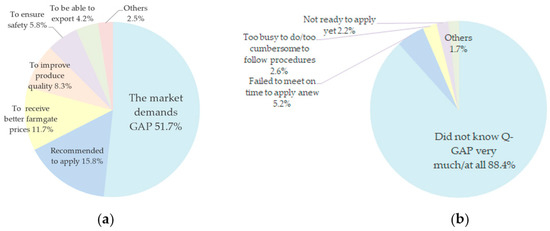
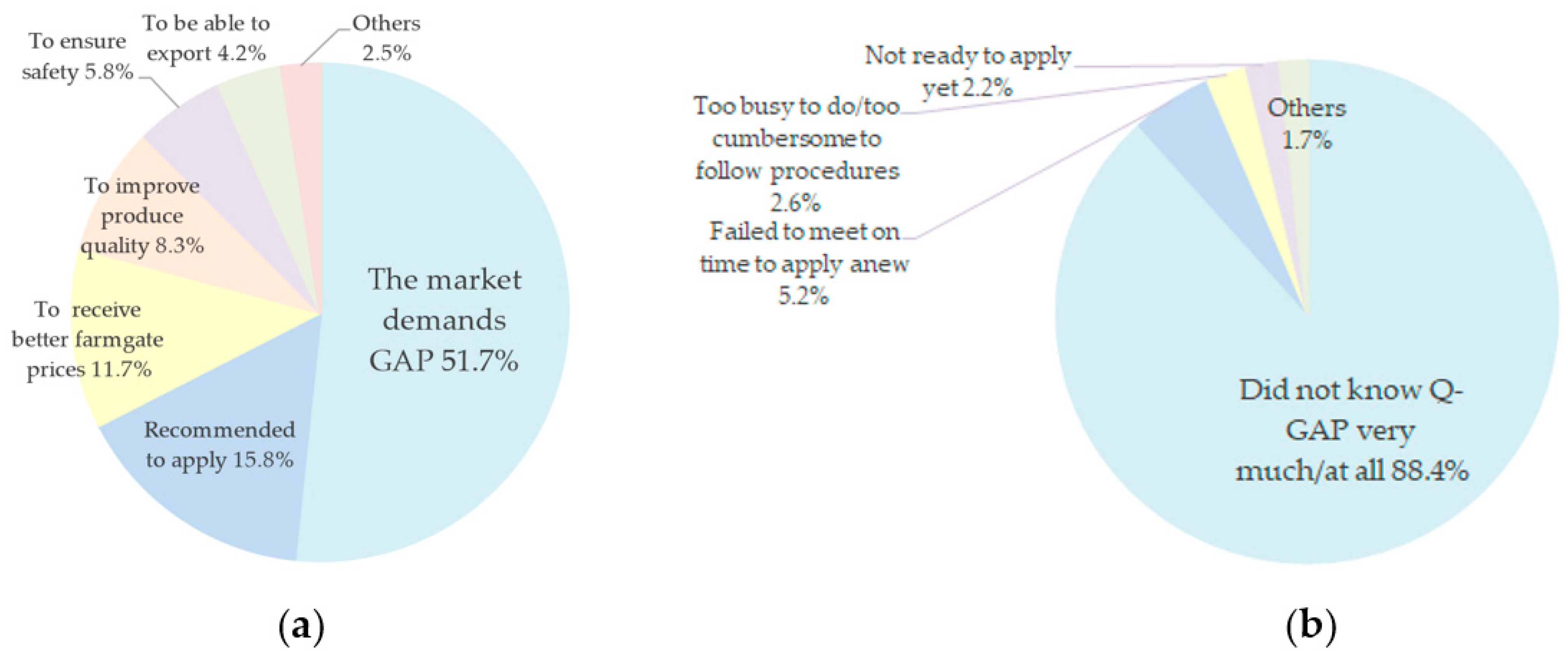
More than half of the certified farmers gave the answer to the question of the motivational factors for applying for Q-GAP as “Market demands GAP” (Figure 2). As chili pepper is primarily a crop for domestic/local consumption in the surveyed region, the share of the chili farmers’ interests in Q-GAP for export was limited (4.2%). Hence, many of the market incentives were related to the requirements of the local/domestic specialty market for GAP. Including “To improve produce quality” (8.3%), the motives that were directly involved with marketing accounted for 75.8% of the answers. Among the non-marketing motives, the primary motive was “Recommended to apply for Q-GAP by an individual or an organization” (15.8%), followed by “To ensure safety for producers and consumers” (8.3%). Regarding the uncertified farmers’ reasons for not having applied for Q-GAP, the primary reason was “I (we) did not know Q-GAP very much/at all” (88.4%). The other reasons included “I (we) failed to meet on time to reapply for Q-GAP for chili pepper” (5.6%), followed by “Too busy to do Q-GAP/too cumbersome to follow the required procedures” (2.6%), “Not ready to apply yet” (2.2%), and others (1.7% including three farmers who stated that the training site was too far and one farmer who failed to pass certification three times in the designated round). It is noteworthy that no uncertified farmers pointed to economic reasons for not applying, such as “Price remains the same” or “Q-GAP does not help marketing”.
Figure 2.
Surveyed farmers’ motivations (and the lack thereof) in applying for Q-GAP. (a) Certified farmers’ motives for having applied (N = 100, C = 120); and (b) uncertified farmers’ reasons for not having applied (N = 229, C = 232). N indicates the total number of farm samples, and C indicates the total number of counts. Note: The certified farmers are accounted for the reasons why they applied for Q-GAP, and the uncertified farmers for the reasons why they did not apply for it.
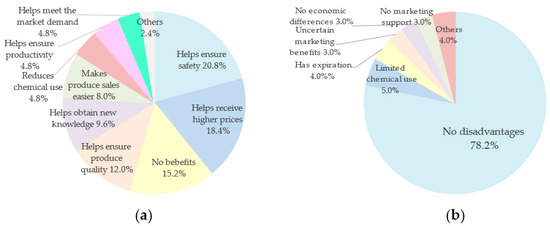
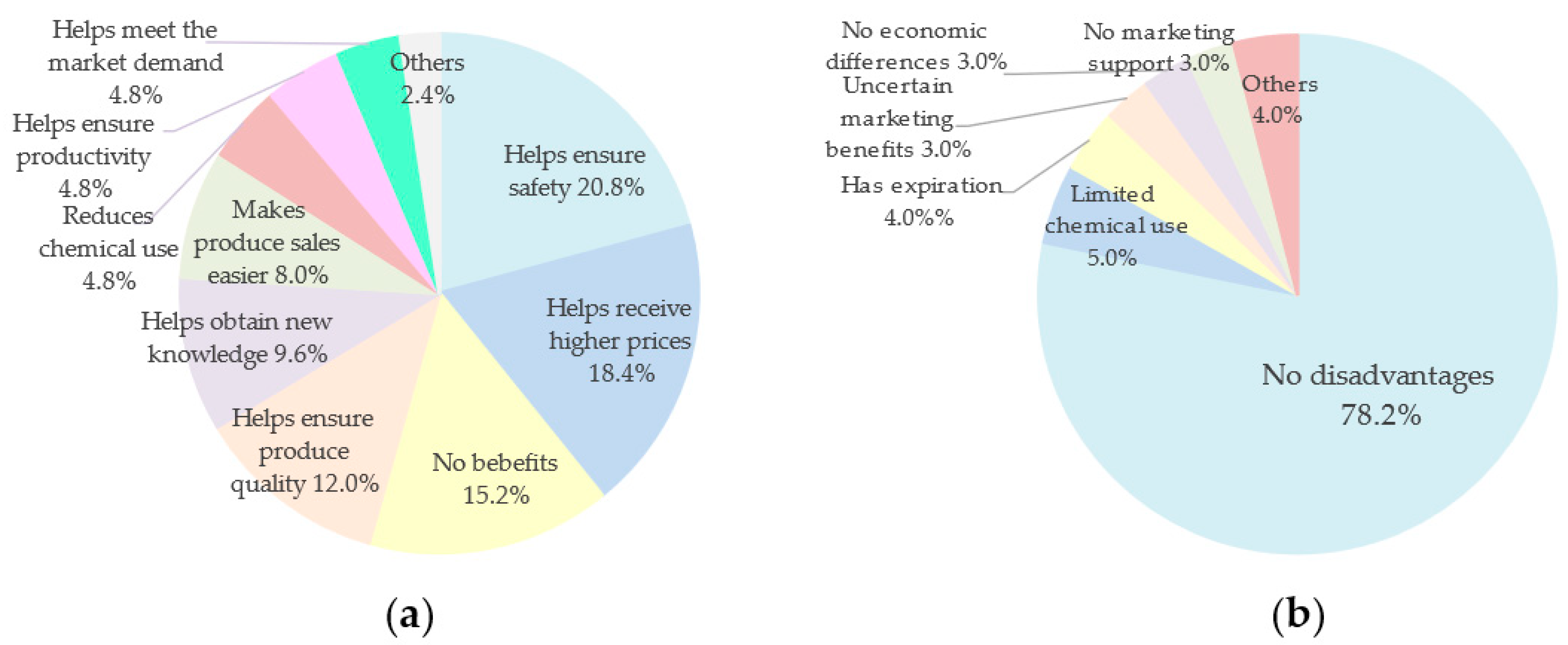
Regarding the benefits of acquiring a Q-GAP certification, the highest percentage was for “Helps ensure the safety of producers and consumers” (20.8%) (Figure 3). The benefits directly related to economic values were “Helps receive higher prices” (18.4%), “Helps ensure produce quality” (12.0%), “Makes produce sales easier” (8.0%), “Helps meet the market demand” (4.8%), and “Helps reduce cost” (in Others, 0.8%), accounting for a total of 43.2%. A total of 19 farmers answered “There are no benefits” (15.2%). Meanwhile, regarding the disadvantages of acquiring a Q-GAP certification, the majority of farmers answered “No disadvantages” (78.2%), followed by “Limited agrochemical use” (5%), “Has an expiration of certification” (4.0%), “Uncertain marketing benefits” (3.0%), “No economic differences from a lack of certification” (3.0%), and “No marketing support” (3.0%).
Figure 3.
Certified farmers’ views about the benefits and disadvantages of Q-GAP certification. (a) Benefits from Q-GAP certification (N = 100, C = 125); and (b) disadvantages of Q-GAP certification (N = 100, C = 101). N indicates the total number of farm samples, and C indicates the total number of counts.
Given the lack of observed significant differences in the chili pepper farm size, no significant differences in the annual chili pepper produce or yield were identified (Table 2). This lack of significance seems to be influenced by the extremely high standard deviations of the uncertified farms for annual produce and yield, given that their produce was over 39% and yield was nearly 76% higher than that of the certified farmers. Regarding the farmgate prices that the farmers received, the certified farmers had approximately 46%, 34%, and 25% higher lowest, average, and highest prices compared to their uncertified counterparts, with a significant difference (p < 0.01). However, these two types of farmers had no significant differences in their total chili pepper sales or chili pepper sales per hectare. These findings are consistent with our previous study on cabbage [23]. These similarities are understandable considering that both studies were conducted in the same province and both crops are oriented towards domestic markets. It is likely that the price differences between the two types of farmers for these crops may not be as significant as those observed for export-oriented crops.
Table 2.
Economic and marketing aspects of the respondent farmers.
It is noteworthy that the certified chili pepper farmers, with an average land size of 1 ha for chili pepper cultivation, generated more than twice the value of sales per ha compared to their total chili pepper sales. Similarly, the uncertified farmers, with an average land size of approximately 0.8 ha, generated a nearly 57% higher value of chili pepper sales per ha compared to their total sales. Moreover, the certified farmers achieved an annual yield approximately 19% higher than their annual produce, while the uncertified farmers achieved an annual yield of nearly 52% higher than their annual produce. These findings suggest that chili pepper farming is intensive and that smaller farms tend to have better yields and sales per unit of land than larger farms, resulting in significant gaps between the total and per unit values.
The export sales for both types of farmers were small, accounting for approximately 9.3% of the total chili pepper sales for the certified farmers and approximately 2.8% of those for the uncertified farmers, with no significant difference. Interestingly, some uncertified farmers managed to export their produce without Q-GAP certification, implying that they had bypassed the Thai government’s regulations for fresh produce exports.
3.3. Farmers’ Perceptions of GAP Policy and Pesticide Use
During the interviews, it was found that 97.0% of the certified farmers were able to associate the goal of the Q-GAP policy with food safety (Table 3). In contrast, only 40 out of the 229 uncertified farmers (17.5%) stated that they had prior knowledge of Q-GAP. Among these 40 farmers, 28 (70.0%) were able to relate the Q-GAP goal with food safety. This level of understanding among the uncertified farmers differed significantly from that of the certified farmers (p < 0.01). While 38.0% of the certified farmers could explain what IPM is, 24.5% of the uncertified farmers could, with a significant difference (p < 0.05). Both the certified and uncertified farmers expressed a high confidence in the health of users when pesticides are appropriately managed. However, no significant difference was found between the two groups regarding the three objects of pesticide use impact. This finding is in contrast to our previous study on cabbage, which showed that uncertified cabbage farmers had a significantly higher proportion considering the absence of harmful effects on users’ health, consumers’ health, and the environment in comparison to their certified counterparts [23]. Additionally, while 58.0% of the certified farmers reported receiving sufficient local government support for necessary technologies or services, only 14.8% of the uncertified farmers reported the same, indicating a significant difference (p < 0.01).
Table 3.
Respondent farmers’ perceptions of Q-GAP policy and pesticide use.
3.4. Farmers’ Training Experiences
The certified farmers had a 37.3% higher proportion of those who received government training on pesticide use compared to the uncertified farmers, with a significant difference (p < 0.01) (Table 4). Among those who underwent government training on pesticide use, there was no significant difference between the two types of farmers regarding the number of training days. The certified farmers had a 51.6% higher proportion of those who received government training on Q-GAP than their uncertified counterparts, with a significant difference (p < 0.01). Among those who had taken government training on Q-GAP, there was no significant difference between the two types of growers regarding the number of training days. The certified farmers had a 13.6% higher proportion of those who received government training on IPM compared to the uncertified farmers, with a significant difference (p < 0.05). Additionally, the certified farmers had a 19.9% higher proportion of those who received government training on the use of organic fertilizer compared to the uncertified farmers, with a significant difference (p < 0.01).
Table 4.
Training and processes for obtaining certification.
Taken together, a significantly higher proportion of the certified farmers received training for pesticide use, Q-GAP, IPM, and organic fertilizer use compared to the uncertified farmers. This advantage for the certified farmers appears to have influenced their adoption of Q-GAP, their superior understanding of the IPM concept and the rationale of the Q-GAP policy, as well as their higher satisfaction with the government support for agricultural technologies and practices compared to their uncertified counterparts.
3.5. Certified Farmers’ Experiences of Audit
The average number of times the certified farmers needed to undergo the DoA audits to obtain the latest Q-GAP certification for chili pepper was 1.25 times (Table 5). During a GAP audit, auditor DoA officers are not supposed to inform the certified farmers of the exact date of their visit to ensure surprise inspections. However, this approach inadvertently leads to inefficiencies in the auditing process, as there are instances where farmers are not available or present on their farms during the surprise visit. Consequently, 56% of the farmers surveyed received advance notice from the DoA regarding the schedule of their initial audit for the latest certification. Among the farmers who received advance notice, they were informed an average of 5.6 days before the audit date. On average, the first audit lasted approximately 43 min. As per the protocol, DoA auditors are required to verify the applicant farmers’ record-keeping practices by reviewing their documentation. However, it was found that 39% of the farmers obtained a Q-GAP certification without the auditors conducting any record-keeping checks. Additionally, auditors are responsible for randomly selecting chili pepper samples from farmers’ fields for a pesticide residue analysis to prevent farmers from selectively providing produce with low pesticide residue levels. Surprisingly, 71% of the certified farmers personally selected and provided chili pepper produce to the officers, which was significantly higher than the case of the cabbage farmers mentioned earlier, where only 9.8% did so [23].
Table 5.
Audit experiences of Q-GAP-certified farmers.
3.6. Synthetic Pesticide Use
A significantly smaller proportion of the certified farmers used insecticides compared to the uncertified farmers in the past year (p < 0.01), while no significant difference was found for their usage of fungicides or herbicides (Table 6) (see Table A1 in Appendix A for detailed information on the pesticides commonly used by the surveyed farmers). This finding differs from the case of the aforementioned study on cabbage, which revealed a significantly higher adoption of all three pesticide types by the uncertified farmers [23]. However, this study on chili pepper yielded similar results to the cabbage study regarding the significantly lower annua frequency of the use of the three kinds of pesticides among the certified farmers compared to the uncertified farmers, both including and excluding the farmers who did not use a particular type of pesticide. Based on the certified farmers’ self-estimation reports, they achieved an average reduction of 26.4% in the amount of insecticides sprayed, 18.8% in fungicides, and 16.4% in herbicides, following certification.
Table 6.
Synthetic pesticide use by respondent farmers.
3.7. Detected Pesticide Residue Levels
Among the 19 active chemical ingredients analyzed for the OP residues, the uncertified farms had residues detected for ten active chemical ingredients, whereas the certified farms had residues detected for only seven ingredients (Table 7). No residues of Dicrotophos, Pirimiphosmetyl, or Methidathion were found in the certified farms. It is noteworthy that the smaller sample size of the certified farmers could provide them with an advantage in this comparison. Among the detected ingredients, only Chlorpyrifos showed a significant difference in the mean amount of detected residues (p < 0.10), with the uncertified farmers having a significantly higher level compared to that of the certified farmers. Triazophos was detected in the highest proportion of both types of farms detected. However, the detection of Chlorpyrifos and Profenphos was significantly higher in the uncertified farms compared to their certified counterparts (p < 0.05 for Chlorpyrifos and p < 0.01 for Profenophos) (their p-values are not shown in the table). It is worth noting that none of the certified farms had residues exceeding the Codex MRL, whereas one uncertified farm (0.44% of 229 farms) was found to have Profenophos residue (not shown in the table).
Table 7.
Detected pesticide residue levels from the OP analysis.
Among the eight active chemical ingredients examined in the SP analysis, no residues of Fenpropathrin, Fenvalerate, Esfenvalerate, or Deltamethrin were detected in any of the uncertified farms (Table 8). However, there were significant differences in the amounts of detected residues for L-Cyhalothrin, Permethrin, and Cypermethrin, with the certified farms showing higher levels compared to those of the uncertified farms. Additionally, a significantly larger proportion of the certified farmers detected residue for these three active chemical ingredients compared to the uncertified farmers (p < 0.01) (their p-values are not shown in the table). Cypermethrin had the highest detection rate among the certified farms, while Cyfluthrin had the highest detection rate among the uncertified farms. Importantly, none of the certified farms had residues exceeding the Codex MRL, However, two uncertified farms (0.87% of 229 farms) were found to have Cypermethrin residue (not shown in the table).
Table 8.
Detected pesticide residue levels from the SP analysis.
3.8. Non-Synthetic Pest Management
A significantly higher proportion of the certified farmers were found to use at least one non-synthetic pest management method compared to the uncertified farmers (p < 0.01) (Table 9). Regarding the adoption of each method, among the eight methods used by at least one farmer in each farmer group, only bio-fungicide showed a significant difference in favor of the certified farmers over their uncertified counterparts (<0.01). The method used by the largest proportion of the farmers in both groups was mowing using a weed cutter. This finding is similar to that of the aforementioned cabbage study, although the latter found a significantly higher adoption of bio-fungicide by uncertified farmers and herbal insecticide by certified farmers [23].
Table 9.
Use of non-synthetic pest control methods.
3.9. Record-Keeping
Record-keeping practices were investigated among the farmers who adopted the particular pest control and fertilization method. Of the six items examined, the record-keeping for insecticide use, the use of non-synthetic pest management methods, and the use of fertilization methods other than chemical fertilizers showed significant differences in favor of the certified farmers over the uncertified farmers (Table 10). None of the farmers maintained record-keeping for fungicide or herbicide use. No significant difference was found in the record-keeping for the use of chemical fertilizers.
Table 10.
Record-keeping.
It is noteworthy that the certified farmers generally had low levels of record-keeping, particularly regarding the use of fungicides and herbicides. This finding aligns with the cabbage study mentioned earlier, which also identified a lack of record-keeping for these two types of pesticides. In the case of the certified chili pepper farmers, the record-keeping for insecticide use was as low as 20.0%, significantly lower than the 64.0% recorded for the certified cabbage farmers [23]. In stark contrast, more than 80% of certified mango growers in the Chiang Mai and Phitsanulok provinces, who focus on export-oriented crops, maintained records of their pesticide use, except for 69.8% of those in Chiang Mai province regarding herbicide use [30]. These findings suggest that, without intervention from exporters, certified farmers of crops aimed at domestic sales may not prioritize their record-keeping as strictly.
3.10. Factors Affecting the Adoption of Q-GAP
The likelihood ratio (LR) statistic indicated that the inclusion of independent variables improved the fit of the model. The LR chi-square value of 218.25 with a p-value of 0.0000 demonstrated that our model was statistically significant, indicating a significantly better fit compared to a model without any predictors.
The adoption of Q-GAP certification was positively influenced by several factors, including chili pepper sales/ha, received sufficient government support, training experience with pesticide use, training experience with Q-GAP, number of days of Q-GAP training, herbicide use, and the frequency of herbicide use (Table 11). Meanwhile, chili pepper yield and the frequency of insecticide use had a significantly negative effect on this adoption.
Table 11.
Factors affecting adoption of GAP certification standards (Probit regression).
It is important to note that increased training in pesticide use and Q-GAP significantly contributed to the adoption of Q-GAP certification among chili pepper farmers. As seen, this finding aligns with several previous studies. Additionally, herbicide use and its frequency positively influenced the adoption of the Q-GAP standard. Conversely, a higher frequency of insecticide use was associated with a lower Q-GAP adoption. This suggests that farmers increased their herbicide usage as they gained confidence in proper and safe herbicide application through Q-GAP adoption. In contrast, they reduced their reliance on insecticides by applying the knowledge acquired through Q-GAP to control insect pests.
3.11. Factors Affecting the Quantity of Pesticide Residue
Among the certified farmers, factors such as the received sufficient government support, herbicide use, and frequency of fungicide use were significantly associated with a higher quantity of pesticide residue detected in the OP analysis (Table 12). Conversely, the number of training days in pesticide use, fungicide use, and frequency of insecticide use had a significantly negative effect on the pesticide residue levels. For the uncertified farmers, education and training experience with organic fertilizer had a significant positive effect.
Table 12.
Influence of various factors on the quantity of detected pesticide residues from the OP analysis (Multiple linear regression).
Among the certified farmers, factors such as the total farm size, training experience with Q-GAP, and frequency of insecticide use had a significantly positive effect on the detection of pesticide residue in the SP analysis (Table 13). Conversely, insecticide use and the frequency of herbicide use had a significantly negative effect. For the uncertified farmers, training experience with organic fertilizer, insecticide use, and the frequency of herbicide use had a significantly positive effect. The perception of no harm to producer health and fungicide use had a significantly negative effect.
Table 13.
Influence of various factors on the quantity of detected pesticide residues from the SP analysis (Multiple linear regression).
The MLR results for the certified farmers yielded mixed and contradictory findings. In the OP analysis, an increase in the training days for pesticide use was associated with a decrease in the amount of pesticide residue detected. Conversely, in the SP analysis, as more farmers receive Q-GAP training, pesticide residue levels increase. Furthermore, in both the OP and SP analyses, several variables associated with pesticide use showed unexpected inverse relationships with the detected residue levels. Normally, a higher pesticide adoption or frequency of usage would result in higher residue levels. Therefore, it is unclear why certain factors led to a decrease in residue levels despite an increased pesticide usage.
4. Conclusions
We have assessed the implementation of Thailand’s public GAP certification standard (Q-GAP) based on field surveys, pesticide residue analyses, and statistical processing. The following conclusions can be drawn from this study regarding the understanding of the ASEAN public GAP literature and its associated policy implications:
- The integrated, multi-dimensional approach used in this study provides valuable and enlightening methodological contributions to food safety research in general, and specifically to the ASEAN public GAP scholarship.
- In domestic-marketing-oriented chili pepper production, safety assurance was not a key motivation for certified growers to participate in Q-GAP. Meeting market requirements was the primary motivation for these chili pepper growers. DoA extension officers should consider this when promoting Q-GAP to chili pepper farmers.
- The certified chili pepper farmers had a significantly lower adoption of insecticides compared to uncertified farmers, but there were no significant differences in fungicide or herbicide adoption. The certified chili pepper farmers had fewer annual pesticide sprayings for all three types of pesticides than their uncertified counterparts. However, the pesticide residue analysis results were mixed, making it difficult to conclude whether the certified farmers had superior control over pesticide residues than the uncertified farmers.
- The probit regression analysis revealed the critical importance of training for Q-GAP adoption, which is consistent with the finding that the uncertified farmers did not apply for Q-GAP due to a lack of knowledge about GAP. However, the MLR results for the certified farmers, regarding the factors affecting the quantity of the detected residues, were mixed for training and contradictory for pesticide use. Further studies are needed to understand these results.
A limitation of the research is noted. In collecting the information about the farmers’ pesticide use and record-keeping, only farmers’ oral self-reports in the interviews were collected, without any reference to their record-keeping notebooks.
Author Contributions
Conceptualization, Y.A.; methodology, Y.A., S.H. and G.G.G.; validation, Y.A. and G.G.G.; formal analysis, Y.A., S.H. and G.G.G.; investigation, N.S.; data curation, Y.A. and N.S.; writing, Y.A.; S.H. and G.G.G.; visualization, Y.A.; supervision, Y.A. and S.H.; project administration, Y.A. and S.H.; and funding acquisition, Y.A. All authors have read and agreed to the published version of the manuscript.
Funding
This research was conducted with financial support from the Japan Society for the Promotion of Science (project number: 18H02292).
Institutional Review Board Statement
This study was conducted in accordance with the principles of the Declaration of Helsinki. Approval was obtained from the Japan Society for the Promotion of Science regarding the study’s “Human Rights Protection and Legal Compliance”.
Data Availability Statement
The data presented in this study are available upon request from the corresponding author.
Acknowledgments
The authors wish to convey their gratitude to all the officers at the DoA Chiang Mai office and the offices of the DoAE and the HRDI in Chiang Mai province for their kind support of the research team’s entry to the research site. The authors would also like to extend their appreciation to all the participating chili pepper farmers for their cooperation in granting interviews. Additionally, the authors thank Chiang Mai University for allowing them to use university facilities for the pesticide residue analyses. The authors also greatly appreciate Kim Yeonwoo for her meticulous assistance in data curation. Furthermore, the authors are sincerely grateful to the two anonymous reviewers for their useful feedback.
Conflicts of Interest
The authors declare no conflict of interest.
Appendix A
Appendix A.1. Certification Procedure of Q-GAP Standard (TAS 9001–2013)
TAS 9001–2013 certification entails a three-year period. To obtain certification, the applicant farmer’s farming systems and practices are audited by DoA auditors, which typically occurs one to three times within the application year. Crop and soil samples are collected from the applicant’s farm for laboratory testing of pesticide residues. If excessive residues are detected, the applicant will not pass the certification. If the threshold values are exceeded in all three audits, the farmer will be unable to reapply for one year. As a certification approaches expiration, the farmer must apply for a new certification 120 days prior to the previous certification’s date of expiration to maintain their certified status [9].
Appendix A.2. Agronomic Features of Chili Pepper
Chili pepper is an important spice in Thai cooking. It is also a high-value crop grown by small-scale farmers as their vital income source in Thailand [5,32]. In 2021, chili peppers were cultivated on 133,848 ha of land with a production of 251,665 tons nationwide and 10,973 ha with 7995 tons in Chiang Mai province [38]. Chili pepper is susceptible to several pests. Herbivorous insects use chili pepper plants as their hosts in one or more phases of their life cycles. For instance, Thrips suck the liquid out of chili pepper plants, causing shrinkage of the leaves; the larvae of Spodoptera litura feed on the leaves and fruits of chili pepper plants; and the larvae of female fruit flies (Bactrocera dorsalis) eat the fruits [39]. Anthracnose is the most critical disease for chili pepper caused by the fungus Colletotrichum spp., which inhabits the soil in its natural state. Its infection of chili pepper plants creates chili fruits with sunken necrotic tissues. It can expose the fruit to secondary infections by other fungal pathogens such as Aspergillus flavus. Thereby, aflatoxins may be produced to cause serious harm to human health [40]. Chili pepper farmers in Thailand rely on pesticides to control these pests, but they tend to be overused [32]. Thai chili peppers have a record of import bans by European countries due to their detected pesticide residues [16]. The indiscriminate use of pesticides can also be a risk factor for the health of farmer households and the local ecosystem [41]. It is, therefore, critical to assess the ability of the Q-GAP program to help chili pepper farmers minimize their pesticide overuse and misuse based on an integrated agronomic approach.
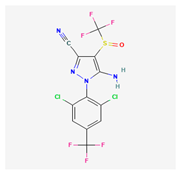
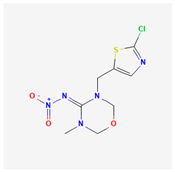
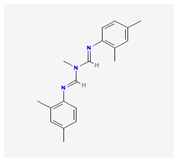
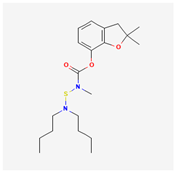
Table A1.
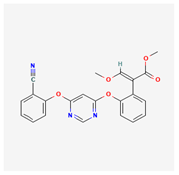
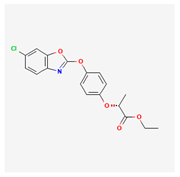
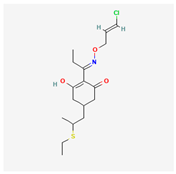
The pesticides commonly used by the chili pepper farmers surveyed.





References
- Laosutsana, P.; Shivakotib, G.P.; Soni, P. Comparative advantage and export potential of Thai vegetable products following the integration into the ASEAN Economic Community. Int. Food Agribus. Manag. Rev. 2017, 20, 575–590. [Google Scholar] [CrossRef] [Scilit]
- Ishikawa, K. The ASEAN Economic Community and ASEAN economic integration. J. Contemp. East Asia Stud. 2021, 10, 24–41. [Google Scholar] [CrossRef] [Scilit]
- Fintrac Inc. Study on Mutual Recognition Models for the ASEAN Agricultural Best Practices: Final Report. 2017. Available online: http://aadcp2.org/wp-content/uploads/Study-on-Mutual-Recognition-Models_FINAL-REPORT_REVISED_4-25-178767.pdf (accessed on 21 February 2023).
- FAO. Development of Standards for Scheme for Good Agricultural Practices (GAP) Implementation and Certification Based on ASEANGAP. 2020. Available online: https://www.fao.org/3/cb1303en/CB1303EN.pdf (accessed on 19 February 2023).
- Krasachat, W. The effect of good agricultural practices on the technical efficiency of chili production in Thailand. Sustainability 2023, 15, 866. [Google Scholar] [CrossRef] [Scilit]
- Sareen, S. Implementing ASEANGAP in the Fruit and Vegetable Sector: Its Certification and Accreditation. 2014. Available online: https://www.fao.org/3/i3576e/i3576e.pdf (accessed on 21 February 2023).
- Premier, R.; Ledger, S. Good Agricultural Practices in Australia and Southeast Asia. 2006. Available online: https://journals.ashs.org/horttech/view/journals/horttech/16/4/article-p552.xml (accessed on 19 February 2023).
- Australian Aid. Moving towards Global Recognition of Quality Assurance Systems for ASEAN Fruits and Vegetables. Available online: http://aadcp2.org/wp-content/uploads/ASEAN-GAP-PB-mgm_final.pdf (accessed on 19 February 2023).
- Amekawa, Y.; Bumrungsri, S.; Wayo, K.; Gebre, G.G.; Hongsibsong, S. Pesticide Use under Public Good Agricultural Practices Standard: A Comparative Study in Thailand. Agriculture 2022, 12, 606. [Google Scholar] [CrossRef] [Scilit]
- Department of Agriculture, Thailand. GAP DoA Online. 2023. Available online: http://gap.doa.go.th (accessed on 26 March 2023).
- GlobalG.A.P. History. 2020. Available online: https://www.globalgap.org/uk_en/who-we-are/about-us/history/ (accessed on 20 November 2020).
- GlobalG.A.P. In Europe: Facts and Figures. 2019. Available online: https://www.globalgap.org/uk_en/media-events/news/articles/GLOBALG.A.P.-in-Europe-Facts-and-Figures/ (accessed on 20 November 2020).
- Amekawa, Y.; Chuan, N.C.; Lumayag, L.A.; Tan, G.H.; Wong, C.S.; Abdulra’uf, L.B.; Tan, H.B.; Tai, W.X.; Tan, S.M.; Liu, C.H. Producers’ perceptions of public good agricultural practices and their pesticide use: The case of MyGAP for durian farming in Pahang, Malaysia. Asian J. Agric. Rural Dev. 2017, 7, 1–16. [Google Scholar] [CrossRef] [Scilit]
- Van Bac, H.O.; Nanseki, T.; Chomei, Y. Impact of VietGAP tea production on farmers’ income in Northern Vietnam. Agric. Manag. Res. 2017, 56, 100–105. [Google Scholar]
- Krause, H.; Lippe, R.S.; Grote, U. Adoption and income effects of public GAP standards: Evidence from the horticultural sector in Thailand. Horticulturae 2016, 2, 18. [Google Scholar] [CrossRef] [Scilit]
- Laosutsan, P.; Shivakot, G.P.; Soni, P. Factors influencing the adoption of good agricultural practices and export decision of Thailand’s vegetable farmers. Int. J. Commons 2019, 13, 867–880. [Google Scholar] [CrossRef] [Scilit]
- Loan, L.T.T.; Pabuayon, I.M.; Catelo, S.P.; Sumalde, Z.M. Adoption of good agricultural practices (VietGAP) in the lychee Indistry in Vietnam. Asian J. Agric. Ext. Econ. Sociol. 2016, 8, 1–12. [Google Scholar]
- Pongvinyoo, P.; Yamao, M.; Hosono, K. Cost efficiency of Thai national GAP (QGAP) and mangosteen farmers’ understanding in Chanthaburi Province. Am. J. Rural Dev. 2015, 3, 15–23. [Google Scholar] [CrossRef] [Scilit]
- Mankeb, P.; Limunggura, T.; In-Go, A.; Chulilung, P. Adoption of Good Agricultural Practices by durian farmers in Koh Samui district, Surat Thani Province, Thailand. Soc. Soc. Manag. Sys. Internet J. 2014, 9, 1–6. [Google Scholar]
- Nicetic, O.; van de Fliert, E.; Van Chien, H.; Mai, V.; Cuong, L. Good Agricultural Practice (GAP) as a Vehicle for Transformation to Sustainable Citrus Production in the Mekong Delta of Vietnam. In Proceedings of the 9th European IFSA Symposium, Vienna, Austria, 4–7 July 2010; Available online: http://ifsa.boku.ac.at/cms/fileadmin/Proceeding2010/2010_WS4.4_Nicetic.pdf (accessed on 30 March 2015).
- Suwanmaneepong, S.; Kullachai, P.; Fakkhong, S. An investigation of factors influencing the implementation of GAP among fruit farmers in Rayong Province, Thailand. Int. J. Agric. Technol. 2016, 12, 1745–1757. [Google Scholar]
- Hoang, G.H. Adoption of good agricultural practices by cattle farmers in the Binh Dinh Province of Vietnam. J. Agric. Ext. 2020, 24, 151–160. [Google Scholar] [CrossRef] [Scilit]
- Amekawa, Y.; Hongsibsong, S.; Sawarng, N.; Yadoung, S.; Gebre, G.G. Producers’ perceptions of public GAP standard and their pesticide use: The case of cabbage farming in Chiang Mai Province, Thailand. Sustainability 2021, 13, 6333. [Google Scholar] [CrossRef] [Scilit]
- Maw, T.; Leshan, J.; Aung, H.P. Assessing the adoption of good agricultural practices in muskmelon production in Chaung Oo Township, Myanmar. Asian J. Agric. Ext. Econ. Sociol. 2023, 41, 124–133. [Google Scholar] [CrossRef] [Scilit]
- Tinh, L.; Hung, P.T.M.; Dzung, D.G.; Trinh, V.H.D. Determinants of farmers’ intension of applying new technology in production: The case of VietGAP standard adoption in Vietnam. Asian J. Agric. Rural Dev. 2019, 9, 164–178. [Google Scholar] [CrossRef] [Scilit]
- Banzon, A.; Mojica, L.E.; Cielo, A.A. Adoption of Good Agricultural Practices (GAP): How does the Philippines fare? J. Interdiscip. Netw. 2013, 2, 2–8. [Google Scholar]
- Amekawa, Y. Can a public GAP approach ensure safety and fairness? A comparative study of Q-GAP in Thailand. J. Peasant Stud. 2013, 41, 189–217. [Google Scholar] [CrossRef] [Scilit]
- Schreinemachers, P.; Schad, I.; Tipraqsa, P.; Williams, P.M.; Neef, A.; Riwthong, S.; Sangchan, W.; Grovermann, C. Can public GAP standards reduce agricultural pesticide use? The case of fruit and vegetable farming in northern Thailand. Agric. Hum. Values 2012, 29, 519–529. [Google Scholar] [CrossRef] [Scilit]
- Srisopaporn, S.; Jourdain, D.; Perret, S.R.; Shivakoti, G. Adoption and continued participation in a public Good Agricultural Practices program: The case of rice farmers in the Central Plains of Thailand. Technol. Forecast. Soc. 2015, 96, 242–253. [Google Scholar] [CrossRef] [Scilit]
- Amekawa, Y.; Tiyayon, C.; Treewannakul, P.; Sawarng, N. Mango growers’ compliance with public good agricultural practices standard: A comparative study in Northern Thailand. Asian J. Agric. Rural Dev. 2022, 12, 260–270. [Google Scholar] [CrossRef] [Scilit]
- Chau, T.H.B. Propensity score matching method to estimate impact of VietGAP program on health of farmers in Thua Thien Hue Province. Vietnam. Hue Univ. J. Sci. 2017, 126, 17–31. [Google Scholar]
- Athipanyakul, T.; Pak-Uthai, W. Determinants of good agricultural practices (GAP) adoption in the chili production system in Northeastern Thailand: A case of participatory approach. Int. J. Environ. Rural Dev. 2012, 3, 175–180. [Google Scholar]
- Codex Alimentarius. Codex Pesticide Residues in Food Online Database. 2017. Available online: https://www.fao.org/fao-who-codexalimentarius/codex-texts/dbs/pestres/en/ (accessed on 27 March 2023).
- Sapbamrer, R.; Hongsibsong, S. Organophosphorus pesticide residues in vegetables from farms, markets, and a supermarket around kwan phayao lake of northern Thailand. Arch. Environ. Contam. Toxicol. 2014, 67, 60–67. [Google Scholar] [CrossRef] [Scilit] [PubMed]
- AOAC. Official Methods of Analysis of AOAC International, 19th ed.; AOAC International: Gaithersburg, MD, USA, 2012. [Google Scholar]
- Wooldridge, J.M. Introductory Econometrics: A Modern Approach, 5th ed.; Southwestern Publishing House: Nashville, TN, USA, 2012. [Google Scholar]
- Pakvilai, N.; Prapamontol, T.; Thavornyutikam, P.; Mangklabruks, A.; Chantara, S.; Hongsibsong, S.; Santasup, C. A simple and sensitive GC-ECD method for detecting synthetic pyrethroid insecticide residues in vegetable and fruit samples. Chiang Mai J. Sci. 2015, 42, 196–207. [Google Scholar]
- Department of Agricultural Extension. Agricultural Production Information Service System. 2023. Available online: https://production.doae.go.th/service/site/login (accessed on 24 March 2023).
- Kirana, R.; Anwariudin, M.J.; Setiawati, W. The diversity of chili pepper volatile compounds and its relationship to insect pests. IOP Conf. Ser. Earth Environ. Sci. 2021, 948, 12042. [Google Scholar] [CrossRef] [Scilit]
- Islam, A.H.M.S.; Schreinmachers, P.; Kumar, S. Farmers’ knowledge, perceptions and management of chili pepper anthracnose disease in Bangladesh. Crop. Prot. 2020, 133, 105139. [Google Scholar] [CrossRef] [Scilit]
- Laohaudomchoka, W.; Nankongnaba, N.; Siriruttanaprukb, S.; Klaimalac, P.; Lianchamroond, W.; Ousape, P.; Jatiketf, M.; Kajitvichyanukulg, P.; Kitanah, N.; Siriwongi, W.; et al. Pesticide use in Thailand: Current situation, health risks, and gaps in research and policy. Hum. Ecol. Risk. Assess. 2021, 27, 1147–1169. [Google Scholar] [CrossRef] [Scilit]
- National Library of Medicine. Explore Chemistry: Quickly Find Chemical Information from Authoritative Sources. 2023. Available online: https://pubchem.ncbi.nlm.nih.gov (accessed on 17 May 2023).

Disclaimer/Publisher’s Note: The statements, opinions and data contained in all publications are solely those of the individual author(s) and contributor(s) and not of MDPI and/or the editor(s). MDPI and/or the editor(s) disclaim responsibility for any injury to people or property resulting from any ideas, methods, instructions or products referred to in the content. |
© 2023 by the authors. Licensee MDPI, Basel, Switzerland. This article is an open access article distributed under the terms and conditions of the Creative Commons Attribution (CC BY) license (https://creativecommons.org/licenses/by/4.0/).