Cutaneous Tuberculosis in the Modern Era: A Case of Lupus Vulgaris with Surgical Management and a Review of Clinical Spectrum, Diagnostic Challenges, and Malignant Potential

 ,
, 
Abstract
1. Introduction
2. Clinical Spectrum of CTB
2.1. Lupus Vulgaris
2.2. Scrofuloderma
2.3. Tuberculosis Verrucosa Cutis
2.4. Tuberculous Chancre
2.5. Tuberculosis Orificialis
2.6. Tuberculous Gumma and Miliary Cutaneous Tuberculosis
2.7. Tuberculids
- Papulonecrotic tuberculid manifests as symmetrical, necrotic papules on the extensor surfaces of the limbs and trunk, often healing with varioliform scars. Histology reveals leukocytoclastic vasculitis with fibrinoid necrosis and rare granulomas; acid-fast bacilli are absent [22].
- Lichen scrofulosorum presents as tiny, perifollicular papules arranged in clusters, primarily in children and young adults. It is associated with underlying lymph node or bone tuberculosis [23].
- Erythema induratum of Bazin is a nodular, often ulcerative panniculitis seen predominantly in women, affecting the posterior legs. Histopathology demonstrates lobular panniculitis with granulomatous vasculitis [24].
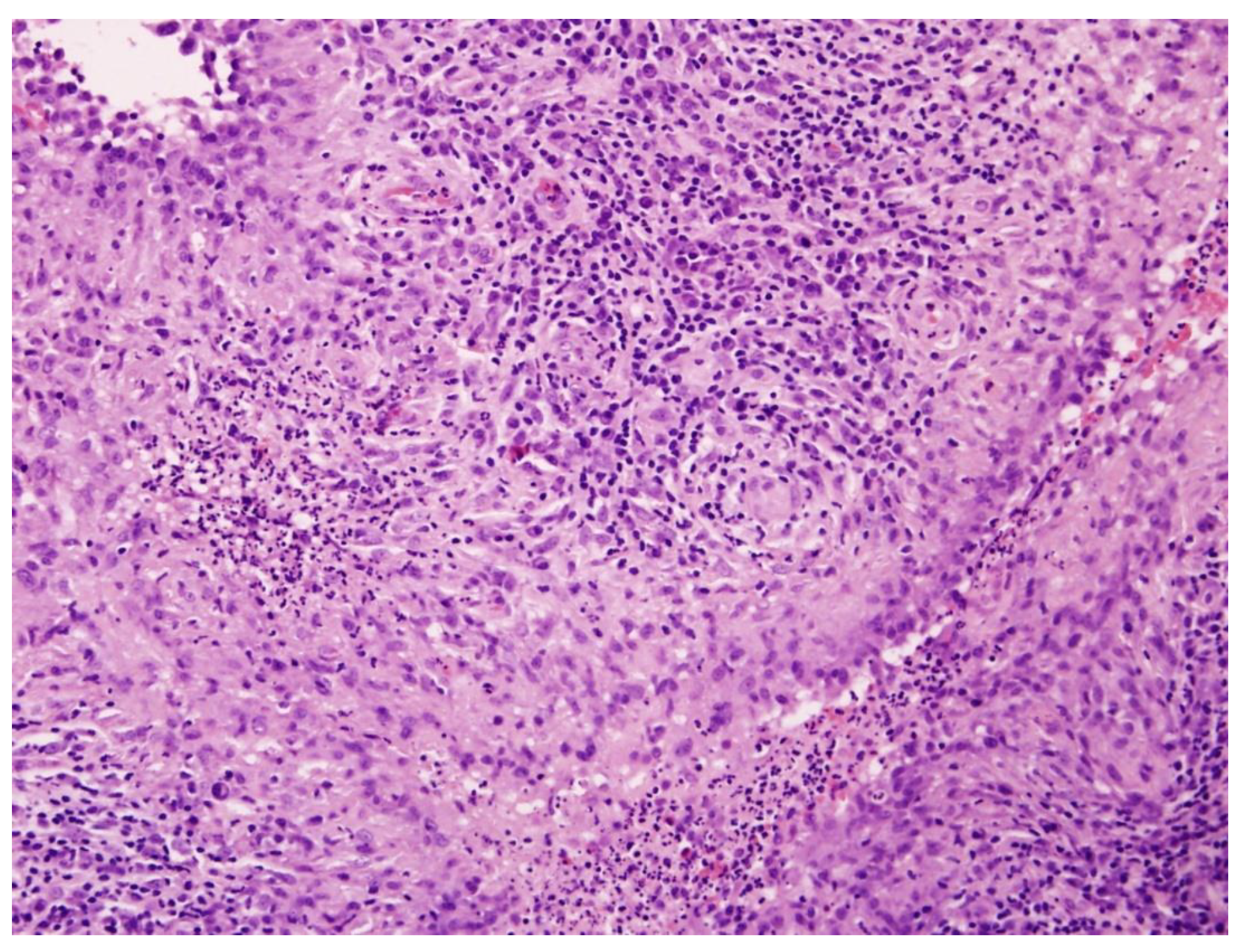
2.8. Pathological Hallmarks and Diagnostic Considerations
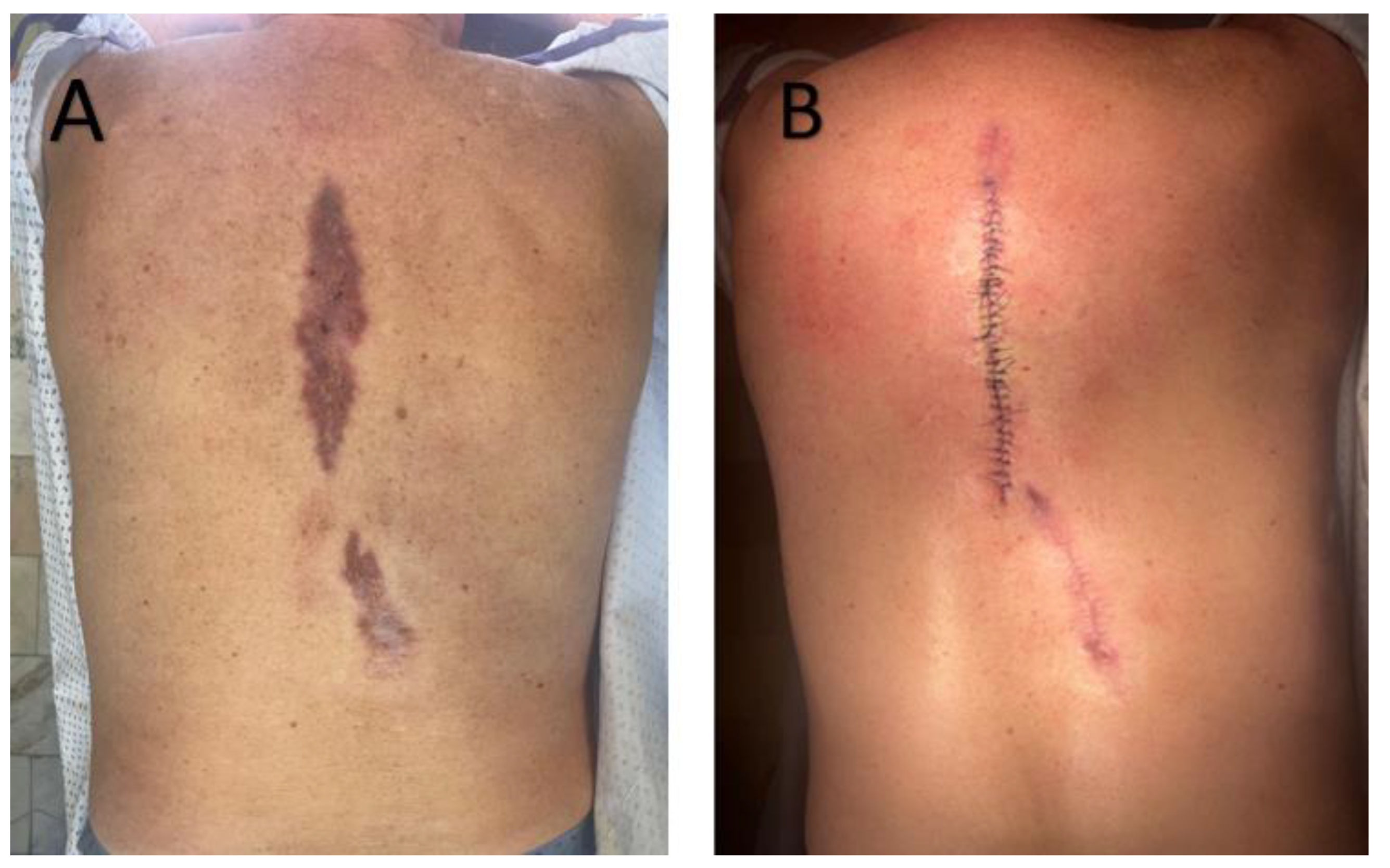
3. Case Presentation
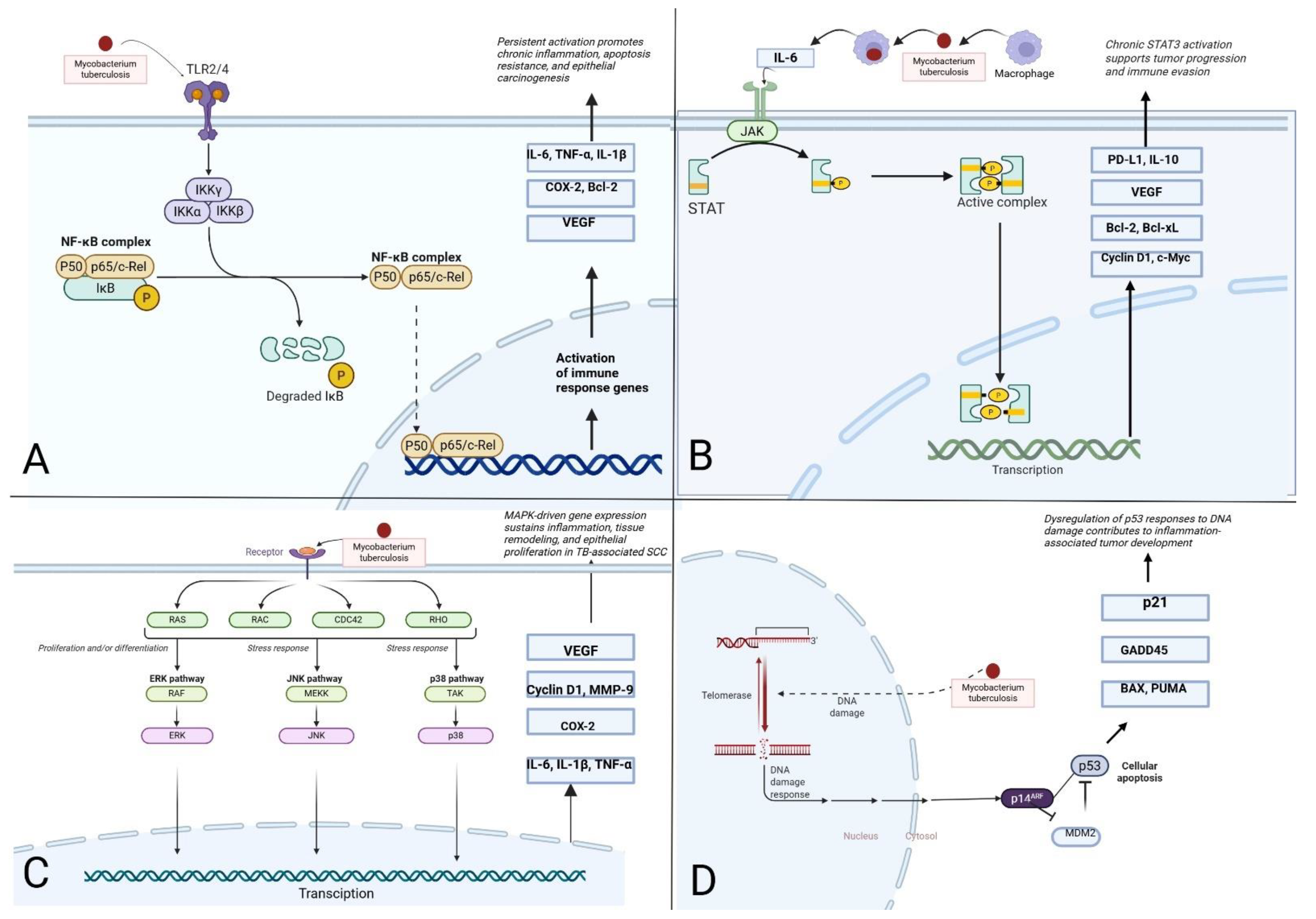
4. Discussion
Author Contributions
Funding
Institutional Review Board Statement
Informed Consent Statement
Data Availability Statement
Conflicts of Interest
References
- WHO. Tuberculosis Resurges as Top Infectious Disease Killer; WHO: Geneva, Switzerland, 2024. [Google Scholar]
- WHO. 2024 Global Tuberculosis Report; WHO: Geneva, Switzerland, 2024. [Google Scholar]
- Sharma, S.K.; Mohan, A. Extrapulmonary tuberculosis. Indian J. Med. Res. 2004, 120, 316. [Google Scholar]
- de Brito, A.C.; de Oliveira, C.M.M.; Unger, D.A.A.; de Bittencourt, M.J.S. Cutaneous tuberculosis: Epidemiological, clinical, diagnostic and therapeutic update. An. Bras. Dermatol. 2022, 97, 129–144. [Google Scholar] [CrossRef]
- Chlebicka, I.; Stefaniak, A.; Woźniak, Z.; Szepietowski, J.C. Non-healing erythematous, ulcerated lesion on the hand: A quiz. Acta Derm.-Venereol. 2019, 99, 839–840. [Google Scholar] [CrossRef] [PubMed]
- Bravo, F.G.; Gotuzzo, E. Cutaneous tuberculosis. Clin. Dermatol. 2007, 25, 173–180. [Google Scholar] [CrossRef]
- Zhang, J.; Fan, Y.K.; Wang, P.; Chen, Q.Q.; Wang, G.; Xu, A.E.; Hao, F. Cutaneous tuberculosis in China—A multicentre retrospective study of cases diagnosed between 1957 and 2013. J. Eur. Acad. Dermatol. Venereol. 2018, 32, 632–638. [Google Scholar] [CrossRef] [PubMed]
- Supekar, B.B.; Wankhade, V.H.; Singh, R.P.; Ghanate, T.D.; Bhat, D. Clinical Spectrum of Cutaneous Tuberculosis in Central India: A Retrospective Study. Indian Dermatol. Online J. 2021, 12, 826–833. [Google Scholar] [CrossRef] [PubMed]
- Couppoussamy, K.I.; Shanmugam, S.; Devanda, R.; Murugan, R. Lupus vulgaris: A narrative review. Int. J. Dermatol. 2024, 63, 431–437. [Google Scholar] [CrossRef]
- Nguyen, K.H.; Alcantara, C.A.; Glassman, I.; May, N.; Mundra, A.; Mukundan, A.; Urness, B.; Yoon, S.; Sakaki, R.; Dayal, S.; et al. Cutaneous Manifestations of Mycobacterium tuberculosis: A Literature Review. Pathogens 2023, 12, 920. [Google Scholar] [CrossRef]
- Bayramgürler, D.; Sayan, M.; Aktürk, A.Ş.; Bilen, N.; Aslan, N.; Turan, D. Disseminated lupus vulgaris presenting with different atypical lesions. J. Dermatol. 2007, 34, 849–851. [Google Scholar] [CrossRef]
- Umapathy, K.C.; Begum, R.; Ravichandran, G.; Rahman, F.; Paramasivan, C.N.; Ramanathan, V.D. Comprehensive findings on clinical, bacteriological, histopathological and therapeutic aspects of cutaneous tuberculosis. Trop. Med. Int. Health 2006, 11, 1521–1528. [Google Scholar] [CrossRef]
- Marcoval, J.; Alcaide, F. Evolution of cutaneous tuberculosis over the past 30 years in a tertiary hospital on the European Mediterranean coast. Clin. Exp. Dermatol. 2013, 38, 131–136. [Google Scholar] [CrossRef]
- Kaul, S.; Kaur, I.; Mehta, S.; Singal, A. Cutaneous tuberculosis. Part I: Pathogenesis, classification, and clinical features. J. Am. Acad. Dermatol. 2023, 89, 1091–1103. [Google Scholar] [CrossRef]
- Sethi, A.; Ataglance, A. Chapter 157: Tuberculosis and Infections with Atypical Mycobacteria. In Fitzpatrick’s Dermatology; Mcgram Hill Accress: New York, NY, USA, 2019. [Google Scholar]
- Wang, J.; Liu, J. Tuberculosis Verrucosa Cutis. N. Engl. J. Med. 2024, 390, e58. [Google Scholar] [CrossRef]
- Padmavathy, L.; Lakshmana Rao, L.; Pari, T.; Ethirajan, N.; Krishnaswamy, B. Lupus vulgaris and tuberculosis verrucosa cutis (TBVC)—A clinical, pathological and epidemiological study of 71 cases. Indian J. Tuberc. 2008, 55, 203–209. [Google Scholar]
- dos Santos, J.B.; Figueiredo, A.R.; Ferraz, C.E.; de Oliveira, M.H.; da Silva, P.G.; de Medeiros, V.L.S. Cutaneous tuberculosis: Epidemiologic, etiopathogenic and clinical aspects—Part I. An. Bras. Dermatol. 2014, 89, 219–228. [Google Scholar]
- Fantoni, O.J.J.; Aryani, I.A.; Kurniawati, Y.; Pamudji, R. Histopathological Features of Cutaneous Tuberculoid Granuloma Disorders. Biosci. Med. J. Biomed. Transl. Res. 2021, 5, 825–836. [Google Scholar]
- Chauhan, V.; Mahesh, D.M.; Panda, P.; Mahajan, S.; Thakur, S. Tuberculosis cutis orificialis (TBCO): A rare manifestation of tuberculosis. J. Assoc. Physicians India 2012, 60, 126–127. [Google Scholar] [PubMed]
- dos Santos, J.B.; Ferraz, C.E.; da Silva, P.G.; Figueiredo, A.R.; de Oliveira, M.H.; de Medeiros, V.L.S. Cutaneous tuberculosis: Diagnosis, histopathology and treatment—Part II. An. Bras. Dermatol. 2014, 89, 545–555. [Google Scholar] [CrossRef]
- Tirumalae, R.; Yeliur, I.K.; Antony, M.; George, G.; Kenneth, J. Papulonecrotic tuberculid-clinicopathologic and molecular features of 12 Indian patients. Dermatol. Pract. Concept. 2014, 4, 2. [Google Scholar] [CrossRef] [PubMed]
- Singal, A.; Kaur, I.; Pandhi, D.; Gandhi, V.; Jakhar, D.; Grover, C. Clinico-epidemiological profile of lichen scrofulosorum: A 22-year, single-center, retrospective study. Int. J. Dermatol. 2021, 60, 1278–1284. [Google Scholar] [CrossRef] [PubMed]
- Mascaró, J.M.; Baselga, E. Erythema Induratum of Bazin. Dermatol. Clin. 2008, 26, 439–445. [Google Scholar] [CrossRef]
- Kensler, T.W.; Egner, P.A.; Taffe, B.G.; Trush, M.A. Role of free radicals in tumor promotion and progression. Prog. Clin. Biol. Res. 1989, 298, 143–152. [Google Scholar]
- Miyake, T.; Uhara, H.; Ishii, N.; Okuyama, R. Squamous cell carcinoma arising from lupus vulgaris with a >60-year history. Int. Cancer Conf. J. 2017, 6, 135–137. [Google Scholar] [CrossRef] [PubMed]
- Yerushalmi, J.; Grunwald, M.H.; Halevy, D.H.; Avinoach, I.; Halevy, S. Lupus vulgaris complicated by metastatic squamous cell carcinoma. Int. J. Dermatol. 1998, 37, 99–102. [Google Scholar] [CrossRef] [PubMed]
- Gooptu, C.; Marks, N.; Thomas, J.; James, M.P. Squamous cell carcinoma associated with lupus vulgaris. Clin. Exp. Dermatol. 1998, 23, 99–102. [Google Scholar] [CrossRef] [PubMed]
- Pǎtraşcu, V.; Georgescu, C.V.; Tǎnase, L.E.; Mogoantǎ, S.S. Metastasized squamous cell carcinoma developed on lupus vulgaris. Rom. J. Morphol. Embryol. 2008, 49, 91–96. [Google Scholar]
- Zawirska, A.; Adamski, Z.; Stawicka, E.; Schwartz, R.A. Cutaneous squamous cell carcinoma developing in lupus vulgaris exfoliativus persistent for 40 years. Int. J. Dermatol. 2009, 48, 125–127. [Google Scholar] [CrossRef]
- Wulff-Woesten, A.; Hildebrandt, U.; Leverkus, M.; Ulrich, J. Rapidly metastatic carcinoma in lupo in a patient with lupus vulgaris for more than 50 years. JDDG J. Ger. Soc. Dermatol. 2010, 8, 529–531. [Google Scholar] [CrossRef]
- Erdem, T.; Aliaǧaoǧlu, C.; Yildirim, M. Boyunda lupus vulgaristen gelişen skuamoz hücreli karsinom. Duzce Med. J. 2011, 13, 45–47. [Google Scholar]
- Kumaran, M.; Narang, T.; Jitendriya, M.; Tirumale, R.; Manjunath, S.; Savio, J. Cutaneous squamous cell carcinoma in lupus vulgaris caused by drug resistant Mycobacterium tuberculosis. Indian Dermatol. Online J. 2017, 8, 257–260. [Google Scholar] [CrossRef]
- Lin, L.; Huang, Z.; Xi, B.; Qin, X.; Yang, K.; Zhang, R. Surgical Excision Combined with Photodynamic Therapy for Squamous Cell Carcinoma Arising in Lupus Vulgaris. Clin. Cosmet. Investig. Dermatol. 2024, 17, 1757–1762. [Google Scholar] [CrossRef]
- Kanitakis, J.; Audeffray, D.; Claudy, A. Squamous cell carcinoma of the skin complicating lupus vulgaris. J. Eur. Acad. Dermatol. Venereol. 2006, 20, 114–116. [Google Scholar]
- Ziegler, A.; Jonason, A.S.; Leffellt, D.J.; Simon, J.A.; Sharma, H.W.; Kimmelman, J.; Remington, L.; Jacks, T.; Brash, D.E. Sunburn and p53 in the onset of skin cancer. Nature 1994, 372, 773–776. [Google Scholar] [CrossRef] [PubMed]
- Liu, C.H.; Liu, H.; Ge, B. Innate immunity in tuberculosis: Host defense vs pathogen evasion. Cell. Mol. Immunol. 2017, 14, 963–975. [Google Scholar] [CrossRef]
- Sharma, N.; Shariq, M.; Quadir, N.; Singh, J.; Sheikh, J.A.; Hasnain, S.E.; Ehtesham, N.Z. Mycobacterium tuberculosis Protein PE6 (Rv0335c), a Novel TLR4 Agonist, Evokes an Inflammatory Response and Modulates the Cell Death Pathways in Macrophages to Enhance Intracellular Survival. Front. Immunol. 2021, 12, 696491. [Google Scholar] [CrossRef]
- Wang, K.; Karin, M. Tumor-Elicited Inflammation and Colorectal Cancer. In Advances in Cancer Research; Elsevier: Amsterdam, The Netherlands, 2015. [Google Scholar]
- Neumann, J.; Schaale, K.; Farhat, K.; Endermann, T.; Ulmer, A.J.; Ehlers, S.; Reiling, N. Frizzled1 is a marker of inflammatory macrophages, and its ligand Wnt3a is involved in reprogramming Mycobacterium tuberculosis -infected macrophages. FASEB J. 2010, 24, 4599–4612. [Google Scholar] [CrossRef] [PubMed]
- Villaseñor, T.; Madrid-Paulino, E.; Maldonado-Bravo, R.; Urbán-Aragón, A.; Pérez-Martínez, L.; Pedraza-Alva, G. Activation of the Wnt pathway by Mycobacterium tuberculosis: A Wnt-Wnt Situation. Front. Immunol. 2017, 8, 50. [Google Scholar] [CrossRef] [PubMed]
- Lim, Y.J.; Choi, J.A.; Lee, J.H.; Choi, C.H.; Kim, H.J.; Song, C.H. Mycobacterium tuberculosis 38-kDa antigen induces endoplasmic reticulum stress-mediated apoptosis via toll-like receptor 2/4. Apoptosis 2015, 20, 358–370. [Google Scholar] [CrossRef]
- Hölscher, C.; Gräb, J.; Hölscher, A.; Müller, A.L.; Schäfer, S.C.; Rybniker, J. Chemical p38 MAP kinase inhibition constrains tissue inflammation and improves antibiotic activity in Mycobacterium tuberculosis-infected mice. Sci. Rep. 2020, 10, 13629. [Google Scholar] [CrossRef]
- Wang, W.; Ning, Y.; Wang, Y.; Deng, G.; Pace, S.; Barth, S.A.; Menge, C.; Zhang, K.; Dai, Y.; Cai, Y.; et al. Mycobacterium tuberculosis-Induced Upregulation of the COX-2/mPGES-1 Pathway in Human Macrophages Is Abrogated by Sulfasalazine. Front. Immunol. 2022, 13, 849583. [Google Scholar]
- Bedoui, S.; Herold, M.J.; Strasser, A. Emerging connectivity of programmed cell death pathways and its physiological implications. Nat. Rev. Mol. Cell Biol. 2020, 21, 678–695. [Google Scholar] [CrossRef] [PubMed]
- Malik, A.A.; Sheikh, J.A.; Ehtesham, N.Z.; Hira, S.; Hasnain, S.E. Can Mycobacterium tuberculosis infection lead to cancer? Call for a paradigm shift in understanding TB and cancer. Int. J. Med. Microbiol. 2022, 312, 151558. [Google Scholar] [CrossRef]
- Wang, H.; Zhang, M.; Xu, X.; Hou, S.; Liu, Z.; Chen, X.; Zhang, C.; Xu, H.; Wu, L.; Liu, K.; et al. IKKα mediates UVB-induced cell apoptosis by regulating p53 pathway activation. Ecotoxicol. Environ. Saf. 2021, 227, 112892. [Google Scholar] [CrossRef]
- Liebermann, D.A.; Hoffman, B. Gadd45 in stress signaling. J. Mol. Signal. 2008, 3, 15. [Google Scholar] [CrossRef]
- Gdowicz-Kłosok, A.; Krześniak, M.; Łasut-Szyszka, B.; Butkiewicz, D.; Rusin, M. Antibacterial Activity of the p53 Tumor Suppressor Protein-How Strong Is the Evidence? Int. J. Mol. Sci. 2025, 26, 4416. [Google Scholar] [CrossRef] [PubMed]
- Chaussabel, D.; Semnani, R.T.; McDowell, M.A.; Sacks, D.; Sher, A.; Nutman, T.B. Unique gene expression profiles of human macrophages and dendritic cells to phylogenetically distinct parasites. Blood 2003, 102, 672–681. [Google Scholar] [CrossRef] [PubMed]
- Kaul, S.; Jakhar, D.; Mehta, S.; Singal, A. Cutaneous tuberculosis. Part II: Complications, diagnostic workup, histopathologic features, and treatment. J. Am. Acad. Dermatol. 2023, 89, 1107–1119. [Google Scholar] [CrossRef]
- Koneti, J.; Cherukuri, S.P.; Gadde, S.; Kalluru, R.; Chikatimalla, R.; Dasaradhan, T. Sarcoidosis and Its Dermatological Manifestations: A Narrative Review. Cureus 2022, 14, e28053. [Google Scholar] [CrossRef]
- Reithinger, R.; Dujardin, J.C.; Louzir, H.; Pirmez, C.; Alexander, B.; Brooker, S. Cutaneous leishmaniasis. Lancet Infect Dis. 2007, 7, 581–596. [Google Scholar] [CrossRef]
- Carrasco-Zuber, J.E.; Navarrete-Dechent, C.; Bonifaz, A.; Fich, F.; Vial-Letelier, V.; Berroeta-Mauriziano, D. Cutaneous Involvement in the Deep Mycoses: A Literature Review. Part I-Subcutaneous Mycoses. Actas Dermo-Sifiliogr. 2016, 107, 806–815, (In English, Spanish). [Google Scholar] [CrossRef]
- Winburn, B.; Sharman, T. Atypical Mycobacterial Disease. In StatPearls [Internet]; StatPearls: Treasure Island, FL, USA, 2025. [Google Scholar]
- Combalia, A.; Carrera, C. Squamous Cell Carcinoma: An Update on Diagnosis and Treatment. Dermatol. Pract. Concept. 2020, 10, e2020066. [Google Scholar] [CrossRef] [PubMed]
- Joshi, T.P.; Duvic, M. Granuloma Annulare: An Updated Review of Epidemiology, Pathogenesis, and Treatment Options. Am. J. Clin. Dermatol. 2022, 23, 37–50. [Google Scholar] [CrossRef] [PubMed]
- Maverakis, E.; Marzano, A.V.; Le, S.T.; Callen, J.P.; Brüggen, M.C.; Guenova, E.; Dissemond, J.; Shinkai, K.; Langan, S.M. Pyoderma gangrenosum. Nat. Rev. Dis. Primers 2020, 6, 81. [Google Scholar] [CrossRef] [PubMed]
- Boostani, M.; Bánvölgyi, A.; Zouboulis, C.C.; Goldfarb, N.; Suppa, M.; Goldust, M.; Lőrincz, K.; Kiss, T.; Nádudvari, N.; Holló, P.; et al. Large language models in evaluating hidradenitis suppurativa from clinical images. J. Eur. Acad. Dermatol. Venereol. 2025, 39, e1052–e1055. [Google Scholar] [CrossRef]
- Boostani, M.; Bánvölgyi, A.; Goldust, M.; Cantisani, C.; Pietkiewicz, P.; Lőrincz, K.; Holló, P.; Wikonkál, N.M.; Paragh, G.; Kiss, N. Diagnostic Performance of GPT-4o and Gemini Flash 2.0 in Acne and Rosacea. Int. J. Dermatol. 2025, 64, 1881–1882. [Google Scholar] [CrossRef]



| Type of Cutaneous Tuberculosis | Route of Infection/ Immunological Context | Clinical Features | Histopathological Features | Typical Bacillary Load |
|---|---|---|---|---|
| Lupus vulgaris | Endogenous spread (hematogenous, lymphatic, contiguous) in patients with moderate to high immunity | Slowly enlarging reddish-brown plaques with central atrophy; “apple-jelly” color on diascopy; typically on head/neck | Well-formed epithelioid granulomas with or without caseation; epidermal atrophy or hyperkeratosis | Paucibacillary—AFB rarely seen |
| Scrofuloderma | Contiguous extension from underlying lymph node, bone, or joint TB; low to moderate immunity | Subcutaneous nodules that soften and ulcerate; draining sinus tracts with purulent discharge; common on neck | Tuberculoid granulomas with central caseation and abscess formation; frequent AFB positivity | Multibacillary |
| Tuberculosis verrucosa cutis | Exogenous inoculation in previously sensitized individuals with strong immunity | Verrucous, warty plaque with serpiginous borders, often on hands, knees, or feet | Pseudoepitheliomatous hyperplasia, hyperkeratosis, dermal granulomas with minimal necrosis | Paucibacillary |
| Tuberculous chancre | Exogenous inoculation in non-sensitized individuals; primary infection | Painless papule that ulcer with undermined edges; regional lymphadenitis common | Early neutrophilic infiltrate evolving to granulomas with caseation; abundant AFB in early stage | Multibacillary (early) |
| Tuberculosis orificialis | Autoinoculation from advanced pulmonary, GI, or GU TB in immunocompromised hosts | Painful ulcers at mucocutaneous junctions (oral cavity, anus, genitalia); shallow, undermined edges | Caseating granulomas rich in AFB | Multibacillary |
| Tuberculous gumma | Hematogenous spread during low immunity | Multiple cold abscesses that ulcerate and discharge caseous material | Diffuse necrosis with poorly formed granulomas; numerous bacilli | Multibacillary |
| Miliary cutaneous | Widespread hematogenous dissemination; severe immunosuppression | Multiple papules/pustules, some necrotic or umbilicated; systemic illness | Small necrotizing granulomas; abundant AFB | Highly multibacillary |
| Papulonecrotic tuberculid | Hypersensitivity reaction to M. tuberculosis antigens; strong immunity | Symmetrical necrotic papules on extensor surfaces; heal with varioliform scars | Leukocytoclastic vasculitis, fibrinoid necrosis, minimal granulomas; AFB absent | No viable bacilli |
| Lichen scrofulosorum | Hypersensitivity to distant focus of TB; mostly children and young adults | Tiny perifollicular papules in clusters on trunk or limbs | Perifollicular granulomas without caseation; AFB negative | No viable bacilli |
| Erythema induratum of Bazin | Hypersensitivity reaction, mainly in women with latent TB | Tender, recurrent nodules on posterior aspects of legs; may ulcerate | Lobular panniculitis with granulomatous vasculitis and fat necrosis | No viable bacilli |
| Case Reference | Patient Demographics | LV Durtion (Years) | Site | Histology | Diagnosis | Treatment | Outcome |
|---|---|---|---|---|---|---|---|
| Yerushalmi et al. [27], 2002 (Israel) | 47 M, Bedouin | 40 | Posterior neck | Mod-diff. SCC + granulomas | Biopsy; culture + for M. tb | Surgery, anti-TB, neck dissection, radiotherapy | Regional mets, treated, no recurrence |
| Gooptu et al. [28], 1998 (UK) | 64 F, British | 50 | Face (cheek/jaw) | SCC in irradiated LV | Biopsy; Hx of Finsen lamp | Surgery | Local cure, no recurrence |
| Pătrașcu et al. [29], 2008 (Romania) | 59 F, Romanian | 57 | Ear and cheek | Well-diff. SCC + nodal spread | Biopsy; lymph node histology | Excision, node dissection | Regional mets; under follow-up |
| Zawirska et al. [30], 2009 (Poland) | 65 M, Polish | 40 | Face (cheeks) | SCC in exfoliative LV | Biopsy; granulomas + SCC | Surgery, anti-TB | Cured |
| Wulff-Woesten et al. [31], 2010 (Germany) | 69 F, German | 55 | Thigh | SCC in LV with metastasis | Biopsy; nodal involvement | Surgery, chemo, anti-TB | Died of metastatic disease |
| Erdem et al. [32], 2011 (Turkey) | 45 M, Turkish | 20 | Face/neck | Well-diff. SCC + granulomas | Biopsy | Surgery, anti-TB | Cured, no recurrence |
| Kumaran et al. [33], 2017 (India) | 34 M, Indian | 10 | Beard area | Well-diff. SCC in MDR-TB LV | Biopsy; MDR culture | Surgery, 2nd-line TB drugs | Improved, no recurrence |
| Miyake et al. [26], 2017 (Japan) | 71 M, Japanese | 60 | Face (nose/cheek) | SCC in chronic untreated LV | Biopsy | Surgical excision, anti-TB | Cured |
| Lin et al. [34], 2024 (China) | 54 M, Chinese | 20 | Face (cheek) | Mod-diff. SCC + granulomas | Biopsy; T-SPOT TB+ | Surgery, ALA-PDT, anti-TB | Complete remission |
| Chlebicka et al. [5], 2021 (Poland) | 62 F, Polish | 5 | Hand (4th finger, interdigital) | SCC + granulomas; PCR+ for M. tb | Biopsy; PCR; imaging | Surgical excision with 0.5 cm margin, full-thickness graft | Cured, no metastasis, good functional result |
| Kanitakis et al. [35], 2006 (France) | 70 F, French | 45 | Face | Well-diff. SCC in LV plaque | Histopathology | Surgery | Cured, no recurrence |
| Disease | Key Clinical, Histopathological, and Diagnostic Features (Including Biopsy Considerations) * | Source |
|---|---|---|
| LV (lupus vulgaris) | Chronic slowly progressive plaques or ulcers with scarring. Tuberculoid granulomas with epithelioid histiocytes and Langhans-type giant cells, usually without caseation; acid-fast bacilli typically absent. PCR may detect M. tuberculosis DNA. Biopsy from the active peripheral edge; consider split tissue for histopathology and mycobacterial PCR/culture. Initial evaluation includes chest imaging. | [51] |
| Sarcoidosis | Non-ulcerated plaques or nodules; non-caseating granulomas on histology; microbiologic studies negative. Biopsy from central lesional skin; chest imaging may reveal hilar lymphadenopathy; IGRA/TST often negative or indeterminate. | [52] |
| Cutaneous leishmaniasis | Chronic papules, nodules, or ulcers; travel or endemic exposure. Organisms detectable on smear, biopsy, or PCR. Biopsy typically obtained from the active lesion margin or ulcer base. | [53] |
| Deep mycoses (blastomycosis, sporotrichosis) | Verrucous or ulcerated lesions; suppurative or granulomatous inflammation. Fungal elements identifiable on PAS/GMS stains or culture; biopsy should include deep dermis. | [54] |
| Atypical (nontuberculous) mycobacterial infection | Chronic granulomatous lesions, often with exposure history. Histology overlaps with CTB. Biopsy from active edge recommended; unfixed tissue required for mycobacterial culture and PCR; IGRA typically negative. | [55] |
| SCC (squamous cell carcinoma) | Chronic indurated or ulcerated lesions with progressive growth and hyperkeratosis. Histopathology reveals epithelial dysplasia or invasive carcinoma. In long-standing inflammatory or scarred skin, SCC may arise as a Marjolin-type ulcer. Biopsy should target the most indurated or hyperkeratotic area to assess epithelial atypia and invasion. | [56] |
| Granuloma annulare | Annular plaques without ulceration; palisading granulomas with necrobiotic collagen and mucin. Biopsy from the active peripheral edge; microbiologic studies negative | [57] |
| Pyoderma gangrenosum | Rapidly progressive painful ulcers; pathergy phenomenon; neutrophilic dermatosis on histology without granulomas. Biopsy from lesion edge performed mainly to exclude infection or malignancy; cultures typically negative. | [58] |
Disclaimer/Publisher’s Note: The statements, opinions and data contained in all publications are solely those of the individual author(s) and contributor(s) and not of MDPI and/or the editor(s). MDPI and/or the editor(s) disclaim responsibility for any injury to people or property resulting from any ideas, methods, instructions or products referred to in the content. |
© 2026 by the authors. Licensee MDPI, Basel, Switzerland. This article is an open access article distributed under the terms and conditions of the Creative Commons Attribution (CC BY) license.
Share and Cite
Knecht-Gurwin, K.; Chlebicka, I.; Matusiak, L.; Woźniak, Z.; Bieniek, A.; Szepietowski, J.C. Cutaneous Tuberculosis in the Modern Era: A Case of Lupus Vulgaris with Surgical Management and a Review of Clinical Spectrum, Diagnostic Challenges, and Malignant Potential. J. Clin. Med. 2026, 15, 702. https://doi.org/10.3390/jcm15020702
Knecht-Gurwin K, Chlebicka I, Matusiak L, Woźniak Z, Bieniek A, Szepietowski JC. Cutaneous Tuberculosis in the Modern Era: A Case of Lupus Vulgaris with Surgical Management and a Review of Clinical Spectrum, Diagnostic Challenges, and Malignant Potential. Journal of Clinical Medicine. 2026; 15(2):702. https://doi.org/10.3390/jcm15020702
Chicago/Turabian StyleKnecht-Gurwin, Klaudia, Iwona Chlebicka, Lukasz Matusiak, Zdzisław Woźniak, Andrzej Bieniek, and Jacek C. Szepietowski. 2026. "Cutaneous Tuberculosis in the Modern Era: A Case of Lupus Vulgaris with Surgical Management and a Review of Clinical Spectrum, Diagnostic Challenges, and Malignant Potential" Journal of Clinical Medicine 15, no. 2: 702. https://doi.org/10.3390/jcm15020702
APA StyleKnecht-Gurwin, K., Chlebicka, I., Matusiak, L., Woźniak, Z., Bieniek, A., & Szepietowski, J. C. (2026). Cutaneous Tuberculosis in the Modern Era: A Case of Lupus Vulgaris with Surgical Management and a Review of Clinical Spectrum, Diagnostic Challenges, and Malignant Potential. Journal of Clinical Medicine, 15(2), 702. https://doi.org/10.3390/jcm15020702