Perspective

In the Mouth or in the Gut? Innovation Through Implementing Oral and Gastrointestinal Health Science in Chronic Pain Management


1
Pain in Motion Research Group, Department of Physical Therapy, Human Physiology and Anatomy, Faculty of Physical Education & Physical Therapy, Vrije Universiteit Brussel, Jette, 1090 Brussels, Belgium
2
Brussels Health Campus Jette, PAIN-KIMA, Vrije Universiteit Brussels, Jette, 1090 Brussels, Belgium
3
PijnPraxis.be Practice for Pain Management, 3970 Leopoldsburg, Belgium
4
Department of Health and Rehabilitation, Unit of Physiotherapy, Institute of Neuroscience and Physiology, Sahlgrenska Academy, University of Gothenburg, SE-405 30 Gothenburg, Sweden
5
Department of Clinical Sciences, Faculty of Medicine and Pharmacology, Vrije Universiteit Brussel, 1050 Ixelles, Belgium
6
Translational Research to Advance Pain Science (TRAPS) Lab, Washington University Pain Center, St. Louis, MO 63110, USA
7
Department of Psychology, University of Alabama at Birmingham, Campbell Hall, Rm. 415, 1300 University Blvd., Birmingham, AL 35233, USA
8
Department of Gastroenterology and Hepatology, Universitair Ziekenhuis Brussel, Vrije Universiteit Brussel, Jette, 1090 Brussels, Belgium
9
School of Allied Health and Exercise Sciences, Faculty of Health, Environment, and Medical Sciences, Bournemouth University, Poole BH12 5BB, UK
10
Department of Physical Medicine and Rehabilitation, Ziekenhuis Geel, 2440 Geel, Belgium
11
Brain, Body and Cognition (BBCO), Faculty of Psychology and Educational Sciences, Vrije Universiteit Brussel, 1050 Ixelles, Belgium
12
Musculoskeletal Rehabilitation Research Group, Department of Rehabilitation Sciences, Faculty of Movement and Rehabilitation Sciences, KU Leuven, 3001 Leuven, Belgium
13
Rehabilitation Sciences Post Graduation Program, Central Campus, Universidade Federal de Ciências da Saúde de Porto Alegre, Porto Alegre 90050-170, RS, Brazil
14
Research Foundation—Flanders (FWO), 1000 Brussels, Belgium
15
Department of Physical Medicine and Physiotherapy, University Hospital Brussels, Jette, 1090 Brussels, Belgium
16
Department of Physical Therapy, Faculty of Medicine, University of Chile, Santiago 8380286, Chile
*
Author to whom correspondence should be addressed.
These authors contributed equally to this work.
J. Clin. Med. 2025, 14(24), 8812; https://doi.org/10.3390/jcm14248812
Submission received: 28 October 2025 / Revised: 7 December 2025 / Accepted: 8 December 2025 / Published: 12 December 2025
(This article belongs to the Section Anesthesiology)

Abstract

Recent scientific advances point towards an important role for oral and gastrointestinal health in people with chronic pain. Poor oral health (e.g., periodontitis, tooth loss) is observed in subgroups of the chronic pain population, including abdominal pain, low back pain, fibromyalgia, and rheumatoid arthritis. In addition to poor oral health, studies have also revealed altered intestinal microbiota compositions in various types of chronic pain, including people with chronic low back pain, knee osteoarthritis, visceral pain, fibromyalgia, tinnitus, and migraine. While overweight/obesity contributes to the likelihood of gut dysbiosis, normal-weight individuals with chronic pain also more often present with poor gut health. Both gastrointestinal and oral health problems (e.g., periodontitis, tooth loss) are increasingly recognized across multiple chronic pain conditions, including abdominal pain, low back pain, fibromyalgia, and rheumatoid arthritis. This perspective paper provides an overview of the requirements for integrating oral and gastrointestinal health in chronic pain management. First and foremost, oral and gastrointestinal health issues need to be recognized as common chronic pain comorbidities that require tailored treatment. Next to recognition of the issue, individuals seeking care for chronic pain need to be screened routinely for these oral and gastrointestinal comorbidities. In terms of management, the following options are suggested: (1) providing oral and gastrointestinal health science education; (2) considering the possible interplay between the gut microbiome and drug treatment (including polypharmacy); (3) expanding the importance of dietary interventions; and (4) considering the potential interplay with other lifestyle factors (e.g., chronic insomnia, overweight/obesity, depression and anxiety). To inform the implementation of these suggestions, longitudinal cohort studies investigating the role of oral and gastrointestinal health in people with chronic pain, as well as studies exploring possible (modifiable) factors that affect the oral and/or gut microbiome, are needed. This includes the bidirectional interplay between the gut microbiome and drugs commonly prescribed to patients with chronic pain. Likewise, adequately powered and controlled clinical trials evaluating the effectiveness of possible treatments for oral and/or gastrointestinal comorbidities in people with chronic pain represent another research priority. Such randomized clinical trials can not only examine the possible causal link between poor oral/gut health and treatment outcomes, but also inform the development of new, innovative ways to improve care for people with chronic pain.

1. Introduction

With a global prevalence of 20–30% [1], chronic pain is the most prevalent disease worldwide, leading to substantial disability and enormous societal costs [2]. The pathophysiology of chronic pain entails low-grade systemic inflammation [3,4] and central (nervous system) sensitization [5]. Although chronic pain is recognized as a disease by the World Health Organization (i.e., code MG30 in ICD11 [6,7]), its treatment remains challenging. In any chronic condition, identifying perpetuating factors is crucial for guiding treatment strategies and developing targeted interventions. A growing body of evidence indicates that lifestyle factors such as physical (in)activity, stress, poor sleep, unhealthy diet, and smoking are associated with chronic pain across all age categories [8,9,10,11]. Chronic pain is also associated with decreased life expectancy [12,13], partly due to excess mortality from cancer and cardiovascular disease, and/or misuse of opioid analgesics [13,14,15]. The common ground between adverse lifestyle factors, decreased life expectancy, and chronic pain may be low-grade, systemic inflammation, which is evidently linked to chronic pain and predisposes individuals to the development of life-threatening diseases such as cancer and cardiovascular illness [16]. Hence, behavioral lifestyle factors are increasingly recognized as perpetuating factors for chronic pain, fueling the evidence for a patient-centered multimodal lifestyle approach as the best evidence-based treatment for chronic pain [17,18].
Recent scientific advances point towards an important role of gastrointestinal and oral health in the low-grade, systemic inflammation observed in people with chronic pain. Regarding gastrointestinal health, studies revealed altered intestinal microbiota compositions (dysbiosis) in various types of chronic pain, including chronic low back pain [19], knee osteoarthritis [20], visceral pain [21], fibromyalgia [22], and migraine [23]. In addition to poor gastrointestinal health, poor oral health is also found in different subgroups of the chronic pain population [24], including those with abdominal pain [24], low back pain [25], fibromyalgia [26], and rheumatoid arthritis [27]. Despite growing evidence, gastrointestinal and oral health are often overlooked, and translation into routine clinical practice remains limited, potentially due to the absence of practical frameworks for clinical application in prior reviews. In view of current evidence-based treatment guidelines advocating a multimodal lifestyle approach as first-line treatment for patients with chronic pain [18], this narrative perspective synthesizes current evidence on oral and gastrointestinal health in chronic pain and discusses how common comorbidities and medication exposure (including polypharmacy) may shape microbiome profiles and related inflammatory pathways. To facilitate clinical translation, this perspective presents a practical framework for systematically assessing and integrating oral and gastrointestinal health, alongside comorbidities and medication exposure, into evidence-based multimodal treatment for people with chronic pain, thereby broadening potential therapeutic targets to reduce systemic inflammation and improve patient outcomes.

2. Search Strategy and Selection Criteria

Articles for this narrative perspective review were identified by searching PubMed using the terms “gut microbiome”, “oral microbiome”, “dysbiosis”, “chronic pain”, and “systemic health” up to August 2025. Articles were selected based on their relevance to the key arguments of this perspective. Additional papers were identified from the reference lists of retrieved articles and through forward citation tracking of key publications. Only papers published in English were reviewed. Given that this work was conceived as a narrative rather than a systematic review, we did not include a quantitative accounting of records retrieved, a detailed screening protocol, or a formal risk-of-bias assessment.

3. The Altered Gut Microbiome in People with Chronic Pain

Arguably, one of the most significant scientific medical/physiological advancements of the past decade represents the establishment of the importance of the gut microbiome in maintaining (or disturbing) human health. Therefore, the gut has often been described as the “second brain,” owing to its extensive enteric nervous system and bidirectional communication with the central nervous system [28], and the gut microbiome has been referred to as the “second genome” of the human body [29,30]. A cross-sectional metagenomic profiling study of individuals from four countries identified three gut enterotypes: a Bacteroides-dominated type linked to Western, protein- and fat-rich diets; a Prevotella-dominated type associated with fiber-rich diets; and a Ruminococcaceae-dominated type with intermediate features [31]. Although not discrete, these enterotypes represent “densely populated areas in a multidimensional space of community composition”, and were further supported by the Flemish Gut Flora Project, which showed that they are shaped by age, diet, medication, and stool consistency [32]. These compositional differences may, in turn, influence gut-immune interactions and inflammatory tone. Components of the microbiome affect the immune composition of the gut through the maturation and differentiation of immune cells and the activation or dampening of inflammation [33]. Indeed, the microbiome produces microbial components and metabolites recognized by the innate immune system (e.g., via toll-like receptors), potentially leading to inflammation [33]. In the case of dysbiosis, which is often present in people with overweight/obesity or even in individuals of normal weight with an unhealthy diet/lifestyle, bacterial products can leak across the gut epithelium (“leaky gut”) and reach organs through the systemic circulation, thereby causing inflammation that may contribute to pain sensitization and persistence [34,35].
Such ‘organs’ include the joints, with the term “gut joint axis” coined to explain the interlinked pathway that involves the gastrointestinal microbiome, immune responses, and joint pathophysiology (e.g., osteoarthritis) [33]. Lipopolysaccharides are cell wall components produced by the microbiota, more specifically, the outer membrane of Gram-negative bacteria, that activate the innate immune system. Consequently, activated immune cells, such as macrophages and neutrophils, bind to the toll-like receptor 4 complex, eliciting inflammatory pathways in cartilage and synovium [33]. Moreover, such lipopolysaccharides make their way from the “leaky gut” to the systemic circulation and induce systemic inflammation [33]. This is likely to occur in people with knee osteoarthritis, among others: a large population-based cohort of people with knee osteoarthritis found a significant association between Streptococcus species abundance in stool samples, knee pain severity, and knee inflammation, and these links were also replicated in an independent cohort [20]. These findings were independent of smoking, alcohol consumption, oral medication use, and BMI [20], suggesting an interplay between gastrointestinal health, knee inflammation, and knee pain in people with knee osteoarthritis, a notion underscored by the observation that Streptococcus species abundance was significantly associated with knee joint effusion severity [20].
Beyond those with osteoarthritis, there is growing evidence supporting gut dysbiosis in individuals with chronic pain. Systematic reviews and meta-analyses have reported altered gut microbiota composition across different types of chronic pain conditions [36,37], including visceral pain [21,38,39,40], fibromyalgia [22,37], and migraine [23]. Additionally, observational studies and scoping reviews indicate similar patterns in neuropathic pain [41], cancer-related pain [42,43], and chronic tinnitus [44]. Moreover, Mendelian randomization analyses have suggested potential causal associations between gut microbiota and intervertebral disc degeneration, low back pain, and sciatica [45]. A systematic review with meta-analyses revealed decreased gut microbiome diversity (i.e., fewer observed species, lower Shannon index, and phylogenetic diversity) in people with chronic pain compared to pain-free controls [37]. The gut microbiome of people with chronic pain showed lower relative abundance of the Lachnospiraceae family, genus Faecalibacterium and Roseburia, species of Faecalibacterium prausnitzii and Odoribacter splanchnicus, as well as higher abundance in Eggerthella species [37]. Another systematic review found that patients with migraine, compared to controls, have reduced species richness and evenness, and a distinct bacterial composition in the gut microbiome, suggesting an imbalance (dysbiosis) that may lead to reduced gut barrier function, making them more susceptible to increased gut permeability [23]. These observations fit into the evidence linking migraine to gastrointestinal symptoms, such as nausea, irritable bowel syndrome, colitis, and constipation. The specific microbial profile that differentiates people with migraine from healthy individuals is potentially characterized by an overabundance of pro-inflammatory bacteria and/or depletion of protective microbes [23] known for barrier support and anti-inflammatory activity [46]. Similarly, a recent systematic review reported a pro-inflammatory cytokine profile associated with an increased abundance of Bacteroidetes and decreased abundance of Firmicutes in irritable bowel syndrome [47], supporting the role of gut microbiota composition in visceral pain through the promotion of pro-inflammatory responses. Moreover, systematic reviews highlight the frequent co-occurrence of irritable bowel syndrome and fibromyalgia [48], along with shared microbial features such as reduced abundance of Bifidobacteriaceae and Ruminococcaceae, further underscoring the overlap between gut dysbiosis, inflammation, and chronic pain [38,49,50].

4. The Role of Comorbidities in Gut Dysbiosis in Chronic Pain: Awakening the Gut Feeling

Evidence suggests that obesity is common among individuals with chronic pain, and pain complaints are common in obese individuals [51,52]. Excess adiposity contributes to chronic low-grade systemic inflammation through the release of pro-inflammatory cytokines [53,54]. Obesity is also linked to alterations in gut microbiome composition [55] that may compromise gut barrier integrity, facilitating the translocation of microbiota-derived mediators into systemic circulation. These mediators may contribute to neuroinflammation through the activation of blood–brain barrier cells, microglia, and infiltrating immune cells, thereby triggering and perpetuating central sensitization [56]. While overweight/obesity contributes to the likelihood of gut dysbiosis, people with average weight and chronic pain can also present with poor gut health. For instance, cross-sectional studies found altered gut microbiota composition in people with overweight/obese and low back pain [57], but different intestinal bacterial microbiota composition has also been identified in people with chronic low back pain who are non-elderly, non-obese, and without any other serious chronic diseases [19].
Similar to chronic pain, sleep disorders such as chronic insomnia are also associated with changes in the gut microbiome [58]. Moreover, sleep-related comorbidities are highly prevalent in people with chronic pain, with research findings suggesting a bidirectional relationship [59,60] and poor sleep triggering or perpetuating inflammation [61,62]. Sleep deprivation alters appetite-regulating hormones [58,63,64,65] by reducing leptin, which suppresses appetite, and increasing ghrelin, which stimulates hunger [58,63,64,65]. This hormonal shift leads to increased appetite, snack consumption, and food intake, particularly for high-calorie, fatty foods [63]. At the same time, sleep loss can reduce energy expenditure due to fatigue and lower physical activity. Together, these effects promote weight gain and obesity, especially in environments with easy access to calorie-rich foods, which could lead to gut dysbiosis [34]. In turn, such dysbiosis may further disrupt sleep through the gut–brain axis by altering the production of microbial metabolites [66], suggesting a bidirectional relationship between sleep and gut microbiome function. A systematic review found reduced gut microbiome diversity in people with chronic insomnia, with lower abundance of anti-inflammatory genera such as Faecalibacterium and Lachnospira, and higher abundance of taxa often associated with pro-inflammatory profiles, including Actinobacteria, Streptococcus, Clostridium, Blautia, and Holdemanella [67]. To some extent, insomnia severity was also negatively related to the abundance of Faecalibacterium and Lachnospira, and positively related to Blautia [67].
In a cross-sectional study of post-menopausal women with chronic insomnia, the gut microbiome profile differs between objective and paradoxical insomnia (where subjective and objective sleep assessments diverge), with the former showing prominence in the Coriobacteriaceae family, including Collinsella and Adlercreutzia, along with Erysipelotrichaceae, Clostridium, and Pediococcus, and the latter mainly characterized by Bacteroides, Staphylococcus, Carnobacterium, Pseudomonas, along with Odoribacter [68]. In another cross-sectional study of older adults, gut microbiota richness shows a robust positive association with objective sleep quality, independent of subjective sleep quality and demographics, lifestyle, and health covariates [69]. Bacteroidetes, Ruminococcus, and Veillonella, which are linked to short-chain fatty acid production and anti-inflammatory potential, are associated with better objective sleep quality, whereas Collinsella and Holdemania, typically linked to pro-inflammatory profiles, are associated with poorer subjective sleep quality in older adults [69]. Importantly, research findings suggest that insomnia-induced inflammatory responses are regulated by the gut microbiota and their metabolites [58].
Psychological distress, including depression, anxiety, and stress, is strongly associated with chronic pain, with meta-analyses indicating that approximately 40% of chronic pain patients experience clinically significant depression and anxiety [70]. Similarly, a systematic review reported that psychological distress disrupts the gut microbiome, increasing pro-inflammatory taxa like Enterobacteriaceae and Desulfovibrio and reducing short-chain fatty acid-producing bacteria such as Faecalibacterium, which heightens inflammation and worsens symptoms via altered tryptophan metabolism and impaired serotonin production [71,72]. Dysregulated hypothalamic–pituitary–adrenal axis signaling, prevalent in chronic pain and psychological distress, elevates cortisol and inflammatory mediators, increasing intestinal permeability (“leaky gut”) and allowing Gram-negative bacteria to translocate, driving chronic neuroinflammation and perpetuating pain sensitivity [37,71]. Conversely, oral and gut dysbiosis exacerbates psychological distress and pain by elevating cytokine production and disrupting vagus nerve signaling, establishing a bidirectional relationship [73,74,75].

5. Poor Oral Health in People with Chronic Pain

In addition to poor gastrointestinal health, poor oral health in adults is also associated with chronic pain [25,76] (Figure 1). A population-based study in the United States found a significant link between chronic pain and tooth loss, independent of ethnicity, lifestyle determinants, and immune-mediated inflammatory diseases such as rheumatoid arthritis [76]. In addition, a prospective cohort study in 141 older patients with lumbar degenerative disorders found that the severity of periodontitis is associated with a higher incidence of intervertebral disc degeneration, endplate changes and clinical outcomes, suggesting a mouth–gut–disc axis [25]. Rheumatoid arthritis is also associated with tooth loss and periodontitis [27], and people with periodontitis have higher risks of developing fibromyalgia [26]. Conversely, in patients with fibromyalgia who never had periodontitis before their diagnosis, the risk of developing periodontitis is also larger, suggesting a bidirectional association [26]. Another observational study found low self-reported oral health scores to be correlated with higher pain scores in women with migraine, abdominal, and body pain [24]. Both pain scores and the presence of chronic pain were associated with higher relative abundance of oral pathobionts such as Gardnerella, Lancefieldella, and Mycoplasma salivarius [24]. A recent case–control study found that in individuals with irritable bowel syndrome, obese participants experienced the highest pain responses to a test solution, which were associated with differences in specific bacterial genera and families [77], suggesting that oral microbial composition may also contribute to pain sensitivity. Although preliminary evidence suggests associations between oral microbiome/oral health and pain, the evidence base remains sparse and is predominantly cross-sectional. Moreover, direct evidence linking oral dysbiosis to low-grade systemic inflammation or central sensitization in people with chronic pain is currently unavailable and represents an important research priority.
Theoretically, oral pathobionts can trigger or perpetuate low-grade systemic inflammation in people (transitioning to or) with chronic pain. This idea is supported by observations of close links between poor oral health and circadian desynchronization [78], sleep disorders [79,80], and psychological disorders [81,82], which in turn can trigger or perpetuate inflammation [61,62]. Recent case–control studies revealed that depression and anxiety can alter the oral microbiome, increasing taxa like Neisseria species and Prevotella nigrescens while decreasing diversity, promoting periodontitis, and contributing to systemic inflammation along the microbiota-gut–brain axis [81,82]. Oral drug use can also contribute to poor oral health in people with chronic pain. For instance, proton pump inhibitors not only alter gut microbiome composition [83]; they can also cause oral microbiota alterations [84,85].
Collectively, the evidence suggests that dysbiosis of the oral and gut microbiota can trigger or perpetuate low-grade systemic inflammation through barrier dysfunction and immune activation, thereby perpetuating central sensitization. Common comorbidities (e.g., chronic insomnia, overweight/obesity, psychological disorder) and medication exposures (e.g., proton pump inhibitors) further destabilize the microbiome–immune axis. This self-perpetuating loop makes oral and gut health legitimate targets within multimodal pain care: addressing sleep, diet, oral hygiene, psychological disorders, and medication burden can help restore microbial and immune homeostasis, thereby reducing inflammatory tone and interrupting the pain–inflammation cycle.

6. Lifestyle Medicine 2.0 for Chronic Pain: Implementing Gastrointestinal and Oral Health Science

6.1. Evaluation of Oral and Gut Health in All Patients with Chronic Pain

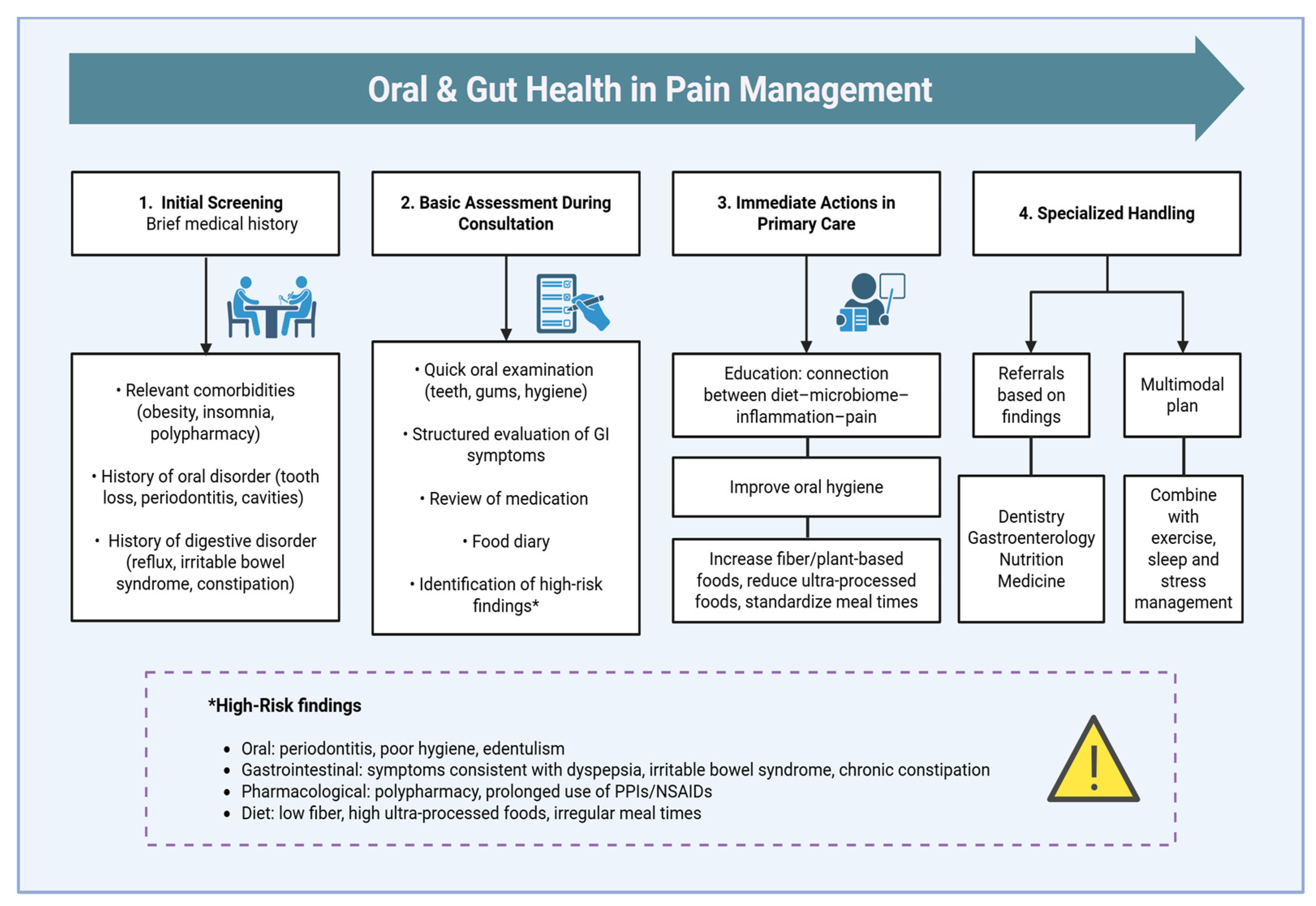
In view of the available evidence supporting poor oral and gastrointestinal health in at least a subgroup of the chronic pain population, and in line with the global move towards precision pain medicine, it seems warranted to recognize oral and gastrointestinal health issues as common chronic pain comorbidities that require tailored management/treatment to interrupt or mitigate the dysbiosis–inflammation–pain cycle. This implies that all patients with chronic pain should be screened for possible oral and gastrointestinal health issues. For screening of gastrointestinal health issues in patients with chronic pain, it is proposed to use a structured evaluation of gastrointestinal symptoms (e.g., using instruments such as the Gastrointestinal Symptom Rating Scale or the emerging self-reported Dysbiosis Risk Questionnaire, which aims to screen for dysbiosis risk based on dietary, antibiotic exposure, and symptom data but remains preliminary in validation), which allows patients to report common symptoms in a standardized manner and assists clinicians in identifying those who may require further assessment [86,87]. The questionnaire data can also assist standard gastrointestinal health history taking (Figure 2). For screening oral health issues in patients with chronic pain, oral inspection together with oral health history taking can be an initial step prior to possible referral to a dentist. Additionally, using food diaries to assess dietary intake can be useful for both oral and gastrointestinal health assessment.

6.2. Oral Medication Intake (History), Including Polypharmacy

As part of a comprehensive assessment of oral and gastrointestinal health in patients with chronic pain, it is recommended to question patients with chronic pain regarding oral medication intake, including polypharmacy (Figure 2). For instance, proton pump inhibitors are among the most widely used over-the-counter drugs to treat gastro-esophageal reflux and prevent gastric ulcers, with the gut microbiome composition of proton pump inhibitor users being profoundly different from that of non-users [83,88], mainly due to a strong increase in Lactobacilli abundance, driven by Streptococcus species. Histamine-2 receptor antagonists also disrupt the gut microbiome but to a lesser degree [88]. Proton pump inhibitors alter the gut microbiota composition by promoting oral-originated Streptococcus translocation into the gut [89]. In addition to altering the gut microbiota, proton pump inhibitors can cause hypomagnesemia, particularly with higher doses or prolonged use [90]. Reduced intestinal magnesium absorption, influenced by co-medications and microbiome composition, is particularly concerning in chronic pain patients frequently exposed to polypharmacy affecting electrolyte balance [90]. Another potential over-the-counter medication frequently taken by patients with chronic pain is nonsteroidal anti-inflammatory drugs (NSAIDs), which also affect the gut microbiome composition [91].
Polypharmacy, defined as the concomitant use of ≥5 medications, is the rule rather than the exception among persons living with chronic pain: 71.4% of Canadians and 89.5% of Germans report polypharmacy [92,93], while up to 26% and 49% report at least sometimes excessive polypharmacy (i.e., concurrent use of ≥10 medications [94]). Receiving conservative treatment for chronic pain, such as physical or psychological pain therapy, relates to lower chances of excessive polypharmacy [92], underscoring the need for implementing evidence-based treatments. Polypharmacy, implying multiple drugs active in the central nervous system, is associated with worse pain control, and for patients with daily pain in combination with anxiety, pain was best reduced with one medication or any drug combination without opioids or benzodiazepine (for instance, by using gabapentinoids or serotonin noradrenaline reuptake inhibitors) [95]. Likewise, anxiety in patients with chronic pain was best reduced with combinations other than opioids or benzodiazepines, for instance, through using selective serotonin reuptake inhibitors [95].
Polypharmacy interacts bidirectionally with the human microbiome, as drugs can alter gut microbial diversity and metabolic function, sometimes with effects that persist for years after discontinuation [96]. These alterations accumulate with repeated or combined drug exposures, and polypharmacy is associated with increased abundance of pathobionts, reduced short-chain fatty acid metabolism, and elevated antimicrobial resistance potential [97,98,99]. Conversely, the gut microbiome can enzymatically modify drugs, influencing their absorption, distribution, metabolism, and excretion, thereby affecting drug efficacy and toxicity [100,101,102]. For example, the microbiome can modulate the effectiveness of cancer immunotherapies and the metabolism of psychotropic drugs [100,103], such as duloxetine, which binds to several metabolic enzymes, alters microbial metabolite secretion [104], and is bioaccumulated within bacterial cells without chemical modification. In contrast, melatonin appears beneficial to gut health [105], exerting anti-inflammatory and potentially protective effects [105]. Current large-scale metagenomic and cohort studies confirm that both current and past medication use are major determinants of gut microbiome structure and function, with clinically relevant implications for disease risk, therapeutic efficacy, and adverse events [96,97,99,106,107].
Although this is an exciting new area of science, with the study of the interactions between drugs and bacteria still in its infancy [104], there are currently no large-scale, well-controlled clinical trials directly assessing the impact of medication-induced microbiome changes on chronic pain outcomes. Existing evidence, derived from systematic reviews, Mendelian randomization studies, and small randomized controlled or observational trials, indicates that commonly used analgesics such as NSAIDs and opioids can alter gut microbiota composition, potentially influencing pain persistence and treatment efficacy [108,109,110,111,112]. However, these studies are limited by small sample sizes, short follow-up durations, and heterogeneous outcome measures [109,111], underscoring the need for rigorous, longitudinal research. Nonetheless, co-administration of gut-active supplements (e.g., pro- and prebiotics), combination treatments using dietary interventions to improve gut health as a cornerstone, and strategic polypharmacy may serve as promising and clinically viable approaches for controlling pharmacomicrobiomics interactions [106] in patients with chronic pain.

6.3. Oral and Gut Health Science Education

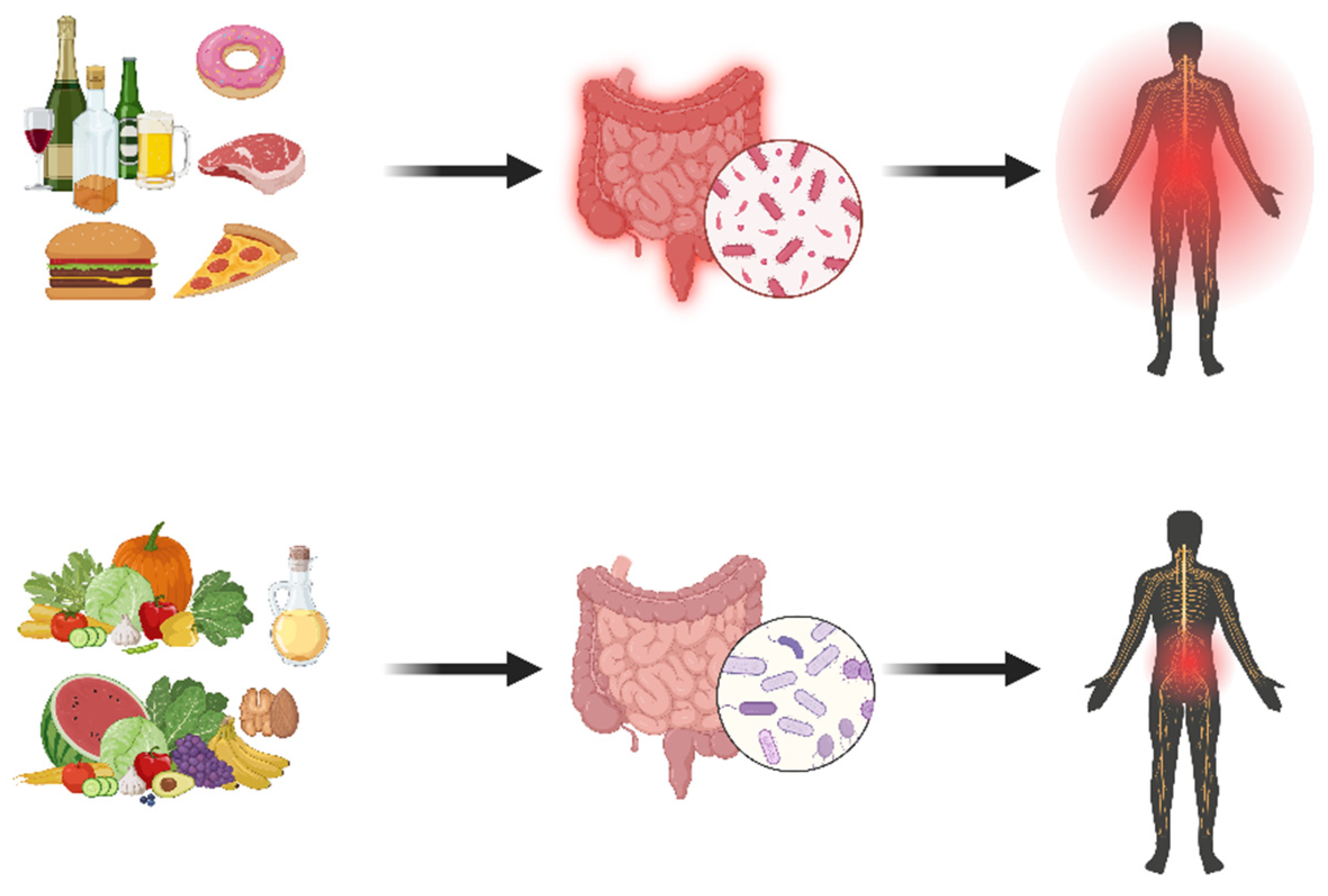
Once oral and/or gastrointestinal health issues are identified in a patient with chronic pain, informing the patient about the potential role of improving oral and/or gastrointestinal health can be the first step towards implementing oral and gastrointestinal health science in pain practice. Such education is important for patients to understand the link between disrupted oral and gastrointestinal health and chronic pain, and to become motivated to implement oral and/or gut science (for instance, through improving oral and/or gut health) within an evidence-based multimodal lifestyle approach for managing chronic pain [113]. Educating patients with chronic pain about the role of oral and/or gut health should take clinicians no more than a few minutes and can involve explaining a few general principles about improving their quality and timing of diet to improve their gut’s health (and subsequently potentially improving their pain, as illustrated in Figure 3). The latter is essential not only for general health benefits (e.g., long-term decreased risks of developing cancer, dementia, depression, cardiovascular disease, diabetes), but also for decreasing chronic, low-grade systemic inflammation and subsequent decreased nervous system sensitivity (and hence experiencing less pain), feeling more energetic, less anxious, and less depressed. A similar approach can be advocated in people with chronic pain who have poor oral health (e.g., tooth loss, periodontitis). However, studies examining the added value of such oral health science education and gut health science education to current evidence-based pain science education programs for people with chronic pain are currently unavailable and require empirical testing.

6.4. Expanding the Importance of Dietary Interventions

With diet being the first-line treatment for optimizing both oral and gut health, the importance of diet(-ary interventions) within an individually tailored, multimodal lifestyle approach for people with chronic pain [114] can only be emphasized. Nevertheless, oral hygiene and its regular application are equally crucial for maintaining oral health and should be recognized alongside diet. Despite the growing evidence showing poor oral and gastrointestinal health in people with chronic pain, few treatment programs for chronic pain nowadays take diet and oral hygiene into account. This is unfortunate and allows room for improvement, as increasing scientific evidence supports both dietary and oral factors as a perpetuating factor for chronic pain [24,35,115,116,117,118]. Moreover, poor dietary habits can be considered as adverse lifestyle factors that partly account for the observed excess mortality among people with persistent pain [119,120]. Therefore, nutrition should be considered within a person-centered approach to chronic pain management [121]. A meta-analysis of the available literature concluded that an altered dietary pattern and altered specific nutrient intake may have analgesic properties for patients with persistent pain (evidence level 1a) [122]. Another systematic review concluded that plant-based diets might have analgesic effects for people with chronic pain [118]. Similarly, several studies have demonstrated the analgesic effects of a diet low in fermentable oligosaccharides, disaccharides, monosaccharides, and polyols (low-FODMAP diet) on abdominal pain in patients with irritable bowel syndrome; however, a systematic review reported that this diet induces gut microbiota changes that may be detrimental [123]. The precise action of these analgesic effects remains to be unraveled, but preclinical studies support the idea that such analgesic effects of diets arise from a potential influence on central sensitization (evidence level 5) [124,125].
Poor dietary habits often—but not always—relate to overweight or obesity [126]. Overweight and obesity are pandemics of global health concerns recognized as the leading public health problem in industrialized countries [127,128]. Meta-analyses confirm that overweight and obesity are positively associated with low back pain [126,128,129,130,131,132,133] and knee osteoarthritis [134,135], with chronic pain being more prevalent in those having a higher body mass index [136]. Moreover, overweight and obesity are associated with more severe and debilitating chronic pain: in people with chronic low back pain, pain intensity and disability show dose–response relationships to body mass index, waist circumference, percent fat, and fat mass [132]. Regarding socio-economic impact, overweight and obesity in patients with chronic pain are also related to higher rates of healthcare seeking for pain [126].

6.5. Additional Treatment Options

Other options for implementing oral and gastrointestinal health science in healthcare for patients with chronic pain include tailored, evidence-based oral health interventions, for instance, providing guideline-recommended, minimally invasive periodontal management for treating periodontitis [137,138] in patients with chronic pain presenting with this common oral health condition, and co-administration of gut-active supplements such as pro-, pre-, and synbiotics. A systematic review found evidence suggesting that both synbiotics and probiotics consistently reduced painkiller consumption, excluding triptan use, in people with migraine [23]. Probiotics and synbiotics were found to improve migraine frequency; synbiotics resulted in reduced migraine pain severity in both adult and pediatric migraine [23]. Similarly, in individuals with irritable bowel syndrome, probiotics and synbiotics have demonstrated modest but consistent reductions in abdominal pain and overall symptom severity [139,140]. However, most data came from pilot data that remain to be confirmed in fully powered clinical trials [23,141], and whether the observed improvements are clinically important remains to be established as well. While a comprehensive overview of studies exploring the potential of pro-, pre-, and synbiotics for improving gut health in people with chronic pain is well beyond the scope of this paper, it is striking to see that most of these studies examined only short-term (< 6 months) effects only, without any data regarding changes in the microbiome or inflammatory markers for the post-supplement washout phase.
Finally, considering the importance of common chronic pain comorbidities such as overweight/obesity and sleep disorders also implies that effective management of the relevant comorbidities can potentially benefit gut health in patients with chronic pain. Indeed, as explained above, sleep disorders such as chronic insomnia are also associated with changes in the gut microbiome [58]. For example, a significant difference in sleeping hours between working days (when social drivers determine sleep habits) and weekends plus holidays (when there are no social drivers and the person can sleep as long as she/he like) can be identified in the patient’s sleep diaries. Sleep diaries [142] can be used for assessing sleep timing on free days (i.e., when constraints on sleep timing are low) in a cost-efficient, non-invasive way [143]. Sleep on work-free days serves as a proxy for internal time as it is considered to reflect the natural sleep cycle, while workday sleep is thought to be more reflective of external, social time. The difference between workday and free day sleep timing is termed the ‘social jetlag’ [143], and can serve as an indication of circadian desynchronization. In this situation, sleep management can aim at synchronizing daily activities, including striving towards similar active hours during working and weekend days, and optimizing meal timing to match the ‘circadian reprogramming’. This way, sleep management can complement the dietary advice/intervention. More specifically, we aim for better standardized meal timing throughout the week (not only on working days). Indeed, the gut microbiota have a circadian rhythm themselves, and a preclinical study suggests that the gut microbiome regulates stress responsiveness in a circadian manner by influencing the hypothalamus–pituitary–adrenal axis [144], which might be crucial for adaptive coping with stress throughout the day. Such observations fuel best-evidence clinical practice guidelines advocating a multimodal lifestyle approach for patients with chronic pain [18], including combining sleep treatment with dietary intervention, stress management, and physical activity interventions [145].

7. Limitation

While this narrative review provides an overview of available evidence regarding oral and gastrointestinal health in people with chronic pain, several limitations should be acknowledged. First, this narrative review did not employ a systematic search strategy with prespecified inclusion and exclusion criteria, nor did we perform formal quality assessments of included studies. However, we conducted an extensive literature search and synthesized findings to establish consensus on the topic. Second, evidence linking the oral and gut microbiome to pain remains limited and is predominantly observational, limiting causal inference. Although animal models and preliminary fecal microbiota transplantation studies suggest a potential causal role for the gut microbiome, evidence for the oral microbiome is in its infancy and requires further investigation. While emerging data on mechanistic pathways provide biologically plausible links between oral and gut dysbiosis, systemic inflammation, and pain, well-designed longitudinal and interventional studies are needed to establish whether alterations in the oral and gut microbiome contribute causally to pain processes.

8. Conclusions

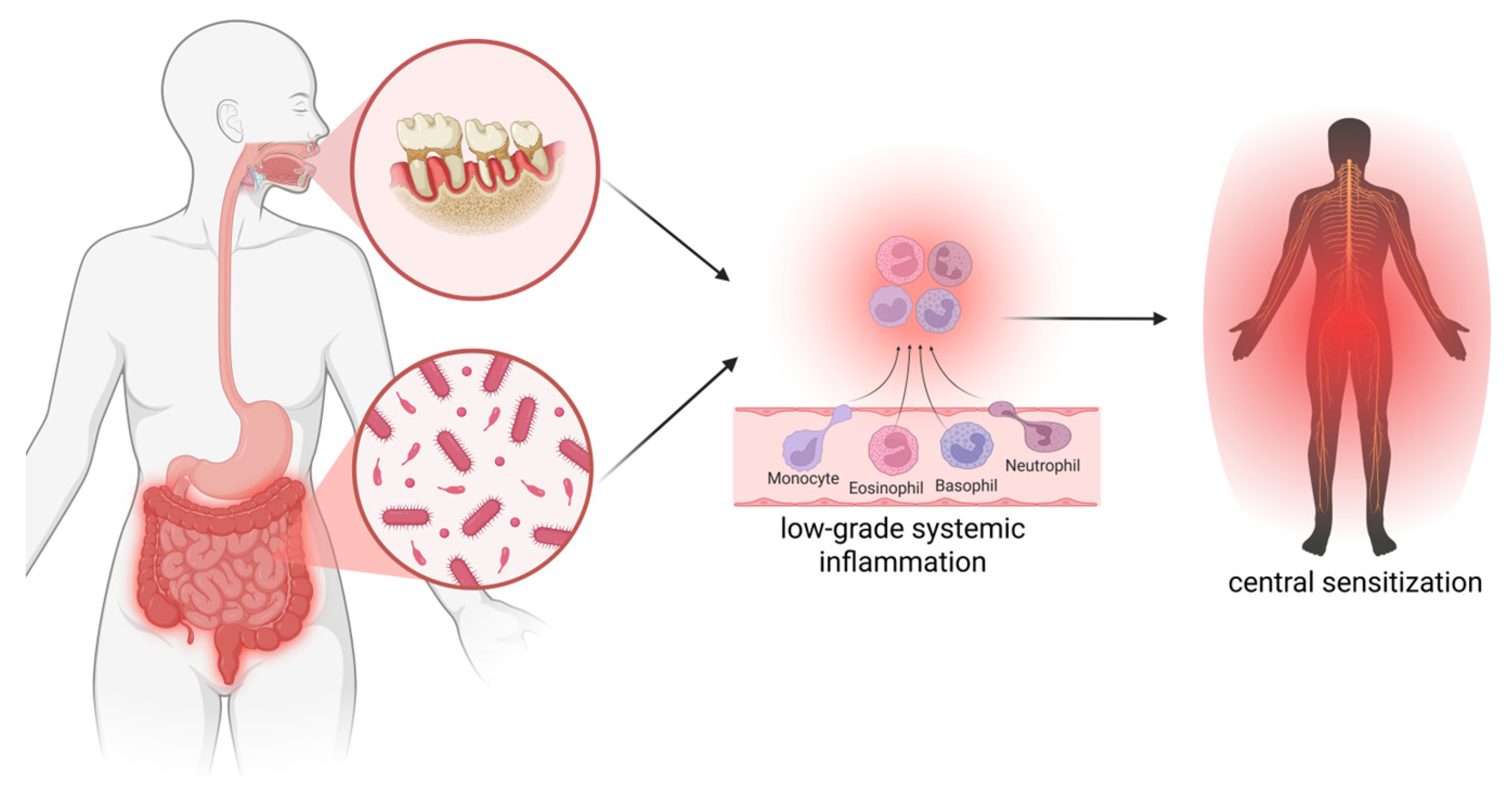
Adding to our understanding of the role of low-grade, systemic inflammation and lifestyle factors in chronic pain, mounting evidence suggests an important role for gastrointestinal and oral health in people with chronic pain. Studies have revealed altered intestinal microbiota composition in various types of chronic pain, including people with chronic low back pain, knee osteoarthritis, visceral pain, fibromyalgia, tinnitus, and migraine. In addition to poor gastrointestinal health, poor oral health (e.g., periodontitis, tooth loss) is also found in different subgroups of the chronic pain population, including abdominal pain, low back pain, fibromyalgia, and rheumatoid arthritis. Such observations potentially fit our current understanding of chronic pain: both oral health issues and gut dysbiosis potentially trigger or perpetuate low-grade systemic inflammation [3,4], which in turn can trigger or perpetuate the increased sensitivity of the nervous system (‘central sensitization’) as typically seen in patients with chronic pain [5] (Figure 4). Although this notion is supported by findings showing associations between a pro-inflammatory diet and features of central sensitization in patients with chronic low back pain [146], direct evidence linking either oral health or gut dysbiosis to low-grade systemic inflammation or central sensitization in people with chronic pain is currently unavailable and represents an important research priority.
Evidence supporting a compelling role for oral and gastrointestinal health in chronic pain is growing; however, many available studies on the gut microbiome in this population are of limited quality, underscoring the need for further research using State-of-the-Art methodology to confirm and extend these findings [147]. Especially the study of the role of oral health in chronic pain is in its infancy and requires further investigation. In addition to longitudinal cohort studies examining the role of oral and gastrointestinal health in people with chronic pain, studies exploring possible (targetable) factors that affect the oral and/or gut microbiome are needed. Given the high prevalence of polypharmacy in chronic pain populations and the bidirectional interplay between the gut microbiome and commonly prescribed drugs, medication-induced dysbiosis may paradoxically perpetuate systemic inflammation and/or impair drug efficacy. This highlights the need for regular medication review, minimizing microbiome-disruptive combinations, and considering gut-supportive co-interventions as part of comprehensive pain management. However, direct evidence linking medication-induced microbiome alterations to inflammation and pain outcomes remains limited, making pharmacomicrobiomics a key research priority [104].
Fueled by the growing evidence supporting poor oral and gastrointestinal health in at least a subgroup of the chronic pain population, ways to implement oral and gastrointestinal health to improve care for people with chronic pain are presented. These include recognizing oral and gastrointestinal health issues as common chronic pain comorbidities that require tailored pain management/treatment, screening all patients with chronic pain for possible oral and gastrointestinal health issues, providing oral and gastrointestinal health science educating, considering the possible interplay between the gut microbiome and drug treatment (including polypharmacy), expanding the importance of dietary interventions, and considering the importance of comorbidities (e.g., chronic insomnia, overweight/obesity, psychological disorder) in the multimodal lifestyle management for patients with chronic pain. However, sound treatment studies examining possible treatment strategies to improve oral or gut health in people with chronic pain represent another research priority. Such randomized clinical trials can not only shed light on new, innovative ways of improving care for people with chronic pain, but also examine the possible causal link between poor oral or gut health and chronic pain. This notion also emphasizes that many of the proposals presented here for implementing oral and gastrointestinal health science in healthcare for people with chronic pain require empirical testing.

Author Contributions

Conceptualization, J.N. and I.A.; Methodology, J.N., I.A., B.R.G., T.A., S.K., M.V., Ö.E., E.J., T.L., J.V.A., Z.G., C.L., F.S., A.L., E.H., R.N.-C. and D.V.; Investigation, J.N., I.A., B.R.G., T.A., S.K., M.V., Ö.E., E.J., T.L., J.V.A., Z.G., C.L., F.S., A.L. and D.V.; Writing—original draft, J.N. and I.A.; Writing—review and editing, B.R.G., T.A., S.K., M.V., Ö.E., E.J., T.L., J.V.A., Z.G., C.L., F.S., A.L., E.H., R.N.-C. and D.V.; Visualization, J.N., I.A. and R.N.-C.; Supervision, E.H. and R.N.-C.; Project administration, J.N., I.A., E.H. and R.N.-C.; Funding acquisition, J.N.; Validation, I.A., B.R.G., T.A., S.K., M.V., Ö.E., E.J., T.L., J.V.A., Z.G., C.L., F.S., A.L., E.H., R.N.-C. and D.V. All authors have read and agreed to the published version of the manuscript.

Funding

This work was funded by the Strategic Research Program SRP90 (“Pain Never Sleeps: Unravelling the Sleep-Pain Interaction in Patients with Chronic Pain”) and the Network for Social Impact of Science NSIS5 of the research council of the Vrije Universiteit Brussel, Brussels, Belgium. This work is also funded by the cross-European Weave program 50. As such, the Belgian part of the study is funded by the Research Foundation Flanders (reference no. G0894322N). This work was also supported by the Osteopathie.be chair awarded to the Vrije Universiteit Brussel, Belgium.

Institutional Review Board Statement

Not applicable.

Informed Consent Statement

Not applicable.

Data Availability Statement

No new data were created or analyzed in this study. Data sharing is not applicable to this article.

Conflicts of Interest

J.N. and the Vrije Universiteit Brussel received lecturing/teaching fees from various professional associations and educational organizations.

References

  1. Cohen, S.P.; Vase, L.; Hooten, W.M. Chronic pain: An update on burden, best practices, and new advances. Lancet 2021, 397, 2082–2097. [Google Scholar] [CrossRef] [PubMed]
  2. GBD 2017 Disease and Injury Incidence and Prevalence Collaborators. Global, regional, and national incidence, prevalence, and years lived with disability for 354 diseases and injuries for 195 countries and territories, 1990–2017: A systematic analysis for the Global Burden of Disease Study 2017. Lancet 2018, 392, 1789–1858. [Google Scholar] [CrossRef]
  3. Andrés-Rodríguez, L.; Borràs, X.; Feliu-Soler, A.; Pérez-Aranda, A.; Angarita-Osorio, N.; Moreno-Peral, P.; Montero-Marin, J.; García-Campayo, J.; Carvalho, A.F.; Maes, M.; et al. Peripheral immune aberrations in fibromyalgia: A systematic review, meta-analysis and meta-regression. Brain Behav. Immun. 2020, 87, 881–889. [Google Scholar] [CrossRef]
  4. Canlı, K.; Billens, A.; Van Oosterwijck, J.; Meeus, M.; De Meulemeester, K. Systemic Cytokine Level Differences in Patients with Chronic Musculoskeletal Spinal Pain Compared to Healthy Controls and Its Association with Pain Severity: A Systematic Review. Pain Med. 2022, 23, 1947–1964. [Google Scholar] [CrossRef]
  5. Nijs, J.; George, S.Z.; Clauw, D.J.; Fernández-de-las-Peñas, C.; Kosek, E.; Ickmans, K.; Fernández-Carnero, J.; Polli, A.; Kapreli, E.; Huysmans, E.; et al. Central sensitisation in chronic pain conditions: Latest discoveries and their potential for precision medicine. Lancet Rheumatol. 2021, 3, e383–e392. [Google Scholar] [CrossRef]
  6. Treede, R.D.; Rief, W.; Barke, A.; Aziz, Q.; Bennett, M.I.; Benoliel, R.; Cohen, M.; Evers, S.; Finnerup, N.B.; First, M.B.; et al. A classification of chronic pain for ICD-11. Pain 2015, 156, 1003–1007. [Google Scholar] [CrossRef]
  7. World Health Organization. ICD-11—MG30 Chronic Pain. Available online: https://icd.who.int/browse/2025-01/mms/en#1581976053 (accessed on 14 July 2025).
  8. Nijs, J.; D’Hondt, E.; Clarys, P.; Deliens, T.; Polli, A.; Malfliet, A.; Coppieters, I.; Willaert, W.; Tumkaya Yilmaz, S.; Elma, Ö.; et al. Lifestyle and Chronic Pain across the Lifespan: An Inconvenient Truth? PM&R 2020, 12, 410–419. [Google Scholar] [CrossRef]
  9. Rabin, J.; Brown, M.; Alexander, S. Update in the Treatment of Chronic Pain within Pediatric Patients. Curr. Probl. Pediatr. Adolesc. Health Care 2017, 47, 167–172. [Google Scholar] [CrossRef]
  10. Gilbert, A.L.; Lee, J.; Ehrlich-Jones, L.; Semanik, P.A.; Song, J.; Pellegrini, C.A.; Pinto Pt, D.; Dunlop, D.D.; Chang, R.W. A randomized trial of a motivational interviewing intervention to increase lifestyle physical activity and improve self-reported function in adults with arthritis. Semin. Arthritis Rheum. 2018, 47, 732–740. [Google Scholar] [CrossRef] [PubMed]
  11. Lahousse, A.; Roose, E.; Leysen, L.; Yilmaz, S.T.; Mostaqim, K.; Reis, F.; Rheel, E.; Beckwée, D.; Nijs, J. Lifestyle and Pain following Cancer: State-of-the-Art and Future Directions. J. Clin. Med. 2022, 11, 195. [Google Scholar] [CrossRef] [PubMed]
  12. Torrance, N.; Elliott, A.M.; Lee, A.J.; Smith, B.H. Severe chronic pain is associated with increased 10 year mortality. A cohort record linkage study. Eur. J. Pain 2010, 14, 380–386. [Google Scholar] [CrossRef]
  13. McBeth, J.; Symmons, D.P.; Silman, A.J.; Allison, T.; Webb, R.; Brammah, T.; Macfarlane, G.J. Musculoskeletal pain is associated with a long-term increased risk of cancer and cardiovascular-related mortality. Rheumatology 2009, 48, 74–77. [Google Scholar] [CrossRef] [PubMed]
  14. Goodson, N.J.; Smith, B.H.; Hocking, L.J.; McGilchrist, M.M.; Dominiczak, A.F.; Morris, A.; Porteous, D.J.; Goebel, A. Cardiovascular risk factors associated with the metabolic syndrome are more prevalent in people reporting chronic pain: Results from a cross-sectional general population study. Pain 2013, 154, 1595–1602. [Google Scholar] [CrossRef]
  15. Inoue, K.; Ritz, B.; Arah, O.A. Causal Effect of Chronic Pain on Mortality Through Opioid Prescriptions: Application of the Front-Door Formula. Epidemiology 2022, 33, 572–580. [Google Scholar] [CrossRef] [PubMed]
  16. Zhou, W.B.S.; Meng, J.; Zhang, J. Does Low Grade Systemic Inflammation Have a Role in Chronic Pain? Front. Mol. Neurosci. 2021, 14, 785214. [Google Scholar] [CrossRef]
  17. Nijs, J.; Malfliet, A.; Roose, E.; Lahousse, A.; Van Bogaert, W.; Johansson, E.; Runge, N.; Goossens, Z.; Labie, C.; Bilterys, T. Personalized multimodal lifestyle intervention as the best-evidenced treatment for chronic pain: State-of-the-art clinical perspective. J. Clin. Med. 2024, 13, 644. [Google Scholar] [CrossRef]
  18. Van Cauwenbergh, S.; De Coninck, L.; Cordyn, S.; Excelmans, E.; Stukken, L.; Goossens, M.; Nijs, J.; Morlion, B.; Janssen, N.; Vermeulen, L.; et al. Multimodal Management of Chronic Primary Pain; Worel: Brussels, Belgium, 2024. [Google Scholar]
  19. Tieppo, A.M.; Tieppo, J.S.; Rivetti, L.A. Analysis of Intestinal Bacterial Microbiota in Individuals with and without Chronic Low Back Pain. Curr. Issues Mol. Biol. 2024, 46, 7339–7352. [Google Scholar] [CrossRef]
  20. Boer, C.G.; Radjabzadeh, D.; Medina-Gomez, C.; Garmaeva, S.; Schiphof, D.; Arp, P.; Koet, T.; Kurilshikov, A.; Fu, J.; Ikram, M.A.; et al. Intestinal microbiome composition and its relation to joint pain and inflammation. Nat. Commun. 2019, 10, 4881. [Google Scholar] [CrossRef] [PubMed]
  21. Mahony, S.M.O.; Dinan, T.G.; Cryan, J.F. The gut microbiota as a key regulator of visceral pain. Pain 2017, 158 (Suppl. S1), S19–S28. [Google Scholar] [CrossRef]
  22. Nhu, N.T.; Chen, D.Y.; Yang, Y.S.H.; Lo, Y.C.; Kang, J.H. Associations Between Brain-Gut Axis and Psychological Distress in Fibromyalgia: A Microbiota and Magnetic Resonance Imaging Study. J. Pain 2024, 25, 934–945. [Google Scholar] [CrossRef] [PubMed]
  23. Mugo, C.W.; Church, E.; Horniblow, R.D.; Mollan, S.P.; Botfield, H.; Hill, L.J.; Sinclair, A.J.; Grech, O. Unravelling the gut-brain connection: A systematic review of migraine and the gut microbiome. J. Headache Pain 2025, 26, 125. [Google Scholar] [CrossRef]
  24. Erdrich, S.; Gelissen, I.C.; Vuyisich, M.; Toma, R.; Harnett, J.E. An association between poor oral health, oral microbiota, and pain identified in New Zealand women with central sensitisation disorders: A prospective clinical study. Front. Pain Res. 2025, 6, 1577193. [Google Scholar] [CrossRef]
  25. Chen, X.; Xue, D.; Zhao, Y.; Cui, P.; Wang, P.; Wang, Y.; Lu, S.B. Association between periodontitis and disc structural failure in older adults with lumbar degenerative disorders: A prospective cohort study. BMC Surg. 2023, 23, 57. [Google Scholar] [CrossRef] [PubMed]
  26. Ma, K.S.; Lai, J.N.; Veeravalli, J.J.; Chiu, L.T.; Van Dyke, T.E.; Wei, J.C. Fibromyalgia and periodontitis: Bidirectional associations in population-based 15-year retrospective cohorts. J. Periodontol. 2022, 93, 877–887. [Google Scholar] [CrossRef] [PubMed]
  27. de Pablo, P.; Dietrich, T.; McAlindon, T.E. Association of periodontal disease and tooth loss with rheumatoid arthritis in the US population. J. Rheumatol. 2008, 35, 70–76. [Google Scholar]
  28. Chaudhry, T.S.; Senapati, S.G.; Gadam, S.; Mannam, H.; Voruganti, H.V.; Abbasi, Z.; Abhinav, T.; Challa, A.B.; Pallipamu, N.; Bheemisetty, N.; et al. The Impact of Microbiota on the Gut-Brain Axis: Examining the Complex Interplay and Implications. J. Clin. Med. 2023, 12, 5231. [Google Scholar] [CrossRef]
  29. Wang, Z.; Wang, Z.; Lu, T.; Chen, W.; Yan, W.; Yuan, K.; Shi, L.; Liu, X.; Zhou, X.; Shi, J.; et al. The microbiota-gut-brain axis in sleep disorders. Sleep Med. Rev. 2022, 65, 101691. [Google Scholar] [CrossRef]
  30. Zhu, B.; Wang, X.; Li, L. Human gut microbiome: The second genome of human body. Protein Cell 2010, 1, 718–725. [Google Scholar] [CrossRef] [PubMed]
  31. Arumugam, M.; Raes, J.; Pelletier, E.; Le Paslier, D.; Yamada, T.; Mende, D.R.; Fernandes, G.R.; Tap, J.; Bruls, T.; Batto, J.-M. Enterotypes of the human gut microbiome. Nature 2011, 473, 174–180. [Google Scholar] [CrossRef]
  32. Falony, G.; Joossens, M.; Vieira-Silva, S.; Wang, J.; Darzi, Y.; Faust, K.; Kurilshikov, A.; Bonder, M.J.; Valles-Colomer, M.; Vandeputte, D. Population-level analysis of gut microbiome variation. Science 2016, 352, 560–564. [Google Scholar] [CrossRef]
  33. Rahman, S.O.; Bariguian, F.; Mobasheri, A. The Potential Role of Probiotics in the Management of Osteoarthritis Pain: Current Status and Future Prospects. Curr. Rheumatol. Rep. 2023, 25, 307–326. [Google Scholar] [CrossRef]
  34. Tilg, H.; Zmora, N.; Adolph, T.E.; Elinav, E. The intestinal microbiota fuelling metabolic inflammation. Nat. Rev. Immunol. 2020, 20, 40–54. [Google Scholar] [CrossRef]
  35. Manske, S. The Microbiome’s Role in Chronic Pain and Inflammation. Integr. Med. 2024, 23, 10–15. [Google Scholar]
  36. Cai, Y.; Wen, S.; Hu, J.; Wang, Z.; Huang, G.; Zeng, Q.; Zou, J. Multiple reports on the causal relationship between various chronic pain and gut microbiota: A two-sample Mendelian randomization study. Front. Neurosci. 2024, 18, 1369996. [Google Scholar] [CrossRef]
  37. Goudman, L.; Demuyser, T.; Pilitsis, J.G.; Billot, M.; Roulaud, M.; Rigoard, P.; Moens, M. Gut dysbiosis in patients with chronic pain: A systematic review and meta-analysis. Front. Immunol. 2024, 15, 1342833. [Google Scholar] [CrossRef]
  38. Liu, H.N.; Wu, H.; Chen, Y.Z.; Chen, Y.J.; Shen, X.Z.; Liu, T.T. Altered molecular signature of intestinal microbiota in irritable bowel syndrome patients compared with healthy controls: A systematic review and meta-analysis. Dig. Liver Dis. 2017, 49, 331–337. [Google Scholar] [CrossRef]
  39. Li, Y.; Ouyang, D.; Liu, L.; Ren, D.; Wu, X. Association between endometriosis and gut microbiota: Systematic review and meta-analysis. Front. Microbiol. 2025, 16, 1552134. [Google Scholar] [CrossRef]
  40. Zhuang, X.; Xiong, L.; Li, L.; Li, M.; Chen, M. Alterations of gut microbiota in patients with irritable bowel syndrome: A systematic review and meta-analysis. J. Gastroenterol. Hepatol. 2017, 32, 28–38. [Google Scholar] [CrossRef] [PubMed]
  41. Nawarathna, G.; Fakhruddin, K.S.; Shorbagi, A.; Samaranayake, L.P. The gut microbiota-neuroimmune crosstalk and neuropathic pain: A scoping review. Gut Microbiome 2023, 4, e10. [Google Scholar] [CrossRef] [PubMed]
  42. Smith, K.S.; Tissier, A.; Bail, J.R.; Novak, J.R.; Morrow, C.D.; Demark-Wahnefried, W.; Frugé, A.D. Health-related quality of life is associated with fecal microbial composition in breast cancer survivors. Support. Care Cancer 2022, 31, 10. [Google Scholar] [CrossRef] [PubMed]
  43. Yao, Z.W.; Zhao, B.C.; Yang, X.; Lei, S.H.; Jiang, Y.M.; Liu, K.X. Relationships of sleep disturbance, intestinal microbiota, and postoperative pain in breast cancer patients: A prospective observational study. Sleep Breath. 2021, 25, 1655–1664. [Google Scholar] [CrossRef]
  44. Wang, J.; Xiang, J.H.; Peng, X.Y.; Liu, M.; Sun, L.J.; Zhang, M.; Zhang, L.Y.; Chen, Z.B.; Tang, Z.Q.; Cheng, L. Characteristic alterations of gut microbiota and serum metabolites in patients with chronic tinnitus: A multi-omics analysis. Microbiol. Spectr. 2025, 13, e0187824. [Google Scholar] [CrossRef]
  45. Fang, M.; Liu, W.; Wang, Z.; Li, J.; Hu, S.; Li, Z.; Chen, W.; Zhang, N. Causal associations between gut microbiota with intervertebral disk degeneration, low back pain, and sciatica: A Mendelian randomization study. Eur. Spine J. 2024, 33, 1424–1439. [Google Scholar] [CrossRef]
  46. Louis, P.; Hold, G.L.; Flint, H.J. The gut microbiota, bacterial metabolites and colorectal cancer. Nat. Rev. Microbiol. 2014, 12, 661–672. [Google Scholar] [CrossRef]
  47. Ahmed, T.; Lemberg, D.A.; Day, A.S.; Leach, S.T. The Interplay Between Immunological Status and Gut Microbial Dysbiosis in the Development of the Symptoms of Irritable Bowel Syndrome: A Systematic Review with Meta-Analysis. Dig. Dis. Sci. 2025, 1–35. [Google Scholar] [CrossRef]
  48. Erdrich, S.; Hawrelak, J.A.; Myers, S.P.; Harnett, J.E. A systematic review of the association between fibromyalgia and functional gastrointestinal disorders. Ther. Adv. Gastroenterol. 2020, 13, 1756284820977402. [Google Scholar] [CrossRef]
  49. Garofalo, C.; Cristiani, C.M.; Ilari, S.; Passacatini, L.C.; Malafoglia, V.; Viglietto, G.; Maiuolo, J.; Oppedisano, F.; Palma, E.; Tomino, C. Fibromyalgia and irritable bowel syndrome interaction: A possible role for gut microbiota and gut-brain axis. Biomedicines 2023, 11, 1701. [Google Scholar] [CrossRef]
  50. Leong, P.Y.; Shi, L.H. Gut Microbiota in Adults with Chronic Widespread Pain: A Systematic Review. Diseases 2025, 13, 299. [Google Scholar] [CrossRef]
  51. Stone, A.A.; Broderick, J.E. Obesity and pain are associated in the United States. Obesity 2012, 20, 1491–1495. [Google Scholar] [CrossRef]
  52. Okifuji, A.; Hare, B.D. The association between chronic pain and obesity. J. Pain Res. 2015, 8, 399–408. [Google Scholar] [CrossRef]
  53. Khaodhiar, L.; Ling, P.R.; Blackburn, G.L.; Bistrian, B.R. Serum levels of interleukin-6 and C-reactive protein correlate with body mass index across the broad range of obesity. J. Parenter. Enter. Nutr. 2004, 28, 410–415. [Google Scholar] [CrossRef]
  54. Schäffler, A.; Schölmerich, J.; Salzberger, B. Adipose tissue as an immunological organ: Toll-like receptors, C1q/TNFs and CTRPs. Trends Immunol. 2007, 28, 393–399. [Google Scholar] [CrossRef]
  55. Saad, M.J.; Santos, A.; Prada, P.O. Linking Gut Microbiota and Inflammation to Obesity and Insulin Resistance. Physiology 2016, 31, 283–293. [Google Scholar] [CrossRef]
  56. Guo, R.; Chen, L.H.; Xing, C.; Liu, T. Pain regulation by gut microbiota: Molecular mechanisms and therapeutic potential. Br. J. Anaesth. 2019, 123, 637–654. [Google Scholar] [CrossRef]
  57. Dekker Nitert, M.; Mousa, A.; Barrett, H.L.; Naderpoor, N.; de Courten, B. Altered Gut Microbiota Composition Is Associated With Back Pain in Overweight and Obese Individuals. Front. Endocrinol. 2020, 11, 605. [Google Scholar] [CrossRef]
  58. Wu, Q.; Gao, G.; Kwok, L.Y.; Lv, H.; Sun, Z. Insomnia: The gut microbiome connection, prospects for probiotic and postbiotic therapies, and future directions. J. Adv. Res. 2025, in press. [Google Scholar] [CrossRef]
  59. McCracken, L.M.; Iverson, G.L. Disrupted sleep patterns and daily functioning in patients with chronic pain. Pain Res. Manag. 2002, 7, 75–79. [Google Scholar] [CrossRef]
  60. Pigeon, W.R.; Moynihan, J.; Matteson-Rusby, S.; Jungquist, C.R.; Xia, Y.; Tu, X.; Perlis, M.L. Comparative effectiveness of CBT interventions for co-morbid chronic pain & insomnia: A pilot study. Behav. Res. Ther. 2012, 50, 685–689. [Google Scholar] [CrossRef]
  61. Mullington, J.M.; Simpson, N.S.; Meier-Ewert, H.K.; Haack, M. Sleep loss and inflammation. Best Pract. Res. Clin. Endocrinol. Metab. 2010, 24, 775–784. [Google Scholar] [CrossRef]
  62. Irwin, M.R.; Olmstead, R.; Carroll, J.E. Sleep Disturbance, Sleep Duration, and Inflammation: A Systematic Review and Meta-Analysis of Cohort Studies and Experimental Sleep Deprivation. Biol. Psychiatry 2016, 80, 40–52. [Google Scholar] [CrossRef]
  63. Garcia-Garcia, F.; Juarez-Aguilar, E.; Santiago-Garcia, J.; Cardinali, D.P. Ghrelin and its interactions with growth hormone, leptin and orexins: Implications for the sleep-wake cycle and metabolism. Sleep. Med. Rev. 2014, 18, 89–97. [Google Scholar] [CrossRef]
  64. Andersson, M.L.E.; Thoren, E.; Sylwander, C.; Bergman, S. Associations between chronic widespread pain, pressure pain thresholds, leptin, and metabolic factors in individuals with knee pain. BMC Musculoskelet. Disord. 2023, 24, 639. [Google Scholar] [CrossRef]
  65. Taheri, S.; Lin, L.; Austin, D.; Young, T.; Mignot, E. Short sleep duration is associated with reduced leptin, elevated ghrelin, and increased body mass index. PLoS Med. 2004, 1, e62. [Google Scholar] [CrossRef]
  66. Sejbuk, M.; Siebieszuk, A.; Witkowska, A.M. The role of gut microbiome in sleep quality and health: Dietary strategies for microbiota support. Nutrients 2024, 16, 2259. [Google Scholar] [CrossRef]
  67. Wang, Y.; Xie, S.; Chen, S.; Li, C.; Chan, Y.L.; Chan, N.Y.; Wing, Y.K.; Chan, F.K.L.; Su, Q.; Ng, S.C. The Role of Gut Microbiota in Insomnia: A Systematic Review of Case-Control Studies. Life 2025, 15, 1086. [Google Scholar] [CrossRef]
  68. Barone, M.; Martucci, M.; Sciara, G.; Conte, M.; Medina, L.S.J.; Iattoni, L.; Miele, F.; Fonti, C.; Franceschi, C.; Brigidi, P.; et al. Towards a personalized prediction, prevention and therapy of insomnia: Gut microbiota profile can discriminate between paradoxical and objective insomnia in post-menopausal women. EPMA J. 2024, 15, 471–489. [Google Scholar] [CrossRef]
  69. Wijaya, M.T.; Fang, J.T.; Liu, G.H.; Yeh, Y.M.; Chen, N.H.; Lin, C.M.; Wu, K.Y.; Huang, C.M.; Lee, S.H.; Lee, T.M.C. Better objective sleep quality is associated with higher gut microbiota richness in older adults. Geroscience 2025, 47, 4121–4137. [Google Scholar] [CrossRef]
  70. Aaron, R.V.; Ravyts, S.G.; Carnahan, N.D.; Bhattiprolu, K.; Harte, N.; McCaulley, C.C.; Vitalicia, L.; Rogers, A.B.; Wegener, S.T.; Dudeney, J. Prevalence of depression and anxiety among adults with chronic pain: A systematic review and Meta-Analysis. JAMA Netw. Open 2025, 8, e250268. [Google Scholar] [CrossRef] [PubMed]
  71. Simpson, C.A.; Diaz-Arteche, C.; Eliby, D.; Schwartz, O.S.; Simmons, J.G.; Cowan, C.S. The gut microbiota in anxiety and depression—A systematic review. Clin. Psychol. Rev. 2021, 83, 101943. [Google Scholar] [CrossRef]
  72. Foster, J.A.; Rinaman, L.; Cryan, J.F. Stress & the gut-brain axis: Regulation by the microbiome. Neurobiol. Stress 2017, 7, 124–136. [Google Scholar] [CrossRef]
  73. Keightley, P.; Pavli, P.; Platten, J.; Looi, J.C. Gut feelings 2. Mind, mood and gut in inflammatory bowel disease: Approaches to psychiatric care. Australas. Psychiatry 2015, 23, 407–410. [Google Scholar] [CrossRef]
  74. Smythies, L.E.; Smythies, J.R. Microbiota, the immune system, black moods and the brain—Melancholia updated. Front. Hum. Neurosci. 2014, 8, 720. [Google Scholar] [CrossRef]
  75. Luna, R.A.; Foster, J.A. Gut brain axis: Diet microbiota interactions and implications for modulation of anxiety and depression. Curr. Opin. Biotechnol. 2015, 32, 35–41. [Google Scholar] [CrossRef]
  76. Ma, K.S.; Chan, S.Y.; Van Dyke, T.E.; Wang, S.I.; Wei, J.C.; Ashina, S. Tooth Loss and Chronic Pain: A Population-based Analysis of the National Health and Nutrition Examination Survey. J. Pain 2024, 25, 104529. [Google Scholar] [CrossRef]
  77. Fourie, N.H.; Wang, D.; Abey, S.K.; Sherwin, L.B.; Joseph, P.V.; Rahim-Williams, B.; Ferguson, E.G.; Henderson, W.A. The microbiome of the oral mucosa in irritable bowel syndrome. Gut Microbes 2016, 7, 286–301. [Google Scholar] [CrossRef]
  78. Li, Y.; Liu, Y.; Yin, T.; He, M.; Fang, C.; Tang, X.; Peng, S.; Liu, Y. Association of periodontitis, tooth loss, and self-rated oral health with circadian syndrome in US adults: A cross-sectional population study. BMC Oral Health 2025, 25, 713. [Google Scholar] [CrossRef]
  79. Zhang, Y.; Yang, W.; Sun, Q.; Han, F.; Dong, M. Bidirectional Relationship Between Dental Diseases and Sleep Disturbances in Pediatric Patients. Clin. Exp. Dent. Res. 2025, 11, e70191. [Google Scholar] [CrossRef]
  80. Lei, F.; Hu, X. Oral health and sleep disorders: A systematic review and meta-analysis. Biomed. Rep. 2025, 22, 37. [Google Scholar] [CrossRef]
  81. Wingfield, B.; Lapsley, C.; McDowell, A.; Miliotis, G.; McLafferty, M.; O’Neill, S.M.; Coleman, S.; McGinnity, T.M.; Bjourson, A.J.; Murray, E.K. Variations in the oral microbiome are associated with depression in young adults. Sci. Rep. 2021, 11, 15009. [Google Scholar] [CrossRef]
  82. Cademartori, M.G.; Gastal, M.T.; Nascimento, G.G.; Demarco, F.F.; Correa, M.B. Is depression associated with oral health outcomes in adults and elders? A systematic review and meta-analysis. Clin. Oral Investig. 2018, 22, 2685–2702. [Google Scholar] [CrossRef]
  83. Macke, L.; Schulz, C.; Koletzko, L.; Malfertheiner, P. Systematic review: The effects of proton pump inhibitors on the microbiome of the digestive tract-evidence from next-generation sequencing studies. Aliment. Pharmacol. Ther. 2020, 51, 505–526. [Google Scholar] [CrossRef]
  84. Mishiro, T.; Oka, K.; Kuroki, Y.; Takahashi, M.; Tatsumi, K.; Saitoh, T.; Tobita, H.; Ishimura, N.; Sato, S.; Ishihara, S.; et al. Oral microbiome alterations of healthy volunteers with proton pump inhibitor. J. Gastroenterol. Hepatol. 2018, 33, 1059–1066. [Google Scholar] [CrossRef] [PubMed]
  85. Cui, X.; Yin, L.; Zhang, Y.; Jiang, X.; Li, L.; Bi, X. Salivary microbiota composition before and after use of proton pump inhibitors in patients with laryngopharyngeal reflux: A self-control study. BMC Oral Health 2024, 24, 1194. [Google Scholar] [CrossRef] [PubMed]
  86. Balmant, B.D.; Fonseca, D.C.; Rocha, I.M.; Callado, L.; Torrinhas, R.S.M.d.M.; Waitzberg, D.L. Dys-R Questionnaire: A Novel Screening Tool for Dysbiosis Linked to Impaired Gut Microbiota Richness. Nutrients 2023, 15, 4261. [Google Scholar] [CrossRef] [PubMed]
  87. Revicki, D.A.; Wood, M.; Wiklund, I.; Crawley, J. Reliability and validity of the Gastrointestinal Symptom Rating Scale in patients with gastroesophageal reflux disease. Qual. Life Res. 1997, 7, 75–83. [Google Scholar] [CrossRef]
  88. Zhu, J.; Sun, C.; Li, M.; Hu, G.; Zhao, X.M.; Chen, W.H. Compared to histamine-2 receptor antagonist, proton pump inhibitor induces stronger oral-to-gut microbial transmission and gut microbiome alterations: A randomised controlled trial. Gut 2024, 73, 1087–1097. [Google Scholar] [CrossRef]
  89. Xiao, X.; Zhang, X.; Wang, J.; Liu, Y.; Yan, H.; Xing, X.; Yang, J. Proton pump inhibitors alter gut microbiota by promoting oral microbiota translocation: A prospective interventional study. Gut 2024, 73, 1098–1109. [Google Scholar] [CrossRef]
  90. Gommers, L.M.M.; Hoenderop, J.G.J.; de Baaij, J.H.F. Mechanisms of proton pump inhibitor-induced hypomagnesemia. Acta Physiol. 2022, 235, e13846. [Google Scholar] [CrossRef]
  91. Rogers, M.A.M.; Aronoff, D.M. The influence of non-steroidal anti-inflammatory drugs on the gut microbiome. Clin. Microbiol. Infect. 2016, 22, 178.e171–178.e179. [Google Scholar] [CrossRef]
  92. Zahlan, G.; De Clifford-Faugère, G.; Nguena Nguefack, H.L.; Guénette, L.; Pagé, M.G.; Blais, L.; Lacasse, A. Polypharmacy and Excessive Polypharmacy Among Persons Living with Chronic Pain: A Cross-Sectional Study on the Prevalence and Associated Factors. J. Pain Res. 2023, 16, 3085–3100. [Google Scholar] [CrossRef]
  93. Schneider, J.; Algharably, E.A.E.; Budnick, A.; Wenzel, A.; Draeger, D.; Kreutz, R. High prevalence of multimorbidity and polypharmacy in elderly patients with chronic pain receiving home care are associated with multiple medication-related problems. Front. Pharmacol. 2021, 12, 686990. [Google Scholar] [CrossRef]
  94. De Clifford-Faugère, G.; Nguena Nguefack, H.L.; Ménard, N.; Beaudoin, S.; Pagé, M.G.; Guénette, L.; Hudon, C.; Samb, O.M.; Lacasse, A. Unpacking excessive polypharmacy patterns among individuals living with chronic pain in Quebec: A longitudinal study. Front. Pain Res. 2025, 6, 1512878. [Google Scholar] [CrossRef] [PubMed]
  95. Raji, M.A.; Shah, R.; Westra, J.R.; Kuo, Y.F. Central nervous system active medication use in Medicare enrollees receiving home health care: Association with chronic pain and anxiety level. Pain 2025, 166, 123–129. [Google Scholar] [CrossRef]
  96. Ferretti, P. The gut remembers: The long-lasting effect of medication use on the gut microbiome. mSystems 2025, 10, e01076-25. [Google Scholar] [CrossRef]
  97. Nagata, N.; Nishijima, S.; Miyoshi-Akiyama, T.; Kojima, Y.; Kimura, M.; Aoki, R.; Ohsugi, M.; Ueki, K.; Miki, K.; Iwata, E. Population-level metagenomics uncovers distinct effects of multiple medications on the human gut microbiome. Gastroenterology 2022, 163, 1038–1052. [Google Scholar] [CrossRef] [PubMed]
  98. Vich Vila, A.; Collij, V.; Sanna, S.; Sinha, T.; Imhann, F.; Bourgonje, A.R.; Mujagic, Z.; Jonkers, D.M.; Masclee, A.A.; Fu, J. Impact of commonly used drugs on the composition and metabolic function of the gut microbiota. Nat. Commun. 2020, 11, 362. [Google Scholar] [CrossRef] [PubMed]
  99. Aasmets, O.; Taba, N.; Krigul, K.L.; Andreson, R.; Estonian Biobank Research Team; Org, E. A hidden confounder for microbiome studies: Medications used years before sample collection. Msystems 2025, 10, e00541-25. [Google Scholar] [CrossRef]
  100. Weersma, R.K.; Zhernakova, A.; Fu, J. Interaction between drugs and the gut microbiome. Gut 2020, 69, 1510–1519. [Google Scholar] [CrossRef]
  101. Dikeocha, I.J.; Al-Kabsi, A.M.; Miftahussurur, M.; Alshawsh, M.A. Pharmacomicrobiomics: Influence of gut microbiota on drug and xenobiotic metabolism. FASEB J. 2022, 36, e22350. [Google Scholar] [CrossRef]
  102. Pant, A.; Maiti, T.K.; Mahajan, D.; Das, B. Human gut microbiota and drug metabolism. Microb. Ecol. 2023, 86, 97–111. [Google Scholar] [CrossRef]
  103. Michaelis, L.; Berg, L.; Maier, L. Confounder or confederate? The interactions between drugs and the gut microbiome in psychiatric and neurological diseases. Biol. Psychiatry 2024, 95, 361–369. [Google Scholar] [CrossRef] [PubMed]
  104. Klünemann, M.; Andrejev, S.; Blasche, S.; Mateus, A.; Phapale, P.; Devendran, S.; Vappiani, J.; Simon, B.; Scott, T.A.; Kafkia, E.; et al. Bioaccumulation of therapeutic drugs by human gut bacteria. Nature 2021, 597, 533–538. [Google Scholar] [CrossRef]
  105. Minari, T.P.; Pisani, L.P. Melatonin supplementation: New insights into health and disease. Sleep Breath. 2025, 29, 169. [Google Scholar] [CrossRef]
  106. Owens, F.; Souchak, J.; Nazaire, V.; Akkaoui, J.; Shil, R.; Carbajal, C.; Panda, K.; Delgado, D.C.; Claassen, I.; Moreno, S.; et al. A Connection Between the Gut Microbiome and Epigenetic Modification in Age-Related Cancer: A Narrative Review. Aging Dis. 2025, 17, 2. [Google Scholar] [CrossRef]
  107. Lindell, A.E.; Zimmermann-Kogadeeva, M.; Patil, K.R. Multimodal interactions of drugs, natural compounds and pollutants with the gut microbiota. Nat. Rev. Microbiol. 2022, 20, 431–443. [Google Scholar] [CrossRef]
  108. Zádori, Z.S.; Király, K.; Al-Khrasani, M.; Gyires, K. Interactions between NSAIDs, opioids and the gut microbiota-future perspectives in the management of inflammation and pain. Pharmacol. Ther. 2023, 241, 108327. [Google Scholar] [CrossRef]
  109. Dipalma, G.; Marinelli, G.; Ferrante, L.; Di Noia, A.; Carone, C.; Colonna, V.; Marotti, P.; Inchingolo, F.; Palermo, A.; Tartaglia, G.M. Modulating the Gut Microbiota to Target Neuroinflammation, Cognition and Mood: A Systematic Review of Human Studies with Relevance to Fibromyalgia. Nutrients 2025, 17, 2261. [Google Scholar] [CrossRef] [PubMed]
  110. Wei, F.; Liang, D.; Qiu, J.; Fu, Y.; Zeng, Z.; Zhang, J.; Zhang, X.; Lin, J.; Zheng, J.; Lin, L. Assessing the impact of common pain medications on gut microbiota composition and metabolites: Insights from a Mendelian randomization study. J. Med. Microbiol. 2025, 74, 002028. [Google Scholar] [CrossRef] [PubMed]
  111. Moyseos, M.; Michael, J.; Ferreira, N.; Sophocleous, A. The effect of probiotics on the management of pain and inflammation in osteoarthritis: A systematic review and meta-analysis of clinical studies. Nutrients 2024, 16, 2243. [Google Scholar] [CrossRef]
  112. Gong, Z.; Xue, Q.; Luo, Y.; Yu, B.; Hua, B.; Liu, Z. The interplay between the microbiota and opioid in the treatment of neuropathic pain. Front. Microbiol. 2024, 15, 1390046. [Google Scholar] [CrossRef]
  113. Roose, E.; Nijs, J.; Moseley, G.L. Striving for better outcomes of treating chronic pain: Integrating behavioural change strategies before, during, and after modern pain science education. Braz. J. Phys. Ther. 2023, 27, 100578. [Google Scholar] [CrossRef]
  114. Elma, Ö.; Nijs, J.; Malfliet, A. The importance of nutritional factors on the road toward multimodal lifestyle interventions for persistent pain. Braz. J. Phys. Ther. 2024, 28, 101119. [Google Scholar] [CrossRef] [PubMed]
  115. Guerrero, Y.; Soomro, N.; Wilson, G.; Dam, Y.; Meiklejohn, J.; Simpson, K.; Smith, R.; Brand-Miller, J.; Simic, M.; O’Connor, H.; et al. Train High Eat Low for Osteoarthritis study (THE LO study): Protocol for a randomized controlled trial. J. Physiother. 2015, 61, 217. [Google Scholar] [CrossRef]
  116. Bell, R.F.; Borzan, J.; Kalso, E.; Simonnet, G. Food, pain, and drugs: Does it matter what pain patients eat? Pain 2012, 153, 1993–1996. [Google Scholar] [CrossRef] [PubMed]
  117. Barbanti, P.; Fofi, L.; Aurilia, C.; Egeo, G.; Caprio, M. Ketogenic diet in migraine: Rationale, findings and perspectives. Neurol. Sci. 2017, 38, 111–115. [Google Scholar] [CrossRef] [PubMed]
  118. Elma, O.; Yilmaz, S.T.; Deliens, T.; Coppieters, I.; Clarys, P.; Nijs, J.; Malfliet, A. Do Nutritional Factors Interact with Chronic Musculoskeletal Pain? A Systematic Review. J. Clin. Med. 2020, 9, 702. [Google Scholar] [CrossRef]
  119. Vaegter, H.B.; Stoten, M.; Silseth, S.L.; Erlangsen, A.; Handberg, G.; Sondergaard, S.; Stenager, E. Cause-specific mortality of patients with severe chronic pain referred to a multidisciplinary pain clinic: A cohort register-linkage study. Scand. J. Pain 2019, 19, 93–99. [Google Scholar] [CrossRef]
  120. Macfarlane, G.J.; Barnish, M.S.; Jones, G.T. Persons with chronic widespread pain experience excess mortality: Longitudinal results from UK Biobank and meta-analysis. Ann. Rheum. Dis. 2017, 76, 1815–1822. [Google Scholar] [CrossRef]
  121. Brain, K.; Burrows, T.L.; Bruggink, L.; Malfliet, A.; Hayes, C.; Hodson, F.J.; Collins, C.E. Diet and Chronic Non-Cancer Pain: The State of the Art and Future Directions. J. Clin. Med. 2021, 10, 5203. [Google Scholar] [CrossRef]
  122. Brain, K.; Burrows, T.L.; Rollo, M.E.; Chai, L.K.; Clarke, E.D.; Hayes, C.; Hodson, F.J.; Collins, C.E. A systematic review and meta-analysis of nutrition interventions for chronic noncancer pain. J. Hum. Nutr. Diet. 2019, 32, 198–225. [Google Scholar] [CrossRef]
  123. Vandeputte, D.; Joossens, M. Effects of low and high FODMAP diets on human gastrointestinal microbiota composition in adults with intestinal diseases: A systematic review. Microorganisms 2020, 8, 1638. [Google Scholar] [CrossRef]
  124. Holton, K.F.; Kindler, L.L.; Jones, K.D. Potential dietary links to central sensitization in fibromyalgia: Past reports and future directions. Rheum. Dis. Clin. N. Am. 2009, 35, 409–420. [Google Scholar] [CrossRef]
  125. Nijs, J.; Elma, O.; Yilmaz, S.T.; Mullie, P.; Vanderweeen, L.; Clarys, P.; Deliens, T.; Coppieters, I.; Weltens, N.; Van Oudenhove, L.; et al. Nutritional neurobiology and central nervous system sensitisation: Missing link in a comprehensive treatment for chronic pain? Br. J. Anaesth. 2019, 123, 539–543. [Google Scholar] [CrossRef]
  126. Shiri, R.; Karppinen, J.; Leino-Arjas, P.; Solovieva, S.; Viikari-Juntura, E. The association between obesity and low back pain: A meta-analysis. Am. J. Epidemiol. 2010, 171, 135–154. [Google Scholar] [CrossRef]
  127. World Health Organization. Global Health Observatory (GHO) Data. Overweight and Obesity. Available online: http://www.who.int/gho/ncd/risk_factors/overweight_text/en/ (accessed on 22 July 2025).
  128. Vismara, L.; Menegoni, F.; Zaina, F.; Galli, M.; Negrini, S.; Capodaglio, P. Effect of obesity and low back pain on spinal mobility: A cross sectional study in women. J. Neuroeng. Rehabil. 2010, 7, 3. [Google Scholar] [CrossRef]
  129. Hershkovich, O.; Friedlander, A.; Gordon, B.; Arzi, H.; Derazne, E.; Tzur, D.; Shamis, A.; Afek, A. Associations of body mass index and body height with low back pain in 829,791 adolescents. Am. J. Epidemiol. 2013, 178, 603–609. [Google Scholar] [CrossRef]
  130. Paulis, W.D.; Silva, S.; Koes, B.W.; van Middelkoop, M. Overweight and obesity are associated with musculoskeletal complaints as early as childhood: A systematic review. Obes. Rev. 2014, 15, 52–67. [Google Scholar] [CrossRef] [PubMed]
  131. Zhang, T.T.; Liu, Z.; Liu, Y.L.; Zhao, J.J.; Liu, D.W.; Tian, Q.B. Obesity as a Risk Factor for Low Back Pain: A Meta-Analysis. Clin. Spine Surg. 2016, 31, 22–27. [Google Scholar] [CrossRef] [PubMed]
  132. Hussain, S.M.; Urquhart, D.M.; Wang, Y.; Shaw, J.E.; Magliano, D.J.; Wluka, A.E.; Cicuttini, F.M. Fat mass and fat distribution are associated with low back pain intensity and disability: Results from a cohort study. Arthritis Res. Ther. 2017, 19, 26. [Google Scholar] [CrossRef] [PubMed]
  133. Dario, A.B.; Ferreira, M.L.; Refshauge, K.; Sanchez-Romera, J.F.; Luque-Suarez, A.; Hopper, J.L.; Ordonana, J.R.; Ferreira, P.H. Are obesity and body fat distribution associated with low back pain in women? A population-based study of 1128 Spanish twins. Eur. Spine J. 2016, 25, 1188–1195. [Google Scholar] [CrossRef]
  134. Dong, Y.; Yan, Y.; Zhou, J.; Zhou, Q.; Wei, H. Evidence on risk factors for knee osteoarthritis in middle-older aged: A systematic review and meta analysis. J. Orthop. Surg. Res. 2023, 18, 634. [Google Scholar] [CrossRef] [PubMed]
  135. Zheng, H.; Chen, C. Body mass index and risk of knee osteoarthritis: Systematic review and meta-analysis of prospective studies. BMJ Open 2015, 5, e007568. [Google Scholar] [CrossRef] [PubMed]
  136. Landmark, T.; Romundstad, P.; Dale, O.; Borchgrevink, P.C.; Vatten, L.; Kaasa, S. Chronic pain: One year prevalence and associated characteristics (the HUNT pain study). Scand. J. Pain 2017, 4, 182–187. [Google Scholar] [CrossRef]
  137. Kebschull, M.; Chapple, I. Evidence-based, personalised and minimally invasive treatment for periodontitis patients—The new EFP S3-level clinical treatment guidelines. Br. Dent. J. 2020, 229, 443–449. [Google Scholar] [CrossRef]
  138. Herrera, D.; Sanz, M.; Kebschull, M.; Jepsen, S.; Sculean, A.; Berglundh, T.; Papapanou, P.N.; Chapple, I.; Tonetti, M.S. Treatment of stage IV periodontitis: The EFP S3 level clinical practice guideline. J. Clin. Periodontol. 2022, 49 (Suppl. S24), 4–71. [Google Scholar] [CrossRef]
  139. Almabruk, B.A.; Bajafar, A.A.; Mohamed, A.N.; Al-Zahrani, S.A.; Albishi, N.M.; Aljarwan, R.; Aljaser, R.A.; Alghamdi, L.I.; Almutairi, T.S.; Alsolami, A.S. Efficacy of probiotics in the Management of Irritable Bowel Syndrome: A systematic review and Meta-analysis. Cureus 2024, 16, e75954. [Google Scholar] [CrossRef]
  140. Zhang, W.X.; Shi, L.B.; Zhou, M.S.; Wu, J.; Shi, H.Y. Efficacy of probiotics, prebiotics and synbiotics in irritable bowel syndrome: A systematic review and meta-analysis of randomized, double-blind, placebo-controlled trials. J. Med. Microbiol. 2023, 72, 1758. [Google Scholar] [CrossRef]
  141. Goodoory, V.C.; Khasawneh, M.; Black, C.J.; Quigley, E.M.M.; Moayyedi, P.; Ford, A.C. Efficacy of Probiotics in Irritable Bowel Syndrome: Systematic Review and Meta-analysis. Gastroenterology 2023, 165, 1206–1218. [Google Scholar] [CrossRef]
  142. Meyer, N.; Harvey, A.G.; Lockley, S.W.; Dijk, D.J. Circadian rhythms and disorders of the timing of sleep. Lancet 2022, 400, 1061–1078. [Google Scholar] [CrossRef]
  143. Vetter, C. Circadian disruption: What do we actually mean? Eur. J. Neurosci. 2020, 51, 531–550. [Google Scholar] [CrossRef] [PubMed]
  144. Tofani, G.S.S.; Leigh, S.J.; Gheorghe, C.E.; Bastiaanssen, T.F.S.; Wilmes, L.; Sen, P.; Clarke, G.; Cryan, J.F. Gut microbiota regulates stress responsivity via the circadian system. Cell Metab. 2024, 37, 138–153. [Google Scholar] [CrossRef] [PubMed]
  145. Nijs, J.; Mairesse, O.; Tang, N.K.Y. The importance of sleep in the paradigm shift from a tissue- and disease-based pain management approach towards multimodal lifestyle interventions for chronic pain. Braz. J. Phys. Ther. 2024, 28, 100594. [Google Scholar] [CrossRef] [PubMed]
  146. Elma, Ö.; Tümkaya Yılmaz, S.; Nijs, J.; Clarys, P.; Coppieters, I.; Mertens, E.; Deliens, T.; Malfliet, A. Proinflammatory Dietary Intake Relates to Pain Sensitivity in Chronic Nonspecific Low Back Pain: A Case-Control Study. J. Pain 2024, 25, 350–361. [Google Scholar] [CrossRef]
  147. Chen, X.; Lu, S.; Chopra, N.; Cui, P.; Zhang, S.; Narulla, R.; Diwan, A.D. The association between low virulence organisms in different locations and intervertebral disc structural failure: A meta-analysis and systematic review. JOR Spine 2023, 6, e1244. [Google Scholar] [CrossRef] [PubMed]
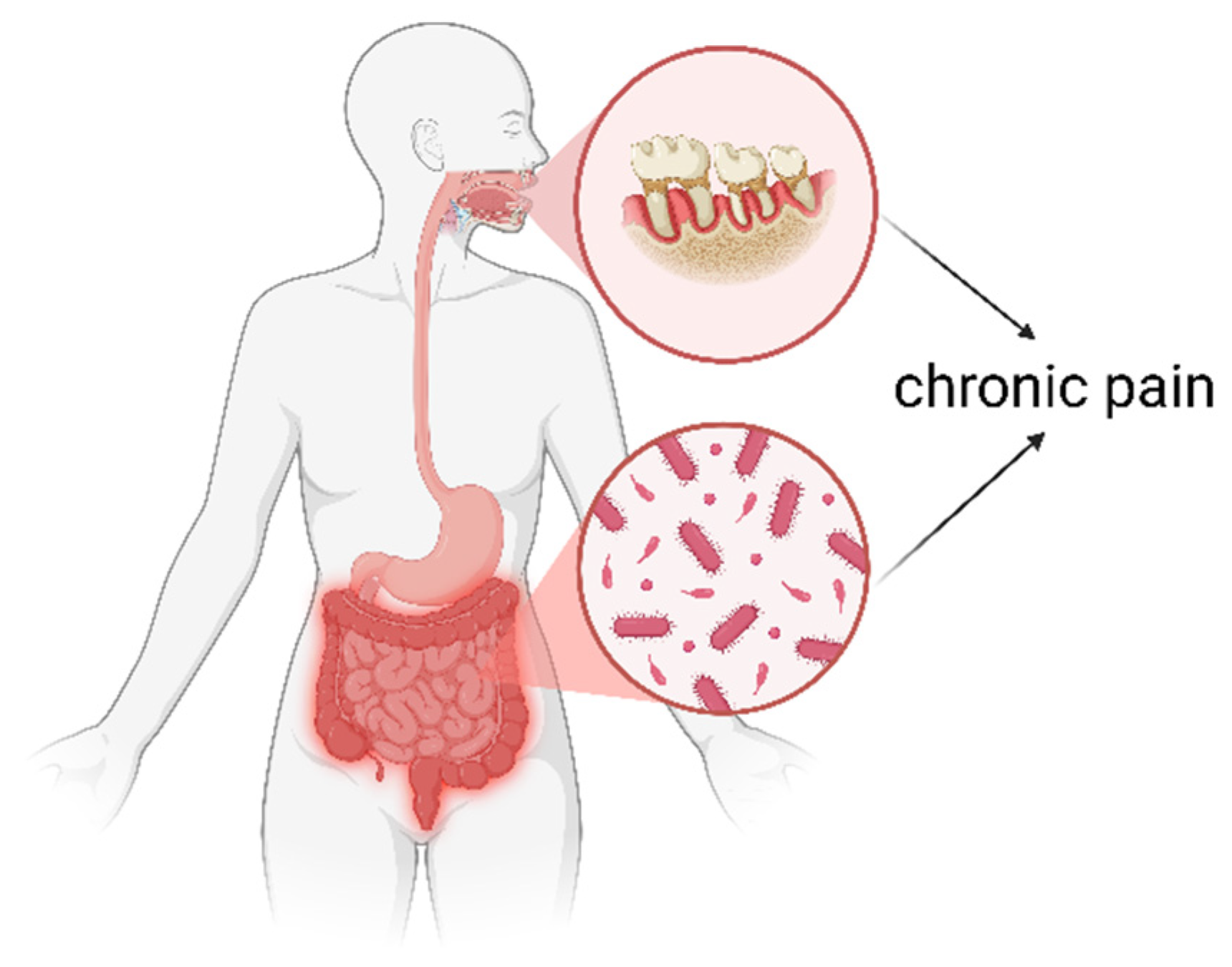
Figure 1. Poor oral and gastrointestinal health are each linked to chronic pain. The figure illustrates periodontitis as an example of poor oral health, and gut dysbiosis as an example of poor gastrointestinal health, both of which are associated with chronic pain.
Jcm 14 08812 g001
Figure 2. Implementing oral and gastrointestinal health science into chronic pain management: recommendations for assessment of patients with chronic pain. Abbreviations: GI: Gastrointestinal; PPI: Proton Pump Inhibitor; NSAID: Nonsteroidal Anti-inflammatory Drug.
Jcm 14 08812 g002
Figure 3. Illustration to explain to patients with chronic pain the connections between an unhealthy diet, gut dysbiosis, chronic low-grade inflammation, and pain severity (upper part) versus a healthy diet relating to a healthy gut microbiome and less pain (lower part).
Jcm 14 08812 g003
Figure 4. Proposed model linking oral health issues and gut dysbiosis to the pathophysiology of chronic pain: Oral health issues (e.g., periodontitis) or gut dysbiosis potentially trigger or perpetuate low-grade systemic inflammation, which in turn can trigger or perpetuate the increased sensitivity of the nervous system (‘central sensitization’) typically seen in patients with chronic pain. Note: direct evidence linking oral health or gut dysbiosis to low-grade systemic inflammation or central sensitization in people with chronic pain is currently unavailable and represents an important research priority.
Jcm 14 08812 g004
Disclaimer/Publisher’s Note: The statements, opinions and data contained in all publications are solely those of the individual author(s) and contributor(s) and not of MDPI and/or the editor(s). MDPI and/or the editor(s) disclaim responsibility for any injury to people or property resulting from any ideas, methods, instructions or products referred to in the content.