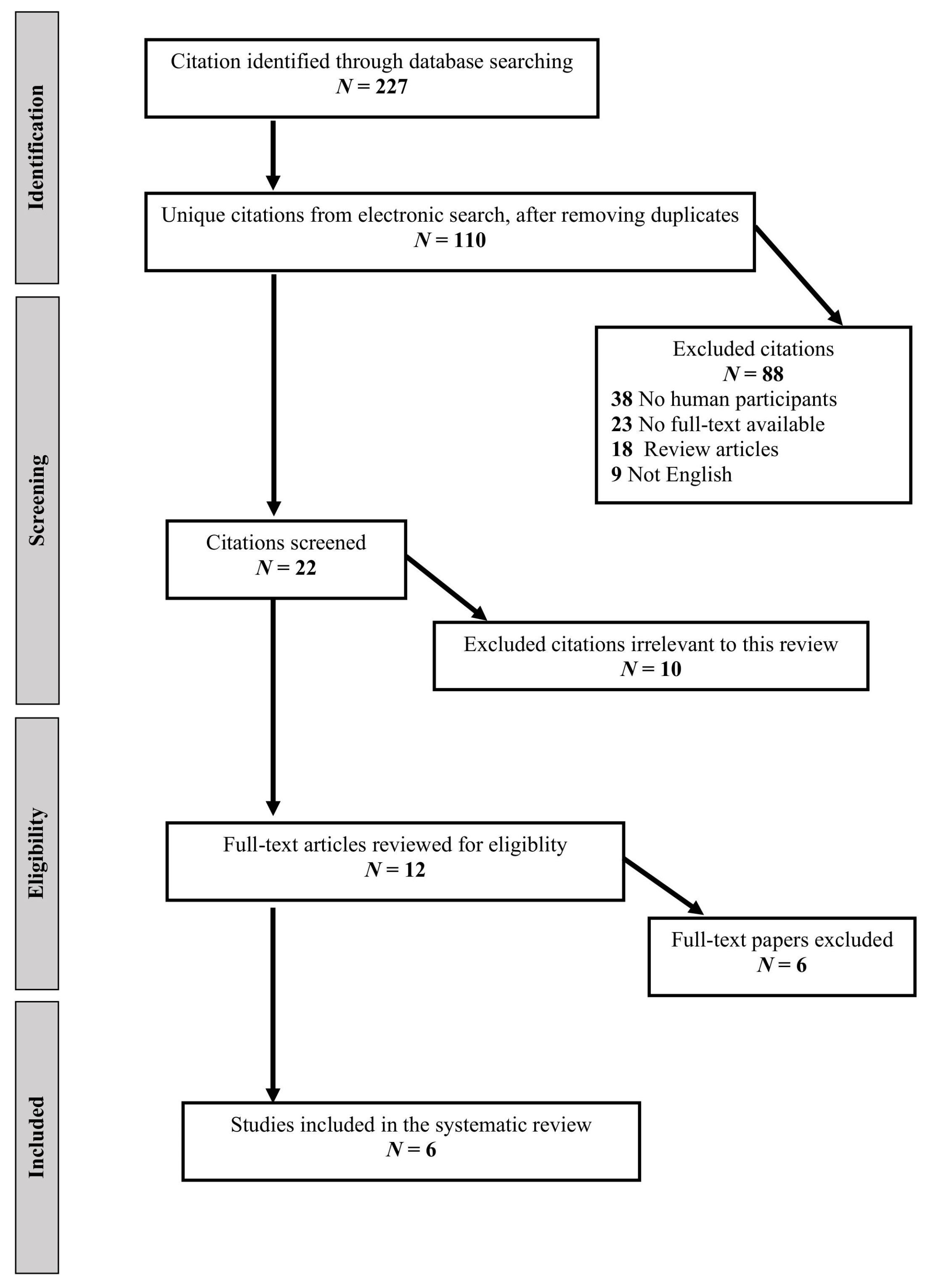
The Role of Aromatase Inhibitors in Male Prolactinoma



Abstract
1. Introduction
2. Materials and Methods
3. Results
4. Discussion
5. Conclusions
Author Contributions
Funding
Institutional Review Board Statement
Informed Consent Statement
Data Availability Statement
Conflicts of Interest
References
- Fernandez, A.; Karavitaki, N.; Wass, J.A.H. Prevalence of pituitary adenomas: A community-based, cross-sectional study in Banbury (Oxfordshire, UK). Clin. Endocrinol. 2010, 72, 377–382. [Google Scholar] [CrossRef] [PubMed]
- Kirsch, P.; Kunadia, J.; Shah, S.; Agrawal, N. Metabolic effects of prolactin and the role of dopamine agonists: A review. Front. Endocrinol. 2022, 13, 1–13. [Google Scholar] [CrossRef]
- Melmed, S.; Casanueva, F.F.; Hoffman, A.R.; Kleinberg, D.L.; Montori, V.; Schlechte, J.; Wass, J.A.H. Diagnosis and Treatment of Hyperprolactinemia: An Endocrine Society Clinical Practice Guideline. J. Clin. Endocrinol. Metab. 2011, 96, 273–288. [Google Scholar] [CrossRef] [PubMed]
- Samperi, I.; Lithgow, K.; Karavitaki, N. Hyperprolactinaemia. J. Clin. Med. 2019, 8, 2203. [Google Scholar] [CrossRef]
- Delgrange, E.; Trouillas, J.; Maiter, D.; Donckier, J.; Tourniaire, J. Sex-Related Difference in the Growth of Prolactinomas: A Clinical and Proliferation Marker Study*. J. Clin. Endocrinol. Metab. 1997, 82, 2102–2107. [Google Scholar] [CrossRef]
- Sonigo, C.; Bouilly, J.; Carré, N.; Tolle, V.; Caraty, A.; Tello, J.A.; Simony-Conesa, F.-J.; Millar, R.P.; Young, J.; Binart, N. Hyperprolactinemia-induced ovarian acyclicity is reversed by kisspeptin administration. J. Clin. Investig. 2012, 122, 3791–3795. [Google Scholar] [CrossRef] [PubMed]
- Casanueva, F.F.; Molitch, M.E.; Schlechte, J.; Abs, R.; Bonert, V.; Bronstein, M.D.; Brue, T.; Cappabianca, P.; Colao, A.; Fahlbusch, R.; et al. Guidelines of the Pituitary Society for the diagnosis and management of prolactinomas. Clin. Endocrinol. 2006, 65, 265–273. [Google Scholar] [CrossRef]
- Tirosh, A.; Benbassat, C.; Lifshitz, A.; Shimon, I. Hypopituitarism patterns and prevalence among men with macroprolactinomas. Pituitary 2014, 18, 108–115. [Google Scholar] [CrossRef]
- Colao, A.; Savastano, S. Medical treatment of prolactinomas. Nat. Rev. Endocrinol. 2011, 7, 267–278. [Google Scholar] [CrossRef]
- Auriemma, R.S.; Pirchio, R.; De Alcubierre, D.; Pivonello, R.; Colao, A. Dopamine Agonists: From the 1970s to Today. Neuroendocrinology 2019, 109, 34–41. [Google Scholar] [CrossRef]
- Colao, A.; Vitale, G.; Cappabianca, P.; Briganti, F.; Ciccarelli, A.; De Rosa, M.; Zarrilli, S.; Lombardi, G. Outcome of Cabergoline Treatment in Men with Prolactinoma: Effects of a 24-Month Treatment on Prolactin Levels, Tumor Mass, Recovery of Pituitary Function, and Semen Analysis. J. Clin. Endocrinol. Metab. 2004, 89, 1704–1711. [Google Scholar] [CrossRef] [PubMed]
- Seeman, P. Parkinson’s disease treatment may cause impulse-control disorder via dopamine D3 receptors. Synapse 2015, 69, 183–189. [Google Scholar] [CrossRef]
- Castinetti, F.; Albarel, F.; Amodru, V.; Cuny, T.; Dufour, H.; Graillon, T.; Morange, I.; Brue, T. The risks of medical treatment of prolactinoma. Ann. D’endocrinologie 2021, 82, 15–19. [Google Scholar] [CrossRef]
- Dos Santos Nunes, V.; El Dib, R.; Boguszewski, C.; Nogueira, C.R. Cabergoline versus bromocriptine in the treatment of hyperprolactinemia: A systematic review of randomized controlled trials and meta-analysis. Pituitary 2011, 14, 259–265. [Google Scholar] [CrossRef] [PubMed]
- De Ronde, W.; De Jong, F.H. Aromatase inhibitors in men: Effects and therapeutic options. Reprod. Biol. Endocrinol. 2011, 9, 93–97. [Google Scholar] [CrossRef]
- Oktay, K.; Hourvitz, A.; Sahin, G.; Oktem, O.; Safro, B.; Cil, A.; Bang, H. Letrozole Reduces Estrogen and Gonadotropin Exposure in Women with Breast Cancer Undergoing Ovarian Stimulation before Chemotherapy. J. Clin. Endocrinol. Metab. 2006, 91, 3885–3890. [Google Scholar] [CrossRef]
- Lima, L.G.; Bueno, C.B.F.; Sickler, T.P.; Glezer, A.; Bronstein, M.D. Hyperprolactinemia exacerbated by testosterone replacement in a man with macroprolactinoma: The place of aromatase inhibitors. Endocr. Rev. 2013, 34 (Suppl. 1). [Google Scholar]
- Ozturk, F.Y.; Sen, E.C.; Erol, R.S.; Cakir, S.D.; Basmaz, S.E.; Saygili, E.S.; Batman, A.; Altuntas, Y. Successful management of macroprolactinoma with aromatase inhibitor in a patient with hypogonadotropic hypogonadism. In Proceedings of the 19th European Congress of Endocrinology, Lisbon, Portugal, 20–23 May 2017; Volume EP836. [Google Scholar]
- Burman, P.; Link, K. Anastrozole-induced rapid normalization of prolactin in a man with a giant prolactinoma. Endocr. Rev. 2016, 37 (Suppl. 2), SUN485. [Google Scholar]
- Heidari, Z.; Hosseinpanah, F.; Shirazian, N. Achievement of Fertility in an Infertile Man with Resistant Macroprolactinoma Using High-Dose Bromocriptine and a Combination of Human Chorionic Gonadotropin and an Aromatase Inhibitor. Endocr. Pract. 2010, 16, 669–672. [Google Scholar] [CrossRef]
- Ceccato, F.; Lizzul, L.; Voltan, G.; Barbot, M.; Scaroni, C. Anastrozole as add-on therapy for cabergoline-resistant prolactin-secreting pituitary adenomas: Real-life experience in male patients. Pituitary 2021, 24, 914–921. [Google Scholar] [CrossRef] [PubMed]
- Gillam, M.P.; Middler, S.; Freed, D.J.; Molitch, M.E. The Novel Use of Very High Doses of Cabergoline and a Combination of Testosterone and an Aromatase Inhibitor in the Treatment of a Giant Prolactinoma. J. Clin. Endocrinol. Metab. 2002, 87, 4447–4451. [Google Scholar] [CrossRef] [PubMed]
- Molitch, M.E. Management of medically refractory prolactinoma. J. Neuro-Oncol. 2014, 117, 421–428. [Google Scholar] [CrossRef] [PubMed]
- Bhasin, S.; Brito, J.P.; Cunningham, G.R.; Hayes, F.J.; Hodis, H.N.; Matsumoto, A.M.; Snyder, P.J.; Swerdloff, R.S.; Wu, F.C.; Yialamas, M.A. Testosterone Therapy in Men with Hypogonadism: An Endocrine Society* Clinical Practice Guideline. J. Clin. Endocrinol. Metab. 2018, 103, 1715–1744. [Google Scholar] [CrossRef] [PubMed]
- Paepegaey, A.-C.; Salenave, S.; Kamenicky, P.; Maione, L.; Brailly-Tabard, S.; Young, J.; Chanson, P. Cabergoline Tapering Is Almost Always Successful in Patients with Macroprolactinomas. J. Endocr. Soc. 2017, 1, 221–230. [Google Scholar] [CrossRef]
- Maiter, D. Management of Dopamine Agonist-Resistant Prolactinoma. Neuroendocrinology 2019, 109, 42–50. [Google Scholar] [CrossRef] [PubMed]
- Ono, M.; Miki, N.; Kawamata, T.; Makino, R.; Amano, K.; Seki, T.; Kubo, O.; Hori, T.; Takano, K. Prospective Study of High-Dose Cabergoline Treatment of Prolactinomas in 150 Patients. J. Clin. Endocrinol. Metab. 2008, 93, 4721–4727. [Google Scholar] [CrossRef]
- Delgrange, E.; Daems, T.; Verhelst, J.; Abs, R.; Maiter, D. Characterization of resistance to the prolactin-lowering effects of cabergoline in macroprolactinomas: A study in 122 patients. Eur. J. Endocrinol. 2009, 160, 747–752. [Google Scholar] [CrossRef]
- Halevy, C.; Whitelaw, B.C. How effective is temozolomide for treating pituitary tumours and when should it be used? Pituitary 2017, 20, 261–266. [Google Scholar] [CrossRef]
- Tampourlou, M.; Trifanescu, R.; Paluzzi, A.; Ahmed, S.K.; Karavitaki, N. THERAPY OF ENDOCRINE DISEASE: Surgery in microprolactinomas: Effectiveness and risks based on contemporary literature. Eur. J. Endocrinol. 2016, 175, R89–R96. [Google Scholar] [CrossRef]
- Fukuhara, N.; Nishiyama, M.; Iwasaki, Y. Update in Pathogenesis, Diagnosis, and Therapy of Prolactinoma. Cancers 2022, 14, 3604. [Google Scholar] [CrossRef]
- Voica, M.; Tetlay, M.; Thompson, D.V.; Hasan, F. Recovery of Male Hypogonadism Following Successful Treatment of Prolactinoma: The Experience of an Integrated Health Network. J. Endocr. Soc. 2021, 5 (Suppl. 1), A632–A633. [Google Scholar] [CrossRef]
- Rudman, Y.; Duskin-Bitan, H.; Masri-Iraqi, H.; Akirov, A.; Shimon, I. Predicting hypogonadotropic hypogonadism persistence in male macroprolactinoma. Pituitary 2022, 25, 882–890. [Google Scholar] [CrossRef] [PubMed]
- Auriemma, R.S.; Galdiero, M.; Vitale, P.; Granieri, L.; Calzo, F.L.; Salzano, C.; Ferreri, L.; Pivonello, C.; Cariati, F.; Coppola, G.; et al. Effect of Chronic Cabergoline Treatment and Testosterone Replacement on Metabolism in Male Patients with Prolactinomas. Neuroendocrinology 2015, 101, 66–81. [Google Scholar] [CrossRef]
- Prior, J.C.; Cox, T.A.; Fairholm, D.; Kostashuk, E.; Nugent, R. Testosterone-Related Exacerbation of a Prolactin-Producing Macroadenoma: Possible Role for Estrogen. J. Clin. Endocrinol. Metab. 1987, 64, 391–394. [Google Scholar] [CrossRef] [PubMed]
- Sodi, R.; Fikri, R.; Diver, M.; Ranganath, L.; Vora, J. Testosterone replacement-induced hyperprolactinaemia: Case report and review of the literature. Ann. Clin. Biochem. Int. J. Biochem. Lab. Med. 2005, 42, 153–159. [Google Scholar] [CrossRef] [PubMed]
- Carretero, J.; Burks, D.J.; Vázquez, G.; Rubio, M.; Hernández, E.; Bodego, P.; Vázquez, R. Expression of Aromatase P450 is Increased in Spontaneous Prolactinomas of Aged Rats. Pituitary 2002, 5, 5–10. [Google Scholar] [CrossRef] [PubMed]
- Akinci, H.; Kapucu, A.; Dar, K.A.; Celik, O.; Tutunculer, B.; Sirin, G.; Oz, B.; Gazioglu, N.; Ince, H.; Aliustaoglu, S.; et al. Aromatase cytochrome P450 enzyme expression in prolactinomas and its relationship to tumor behavior. Pituitary 2013, 16, 386–392. [Google Scholar] [CrossRef]
- Su, Y.-X.; Du, G.-L.; Shen, H.-L.; Wang, W.; Bao, J.-L.; Aierken, A.; Wang, B.-W.; Jiang, S.; Zhu, J.; Gao, X.-M. Increased expression of aromatase cytochrome P450 enzyme is associated with prolactinoma invasiveness in post-menopausal women. J. Int. Med. Res. 2019, 47, 3115–3126. [Google Scholar] [CrossRef]
- García-Barrado, M.J.; Blanco, E.J.; Iglesias-Osma, M.C.; Carretero-Hernández, M.; Catalano-Iniesta, L.; Sanchez-Robledo, V.; Carretero, M.; Herrero, J.J.; Carrero, S.; Carretero, J. Relation among Aromatase P450 and Tumoral Growth in Human Prolactinomas. Int. J. Mol. Sci. 2017, 18, 2299. [Google Scholar] [CrossRef] [PubMed]
- Yang, C.; Li, P.; Li, Z. Clinical application of aromatase inhibitors to treat male infertility. Hum. Reprod. Updat. 2021, 28, 30–50. [Google Scholar] [CrossRef]
- Ribeiro, R.S.; Abucham, J. Recovery of persistent hypogonadism by clomiphene in males with prolactinomas under dopamine agonist treatment. Eur. J. Endocrinol. 2009, 161, 163–169. [Google Scholar] [CrossRef] [PubMed]
- Gao, H.; Xue, Y.; Cao, L.; Liu, Q.; Liu, C.; Shan, X.; Wang, H.; Gu, Y.; Zhang, Y. ESR1 and its antagonist fulvestrant in pituitary adenomas. Mol. Cell. Endocrinol. 2017, 443, 32–41. [Google Scholar] [CrossRef] [PubMed]


| Study | Patients | Age | Adenoma Size | Baseline Prolactin Levels | Maximal Cabergoline Dose | Nadir of Prolactin Levels During Cabergoline | Timing of Testosterone Replacement Therapy | Maximal Prolactin on Testosterone | Aromatase Inhibitor Treatment | Minimal Prolactin Levels on Aromatase Inhibitor | Tumor Mass |
|---|---|---|---|---|---|---|---|---|---|---|---|
| Gillam et al., 2002 [22] | 1 | 34 y/o | 4.5 × 3.5 × 4.5 cm | 10,362 µg/L (2.7–12.2) | 21 mg weekly | 71 µg/L (2.7–12.2) | At 16 months for 1 month; at 22 months. | 295 µg/L (2.7–12.2) | Anastrozole, 1 mg daily | 36 µg/L (2.7–12.2) | No data |
| Heidari et al., 2010 [20] | 1 | 36 y/o | 2.0 × 1.8 × 1.5 cm | 420 ng/mL | 5 mg weekly | 23 ng/mL | At 6 months | 96 ng/mL. d/t desire for fertility, hCG was initiated and PRL increased to 221 ng/mL | Letrozole, 2.5 mg daily | 29 ng/mL | Shrinkage |
| Lima et al., 2013 [17] | 1 | 29 y/o | 3.0 × 4.5 × 3.5 cm | 1218 ng/mL (<10 ng/mL) | 1.5 mg weekly | <10 ng/mL | At 24 months | 60 ng/mL (<10 ng/mL) | Letrozole, 2.5 mg daily | 24 ng/mL (<10 ng/mL) | Shrinkage |
| Burman et al., 2016 [19] | 1 | 34 y/o | Giant prolactinoma | 360,430 mU/L (<400 mU/L) | 5 mg weekly | 556 mU/L (<400 mU/L) | At 12 months | 1477 mU/L (<400 mU/L) | Anastrozole | <400 mU/L (<400 mU/L) | Shrinkage |
| Ozturk et al., 2017 [18] | 1 | 28 y/o | 3.6 × 3.5 × 2.3 cm | 323 ng/mL | 1 mg weekly | 80 ng/mL | At 2 months | 470 ng/mL | Anastrozole, 1 mg daily | 18.8 ng/mL | No enlargment |
| Ceccato et al., 2021 [21] | 4 | 26 y/o | 3.3 × 2.3 × 3.5 | 14,000 µg/L (<15 µg/L) | 4.5 mg weekly | 1920 µg/L (<15 µg/L) | NA | NA | Anastrozole, 1 mg daily | 50 µg/L (<15 µg/L) | Shrinkage |
| 38 y/o | 5.2 × 4.8 × 5.0 | 33,000 µg/L (<15 µg/L) | 4.5 mg weekly | 270 µg/L (<15 µg/L) | NA | NA | Anastrozole, 1 mg daily | 23 µg/L (<15 µg/L) | Shrinkage | ||
| 29 y/o | 1.7 × 1.4 × 1.5 | 1460 µg/L (<15 µg/L) | 3 mg weekly | 35 µg/L (<15 µg/L) | NA | NA | Anastrozole, 1 mg daily | 18 µg/L (<15 µg/L) | Shrinkage | ||
| 19 y/o | 1.3 × 1.5 × 1.0 | 850 µg/L (<15 µg/L) | 3.5 mg weekly | 26 µg/L (<15 µg/L) | NA | NA | Anastrozole, 1 mg daily | 14 µg/L (<15 µg/L) | Shrinkage |
Disclaimer/Publisher’s Note: The statements, opinions and data contained in all publications are solely those of the individual author(s) and contributor(s) and not of MDPI and/or the editor(s). MDPI and/or the editor(s) disclaim responsibility for any injury to people or property resulting from any ideas, methods, instructions or products referred to in the content. |
© 2023 by the authors. Licensee MDPI, Basel, Switzerland. This article is an open access article distributed under the terms and conditions of the Creative Commons Attribution (CC BY) license (https://creativecommons.org/licenses/by/4.0/).
Share and Cite
Akirov, A.; Rudman, Y. The Role of Aromatase Inhibitors in Male Prolactinoma. J. Clin. Med. 2023, 12, 1437. https://doi.org/10.3390/jcm12041437
Akirov A, Rudman Y. The Role of Aromatase Inhibitors in Male Prolactinoma. Journal of Clinical Medicine. 2023; 12(4):1437. https://doi.org/10.3390/jcm12041437
Chicago/Turabian StyleAkirov, Amit, and Yaron Rudman. 2023. "The Role of Aromatase Inhibitors in Male Prolactinoma" Journal of Clinical Medicine 12, no. 4: 1437. https://doi.org/10.3390/jcm12041437
APA StyleAkirov, A., & Rudman, Y. (2023). The Role of Aromatase Inhibitors in Male Prolactinoma. Journal of Clinical Medicine, 12(4), 1437. https://doi.org/10.3390/jcm12041437