


Abstract
Background: Solid organ rejection post-SARS-CoV-2 vaccination or COVID-19 infection is extremely rare but can occur. T-cell recognition of antigen is the primary and central event that leads to the cascade of events that result in rejection of a transplanted organ. Objectives: To describe the results of a systematic review for solid organ rejections following SARS-CoV-2 vaccination or COVID-19 infection. Methods: For this systematic review and meta-analysis, we searched Proquest, Medline, Embase, Pubmed, CINAHL, Wiley online library, Scopus and Nature through the Preferred Reporting Items for Systematic Reviews and Meta Analyses (PRISMA) guidelines for studies on the incidence of solid organ rejection post-SARS-CoV-2 vaccination or COVID-19 infection, published from 1 December 2019 to 31 May 2022, with English language restriction. Results: One hundred thirty-six cases from fifty-two articles were included in the qualitative synthesis of this systematic review (56 solid organs rejected post-SARS-CoV-2 vaccination and 40 solid organs rejected following COVID-19 infection). Cornea rejection (44 cases) was the most frequent organ observed post-SARS-CoV-2 vaccination and following COVID-19 infection, followed by kidney rejection (36 cases), liver rejection (12 cases), lung rejection (2 cases), heart rejection (1 case) and pancreas rejection (1 case). The median or mean patient age ranged from 23 to 94 years across the studies. The majority of the patients were male (n = 51, 53.1%) and were of White (Caucasian) (n = 51, 53.7%) and Hispanic (n = 15, 15.8%) ethnicity. A total of fifty-six solid organ rejections were reported post-SARS-CoV-2 vaccination [Pfizer-BioNTech (n = 31), Moderna (n = 14), Oxford Uni-AstraZeneca (n = 10) and Sinovac-CoronaVac (n = 1)]. The median time from SARS-CoV-2 vaccination to organ rejection was 13.5 h (IQR, 3.2–17.2), while the median time from COVID-19 infection to organ rejection was 14 h (IQR, 5–21). Most patients were easily treated without any serious complications, recovered and did not require long-term allograft rejection therapy [graft success (n = 70, 85.4%), graft failure (n = 12, 14.6%), survived (n = 90, 95.7%) and died (n = 4, 4.3%)]. Conclusion: The reported evidence of solid organ rejections post-SARS-CoV-2 vaccination or COIVD-19 infection should not discourage vaccination against this worldwide pandemic. The number of reported cases is relatively small in relation to the hundreds of millions of vaccinations that have occurred, and the protective benefits offered by SARS-CoV-2 vaccination far outweigh the risks.
Keywords:
allograft; COVID-19; disease; infection; meta-analysis; organ; rejection; SARS-CoV-2; systematic review; transplant; vaccine; vaccination 1. Introduction
Owing to the increased risk of complications associated with the severe acute respiratory syndrome coronavirus 2 (SARS-CoV-2) infection, transplant recipients are a high-risk group recommended for coronavirus disease 2019 (COVID-19) vaccination. Vaccination against SARS-CoVS-2 is considered to be the best medical solution to end the current COVID-19 pandemic, and all SARS-CoV-2 vaccines have been determined to be safe. Maintenance of vaccine safety requires a proactive approach to maintain public confidence and reduce vaccine hesitancy [1,2]. The most commonly reported side effects of SARS-CoV-2 vaccines are fever, headache, fatigue and pain at the injection site, and overall, most side effects were mild-to-moderate and self-limited [3]. COVID-19 has now been demonstrated to be a multisystem disease with complex interactions with coexisting medical conditions and causing indirect effects through immune dysregulation [4].
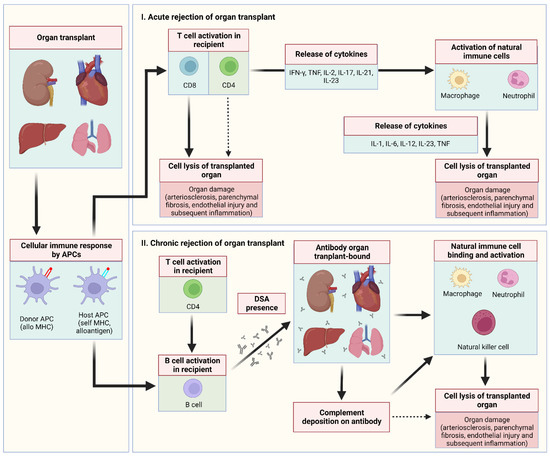
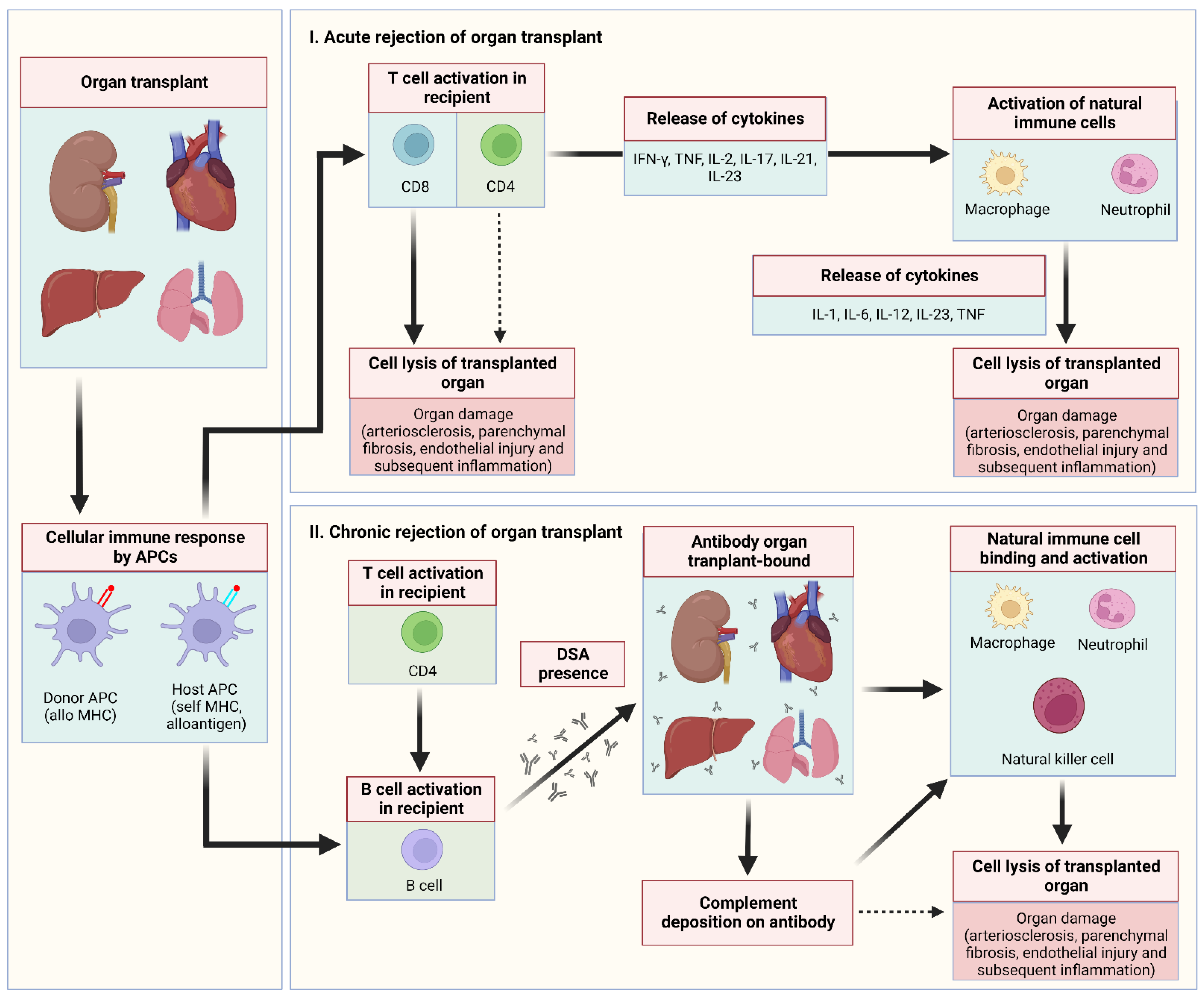
Organ rejection post-COVID-19 vaccination with all vaccines used to prevent COVID-19 or following COVID-19 infection with all variants of concerns is rare but can occur. Solid organ transplant recipients may be at increased risk for COVID-19 because they are immunosuppressed and are less likely to mount effective immune responses to vaccination [5,6]. T-cell recognition of antigens is the primary and central event that leads to the cascade of events that result in rejection of a transplanted organ following SARS-CoV-2 vaccination or COVID-19 infection (see Figure 1).
Figure 1.
Schematic representation of intracellular signalling in solid organ rejection. In general, once T cell activation occurs, a chain of intracellular events is triggered under the influence of growth and differentiation factors. In acute rejection of organ transplant, recipient CD8 T cells and, to a lesser extent, CD4 T cells directly destroy the organ transplant. Moreover, CD4 cells in the recipient cause organ damage via the secretion of extraordinary array of cytokines with a bewildering number of functions that activate the host’s natural immune system (macrophages and neutrophils). In chronic rejection of organ transplant, donor-specific antibodies are released that bind to the organ transplant to instigate the host’s natural immune system (macrophages, neutrophils and natural killer cells) and cause complement deposition. Abbreviations: APCs, antigen-presenting cells; DSA, donor-specific antibodies; IL-1, interleukin-1; IL-2, interleukin-2; IL-6, interleukin-6; IL-12, interleukin-12; IL-17, interleukin-17; IL-21, interleukin-21; IL-23, interleukin-23; IFN-γ, interferon gamma; MHC, major histocompatibility complex; TNF, tumour necrosis factor.
A growing body of evidence has indicated that allograft rejections have occurred as a potential consequence of COVID-19 vaccines in cornea, liver and kidney transplant recipients [7,8,9,10,11]. Several cases of organ rejections following COVID-19 infection have been described among corneal and renal transplant recipients [12,13,14,15,16]. In light of newer case reports and case-series studies that were published to describe the occurrence of organ rejection following COVID-19 vaccination or post-COVID-19 infection, we provide a systematic review of the current literature to delineate the range of organ rejections that were elicited following COVID-19 vaccination or SARS-CoV-2 infection.
2. Methods
2.1. Design
We followed the Preferred Reporting Items for Systematic Reviews and Meta-Analyses guidelines (PRISMA) in conducting this systematic review and meta-analysis [17]. The following electronic databases were searched: PROQUEST, MEDLINE, EMBASE, PUBMED, CINAHL, WILEY ONLINE LIBRARY, SCOPUS and NATURE with Full Text.
We used the following keywords: COVID-19 OR SARS-CoV-2 OR Severe acute Respiratory Syndrome Coronavirus 2 OR Coronavirus Disease 2019 OR 2019 novel coronavirus MINUS or PLUS vaccine OR vaccination AND organ rejection OR transplant rejection OR solid organ rejection OR graft rejection OR allograft rejection OR cornea rejection OR liver transplant rejection OR kidney transplant rejection OR heart transplant rejection OR lung transplant rejection OR trachea transplant rejection OR pancreas transplant rejection OR pancreas rejection OR skin rejection OR vascular tissue rejection OR intestine rejection OR stomach rejection OR bowel rejection OR bone marrow rejection OR blood vessels rejection OR heart valve rejection OR bone rejection OR uterus rejection OR testis rejection OR penis rejection OR ovary rejection OR hand (arm) rejection OR shoulder rejection OR bladder rejection OR face rejection. The search was limited to papers published in English between 1 December 2019 and 31 May 2022. Based on the title and abstract of each selected article, we selected those discussing and reporting occurrence of organ rejections due to SARS-CoV-2 vaccination or COVID-19 infection.
2.2. Inclusion–Exclusion Criteria
The inclusion criteria are as follows: (1) published case reports, case series and cohort studies that focused on organ rejection following SARS-CoV-2 vaccination or COVID-19 infection that included children and adults as population of interest; (2) studies of experimental or observational design reporting the incidence of organ rejection in patients post-SARS-CoV-2 vaccination or infection; and (3) the language was restricted to English.
The exclusion criteria are as follows: (1) editorials, commentaries, case and animal studies, discussion papers, preprints, news analyses, reviews and meta-analyses; (2) studies that did not report data on organ rejection due to SARS-CoV-2 vaccination or infection; (3) studies that did not report details on identified organ rejection cases following COVID-19 vaccination or infection; (4) studies that reported organ rejection in patients with no history of COVID-19 vaccination or negative SARS-CoV-2 PCR tests; and (5) duplicate publications.
2.3. Data Extraction
Seven authors (Saad Alhumaid, Ali A. Rabaan, Kuldeep Dhama, Shin Jie Yong, Firzan Nainu, Khalid Hajissa and Nourah Al Dossary) critically reviewed all of the studies retrieved and selected those judged to be the most relevant. Data were carefully extracted from the relevant research studies independently. Articles were categorized as case report, case series or cohort studies.
The following data were extracted from selected studies: authors; publication year; study location; study design and setting; age; proportion of male patients; patient ethnicity; time from COVID-19 vaccination to organ rejection; vaccine brand and dose (if first dose, second dose or third dose); if organ rejection is new-onset or relapsed; method used to detect COVID-19; symptoms of COVID-19 infection; time from COVID-19 infection to organ rejection; medical comorbidities; patient clinical presentation; abnormal laboratory indicators; biopsy examination and radiological imaging findings; treatment given after organ rejection; assessment of study risk of bias; if patient suffered graft failure; and final treatment outcome (survived or died).
2.4. Quality Assessment
The quality assessment of the studies was undertaken based on the Newcastle–Ottawa Scale (NOS) to assess the quality of the selected studies [18]. This assessment scale has two different tools for evaluating case-control and cohort studies. Each tool measures quality in the three parameters of selection, comparability and exposure/outcome and allocates a maximum of four, two and three points, respectively [18]. High-quality studies are scored greater than 7 on this scale, and moderate-quality studies scored between 5 and 7 [18]. Quality assessment was performed by six authors (Khulood Khaled Alajmi, Afaf E. Al Saggar, Fahad Abdullah AlHarbi, Mohammed Buhays Aswany, Abdullah Abdulaziz Alshayee and Saad Abdalaziz Alrabiah) independently, with any disagreement resolved by consensus.
2.5. Data Analysis
We primarily examined the proportion of confirmed cases that suffered organ rejection due to SARS-CoV-2 vaccination or COVID-19 infection. This proportion was further classified based on the type of organ rejection induced by the SARS-CoV-2 vaccine or COVID-19 infection (i.e., if cornea, kidney, liver, heart, lung or pancreas rejection). Descriptive statistics were used to describe the data. For continuous variables, the mean and standard deviation were used to summarize the data, and for categorical variables, frequencies and percentages were reported. Microsoft Excel 2019 (Microsoft Corp., Redmond, DC, USA) was used for all statistical analyses. Figure 2 was created with Microsoft Word 2019 (Microsoft Corp., Redmond, DC, USA). Figure 1 and Figure 3 were created with BioRender.com (agreement no. IU23TYL40X) (accessed on 19 July 2022).
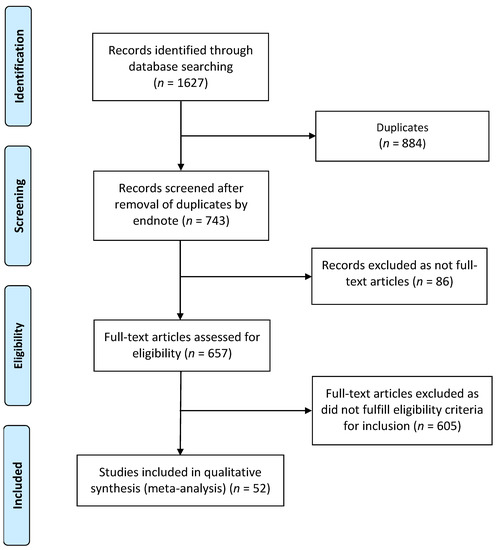
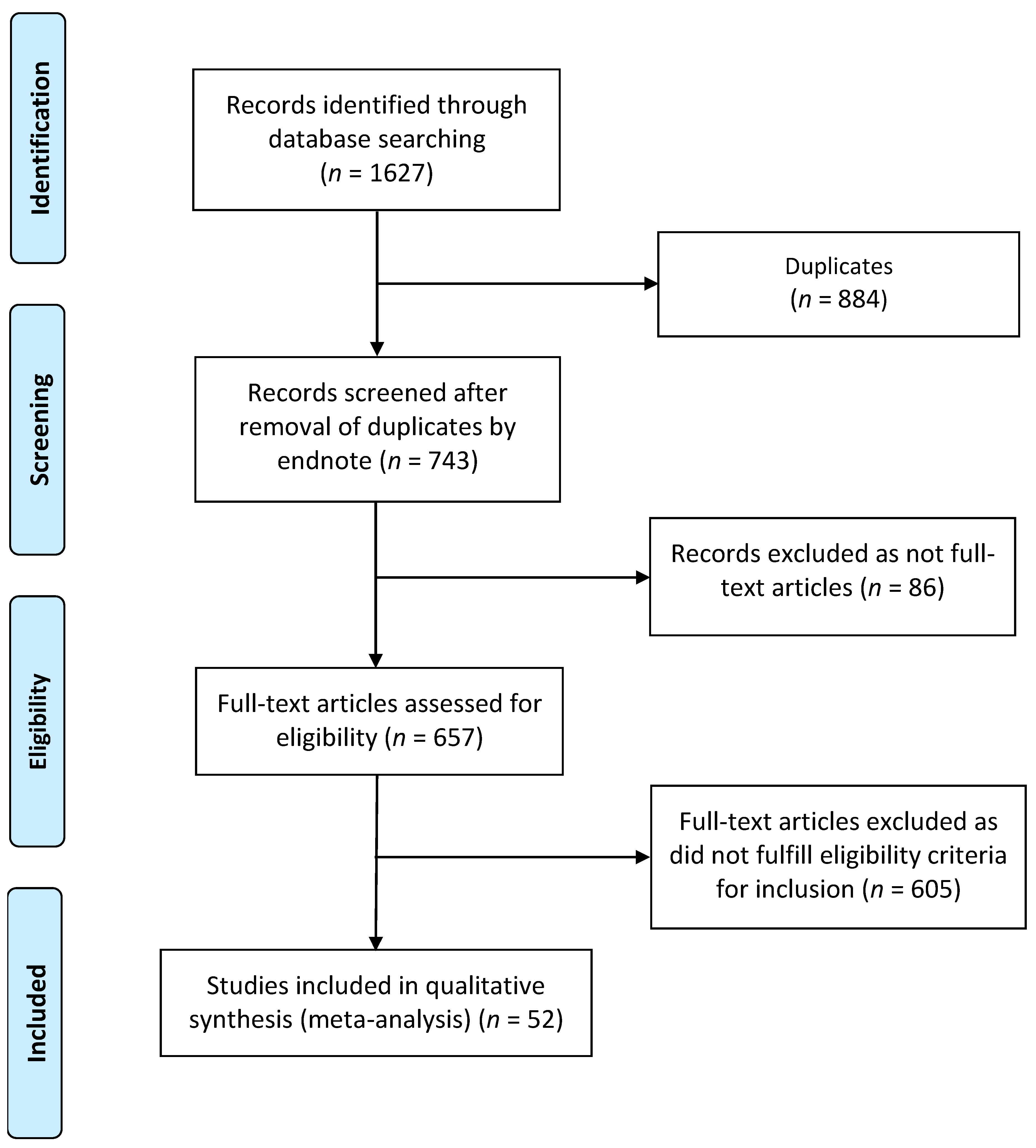
Figure 2.
Flow diagram of literature search and data extraction from studies included in the systematic review and meta-analysis.
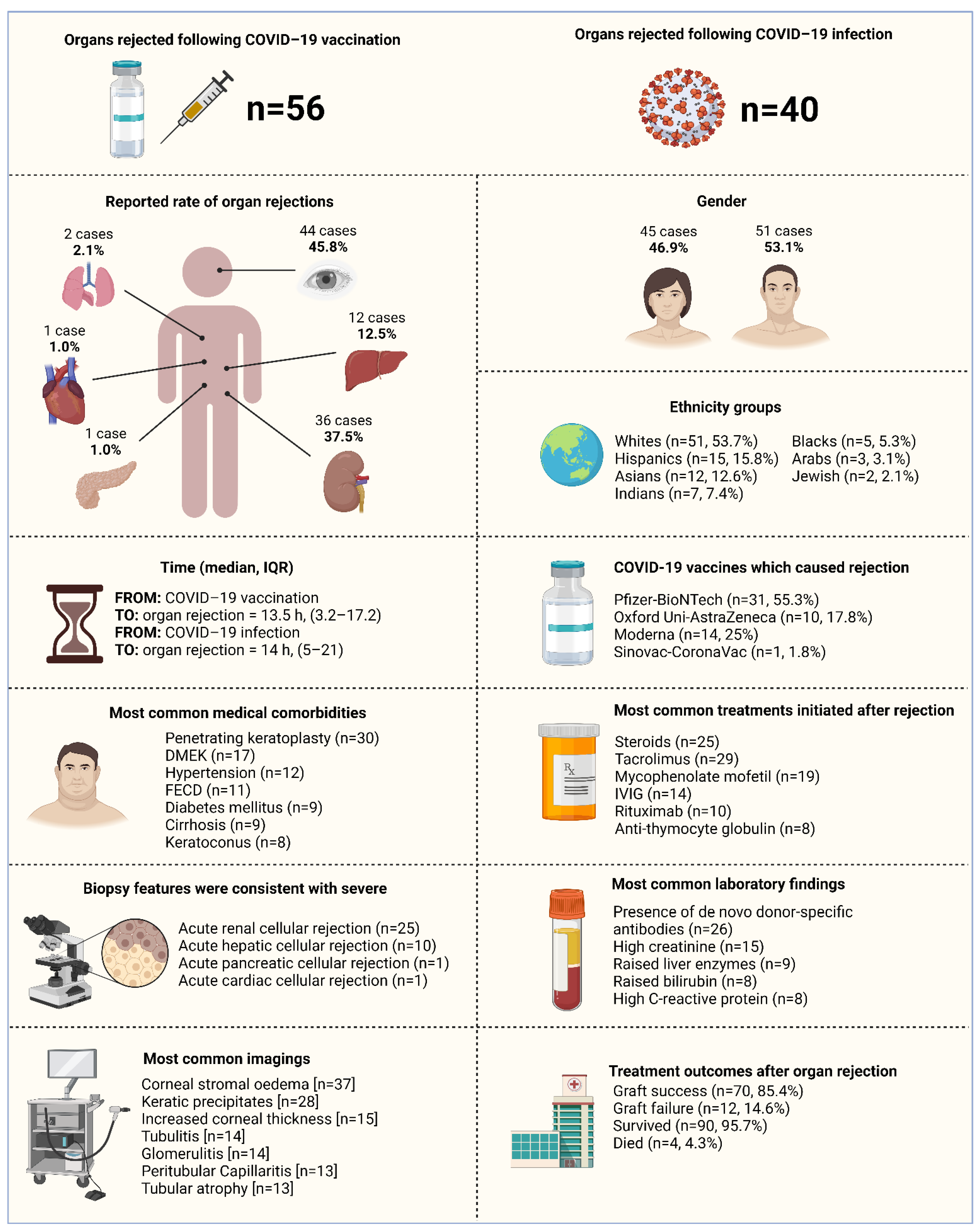
Figure 3.
Summary of the characteristics of the included studies with evidence on organ rejection following COVID-19 vaccination and post-COVID-19 infection (n = 52 studies), 2020–2022. Abbreviations: COVID-19, coronavirus disease 2019; IVIG, intravenous immunoglobulin; DMEK, Descemet’s membrane endothelial keratoplasty; FECD, Fuchs endothelial corneal dystrophy.
3. Results
3.1. Study Characteristics and Quality
A total of 1627 publications were identified (Figure 2). After the exclusion of duplicates and articles that did not fulfill the study inclusion criteria, fifty-two articles were included in the qualitative synthesis of this systematic review. The reports of ninety-six cases (fifty-six organ rejection cases following COVID-19 vaccination [7,8,9,10,11,19,20,21,22,23,24,25,26,27,28,29,30,31,32,33,34,35,36,37,38,39,40,41,42,43,44,45] and forty organ rejection cases after COVID-19 infection [12,13,14,15,16,46,47,48,49,50,51,52,53,54,55,56,57,58,59,60]) identified from these articles are presented in groups based on confirmed diagnoses, laboratory, biopsy and imaging findings. The detailed characteristics of the included studies are shown in Table 1 and Table 2. Among these, one article was in preprint version [24].
Table 1.
Summary of the characteristics of the included studies with evidence on organ rejection post-COVID-19 vaccination (n = 32 studies), 2021–2022.
Table 2.
Summary of the characteristics of the included studies with evidence on organ rejection post-COVID-19 infection (n = 20 studies), 2020–2022.
There were 42 case reports [5,6,7,8,11,12,13,17,18,20,21,22,24,25,26,27,29,30,31,32,33,34,35,37,38,39,40,41,42,43,44,45,48,49,50,51,52,53,54,55,56,57], 8 case series [9,10,14,28,36,46,47,58] and 2 cohort studies [19,23]. These studies were conducted in the United States (n = 14), India (n = 7), Italy (n = 5), Canada (n = 4), United Kingdom (n = 3), France (n = 3), Brazil (n = 2), Lebanon (n = 2), Australia (n = 1), Greece (n = 1), Egypt (n = 1), Denmark (n = 1), Japan (n = 1), Israel (n = 1), South Korea (n = 1), Slovakia (n = 1), Croatia (n = 1), China (n = 1), Mexico (n = 1) and Sweden (n = 1). The majority of the studies were single centre [5,6,7,8,9,11,12,13,17,18,20,21,22,24,25,26,27,28,29,30,31,32,33,34,35,36,37,38,39,40,41,42,43,44,45,48,49,50,51,52,53,54,55,56,57,58], and only six studies were multi-centre [10,14,19,23,46,47]. The median NOS score for these studies was 6 (range, 5–7). Among the 52 included studies, 37 studies were moderate-quality studies (i.e., NOS scores were between 5 and 7), and 15 studies demonstrated relatively high quality (i.e., NOS scores > 7); Table 1 and Table 2.
3.2. Meta-Analysis of Organs Rejection Following COVID-19 Vaccination
There were reports of fifty-six organ rejection cases following COVID-19 vaccination (fifty-one new-onset cases [5,6,7,8,9,17,18,19,20,21,22,23,24,25,26,27,28,29,30,31,32,33,34,35,36,37,39,40,41,42,43] and five relapsed cases [5,9,36,38]) (see Table 1). Allograft rejections after COVID-19 vaccination occurred for cornea (n = 38, 67.8%) [5,8,17,20,21,22,23,24,28,29,30,31,32,33,34,35,37,38,42,43], liver (n = 11, 19.6%) [9,25,36,39,41], kidney (n = 6, 10.7%) [6,7,18,19,26,40] and pancreas (n = 1, 1.8%) [27] transplant recipients.
The most common clinical presentations in these transplant patients who presented with organ rejection post-COVID-19 vaccination were diminished vision (n = 22) [5,8,17,20,22,23,24,31,33,34,35,37], eye redness (n = 15) [21,22,23,29,30,32,34,38,42], blurred vision (n = 14) [5,28,29,30,32,38,42,43], ocular pain (n = 14) [8,17,22,23,29,32,34,38,43], photophobia (n = 6) [17,32,37,38,43], weakness (n = 5) [25,27,34,40], myalgia (n = 3) [29,32,34,38] and fatigue (n = 3) [6,40,41].
The median interquartile range (IQR) age of this group was 63.5 (51 to 72.7) years, with a similar gender rate in patients who presented with organ rejections found after COVID-19 vaccination (female (n = 29) [5,7,8,9,17,21,23,26,27,28,29,30,32,34,36,37,38,39,40,41] and male (n = 27) [5,6,18,20,22,23,24,25,28,31,33,35,36,37,42,43]), and the majority of the patients were White (Caucasian) (n = 36, 64.3%) [5,6,7,8,9,17,18,21,24,25,28,30,32,34,36,37,39,40,41,43] and Asian (n = 9, 16.1%) [23,26] ethnicity. The median (IQR) time from COVID-19 vaccination to organ rejection was 13.5 (3.2 to 17.2) days.
Thirty-one of these fifty-six cases (seventeen after the first dose [8,9,18,19,20,23,25,28,30,32,34,36,39,42] and twelve after the second dose [7,17,23,24,26,32,36]) were reported following Pfizer-BioNTech vaccination. The remaining organ rejections cases were reported after Moderna (n = 14) [5,6,21,22,36,37,41,43], Oxford Uni-AstraZeneca (n = 10) [5,27,28,29,31,33,35,40] and Sinovac-CoronaVac (n = 1) [38] COVID-19 vaccination.
Thirty-seven of those patients had a medical history of eye diseases (penetrating keratoplasty (n = 27) [5,22,23,24,28,30,31,33,35,37,38,42,43], Descemet’s membrane endothelial keratoplasty (n = 16) [8,17,20,23,28,32,33,34,37], Fuchs’ endothelial corneal dystrophy (n = 8) [5,8,28,32,34,37], infectious keratitis (n = 5) [5,37,38], cataract operation (n = 5) [8,32,37,38], pseudophakic bullous keratopathy (n = 4) [5,22,33,37] and glaucoma (n = 2) [38,43]).
A considerable number of those patients had a medical history related to the liver (cirrhosis (n = 8) [9,25,36,39,41], liver transplant recipients (n = 8) [25,36,39,41], biliary atresia (n = 1) [9], hepatitis C virus (n = 1) [41] and hepatocellular carcinoma (n = 1) [41]) or kidney (end-stage kidney disease (n = 2) [6,40], kidney transplant recipient (n = 1) [6], polycystic kidney disease (n = 1) [9] and diabetic kidney disease (n = 1) [40]).
In one patient, the medical history was not reported [19], and only one patient had no medical history [21]; however, few of those reported cases had pre-existing diabetes mellitus (n = 5) [5,25,27,37,40] or hypertension (n = 5) [6,8,20,26,40]. Few of those cases presented with a previous known history of organ rejections for cornea (n = 2) [5,42] and liver (n = 2) [36].
Laboratory indices were not performed for a high number of cases who presented with organ rejection post-COVID-19 vaccination, particularly ones who suffered cornea rejections (n = 22, 39.3%) [5,8,17,20,21,22,23,24,28,29,31,32,33,34,35,37,38,42,43]; however, patients were more likely to have raised liver enzymes (n = 12) [9,25,36,39,41], raised bilirubin (n = 8) [9,25,36], the presence of de novo donor-specific antibodies (n = 5) [7,18,39,40], high creatinine (n = 5) [6,7,19,26,40], high C-reactive protein (n = 2) [6,25], thrombocytopenia (n = 2) [25,39] and low haemoglobin (n = 2) [39,40].
Biopsy for patients who presented with liver, kidney and pancreas rejections post-COVID-19 vaccination shown histopathological features consistent with acute hepatic cellular rejection (n = 4, 7.1%) [9,25,36,41], acute renal cellular rejection (n = 4, 7.1%) [6,7,26,40] and acute pancreatic cellular rejection (n = 1, 1.8%) [27], respectively. Most of the radiological imaging shown corneal stromal oedema (n = 34) [5,8,20,22,23,28,29,30,31,32,33,34,35,37,38,42,43], keratic precipitates (n = 24) [5,22,23,28,30,31,32,34,37,42,43], increased corneal thickness (n = 13) [5,8,23,38], Descemet’s membrane folds (n = 9) [17,22,28,29,30,34,37,42], cells in the anterior chamber (n = 7) [5,23,30,34,37,42], conjunctival injection (n = 5) [32,34,37], anterior chamber inflammation (n = 4) [32,34,35] and Khodadoust’s rejection line (n = 4) [29,35,37].
As expected, most prescribed pharmacotherapy agents in these organ rejection cases were steroids (n = 58) [5,6,7,8,9,17,20,21,22,23,24,25,26,27,28,29,30,31,32,33,34,36,37,38,39,40,41,42,43], tacrolimus (n = 11) [9,19,22,23,24,36,38], mycophenolate mofetil (n = 4) [9,21,36,41], IVIG (n = 4) [6,25,39,40] and anti-thymocyte globulin (n = 3) [6,27,41]. Graft failure due to organ rejection post-COVID-19 vaccination was reported in cornea (n = 5, 10%) [8,22,23,38,43], liver (n = 1, 1.8%) [9] and kidney (n = 1, 1.8%) [40] transplant recipients. Clinical outcomes of the organ rejection patients post-COVID-19 vaccination with mortality were documented in one (1.8%) [9], while 54 (96.4%) of the organ rejection cases recovered [5,6,7,8,9,17,18,20,21,22,23,24,25,26,27,28,29,30,31,32,33,34,35,36,37,38,39,40,41,42,43], and final treatment outcome was not reported in one case only (n = 1, 1.8%) [19].
3.3. Meta-Analysis of Organs Rejection after COVID-19 Infection
There were reports of forty organ rejection cases following COVID-19 infection [12,13,14,15,16,46,47,48,49,50,51,52,53,54,55,56,57,58,59,60] (see Table 2). Allograft rejections after COVID-19 infection occurred in kidney (n = 30, 75%) [12,13,16,46,47,48,49,53,55,57,60], cornea (n = 6, 15%) [14,15,50,56,59], lung (n = 2, 5%) [52,58], liver (n = 1, 2.5%) [54] and heart (n = 1, 2.5%) [51] transplant recipients. The most common clinical presentations in these transplant patients who presented with organ rejection post-COVID-19 infection were acute kidney injury (n = 14, 35%) [12,16,47,49,55,60], peripheral oedema (n = 6, 15%) [12,46,47,49], worsened vision (n = 6, 15%) [14,15,50,56,59], eye redness (n = 4, 10%) [14,15,56,59], reduced urine output (n = 2, 5%) [47,53], respiratory failure (n = 2, 5%) [52,58], eye discomfort (n = 2, 5%) [56,59] and conjunctivitis (n = 2, 5%) [56]; nevertheless, clinical presentations due to organ rejections were not reported in some patients (n = 5, 12.5%) [13,48,54].
The median interquartile range (IQR) age of this group was 51 (33 to 57) years, with an increased male predominance in patients who presented with organ rejections found after COVID-19 infection (n = 24, 60%) [12,13,16,46,47,48,49,52,53,57,58,59,60], and majority of the patients were of White (Caucasian) (n = 15, 37.5%) [13,14,48,49,51,52,54,55,56,58] and Hispanic (n = 14, 35%) [60] ethnicity. The laboratory technique of rt-PCR was used to detect SARS-CoV-2 in all patients included in this group [12,13,14,15,16,46,47,49,50,51,52,53,54,55,56,57,59,60], except for one case where the detection method of SARS-CoV-2 was not reported [58].
The most prevalent COVID-19 symptoms in these patients were fever (n = 16) [12,14,15,46,47,48,49,52,54,57,58,59], nausea (n = 5) [12,46,50], diarrhea (n = 5) [46,47,48,49,53], cough (n = 5) [12,48,49,50,52], vomiting (n = 4) [12,46,50,53], dyspnoea (n = 4) [48,49,52] and anosmia (n = 3) [12,14,46]. Few patients were asymptomatic for COVID-19 (n = 4) [13,16,49]. The median (IQR) time from COVID-19 infection to organ rejection was 14 (5 to 21) days.
Thirty of those patients had a medical history related to the kidney (end-stage kidney disease (n = 2) [16,46], focal and segmental glomerulosclerosis (n = 2) [12,57], IgA nephropathy (n = 2) [16,53], simultaneous pancreas and kidney transplant (n = 2) [13], minimal change disease (n = 1) [55], congenital single kidney (n = 1) [55], nephrosclerosis (n = 1) [46], lupus nephropathy (n = 1) [49], chronic kidney disease (n = 1) [51], dominant polycystic kidney disease (n = 1) [49] and unknown primary kidney disease (n = 1) [49]).
Six of those patients had a medical history of eye diseases (penetrating keratoplasty (n = 3) [15,50,59], Descemet’s membrane endothelial keratoplasty (n = 3) [14,56], Fuchs’ endothelial corneal dystrophy (n = 3) [14,56], glaucoma (n = 2) [56,59], age-related macular degeneration (n = 2) [56], keratoconus (n = 1) [15] and cataract operation (n = 1) [59]). Some of those reported cases had pre-existing hypertension (n = 7) [12,16,46,49,60], diabetes mellitus (n = 5) [12,46,49,51,52] and ischemic heart disease (n = 3) [47,51]. Few of those cases presented with a previous known history of organ rejections for kidney (n = 5) [55,60].
Laboratory indices were not performed for a high number of cases who presented with organ rejection post-COVID-19 infection particularly in ones who suffered kidney and cornea rejections (n = 19, 47.5%) [14,15,48,56,60]; however, patients were more likely to have the presence of de novo donor-specific antibodies (n = 21) [12,13,46,51,52,54,57,58], high creatinine (n = 10) [12,13,16,46,47,53,55,57], high C-reactive protein (n = 6) [46,47,49,53,57,59], proteinuria (n = 5) [12,46,49,53], high D-dimer (n = 3) [47,49,55] and the isolation of infectious pathogens (n = 3) (namely Pseudomonas aeruginosa and Mycobacterium kansasii [61] (n = 1) [58], E. Faecium (urine) (n = 1) [55] and Candida species (cornea) (n = 1) [50]).
Almost all biopsy examinations in patients who presented with kidney rejections post-COVID-19 infection showed histopathological features consistent with acute renal cellular rejection (n = 23, 57.5%) [12,46,47,53,55,57,60]; however, biopsy evaluation was not performed for many patients who were diagnosed with organ rejection due to COVID-19 infection (n = 10, 25%) [13,14,15,48,50,56,58,59]. Most of the radiological abnormal images were seen in patients with kidney rejection (tubulitis (n = 14) [60], glomerulitis (n = 14) [60], inflammation in non-scarred cortex (n = 13) [60], peritubular capillaritis (n = 13) [60], tubular atrophy (n = 13) [60] and chronic glomerulopathy (n = 4) [60]) and cornea rejection (keratic precipitates (n = 4) [14,15,50,59] and corneal stromal oedema (n = 4) [15,56,59]) following COVID-19 infection.
As expected, most prescribed pharmacotherapy agents in these organ rejection cases were steroid (n = 30) [12,13,14,15,16,47,48,50,51,52,53,55,56,57,58,59,60], tacrolimus (n = 18) [47,48,51,52,53,57,58,60], mycophenolate mofetil (n = 15) [46,51,53,57,60], IVIG (n = 10) [12,13,16,46,49,52,53,54,57], rituximab (n = 8) [12,13,52,60], antibiotics (n = 6) [46,47,49,50,55,58], anticoagulation (n = 6) [47,49,50,54], anti-thymocyte globulin (n = 5) [13,53,60] and haemodialysis (n = 5) [12,13,47,49]. Graft failure due to organ rejection post-COVID-19 infection was reported in cornea (n = 2, 5%) [50,56], lung (n = 2, 5%) [52,58] and kidney (n = 1, 2.5%) [47] transplant recipients. The clinical outcomes of the organ rejection patients post-COVID-19 infection with mortality were documented in three cases (7.5%) [47,52,58], while 37 (92.5%) of the organ rejection cases recovered [12,13,14,15,16,46,48,49,50,51,53,54,55,56,57,59,60].
A summary of the overall characteristics of the fifty-two studies that we included in this review with evidence on organ rejection after both COVID-19 vaccination and COVID-19 infection can be seen in Figure 3.
4. Discussion
A considerable number of solid organ rejections were observed following SARS-CoV-2 vaccination or COVID-19 infection. As the dominant organ rejection type following SARS-CoV-2 vaccination reported in our review, cornea allograft failure post-SARS-CoV-2 vaccines and COVID-19 infection has been increasingly well-documented in the literature during the preceding year penetrating keratoplasty or Descemet’s membrane endothelial keratoplasty [7,10,15,56]. However, cornea transplantation is the oldest, most common and arguably the most successful form of solid tissue transplantation in the human body [62].
Corneal allograft rejection occurs due to a highly complex sequence of immune responses that promote tissue destruction and major histocompatibility complex class II complex antigens in all layers of the grafted cornea are induced due to SARS-CoV-2 vaccines [7,37], which can explain the susceptibility of different organ graft types, such as kidney, liver, heart and pancreas, etc. regardless of grafting technique. The antigens presented in the anterior chamber generate noncomplement antibodies, and the formation of cytotoxic T lymphocyte precursors against the graft and the inflammatory cytokines may enhance the major histocompatibility complex expression [63].
Corneal allograft rejection has also been reported following other kinds of vaccines, such as influenza [64], hepatitis B [65], tetanus [65], herpes zoster [66] and yellow fever [67]. SARS-CoV-2 vaccination-associated corneal graft rejection is a rare but likely underreported phenomenon [68]. The recent and ongoing administration of billions of SARS-CoV-2 vaccine doses has brought vaccine-related corneal graft rejection into the light for healthcare workers globally [69].
Acute corneal transplant rejection had already been reported in association with COVID-19 disease [14,15,50,56]. SARS-CoV-2 has been known to infect cells via angiotensin-converting enzyme 2 receptors for entry and transmembrane serine protease 2 [70], which have been found to be expressed in human corneal epithelium [71,72]. Uncontrolled and elevated release of pro-inflammatory cytokines and suppressed immunity [73], leading to the cytokine storm triggered by COVID-19, can overcome corneal immune privilege, thus, giving rise to allograft rejection episodes.
On a higher scale, the same pathway may lead to the inflammatory immune response triggered by vaccination. There are currently no guidelines regarding either the use of SARS-CoV-2 vaccines or for the increase of anti-rejection prophylaxis before or after vaccination or post-COVID-19 infection in patients with tissue corneal allografts [22]. However, health practitioners should be alert, and patients need to be educated to follow up immediately if they notice any changes, such as diminished or altered or blurred vision, eye redness or discomfort [14,15,19,23].
If diagnosed early, corneal transplant rejection can be reversed, although there may be endothelial cell loss [74]. Based on the published case reports, the incidence of graft rejection episodes seems to peak at about 2 weeks, and increased use of topical steroids around the time of receiving a vaccine or post-keratoplasty in recipients who develop COVID-19 is advisable [19,23,56,59]. Treatment of graft rejection following SARS-CoV-2 vaccination or COVID-19 with topical and occasionally systemic corticosteroids is largely successful, similar to other types of rejection [68]. Corneal graft recipients should be encouraged to receive the SARS-CoV-2 vaccine, particularly considering the association of COVID-19 infection itself with acute corneal graft rejection.
Kidney as a target of SARS-CoV-2 can be supported by the findings of isolated virus from the urine of infected patients [75] and the fact that angiotensin-converting enzyme 2 receptors is plentifully present in renal tissue, mostly in podocytes and in the brush border of the proximal tubule [76]. While the risks of SARS-CoV-2 vaccines and COVID-19 infection in respect to the release of anti-HLA antibodies are still unclear, it is documented that some vaccines (including seasonal influenza and pneumococcal vaccines [77,78]) and infections (such as Pseudomonas aeruginosa [46,79]) can be associated with re-activating memory B cells leading to the presence of anti-HLA antibody production that may cause antibody-mediated rejection in kidney-transplant recipients [80].
Based on a small case-series study of patients with end-stage renal failure awaiting a kidney transplant, there was no development of anti-HLA antibodies as a result from COVID-19 infection [81]. The authors concluded that there may not be a need to repeat HLA antibody testing or perform a physical crossmatch on admission serum before kidney transplant for patients who recovered from COVID-19 [81].
When infected with COVID-19, renal allograft population displays a high risk of mortality with numbers reaching 30% to 32% compared to the 1% to 5% mortality in the general population [82,83], a negative finding, which encouraged healthcare providers to adjust the baseline immunosuppression regimen when their transplant patients become COVID-19-infected. Consequently, an allograft renal rejective effect is most likely because of reducing the dose of immunosuppressive drugs taken by patients to help overcome COVID-19 infection [84,85].
To add insult to injury, direct kidney infection, disturbance of the renin-angiotensin-aldosterone homeostasis and the pro-inflammatory cytokine milieu may contribute to the subsequent renal complications [86]. A balanced regimen of the immunosuppressants and prescribing appropriate dosages to allow proper immune response to the invading SARS-CoV-2 while keeping transplanted kidney allografts tolerable to recipient’s immune system is considered a challenge in the era of COVID-19 [87]. The severity of COVID-19 could potentially be affected by the type, combinations and intensity of immunosuppression.
For instance, lymphocyte-depleting antibodies or antimetabolites cause lymphopenia, which is a reported risk factor for severe COVID-19 illness [88]. Mycophenolate may impair the ability to develop an adequate immune response to natural infection resulting in lower immunogenicity [89,90]. Therefore, antimetabolites (e.g., mycophenolate mofetil) are recommended to be held or reduced in particular for patients with lymphopenia (absolute lymphocyte count of less than 700 cells/mL) and calcineurin inhibitors (e.g., tacrolimus and cyclosporine A) should generally be continued as they inhibit interleukin-6 and interleukin-1 pathways [5,91].
Despite the previously documented effects of other vaccines and COVID-19 infection on antibodies formation, with no previous history of allergy, no COVID-19 infection and no autoimmunity, should be considered as a potential limitation of SARS-CoV-2 vaccination for patients on renal transplant waiting lists [92]. By comparison, the risk of COVID-19-related morbidity and mortality is much greater compared with the risk of vaccination-related kidney allograft rejection [8]. It is worth considering monitoring graft function after vaccination against SARS-CoV-2 by examination of serum creatinine, proteinuria and de novo donor-specific antibodies.
Although there is much less concern that SARS-CoV-2 vaccines and COVID-19 infection could lead to immunologically mediated rejection of the liver [27,38,41,54], heart [51] or pancreas [29], luckily, the acceptance rate for COVID-19 vaccination among recipients with these types of organ transplants is extremely high [93,94,95,96].
Suspicion for a potentially causal association between SARS-CoV-2 vaccination or COVID-19 infection and development of liver, heart or pancreas cellular rejection may be raised due to the timing of allograft rejection onset and the presence of typical risk factors with organ rejection (old age, preformed or de novo DSA, prior organ rejection, inadequate immunosuppression adherence or drug levels and autoimmune organ disease aetiology) [97,98,99]. It is important to note that all cases of acute cellular rejection of the liver, heart and pancreas post-SARS-CoV-2 vaccination or COVID-19 infection included in this review were easily treated without any serious complications except for one patient with liver allograft who contracted COVID-19 during a workup for retransplantation and died from its complications [11].
As the humoral immune response to SARS-CoV-2 vaccines is impaired in solid organ transplant recipients compared to the general population [100,101,102], a third dose is approved by the American Food and Drug Administration and the Centres for Disease Control and Prevention and highly recommended [103,104] and evidence for a fourth dose has only recently been established [105,106] in this special group of patients and shown to improve the immune response without causing short-term or serious adverse events. So, this highlights the need of close monitoring of the allograft population when a transplant recipient plans to undergo COVID-19 vaccination.
Although the immunogenicity and efficacy of COVID-19 vaccines are lower in solid organ transplant recipients than the general population [100,101,102], the benefit from vaccination outweighs risk for most patients. Vaccination is recommended to be delayed for at least one month from the time of transplantation and for at least three months after use of T cell-depleting agents (e.g., anti-thymocyte globulin) or specific B cell-depletion agents (e.g., rituximab) [61]. Another strategy to provide protection in receipts of solid organ transplants and taking transplant-related immunosuppressive drugs is the use of anti-SARS-CoV-2 monoclonal antibodies.
The monoclonal antibody combination tixagevimab-cilgavimab is a potential option for pre-exposure prophylaxis against COVID-19 for solid organ transplant individuals who may not benefit maximally from vaccination and for those who have a contraindication to vaccination [107]. Solid organ transplant recipients who have had close contact with an individual with SARS-CoV-2 infection or who are at high risk of exposure to individuals with infection in an institutional setting are eligible for prophylactic monoclonal antibody treatment.
Due to their immunosuppressed state, all exposed solid organ transplant recipients for COVID-19 are typically referred to post-exposure prophylaxis using the monoclonal antibody combinations casirivimab-imdevimab [108] or bamlanivimab-etesevimab [109] to prevent SARS-CoV-2 infection. However, the availability of those monoclonal antibodies is limited, and it should be noted that pre-exposure and post-exposure prophylaxis is not a substitute for vaccination. Last but not least, artificial intelligence has been shown to be an emerging and promising technology for detecting early COVID-19 infection and monitoring the state of affected individuals [110] as well as a powerful tool for low-cost, fast and large-scale SARS-CoV-2 vaccine effectiveness evaluation [111].
Limitations
First, while most of the evidence discussed was based on limited case series and many case reports, many of these were small and performed in single centres and not necessarily generalizable to the current COVID-19 vaccination settings or patients infected with SARS-CoV-2. Second, all studies included in this review were retrospective in design, which could have introduced potential reporting bias due to reliance on clinical case records. Third, the study population included adult patients, and hence its results cannot be generalized to paediatric patients.
5. Conclusions
A range of solid organ rejections post-SARS-CoV-2 vaccination or following COVID-19 infection may occur at an extremely rare rate and is likely to be immune-mediated. Reported evidence of allograft rejection post-SARS-CoV-2 vaccination or following COIVD-19 infection should not discourage vaccinating this most vulnerable human subpopulation. The number of reported cases is relatively small in relation to the hundreds of millions of vaccinations that have occurred, and the protective benefits offered by SARS-CoV-2 vaccination far outweigh the risks.
Author Contributions
S.A., A.A.M. and A.A.R. contributed equally to the systematic review. S.A., A.A.M. and A.A.R. were the core team leading the systematic review. S.A., A.A.R., K.D., S.J.Y., F.N., K.H. and N.A.D. identified and selected the studies. K.K.A., A.E.A.S., F.A.A., M.B.A., A.A.A. and S.A.A. (Saad Abdalaziz Alrabiahdid) the quality assessment of the studies. S.A., K.D., S.J.Y., F.N., K.H., A.M.S., M.A.A. (Mohammed Ali Alqarniand), F.M.A.G., S.N.Q. and H.M.A. collected the data. S.A., H.Y.A., S.A.A. (Sameer Ahmed Almoraihel), A.S.A., M.A.A. (Mohammed Ali Albaqshi), M.A.A.K., Y.A.A., A.H.A.B., M.M.A.M., H.A.-H. and H.A.A. drafted the manuscript. The corresponding author attests that all listed authors meet authorship criteria and that no others meeting the criteria have been omitted. All authors have read and agreed to the published version of the manuscript.
Funding
This research received no external funding.
Institutional Review Board Statement
This review is exempt from ethics approval because we collected and synthesized data from previous clinical studies in which informed consent had already been obtained by the investigators.
Informed Consent Statement
Not applicable.
Data Availability Statement
Not applicable.
Acknowledgments
We would like to thank authors and their colleagues who contributed to the availability of evidence needed to compile this article. We would also like to thank the reviewers for their helpful and valuable comments and suggestions for improving the paper.
Conflicts of Interest
The authors declare that they have no competing interests.
Abbreviations
| ACCR | Acute Cardiac Cellular Rejection |
| AHCR | Acute hepatic cellular rejection |
| APCR | acute pancreatic cellular rejection |
| ARCR | acute renal cellular rejection |
| COVID-19 | Coronavirus disease 2019 |
| NOS | Newcastle–Ottawa scale |
| PRISMA | Preferred Reporting Items for systematic reviews and meta-Analyses |
| SARS-CoV-2 | Severe acute respiratory syndrome coronavirus 2 |
References
- Castells, M.C.; Phillips, E.J. Maintaining safety with SARS-CoV-2 vaccines. N. Engl. J. Med. 2021, 384, 643–649. [Google Scholar] [CrossRef] [Scilit]
- Dhama, K.; Sharun, K.; Tiwari, R.; Dhawan, M.; Emran, T.B.; Rabaan, A.A.; Alhumaid, S. COVID-19 vaccine hesitancy–reasons and solutions to achieve a successful global vaccination campaign to tackle the ongoing pandemic. Hum. Vaccines Immunother. 2021, 17, 3495–3499. [Google Scholar] [CrossRef] [Scilit] [PubMed]
- Hernández, A.F.; Calina, D.; Poulas, K.; Docea, A.O.; Tsatsakis, A.M. Safety of COVID-19 vaccines administered in the EU: Should we be concerned? Toxicol. Rep. 2021, 8, 871–879. [Google Scholar] [CrossRef] [Scilit] [PubMed]
- Giamarellos-Bourboulis, E.J.; Netea, M.G.; Rovina, N.; Akinosoglou, K.; Antoniadou, A.; Antonakos, N.; Damoraki, G.; Gkavogianni, T.; Adami, M.-E.; Katsaounou, P. Complex immune dysregulation in COVID-19 patients with severe respiratory failure. Cell Host Microbe 2020, 27, 992–1000.e3. [Google Scholar] [CrossRef] [Scilit] [PubMed]
- Pereira, M.R.; Mohan, S.; Cohen, D.J.; Husain, S.A.; Dube, G.K.; Ratner, L.E.; Arcasoy, S.; Aversa, M.M.; Benvenuto, L.J.; Dadhania, D.M. COVID-19 in solid organ transplant recipients: Initial report from the US epicenter. Am. J. Transplant. 2020, 20, 1800–1808. [Google Scholar] [CrossRef] [Scilit]
- Tsapepas, D.; Paget, K.; Mohan, S.; Cohen, D.J.; Husain, S.A. Clinically significant COVID-19 following SARS-CoV-2 vaccination in kidney transplant recipients. Am. J. Kidney Dis. 2021, 78, 314–317. [Google Scholar] [CrossRef] [Scilit]
- Balidis, M.; Mikropoulos, D.; Gatzioufas, Z.; de Politis, P.B.; Sidiropoulos, G.; Vassiliadis, V. Acute corneal graft rejection after anti-severe acute respiratory syndrome-coronavirus-2 vaccination: A report of four cases. Eur. J. Ophthalmol. 2021, 11206721211064033. [Google Scholar] [CrossRef] [Scilit]
- Bau, J.T.; Churchill, L.; Pandher, M.; Benediktsson, H.; Tibbles, L.A.; Gill, S. Acute Kidney Allograft Rejection Following Coronavirus mRNA Vaccination: A Case Report. Transplant. Direct 2022, 8, e1274. [Google Scholar] [CrossRef] [Scilit]
- Del Bello, A.; Marion, O.; Delas, A.; Congy-Jolivet, N.; Colombat, M.; Kamar, N. Acute rejection after anti–SARS-CoV-2 mRNA vaccination in a patient who underwent a kidney transplant. Kidney Int. 2021, 100, 238–239. [Google Scholar] [CrossRef] [Scilit]
- Forshaw, T.R.J.; Jørgensen, C.; Kyhn, M.C.; Cabrerizo, J. Acute Bilateral Descemet Membrane Endothelial Keratoplasty Graft Rejection After the BNT162b2 mRNA COVID-19 Vaccine. Int. Med. Case Rep. J. 2022, 15, 201. [Google Scholar] [CrossRef] [Scilit]
- Hume, S.J.; Jackett, L.A.; Testro, A.G.; Gow, P.J.; Sinclair, M.J. A Case Series of Patients with Acute Liver Allograft Rejection After Anti–SARS-CoV-2 mRNA Vaccination. Transplantation 2022, 10, 1097. [Google Scholar] [CrossRef] [Scilit] [PubMed]
- Akilesh, S.; Nast, C.C.; Yamashita, M.; Henriksen, K.; Charu, V.; Troxell, M.L.; Kambham, N.; Bracamonte, E.; Houghton, D.; Ahmed, N.I. Multicenter clinicopathologic correlation of kidney biopsies performed in COVID-19 patients presenting with acute kidney injury or proteinuria. Am. J. Kidney Dis. 2021, 77, 82–93.e1. [Google Scholar] [CrossRef] [Scilit] [PubMed]
- Barros, N.; Sharfuddin, A.A.; Powelson, J.; Yaqub, M.; Adebiyi, O.O.; Beeler, C.; Lutz, A.; Fridell, J.A. Rabbit Anti-Thymocyte Globulin Administration to Treat Rejection in Simultaneous Pancreas and Kidney Transplant Recipients with Recent COVID-19 Infection; Wiley: Hoboken, NJ, USA, 2020. [Google Scholar]
- Bitton, K.; Dubois, M.; Courtin, R.; Panthier, C.; Gatinel, D. Descemet’s membrane endothelial keratoplasty (DMEK) rejection following COVID-19 infection: A case report. Am. J. Ophthalmol. Case Rep. 2021, 23, 101138. [Google Scholar] [CrossRef] [Scilit] [PubMed]
- Jin, S.X.; Juthani, V. Acute corneal endothelial graft rejection with coinciding COVID-19 infection. Cornea 2021. [Google Scholar] [CrossRef] [Scilit] [PubMed]
- Kudose, S.; Batal, I.; Santoriello, D.; Xu, K.; Barasch, J.; Peleg, Y.; Canetta, P.; Ratner, L.E.; Marasa, M.; Gharavi, A.G. Kidney biopsy findings in patients with COVID-19. J. Am. Soc. Nephrol. 2020, 31, 1959–1968. [Google Scholar] [CrossRef] [Scilit]
- Moher, D.; Liberati, A.; Tetzlaff, J.; Altman, D.G.; Group*, P. Preferred reporting items for systematic reviews and meta-analyses: The PRISMA statement. Ann. Intern. Med. 2009, 151, 264–269. [Google Scholar] [CrossRef]
- Peterson, J.; Welch, V.; Losos, M.; Tugwell, P. The Newcastle-Ottawa scale (NOS) for assessing the quality of nonrandomised studies in meta-analyses. Ott. Hosp. Res. Inst. 2011, 2, 1–12. [Google Scholar]
- Abousy, M.; Bohm, K.; Prescott, C.; Bonsack, J.M.; Rowhani-Farid, A.; Eghrari, A.O.; Bilateral, E.K. Rejection After COVID-19 Vaccine. Eye Contact Lens 2021, 47, 625–628. [Google Scholar] [CrossRef] [Scilit]
- Abu-Khader, A.; Wang, W.; Berka, M.; Galaszkiewicz, I.; Khan, F.; Berka, N. SARS-CoV-2 vaccination induces de novo donor-specific HLA antibodies in a renal transplant patient on waiting list: A case report. HLA 2022, 99, 25–30. [Google Scholar] [CrossRef] [Scilit]
- Al Jurdi, A.; Benedetti Gassen, R.; Borges, T.J.; Solhjou, Z.; Hullekes, F.; Tadeval Lape, I.; Efe, O.; Alghamdi, A.; Patel, P.; Choi, J.Y. Non-invasive monitoring for rejection in kidney transplant recipients after SARS-CoV-2 mRNA vaccination. Front. Immunol. 2022, 743. [Google Scholar] [CrossRef] [Scilit]
- Crnej, A.; Khoueir, Z.; Cherfan, G.; Saad, A. Acute corneal endothelial graft rejection following COVID-19 vaccination. J. Fr. d’Ophtalmol. 2021, 44, e445–e447. [Google Scholar] [CrossRef] [Scilit] [PubMed]
- De la Presa, M.; Govil, A.; Chamberlain, W.D.; Holland, E.J. Acute corneal epithelial rejection of LR-CLAL after SARS-CoV-2 vaccination. Cornea 2022, 41, 252–253. [Google Scholar] [CrossRef] [Scilit] [PubMed]
- Eleiwa, T.K.; Haseeb, A.; Sharawy, A.I.; Higazy, M.T. Acute Corneal Graft Rejection Following COVID-19 Vaccination; Research Square: Durham, NC, USA, 2022. [Google Scholar]
- Fujimoto, H.; Kiryu, J. Incidence of corneal transplant rejection following BNT162b2 SARS-CoV-2 messenger RNA vaccination. J. Ophthalmol. Res. 2021, 4, 279–288. [Google Scholar] [CrossRef] [Scilit]
- Gouvea, L.; Slomovic, A.R.; Chan, C.C. “Smoldering” Rejection of Keratolimbal Allograft. Cornea 2022, 41, 651–653. [Google Scholar] [CrossRef] [Scilit] [PubMed]
- Hughes, D.L.; Brunn, J.A.; Jacobs, J.; Todd, P.K.; Askari, F.K.; Fontana, R.J. Guillain-Barré Syndrome After COVID-19 mRNA Vaccination in a Liver Transplantation Recipient with Favorable Treatment Response. Liver Transplant. 2022, 28, 134–137. [Google Scholar] [CrossRef] [Scilit]
- Jang, H.-W.; Bae, S.; Ko, Y.; Lim, S.J.; Kwon, H.E.; Jung, J.H.; yon Cho, H.; Go, H.; Kwon, H.; Kim, Y.H. Acute T cell-mediated rejection after administration of the BNT162b2 mRNA COVID-19 vaccine in a kidney transplant recipient: A case report. Korean J. Transplant. 2021, 35, 253–256. [Google Scholar] [CrossRef] [Scilit]
- Masset, C.; Lebot-Bouras, S.; Branchereau, J.; Renaudin, K.; Cantarovich, D. Pancreas allograft rejection occurring after ChAdOx1 nCoV-19 vaccine. Diabetes Metab. 2022, 48, 101303. [Google Scholar] [CrossRef] [Scilit]
- Molero-Senosiain, M.; Houben, I.; Savant, S.; Savant, V. Five Cases of Corneal Graft Rejection After Recent COVID-19 Vaccinations and a Review of the Literature. Cornea 2022, 41, 669–672. [Google Scholar] [CrossRef] [Scilit]
- Nahata, H.; Nagaraja, H.; Shetty, R. A case of acute endothelial corneal transplant rejection following immunization with ChAdOx1 nCoV-19 coronavirus vaccine. Indian J. Ophthalmol. 2022, 70, 1817–1818. [Google Scholar] [CrossRef] [Scilit]
- Nioi, M.; d’Aloja, E.; Fossarello, M.; Napoli, P.E. Dual corneal-graft rejection after mrna vaccine (Bnt162b2) for COVID-19 during the first six months of follow-up: Case report, state of the art and ethical concerns. Vaccines 2021, 9, 1274. [Google Scholar] [CrossRef] [Scilit]
- Parmar, D.P.; Garde, P.V.; Shah, S.M.; Bhole, P.K. Acute graft rejection in a high-risk corneal transplant following COVID-19 vaccination: A case report. Indian J. Ophthalmol. 2021, 69, 3757–3758. [Google Scholar] [CrossRef] [Scilit]
- Phylactou, M.; Li, J.-P.O.; Larkin, D.F. Characteristics of endothelial corneal transplant rejection following immunisation with SARS-CoV-2 messenger RNA vaccine. Br. J. Ophthalmol. 2021, 105, 893–896. [Google Scholar] [CrossRef] [Scilit]
- Rajagopal, R.; Priyanka, T.M. Stromal rejection in penetrating keratoplasty following COVID-19 vector vaccine (Covishield)–A case report and review of literature. Indian J. Ophthalmol. 2022, 70, 319–321. [Google Scholar] [CrossRef] [Scilit]
- Rallis, K.I.; Ting, D.S.; Said, D.G.; Dua, H.S. Corneal graft rejection following COVID-19 vaccine. Eye 2021, 36, 1319–1320. [Google Scholar] [CrossRef] [Scilit]
- Ravichandran, S.; Natarajan, R. Corneal graft rejection after COVID-19 vaccination. Indian J. Ophthalmol. 2021, 69, 1953. [Google Scholar]
- Sarwar, R.; Adeyi, O.A.; Lake, J.; Lim, N. Acute cellular rejection in liver transplant recipients following vaccination against COVID-19: A case series. Liver Transplant. 2022, 28, 1388–1392. [Google Scholar] [CrossRef] [Scilit]
- Shah, A.P.; Dzhaber, D.; Kenyon, K.R.; Riaz, K.M.; Ouano, D.P.; Koo, E.H. Acute corneal transplant rejection after COVID-19 vaccination. Cornea 2022, 41, 121–124. [Google Scholar] [CrossRef] [Scilit] [PubMed]
- Simão, M.F.; Kwitko, S. Corneal Graft Rejection After Inactivated SARS-CoV-2 Vaccine: Case Report. Cornea 2022, 41, 502–504. [Google Scholar] [CrossRef] [Scilit] [PubMed]
- Valsecchi, M.; Lauterio, A.; Crocchiolo, R.; De Carlis, R.; Pugliano, M.; Centonze, L.; Ferla, F.; Zaniboni, M.; Veronese, S.; Podda, G.M. New-onset antibodies to platelet factor 4 following liver transplantation from a donor with vaccine-induced thrombotic thrombocytopenia. Liver Transplant. 2022, 28, 314–316. [Google Scholar] [CrossRef] [Scilit] [PubMed]
- Vnučák, M.; Graňák, K.; Beliančinová, M.; Jeseňák, M.; Macháleková, K.K.; Benko, J.; Samoš, M.; Dedinská, I. Acute kidney rejection after anti-SARS-CoV-2 virus-vectored vaccine—Case report. NPJ Vaccines 2022, 7, 1–4. [Google Scholar] [CrossRef] [Scilit]
- Vyhmeister, R.; Enestvedt, C.K.; VanSandt, M.; Schlansky, B. Steroid-Resistant Acute Cellular Rejection of the Liver After Severe Acute Respiratory Syndrome Coronavirus 2 mRNA Vaccination. Liver Transplant. 2021, 27, 1339–1342. [Google Scholar] [CrossRef] [Scilit]
- Wasser, L.M.; Roditi, E.; Zadok, D.; Berkowitz, L.; Weill, Y. Keratoplasty rejection after the BNT162b2 messenger RNA vaccine. Cornea 2021, 40, 1070. [Google Scholar] [CrossRef] [Scilit]
- Yu, S.; Ritterband, D.C.; Mehta, I. Acute corneal transplant rejection after severe acute respiratory syndrome Coronavirus 2 mRNA-1273 vaccination. Cornea 2022, 41, 257–259. [Google Scholar] [CrossRef] [Scilit]
- Abuzeineh, M.; Tariq, A.; Rosenberg, A.; Brennan, D.C. Chronic active antibody-mediated rejection following COVID-19 infection in a kidney transplant recipient: A case report. In Transplantation Proceedings; Elsevier: Amsterdam, The Netherlands, 2021. [Google Scholar]
- Anandh, U.; Gowrishankar, S.; Sharma, A.; Salama, A.; Dasgupta, I. Kidney transplant dysfunction in a patient with COVID-19 infection: Role of concurrent SARS-CoV-2 nephropathy, chronic rejection and vitamin C-mediated hyperoxalosis: Case report. BMC Nephrol. 2021, 22, 91. [Google Scholar] [CrossRef] [Scilit]
- Asti, A.L.; Lilleri, D.; Gregorini, M.; Zelini, P.; Pattonieri, E.F.; Sepe, V.; Libetta, C.; Islami, T.; Baldanti, F.; Rampino, T. Kidney transplant rejection rate in screened patients for anti-SARS-CoV-2 antibodies, during COVID-19 pandemic in Northern Italy. New Microbiol. 2021, 44, 184–186. [Google Scholar]
- Basic-Jukic, N.; Coric, M.; Bulimbasic, S.; Dika, Z.; Juric, I.; Furic-Cunko, V.; Katalinic, L.; Kos, J.; Fistrek, M.; Kastelan, Z. Histopathologic findings on indication renal allograft biopsies after recovery from acute COVID-19. Clin. Transplant. 2021, 35, e14486. [Google Scholar] [CrossRef] [Scilit]
- Behera, G.; Gokhale, T.; Babu, K.R. Acute Endothelial Graft Rejection Following COVID-19 Infection. Cureus 2021, 1, 3. [Google Scholar] [CrossRef] [Scilit]
- Hanson, P.J.; Liu-Fei, F.; Lai, C.; Toma, M.; McManus, B.M. COVID-19-positivity in a heart transplant recipient—antibody-mediated rejection or SARS-CoV-2-associated cardiac injury? Oxf. Med. Case Rep. 2022, 2, omab143. [Google Scholar] [CrossRef] [Scilit] [PubMed]
- Lindstedt, S.; Grins, E.; Larsson, H.; Nilsson, J.; Akbarshahi, H.; Silva, I.; Hyllen, S.; Wagner, D.; Sjögren, J.; Hansson, L. Lung transplant after 6 months on ECMO support for SARS-CoV-2-induced ARDS complicated by severe antibody-mediated rejection. BMJ Open Respir. Res. 2021, 8, e001036. [Google Scholar] [CrossRef] [Scilit] [PubMed]
- Ma, K.; An, Y.; Lu, X.; Wu, J. Poor Compliance Causes Acute Rejection in Kidney Transplant Recipients During COVID-19 Pandemic: 2 Cases Report. Patient Prefer. Adherence 2022, 16, 61. [Google Scholar] [CrossRef] [Scilit] [PubMed]
- Merli, M.; Alteri, C.; Colagrossi, L.; Perricone, G.; Chiappetta, S.; Travi, G.; Campisi, D.; Pugliano, M.T.; Vecchi, M.; Orcese, C. Mild Course of SARS-CoV-2 Infection in a Liver Transplant Recipient Undergoing Plasma Exchange and Defibrotide for Acute Graft Rejection. Transplantation 2021, 105, e22–e24. [Google Scholar] [CrossRef] [Scilit] [PubMed]
- Mohamed, M.; Smith, J.; Parajuli, S.; Garg, N.; Aziz, F.; Mandelbrot, D.; Djamali, A.; Zhong, W. Successful management of T-cell mediated rejection in a recent kidney transplant recipient with COVID-19 associated severe acute respiratory syndrome. Transpl. Infect. Dis. 2021, 23, e13598. [Google Scholar] [CrossRef] [Scilit]
- Moriyama, A.S.; de Queiroz Campos, M.S. Presumed DMEK Graft Rejection Associated with COVID-19 Infection. Cornea 2022, 41, e1. [Google Scholar] [CrossRef] [Scilit] [PubMed]
- Nourié, N.; Nassereddine, H.; Mouawad, S.; Chebbou, L.; Ghaleb, R.; Abbas, F.; Azar, H. Late antibody-mediated rejection in a kidney transplant recipient: COVID 19 induced? BMC Nephrol. 2022, 23, 1–6. [Google Scholar] [CrossRef] [Scilit] [PubMed]
- Palleschi, A.; Rosso, L.; Morlacchi, L.C.; Del Gobbo, A.; Ramondetta, M.; Gori, A.; Blasi, F.; Nosotti, M. Early acute rejection after lung transplantation mimicking viral pneumonia in the middle of COVID-19 pandemic: A case report. Int. J. Surg. Case Rep. 2020, 77, 80–85. [Google Scholar] [CrossRef] [Scilit]
- Singh, G.; Mathur, U. Acute graft rejection in a COVID-19 patient: Co-incidence or causal association? Indian J. Ophthalmol. 2021, 69, 985. [Google Scholar] [CrossRef] [Scilit]
- Vásquez-Jiménez, E.; Moguel-González, B.; Soto-Abraham, V.; Flores-Gama, C. Risk of acute rejection in kidney transplant recipients after COVID-19. J. Nephrol. 2022, 35, 367–369. [Google Scholar] [CrossRef] [Scilit] [PubMed]
- The International Society of Heart and Lung Transplantation. SARS-CoV-2 Vaccination in Heart and Lung Transplantation: Recommendations from the ISHLT COVID-19 Task Force 2021. Available online: https://ishlt.org/ishlt/media/Documents/COVID19_Vaccine-Recommendations_3-15-2021.pdf (accessed on 25 June 2022).
- Maghsoudlou, P.; Sood, G.; Akhondi, H. Cornea Transplantation; StatPearls Publishing: Treasure Island, FL, USA, 2019. [Google Scholar]
- Chinen, J.; Buckley, R.H. Transplantation immunology: Solid organ and bone marrow. J. Allergy Clin. Immunol. 2010, 125, S324–S335. [Google Scholar] [CrossRef] [Scilit]
- Hamilton, A.; Massera, R.; Maloof, A. Stromal rejection in a deep anterior lamellar keratoplasty following influenza vaccination. Clin. Exp. Ophthalmol. 2015, 43, 838–839. [Google Scholar] [CrossRef] [Scilit]
- Steinemann, T.L.; Koffler, B.H.; Jennings, C.D. Corneal allograft rejection following immunization. Am. J. Ophthalmol. 1988, 106, 575–578. [Google Scholar] [CrossRef] [Scilit]
- Matoba, A. Corneal allograft rejection associated with herpes zoster recombinant adjuvanted vaccine. Cornea 2022, 41, 772–774. [Google Scholar] [CrossRef] [Scilit] [PubMed]
- Vignapiano, R.; Vicchio, L.; Favuzza, E.; Cennamo, M.; Mencucci, R. Corneal graft rejection after yellow fever vaccine: A case report. Ocul. Immunol. Inflamm. 2021, 1–4. [Google Scholar] [CrossRef] [Scilit]
- Lee, E.H.; Li, J.Y. Immunization-Associated Corneal Transplantation Rejection: A Review. Cornea 2022, 41, 660–663. [Google Scholar] [CrossRef] [Scilit] [PubMed]
- Burki, T. Global COVID-19 vaccine inequity. Lancet Infect. Dis. 2021, 21, 922–923. [Google Scholar] [CrossRef] [Scilit]
- Sakamoto, A.; Kawakami, R.; Kawai, K.; Gianatti, A.; Pellegrini, D.; Kutys, R.; Guo, L.; Mori, M.; Cornelissen, A.; Sato, Y. ACE2 (Angiotensin-Converting Enzyme 2) and TMPRSS2 (Transmembrane Serine Protease 2) expression and localization of SARS-CoV-2 infection in the human heart. Arterioscler. Thromb. Vasc. Biol. 2021, 41, 542–544. [Google Scholar] [CrossRef] [Scilit]
- Thunders, M.; Delahunt, B. Gene of the month: TMPRSS2 (transmembrane serine protease 2). J. Clin. Pathol. 2020, 73, 773–776. [Google Scholar] [CrossRef] [Scilit] [PubMed]
- Hill, J.M.; Clement, C.; Arceneaux, L.; Lukiw, W.J. Angiotensin converting enzyme 2 (ACE2) expression in the aged brain and visual system. J. Aging Sci. 2021, 9. [Google Scholar]
- Rabaan, A.A.; Al-Ahmed, S.H.; Muhammad, J.; Khan, A.; Sule, A.A.; Tirupathi, R.; Mutair, A.A.; Alhumaid, S.; Al-Omari, A.; Dhawan, M. Role of inflammatory cytokines in COVID-19 patients: A review on molecular mechanisms, immune functions, immunopathology and immunomodulatory drugs to counter cytokine storm. Vaccines 2021, 9, 436. [Google Scholar] [CrossRef] [Scilit]
- Mahabadi, N.; Czyz, C.N.; Tariq, M.; Havens, S.J. Corneal Graft Rejection; StatPearls Publishing: Treasure Island, FL, USA, 2018. [Google Scholar]
- Sun, J.; Zhu, A.; Li, H.; Zheng, K.; Zhuang, Z.; Chen, Z.; Shi, Y.; Zhang, Z.; Chen, S.-B.; Liu, X. Isolation of infectious SARS-CoV-2 from urine of a COVID-19 patient. Emerg. Microbes Infect. 2020, 9, 991–993. [Google Scholar] [CrossRef] [Scilit]
- Beyerstedt, S.; Casaro, E.B.; Rangel, É.B. COVID-19: Angiotensin-converting enzyme 2 (ACE2) expression and tissue susceptibility to SARS-CoV-2 infection. Eur. J. Clin. Microbiol. Infect. Dis. 2021, 40, 905–919. [Google Scholar] [CrossRef] [Scilit] [PubMed]
- Lindemann, M.; Oesterreich, S.; Wilde, B.; Eisenberger, U.; Muelling, N.; Horn, P.A.; Heinemann, F.M.; Witzke, O. Sex-specific differences in HLA antibodies after pneumococcal vaccination in kidney transplant recipients. Vaccines 2019, 7, 84. [Google Scholar] [CrossRef] [Scilit]
- Cordero, E.; Bulnes-Ramos, A.; Aguilar-Guisado, M.; González Escribano, F.; Olivas, I.; Torre-Cisneros, J.; Gavaldá, J.; Aydillo, T.; Moreno, A.; Montejo, M. Effect of influenza vaccination inducing antibody mediated rejection in solid organ transplant recipients. Front. Immunol. 2020, 11, 1917. [Google Scholar] [CrossRef] [Scilit]
- Kulkarni, H.S.; Tsui, K.; Sunder, S.; Ganninger, A.; Tague, L.K.; Witt, C.A.; Byers, D.E.; Trulock, E.P.; Nava, R.; Puri, V. Pseudomonas aeruginosa and acute rejection independently increase the risk of donor-specific antibodies after lung transplantation. Am. J. Transplant. 2020, 20, 1028–1038. [Google Scholar] [CrossRef] [Scilit]
- Mulley, W.R.; Dendle, C.; Ling, J.E.; Knight, S.R. Does vaccination in solid-organ transplant recipients result in adverse immunologic sequelae? A systematic review and meta-analysis. J. Heart Lung Transplant. 2018, 37, 844–852. [Google Scholar] [CrossRef] [Scilit] [PubMed]
- Roll, G.R.; Lunow-Luke, T.; Braun, H.J.; Buenaventura, O.; Mallari, M.; Stock, P.G.; Rajalingam, R. COVID-19 does not impact HLA antibody profile in a series of waitlisted renal transplant candidates. Hum. Immunol. 2021, 82, 568–573. [Google Scholar] [CrossRef] [Scilit] [PubMed]
- Cravedi, P.; Mothi, S.S.; Azzi, Y.; Haverly, M.; Farouk, S.S.; Pérez-Sáez, M.J.; Redondo-Pachón, M.D.; Murphy, B.; Florman, S.; Cyrino, L.G. COVID-19 and kidney transplantation: Results from the TANGO International Transplant Consortium. Am. J. Transplant. 2020, 20, 3140–3148. [Google Scholar] [CrossRef] [Scilit]
- Mamode, N.; Ahmed, Z.; Jones, G.; Banga, N.; Motallebzadeh, R.; Tolley, H.; Marks, S.; Stojanovic, J.; Khurram, M.A.; Thuraisingham, R. Mortality rates in transplant recipients and transplantation candidates in a high-prevalence COVID-19 environment. Transplantation 2021, 105, 212–215. [Google Scholar] [CrossRef] [Scilit] [PubMed]
- Zhang, H.; Chen, Y.; Yuan, Q.; Xia, Q.-X.; Zeng, X.-P.; Peng, J.-T.; Liu, J.; Xiao, X.-Y.; Jiang, G.-S.; Xiao, H.-Y. Identification of kidney transplant recipients with coronavirus disease 2019. Eur. Urol. 2020, 77, 742–747. [Google Scholar] [CrossRef] [Scilit]
- Zhu, L.; Xu, X.; Ma, K.; Yang, J.; Guan, H.; Chen, S.; Chen, Z.; Chen, G. Successful recovery of COVID-19 pneumonia in a renal transplant recipient with long-term immunosuppression. Am. J. Transplant. 2020, 20, 1859–1863. [Google Scholar] [CrossRef] [Scilit]
- Gabarre, P.; Dumas, G.; Dupont, T.; Darmon, M.; Azoulay, E.; Zafrani, L. Acute kidney injury in critically ill patients with COVID-19. Intensive Care Med. 2020, 46, 1339–1348. [Google Scholar] [CrossRef] [Scilit]
- Alvarez-Aquino, F.G.; Shah, S. Lung transplantation: Challenges in the COVID-19 era, a review of the literature. Curr. Chall. Thorac. Surg. 2021, 3, 29. [Google Scholar] [CrossRef] [Scilit]
- Rabaan, A.A.; Al-Ahmed, S.H.; Garout, M.A.; Al-Qaaneh, A.M.; Sule, A.A.; Tirupathi, R.; Mutair, A.A.; Alhumaid, S.; Hasan, A.; Dhawan, M. Diverse immunological factors influencing pathogenesis in patients with COVID-19: A review on viral dissemination, immunotherapeutic options to counter cytokine storm and inflammatory responses. Pathogens 2021, 10, 565. [Google Scholar] [CrossRef] [Scilit] [PubMed]
- Benotmane, I.; Gautier-Vargas, G.; Cognard, N.; Olagne, J.; Heibel, F.; Braun-Parvez, L.; Martzloff, J.; Perrin, P.; Pszczolinski, R.; Moulin, B. Prediction of Vaccine Response and Development of a Personalized Anti-SARS-CoV-2 Vaccination Strategy in Kidney Transplant Recipients: Results from a Large Single-Center Study. J. Pers. Med. 2022, 12, 1107. [Google Scholar] [CrossRef] [Scilit] [PubMed]
- Meunier, L.; Sanavio, M.; Dumortier, J.; Meszaros, M.; Faure, S.; Ursic Bedoya, J.; Echenne, M.; Boillot, O.; Debourdeau, A.; Pageaux, G.P. Mycophenolate mofetil decreases humoral responses to three doses of SARS-CoV-2 vaccine in liver transplant recipients. Liver Int. 2022, 42, 1872–1878. [Google Scholar] [CrossRef] [Scilit]
- Caillard, S.; Anglicheau, D.; Matignon, M.; Durrbach, A.; Greze, C.; Frimat, L.; Thaunat, O.; Legris, T.; Moal, V.; Westeel, P.F. An initial report from the French SOT COVID Registry suggests high mortality due to COVID-19 in recipients of kidney transplants. Kidney Int. 2020, 98, 1549–1558. [Google Scholar] [CrossRef] [Scilit] [PubMed]
- American Society of Transplantation. Statement on COVID-19 Vaccination in Solid Organ Transplant Recipients (Updated 2 June 2021) 2021. Available online: https://www.myast.org/statement-covid-19-vaccination-solid-organ-transplant-recipients (accessed on 23 June 2022).
- Tsapepas, D.; Husain, S.A.; King, K.L.; Burgos, Y.; Cohen, D.J.; Mohan, S. Perspectives on COVID-19 vaccination among kidney and pancreas transplant recipients living in New York City. Am. J. Health-Syst. Pharm. 2021, 78, 2040–2045. [Google Scholar] [CrossRef] [Scilit]
- Oehler, D.; Bruno, R.R.; Boeken, U.; Westenfeld, R. Moderate acceptance of COVID-19 vaccination in patients pre-and post-heart transplantation: Experiences from a German Transplant Centre. Transpl. Infect. Dis. 2021, 23, e13681. [Google Scholar] [CrossRef] [Scilit]
- Giannini, E.G.; Marenco, S. High acceptance rate of COVID-19 vaccination in liver transplant recipients. J. Hepatol. 2021, 75, 483–484. [Google Scholar] [CrossRef] [Scilit]
- Costantino, A.; Invernizzi, F.; Centorrino, E.; Vecchi, M.; Lampertico, P.; Donato, M.F. COVID-19 vaccine acceptance among liver transplant recipients. Vaccines 2021, 9, 1314. [Google Scholar] [CrossRef] [Scilit]
- Dogan, N.; Hüsing-Kabar, A.; Schmidt, H.H.; Cicinnati, V.R.; Beckebaum, S.; Kabar, I. Acute allograft rejection in liver transplant recipients: Incidence, risk factors, treatment success, and impact on graft failure. J. Int. Med. Res. 2018, 46, 3979–3990. [Google Scholar] [CrossRef] [Scilit]
- Labarrere, C.A.; Jaeger, B.R. Biomarkers of heart transplant rejection: The good, the bad, and the ugly! Transl. Res. 2012, 159, 238–251. [Google Scholar] [CrossRef] [Scilit] [PubMed]
- Redfield, R.; Kaufman, D.; Odorico, J. Diagnosis and treatment of pancreas rejection. Curr. Transplant. Rep. 2015, 2, 169–175. [Google Scholar] [CrossRef] [Scilit] [PubMed]
- Shostak, Y.; Shafran, N.; Heching, M.; Rosengarten, D.; Shtraichman, O.; Shitenberg, D.; Amor, S.M.; Yahav, D.; Zvi, H.B.; Pertzov, B. Early humoral response among lung transplant recipients vaccinated with BNT162b2 vaccine. Lancet Respir. Med. 2021, 9, e52–e53. [Google Scholar] [CrossRef] [Scilit]
- Grupper, A.; Rabinowich, L.; Schwartz, D.; Schwartz, I.F.; Ben-Yehoyada, M.; Shashar, M.; Katchman, E.; Halperin, T.; Turner, D.; Goykhman, Y. Reduced humoral response to mRNA SARS-CoV-2 BNT162b2 vaccine in kidney transplant recipients without prior exposure to the virus. Am. J. Transplant. 2021, 21, 2719–2726. [Google Scholar] [CrossRef] [Scilit]
- Boyarsky, B.J.; Werbel, W.A.; Avery, R.K.; Tobian, A.A.; Massie, A.B.; Segev, D.L.; Garonzik-Wang, J.M. Immunogenicity of a single dose of SARS-CoV-2 messenger RNA vaccine in solid organ transplant recipients. JAMA 2021, 325, 1784–1786. [Google Scholar] [CrossRef] [Scilit] [PubMed]
- Hou, Y.-C.; Lu, K.-C.; Kuo, K.-L. The efficacy of COVID-19 vaccines in chronic kidney disease and kidney transplantation patients: A narrative review. Vaccines 2021, 9, 885. [Google Scholar] [CrossRef] [Scilit]
- Tylicki, L.; Dębska-Ślizień, A.; Muchlado, M.; Ślizień, Z.; Gołębiewska, J.; Dąbrowska, M.; Biedunkiewicz, B. Boosting humoral immunity from mRNA COVID-19 vaccines in kidney transplant recipients. Vaccines 2021, 10, 56. [Google Scholar] [CrossRef] [Scilit]
- Caillard, S.; Thaunat, O.; Benotmane, I.; Masset, C.; Blancho, G. Antibody response to a fourth messenger RNA COVID-19 vaccine dose in kidney transplant recipients: A case series. Ann. Intern. Med. 2022, 175, 455–456. [Google Scholar] [CrossRef] [Scilit]
- Alejo, J.L.; Mitchell, J.; Chiang, T.P.-Y.; Abedon, A.T.; Boyarsky, B.J.; Avery, R.K.; Tobian, A.A.; Levan, M.L.; Massie, A.B.; Garonzik-Wang, J.M. Antibody response to a fourth dose of a SARS-CoV-2 vaccine in solid organ transplant recipients: A case series. Transplantation 2021, 105, e280. [Google Scholar] [CrossRef] [Scilit]
- Levin, M.J.; Ustianowski, A.; De Wit, S.; Launay, O.; Avila, M.; Templeton, A.; Yuan, Y.; Seegobin, S.; Ellery, A.; Levinson, D.J. Intramuscular AZD7442 (tixagevimab–cilgavimab) for prevention of COVID-19. N. Engl. J. Med. 2022, 386, 2188–2200. [Google Scholar] [CrossRef] [Scilit]
- O’Brien, M.P.; Forleo-Neto, E.; Musser, B.J.; Isa, F.; Chan, K.-C.; Sarkar, N.; Bar, K.J.; Barnabas, R.V.; Barouch, D.H.; Cohen, M.S. Subcutaneous REGEN-COV antibody combination to prevent COVID-19. N. Engl. J. Med. 2021, 385, 1184–1195. [Google Scholar] [CrossRef] [Scilit] [PubMed]
- Abella, B.S.; Jolkovsky, E.L.; Biney, B.T.; Uspal, J.E.; Hyman, M.C.; Frank, I.; Hensley, S.E.; Gill, S.; Vogl, D.T.; Maillard, I. Efficacy and safety of hydroxychloroquine vs. placebo for pre-exposure SARS-CoV-2 prophylaxis among health care workers: A randomized clinical trial. JAMA Intern. Med. 2021, 181, 195–202. [Google Scholar] [CrossRef] [Scilit] [PubMed]
- Sharma, A.; Virmani, T.; Pathak, V.; Sharma, A.; Pathak, K.; Kumar, G.; Pathak, D. Artificial Intelligence-Based Data-Driven Strategy to Accelerate Research, Development, and Clinical Trials of COVID Vaccine. BioMed Res. Int. 2022, 2022, 7205241. [Google Scholar] [CrossRef] [Scilit] [PubMed]
- Tong, H.; Cao, C.; You, M.; Han, S.; Liu, Z.; Xiao, Y.; He, W.; Liu, C.; Peng, P.; Xue, Z. Artificial intelligence-assisted colorimetric lateral flow immunoassay for sensitive and quantitative detection of COVID-19 neutralizing antibody. Biosens. Bioelectron. 2022, 213, 114449. [Google Scholar] [CrossRef] [Scilit]

Publisher’s Note: MDPI stays neutral with regard to jurisdictional claims in published maps and institutional affiliations. |
© 2022 by the authors. Licensee MDPI, Basel, Switzerland. This article is an open access article distributed under the terms and conditions of the Creative Commons Attribution (CC BY) license (https://creativecommons.org/licenses/by/4.0/).