1. Introduction
Cadmium (Cd) is a highly mobile and phytotoxic heavy-metal pollutant widely accumulated in agricultural soil. Excessive Cd absorption severely impairs crop growth and metabolism at multiple levels [
1]. Phenotypically, Cd stress restricts root development and reduces plant biomass. Physiologically, it triggers massive reactive oxygen species bursts, disrupts cellular redox homeostasis, and damages photosynthetic systems. In terms of agricultural production, Cd toxicity declines crop yield and deteriorates nutritional and commercial quality of edible organs. As a non-degradable toxic element, Cd can be continuously enriched in crops and enter the food chain, posing serious hidden dangers to food safety and human health [
2].
Potato (
Solanum tuberosum L.) is the fourth most important food crop worldwide after rice, wheat, and maize. It plays a crucial role in ensuring global food security and economic-crop industrial development. In recent decades, rapid industrialization, sewage irrigation, and excessive application of chemical fertilizers have caused continuous Cd accumulation in farmland soil [
3,
4]. A large number of agricultural soils have suffered varying degrees of Cd contamination. Previous field investigations have confirmed that Cd pollution significantly suppresses potato growth and tuber yield [
5,
6]. Mild and moderate Cd stress can reduce potato single-plant yield and dry weight by more than 30% [
7]. Severe Cd pollution further decreases tuber starch content and dry matter accumulation rate, which directly deteriorates potato commercial quality. In addition, potato tubers show strong Cd enrichment capacity. The Cd concentration in edible tubers in polluted farmland often exceeds the national food safety limit [
6,
8]. This phenomenon severely restricts the sustainable development of the potato industry and causes potential food safety risks.
To alleviate Cd phytotoxicity and ensure safe crop production in contaminated farmland, multiple mitigation strategies have been widely explored in recent years. Conventional approaches include tolerant cultivar screening, stress-resistant gene excavation, and transgenic breeding [
9,
10]. However, these methods require long breeding cycles and face limitations in field popularization and application. In contrast, exogenous application of small-molecule bioactive regulators has become a rapid, efficient, and low-cost mitigation strategy for heavy-metal stress [
11]. This technique can effectively improve plant antioxidant capacity and heavy-metal detoxification ability. A variety of exogenous substances have been verified to alleviate Cd toxicity in crops. For example, exogenous salicylic acid can enhance antioxidant enzyme activity and reduce ROS accumulation under Cd stress [
12,
13]. Exogenous proline and glycine betaine can stabilize cell membrane structure and alleviate Cd-induced osmotic stress [
14]. Exogenous silicon and zinc can block Cd absorption and transport by regulating metal ion transporters and reduce Cd accumulation in edible tissues.
Melatonin (MT) and L-tryptophan (L-Trp) are two classic plant endogenous regulatory molecules with excellent antioxidant and stress-resistant functions [
15]. L-Trp acts as a key precursor substance for melatonin biosynthesis in plants. Exogenous L-Trp supplementation effectively increases endogenous melatonin accumulation under abiotic stress [
16]. Melatonin serves as a multi-functional antioxidant and signal molecule. It directly scavenges excess ROS and enhances the activity of antioxidant enzymes, including SOD, POD, and CAT, under Cd stress. It also regulates the expression of heavy-metal transport and compartmentalization related genes. This process reduces Cd absorption in roots and promotes Cd isolation in vacuoles, thereby reducing Cd accumulation in aboveground tissues and edible organs. N-acetyl-L-cysteine (NAC) is an important precursor of glutathione synthesis. It participates in plant antioxidant defense and heavy-metal chelation metabolism [
17,
18]. Although the regulatory effects of these three regulators have been reported in various plant species, systematic comparative studies on their Cd-alleviation efficiency in potato are still insufficient. Most previous studies adopted single-concentration treatment and lacked gradient-optimization verification. The optimal application dosage and core transcriptional regulatory pathways of MT, L-Trp, and NAC in mitigating potato Cd stress remain unclear.
In this study, three exogenous regulators, namely NAC, L-Trp, and MT, were selected for two rounds of gradient concentration screening. A series of morphological and physiological indexes were determined to compare their Cd-alleviation effects on potato plantlets. The optimal melatonin concentration with the best mitigation effect was finally screened out. Transcriptome sequencing was performed on four representative treatment groups to explore key functional genes and metabolic pathways responding to melatonin-mediated Cd tolerance. WGCNA, combined with phenotypic physiological data, was used to mine core hub genes closely related to Cd detoxification and antioxidant regulation. qRT-PCR was conducted to verify the expression patterns of key candidate genes. This study aims to clarify the molecular mechanism of exogenous melatonin alleviating cadmium toxicity in potato. It provides a theoretical basis and technical reference for the application of small-molecule regulators in safe potato production in Cd-contaminated farmland.
2. Materials and Methods
2.1. Plant Materials and Culture Conditions
The commercial potato cultivar “Atlantic”, a widely planted processing variety, was used in this study. Sterile tissue-cultured plantlets were continuously preserved and subcultured in our laboratory. Uniform plantlets were maintained on solid Murashige and Skoog (MS) medium and subcultured every three weeks to ensure consistent growth status. The tissue culture environment was maintained at 22 ± 2 °C with a 16 h light/8 h dark photoperiod, and the light intensity was set at 30–35 μmol m−2 s−1. After consistent growth and vigorous root development, uniformly sized plantlets were selected for subsequent Cd stress and exogenous substance treatments.
2.2. Chemical Reagents and Treatment Concentration Design
Three exogenous regulators were applied in this study. The reagents included N-acetyl-L-cysteine (NAC, Cat. No. A7250, ≥99% purity, Sigma-Aldrich, St. Louis, MO, USA), L-tryptophan (L-Trp, Cat. No. 1.08374, Sigma-Aldrich), and melatonin (MT, Cat. No. 461326, ≥99.5% HPLC, Sigma-Aldrich). Cadmium stress was induced by anhydrous cadmium chloride (CdCl2, Cat. No. C2544, ACS reagent grade, Sigma-Aldrich). The fixed cadmium concentration used in all treatments was 100 μM.
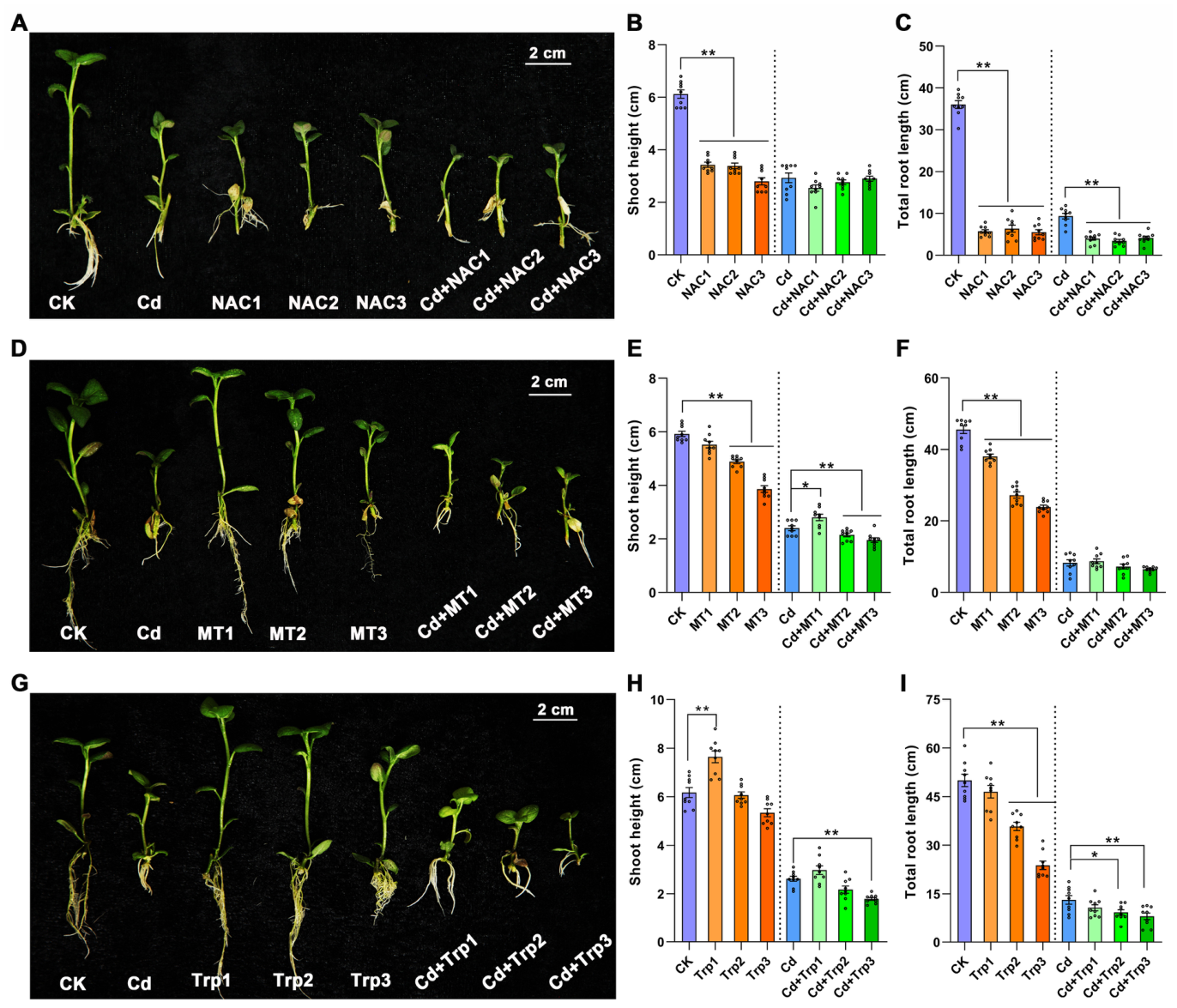
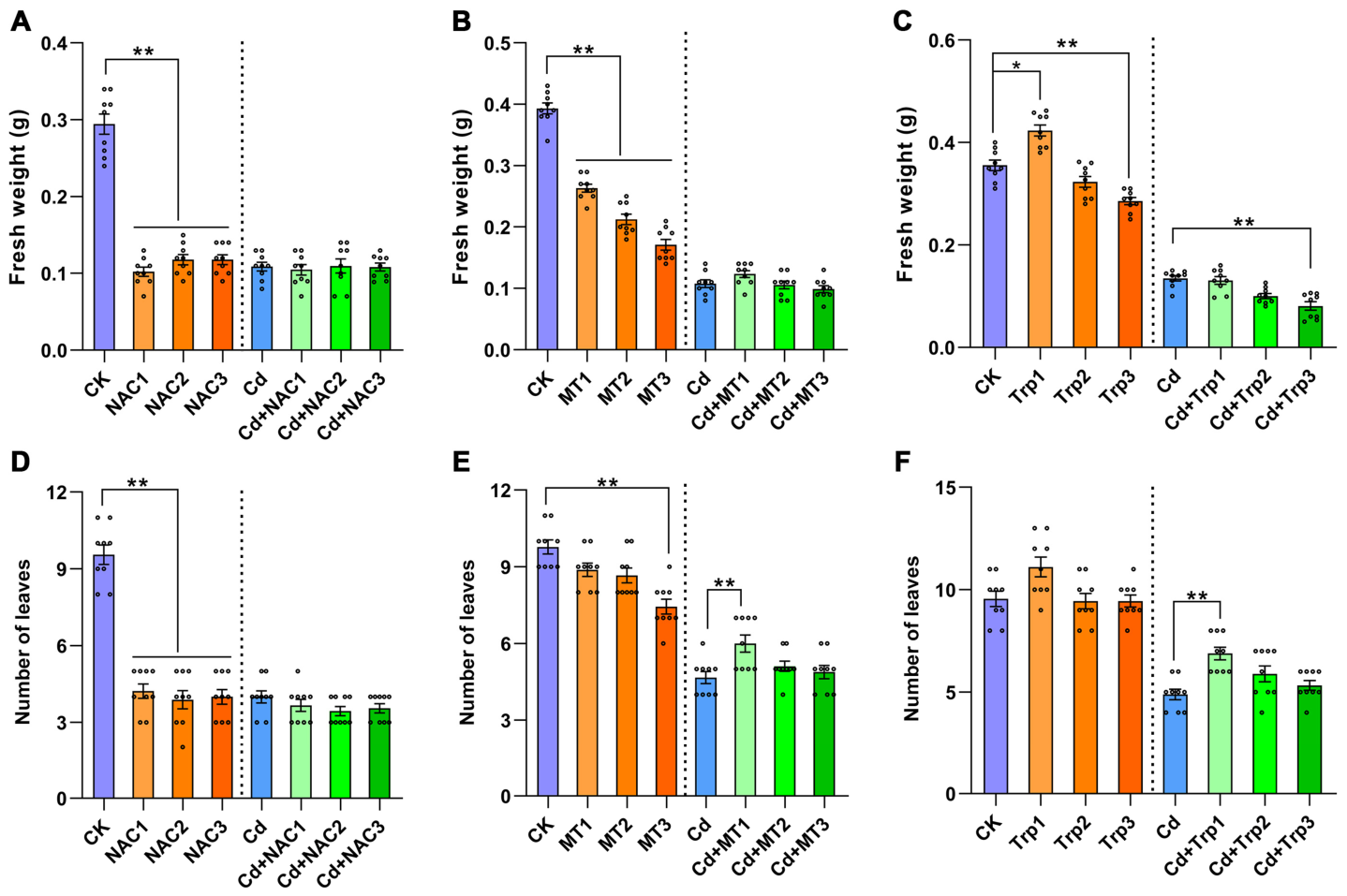
Stage-one concentration screening was conducted for all three regulators. Each regulator contained eight experimental groups. The groups were control (CK), single cadmium treatment (Cd), three single regulator treatments, and three combined cadmium plus regulator treatments. Three initial concentration levels were set for each reagent. The NAC concentrations were 125 μM, 250 μM, and 500 μM (marked NAC1, NAC2, and NAC3). The L-Trp concentrations were 25 μM, 50 μM, and 100 μM (marked Trp1, Trp2, and Trp3). The MT concentrations were 25 μM, 50 μM, and 100 μM (marked MT1, MT2, and MT3).
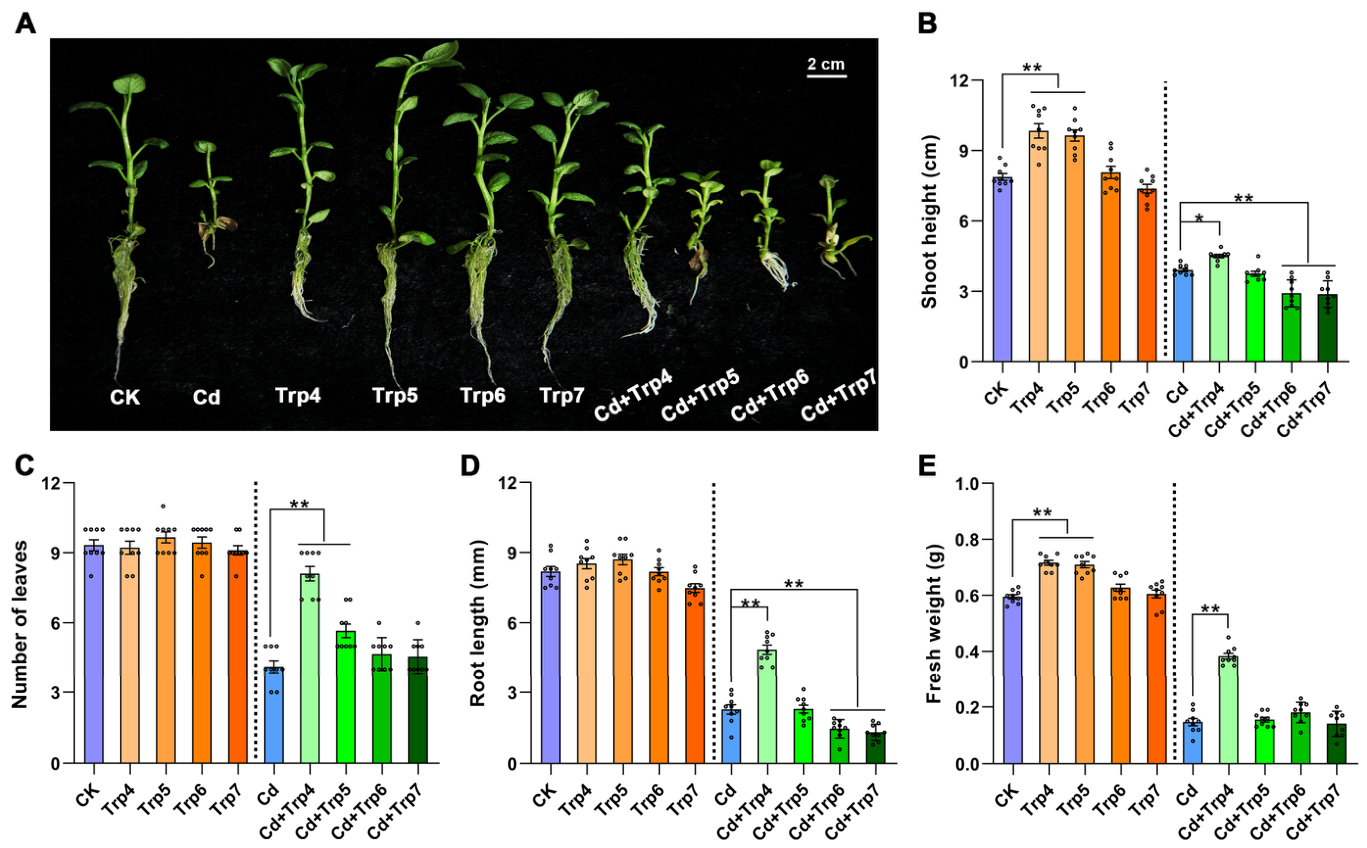
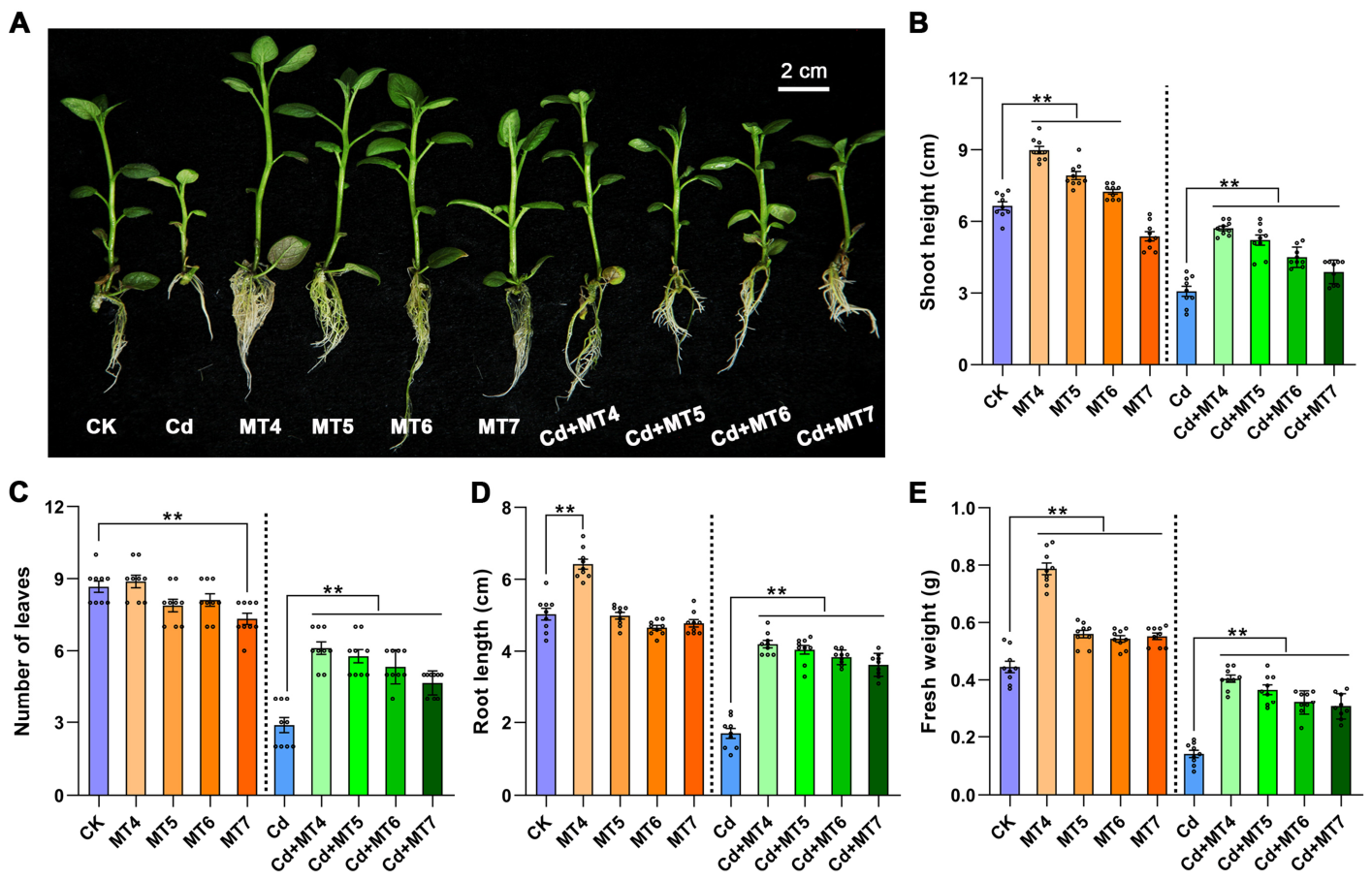
Stage-two refined concentration screening was only performed on Trp and MT. Preliminary physiological data showed that NAC had no obvious alleviating effect on cadmium toxicity. Four refined concentrations were designed for Trp and MT. Each regulator contained ten experimental groups: control, single cadmium stress, four single regulator treatments, and four combined cadmium regulator treatments. The refined Trp concentrations were 5 μM, 10 μM, 15 μM, and 20 μM (marked Trp4, Trp5, Trp6, and Trp7). The refined MT concentrations were 5 μM, 10 μM, 15 μM, and 20 μM (marked MT4, MT5, MT6, and MT7).
Stock solutions of MT, Trp, and NAC were prepared at 100× final concentrations, filter-sterilized through 0.22 μm sterile filters, and stored at 4 °C in the dark until use. MS medium was autoclaved and then cooled to approximately 45–50 °C before the stock solutions were added aseptically. The final concentrations were calculated based on the added stock volumes. To minimize potential degradation, all stock solutions were prepared fresh before each experiment, kept protected from light, and added to the medium only after it had cooled to below 50 °C. The actual concentrations of MT, Trp, and NAC in the solidified medium were not analytically verified in this study; however, the same filter-sterilization and post-autoclaving supplementation procedure has been widely adopted in previous plant tissue-culture studies for these compounds, and the observed concentration-dependent physiological responses in our experiments indirectly support the stability and bioavailability of the supplemented compounds.
2.3. Morphological Trait Measurement
After 21 days of treatment, potato plantlets were harvested and rinsed with distilled water to remove residual medium. For aboveground morphological observation, plantlets were placed flat on a black background with a scale bar and photographed vertically using a digital camera. Leaf number was counted, and shoot fresh weight was determined using an electronic balance.
For root morphological analysis, root systems were carefully separated and thoroughly cleaned. Clean roots were evenly spread on the scanning tray without overlapping and scanned using an Epson Expression 12000XL flatbed scanner (Epson, Suwa, Nagano, Japan). Root morphological parameters, including total root surface area, average root diameter, total root volume, number of root branching, and the ratio of root length to root volume, were automatically calculated via WinRHIZO 5.0 software (Regent Instruments, Quebec City, QC, Canada). The experiment was performed with three independent biological replicates.
2.4. Physiological Biochemical Index Determination
Fully expanded functional leaves were harvested from plantlets after 21 days of treatment. Midribs were removed, and leaf tissues were cut into small pieces and mixed thoroughly.
Chlorophyll content was determined by acetone extraction [
19]. Fresh leaf tissue (0.2 g) was placed in 10 mL centrifuge tubes with 10 mL of 80% acetone. Tubes were sealed and kept in darkness at 4 °C for approximately 48 h, with gentle shaking every 1 h until the tissue became completely white. After centrifugation at 5000×
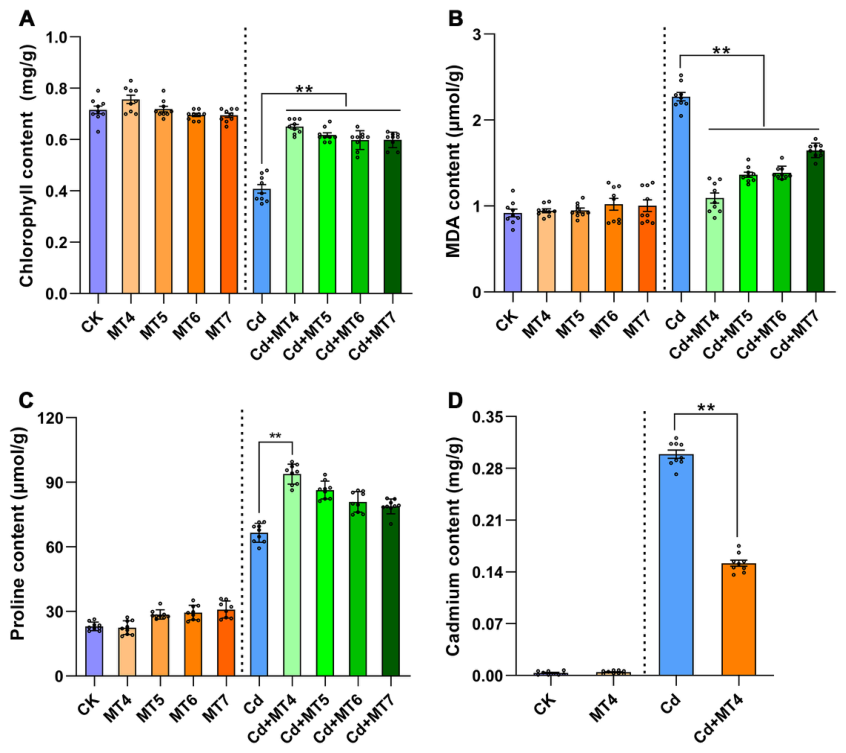
g for 10 min at 4 °C, the supernatant was collected. Absorbance was read at 663, 645, 470, and 652 nm using 80% acetone as blank. Chlorophyll content was calculated according to the following formula: chlorophyll content (%) = C × V/(1000 × W), where C is the chlorophyll concentration calculated from the absorbance values, V is the volume of 80% acetone (mL), and W is the fresh weight of the leaf tissue (g).
Malondialdehyde (MDA) content was determined using the thiobarbituric acid (TBA) method [
20]. Fresh leaf tissue (0.5 g) was homogenized in 5 mL of 10% (
w/
v) trichloroacetic acid (TCA) and centrifuged at 10,000×
g for 15 min. The supernatant (2 mL) was mixed with 2 mL of 0.6% (
w/
v) TBA in 10% TCA. The mixture was heated at 95 °C for 30 min, quickly cooled on ice, and centrifuged. Absorbance was read at 532, 600, and 450 nm. MDA content was calculated using the formula MDA (μM) = 6.45 × (A
532 − A
600) − 0.56 × A
450, and expressed as μmol g
−1 FW.
Proline content was quantified using the acid ninhydrin method [
21]. Fresh leaf tissue (0.5 g) was homogenized in 5 mL of 3% sulfosalicylic acid and incubated in a boiling water bath for 10 min. After centrifugation, 2 mL of the supernatant was reacted with 2 mL of glacial acetic acid and 2 mL of acid ninhydrin reagent at 100 °C for 30 min. The reaction mixture was extracted with 4 mL of toluene, and the absorbance of the toluene phase was read at 520 nm. Proline concentration was determined from a standard curve and expressed as μmol g
−1 FW.
2.5. Determination of Cadmium Concentration in Potato Seedlings
After harvesting, potato seedling samples were rinsed three times with de-ionized water to remove cadmium residue attached to the root surface. In this study, whole potato plantlets (combined roots and shoots) were used for Cd quantification. All plant tissues were oven-dried at 105 °C for 30 min, followed by drying to constant weight at 75 °C. The dried samples were ground into fine powder using a mill and passed through a 0.15 mm sieve. Approximately 0.1 g of plant powder was weighed and digested with a mixed acid solution (HNO3:HClO4, 4:1, v/v). The digestion was performed on a graphite digestion block using a stepwise temperature program: 120 °C for 1 h, and 160 °C for 2 h, until the digest became clear and nearly colorless. After complete digestion, the digested solution was diluted to a final volume of 25 mL with ultrapure water. The cadmium content was determined by inductively coupled plasma–optical emission spectrometry (ICP-OES, Agilent 5110, Agilent Technologies, Santa Clara, CA, USA). The instrument was operated with a radio frequency power of 1150 W, a nebulizer gas flow rate of 0.7 L/min, and an integration time of 5 s. Cadmium was quantified at an analytical wavelength of 228.8 nm. A calibration curve was prepared using a series of Cd standard solutions (0, 0.5, 1.0, 1.5, 2.0, and 3.0 μg/L) with a linear correlation coefficient (R2) greater than 0.999. Roots and shoots were harvested and analyzed as a combined whole-plantlet sample. The Cd concentration was calculated as follows: Cd content (mg/kg DW) = (ρ − ρ0) × V/(m × 1000), where ρ is the Cd concentration in the sample solution (μg/L), ρ0 is the Cd concentration in the blank (μg/L), V is the final volume (mL), and m is the sample weight (g). The results were expressed as mg/kg dry weight (DW). Each treatment included three independent biological replicates.
2.6. Transcriptome Sequencing Sample Collection
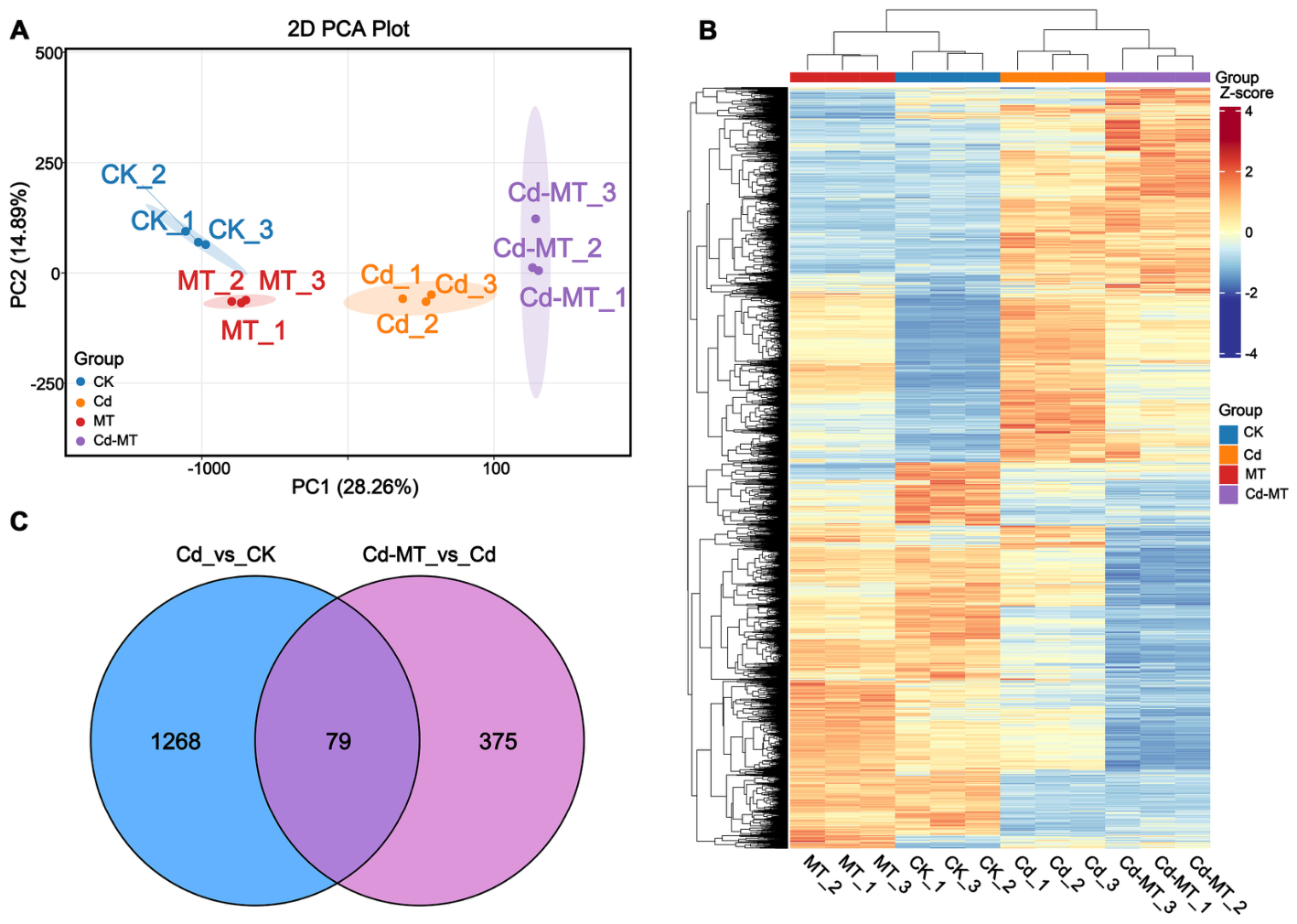
Based on comprehensive morphological and physiological data obtained from two rounds of concentration screening, 5 μM of melatonin was identified as the optimal treatment concentration. The four groups were CK, Cd, MT, and Cd + MT. Three biological replicates were collected for each group. Fresh leaf tissues were rapidly sampled and frozen in liquid nitrogen. All tissue samples were preserved at minus 80 °C before RNA extraction.
2.7. RNA Extraction and Transcriptome Sequencing
Total RNA was extracted from potato leaf tissues using an RNA-extraction kit. RNA purity and integrity were evaluated by agarose gel electrophoresis and micro-spectrophotometry. High-quality RNA was used to construct cDNA libraries for paired-end transcriptome sequencing on an Illumina platform (Illumina Inc., San Diego, CA, USA). Raw reads were filtered to remove adapter sequences and low-quality reads. Clean reads were mapped to the potato reference genome, and gene-expression levels were quantified as FPKM values.
2.8. Differential Expression Gene Identification and Functional Enrichment
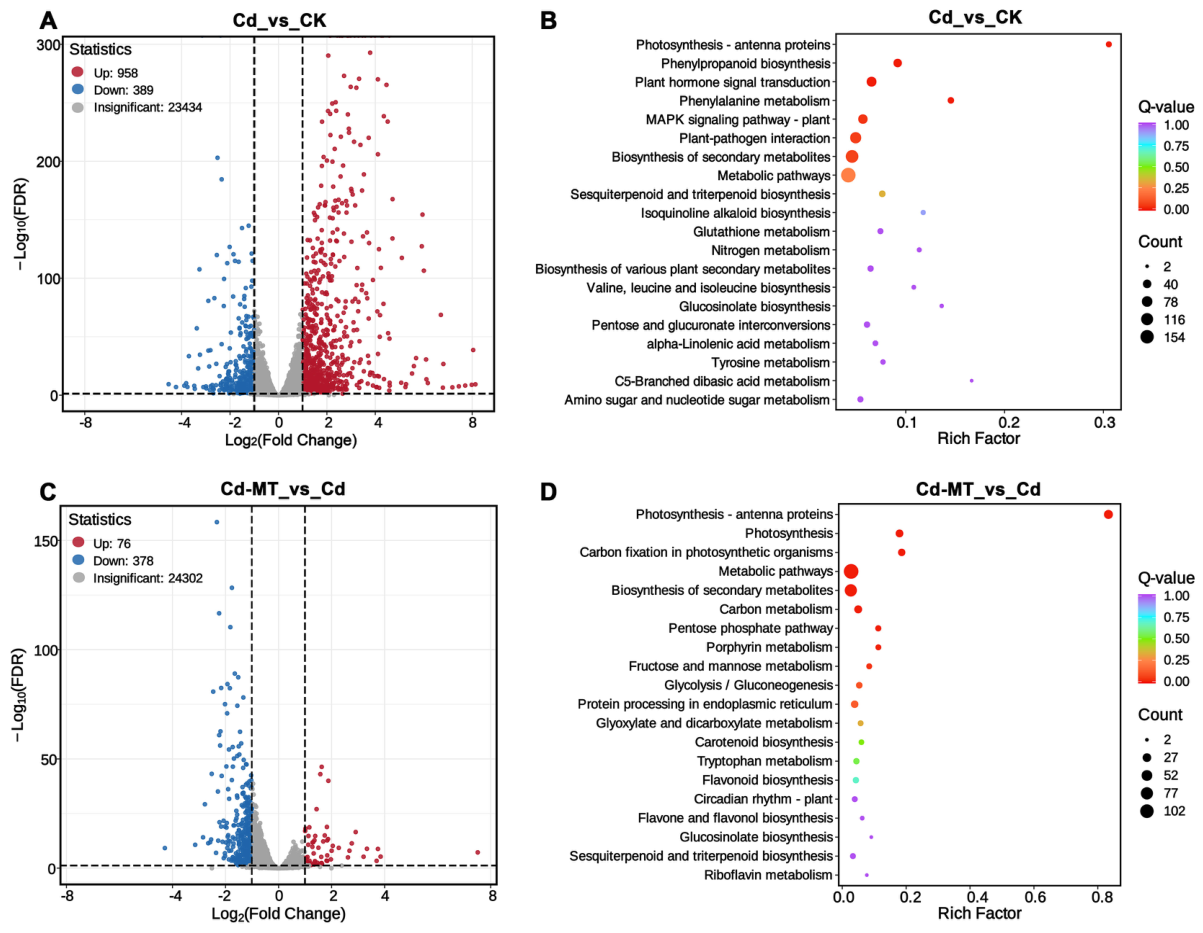
Differentially expressed genes (DEGs) were screened with a threshold of |log2 fold change| ≥ 1 and adjusted p-value < 0.05. Venn analysis was conducted to analyze shared and specific DEGs among comparison groups. Gene ontology (GO) enrichment and Kyoto Encyclopedia of Genes and Genomes (KEGG) pathway enrichment were performed on all differential genes. Top enriched biological processes and metabolic pathways were visualized by bubble charts.
2.9. Weighted Gene Co-Expression Network Analysis (WGCNA)
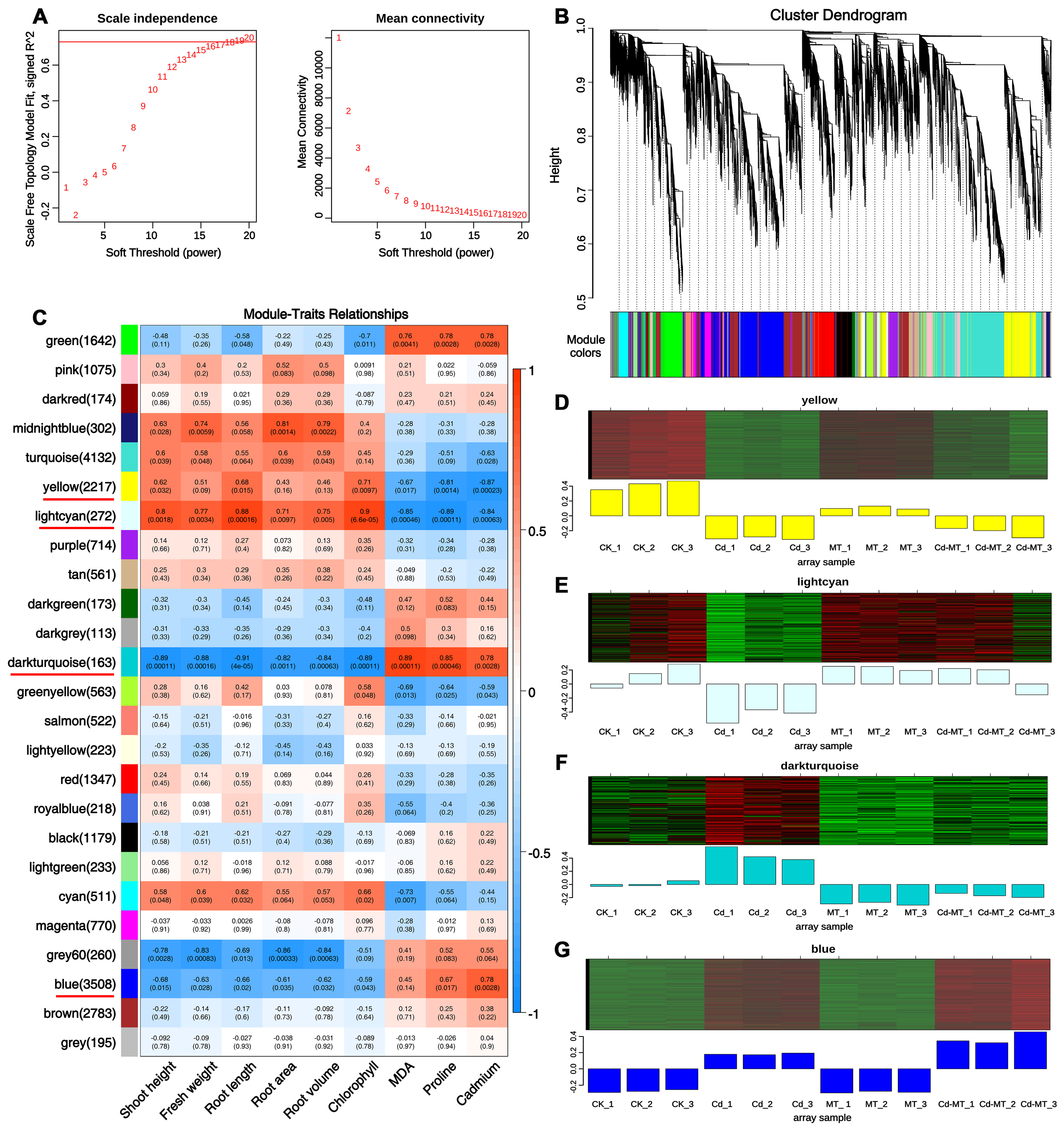
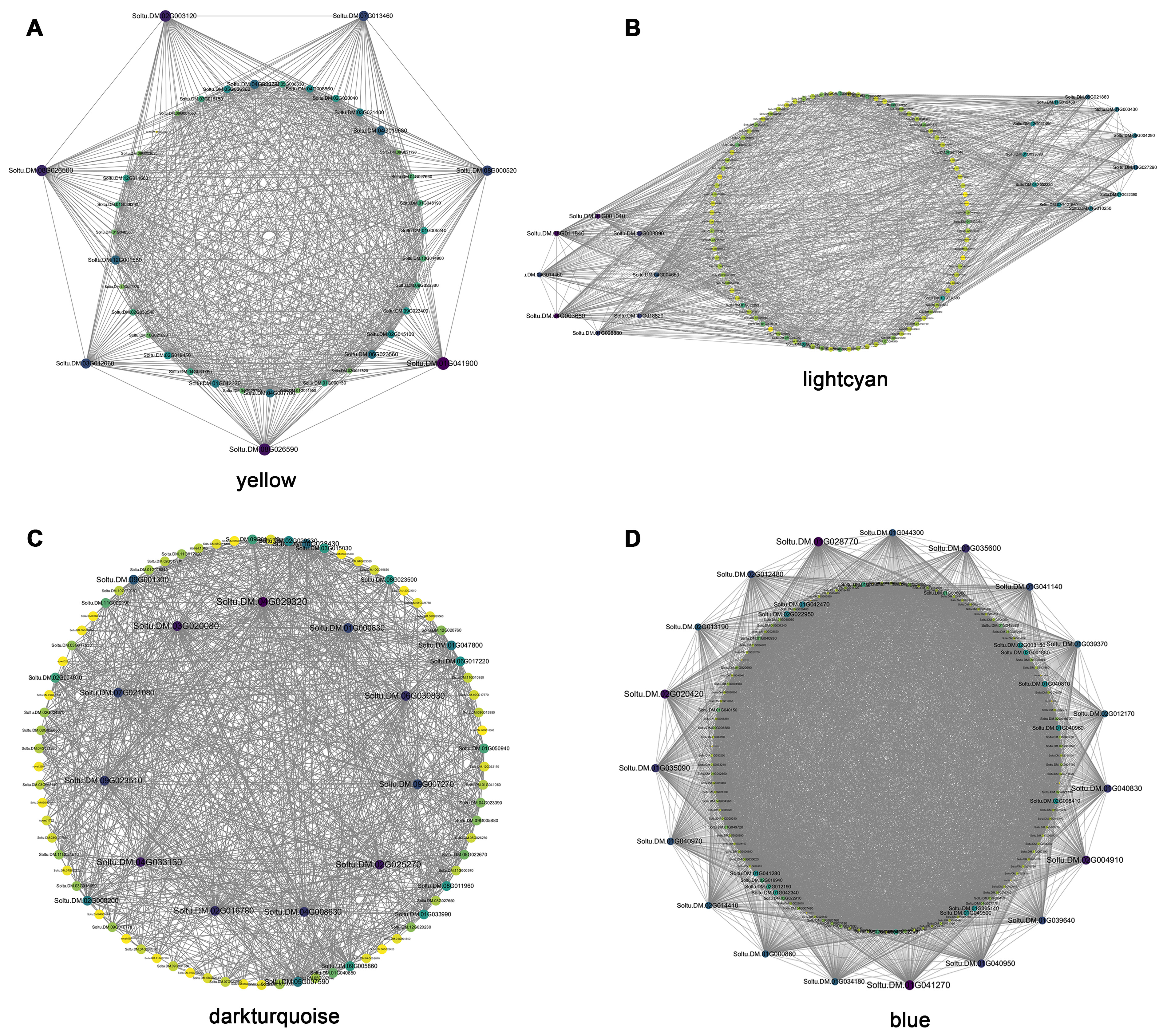
WGCNA was performed using the normalized gene expression matrix. To reduce noise caused by limited sample size, genes with low expression variation were filtered prior to network construction. An unsigned co-expression network was built with an optimized soft threshold power to meet the approximate scale-free topology criterion. The minimum module size was set to 50 to exclude trivial small modules derived from random noise. Module preservation analysis with permutation tests was carried out to evaluate network robustness. Module eigengenes were correlated with all measured morphological and physiological traits. Genes satisfying both high module membership (MM > 0.8) and high gene significance (GS > 0.7) toward cadmium tolerance were regarded as candidate hub genes.
2.10. Quantitative Real-Time PCR Verification
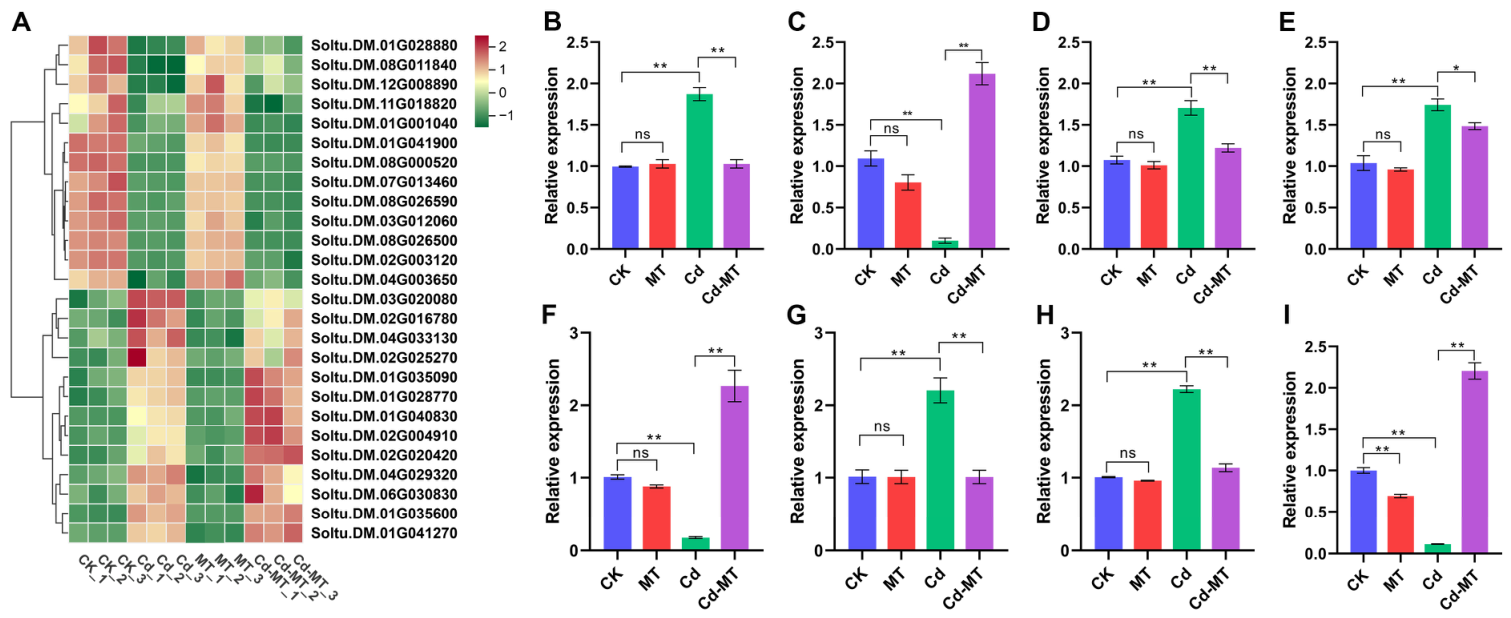
Total RNA was isolated from liquid nitrogen-frozen potato plantlets under Cd treatment using the RN33 kit (Aidlab Biotech, Beijing, China). Purified RNA was reverse-transcribed into cDNA with ReverTra Ace
® qPCR RT Master Mix (TOYOBO, Osaka, Japan). RT-qPCR assays were conducted on a LightCycler
® 96 System (Roche, Basel, Switzerland) using LightCycler 480 SYBR Green I Master mix. The 10 μL reaction system contained 5 μL of 2 × SYBR Green master mix, 0.4 μL of primer mix, and 200 ng of cDNA template. Amplification procedures included an initial denaturation at 95 °C for 30 s, followed by 39 cycles of 98 °C for 5 s, 60 °C for 30 s, and a melting curve stage at 98 °C for 15 s. Relative gene expression was calculated by the 2
−ΔΔCt method [
22]. All RT-qPCR primer sequences are provided in
Supplementary Table S1.
2.11. Statistical Analysis
All statistical analyses were performed using SPSS 26.0 (IBM Corporation, Armonk, NY, USA). Independent-samples Student’s t-tests were conducted as planned pairwise comparisons, in which each regulator-treated group was compared only with its corresponding control: Trp groups without Cd were compared with the CK control, whereas Cd + Trp groups were compared with the Cd-only control. No correction for multiple comparisons was applied, as these were predefined, limited pairwise comparisons rather than an exhaustive test of all possible group combinations. Statistical significance was defined at * p < 0.05 and ** p < 0.01. Principal component analysis, cluster analysis, and correlation analysis were performed using R packages (v 4.2.1), and all figures were plotted in GraphPad Prism (version 11.1.0) (GraphPad Software, San Diego, CA, USA). In all figures, asterisks denote a significant difference relative to the corresponding control group as described above.
4. Discussion
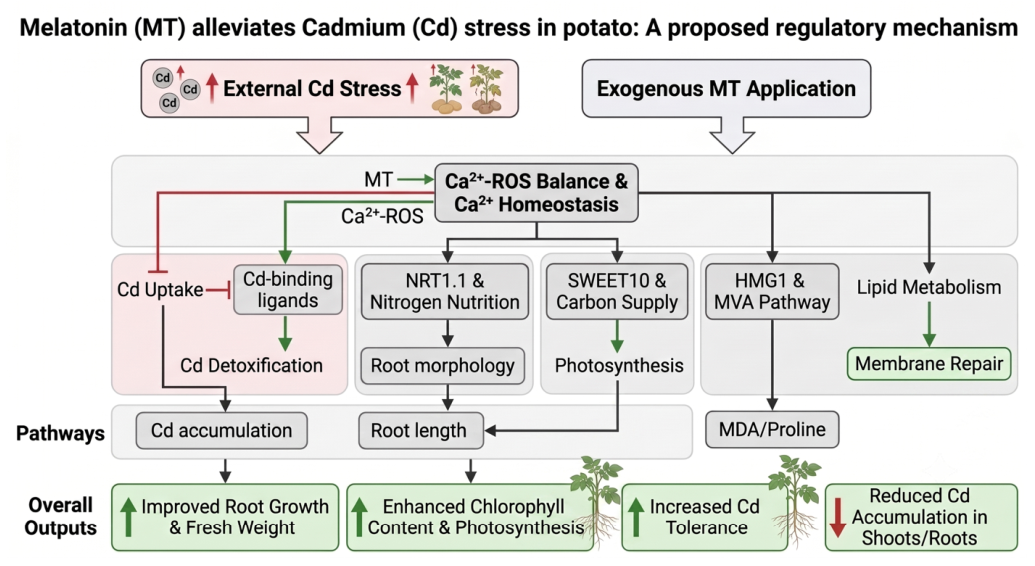
Cadmium contamination in agricultural soils poses persistent risks to crop production and food safety. This study systematically compared three exogenous regulators, namely NAC, Trp, and melatonin, on their effects of mitigating cadmium toxicity in potato. Two rounds of concentration gradient screening were carried out, combined with physiological detection, transcriptome sequencing and WGCNA analysis. The results verified that 5 μM of melatonin exerted the most remarkable protective effects. Melatonin restored root morphology, improved photosynthetic capacity, reduced cadmium accumulation, and recovered cellular redox balance. Transcriptomic and co-expression network analyses identified four core gene modules and eight hub genes. These genes regulate calcium–ROS homeostasis, carbon and nitrogen distribution, and membrane repair, constructing a multi-pathway model to interpret melatonin-mediated cadmium tolerance in potato.
4.1. Differential Alleviation Efficiency of NAC, Trp, and MT
Among the three tested regulators, NAC showed no observable mitigation of Cd toxicity within the concentration range and experimental conditions examined in this study. This result was unexpected, given that NAC is known to serve as a precursor of glutathione (GSH) in other plant systems, where GSH acts as a central antioxidant and heavy-metal chelator [
23]. However, GSH levels were not directly measured in the present study, and this mechanistic link remains speculative. Several possible explanations may account for this inefficacy. First, the tested NAC concentrations (125–500 μM) might have been suboptimal for potato, although they fell within ranges effective in other species [
24]. Notably, this medium-to-high concentration range may have missed its potential beneficial low-dose window, since NAC can display a hormetic biphasic response and trigger pro-oxidant stress at elevated concentrations. Second, NAC uptake or intracellular conversion to GSH may be limited in potato roots, constraining its bioavailability. Third, although not directly tested in this study, NAC has been reported to exert pro-oxidant effects under certain conditions, potentially aggravating Cd-induced ROS production rather than suppressing it [
25]. Alternatively, it is possible that the potato Cd stress response may rely more on GSH-independent pathways, such as phytochelatin synthesis or metallothionein regulation, which NAC supplementation cannot effectively activate. These possibilities warrant further investigation using targeted metabolomics to track NAC and GSH dynamics in planta, and future screening should include ultra-low NAC concentrations (5–50 μM) to fully evaluate its protective potential.
In contrast, both Trp and MT exhibited clear concentration-dependent protective effects, with the lowest tested concentrations (5–25 μM) showing the strongest activity. This inverse dose–response pattern is noteworthy. It suggests that higher concentrations of these endogenous signaling molecules may trigger feedback inhibition or off-target effects that compromise their protective functions. For Trp, elevated concentrations could shift metabolic flux toward auxin biosynthesis via the indole-3-acetamide pathway, potentially inducing excessive ethylene production and growth retardation under stress conditions [
26,
27]. For MT, high-dose pro-oxidant effects have been documented in several plant systems, where excessive MT may act as a pro-oxidant by participating in Fenton-type reactions or by overstimulating ROS-producing enzymes such as NADPH oxidases [
28]. Additionally, high concentrations of exogenous MT may saturate membrane receptors or disrupt endogenous MT signaling homeostasis, attenuating its regulatory efficacy [
29]. This biphasic effect refers to stimulation at low doses and inhibition at high doses, which aligns with the hormetic response widely detected in phytohormones and signal regulators [
30].
The stronger performance of MT over Trp, particularly at the same low concentration (5 μM), may be attributed to their biosynthetic relationship. Trp serves as the precursor for MT biosynthesis via the tryptophan decarboxylase (TDC), tryptamine 5-hydroxylase (T5H), and serotonin N-acetyltransferase (SNAT) pathway [
31]. Our observation that Trp exhibited moderate protective effects while MT showed superior efficacy suggests that the conversion efficiency from Trp to MT under Cd stress may be limited in potato. Exogenous MT bypasses this rate-limiting conversion step, directly providing the active molecule to target tissues. This interpretation is supported by the upregulation of
StSAM-2 (S-adenosylmethionine synthase) in our WGCNA analysis, as SAM is a critical methyl donor in MT biosynthesis, implicating enhanced MT biosynthetic capacity in Cd-tolerant plants.
4.2. MT-Mediated Restoration of Photosynthesis and Carbon–Nitrogen Metabolism
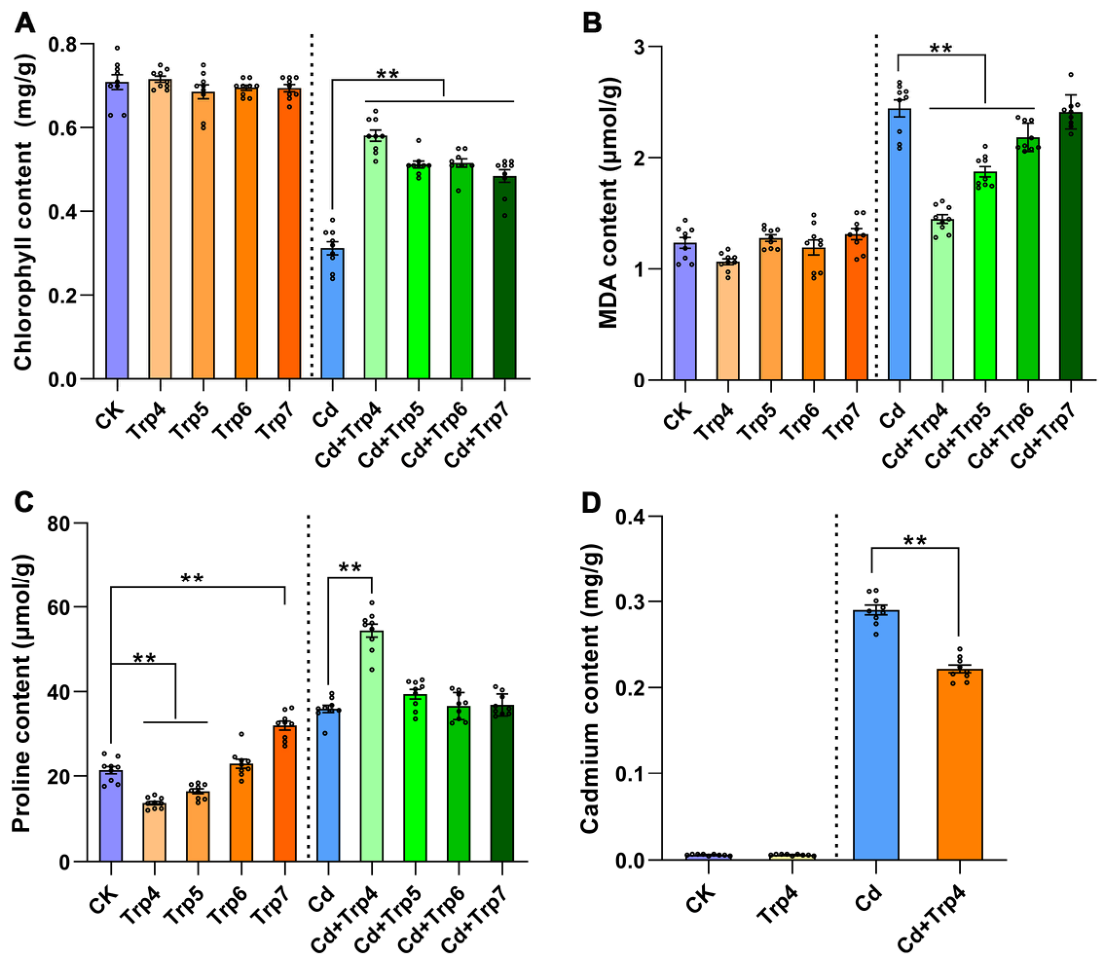
Our transcriptomic analysis revealed that MT treatment significantly reversed Cd-induced suppression of photosynthesis-related pathways, including photosynthesis-antenna proteins, photosynthetic carbon fixation, and porphyrin metabolism. This is consistent with the physiological data showing that Cd + MT4 restored chlorophyll content to 64% above Cd alone and improved root and shoot biomass.
The upregulation of
StSWEET10 in the Cd + MT group is particularly noteworthy. SWEET family transporters mediate sugar efflux from source to sink tissues, playing essential roles in carbon partitioning under stress conditions [
32]. Cadmium stress typically reduces photosynthetic carbon fixation and restricts sugar transport to roots, impairing root development and nutrient uptake [
33]. MT-mediated induction of
StSWEET10 may enhance sucrose translocation from leaves to roots, providing both energy and carbon skeletons for root growth and Cd detoxification (e.g., phytochelatin synthesis). This coordinated regulation of carbon allocation represents a previously unrecognized mechanism of MT-conferred Cd tolerance.
Simultaneously, MT treatment enriched carbohydrate metabolism pathways, including glycolysis, the pentose phosphate pathway, and fructose and mannose metabolism. These pathways supply reducing power (NADPH) and metabolic intermediates for GSH regeneration and ROS scavenging [
34]. The pentose phosphate pathway, in particular, produces NADPH required for the ascorbate–glutathione cycle, a major antioxidant system that detoxifies H
2O
2 in chloroplasts [
35]. MT-mediated remodeling of central carbon metabolism thus couples photosynthetic recovery with enhanced antioxidant capacity, forming a self-reinforcing loop that sustains redox balance under Cd stress.
In addition, the upregulation of
StNRT1.1 (a dual-affinity nitrate transporter) in Cd + MT plants suggests improved nitrogen uptake and assimilation. Nitrate reduction consumes NADPH and produces nitric oxide (NO), a signaling molecule that can enhance Cd tolerance by modulating antioxidant enzyme activities and metal transporter expression [
36]. The coordinated upregulation of carbon and nitrogen metabolic genes indicates that MT treatment may re-establishes metabolic homeostasis at the whole-plant level, rather than simply activating a single stress-defense pathway.
4.3. Ca2+-ROS Signaling and Antioxidant Defense as Core MT Targets
A central finding of this study is the identification of MT-modulated pathways related to Ca
2+-ROS homeostasis. Cadmium stress is known to disrupt cytosolic Ca
2+ signaling by displacing Ca
2+ from binding sites and activating Ca
2+-permeable channels, leading to sustained [Ca
2+]cyt elevation and downstream ROS burst [
37]. The hub gene
StANNAT1 (annexin), which we validated by qPCR, encodes a Ca
2+-dependent phospholipid-binding protein that functions as a Ca
2+-permeable transporter and ROS sensor in plants [
38]. Annexins are emerging as key players in abiotic stress tolerance, linking Ca
2+ signals to ROS production and antioxidant gene expression [
39,
40]. MT-induced upregulation of
StANNAT1 may enhance Ca
2+ buffering capacity and dampen Cd-triggered Ca
2+ spikes, thereby preventing excessive ROS generation.
The MVA pathway gene
StHMG1 (3-hydroxy-3-methylglutaryl-CoA reductase) and the cytochrome P450 gene
StCYP81K2 were also identified as MT-responsive hubs. The MVA pathway produces isoprenoid precursors for sterols, brassinosteroids, and ubiquinone, all of which contribute to membrane integrity and electron transport chain function [
41]. Cytochrome P450 enzymes are involved in the oxidative metabolism of xenobiotics and endogenous signaling molecules [
42,
43].
StCYP81K2 upregulation by MT may indicate enhanced detoxification of lipid peroxidation products, protecting membrane structures from oxidative damage induced by Cd.
The downregulation of MDA and upregulation of proline in Cd + MT plants are consistent with enhanced antioxidant defense. Proline acts as a compatible osmolyte, an ROS scavenger, and a molecular chaperone that stabilizes proteins and membranes under stress [
44]. MT treatment further elevated proline beyond Cd-induced levels, suggesting that MT potentiates the endogenous proline accumulation pathway (likely via Δ
1-pyrroline-5-carboxylate synthetase, P5CS), rather than merely passively responding to stress.
Our WGCNA results showed that the blue module, which was positively correlated with chlorophyll and root traits, contained genes significantly upregulated by MT. The eigengene pattern of the blue module presents the lowest expression under Cd and marked recovery upon MT, strongly suggesting that this module represents the core transcriptional program governing MT-mediated photosynthetic recovery. Functional enrichment of blue module genes in photosynthesis and carbon fixation pathways further supports this interpretation.
4.4. MT Reduces Cd Uptake and Accumulation
Cd accumulation in Cd + MT4 plants was reduced by 49.26% compared with Cd alone. This reduction is unlikely to result solely from dilution due to increased biomass, as Cd concentration (on a tissue weight basis) was significantly lower. Instead, MT may directly or indirectly regulate Cd transport systems. Candidate transporters include NRAMP (natural resistance-associated macrophage protein), ZIP (zinc-regulated transporter/iron-regulated transporter-like protein), and HMA (heavy-metal ATPase) families, which are responsible for Cd uptake, xylem loading, and vacuolar sequestration [
45]. Although our transcriptomic analysis did not identify a single dominant transporter gene, the coordinated downregulation of multiple Cd uptake-associated genes within the yellow module suggests that MT suppresses the Cd influx system.
Alternatively, MT may promote Cd sequestration in root vacuoles via upregulation of vacuolar transporters such as MTP (metal tolerance protein) or ABC (ATP-binding cassette) transporters, reducing Cd translocation to shoots. The observation that Cd + MT plants showed greater root biomass and root surface area while also showing lower Cd concentration indicates that MT may enhance the root’s capacity to retain Cd without inducing toxicity, effectively creating a “Cd trap” that limits shoot accumulation [
46,
47].
It should be noted, however, that, in the present study, Cd content was measured in whole plantlets rather than separately in roots and shoots. This is because our experimental design focused on seedling-stage screening to rapidly identify the optimal MT concentration, rather than long-term whole-growth-period cultivation. As a result, we are unable to distinguish whether the observed 49.26% reduction in Cd accumulation was primarily due to decreased root uptake or enhanced root-to-shoot translocation restriction. For potato, a crop where the edible harvest (tubers) develops underground, this distinction is of particular agronomic relevance. Future studies extending the treatment period to the full growth cycle, with separate Cd measurements in roots, shoots, and tubers, are warranted to determine the precise spatial allocation mechanisms underlying MT-mediated Cd restriction.
4.5. Limitations and Future Perspectives
Several limitations of this study should be acknowledged. First, the qPCR validation was performed on a limited set of eight hub genes; broader validation using additional independent biological replicates or independent experiments would strengthen the conclusions. Second, although we identified candidate hub genes and pathways, functional characterization via gene knockout or overexpression is needed to establish causality. Third, and most importantly, the present study was conducted under controlled in vitro conditions using sterile potato plantlets on solid MS medium. This system, while necessary for obtaining clean and reproducible transcriptomic data, does not fully replicate the complexity of field soils. In actual agricultural settings, soil physicochemical properties, microbial communities, organic matter binding, and environmental fluctuations may all influence the stability, bioavailability, and root uptake of exogenous melatonin. Therefore, our findings should be interpreted as a molecular proof of concept for melatonin-mediated Cd tolerance in potato, rather than an immediate, directly transferable field recommendation. Field trials with soil-applied MT are essential to validate the practical applicability of these findings before large-scale agricultural adoption. In addition, the actual concentrations of MT, Trp, and NAC in the culture medium were not analytically verified after filter sterilization and addition to the cooled medium. Although the observed concentration-dependent responses support their stability and bioavailability, future studies could benefit from HPLC-based verification to confirm the nominal concentrations.
From a mechanistic perspective, the interplay between MT, Ca2+ signaling, ROS dynamics, and metabolic reprogramming warrants deeper investigation using spatiotemporal imaging, single-cell transcriptomics, and pharmacological approaches. The specific roles of StANNAT1, StSWEET10, and StNRT1.1 in MT-conferred Cd tolerance are promising avenues for future functional studies.




 ,
,