Review

Targeting Epigenetic Dysregulation: Antioxidants as Countermeasures Against EDC-Induced Reproductive Toxicity


1
Hubei Key Laboratory of Animal Embryo and Molecular Breeding, Institute of Animal Husbandry and Veterinary, Hubei Academy of Agricultural Sciences, Wuhan 430064, China
2
Hubei Hongshan Laboratory, Wuhan 430070, China
*
Author to whom correspondence should be addressed.
These authors contributed equally to this work.
Antioxidants 2026, 15(6), 704; https://doi.org/10.3390/antiox15060704

Submission received: 27 April 2026 / Revised: 31 May 2026 / Accepted: 1 June 2026 / Published: 2 June 2026

Abstract

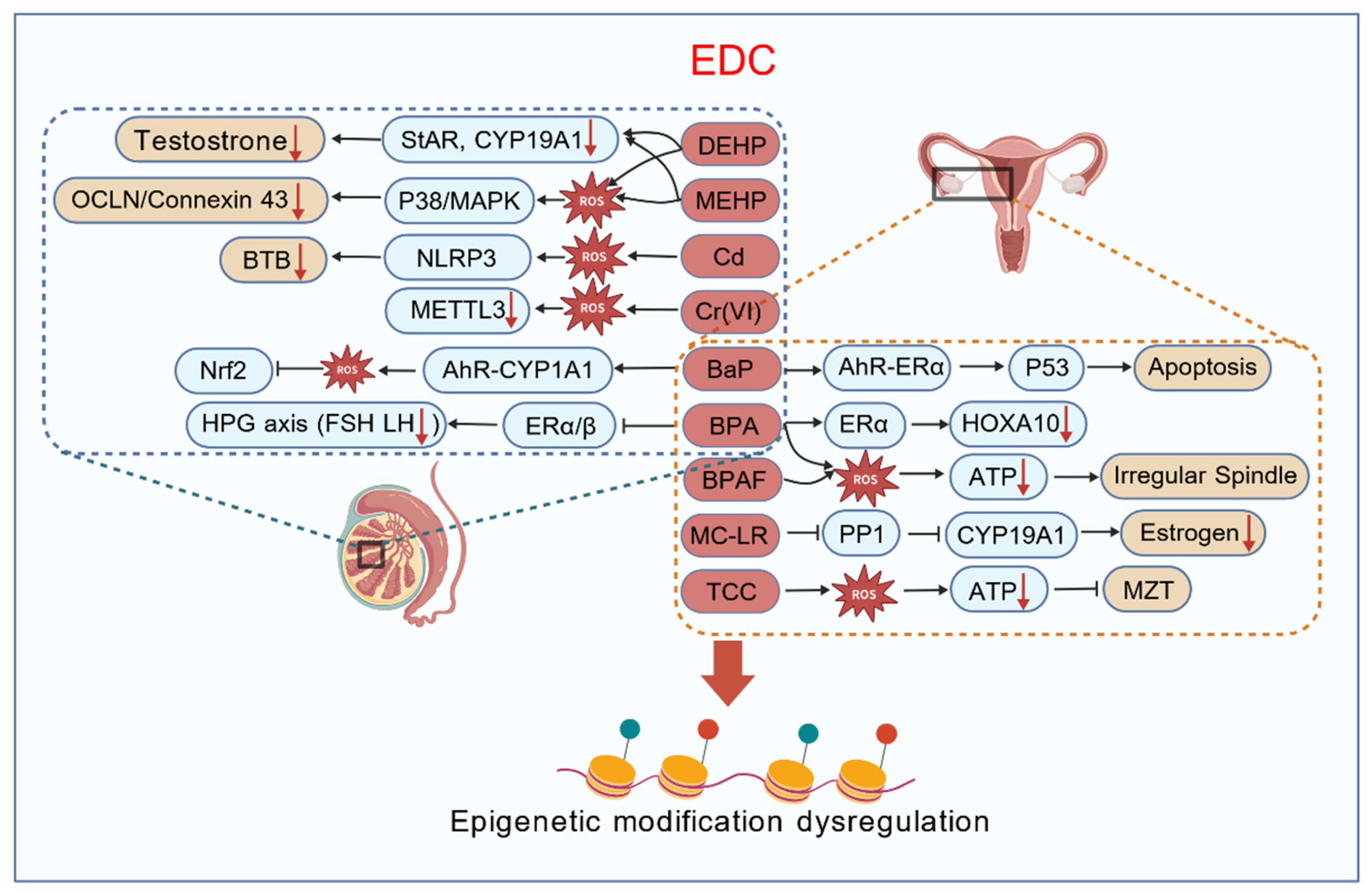
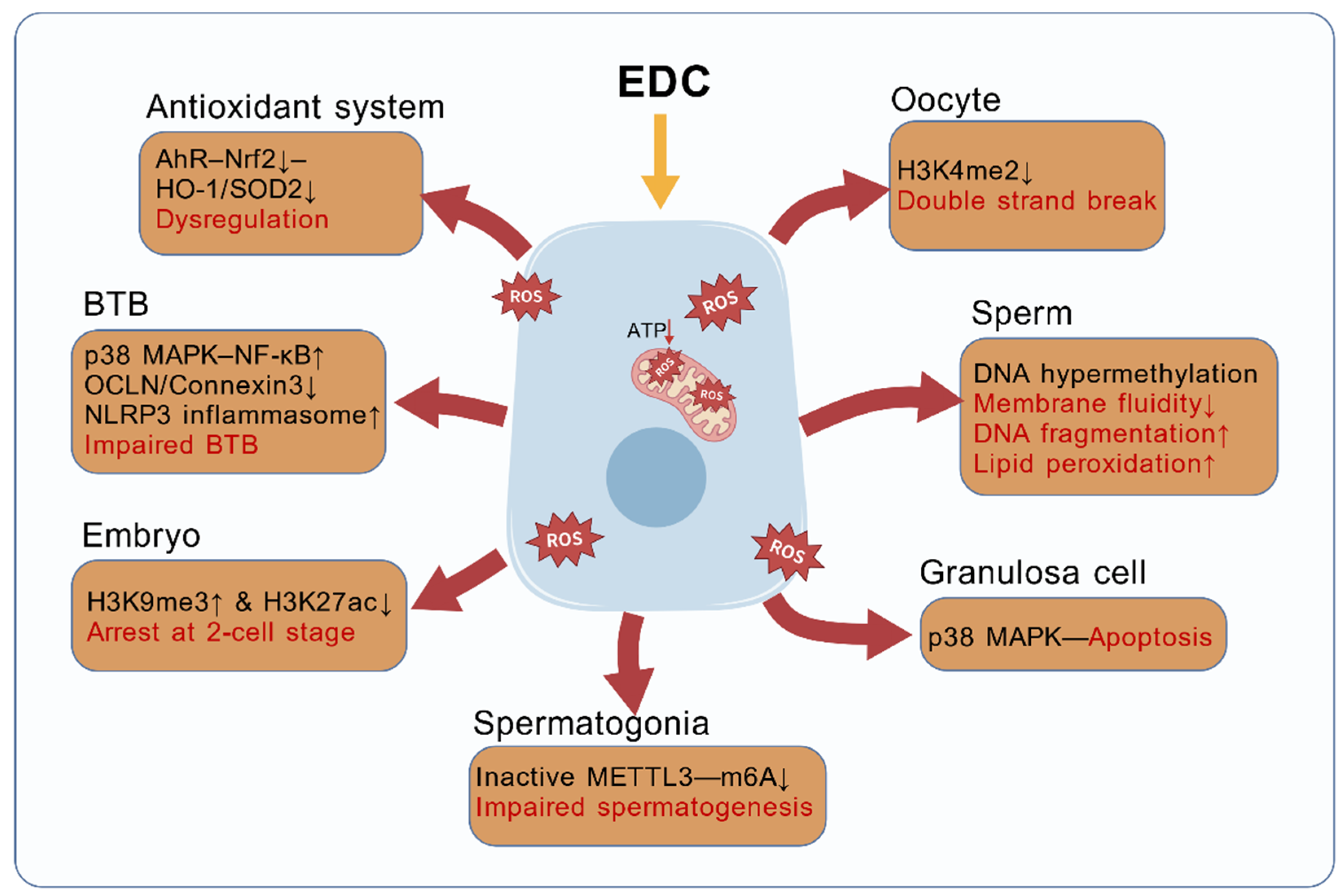
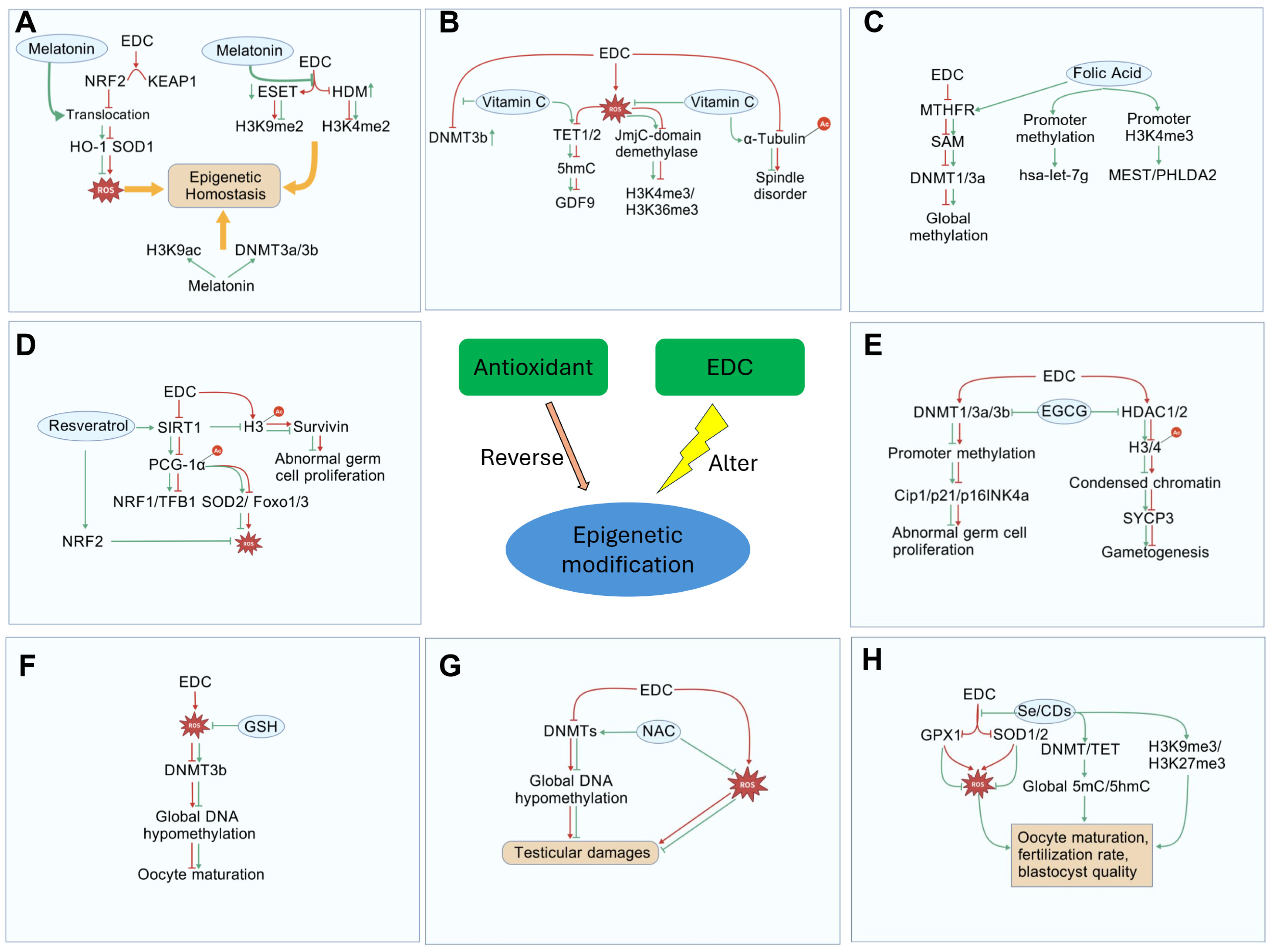
Ubiquitous environmental endocrine-disrupting chemicals (EDCs), including bisphenols, phthalates, and heavy metals, pose a severe and persistent threat to mammalian reproductive health worldwide. Oxidative stress acts as the pivotal mediator which drives epigenetic dysregulation in germ cells upon EDC exposure, including aberrant DNA methylation, abnormal histone post-translational modifications and dysregulated non-coding RNA networks. EDC-induced oxidative stress damages endogenous antioxidant defense systems and inactivates key epigenetic regulators, forming a self-reinforcing cycle of redox imbalance and epigenetic dysregulation, which ultimately leads to impaired gametogenesis, reduced fertility, and transgenerational reproductive abnormalities. This review summarizes current evidence indicating that multiple antioxidants, including melatonin, vitamin C, resveratrol, and epigallocatechin gallate, alleviate EDC-induced reproductive toxicity by targeting epigenetic dysregulation. Their protective effects encompass scavenging excessive reactive oxygen species, activating endogenous antioxidant signaling cascades, restoring activity of epigenetic enzymes, and rectifying aberrant histone modification profiles, contributing to the maintenance of epigenetic homeostasis in germ cells. This review clarifies the intrinsic mechanistic link among EDC exposure, oxidative stress, epigenetic dysregulation and reproductive toxicity, which provides a theoretical basis for formulating reproductive health protection strategies against EDC exposure and guides the exploration of clinical epigenetic biomarkers.
Keywords: endocrine-disrupting chemicals (EDCs); reproductive health; epigenetic regulation; oxidative stress; antioxidants; transgenerational endocrine-disrupting chemicals (EDCs); reproductive health; epigenetic regulation; oxidative stress; antioxidants; transgenerational