Pharmacological Properties and the Impact of Caffeic Acid-Entrapped Liposomes on Triple-Negative Breast Cancer Cell Lines Exposed to Doxorubicin


 , , ,
, , ,  ,
,  and
and 
Abstract
1. Introduction
2. Materials and Methods
2.1. Preparation of Liposomes with CA and Without CA
2.2. Release Kinetics Analysis
2.3. In Vitro Studies
2.3.1. Reagents
2.3.2. Cell Cultures
2.3.3. Viability Assay
2.3.4. Cell Lysates Preparation
2.3.5. Apoptosis Evaluation
2.3.6. Oxidative Stress and LDH Activity Assessment
2.3.7. Evaluation of Transcription Factors and DNA Damage
2.4. Statistical Analysis
3. Results
3.1. Preparation of Liposomes and Their Physico-Chemical Characterization
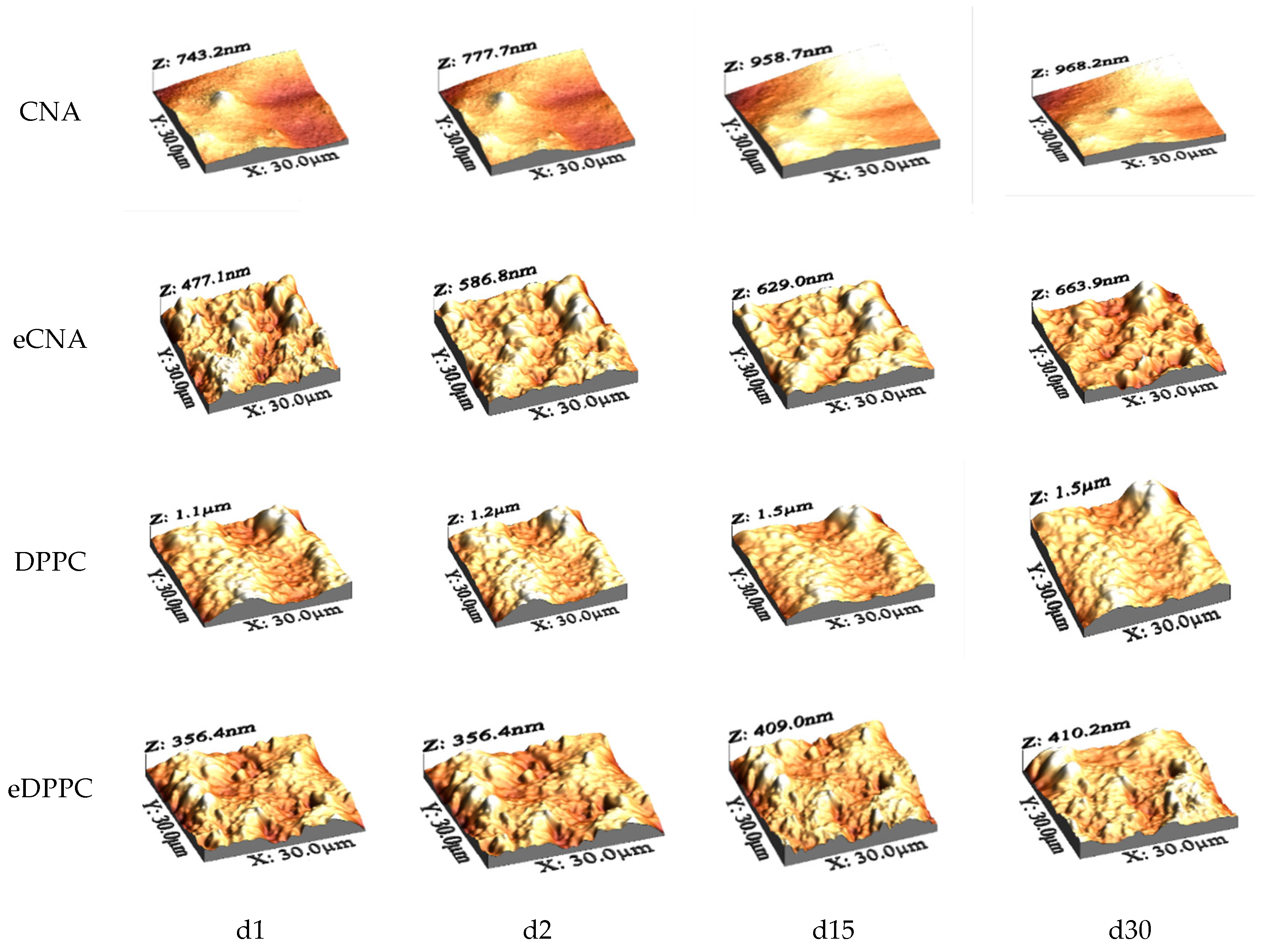
3.2. Atomic Force Microscopy Measurements
3.3. Biological Activity
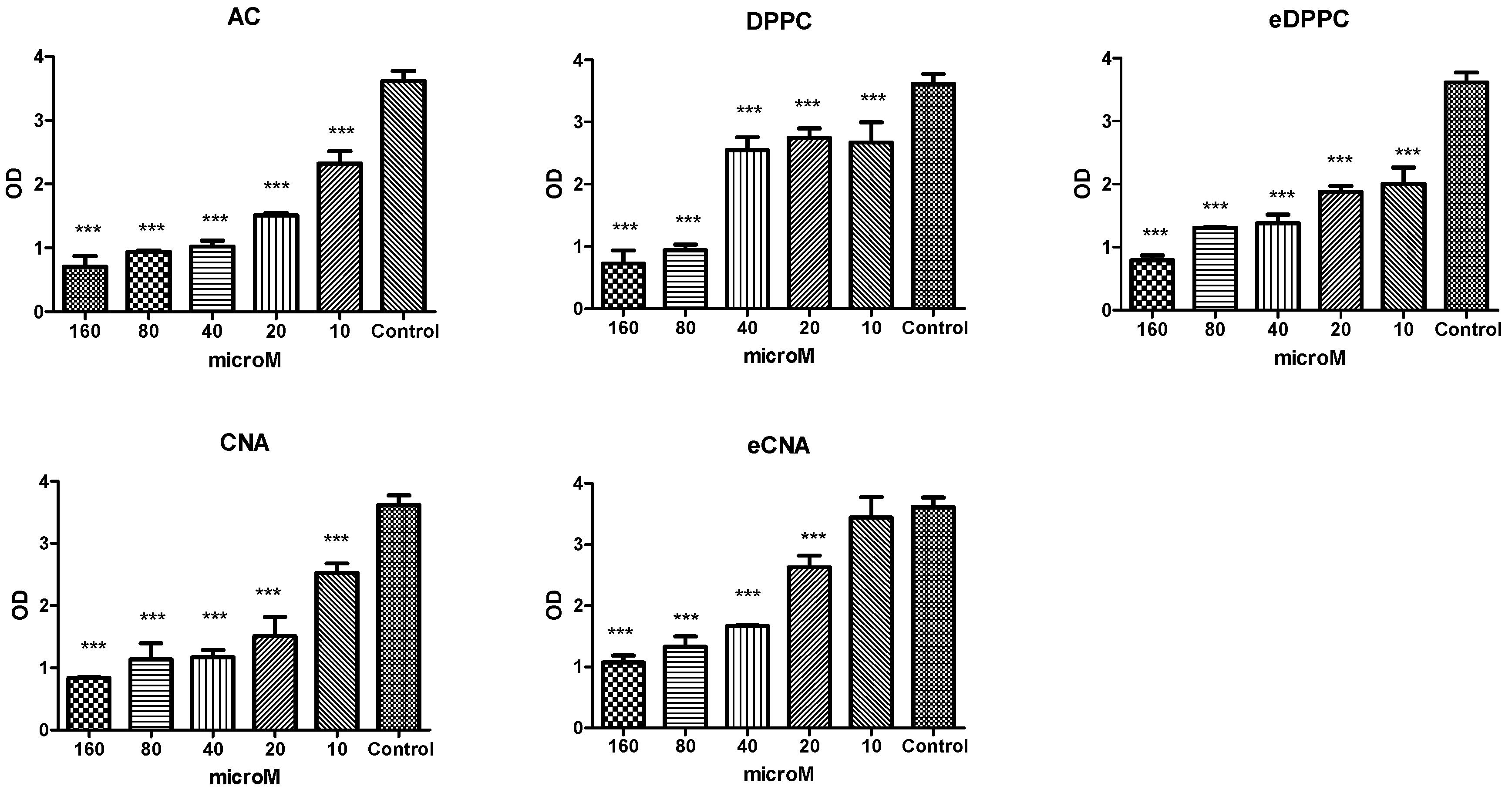
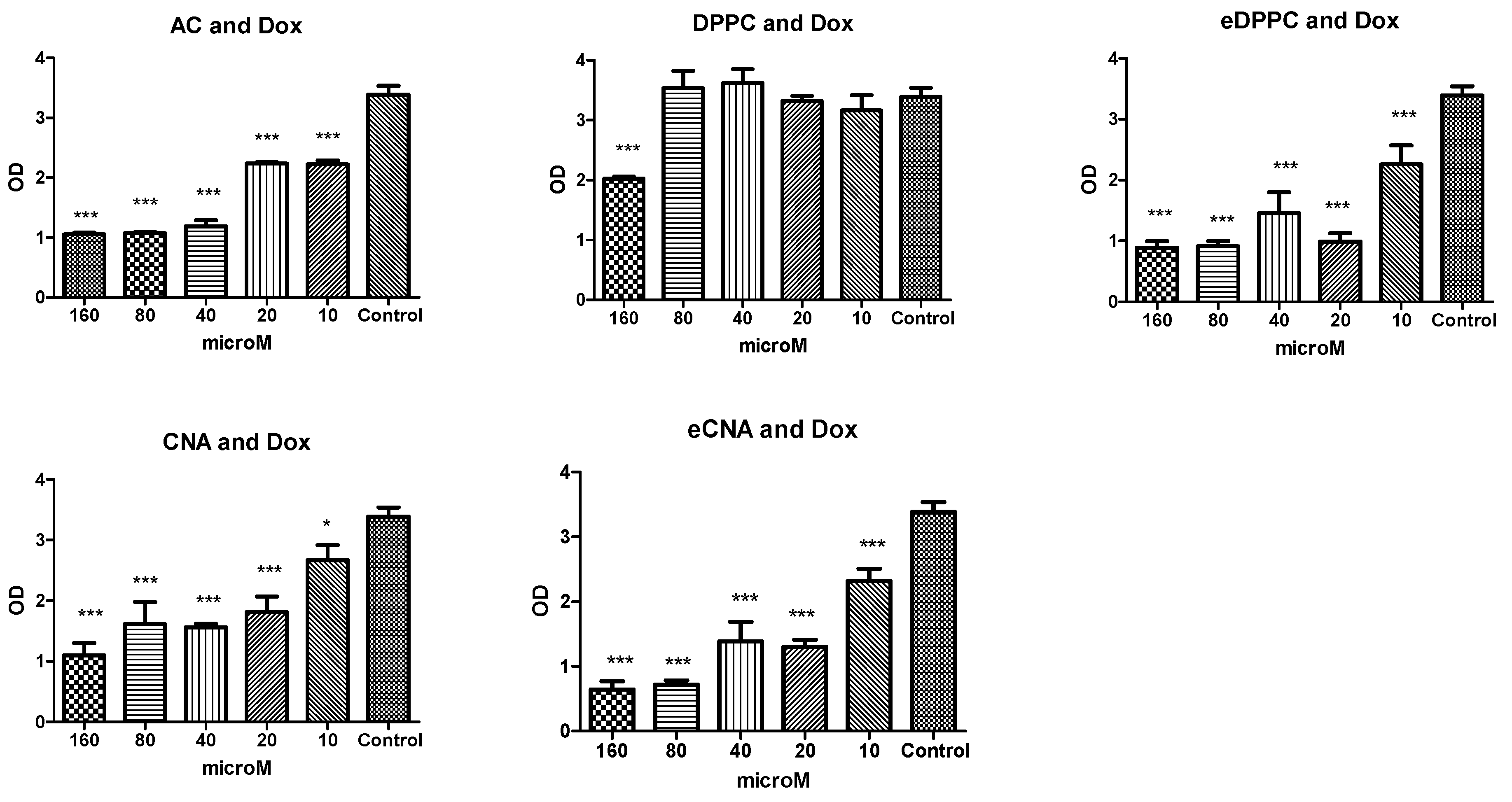
3.3.1. Cell Viability Assay
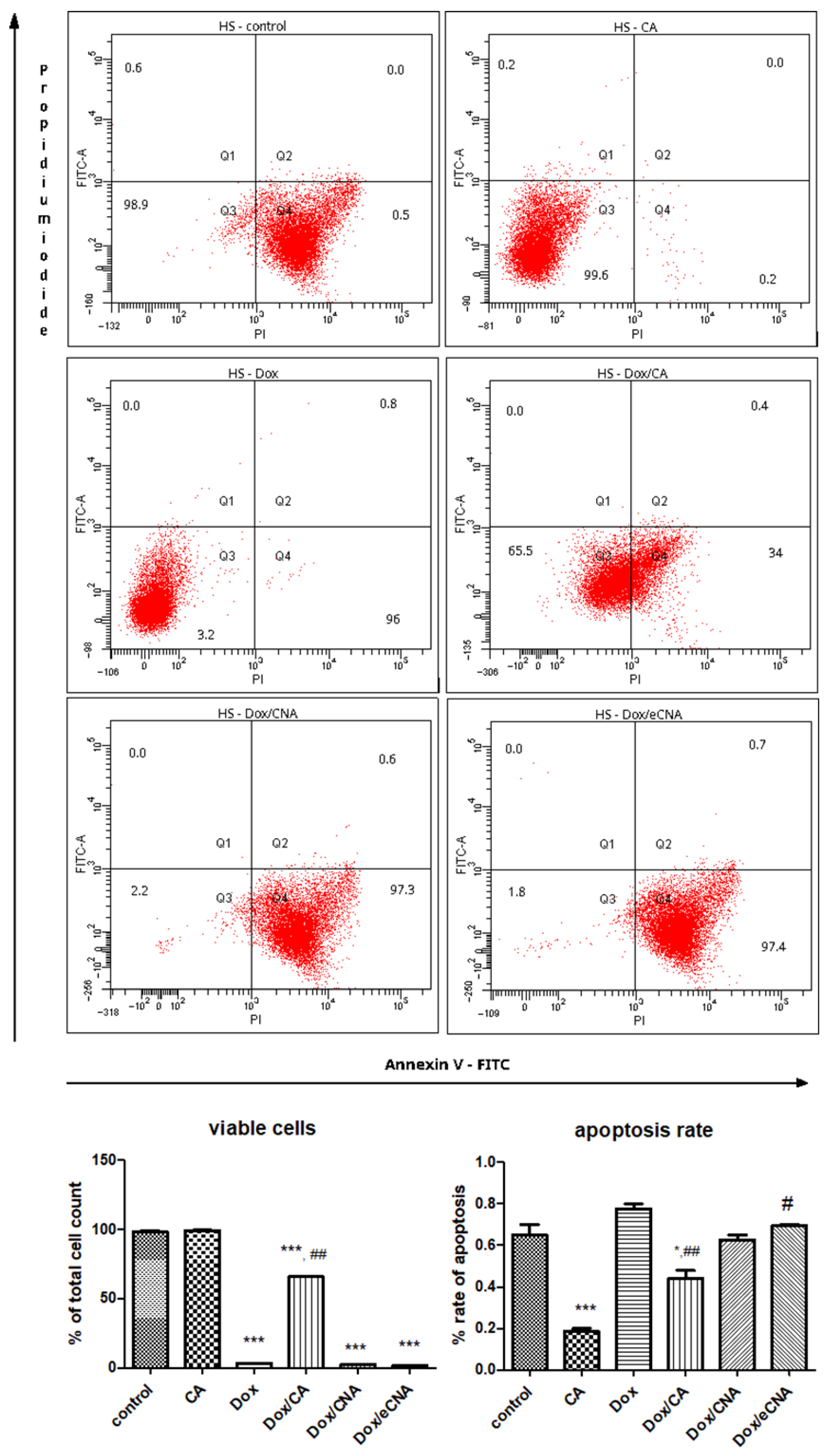
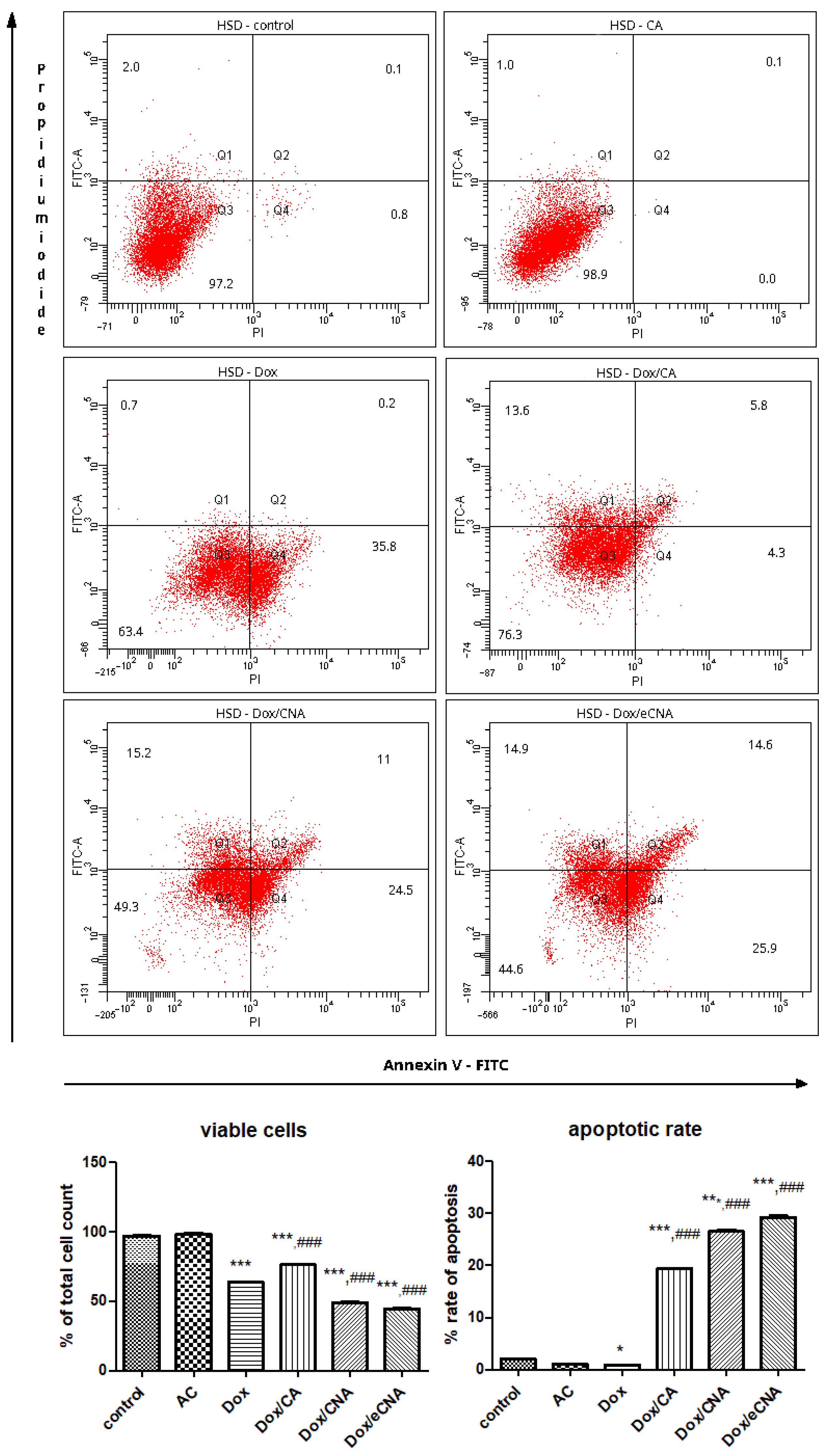
3.3.2. The Evaluation of Cell Apoptosis by FACS Analysis
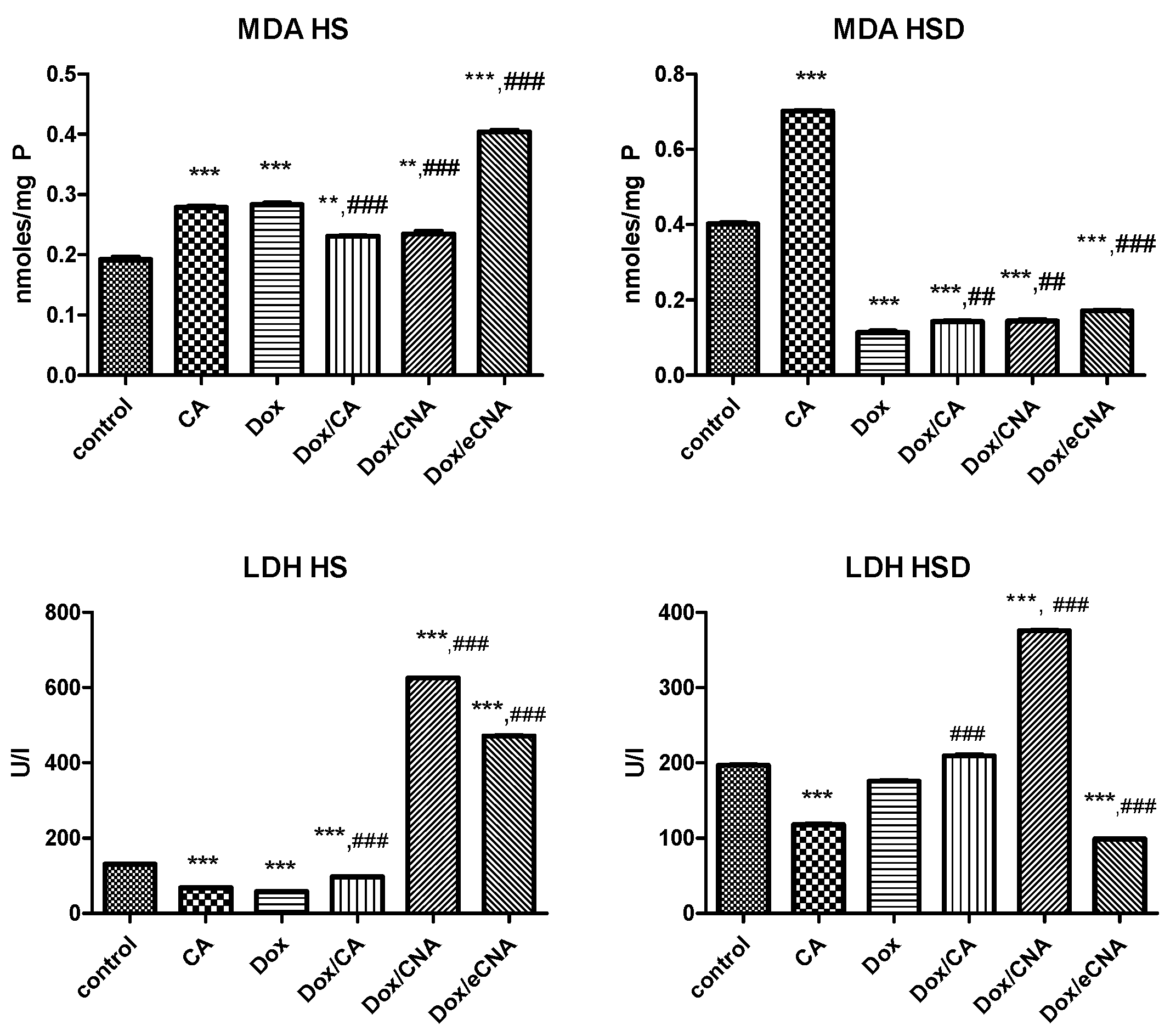
3.3.3. Oxidative Stress and LDH Activity
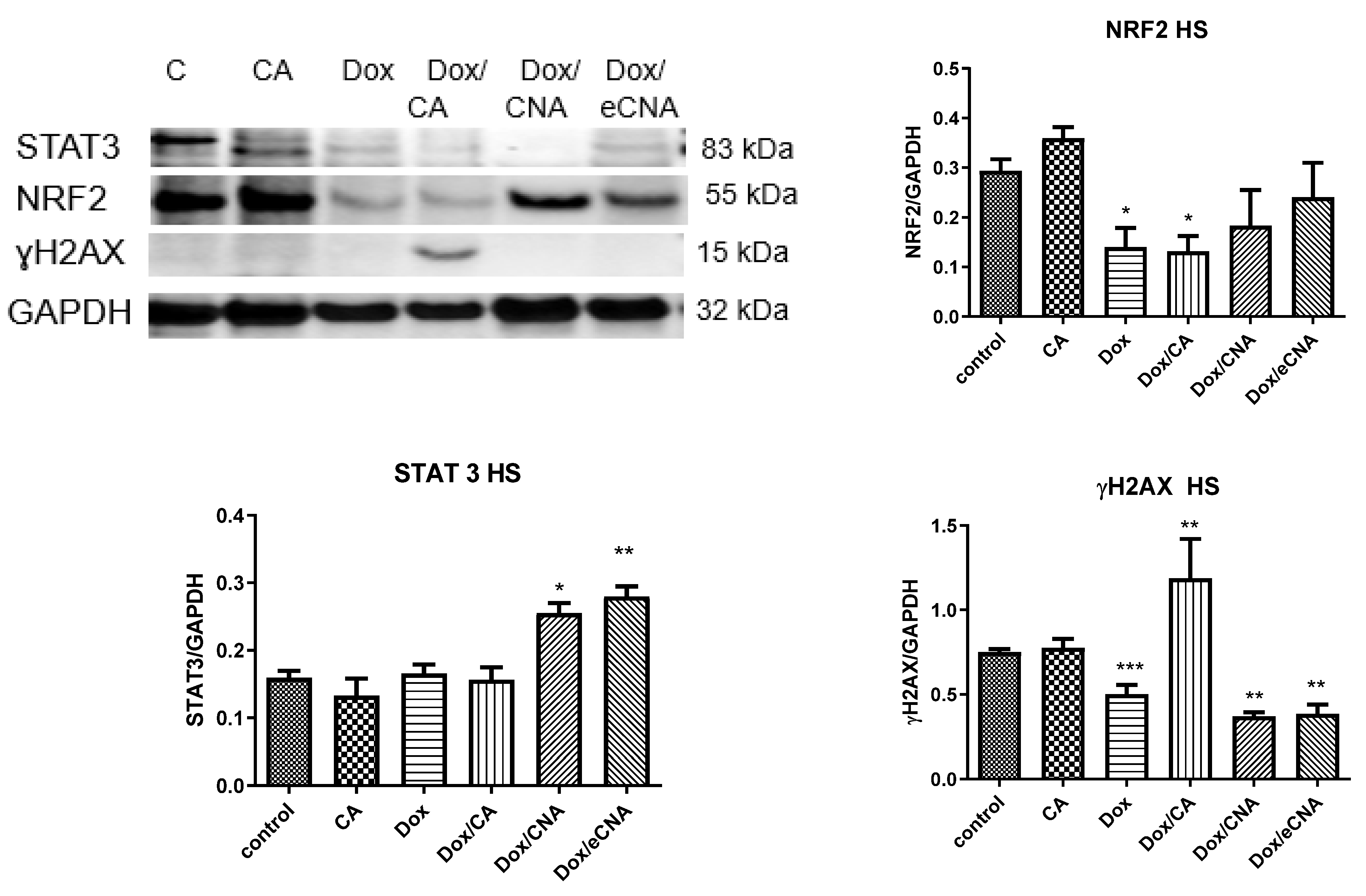
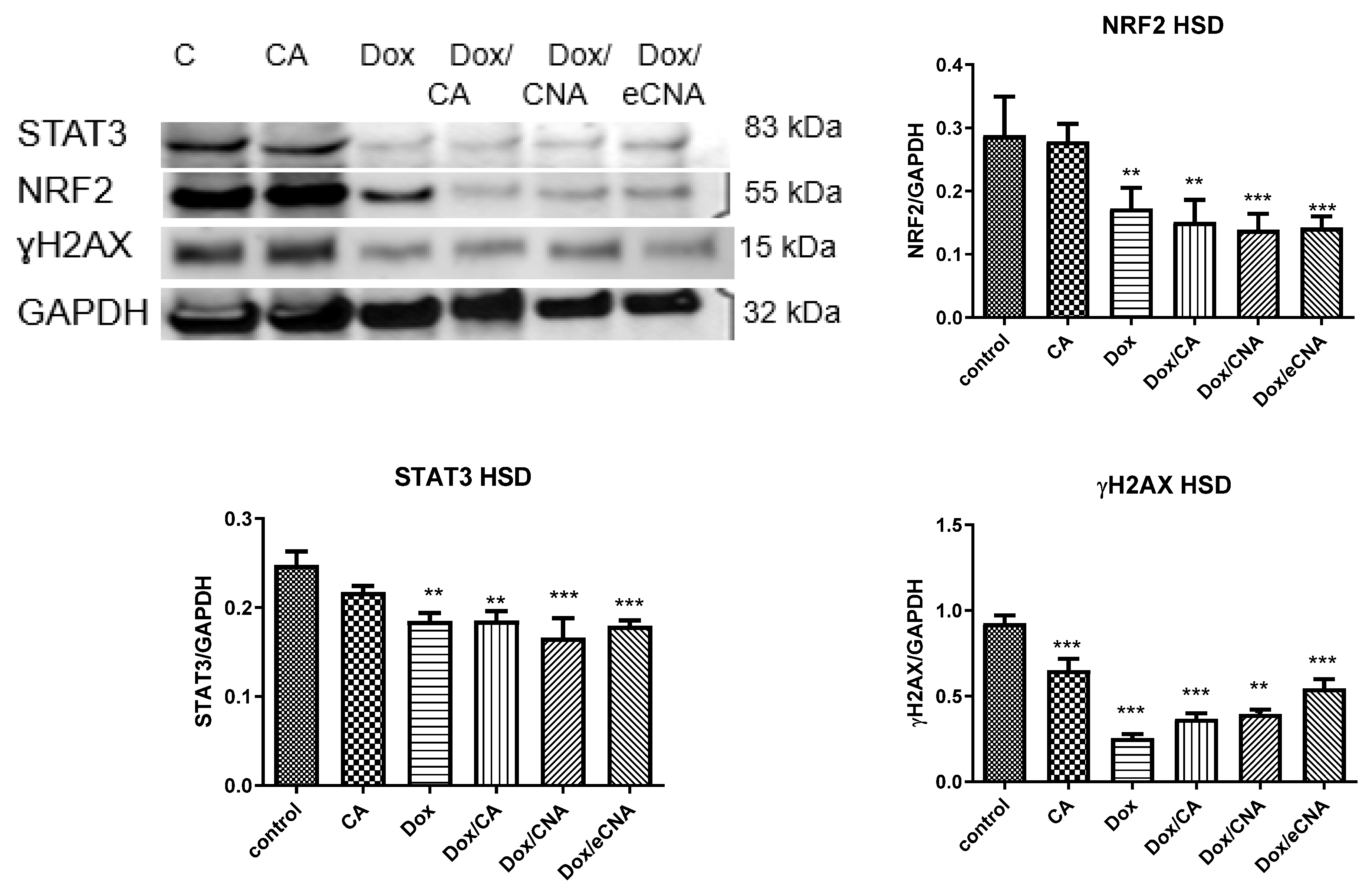
3.3.4. Evaluation of Transcription Factors and DNA Lesions
4. Discussion
5. Conclusions
Supplementary Materials
Author Contributions
Funding
Institutional Review Board Statement
Informed Consent Statement
Data Availability Statement
Acknowledgments
Conflicts of Interest
References
- Mureşan, M.; Olteanu, D.; Filip, G.A.; Clichici, S.; Baldea, I.; Jurca, T.; Pallag, A.; Marian, E.; Frum, A.; Gligor, F.G. Comparative study of the pharmacological properties and biological effects of polygonum aviculare L. Herba extract-entrapped liposomes versus quercetin-entrapped liposomes on doxorubicin-induced toxicity on HUVECs. Pharmaceutics 2021, 13, 1418. [Google Scholar] [CrossRef] [PubMed]
- Kilani-Jaziri, S.; Mokdad-Bzeouich, I.; Krifa, M.; Nasr, N.; Ghedira, K.; Chekir-Ghedira, L. Immunomodulatory and cellular anti-oxidant activities of caffeic, ferulic, and p-coumaric phenolic acids: A structure-activity relationship study. Drug Chem. Toxicol. 2017, 40, 416–424. [Google Scholar] [CrossRef]
- Pakravan, N.; Shayani-Jam, H.; Beiginejad, H.; Tavafi, H.; Paziresh, S. A green method for the synthesis of novel spiro compounds: Enhancement of antibacterial properties of caffeic acid through electrooxidation in the presence of barbituric acid derivatives. J. Electroanal. Chem. 2019, 848, 113286. [Google Scholar] [CrossRef]
- Wilkins, L.R.; Brautigan, D.L.; Wu, H.; Yarmohammadi, H.; Kubicka, E.; Serbulea, V.; Leitinger, N.; Liu, W.; Haaga, J.R. Cinnamic Acid Derivatives Enhance the Efficacy of Transarterial Embolization in a Rat Model of Hepatocellular Carcinoma. Cardiovasc. Interv. Radiol. 2017, 40, 430–437. [Google Scholar] [CrossRef]
- Kabała-Dzik, A.; Rzepecka-Stojko, A.; Kubina, R.; Jastrzębska-Stojko, Ż.; Stojko, R.; Wojtyczka, R.D.; Stojko, J. Comparison of two components of propolis: Caffeic acid (CA) and caffeic acid phenethyl ester (CAPE) induce apoptosis and cell cycle arrest of breast cancer cells MDA-MB-231. Molecules 2017, 22, 1554. [Google Scholar] [CrossRef]
- Kabała-Dzik, A.; Rzepecka-Stojko, A.; Kubina, R.; Jastrzębska-Stojko, Ż.; Stojko, R.; Wojtyczka, R.D.; Stojko, J. Migration rate inhibition of breast cancer cells treated by caffeic acid and caffeic acid phenethyl ester: An in vitro comparison study. Nutrients 2017, 9, 1144. [Google Scholar] [CrossRef]
- Atanasov, A.G.; Zotchev, S.; Dirsch, V.; Supuran, C. International natural product sciences taskforce. Nat. Rev. Drug Discov. 2021, 20, 200–216. [Google Scholar] [CrossRef]
- Patil, A.; Bhagwat, D. Caffeic Acid and Its Derivatives as Multifunctional Anticancer Agents: From Mechanisms to Clinical Prospects. PharmaNutrition 2026, 35, 100472. [Google Scholar] [CrossRef]
- Shi, Y.; Bieerkehazhi, S.; Ma, H. Next-generation proteasome inhibitor oprozomib enhances sensitivity to doxorubicin in triple-negative breast cancer cells. Int. J. Clin. Exp. Pathol. 2018, 11, 2347. [Google Scholar] [PubMed]
- Meredith, A.-M.; Dass, C.R. Increasing role of the cancer chemotherapeutic doxorubicin in cellular metabolism. J. Pharm. Pharmacol. 2016, 68, 729–741. [Google Scholar] [CrossRef]
- Sonowal, H.; Pal, P.B.; Wen, J.-J.; Awasthi, S.; Ramana, K.V.; Srivastava, S.K. Aldose reductase inhibitor increases doxorubicin-sensitivity of colon cancer cells and decreases cardiotoxicity. Sci. Rep. 2017, 7, 3182. [Google Scholar] [CrossRef]
- Varela-López, A.; Battino, M.; Navarro-Hortal, M.D.; Giampieri, F.; Forbes-Hernández, T.Y.; Romero-Márquez, J.M.; Collado, R.; Quiles, J.L. An update on the mechanisms related to cell death and toxicity of doxorubicin and the protective role of nutrients. Food Chem. Toxicol. 2019, 134, 110834. [Google Scholar] [CrossRef]
- Tacar, O.; Sriamornsak, P.; Dass, C.R. Doxorubicin: An update on anticancer molecular action, toxicity and novel drug delivery systems. J. Pharm. Pharmacol. 2013, 65, 157–170. [Google Scholar] [CrossRef] [PubMed]
- Thorn, C.F.; Oshiro, C.; Marsh, S.; Hernandez-Boussard, T.; McLeod, H.; Klein, T.E.; Altman, R.B. Doxorubicin pathways: Pharmacodynamics and adverse effects. Pharmacogenetics Genom. 2011, 21, 440–446. [Google Scholar] [CrossRef] [PubMed]
- Sritharan, S.; Sivalingam, N. A comprehensive review on time-tested anticancer drug doxorubicin. Life Sci. 2021, 278, 119527. [Google Scholar] [CrossRef]
- Humber, C.; Tierney, J.; Symonds, R.; Collingwood, M.; Kirwan, J.; Williams, C.; Green, J. Chemotherapy for advanced, recurrent or metastatic endometrial cancer: A systematic review of Cochrane collaboration. Ann. Oncol. 2007, 18, 409–420. [Google Scholar] [CrossRef] [PubMed]
- Prasad, P.; Shuhendler, A.; Cai, P.; Rauth, A.M.; Wu, X.Y. Doxorubicin and mitomycin C co-loaded polymer-lipid hybrid nanoparticles inhibit growth of sensitive and multidrug resistant human mammary tumor xenografts. Cancer Lett. 2013, 334, 263–273. [Google Scholar] [CrossRef]
- Tormo, E.; Ballester, S.; Adam-Artigues, A.; Burgués, O.; Alonso, E.; Bermejo, B.; Menéndez, S.; Zazo, S.; Madoz-Gúrpide, J.; Rovira, A. The miRNA-449 family mediates doxorubicin resistance in triple-negative breast cancer by regulating cell cycle factors. Sci. Rep. 2019, 9, 5316. [Google Scholar] [CrossRef]
- Ciocan-Cartita, C.A.; Jurj, A.; Zanoaga, O.; Cojocneanu, R.; Pop, L.-A.; Moldovan, A.; Moldovan, C.; Zimta, A.A.; Raduly, L.; Pop-Bica, C. New insights in gene expression alteration as effect of doxorubicin drug resistance in triple negative breast cancer cells. J. Exp. Clin. Cancer Res. 2020, 39, 241. [Google Scholar] [CrossRef]
- Yin, L.; Duan, J.-J.; Bian, X.-W.; Yu, S.-C. Triple-negative breast cancer molecular subtyping and treatment progress. Breast Cancer Res. 2020, 22, 61. [Google Scholar] [CrossRef]
- Pileczki, V.; Braicu, C.; Gherman, C.D.; Berindan-Neagoe, I. TNF-α gene knockout in triple negative breast cancer cell line induces apoptosis. Int. J. Mol. Sci. 2013, 14, 411–420. [Google Scholar] [CrossRef] [PubMed]
- Dejeu, I.L.; Vicaș, L.G.; Jurca, T.; Teușdea, A.C.; Mureșan, M.E.; Fritea, L.; Svera, P.; Gabor, G.A.; Dejeu, G.E.; Maghiar, O.A.; et al. Liposomes with Caffeic Acid: Morphological and Structural Characterisation, Their Properties and Stability in Time. Processes 2021, 9, 912. [Google Scholar] [CrossRef]
- Dejeu, I.L.; Vicaș, L.G.; Marian, E.; Ganea, M.; Frenț, O.D.; Maghiar, P.B.; Bodea, F.I.; Dejeu, G.E. Innovative Approaches to Enhancing the Biomedical Properties of Liposomes. Pharmaceutics 2024, 16, 1525. [Google Scholar] [CrossRef]
- Wibroe, P.P.; Ahmadvand, D.; Oghabian, M.A.; Yaghmur, A.; Moghimi, S.M. An integrated assessment of morphology, size, and complement activation of the PEGylated liposomal doxorubicin products Doxil®, Caelyx®, DOXOrubicin, and SinaDoxosome. J. Control. Release 2016, 221, 1–8. [Google Scholar] [CrossRef]
- Matsuzaki, K.; Murase, O.; Sugishita, K.i.; Yoneyama, S.; Akada, K.y.; Ueha, M.; Nakamura, A.; Kobayashi, S. Optical characterization of liposomes by right angle light scattering and turbidity measurement. Biochim. Biophys. Acta (BBA)-Biomembr. 2000, 1467, 219–226. [Google Scholar] [CrossRef]
- Corbo, C.; Molinaro, R.; Taraballi, F.; Toledano Furman, N.E.; Sherman, M.B.; Parodi, A.; Salvatore, F.; Tasciotti, E. Effects of the protein corona on liposome–liposome and liposome–cell interactions. Int. J. Nanomed. 2016, 11, 3049–3063. [Google Scholar]
- Marchianò, V.; Matos, M.; Serrano-Pertierra, E.; Gutiérrez, G.; Blanco-López, M.C. Vesicles as antibiotic carrier: State of art. Int. J. Pharm. 2020, 585, 119478. [Google Scholar] [CrossRef]
- Cherukuri, S.; Batchu, U.R.; Mandava, K.; Cherukuri, V.; Ganapuram, K.R. Formulation and evaluation of transdermal drug delivery of topiramate. Int. J. Pharm. Investig. 2017, 7, 10–17. [Google Scholar] [CrossRef]
- Jurj, A.; Pop, L.-A.; Zanoaga, O.; Ciocan-Cârtiţă, C.A.; Cojocneanu, R.; Moldovan, C.; Raduly, L.; Pop-Bica, C.; Trif, M.; Irimie, A. New insights in gene expression alteration as effect of paclitaxel drug resistance in triple negative breast cancer cells. Cell. Physiol. Biochem. 2020, 54, 648–664. [Google Scholar] [CrossRef]
- Filip, G.A.; Florea, A.; Olteanu, D.; Clichici, S.; David, L.; Moldovan, B.; Cenariu, M.; Scrobota, I.; Potara, M.; Baldea, I. Biosynthesis of silver nanoparticles using Sambucus nigra L. fruit extract for targeting cell death in oral dysplastic cells. Mater. Sci. Eng. C 2021, 123, 111974. [Google Scholar] [CrossRef]
- Olteanu, D.; Baldea, I.; Clichici, S.; Bolfa, P.; Cenariu, M.; Schrepler-Perde, M.; Alupei, M.; Muresan, A.; Filip, A. In vitro studies on the mechanisms involved in chemoprevention using Calluna vulgaris on vascular endothelial cells exposed to UVB. J. Photochem. Photobiol. B Biol. 2014, 136, 54–61. [Google Scholar] [CrossRef]
- Olteanu, D.; Filip, A.; Socaci, C.; Biris, A.R.; Filip, X.; Coros, M.; Rosu, M.C.; Pogacean, F.; Alb, C.; Baldea, I. Cytotoxicity assessment of graphene-based nanomaterials on human dental follicle stem cells. Colloids Surf. B Biointerfaces 2015, 136, 791–798. [Google Scholar] [CrossRef]
- Baldea, I.; Florea, A.; Olteanu, D.; Clichici, S.; David, L.; Moldovan, B.; Cenariu, M.; Achim, M.; Suharoschi, R.; Danescu, S. Effects of silver and gold nanoparticles phytosynthesized with Cornus mas extract on oral dysplastic human cells. Nanomedicine 2020, 15, 55–75. [Google Scholar] [CrossRef]
- Bidian, C.; Filip, G.A.; David, L.; Moldovan, B.; Baldea, I.; Olteanu, D.; Filip, M.; Bolfa, P.; Potara, M.; Toader, A.M. Viburnum opulus fruit extract-capped gold nanoparticles attenuated oxidative stress and acute inflammation in carrageenan-induced paw edema model. Green Chem. Lett. Rev. 2022, 15, 320–336. [Google Scholar] [CrossRef]
- Salunkhe, S.; Honmane, S.; Hajare, A.; Bhatia, N.; Mali, S. Comparative efficiency of formulation techniques for development of salbutamol sulphate loaded liposomes. Int. Res. J. Pharm. 2014, 5, 70–74. [Google Scholar] [CrossRef]
- Yang, R.; Lu, M.; Ming, L.; Chen, Y.; Cheng, K.; Zhou, J.; Jiang, S.; Lin, Z.; Chen, D. (89)Zr-Labeled Multifunctional Liposomes Conjugate Chitosan for PET-Trackable Triple-Negative Breast Cancer Stem Cell Targeted Therapy. Int. J. Nanomed. 2020, 15, 9061–9074. [Google Scholar] [CrossRef] [PubMed]
- Jung, J.E.; Kim, H.S.; Lee, C.S.; Park, D.-H.; Kim, Y.-N.; Lee, M.-J.; Lee, J.W.; Park, J.-W.; Kim, M.-S.; Ye, S.K. Caffeic acid and its synthetic derivative CADPE suppress tumor angiogenesis by blocking STAT3-mediated VEGF expression in human renal carcinoma cells. Carcinogenesis 2007, 28, 1780–1787. [Google Scholar] [CrossRef] [PubMed]
- Xie, C.; Chan, L.; Pang, Y.; Shang, Y.; Cao, W.; Tuohan, M.; Deng, Q.; Wang, Y.; Zhao, L.; Wang, W. Caffeic acid inhibits the tumorigenicity of triple-negative breast cancer cells through the FOXO1/FIS pathway. Biomed. Pharmacother. 2024, 178, 117158. [Google Scholar] [CrossRef]
- Liang, L.C.; Zhao, L.; Yu, B.; Hu, H.X.; He, X.H.; Zhang, Y.M. Caffeic acid phenethyl ester reverses doxorubicin resistance in breast cancer cells via lipid metabolism regulation at least partly by suppressing the Akt/mTOR/SREBP1 pathway. Kaohsiung J. Med. Sci. 2023, 39, 605–615. [Google Scholar] [CrossRef]
- Katuwavila, N.P.; Perera, A.D.L.C.; Karunaratne, V.; Amaratunga, G.A.J.; Karunaratne, D.N. Improved delivery of caffeic acid through liposomal encapsulation. J. Nanomater. 2016, 2016, 9701870. [Google Scholar] [CrossRef]
- Zaremba-Czogalla, M.; Jaromin, A.; Sidoryk, K.; Zagorska, A.; Cybulski, M.; Gubernator, J. Evaluation of the in vitro cytotoxic activity of caffeic acid derivatives and liposomal formulation against pancreatic cancer cell lines. Materials 2020, 13, 5813. [Google Scholar] [CrossRef]
- Rosendahl, A.H.; Perks, C.M.; Zeng, L.; Markkula, A.; Simonsson, M.; Rose, C.; Ingvar, C.; Holly, J.M.; Jernström, H. Caffeine and caffeic acid inhibit growth and modify estrogen receptor and insulin-like growth factor I receptor levels in human breast cancer. Clin. Cancer Res. 2015, 21, 1877–1887. [Google Scholar] [CrossRef]
- Wong, R.S. Apoptosis in cancer: From pathogenesis to treatment. J. Exp. Clin. Cancer Res. 2011, 30, 87. [Google Scholar] [CrossRef]
- Sharifi, S.; Barar, J.; Hejazi, M.S.; Samadi, N. Doxorubicin changes Bax/Bcl-xL ratio, caspase-8 and 9 in breast cancer cells. Adv. Pharm. Bull. 2015, 5, 351. [Google Scholar] [CrossRef] [PubMed]
- Pilco-Ferreto, N.; Calaf, G.M. Influence of doxorubicin on apoptosis and oxidative stress in breast cancer cell lines. Int. J. Oncol. 2016, 49, 753–762. [Google Scholar] [CrossRef] [PubMed]
- Gomez, L.; Thiebaut, P.; Paillard, M.; Ducreux, S.; Abrial, M.; Crola Da Silva, C.; Durand, A.; Alam, M.; Van Coppenolle, F.; Sheu, S. The SR/ER-mitochondria calcium crosstalk is regulated by GSK3β during reperfusion injury. Cell Death Differ. 2016, 23, 313–322. [Google Scholar] [CrossRef] [PubMed]
- Sznarkowska, A.; Kostecka, A.; Meller, K.; Bielawski, K.P. Inhibition of cancer antioxidant defense by natural compounds. Oncotarget 2016, 8, 15996. [Google Scholar] [CrossRef]
- Avisetti, D.R.; Babu, K.S.; Kalivendi, S.V. Activation of p38/JNK pathway is responsible for embelin induced apoptosis in lung cancer cells: Transitional role of reactive oxygen species. PLoS ONE 2014, 9, e87050. [Google Scholar] [CrossRef]
- Galadari, S.; Rahman, A.; Pallichankandy, S.; Thayyullathil, F. Reactive oxygen species and cancer paradox: To promote or to suppress? Free Radic. Biol. Med. 2017, 104, 144–164. [Google Scholar] [CrossRef]
- Zhang, C.; Wang, H.-J.; Bao, Q.-C.; Wang, L.; Guo, T.-K.; Chen, W.-L.; Xu, L.-L.; Zhou, H.-S.; Bian, J.-L.; Yang, Y.-R. NRF2 promotes breast cancer cell proliferation and metastasis by increasing RhoA/ROCK pathway signal transduction. Oncotarget 2016, 7, 73593. [Google Scholar] [CrossRef]
- De Blasio, A.; Di Fiore, R.; Pratelli, G.; Drago-Ferrante, R.; Saliba, C.; Baldacchino, S.; Grech, G.; Scerri, C.; Vento, R.; Tesoriere, G. A loop involving NRF2, miR-29b-1-5p and AKT, regulates cell fate of MDA-MB-231 triple-negative breast cancer cells. J. Cell. Physiol. 2020, 235, 629–637. [Google Scholar] [CrossRef]
- Qin, S.; He, X.; Lin, H.; Schulte, B.A.; Zhao, M.; Tew, K.D.; Wang, G.Y. Nrf2 inhibition sensitizes breast cancer stem cells to ionizing radiation via suppressing DNA repair. Free Radic. Biol. Med. 2021, 169, 238–247. [Google Scholar] [CrossRef]
- Wu, K.C.; Cui, J.Y.; Klaassen, C.D. Beneficial role of Nrf2 in regulating NADPH generation and consumption. Toxicol. Sci. 2011, 123, 590–600. [Google Scholar] [CrossRef] [PubMed]
- Tonelli, C.; Chio, I.I.C.; Tuveson, D.A. Transcriptional regulation by Nrf2. Antioxid. Redox Signal. 2018, 29, 1727–1745. [Google Scholar] [CrossRef]
- Zimta, A.-A.; Cenariu, D.; Irimie, A.; Magdo, L.; Nabavi, S.M.; Atanasov, A.G.; Berindan-Neagoe, I. The role of Nrf2 activity in cancer development and progression. Cancers 2019, 11, 1755. [Google Scholar] [CrossRef]
- Zhang, Z.; Wang, Q.; Ma, J.; Yi, X.; Zhu, Y.; Xi, X.; Feng, Y.; Jin, Z. Reactive oxygen species regulate FSH-induced expression of vascular endothelial growth factor via Nrf2 and HIF1α signaling in human epithelial ovarian cancer. Oncol. Rep. 2013, 29, 1429–1434. [Google Scholar] [CrossRef] [PubMed]
- Pi, J.; Qu, W.; Reece, J.M.; Kumagai, Y.; Waalkes, M.P. Transcription factor Nrf2 activation by inorganic arsenic in cultured keratinocytes: Involvement of hydrogen peroxide. Exp. Cell Res. 2003, 290, 234–245. [Google Scholar] [CrossRef]
- Tossetta, G.; Marzioni, D. Natural and synthetic compounds in Ovarian Cancer: A focus on NRF2/KEAP1 pathway. Pharmacol. Res. 2022, 183, 106365. [Google Scholar] [CrossRef] [PubMed]
- Bovilla, V.R.; Kuruburu, M.G.; Bettada, V.G.; Krishnamurthy, J.; Sukocheva, O.A.; Thimmulappa, R.K.; Shivananju, N.S.; Balakrishna, J.P.; Madhunapantula, S.V. Targeted inhibition of anti-inflammatory regulator Nrf2 results in breast cancer retardation in vitro and in vivo. Biomedicines 2021, 9, 1119. [Google Scholar] [CrossRef]



| Type of Liposome | The Amount of CA (mg) | The Amount of DP-PC (mg) | The Amount of PC (mg) | The Amount of CHL (mg) | The Amount of SC (mg) |
|---|---|---|---|---|---|
| DPPC | 50 | 50 | 50 | 2.5 | - |
| eDPPC | - | 50 | 50 | 2.5 | - |
| CNA | 50 | - | 80 | 2.5 | 20 |
| eCNA | - | - | 80 | 2.5 | 20 |
| Liposome Series | Liposome | Zeta Potential (mV) |
|---|---|---|
| With CA | DPPC | −0.271 |
| CNA | −7.66 | |
| Without CA | eDPPC | 0.565 |
| eCNA | −10.9 |
| Time (Day) | DPPC | CNA | Color Legend for Hierarchical Classification of Nano-Levels |
|---|---|---|---|
| d1 | bimodal nano-levels (1) and (3) | unimodal nano-level (1) |
|
| d15 | unimodal nano-level (1) | unimodal nano-level (1) |
|
| d30 | trimodal nano-level (1) | bimodal nano-level (1) |
|
|
| Sample | Day | Ironed Area (µm2) | Sa (µm) | Sq (µm) | Sp (µm) | Sv (µm) | Sy (µm) |
|---|---|---|---|---|---|---|---|
| CNA | d1 | 916.32 ± 0.11 | 0.10 ± 0.00 | 0.12 ± 0.01 | 0.45 ± 0.01 | −0.29 ± 0.01 | 0.74 ± 0.00 |
| d2 | 912.34 ± 0.11 | 0.10 ± 0.01 | 0.12 ± 0.00 | 0.46 ± 0.01 | −0.32 ± 0.00 | 0.78 ± 0.01 | |
| d15 | 913.94 ± 0.10 | 0.13 ± 0.01 | 0.16 ± 0.01 | 0.43 ± 0.00 | −0.53 ± 0.00 | 0.96 ± 0.00 | |
| d30 | 920.28 ± 0.10 | 0.13 ± 0.00 | 0.16 ± 0.01 | 0.48 ± 0.00 | −0.49 ± 0.01 | 0.97 ± 0.00 | |
| eCNA | d1 | 904.49 ± 0.10 | 0.06 ± 0.00 | 0.07 ± 0.01 | 0.22 ± 0.00 | −0.26 ± 0.00 | 0.48 ± 0.00 |
| d2 | 903.35 ± 0.10 | 0.06 ± 0.01 | 0.08 ± 0.01 | 0.25 ± 0.01 | −0.33 ± 0.00 | 0.59 ± 0.01 | |
| d15 | 902.62 ± 0.10 | 0.06 ± 0.00 | 0.08 ± 0.01 | 0.25 ± 0.00 | −0.38 ± 0.00 | 0.63 ± 0.00 | |
| d30 | 903.60 ± 0.10 | 0.07 ± 0.00 | 0.09 ± 0.00 | 0.35 ± 0.00 | −0.31 ± 0.01 | 0.66 ± 0.00 | |
| DPPC | d1 | 907.25 ± 0.10 | 0.15 ± 0.01 | 0.18 ± 0.00 | 0.51 ± 0.00 | −0.64 ± 0.00 | 1.1432 ± 0.01 |
| d2 | 906.98 ± 0.10 | 0.14 ± 0.00 | 0.17 ± 0.00 | 0.48 ± 0.01 | −0.70 ± 0.00 | 1.18 ± 0.01 | |
| d15 | 907.47 ± 0.10 | 0.15 ± 0.00 | 0.18 ± 0.00 | 0.64 ± 0.00 | −0.81 ± 0.00 | 1.45 ± 0.00 | |
| d30 | 907.32 ± 0.11 | 0.14 ± 0.00 | 0.18 ± 0.00 | 0.63 ± 0.01 | −0.83 ± 0.01 | 1.45 ± 0.01 | |
| eDPPC | d1 | 901.39 ± 0.10 | 0.04 ± 0.00 | 0.06 ± 0.00 | 0.18 ± 0.00 | −0.18 ± 0.01 | 0.36 ± 0.01 |
| d2 | 901.39 ± 0.10 | 0.04 ± 0.00 | 0.058 ± 0.00 | 0.18 ± 0.00 | −0.18 ± 0.00 | 0.36 ± 0.01 | |
| d15 | 902.12 ± 0.11 | 0.05 ± 0.00 | 0.21 ± 0.01 | 0.19 ± 0.01 | −0.22 ± 0.01 | 0.41 ± 0.01 | |
| d30 | 902.14 ± 0.11 | 0.05 ± 0.00 | 0.30 ± 0.01 | 0.18 ± 0.00 | −0.23 ± 0.01 | 0.41 ± 0.00 |
| Percentage of CA Released (%) from Liposomes | Time (h) | |||||||||||
|---|---|---|---|---|---|---|---|---|---|---|---|---|
| 0.5 | 1 | 2 | 3 | 4 | 5 | 6 | 7 | 8 | 12 | 24 | 48 | |
| CNA | 3.85 ± 0.00 | 12.43 ± 0.68 | 22.48 ± 1.09 | 33.49 ± 1.50 | 39.35 ± 3.01 | 51.99 ± 4.29 | 64.51 ± 3.55 | 77.41 ± 3.01 | 87.41 ± 4.62 | 88.80 ± 5.01 | 91.10 ± 5.30 | 92.02 ± 5.11 |
| DPPC | 5.50 ± 0.00 | 15.06 ± 0.59 | 25.17 ± 0.93 | 33.53 ± 1.28 | 42.88 ± 3.10 | 54.99 ± 3.80 | 67.24 ± 3.81 | 78.16 ± 2.59 | 91.96 ± 3.02 | 92.00 ± 4.16 | 92.07 ± 4.58 | 92.24 ± 5.32 |
| CA | 10.334 ± 1.12 | 24.24 ± 1.55 | 54.88 ± 2.85 | 71.98 ± 3.23 | 92.53 ± 6.34 | 92.88 ± 5.12 | 92.90 ± 5.12 | 93.00 ± 5.01 | 93.13 ± 5.22 | 93.25 ± 5.32 | 93.27 ± 5.31 | 93.30 ± 5.33 |
| Formulas | Model | Parameter | Value | R2 |
|---|---|---|---|---|
| CNA | Higuchi | kH (%.h−1/2) | 30.1 | 0.987 |
| DPPC | Higuchi | kH (%.h−1/2) | 30.63 | 0.985 |
| CNA | Korsmeyer–Peppas | N | 1.07 | 0.975 |
| DPPC | Korsmeyer–Peppas | N | 0.94 | 0.979 |
| CNA | First-order | k1 (h−1) | 0.145 | 0.987 |
| DPPC | First-order | k1 (h−1) | 0.154 | 0.985 |
| CNA | Zero-order | k0 (%/h) | 10.29 | 0.992 |
| DPPC | Zero-order | k0 (%/h) | 10.92 | 0.995 |
Disclaimer/Publisher’s Note: The statements, opinions and data contained in all publications are solely those of the individual author(s) and contributor(s) and not of MDPI and/or the editor(s). MDPI and/or the editor(s) disclaim responsibility for any injury to people or property resulting from any ideas, methods, instructions or products referred to in the content. |
© 2026 by the authors. Licensee MDPI, Basel, Switzerland. This article is an open access article distributed under the terms and conditions of the Creative Commons Attribution (CC BY) license.
Share and Cite
Dejeu, I.-L.; Olteanu, D.; Clichici, S.; Baldea, I.; Soritău, O.; Frenț, O.-D.; Marian, N.A.; Mureșan, M.E.; Svera, P.; Marian, E.; et al. Pharmacological Properties and the Impact of Caffeic Acid-Entrapped Liposomes on Triple-Negative Breast Cancer Cell Lines Exposed to Doxorubicin. Antioxidants 2026, 15, 424. https://doi.org/10.3390/antiox15040424
Dejeu I-L, Olteanu D, Clichici S, Baldea I, Soritău O, Frenț O-D, Marian NA, Mureșan ME, Svera P, Marian E, et al. Pharmacological Properties and the Impact of Caffeic Acid-Entrapped Liposomes on Triple-Negative Breast Cancer Cell Lines Exposed to Doxorubicin. Antioxidants. 2026; 15(4):424. https://doi.org/10.3390/antiox15040424
Chicago/Turabian StyleDejeu, Ioana-Lavinia, Diana Olteanu, Simona Clichici, Ioana Baldea, Olga Soritău, Olimpia-Daniela Frenț, Nicole Alina Marian, Mariana Eugenia Mureșan, Paula Svera, Eleonora Marian, and et al. 2026. "Pharmacological Properties and the Impact of Caffeic Acid-Entrapped Liposomes on Triple-Negative Breast Cancer Cell Lines Exposed to Doxorubicin" Antioxidants 15, no. 4: 424. https://doi.org/10.3390/antiox15040424
APA StyleDejeu, I.-L., Olteanu, D., Clichici, S., Baldea, I., Soritău, O., Frenț, O.-D., Marian, N. A., Mureșan, M. E., Svera, P., Marian, E., Dejeu, G. E., Vicaș, L. G., & Filip, G. A. (2026). Pharmacological Properties and the Impact of Caffeic Acid-Entrapped Liposomes on Triple-Negative Breast Cancer Cell Lines Exposed to Doxorubicin. Antioxidants, 15(4), 424. https://doi.org/10.3390/antiox15040424