Caffeic Acid–Chicoric Acid (1:1) Mixture Exerts Antioxidant Effects and Regulates Intestinal Health in Oxazolone-Induced Zebrafish



Abstract
1. Introduction
2. Materials and Methods
2.1. Chemicals and Reagents
2.2. Sample Preparation
2.3. Determination of ABTS and DPPH Free-Radical-Scavenging Activity
2.4. Isobolographic Analysis of Synergistic Antioxidant Capacity
2.5. Network Pharmacology Analysis
2.6. Animal Experiments
2.7. Quantitative Real-Time PCR
2.8. Histological Analysis
2.9. 16S rDNA Gene Sequencing
2.10. Correlation Analysis
2.11. Statistical Analysis
3. Results
3.1. Determination of the Optimal Ratio of CaA and ChA with Antioxidant Effect
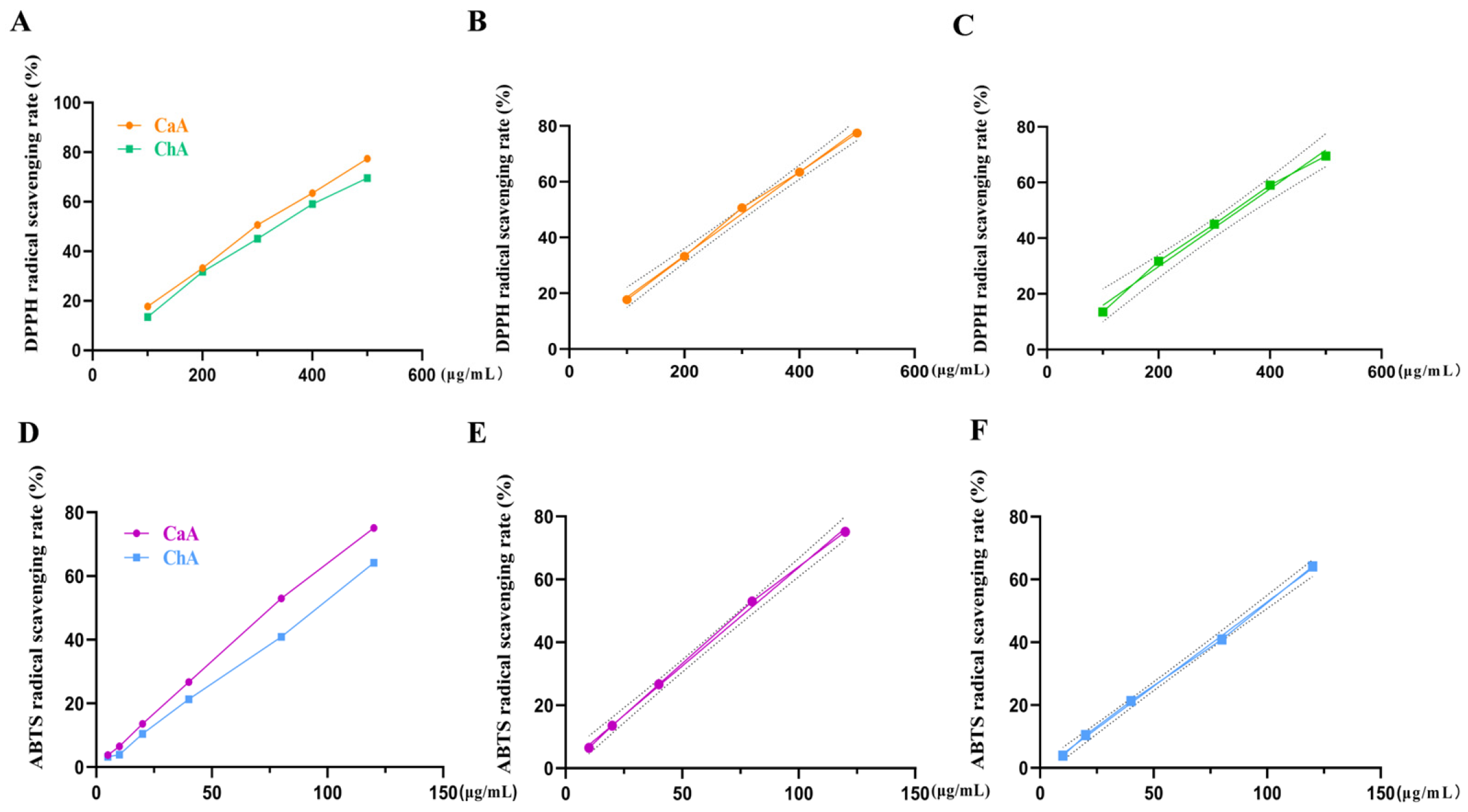
3.1.1. The Free-Radical-Scavenging Ability of CaA and ChA
3.1.2. The Free-Radical-Scavenging Ability of CaA–ChA
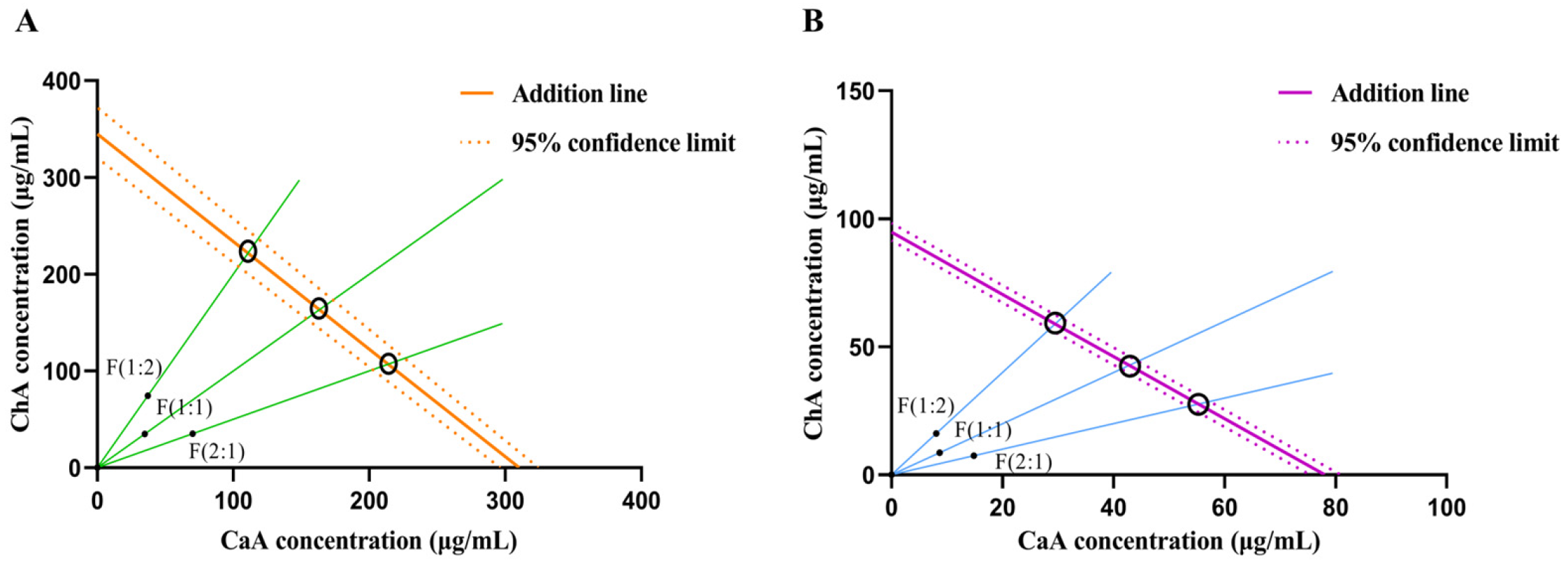
3.1.3. Isobolographic Analysis of Synergistic Antioxidant Effects of CaA–ChA
3.1.4. Statistical Analysis of CaA–ChA
3.2. Screening of Key Targets and Pathways for Antioxidant Activity of CaA–ChA
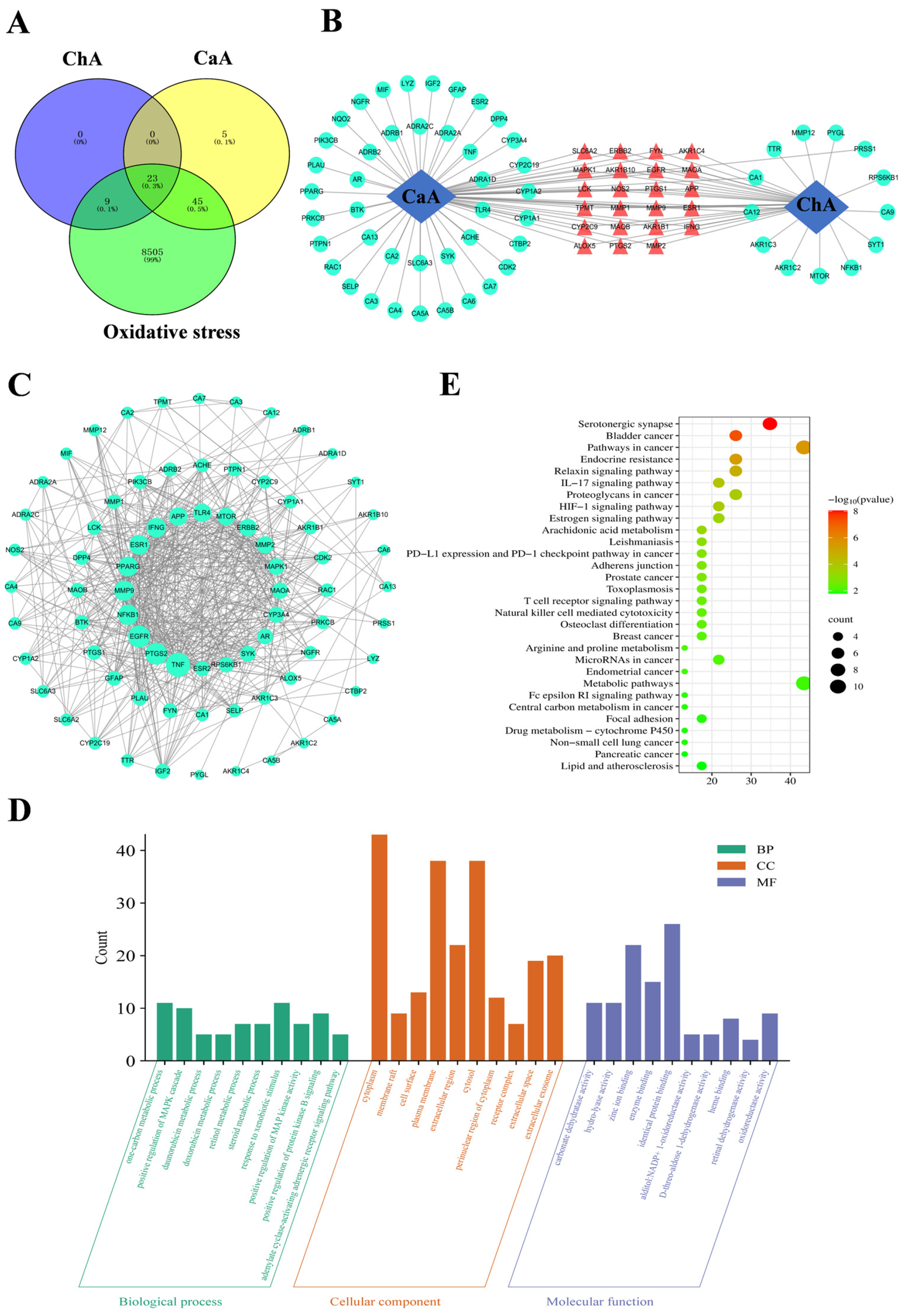
3.2.1. Targets of CaA–ChA Action
3.2.2. Construction of Targets Network and Protein–Protein Interaction (PPI) Network
3.2.3. The GO Enrichment Analysis and KEGG Enrichment Analysis
3.3. The Antioxidant Effect of CaA–ChA in Zebrafish Intestine Tissue
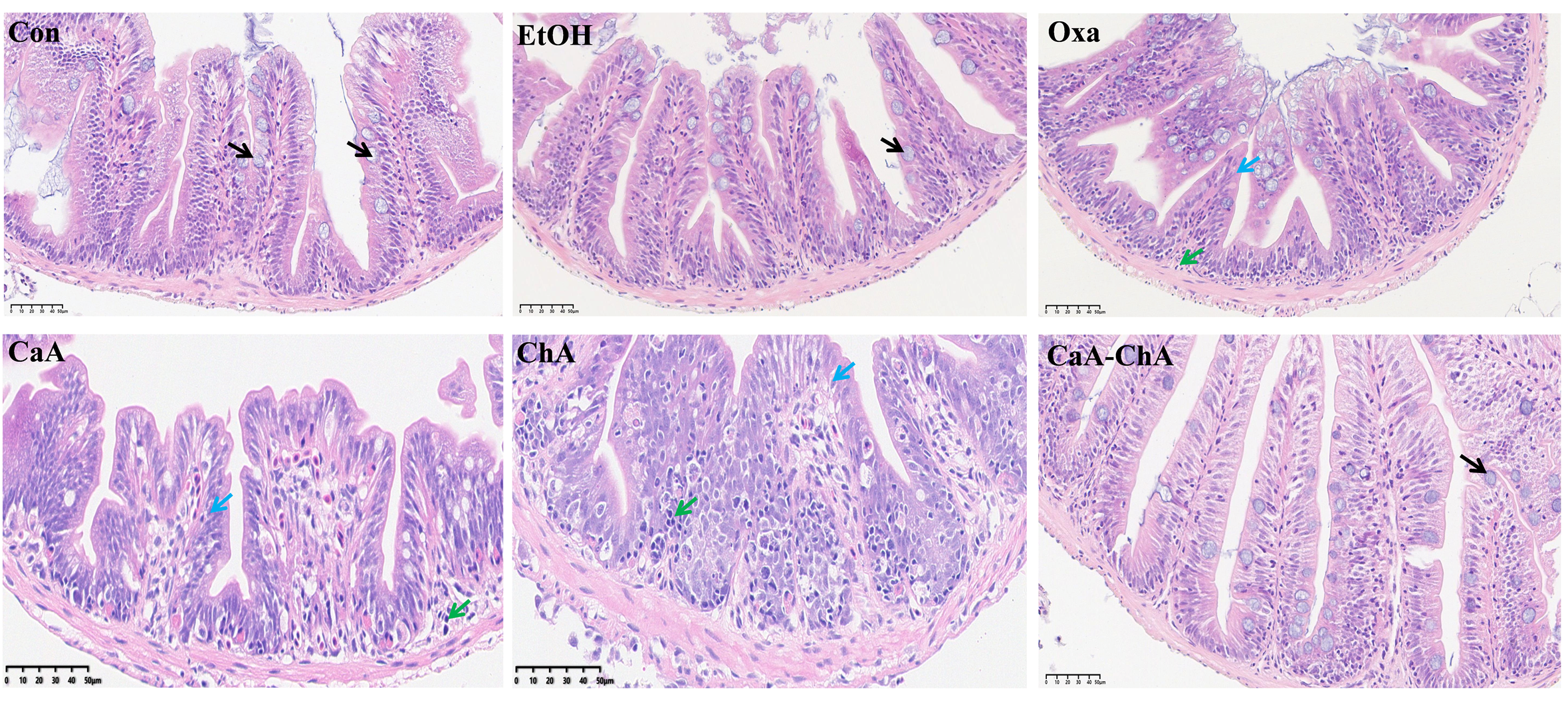
3.3.1. Effects of CaA–ChA on Intestinal Tissue Morphology
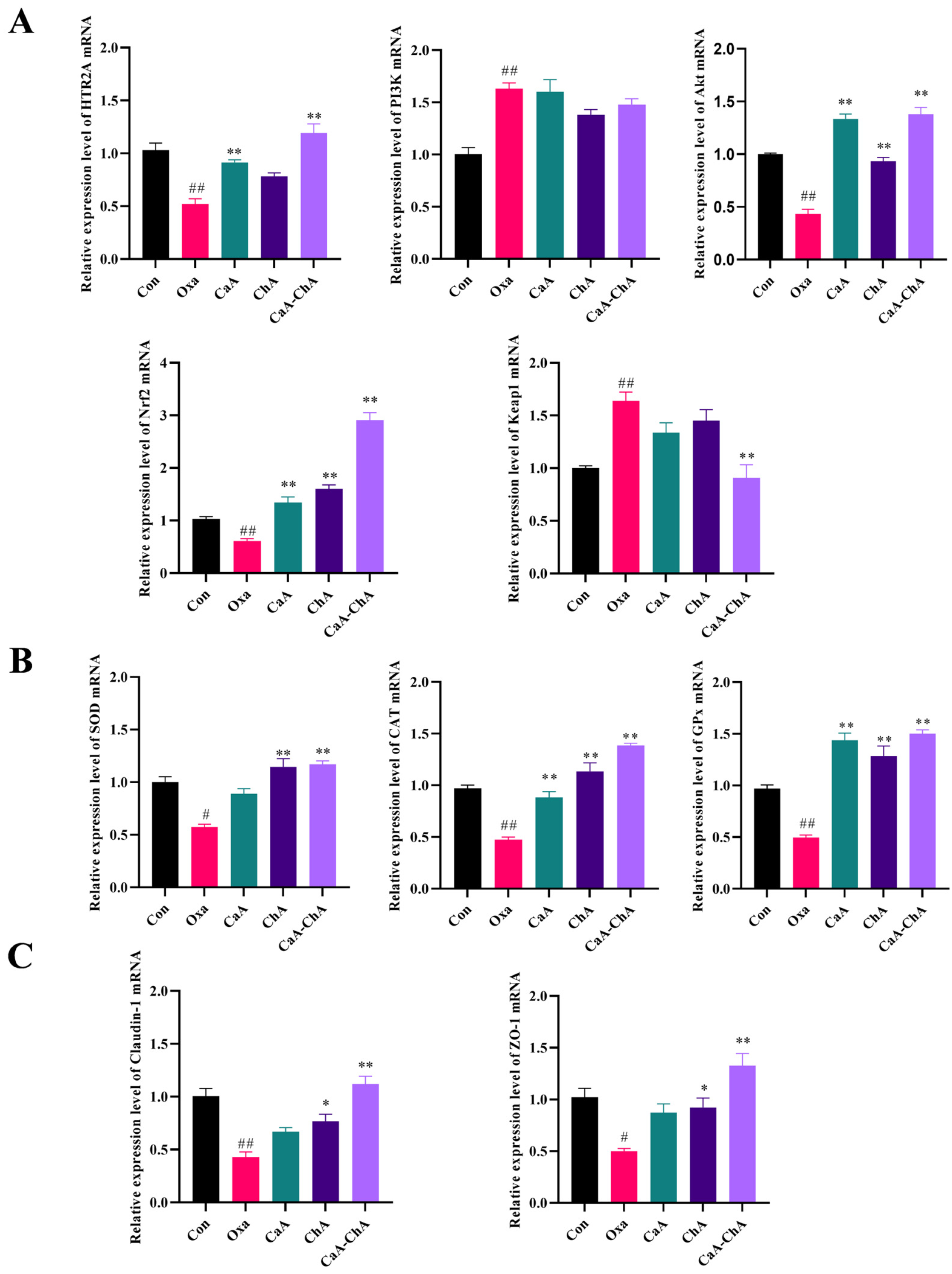
3.3.2. Effect of CaA–ChA on the mRNA Expression Levels of the Key Genes in the Intestine
3.3.3. Effect of CaA–ChA on Oxidative Stress Biomarkers in Zebrafish Intestine Tissue
3.3.4. Effect of CaA–ChA on Tight Junction Proteins in Zebrafish Intestine Tissue
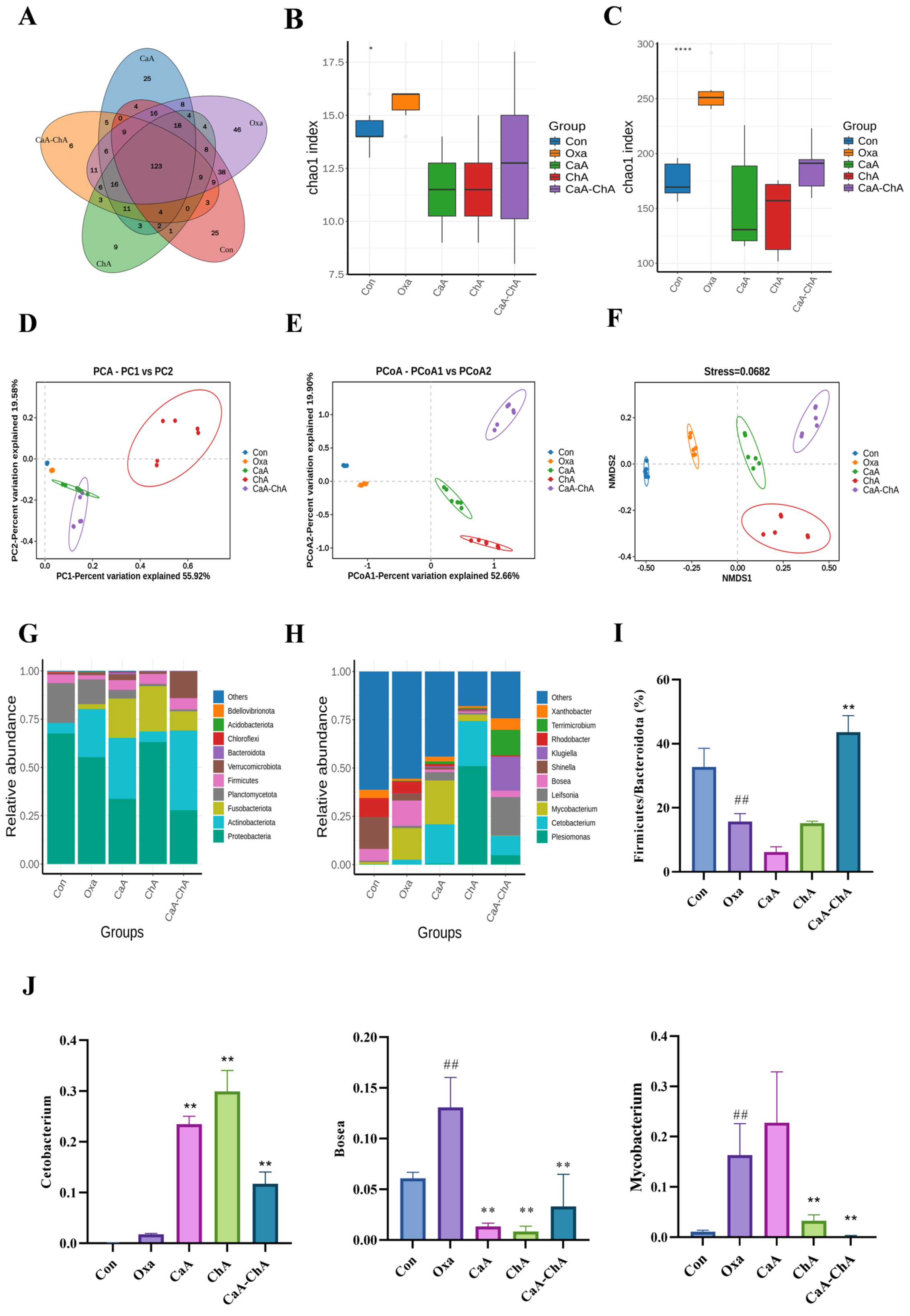
3.3.5. Effects of CaA–ChA on Intestinal Microbiota in Zebrafish
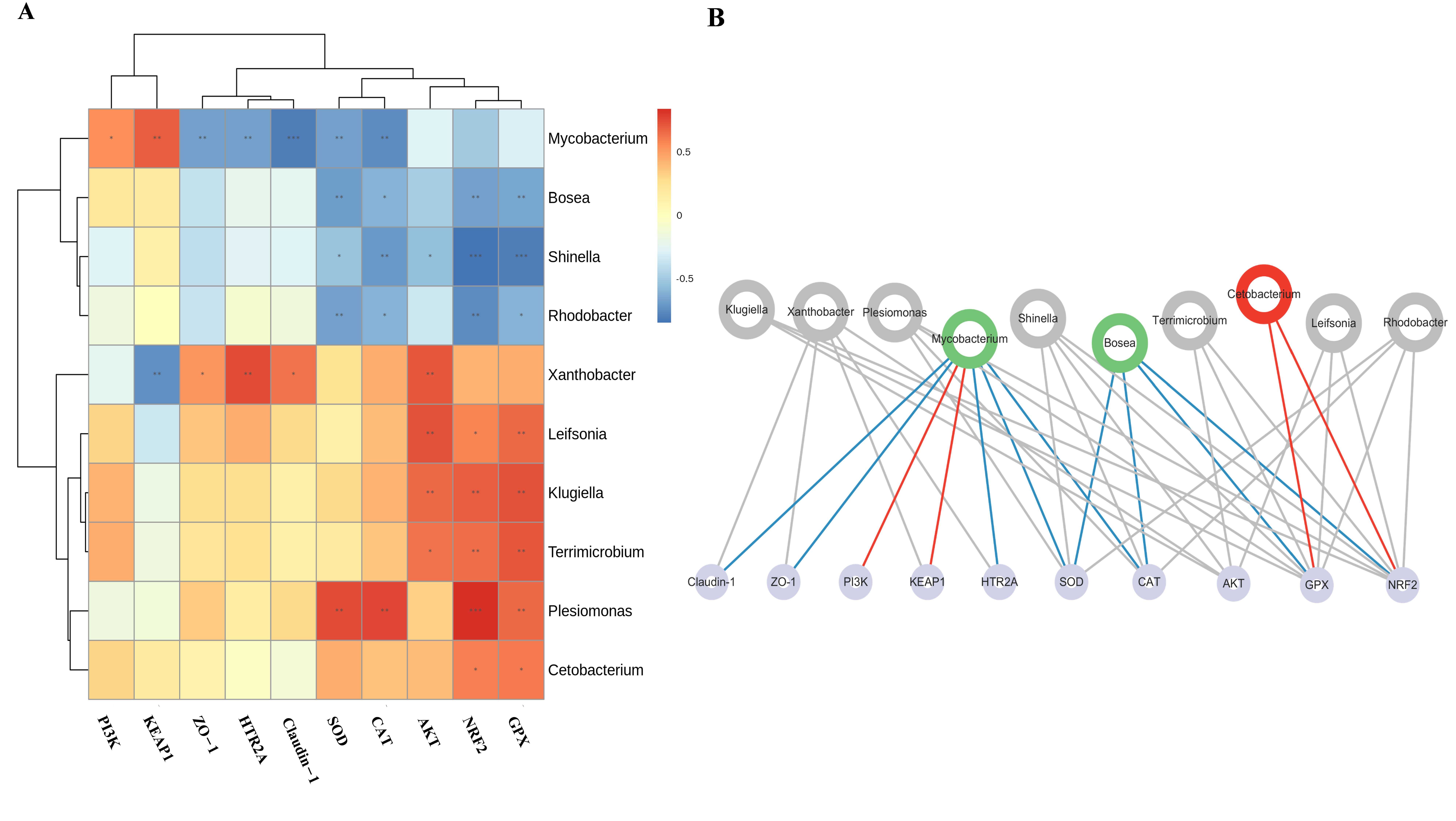
3.3.6. Correlation Analysis Between Oxidative-Stress-Related Biomarkers and Microbiota
4. Discussion
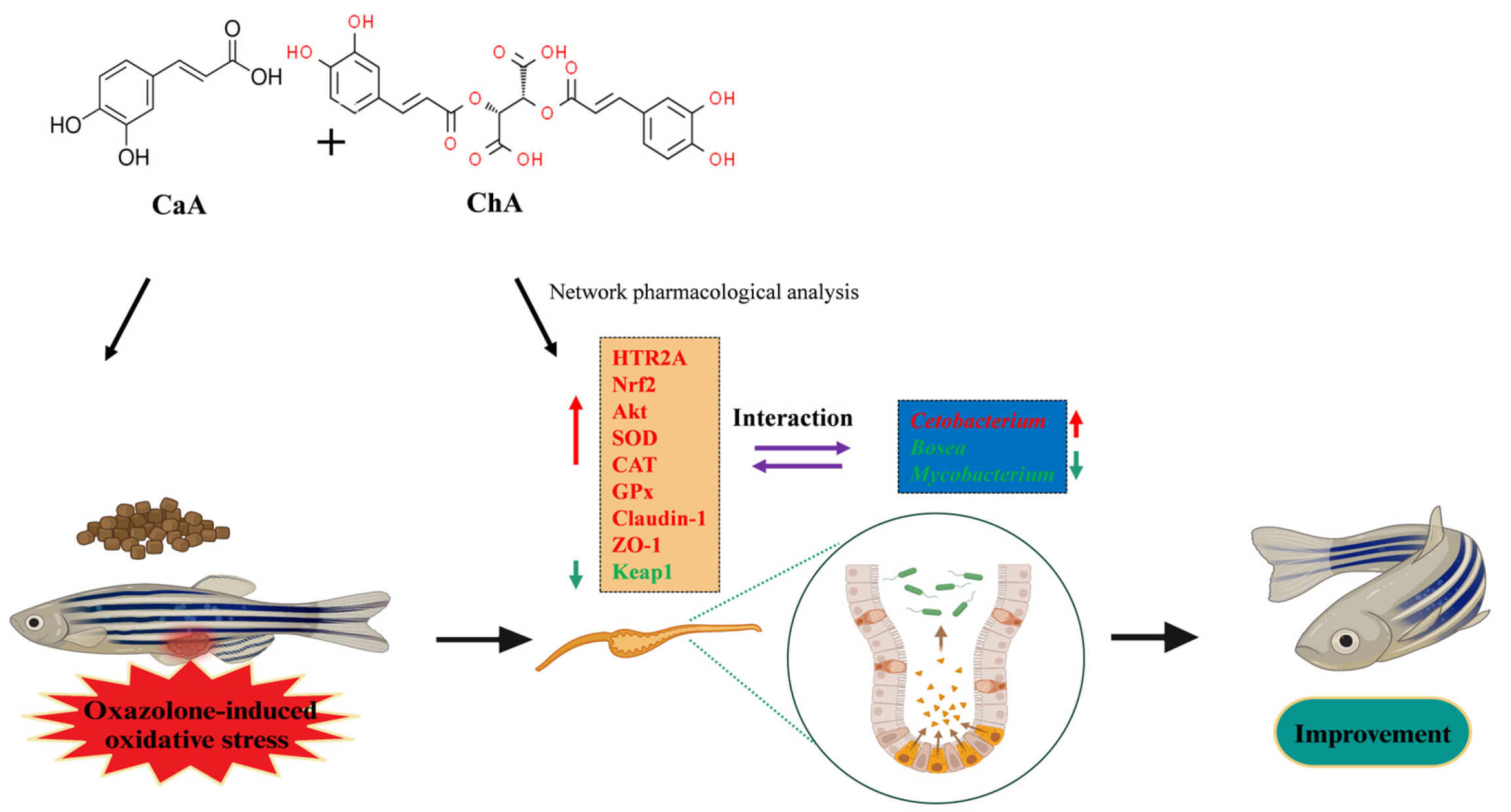
5. Conclusions
Author Contributions
Funding
Institutional Review Board Statement
Informed Consent Statement
Data Availability Statement
Conflicts of Interest
References
- Shen, S.M.; Zhao, J.J.; Dai, Y.C.; Chen, F.R.; Zhang, Z.Y.; Yu, J.H.; Wang, K.H. Methamphetamine-induced alterations in intestinal mucosal barrier function occur via the microRNA-181c/TNF-α/tight junction axis. Toxicol. Lett. 2020, 321, 73–82. [Google Scholar] [CrossRef] [PubMed]
- Tang, Y.; Zhou, X.P.; Cao, T.; Chen, E.; Li, Y.M.; Lei, W.B.; Hu, Y.B.; He, B.S.; Liu, S.Q. Endoplasmic Reticulum Stress and Oxidative Stress in Inflammatory Diseases. DNA Cell Biol. 2022, 41, 924–934. [Google Scholar] [CrossRef]
- Semenova, N.; Garashchenko, N.; Kolesnikov, S.; Darenskaya, M.; Kolesnikova, L. Gut Microbiome Interactions with Oxidative Stress: Mechanisms and Consequences for Health. Pathophysiology 2024, 31, 309–330. [Google Scholar] [CrossRef] [PubMed]
- Zhang, B.; Pan, C.; Feng, C.; Yan, C.; Yu, Y.; Chen, Z.; Guo, C.; Wang, X. Role of mitochondrial reactive oxygen species in homeostasis regulation. Redox Rep. 2022, 27, 45–52. [Google Scholar] [CrossRef]
- Jakubczyk, K.; Dec, K.; Kałduńska, J.; Kawczuga, D.; Kochman, J.; Janda, K. Reactive oxygen species—Sources, functions, oxidative damage. Pol. Merkur. Lekarski 2020, 48, 124–127. [Google Scholar]
- Tian, T.; Wang, Z.; Zhang, J. Pathomechanisms of Oxidative Stress in Inflammatory Bowel Disease and Potential Antioxidant Therapies. Oxidative Med. Cell. Longev. 2017, 2017, 4535194. [Google Scholar] [CrossRef]
- Balea, Ş.S.; Pârvu, A.E.; Pop, N.; Marín, F.Z.; Pârvu, M. Polyphenolic Compounds, Antioxidant, and Cardioprotective Effects of Pomace Extracts from Fetească Neagră Cultivar. Oxidative Med. Cell. Longev. 2018, 22, 8194721. [Google Scholar] [CrossRef] [PubMed]
- Uddin, N.; Muhammad, N.; Nisar, M.; Aisha; Ali, N.; Ullah, R.; Ali, E.A.; Khan, A.A.; Rahman, I.U.; Khan, A.; et al. Distribution of polyphenolic compounds, antioxidant potential, and free amino acids in Ziziphus fruits extract; a study for determining the influence of wider geography. Food Sci. Nutr. 2022, 10, 1414–1430. [Google Scholar] [CrossRef]
- Zhao, X.; Liu, Z.; Liu, H.; Guo, J.; Long, S. Hybrid molecules based on caffeic acid as potential therapeutics: A focused review. Eur. J. Med. Chem. 2022, 243, 114745. [Google Scholar] [CrossRef]
- Damasceno, S.S.; Dantas, B.B.; Ribeiro, F.J.; Antônio, M.A.D.; Galberto, M.d.C.J. Chemical Properties of Caffeic and Ferulic Acids in Biological System: Implications in Cancer Therapy. A Review. Curr. Pharm. Des. 2017, 23, 3015–3023. [Google Scholar] [CrossRef]
- Espíndola, K.M.M.; Ferreira, R.G.; Narvaez, L.E.M.; Silva Rosario, A.C.R.; da Silva, A.H.M.; Silva, A.G.B.; Vieira, A.P.O.; Monteiro, M.C. Chemical and Pharmacological Aspects of Caffeic Acid and Its Activity in Hepatocarcinoma. Front. Oncol. 2019, 9, 541. [Google Scholar] [CrossRef] [PubMed]
- Li, X.N.; Shang, N.Y.; Kang, Y.Y.; Sheng, N.; Lan, J.Q.; Tang, J.S.; Wu, L.; Zhang, J.L.; Peng, Y. Caffeic acid alleviates cerebral ischemic injury in rats by resisting ferroptosis via Nrf2 signaling pathway. Acta Pharmacol. Sin. 2024, 45, 248–267. [Google Scholar] [CrossRef]
- Xu, W.G.; Luo, Q.; Wen, X.Y.; Mei, Q.J. Antioxidant and anti-diabetic effects of caffeic acid in a rat model of diabetes. Trop. J. Pharm. Res. 2020, 19, 1227–1232. [Google Scholar] [CrossRef]
- Peng, Y.; Sun, Q.; Park, Y. The Bioactive Effects of Chicoric Acid as a Functional Food Ingredient. J. Med. Food 2019, 22, 645–652. [Google Scholar] [CrossRef]
- Xiao, H.F.; Yang, S.Q.; Wang, X.G.; Wang, J.; Song, Y.D. Effect of Chicoric Acid on Oxidative Protein Damage. Food Sci. 2018, 39, 119–124. [Google Scholar]
- Xiao, H.F.; Fu, J.J.; Wang, Y.L.; Li, F.Y.; Song, Y.D. Effect of Chicoric Acid on Oxidative Lipid and DNA Damage Induced by Reactive Oxygen Species. Food Sci. 2018, 39, 235–240. [Google Scholar]
- Li, Y.P.; Zhang, H.; Ren, J.; Ren, X.; Liu, J.X.; Wang, G.N. Study on the extraction process of chincoric acid from echinacea root and its protective effects on oxidative stress damaged intestinal cells. China Anim. Husb. Vet. Med. 2022, 49, 2497–2505. [Google Scholar]
- Kim, M.; Yoo, G.; Randy, A.; Kim, H.S.; Nho, C.W. Chicoric acid attenuate a nonalcoholic steatohepatitis by inhibiting key regulators of lipid metabolism, fibrosis, oxidation, and inflammation in mice with methionine and choline deficiency. Mol. Nutr. Food Res. 2017, 61, 1600632. [Google Scholar] [CrossRef]
- Wang, Y.T.; Diao, Z.J.; Li, J.; Ren, B.; Zhu, D.; Liu, Q.; Liu, Z.G.; Liu, X.B. Chicoric acid supplementation ameliorates cognitive impairment induced by oxidative stress via promotion of antioxidant defense system. RSC Adv. 2017, 7, 36149–36162. [Google Scholar] [CrossRef]
- Zhang, M.J.; Sun, W.W.; Yang, J.; Shi, D.D.; Dai, X.F.; Li, X.M. The Effect of Preventing Oxidative Stress and Its Mechanisms in the Extract from Sonchus brachyotus DC. Based on the Nrf2-Keap1-ARE Signaling Pathway. Antioxidants 2023, 12, 1677. [Google Scholar] [PubMed]
- Yang, J.; Zhou, W.W.; Shi, D.D.; Pan, F.F.; Sun, W.W.; Yang, P.L.; Li, X.M. The Interaction between Oxidative Stress Biomarkers and Gut Microbiota in the Antioxidant Effects of Extracts from Sonchus brachyotus DC. in Oxazolone-Induced Intestinal Oxidative Stress in Adult Zebrafish. Antioxidants 2023, 12, 192. [Google Scholar] [CrossRef]
- Birsa, M.L.; Sarbu, L.G. Health Benefits of Key Constituents in Cichorium intybus L. Nutrients 2023, 15, 1322. [Google Scholar] [CrossRef]
- Wu, J.; Sun, J.; Liu, M.; Zhang, X.; Kong, L.; Ma, L.; Jiang, S.; Liu, X.; Ma, W. Botany, Traditional Use, Phytochemistry, Pharmacology and Quality Control of Taraxaci herba: Comprehensive Review. Pharmaceuticals 2024, 17, 1113. [Google Scholar] [CrossRef] [PubMed]
- Rumpf, J.; Burger, R.; Schulze, M. Statistical evaluation of DPPH, ABTS, FRAP, and Folin-Ciocalteu assays to assess the antioxidant capacity of lignins. Int. J. Biol. Macromol. 2023, 233, 123470. [Google Scholar] [CrossRef] [PubMed]
- Dong, C.; Zhao, G.; Tao, L.; Qiu, F.; Wang, S.; Wang, B.; Liu, J.; Duan, S. Antioxidant Interac-tions between S-allyl-L-cysteine and Polyphenols Using Interaction Index and Isobolo-graphic Analysis. Molecules 2022, 13, 4089. [Google Scholar]
- Tallarida, R.J. The interaction index: A measure of drug synergism. Pain 2002, 98, 63–168. [Google Scholar] [CrossRef] [PubMed]
- Noor, F.; Asif, M.; Ashfaq, U.A.; Qasim, M.; Tahir, U.Q.M. Machine learning for syn-ergistic network pharmacology: A comprehensive overview. Brief. Bioinform. 2023, 3, 1–27. [Google Scholar]
- Niu, B.; Xie, X.; Xiong, X.; Jiang, J. Network pharmacology-based analy-sis of the anti-hyperglycemic active ingredients of roselle and experimental validation. Comput. Biol. Med. 2022, 141, 104636. [Google Scholar] [CrossRef]
- Harshitha, R.; Arunraj, D.R. Real-time quantitative PCR: A tool for absolute and rel-ative quantification. Biochem. Mol. Biol. Educ. 2021, 5, 800–812. [Google Scholar] [CrossRef]
- Cunha, R.L.D.D.; de Brito-Gitirana, L. Effects of titanium dioxide nanoparticles on the intestine, liver, and kidney of Danio rerio. Ecotoxicol. Environ. Saf. 2020, 203, 111032. [Google Scholar] [CrossRef]
- Rehman, S.; Gora, A.H.; Abdel-Hafiz, Y.; Dias, J.; Pierre, R.; Meynen, K.; Fernandes, J.M.O.; Sørensen, M.; Brugman, S.; Kiron, V. Potential of algae-derived alginate oligosaccharides and β-glucan to counter inflammation in adult zebrafish intestine. Front. Immunol. 2023, 14, 1183701. [Google Scholar]
- Wang, X.; Sun, Z.; Wang, X.; Li, M.; Zhou, B.; Zhang, X. Solanum nigrum L. berries extract ameliorated the alcoholic liver injury by regulating gut microbiota, lipid metabolism, inflammation, and oxidative stress. Food Res. Int. 2024, 188, 114489. [Google Scholar] [CrossRef]
- Ding, R.L.; Zheng, Y.; Bu, J. Exploration of the biomarkers of comorbidity of psoriasis with inflammatory bowel disease and their association with immune infiltration. Skin Res. Technol. 2023, 12, e13536. [Google Scholar]
- Peng, S.; Luo, M.; Long, D.; Liu, Z.; Tan, Q.; Huang, P.; Shen, J.; Pu, S. Full-length 16S rRNA gene sequencing and machine learning reveal the bacterial composition of inhalable particles from two different breeding stages in a piggery. Ecotoxicol. Environ. Saf. 2023, 253, 114712. [Google Scholar]
- De’ath, G. Boosted trees for ecological modeling and prediction. Ecology 2007, 1, 243–251. [Google Scholar]
- Barnes, N.M.; Neumaier, J.F. Neuronal 5-HT Receptors and SERT. Tocris Biosci. 2011, 34, 1–16. [Google Scholar]
- Aijaz, M.; Keserwani, N.; Yusuf, M.; Ansari, N.H.; Ruhinaz, U.; Kalia, P. Chemical, Biological, and Pharmacological Prospects of Caffeic Acid. Biointerface Res. Appl. Chem. 2022, 13, 324. [Google Scholar] [CrossRef]
- Meng, C.G.; Fu, H.F.; Zhou, L.F.; Zhang, Y.D.; Lei, Y.J.; Wang, Y.Y. Investigation of Synergistic Antioxidant Effect of Chicoric Acid, Chlorogenic Acid and Galuteolin from Cichorium intybus L. J. Chin. Inst. Food Sci. Technol. 2017, 17, 41–47. [Google Scholar]
- Li, J.; Zhang, H.; Huang, W.; Qian, H.; Li, Y. TNF-α Inhibitors with Anti-Oxidative Stress Activity from Natural Products. Curr. Top. Med. Chem. 2012, 12, 1408–1421. [Google Scholar] [CrossRef]
- Ma, X.; Zhang, X.; Leng, T.; Ma, J.; Yuan, Z.; Gu, Y.; Hu, T.; Liu, Q.; Shen, T. Identification of Oxidative Stress-Related Biomarkers in Diabetic Kidney Disease. Evid. Based Complement Altern. Med. 2022, 31, e1067504. [Google Scholar] [CrossRef]
- Zhang, T.; Ma, C.; Zhang, Z.; Zhang, H.; Hu, H. NF-κB signaling in inflammation and cancer. Med. Comm. 2021, 2, 618–653. [Google Scholar] [CrossRef]
- Wang, Z.; Sun, W.; Sun, X.; Wang, Y.; Zhou, M. Kaempferol ameliorates Cisplatin induced nephrotoxicity by modulating oxidative stress, inflammation and apoptosis via ERK and NF-κB pathways. AMB Express 2020, 10, 58. [Google Scholar]
- Walter, L.; Canup, B.; Pujada, A.; Bui, T.A.; Arbasi, B.; Laroui, H.; Merlin, D.; Garg, P. Matrix metalloproteinase 9 (MMP9) limits reactive oxygen species (ROS) accumulation and DNA damage in colitis-associated cancer. Cell Death Dis. 2020, 11, 767–781. [Google Scholar] [CrossRef]
- Guzel, T.; Mirowska, D. The Role of Serotonin Neurotransmission in Gastrointestinal Tract and Pharmacotherapy. Molecules 2022, 27, 1680. [Google Scholar] [CrossRef] [PubMed]
- Bellini, M.; Fornai, M.; Satta, P.U.; Bronzini, F.; Bassotti, G.; Blandizzi, C.; Colucci, R. The Role of Serotonin and its Pathways in Gastrointestinal Disorders. The Complex Interplay Between Gut-Brain, Gut-Liver, and Liver-Brain Axes; Academic Press: London, UK, 2021; pp. 67–94. [Google Scholar]
- Guo, N.K.; She, H.; Tan, L.; Zhou, Y.Q.; Tang, C.Q.; Peng, X.Y.; Ma, C.H.; Li, T.; Liu, L.M. Nano Parthenolide Improves Intestinal Barrier Function of Sepsis by Inhibiting Apoptosis and ROS via 5-HTR2A. Int. J. Nanomed. 2023, 18, 693–709. [Google Scholar] [CrossRef] [PubMed]
- Lee, Y.J.; Jeong, H.Y.; Kim, Y.B.; Lee, Y.J.; Won, S.Y.; Shim, J.H.; Cho, M.K.; Nam, H.S.; Lee, S.H. Reactive oxygen species and PI3K/Akt signaling play key roles in the induction of Nrf2-driven heme oxygenase-1 expression in sulforaphane-treated human mesothelioma MSTO-211H cells. Food Chem. Toxicol. 2012, 50, 116–123. [Google Scholar] [CrossRef] [PubMed]
- Spiegel, M.; Cel, K.; Sroka, Z. The mechanistic insights into the role of pH and solvent on antiradical and prooxidant properties of polyphenols—Nine compounds case study. Food Chem. 2023, 407, 134677. [Google Scholar] [CrossRef]
- Wang, P.; Geng, J.; Gao, J.; Zhao, H.; Li, J.; Shi, Y.; Yang, B.; Xiao, C.; Linghu, Y.; Sun, X.; et al. Macrophage achieves self-protection against oxidative stress-induced ageing through the Mst-Nrf2 axis. Nat. Commun. 2019, 10, 755. [Google Scholar] [CrossRef]
- Yun, J.; Jin, H.; Cao, Y.; Zhang, L.; Zhao, Y.; Jin, X.; Yu, Y. RNA-Seq Analysis Reveals a Positive Role of HTR2A in Adipogenesis in Yan Yellow Cattle. Int. J. Mol. Sci. 2018, 19, 1760. [Google Scholar] [CrossRef]
- Zhuang, Y.; Wu, H.; Wang, X.; He, J.; He, S.; Yin, Y. Resveratrol Attenuates Oxidative Stress-Induced Intestinal Barrier Injury through PI3K/Akt-Mediated Nrf2 Signaling Pathway. Oxidative Med. Cell. Longev. 2019, 2019, E7591840. [Google Scholar] [CrossRef]
- Li, Y.; Liu, X.J.; Su, S.L.; Yan, H.; Guo, S.; Qian, D.W.; Duan, J.A. Evaluation of Anti-Inflammatory and Antioxidant Effects of Chrysanthemum Stem and Leaf Extract on Zebrafish Inflammatory Bowel Disease Model. Molecules 2022, 27, 2114. [Google Scholar] [CrossRef]
- Chowdhury, S.; Saikia, S.K. Use of Zebrafish as a Model Organism to Study Oxidative Stress: A Review. Zebrafish 2022, 19, 165–176. [Google Scholar] [CrossRef]
- Wirtz, S.; Neufert, C.; Weigmann, B.; Neurath, M.F. Chemically induced mouse models of intestinal inflammation. Nat. Protoc. 2007, 2, 541–546. [Google Scholar] [CrossRef]
- Brugman, S.; Nieuwenhuis, E.E.S. Oxazolone-Induced Intestinal Inflammation in Adult Zebrafish. Methods Mol. Biol. 2017, 1559, 311–318. [Google Scholar] [PubMed]
- Yin, X.; Liu, W.; Chen, H.; Qi, C.; Chen, H.; Niu, H.; Yang, J.; Kwok, K.W.H.; Dong, W. Effects of ferulic acid on muscle development and intestinal microbiota of zebrafish. J. Anim. Physiol. Anim. Nutr. 2022, 106, 429–440. [Google Scholar] [CrossRef] [PubMed]
- Sun, Y.; Tang, L.; Liu, Y.; Hu, C.; Zhou, B.; Lam, P.K.S.; Lam, J.C.W.; Chen, L. Activation of aryl hydrocarbon receptor by dioxin directly shifts gut microbiota in zebrafish. Environ. Pollut. 2019, 255, 113357. [Google Scholar] [CrossRef] [PubMed]
- Wang, M.H.; Liu, L.; Li, J.; Zhou, W.W.; Tian, W.; Zhao, J.H.; Li, X.M. The Extract from the Stem and Leaf of Paeonia lactiflora Pall Has Demonstrated an Anti-Oxidative Stress Effect in Alleviating Diarrhea by Regulating the Gut-Liver Axis. Antioxidants 2025, 14, 592. [Google Scholar] [CrossRef]
- Xie, M.; Hao, Q.; Xia, R.; Olsen, R.E.; Ringø, E.; Yang, Y.; Zhang, Z.; Ran, C.; Zhou, Z. Nuclease-Treated Stabilized Fermentation Product of Cetobacterium somerae Improves Growth, Non-specific Immunity, and Liver Health of Zebrafish (Danio rerio). Front. Nutr. 2022, 9, 918327. [Google Scholar] [CrossRef]
- Lee, H.; Yoon, S.; Park, Y.H.; Lee, J.S.; Rhyu, D.Y.; Kim, K.T. Microbiota Dysbiosis Associated with Type 2 Diabetes-like Effects Caused by Chronic Exposure to a Mixture of Chlorinated Persistent Organic Pollutants in Zebrafish. Environ. Pollut. 2023, 334, 122108. [Google Scholar] [CrossRef]
- Pagán, A.J.; Lee, L.J.; Edwards-Hicks, J.; Moens, C.B.; Tobin, D.M.; Busch-Nentwich, E.M.; Pearce, E.L.; Ramakrishnan, L. mTOR-Regulated Mitochondrial Metabolism Limits Mycobacterium-Induced Cytotoxicity. Cell 2022, 185, 3720–3738.e13. [Google Scholar]
- Zhang, Y.; Li, J.; Wang, H. Metabolism of chicoric acid and caffeic acid in rat liver microsomes and their antioxidant activities in vitro. Food Sci. 2017, 38, 123–129. [Google Scholar]
- Omar, M.H.; Mullen, W.; Stalmach, A.; Auger, C.; Rouanet, J.M.; Teissedre, P.L.; Caldwell, S.T.; Hartley, R.C.; Crozier, A. Absorption, disposition, metabolism, and excretion of [3-(14)C] caffeic acid in rats. J. Agric. Food Chem. 2012, 60, 5205–5214. [Google Scholar] [CrossRef]
- Mateos, R.; Goya, L.; Bravo, L. Uptake and metabolism of hydroxycinnamic acids (chlorogenic, caffeic, and ferulic acids) by HepG2 cells as a model of the human liver. J. Agric. Food Chem. 2006, 54, 8724–8732. [Google Scholar] [CrossRef]
- Li, M.; Zhang, Q.; Wang, L.; Kishida, K.; Matsumoto, H. Urinary excretion rate and bioavailability of chlorogenic acid, caffeic acid, p-coumaric acid, and ferulic acid in non-fasted rats maintained under physiological conditions. Heliyon 2019, 5, e02708. [Google Scholar]
- Dalby-Brown, L.; Barsett, H.; Landbo, A.K.; Meyer, A.S.; Mølgaard, P. Synergistic antioxidative effects of alkamides, caffeic acid derivatives, and polysaccharide fractions from Echinacea purpurea on in vitro oxidation of human low-density lipoproteins. J. Agric. Food Chem. 2005, 53, 9413–9423. [Google Scholar] [CrossRef] [PubMed]
- Li, Y.; Chen, Y.; Sun-Waterhouse, D. The potential of dandelion in the fight against gastrointestinal diseases: A review. J. Ethnopharmacol. 2022, 293, 115272. [Google Scholar] [CrossRef] [PubMed]



| Gene (Accession No.) | Primer Sequence (5′→3′) | |
|---|---|---|
| GAPDH (NM_001115114.1) | F | TGCTGGTATTGCTCTCAACG |
| R | GCCATCAGGTCACATACACG | |
| HTR2A (XM_684208.11) | F | TACGGTGGCTGGGAACATTTTAG |
| R | GGGACACAGTGATGCAGGGAAA | |
| PI3K (NM_001281844.1) | F | ACATGGCTCTGCAAGATGCT |
| R | GGAGGCATCTCGGACCAAAA | |
| Akt (XM_073944553.1) | F | TCGGCAGGTGTCTTCTCAAT |
| R | ACCCATTGCCATACCACGAG | |
| Nrf2 (NM_182889.1) | F | GACAAAATCGGCGACAAAAT |
| R | TTAGGCCATGTCCACACGTA | |
| Keap1 (NM_182864.2) | F | TGATGGACAAACCCAACTCA |
| R | CACTGGACAGGAAACCACCT | |
| SOD (NM_131294.1) | F | GTCGTCTGGCTTGTGGAGTG |
| R | TGTCAGCGGGCTAGTGCTT | |
| CAT (NM_130912.3) | F | CAAGGTCTGGTCCCATAAA |
| R | TGACTGGTAGTTGGAGGTAA | |
| GPx (NM_001007281.2) | F | AGATGTCATTCCTGCACACG |
| R | AAGGAGAAGCTTCCTCAGCC | |
| Claudin-1 (XM_003448981.5) | F | CTTCACTCTGGTCGCCGTGTC |
| R | GCAGCAAAGCATAGATCCTCCC | |
| ZO-1 (XM_073943342.1) | F | CAGGGCGTCAAGAACATGAGG |
| R | GTGGTGGTGAAAAGGTGATGG |
| Mixture Ratio | Concentration (μg/mL) | Scavenging Rate (%) | |
|---|---|---|---|
| CaA | ChA | ||
| 1:2 | 12.5 | 25 | 7.14 |
| 25 | 50 | 13.35 | |
| 50 | 100 | 23.72 | |
| 100 | 200 | 48.58 | |
| 150 | 300 | 70.09 | |
| 1:1 | 12.5 | 12.5 | 19.51 |
| 25 | 25 | 26.38 | |
| 50 | 50 | 41.46 | |
| 100 | 100 | 66.86 | |
| 150 | 150 | 90.23 | |
| 2:1 | 25 | 12.5 | 8.08 |
| 50 | 25 | 13.35 | |
| 100 | 50 | 23.78 | |
| 200 | 100 | 44.65 | |
| 300 | 150 | 66.76 | |
| Mixture Ratio | Concentration (μg/mL) | Scavenging Rate (%) | |
|---|---|---|---|
| CaA | ChA | ||
| 1:2 | 2.5 | 5 | 3.53 |
| 5 | 10 | 8.88 | |
| 10 | 20 | 16.00 | |
| 20 | 40 | 33.09 | |
| 30 | 60 | 49.36 | |
| 1:1 | 2.5 | 2.5 | 4.66 |
| 5 | 5 | 11.53 | |
| 10 | 10 | 23.12 | |
| 20 | 20 | 46.29 | |
| 30 | 30 | 69.28 | |
| 2:1 | 5 | 2.5 | 3.92 |
| 10 | 5 | 7.56 | |
| 20 | 10 | 17.67 | |
| 40 | 20 | 35.70 | |
| 60 | 30 | 53.86 | |
| Mixture Ratio | IC50add (μg/mL) | IC50mix (μg/mL) | Interaction Index γ | |
|---|---|---|---|---|
| ABTS | 1:2 | 92.17 | 30.34 | 0.34 |
| 1:1 | 88.17 | 21.65 | 0.25 | |
| 2:1 | 84.51 | 27.85 | 0.33 | |
| DPPH | 1:2 | 332.44 | 105.3 | 0.32 |
| 1:1 | 326.59 | 69.66 | 0.21 | |
| 2:1 | 320.94 | 111.4 | 0.35 |
Disclaimer/Publisher’s Note: The statements, opinions and data contained in all publications are solely those of the individual author(s) and contributor(s) and not of MDPI and/or the editor(s). MDPI and/or the editor(s) disclaim responsibility for any injury to people or property resulting from any ideas, methods, instructions or products referred to in the content. |
© 2026 by the authors. Licensee MDPI, Basel, Switzerland. This article is an open access article distributed under the terms and conditions of the Creative Commons Attribution (CC BY) license.
Share and Cite
Zhou, W.; Wang, X.; Zhang, Z.; Tian, W.; Zhao, J.; Li, X. Caffeic Acid–Chicoric Acid (1:1) Mixture Exerts Antioxidant Effects and Regulates Intestinal Health in Oxazolone-Induced Zebrafish. Antioxidants 2026, 15, 419. https://doi.org/10.3390/antiox15040419
Zhou W, Wang X, Zhang Z, Tian W, Zhao J, Li X. Caffeic Acid–Chicoric Acid (1:1) Mixture Exerts Antioxidant Effects and Regulates Intestinal Health in Oxazolone-Induced Zebrafish. Antioxidants. 2026; 15(4):419. https://doi.org/10.3390/antiox15040419
Chicago/Turabian StyleZhou, Weiwei, Xuefeng Wang, Zufeng Zhang, Wei Tian, Jinhua Zhao, and Xiumei Li. 2026. "Caffeic Acid–Chicoric Acid (1:1) Mixture Exerts Antioxidant Effects and Regulates Intestinal Health in Oxazolone-Induced Zebrafish" Antioxidants 15, no. 4: 419. https://doi.org/10.3390/antiox15040419
APA StyleZhou, W., Wang, X., Zhang, Z., Tian, W., Zhao, J., & Li, X. (2026). Caffeic Acid–Chicoric Acid (1:1) Mixture Exerts Antioxidant Effects and Regulates Intestinal Health in Oxazolone-Induced Zebrafish. Antioxidants, 15(4), 419. https://doi.org/10.3390/antiox15040419