Abstract
The aim of this study was to develop functional food with high antioxidant potential and to examine its effect on oxidative–antioxidant markers in the blood of athletes in an intervention study. The study population consisted of 40 athletes—long-distance runners who were divided into a study group (SG) and a control group (CG). Before and after the dietary intervention in the blood, the following were determined: total antioxidant status (TAS), antioxidant enzymes (superoxide dismutase—SOD, glutathione peroxidase—GPx, catalase—CAT) and total oxidative stress (TOS). Additionally, the oxidative stress index (OSI) was calculated. It was shown that in the SG after the dietary intervention, the TOS (p < 0.001) and OSI (p = 0.029) decreased, while the TAS increased (p < 0.001). However, no significant differences were found in the level of antioxidant enzymes in the SG. In the CG, dietary intervention did not affect the level of the assessed parameters. This study demonstrated that functional food in the form of a bar with high antioxidant potential, rich in polyphenols, dietary fiber, vitamin E, selenium, and magnesium, can support the body’s endogenous antioxidant system and restore oxidative–antioxidant homeostasis in athletes. However, further studies are needed, including a larger group of athletes, longer intervention times, and different periods of the annual training cycle.
1. Introduction
Athletes are exposed to oxidative stress during training and competition. Intense physical activity causes increased oxygen consumption and, consequently, increased production of reactive oxygen species (ROS). An imbalance between antioxidants and oxidants leads to oxidative stress, which in athletes manifests itself as muscle fatigue and reduced physical performance. However, regular exercise can stimulate the body’s endogenous antioxidant system and post-training adaptation in athletes. Some authors have shown that the level of antioxidant markers is higher in groups of athletes compared to people with a sedentary lifestyle, which explains the role of physical activity in the prevention of chronic diseases [1]. If antioxidant defense is insufficient, oxidative damage to cells and tissues occurs. Athletes, especially men, are at risk of sudden death due to cardiovascular disease [2,3]. Therefore, during intense physical activity, it is important to ensure adequate rest after exercise and to follow an appropriate diet that will help restore the oxidative–antioxidant balance [4].
To improve physical performance, athletes often take antioxidant supplements. However, excessive consumption of dietary supplements can have harmful effects. High doses of antioxidant supplements hinder the beneficial post-training adaptations induced by ROS. Therefore, the greatest health benefits can be obtained by consuming natural antioxidants trough the diet. A well-planned diet supports the athlete’s training process, facilitates the body’s regeneration after exercise, and prevents the development of chronic diseases in this group. Dietary antioxidants stimulate the endogenous antioxidant defense system in athletes, which in turn may be crucial in preventing excessive oxidative damage and supporting regeneration [5].
Many studies in recent years have focused on the effects of exogenous antioxidant supplements, such as vitamins, minerals, and flavonoids, on oxidative stress and physical performance in athletes [6,7,8,9,10]. However, there are only a few studies assessing the effect of diet or functional foods on redox status in athletes [11,12,13]. The results obtained by other authors are not consistent, so we decided to check whether newly developed functional foods with high antioxidant potential can reduce oxidative stress in athletes.
The aim of this study was to develop a functional food in form of a bar with high antioxidant potential and to examine its effect on oxidative–antioxidant markers (total antioxidant status, antioxidant enzymes: superoxide dismutase, glutathione peroxidase, catalase, and oxidative stress) in the blood of athletes, long-distance runners, in an intervention study.
2. Materials and Methods
2.1. Prototype Design of New Antioxidant Bars
In the first stage of this study, commercially available functional foods for athletes were analyzed and 40 different products in the form of bars were purchased in triplicate to determine their polyphenol content and antioxidant potential. We tested bars labeled “healthy bars”, “healthy calorie bars”, and “healthy bars for athletes”. All purchased bars were stored at room temperature before laboratory analysis. Total polyphenol content (TPC) in food was determined using Folin–Ciocalteau reagent and expressed as gallic acid equivalents (mg GAE/100 g) [14], and total antioxidant potential was determined by the FRAP (ferric ion reducing antioxidant potential) method and expressed as mmol Fe2+/100 g [15]. It was found that the mean TPC in analyzed bars was 74.3 ± 32.5 mg/100 g (range: 58.6–100.0 mg/100 g), and the mean FRAP was 1.8 ± 1.1 mmol/100 g (range: 1.2–2.9 mmol/100 g).
Of all the bars purchased in the store, we selected the one with the highest antioxidant potential (FRAP—2.9 mmol/100 g) and the highest polyphenol content (TPC—100 mg/100 g), and assigned it to the control group. This bar contained the following ingredients: peanuts, dates, honey, raisins, rice. The bar packaging provides its basic nutritional value per 100 g: energy—526 kcal, fat—32 g, carbohydrates—40 g, protein—16 g, fiber—5.1 g.
In the next stage, the antioxidant properties of food were analyzed based on our previously published databases [16] and those available online [17,18]. In these databases, the antioxidant potential of food products was determined using the FRAP method. On this basis, foods with the highest FRAP were selected and used to develop prototypes of 3 bars with high antioxidant potential. The design of new bars and the production of bar prototypes took place at the Biotechnology Laboratory (Białystok, Poland).
Bar no. 1 consisted of nuts (peanuts, almonds), sunflower seeds, fruit (dates, cranberries), and buckwheat honey. Bar no. 2 consisted of nuts (cashews, Brazil nuts, hazelnuts, peanuts, pecans, pistachios, almonds, coconut), sunflower seeds, fruits (dates, cherries, cranberries), and rapeseed honey. And bar no. 3 was made with fruit (mango, dates, pineapple, goji, cranberries, chokeberries), chia seeds, raspberry juice, and rapeseed honey.
The nutritional value and acceptability of the products by potential consumers were assessed in an accredited Hamilton Laboratory (Gdynia, Poland). For the consumer research, 60 individuals were randomly selected from the group of interested individuals who met the inclusion criteria established for the study group in the intervention study (men, 20–30 years old, training at least 4 times a week for a minimum of 90 min, with no chronic diseases, non-smokers, and with no dietary supplements). Before participating in the consumer study, individuals completed a study qualification questionnaire. In the consumer survey, a hedonic scale from 1 to 8 was used (where 1 means “I really dislike” and 8 means “I really like”), and the intention to purchase the product was assessed on a scale from 1 to 5 (where 1 means low and 5 means high purchase intention).
Additionally, TPC [14] and FRAP [15] were determined in the designed bars at the Biotechnology Laboratory (Białystok, Poland).
2.2. Study Population and Intervention
This interventional study was registered as a clinical trial (SportDiet, no.: NCT06855979, date: 25 February 2025) and approved by the Ethics Committee of the Medical University of Białystok (no.: APK.002.405.2024, date: 24 October 2024).
The study population consisted of 40 men—long-distance runners aged 20–30 years. People participating in the study were recruited from sports clubs and sports associations in Białystok city. Inclusion criteria for the study included age (20–30 years), gender (men), training at least 4 times a week (90–120 min per session), no chronic diseases, no smoking, and no dietary supplements for 1 month before and during the intervention. All study participants agreed to follow the principles of the interventional study. Athletes’ adherence to the study guidelines was assessed in a follow-up survey conducted after the study concluded.
People who qualified for this study were divided into two groups: the study group (SG, n = 20) and the control group (CG, n = 20). The intervention study lasted 1 month and was conducted during the preparatory period before the competition. The SG received a daily bar designed specifically for this study, while the CG received 1 bar purchased from a store. For the CG we selected the bar with the highest antioxidant potential and polyphenol content among commercially available bars. Finally, the antioxidant potential of the SG bar was 4 times higher and the polyphenol content 6 times higher (FRAP—5.85 mmol/50 g, TPC—315 mg/50 g) than the CG bar (FRAP—1.45 mmol/50 g, TPC—50 mg/50 g).
Basic data about the study population (e.g., age, weight, height, education level) were collected using self-administered questionnaires.
Dietary information before and after the intervention period was collected using 3-day food diaries (2 working days and 1 weekend day). Dietary energy and nutrient intakes were calculated using the Diet 6.0 computer program (National Institute of Public Health, Warsaw, Poland). Dietary antioxidant potential and dietary polyphenol intake were determined by multiplying the average daily intake of individual food products by the antioxidant potential and polyphenol content of these products, as described in a previous study [16], based on available databases [17,18].
2.3. Antioxidant and Oxidative Stress Markers
Blood was obtained before and after the intervention period to measure antioxidant status, antioxidant enzymes (superoxide dismutase, glutathione peroxidase, catalase) and oxidative stress. The determinations were performed by the spectrophotometric method using a microplate reader (Infinite M200 Pro Tecan, Männedorf, Switzerland). The oxidative stress index (OSI) was calculated as the ratio of total oxidant status (TOS) to total antioxidant status (TAS). Blood samples were collected in the morning (7–8 AM), following the overnight (12 h) fast, into tubes containing EDTA as an anticoagulant. Athletes were advised to refrain from exercise for 48 hr before blood sampling. Samples were centrifuged at 3000× g for 10 min at 4 °C, and the top yellow plasma layer was then pipetted off. Plasma samples were stored in a freezer at −80 °C for no longer than one month before analysis, according to the kit manufacturers’ recommendations.
Total antioxidant status was determined using the ImAnOx (TAS/TAC) kit (Immundiagnostik AG, Bensheim, Germany). The principle part of the method is the reaction of antioxidants contained in the sample with a specific amount of exogenously provided hydrogen peroxide. The antioxidants in the sample eliminate a certain amount of the provided hydrogen peroxide. The residual hydrogen peroxide was determined photometrically by an enzymatic reaction and measured at 450 nm. The mean intra-assay coefficient of variation (calculated for ten duplicate samples) was 3.2%.
Total oxidative status was performed using the PerOx (TOS/TOC) Kit (Immundiagnostik AG, Bensheim, Germany). In this method, the determination of peroxides is performed by the reaction of a peroxidase with peroxides in the sample. Samples were measured at 450 nm. The mean intra-assay coefficient of variation (calculated for ten duplicate samples) was 2.9%.
Catalase (CAT) is an antioxidant enzyme involved in the conversion of hydrogen peroxide to oxygen and water. Catalase Assay Kit (No. 707002, Cayman Chemical Company, Ann Arbor, MI, USA) is based on the reaction of the enzyme with methanol in the presence of an optimal concentration of hydrogen peroxide. The formaldehyde produced is measured colorimetrically with 4-amino-3-hydrazino-5-mercapto-1,2,4-triazole (Purpald) as the chromogen. Purpald specifically forms a bicyclic heterocycle with aldehydes, which upon oxidation changes from colorless to a purple color. Samples were measured at 540 nm. The mean intra-assay coefficient of variation (calculated for ten duplicate samples) was 3.8%.
Superoxide Dismutases (SODs) are metalloenzymes that catalyze the dismutation of the superoxide anion to molecular oxygen and hydrogen peroxide, and thus form a crucial part of the cellular antioxidant defense system. The Superoxide Dismutase Assay Kit (No. 706002, Cayman Chemical Company, Ann Arbor, MI, USA) utilizes a tetrazolium salt for the detection of superoxide radicals generated by xanthine oxidase and hypoxanthine. One unit of SOD is defined as the amount of enzyme needed to exhibit 50% dismutation of the superoxide radical measured in change in absorbance per minute at 25 °C and pH = 8. Samples were measured at 450 nm. The mean intra-assay coefficient of variation (calculated for ten duplicate samples) was 3.2%.
Glutathione peroxidase (GPx) catalyzes the reduction of hydroperoxides, including hydrogen peroxide, by reduced glutathione, and functions to protect the cells from oxidative damage. The glutathione peroxidase Assay Kit (No. 703102, Cayman Chemical Company, Ann Arbor, MI, USA) measures GPx activity indirectly by a coupled reaction with glutathione reductase (GR). Oxidized glutathione (GSSG), produced upon reduction of hydroperoxide by GPx, is recycled to its reduced state by GR and NADPH. The oxidation of NADPH to NADP+ is accompanied by a decrease in absorbance at 340 nm. Under conditions in which the GPx activity is rate-limiting, the rate of decrease in absorbance is directly proportional to the GPx activity in the sample. Samples were measured at 340 nm. The mean intra-assay coefficient of variation (calculated for ten duplicate samples) was 5.7%.
2.4. Statistical Analysis
Statistical analysis of the data was performed using the Statistica program (version 14.1.0.4 PL; TIBCO Software Inc., Palo Alto, CA, USA). Continious variables were presented as the mean and standard deviation (M ± SD) or median and interquartile range (Me, IQR), whereas categorical variables were presented as number and percentage (N, %). Continuous variables were compared using Student’s t-test or Mann–Whitney U test, depending on the results of the test for normality of the distribution. Normality of continuous data distribution was verified with the Shapiro–Wilk test. The Anova test was used to compare the consumer acceptability of the 3 new bars. The Mann–Whitney U test was used to compare antioxidant and oxidative markers before and after the intervention. Categorical variables were assessed using the chi-square test. In all statistical tests, p < 0.05 was considered statistically significant.
3. Results
3.1. Nutritional and Antioxidant Value of the Bars
The nutritional and antioxidant values of the designed bars are presented in Table 1. Bar no. 2 was characterized by the highest antioxidant potential, and the highest content of polyphenols, selenium, magnesium, zinc, MUFA, PUFA, and vitamin E.
Table 1.
Nutritional and antioxidant value of the designed bars.
3.2. Consumer Acceptability of the Bars
The consumer acceptability of new bars is presented in Table 2.
Table 2.
Consumer acceptability of new antioxidant bars.
It was shown that taste rating, overall product rating, and purchase intention were significantly higher for Bar no. 1 and Bar no. 2 compared to Bar no. 3.
Based on the nutritional and antioxidant value assessment and consumer opinions, Bar no. 2 was selected for intervention study. The average weight of all bars was approximately 50 g.
3.3. Study Population and Intervention Study
The main characteristics of the study population are summarized in Table 3. The study and control groups were matched for age, gender, BMI, and education level. The mean age was 24.4 ± 5.3, and the mean BMI was 23.1 ± 1.9. Over 82% of participants had a higher education.
Table 3.
Basic characteristics of the study population.
The nutritional and antioxidant value of the diet before and after the intervention period is presented in Table 4. It was shown that the nutritional and antioxidant value of the athletes’ diet did not differ significantly before and after the dietary intervention period. It is worth noting that the average intake of individual nutrients was in line with the recommended daily intake for non-athletes in the Polish population, with the exception of vitamin D. The average intake of vitamin D was 3 times lower than the recommended intake [19]. However, there are no standards specifying the daily intake of polyphenols and the value of the antioxidant potential of the diet.
Table 4.
Nutritional and antioxidant value of the diet before and after intervention.
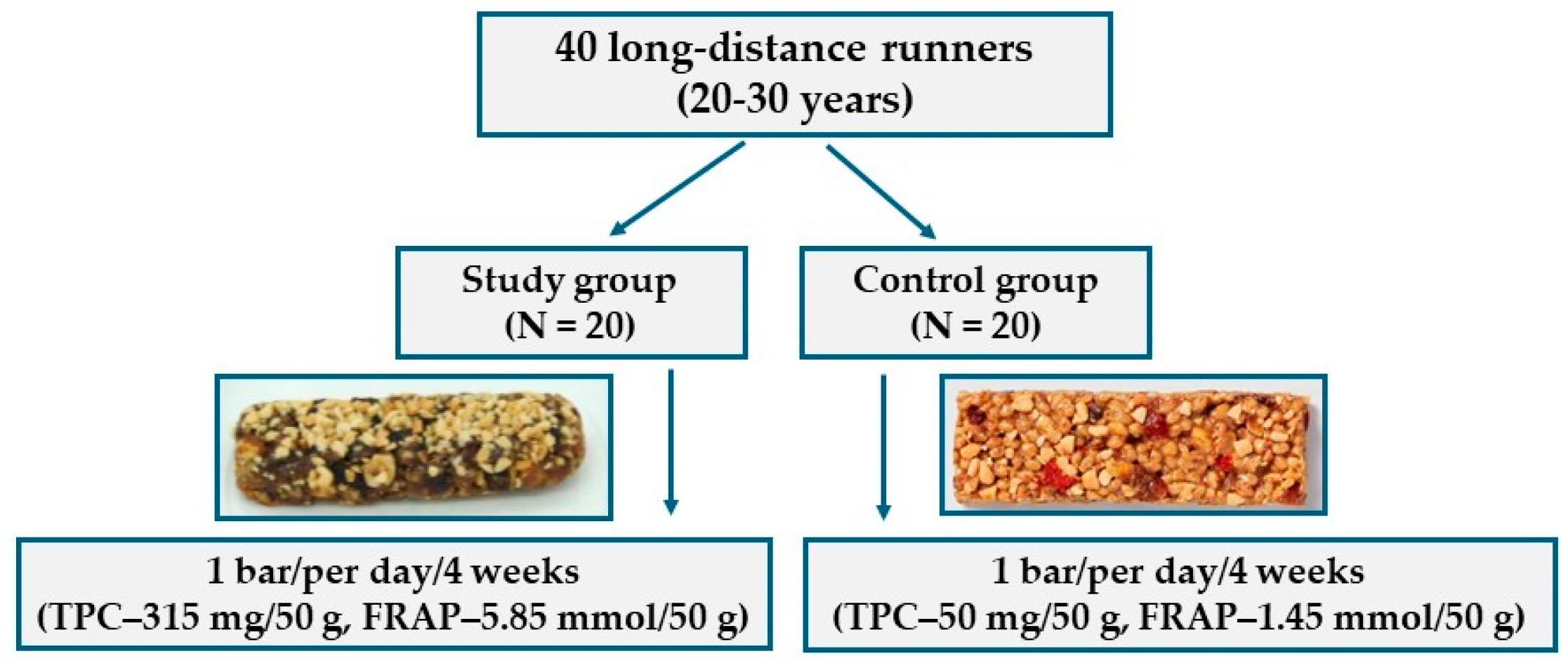
A flowchart of the study population is presented in Figure 1. The research group received a bar with an antioxidant potential four times higher than the control group bar. According to the athletes’ declarations, all participants in the study and control groups met the study conditions and consumed one provided antioxidant bar per day.
Figure 1.
Participant flowchart.
3.4. Oxidative–Antioxidant Markers Before and After Intervention
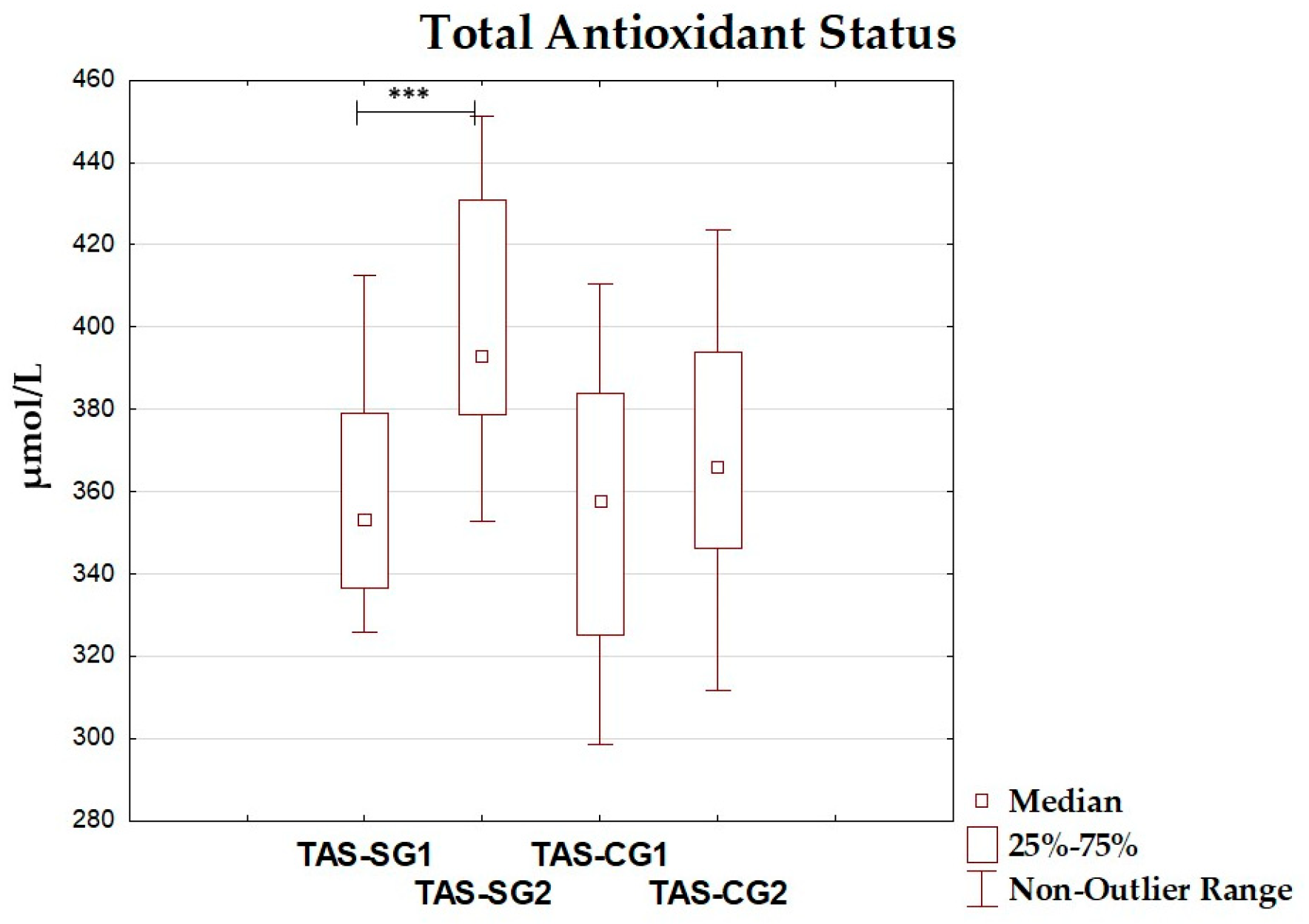
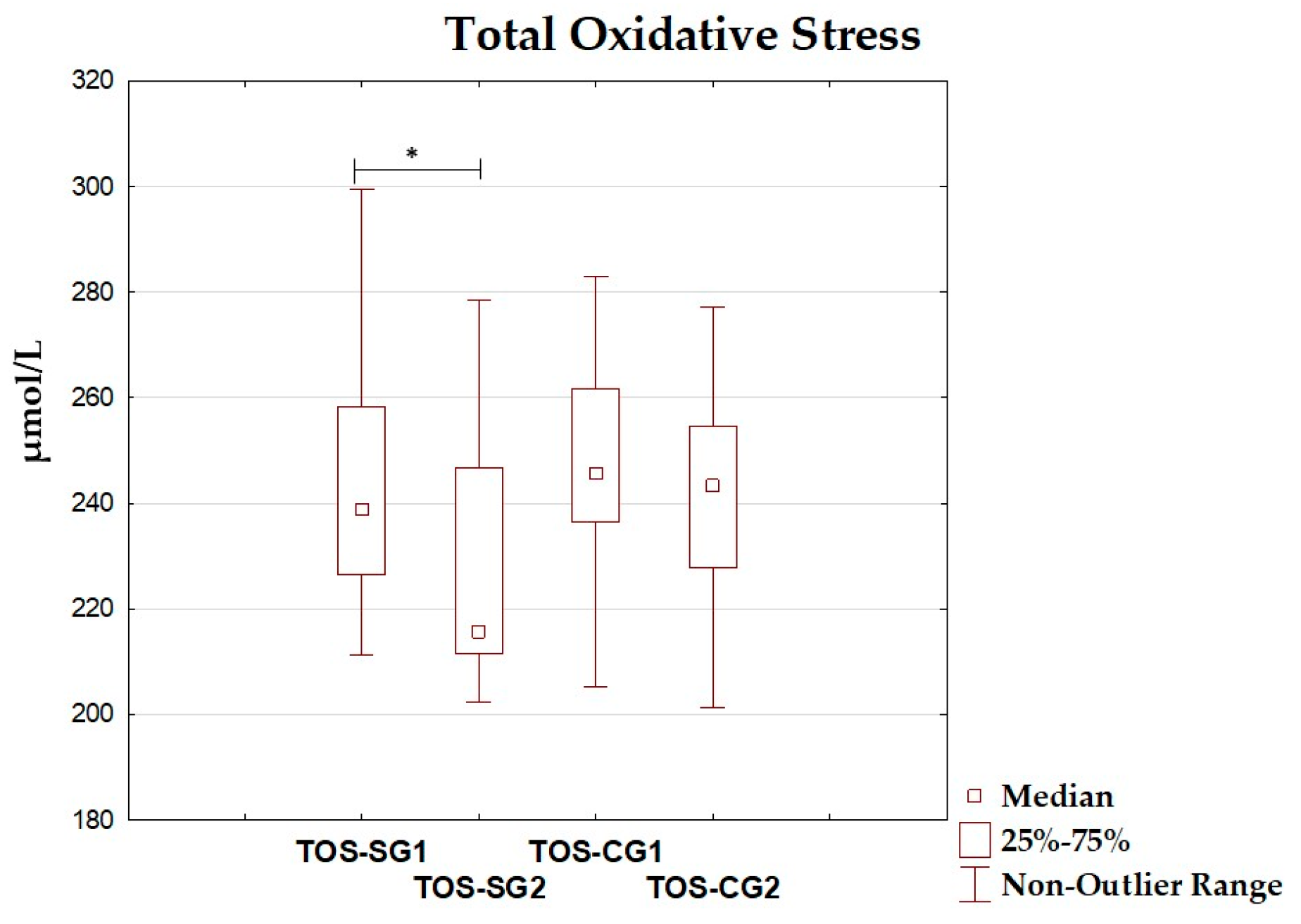
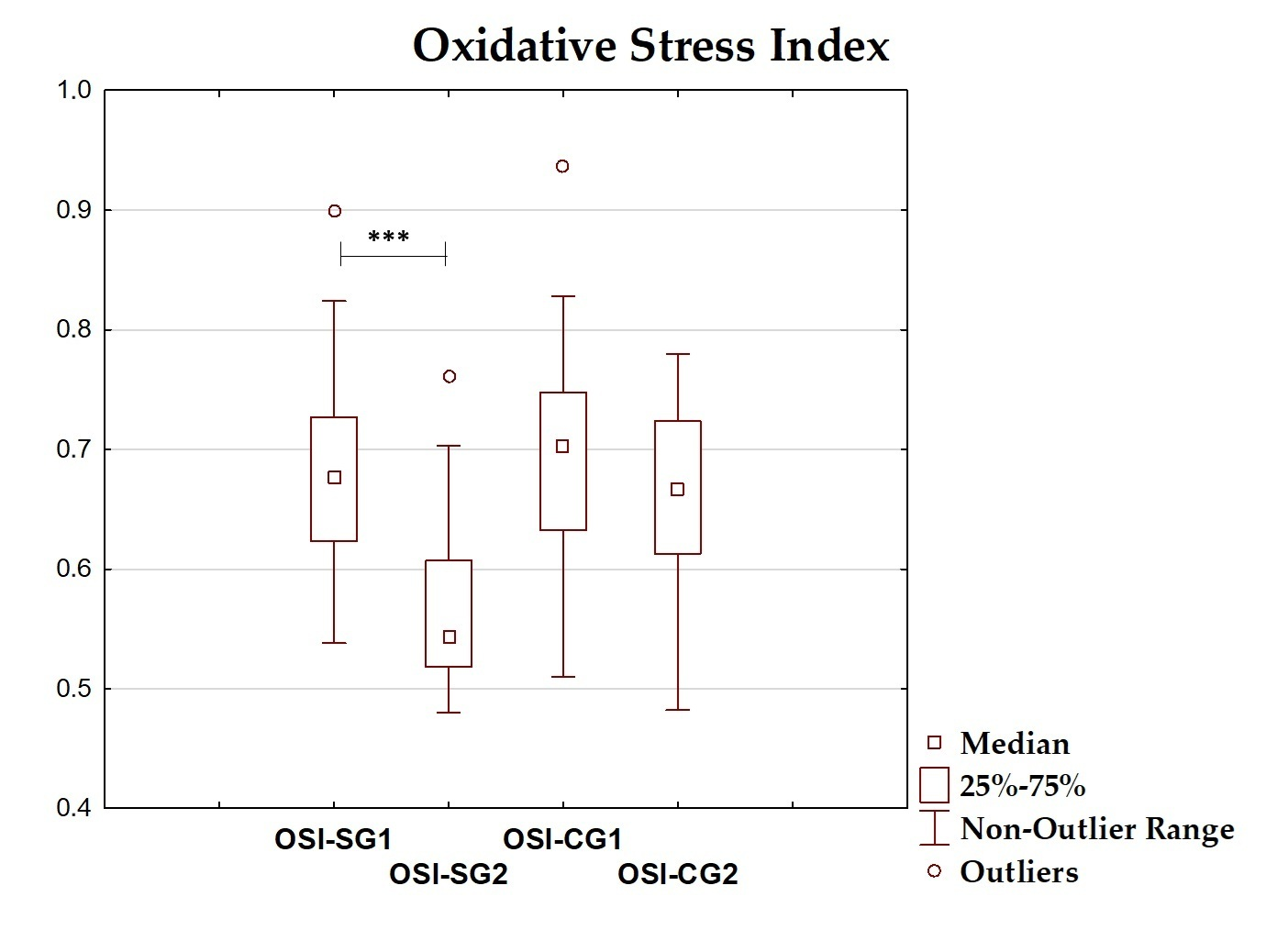
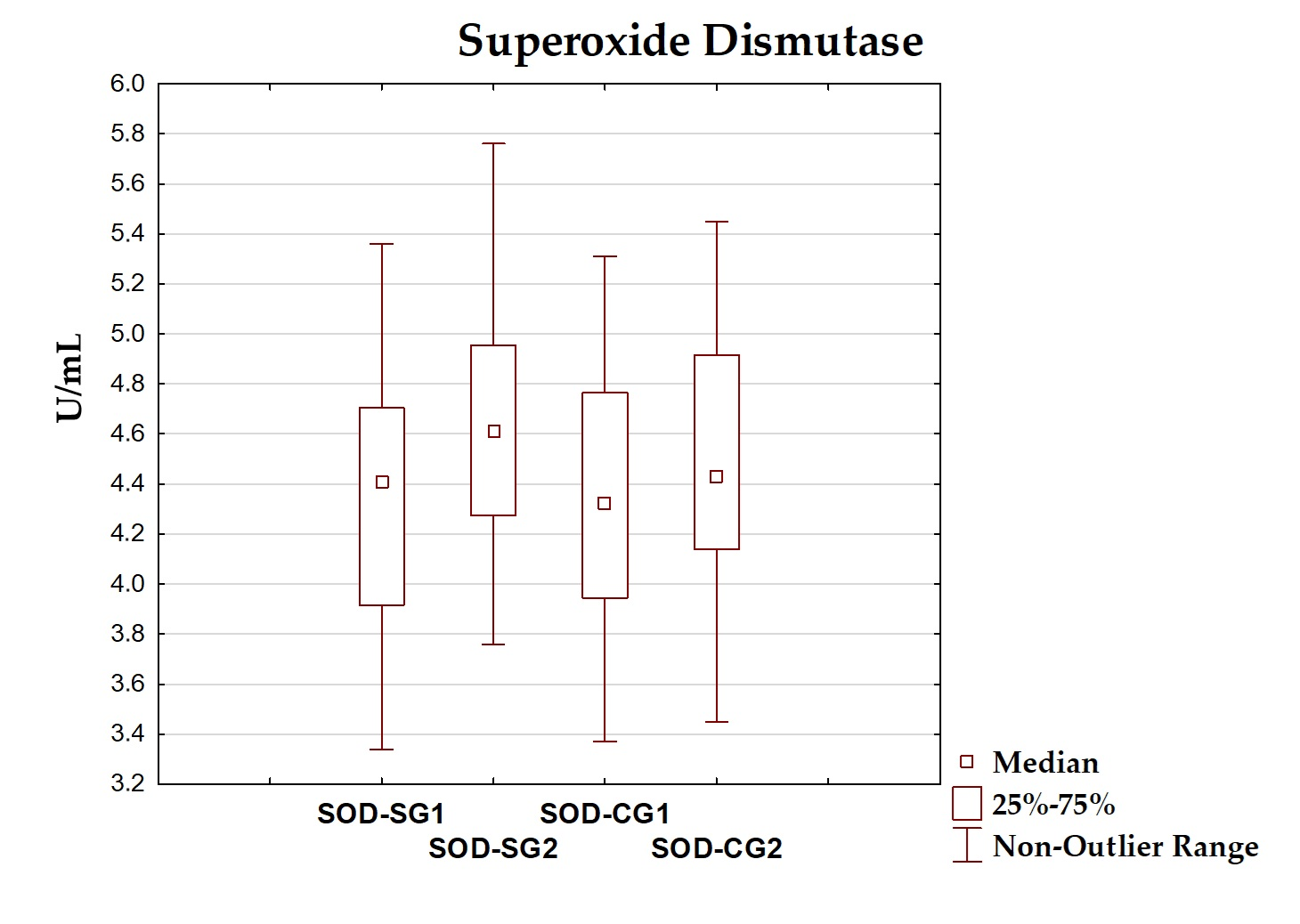
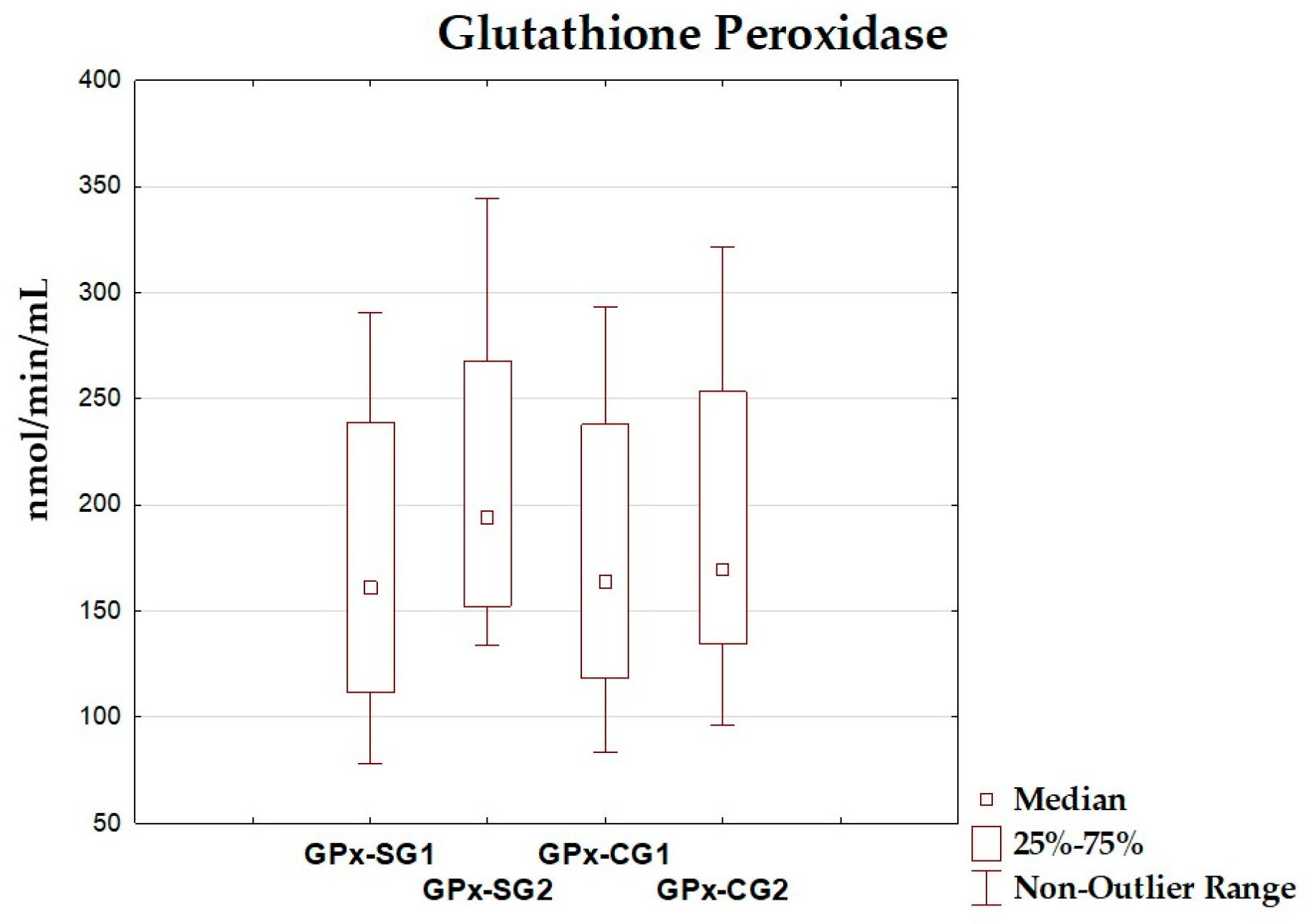
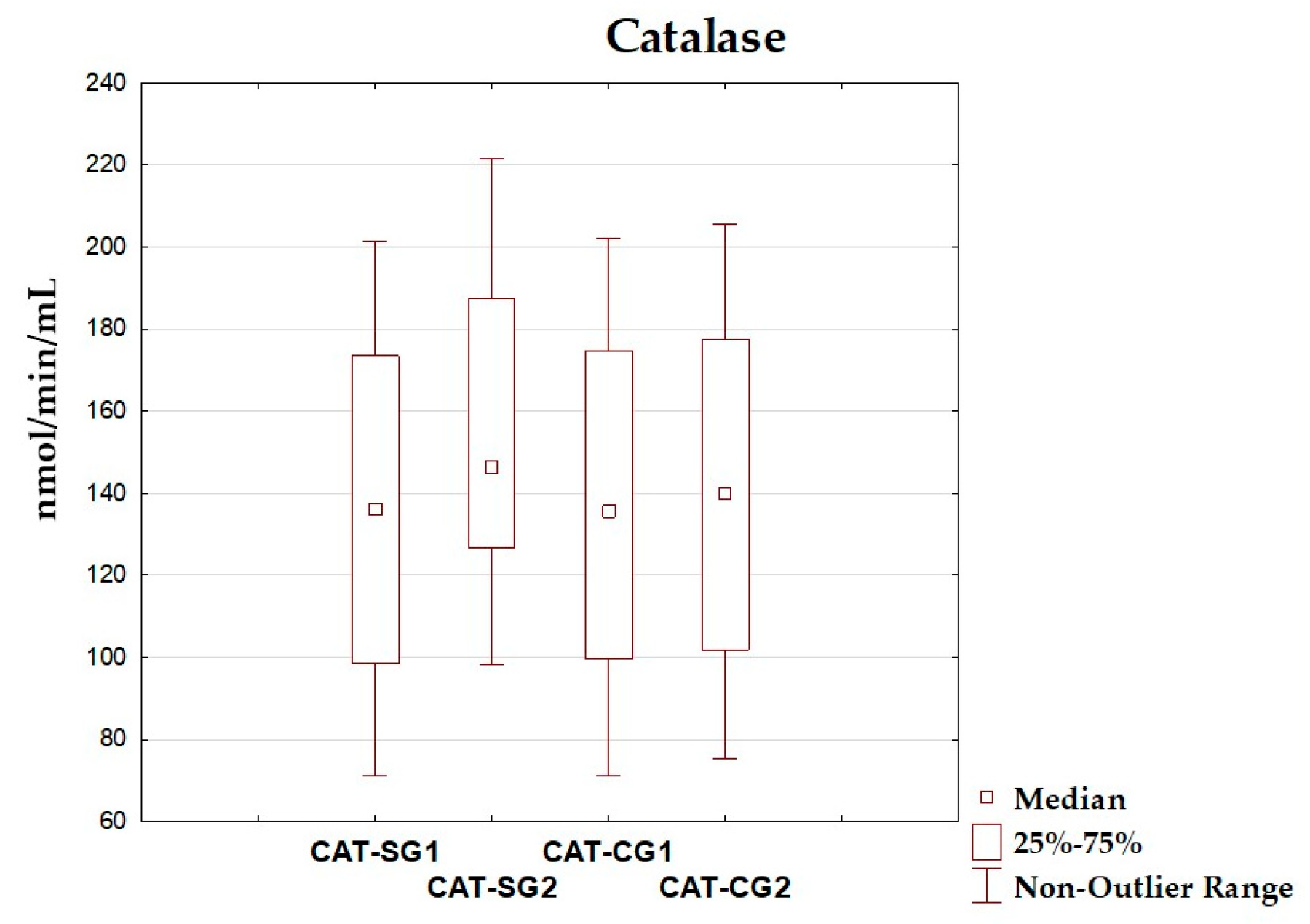
The differences between total antioxidant status, total oxidant status, oxidative stress index, and antioxidant enzyme (superoxide dismutase, glutathione peroxidase, catalase) levels before and after the dietary intervention period are presented in Table 5 and Figure 2, Figure 3, Figure 4, Figure 5, Figure 6 and Figure 7. It was shown that in the SG, after the dietary intervention, the total oxidative status (p < 0.001) and oxidative stress index (p = 0.029) decreased, while the level of total antioxidant status increased (p < 0.001). However, no significant differences were found in the level of antioxidant enzymes in the SG. In the CG, dietary intervention did not affect the level of the assessed parameters.
Table 5.
Oxidative–antioxidant markers before and after the intervention period.
Figure 2.
Median and interquartile range of total antioxidant status before and after the dietary intervention; ***—p < 0.001; TAS-SG1—total antioxidant status before intervention in the study group; TAS-SG2—total antioxidant status after intervention in study group; TAS-CG1—total antioxidant status before intervention in the control group; TAS-CG2—total antioxidant status after intervention in the control group.
Figure 3.
Median and interquartile range of total oxidative stress before and after the dietary intervention; *—p < 0.05; TOS-SG1—total oxidative status before intervention in the study group; TOS-SG2—total oxidative status after intervention in the study group; TOS-CG1—total oxidative status before intervention in the control group; TOS-CG2—total oxidative status after intervention in the control group.
Figure 4.
Median and interquartile range of oxidative stress index before and after the dietary intervention; ***—p < 0.001; OSI-SG1—oxidative stress index before intervention in the study group; OSI-SG2—oxidative stress index after intervention in the study group; OSI-CG1—oxidative stress index before intervention in the control group; OSI-CG2—oxidative stress index after intervention in the control group.
Figure 5.
Median and interquartile range of superoxide dismutase before and after the dietary intervention; SOD-SG1—superoxide dismutase before intervention in the study group; SOD-SG2—superoxide dismutase after intervention in the study group; SOD-CG1—superoxide dismutase before intervention in the control group; SOD-CG2—superoxide dismutase after intervention in the control group.
Figure 6.
Median and interquartile range of glutathione peroxidase before and after the dietary intervention; GPx-SG1—glutathione peroxidase before intervention in the study group; GPx-SG2—glutathione peroxidase after intervention in the study group; GPx-CG1—glutathione peroxidase before intervention in the control group; GPx-CG2—glutathione peroxidase after intervention in the control group.
Figure 7.
Median and interquartile range of catalase before and after the dietary intervention; CAT-SG1—catalase before intervention in the study group; CAT-SG2—catalase after intervention in the study group; CAT-CG1—catalase before intervention in the control group; CAT-CG2—catalase after intervention in the control group.
4. Discussion
A well-balanced and diversified diet, rich in natural antioxidants such as polyphenols, vitamin E, C, and carotenoids, as well as minerals (Se, Mn, Zn, Cu, Fe), which are part of endogenous antioxidant enzymes, is essential for the proper functioning of the body, especially during intense physical exercise [20,21]. The results of this intervention study showed that consuming foods rich in natural antioxidants has a beneficial effect on increasing total antioxidant status and reducing oxidative stress. An increase in antioxidant enzyme activity was also observed after the intervention period, but these values were not statistically significant. It is worth noting that the nutritional value of the athletes’ diet did not differ before and after the intervention period. This study involved a homogeneous group of young athletes, long-distance runners, and all participants in the SG and CG met the study conditions and consumed one provided antioxidant bar per day. A food product in the form of a bar was selected for the intervention studies, which is an easily accessible form of food after training. A newly designed bar for the research group contained the following ingredients: nuts (cashews, Brazil nuts, hazelnuts, peanuts, pecans, pistachios, almonds, coconut), sunflower seeds, fruits (dates, cherries, cranberries), and rapeseed honey. This bar had the highest antioxidant potential and polyphenol content of all our newly designed bars. In addition, we showed that our bar was a source of dietary fiber, magnesium, selenium, and vitamin E. All these nutrients contributed to the high antioxidant potential of the bar. According to Regulation (EC) no. 1924/2006 of the European Parliament and of the Council of 20 December 2006 on nutrition and health claims made on foods [22], a product is a source of fiber if it contains at least 3 g of fiber per 100 g, and is a source of vitamins and minerals if a portion of the product contains at least 15% of the reference daily intake. There are no legal regulations or consumption recommendations regarding polyphenols or the antioxidant potential of diet. However, observational studies have shown that a diet with high antioxidant potential and polyphenol content has a beneficial effect on health [23,24]. Similarly, experimental studies indicated that a plant extract rich in polyphenols can protect against oxidative stress in in vitro and in vivo mouse models [25,26]. Dietary polyphenols, including phenolic acids, flavonoids, lignans, and stilbenes, are bioactive compounds commonly found in plant foods, such as fruits, vegetables, and nuts. Polyphenols exhibit antioxidant properties due to their chemical structure. They have hydroxyl groups (-OH) attached to aromatic rings. These groups enable the neutralization of free radicals by donating electrons or hydrogen atoms, thus protecting cells from damage [27]. Polyphenols and dietary fiber work synergistically. Dietary fiber nourishes the gut microbiome, which metabolizes polyphenols into bioactive compounds, supporting the body’s metabolic and immune homeostasis [28]. Vitamin E is a major lipid-soluble antioxidant that effectively scavenges peroxyl radicals in biological membranes and low-density lipoproteins [29]. Selenium is an essential component of selenoproteins, including the antioxidant enzyme glutathione peroxidase [30]. Selenium is a trace element deficient in the diet of Polish residents, primarily due to the low content of this element in Polish soils. Therefore, even a properly planned diet may not contain sufficient selenium [31]. Magnesium supports the action of antioxidant enzymes (catalase, superoxide dismutase), and it was shown that a diet low in magnesium leads to elevated levels of oxidative markers [32].
This study demonstrated the benefits of consuming foods with high antioxidant potential, which are sources of polyphenols, dietary fiber, selenium, magnesium, and vitamin E. The results of these studies are in some respects consistent with reports by other authors. Schneider et al. [11] showed that a 2-week antioxidant diet improved antioxidant capacity and SOD activity in triathletes, but no changes in GPx activity were observed. Gaamouri et al. [33] demonstrated that supplementation with carob-rich polyphenols during a 6-week training program reduced plasma lipid peroxidation MDA (malondialdehyde) and improved CAT and SOD activity, as well as physical performance, in taekwondo athletes. McAnulty et al. [13] found that a 7-day supplementation of 150 g of blueberries per day resulted in a reduction in lipid peroxidation markers in athletes training in a hot environment, but did not show such an effect with vitamin C supplementation at a dose of 1250 mg per day. Kawamura et al. [34] showed that 200 mg of oligomerized polyphenols per day contained in lychee fruit extract can improve the physical performance of male athletes during high-intensity exercise. However, Valder et al. did not observe a significant effect of short-term (6-day) use of red fruit juice (25% chokeberry) on oxidative stress and inflammatory processes during an intense endurance exercise program in athletes. The authors explained that the lack of effect was due to the short duration of the intervention and too low a content of polyphenols in the product intended for intervention [35]. Better results can be achieved by systematically consuming foods containing antioxidants. Bianchi et al. demonstrated the positive effect of a Mediterranean diet rich in natural antioxidants on the increase in total plasma antioxidant activity and the reduction in markers of oxidative stress and inflammation in athletes [36]. Adhering to specific dietary patterns is difficult. Therefore, we decided to design a product in an easily accessible form of a bar that can supplement a diet with natural antioxidants.
In our study, no statistically significant differences were found between the antioxidant enzymes SOD and GPx and CAT activity before and after the intervention period during preparation for competition. The activity of antioxidant enzymes may change depending on the period of the training macrocycle. Sadowska-Krępa et al. [37] showed the highest activity of SOD and CAT in the competition period in comparison to the preparation and transition periods, and GPx in the transition period in comparison to the preparatory and competition period in American football players and soccer players.
This study has some strengths and limitations. The strength of this study is that all participants completed the intervention period without dropping out and met the study conditions. Next, the study group was homogeneous, matched in terms of age, gender, smoking status, BMI, and education. Additionally, the intervention study used a high-antioxidant bar specifically designed for this study. In the bar intended for the study group, we determined the total antioxidant potential, total polyphenol content, and nutritional value, including the content of antioxidant vitamins and minerals. Finally, the participants’ diets did not differ in terms of nutritional and antioxidant value before and after the intervention, allowing for an assessment of the effects of the designed bar on antioxidant status, oxidative stress, and antioxidant enzyme activity. This study was limited by its small sample size and short study period. Further studies are needed, including a larger group of athletes, longer intervention times, and different periods of the annual training cycle. Research can also be extended to determine polyphenol profiles and examine the impact of dietary antioxidants on the physical performance of athletes.
5. Conclusions
Foods with high antioxidant potential, rich in polyphenols, dietary fiber, vitamin E, selenium, and magnesium, may support the body’s endogenous antioxidant system and restore oxidant–antioxidant homeostasis. However, further interventional studies are needed to confirm these results. The designed bar was tested in an interventional study involving a group of athletes, but it may also be useful for other population groups in the prevention of chronic diseases related to oxidative stress.
Author Contributions
Conceptualization, K.Z.-K. and M.E.Z.; methodology, K.Z.-K., M.E.Z., M.S., and I.Ł.; formal analysis, K.Z.-K., M.E.Z., M.S., and I.Ł.; investigation, K.Z.-K., M.S., and I.Ł.; data curation, M.E.Z.; writing—original draft preparation, K.Z.-K.; writing—review and editing, M.S., I.Ł., Ł.M., K.A.K., and M.E.Z.; visualization, K.Z.-K.; supervision, Ł.M., K.A.K., and M.E.Z.; project administration, M.E.Z. All authors have read and agreed to the published version of the manuscript.
Funding
This research was funded by the Ministry of Science and Higher Education, Poland (project: “Student Scientific Societies Create Innovations”, grant number: SKN/SP/601112/2024) and statutory grants number: B.SUB.25.207 and B.SUB.25.285 of the Medical University of Białystok.
Institutional Review Board Statement
This study was conducted in accordance with the Declaration of Helsinki and approved by the Ethics Committee of the Medical University of Bialystok, Poland (approval number: APK.002.405.2024, date of approval: 24 October 2024).
Informed Consent Statement
Informed consent was obtained from all subjects involved in this study.
Data Availability Statement
The original contributions presented in this study are included in the article. Further inquiries can be directed to the corresponding author.
Conflicts of Interest
The authors declare no conflicts of interest.
References
- Clarkson, P.M.; Thompson, H.S. Antioxidants: What role do they play in physical activity and health? Am. J. Clin Nutr. 2000, 72 (Suppl. S2), 637S–6346S. [Google Scholar] [CrossRef] [PubMed]
- Harmon, K.G.; Asif, I.M.; Maleszewski, J.J.; Owens, D.S.; Prutkin, J.M.; Salerno, J.C.; Zigman, M.L.; Ellenbogen, R.; Rao, A.L.; Ackerman, M.J.; et al. Incidence, cause, and comparative frequency of sudden cardiac death in National Collegiate Athletic Association Athletes: A decade in review. Circulation 2015, 132, 10–19. [Google Scholar] [CrossRef] [PubMed] [PubMed Central]
- Zujko-Kowalska, K.; Kamiński, K.A.; Małek, Ł. Detraining among athletes—Is withdrawal of adaptive cardiovascular changes a hint for the differential diagnosis of physically active people? J. Clin. Med. 2024, 13, 2343. [Google Scholar] [CrossRef]
- Bojarczuk, A.; Dzitkowska-Zabielska, M. Polyphenol supplementation and antioxidant status in athletes: A narrative review. Nutrients 2023, 15, 158. [Google Scholar] [CrossRef]
- Fiorini, S.; Guglielmetti, M.; Neri, L.C.L.; Correale, L.; Tagliabue, A.; Ferraris, C. Mediterranean diet and athletic performance in elite and competitive athletes: A systematic review and meta-analysis. Nutr. Metab. Cardiovasc. Dis. 2025, 35, 104165. [Google Scholar] [CrossRef]
- Gaeini, A.A.; Rahnama, N.; Hamedinia, M.R. Effects of vitamin E supplementation on oxidative stress at rest and after exercise to exhaustion in athletic students. J. Sports Med. Phys. Fitness. 2006, 46, 458–461. [Google Scholar]
- Popovic, L.M.; Mitic, N.R.; Miric, D.; Bisevac, B.; Miric, M.; Popovic, B. Influence of vitamin C supplementation on oxidative stress and neutrophil inflammatory response in acute and regular exercise. Oxid. Med. Cell. Longev. 2015, 2015, 295497. [Google Scholar] [CrossRef]
- Wang, Y.; Tian, Z.; Li, Z.; Kim, J.C. Effects of flavonoid supplementation on athletic performance in healthy adults: A systematic review and meta-analysis. Nutrients 2023, 15, 4547. [Google Scholar] [CrossRef]
- Peternelj, T.T.; Coombes, J.S. Antioxidant supplementation during exercise training: Beneficial or detrimental? Sports Med. 2011, 41, 1043–1069. [Google Scholar] [CrossRef]
- Yavari, A.; Javadi, M.; Mirmiran, P.; Bahadoran, Z. Exercise-induced oxidative stress and dietary antioxidants. Asian J. Sports Med. 2015, 6, e24898. [Google Scholar] [CrossRef] [PubMed]
- Schneider, C.D.; Bock, P.M.; Becker, G.F.; Moreira, J.C.F.; Bello-Klein, A.; Oliveira, A.R. Comparison of the effects of two antioxidant diets on oxidative stress markers in triathletes. Biol. Sport. 2018, 35, 181–189. [Google Scholar] [CrossRef] [PubMed]
- Devrim-Lanpir, A.; Bilgic, P.; Kocahan, T.; Deliceoğlu, G.; Rosemann, T.; Knechtle, B. Total dietary antioxidant intake including polyphenol content: Is it capable to fight against increased oxidants within the body of ultra-endurance athletes? Nutrients 2020, 12, 1877. [Google Scholar] [CrossRef]
- McAnulty, S.R.; McAnulty, L.S.; Nieman, D.C.; Dumke, C.L.; Morrow, J.D.; Utter, A.C.; Henson, D.A.; Proulx, W.R.; George, G.L. Consumption of blueberry polyphenols reduces exercise-induced oxidative stress compared to vitamin C. Nutr. Res. 2004, 24, 209–221. [Google Scholar] [CrossRef]
- Kupina, S.; Fields, C.; Roman, M.C.; Brunelle, S.L. Determination of total phenolic content using the Folin-C Assay: Single-Laboratory Validation, First Action 2017.13. J. AOAC Int. 2018, 101, 1466–1472. [Google Scholar] [CrossRef]
- Benzie, I.F.F.; Strain, J.J. The ferric reducing ability of plasma (FRAP) as a measure of “antioxidant power”: The FRAP assay. Anal. Biochem. 1996, 239, 70–76. [Google Scholar] [CrossRef]
- Zujko, M.E.; Witkowska, A.M.; Waśkiewicz, A.; Piotrowski, W.; Terlikowska, K.M. Dietary antioxidant capacity of the patients with cardiovascular disease in a cross-sectional study. Nutr. J. 2015, 14, 26. [Google Scholar] [CrossRef]
- Neveu, V.; Perez-Jiménez, J.; Vos, F.; Crespy, V.; du Chaffaut, L.; Mennen, L.; Knox, C.; Eisner, R.; Cruz, J.; Wishart, D.; et al. Phenol-Explorer: An online comprehensive database on polyphenol contents in foods. Database 2010, 2010, bap024. [Google Scholar] [CrossRef]
- Carlsen, M.H.; Halvorsen, B.L.; Holte, K.; Bøhn, S.K.; Dragland, S.; Sampson, L.; Willey, C.; Senoo, H.; Umezono, Y.; Sanada, C.; et al. The total antioxidant content of more than 3100 foods, beverages, spices, herbs and supplements used worldwide. Nutr. J. 2010, 9, 3. [Google Scholar] [CrossRef]
- Rychlik, E.; Stoś, K.; Woźniak, A.; Mojska, H. Nutritional Standards for the Polish Population; (In Polish). National Institute of Public Health PZH—National Research Institute: Warsaw, Poland, 2024; pp. 433–455. [Google Scholar]
- Ayaz, A.; Zaman, W.; Radák, Z.; Gu, Y. Harmony in motion: Unraveling the nexus of sports, plant-based nutrition, and antioxidants for peak performance. Antioxidants 2024, 13, 437. [Google Scholar] [CrossRef] [PubMed]
- Dion, S.; Walker, G.; Lambert, K.; Stefoska-Needham, A.; Craddock, J.C. The diet quality of athletes as measured by diet quality indices: A scoping review. Nutrients 2024, 17, 89. [Google Scholar] [CrossRef] [PubMed]
- Regulation (EC) no 1924/2006 of the European Parliament and of the Council of 20 December 2006 on Nutrition and Health Claims Made on Foods. Available online: https://eur-lex.europa.eu/legal-content/EN/TXT/PDF/?uri=CELEX:32006R1924 (accessed on 9 October 2025).
- Zupo, R.; Castellana, F.; Lisco, G.; Corbo, F.; Crupi, P.; Sardone, R.; Panza, F.; Lozupone, M.; Rondanelli, M.; Clodoveo, M.L. Dietary intake of polyphenols and all-cause mortality: A systematic review with meta-analysis. Metabolites 2024, 14, 404. [Google Scholar] [CrossRef]
- Ha, K.; Liao, L.M.; Sinha, R.; Chun, O.K. Dietary total antioxidant capacity, a diet quality index predicting mortality risk in US adults: Evidence from the NIH-AARP Diet and Health Study. Antioxidants 2023, 12, 1086. [Google Scholar] [CrossRef]
- Kaminski, J.; Haumont, M.; Prost-Camus, E.; Durand, P.; Prost, M.; Lizard, G.; Latruffe, N. Protection of C2C12 skeletal muscle cells toward oxidation by a polyphenol-rich plant extract. Redox Exp. Med. 2023, 1, e230002. [Google Scholar] [CrossRef]
- Aires, V.; Labbé, J.; Deckert, V.; Pais de Barros, J.P.; Boidot, R.; Haumont, M.; Maquart, G.; Le Guern, N.; Masson, D.; Prost-Camus, E.; et al. Healthy adiposity and extended lifespan in obese mice fed a diet supplemented with a polyphenol-rich plant extract. Sci Rep. 2019, 9, 9134. [Google Scholar] [CrossRef]
- Rudrapal, M.; Khairnar, S.J.; Khan, J.; Dukhyil, A.B.; Ansari, M.A.; Alomary, M.N.; Alshabrmi, F.M.; Palai, S.; Deb, P.K.; Devi, R. Dietary polyphenols and their role in oxidative stress-induced human diseases: Insights into protective effects, antioxidant potentials and mechanism(s) of action. Front. Pharmacol. 2022, 13, 806470. [Google Scholar] [CrossRef]
- Cheng, B.; Feng, H.; Li, C.; Jia, F.; Zhang, X. The mutual effect of dietary fiber and polyphenol on gut microbiota: Implications for the metabolic and microbial modulation and associated health benefits. Carbohydr. Polym. 2025, 358, 123541. [Google Scholar] [CrossRef]
- Rizvi, S.; Raza, S.T.; Ahmed, F.; Ahmad, A.; Abbas, S.; Mahdi, F. The role of vitamin E in human health and some diseases. Sultan Qaboos Univ. Med. J. 2014, 14, e157–e165. [Google Scholar] [CrossRef]
- Lee, J.G.; Jang, J.Y.; Baik, S.M. Selenium as an antioxidant: Roles and clinical applications in critically Ill and trauma patients: A narrative review. Antioxidants 2025, 14, 294. [Google Scholar] [CrossRef] [PubMed]
- Wąsowicz, W.; Gromadzińska, J.; Rydzyński, K.; Tomczak, J. Selenium status of low-selenium area residents: Polish experience. Toxicol. Lett. 2003, 137, 95–101. [Google Scholar] [CrossRef] [PubMed]
- Cepeda, V.; Ródenas-Munar, M.; García, S.; Bouzas, C.; Tur, J.A. Unlocking the power of magnesium: A systematic review and meta-analysis regarding its role in oxidative stress and inflammation. Antioxidants 2025, 14, 740. [Google Scholar] [CrossRef] [PubMed]
- Gaamouri, N.; Zouhal, H.; Suzuki, K.; Hammami, M.; Ghaith, A.; El Mouhab, E.H.; Hackney, A.C.; Laher, I.; Ounis, O.B. Effects of carob rich-polyphenols on oxidative stress markers and physical performance in taekwondo athletes. Biol. Sport. 2024, 41, 277–284. [Google Scholar] [CrossRef]
- Kawamura, A.; Hashimoto, S.; Suzuki, M.; Ueno, H.; Sugita, M. Oligomerized polyphenols in lychee fruit extract supplements may improve high-intensity exercise performance in male athletes: A pilot study. Phys. Act. Nutr. 2021, 25, 8–15. [Google Scholar] [CrossRef]
- Valder, S.; Habersatter, E.; Kostov, T.; Quenzer, S.; Herzig, L.; von Bernuth, J.; Matits, L.; Herdegen, V.; Diel, P.; Isenmann, E. The influence of a polyphenol-rich red berry fruit juice on recovery process and leg strength capacity after six days of intensive endurance exercise in recreational endurance athletes. Nutrients 2024, 16, 1428. [Google Scholar] [CrossRef] [PubMed]
- Bianchi, E.; Erbasan, H.; Riso, P.; Perna, S. Impact of the Mediterranean diet on athletic performance, muscle strength, body composition, and antioxidant markers in both athletes and non-professional athletes: A systematic review of intervention trials. Nutrients 2024, 16, 3454. [Google Scholar] [CrossRef] [PubMed]
- Sadowska-Krępa, E.; Bańkowski, S.; Kargul, A.; Iskra, J. Changes in blood antioxidant status in American football players and soccer players over a training macrocycle. J. Exerc. Sci. Fit. 2021, 19, 229–233. [Google Scholar] [CrossRef] [PubMed]
Disclaimer/Publisher’s Note: The statements, opinions and data contained in all publications are solely those of the individual author(s) and contributor(s) and not of MDPI and/or the editor(s). MDPI and/or the editor(s) disclaim responsibility for any injury to people or property resulting from any ideas, methods, instructions or products referred to in the content. |
© 2025 by the authors. Licensee MDPI, Basel, Switzerland. This article is an open access article distributed under the terms and conditions of the Creative Commons Attribution (CC BY) license (https://creativecommons.org/licenses/by/4.0/).