Article

Differences in Physiological Responses of Two Tomato Genotypes to Combined Waterlogging and Cadmium Stresses


1
College of Horticulture, Nanjing Agricultural University, Nanjing 210095, China
2
Department of Food Science, Aarhus University, Agro Food Park 48, 8200 Aarhus N, Denmark
3
Vegetable Institute, Jiangsu Academy of Agriculture Science, Nanjing 210095, China
4
Shanghai Academy of Agriculture Sciences, Shanghai 201400, China
*
Authors to whom correspondence should be addressed.
Antioxidants 2023, 12(6), 1205; https://doi.org/10.3390/antiox12061205

Submission received: 27 March 2023 / Revised: 25 May 2023 / Accepted: 30 May 2023 / Published: 2 June 2023
(This article belongs to the Special Issue Role of Antioxidant Metabolism in Plant Stress Responses)

Abstract

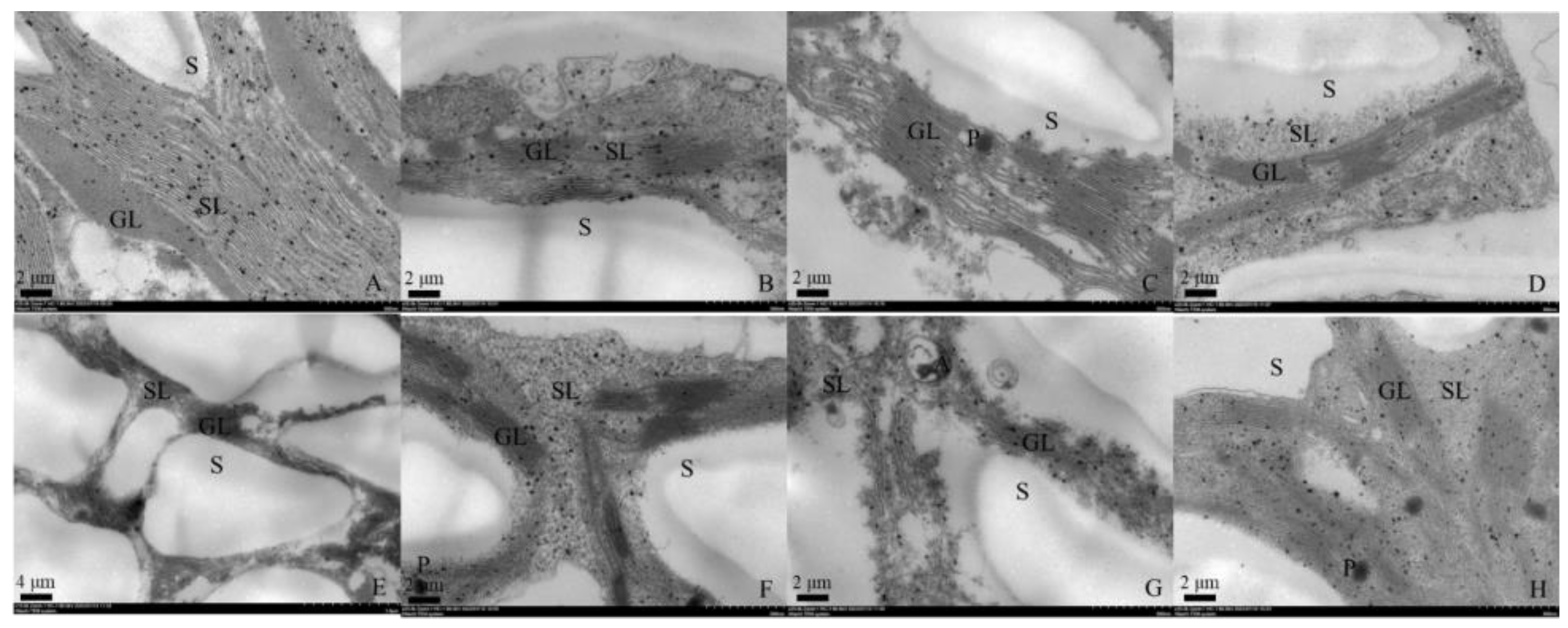
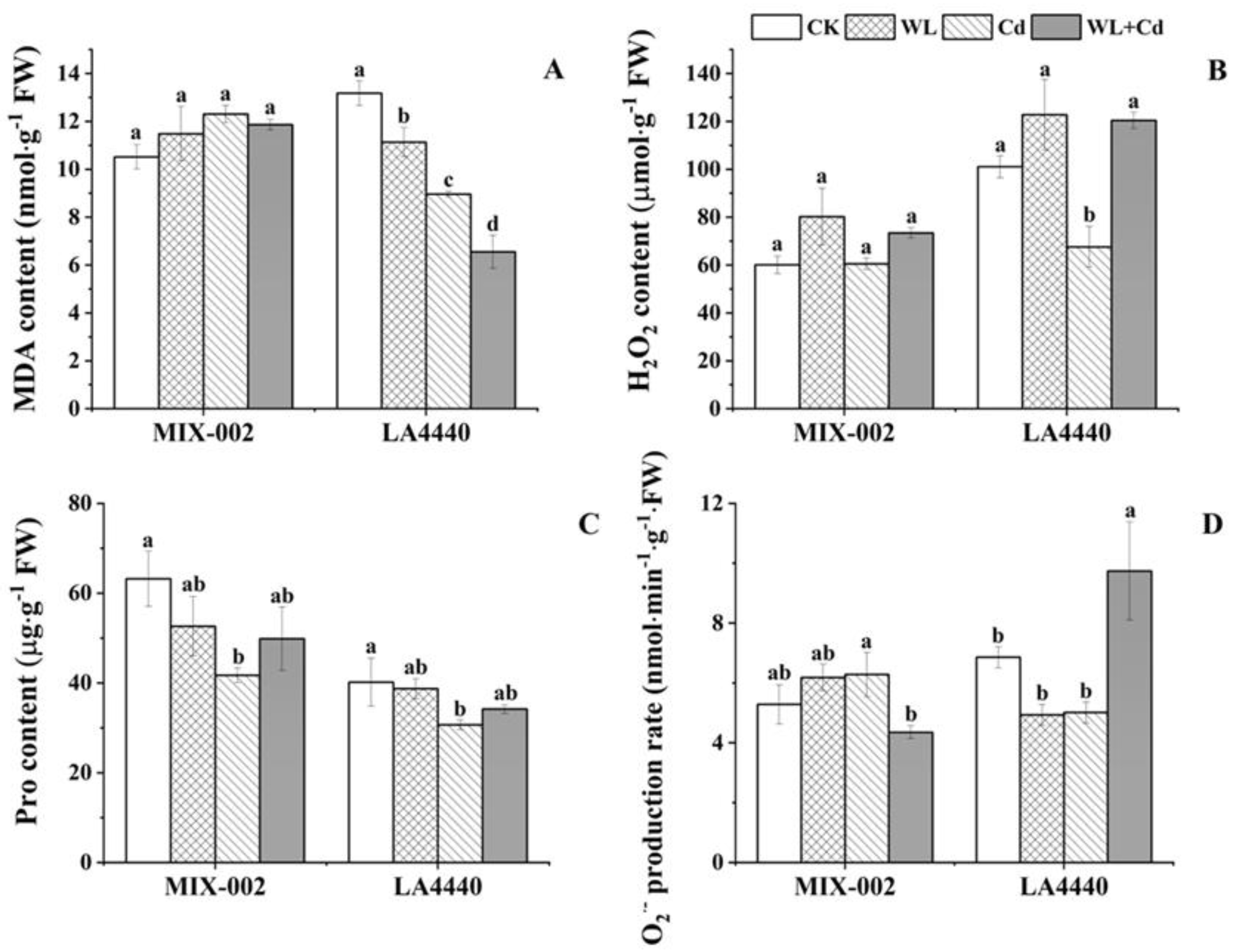
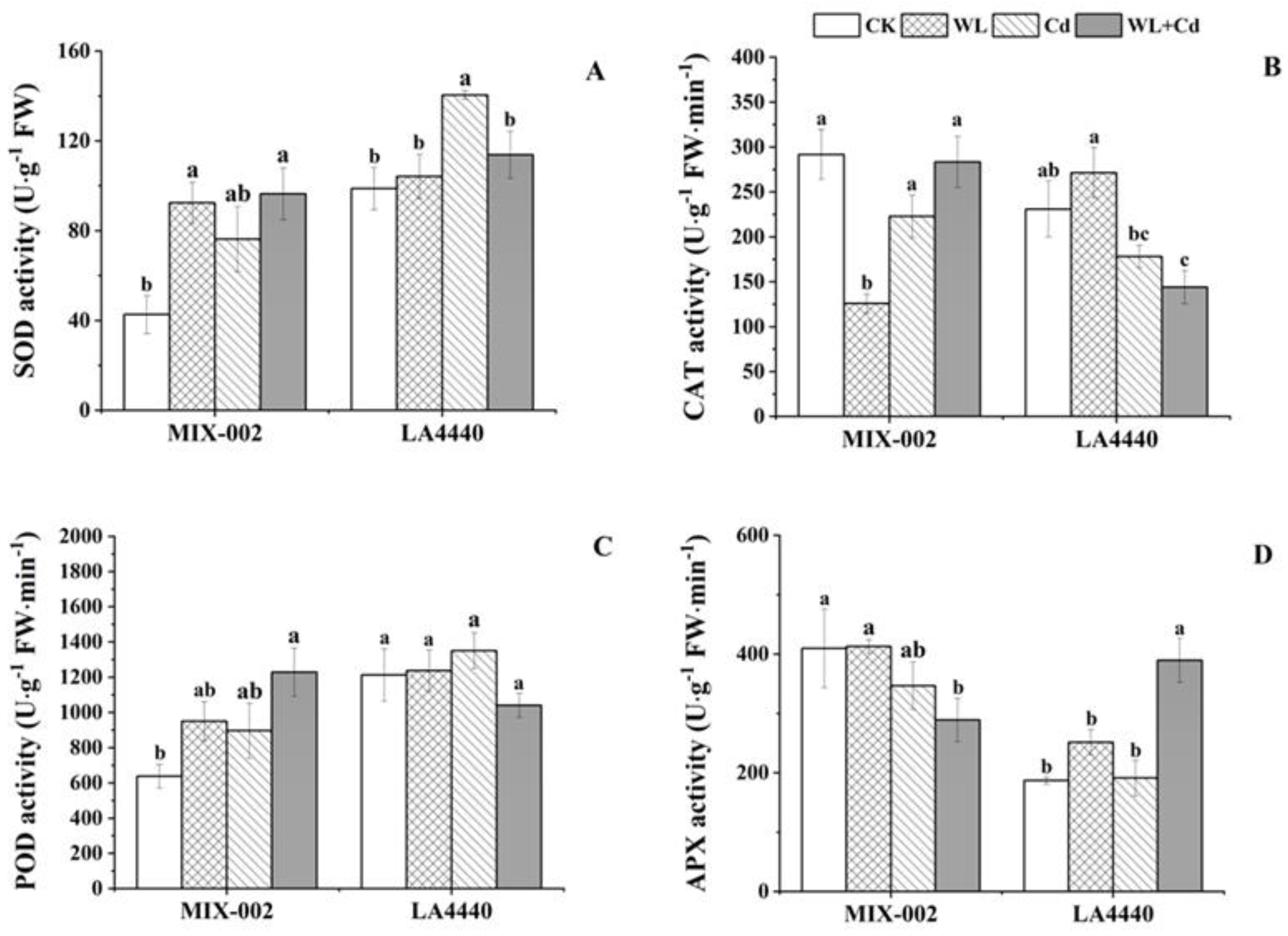
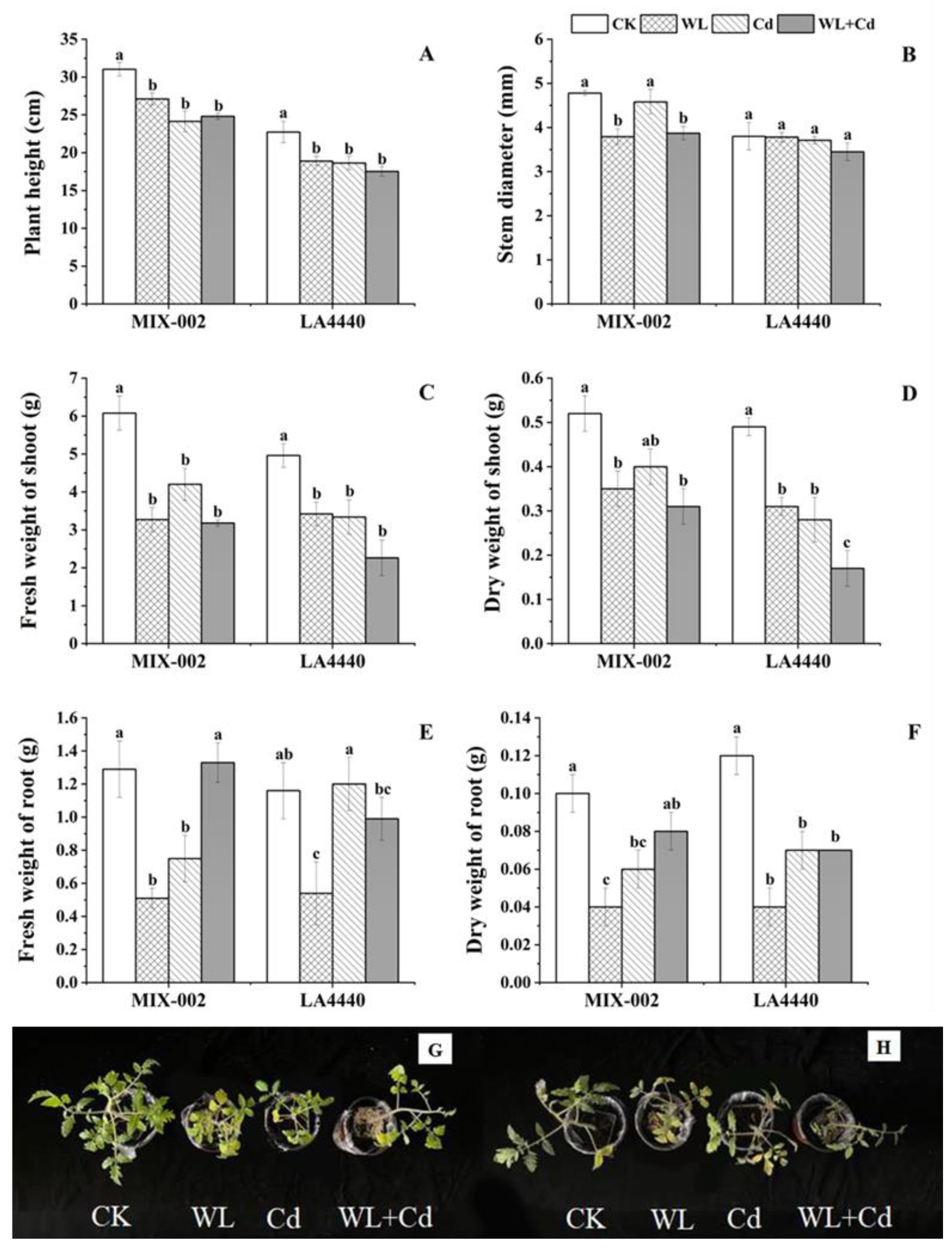
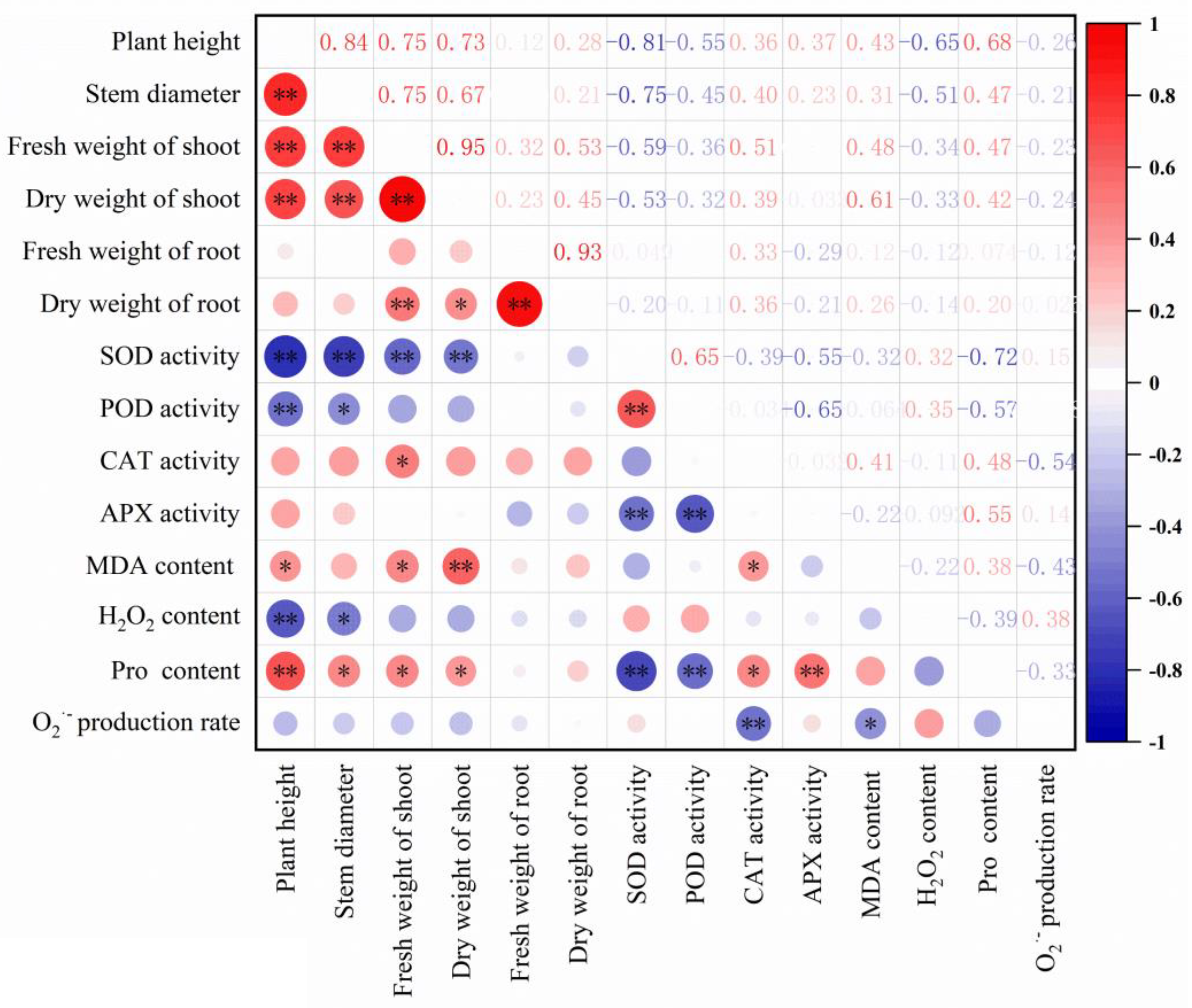
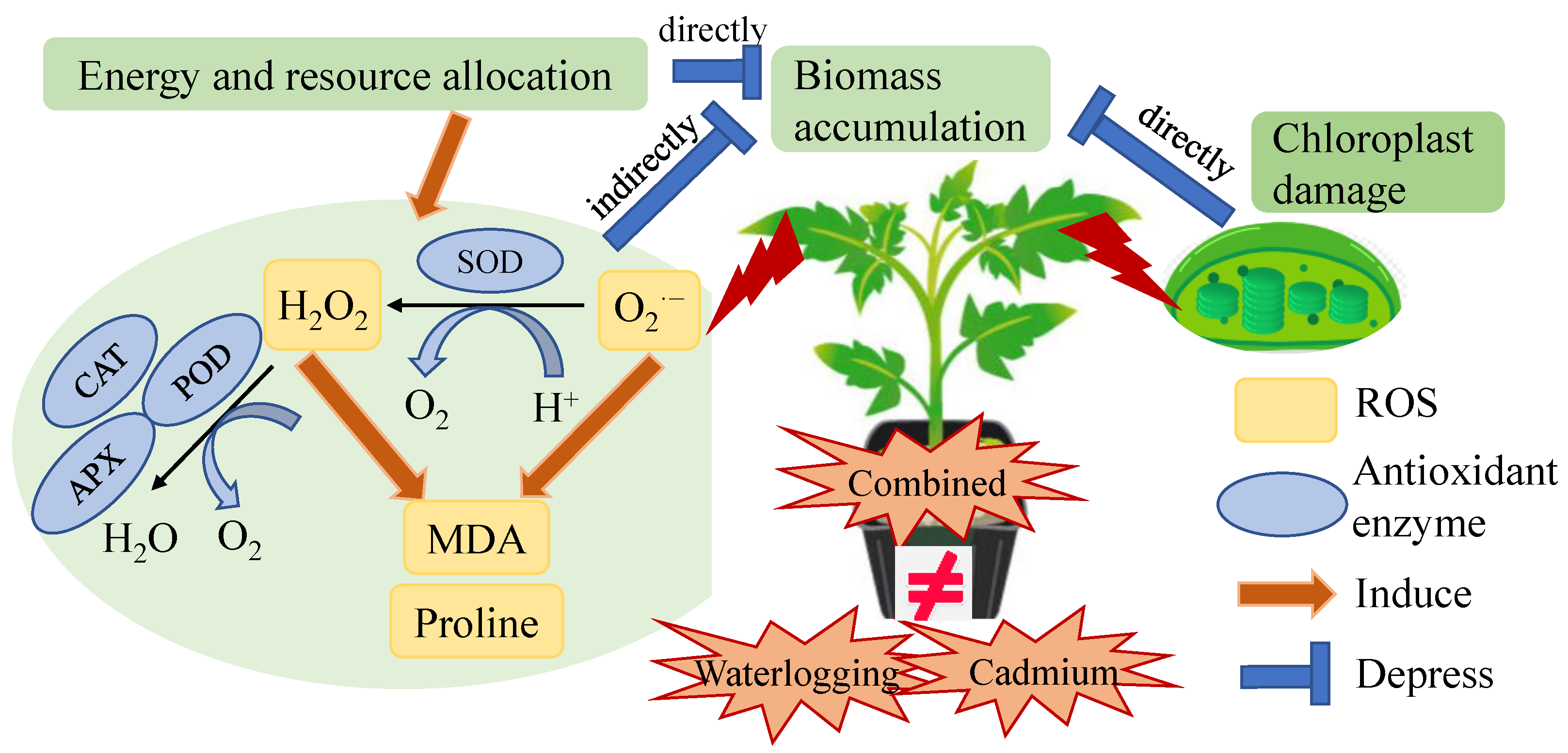
Waterlogging and heavy mental (e.g., cadmium) stress are two primary threats to crop growth. The combination of abiotic stresses was common and frequent, especially in the field condition. Even though the effects of individual waterlogging and cadmium on tomato plants have been widely investigated, the response of tomatoes under combined waterlogging and cadmium stress remains unclear. This study aimed to clarify and compare physiological, biochemical characteristics and plant growth of two tomato genotypes under individual and combined stress. Two tomato genotypes (‘MIX-002’ and ‘LA4440’) were treated under control, waterlogging, cadmium stress and their combination. The results showed that chloroplast ultrastructure of tomatoes under individual and combined stress was damaged with disordered stroma and grana lamellae. The H2O2 (hydrogen peroxide) content and O2·− (superoxide anion radical) production rate of plants under all the three stresses was not significantly higher than the control except for ‘LA4440’ under the combined stress. Antioxidant enzymes actively responded in the two tomato genotypes, as shown by significant increase in SOD activity from ‘MIX-002’ under waterlogging and combined stress and from ‘LA4440’ under cadmium. Meanwhile, CAT activity of ‘MIX-002’ under waterlogging and ‘LA4440′ under combined stress significantly decreased, and the POD activity of ‘MIX-002’ under combined stress significantly increased as compared with the respective control. The APX activity of ‘MIX-002’ and ‘LA4440’ under combined stress was significantly lower and higher than the respective controls. This indicated that tomato plants were able to secure redox homeostasis and protect plants from oxidative damage through the synergetic regulation of antioxidant enzymes. Plant height and biomass of the two genotypes under individual and combined stress significantly decreased, which could be a direct result from the chloroplast alteration and resource re-allocation. Overall, the effects of combined waterlogging and cadmium stress were not simply the sum of individual effects on two tomato genotypes. Distinct ROS (reactive oxygen species) scavenging systems of two tomato genotypes under stresses suggest a genotype-dependent antioxidant enzymes regulation.
Keywords: tomato; waterlogging; cadmium stress; combined stress; ROS metabolism; plant growth tomato; waterlogging; cadmium stress; combined stress; ROS metabolism; plant growth