

Continuous OFT-Based Behavioral Phenotyping Reveals Neural Stem Cell-Associated Shifts in Depression-Like Mice

 , ,
, ,
Abstract
1. Introduction
2. Materials and Methods
2.1. Animals and Experimental Procedures
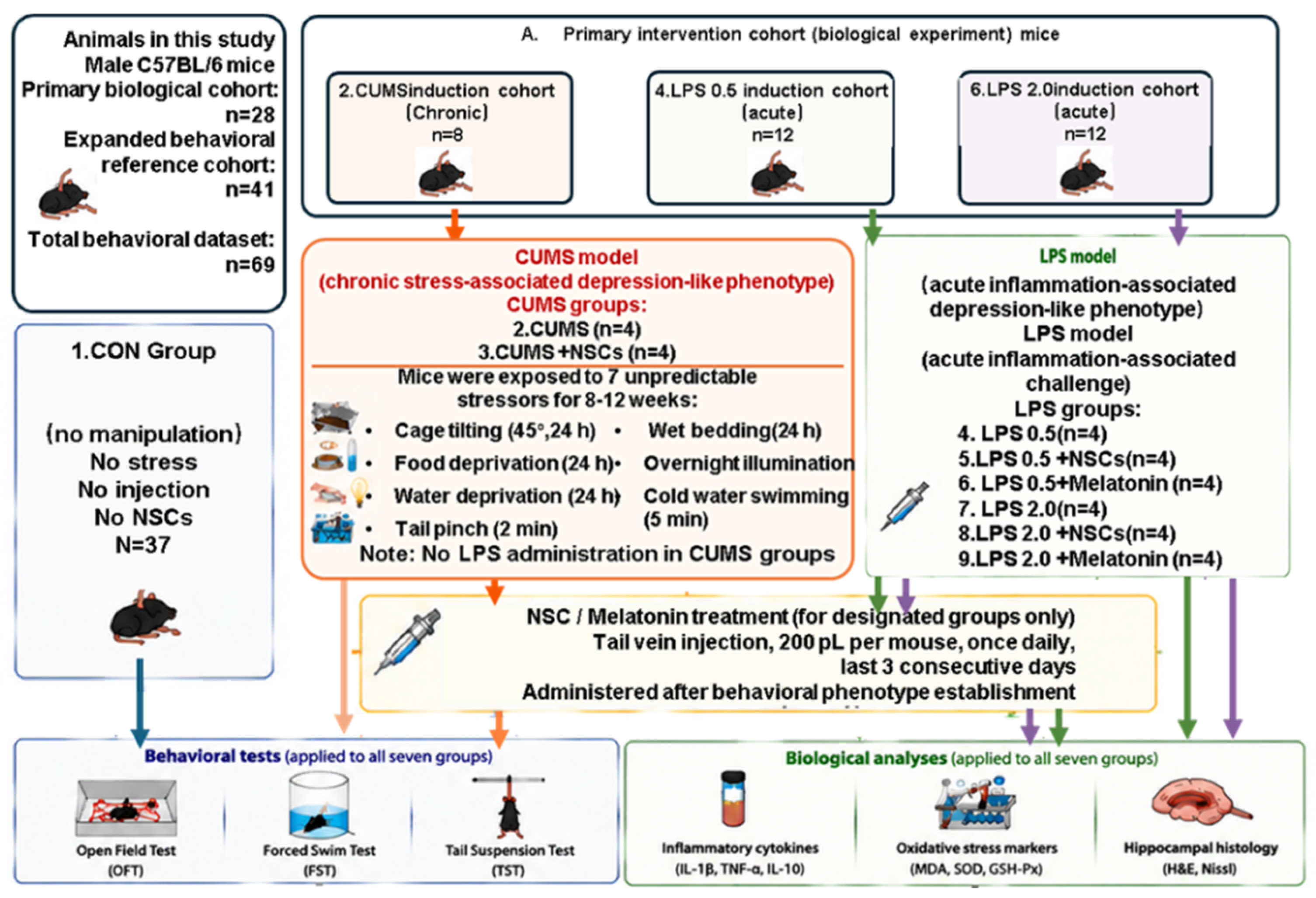
2.1.1. Animals and Experimental Design
2.1.2. Establishment of Depression-like Models
CUMS Model
LPS-Induced Model
2.1.3. NSC Preparation, Quality Control, and Administration
2.2. Behavioral and Biochemical Assays
2.2.1. Open Field Test (OFT)
2.2.2. Tail Suspension Test (TST)
2.2.3. Forced Swimming Test (FST)
2.2.4. Histological Analysis
2.2.5. Biochemical Measurements
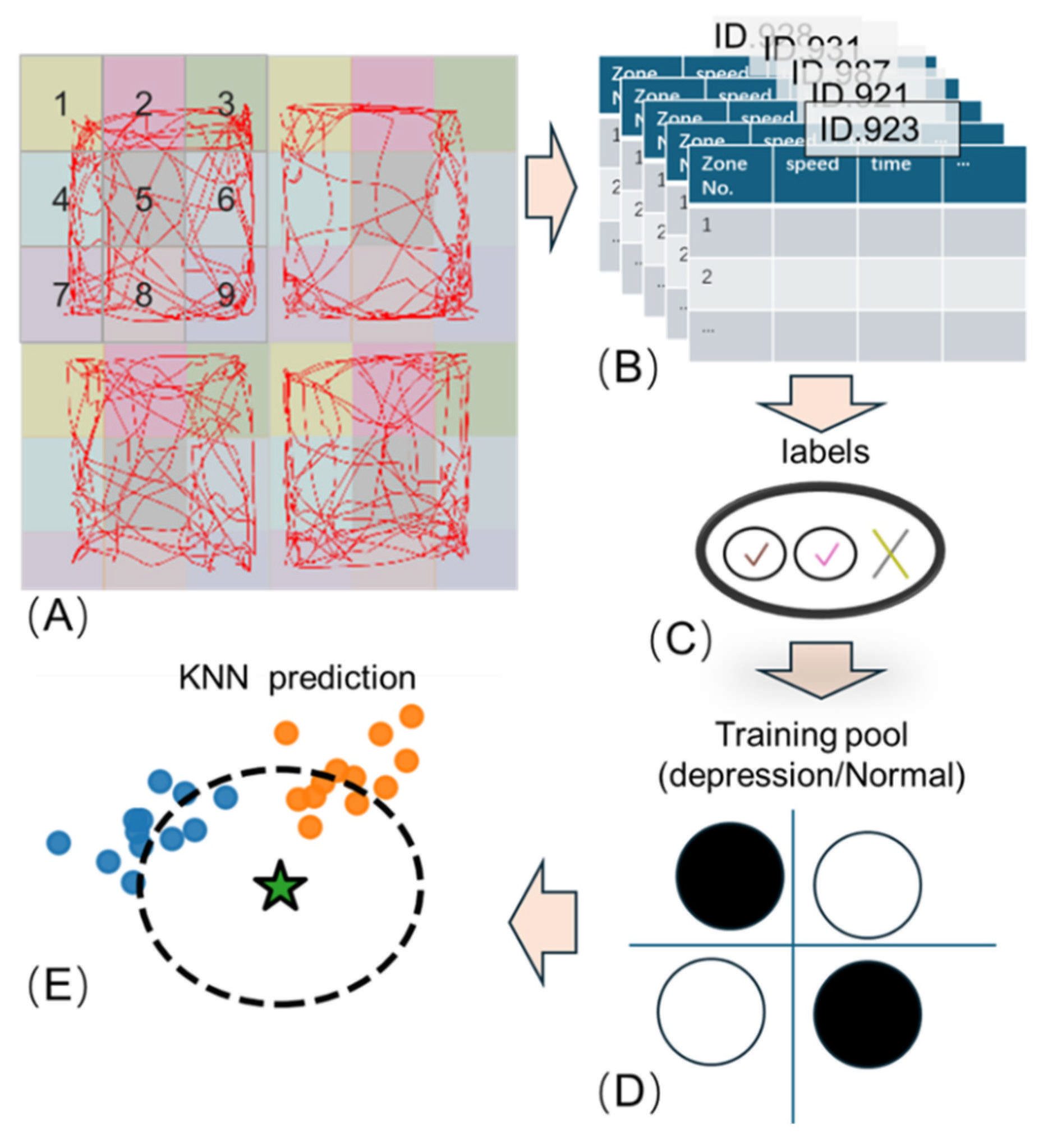
2.3. Data Preprocessing and Feature Extraction
2.4. PCA and kNN Modeling
2.4.1. Reference-State Definition and PCA Analysis
2.4.2. kNN Classifier Construction
2.4.3. Behavioral Scoring Indices
2.5. Model Validation
2.6. Biological Statistical Analyses
3. Results
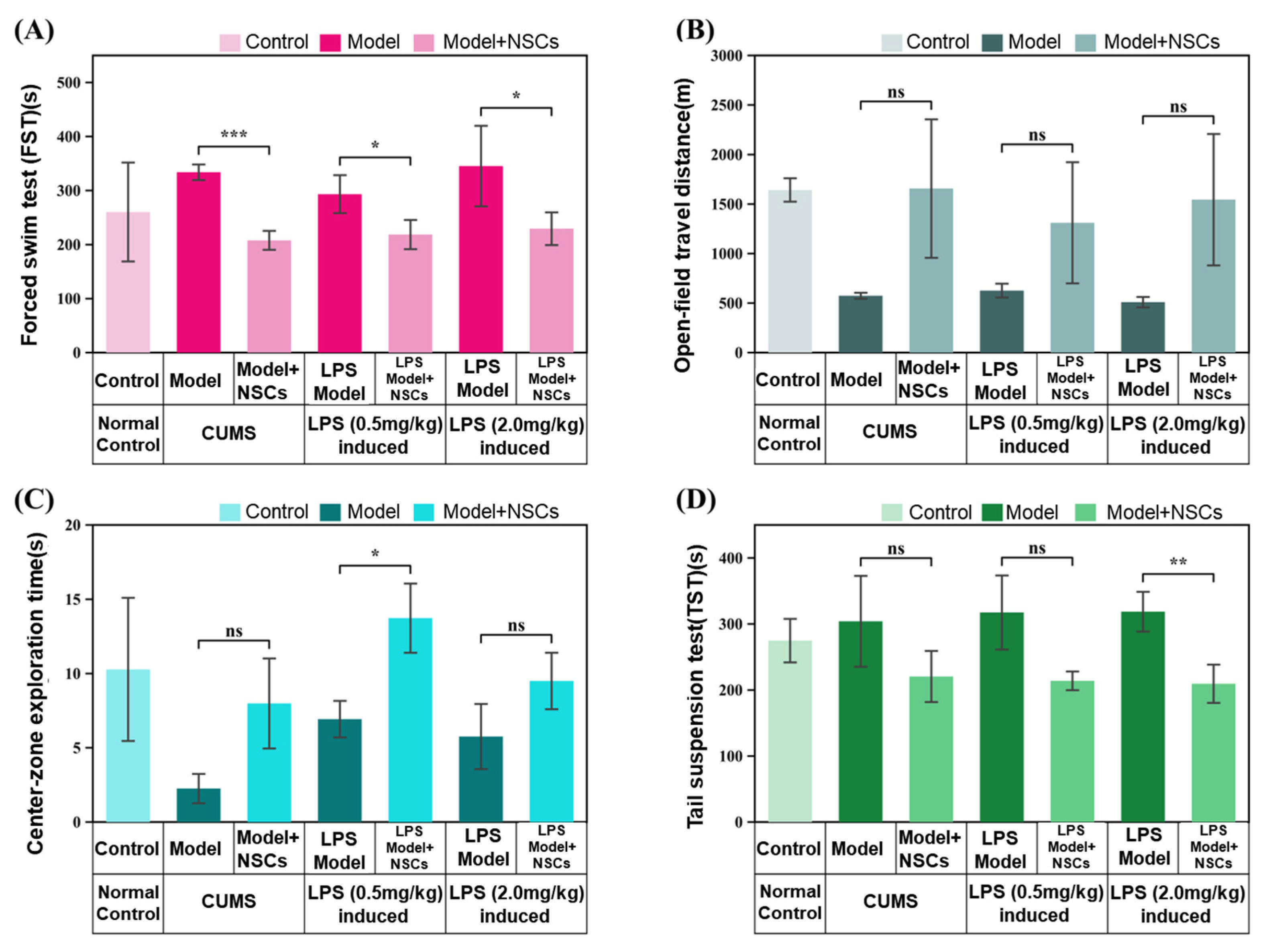
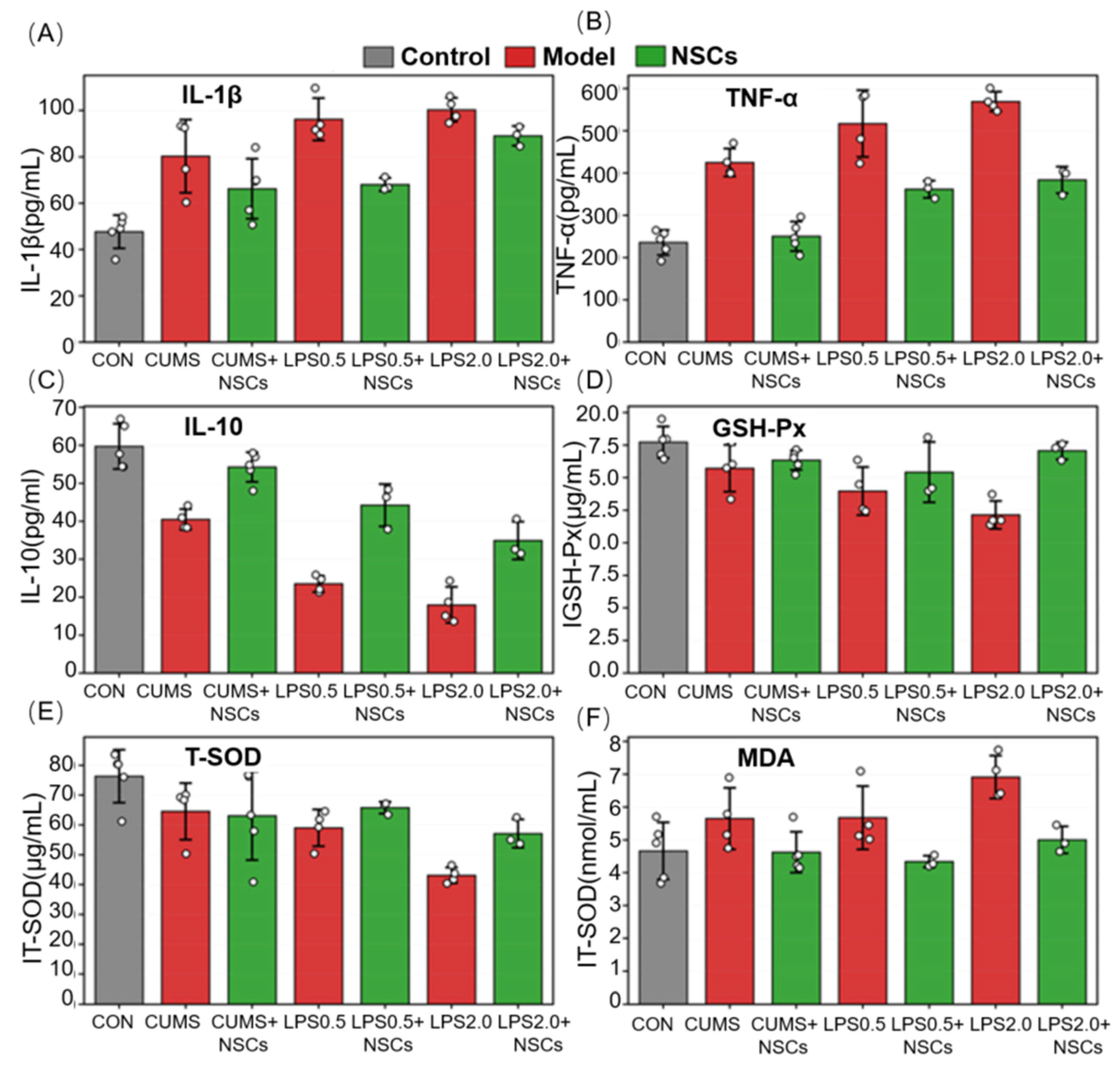
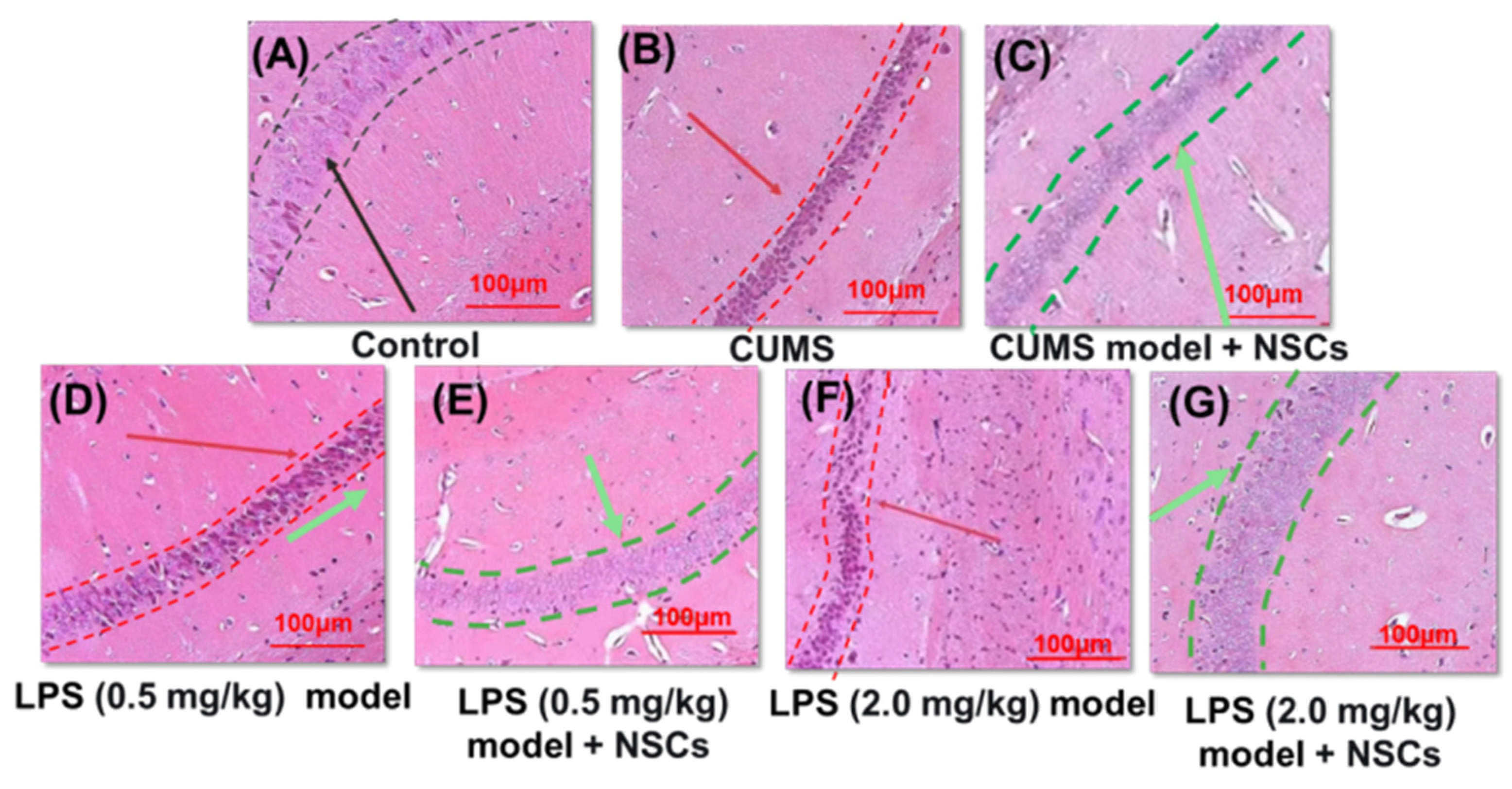
3.1. Behavioral, Neuroinflammatory, and Histopathological Alterations Across CUMS- and LPS-Induced Depression-like Models and Their Partial Attenuation by NSCs
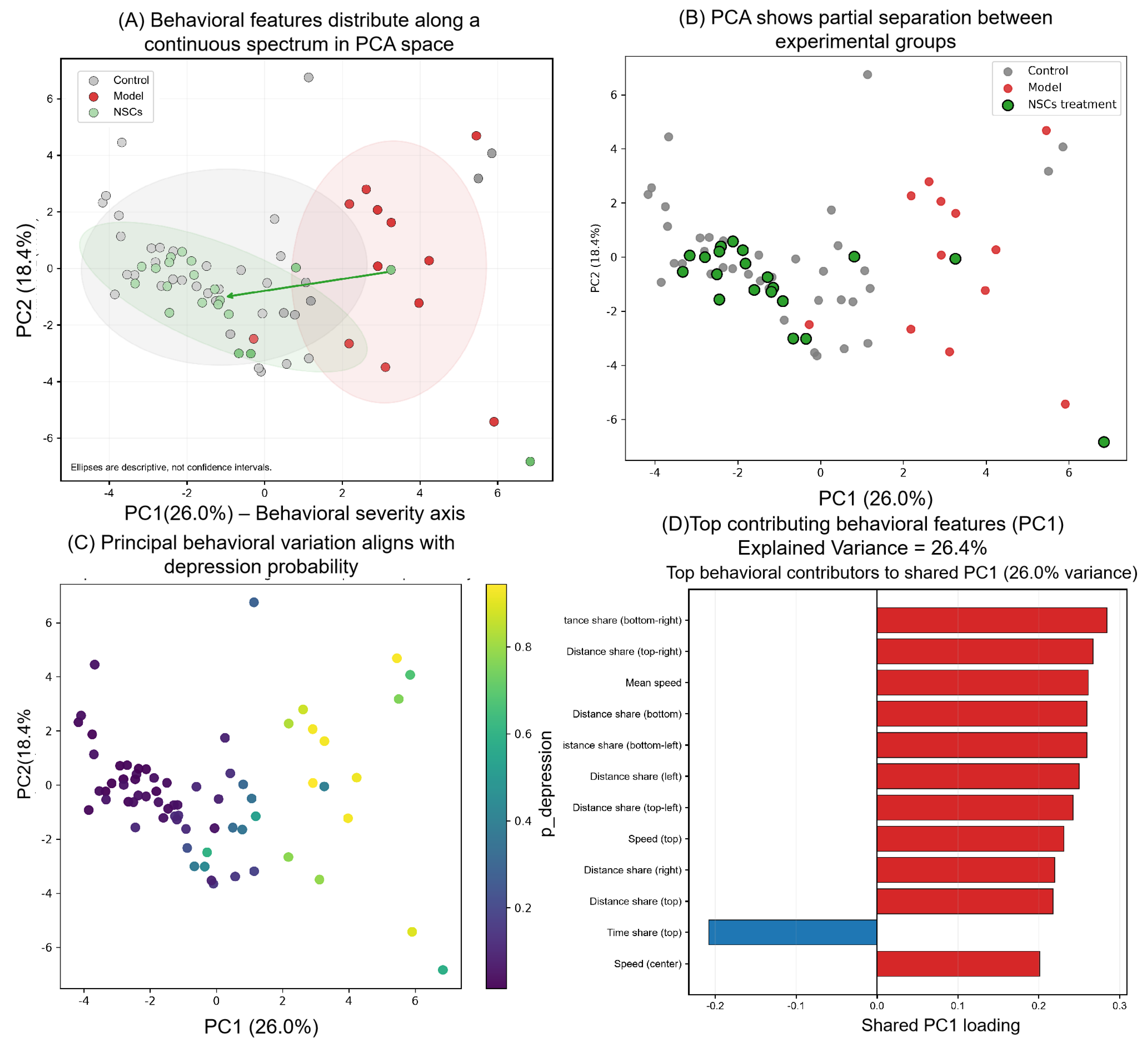
3.2. OFT Behavioral Features Distribute Along a Continuous Spectrum in PCA Space
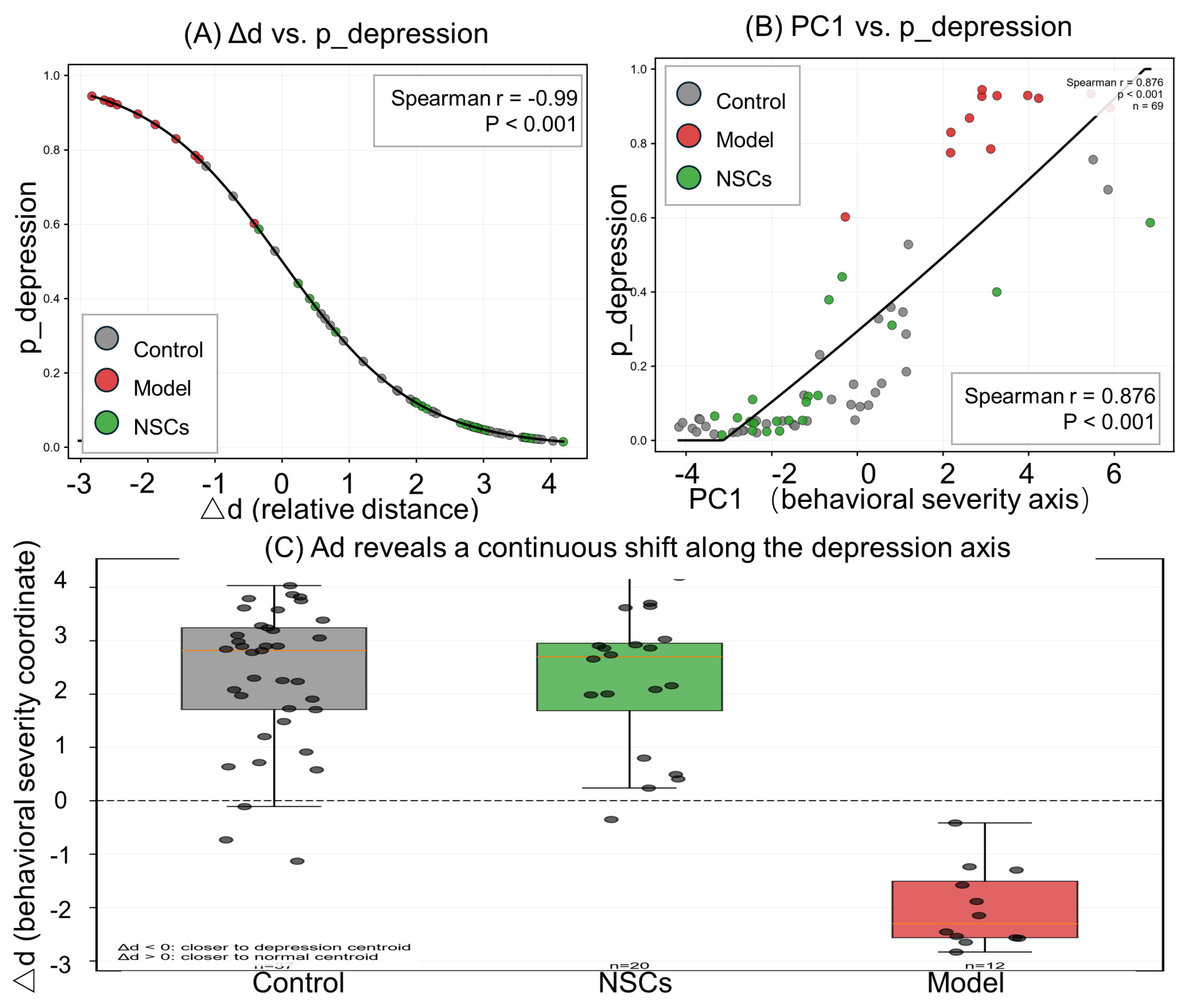
3.3. A Quantitative Behavioral Axis Captures Graded Model-like States and NSC-Associated Shifts
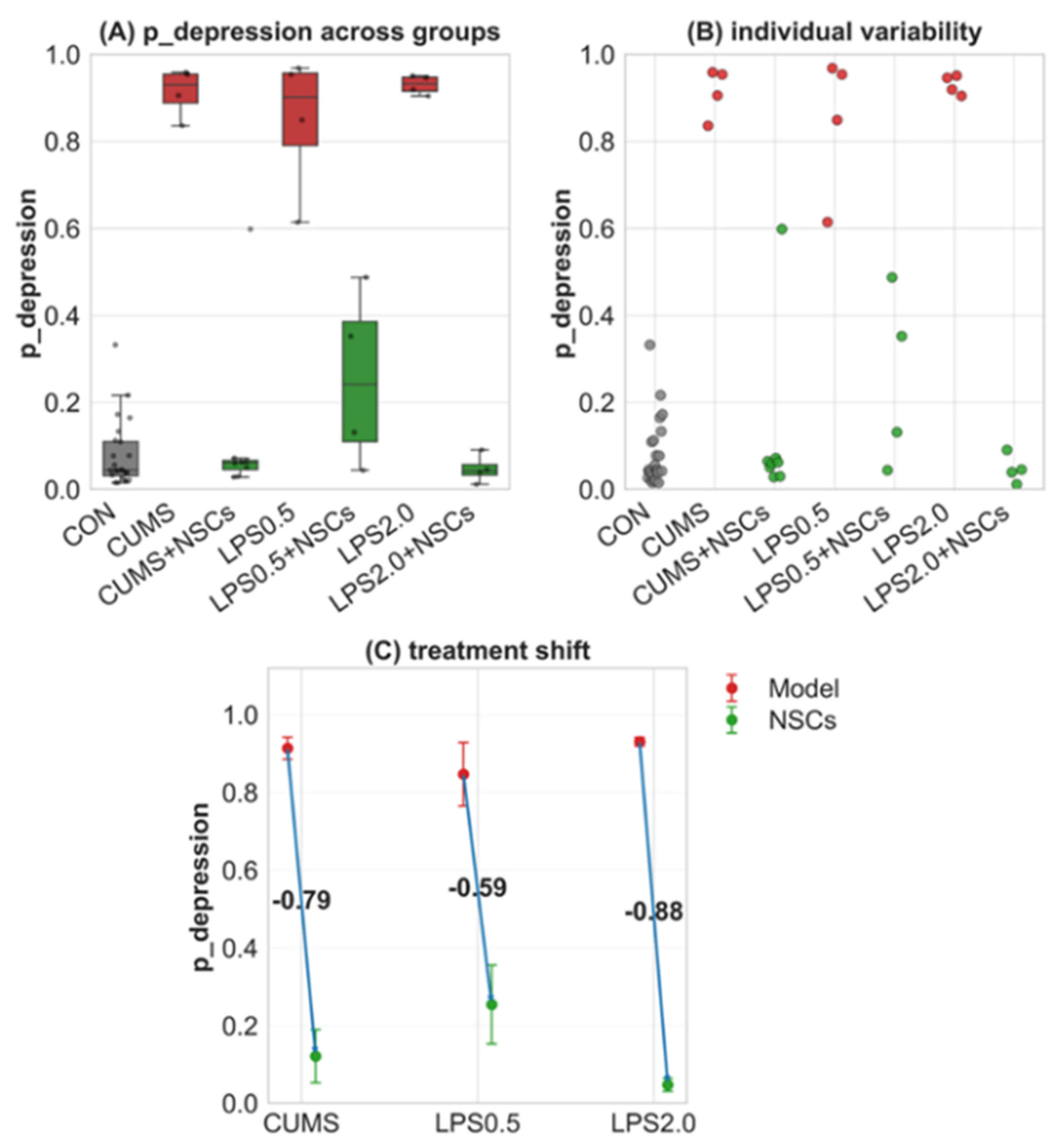
3.4. Quantitative Behavioral Scoring Reveals NSC-Associated Shifts and Inter-Individual Variability Across Depression-like Conditions
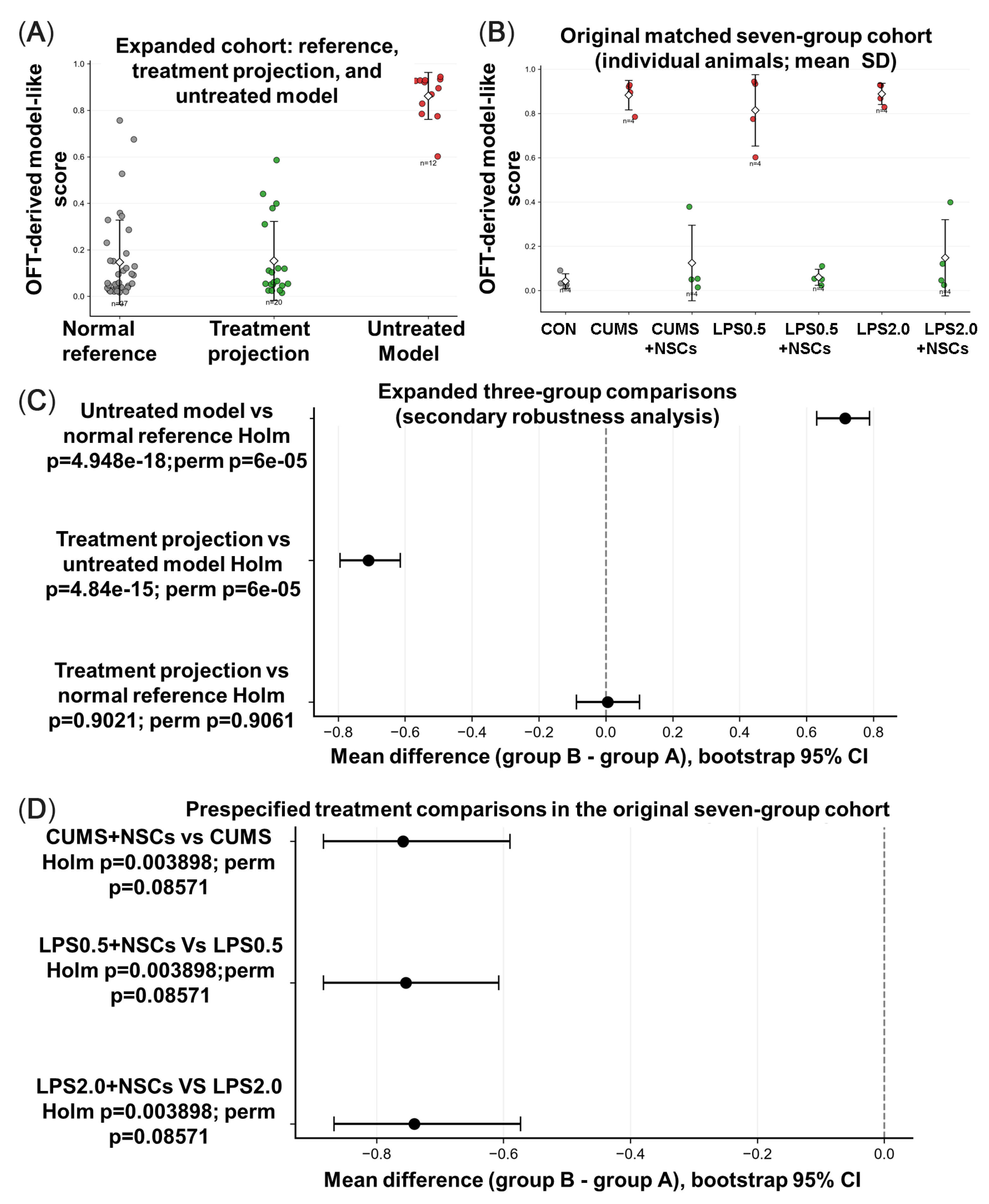
3.5. Quantitative Behavioral Scoring Reveals Treatment-Associated Shifts and Is Supported by Expanded-Cohort Robustness Analysis
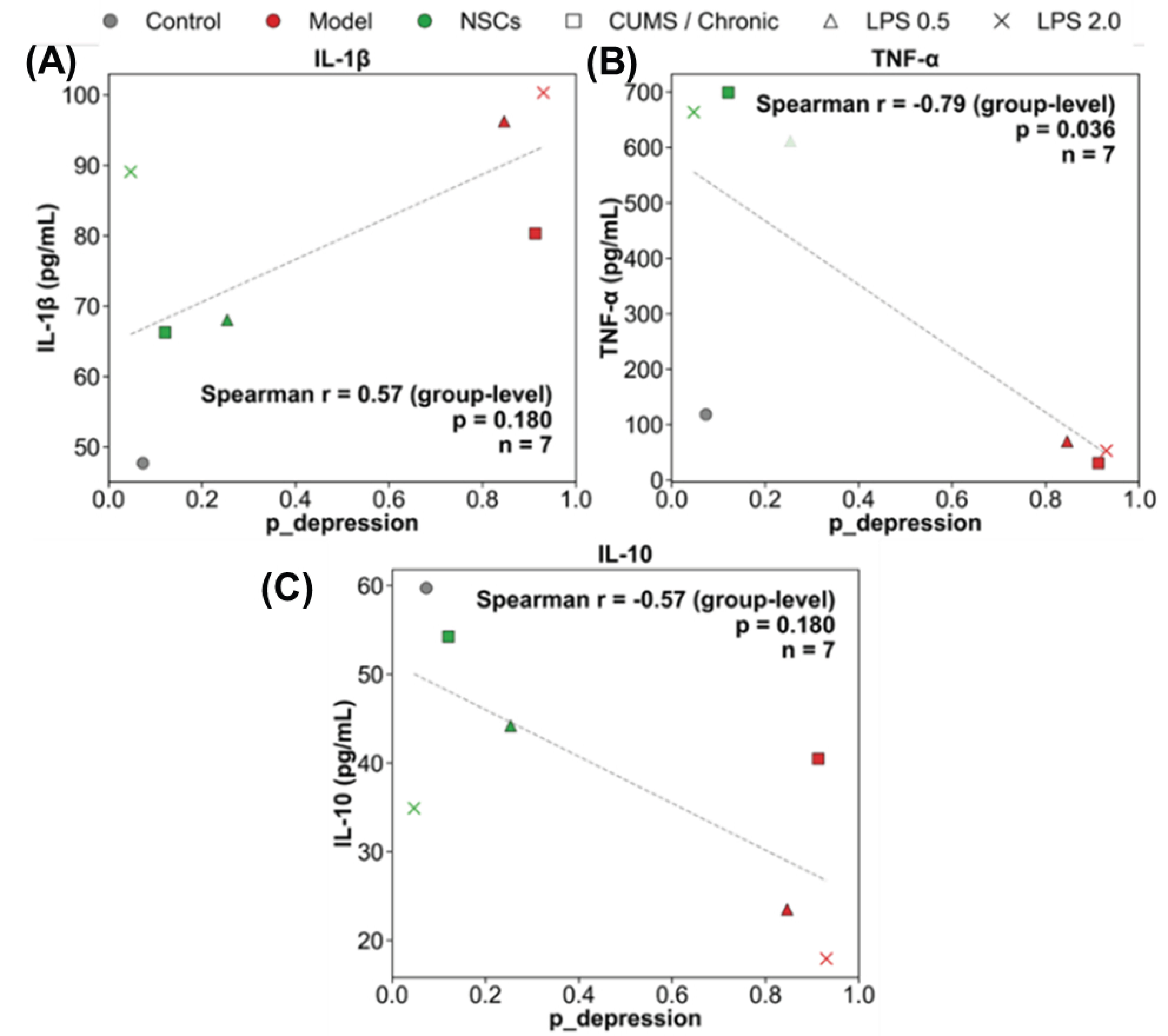
3.6. Exploratory Group-Level Correspondence Between Behavioral Scores and Neuroinflammatory Profiles
4. Discussion
5. Conclusions
Author Contributions
Funding
Institutional Review Board Statement
Informed Consent Statement
Data Availability Statement
Acknowledgments
Conflicts of Interest
References
- Afridi, R.; Suk, K. Neuroinflammatory basis of depression: Learning from experimental models. Front. Cell. Neurosci. 2021, 15, 691067. [Google Scholar] [CrossRef] [Scilit]
- Burstein, O.; Doron, R. The unpredictable chronic mild stress protocol for inducing anhedonia in mice. J. Vis. Exp. 2018, 140, 58184. [Google Scholar] [CrossRef] [Scilit]
- Chan, S.Y.; Probert, F.; Radford-Smith, D.E.; Hebert, J.C.; Claridge, T.D.W.; Anthony, D.C.; Burnet, P.W.J. Post-inflammatory behavioural despair in male mice is associated with reduced cortical glutamate-glutamine ratios, and circulating lipid and energy metabolites. Sci. Rep. 2020, 10, 16857. [Google Scholar] [CrossRef] [Scilit]
- Dantzer, R. Cytokine, sickness behavior, and depression. Immunol. Allergy Clin. N. Am. 2009, 29, 247–264. [Google Scholar] [CrossRef] [Scilit]
- de Oliveira-Júnior, B.A.; Marques, D.B.; Rossignoli, M.T.; Prizon, T.; Leite, J.P.; Ruggiero, R.N. Multidimensional behavioral profiles associated with resilience and susceptibility after inescapable stress. Sci. Rep. 2024, 14, 9699. [Google Scholar] [CrossRef] [Scilit]
- Fang, Q.; Tu, Y.; Fan, X.; Zang, T.; Wu, N.; Qiu, T.; Li, Y.; Bai, J.; Liu, Y. Inflammatory cytokines and prenatal depression: Is there a mediating role of maternal gut microbiota? J. Psychiatr. Res. 2023, 164, 458–467. [Google Scholar] [CrossRef] [Scilit]
- Gencturk, S.; Unal, G. Rodent tests of depression and anxiety: Construct validity and translational relevance. Cogn. Affect. Behav. Neurosci. 2024, 24, 191–224. [Google Scholar] [CrossRef] [Scilit]
- Gritti, D.; Delvecchio, G.; Ferro, A.; Bressi, C.; Brambilla, P. Neuroinflammation in major depressive disorder: A review of PET imaging studies examining the 18-kDa translocator protein. J. Affect. Disord. 2021, 292, 642–651. [Google Scholar] [CrossRef] [Scilit]
- Jung, Y.-H.; Hong, S.-I.; Ma, S.-X.; Hwang, J.-Y.; Kim, J.-S.; Lee, J.-H.; Seo, J.-Y.; Lee, S.-Y.; Jang, C.-G. Strain differences in the chronic mild stress animal model of depression and anxiety in mice. Biomol. Ther. 2014, 22, 453–459. [Google Scholar] [CrossRef] [Scilit]
- Jurek, B.; Schlegel, P.; Zglinicki, B.; Aman, L.; Kovarova, V.; Narayan, S.; Florea, R.; Ziuzia, P.; Badura, A.; Schmidt, M.V.; et al. Long-term deep phenotyping of behavioral traits in mice using homecage monitoring. Neurosci. Biobehav. Rev. 2026, 180, 106453. [Google Scholar] [CrossRef] [Scilit]
- Kara, N.Z.; Stukalin, Y.; Einat, H. Revisiting the validity of the mouse forced swim test: Systematic review and meta-analysis of the effects of prototypic antidepressants. Neurosci. Biobehav. Rev. 2018, 84, 1–11. [Google Scholar] [CrossRef] [Scilit]
- Leite-Almeida, H.; Castelhano-Carlos, M.J.; Sousa, N. New horizons for phenotyping behavior in rodents: The example of depressive-like behavior. Front. Behav. Neurosci. 2022, 15, 811987. [Google Scholar] [CrossRef] [Scilit]
- Loftis, J.M.; Huckans, M.; Morasco, B.J. Neuroimmune mechanisms of cytokine-induced depression: Current theories and novel treatment strategies. Neurobiol. Dis. 2010, 37, 519–533. [Google Scholar] [CrossRef] [Scilit]
- Lorsch, Z.S.; Ambesi-Impiombato, A.; Zenowich, R.; Morganstern, I.; Leahy, E.; Bansal, M.; Nestler, E.J.; Hanania, T. Computational analysis of multidimensional behavioral alterations after chronic social defeat stress. Biol. Psychiatry 2021, 89, 920–928. [Google Scholar] [CrossRef] [Scilit]
- Maeng, S.H.; Hong, H. Inflammation as the potential basis in depression. Int. Neurourol. J. 2019, 23, S63–S71. [Google Scholar] [CrossRef] [Scilit]
- Markov, D.D. Sucrose preference test as a measure of anhedonic behavior in a chronic unpredictable mild stress model of depression: Outstanding issues. Brain Sci. 2022, 12, 1287. [Google Scholar] [CrossRef] [Scilit]
- Mohseni, F.; Rafaiee, R. Opinion: Ethical challenges in depression research: The tail suspension test, the forced swim test, and alternative behavioral models. J. Am. Assoc. Lab. Anim. Sci. 2025, 64, 352–355. [Google Scholar] [CrossRef] [Scilit]
- Molendijk, M.L.; de Kloet, E.R. Coping with the forced swim stressor: Current state-of-the-art. Behav. Brain Res. 2019, 364, 1–10. [Google Scholar] [CrossRef] [Scilit]
- Molendijk, M.L.; de Kloet, E.R. Forced swim stressor: Trends in usage and mechanistic consideration. Eur. J. Neurosci. 2022, 55, 2813–2831. [Google Scholar] [CrossRef] [Scilit]
- Munshi, S.; Parrilli, V.; Rosenkranz, J.A. Peripheral anti-inflammatory cytokine interleukin-10 treatment mitigates interleukin-1β-induced anxiety and sickness behaviors in adult male rats. Behav. Brain Res. 2019, 372, 112024. [Google Scholar] [CrossRef] [Scilit]
- O’Connor, J.C.; Lawson, M.A.; André, C.; Moreau, M.; Lestage, J.; Castanon, N.; Kelley, K.W.; Dantzer, R. Lipopolysaccharide-induced depressive-like behavior is mediated by indoleamine 2,3-dioxygenase activation in mice. Mol. Psychiatry 2009, 14, 511–522. [Google Scholar] [CrossRef] [Scilit] [PubMed]
- Oh, H.; Choi, S.; Lee, J.; Lee, H.; Shin, J.; Son, S.; Hyeon, B.; Heo, W.D. AI-driven decoding of naturalistic behaviors enables tailored detection of depressive-like behavior in mice. Nat. Commun. 2025, 17, 851. [Google Scholar] [CrossRef] [Scilit]
- Planchez, B.; Surget, A.; Belzung, C. Animal models of major depression: Drawbacks and challenges. J. Neural Transm. 2019, 126, 1383–1408. [Google Scholar] [CrossRef] [Scilit]
- Shen, S.; Liang, L.; Shi, T.; Shen, Z.; Yin, S.; Zhang, J.; Li, W.; Mi, W.; Wang, Y.; Zhang, Y.; et al. Microglia-derived interleukin-6 triggers astrocyte apoptosis in the hippocampus and mediates depression-like behavior. Adv. Sci. 2025, 12, 2412556. [Google Scholar] [CrossRef] [Scilit]
- von Mücke-Heim, I.-A.; Urbina-Treviño, L.; Bordes, J.; Ries, C.; Schmidt, M.V.; Deussing, J.M. Introducing a depression-like syndrome for translational neuropsychiatry: A plea for taxonomical validity and improved comparability between humans and mice. Mol. Psychiatry 2023, 28, 329–340. [Google Scholar] [CrossRef] [Scilit]
- Wu, C.; Li, X.; Wang, H.; Liu, Z. Altered gut microbial diversity and depletion of SCFA-producing taxa associated with ASD-like phenotypes in a prenatal VPA rat model. Int. J. Mol. Sci. 2025, 26, 8931. [Google Scholar] [CrossRef] [Scilit]
- Wu, C.; Li, X.; Wang, H.; Yang, X.; Liu, Z. 3KO-NSCs ameliorate behavioral deficits and modulate gut microbiota in a VPA-induced C57BL/6 mouse model of autism. Front. Immunol. 2025, 16, 1680179. [Google Scholar] [CrossRef] [Scilit]
- Yankelevitch-Yahav, R.; Franko, M.; Huly, A.; Doron, R. The forced swim test as a model of depressive-like behavior. J. Vis. Exp. 2015, 97, e52587. [Google Scholar] [CrossRef] [Scilit]
- Yin, R.; Zhang, K.; Li, Y.; Tang, Z.; Zheng, R.; Ma, Y.; Chen, Z.; Lei, N.; Xiong, L.; Guo, P.; et al. Lipopolysaccharide-induced depression-like model in mice: Meta-analysis and systematic evaluation. Front. Immunol. 2023, 14, 1181973. [Google Scholar] [CrossRef] [Scilit]
- Liu, Y.-N.; Peng, Y.-L.; Liu, L.; Wu, T.-Y.; Zhang, Y.; Lian, Y.-J.; Yang, Y.-Y.; Kelley, K.W.; Jiang, C.-L.; Wang, Y.-X. TNFα mediates stress-induced depression by upregulating indoleamine 2,3-dioxygenase in a mouse model of unpredictable chronic mild stress. Eur. Cytokine Netw. 2015, 26, 15–25. [Google Scholar] [CrossRef] [Scilit]
- Gage, F.H. Mammalian neural stem cells. Science 2000, 287, 1433–1438. [Google Scholar] [CrossRef] [Scilit]
- Martino, G.; Pluchino, S. The therapeutic potential of neural stem cells. Nat. Rev. Neurosci. 2006, 7, 395–406. [Google Scholar] [CrossRef] [Scilit]
- Moriyama, Y.; Takagi, N.; Tanonaka, K. Intravenous injection of neural progenitor cells improved depression-like behavior after cerebral ischemia. Transl. Psychiatry 2011, 1, e29. [Google Scholar] [CrossRef] [Scilit]
- Sahay, A.; Hen, R. Adult hippocampal neurogenesis in depression. Nat. Neurosci. 2007, 10, 1110–1115. [Google Scholar] [CrossRef] [Scilit]
- Percie du Sert, N.; Hurst, V.; Ahluwalia, A.; Alam, S.; Avey, M.T.; Baker, M.; Browne, W.J.; Clark, A.; Cuthill, I.C.; Dirnagl, U.; et al. The ARRIVE guidelines 2.0: Updated guidelines for reporting animal research. PLoS Biol. 2020, 18, e3000410. [Google Scholar] [CrossRef] [Scilit]
- Su, W.; Deng, J.; Yang, L.; Wang, Y.; Gong, X.; Li, J. Melatonin alleviates LPS-induced depression-like behavior in mice by inhibiting ferroptosis by regulating RNA methylation-mediated SIRT6/Nrf2/HO-1 pathway. Eur. J. Nutr. 2024, 63, 3133–3148. [Google Scholar] [CrossRef] [Scilit]
- Yao, D.; Li, R.; Hao, J.; Huang, H.; Wang, X.; Ran, L.; Fang, Y.; He, Y.; Wang, W.; Liu, X.; et al. Melatonin alleviates depression-like behaviors and cognitive dysfunction in mice by regulating the circadian rhythm of AQP4 polarization. Transl. Psychiatry 2023, 13, 310. [Google Scholar] [CrossRef] [Scilit]
- Frenois, F.; Moreau, M.; O’Connor, J.; Lawson, M.; Micon, C.; Lestage, J.; Kelley, K.W.; Dantzer, R.; Castanon, N. Lipopolysaccharide induces delayed FosB/ΔFosB immunostaining within the mouse extended amygdala, hippocampus and hypothalamus, that parallel the expression of depressive-like behavior. Psychoneuroendocrinology 2007, 32, 516–531. [Google Scholar] [CrossRef] [Scilit]
- Kraeuter, A.K.; Guest, P.C.; Sarnyai, Z. The open field test for measuring locomotor activity and anxiety-like behavior. Methods Mol. Biol. 2019, 1916, 99–103. [Google Scholar] [CrossRef] [Scilit]
- Steru, L.; Chermat, R.; Thierry, B.; Simon, P. The tail suspension test: A new method for screening antidepressants in mice. Psychopharmacology 1985, 85, 367–370. [Google Scholar] [CrossRef] [Scilit]
- Bi, J.; Zhang, H.; Wei, J.; Huang, X.; Dong, Y.; Dong, Y.; Xie, Y.; Li, R.; Chen, S.; Zhao, Z.; et al. Isoacteoside alleviates LPS-induced depressive-like behaviors in mice by inhibiting neuroinflammation through regulating microglial polarization and oxidative stress. Behav. Brain Funct. 2025, 21, 30. [Google Scholar] [CrossRef] [Scilit]
- de Barros-Telles, R.; da Silva, A.C.F.; Medeiros, I.; de Souza, R.V.; Cardoso, A.R.; Souza, I.N.O.; Neves, G.A. Sex differences in behavioral responses to chronic unpredictable mild stress in Swiss mice. Eur. J. Neurosci. 2026, 64, e70631. [Google Scholar] [CrossRef] [Scilit]
- Pedregosa, F.; Varoquaux, G.; Gramfort, A.; Michel, V.; Thirion, B.; Grisel, O.; Blondel, M.; Prettenhofer, P.; Weiss, R.; Dubourg, V.; et al. Scikit-learn: Machine learning in Python. J. Mach. Learn. Res. 2011, 12, 2825–2830. [Google Scholar]
- Liang, J.; Zhang, J.; Sun, J.; Liang, Q.; Zhan, Y.; Yang, Z.; Zhang, Y.; Jin, L.; Hu, C.; Zhao, Y.-T. Ketogenic diet attenuates neuroinflammation and restores hippocampal neurogenesis to improve CUMS-induced depression-like behavior in mice. Food Funct. 2025, 16, 3408–3422. [Google Scholar] [CrossRef] [Scilit]
- Wang, M.; Chen, D.; Pan, R.; Sun, Y.; He, X.; Qiu, Y.; Hu, Y.; Wu, X.; Xi, X.; Hu, R.; et al. Neural stem cell-derived small extracellular vesicles: A new therapy approach in neurological diseases. Front. Immunol. 2025, 16, 1548206. [Google Scholar] [CrossRef] [Scilit]
- Mancini, G.F.; Torrisi, S.A.; Viho, E.M.G.; Meijer, O.C.; Leggio, G.M.; Campolongo, P. Interindividual and sex differences in resilience and vulnerability to post-traumatic stress disorder (PTSD): Insights from animal models. Biol. Sex Differ. 2025, 16, 50. [Google Scholar] [CrossRef] [Scilit]
- Yamamoto, M.; Hayashi, K.; Kanayama, M.; Inoue, H.; Matsushima, S.; Toda, K. Sex-dependent modulation of social distance by lipopolysaccharide-induced inflammation in mice. Transl. Psychiatry 2026, 16, 282. [Google Scholar] [CrossRef] [Scilit]





| Population | n | Composition |
|---|---|---|
| Normal-reference | 37 | 24 animals from the primary cohort + 13 additional untreated animals |
| Untreated model | 12 | CUMS, LPS0.5, LPS2.0 (n = 4 each) |
| Intervention-associated | 20 | NSC- and melatonin-treated animals under different model conditions |
Disclaimer/Publisher’s Note: The statements, opinions and data contained in all publications are solely those of the individual author(s) and contributor(s) and not of MDPI and/or the editor(s). MDPI and/or the editor(s) disclaim responsibility for any injury to people or property resulting from any ideas, methods, instructions or products referred to in the content. |
© 2026 by the authors. Licensee MDPI, Basel, Switzerland. This article is an open access article distributed under the terms and conditions of the Creative Commons Attribution (CC BY) license.
Share and Cite
Wang, H.; Liu, Z.; Li, X.; Fu, L.; Lu, T.; Wang, D.; Lin, G.; Wu, C. Continuous OFT-Based Behavioral Phenotyping Reveals Neural Stem Cell-Associated Shifts in Depression-Like Mice. Brain Sci. 2026, 16, 909. https://doi.org/10.3390/brainsci16090909
Wang H, Liu Z, Li X, Fu L, Lu T, Wang D, Lin G, Wu C. Continuous OFT-Based Behavioral Phenotyping Reveals Neural Stem Cell-Associated Shifts in Depression-Like Mice. Brain Sciences. 2026; 16(9):909. https://doi.org/10.3390/brainsci16090909
Chicago/Turabian StyleWang, Han, Zhaoming Liu, Xianjie Li, Lin Fu, Tingxin Lu, Dantong Wang, Guanzhen Lin, and Caixia Wu. 2026. "Continuous OFT-Based Behavioral Phenotyping Reveals Neural Stem Cell-Associated Shifts in Depression-Like Mice" Brain Sciences 16, no. 9: 909. https://doi.org/10.3390/brainsci16090909
APA StyleWang, H., Liu, Z., Li, X., Fu, L., Lu, T., Wang, D., Lin, G., & Wu, C. (2026). Continuous OFT-Based Behavioral Phenotyping Reveals Neural Stem Cell-Associated Shifts in Depression-Like Mice. Brain Sciences, 16(9), 909. https://doi.org/10.3390/brainsci16090909