AMPAR Subunit Gene Expression Marks a Synaptic Transcriptional State in Lower-Grade Glioma
 ,
,  ,
,  and
and
Highlights
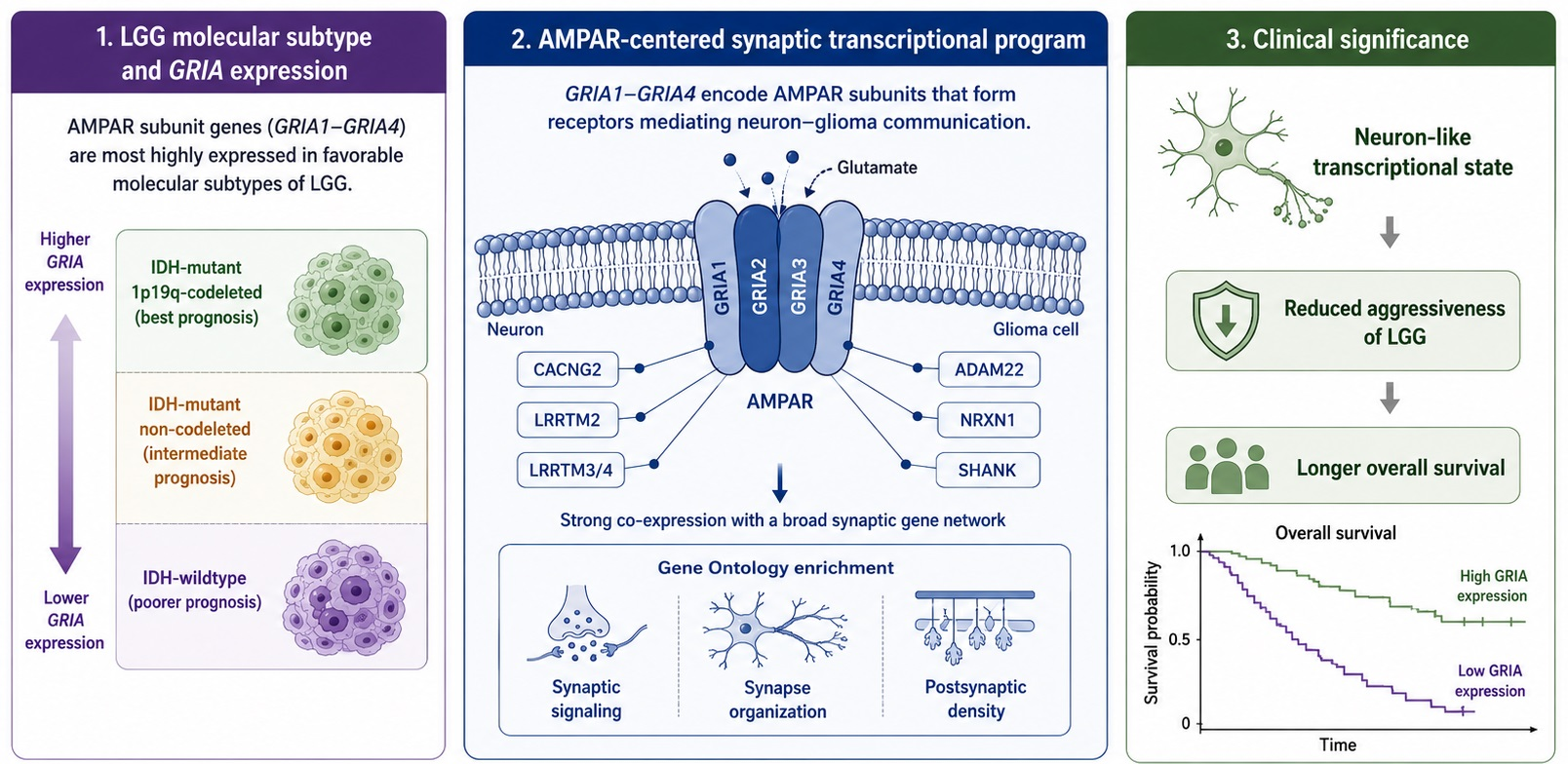
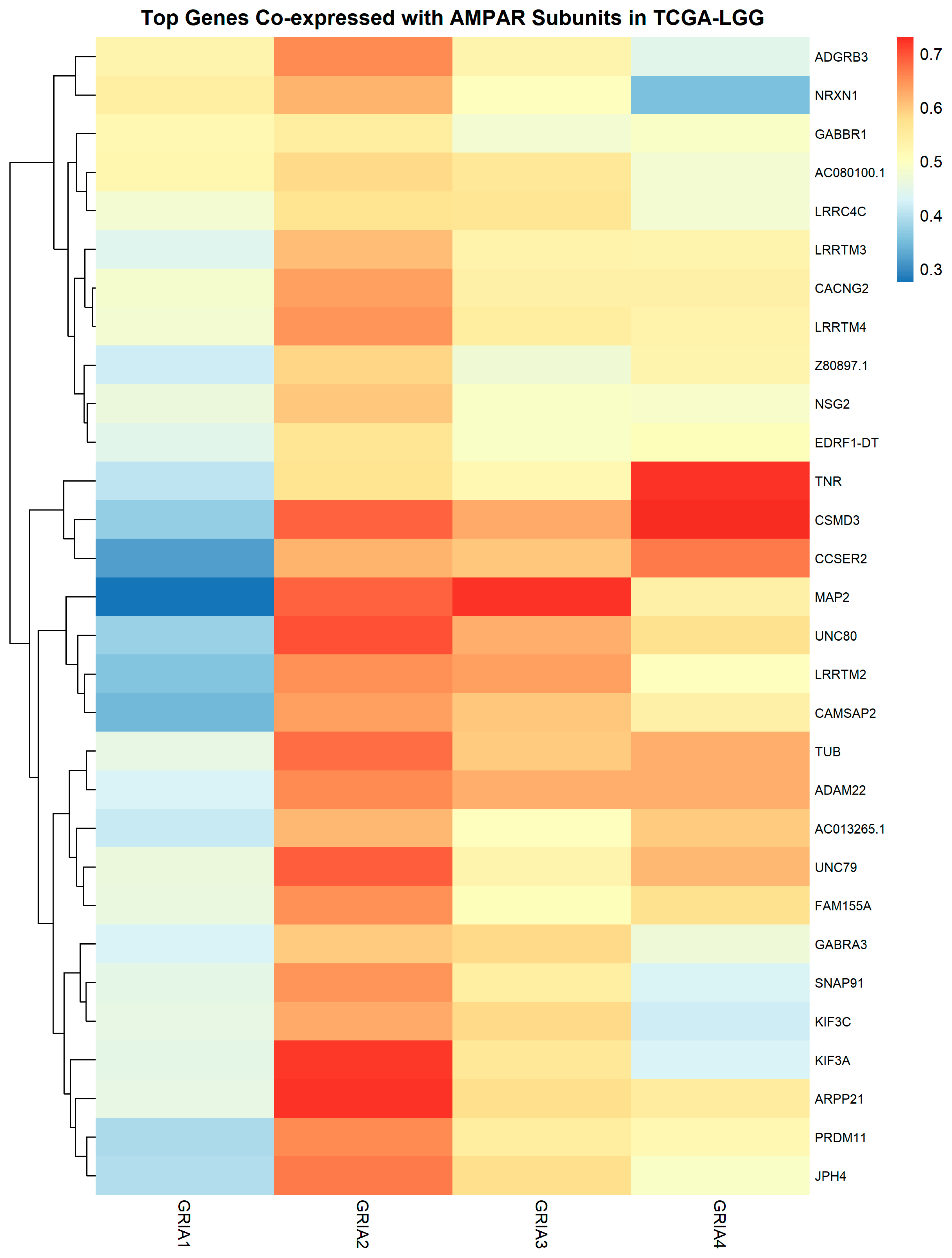
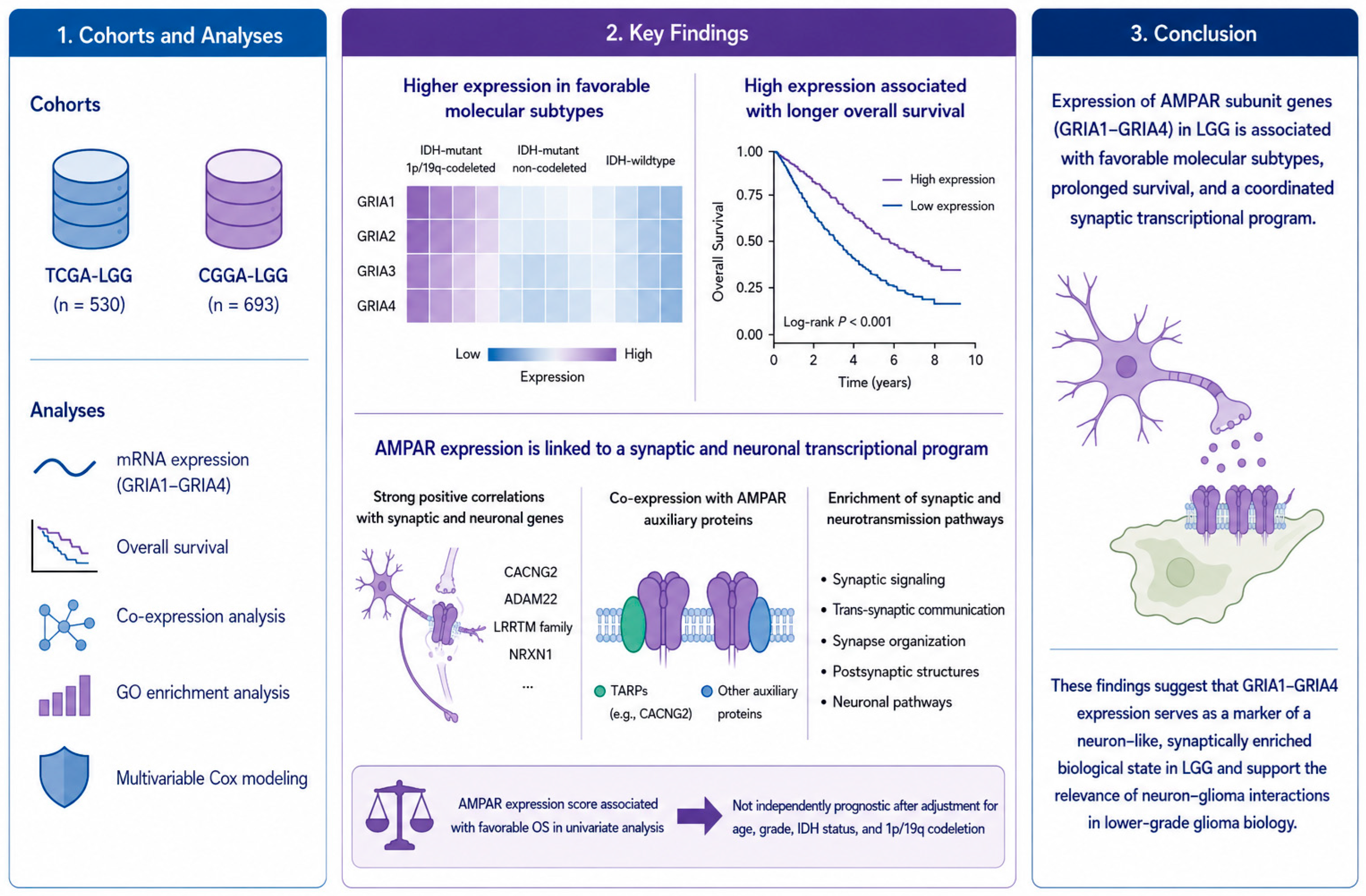
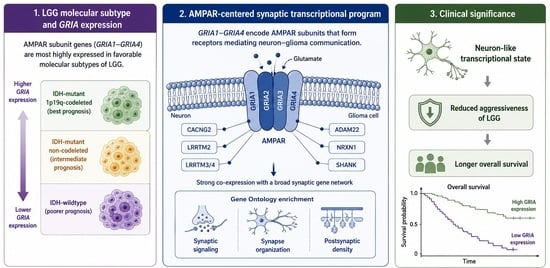
- Expression of the genes that encode AMPA receptor (AMPAR) subunits, GRIA1–GRIA4, is correlated with a broad synaptic gene network in lower-grade glioma (LGG).
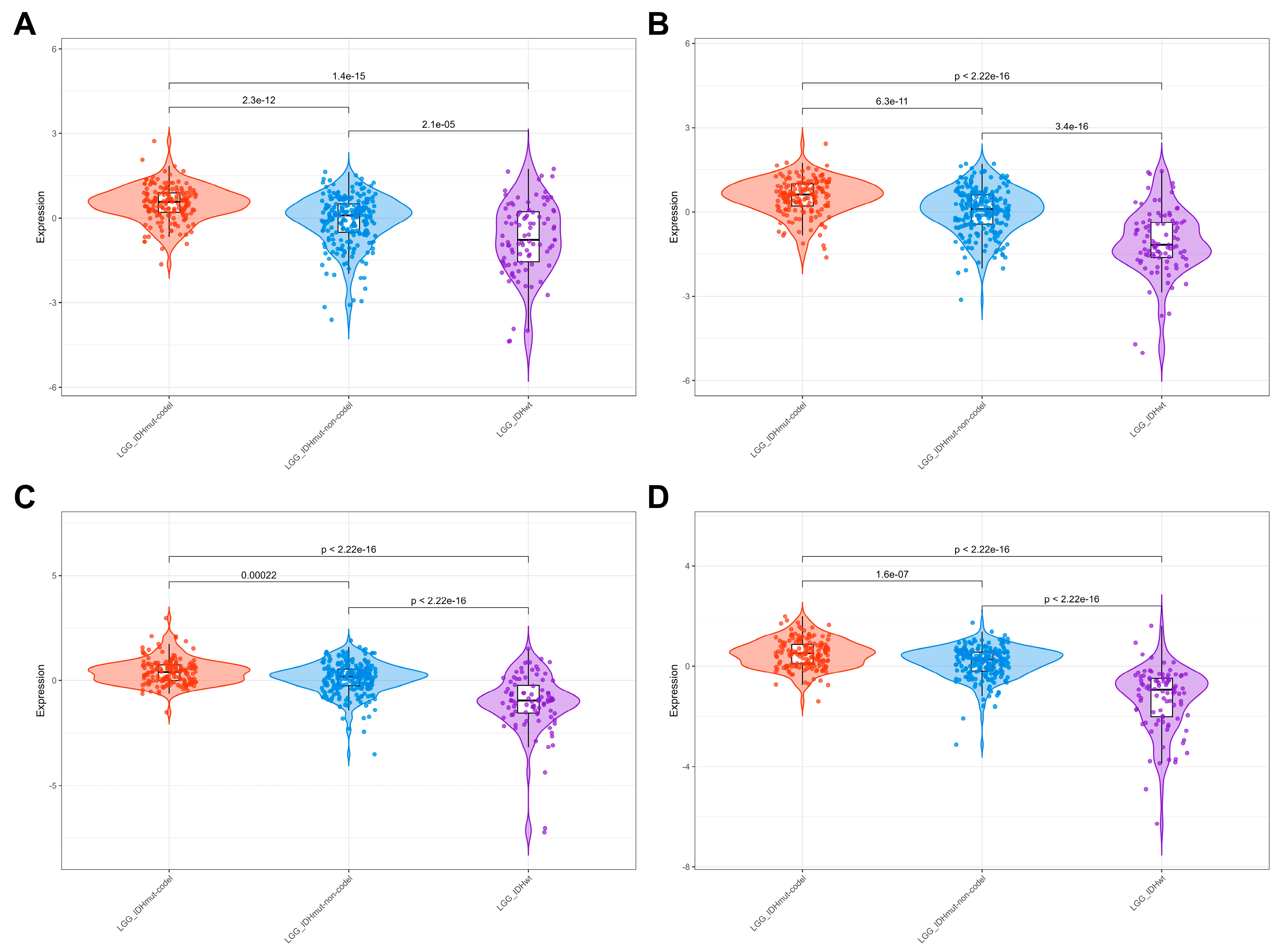
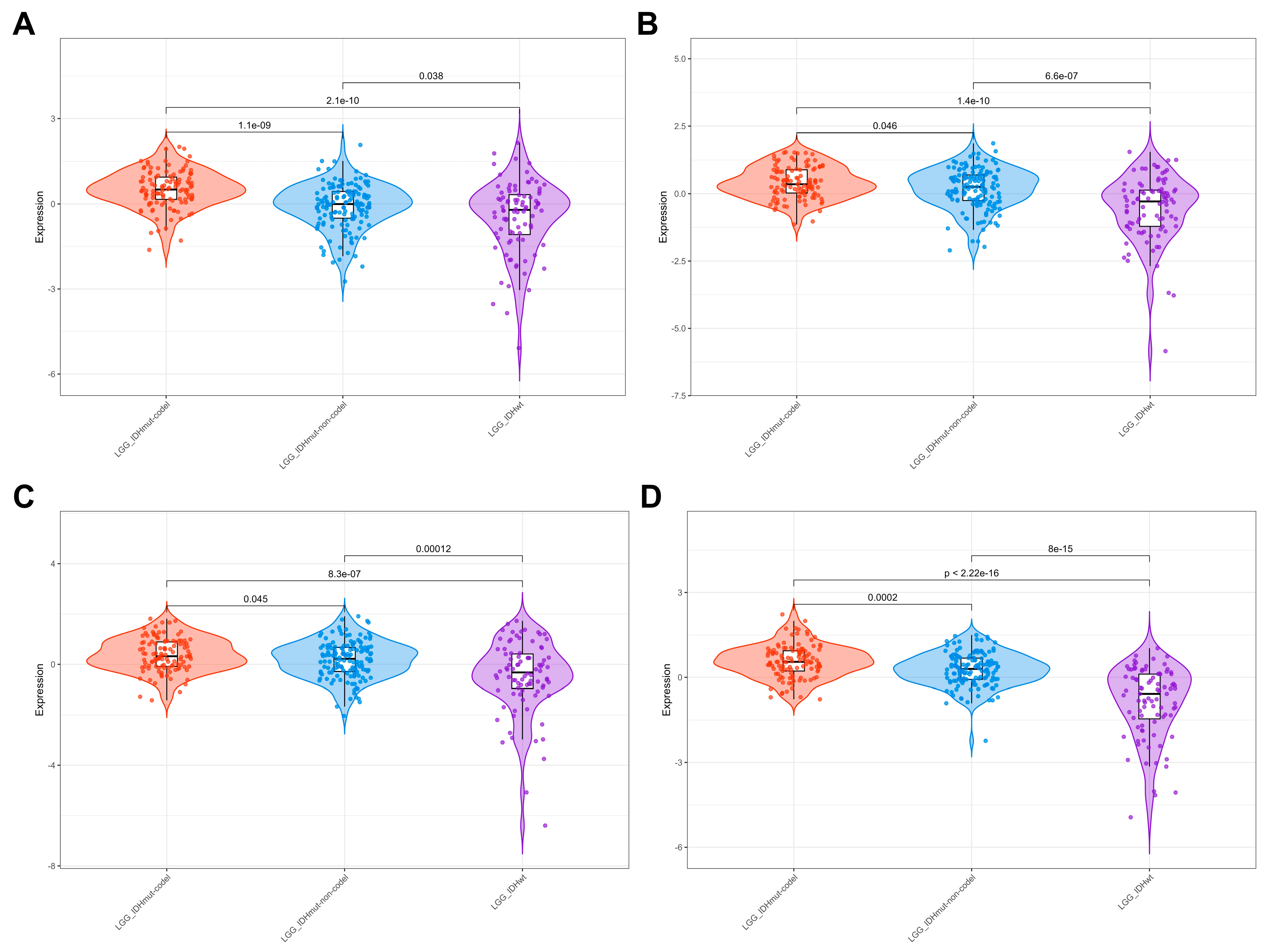
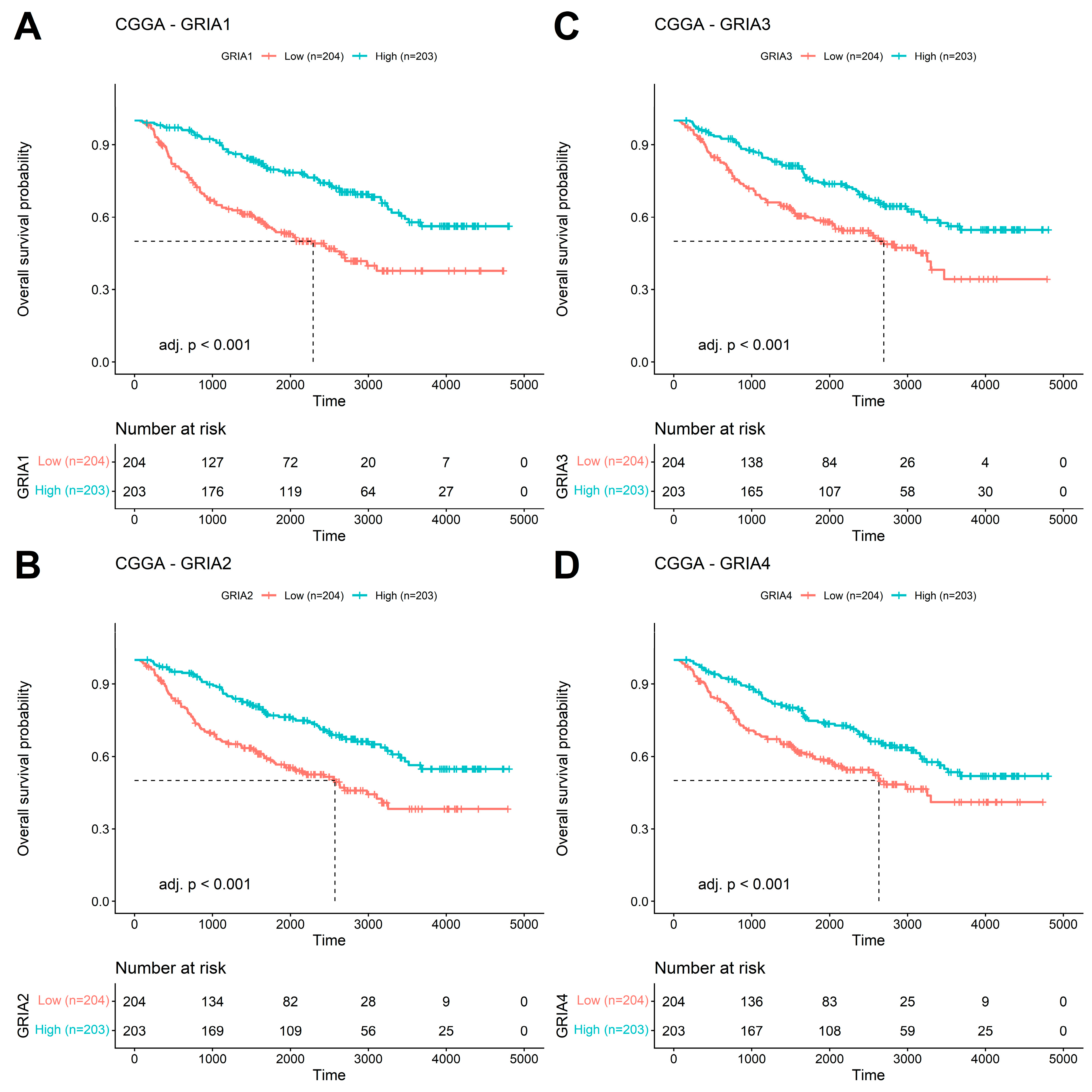
- High GRIA1–GRIA4 expression is associated with favorable clinicomolecular features and longer overall survival (OS) in LGG patients.
- AMPAR subunit gene expression is associated with a neuronal/synaptic transcriptional state in LGG.
- These findings support further investigation of neuron–glioma interactions and synaptic signaling pathways as determinants of glioma biology.
Abstract
1. Introduction
2. Materials and Methods
2.1. Datasets and Gene Expression Analyses
2.2. Gene Expression Correlation and Functional Enrichment Analyses
2.3. Survival Analysis
2.4. Multivariate Cox Analysis
2.5. Statistical Analysis
2.6. Tumor Cellular Composition and Cell-Type Specificity of the GRIA Gene Signature
2.7. Stromal and Immune Infiltration Analysis
2.8. Cell-Type Deconvolution
2.9. Single-Cell RNA-Sequencing Analysis
2.10. Software, Artificial Intelligence, and Code Availability
3. Results
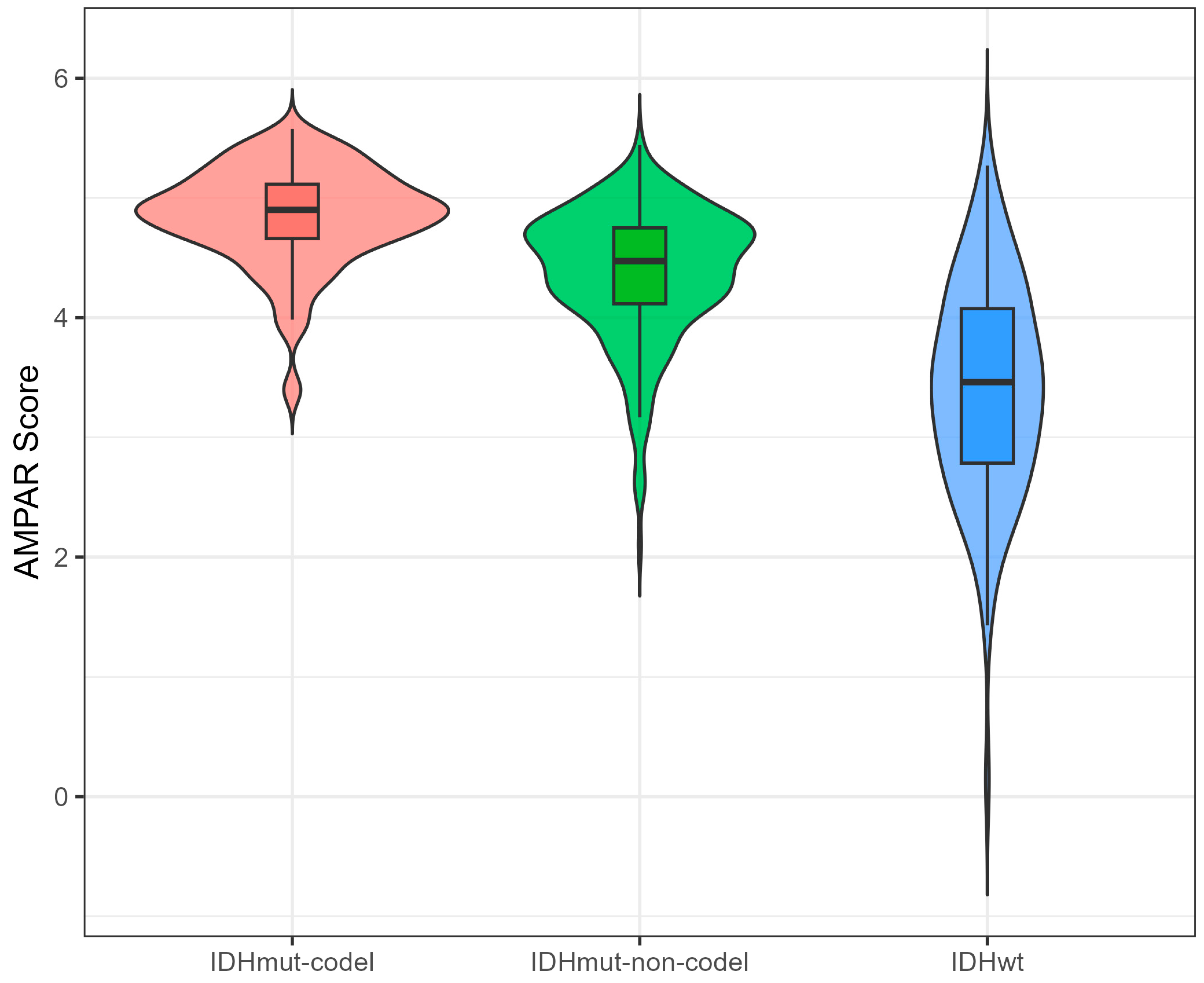
3.1. GRIA1–GRIA4 Expression Across LGG Subtypes
3.2. Transcriptome-Wide Analysis Reveals Strong Associations Between AMPAR Subunits and Other Synaptic Genes
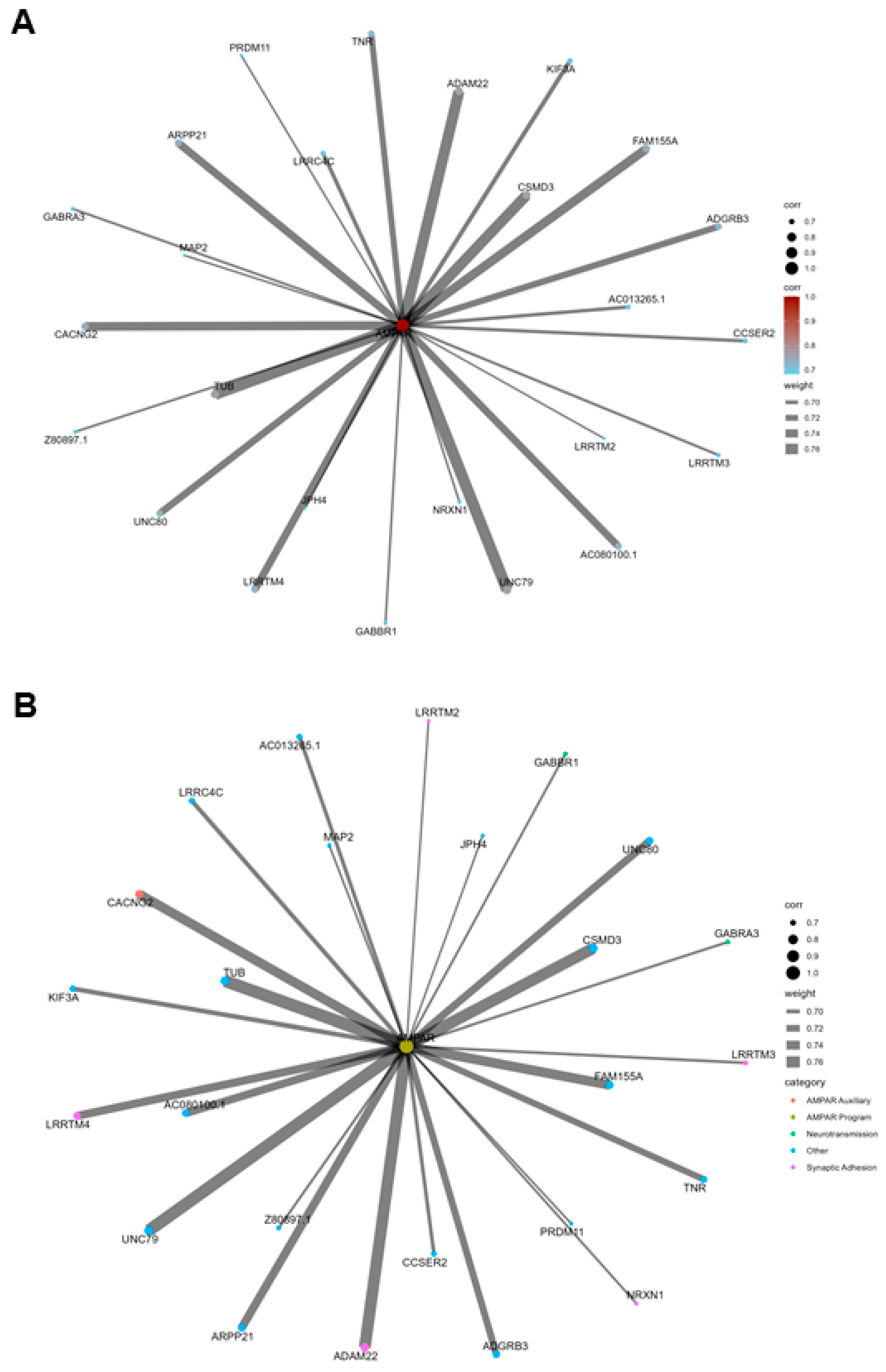
3.3. The AMPAR Subunit Gene-Centered Network Contains an Interconnected Module of Synaptic Genes
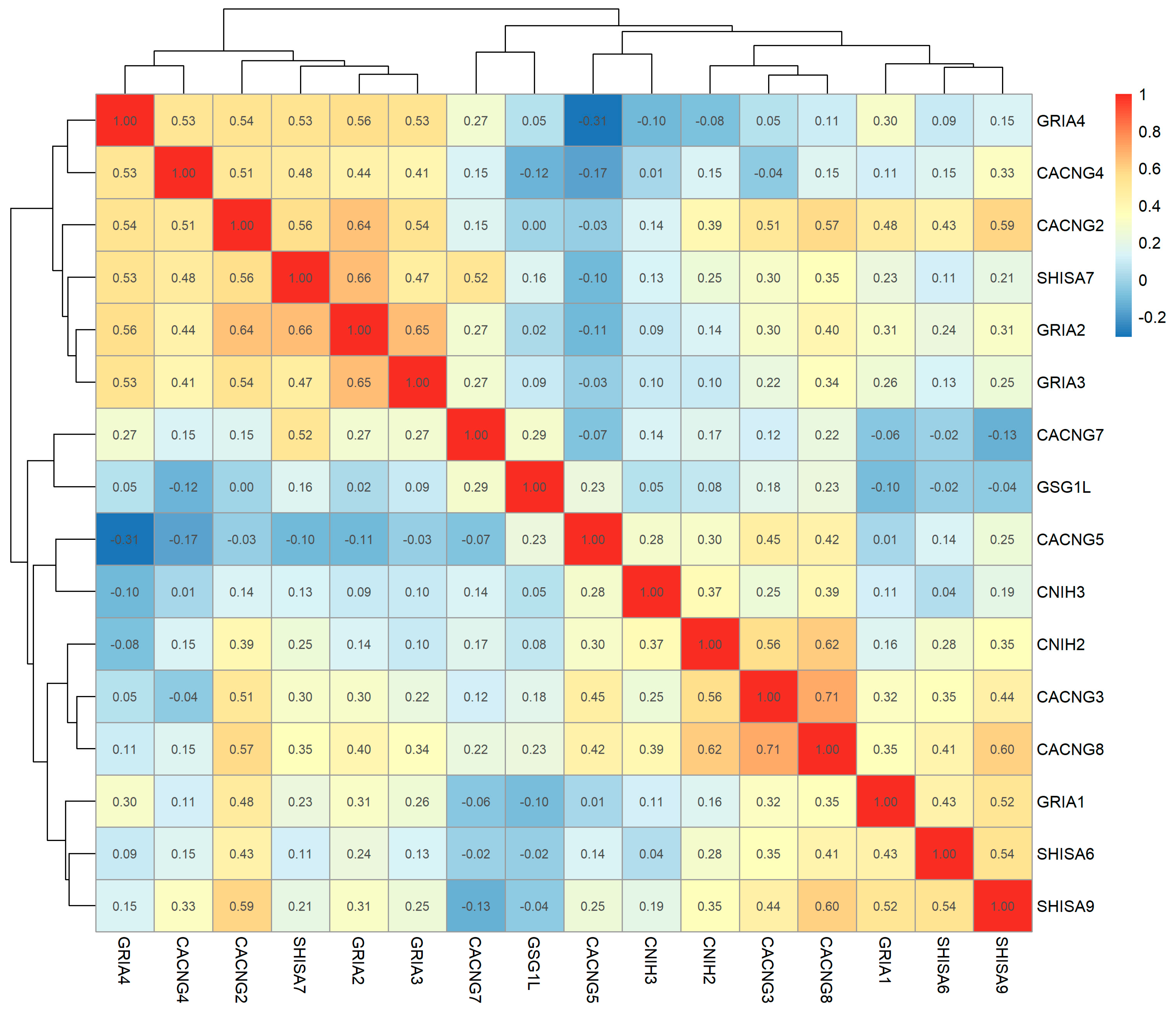
3.4. AMPAR Subunit Genes Show Coordinated Expression with Genes Encoding AMPAR Auxiliary Proteins
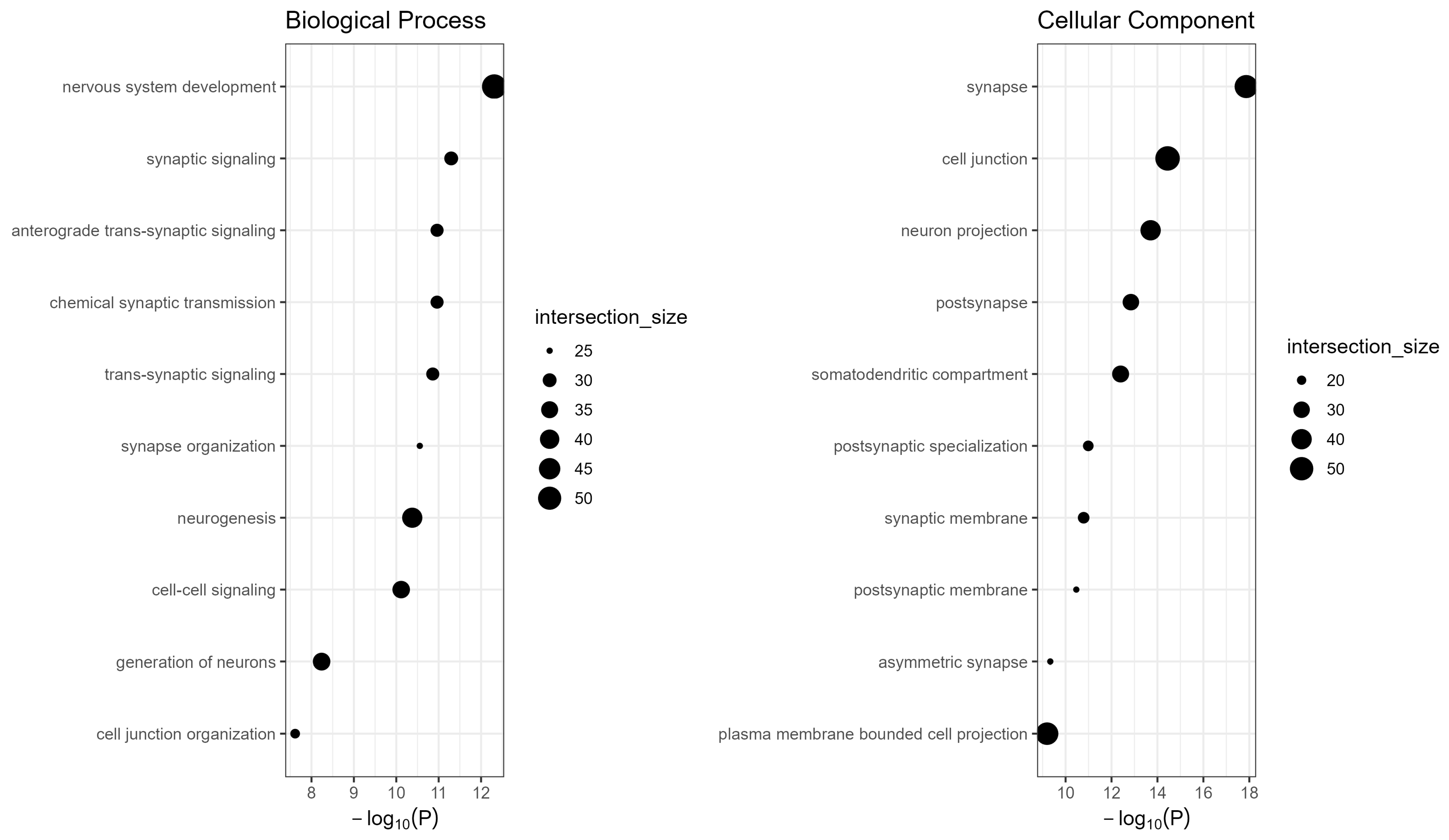
3.5. Functional Enrichment Analysis Shows a Synaptic Program Associated with AMPAR Subunit Gene Expression
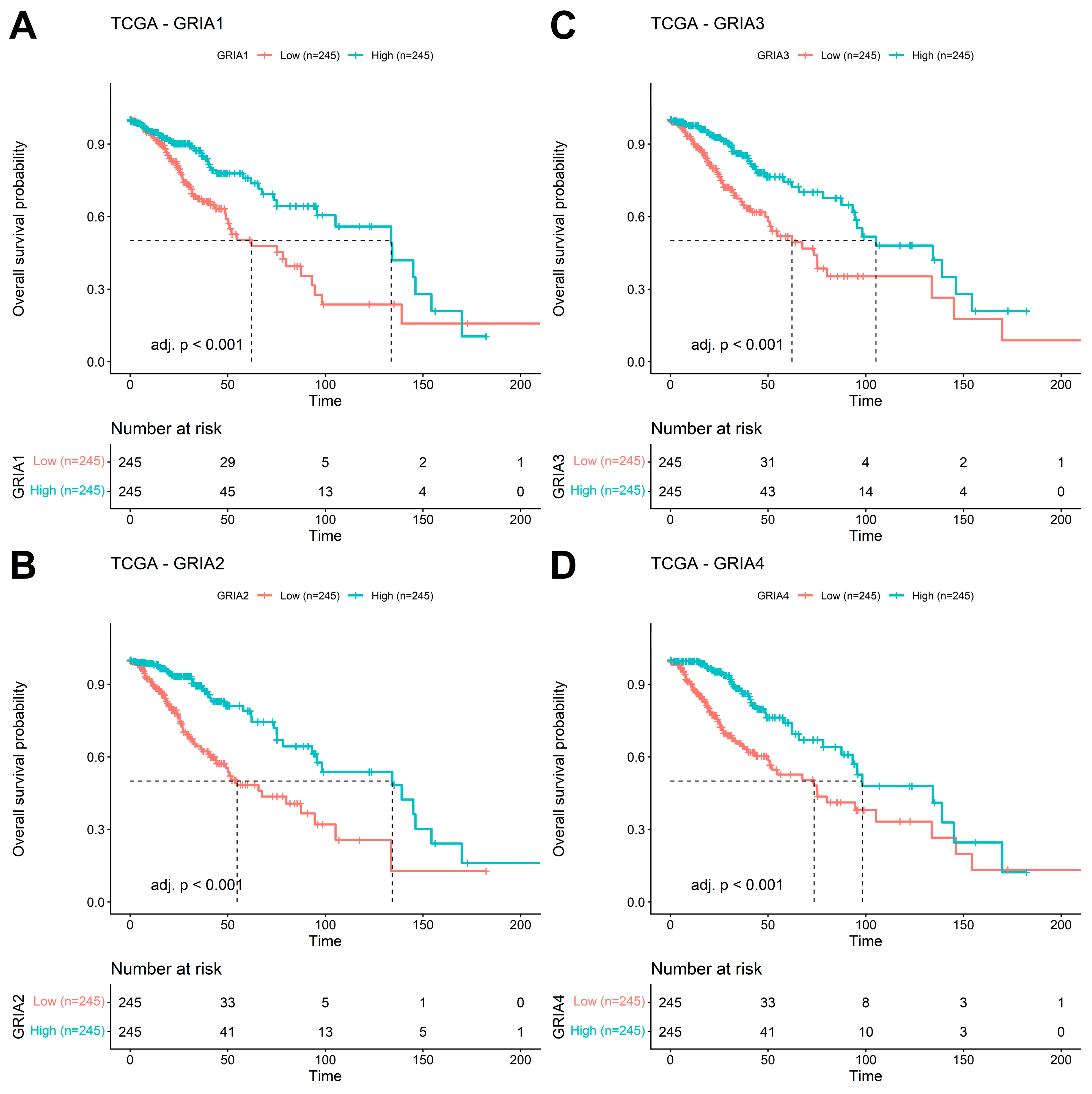
3.6. GRIA1–GRIA4 Expression Associates with Better Survival in Patients with LGG
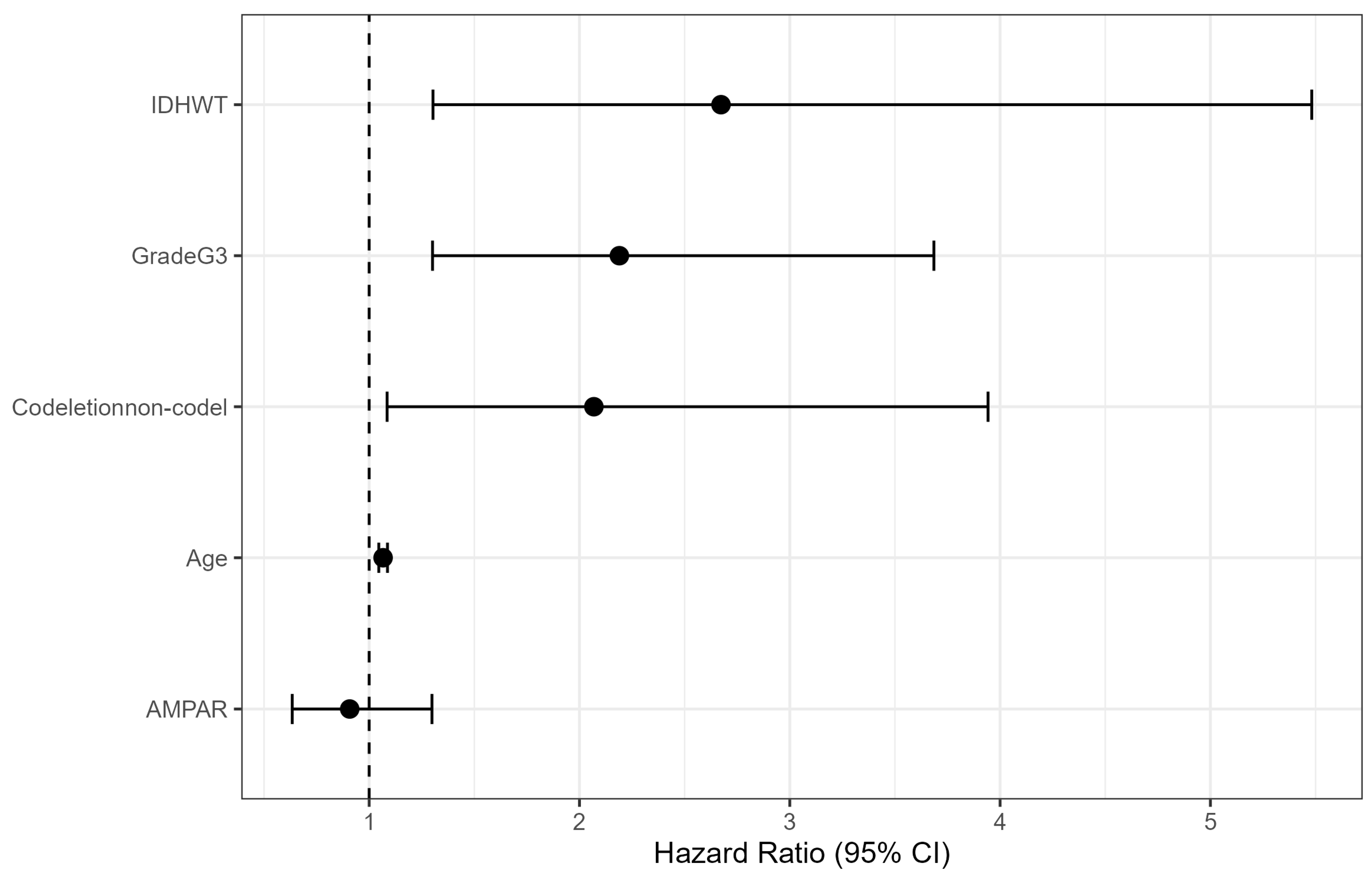
3.7. AMPAR Subunit Gene Expression Associates with More Favorable LGG Biological Types, but Not Independently as Prognostic Factor for Better Outcome
3.8. The GRIA Gene Signature in LGG Is Not Due to Stromal and Immune Infiltration
3.9. GRIA Gene Expression in LGG Correlates with Neuronal Enrichment
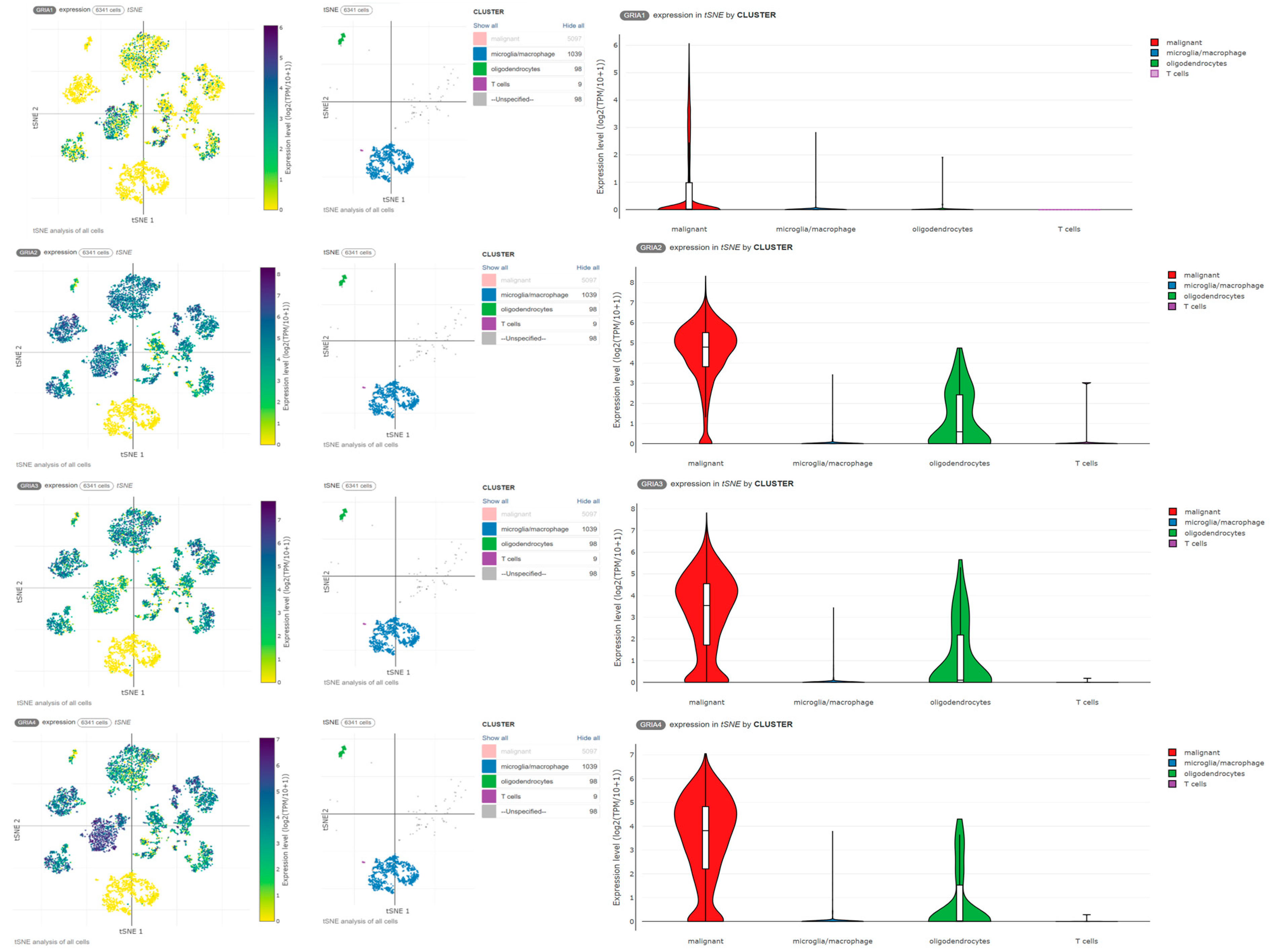
3.10. GRIA Genes Are Highly Expressed in Glioma Malignant Cells Compared to Other Cell Types
4. Discussion
5. Conclusions
Supplementary Materials
Author Contributions
Funding
Institutional Review Board Statement
Informed Consent Statement
Data Availability Statement
Acknowledgments
Conflicts of Interest
Abbreviations
| AMPA | α-amino-3-hydroxy-5-methyl-4-isoxazolepropionic acid |
| AMPAR | α-amino-3-hydroxy-5-methyl-4-isoxazolepropionic acid receptor |
| BH | Benjamini–Hochberg |
| BP | Biological Process |
| CC | Cellular Component |
| CGGA | Chinese Glioma Genome Atlas |
| CNS | False Discovery Rate |
| FDR | Central nervous system |
| GBM | Glioblastoma |
| GO | Gene Ontology |
| HR | Hazard Ratio |
| IDH | Isocitrate dehydrogenase |
| LGG | Lower-grade glioma |
| LTP | Long-term potentiation |
| mut-codel | Mutant with 1p/19q codeletion |
| mut-non-codel | Mutant without 1p/19q codeletion |
| NCBI | National Center for Biotechnology Information |
| OS | Overall survival |
| TCGA | The Cancer Genome Atlas |
| WHO | World Health Organization |
| wt | Wildtype |
References
- Barron, T.; Yalçın, B.; Su, M.; Byun, Y.G.; Gavish, A.; Shamardani, K.; Xu, H.; Ni, L.; Soni, N.; Mehta, V.; et al. GABAergic neuron-to-glioma synapses in diffuse midline gliomas. Nature 2025, 639, 1060–1068. [Google Scholar] [CrossRef] [Scilit]
- Meyer, J.; Yu, K.; Luna-Figueroa, E.; Deneen, B.; Noebels, J. Glioblastoma disrupts cortical network activity at multiple spatial and temporal scales. Nat. Commun. 2024, 15, 4503. [Google Scholar] [CrossRef] [Scilit] [PubMed]
- Monje, M. The neuroscience of brain cancers. Neuron 2025, 113, 2734–2739. [Google Scholar] [CrossRef] [Scilit] [PubMed]
- Taylor, K.R.; Barron, T.; Hui, A.; Spitzer, A.; Yalçin, B.; Ivec, A.E.; Geraghty, A.C.; Hartmann, G.G.; Arzt, M.; Gillespie, S.M.; et al. Glioma synapses recruit mechanisms of adaptive plasticity. Nature 2023, 623, 366–374. [Google Scholar] [CrossRef] [Scilit] [PubMed]
- Venkataramani, V.; Tanev, D.I.; Strahle, C.; Studier-Fischer, A.; Fankhauser, L.; Kessler, T.; Körber, C.; Kardorff, M.; Ratliff, M.; Xie, R.; et al. Glutamatergic synaptic input to glioma cells drives brain tumour progression. Nature 2019, 573, 532–538. [Google Scholar] [CrossRef] [Scilit] [PubMed]
- Venkatesh, H.S.; Morishita, W.; Geraghty, A.C.; Silverbush, D.; Gillespie, S.M.; Arzt, M.; Tam, L.T.; Espenel, C.; Ponnuswami, A.; Ni, L.; et al. Electrical and synaptic integration of glioma into neural circuits. Nature 2019, 573, 539–545. [Google Scholar] [CrossRef] [Scilit] [PubMed]
- Corsi, L.; Mescola, A.; Alessandrini, A. Glutamate receptors and glioblastoma multiforme: An old “route” for new perspectives. Int. J. Mol. Sci. 2019, 20, 1796. [Google Scholar] [CrossRef] [Scilit] [PubMed]
- Cull-Candy, S.G.; Farrant, M. Ca2+-permeable AMPA receptors and their auxiliary subunits in synaptic plasticity and disease. J. Physiol. 2021, 599, 2655–2671. [Google Scholar] [CrossRef] [Scilit] [PubMed]
- Ishiuchi, S.; Tsuzuki, K.; Yoshida, Y.; Yamada, N.; Hagimura, N.; Okado, H.; Miwa, A.; Kurihara, H.; Nakazato, Y.; Tamura, M.; et al. Blockage of Ca(2+)-permeable AMPA receptors suppresses migration and induces apoptosis in human glioblastoma cells. Nat. Med. 2002, 8, 971–978. [Google Scholar] [CrossRef] [Scilit] [PubMed]
- Ishiuchi, S.; Yoshida, Y.; Sugawara, K.; Aihara, M.; Ohtani, T.; Watanabe, T.; Saito, N.; Tsuzuki, K.; Okado, H.; Miwa, A.; et al. Ca2+-permeable AMPA receptors regulate growth of human glioblastoma via Akt activation. J. Neurosci. 2007, 27, 7987–8001. [Google Scholar] [CrossRef] [Scilit] [PubMed]
- Lyons, S.A.; Chung, W.J.; Weaver, A.K.; Ogunrinu, T.; Sontheimer, H. Autocrine glutamate signaling promotes glioma cell invasion. Cancer Res. 2007, 67, 9463–9471. [Google Scholar] [CrossRef] [Scilit] [PubMed]
- Collingridge, G.L.; Olsen, R.W.; Peters, J.; Spedding, M. A nomenclature for ligand-gated ion channels. Neuropharmacology 2009, 56, 2–5. [Google Scholar] [CrossRef] [Scilit] [PubMed]
- Henley, J.M.; Wilkinson, K.A. Synaptic AMPA receptor composition in development, plasticity and disease. Nat. Rev. Neurosci. 2016, 17, 337–350. [Google Scholar] [CrossRef] [Scilit] [PubMed]
- Salpietro, V.; Dixon, C.L.; Guo, H.; Bello, O.D.; Vandrovcova, J.; Efthymiou, S.; Maroofian, R.; Heimer, G.; Burglen, L.; Valence, S.; et al. AMPA receptor GluA2 subunit defects are a cause of neurodevelopmental disorders. Nat. Commun. 2019, 10, 3094. [Google Scholar] [CrossRef] [Scilit] [PubMed]
- Wu, Y.; Arai, A.C.; Rumbaugh, G.; Srivastava, A.K.; Turner, G.; Hayashi, T.; Suzuki, E.; Jiang, Y.; Zhang, L.; Rodriguez, J.; et al. Mutations in ionotropic AMPA receptor 3 alter channel properties and are associated with moderate cognitive impairment in humans. Proc. Natl. Acad. Sci. USA 2007, 104, 18163–18168. [Google Scholar] [CrossRef] [Scilit] [PubMed]
- Lin, B.; Brücher, F.A.; Colgin, L.L.; Lynch, G. Long-term potentiation alters the modulator pharmacology of AMPA-type glutamate receptors. J. Neurophysiol. 2002, 87, 2790–2800. [Google Scholar] [CrossRef] [Scilit] [PubMed]
- Lu, W.; Shi, Y.; Jackson, A.C.; Bjorgan, K.; During, M.J.; Sprengel, R.; Seeburg, P.H.; Nicoll, R.A. Subunit composition of synaptic AMPA receptors revealed by a single-cell genetic approach. Neuron 2009, 62, 254–268. [Google Scholar] [CrossRef] [Scilit] [PubMed]
- Terashima, A.; Suh, Y.H.; Isaac, J.T.R. The AMPA receptor subunit GluA1 is required for CA1 hippocampal long-term potentiation but is not essential for synaptic transmission. Neurochem. Res. 2019, 44, 549–561. [Google Scholar] [CrossRef] [Scilit]
- van der Spek, S.J.F.; Pandya, N.J.; Koopmans, F.; Paliukhovich, I.; van der Schors, R.C.; Otten, M.; Smit, A.B.; Li, K.W. Expression and interaction proteomics of GluA1- and GluA3-subunit-containing AMPARs reveal distinct protein composition. Cells 2022, 11, 3648. [Google Scholar] [CrossRef] [Scilit] [PubMed]
- Lange, F.; Weßlau, K.; Porath, K.; Hörnschemeyer, M.F.; Bergner, C.; Krause, B.J.; Mullins, C.S.; Linnebacher, M.; Köhling, R.; Kirschstein, T. AMPA receptor antagonist perampanel affects glioblastoma cell growth and glutamate release in vitro. PLoS ONE 2019, 14, e0211644. [Google Scholar] [CrossRef] [Scilit] [PubMed]
- Radin, D.P. AMPA receptor modulation in the treatment of high-grade glioma: Translating good science into better outcomes. Pharmaceuticals 2025, 18, 384. [Google Scholar] [CrossRef] [Scilit] [PubMed]
- Tobochnik, S.; Regan, M.S.; Dorotan, M.K.C.; Reich, D.; Lapinskas, E.; Hossain, M.A.; Stopka, S.; Meredith, D.M.; Santagata, S.; Murphy, M.M.; et al. Pilot trial of perampanel on peritumoral hyperexcitability in newly diagnosed high-grade glioma. Clin. Cancer Res. 2024, 30, 5365–5373. [Google Scholar] [CrossRef] [Scilit] [PubMed]
- Iwamoto, F.M.; Kreisl, T.N.; Kim, L.; Duic, J.P.; Butman, J.A.; Albert, P.S.; Fine, H.A. Phase 2 trial of talampanel, a glutamate receptor inhibitor, for adults with recurrent malignant gliomas. Cancer 2010, 116, 1776–1782. [Google Scholar] [CrossRef] [Scilit] [PubMed]
- de Groot, J.F.; Piao, Y.; Lu, L.; Fuller, G.N.; Yung, W.K. Knockdown of GluR1 expression by RNA interference inhibits glioma proliferation. J. Neurooncol. 2008, 88, 121–133. [Google Scholar] [CrossRef] [Scilit] [PubMed]
- Bready, D.; Placantonakis, D.G. Molecular pathogenesis of low-grade glioma. Neurosurg. Clin. N. Am. 2019, 30, 17–25. [Google Scholar] [CrossRef] [Scilit] [PubMed]
- Chang, S.M.; Cahill, D.P.; Aldape, K.D.; Mehta, M.P. Treatment of adult lower-grade glioma in the era of genomic medicine. In American Society of Clinical Oncology Educational Book; ASCO Publications: Alexandria, VA, USA, 2016; Volume 35, pp. 75–81. [Google Scholar] [CrossRef] [PubMed]
- Kihlstedt, C.J.; Dénes, A.; Mansouri, A.; Mikolajewicz, N.; Skoglund, T.; Köster, L.; Corell, A.; Carén, H.; Ferreyra Vega, S.; Olsson Bontell, T.; et al. Proteomics in IDH-mutated diffuse lower-grade glioma: A scoping review. Neurooncol. Adv. 2025, 8, vdaf258. [Google Scholar] [CrossRef] [Scilit]
- Cancer Genome Atlas Research Network; Brat, D.J.; Verhaak, R.G.; Aldape, K.D.; Yung, W.K.; Salama, S.R.; Cooper, L.A.; Rheinbay, E.; Miller, C.R.; Vitucci, M.; et al. Comprehensive, integrative genomic analysis of diffuse lower-grade gliomas. N. Engl. J. Med. 2015, 372, 2481–2498. [Google Scholar] [CrossRef] [Scilit] [PubMed]
- Zhao, Z.; Zhang, K.N.; Wang, Q.; Li, G.; Zeng, F.; Zhang, Y.; Wu, F.; Chai, R.; Wang, Z.; Zhang, C.; et al. Chinese Glioma Genome Atlas (CGGA): A comprehensive resource with functional genomic data from Chinese glioma patients. Genom. Proteom. Bioinform. 2021, 19, 1–12. [Google Scholar] [CrossRef] [Scilit] [PubMed]
- Gue, R.; Lakhani, D.A. The 2021 World Health Organization Central Nervous System Tumor Classification: The spectrum of diffuse gliomas. Biomedicines 2024, 12, 1349. [Google Scholar] [CrossRef] [Scilit] [PubMed]
- Louis, D.N.; Perry, A.; Wesseling, P.; Brat, D.J.; Cree, I.A.; Figarella-Branger, D.; Hawkins, C.; Ng, H.K.; Pfister, S.M.; Reifenberger, G.; et al. The 2021 WHO Classification of Tumors of the Central Nervous System: A summary. Neuro-Oncology 2021, 23, 1231–1251. [Google Scholar] [CrossRef] [Scilit] [PubMed]
- Shelley, C.; Farrant, M.; Cull-Candy, S.G. TARP-associated AMPA receptors display an increased maximum channel conductance and multiple kinetically distinct open states. J. Physiol. 2012, 590, 5723–5738. [Google Scholar] [CrossRef] [Scilit] [PubMed]
- Pinheiro, K.V.; Alves, C.; Buendia, M.; Gil, M.S.; Thomaz, A.; Schwartsmann, G.; de Farias, C.B.; Roesler, R. Targeting tyrosine receptor kinase B in gliomas. Neuro-Oncology 2017, 19, 138–139. [Google Scholar] [CrossRef] [Scilit] [PubMed]
- Pinheiro, K.V.; Thomaz, A.; Souza, B.K.; Metcalfe, V.A.; Freire, N.H.; Brunetto, A.T.; de Farias, C.B.; Jaeger, M.; Bambini, V.; Smith, C.G.S.; et al. Expression and pharmacological inhibition of TrkB and EGFR in glioblastoma. Mol. Biol. Rep. 2020, 47, 6817–6828. [Google Scholar] [CrossRef] [Scilit] [PubMed]
- Hu, G.; Wang, R.; Wei, B.; Wang, L.; Yang, Q.; Kong, D.; Du, C. Prognostic markers identification in glioma by gene expression profile analysis. J. Comput. Biol. 2020, 27, 81–90. [Google Scholar] [CrossRef] [Scilit] [PubMed]
- Lange, F.; Gade, R.; Einsle, A.; Porath, K.; Reichart, G.; Maletzki, C.; Schneider, B.; Henker, C.; Dubinski, D.; Linnebacher, M.; et al. A glutamatergic biomarker panel enables differentiating Grade 4 gliomas/astrocytomas from brain metastases. Front. Oncol. 2024, 14, 1335401. [Google Scholar] [CrossRef] [Scilit] [PubMed]
- Liu, K.H.; Yang, S.T.; Lin, Y.K.; Lin, J.W.; Lee, Y.H.; Wang, J.Y.; Hu, C.J.; Lin, E.Y.; Chen, S.M.; Then, C.K.; et al. Fluoxetine, an antidepressant, suppresses glioblastoma by evoking AMPAR-mediated calcium-dependent apoptosis. Oncotarget 2015, 6, 5088–5101. [Google Scholar] [CrossRef] [Scilit] [PubMed]
- Radin, D.P.; Purcell, R.; Lippa, A.S. Oncolytic properties of ampakines in vitro. Anticancer Res. 2018, 38, 265–269. [Google Scholar] [CrossRef] [Scilit] [PubMed]
- Gaia, F.; Dal-Pizzol, H.R.; Malafaia, O.; Roesler, R.; Isolan, G.R. DLG2-DLG4 expression is associated with improved survival and a synaptic gene signature in lower-grade glioma. Cancers 2026, 18, 1646. [Google Scholar] [CrossRef] [Scilit] [PubMed]
- Yi, Y.; Che, W.; Xu, P.; Mao, C.; Li, Z.; Wang, Q.; Lyu, J.; Wang, X. Conversion of glioma cells into neuron-like cells by small molecules. iScience 2024, 27, 111091. [Google Scholar] [CrossRef] [Scilit] [PubMed]
- Greenbaum, D.; Jansen, R.; Gerstein, M. Analysis of mRNA expression and protein abundance data: An approach for the comparison of the enrichment of features in the cellular population of proteins and transcripts. Bioinformatics 2002, 18, 585–596. [Google Scholar] [CrossRef] [Scilit] [PubMed]
- Pevsner, J. Bioinformatics and Functional Genomics, 3rd ed.; Wiley-Blackwell: Chichester, UK, 2015. [Google Scholar]
- Waters, K.M.; Pounds, J.G.; Thrall, B.D. Data merging for integrated microarray and proteomic analysis. Brief. Funct. Genom. 2006, 5, 261–272. [Google Scholar] [CrossRef] [Scilit] [PubMed]



| Gene | Chromosome | Cytogenetic Band | NCBI Gene ID |
|---|---|---|---|
| GRIA1 | 5 | 5q33.2 | 2890 |
| GRIA2 | 4 | 4q32.1 | 2891 |
| GRIA3 | X | Xq25 | 2892 |
| GRIA4 | 11 | 11q22.3 | 2893 |
| Biological Process | |
| Term | p-Value |
| Synaptic signaling | 5.1 × 10⁻¹² |
| Anterograde trans-synaptic signaling | 1.1 × 10⁻¹¹ |
| Chemical synaptic transmission | 1.1 × 10⁻¹¹ |
| Trans-synaptic signaling | 1.4 × 10⁻¹¹ |
| Synapse organization | 2.8 × 10⁻¹¹ |
| Cellular Component | |
| Term | p-Value |
| Synapse | 1.4 × 10⁻¹⁸ |
| Postsynapse | 1.4 × 10⁻¹³ |
| Synaptic membrane | 1.6 × 10⁻¹¹ |
| Postsynaptic membrane | 3.4 × 10⁻¹¹ |
| Postsynaptic density | 2.3 × 10⁻⁹ |
| Gene | Neuron r | Adjusted p-Value |
|---|---|---|
| GRIA1 | 0.443 | 1.27 × 10⁻²⁵ |
| GRIA2 | 0.591 | 3.22 × 10−49 |
| GRIA3 | 0.479 | 3.18 × 10⁻³⁰ |
| GRIA4 | 0.383 | 5.60 × 10⁻¹⁹ |
Disclaimer/Publisher’s Note: The statements, opinions and data contained in all publications are solely those of the individual author(s) and contributor(s) and not of MDPI and/or the editor(s). MDPI and/or the editor(s) disclaim responsibility for any injury to people or property resulting from any ideas, methods, instructions or products referred to in the content. |
© 2026 by the authors. Licensee MDPI, Basel, Switzerland. This article is an open access article distributed under the terms and conditions of the Creative Commons Attribution (CC BY) license.
Share and Cite
Rodrigues, B.; Dalmolin, M.; Dal-Pizzol, H.R.; Malafaia, O.; Fernandes, M.A.C.; Coelho, K.M.d.P.A.; Roesler, R.; Isolan, G.R. AMPAR Subunit Gene Expression Marks a Synaptic Transcriptional State in Lower-Grade Glioma. Brain Sci. 2026, 16, 773. https://doi.org/10.3390/brainsci16080773
Rodrigues B, Dalmolin M, Dal-Pizzol HR, Malafaia O, Fernandes MAC, Coelho KMdPA, Roesler R, Isolan GR. AMPAR Subunit Gene Expression Marks a Synaptic Transcriptional State in Lower-Grade Glioma. Brain Sciences. 2026; 16(8):773. https://doi.org/10.3390/brainsci16080773
Chicago/Turabian StyleRodrigues, Bruno, Matheus Dalmolin, Henrique Ritter Dal-Pizzol, Osvaldo Malafaia, Marcelo A. C. Fernandes, Karina Munhoz de Paula Alves Coelho, Rafael Roesler, and Gustavo R. Isolan. 2026. "AMPAR Subunit Gene Expression Marks a Synaptic Transcriptional State in Lower-Grade Glioma" Brain Sciences 16, no. 8: 773. https://doi.org/10.3390/brainsci16080773
APA StyleRodrigues, B., Dalmolin, M., Dal-Pizzol, H. R., Malafaia, O., Fernandes, M. A. C., Coelho, K. M. d. P. A., Roesler, R., & Isolan, G. R. (2026). AMPAR Subunit Gene Expression Marks a Synaptic Transcriptional State in Lower-Grade Glioma. Brain Sciences, 16(8), 773. https://doi.org/10.3390/brainsci16080773