Article

Effects of Extremely Low-Frequency Electromagnetic Field Treatment on ASD Symptoms in Children: A Pilot Study


1
Leaps and Bounds Exceptional Services ABA (Applied Behaviour Analysis) Program, Leaps and Bounds Clinic, 13045 Jane Street, King City, ON L7B 1A3, Canada
2
APSP (Public Agency for Personal Health Services) “Santa Maria”, 38023 Cles, Italy
3
Departement of Morphology, Surgery and Sperimental Medicine, University of Ferrara, 44121 Ferrara, Italy
*
Authors to whom correspondence should be addressed.
Brain Sci. 2024, 14(12), 1293; https://doi.org/10.3390/brainsci14121293

Submission received: 28 November 2024 / Revised: 15 December 2024 / Accepted: 17 December 2024 / Published: 22 December 2024

Abstract

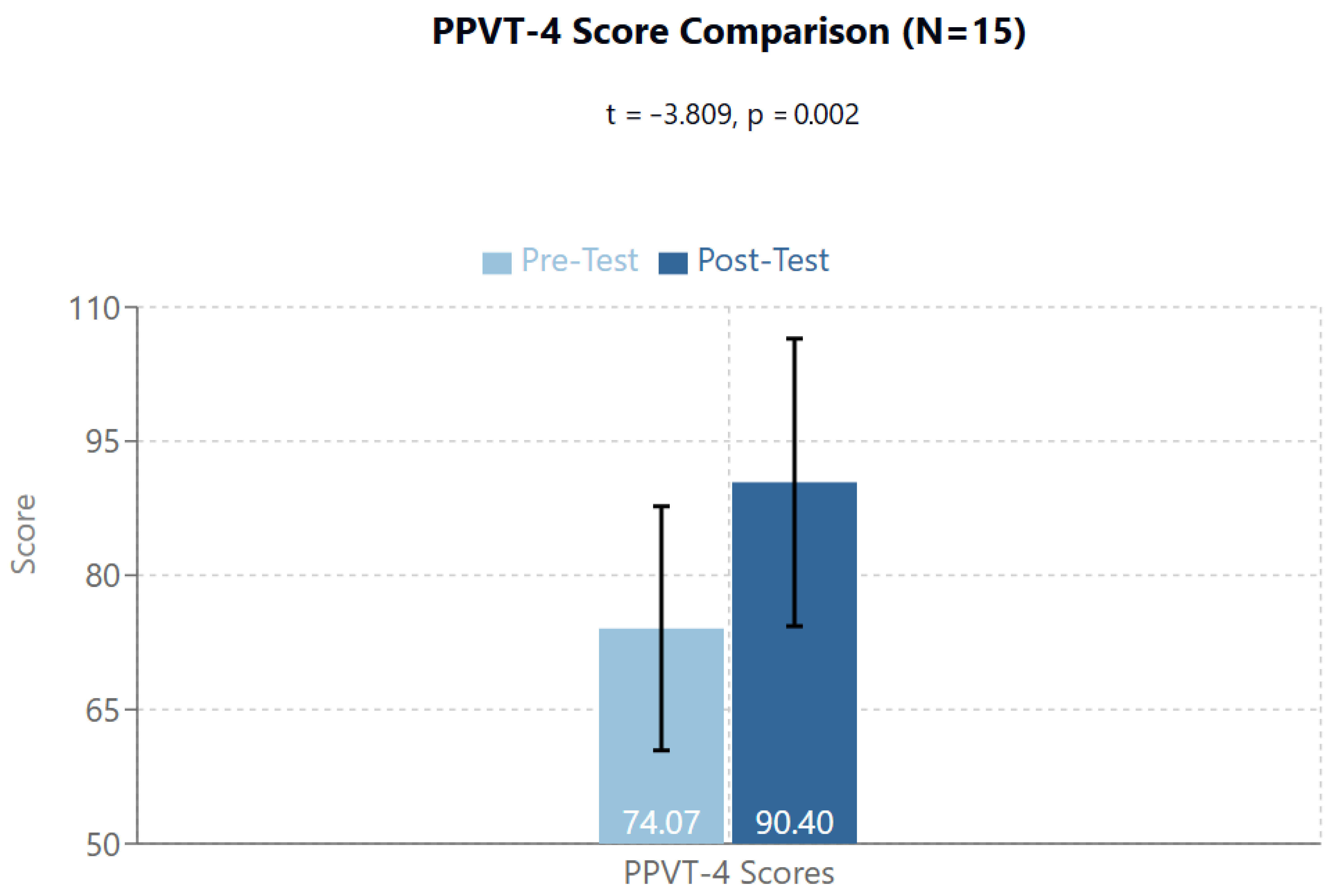
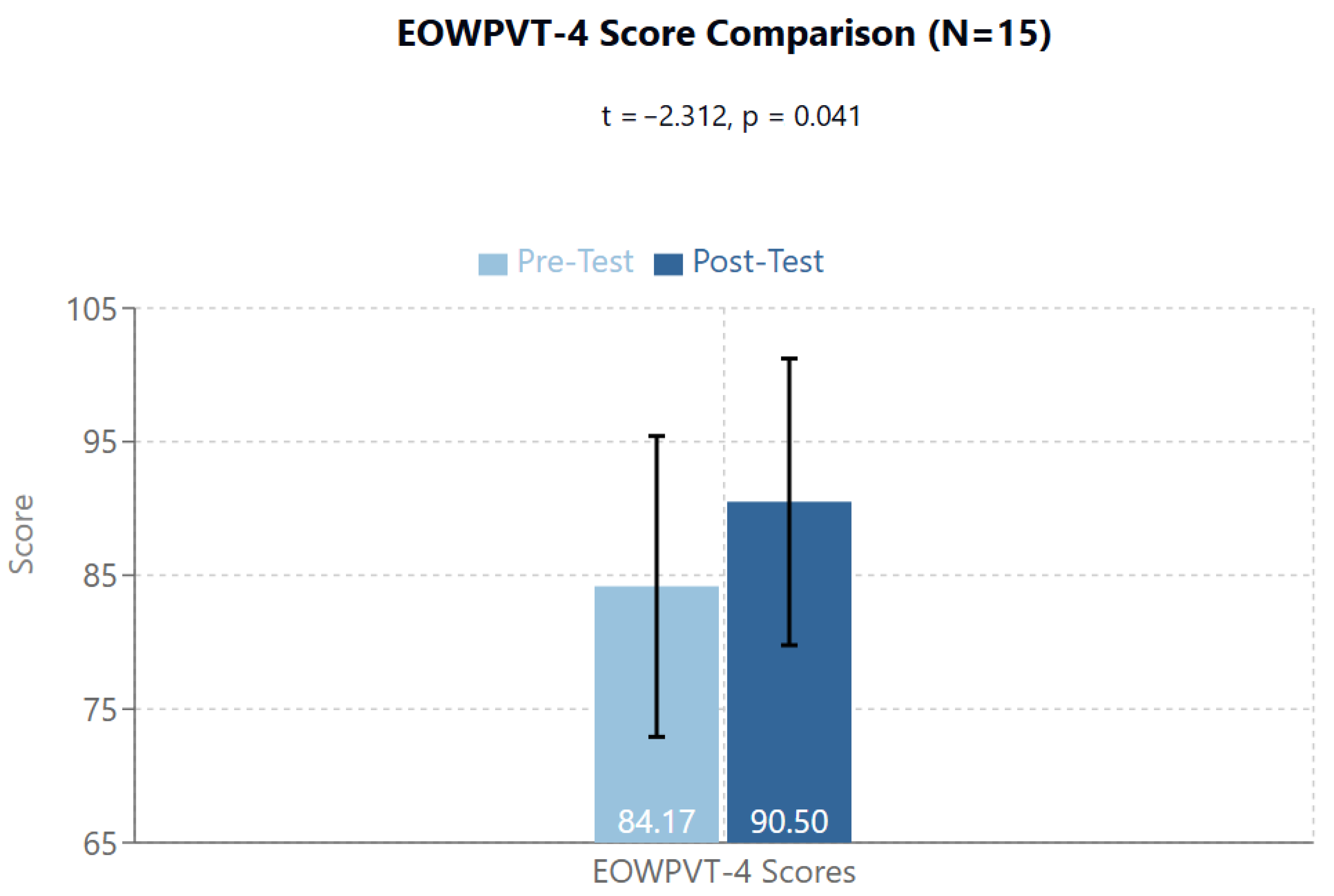
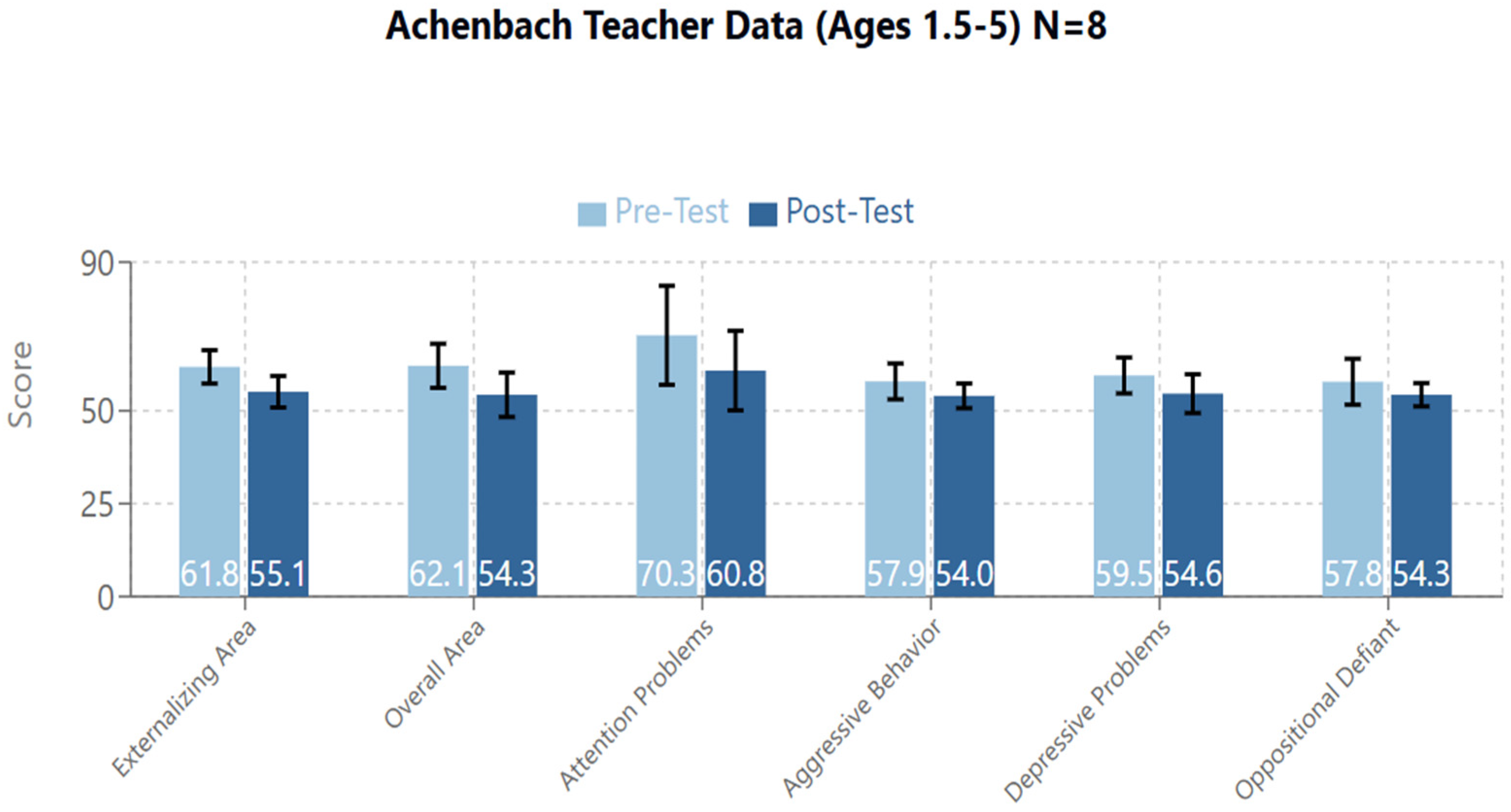
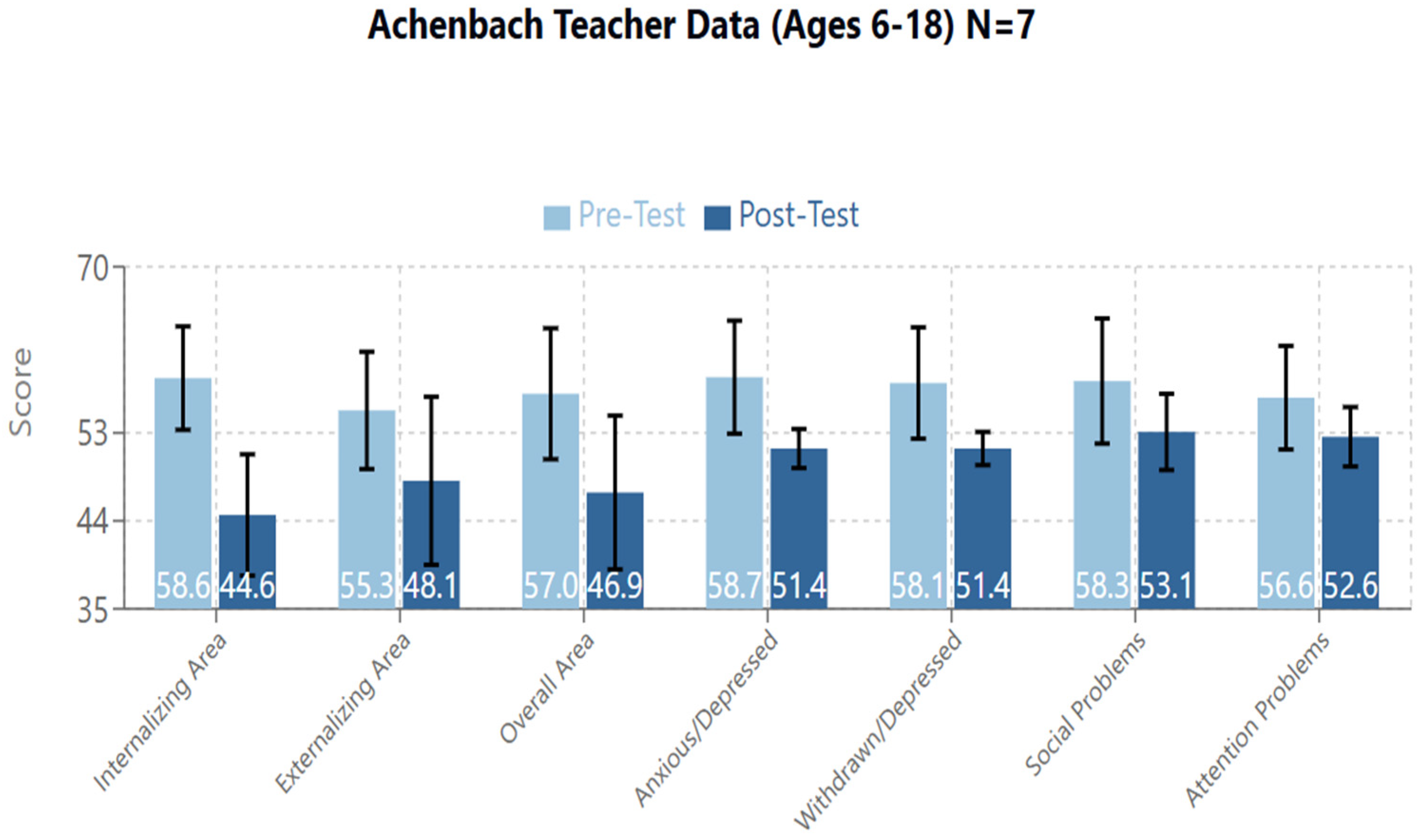
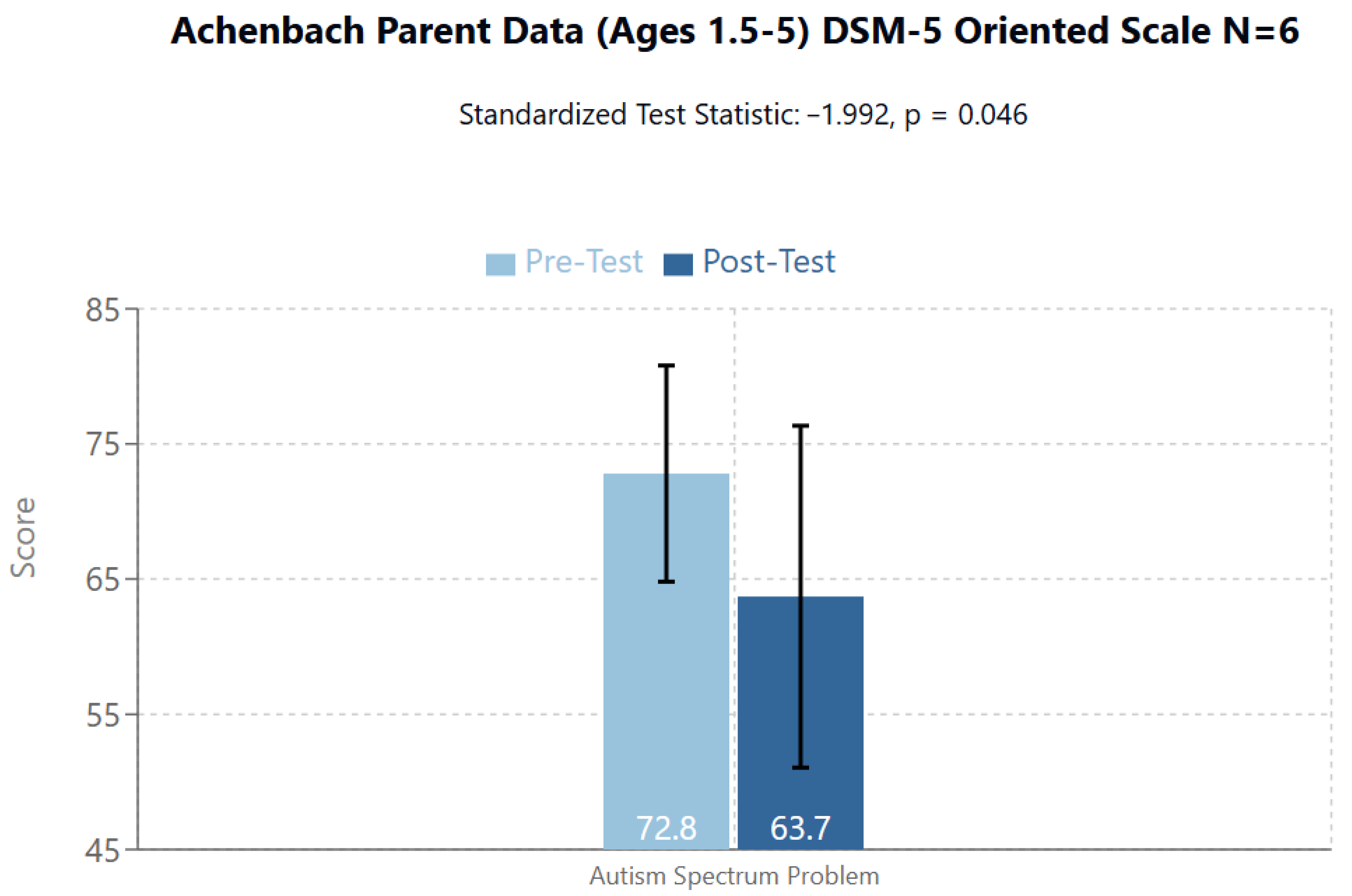
Background/Objectives: Autism Spectrum Disorder (ASD) are neurodevelopmental disorders marked by challenges in social interaction, communication, and repetitive behaviors. People with ASD may exhibit repetitive behaviors, unique ways of learning, and different ways of interacting with the world. The term “spectrum” reflects the wide variability in how ASD manifests in individuals, including differences in abilities, symptoms, and support needs, and conditions characterized by difficulties in social interactions, communication, restricted interests, and repetitive behaviors. Inflammation plays a crucial role in the pathophysiology, with increased pro-inflammatory cytokines in cerebrospinal fluid. Previous studies with transcranial magnetic stimulation have shown promising results, suggesting nervous system susceptibility to electromagnetic fields, with evidence indicating that extremely low-frequency electromagnetic field (ELF-EMF) treatment may modulate inflammatory responses through multiple pathways, including the reduction of pro-inflammatory cytokines like IL-6 and TNF-α, and the enhancement of anti-inflammatory mediators. Methods: This pilot study included 20 children (ages 2–13) with a confirmed diagnosis of ASD. A 15-week protocol involved ELF-EMF treatments using the SEQEX device, with specific day and night programs. Assessment was conducted through standardized pre- and post-treatment tests: Achenbach Child Behavior Checklist, Peabody Picture Vocabulary Test-4, Expressive One Word Picture Vocabulary Test-4, and Conner’s 3GI. Results: Statistically significant improvements were observed in receptive language (PPVT-4: from 74.07 to 90.40, p = 0.002) and expressive language (EOWPVT-4: from 84.17 to 90.50, p = 0.041). Notable reductions, with statistical significance, were found in externalizing problems across both age groups (1.5–5 years: p = 0.028; 6–18 years: p = 0.027), with particular improvement in attention and behavioral problems. The results were observed over a short period of 15 weeks, therefore excluding the possibility of coincidental age-related gains, that would typically occur during a normal developmental timeframe. Parent evaluations showed significant reduction in ASD symptoms, particularly in the 1.5–5 years group (p = 0.046). Conclusions: ELF-EMF treatment demonstrated a high safety profile and efficacy in mitigating ASD-related symptoms. The observed improvements suggest both direct effects on central and autonomic nervous systems and indirect effects through inflammatory response modulation. Further studies are needed to confirm these promising results through broader demographics and randomized control designs.
Keywords: autism; ELF-EMF treatment; applied behavior analysis autism; ELF-EMF treatment; applied behavior analysis