Article

Electroacupuncture at Fengchi(GB20) and Yanglingquan(GB34) Ameliorates Paralgesia through Microglia-Mediated Neuroinflammation in a Rat Model of Migraine


1
College of Traditional Chinese Medicine, Chongqing Medical University, Chongqing 400016, China
2
Chongqing Key Laboratory of Traditional Chinese Medicine for Prevention and Cure of Metabolic Diseases, Chongqing 400016, China
*
Author to whom correspondence should be addressed.
Brain Sci. 2023, 13(4), 541; https://doi.org/10.3390/brainsci13040541

Submission received: 21 February 2023 / Revised: 17 March 2023 / Accepted: 22 March 2023 / Published: 24 March 2023
(This article belongs to the Section Sensory and Motor Neuroscience)

Abstract

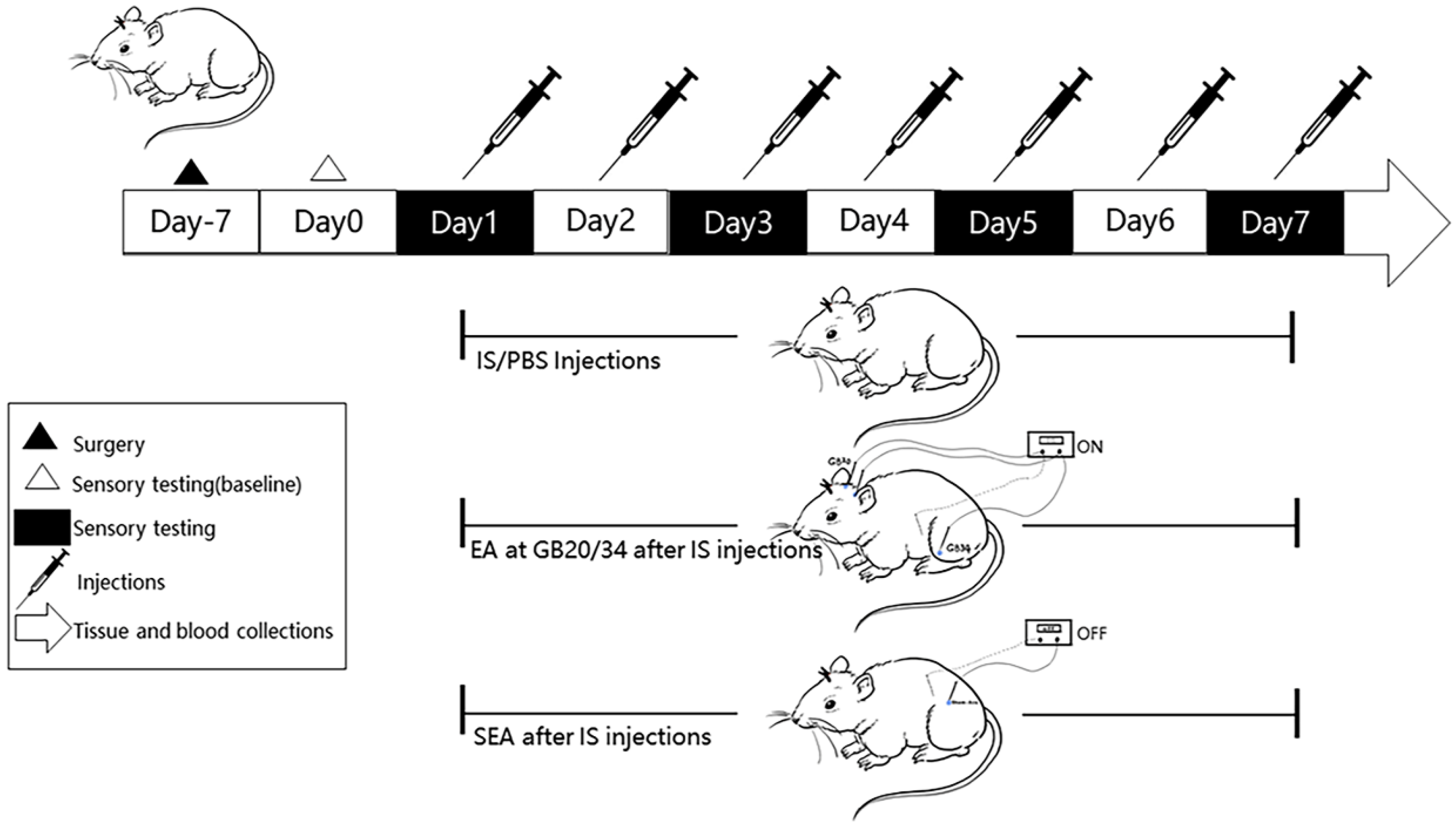
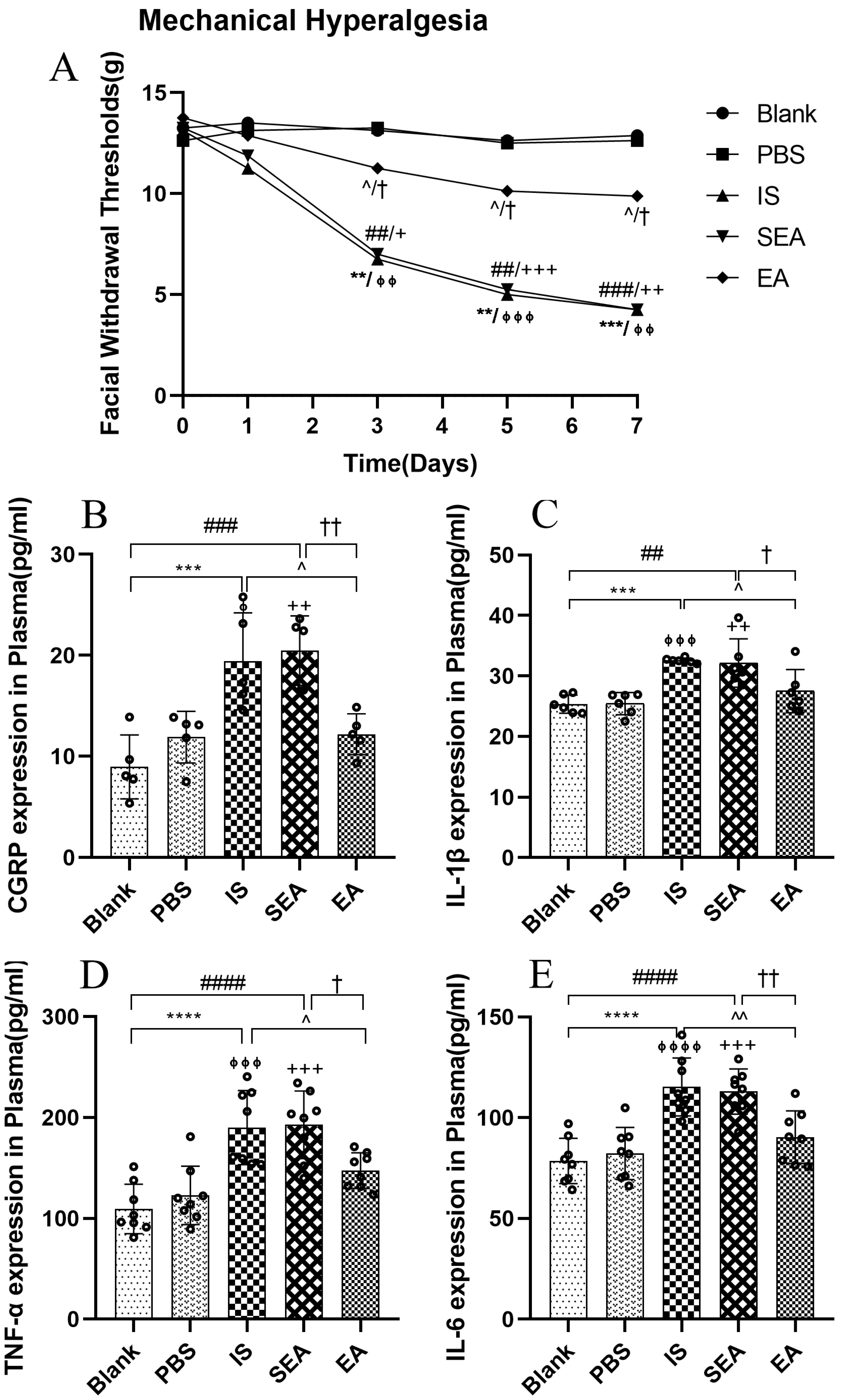
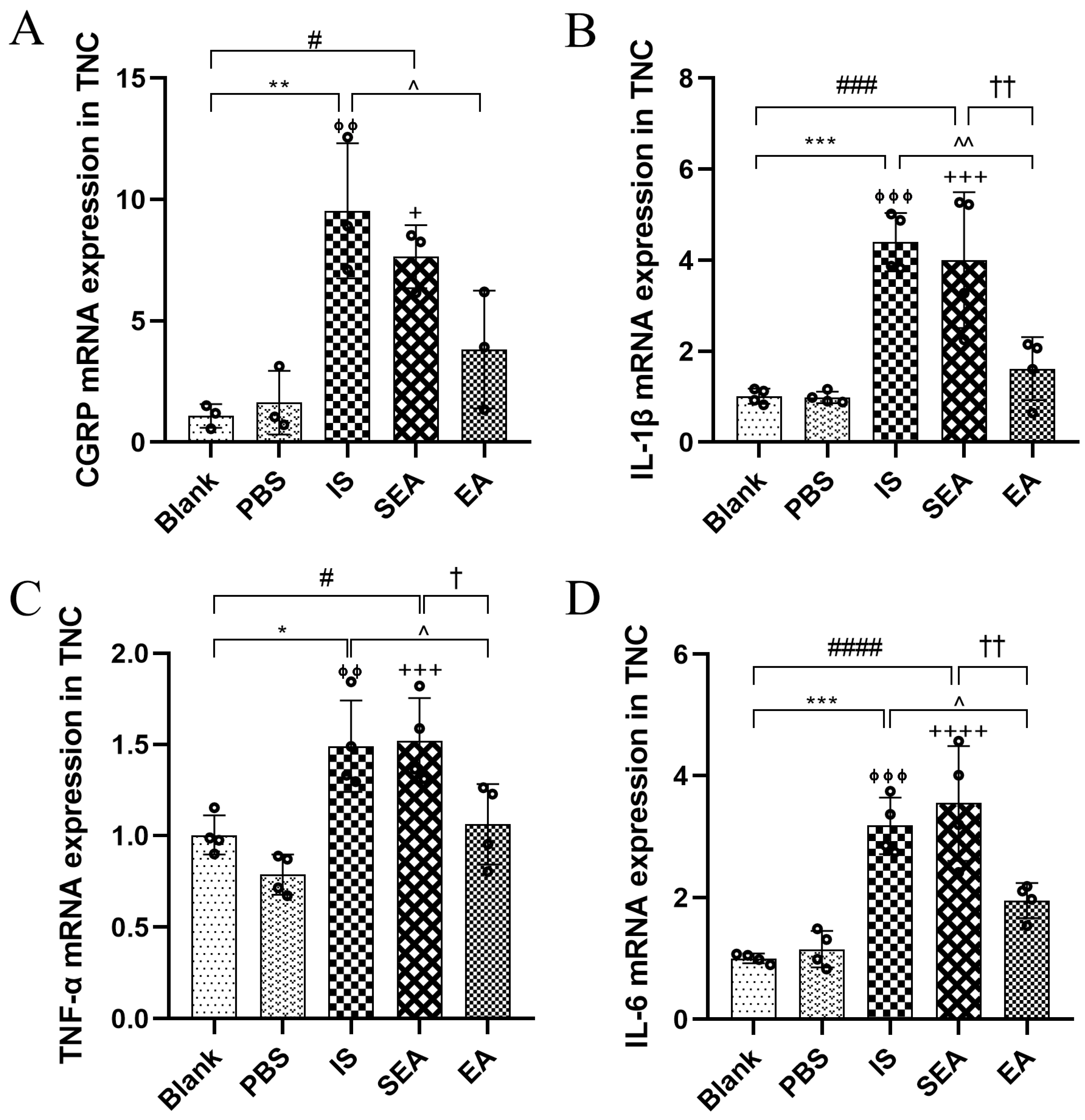
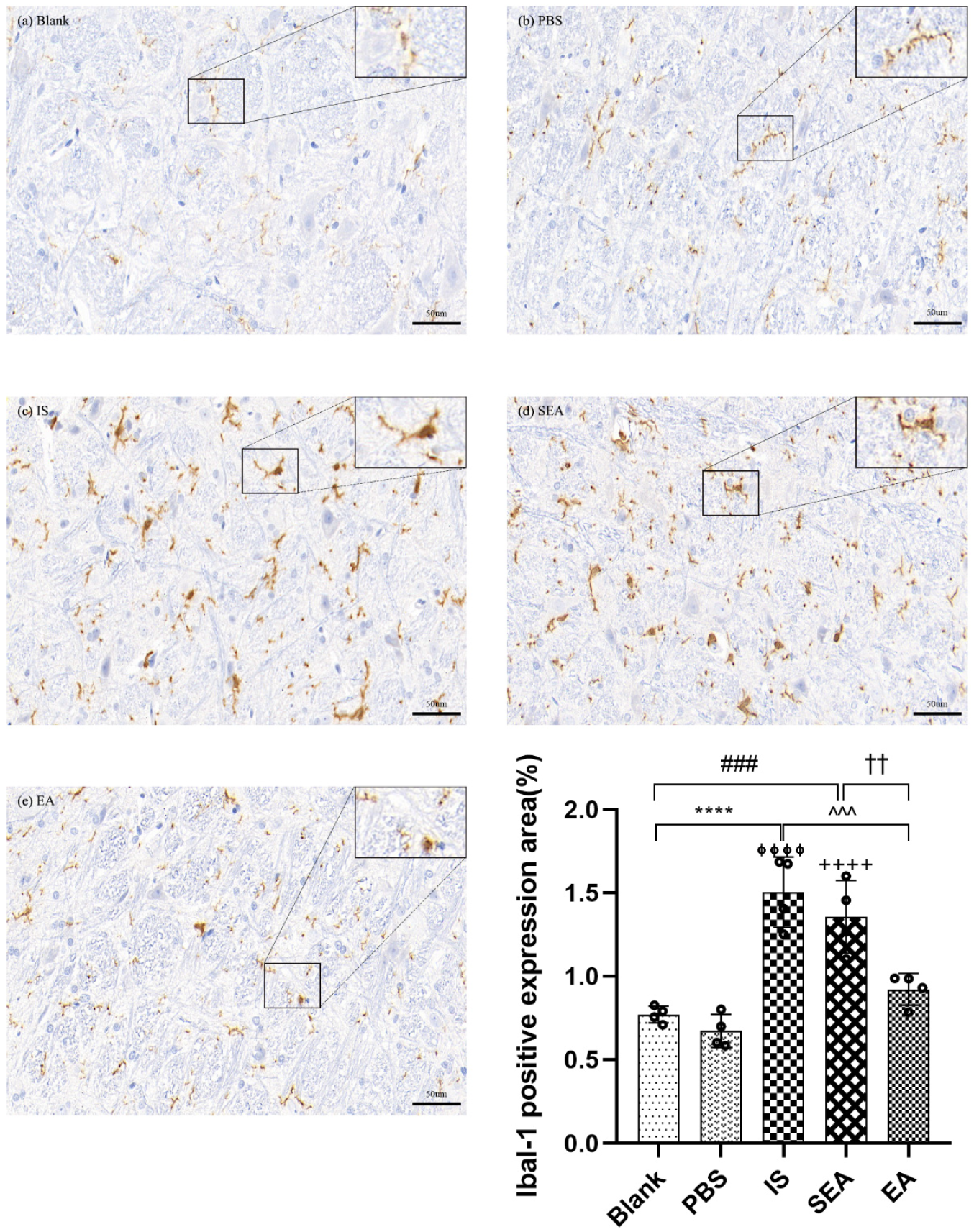
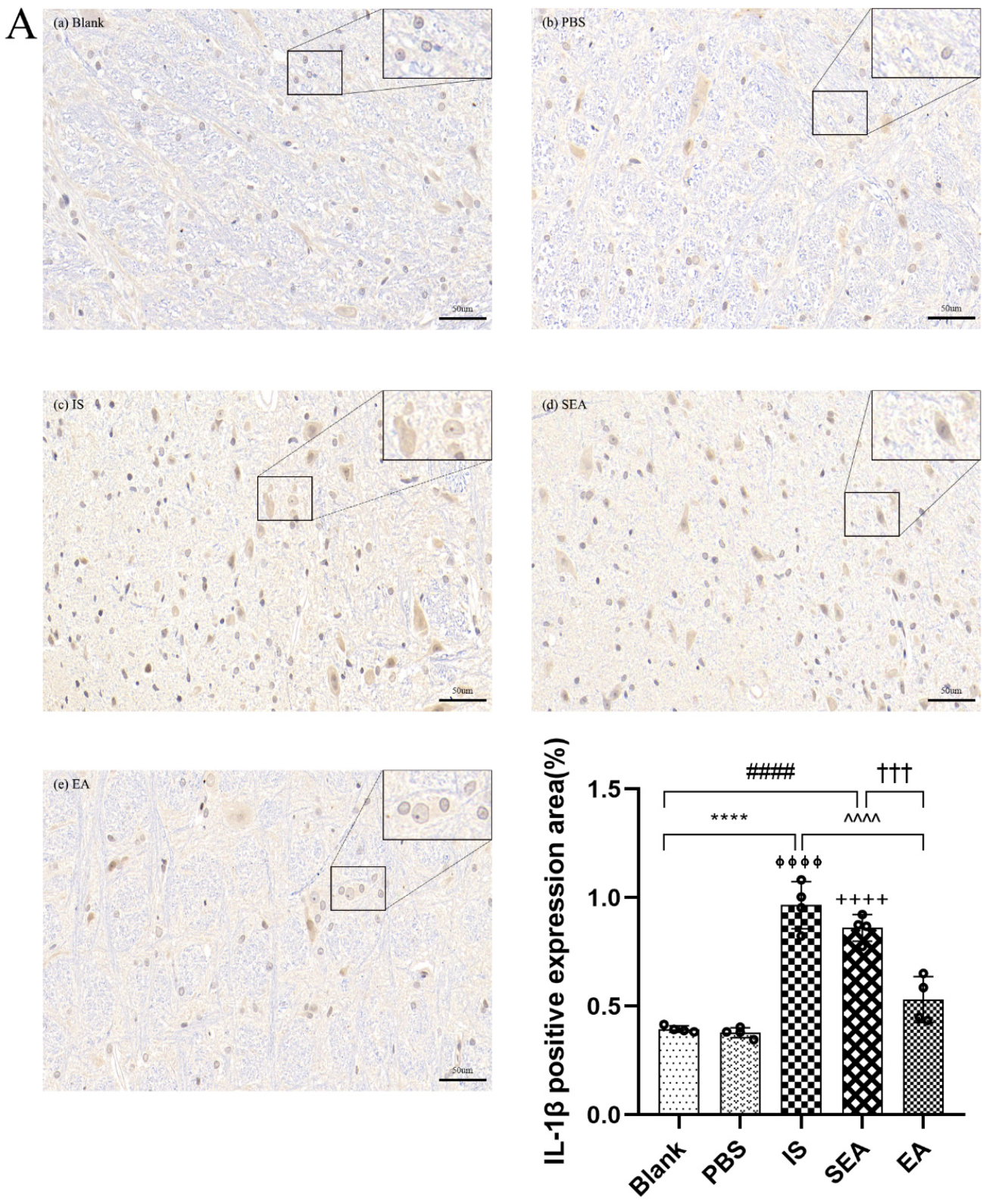
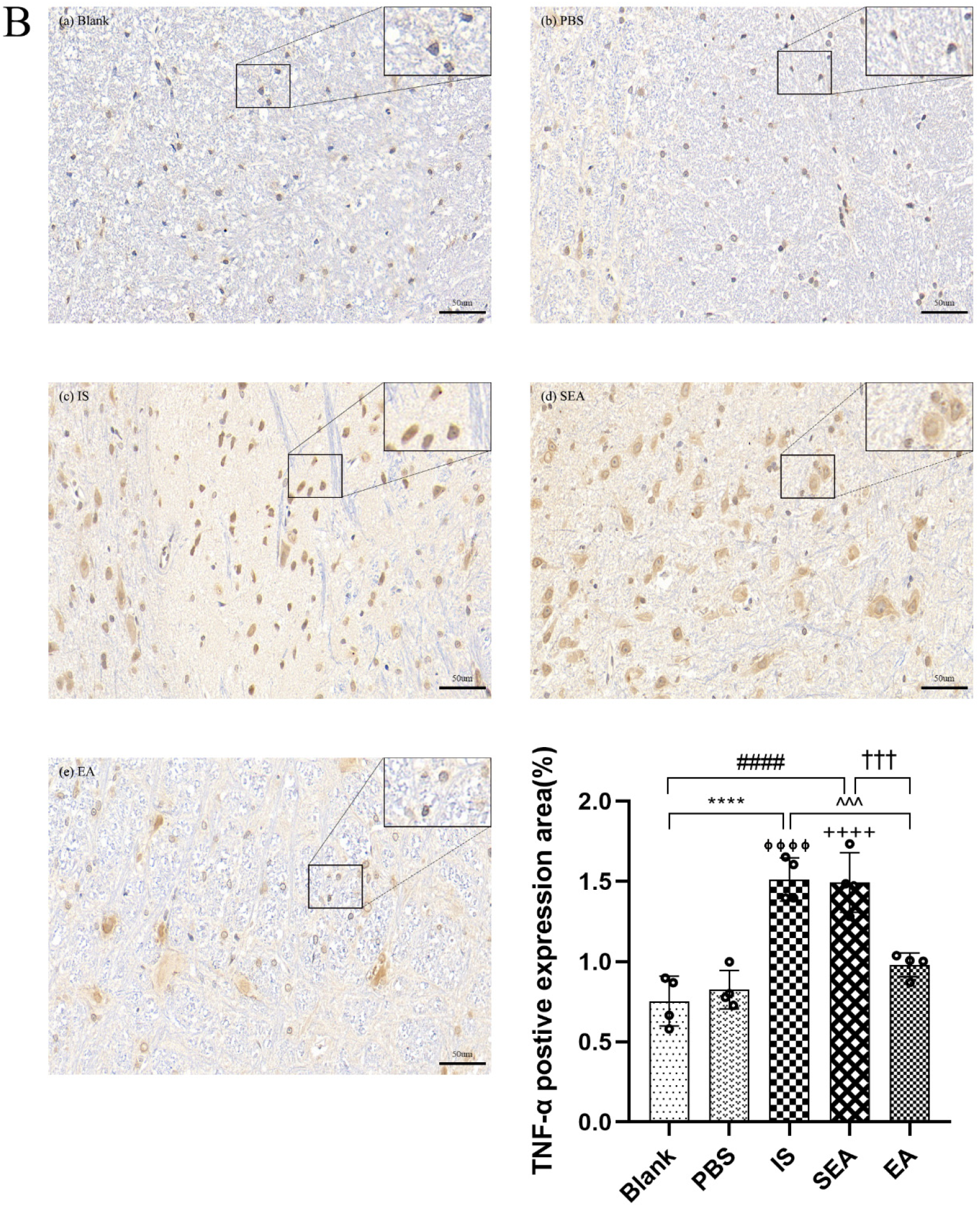
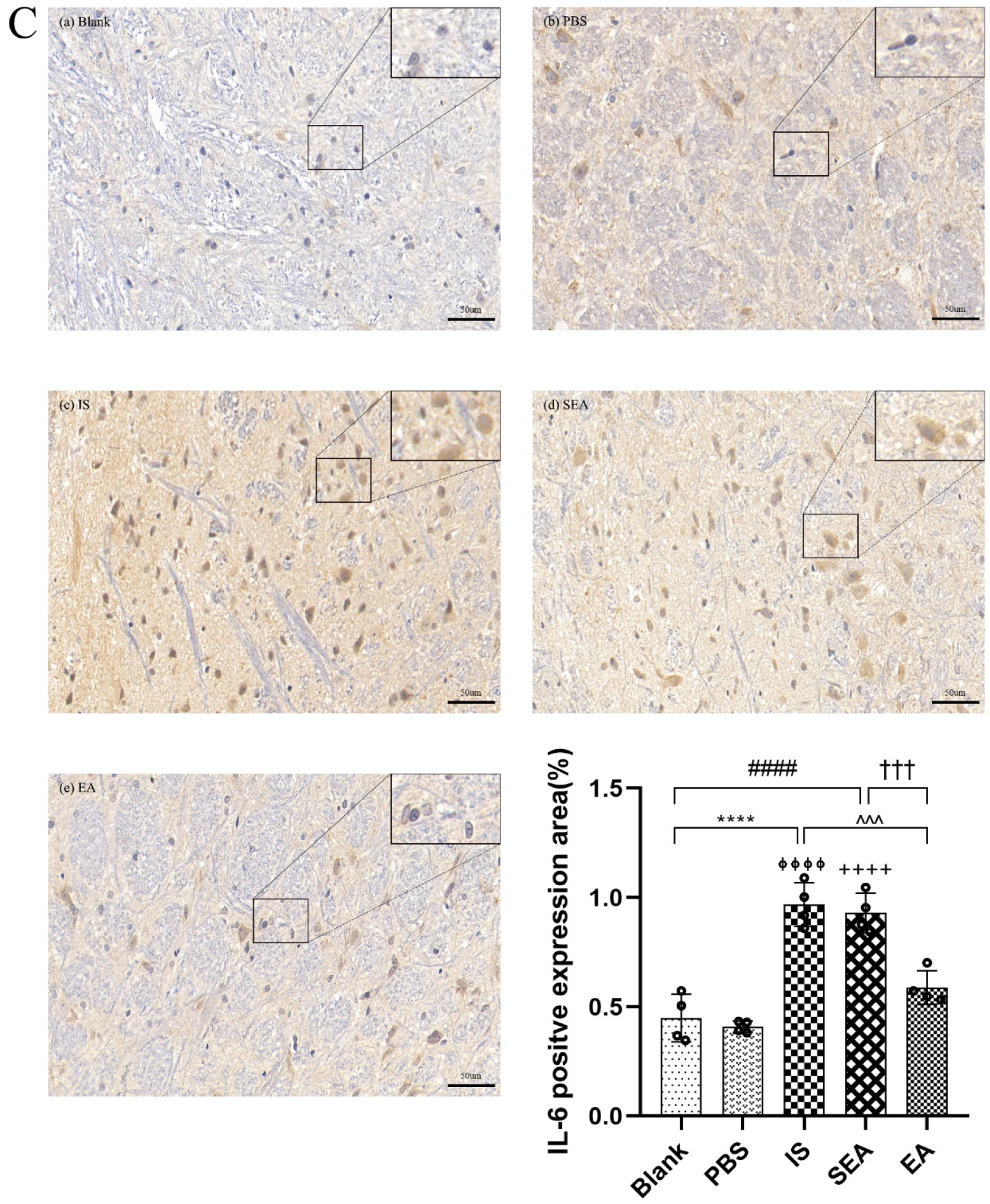
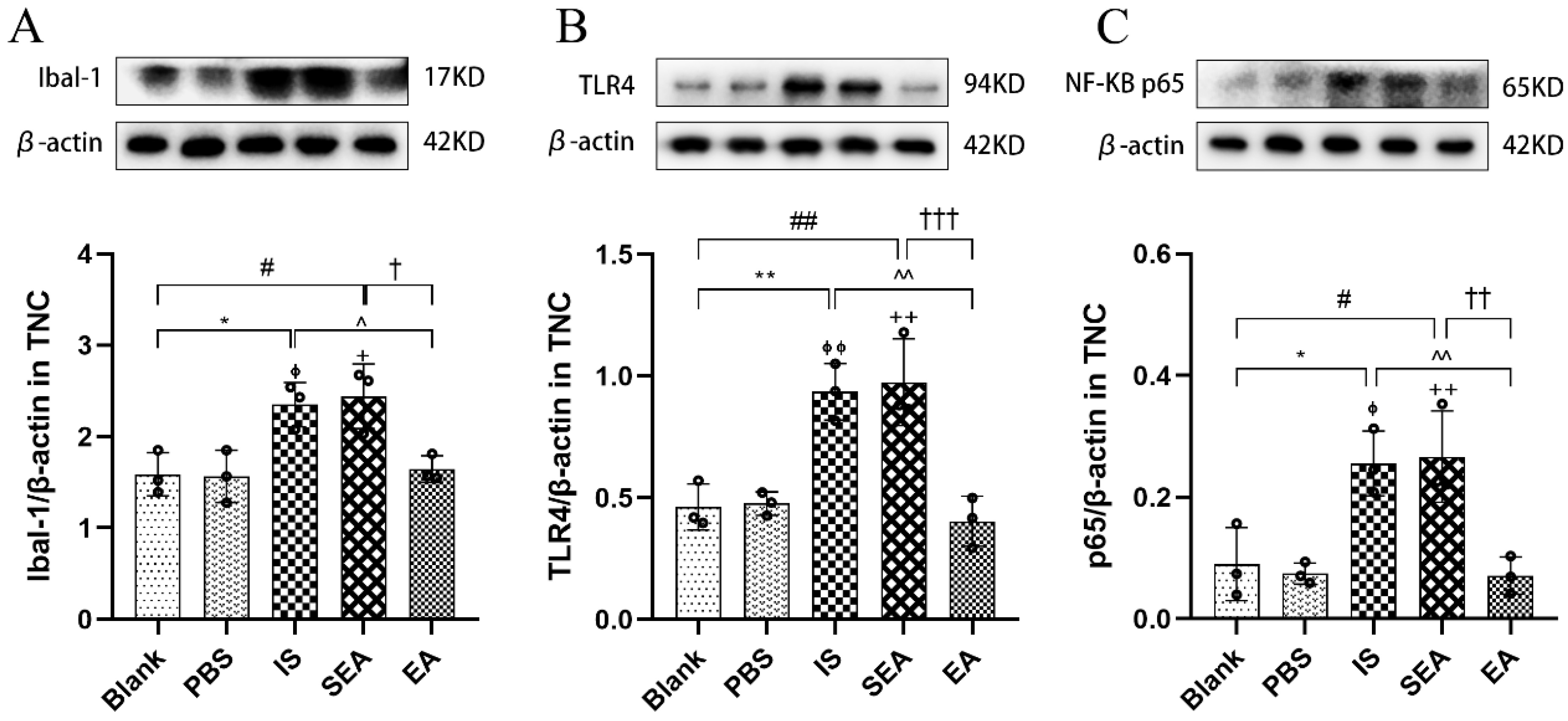
Background: Multiple studies have suggested that paralgesia (hyperalgesia and cutaneous allodynia) in migraine reflects the activation and sensitisation of the trigeminovascular system (TGVS). In particular, it reflects the second-order and higher nerve centre sensitisation, which is caused and maintained by neuroinflammation. Microglia activation leads to the release of proinflammatory cytokines involved in inflammatory responses. Accumulating evidence indicates that electroacupuncture (EA) is effective in ameliorating paralgesia, but the underlying mechanisms of EA in migraine attacks caused by microglia and microglia-mediated inflammatory responses are still unclear. The purpose of this study was to explore whether EA could ameliorate the dysregulation of pain sensation by suppressing microglial activation and the resulting neuroinflammatory response, and to evaluate whether this response was regulated by Toll-like receptor 4 (TLR4)/nuclear factor-kappa B(NF-κB) in the trigeminal nucleus caudalis (TNC) in a rat model of migraine. Methods: Repeated Inflammatory Soup (IS) was infused into the dura for seven sessions to establish a recurrent migraine-like rat model, and EA treatment was administered at Fengchi (GB20) and Yanglingquan (GB34) after daily IS infusion. Facial mechanical withdrawal thresholds were measured to evaluate the change in pain perception, and plasma samples and the TNC tissues of rats were collected to examine the changes in calcitonin gene-related peptide (CGRP), the Ibal-1-labelled microglial activation, and the resulting inflammatory response, including interleukin-1β (IL-1β), tumour necrosis factor-α (TNF-α), interleukin-6 (IL-6), and their regulatory molecules TLR4/NF-κB, via enzyme-linked immunosorbent assay (ELISA), real-time polymerase chain reaction (RT-PCR), immunohistochemistry (IHC) and Western blot analysis. Results: Repeated IS injections into the dura induced facial mechanical paralgesia, which is the manifestation of migraine attacks, and increased the expression of CGRP, Ibal-1, microglial mediated inflammatory cytokines (IL-1β, TNF-α, IL-6), and regulatory molecules TLR4/NF-κB. EA at GB20/34 significantly attenuated repetitive IS-induced pain hypersensitivity. This effect was consistent with decreased levels of CGRP and inflammatory cytokines in the plasma and the TNC via the inhibition of microglia activation, and this response may be regulated by TLR4/NF-κB. Conclusions: EA ameliorated paralgesia in repetitive IS-induced migraine-like rats, which was mainly mediated by a reduction in microglial activation and microglial-mediated inflammatory responses that could be regulated by TLR4/NF-κB.
Keywords: migraine; electroacupuncture; paralgesia; microglia; inflammatory response migraine; electroacupuncture; paralgesia; microglia; inflammatory response