

Core@shell Nanoparticles: Greener Synthesis Using Natural Plant Products




Abstract
Featured Application
Abstract
1. Introduction
2. Synthesis Processes for Assembly of Core-Shell Nanoparticles
3. Biosynthesis of Core Shell Nanoparticles
3.1. Biosynthesis of Core-Shell Nanoparticles Using Bacterial and Fungal Strains
3.2. Greener Synthesis of Core-Shell Nanoparticles Using Plants
4. Effect of Environmental and Physiochemical Parameters in the Synthesis of Nanoparticles
5. Applications of Core Shell Nanoparticles
6. Conclusions
Acknowledgments
Author Contributions
Conflicts of Interest
References
- Sharifi, F.; Sharififar, F.; Sharifi, I.; Alijani, H.; Khatami, M. Cytotoxicity, Leishmanicidal and Antioxidant Activity of Biosynthesized Zinc Sulfide Nanoparticles Using Phoenix dactylifera. IET Nanobiotechnol. 2018, 12. [Google Scholar] [CrossRef]
- Khatami, M.; Alijani, H.; Sharifi, I.; Sharifi, F.; Pourseyedi, S.; Kharazi, S.; Lima Nobre, M.A.; Khatami, M. Leishmanicidal Activity of Biogenic Fe3O4 Nanoparticles. Sci. Pharm. 2017, 85, 36. [Google Scholar] [CrossRef] [PubMed]
- Nadagouda, M.N.; Varma, R.S. Green Synthesis of Silver and Palladium Nanoparticles at Room Temperature Using Coffee and Tea Extract. Green Chem. 2008, 10, 859–862. [Google Scholar] [CrossRef]
- Mohammadinejad, R.; Karimi, S.; Iravani, S.; Varma, R.S. Plant-Derived Nanostructures: Types and Applications. Green Chem. 2016, 18, 20–52. [Google Scholar] [CrossRef]
- Mélinon, P.; Begin-Colin, S.; Duvail, J.L.; Gauffre, F.; Boime, N.H.; Ledoux, G.; Plain, J.; Reiss, P.; Silly, F.; Warot-Fonrose, B. Engineered Inorganic Core/Shell Nanoparticles. Phys. Rep. 2014, 543, 163–197. [Google Scholar] [CrossRef]
- Khatami, M.; Mehnipor, R.; Poor, M.H.S.; Jouzani, G.S. Facile Biosynthesis of Silver Nanoparticles Using Descurainia sophia and Evaluation of Their Antibacterial and Antifungal Properties. J. Clust. Sci. 2016, 27, 1601–1612. [Google Scholar] [CrossRef]
- Singh, P.; Kim, Y.-J.; Zhang, D.; Yang, D.-C. Biological Synthesis of Nanoparticles from Plants and Microorganisms. Trends Biotechnol. 2016, 34, 588–599. [Google Scholar] [CrossRef] [PubMed]
- Gawande, M.B.; Goswami, A.; Asefa, T.; Guo, H.; Biradar, A.V.; Peng, D.-L.; Zboril, R.; Varma, R.S. Core-Shell Nanoparticles: Synthesis and Applications in Catalysis and Electrocatalysis. Chem. Soc. Rev. 2015, 44, 7540–7590. [Google Scholar] [CrossRef] [PubMed]
- López-Lorente, A.I.; Simonet, B.M.; Valcárcel, M. Analytical Potential of Hybrid Nanoparticles. Anal. Bioanal. Chem. 2011, 399, 43–54. [Google Scholar] [CrossRef] [PubMed]
- Nomoev, A.V.; Bardakhanov, S.P.; Schreiber, M.; Bazarova, D.G.; Romanov, N.A.; Baldanov, B.B.; Radnaev, B.R.; Syzrantsev, V.V. Structure and Mechanism of the Formation of Core–Shell Nanoparticles Obtained through a One-Step Gas-Phase Synthesis by Electron Beam Evaporation. Beilstein J. Nanotechnol. 2015, 6, 874–880. [Google Scholar] [CrossRef] [PubMed]
- Allafchian, A.; Jalali, S.A.H.; Bahramian, H.; Ahmadvand, H. Preparation, Characterization, and Antibacterial Activity of NiFe2O4/Pama/Ag–TiO2 Nanocomposite. J. Mag. Mag. Mater. 2016, 404, 14–20. [Google Scholar] [CrossRef]
- Nadagouda, M.N.; Castle, A.; Murdock, R.C.; Hussain, S.M.; Varma, R.S. In Vitro Biocompatibility of Nanoscale Zerovalent Iron Particles (NZVI) Synthesized Using Tea Polyphenols. Green Chem. 2010, 12, 114–122. [Google Scholar] [CrossRef]
- Karthik, K.; Dhanuskodi, S.; Gobinath, C.; Prabukumar, S.; Sivaramakrishnan, S. Nanostructured CdO-NiO Composite for Multifunctional Applications. J. Phys. Chem. Sol. 2018, 112, 106–118. [Google Scholar] [CrossRef]
- Karthik, K.; Dhanuskodi, S.; Prabu Kumar, S.; Gobinath, C.; Sivaramakrishnan, S. Microwave Assisted Green Synthesis of Mgo Nanorods and Their Antibacterial and Anti-Breast Cancer Activities. Mater. Lett. 2017, 206, 217–220. [Google Scholar] [CrossRef]
- Hameed, A.S.H.; Karthikeyan, C.; Ahamed, A.P.; Thajuddin, N.; Alharbi, N.S.; Alharbi, S.A.; Ravi, G. In Vitro Antibacterial Activity of ZnO and Nd Doped ZnO Nanoparticles against Esbl Producing Escherichia coli and Klebsiella pneumoniae. Sci. Rep. 2016, 6, 24312. [Google Scholar] [CrossRef] [PubMed]
- Karthik, K.; Dhanuskodi, S.; Gobinath, C.; Prabukumar, S.; Sivaramakrishnan, S. Dielectric and Antibacterial Studies of Microwave Assisted Calcium Hydroxide Nanoparticles. J. Mater. Sci. Mater. Electron. 2017, 28, 16509–16518. [Google Scholar] [CrossRef]
- Karthik, K.; Dhanuskodi, S.; Gobinath, C.; Prabukumar, S.; Sivaramakrishnan, S. Andrographis Paniculata Extract Mediated Green Synthesis of CdO Nanoparticles and Its Electrochemical and Antibacterial Studies. J. Mater. Sci. Mater. Electron. 2017, 28, 7991–8001. [Google Scholar] [CrossRef]
- Rafiee, E.; Khodayari, M. Starch as a Green Source for Fe3O4@Carbon Core–Shell Nanoparticles Synthesis: A Support for 12-Tungstophosphoric Acid, Synthesis, Characterization, and Application as an Efficient Catalyst. Res. Chem. Intermed. 2016, 42, 3523–3536. [Google Scholar] [CrossRef]
- Miyakawa, M.; Hiyoshi, N.; Nishioka, M.; Koda, H.; Sato, K.; Miyazawa, A.; Suzuki, T.M. Continuous Syntheses of Pd@Pt and Cu@Ag Core-Shell Nanoparticles Using Microwave-Assisted Core Particle Formation Coupled with Galvanic Metal Displacement. Nanoscale 2014, 6, 8720–8725. [Google Scholar] [CrossRef] [PubMed]
- Devi, P.; Patil, S.D.; Jeevanandam, P.; Navani, N.K.; Singla, M.L. Synthesis, Characterization and Bactericidal Activity of Silica/Silver Core–Shell Nanoparticles. J. Mater. Sci. Mater. Med. 2014, 25, 1267–1273. [Google Scholar] [CrossRef] [PubMed]
- Iyanna, N.; Lalley, J.; Han, C.; Dionysiou, D.D.; Varma, R.S.; Nadagouda, M.N. Synthesis of Silver and Gold Nanoparticles Using Antioxidants from Blackberry, Blueberry, Pomegranate, and Turmeric Extracts. ACS Sustain. Chem. Eng. 2014, 2, 1717–1723. [Google Scholar]
- Allafchian, A.R.; Farhang, H.R.; Jalali, S.A.H.; Vahabi, M.R. Gundelia tournefortii L.: A Natural Source for the Green Synthesis of Silver Nanoparticles. IET Nanobiotechnol. 2017, 11, 815–820. [Google Scholar] [CrossRef]
- Zandpour, F.; Allafchian, A.; vahabi, M.R.; Jalali, S.A.H. The Green Synthesize of Silver Nanoparticles by Arial Part of Dorema ammoniacum D. Extract with Antimicrobial Analysis. IET Nanobiotechnol. 2018, 12. [Google Scholar] [CrossRef]
- Allafchian, A.; Jalali, S.A.H.; Aghaei, F.; farhang, H.R. Green Synthesis of Silver Nanoparticles Using Glaucium corniculatum (L.) Curtis Extract and Evaluation of Its Antibacterial Activity. IET Nanobiotechnol. 2018, 12. [Google Scholar] [CrossRef]
- Markova, Z.; Novak, P.; Kaslik, J.; Plachtova, P.; Brazdova, M.; Jancula, D.; Siskova, K.M.; Machala, L.; Marsalek, B.; Zboril, R.; et al. Iron(II,III)–Polyphenol Complex Nanoparticles Derived from Green Tea with Remarkable Ecotoxicological Impact. ACS Sustain. Chem. Eng. 2014, 2, 1674–1680. [Google Scholar] [CrossRef]
- Charbgoo, F.; Ramezani, M.; Darroudi, M. Bio-Sensing Applications of Cerium Oxide Nanoparticles: Advantages and Disadvantages. Biosen. Bioelectron. 2017, 96, 33–43. [Google Scholar] [CrossRef] [PubMed]
- Soltanzadeh, M.; Soltani Nejad, M.; Shahidi Bonjar, G.H. Application of Soil-Borne Actinomycetes for Biological Control against Fusarium Wilt of Chickpea (Cicer arietinum) Caused by Fusarium solani Fsp Pisi. J. Phytopathol. 2016, 164, 967–978. [Google Scholar] [CrossRef]
- Taghavizadeh Yazdi, M.E.; Khara, J.; Sadeghnia, H.R.; Esmaeilzadeh Bahabadi, S.; Darroudi, M. Biosynthesis, Characterization, and Antibacterial Activity of Silver Nanoparticles Using Rheum Turkestanicum Shoots Extract. Res. Chem. Intermed. 2018, 44, 1325–1334. [Google Scholar] [CrossRef]
- Miri, A.; Darroudi, M.; Entezari, R.; Sarani, M. Biosynthesis of Gold Nanoparticles Using Prosopis farcta Extract and Its in Vitro Toxicity on Colon Cancer Cells. Res. Chem. Intermed. 2018, 1–9. [Google Scholar] [CrossRef]
- Darroudi, M.; Sarani, M.; Kazemi Oskuee, R.; Khorsand Zak, A.; Amiri, M.S. Nanoceria: Gum Mediated Synthesis and in Vitro Viability Assay. Ceram. Int. 2014, 40, 2863–2868. [Google Scholar] [CrossRef]
- Pishahang, J.; Amiri, H.B.; Heli, H. Synthesis of Carbon Nanoparticles-Poly(Ortho-Aminophenol) Nanocomposite and Its Application for Electroanalysis of Iodate. Sens. Actuators B Chem. 2018, 256, 878–887. [Google Scholar] [CrossRef]
- Mirzaei, H.; Darroudi, M. Zinc Oxide Nanoparticles: Biological Synthesis and Biomedical Applications. Ceram. Int. 2017, 43, 907–914. [Google Scholar] [CrossRef]
- Jamdagni, P.; Khatri, P.; Rana, J.S. Nanoparticles Based DNA Conjugates for Detection of Pathogenic Microorganisms. Int. Nano Lett. 2016, 6, 139–146. [Google Scholar] [CrossRef]
- Jamdagni, P.; Khatri, P.; Rana, J.S. Green Synthesis of Zinc Oxide Nanoparticles Using Flower Extract of Nyctanthes Arbor-Tristis and Their Antifungal Activity. J. King Saud Univ. Sci. 2016. [Google Scholar] [CrossRef]
- Hebbalalu, D.; Lalley, J.; Nadagouda, M.N.; Varma, R.S. Greener Techniques for the Synthesis of Silver Nanoparticles Using Plant Extracts, Enzymes, Bacteria, Biodegradable Polymers, and Microwaves. ACS Sustain. Chem. Eng. 2013, 1, 703–712. [Google Scholar] [CrossRef]
- Ahn, S.; Singh, P.; Jang, M.; Kim, Y.J.; Castro-Aceituno, V.; Simu, S.Y.; Kim, Y.J.; Yang, D.C. Gold Nanoflowers Synthesized Using Acanthopanacis Cortex Extract Inhibit Inflammatory Mediators in Lps-Induced Raw264.7 Macrophages via Nf-Kappab and Ap-1 Pathways. Colloids Surf. B Biointerfaces 2017, 160, 423–428. [Google Scholar] [PubMed]
- Prasad, C.; Sreenivasulu, K.; Gangadhara, S.; Venkateswarlu, P. Bio Inspired Green Synthesis of Ni/Fe3O4 Magnetic Nanoparticles Using Moringa Oleifera Leaves Extract: A Magnetically Recoverable Catalyst for Organic Dye Degradation in Aqueous Solution. J. Alloy Comp. 2017, 700, 252–258. [Google Scholar] [CrossRef]
- Ghosh, S.; Jagtap, S.; More, P.; Shete, U.J.; Maheshwari, N.O.; Rao, S.J.; Kitture, R.; Kale, S.; Bellare, J.; Patil, S.; et al. Dioscorea Bulbifera Mediated Synthesis of Novel Aucoreagshell Nanoparticles with Potent Antibiofilm and Antileishmanial Activity. J. Nanomater. 2015, 16, 161. [Google Scholar]
- Venkateswarlu, S.; Natesh Kumar, B.; Prathima, B.; Anitha, K.; Jyothi, N.V.V. A Novel Green Synthesis of Fe3o4-Ag Core Shell Recyclable Nanoparticles Using Vitis vinifera Stem Extract and Its Enhanced Antibacterial Performance. Phys. B Condens. Matter 2015, 457, 30–35. [Google Scholar] [CrossRef]
- Kirubha, E.; Palanisamy, P.K. Green Synthesis, Characterization of Au–Ag Core–Shell Nanoparticles Using Gripe Water and Their Applications in Nonlinear Optics and Surface Enhanced Raman Studies. Adv. Nat. Sci. Nanosci. Nanotechnol. 2014, 5, 045006. [Google Scholar] [CrossRef]
- Poor, M.H.S.; Khatami, M.; Azizi, H.; Abazari, Y. Cytotoxic Activity of Biosynthesized Ag Nanoparticles by Plantago Major Towards a Human Breast Cancer Cell Line. Rendioconti Lincei 2017, 28, 693–699. [Google Scholar] [CrossRef]
- Ganaie, S.U.; Abbasi, T.; Abbasi, S.A. Rapid and Green Synthesis of Bimetallic Au–Ag Nanoparticles Using an Otherwise Worthless Weed Antigonon Leptopus. J. Exp. Nanosci. 2016, 11, 395–417. [Google Scholar] [CrossRef]
- Song, J.Y.; Kim, B.S. Biological Synthesis of Bimetallic Au/Ag Nanoparticles Using Persimmon (Diopyros kaki) Leaf Extract. Korean J. Chem. Eng. 2008, 25, 808–811. [Google Scholar] [CrossRef]
- Shankar, S.S.; Rai, A.; Ahmad, A.; Sastry, M. Rapid Synthesis of Au, Ag, and Bimetallic Au Core–Ag Shell Nanoparticles Using Neem (Azadirachta Indica) Leaf Broth. J. Colloid Interface Sci. 2004, 275, 496–502. [Google Scholar] [CrossRef] [PubMed]
- Zhan, G.; Huang, J.; Du, M.; Abdul-Rauf, I.; Ma, Y.; Li, Q. Green Synthesis of Au–Pd Bimetallic Nanoparticles: Single-Step Bioreduction Method with Plant Extract. Mater. Lett. 2011, 65, 2989–2991. [Google Scholar] [CrossRef]
- AbdelHamid, A.A.; Al-Ghobashy, M.A.; Fawzy, M.; Mohamed, M.B.; Abdel-Mottaleb, M.M.S.A. Phytosynthesis of Au, Ag, and Au–Ag Bimetallic Nanoparticles Using Aqueous Extract of Sago Pondweed (Potamogeton pectinatus L.). ACS Sustain. Chem. Eng. 2013, 1, 1520–1529. [Google Scholar] [CrossRef]
- Usha Rani, P.; Rajasekharreddy, P. Green Synthesis of Silver-Protein (Core–Shell) Nanoparticles Using Piper Betle, L. Leaf Extract and Its Ecotoxicological Studies on Daphnia Magna. Colloids Surf. A Physicochem. Eng. Asp. 2011, 389, 188–194. [Google Scholar] [CrossRef]
- Sheny, D.S.; Mathew, J.; Philip, D. Phytosynthesis of Au, Ag and Au–Ag Bimetallic Nanoparticles Using Aqueous Extract and Dried Leaf of Anacardium Occidentale. Spectrochim. Acta Part A Mol. Biol. Spectrosc. 2011, 79, 254–262. [Google Scholar] [CrossRef] [PubMed]
- Sharma, A.; Tapadia, K. Greener Production of Magnetic Nanoparticles and Their Fabrication. Curr. Sci. 2016, 111, 2018. [Google Scholar] [CrossRef]
- Baruwati, B.; Simmons, S.O.; Varma, R.S.; Veronesi, B. “Green” Synthesized and Coated Nanosilver Alters the Membrane Permeability of Barrier (Intestinal, Brain Endothelial) Cells and Stimulates Oxidative Stress Pathways in Neurons. ACS Sustain. Chem. Eng. 2013, 1, 753–759. [Google Scholar] [CrossRef]
- Luo, C.-H.; Shanmugam, V.; Yeh, C.-S. Nanoparticle Biosynthesis Using Unicellular and Subcellular Supports. NPG Asia Mater. 2015, 7, e209. [Google Scholar] [CrossRef]
- Khodashenas, B.; Ghorbani, H.R. Optimisation of Nitrate Reductase Enzyme Activity to Synthesise Silver Nanoparticles. IET Nanobiotechnol. 2016, 10, 158–161. [Google Scholar] [CrossRef] [PubMed]
- Selvakannan, P.; Swami, A.; Srisathiyanarayanan, D.; Shirude, P.S.; Pasricha, R.; Mandale, A.B.; Sastry, M. Synthesis of Aqueous Au Core-Ag Shell Nanoparticles Using Tyrosine as a Ph-Dependent Reducing Agent and Assembling Phase-Transferred Silver Nanoparticles at the Air-Water Interface. Langmuir 2004, 20, 7825–7836. [Google Scholar] [CrossRef] [PubMed]
- Engelbrekt, C.; Sorensen, K.H.; Zhang, J.; Welinder, A.C.; Jensen, P.S.; Ulstrup, J. Green Synthesis of Gold Nanoparticles with Starch-Glucose and Application in Bioelectrochemistry. J. Mater. Chem. 2009, 19, 7839–7847. [Google Scholar] [CrossRef]
- Virkutyte, J.; Varma, R.S. Green Synthesis of Metal Nanoparticles: Biodegradable Polymers and Enzymes in Stabilization and Surface Functionalization. Chem. Sci. 2011, 2, 837–846. [Google Scholar] [CrossRef]
- Xing, R.; Jiao, T.; Yan, L.; Ma, G.; Liu, L.; Dai, L.; Li, J.; Möhwald, H.; Yan, X. Colloidal Gold–Collagen Protein Core–Shell Nanoconjugate: One-Step Biomimetic Synthesis, Layer-by-Layer Assembled Film, and Controlled Cell Growth. ACS Appl. Mater. Interfaces 2015, 7, 24733–24740. [Google Scholar] [CrossRef] [PubMed]
- Wu, W.; He, Q.; Jiang, C. Magnetic Iron Oxide Nanoparticles: Synthesis and Surface Functionalization Strategies. Nanoscale Res. Lett. 2008, 3, 397–415. [Google Scholar] [CrossRef] [PubMed]
- Valodkar, M.; Modi, S.; Pal, A.; Thakore, S. Synthesis and Anti-Bacterial Activity of Cu, Ag and Cu–Ag Alloy Nanoparticles: A Green Approach. Mater. Res. Bull. 2011, 46, 384–389. [Google Scholar] [CrossRef]
- Srivastava, S.K.; Hasegawa, T.; Yamada, R.; Ogino, C.; Mizuhata, M.; Kondo, A. Green Synthesis of Au, Pd and Au@Pd Core-Shell Nanoparticles Via a Tryptophan Induced Supramolecular Interface. RSC Adv. 2013, 3, 18367–18372. [Google Scholar] [CrossRef]
- Alarfaj, N.A.; El-Tohamy, M.F. Eco-Friendly Synthesis of Gelatin-Capped Bimetallic Au–Ag Nanoparticles for Chemiluminescence Detection of Anticancer Raloxifene Hydrochloride. Luminescence 2016, 31, 1194–1200. [Google Scholar] [CrossRef] [PubMed]
- Huang, X.; Wu, H.; Pu, S.; Zhang, W.; Liao, X.; Shi, B. One-Step Room-Temperature Synthesis of Au@Pd Core-Shell Nanoparticles with Tunable Structure Using Plant Tannin as Reductant and Stabilizer. Green Chem. 2011, 13, 950–957. [Google Scholar] [CrossRef]
- Zhang, G.; Zheng, H.; Shen, M.; Wang, L.; Wang, X. Green Synthesis and Characterization of Au@Pt Core–Shell Bimetallic Nanoparticles Using Gallic Acid. J. Phys. Chem. Solids 2015, 81, 79–87. [Google Scholar] [CrossRef]
- Nadagouda, M.N.; Varma, R.S. A Greener Synthesis of Core (Fe, Cu)-Shell (Au, Pt, Pd, and Ag) Nanocrystals Using Aqueous Vitamin C. Cryst. Growth Des. 2007, 7, 2582–2587. [Google Scholar] [CrossRef]
- Makarov, V.V.; Love, A.J.; Sinitsyna, O.V.; Makarova, S.S.; Yaminsky, I.V.; Taliansky, M.E.; Kalinina, N.O. “Green” Nanotechnologies: Synthesis of Metal Nanoparticles Using Plants. Acta Nat. 2014, 6, 35–44. [Google Scholar]
- Raju, D.; Mehta, U.J.; Hazra, S. Synthesis of Gold Nanoparticles by Various Leaf Fractions of Semecarpus anacardium L. tree. Trees 2011, 25, 145–151. [Google Scholar] [CrossRef]
- Joshi, H.M.; De, M.; Richter, F.; He, J.; Prasad, P.V.; Dravid, V.P. Effect of Silica Shell Thickness of FeO–Sio(X) Core–Shell Nanostructures on MRI Contrast. Contrast Med. Mol. Imaging 2012, 7, 460–468. [Google Scholar]
- Yang, L.; Yan, W.; Wang, H.; Zhuang, H.; Zhang, J. Shell Thickness-Dependent Antibacterial Activity and Biocompatibility of Gold@Silver Core-Shell Nanoparticles. RSC Adv. 2017, 7, 11355–11361. [Google Scholar] [CrossRef]
- Khanchandani, S.; Kundu, S.; Patra, A.; Ganguli, A.K. Shell Thickness Dependent Photocatalytic Properties of Zno/Cds Core–Shell Nanorods. J. Phys. Chem. C 2012, 116, 23653–23662. [Google Scholar] [CrossRef]
- Sattarahmady, N.; Rahi, A.; Heli, H. A Signal-on Built in-Marker Electrochemical Aptasensor for Human Prostate-Specific Antigen Based on a Hairbrush-Like Gold Nanostructure. Sci. Rep. 2017, 7, 11238. [Google Scholar] [CrossRef] [PubMed]
- Sattarahmady, N.; Tondro, G.H.; Gholchin, M.; Heli, H. Gold Nanoparticles Biosensor of Brucella S Genomic DNA: Visual and Spectrophotometric Detections. Biochem. Eng. J. 2015, 97, 1–7. [Google Scholar] [CrossRef]
- Hossein, H.; Masoud, N. Applications of Nanoflowers in Biomedicine. Recent Pat. Nanotechnol. 2017, 11, 1–12. [Google Scholar]
- Mortazavi, S.M.; Khatami, M.; Sharifi, I.; Heli, H.; Kaykavousi, K.; Sobhani Poor, M.H.; Kharazi, S.; Nobre, M.A.L. Bacterial Biosynthesis of Gold Nanoparticles Using Salmonella enterica Subsp. Enterica Serovar Typhi Isolated from Blood and Stool Specimens of Patients. J. Clust. Sci. 2017, 28, 2997–3007. [Google Scholar] [CrossRef]
- Khorrami, M.B.; Sadeghnia, H.R.; Pasdar, A.; Ghayour-Mobarhan, M.; Riahi-Zanjani, B.; Darroudi, M. Role of Pullulan in Preparation of Ceria Nanoparticles and Investigation of Their Biological Activities. J. Mol. Struct. 2018, 1157, 127–131. [Google Scholar] [CrossRef]
- Varma, R.S. Greener Approach to Nanomaterials and Their Sustainable Applications. Curr. Opin. Chem. Eng. 2012, 1, 123–128. [Google Scholar] [CrossRef]
- Moghaddam, H.M.; Beitollahi, H.; Tajik, S.; Jahani, S.; Khabazzadeh, H.; Alizadeh, R. Voltammetric Determination of Droxidopa in the Presence of Carbidopa Using a Nanostructured Base Electrochemical Sensor. Russ. J. Electrochem. 2017, 53, 452–460. [Google Scholar] [CrossRef]
- Beitollai, H.; Garkani Nejad, F.; Tajik, S.; Jahani, S.; Biparva, P. Voltammetric Determination of Amitriptyline Based on Graphite Screen Printed Electrode Modified with a Copper Oxide Nanoparticles. Int. J. Nano Dimens. 2017, 8, 197–205. [Google Scholar]
- Jahani, S.; Beitollahi, H. Selective Detection of Dopamine in the Presence of Uric Acid Using Nio Nanoparticles Decorated on Graphene Nanosheets Modified Screen-Printed Electrodes. Electroanalysis 2016, 28, 2022–2028. [Google Scholar] [CrossRef]
- Khorasani-Motlagh, M.; Noroozifar, M.; Jahani, S. Preparation and Characterization of Nano-Sized Magnetic Particles Lacoo3 by Ultrasonic-Assisted Co-precipitation Method. Synth. React. Inorg. Metal-Org. Nano-Metal Chem. 2015, 45, 1591–1595. [Google Scholar] [CrossRef]
- Niroomand, S.; Khorasani-Motlagh, M.; Noroozifar, M.; Jahani, S.; Moodi, A. Photochemical and Dft Studies on DNA-Binding Ability and Antibacterial Activity of Lanthanum(Iii)-Phenanthroline Complex. J. Mol. Struct. 2017, 1130, 940–950. [Google Scholar] [CrossRef]
- Beitollahi, H.; Tajik, S.; Jahani, S. Electrocatalytic Determination of Hydrazine and Phenol Using a Carbon Paste Electrode Modified with Ionic Liquids and Magnetic Core-Shell Fe3O4@SiO2/MWSNT Nanocomposite. Electroanalysis 2016, 28, 1093–1099. [Google Scholar] [CrossRef]
- Jahani, S.; Khorasani-Motlagh, M.; Noroozifar, M. DNA Interaction of Europium(Iii) Complex Containing 2,2′-Bipyridine and Its Antimicrobial Activity. J. Biomol. Struct. Dyn. 2016, 34, 612–624. [Google Scholar] [CrossRef] [PubMed]
- Jahani, S.; Beitollahi, H. Carbon Paste Electrode Modified with TiO2/Fe3O4/MWCNT Nanocomposite and Ionic Liquids as a Voltammetric Sensor for Sensitive Ascorbic Acid and Tryptophan Detection. Anal. Bioanal. Electrochem. 2016, 8, 158–168. [Google Scholar]
- Singh, P.; Singh, H.; Ahn, S.; Castro-Aceituno, V.; Jimenez, Z.; Simu, S.Y.; Kim, Y.J.; Yang, D.C. Pharmacological Importance, Characterization and Applications of Gold and Silver Nanoparticles Synthesized by Panax Ginseng Fresh Leaves. Artif. Cells Nanomed. Biotechnol. 2017, 45, 1415–1424. [Google Scholar] [CrossRef] [PubMed]
- Singh, A.K.; Srivastava, O.N. One-Step Green Synthesis of Gold Nanoparticles Using Black Cardamom and Effect of Ph on Its Synthesis. Nano Res. Lett. 2015, 10, 353. [Google Scholar] [CrossRef] [PubMed]
- Singh, P.; Singh, H.; Castro-Aceituno, V.; Ahn, S.; Kim, Y.J.; Farh, M.E.-A.; Yang, D.C. Engineering of Mesoporous Silica Nanoparticles for Release of Ginsenoside Ck and Rh2 to Enhance Their Anticancer and Anti-Inflammatory Efficacy: In Vitro Studies. J. Nanopart. Res. 2017, 19, 257. [Google Scholar] [CrossRef]
- Singh, P.; Ahn, S.; Kang, J.P.; Veronika, S.; Huo, Y.; Singh, H.; Chokkaligam, M.; El-Agamy Farh, M.; Aceituno, V.C.; Kim, Y.J.; et al. In Vitro Anti-Inflammatory Activity of Spherical Silver Nanoparticles and Monodisperse Hexagonal Gold Nanoparticles by Fruit Extract of Prunus serrulata: A Green Synthetic Approach. Artif. Cells Nanomed. Biotechnol. 2017, 30, 1–11. [Google Scholar] [CrossRef] [PubMed]
- Seddighi, N.S.; Salari, S.; Izadi, A.R. Evaluation of Antifungal Effect of Iron-Oxide Nanoparticles against Different Candida Species. IET Nanobiotechnol. 2017, 11. [Google Scholar] [CrossRef]
- Zaimy, M.A.; Saffarzadeh, N.; Mohammadi, A.; Pourghadamyari, H.; Izadi, P.; Sarli, A.; Moghaddam, L.K.; Paschepari, S.R.; Azizi, H.; Torkamandi, S.; et al. New Methods in the Diagnosis of Cancer and Gene Therapy of Cancer Based on Nanoparticles. Cancer Gene Ther. 2017, 24, 233–243. [Google Scholar] [CrossRef] [PubMed]
- Zaimy, M.A.; Jebali, A.; Bazrafshan, B.; Mehrtashfar, S.; Shabani, S.; Tavakoli, A.; Hekmatimoghaddam, S.H.; Sarli, A.; Azizi, H.; Izadi, P.; et al. Coinhibition of Overexpressed Genes in Acute Myeloid Leukemia Subtype M2 by Gold Nanoparticles Functionalized with Five Antisense Oligonucleotides and One Anti-Cd33(+)/Cd34(+) Aptamer. Cancer Gene Ther. 2016, 23, 315–320. [Google Scholar] [CrossRef] [PubMed]
- Yang, Y.; Shi, J.; Kawamura, G.; Nogami, M. Preparation of Au–Ag, Ag–Au Core–Shell Bimetallic Nanoparticles for Surface-Enhanced Raman Scattering. Scripta Mater. 2008, 58, 862–865. [Google Scholar] [CrossRef]
- Ren, C.; Ding, X.; Fu, H.; Li, W.; Wu, H.; Yang, H. Core-Shell Superparamagnetic Monodisperse Nanospheres Based on Amino-Functionalized CoFe2O4@SiO2 for Removal of Heavy Metals from Aqueous Solutions. RSC Adv. 2017, 7, 6911–6921. [Google Scholar] [CrossRef]
- Byers, C.P.; Zhang, H.; Swearer, D.F.; Yorulmaz, M.; Hoener, B.S.; Huang, D.; Hoggard, A.; Chang, W.-S.; Mulvaney, P.; Ringe, E.; et al. From Tunable Core-Shell Nanoparticles to Plasmonic Drawbridges: Active Control of Nanoparticle Optical Properties. Sci. Adv. 2015, 1, e1500988. [Google Scholar] [CrossRef] [PubMed]
- Howes, P.D.; Chandrawati, R.; Stevens, M.M. Colloidal Nanoparticles as Advanced Biological Sensors. Science 2014, 346, 1247390. [Google Scholar] [CrossRef] [PubMed]
- Lee, H.; Yoon, T.-J.; Weissleder, R. Ultrasensitive Detection of Bacteria Using Core-Shell Nanoparticles and a Nmr-Filter System. Angew. Chem. Int. Ed. 2009, 48, 5657–5660. [Google Scholar] [CrossRef] [PubMed]
- Park, J.C.; Lee, G.T.; Seo, J.H. Mannose-Functionalized Core@Shell Nanoparticles and Their Interactions with Bacteria. J. Mater. Sci. 2017, 52, 1534–1545. [Google Scholar] [CrossRef]
- Gontero, D.; Veglia, A.V.; Bracamonte, A.G.; Boudreau, D. Synthesis of Ultraluminescent Gold Core-Shell Nanoparticles as Nanoimaging Platforms for Biosensing Applications Based on Metal-Enhanced Fluorescence. RSC Adv. 2017, 7, 10252–10258. [Google Scholar] [CrossRef]
- Kemin, W.; Weihong, T.; Xiaoxiao, H. Biomedical Applications Based on Core-Shell Nanoparticles. In Proceedings of the 27th Annual International Conference of the Engineering in Medicine and Biology Society, Shanghai, China, 17–18 January 2006. [Google Scholar]
- Yang, G.; Chen, D.; Lv, P.; Kong, X.; Sun, Y.; Wang, Z.; Yuan, Z.; Liu, H.; Yang, J. Core-Shell Au-Pd Nanoparticles as Cathode Catalysts for Microbial Fuel Cell Applications. Sci. Rep. 2016, 6, 35252. [Google Scholar] [CrossRef] [PubMed]
- Behrendt, J.M.; Nagel, D.; Chundoo, E.; Alexander, L.M.; Dupin, D.; Hine, A.V.; Bradley, M.; Sutherland, A.J. Synthesis and Characterization of Dual-Functionalized Core-Shell Fluorescent Microspheres for Bioconjugation and Cellular Delivery. PLoS ONE 2013, 8, e50713. [Google Scholar] [CrossRef] [PubMed]
- Mitsudome, T.; Matoba, M.; Mizugaki, T.; Jitsukawa, K.; Kaneda, K. Core–Shell AgNP@CeO2 Nanocomposite Catalyst for Highly Chemoselective Reductions of Unsaturated Aldehydes. Chem. Eur. J. 2013, 19, 5255–5258. [Google Scholar] [CrossRef] [PubMed]
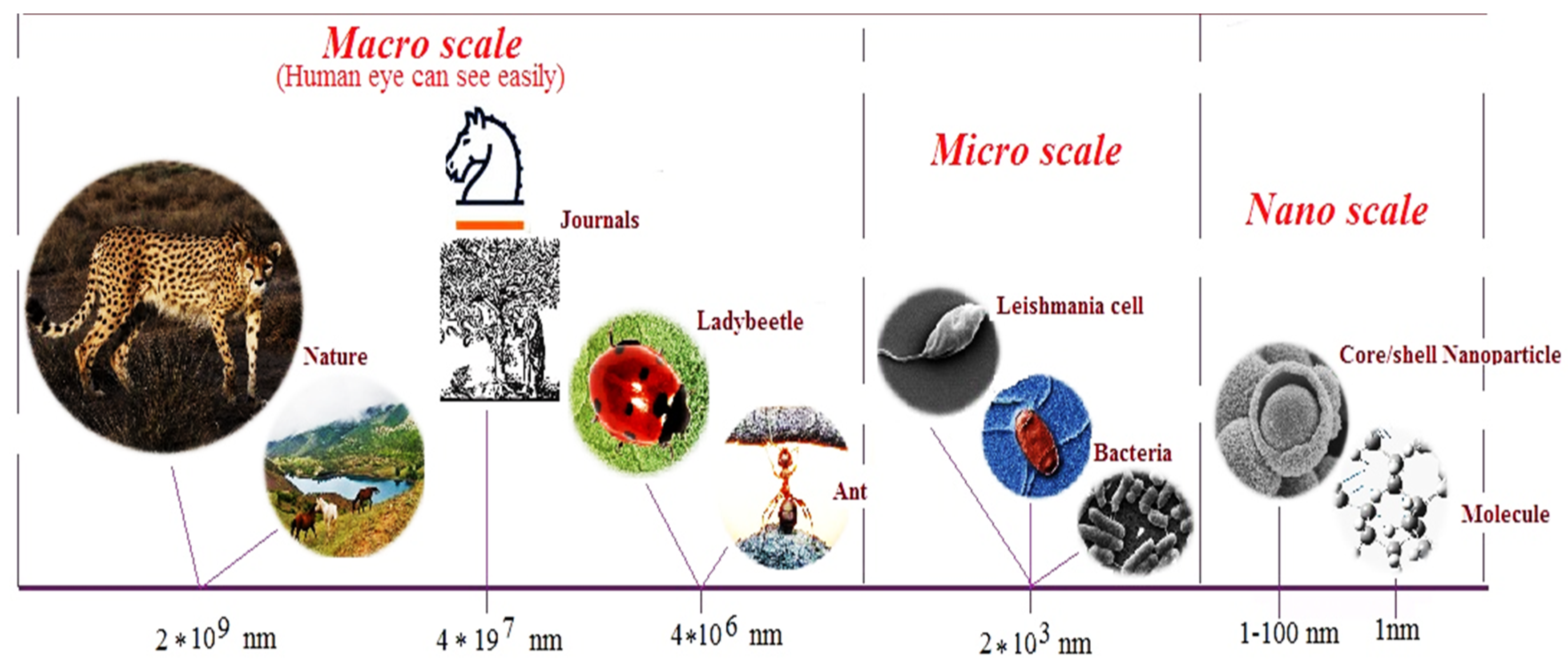
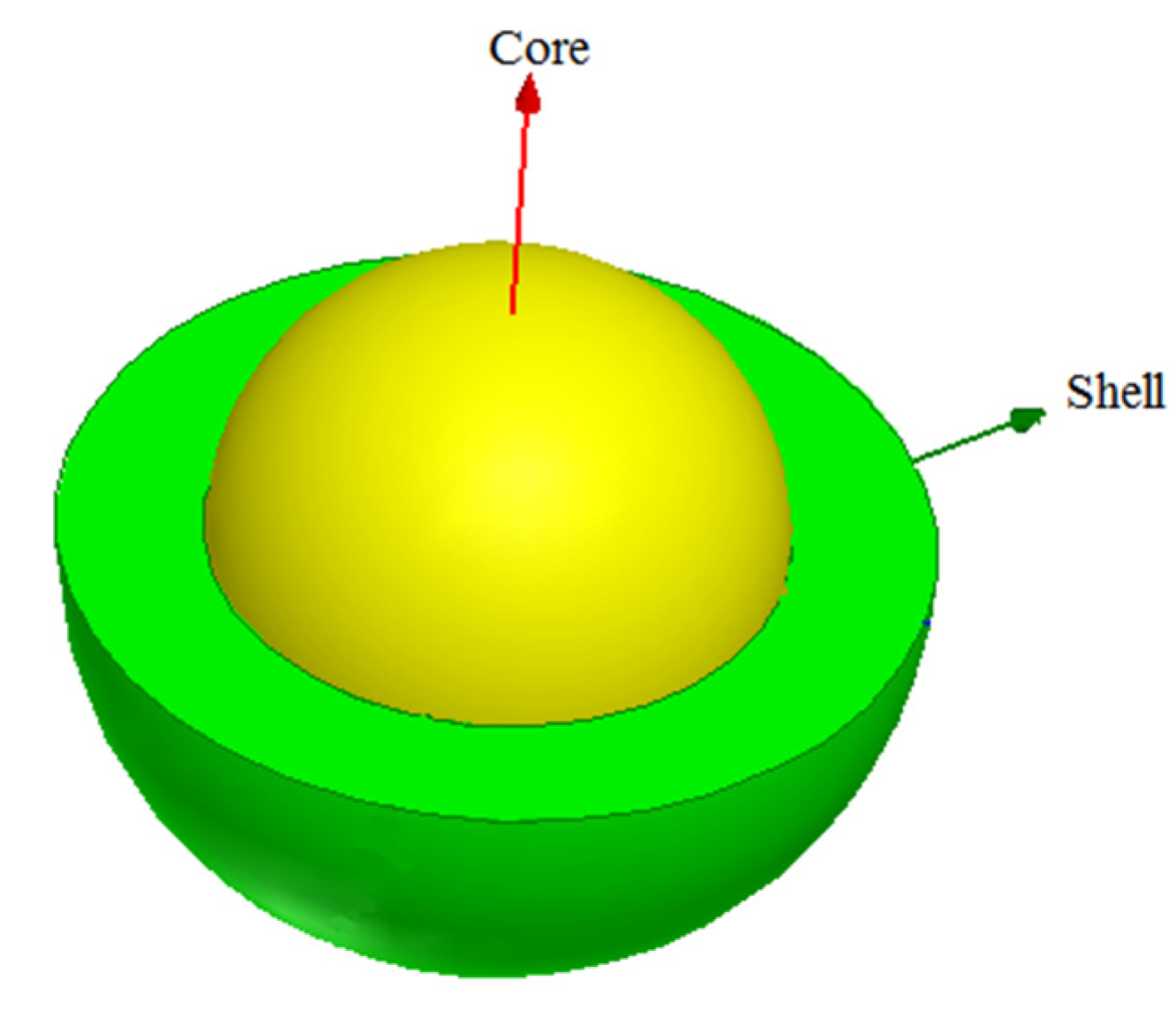
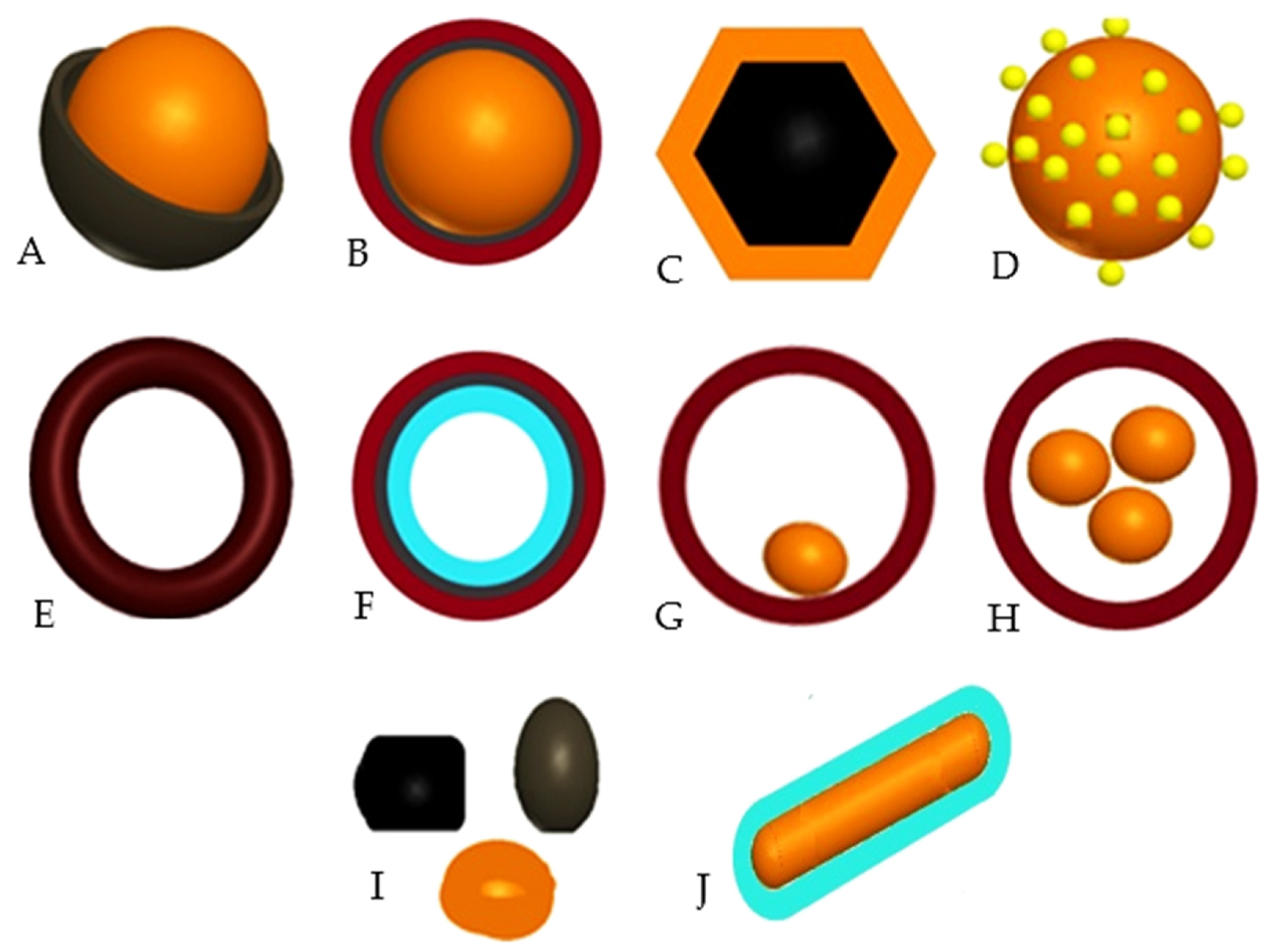
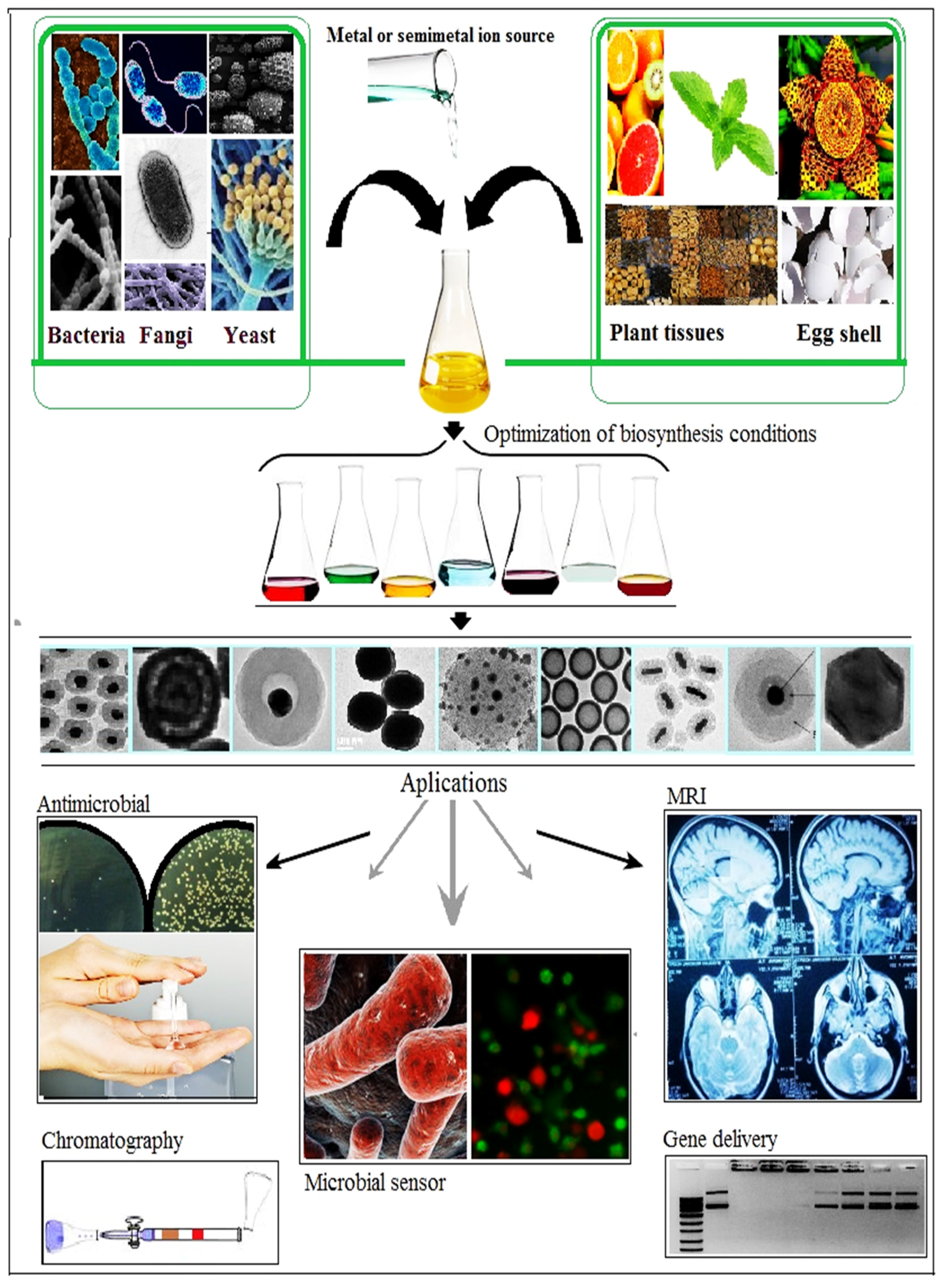

| No. | Core Shell NPs | Synthesis Method | Synthesis Details (Brief) | Ref. |
|---|---|---|---|---|
| 1 | Fe3O4@carbon | Combination of hydrothermal and chemical co precipitation | Ferric chloride hexahydrate and ferrous chloride tetrahydrate upon addition of NH4OH. Then a carbon layer was coated on Fe3O4 NPs by using starch as the carbon precursor to protect the Fe3O4 magnetic core from oxidation. | [17] |
| 2 | Cu@silica and Ag@Si | Through evaporation via a high powered electron beam | One-step: Silica and Cu were placed in a graphite crucible with a weight ratio of 20:1 with Cu on the bottom. The Ag@Si particles were synthesized with a Si:Ag weight ratio of 10:1 with Ag at the bottom. | [9] |
| 3 | Gold@Silver | Sodium citrate | Two-step: 4-mercaptobenzoic acid ligand (8 μL, 0.57 mM in 0.25 M NaOH) was added under vortex to the as synthesized citrate stabilized AuNPs solution (1 mL). The contents were incubated for 2 h at room temperature, then hydroquinone (30 μL, 10 mM in H2O) and AgNO3 (30 μL, 10 mM in H2O) were added under vigorous stirring for 12 h. | [18] |
| 4 | Pd@Pt and Cu@Ag | Microwave-assisted | An EG solution containing (PdCl4, 100 mM) and PVP (15 wt %) was introduced continuously into the quartz tube reactor placed in the microwave cavity. EG (bp 195 °C) was heated to 200 °C using MW irradiation under pressure. | [19] |
| 5 | Silica@silver | Electroless reduction | Silica core synthesized by hydrolysis and condensation of TEOS in an alkaline medium. TEOS (3.6 mL) was added to ammonium hydroxide (11.9 mL) in ethanol (88 mL) solution and stirred for 15 h. | [20] |
| No. | Plant | Nanoparticles Type | Method for Extract Preparation | Size (nm) | Ref. |
|---|---|---|---|---|---|
| 1 | Moringa Oleifera | Ni/Fe3O4 | 20 g leaves extract at 80 °C with 100 mL of de-ionized water for 2 h. | 16–20 | [37] |
| 2 | Dioscorea bulbifera | Au/Ag | 5 g of the dried tubers powder boiled in 100 mL of distilled water for 5 min. | 9 nm core total diameter 15 | [38] |
| 3 | Vitis vinifera | Fe3O4-Ag | 10 g stem powder mixed with 100 mL distilled water. | Below 50 | [39] |
| 4 | Antigonon leptopus | Au/Ag | 2 g of plant parts boiled in 100 mL of water for 5 min. | 10–60 | [42] |
| 5 | Diopyros kaki (Persimmon) | Au/Ag | 5 g of dried cut leaves in 100 mL of distilled water and boiling the mixture for 5 min. | 50–500 | [43] |
| 6 | Azadirachta indica (Neem) | Au/Ag | 20 g powder leaf boiled (2 min) in 100 mL of distilled water and finally decantation. | 50–100 | [44] |
| 7 | Cacumen platycladi | Au-Pd | 1 g leaf was dispersed in 100 mL deionized water on a shaker for 4 h. and filtrated. | ~7 nm | [45] |
| 8 | Potamogeton pectinatus | Au-Ag | 1.5 g in 30 mL distilled water, and then heated at 80 °C while stirring for 10 min. | 5 ± 10.6 nm | [46] |
| 9 | Piper betle L. | Silver-protein | 10 g of finely cut leaves in 200 mL of double-distilled deionized water and then boiling the mixture for 5 min. | 17–28 | [47] |
| 10 | Anacadium occidentale | Au-Ag | Conditions not described. | Below 25 | [48] |
| 11 | Green tea extract | Fe3O4@SiO2 | 50 g of green tea leaves boiled in 500 mL double-distilled-water, until reached boiling temperature. The extract was then vacuum filtered after 1 h. | - | [49] |
| No. | Bioresource Derivatives | Type | Ions Source | Size (nm) | Biosynthesis Detail | Ref. |
|---|---|---|---|---|---|---|
| 1 | Starch | Cu-Ag | Cu(NO3)2·3H2O and (AgNO3) and ascorbic acid and starch | 20 ± 5 | To the starch solution, equal volume of metal salt solution and ascorbic acid (10%, v/v, of starch) were added and reaction was carried out under microwave at full power for 90 s. | [58] |
| 2 | Tryptophan | Au@Pd | HAuCl4 and PdCl2 | ~60 | Palladium precursor solution (5 mL) was introduced to the gold NP seed solution (5 mL) along with 1 mL of tryptophan solution. The resulting mixture was stirred for 2 h followed by intermittent sonication for 10 s at every 30 min. | [59] |
| 3 | Gelatin | Au-Ag | HAuCl4 and AgNO3 | 30 | 5.0 mL of 1.0 × 10⁻² mol/L HAuCl4 solution to 50 mL of (1.0 wt %) gelatin solution, followed by 5.0 mL of 1.0 × 10⁻² mol/L AgNO3 with vigorous stirring at 50 °C for 6 h | [60] |
| 4 | Plant tannin (bay berry) | Au@Pd | HAuCl4 and PdCl2 | 12 ± 6 | 10.0 mL of HAuCl4/PdCl2 mixture with different molar ratios was mixed with 40.0 mL of BT solution (0.02 g). The resultant mixture was shaken at 30 °C | [61] |
| 5 | Gallic acid | Au@Pt | H2PtCl6 and HauCl4 | 40–60 | HAuCl4 and H2PtCl6 in a total volume of 0.5 mL) were mixed in 17.5 mL of doubly distilled water in a round-bottom flask of 50 mL, and heated to boiling under magnetic stirring, when 2.0 mL of gallic acid solution was rapidly added. | [62] |
| 6 | Ascorbic acid (vitamin C) | Core (Fe, Cu)-Shell (Au, Pt, Pd, and Ag) | CuCl2 and HAuCl4·3H2O | _ | 10 mL of 0.1 N ascorbic acid (vitamin C) was reacted with core CuCl2 (2 mL, 0.1 N) at room temperature, and then shell HAuCl4·3H2O (2 mL, 0.01 N) was added and allowed to react at room temperature for 1 h. | [63] |
| Fe3O4 /Au | Fe3O4 and HAuCl4 | 16 | 70 mg citrate-coated Fe3O4 nanoparticles were dispersed in 20 mL double distilled water and were sonicated for 20 min. To this, 700 mL of freshly prepared gold chloride solution (0.1 g/mL) was then added maintaining a Fe3O4 nanoparticle to gold chloride solution is in the ratio of 1:1 (w/w, 60–70 °C). The solution was kept under constant stirring condition. After 5 min, 560 mL of freshly prepared ascorbic acid solution (0.5 g/mL) was added maintaining gold chloride to ascorbic acid ratio of 1:4 (w/w, constant stirring). | [64] | ||
| 7 | Paraffin oleic acid | CdSe/CdS/ZnS | Se and CdO and Na2S·9H2O and zinc acetate | 0.2 mmol of Se was dissolved in 18 mL of paraffin in a three-necked flask at 220 °C under vigorous stirring. In another flask, the cadmium precursor was prepared by dissolving CdO (2 mmol) in a mixture of 0.6 mmol oleic acid (2 mL) and paraffin liquid (8 mL) at 160 °C. 2 mL of the cadmium precursor solution was quickly injected into the Se solution, and the temperature was kept at 220 °C. After 20 mins, the solution was cooled to 100 °C, followed by the addition of Na2S·9H2O (0.5 mmol) into the solution. The solution was heated to 160 °C under vigorous stirring followed by dropwise addition of the Zn precursor (3 mL) prepared by dissolving zinc acetate in liquid paraffin. The mixture was cooled to 100 °C and the reaction was allowed to continue for 90 mins to monitor the growth of the ZnS shell. | [65] |
| No. | Nanoparticles Type | Application | Details | Ref. |
|---|---|---|---|---|
| 1 | CoFe2O4@SiO2-NH2 | Remove heavy metals | The regenerable magnetic nanospheres could be potential adsorbents for the effective and removal of heavy metal ions (Cd(II), Cu(II) and Pb(II) from aqueous solutions. | [91] |
| 2 | Au-Ag, Ag-Au | Chemical and biomolecular Sensor | Surface-enhanced Raman scattering | [90] |
| 3 | Au-Ag | Detection drugs | Chemiluminescence detection of anticancer drug, Raloxifene hydrochloride | [60] |
| 4 | Au/Ag core-shell nanoparticles | Sensor | Demonstrated fully reversible active control of plasmon resonances in both isolated and interacting plasmonic nanoparticles | [92,93,94] |
| 5 | Fe core and a thin ferrite shell | Biosensor development of new diagnostic platforms | Multiplexed intracellular sensing of forum RNAs in MCF-7 human breast cancer cells using AuNPs with a dense shell of multicolored molecular beacons. These show high nuclease resistance and biocompatibility. | [95,96,97] |
| 6 | Uniform-sized amino-modified silica NH2SiNPs | Sensor | Detection of breast cancer cells at early apoptosis | [88] |
| 7 | Au-Pd | Cathode catalysts | The core-shell Au-Pd nanoparticles could be used in MFCs as a good alternative to the Pt-based cathode catalysts for the production of electricity without losing power efficiency and stability. | [98] |
| 8 | Dual-Functionalized Core-Shell Fluorescent Microspheres | Vector | Far-red-labeled microspheres are ideal candidates for in vitro, cellular delivery of proteins. | [99] |
| 9 | AgNPs@CeO2 | Nanocatalysts | Catalyze the chemoselective reduction of unsaturated aldehydes to the corresponding unsaturated alcohols with H2 | [100] |
| 10 | Au-Ag | Parasitology | Antileishmanial Activity | [38] |
© 2018 by the authors. Licensee MDPI, Basel, Switzerland. This article is an open access article distributed under the terms and conditions of the Creative Commons Attribution (CC BY) license (http://creativecommons.org/licenses/by/4.0/).
Share and Cite
Khatami, M.; Alijani, H.Q.; Nejad, M.S.; Varma, R.S. Core@shell Nanoparticles: Greener Synthesis Using Natural Plant Products. Appl. Sci. 2018, 8, 411. https://doi.org/10.3390/app8030411
Khatami M, Alijani HQ, Nejad MS, Varma RS. Core@shell Nanoparticles: Greener Synthesis Using Natural Plant Products. Applied Sciences. 2018; 8(3):411. https://doi.org/10.3390/app8030411
Chicago/Turabian StyleKhatami, Mehrdad, Hajar Q. Alijani, Meysam S. Nejad, and Rajender S. Varma. 2018. "Core@shell Nanoparticles: Greener Synthesis Using Natural Plant Products" Applied Sciences 8, no. 3: 411. https://doi.org/10.3390/app8030411
APA StyleKhatami, M., Alijani, H. Q., Nejad, M. S., & Varma, R. S. (2018). Core@shell Nanoparticles: Greener Synthesis Using Natural Plant Products. Applied Sciences, 8(3), 411. https://doi.org/10.3390/app8030411

