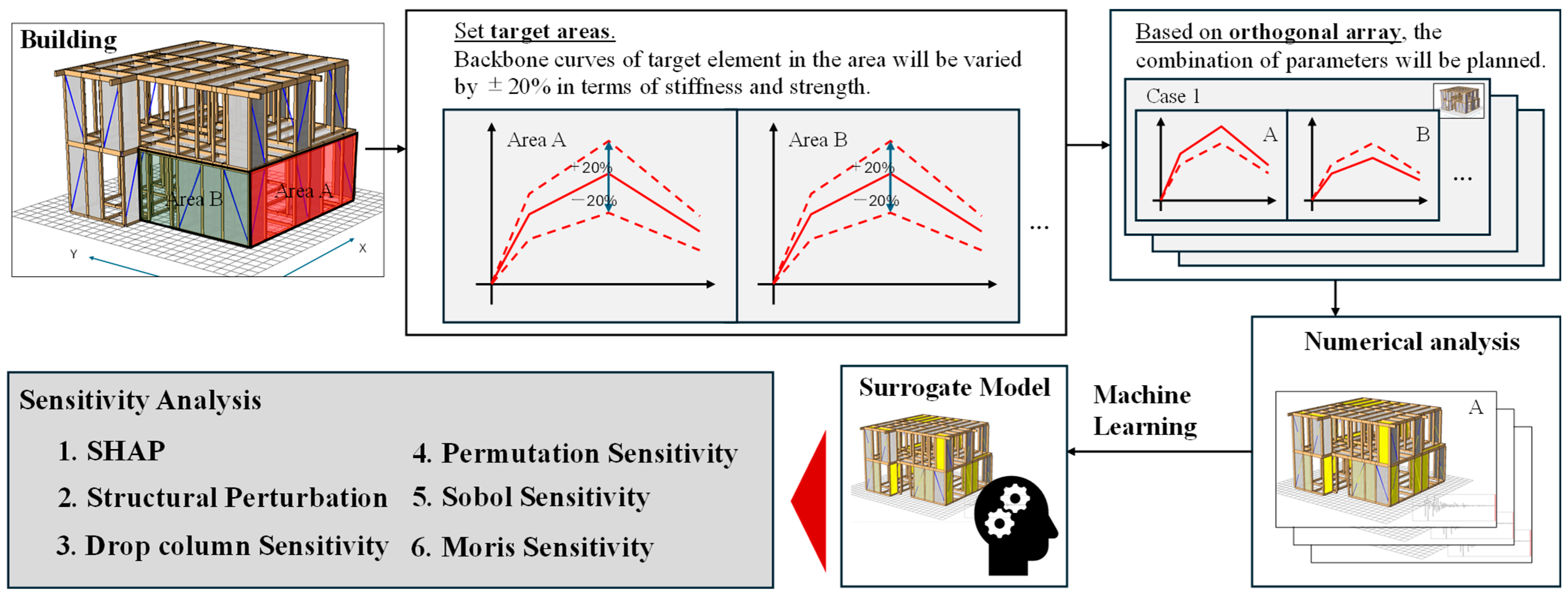
Machine Learning Surrogate for Seismic Response of a Wooden House: A Comparison of SHAP, Sobol, and Morris Sensitivity Analyses


Abstract
1. Introduction
2. Method
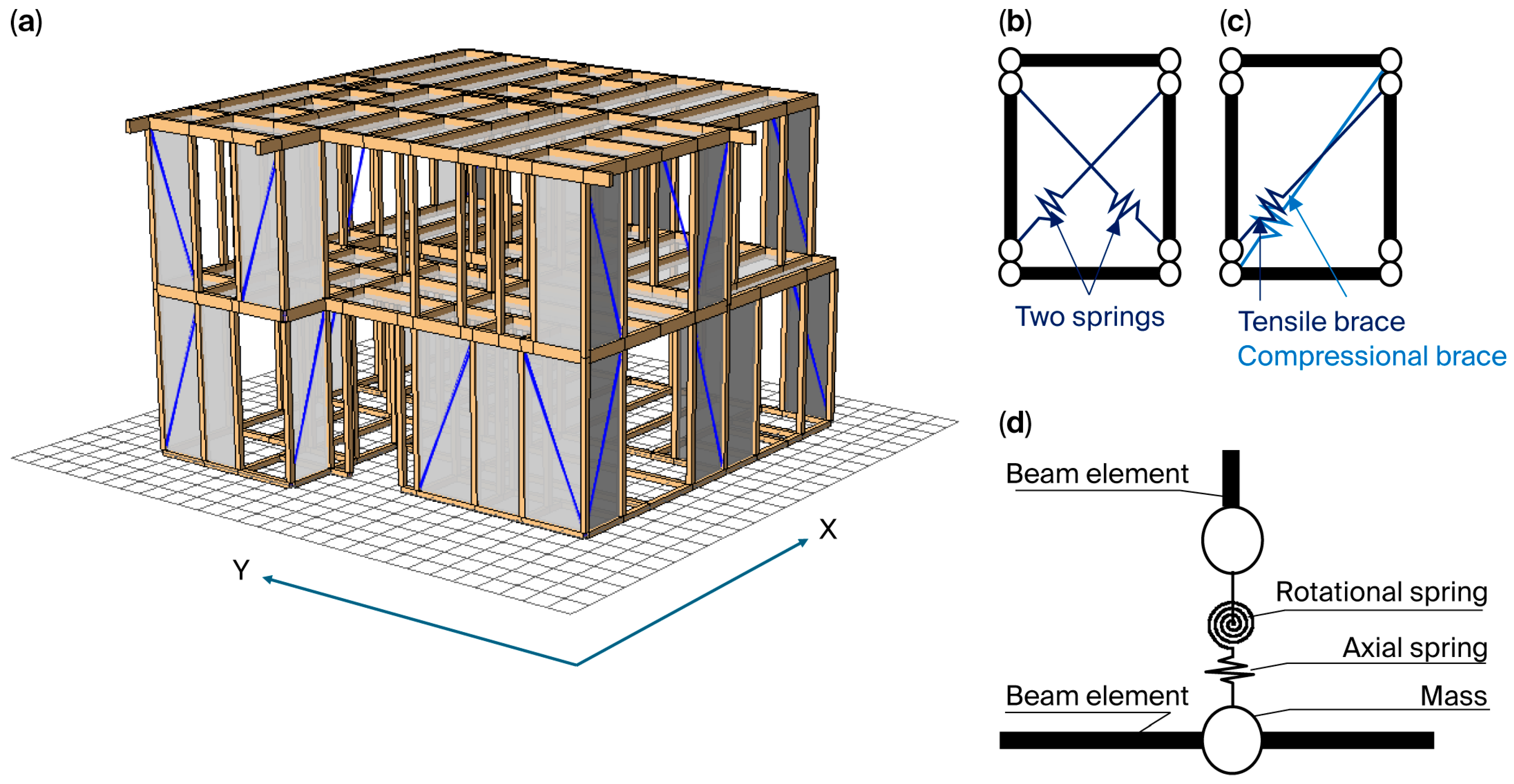
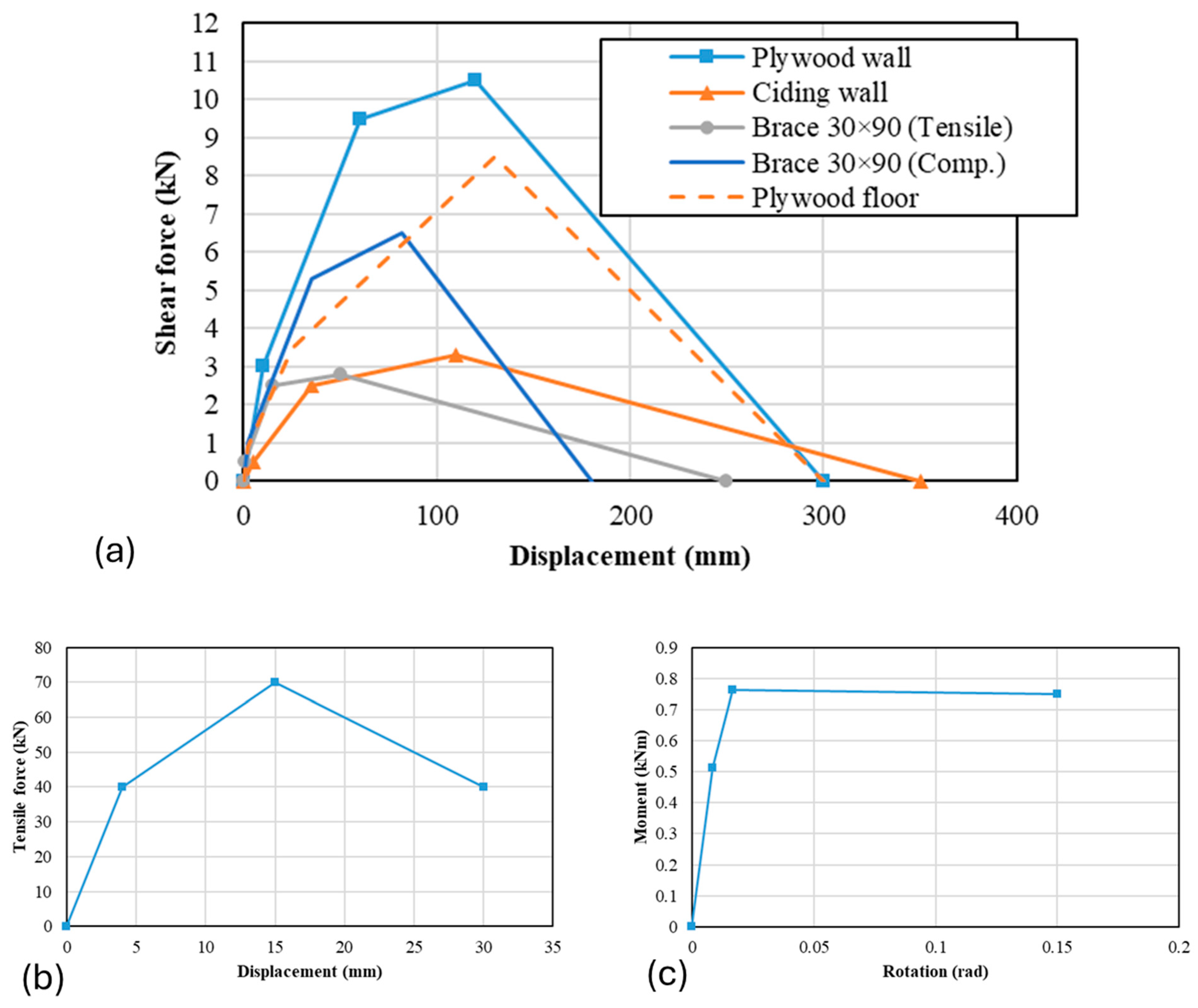
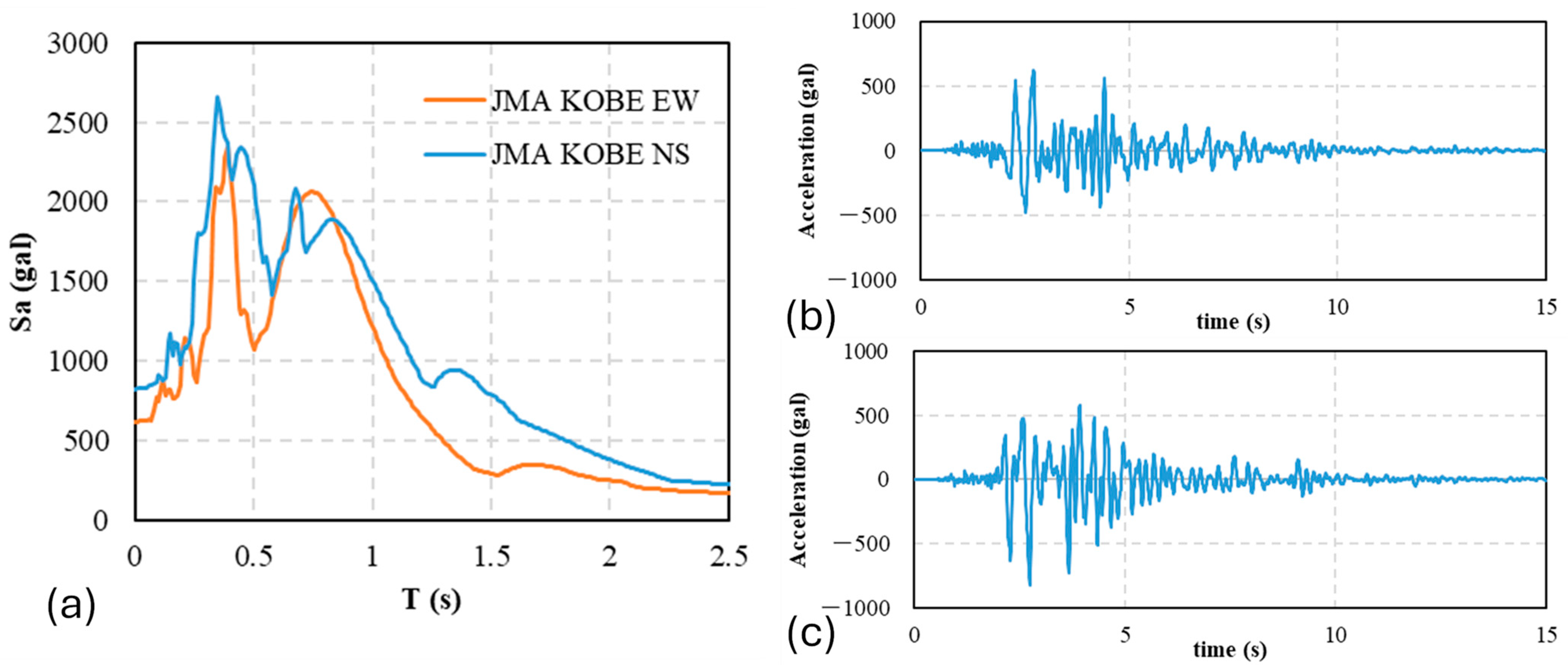
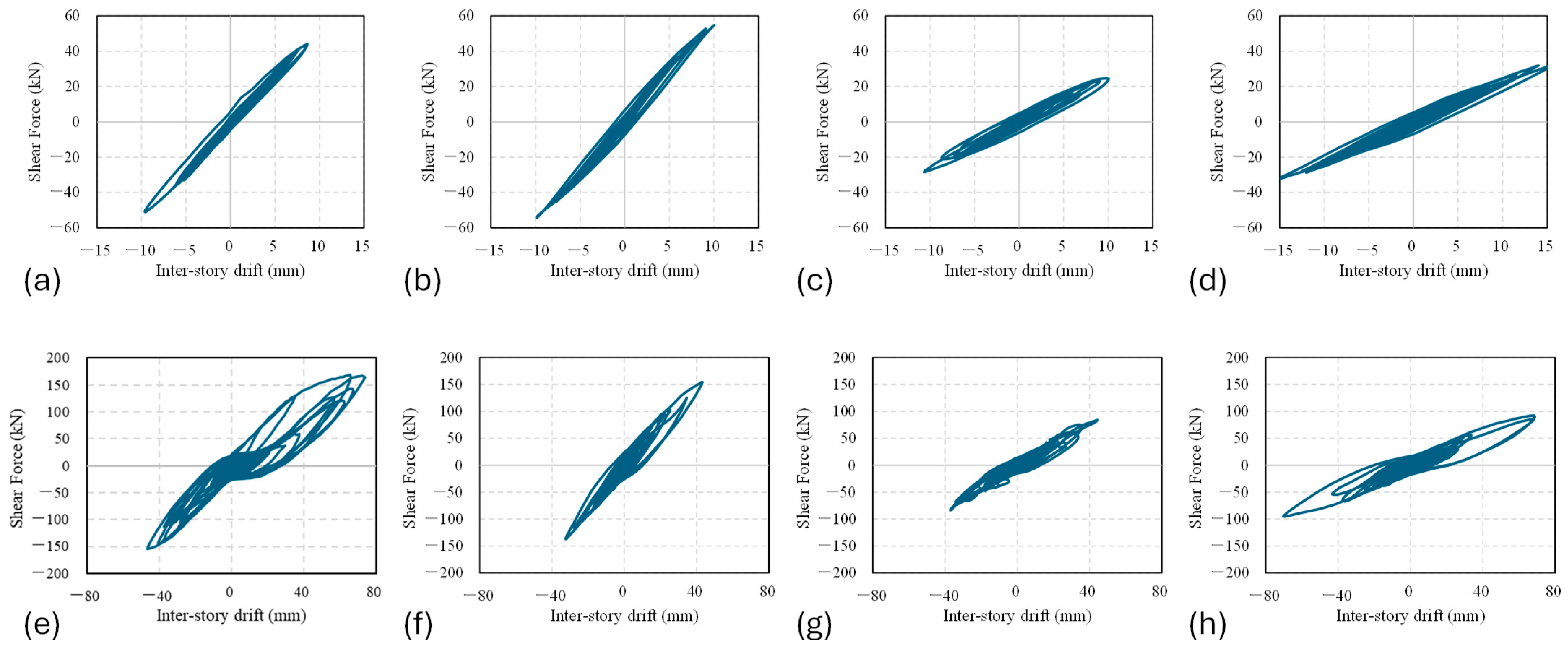
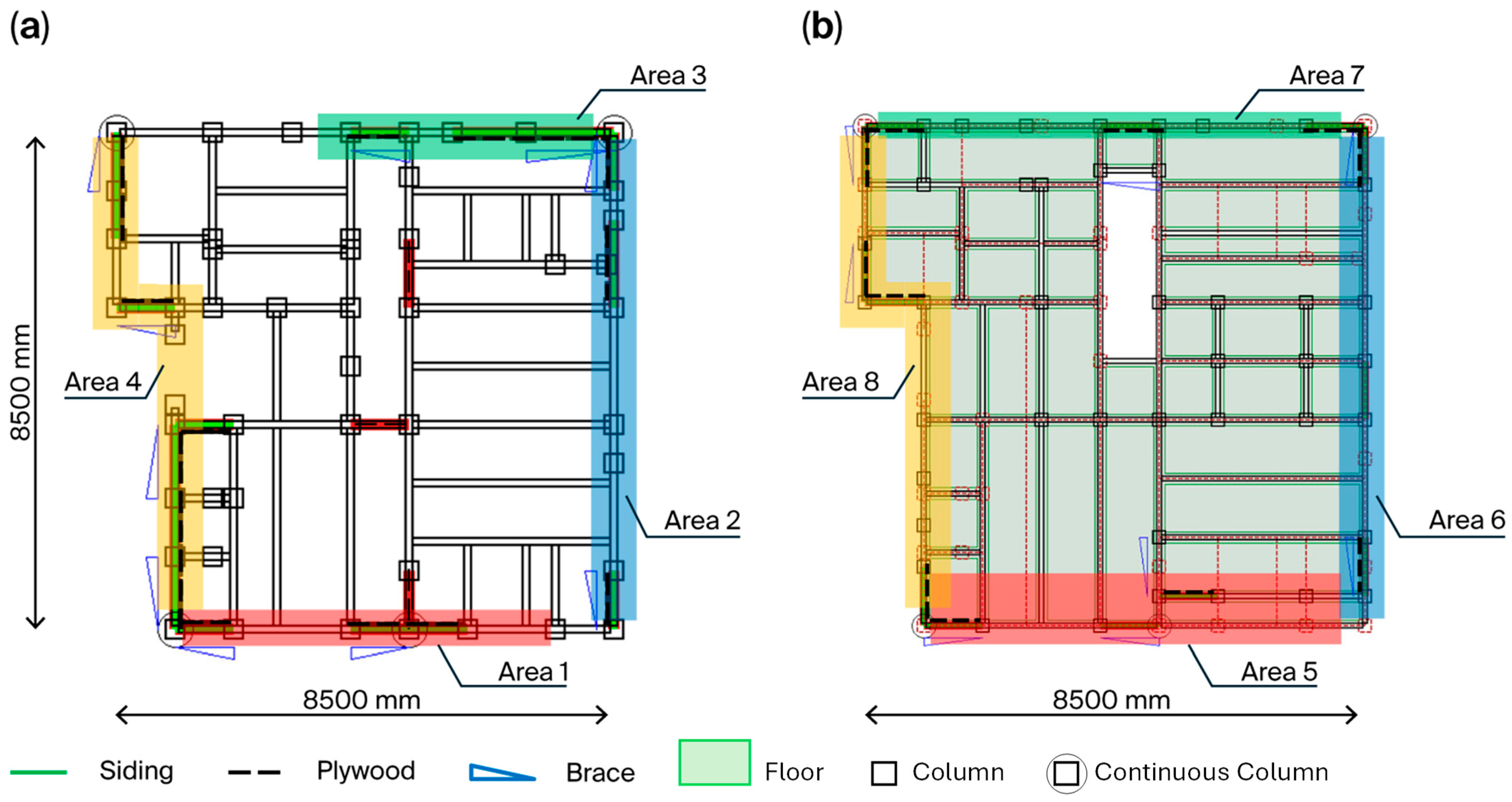
2.1. Building Model and Datasets
2.2. Machine Learning Surrogate
2.3. Sensitivity Analysis Methods
2.3.1. SHAP
2.3.2. Structural Perturbation
2.3.3. Drop-Column Importance
2.3.4. Permutation Importance
2.3.5. Sobol Sensitivity
- The first-order index measures the main effect of variable alone.
- Higher-order indices (e.g., ) capture interactions between variables.
- The total-order index includes both the main effect and all interaction effects involving .
2.3.6. Morris Method
- The input space is discretized into a grid of levels.
- Random trajectories are generated, where each input variable is incrementally perturbed one at a time along the trajectory.
- For each input variable , the elementary effect (EE) is computed as:
- 4.
- Across multiple trajectories, the mean absolute value of the elementary effects () is calculated for each variable:
3. Results and Discussion
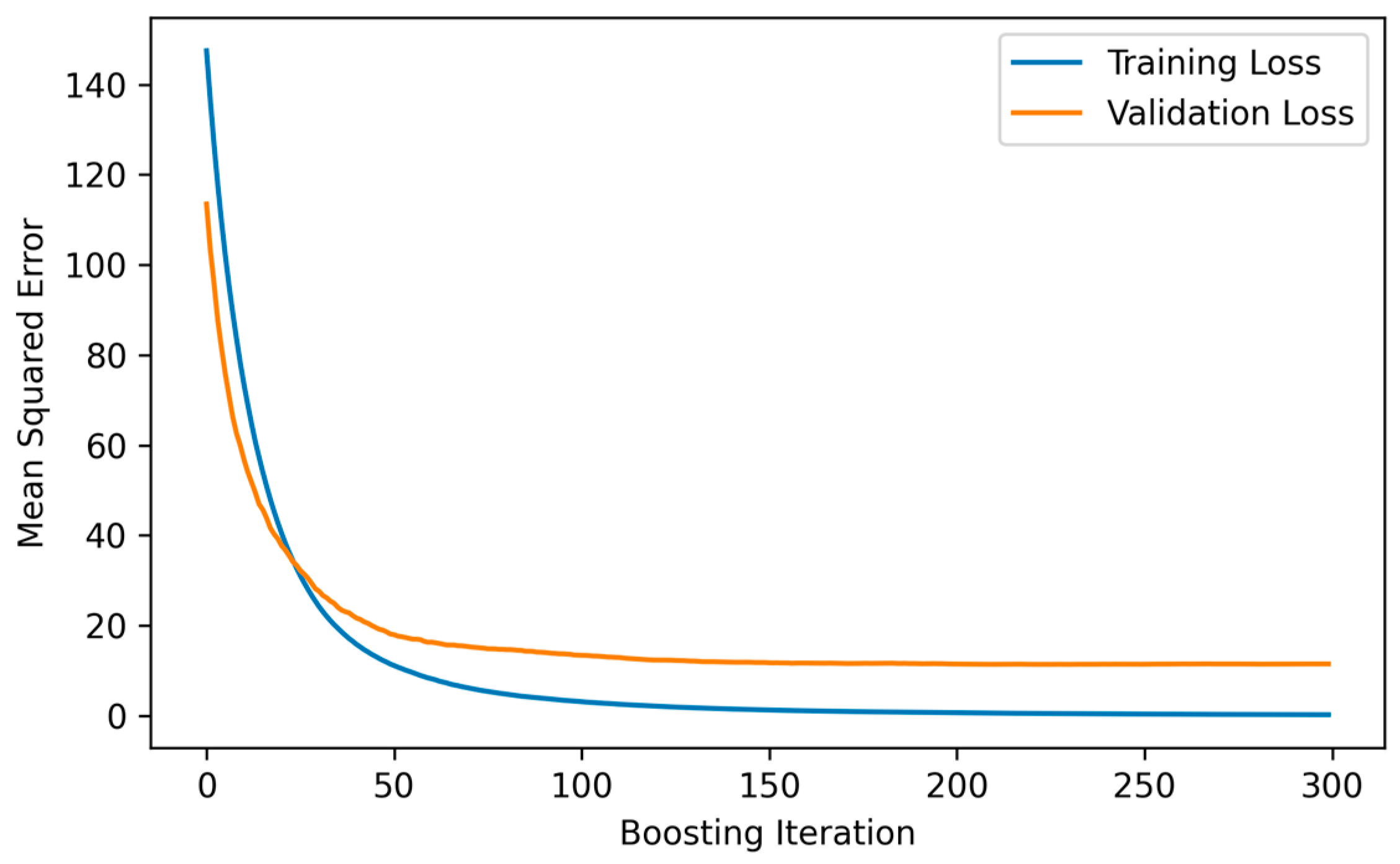
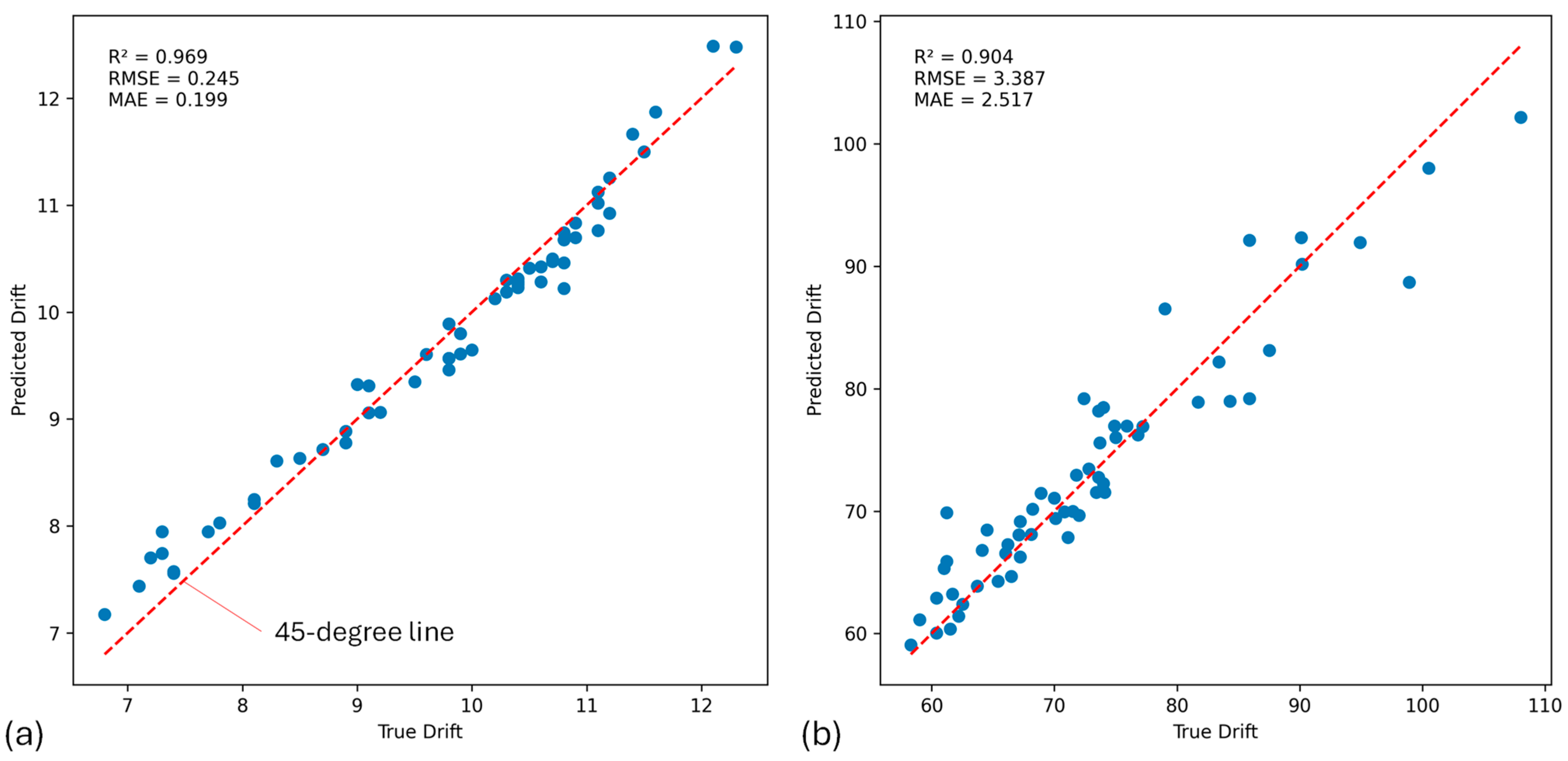
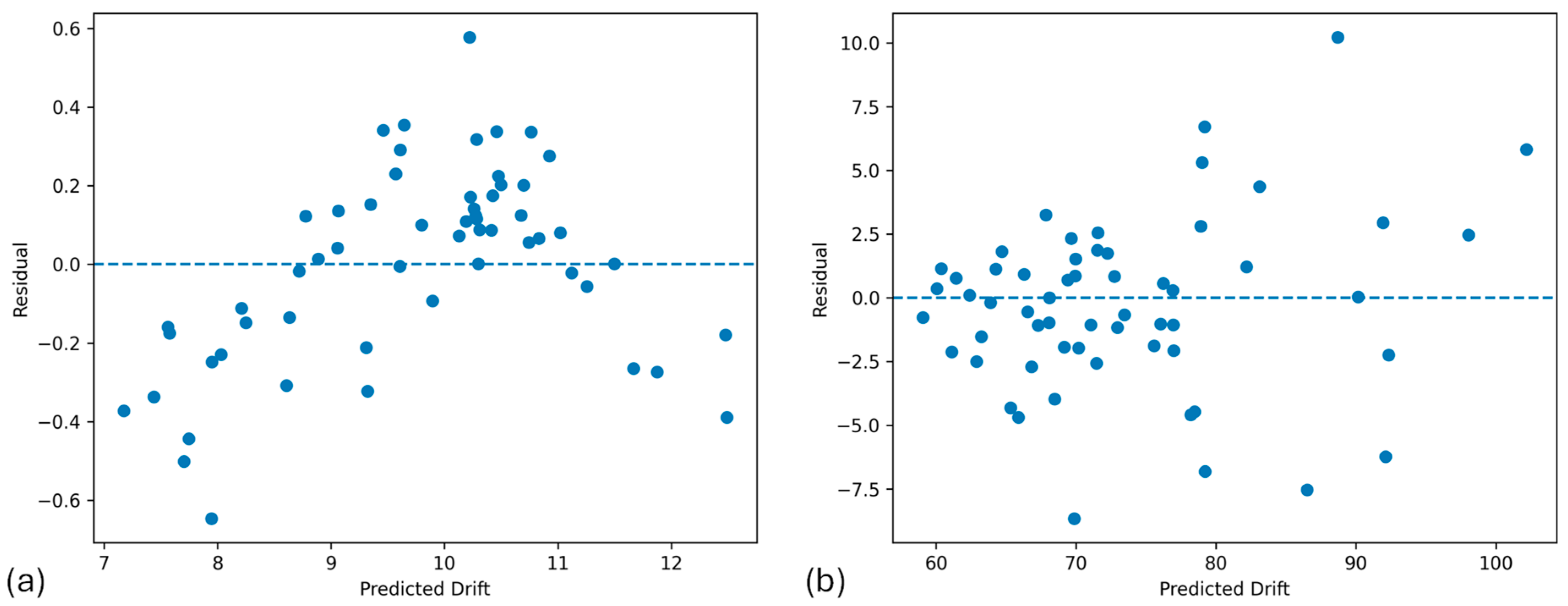
3.1. Machine Learning Surrogate Performance
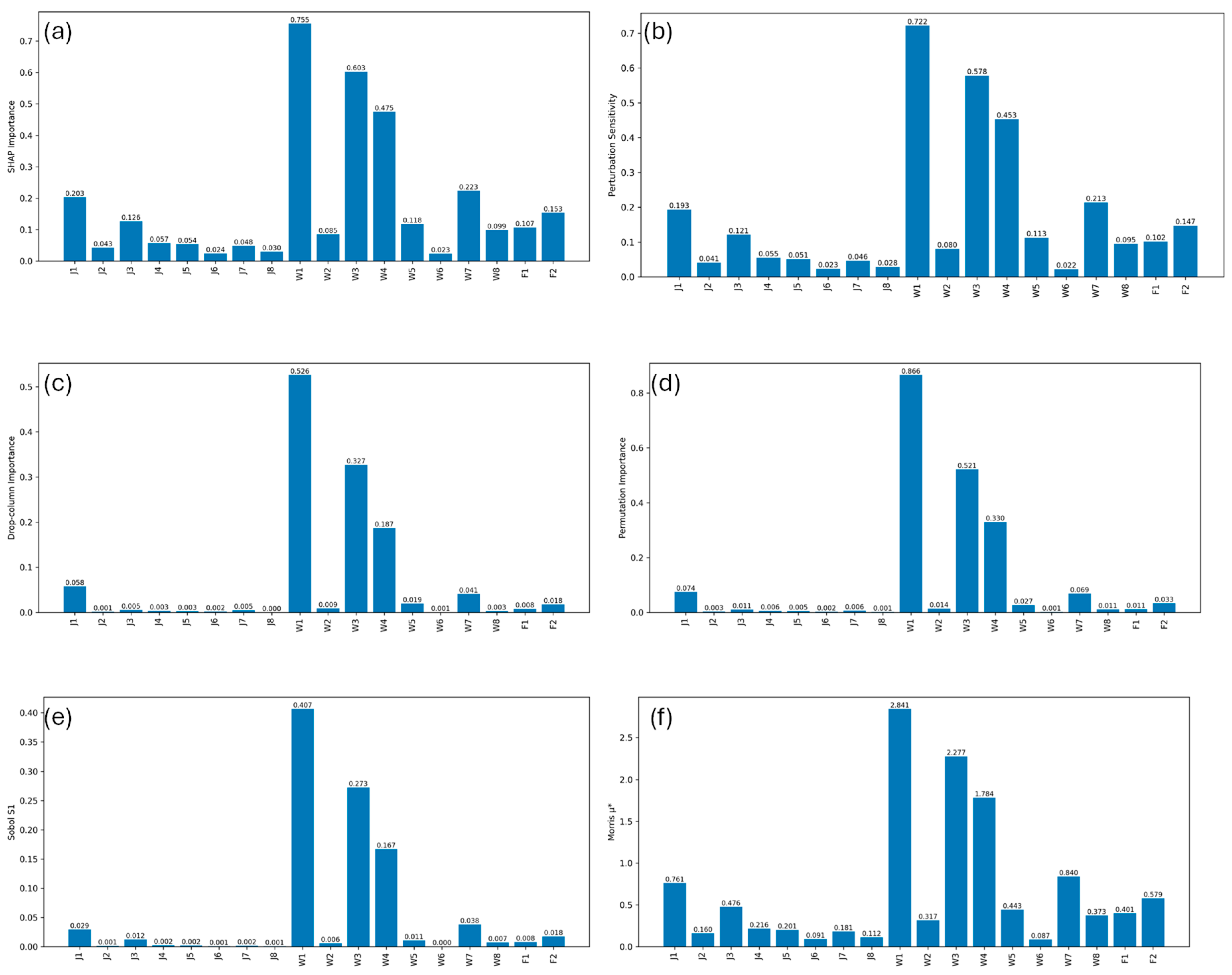
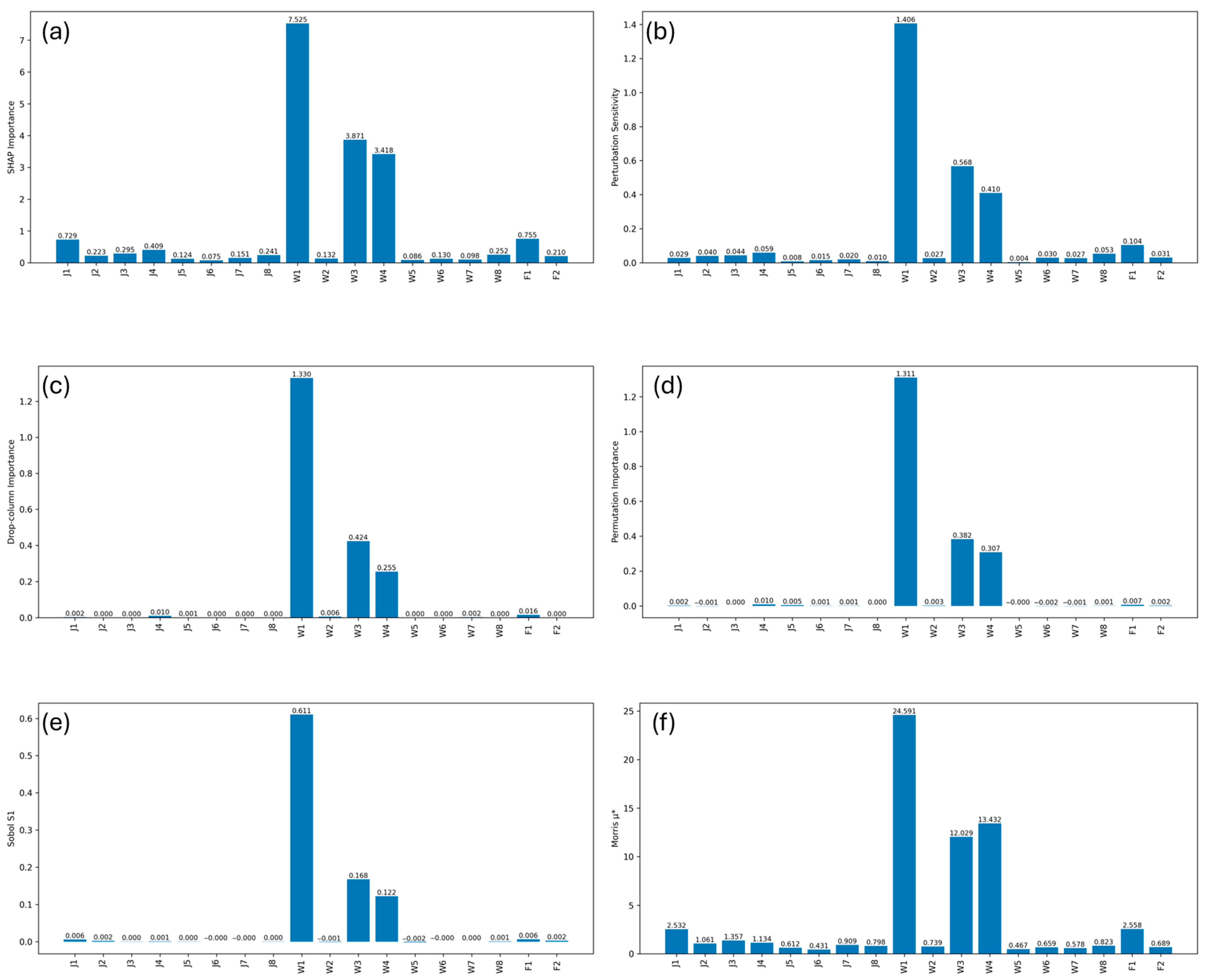
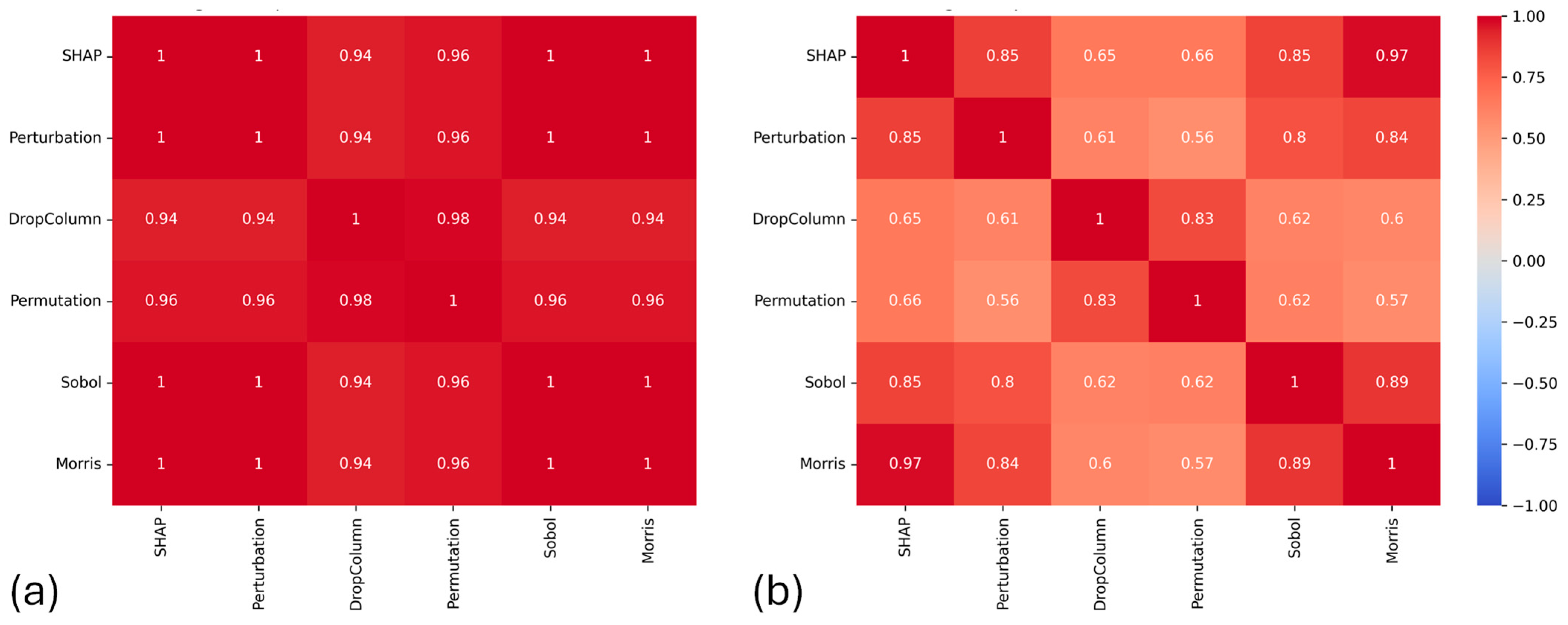
3.2. Sensitivity Analysis Results
4. Conclusions
Funding
Institutional Review Board Statement
Informed Consent Statement
Data Availability Statement
Conflicts of Interest
References
- Lawlor, S. Wooden housing accounted for approximately 60% of new residential housing starts in Japan in 2025. In Japan Housing Starts Report–June 2025; Canada Wood Group: Vancouver, BC, Canada, 2025. [Google Scholar]
- Win, L.S.Y.; Isoda, H.; Nakagawa, T.; Shinohara, M. Comparative Analysis of CO2 Emissions During Construction of Japanese Wooden Buildings by Construction Method. In Summaries of Technical Papers of Annual Meeting; Architectural Institute of Japan (Kyushu): Tokyo, Japan, 2025; pp. 2343–2344. (In Japanese) [Google Scholar]
- Song, X.; Zhan, C.; Xia, J. Integration of a statistical emulator approach with the SCE-UA method for parameter optimization of a hydrological model. Chin. Sci. Bull. 2012, 57, 3397–3403. [Google Scholar] [CrossRef]
- Wu, Q.; Liu, S.; Cai, Y.; Li, X.; Jiang, Y. Improvement of hydrological model calibration by selecting multiple parameter ranges. Hydrol. Earth Syst. Sci. 2017, 21, 393–407. [Google Scholar] [CrossRef]
- Liu, L.; Ao, T.; Zhou, L.; Takeuchi, K.; Gusyev, M.; Zhang, X.; Wang, W.; Ren, Y. Comprehensive evaluation of parameter importance and optimization based on the integrated sensitivity analysis system: A case study of the BTOP model in the upper Min River Basin, China. J. Hydrol. 2022, 610, 127819. [Google Scholar] [CrossRef]
- Zhao, Z.; Wang, J.; Wu, N. Machine Learning-Based Surrogate Ensemble for Frame Displacement Prediction Using Jackknife Averaging. Buildings 2025, 15, 2872. [Google Scholar] [CrossRef]
- Kuria, K.K.; Kegyes-Brassai, O. Digital twin-based machine learning framework for predicting nonlinear seismic response of reinforced concrete shear walls using analytical data. Sci. Rep. 2026, 16, 3081. [Google Scholar] [CrossRef] [PubMed]
- Namba, T. A review on artificial intelligence application for Wooden structure. Artif. Intell. Data Sci. 2025, 6, 624–631. (In Japanese) [Google Scholar] [CrossRef]
- Oh, B.K.; Kim, J. Optimal architecture of a convolutional neural network to estimate structural responses for safety evaluation of the structures. Measurement 2021, 177, 109313. [Google Scholar] [CrossRef]
- Lee, S.C.; Park, S.K.; Lee, B.H. Development of the approximate analytical model for the stub-girder system using neural networks. Comput. Struct. 2001, 79, 1013–1025. [Google Scholar] [CrossRef]
- Kang, M.C.; Yoo, D.Y.; Gupta, R. Machine learning-based prediction for compressive and flexural strengths of steel fiber-reinforced concrete. Constr. Build. Mater. 2021, 266, 121117. [Google Scholar] [CrossRef]
- Mangalathu, S.; Hwang, S.-H.; Jeon, J.-S. Failure mode and effects analysis of RC members based on a machine-learning-based Shapley additive explanations (SHAP) approach. Eng. Struct. 2020, 219, 110927. [Google Scholar] [CrossRef]
- Shi, Y.; Wang, Y.; Wang, L.-N.; Wang, W.-N.; Yang, T.-Y. Bridge Cable Performance Warning Method Based on Temperature and Displacement Monitoring Data. Buildings 2025, 15, 2342. [Google Scholar] [CrossRef]
- Hu, Z.; Mei, H.; Yu, L. An intelligent prediction method for rock core integrity based on deep learning. Sci. Rep. 2025, 15, 6456. [Google Scholar] [CrossRef] [PubMed]
- Namba, T. Fundamental Validation of an AI-Based Impact Analysis Framework for Structural Elements in Wooden Structures. Appl. Sci. 2026, 16, 915. [Google Scholar] [CrossRef]
- wallstat, version 4.3.11; Research Institute for Sustainable Humanosphere, Kyoto University: Kyoto, Japan, 2022.
- Pedregosa, F.; Varoquaux, G.; Gramfort, A.; Michel, V.; Thirion, B.; Grisel, O.; Blondel, M.; Prettenhofer, P.; Weiss, R.; Dubourg, V.; et al. Scikit-learn: Machine Learning in Python. J. Mach. Learn. Res. 2011, 12, 2825–2830. [Google Scholar]
- Friedman, J.H. Greedy function approximation: A gradient boosting machine. Ann. Stat. 2001, 29, 1189–1232. [Google Scholar] [CrossRef]
- Lundberg, S.M.; Lee, S.-I. A unified approach to interpreting model predictions. In Advances in Neural Information Processing Systems 30, Proceedings of the 31st Conference on Neural Information Processing Systems (NIPS 2017), Long Beach, CA, USA, 4–9 December 2017; Curran Associates, Inc.: Red Hook, NY, USA, 2018. [Google Scholar]
- Saltelli, A.; Chan, K.; Scott, E.M. Sensitivity Analysis in Practice: A Guide to Assessing Scientific Models; John Wiley & Sons: Hoboken, NJ, USA, 2004. [Google Scholar]
- Hastie, T.; Tibshirani, R.; Friedman, J. The Elements of Statistical Learning: Data Mining, Inference, and Prediction; Springer: New York, NY, USA, 2009. [Google Scholar]
- Altmann, A.; Toloşi, L.; Sander, O.; Lengauer, T. Permutation importance: A corrected feature importance measure. Bioinformatics 2010, 26, 1340–1347. [Google Scholar] [CrossRef] [PubMed]
- Sobol, I.M. Sensitivity Estimates for Nonlinear Mathematical Models. Math. Model. Comput. Exp. 1993, 4, 407–414. [Google Scholar]
- Morris, M.D. Factorial sampling plans for preliminary computational experiments. Technometrics 1991, 33, 161–174. [Google Scholar] [CrossRef]



| Property | Value |
|---|---|
| Maximum acceleration (PGA) | 0.87 g |
| Excitation levels | 20%, 100% |
| Duration | 30 s |
| Name | Outline | |
|---|---|---|
| 1 | J1 | Joints (HD25kN) in area 1 |
| 2 | J2 | Joints (HD25kN) in area 2 |
| 3 | J3 | Joints (HD25kN) in area 3 |
| 4 | J4 | Joints (HD25kN) in area 4 |
| 5 | J5 | Joints (HD25kN) in area 5 |
| 6 | J6 | Joints (HD25kN) in area 6 |
| 7 | J7 | Joints (HD25kN) in area 7 |
| 8 | J8 | Joints (HD25kN) in area 8 |
| 9 | W1 | Walls (plywood wall) in area 1 |
| 10 | W2 | Walls (plywood wall) in area 2 |
| 11 | W3 | Walls (plywood wall) in area 3 |
| 12 | W4 | Walls (plywood wall) in area 4 |
| 13 | W5 | Walls (plywood wall) in area 5 |
| 14 | W6 | Walls (plywood wall) in area 6 |
| 15 | W7 | Walls (plywood wall) in area 7 |
| 16 | W8 | Walls (plywood wall) in area 8 |
| 17 | F1 | Floors in second story floor |
| 18 | F2 | Floors in roof story |
Disclaimer/Publisher’s Note: The statements, opinions and data contained in all publications are solely those of the individual author(s) and contributor(s) and not of MDPI and/or the editor(s). MDPI and/or the editor(s) disclaim responsibility for any injury to people or property resulting from any ideas, methods, instructions or products referred to in the content. |
© 2026 by the author. Licensee MDPI, Basel, Switzerland. This article is an open access article distributed under the terms and conditions of the Creative Commons Attribution (CC BY) license.
Share and Cite
Namba, T. Machine Learning Surrogate for Seismic Response of a Wooden House: A Comparison of SHAP, Sobol, and Morris Sensitivity Analyses. Appl. Sci. 2026, 16, 3201. https://doi.org/10.3390/app16073201
Namba T. Machine Learning Surrogate for Seismic Response of a Wooden House: A Comparison of SHAP, Sobol, and Morris Sensitivity Analyses. Applied Sciences. 2026; 16(7):3201. https://doi.org/10.3390/app16073201
Chicago/Turabian StyleNamba, Tokikatsu. 2026. "Machine Learning Surrogate for Seismic Response of a Wooden House: A Comparison of SHAP, Sobol, and Morris Sensitivity Analyses" Applied Sciences 16, no. 7: 3201. https://doi.org/10.3390/app16073201
APA StyleNamba, T. (2026). Machine Learning Surrogate for Seismic Response of a Wooden House: A Comparison of SHAP, Sobol, and Morris Sensitivity Analyses. Applied Sciences, 16(7), 3201. https://doi.org/10.3390/app16073201