Design Optimization and Experiment of the Hammer Blade for Straw Crushers


Abstract
1. Introduction
2. Analysis of the Working Mechanism of the Hammer Blade for Straw Crushing
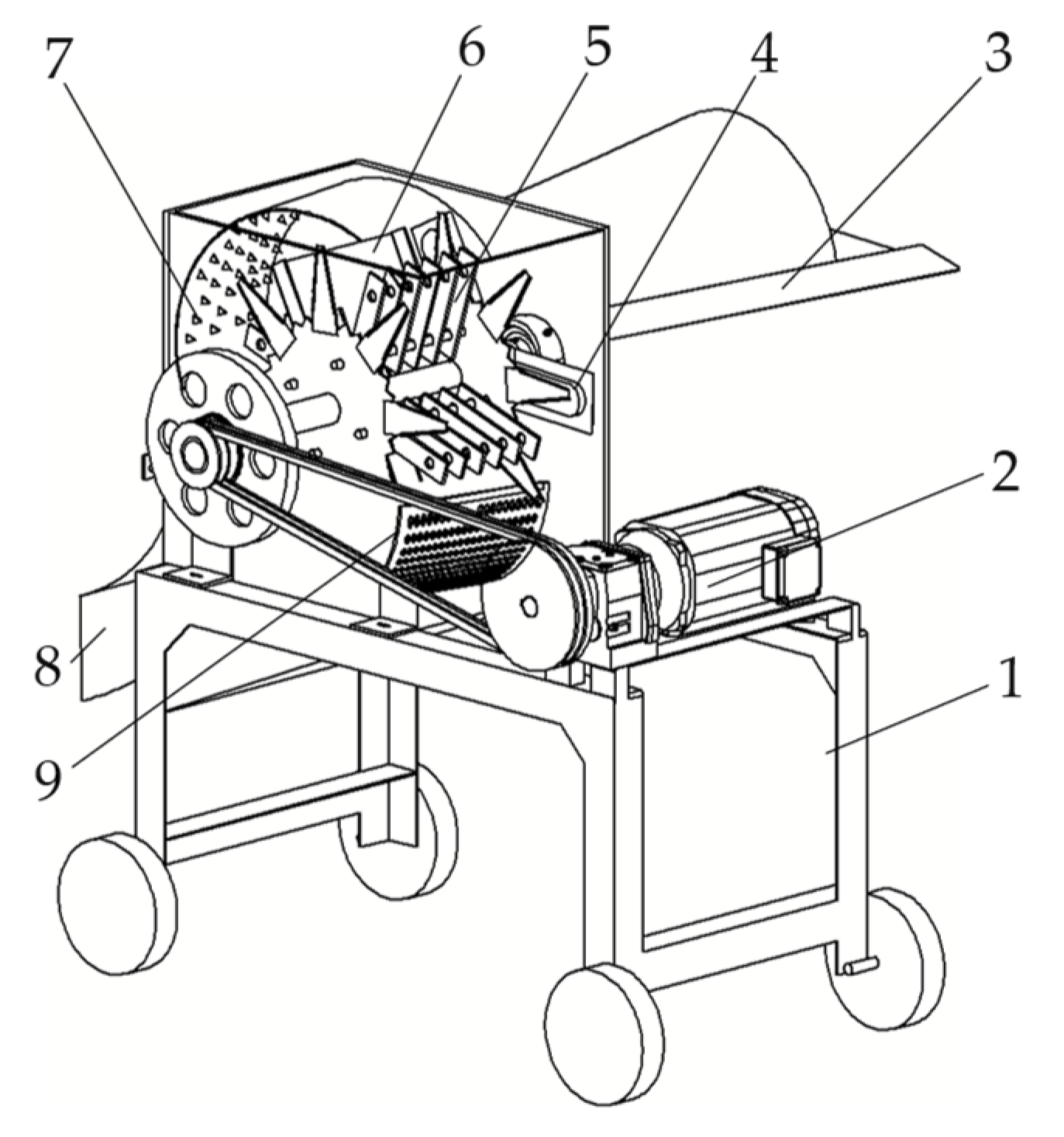
2.1. The Structure and Working Principle of the Straw Crusher
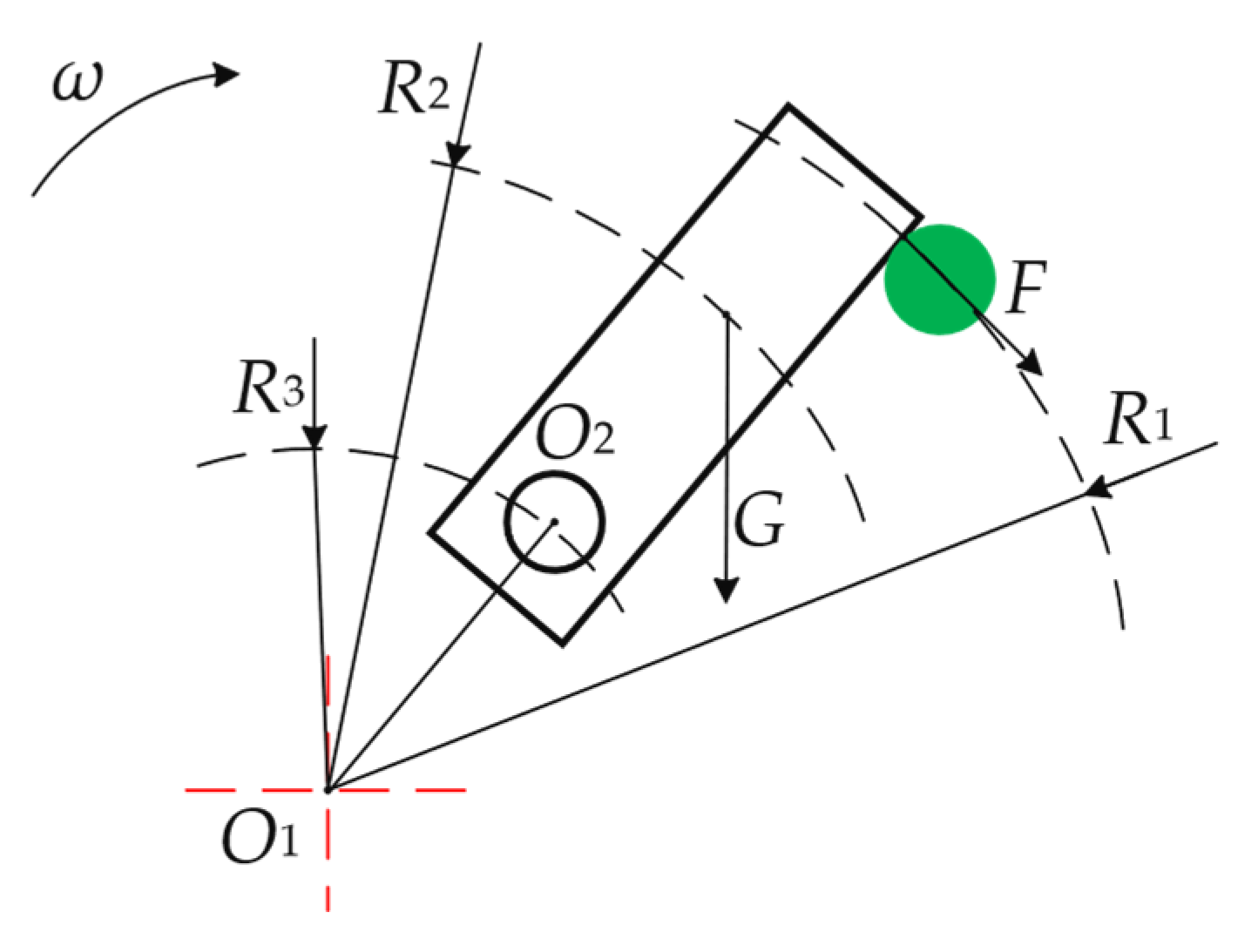
2.2. Analysis of the Force Between Hammer Blade and Straw
3. Development and Analysis of a Coupled Finite Element Model for Straw and Hammer Blade Interaction
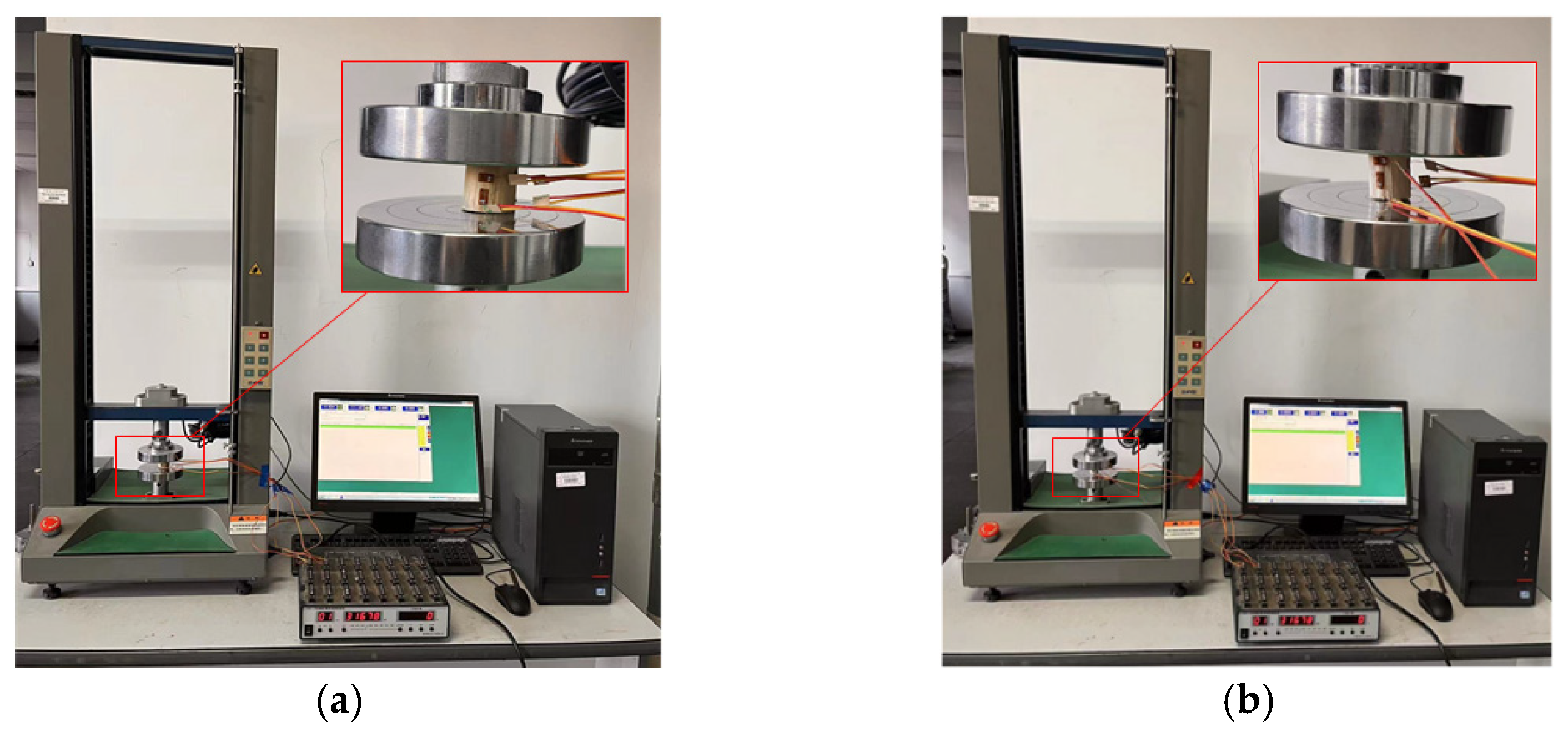
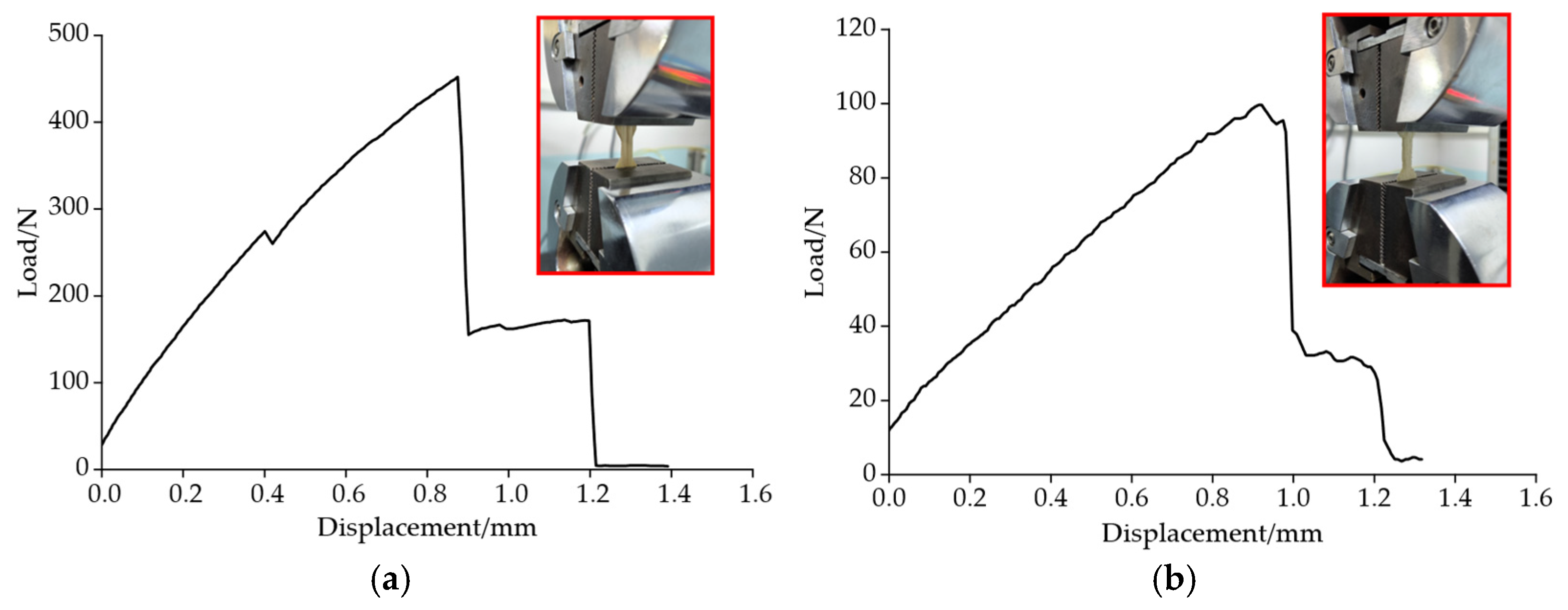
3.1. Determination of Intrinsic Parameters of Corn Stalks
3.2. Finite Element Modeling of Straw
3.3. Establishment of the Hammer Element Finite Element Model
3.4. Model Setup and Analysis of Results
4. Multi-Objective Optimization of Hammer Blade Structural Parameters
4.1. Structural Parametric Design
4.2. Design of Experiments and Sample Generation
4.2.1. Evaluation Indices and Parameter Ranges
4.2.2. Sample Generation Procedure
4.3. Parameter Sensitivity Analysis
4.3.1. Construction and Validation of Surrogate Models
4.3.2. Sensitivity Analysis
4.4. Optimization Procedure and Results Analysis
5. Experimental Verification
5.1. Test Conditions
5.2. Analysis of Experimental Results
6. Conclusions
- The influence of structural parameters on the impact force exerted on the straw during the crushing process was theoretically deduced. The analysis indicates that the hammer length and rotation radius significantly affect crushing performance, while hammer mass, width, thickness, and angular velocity also contribute to variations in impact force. These relationships provide a theoretical basis for hammer structural design.
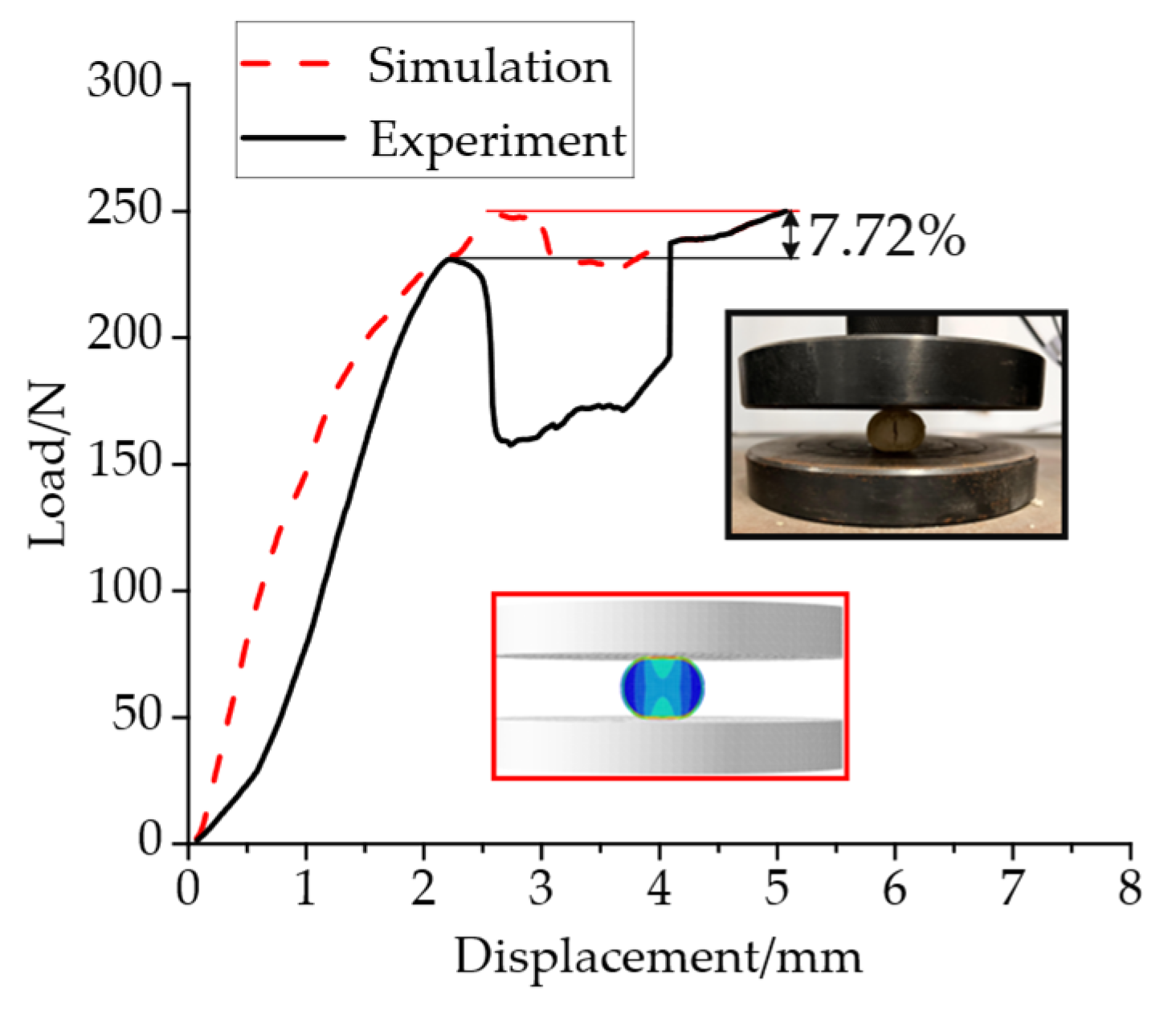
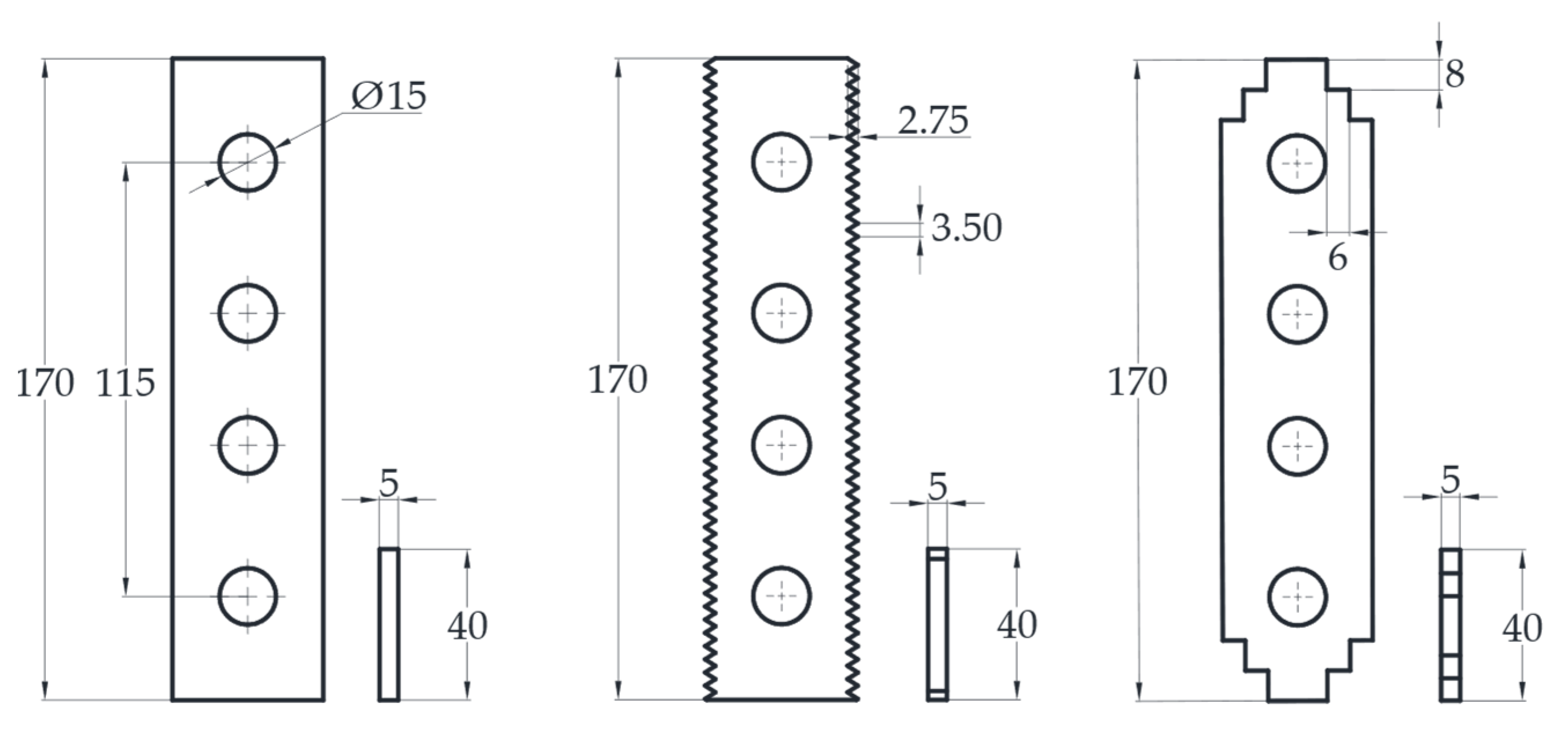
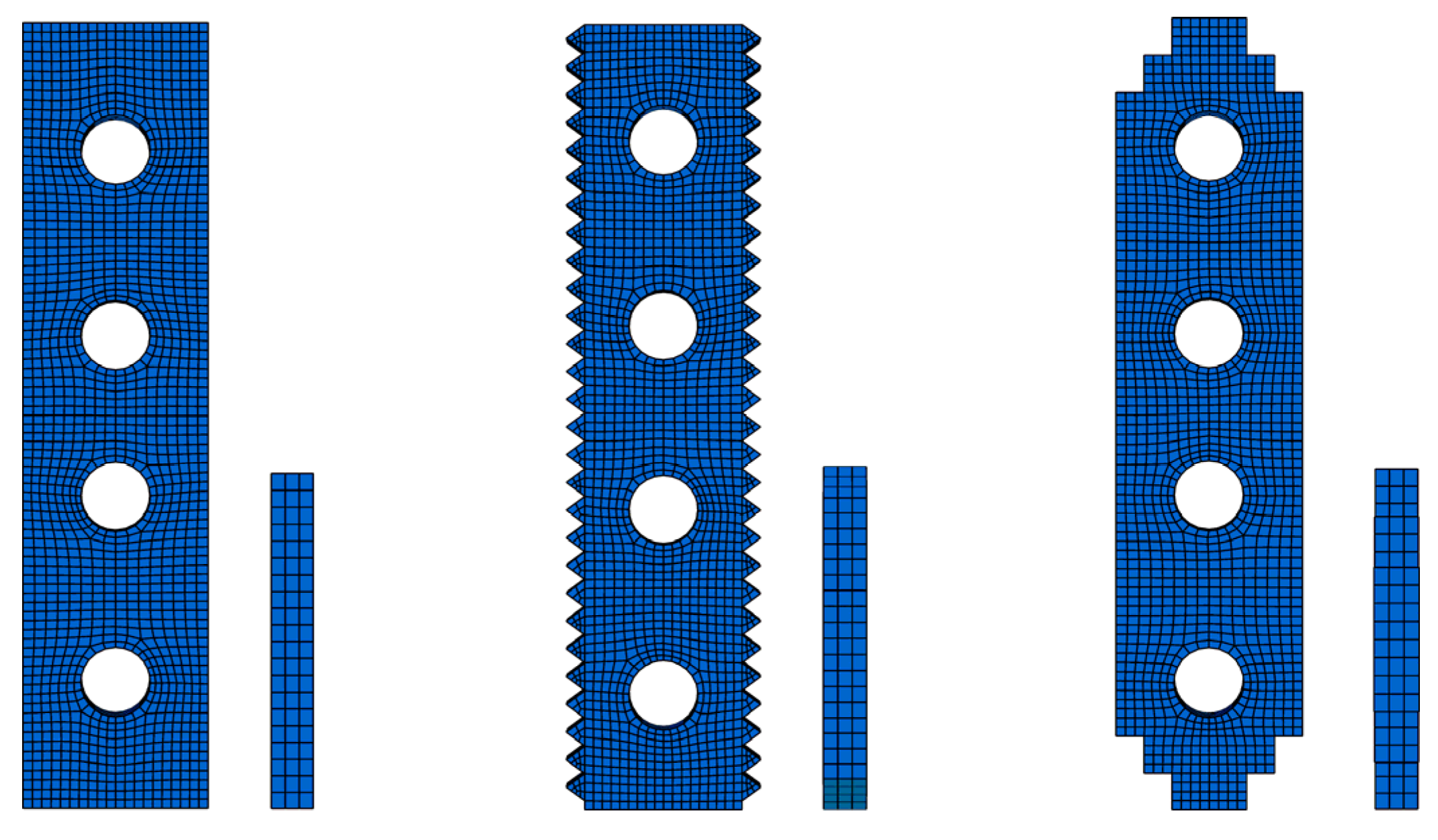
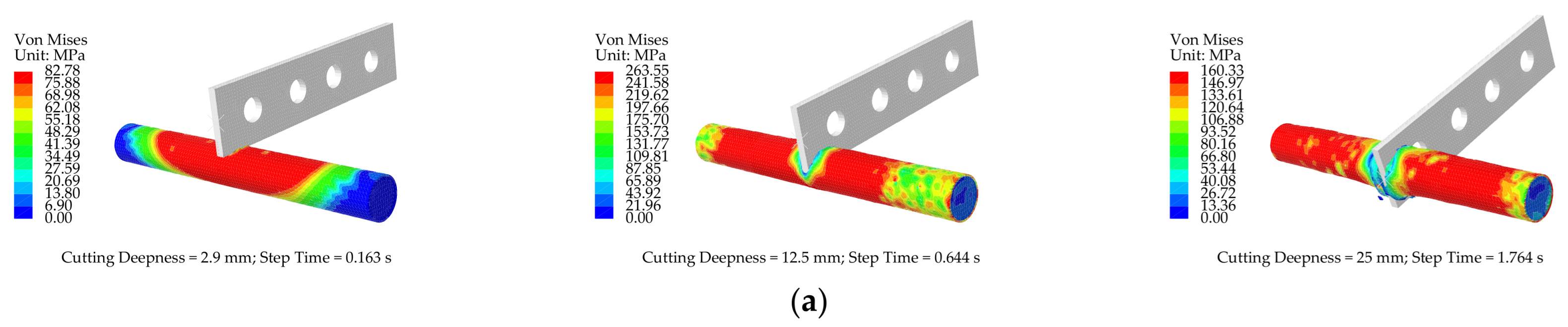
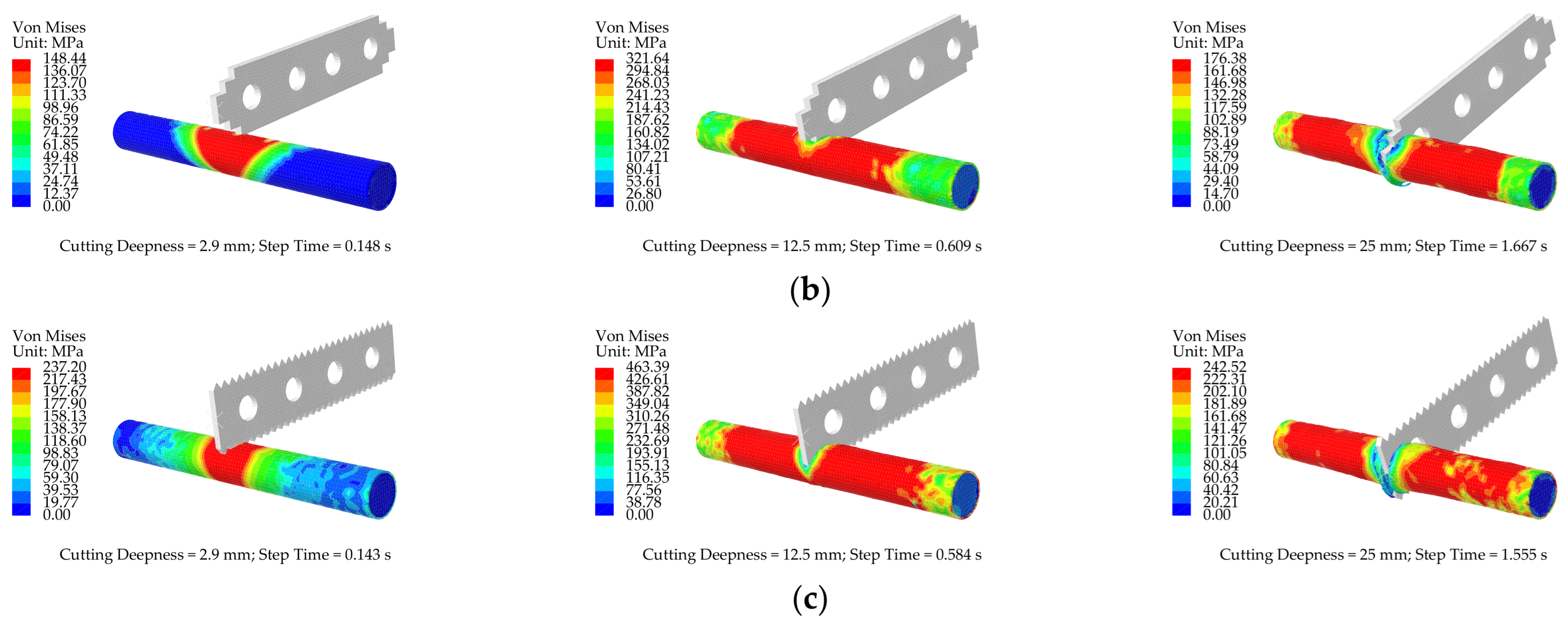
- A finite element model describing the hammer–straw interaction was established based on experimentally obtained mechanical properties. Comparative analysis of serrated, rectangular, and stepped hammers indicates that the serrated design offers superior performance, specifically in terms of shorter cutting duration and optimized impact force.
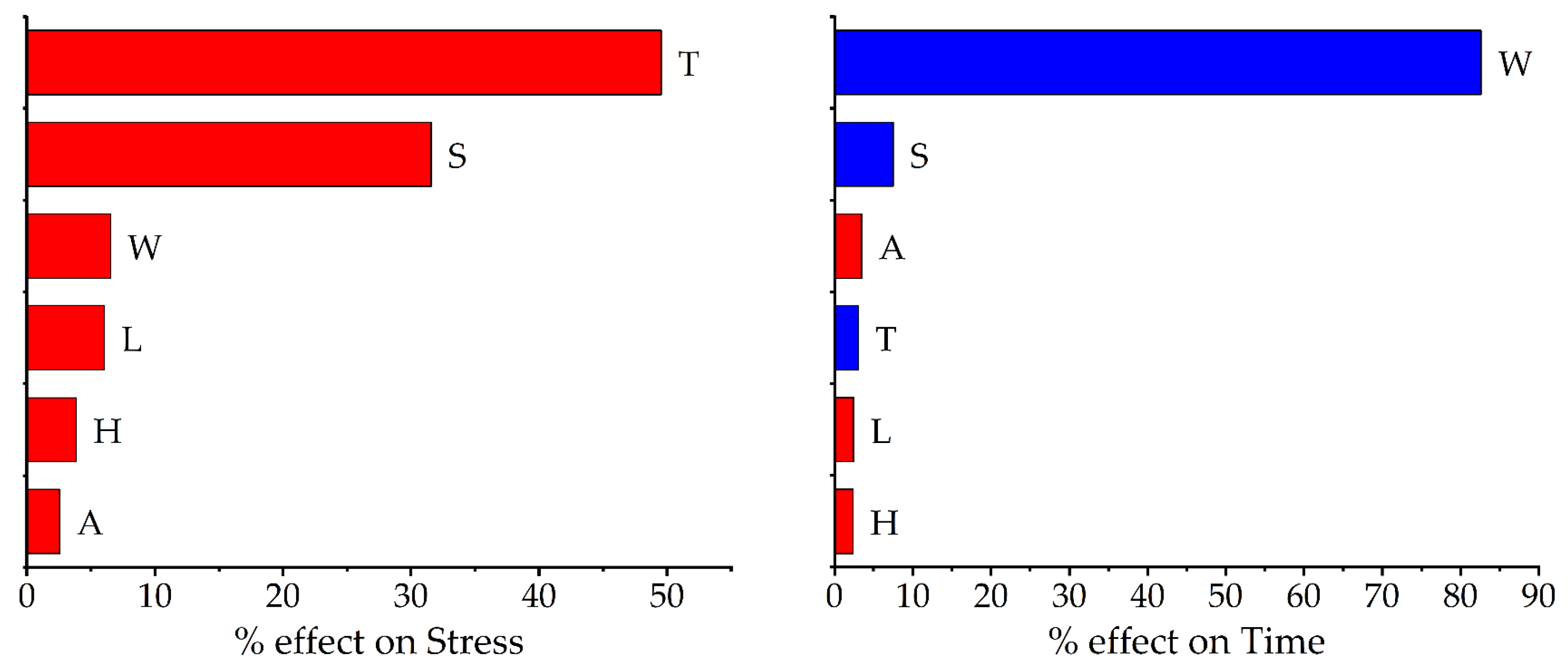
- A parametric model of the serrated hammer was further developed. Subsequently, the sensitivity of the crushing performance to structural parameters was evaluated utilizing Latin hypercube sampling and a Kriging model. The analysis identified the hierarchy of factor significance as follows: hammer thickness > hammer width > tooth spacing > hammer length. These findings corroborate the theoretical deductions.
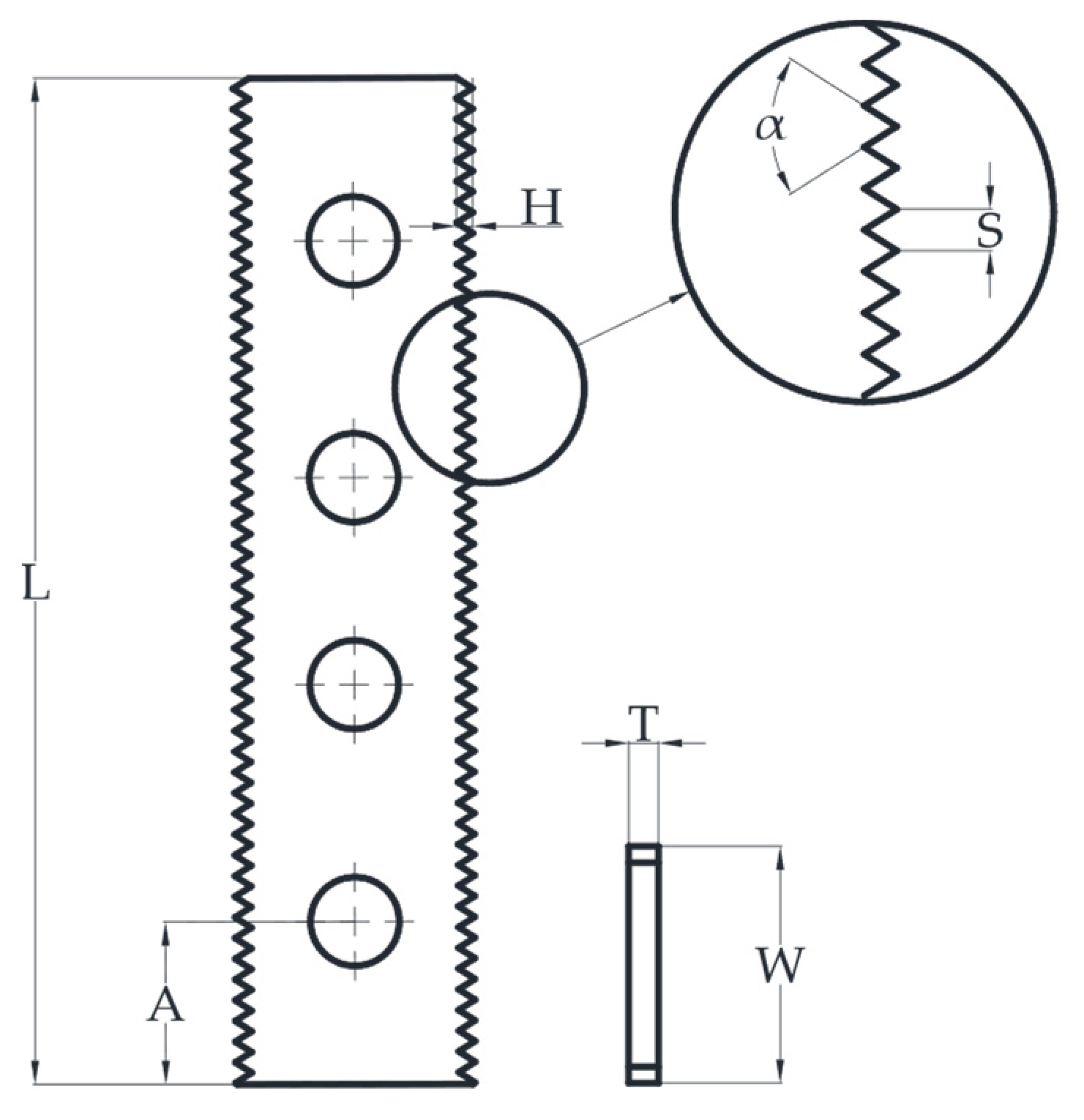
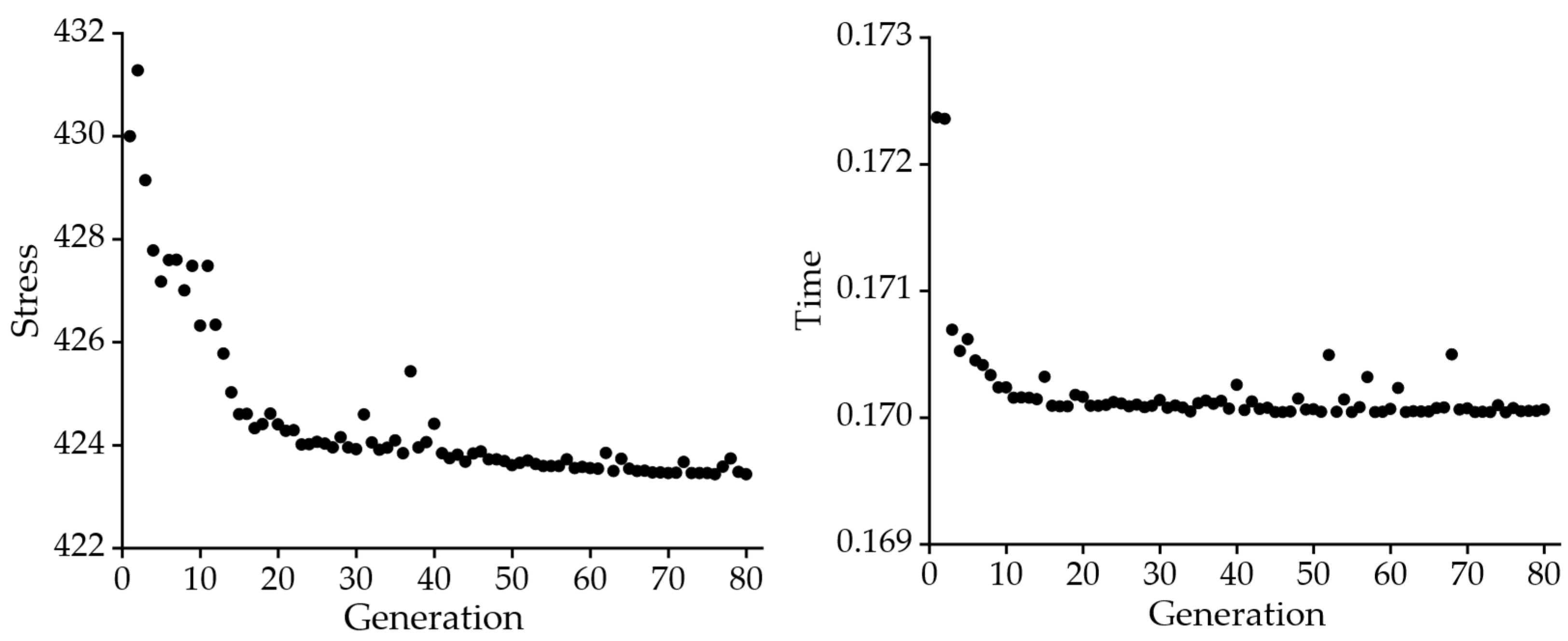
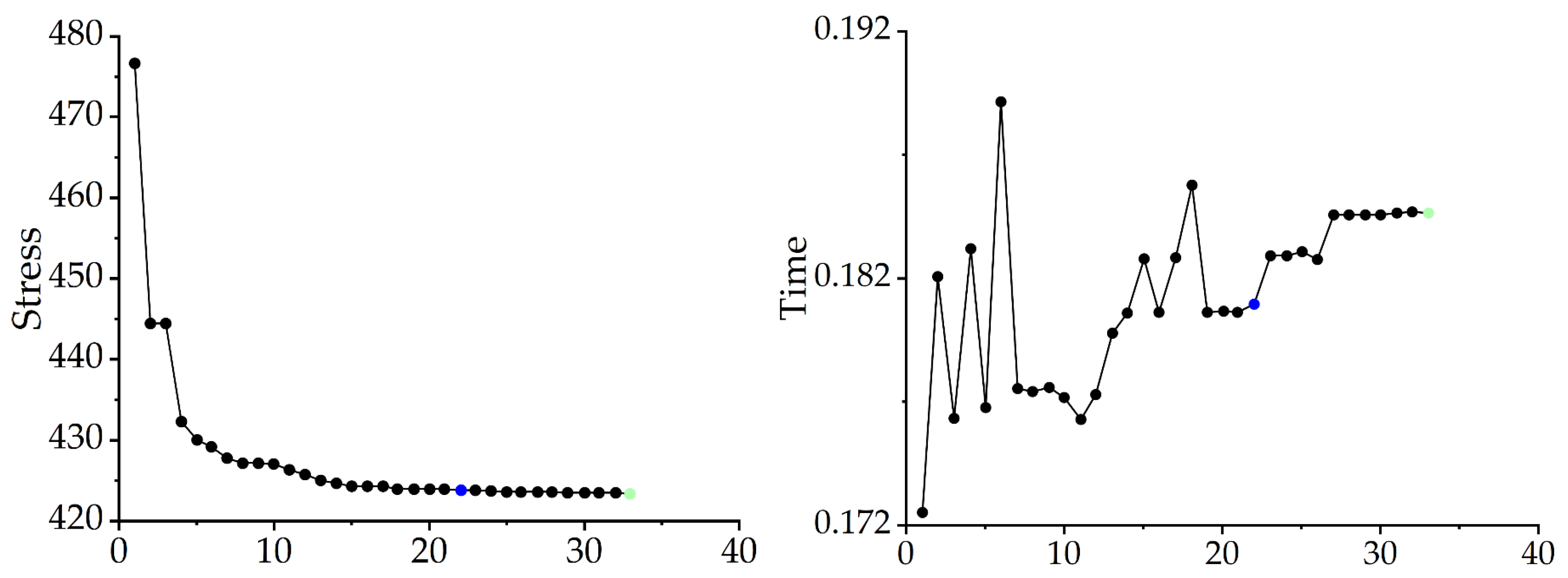
- On the basis of the surrogate model, multi-objective optimization was carried out using the NSGA-II algorithm with the objectives of minimizing cutting force and cutting time. The optimized hammer configuration was determined to have a thickness of 4 mm, a width of 39 mm, and a tooth spacing of 4 mm, achieving a balanced improvement in crushing efficiency and load characteristics.
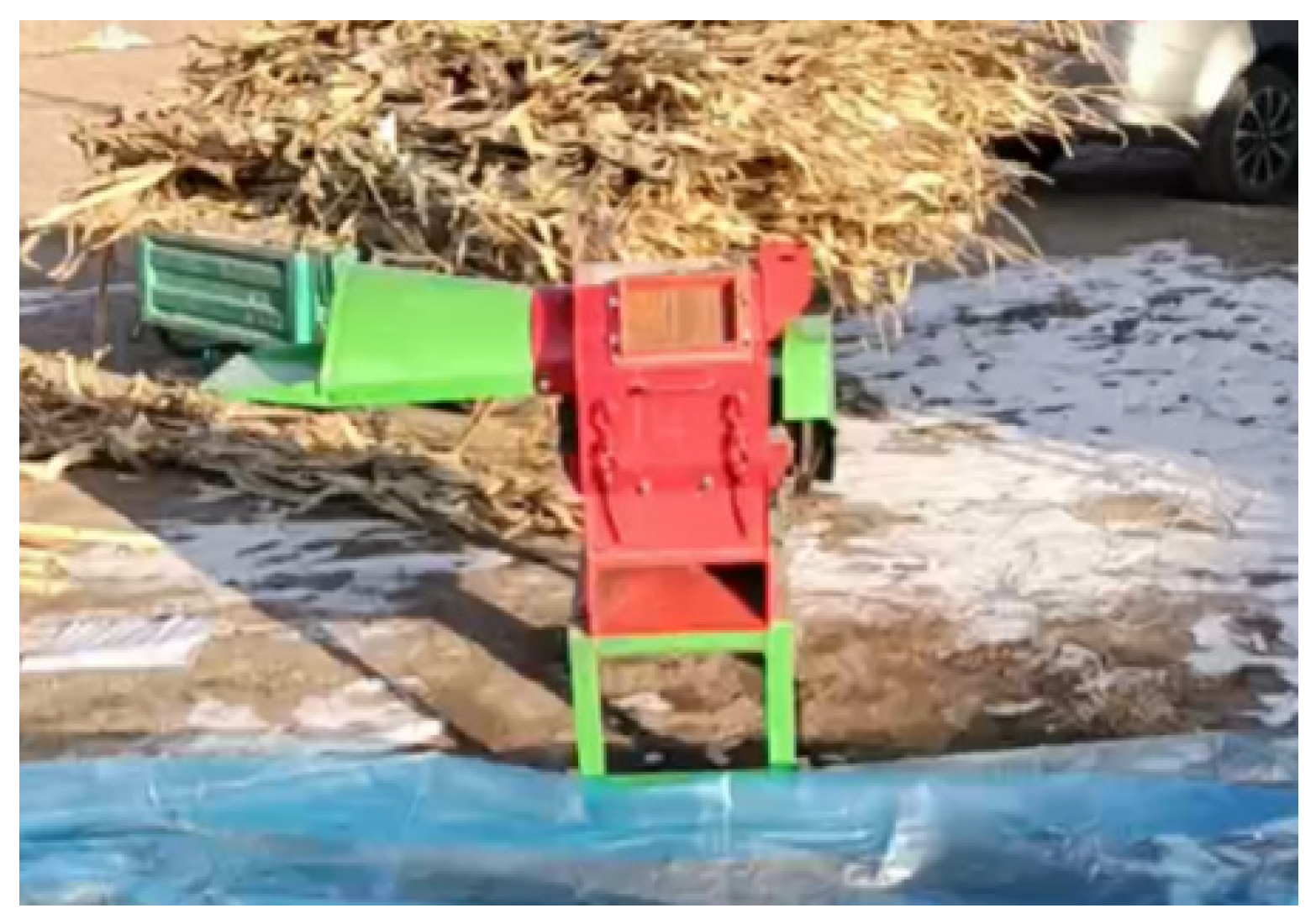
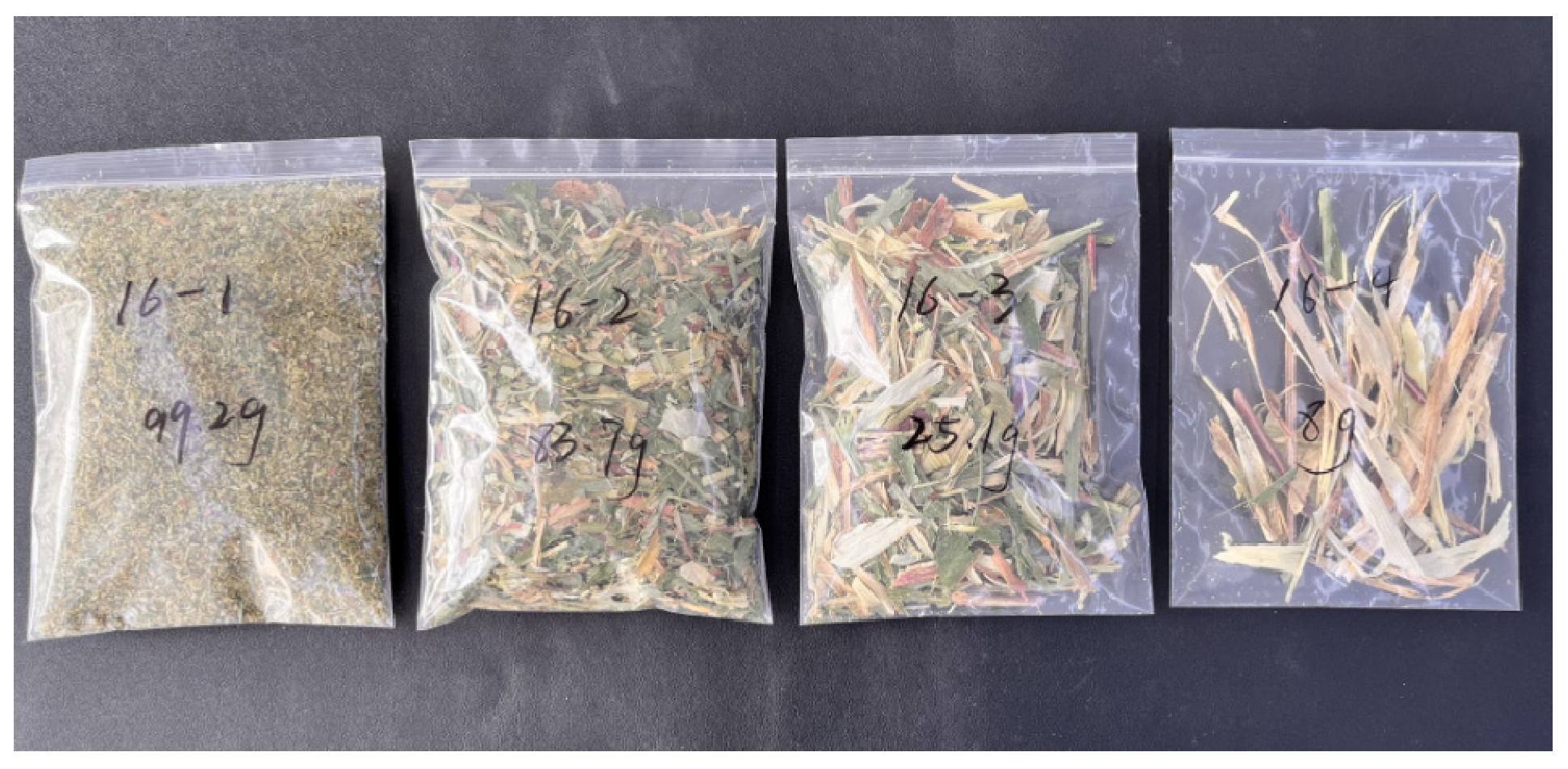
- Experimental results indicate that the optimized serrated design outperforms the standard rectangular hammers, achieving a 17.49% increase in throughput and a 5.02% improvement in processing quality. These results demonstrate the practical feasibility of the proposed design for improving the productivity and shredding quality of straw crushing equipment.
- The present study mainly focused on the crushing performance of the machine, with cutting time and minimum cutting force adopted as the primary evaluation indices. However, a comprehensive assessment of machine performance should not be limited to these two indicators alone, but should also consider additional factors such as noise, power consumption, moisture content, and feeding rate. Moreover, this work only investigated hammer geometry and did not address the effects of straw moisture content or other relevant performance parameters. Therefore, future research should establish a more comprehensive evaluation system and methodology for straw crusher performance.
Author Contributions
Funding
Institutional Review Board Statement
Informed Consent Statement
Data Availability Statement
Conflicts of Interest
Abbreviations
| DEM | Discrete Element Method |
| FEM | Finite Element Method |
| CAE | Computer-Aided Engineering |
| NSGA-II | Non-dominated Sorting Genetic Algorithm II |
| LHS | Latin Hypercube Sampling |
| FEA | Finite Element Analysis |
| RMSE | Root Mean Square Error |
References
- Du, J.; Li, G. Research Progress on Corn Straw Characteristics and Shredding Machine. J. Inner Mongolia Agric. Univ. 2024, 45, 91–100. [Google Scholar] [CrossRef]
- Taha, T.M.; Jalal, M.A.; Zakaria, H.A.; Titi, H.H. Optimizing hammer mill speed: Impact on growth performance, pellet quality, and gizzard gene expression in broilers. Vet. World 2025, 18, 2542–2552. [Google Scholar] [CrossRef] [PubMed]
- Liu, J.; Yan, X.; Zhang, M.; Liu, T.; Sun, Z. Analysis of yield distribution and utilization of crop straw resources in China. J. Agric. Resour. Environ. 2025, 42, 751–760. [Google Scholar] [CrossRef]
- Zhang, Y.; Zhang, Y.; Cao, L. The Research of Materials Motion Flow Field Distribution Based on High-speed Photograph Method of A New Type of Hammer Feed Grinder. J. Agric. Mech. Res. 2014, 36, 57–59,64. [Google Scholar] [CrossRef]
- Wang, D.; Wang, M.; Li, L. Mechanism Analysis and Parameter Optimization of Hammer Mill for Corn Stalk. Trans. Chin. Soc. Agric. Mach. 2017, 48, 165–171. [Google Scholar] [CrossRef]
- Zhang, T.; Zhao, M.; Liu, F.; Tian, H.; Wulan, T.; Yue, Y.; Li, D. A discrete element method model of corn stalk and its mechanical characteristic parameters. BioResources 2020, 15, 9337–9350. [Google Scholar] [CrossRef]
- Mu, X.; Li, H.; Wang, Z.; Wang, Q.; Geng, D.; Zhu, J. Comparison of Crushing Effect of Differently Shaped Crushing Rollers on Whole-Plant Silage Maize. Agriculture 2023, 13, 1276. [Google Scholar] [CrossRef]
- Huang, W.; Ren, D.; Gong, Y.; Bai, X.; Chi, H.; Liu, C. Coupling Separation Simulation Analysis and Test of Corn Stalk Rind-pith Based on Abaqus. Trans. Chin. Soc. Agric. Mach. 2021, 52, 124–133. [Google Scholar] [CrossRef]
- Ma, Q.; Liu, F.; Zhao, M. Working mechanism and structure optimization of hammer of rubbing machine. Trans. Chin. Soc. Agric. Eng. 2016, 32, 7–15. [Google Scholar] [CrossRef]
- Cao, W.; Shen, W.; Guo, Z.; Ma, Y.; Zhi, H.; Ban, T. Design and experiment of crushing roller for no-sieve cotton straw crusher. J. Chin. Agric. Mech. 2025, 46, 115–123. [Google Scholar] [CrossRef]
- Zhang, H.; Qian, Y.; Tian, H. Design and experimental optimization of V-shaped hammer for hammer mill. INMATEH Agric. Eng. 2024, 73, 191–200. [Google Scholar] [CrossRef]
- Chen, Y. Research on Bionic Design of Key Functional Components of Hammer Mill. Ph.D. Thesis, Southwest Jiaotong University, Chengdu, China, 2022. [Google Scholar] [CrossRef]
- Yong, K.; Zuo, L.; Yang, Q.; Hu, J. Optimization Design and Experiment on Hammer Structure of Straw Mill. Feed Ind. 2025, 46, 8–13. [Google Scholar] [CrossRef]
- Wang, J.; Xie, Y.; Chen, Y.; Wu, Z. Biomimetic design of hammer pieces for hammer mill based on beaver incisors. Chin. J. Eng. Des. 2023, 30, 476–484. [Google Scholar] [CrossRef]
- Saleh, A.W.; Muhaimid, N.I.; Yahya, L.M.; Sedeeq, A.M.A.; Eliçin, A.K. Modeling and analysis of the effect of distances between hammers and sieves on some performance indicators of hammer mill machine. Tikrit J. Agric. Sci. 2025, 25, 232–249. [Google Scholar] [CrossRef]
- Zheng, Y.; Yang, C.; Liu, L.; Luo, Y. Dynamics analysis of planar mechanism with revolute joint clearance based on finite particle method. Eng. Mech. 2020, 37, 8–17. [Google Scholar] [CrossRef]
- Fang, M.; Yu, Z.; Zhang, W.; Cao, J.; Liu, W. DEM parameter acquisition and calibration of corn stalk non-spherical particles using particle trajectory tracking. Granul. Matter 2022, 24, 110. [Google Scholar] [CrossRef]
- Li, Y.; Chen, Y.; Sun, X.; Lin, H.; He, J. Parameter calibration of the breakable flexible fiber model for maize stovers with different moisture contents. Trans. Chin. Soc. Agric. Eng. 2025, 41, 43–52. [Google Scholar] [CrossRef]
- GB/T 1927.2-2021; Test Methods for Small Clear Specimens of Wood—Part 2: Sampling Methods and General Requirements. Standards Press of China: Beijing, China, 2021.
- ASTM D638-2010; Standard Test Method for Tensile Properties of Plastics. ASTM International: West Conshohocken, PA, USA, 2010.
- Huang, W. Study on the Mechanism of Rind–Pith Separation of Corn Stalk Based on Anisotropic Coupled Forces. Ph.D. Thesis, Shenyang Agricultural University, Shenyang, China, 2022. [Google Scholar] [CrossRef]
- Zhao, Y. Analysis of Flow Field Characteristics and Aerodynamic Noise of a New Forage Crusher. Master’s Thesis, Inner Mongolia University of Technology, Hohhot, China, 2023. [Google Scholar] [CrossRef]
- Xu, J. Optimization of Hammer Size and Arrangement for SWFP66X60A Hammer Mill. Master’s Thesis, Jiangnan University, Wuxi, China, 2009. [Google Scholar] [CrossRef]
- Zou, J.; Zhang, J.; Pang, J. Numerical analysis on the rock-breaking effect of impacting and cutting actions of inserted tooth cutters based on the discrete element method. J. Vib. Shock 2022, 41, 173–183. [Google Scholar] [CrossRef]
- Pang, L.M.; Ishibuchi, H.; Shang, K. NSGA-II With Simple Modification Works Well on a Wide Variety of Many-Objective Problems. IEEE Access 2020, 8, 190240–190250. [Google Scholar] [CrossRef]
- GB/T 6971-2007; Test Method for Feed Mills. Standards Press of China: Beijing, China, 2007.



| Part | Density (Tonne/mm3) | Poisson’s Ratio | Elastic Modulus (GPa) | Fracture Energy (MJ/mm2) | Direct Strain (mm) |
|---|---|---|---|---|---|
| Straw rind | 1.17 × 10⁻⁹ | 0.32 | 3.960 | 0.350 | 0.02 |
| Straw pith | 0.53 × 10⁻⁹ | 0.13 | 0.057 | 0.275 | 0.04 |
| Bonding unit | 0.53 × 10⁻⁹ | 0.13 | 0.057 | 0.250 | 0.04 |
| Hammer blade | 7.82 × 10⁻⁹ | 0.28 | 197 | - | - |
| Sample Number | Design Variables | Output Response | ||||||
|---|---|---|---|---|---|---|---|---|
| L/mm | W/mm | Th/mm | S/mm | H/mm | R3/mm | σ/MPa | T/s | |
| 1 | 170 | 42 | 4 | 6 | 4 | 25 | 468.3 | 0.186 |
| 2 | 166 | 44 | 4 | 7 | 3 | 27 | 452.1 | 0.191 |
| 3 | 166 | 39 | 6 | 6 | 3 | 26 | 439.5 | 0.178 |
| 4 | 172 | 40 | 3 | 7 | 3 | 30 | 483.7 | 0.182 |
| 5 | 169 | 36 | 5 | 5 | 3 | 28 | 462.4 | 0.171 |
| 6 | 171 | 41 | 4 | 5 | 4 | 29 | 470.6 | 0.184 |
| 7 | 173 | 36 | 3 | 5 | 2 | 27 | 498.9 | 0.172 |
| ⋮ | ⋮ | ⋮ | ⋮ | ⋮ | ⋮ | ⋮ | ⋮ | ⋮ |
| 48 | 165 | 37 | 3 | 5 | 3 | 27 | 501.6 | 0.174 |
| 49 | 184 | 41 | 4 | 5 | 4 | 29 | 470.9 | 0.183 |
| 50 | 178 | 38 | 3 | 7 | 4 | 28 | 492.4 | 0.176 |
| Parameter | Hammer Length (mm) | Hammer Width (mm) | Hammer Thickness (mm) | Tooth Pitch (mm) | Tooth Angle (°) | Tooth Height (mm) | Pin-Bottom Distance (mm) | Fracture Stress (MPa) | Fracture Time (s) |
|---|---|---|---|---|---|---|---|---|---|
| Value | 172 | 39 | 4 | 4 | 67.38 | 3 | 30 | 423.6 | 0.174 |
| Before Optimization | Optimized | Unit | |
|---|---|---|---|
| Productivity | 1.83 | 2.15 | kg·min−1 |
| Pass rate | 87.02 | 91.39 | % |
Disclaimer/Publisher’s Note: The statements, opinions and data contained in all publications are solely those of the individual author(s) and contributor(s) and not of MDPI and/or the editor(s). MDPI and/or the editor(s) disclaim responsibility for any injury to people or property resulting from any ideas, methods, instructions or products referred to in the content. |
© 2026 by the authors. Licensee MDPI, Basel, Switzerland. This article is an open access article distributed under the terms and conditions of the Creative Commons Attribution (CC BY) license.
Share and Cite
Wang, Y.; Tang, S. Design Optimization and Experiment of the Hammer Blade for Straw Crushers. Appl. Sci. 2026, 16, 3062. https://doi.org/10.3390/app16063062
Wang Y, Tang S. Design Optimization and Experiment of the Hammer Blade for Straw Crushers. Applied Sciences. 2026; 16(6):3062. https://doi.org/10.3390/app16063062
Chicago/Turabian StyleWang, Yutao, and Shufeng Tang. 2026. "Design Optimization and Experiment of the Hammer Blade for Straw Crushers" Applied Sciences 16, no. 6: 3062. https://doi.org/10.3390/app16063062
APA StyleWang, Y., & Tang, S. (2026). Design Optimization and Experiment of the Hammer Blade for Straw Crushers. Applied Sciences, 16(6), 3062. https://doi.org/10.3390/app16063062