1. Introduction
Rapid urbanization and increasing population density in developing countries have intensified the demand for mid-rise structures that efficiently utilize limited land while providing both functional and aesthetic architectural solutions. Among various structural systems, flat plate structures, where slabs directly transfer loads to columns without intermediate beams, have become increasingly popular due to their architectural flexibility, reduced floor heights, cost-effectiveness, and ease of construction. However, these advantages are counterbalanced by significant structural challenges in seismically active regions, where earthquakes remain one of the most destructive natural hazards. Between 1998 and 2017, earthquakes caused nearly 750,000 fatalities and displaced more than 125 million people worldwide [
1]. According to the European Commission for Humanitarian Aid, every dollar spent on disaster preparedness can prevent approximately four dollars in potential losses, emphasizing the need for improving the seismic performance of building systems [
2].
Despite these architectural advantages, flat slab buildings exhibit inherent structural vulnerabilities in seismic zones. The absence of deep beams reduces global lateral stiffness, leading to increased inter-story drifts, greater slab deformation, and higher risks of punching shear failure at slab–column connections. Consequently, flat slab structures are generally more flexible and less capable of dissipating seismic energy compared to traditional moment-resisting or shear wall–frame systems. These weaknesses pose significant challenges for structural engineers seeking to ensure both safety and economy in earthquake-prone regions.
Numerous research efforts have explored conventional methods to enhance the seismic performance of flat slab buildings. Previous investigations demonstrated that adding shear walls and perimeter beams significantly improves lateral stiffness and reduces story displacements by up to 40% [
3]. Similarly, drop panels have been shown to mitigate inter-story drift in large-span slabs, though their contribution diminishes for shorter spans [
4]. Shear walls, on the other hand, have consistently proven to be the most effective solution for global stiffness enhancement and reduction in lateral deformation [
5,
6]. Comparative analyses between flat slabs, waffle slabs, and conventional beam–slab systems revealed that flat slabs are the most flexible configuration and require supplemental lateral stiffening to perform adequately under seismic excitation [
7]. Similarly, an experimental investigation [
8] confirmed that flat slab structures are significantly more flexible than conventional framed systems.
However, the literature findings remain inconsistent regarding the optimal strengthening configuration. Some studies concluded that combining drop panels and shear walls significantly improves both stiffness and ductility, while others emphasized that core shear walls integrated with edge beams provide superior drift control [
9,
10]. These differences suggest that seismic performance depends not only on the type of strengthening element but also on building geometry, height, and loading conditions.
Recent research has highlighted the significant influence of floor deformability on the seismic behavior and fragility of reinforced concrete buildings. Ruggieri et al. [
11] demonstrated that negleting floor flexibility in numerical models may lead to uncoservative seismic vulnerability assessments, as the rigid-floor assumption often underestimates inter-story drifts and torsional effects, their findings show that flexible diaphragms modify the redistribution of base shear and increase the probability of exceeding damage states under strong motion. These insights are particularly relevant for flat slab structures, where the absence of deep beams further reduces in-plane stiffness and increases the risk f brittle punchong failures. Such observations reinforce the need to evaluate conventional strenghthening strategies that can enhance both the local and global seismic performance of flat slab buidings.
Recent investigations (2020–2025) have expanded this understanding by introducing coupled shear wall systems—two shear walls connected by ductile coupling beams—which demonstrate superior stiffness, enhanced energy dissipation, and improved reparability compared to isolated walls [
12,
13,
14]. Additionally, parametric studies on punching shear behavior in flat slab–column connections showed that standard code provisions may underestimate unbalanced moment effects, potentially leading to unsafe predictions unless wall–slab interaction is explicitly modeled [
15]. Moreover, experimental studies have shown that slab–column connections subjected to biaxial lateral loading have significantly lower punching shear capacity than under uniaxial loading, underscoring the heightened vulnerability of flat slab systems under realistic multi-directional earthquakes [
16]. Other research findings confirm that combining drop panels and edge beams yields better drift control and torsional resistance, though the efficiency of these measures decreases with building height [
17]. In addition, a recent parametric evaluation [
18] of flat plate buildings designed under different seismic code provisions found that incorporating drop panels can increase ductility by over 35% compared to flat plates with edge beams or conventional beam–column systems. Finally, comprehensive reviews have emphasized that torsional irregularities remain a major weakness in flat slab structures, and that the inclusion of perimeter or core stiffening elements is crucial for ensuring adequate seismic response [
19]. Recent advances in computational modeling have emphasized the integration of optimization and uncertainty quantification techniques to enhance prediction accuracy and design efficiency. Yu et al. [
20] proposed a hybrid Bayesian model updating and non-dominated sorting genetic algorithm framework for the intelligent mix design of steel fiber reinforced concrete, demonstrating how probabilistic updating can improve the reliability of model-based predictions.
Although numerous studies have investigated individual strengthening techniques for improving the seismic behavior of flat slab structures, such as shear walls, drop panels, or perimeter beams, existing literature rarely addresses the combined and synergistic effects of multiple conventional strengthening systems evaluated under a unified modeling framework. Furthermore, limited attention has been devoted to assessing how integrated systems influence not only global lateral stiffness and drift control but also local mechanisms such as punching shear demand and axial force redistribution under seismic excitation.
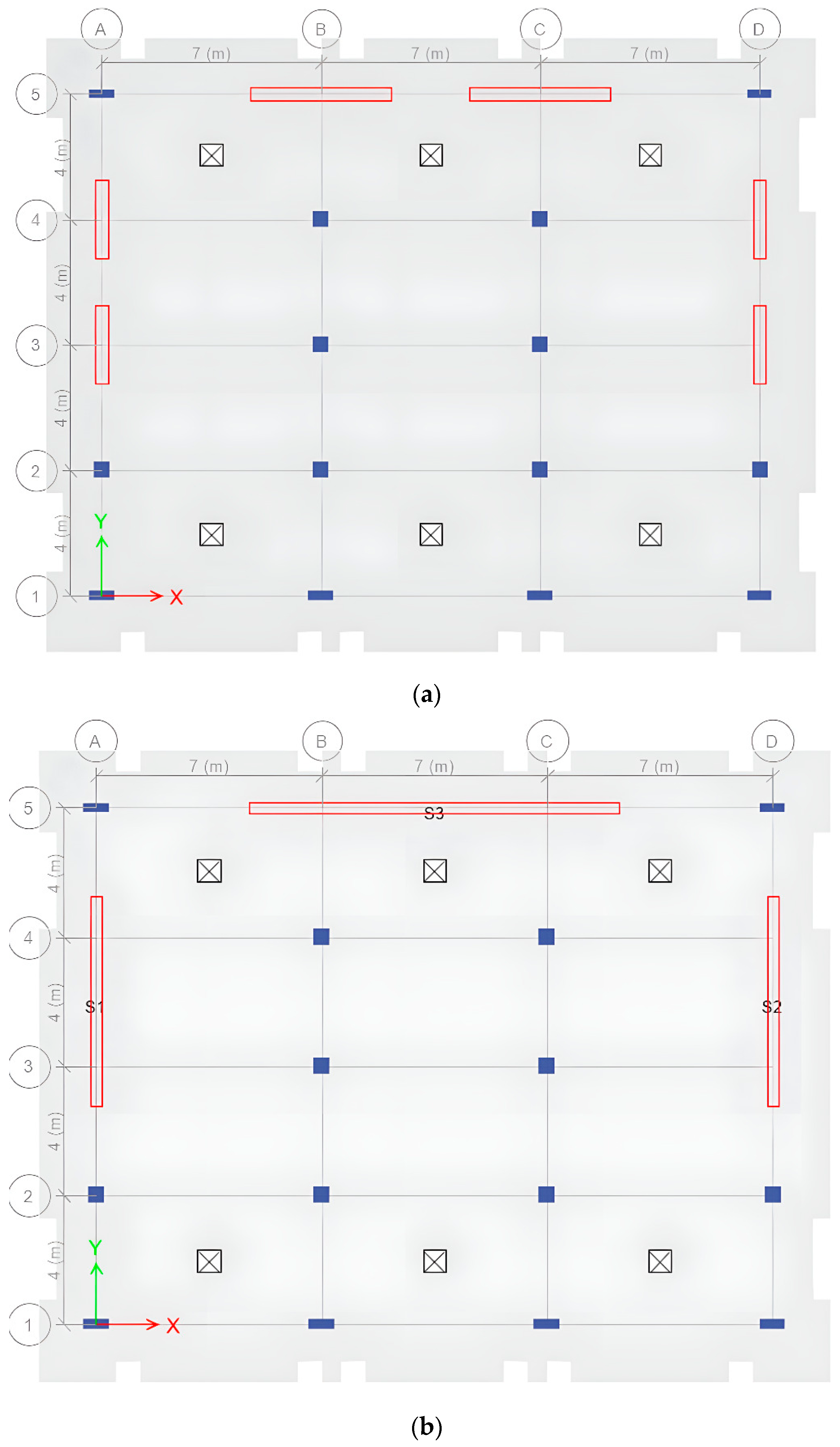
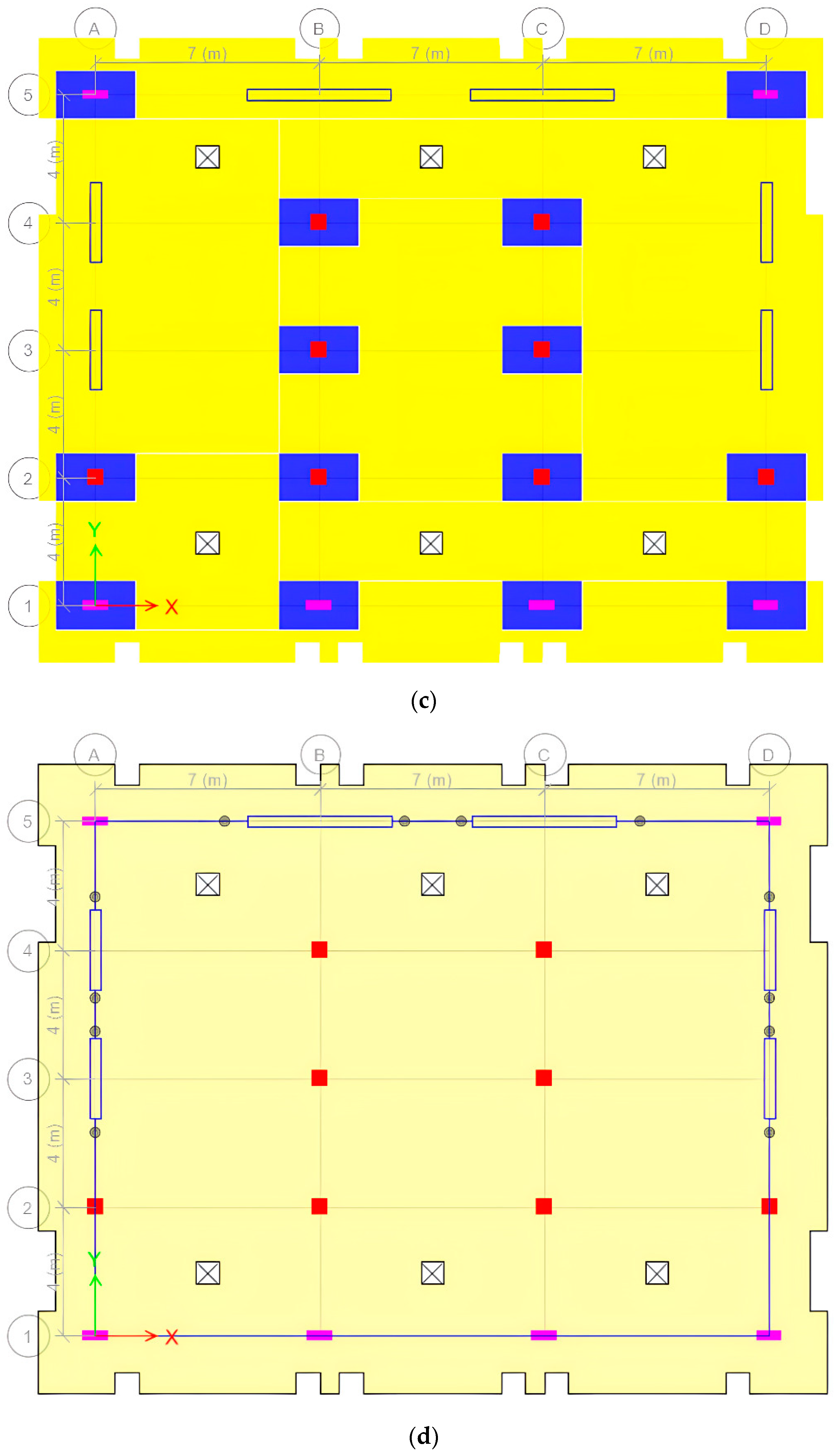
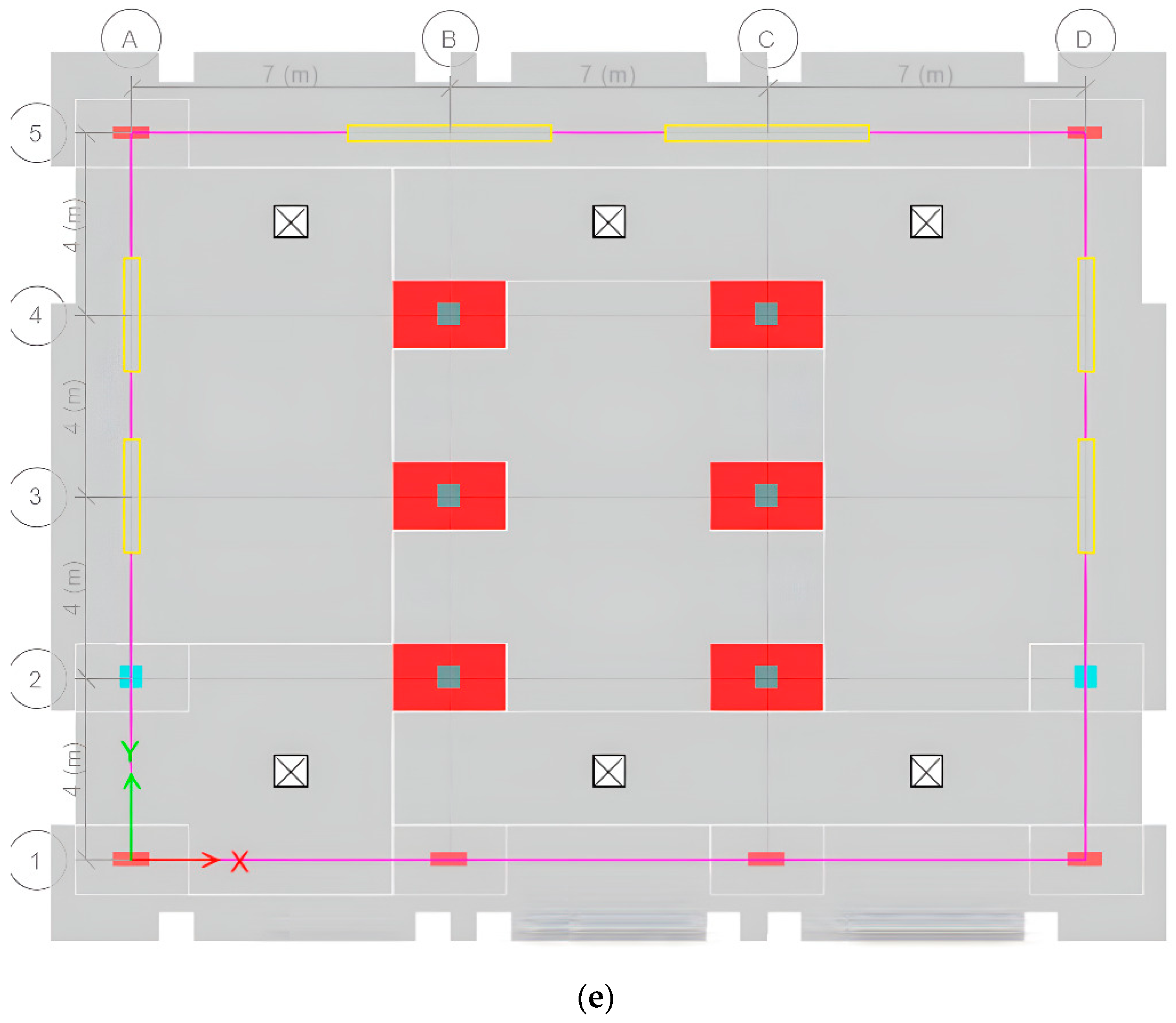
To address these gaps, the present study provides a systematic comparative evaluation of five flat slab configurations, including isolated and combined strengthening systems, using consistent geometry, material properties, diaphragm modeling, and seismic provisions. A comprehensive comparative analysis is conducted using ETABS v20 finite element modeling for the following configurations: (i) flat plate, (ii) flat slab with drop panels, (iii) flat slab with edge beams, (iv) flat slab with shear walls, and (v) flat slab with coupled shear walls. All models are designed and analyzed in accordance with ACI 318-19 [
21] and ASCE 7-22 [
22] seismic provisions.
The present study addresses the following research questions: (i) how different conventional strengthening configurations modify global stiffness, torsional balance, and mass participation when geometric and material variables are held constant; (ii) how global drift control interacts with local demand redistribution in slab–column connections and vertical elements; and (iii) whether combined strengthening systems exhibit synergistic performance advantages compared with isolated interventions.
The methodological contribution of this study lies in establishing a controlled and unified evaluation framework for assessing the seismic performance of flat slab buildings strengthened using conventional structural systems. Rather than proposing new structural components or advanced nonlinear modeling techniques, the study deliberately isolates the influence of commonly adopted strengthening measures by maintaining identical geometry, material properties, diaphragm modeling, and seismic input across all configurations. This approach enables direct performance-based ranking and facilitates the identification of stiffness–demand and global–local response trade-offs that are often obscured in studies employing heterogeneous assumptions.
3. Results
A comparative analysis was performed on the different flat slab building models using ETABS and response spectrum methods to evaluate their performance under seismic loading. The comparison focuses on several key elements, including the dynamic and static base shear ratio, minimum number of required modes, dynamic accidental torsion, seismic story drift, column axial forces, cracking analysis, seismic force distribution on diaphragms, and the comparison of interior slab-column connection shear strength. Each sub-section presents the results obtained for these elements, interprets their significance, and highlights the relative performance of the different structural configurations.
3.1. Dyamic Characteristics and Modal Behavior of the Models
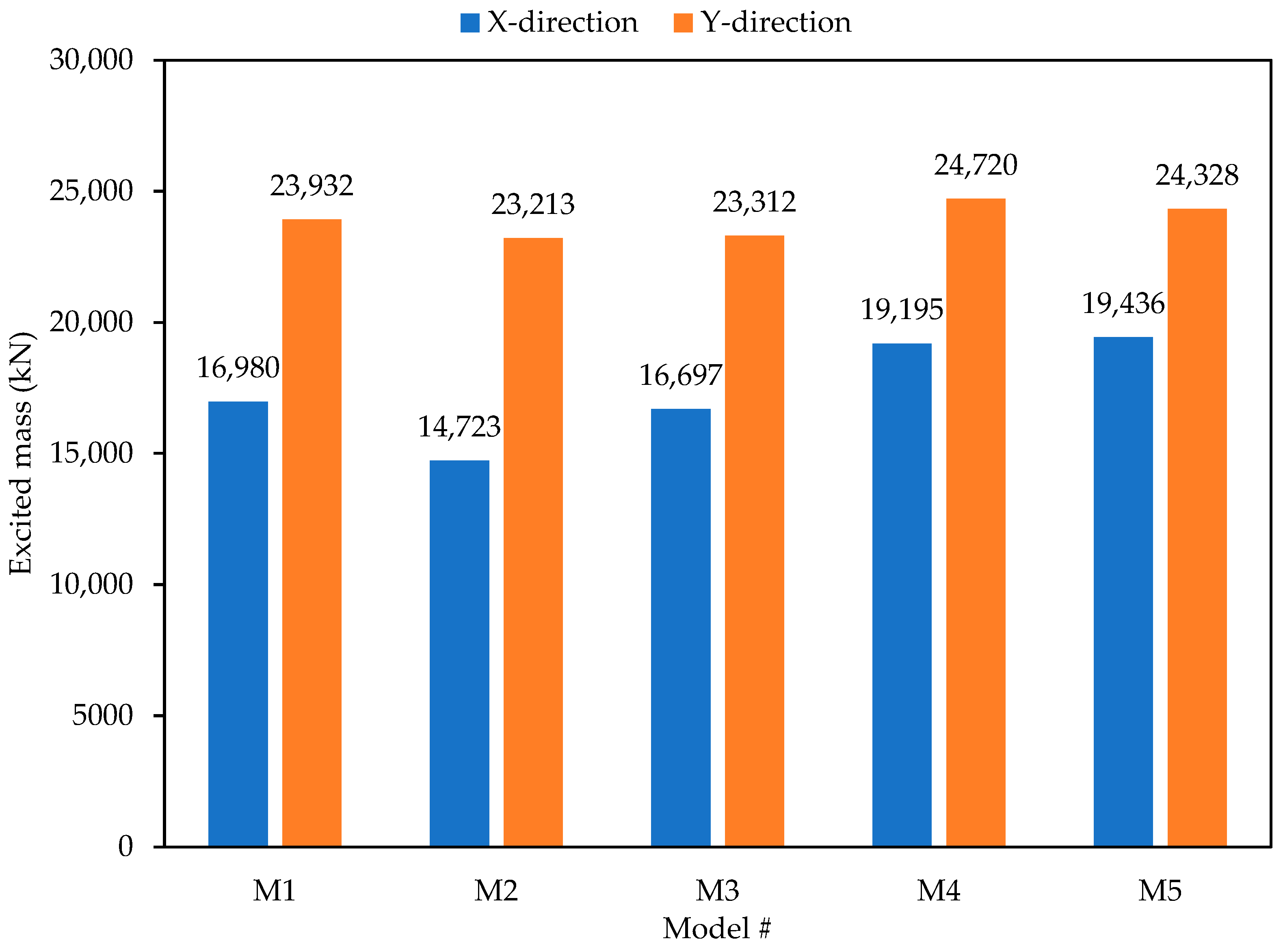
Figure 2 and
Table 6 summarize the dynamic characteristics of the five analyzed flat slab configurations, including their modal mass participation, fundamental period, and base shear ratios. Each structure exhibits distinct vibration characteristics, with every mode corresponding to a specific deformation pattern. The first mode, representing the lowest natural frequency, typically governs the global structural response and the maximum seismic demand.
Among the analyzed models, Model M2 (Flat Slab + Coupled Shear walls) demonstrates the lowest first-mode mass participation (44.32%), indicating that a smaller portion of the total mass is mobilized in this mode. This behavior reflects greater overall rigidity, as a larger fraction of the structure mass resist deformation in the fundamental vibration mode. In contrast models M1, M4, and M5 mobilize higher mass portions, signifying more flexible behavior. The consistently higher excited mass values observed in the Y direction across all models are attributed to the longer plan dimension and the corresponding increase in lateral stiffness along that axis.
The dynamic parameters for all models are summarized in
Table 6. These results capture the fundamental period, dominant frequency, dynamic-to-static ratio, and total mass participation percentage, which collectively define the stiffness and overall seismic behavior of the investigated systems.
When the Equivalent Lateral Force (ELF) procedure is used, the building fundamental period is typically limited, resulting in conservative accelerations. In contrast, the modal response spectrum analysis captures the contribution of higher vibration modes, though the first mode generally dominates the response of flat slab systems.
As shown in
Table 6, Model M2 exhibits the shortest fundamental period (1.37 s) and lowest base shear ration (1.50 in X and 1.27 in Y), confirming its superior stiffness and effective coupling action. The remaining models display longer fundamental periods and higher base shea ratios, indicating more flexible global behavior and the need for scaling adjustment under ASCE 7-22 Section 12.9.1.4.1 [
21].
During seismic excitation, the structural response is largely governed by the mass-stiffness relationship. Longer periods correspond to more flexible systems that attract smaller seismic forces but experience larger displacements, while shorter periods represent stiffer systems with higher force demands. These results reaffirm that coupled shear walls significantly enhance global stiffness and reduce vibration periods, whereas drop panels and edge beams primarily improve local slab-column performance rather than the overall structural stiffness.
3.2. Dynamic Accidental Torsion Results
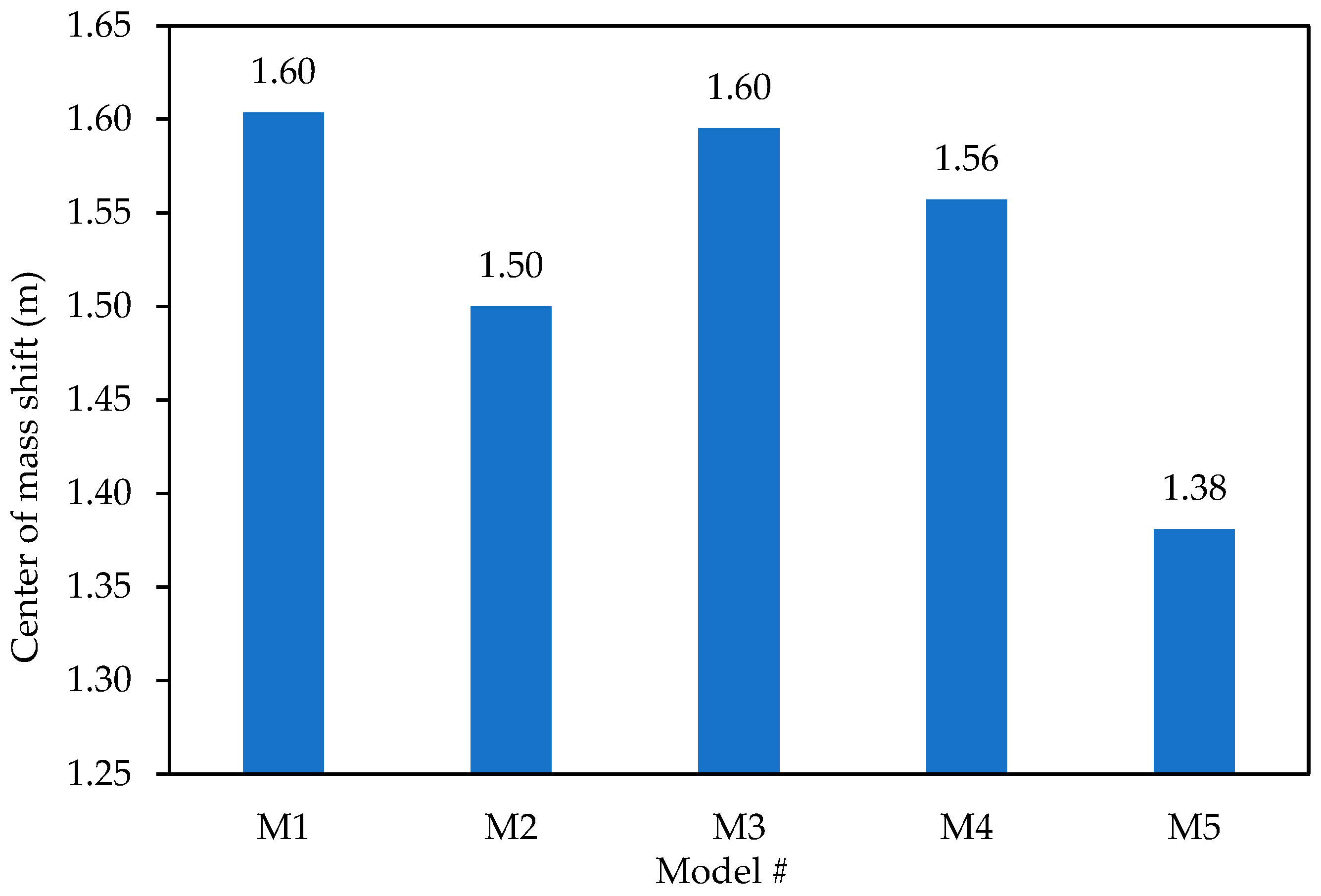
Figure 3 illustrates the calculated center of mass shift for all structural configurations, reflecting the degree of torsional irregularity under dynamic seismic loading. Inherent torsion originates from the geometric eccentricity between the center of mass (CM) and the center of rigidity (CR), while accidental torsion is introduced through a prescribed offset of the CM to account for mass distribution uncertainties, as required by ASCE 7-22 Sections 12.8.4.2 and 12.8.4.3. [
22]. Among all analyzed models, Model M5 (flat slab with drop panels and edge beams) exhibits the smallest center of mass shift (1.38 m), indicating that its diaphragm experiences the lowest torsional stress. This improvement results from the combined effect of drop panels and edge beams, which enhance perimeter stiffness and improve torsional balance. Model M2 (flat slab with coupled shear walls) also shows reduced torsional response (1.50 m), confirming that coupling beams efficiently redistribute lateral forces between walls. By contrast, Models M1 and M3 show the largest torsional shifts (1.60 m), reflecting a less uniform stiffness distribution and higher diaphragm rotation tendencies.
3.3. Seismic Story Drift Results
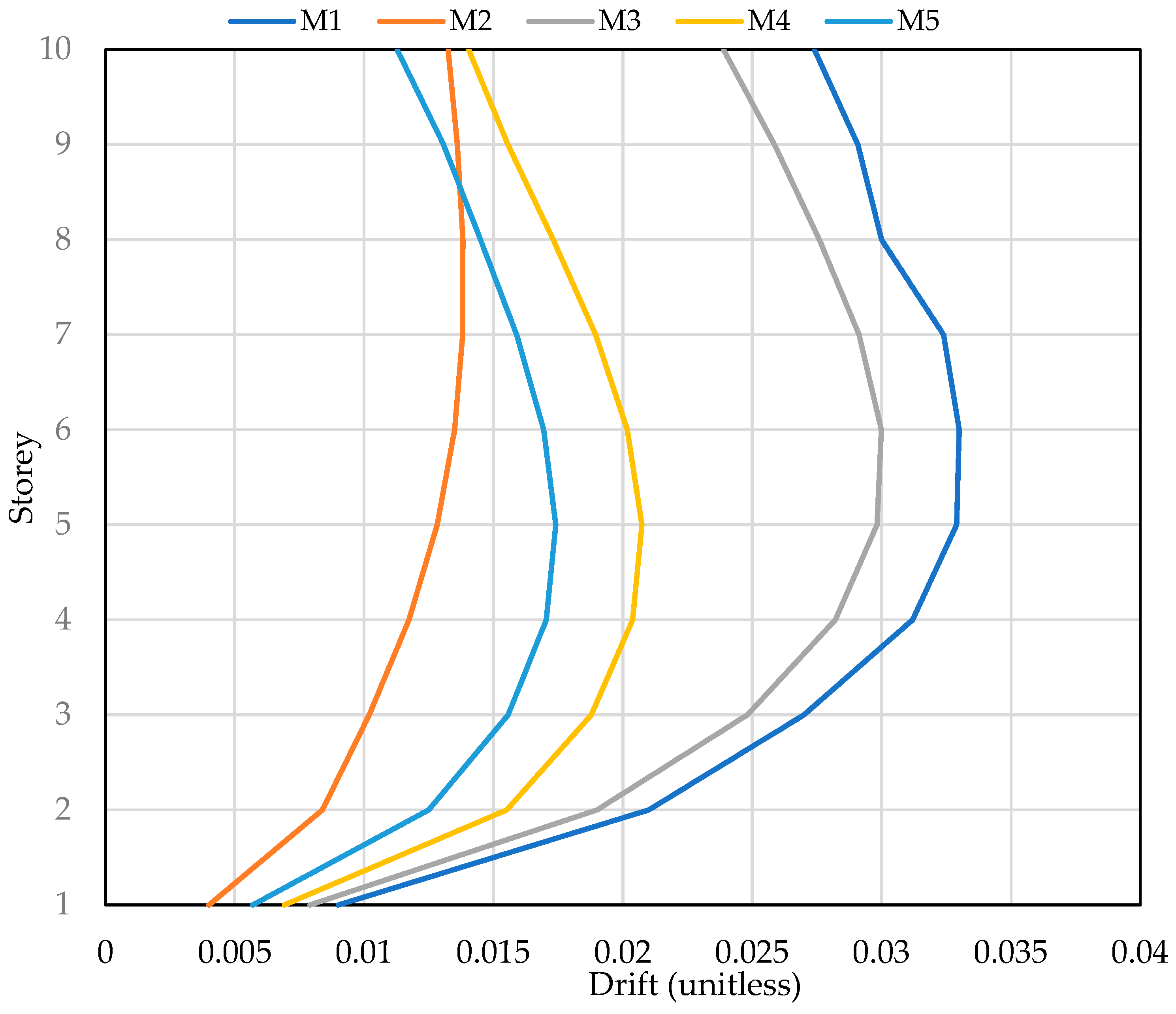
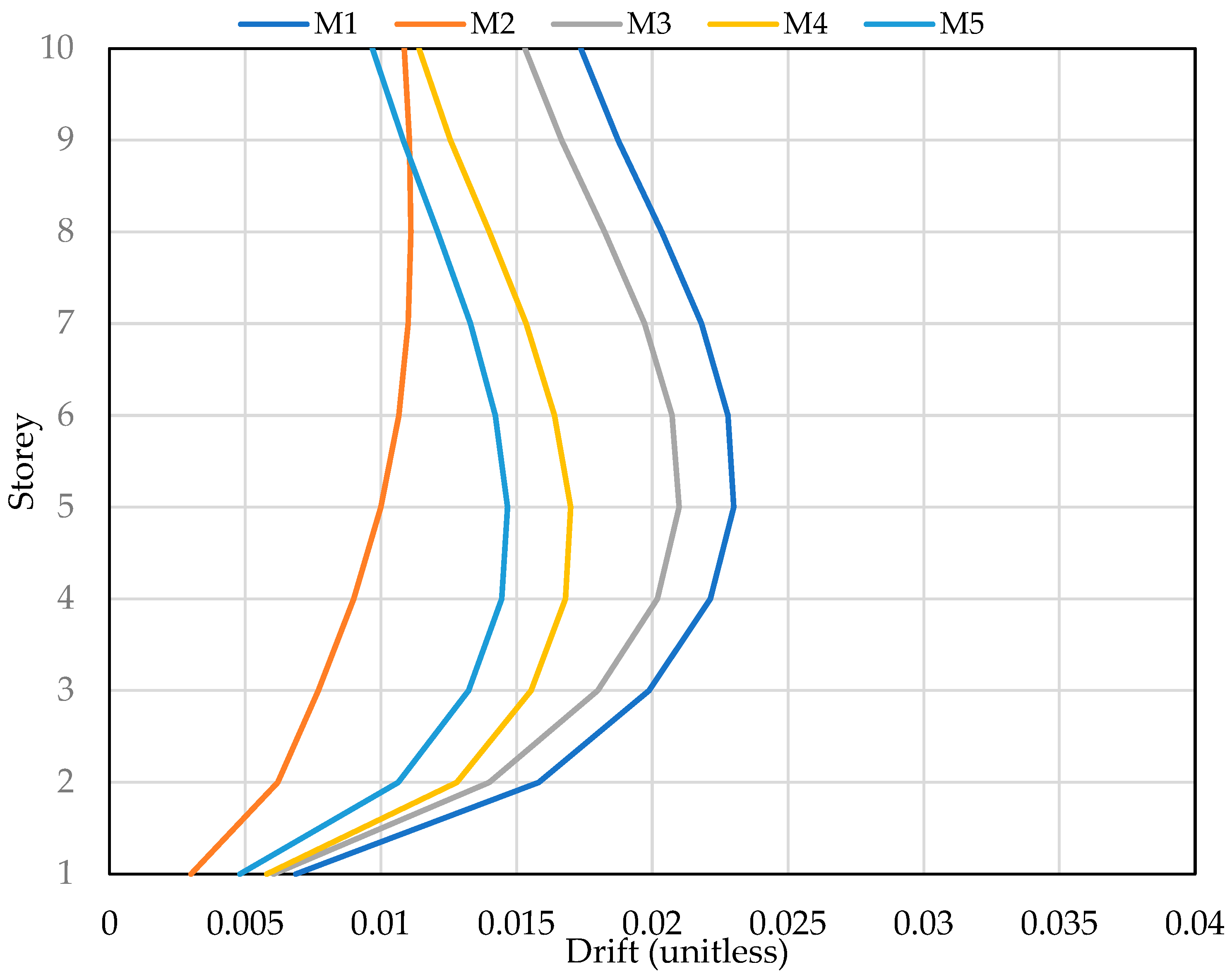
Except for Model M2, the story drift profiles follow a parabolic trend, reaching their maximum values around the fifth story (
Figure 4 and
Figure 5). For Models M1, M3, M4, and M5, additional column stiffness is therefore required at mid-height to better control lateral deformation. Model M2, representing the flat slab system with coupled shear walls, demonstrates the lowest drift values in both X and Y directions, confirming its superior lateral stiffness. Conversely, the incorporation of drop panels alone shows no significant influence on drift reduction. In Model M1, the relatively high drift and displacement values result in more pronounced cracking, as load reversals cause cyclic opening and closing of cracks, leading to progressive stiffness degradation at the slab–column connections. Consequently, Model M1 is expected to experience the largest crack widths, as confirmed in later sections. For Models M1 and M3, an increase in shear wall thickness by approximately 5 cm would improve drift performance. Additionally, the presence of edge beams in Model M4 notably reduces story drift, highlighting their importance in buildings with architectural facades such as glazing systems. The combined use of drop panels and edge beams, as implemented in Model M5, provides the most effective solution, achieving a substantial reduction in drift and enhancing overall structural stability.
3.4. Column Axial Forces
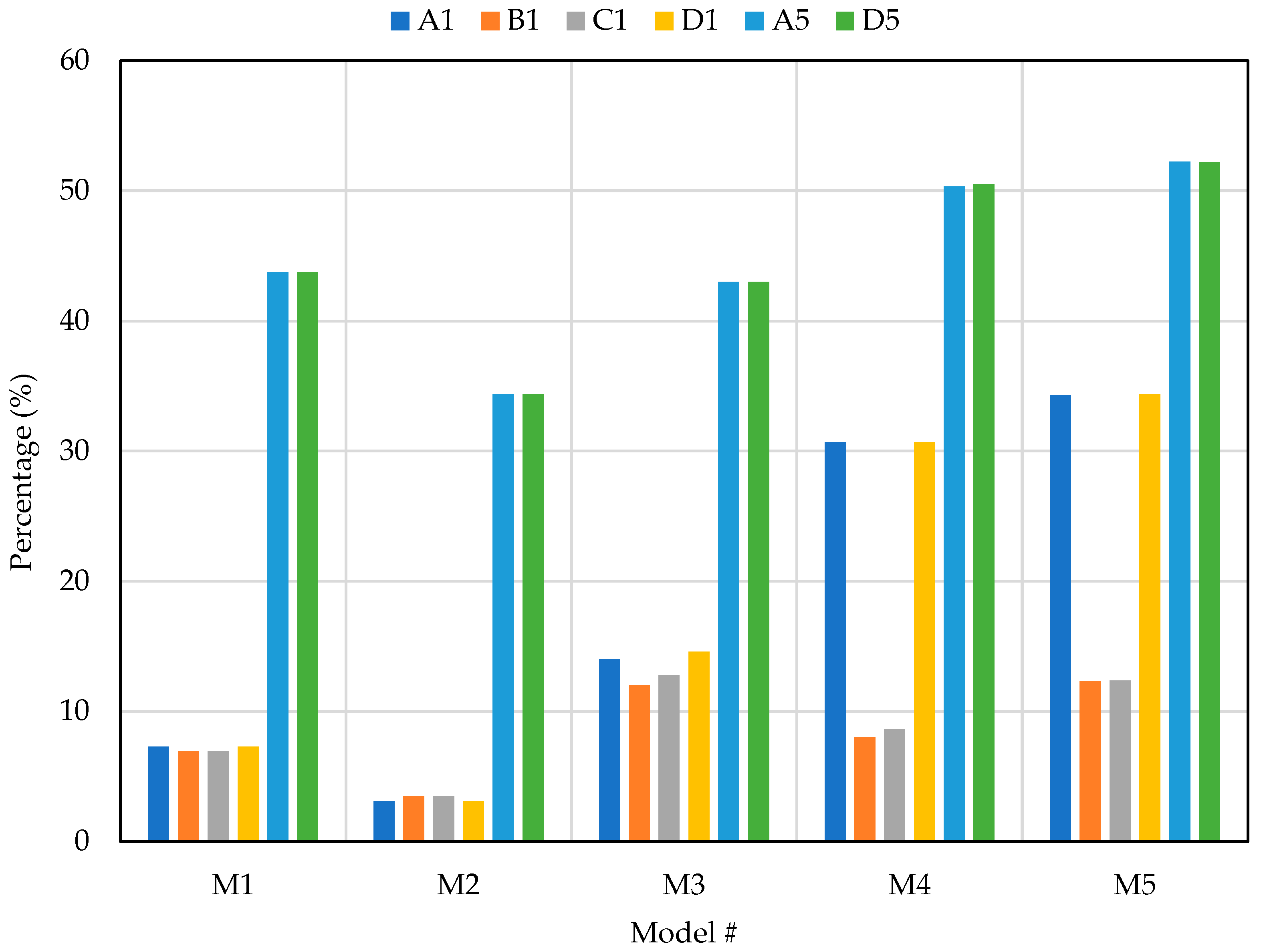
The variation in axial forces of ground floor columns under seismic loading is illustrated in
Figure 6. As expected, compression develops in reinforced concrete columns as gravity loads are transferred through the structure to the foundation, producing equal and opposite reactions. However, the introduction of seismic loading amplifies these axial forces, especially on the outer frames, while reducing them on the opposite side due to the overturning moment effect.
Among all models, Model M2 (Flat Slab + Coupled Shear Wall) shows the lowest increase in column axial forces, with an average rise of approximately 3 to 12% across all monitored columns (A1–D5). This behavior confirms the significant contribution of coupled shear walls in redistributing seismic demands and stabilizing the overall system.
In contrast, Model M1 (Flat Slab) and Model M3 (Flat Slab + Drop Panels) show a much higher increase, with columns A1 and D5 reaching up to 44%, while the internal columns (B1, C1, D1) record smaller increases around 6 to 13%.
Model M4 (Flat Slab + Edge Beams) and Model M5 (Flat Slab + Drop Panels + Edge Beams) exhibit the highest axial force amplification, where corner columns (A1, D5) reach 50–52%, and central columns (B1, C1) reach 8 to 12%. This indicates that although edge beams enhance slab confinement, they also channel larger portions of seismic load into the vertical elements, thus increasing compression forces.
These results emphasize that the coupled shear wall configuration (M2) remains the most effective solution for minimizing column over-compression under seismic excitation, providing a balanced lateral stiffness and improved overall structural response.
3.5. Seismic Force Distribution on Diaphragm
As shown in
Table 7, all diaphragms demonstrated semi-rigid behavior in accordance with ASCE 7-22 Section 12.3.1. [
22]. Noticeable differences, however, were observed in their deformation capacities and force-distribution efficiency.
Model M2 (Flat Slab + Coupled Shear Walls) exhibited the smallest diaphragm deflection (0.0053 mm) and inter-story drift (0.0052 mm), confirming its superior lateral stiffness and efficient in-plane shear transfer through the coupled wall mechanism. This configuration minimizes lateral distortion and ensures uniform load redistribution to the vertical elements.
By contrast, Models M1 (Flat Slab) and M3 (Flat Slab + Drop Panels) recorded the largest diaphragm deflections 0.0137 mm and 0.0130 mm, respectively, indicating limited lateral stiffness and greater in-plane flexibility under seismic loading. Models M4 (Flat Slab + Edge Beams) and M5 (Flat Slab + Drop Panels + Edge Beams) showed intermediate performance, with deflections of approximately 0.0096 mm and 0.0086 mm, respectively. While edge beams enhance diaphragm stiffness by confining perimeter columns, they also intensify lateral-force transfer to these columns, leading to higher axial demands as previously discussed.
Overall, the results confirm that introducing coupled shear walls (Model M2) is the most effective strategy for controlling diaphragm deformation and optimizing seismic force distribution, thereby improving the global lateral performance and reducing stress concentrations in both central and perimeter columns.
3.6. Shear Strength
The comparison of punching shear ratios calculated according to ACI 318-19 provisions [
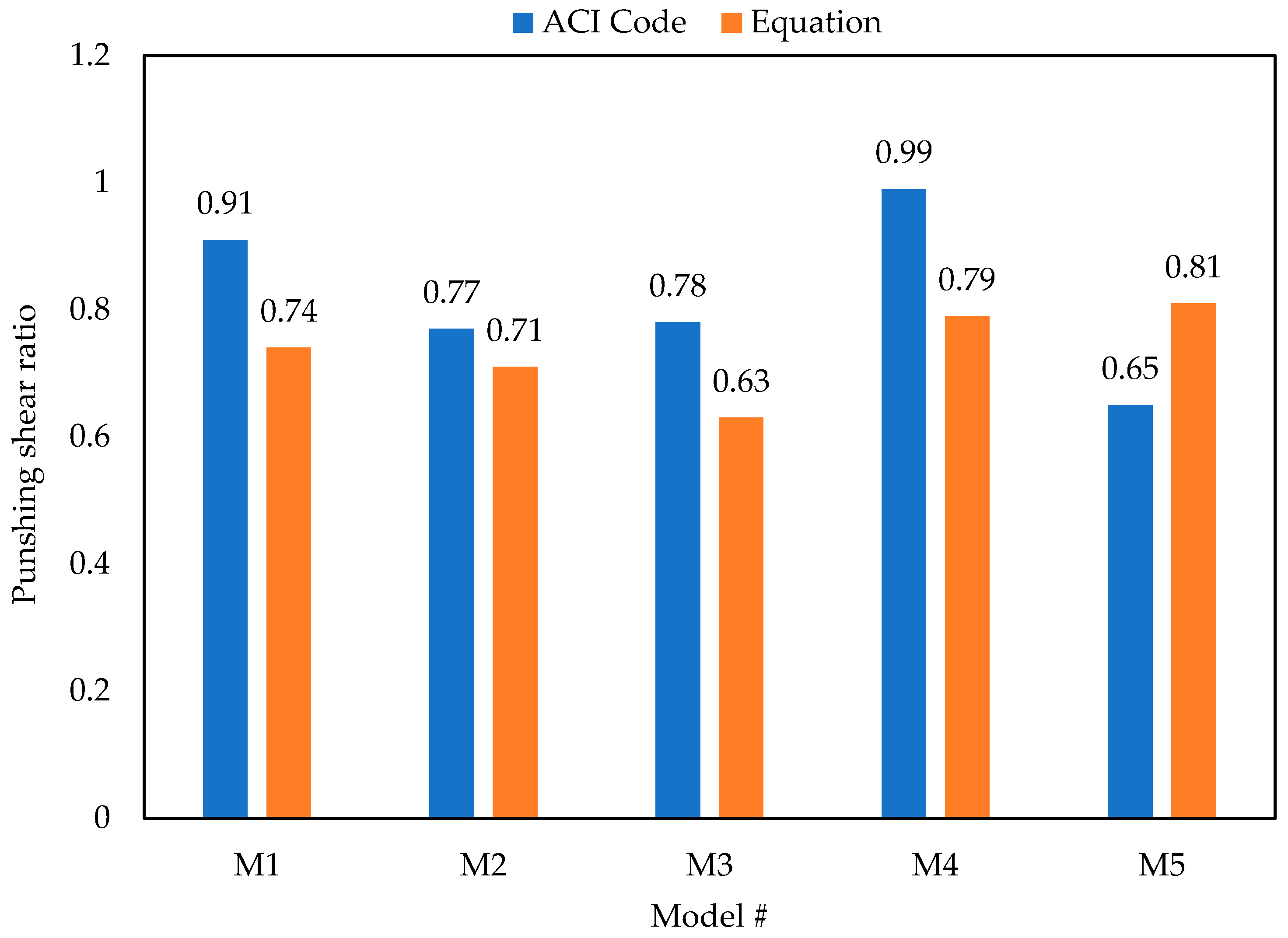
20] using ETABS v20 and the proposed empirical equation (Equation (4)) is presented in
Figure 7. The ratios represent the relationship between the applied punching shear demand and the corresponding punching shear capacity for each model, reflecting the relative safety margin against potential punching failure at interior slab–column connections. According to the ACI-based ETABS v20 evaluation, Model M4 (Flat Slab + Edge Beams) recorded the highest punching shear ratio (0.99), indicating the most critical condition among all configurations, whereas Model M5 (Flat Slab + Drop Panels + Edge Beams) showed the lowest ratio (0.65), suggesting improved shear resistance due to the combined stiffening effect of drop panels and edge beams. When the empirical equation was applied, all models showed slightly lower ratios, reflecting its more conservative estimation of punching capacity. The lowest value was observed in Model M3 (0.63), while the highest corresponded again to Model M4 (0.79).
Overall, the comparison highlights that incorporating drop panels and edge beams substantially enhances the punching shear resistance of flat slab systems. Meanwhile, coupled shear walls (Model M2) moderately reduce the punching demand on the slab–column joints by redistributing seismic loads away from the slab interior, yielding ratios of 0.77 (ACI) and 0.71 (empirical). The results also confirm that the proposed empirical model provides a more conservative yet realistic prediction of punching behavior, aligning well with the deformation and cracking observations reported earlier.
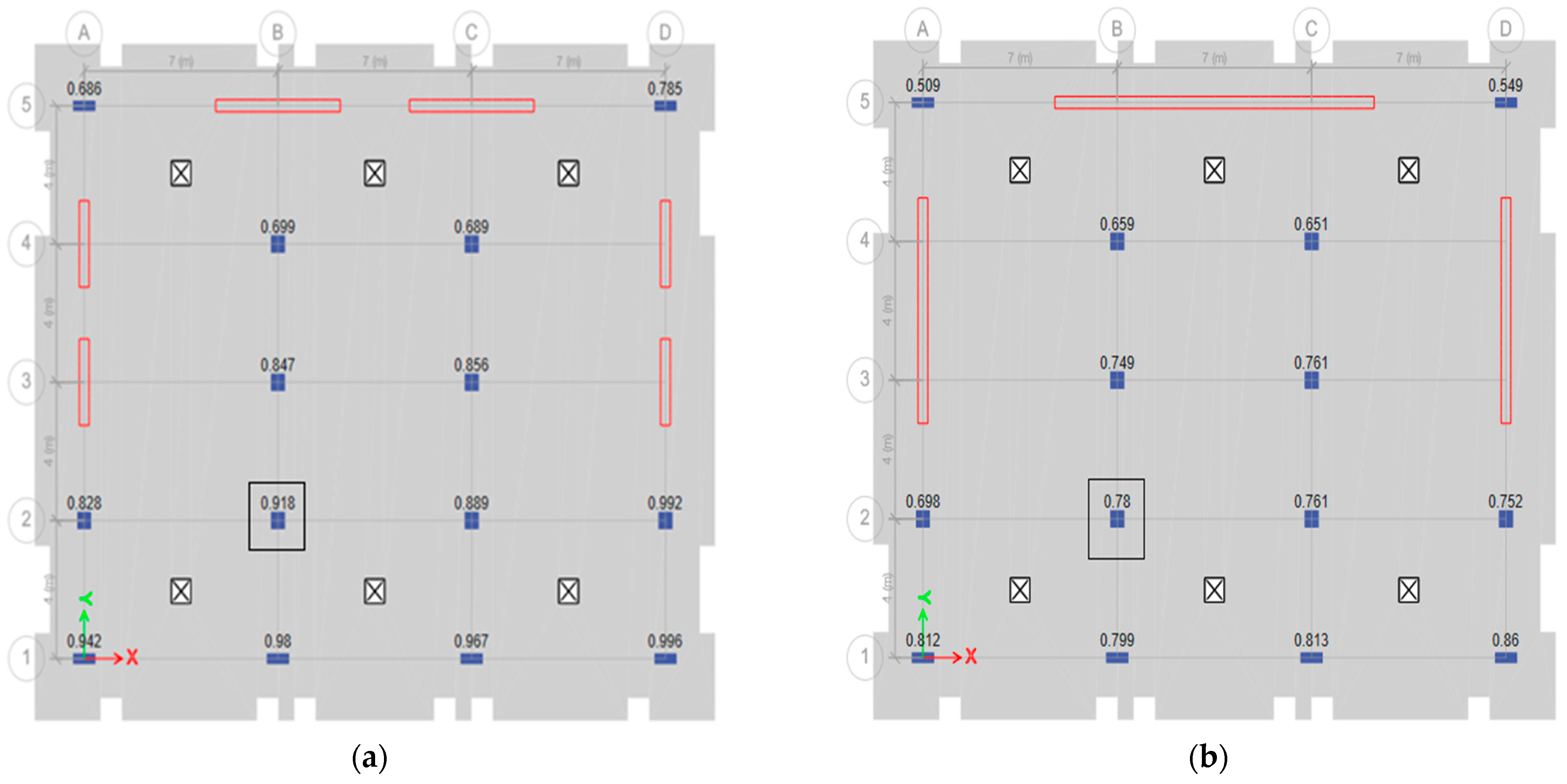
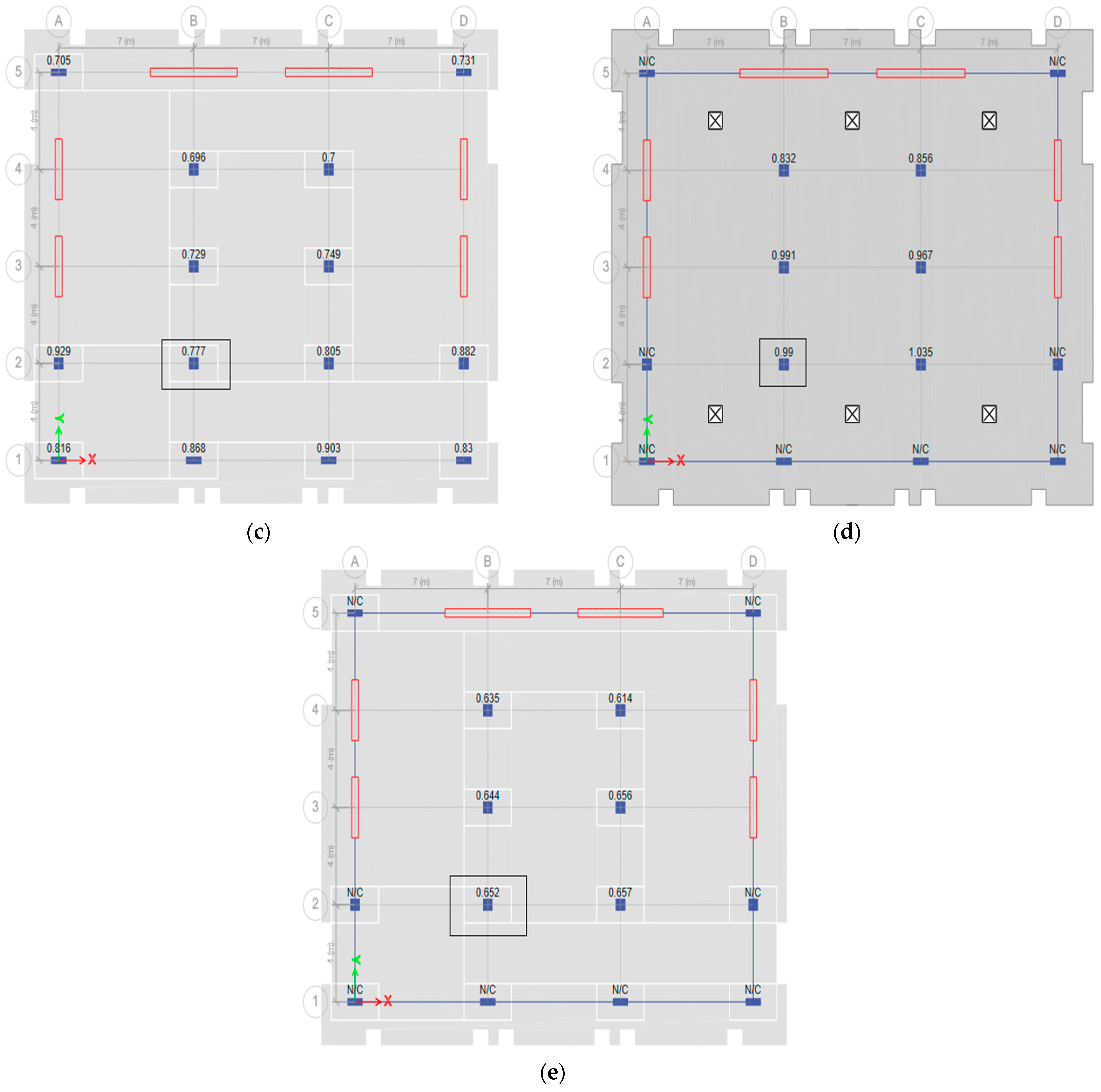
Figure 8 further illustrates the distribution of punching shear ratios for each individual model, showing the localized effects of edge beams, drop panels, and coupled shear walls on the slab–column connection behavior.
4. Discussion
The comparative analysis of the five flat slab models provides valuable insight into how conventional structural elements influence seismic behavior, stiffness distribution, and potential failure mechanisms. The discussion below integrates the numerical results with theoretical expectations and previously reported findings to establish a comprehensive understanding of the observed structural performance. Beyond quantitative differences, the results reveal clear behavioral patterns that explain how each strengthening strategy modifies the global and local response mechanisms of the structure.
The results confirmed that introducing coupled shear walls produced the most substantial improvement in global stiffness and lateral resistance. The fundamental period of the coupled wall model (M2) decreased by nearly 50% relative to the reference structure (M1), consistent with the findings of Gong et al. [
24] who demonstrated that wall coupling significantly enhances lateral rigidity. The coupled wall system transforms the lateral load path from a frame-dominated flexural mechanism into a wall-dominated shear-flexure mechanism, thereby increasing lateral stiffness and reducing deformation compatibility demands on slab–column connections. The efficiency of coupling beams in linking adjacent wall segments results in a dual benefit: increased stiffness under moderate seismic excitation and improved ductility under severe shaking due to controlled yielding of the coupling elements. This behavior reflects classical capacity-design principles, where coupling beams act as sacrificial energy-dissipation components that limit force concentration at wall boundaries and stabilize global response. In contrast, drop panels primarily contribute to local stiffness around column zones, with negligible impact on global deformation.
The observed relationship between base shear, fundamental period, and displacement behavior reinforces the stiffness–demand correlation documented in earlier studies. Models with higher stiffness (M2, M5) mobilized greater base shear forces but experienced reduced lateral displacements and story drifts. This trend reflects fundamental dynamic equilibrium principles: increased lateral stiffness shortens the natural period, shifting the structure toward higher spectral accelerations while simultaneously reducing displacement demand. This inverse relationship between stiffness and lateral displacement, as discussed by Li et al. [
25] and Dupuis et al. [
26], confirms that shear wall–dominated systems attract larger seismic forces yet sustain smaller overall deformations. This trend underscores a key design trade-off: stiffer systems effectively control deformation but must be detailed to accommodate higher internal force demands without premature brittle failure. Such trade-offs highlight the need for balanced design strategies that combine stiffness control with adequate ductility, especially in regions of elevated seismicity where post-elastic deformation capacity governs structural performance. The balanced performance of the combined model (M5) exemplifies an optimal compromise between stiffness enhancement and force distribution efficiency.
The introduction of edge beams and coupled shear walls substantially reduced the center of mass shift across the evaluated models, indicating a more balanced stiffness distribution. As shown in the results, Model M5, combining drop panels and edge beams, achieves the smallest center of mass shift, confirming its enhanced perimeter stiffness and improved diaphragm equilibrium. Similarly, Model M2 demonstrates reduced center of mass offset due to the efficient redistribution of lateral forces through the coupled shear walls. Similar observations were reported by Georgoussis and Mamou [
27] and Rashidi et al. [
28], who found that perimeter stiffening elements reduce the eccentricity between the centers of mass and rigidity, leading to a more uniform torsional response. This consistency between numerical prediction and theoretical expectation confirms the validity of the adopted modeling approach and the reliability of the observed torsional trends. These findings are particularly relevant for irregular or open-plan structures, where torsional modes may dominate the seismic response. Incorporating edge beams in such systems ensures a continuous load path and limits out-of-plane slab deformations.
While global stiffness improvements were primarily achieved through shear walls and edge beams, drop panels proved highly effective in mitigating punching shear at slab–column connections. The numerical results showed up to a 25% reduction in punching shear demand for drop-panel configurations, which aligns with experimental studies in which drop panels improved punching shear capacity [
29]. However, this local enhancement did not translate into a notable increase in overall lateral stiffness. The combined configuration (M5), which integrates drop panels and edge beams, achieved the most balanced performance by simultaneously improving both local punching resistance and global lateral response. This configuration aligns with the recommendations of ACI 318-19 [
21], which emphasize that punching shear resistance must be addressed in conjunction with lateral deformation control for seismic design. The synergy observed in M5 also demonstrates the advantage of distributing strengthening interventions across both vertical and horizontal load-resisting components, which enhances redundancy and robustness in the seismic response.
The findings of this study are further supported by experimental research on reinforced concrete flat slabs subjected to corner-column loss scenarios. Qian and Li [
30] demonstrated that incorporating drop panels significantly increased the first peak capacity, initial stiffness, and energy dissipation capacity by up to 124.7%, 117.4%, and 85.4%, respectively, compared with specimen without drop panels. Although their work focused on progressive collapse conditions rather than seismic loading, both studies reveal a similar strengthening mechanism: drop panels enhance the local stiffness of the slab-column region, delay punching failure, and improve overall energy absorption capacity. This experimental evidence provides strong qualitative validation for the numerical observations reported in the present work.
Additionally, diaphragm behavior significantly affects load transfer: without coupled shear walls, central and perimeter columns attract higher shear forces, whereas coupled shear walls reduce shear-induced axial forces. From a practical standpoint, these findings demonstrate that combining conventional strengthening techniques can substantially enhance seismic performance without requiring advanced or costly retrofitting systems. Such integration of conventional measures provides an efficient and economically feasible approach for upgrading flat slab systems in existing buildings. The following design implications emerge from the study:
Coupled shear walls should be prioritized in mid-rise flat slab buildings to improve global stiffness and control story drift.
Edge beams contributed to a more uniform stiffness distribution along the building perimeter, which led to a modest reduction in the computed center-of-mass shift.
Drop panels remain essential for local punching resistance but should be combined with lateral stiffening systems for comprehensive performance enhancement.
Overall, the combination of coupled shear walls, drop panels, and edge beams results in improved seismic performance by enhancing stiffness, controlling displacements and torsion, increasing column stability, and reducing the likelihood of shear failures in slab-column connections. Collectively, these results highlight that a rational combination of conventional strengthening strategies can achieve substantial improvements in seismic response with minimal design complexity, providing a practical foundation for future performance-based design methodologies.
Recent advances in resilience-oriented seismic design emphasize the importance of not only limiting immediate earthquake damage but also facilitating rapid post-event recovery. For example, fuse-based systems demonstrate how deliberately designed replaceable components can localize damage and simplify repair after strong shaking [
31,
32]. While the present study focuses on conventional strengthening measures evaluated under elastic response spectrum analysis, the underlying goal of improving overall performance and reducing demand concentrations is conceptually aligned with resilience objectives.
Although the present analysis captures the essential dynamic behavior of flat slab systems under design-level seismic loads, it does not include nonlinear material degradation or post-yield redistribution effects. Future studies should employ nonlinear time-history analyses to quantify energy dissipation and investigate progressive collapse mechanisms, and cyclic degradation under severe earthquakes. Experimental validation using large-scale structural testing would further substantiate these results and refine design recommendations for performance-based seismic codes.
5. Conclusions
This study examined the seismic response of five ten-story reinforced concrete flat slab buildings strengthened with conventional structural elements, drop panels, edge beams, shear walls, and coupled shear walls using linear response spectrum analysis in ETABS v20. The results provide a quantitative and qualitative understanding of how these measures affect stiffness, drift control, punching shear, and overall structural stability under seismic loading. The following conclusions can be drawn:
Coupled shear walls were the most effective strengthening measure, reducing story displacements by up to 50% and achieving the lowest inter-story drifts. Their coupling action enhanced both stiffness and ductility, leading to improved seismic performance.
Edge beams provided significant improvements in torsional control and diaphragm rigidity. They reduced displacement irregularities and ensured a more uniform lateral load distribution across the structure.
Drop panels, while limited in their contribution to global stiffness, effectively enhanced local punching shear resistance at slab–column connections, reducing punching demand by approximately 20–25%.
The combined configuration (drop panels + edge beams + coupled shear walls) demonstrated the most balanced performance across all evaluated parameters, simultaneously improving global stiffness and reducing local punching shear demand.
The findings reaffirm that conventional strengthening methods, when strategically integrated, can significantly improve the seismic performance of flat slab systems without requiring advanced or high-cost retrofitting techniques.
From a design perspective, the study provides a practical framework for engineers seeking to enhance the seismic behavior of flat slab buildings in moderate to high seismic zones. The results support the prioritization of coupled shear walls and perimeter stiffening as primary measures for improving lateral stability, while drop panels serve as complementary local reinforcements for punching shear control. The present conclusions are limited to elastic response indicators derived from linear response spectrum analysis. Nonlinear material behavior, cyclic degradation, damage accumulation, and repairability metrics were not explicitly modeled. Future studies should incorporate nonlinear time-history simulations and experimental validation to evaluate ductility, energy dissipation capacity, and cumulative damage behavior, contributing to the development of performance-based design guidelines for flat slab systems in seismic regions.