Article

Investigation of the Temperature Performance of Bitumen Modified with Egg Shell Waste

by
İbrahim Erginer
1,*,
Ömer Faruk Cansız
1,
Ali Tuncay Özyılmaz
2,
Nurullah Karaca
1 and
Bestami Taşar
1
1
Department of Civil Engineering, İskenderun Technical University, Hatay 31200, Türkiye
2
Chemistry Department, Hatay Mustafa Kemal University, Hatay 31001, Türkiye
*
Author to whom correspondence should be addressed.
Appl. Sci. 2025, 15(19), 10500; https://doi.org/10.3390/app151910500
Submission received: 8 August 2025 / Revised: 16 September 2025 / Accepted: 17 September 2025 / Published: 28 September 2025

Abstract

This study was conducted to improve the heat performance of bitumen. The effect of eggshells on the performance of bitumen was investigated. Eggshell waste was ground and mixed with bitumen at 1%, 2%, and 3% by weight. Sulfuric acid was used as a catalyst for maximum interaction of eggshells with bitumen. The high heat performance and rutting resistance of modified bitumen formed at 160 °C were determined by the Dynamic Shear Rheometer (DSR) test. In addition, the low heat performance of modified bitumen was determined with the Bending Beam Rheometer (BBR) test. It was determined that the high heat performance of modified bitumen increased by 16.22% and the low heat performance (creep values) by 11.43% compared to pure bitumen. In addition, it was determined that the rutting resistance values of modified bitumen increased compared to pure bitumen.

1. Introduction

Bitumen, which is the binding material of asphalt pavements, is very valuable in terms of the service life of road pavements. Therefore, many modification methods are used in the literature to extend the service life of bitumen and delay its aging. For the modification to be successful, the phase separation within the chemical structure must be controllable. These phase separations usually occur when the bitumen is cooled from 100 °C. Redelius and Soenen [1] determined in their studies that the first phase transition occurs at 40–60 °C. This situation is important in terms of chemical evaluation of bitumen modification. Weigel and Stephan [2] developed a prediction model to determine the aging rate of bitumen using shear modulus and phase angle variables in addition to traditional properties, such as penetration and softening point.
In recent years, studies have been conducted on the use of eggshell additives in bituminous mixtures. Chfat et al. [3] found that the heat performance and rutting resistance of bitumen modified with eggshell increased. In Erfen et al. [4], eggshell was used as a filler material in asphalt concrete. It was determined that eggshell was suitable as a filler material. Masued [5] used eggshell powder as a filler material in the asphalt mixture in the study. The study applied flow, density, and indirect tensile tests to this asphalt mixture. Eggshell was used instead of a binder in the mixture at rates from 3% to 100%. It was determined that the use of 6% eggshell was suitable. Razzaq et al. [6] investigated the use of eggshells in asphalt concrete in the study. Eggshells were used in bitumen at different rates, and flash point and ductility tests were performed. As a result of the study, it was concluded that the use of eggshells at rates of 3% and 5% was suitable for asphalt mixtures. Oluwatuyi et al. [7] mixed ground eggshells into soil at rates of 0-2-4-6-8% and added cement at the same time. They investigated the improving effect of eggshells in the mixed soil and performed the California Bearing Ratio test. It was determined that the strength of the samples stabilized with 8% eggshells and cement increased. In Chee and Ramadhansyah [8], eggshell waste was used in the modification of bitumen. It was concluded that the strength of asphalt mixtures prepared with eggshell-added bitumen was higher than of normal mixtures. Masri et al. [9] used eggshell in stone mastic asphalt, and its performance in terms of permanent deformation resistance was examined. It was determined that the use of 4% eggshell increased the permanent deformation resistance of stone mastic asphalt. Wang et al. [10] utilized eggshell to modify bitumen, and the modified bitumen was subjected to DSR and BBR tests. The test results showed that the modified bitumen increased high- and low-heat performances. Eggshells were mostly used as a filling material in bituminous mixtures in the literature.
There are many studies in the literature examining the rheological properties of bitumen modified with DSR and BBR. Kumandaş et al. [11] studied the rheological properties of composite modified bitumen with DSR and BBR using vegetable waste oil, RET, and PPA. In the study conducted by Yılmaz and Kök [12], the effect of styrene-butadiene-styrene (SBS) additive used in bitumen modification on the high-temperature performance and workability of bituminous binder was investigated. Wu et al. [13] conducted a study to evaluate the rheological properties of asphalt more comprehensively and effectively and to investigate the applicability of DSR and BBR in evaluating the rheological properties of asphalt. Fakhri and Kianfar [14] compared the BBR results of EVA polymer and nano-CaCO3-modified bitumen with different methods. In the study conducted by Dehnad et al. [15], the aging properties of polymer and polyphosphoric acid modified asphalt binders were investigated using BBR and DSR tests. Liu et al. [16] conducted BBR and DSR tests using ethylene vinyl acetate (EVA) and crumb rubber (CR) as bitumen modifiers. The most appropriate contribution percentages were determined in this study.
This study was conducted to improve the heat performance of bitumen. The effect of eggshells on the performance of bitumen was investigated. Eggshell was used as a modification additive in bitumen, unlike the literature. Eggshells with particle sizes smaller than 75 microns were used in the modification of bitumen. Eggshells were melted by mixing with a Sulfuric acid (H2SO4) catalyst. Then, they were mixed with bitumen at 160 °C for 20 min. Eggshells were added to the bitumen in different weight ratios (%1, %2, and %3) and compared with each other. This modified bitumen was first subjected to surface analysis for the success of the modification process with a scanning electron microscope (SEM). DSR and BBR tests were performed on the modified bitumen to test their rutting resistance and high- and low-heat performances. This study showed that bitumen modified using eggshell waste was more resistant to hot and cold weather conditions. In addition, these modified bitumen reduced the risk of thermal cracks.

2. Material and Sample Preparation

In this study, eggshell waste was heated at 160 °C for 20 min. Thus, CO2 was removed from the eggshell, which contained CaCO3. Then, the heat-treated eggshell wastes were ground and sifted. The ground eggshells were passed through sieves with a diameter of 75 microns. Ground eggshell waste is shown in Figure 1.
The molten state of the eggshells ensures homogeneity when mixed with the bitumen. Therefore, a catalyst was chosen to facilitate the chemical reaction between the eggshells. The eggshell waste shown in Figure 1 was mixed with sulfuric acid (H2SO4) to act as a catalyst. With this process, chemical interaction is increased in the modification of bitumen. Unlike the studies in the literature, this process provided a chemical advantage and contributed greatly to the performance of modified bitumen.
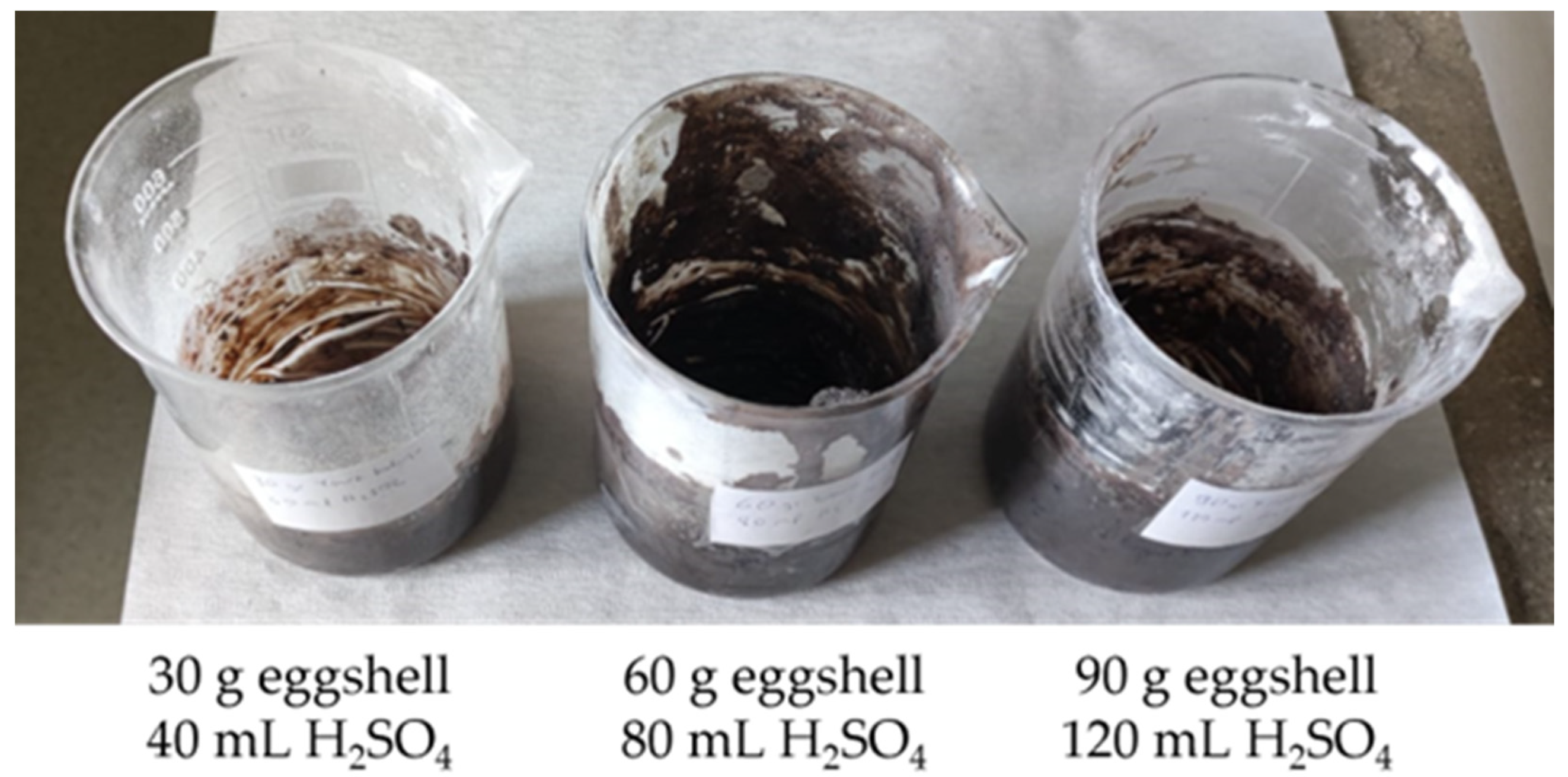
Heated and ground eggshell waste was first mixed with H2SO4. The process of mixing eggshell with H2SO4, which is selected as the catalyst material, is shown in Figure 2.
The addition of CaO to bitumen delays aging [17]. Eggshell also has 95% CaO content. Eggshell was used in modifying bitumen to benefit from the positive effects of the CaO compound and to make this material, which has storage problems, functional. H2SO4 catalyst was gradually added to the eggshell waste, and the eggshell was melted. The CaO-H2SO4 ratio was found by trial and error. Because the amount of eggshell that the H2SO4 catalyst would melt was unknown. H2SO4 was gradually added, and the optimum ratio was determined. A total of 40 mL of H2SO4 was mixed with 30 g of eggshell waste. There was no phase change during the mixing. Bitumen was then added to this mixture. In this study, 50/70 penetration bitumen obtained from Batman Refinery in Turkey was used.

3. Mixture and Test Methods

3.1. Mixture

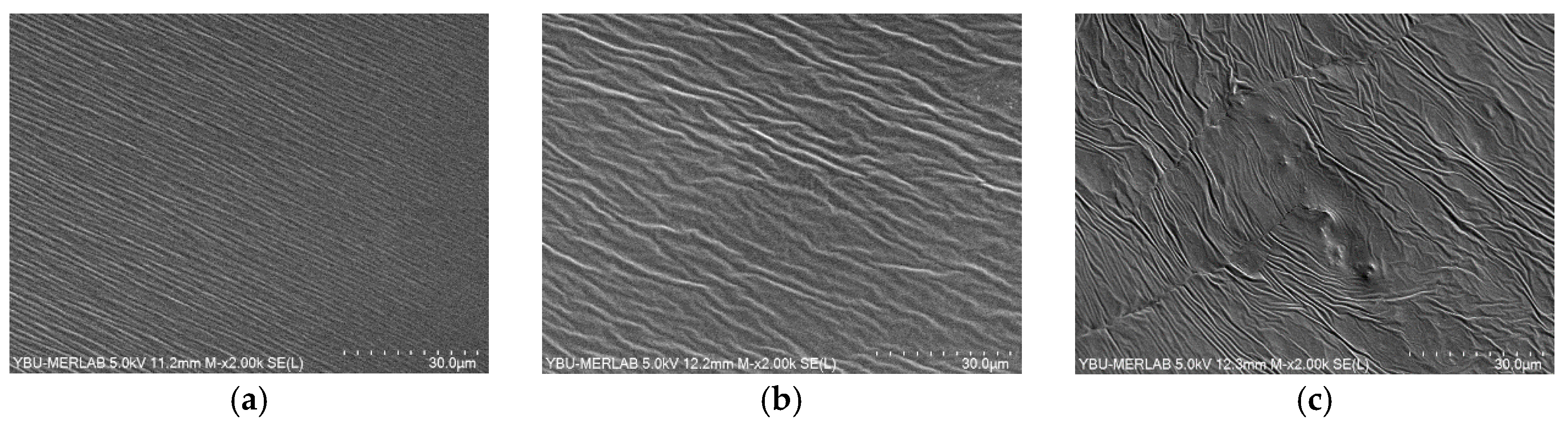
The material prepared with eggshell waste and catalyst (H2SO4) was mixed with bitumen at 1%, 2%, and 3% weight ratios (bitumen weight percentage). The mixing process was carried out at 160 °C for 20 min. The modified bitumen prepared with 1%, 2%, and 3% waste material was viewed with a scanning electron microscope, and the images under the microscope are shown in Figure 3. With the help of the images and analyses in the electron microscope, it was determined whether the eggshell was homogeneously dispersed in the bitumen. Since solidification occurs when the additive ratio is used above 3%, the mixture was prepared with a maximum of 3% additive.
The chemical content of the prepared modified bitumen was visualized on the SEM device. Since eggshell wastes have CaO content, Ca ratios were examined in SEM imaging. Table 1 shows the chemical content of bitumen modified with 1% eggshell.
When the surface analysis results obtained from the SEM device in Table 1 are examined, a Ca content of 0.98% is found. Approximately 95% of the eggshell consists of the CaO compound. With the use of 1% eggshell, the Ca element rate in the modified bitumen is expected to be approximately 0.95%. In addition, since there is oxygen in the bitumen, the Ca element was taken into consideration as an evaluation criterion. This proves that the eggshell waste is successfully mixed with the bitumen chemically.
When the surface analysis results obtained from the SEM device in Table 2 are examined, a Ca content of 2.01% was found. Approximately 95% of the eggshell consists of the CaO compound. With the use of 2% eggshell, the Ca element rate in the modified bitumen is expected to be approximately 1.9%. In addition, since there is oxygen in the bitumen, the Ca element was taken into consideration as an evaluation criterion. This proves that the eggshell waste is successfully mixed with the bitumen chemically.
When the surface analysis results obtained from the SEM device in Table 3 are examined, a Ca content of 3.07% was found. Approximately 95% of the eggshell consists of the CaO compound. With the use of 3% eggshell, the Ca element rate in the modified bitumen is expected to be approximately 2.85%. In addition, since there is oxygen in the bitumen, the Ca element was taken into consideration as an evaluation criterion. This proves that the eggshell waste is successfully mixed with the bitumen chemically.
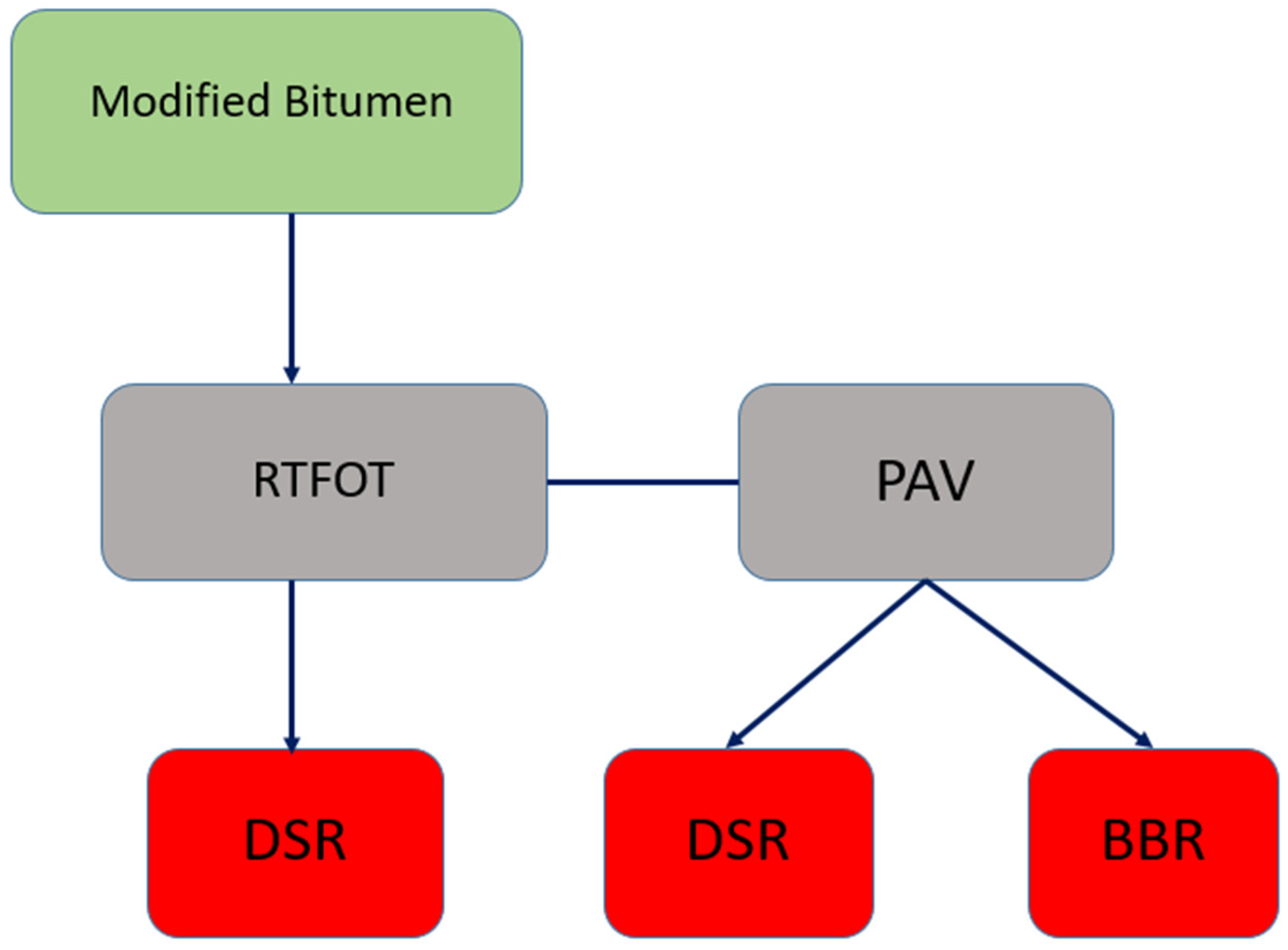
After scanning the electron microscope images, the aging and performance tests phase began. To make these stages more understandable, the steps are shown in Figure 4.
When Figure 4 is examined, the aging process was first applied to modified bitumen with the RTFOT test. Then, DSR performance tests were performed on the samples, and the results were given. Then, the PAV test was applied to the modified bitumen. After the PAV test, DSR tests were performed once more. Finally, PAV and then BBR tests were also performed on the modified bitumen. The gray boxes show the aging methods of the modified bitumen, and the red boxes show the performance tests. RTFOT was used as the short-term aging method. The PAV test was used as the long-term aging method.

3.2. Rolling Thin-Film Oven Test (RTFOT)

The RTFOT test was applied to pure bitumen and modified bitumen with 1%, 2%, and 3% eggshell waste additive, taking into account AASHTO T 240 [18] standards. The modified bitumen was heated until it became fluid. Then, 35 g of each was poured into 8 glass bottles suitable for the RTFOT device. The RTFOT table started to rotate at 15 rpm, and this process continued for 85 min. During rotation, compressed air was sprayed into the bottles at a rate of 4000 ± 200 mL/min. After the aging process was completed, the samples were subjected to the DSR test.

3.3. Dynamic Shear Rheometer (DSR) Test After RTFOT

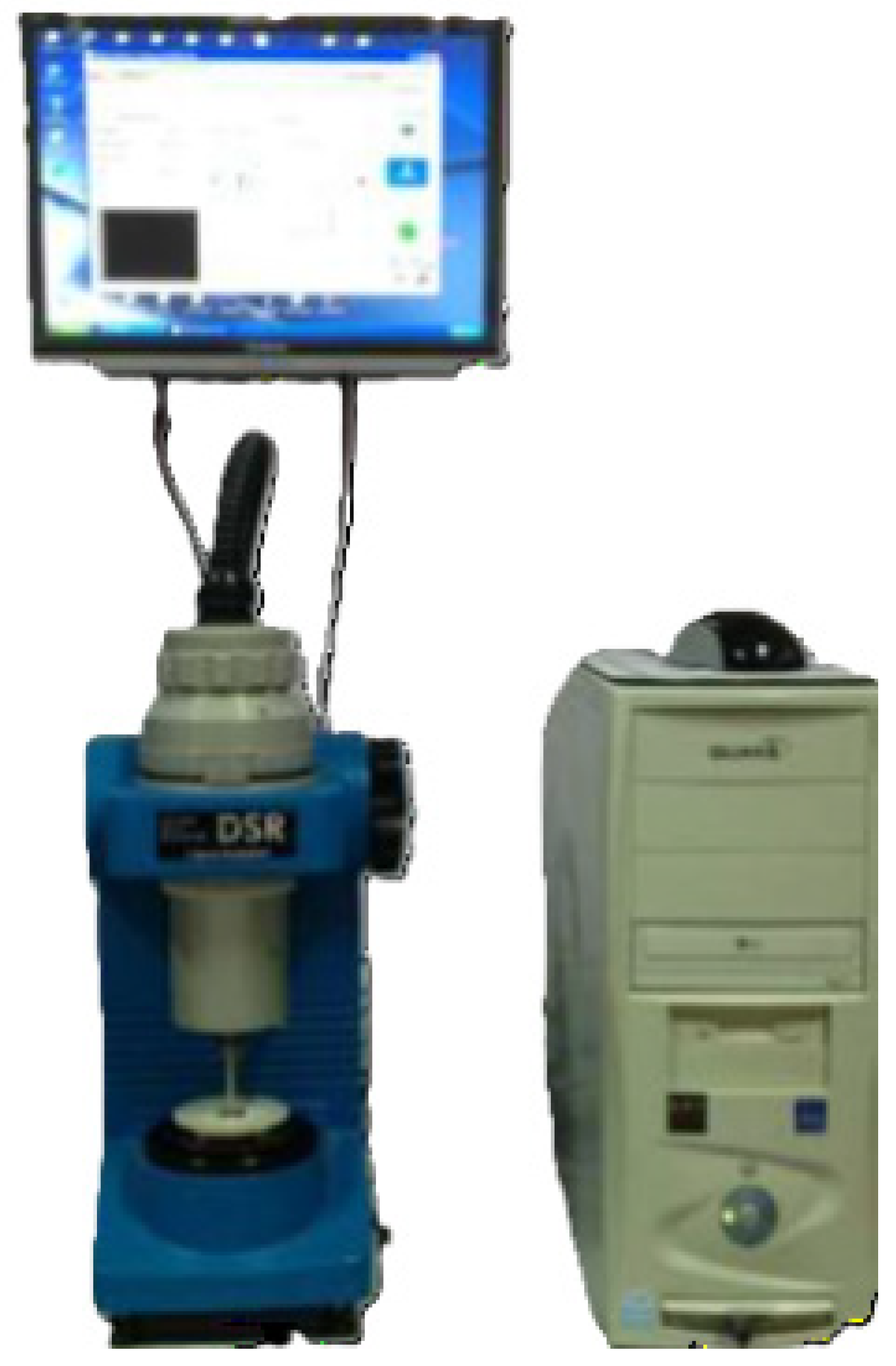
The DSR test was applied to pure bitumen and eggshell-modified bitumen aged with the RTFOT method according to AASHTO TP70-09 [19] standards. With this test, rutting resistance and high-heat performance of pure bitumen and modified bitumen were investigated. Bitumen is placed between the fixed lower table and the movable upper table in the DSR device. The movable upper table was rotated 10 times for each sample. The rotation frequency of one revolution is 10 radians/second (1.59 revolutions/second). After the process was completed, the phase angle (δ) and complex shear modulus (G*) were determined. The experimental setup is shown in Figure 5.

3.4. Pressure Aging Vessel (PAV) Test

Modified bitumen prepared using RTFOT-aged bitumen and eggshell was heated until it became fluid. A total of 50 ± 0.5 g of bitumen was poured into each of the ready sample containers, and these containers were placed on the shelves of the carrier. The pressure vessel was heated to the desired test heat before the experiment. After heating, the lid of the rack carrier was placed in the pressure vessel and closed. When the heat of the container approached the test heat ± 2 °C, the bitumen was aged by applying 2.1 ± 0.1 MPa pressure to the container for 20 h ± 10 min. After the experiment, the pressure in the container was released for 9 ± 1 min without causing foaming in the bitumen. After these procedures, the bitumen samples were removed from the container and kept in the oven at 163 °C for 30 min to remove the air trapped inside.

3.5. Bending Beam Rheometer (BBR) Test After PAV

The bitumen was poured over the beams in the BBR test device and allowed to cool. Then, the excess was removed with the help of a knife. In this way, BBR samples of desired sizes were created without any air remaining in the sample. In the experiment, a load of 100 ± 5 g (980 ± 5 mN) was applied to the standard size beam for 240 s (4 min). Creep values were measured at different times while the force applied to the beam continued. Thus, creep hardness (S) and creep rate (m) were determined. A high creep rate (m) indicates that the material behaves more elastically at low heat. This reduces the risk of thermal cracking of bitumen.

4. Results Analysis

The prepared modified bitumen was subjected to early and long-term aging. The results of the short-term (post-RTFOT) and long-term (post-PAV) aging tests are presented in this section.

4.1. DSR Test Results After RTFOT

DSR test results of bitumen aged with RTFOT are shown in Table 4. G*/sin(δ) values of bitumen aged with the RTFOT method should be 2200 Pa. In Table 4, when G*/sin(δ) value is 2200 Pa, heat, complex modulus (G*), and phase angle (δ) values are given.
When Table 4 is examined, it is seen that when the G*/sin(δ) value reaches 2200 Pa, the temperature value of pure bitumen is 70 °C, the complex modulus is 2138 Pa, and the phase angle value is 83.25°. It was observed that the temperature value of 1% eggshell added bitumen was 79.36 °C, the complex modulus was 2148 Pa, and the phase angle was 77.89°, while the temperature value of 2% eggshell added bitumen was 81.36 °C, the complex modulus was 2144 Pa, and the phase angle value was 77.45°. These values showed that modified bitumen with 1% and 2% eggshell additives has higher high-temperature performance than pure bitumen. The G*/sin(δ) value of 3% eggshell modified bitumen could not reach 2200 Pa. Since the 3% eggshell-added bitumen did not meet the specification value, it was not included in the comparison.
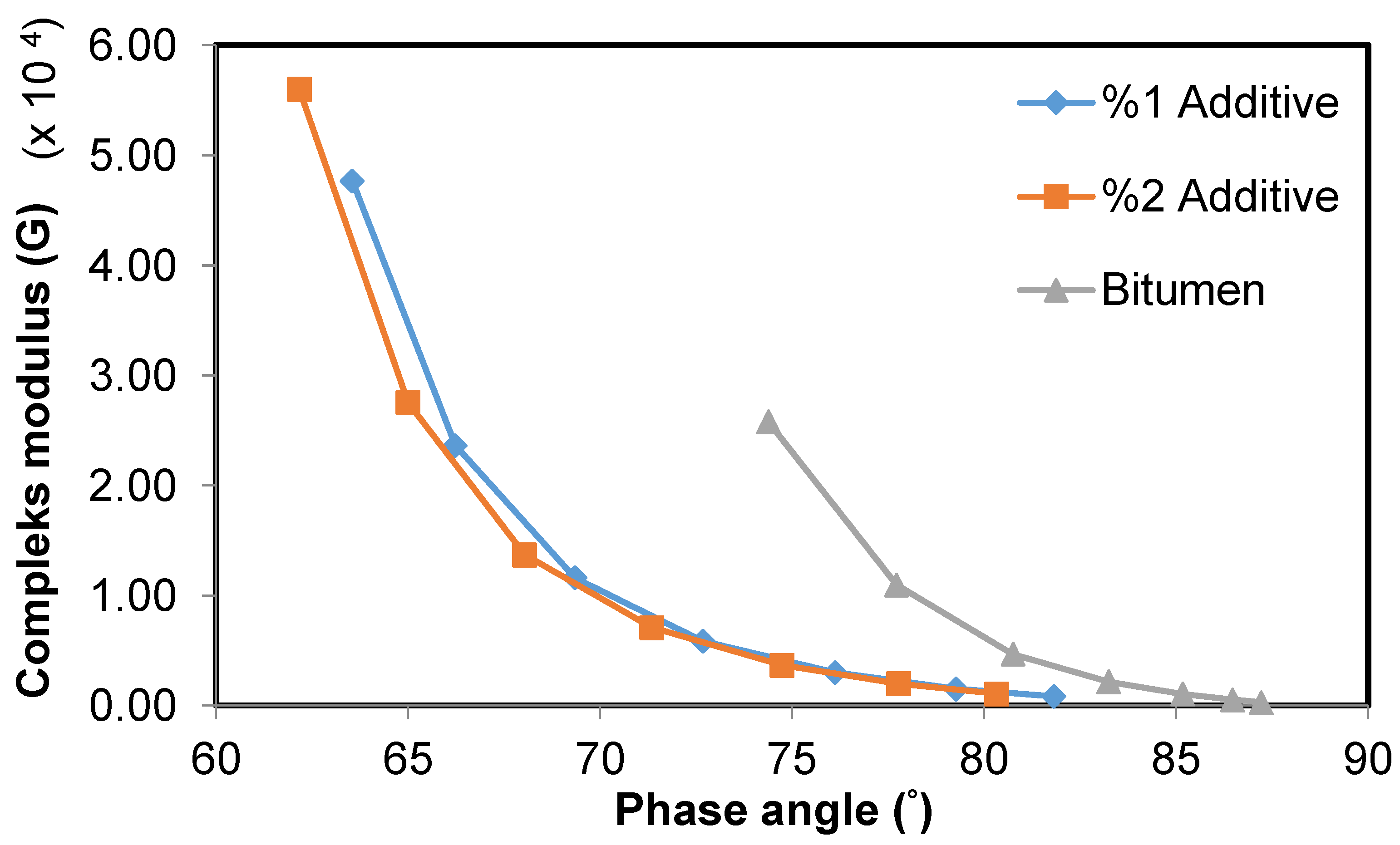
Low phase angle values and high complex shear modulus values indicate that the material exhibits more elastic behavior. In order to evaluate this situation, a graph of complex shear modulus (G) and phase angle change was drawn. Figure 6 shows the phase angle change graph with G.
When Figure 6 is examined, the complex shear modulus values of modified bitumen with 1% and 2% eggshell additives are higher than those of pure bitumen. In addition, the phase angle values of modified bitumen are lower than those of pure bitumen. This shows that modified bitumen with 1% and 2% eggshell additives exhibits more elastic behavior than pure bitumen. Modified bitumen with 2% eggshell additive showed better performance than modified bitumen with 1% eggshell addition.
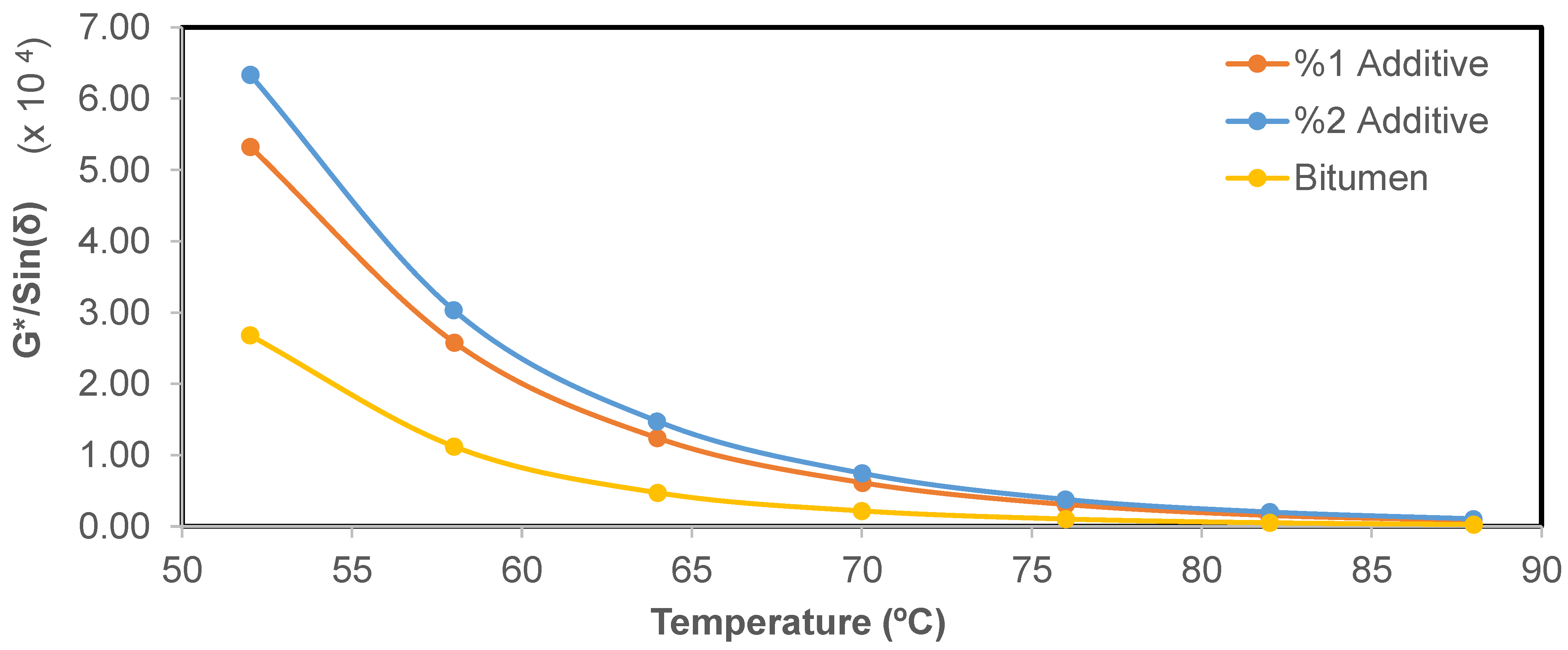
The graph showing the relationship between the rutting resistance parameter G*/sin(δ) and temperature is shown in Figure 7.
When Figure 7 is examined, with the same temperature values, 2% eggshell modified bitumen gave the best results in terms of rutting resistance. Modified bitumen with 1% eggshell added also showed better performance in terms of rutting resistance than pure bitumen.

4.2. Dynamic Shear Rheometer (DSR) Test After PAV

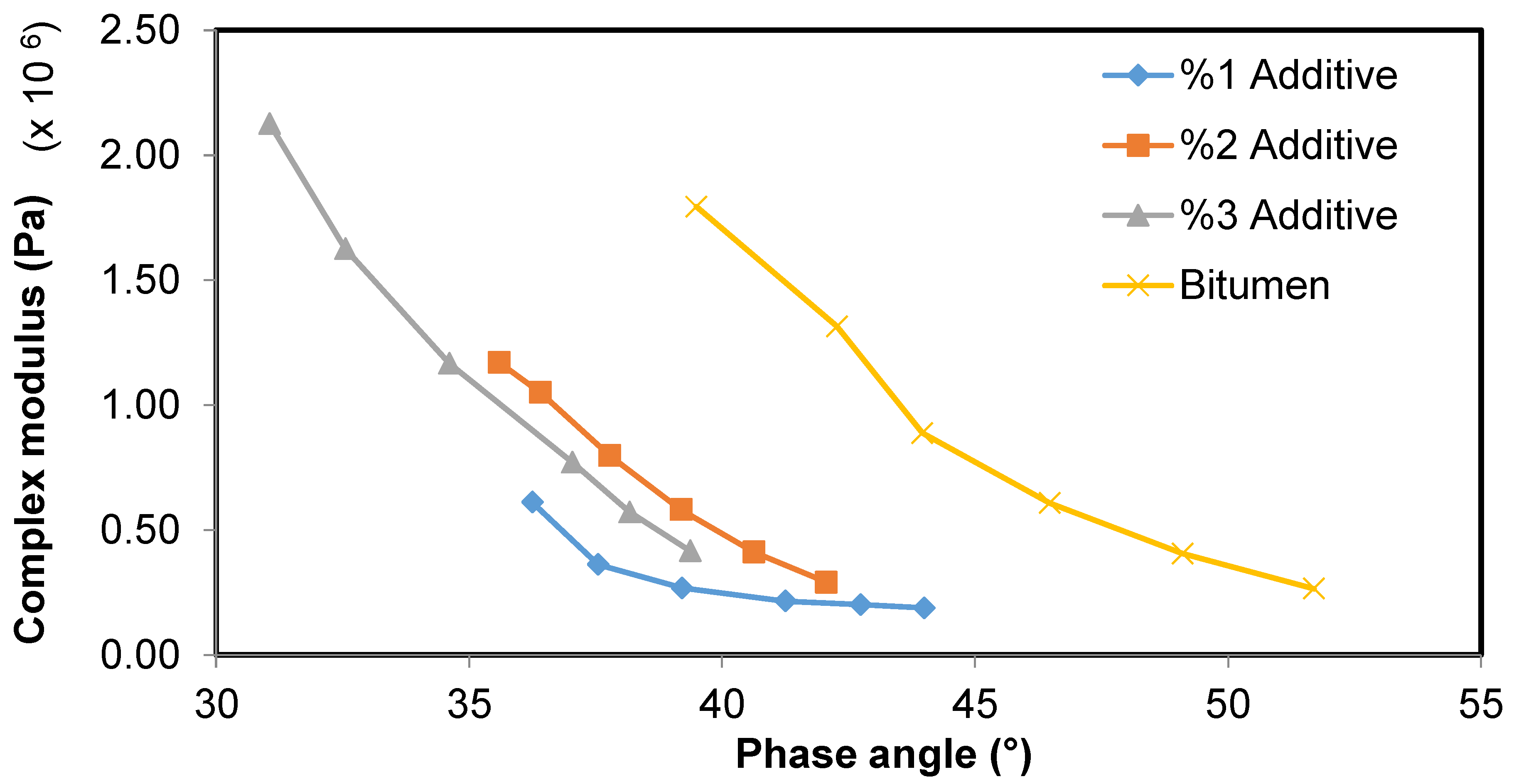
DSR test was performed on pure bitumen aged with PAV and modified bitumen using eggshell. As a result of the DSR experiment, a graph of complex shear modulus and phase angle change was drawn. This graph is shown in Figure 8.
When Figure 8 is examined, the sample with the highest complex shear modulus and the lowest phase angle is modified bitumen with 3% eggshell additive. This sample, which did not meet the specification value after short-term aging with RTFOT, gave the best results after long-term aging with PAV. This showed that the elastic behavior of 3% eggshell-modified bitumen was better than that of other samples. On the other hand, modified bitumen with 2% eggshell added gave the second-best results.
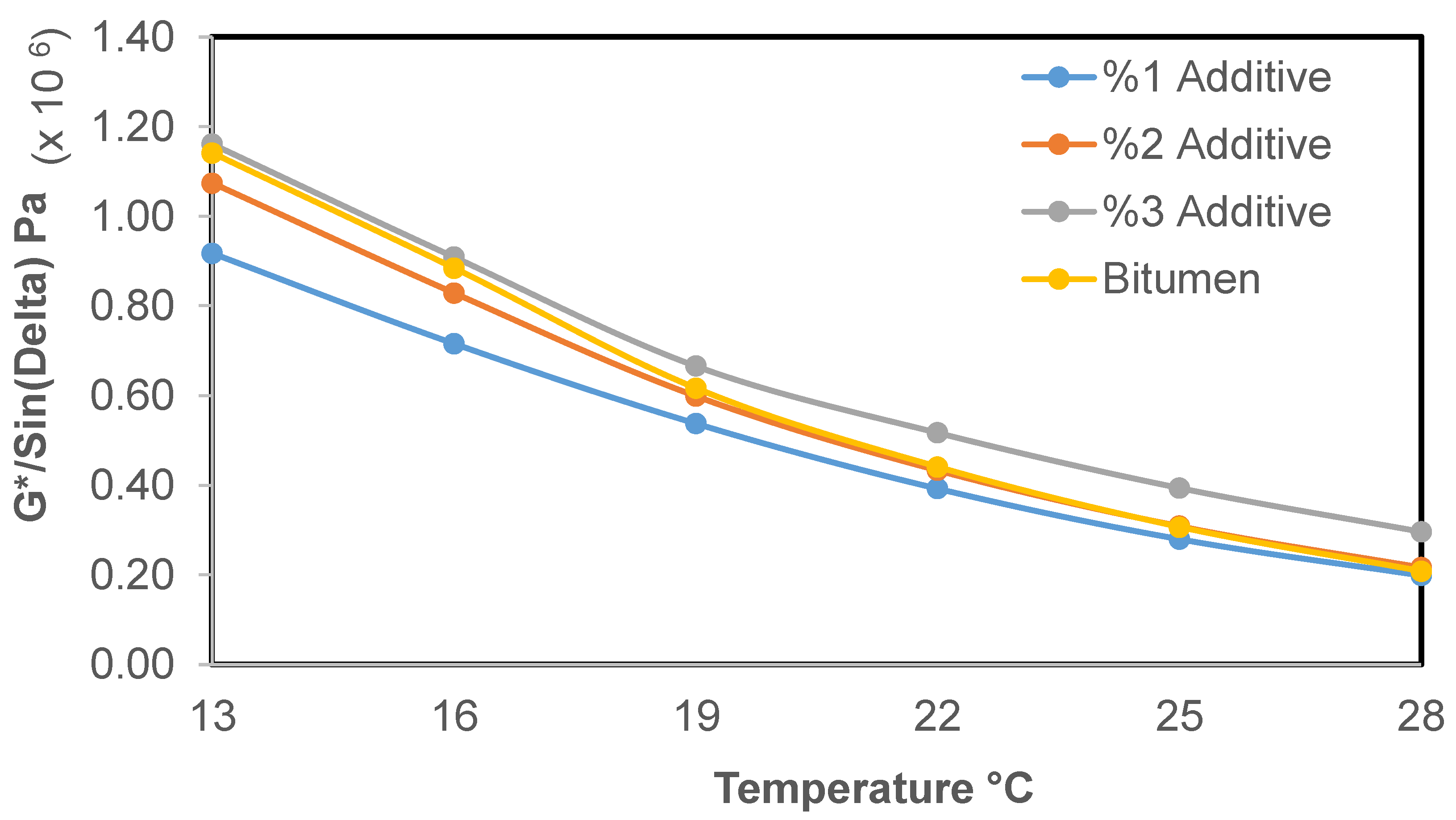
The graph showing the relationship between the rutting resistance parameter G*/sin(δ) and temperature is shown in Figure 9.
When Figure 9 is examined, modified bitumen with 3% eggshell added gave the best results in terms of rutting resistance. This sample could not meet the minimum value of the specification, 2200 Pa G*/sin(δ), after aging with RTFOT. However, as a result of long-term aging with PAV, it gave the best results and became the most resistant modified bitumen against rutting.

4.3. BBR Test Results After PAV

BBR tests were performed on pure bitumen and modified bitumen aged with PAV at −6 °C and −12 °C. BBR test results performed at −6 °C are given in Table 5.
According to Table 5, considering the hardness values and creep values (m), the sample with the highest creep rate is 3% eggshell modified bitumen. Modified bitumen with 1% additive did not have much difference from pure bitumen. However, modified bitumen with 2% and 3% additives showed an increase in creep rate compared to pure bitumen. While the “m” value of pure bitumen is 0.356, the “m” value of 2% modified bitumen is 0.392, and the “m” value of 3% modified bitumen is 0.412. This has proven that eggshell-modified bitumen is more resistant to thermal cracks. BBR test results performed at −12 °C are given in Table 6.
According to Table 6, considering the hardness values and creep values (m), the sample with the highest creep rate is modified bitumen with 3% eggshell additive. Modified bitumen with 1%, 2%, and 3% additives showed an increase in creep rate compared to pure bitumen. While the “m” value of pure bitumen is 0.294, the “m” value of modified bitumen with 1% additive is 0.324, the “m” value of modified bitumen with 2% additive is 0.330, and the “m” value of modified bitumen with 3% additive is 0.344. This has proven that eggshell-modified bitumen is more resistant to thermal cracks.

5. Conclusions

In this study, eggshell waste was mixed with H2SO4 catalyst and used in the modification of bitumen. Eggshells were used for the modification of bitumen at rates of 1%, 2%, and 3% by weight. The surfaces of the prepared modified bitumen were imaged with SEM. Short-term aging and long-term aging methods were applied to the modified bitumen. DSR and BBR tests were performed on the modified bitumen after short-term aging (after RTFOT). In addition, a DSR test was performed on the modified bitumen after long-term aging (after PAV test).
It was determined by SEM images that the eggshell waste was homogeneously distributed in the bitumen.
It was observed that modified bitumen has lower phase angle values and higher complex shear modulus values than pure bitumen. This shows that modified bitumen exhibits more elastic behavior than pure bitumen.
DSR tests performed after short-term aging (RTFOT) showed that modified bitumen with 1% and 2% eggshell additives increased the high-temperature performance of pure bitumen.
As a result of short-term aging, 1% and 2% eggshell-modified bitumen exhibited a more elastic behavior than pure bitumen.
DSR tests performed as a result of long-term aging (PAV) have shown that modified bitumen with 1% and 2% eggshell additives increased the high-temperature performance of pure bitumen.
As a result of long-term aging, 3% eggshell-modified bitumen gave the best results in terms of elastic behavior. Additionally, this sample was the modified bitumen with the highest rutting resistance.
According to BBR tests performed at −6 °C and −12 °C, the modified bitumen with the highest m value was the modified bitumen with 3% eggshell additive.
It has been observed that modified bitumen produced with eggshell additives is more resistant to thermal cracks.
The use of waste material eggshells in the modification of bitumen has become an environmentally friendly approach. This study has helped to solve the problem of the storage of eggshell waste.
When all test results were evaluated together, it was seen that the best recommended mixture was modified bitumen created with 2% eggshell.

Author Contributions

Conceptualization, İ.E. and A.T.Ö.; investigation, Ö.F.C.; writing—review and editing, N.K. and B.T. All authors have read and agreed to the published version of the manuscript.

Funding

This research received no external funding.

Institutional Review Board Statement

Not applicable.

Informed Consent Statement

Not applicable.

Data Availability Statement

The raw data supporting the conclusions of this article will be made available by the authors on request.

Conflicts of Interest

The authors declare no conflicts of interest.

References

  1. Redelius, P.; Soenen, H. Relation between bitumen chemistry and performance. Fuel 2015, 140, 34–43. [Google Scholar] [CrossRef]
  2. Weigel, S.; Stephan, D. Modelling of rheological and ageing properties of bitumen based on its chemical structure. Mater. Struct. 2017, 50, 83. [Google Scholar] [CrossRef]
  3. Chfat, A.H.Z.; Yaacob, H.; Kamaruddin, N.H.M.; Al-Saffar, Z.H.; Jaya, R.P. Effects of nano eggshell powder as a sustainable bio-filler on the physical, rheological, and microstructure properties of bitumen. Results Eng. 2024, 22, 102061. [Google Scholar] [CrossRef]
  4. Erfen, Y.B.; Tun, U.; Onn, H. The appropriateness of eggshell as filler in hot mix asphalt. J. Teknol. Malays. 2015. [Google Scholar] [CrossRef]
  5. Masued, G.G. Investigating the ability of using eggshell powder as a filler in hot mix asphalt mixture. In IOP Conference Series: Materials Science and Engineering; IOP Publishing: Bristol, UK, 2019; Volume 518, p. 022047. [Google Scholar]
  6. Razzaq, A.K.; Yousif, R.A.; Tayh, S.A. Characterization of hot mix asphalt modified by egg shell powder. Int. J. Eng. Res. Technol. 2018, 11, 481–492. [Google Scholar]
  7. Oluwatuyi, O.E.; Adeola, B.O.; Alhassan, E.A.; Nnochiri, E.S.; Modupe, A.E.; Elemile, O.O.; Obayanju, T.; Akerele, G. Ameliorating effect of milled eggshell on cement stabilized lateritic soil for highway construction. Case Stud. Constr. Mater. 2018, 9, e00191. [Google Scholar] [CrossRef]
  8. Chee, G.H.; Ramadhansyah, P.J. The Influence of Eggshell Powder as Additive on the Physical and Mechanical Properties of Stone Mastic Asphalt. Construction 2022, 2, 79–87. [Google Scholar] [CrossRef]
  9. Masri, K.A.; Ganesan, E.; Ramadhansyah, P.J.; Doh, S.I.; Syafiqah, S.N.; Jaafar, Z.M.; Mashros, N. Stress and strain characteristic of stone mastic asphalt incorporating eggshell powder. In IOP Conference Series: Earth and Environmental Science; IOP Publishing: Bristol, UK, 2021; Volume 682, p. 012056. [Google Scholar]
  10. Wang, X.; Ji, G.; Zhang, Y.; Guo, Y.; Zhao, J. Research on high-and low-temperature characteristics of bitumen blended with waste eggshell powder. Materials 2021, 14, 2020. [Google Scholar] [CrossRef] [PubMed]
  11. Kumandaş, E.Ç.; Pancar, E.B.; Oruç, Ş. Investigation of rheological properties of vegetable waste oil, RET, and PPA Composite Modified Bitumen Using DSR and BBR. IES 2020, 20, 5–6. [Google Scholar]
  12. Yılmaz, M.; Kök, B. Determining the high temperature performance grade and workability of styrene-butadiene-styrene modified bituminous binders according to superpave system. Gazi Univ. Fac. Eng. Archit. J. 2008, 23, 811–819. [Google Scholar]
  13. Wu, G.; Zhang, H.; Sun, J.; Yu, T. Comparative analysis on rheological characteristics of different modified asphalt based on DSR and BBR evaluation. J. Eng. Des. Technol. 2023, 21, 1568–1587. [Google Scholar] [CrossRef]
  14. Fakhri, M.; Kianfar, A. Comparison of BBR results of EVA polymer and nano-CaCO3-modified bitumen using burger model, relaxation modulus, dissipation energy ratio, ANOVA, and artificial neural networks. Int. J. Pavement Res. Technol. 2021, 14, 85–97. [Google Scholar] [CrossRef]
  15. Dehnad, M.H.; Damyar, B.; Farahani, H.Z. Rheological evaluation of modified bitumen by EVA and crumb rubber using RSM optimization. Adv. Mater. Sci. Eng. 2021, 2021, 9825541. [Google Scholar] [CrossRef]
  16. Liu, Q.; Wang, H.; Wu, J.; Oeser, M. A Temperature-independent methodology for bitumen modification evaluation based on DSR measurement. In Green and Intelligent Technologies for Sustainable and Smart Asphalt Pavements; CRC Press: Boca Raton, FL, USA, 2021; pp. 567–573. [Google Scholar]
  17. Çalışıcı, M. Increasing the Ageing Resistance of Bitumen with Synthetic Metal and Polymer Additives. Ph.D. Thesis, Gazi University, Ankara, Turkey, 2009. [Google Scholar]
  18. AASHTO T 240; Standard Method of Test for Effect of Heat and Air on a Moving Film of Asphalt Binder (Rolling Thin-Film Oven Test). American Association of State Highway and Transportation Officials: Washington, DC, USA, 2022.
  19. AASHTO TP70-09; Standard Method of Test for Multiple Stress Creep Recovery (MSCR) Test of Asphalt Binder Using a Dynamic Shear Rheometer (DSR). AASHTO: Washington, DC, USA, 2009.
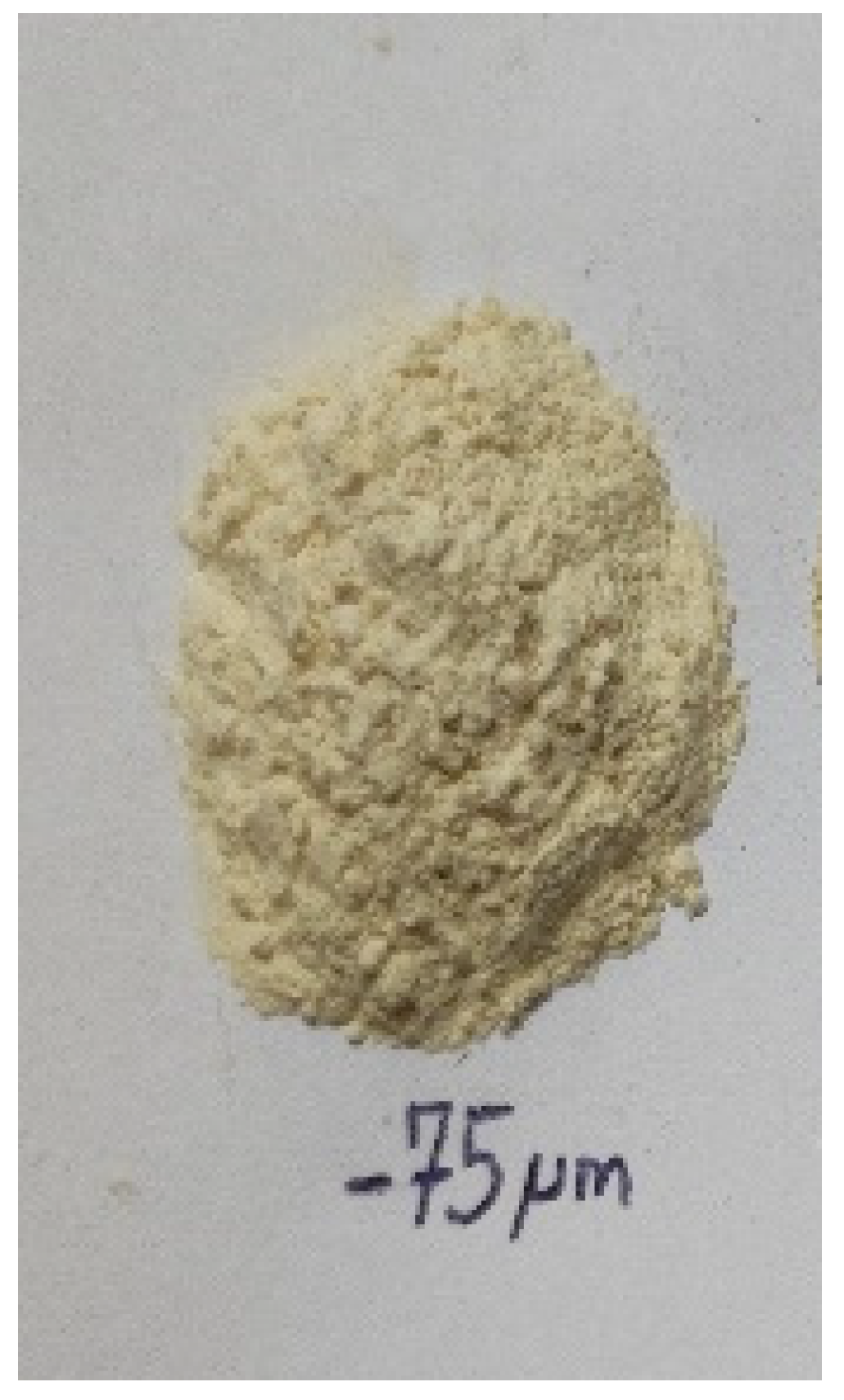
Figure 1. Heat-treated and ground eggshell powder.
Applsci 15 10500 g001
Figure 2. Mixing eggshell with H2SO4.
Applsci 15 10500 g002
Figure 3. SEM images of modified bitumen samples: (a) 1%, (b) 2%, and (c) 3% (w/w) SEM images.
Applsci 15 10500 g003
Figure 4. Aging tests and performance tests steps.
Applsci 15 10500 g004
Figure 5. DSR experimental setup.
Applsci 15 10500 g005
Figure 6. Phase angle change graph with complex module after RTFOT.
Applsci 15 10500 g006
Figure 7. G*/sin(δ)–temperature change graph after RTFOT.
Applsci 15 10500 g007
Figure 8. Phase angle change graph with complex module after PAV.
Applsci 15 10500 g008
Figure 9. Temperature change graph with G*/sin(δ) after PAV.
Applsci 15 10500 g009
Table 1. Chemical analysis of bitumen modified with 1% eggshell.
ElementApparent Concentrationk RatioWt%Wt% SigmaFactory Standard
C0.430.0043590.400.09Yes
O0.010.000062.400.06Yes
Si0.000.000010.090.02Yes
S0.050.000516.130.06Yes
Ca0.000.000030.980.03Yes
Total: 100.00
Table 2. Chemical analysis of bitumen modified with 2% eggshell.
ElementApparent Concentrationk RatioWt%Wt% SigmaFactory Standard
C0.430.0043588.620.08Yes
O0.010.000062.560.06Yes
Si0.000.000010.110.02Yes
S0.050.000516.700.05Yes
Ca0.000.000032.010.02Yes
Total: 100.00
Table 3. Chemical analysis of bitumen modified with 3% eggshell.
ElementApparent Concentrationk RatioWt%Wt% SigmaFactory Standard
C0.430.0043588.550.08Yes
O0.010.000062.630.04Yes
Si0.000.000010.080.01Yes
S0.050.000515.670.03Yes
Ca0.000.000033.070.05Yes
Total: 100.00
Table 4. DSR results according to G*/sin(δ) reference value.
BitumenTemperature (°)Complex Modulus (Pa)Phase Angle (°)G*/Sin(δ) Pa
Bitumen70213883.252200
%1 Additive79.36214877.892200
%2 Additive81.36214477.452200
%3 Additive----
Table 5. BBR test results at −6 °C.
Measured StiffnessEstimated Stiffnessm-Value
Bitumen79.7880.560.356
%1 Additive82.3279.250.355
%2 Additive73.3173.170.392
%3 Additive56.8356.690.412
Table 6. BBR test results at −12 °C.
Measured StiffnessEstimated Stiffnessm-Value
Bitumen158.68159.790.294
%1 Additive178.71178.380.324
%2 Additive177.84177.680.330
%3 Additive155.27155.660.344
Disclaimer/Publisher’s Note: The statements, opinions and data contained in all publications are solely those of the individual author(s) and contributor(s) and not of MDPI and/or the editor(s). MDPI and/or the editor(s) disclaim responsibility for any injury to people or property resulting from any ideas, methods, instructions or products referred to in the content.