Article

Dynamic Stability Finite Difference Time Domain Analysis of Landfill Based on Hypergravity Test

1
Moe Key Laboratory of Soft Soils and Geoenvironmental Engineering, Department of Civil Engineering, Zhejiang University, Hangzhou 310058, China
2
Center for Hypergravity Experiment and Interdisciplinary Research, Zhejiang University, Hangzhou 310058, China
*
Author to whom correspondence should be addressed.
Appl. Sci. 2024, 14(7), 3006; https://doi.org/10.3390/app14073006
Submission received: 13 December 2023 / Revised: 8 March 2024 / Accepted: 26 March 2024 / Published: 3 April 2024
(This article belongs to the Special Issue Advanced Research in Seismic Monitoring and Activity Analysis)

Abstract

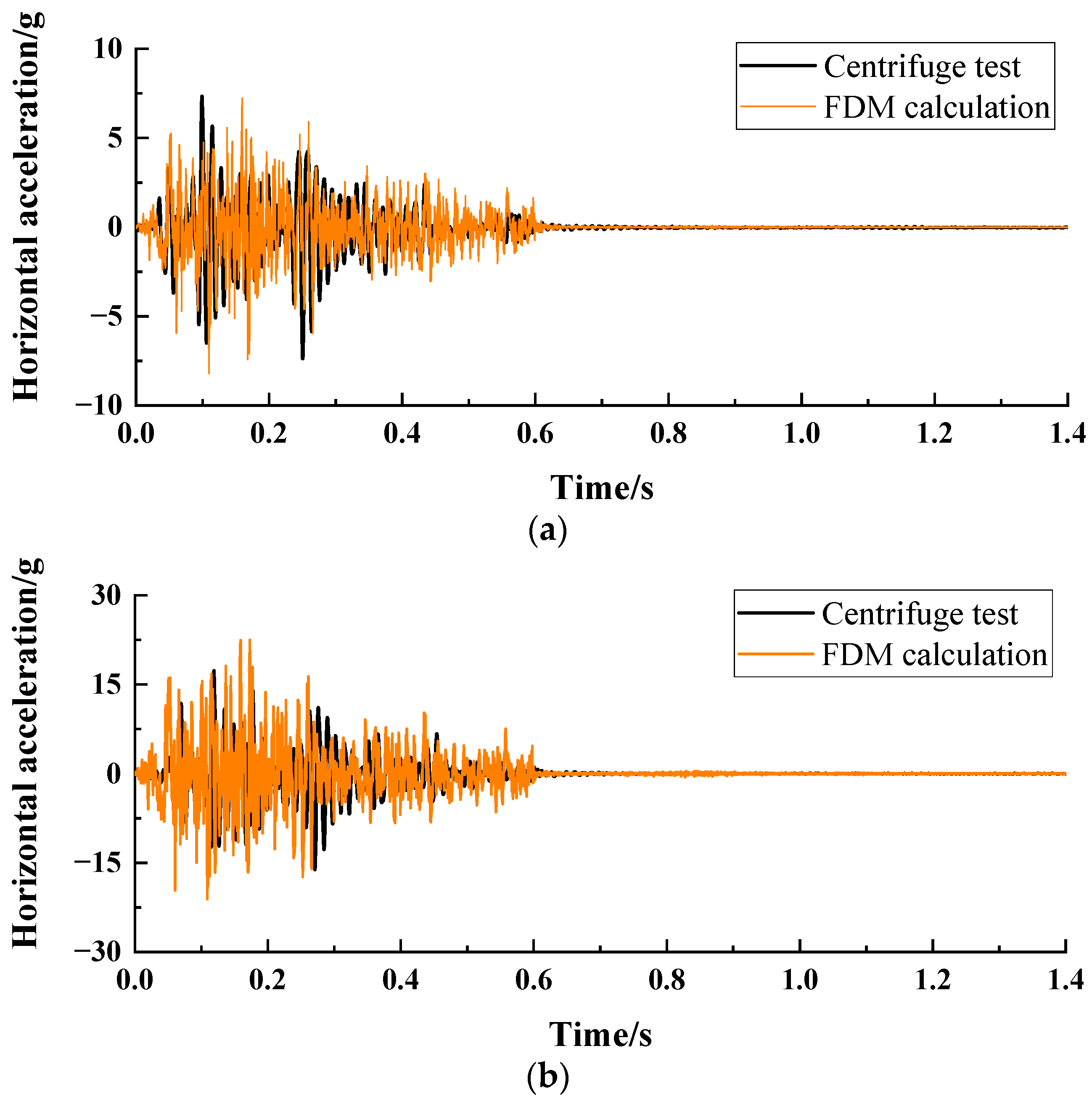
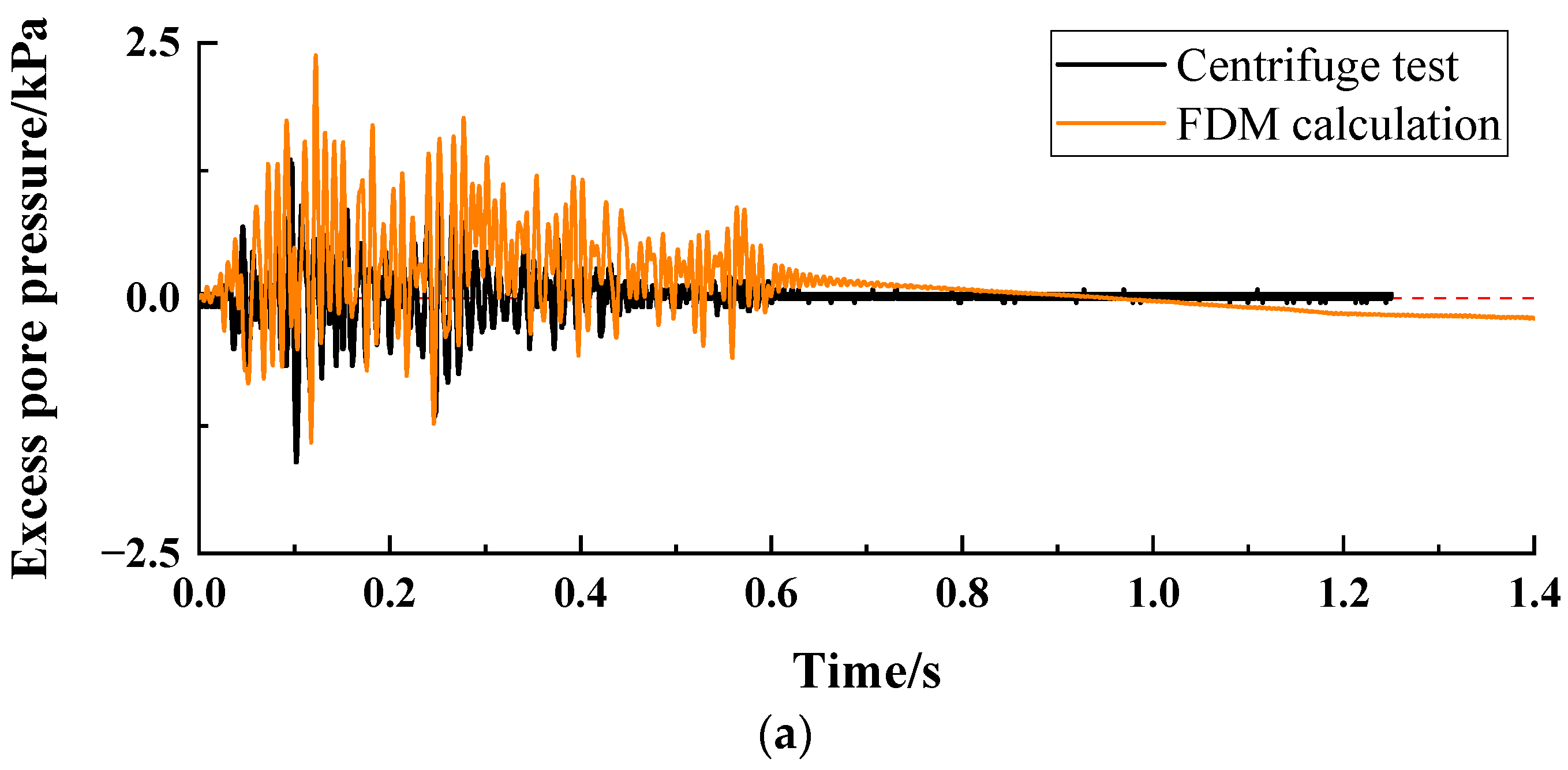
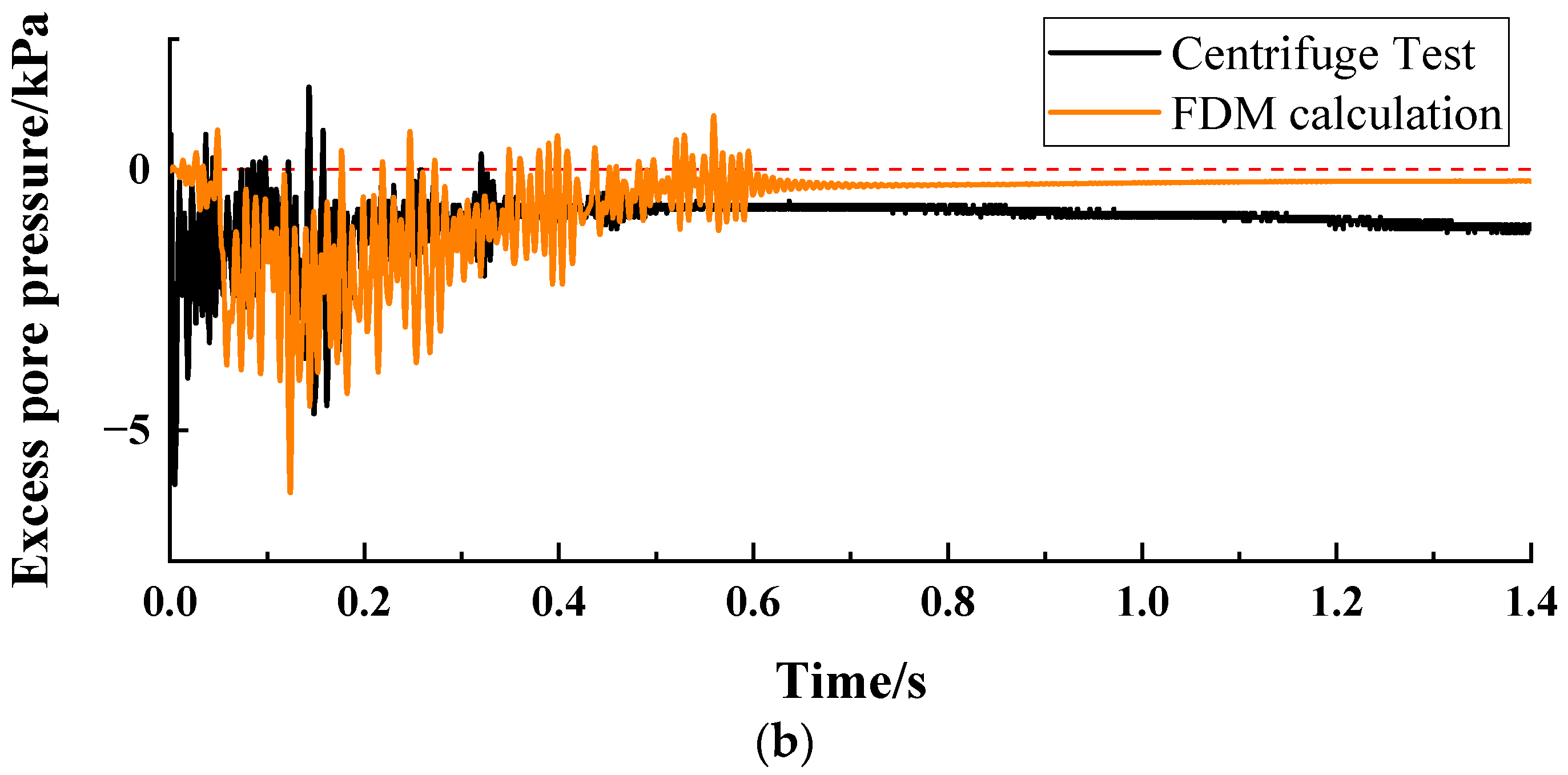
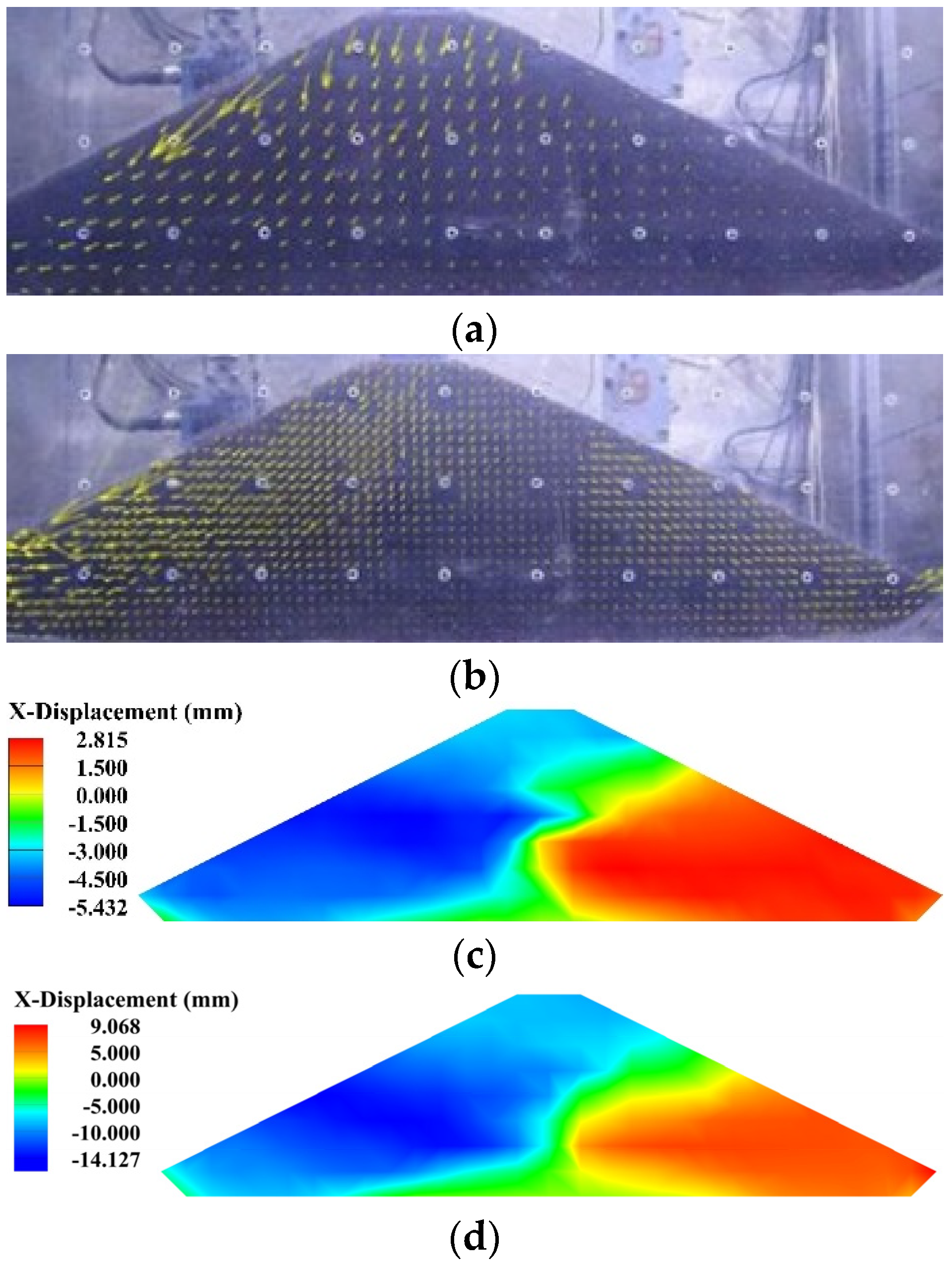
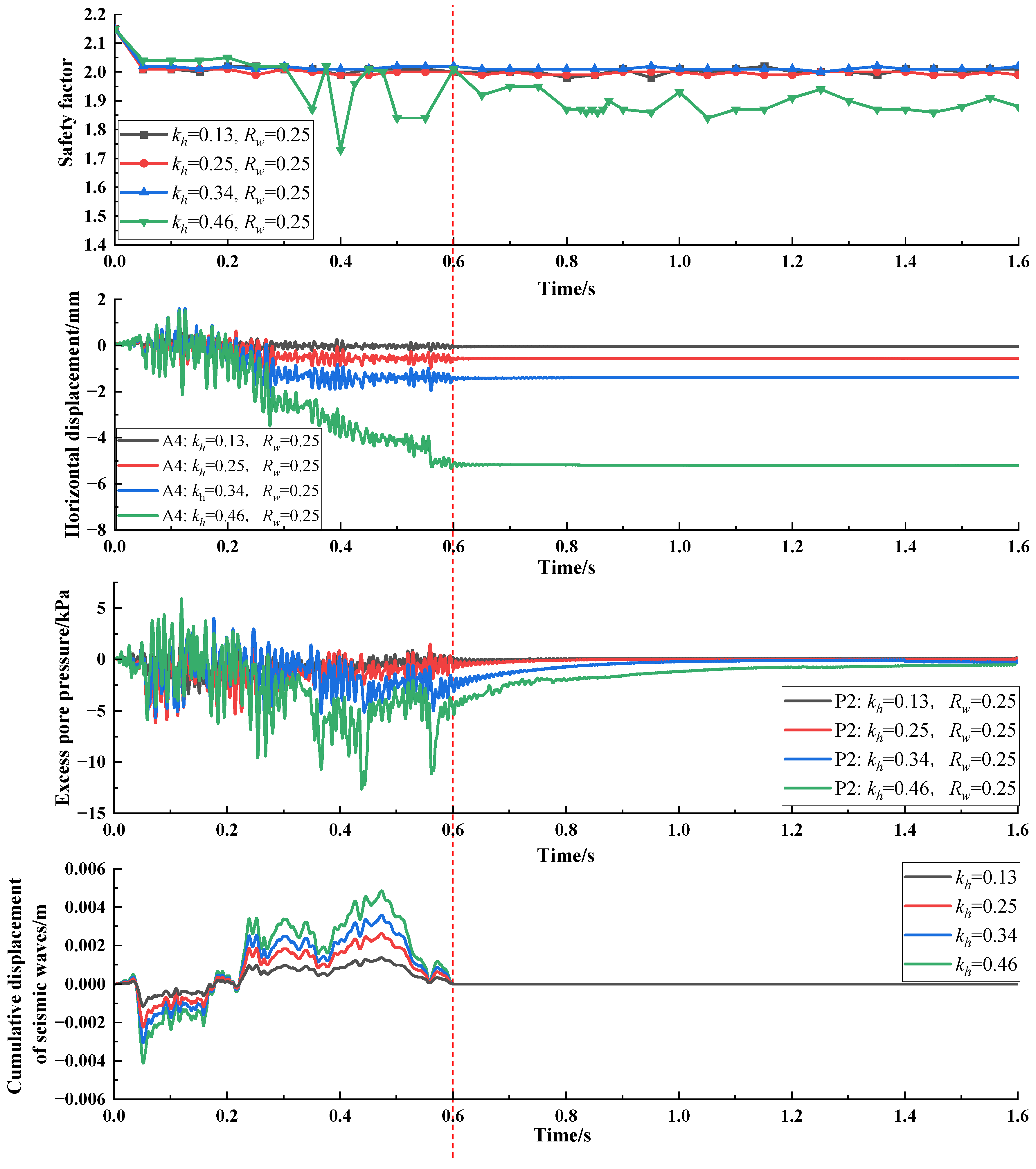
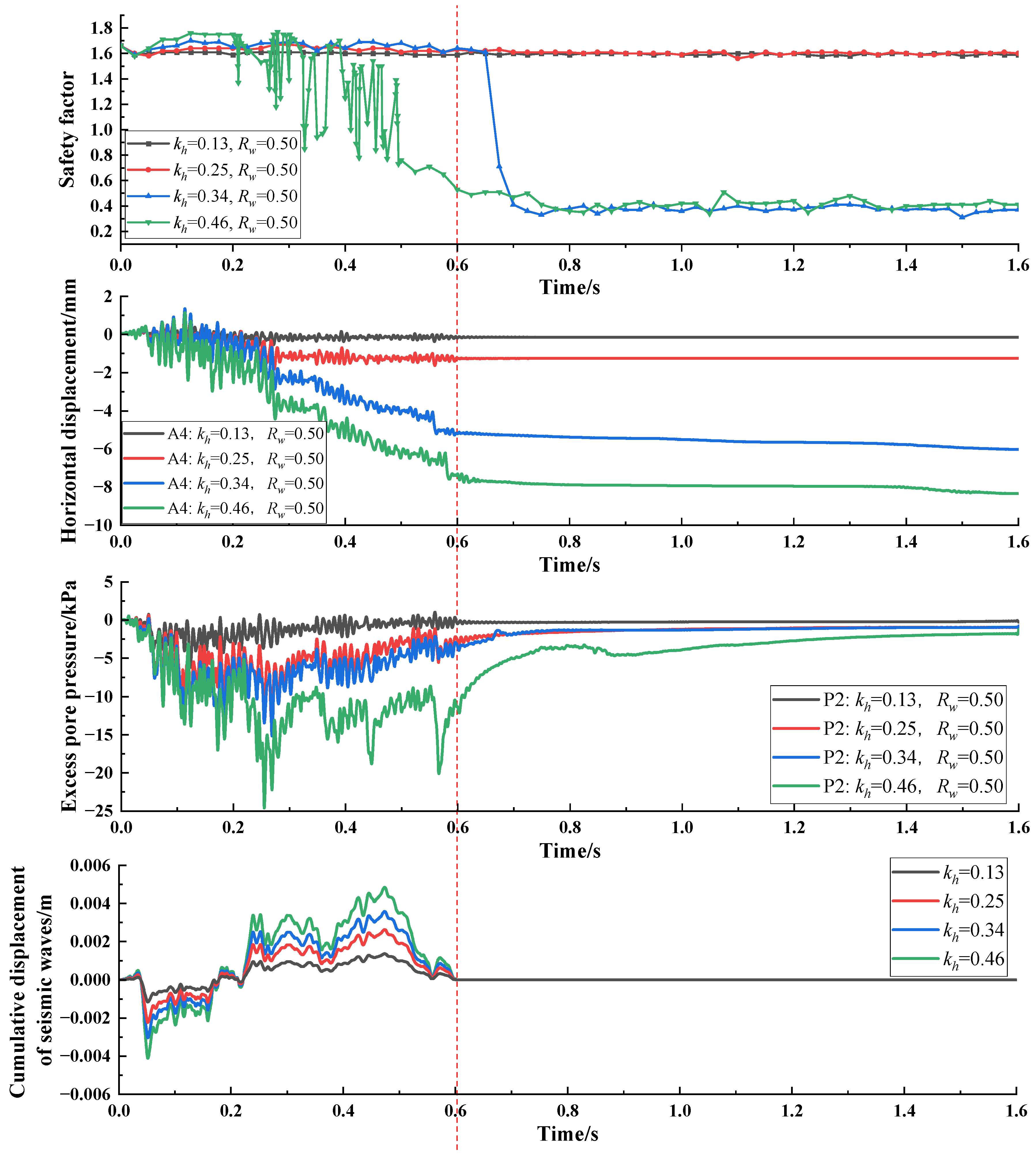
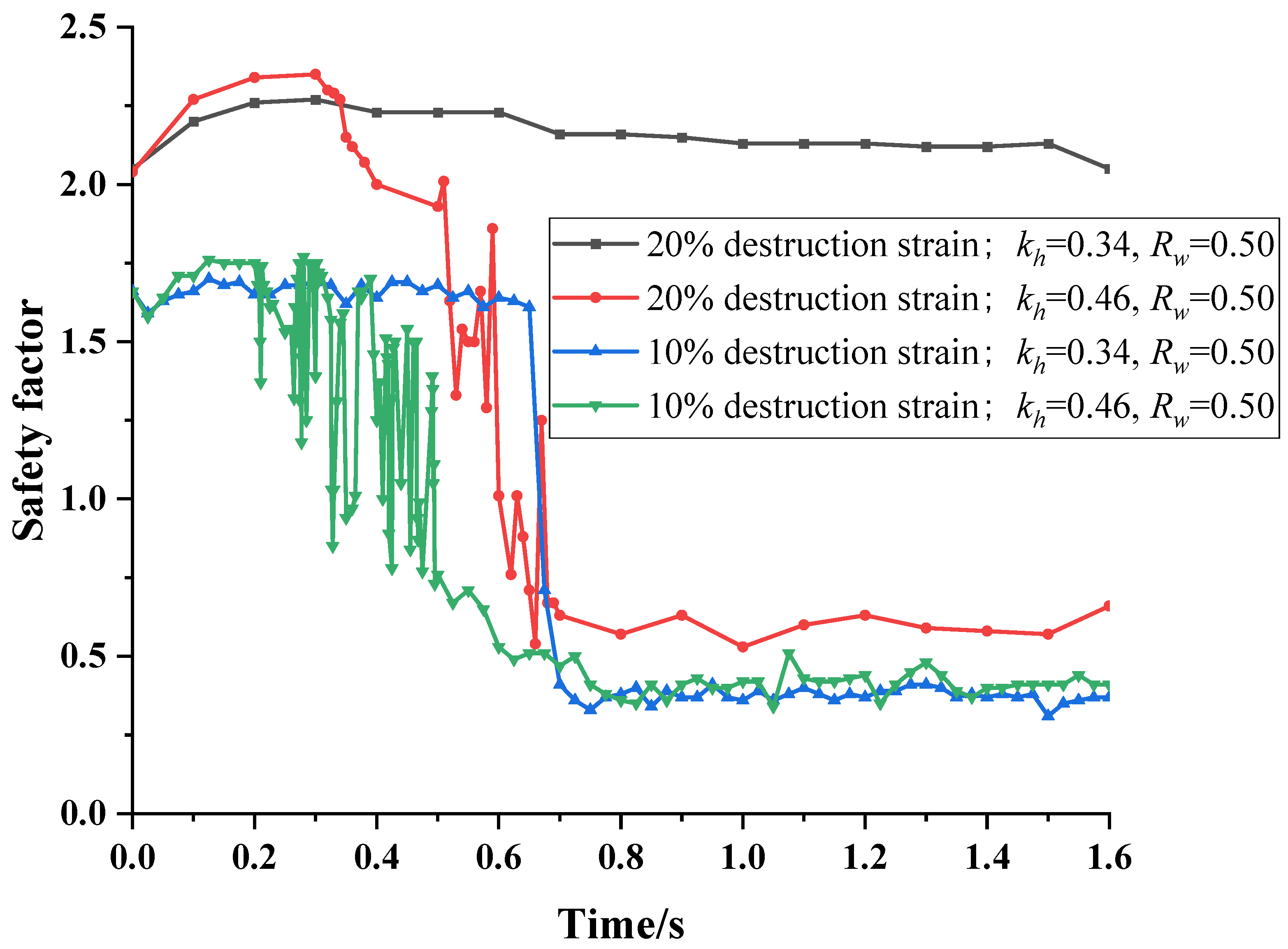
Earthquakes impact the stability of municipal solid waste (MSW) landfills, especially those with high water levels, and may further lead to disastrous landslides. Numerical analysis offers an efficient and cost-effective way to study the seismic stability of a landfill. In this study, the finite difference nonlinear analysis method was employed to meticulously evaluate the dynamic response of landfills under varying water levels and seismic intensities. The analysis was guided by the seismic instability and centrifuge test outcomes. The rationality of the computational model was verified by examining the responses of acceleration and pore pressure. Subsequently, the time history curve of the dynamic safety factor was derived from the dynamic response of landfills. The results indicated that a landfill was more susceptible to large earthquake effects, and its stability decreased as the water level rose, with the safety factor decreasing to a critical point under the coupling effect of strong earthquakes and high water levels. In contrast, the stability of the landfill with low water levels was good under weak earthquake conditions, with only a slight decrease in the safety factor observed. The seismic stability of a landfill was significantly influenced by both accumulative deformation and negative excess pore pressure. A certain degree of hysteresis in the landfill’s instability was also observed compared to the earthquake loading process. The time history curve of the safety factor can offer a comprehensive insight into seismic stability under diverse conditions. Additionally, future research efforts are needed to better determine the values of strength parameters of MSW in seismic analysis.
Keywords: centrifuge test; finite difference; earthquake; high-water-level landfill; pore pressure; safety factor centrifuge test; finite difference; earthquake; high-water-level landfill; pore pressure; safety factor