Featured Application
Utilization of Rosmarinus officinalis extracts and/or its bioactives as ingredients in functional products, foods, cosmetics, and pharmaceuticals, with anti-inflammatory health-promoting neuroprotective effects against inflammation-related neurodegenerative disorders, such as Alzheimer’s and Parkinson’s Diseases.
Abstract
Neurodegenerative disorders (NDs) are conditions marked by progressively escalating inflammation that leads to the degeneration of neuronal structure and function. There is an increasing interest in natural compounds, especially those from pharmaceutical plants, with neuroprotective properties as part of potential therapeutic interventions. Thus, the rich bioactive content of the perennial herb rosemary (Rosmarinus officinalis) is thoroughly reviewed in this article, with an emphasis on its pleiotropic pharmacological properties, including its antioxidant, anti-inflammatory, and neuroprotective health-promoting effects. In addition, a comprehensive analysis of the existing scientific literature on the potential use of rosemary and its bioactive constituents in treating neurodegenerative disorders was also conducted. Rosemary and its bioactives’ chemical properties and neuroprotective mechanisms are discussed, focusing on their ability to mitigate oxidative stress, reduce inflammation, and modulate neurotransmitter activity. The role of rosemary in enhancing cognitive function, attenuating neuronal apoptosis, and promoting neurogenesis is outlined. Key bioactive components, such as rosmarinic acid and carnosic acid, are also highlighted for their neuroprotective act. The promising outcomes of the conducted pre-clinical studies or clinical trials confirm the efficacy of rosemary in preventing or alleviating Alzheimer’s and Parkinson’s diseases both in vitro (in cells) and in vivo (in animal models of NDs). From this perspective, the applications of rosemary’s bio-functional compounds and extracts in the food, cosmetics, and pharmaceutical sectors are also presented; in the latter, we discuss their use against neurodegenerative disorders, either alone or as adjuvant therapies. This paper critically evaluates these studies’ methodological approaches and outcomes, providing insights into the current state of the clinical research and identifying potential avenues for future investigation. All findings presented herein contribute to the growing body of literature and support the exploration of natural compounds as promising candidates for novel applications and neuroprotective interventions, paving the way for more applied scientific research.
1. Introduction
Rosmarinus officinalis (RO), also called rosemary, is a Lamiaceae family herb mainly grown in the Mediterranean, Europe, Asia, and Africa. Aromatic plants, including RO, have been utilized in alimentation as aromatics and preservatives and for folk medicine since ancient times [1,2,3]. In recent years, though, these herbs have been discovered to have significant properties as drug replacements because of their limited negative impact and fewer side effects [1,2,4]. RO has been established as “Generally Recognized as Safe (GRAS)” by the FDA in the USA, leading to its high global usage. Many of RO’s bioactive compounds may also work synergistically to maximize their therapeutic activity [4]. The herb’s antioxidant properties are well complemented by its anti-inflammatory, hepatoprotective, antinociceptive, antifungal, and neuroprotective effects that are also significant [1,4,5,6,7,8].
RO extract activity depends the main chemotype of the herb used. Chemotypes describe the plant profile with its main compounds, which affect its corresponding properties, and may vary according to geographical region. At the same time, other factors that affect them are climate changes, weather conditions, seasons, and the soil where the plant grows. Dominant chemical profiles that have been thoroughly investigated are camphor, verbenone, cineole, α-pinene, p-cymene, and linalool chemotypes. Also, studies defined chemotypes based on some compounds, mostly 1,8 cineole/camphor, 1,8 cineole/linalool, and 1,8 cineole/camphor/borneol [7]. Common RO compounds with excellent properties that are the focus of our present study are rosmarinic acid (RA) and carnosic acid (CA) [9,10,11,12,13,14,15,16,17].
It must be highlighted that RO exhibits very high antioxidant activity against reactive oxygen species (ROS) due to its high polyphenolic content [18]. Plants’ polyphenols are generally reported to display exceptional antioxidant activity due to their role in restraining the aggregation of proteins into amyloid formations, while inhibiting lipid peroxidation in brain diseases like Alzheimer’s disease (AD) and Parkinson’s disease (PD), which are currently two of the most dominant and common neurodegenerative diseases (NDs) [19]. NDs are conditions affecting the nervous system, characterized by neuronal loss and apoptosis, which are attributed to the impact of various factors, causing the degeneration of neuronal cells [20]. In 2019, approximately 50 million people had a neurodegenerative disease, which is predicted to reach 152 million by 2060 [21]. This constant increase in the population affected by NDs and the limited remedial but not curative medications creates a significant demand for better solutions. The present study will discuss AD and PD as the main diseases.
2. Methods
All the data were gathered by searching for articles from Scopus, ScienceDirect, Elsevier, PubMed, and Google Scholar sources. The keywords used were “neurodegenerative disorders”, “Alzheimer’s disease”, “Parkinson’s disease”, “neuroprotection”, “rosemary”, “inflammation”, “oxidative stress”, “anti-inflammatory”, “antioxidant”, “extract”, and “essential oil”. For Parkinson’s, 11 papers on RO, RA, and CA were analyzed in this review, where 9 listed experiments that were conducted in vitro and 5 that were conducted in vivo. A total of 19 studies—10 in vitro and 9 in vivo—were found that studied RO as an intervention for Alzheimer’s. From all the retrieved data, reviews that mentioned RO compounds (without a direct mention of rosemary) were also evaluated to support our hypothesis further. The years of interest were 1995–2024. Chemical constituents, animal models, doses, administration time, duration, study formation, duration, behavioral changes, parameters, biochemical, and historical assessments were also evaluated to achieve an overall medical profile of rosemary’s potent benefits for NDs.
3. AD and PD and Bioactive Rosemary Compounds with Health-Promoting Effects
3.1. Neurodegenerative Diseases
NDs are age-related diseases, arising primarily among older adults due to multiple mechanisms, mainly via inflammation and oxidative stress. External factors contributing to NDs include bad dietary habits, alcohol consumption, and environmental conditions. However, gene mutations that result in alterations in the neurons and the possible formation of NDs must not be neglected [21]. The most common NDs are Parkinson’ disease (PD), Alzheimer’s disease (AD), Huntington’s disease, and multiple sclerosis (MS) [20].
NDs are frequently driven by two prevalent factors: neuro-inflammation and oxidative stress [22,23]. The connection between these two causes is the profuse formation of ROS as a result of dysfunctional mitochondria. At the same time, common triggers inducing inflammation are trauma, infections, neurodegeneration, etc. [23]. The dysfunction of mitochondria eventually leads to the impairment of neurons and subsequently triggers the excretion of cytosol-related factors that can stimulate neighboring microglia and astrocytes. These activated cells respond by releasing pro-inflammatory cytokines, ROS, and reactive nitrogen species (RNS), further exacerbating the inflammatory response and stimulating additional neuronal impairment. Consequently, the persistent activation of glial cells may ultimately establish a feedback loop that perpetuates chronic neurodegeneration [24]. Moreover, heightened levels of inflammation have been linked to an elevated propensity for the onset of diabetes and atherosclerosis, as well as unfavorable effects of metabolic syndrome [25,26]. Thus, considering that inflammatory mechanisms are thought to be contributing to the pathophysiology of cognitive impairment, subclinical inflammation might contribute to any correlation between metabolic syndrome and cognitive decline [27].
3.2. Parkinson’s Disease
Parkinson’s disease (PD), commonly known as “Shaking Palsy”, is the second most common chronic neurodegenerative disorder (ND) affecting people, especially those at advanced ages, and is mainly attributed to the absence of dopaminergic (DAergic) neurons in the substantia nigra (SN). The SN is a part of the brain responsible for the movement of the human body, where DArgic neurons control the production of the neurotransmitter dopamine (DA) in the striatum. DA is responsible for regulating some functions in the human body, including the functioning of the hormonal and cardiovascular systems [9,28,29]. In 2019, almost 8.5 million people had PD according to the World Health Organization (WHO) [22,30]. The neurons implicated in PD are more vulnerable to oxidative stress and inflammation due to their elevated levels of lipids and fatty acids (FAs), which lead to lipid peroxidation. DA is also vulnerable to auto-oxidation, resulting in high levels of catecholamine quinones (DAQs) and H2O2 (an ROS), thus leading to oxidative damage [1,22,28,31,32,33].
There are various factors involved in the genesis of PD. An enzyme known as tyrosine hydroxylase (TH) facilitates the initial synthesis of the hormone DA within the neurons by catalyzing the conversion of L-tyrosine to L-dopa. L-dopa serves as a progenitor to DA, and its deficiency might lead to low DA levels and PD [10,34,35,36,37]. Concurrently, additional factors able to trigger the loss of DA are Lewy bodies (LBs), a result of α-synuclein (α-syn) aggregation in dopaminergic neurons, and ubiquitins, which are complement and structural cytoplasmic proteins [23]. α-syn is a protein located mainly in the central nervous system (CNS). The main functions of α-syn involve regulation of memory, recognition, neurotransmitter release, presynaptic vesicle trafficking, and immunomodulation. Aggregation of this protein may be linked to mitochondrial dysfunction and oxidative stress [19,23,35,38,39]. Mitochondria are the principal organelles that excessively generate ROS, which can impair mitochondrial constituents like proteins or lipids, and finally lead to mitochondrial dysfunction and the degeneration of mitochondrial components [22,40]. Glutathione (GSH) is also vital as a thiol tripeptide that functions as an antioxidant against ROS.
The symptoms of PD may vary from one individual to another, and can severely affect the patients’ lives. The most common symptoms are motor ones, including bradykinesia, lack of postural stability, a resting tremble, and stiffness, but also non-motor symptoms like depression, dementia, sleep disorders, sensory symptoms, and lack of writing and talking abilities [1,10,22,23,31,32,35,38,39,41]. The current medications used to mitigate PD symptoms are synthetic products that have prominent side effects and are relatively unaffordable [42]. The accepted pharmacotherapies for PD include levodopa (L-dopa), catechol-o-methyl transferase inhibitors (COMT-Is), and monoamine oxidase inhibitors (MAO-Is) [39,42,43]. L-dopa, specifically, is effective for treating the motor manifestations of PD with fewer side effects; however, nausea or postural hypotension are possible, while extended administration may result in dangerous symptoms like stroke or dementia [44], as well as dyskinesia [41,45]. L-dopa, when administered to patients, crosses the blood–brain barrier (BBB) and transforms into DA in the brain, thus preventing the symptoms of PD [41]. With an emphasis on keeping DA levels high, MAO inhibitors like monoamine oxidase type B inhibitors (MAO-BIs) may inhibit DA and levodopa collapse in the brain and alleviate depression in the initial stages of PD [41,44]. Also, COMT inhibitors are of great interest as they function as enzymes that aid the transportation of L-dopa to the brain, where it undergoes conversion into DA or increases synaptic DA levels. However, problems may arise from COMT-moderated levodopa metabolism (high levels of homocysteine), which can result in cardiovascular diseases (CDs), osteoporosis, and cognitive decline [41]. Finally, the consumption of such inhibitors, like tolcapone, may be toxic to the liver [43]. The inflammation mechanism attributed to PD in the cerebrum is displayed in Figure 1.
Figure 1.
Connections between neuroinflammation, systemic inflammation, and PD occurrence in the cerebrum. Factors like TNF-α and IL-6, as well as blood cells including eosinophils, neutrophils, lymphocytes, and monocytes, are able to induce many proinflammatory cytokines that can initiate the degeneration of neurons via a-syn in the process of ongoing neuroinflammation, which induces the progression of PD.
3.3. Alzheimer’s Disease (AD)
Alzheimer’s disease (AD) is characterized as a divergent neurological impairment, and is currently thought to stem from a variety of different causes and influences. AD’s target group is primarily those aged 65 and over [46]. The disease’s pathophysiological features, such as amyloid plaque deposits, neurofibrillary tangles, acetylcholine deficiency, lost neuronal connections, hippocampal shrinkage, and others, have been thoroughly investigated and identified in the brains of afflicted patients [47]. The most prominent explanations for the causes of AD are the cholinergic hypothesis, amyloid cascade hypothesis, mitochondrial cascade hypothesis, and oxidative stress theory [48]. It is posited that the pivotal factor in provoking AD is oxidative stress. As a result of its heightened oxygen expenditure, the cerebral region is explicitly susceptible to oxidative stress. Whether this phenomenon is a causative agent or manifests as a direct consequence of AD remains a subject of ongoing investigation [49,50]. It is intimately connected with the existence of β-amyloid oligomers and specifically pertains to the incapacity to eliminate the neuro-disrupting compound known as 4-hydroxynonenal (HNE) which is significantly associated with the increased probability of disease development and augmentation [51].
Empirical work has indicated that apolipoprotein E (APOE) has the lion’s share in upholding body homeostasis by regulating the oxidative damage status [52]. The inheritance of the apolipoprotein E4 (APOE4) allele is implicated in the progression of AD. This mutated protein is ineffective at HNE elimination [53]. Furthermore, APOE4 may catalyze HNE formation and facilitate binding to nerve proteins [54]. The presence of APOE4 is causatively linked to neuronal dysfunction, potentially due to the absence of cysteine (Cys) residues, which are pivotal in averting lipid peroxidation [55,56]. Hence, possessing the APOE4 allele is closely correlated with elevated peroxidized lipid levels [52]. APOE4 also can trigger oxidative stress through its interaction with mutated manganese superoxide dismutase (MnSOD). Notably, individuals carrying this gene exhibit dysfunctional glucose metabolism at a young age, preceding the manifestation of the disorder’s symptoms [54].
The mitochondrial aging hypothesis arose because β-amyloid (Aβ) affects the activity of mitochondrial enzymes [57,58]. In light of this fact, scientists have investigated the functioning of the mitochondrial complexes (I, II, III, and IV). The most conspicuous alterations were detected in complexes I and II. Inhibition of complex I correlated with diminished tau protein production and Aβ production. Furthermore, complex I played a crucial role in the nexus between oxidative stress and AD [58,59]. As the body ages, reactive ROS accumulate, thereby fostering the development of oxidative stress. Moreover, the mitochondria house indispensable enzymes responsible for combating ROS. Specifically, mitochondrial dysfunction can be conspicuously observed in the cerebral regions associated with the genesis of AD [59,60]. Scientists embarked on an inquiry to elucidate the correlation between NADPH oxidase (NOX), responsible for ROS generation, and AD [61]. The NOX protein causes lipid peroxidation and cell death in cancerous cells, among its various roles. Moreover, it mediates ROS generation by upregulating the extracellular signal-regulated kinase (ERK) mechanism. Upon scrutinizing the cerebrum of AD-afflicted mice, an elevated level of NOX-responsive interposed compounds was discerned. Presently, different NOX inhibitor medications are under investigation as candidate therapeutic agents.
While medications for AD do not provide a cure, they have the potential to enhance the quality of life and extend the patient’s independence. Two classifications of drugs have been authorized for treating AD: those that offer temporary relief from AD symptoms and those that may downregulate the progression of the disease. The Food and Drug Administration (FDA) has approved two types of drugs, namely cholinesterase inhibitors and memantine. Cholinesterase inhibitors function by augmenting the levels of acetylcholine, a critical chemical messenger involved in alertness, memory, cognition, and judgment, through the prevention of its breakdown in the brain; however, these inhibitors are unable to cure AD or halt the degeneration of neuronal cells. Over time, their efficacy diminishes as the disease causes a decline in the production of acetylcholine by brain cells. Three frequently prescribed cholinesterase inhibitors are galantamine (Razadyne, for mild AD, two times per day), donepezil (Aricept, for all disease stages, oral administration once a day), and rivastigmine (Exelon, for moderate AD, available as a pill or a skin patch for severe cases). Memantine (Namenda), which was also approved by the FDA, is indicated for counteracting moderate and severe AD (syrup or pill administration). The underlying mechanism includes regulating the activity of glutamate, a chemical messenger that contributes to various cerebral functions, such as memory and learning. Additionally, aducanumab is an intravenous infusion therapy, among other medical approaches used in AD therapy, yet this drug is exclusively authorized for patients with mild dementia and cognitive debilitation caused by AD and functions by reducing Aβ protein levels in the brain. Significantly, in 2023, the FDA approved a similar drug called lecanemab [62,63,64].
The frequently observed negative outcomes of cholinesterase inhibitors include diarrhea, nausea, and vomiting, effects that may be minimized by commencing treatment at a low dosage and gradually increasing the dose or taking it with food. At the same time, individuals with cardiac arrhythmias should not consume such inhibitors. The notable effects of other drugs include dizziness, headache, confusion, and agitation, as well as amyloid-related imaging abnormalities-edema (ARIA-E), characterized by cerebral swelling, and amyloid-related imaging abnormalities-hemosiderin deposition (ARIA-H), involving micro-hemorrhages and superficial siderosis [62,63,64].
So, it is clear enough that alternative solutions are needed with fewer adverse effects than the established drugs. Scientists have examined the potential of utilizing certain plants suitable for alleviating or even curing NDs, which are widely known as medicinal and aromatic plants (MAPs).
3.4. Rosemary and Its Bioactive Compounds
According to the WHO, almost 80% of the global population still uses conventional medicine for fundamental healthcare needs [65]. The therapeutic ability of MAPs lies in their secondary metabolites—plant substances that not sustains the plant’s life but also protect the plant from environmental factors like herbivorous animals [66,67,68]. These substances are also responsible for the anti-inflammatory, antioxidant, and antimicrobial activity of the plant and consist of characteristic groups like alkaloids, ketones, terpenes, and phenols [65,69,70,71].
The essential oils (EOs) of plants are volatile solutions that rarely dissolve in water, are soluble in alcohol, and have similar properties to regular oils. EOs have critical medicinal traits because of their secondary metabolites, which contribute to their antioxidant, anti-inflammatory and antiviral effects [69,72,73]. MAP EOs can be used to produce scents, perfumes, and other products that have pleasant odors [72]. These EOs are mainly obtained from distillation techniques, such as hydro-distillation and steam distillation performed on the leaves, flowers, stems, and roots of the plant [2,69,74]. Extracts, on the other hand, are solutions that contain the desired constituents depending on the solute and the method of extraction used. Polar solutes, such as water and ethanol, extract polar compounds, while non-polar solutes, such as hexane, extract hydrocarbon (non-polar) compounds. Some standard techniques are microwave-assisted extraction (MAE), ultrasound-assisted extraction (UAE), and liquid–liquid extraction (LLE) [75].
EOs and extracts mostly come from herbs belonging to the Apiaceae, Verbenaceae, Myrtaceae, Rutaceae, Zingiberaceae, and Lamiaceae families. The most common EOs come from lavender, sage, and rosemary, known for their marvelous antioxidant, anti-inflammatory, and neuroprotective effects [2,42]. Rosemary is part of the Lamiaceae family and investigations have showcased similar and even better effects compared to synthetic drugs for curing NDs but with fewer side effects to the consumer.
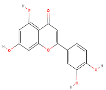
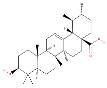
RA is a hydroxylated polyphenolic chemical consisting of an ester linkage between caffeic acid and 3,4-dihydroxyphenyllactic acid [76]. It can be found in many aromatic plants and has been thoroughly examined for its antioxidant, anti-inflammatory, antimutagenic, neuroprotective, and many other biological characteristics [9,12,76]. CA is, on the other hand, a phenolic diterpene that is primarily obtained from RO and exhibits—like RA—antioxidant, anti-inflammatory, anticarcinogenic, and neuroprotective activities [16,77]. Carnosol is also a phenolic diterpene that derives from the oxidization of CA [7] and shows similar properties to carnosic acid but has received little attention from researchers. Camphor, eugenol, 1,8 cineole, a-pinene, luteolin, ursolic acid, and rosmanol are some of the other important RO compounds that will be discussed shortly, mainly for their pharmaceutical effect of neuroprotection against NDs.
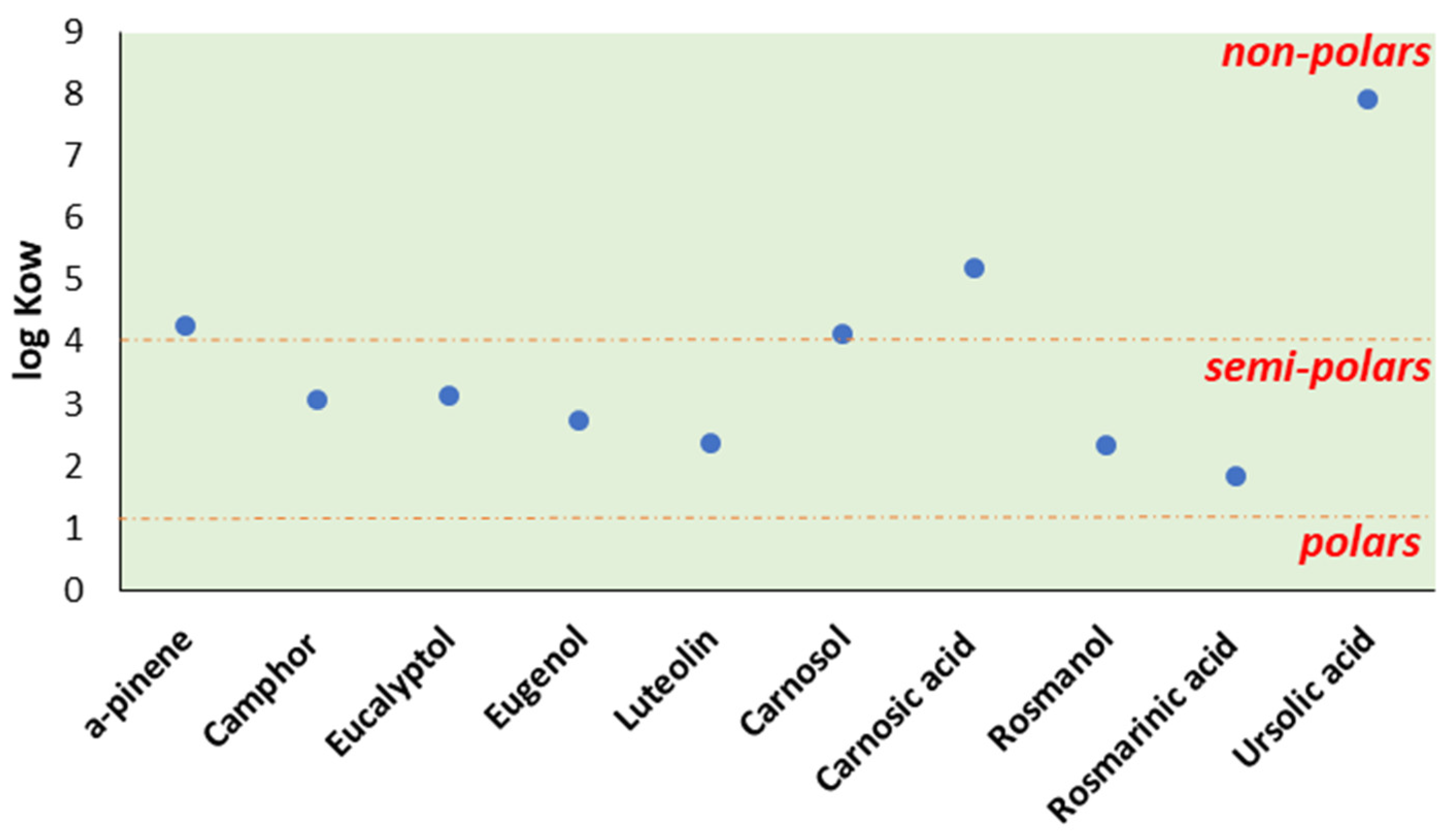
It should also be stressed out that according to the Directive of the European Parliament and of the Council Concerning the Protection of Animals Used for Scientific Purposes, the number of experiments involving the use of animals needs to be reduced. The methods which can replace animal testing include computational prediction methods, including the quantitative structure–activity relationship (QSAR) in silico modeling approach. These methods are designed to find a cohesive relationship between differences in the values of the properties of molecules and the biological activity of a series of test compounds. More specifically, QSAR models are used to predict the biological activities and undesired effects of untested or novel compounds and to provide insights into relevant and consistent chemical properties or structural features that define the biological activities. One of the chemical properties of bioactives that can be predicted by QSAR is the determination of the n-octanol/water partition coefficient (log Kow value), which is an index of their polarity and can be estimated based on the chemical structure of the target compound. Thus, insight into the behavior of the bioactives is given and the outcome can enhance further research on rosemary’s bioactives and their functionality.
Several rosemary-derived bioactives have been proposed to possess health-promoting effects against AD and PD, such as a-pinene, camphor, eucalyptol, eugenol, luteolin, carnosol, rosmanol, rosmarinic acid, and ursolic acid, most of which are of amphiphilic semi-polar lipid nature along with the more non-polar carnosic acid, according to the physicochemical properties of these molecules that was predicted from their structures and molecular weight using QSAR (Figure 2).
Figure 2.
Predicted polarity and lipophilicity of rosemary bioactive, according to their logKow values (Kow = n-octanol/water partition coefficient).
Such an amphiphilic nature for these molecules is important as it suggests that these molecules can cross the BBB, as well as be diffused and translocate from cell membranes to intracellular sites that facilitate their proposed neuroprotective properties by being able to affect specific intracellular signaling pathways and gene expression [78].
3.5. Carnosic Acid
3.5.1. In Vitro Health-Promoting Effects of Carnosic Acid against AD and PD
Starting with Parkinson’s, a study investigated the potential in vitro neuroprotection of CA in SH-SY5Y cells. Pretreatment with this phenolic diterpene led to a rise in the protein expression of γ-glutamate–cysteine ligase catalytic subunit, γ-glutamate-cysteine ligase modifier subunit, superoxide dismutase, and glutathione reductase. The presence of a p38 (mitogen-activated protein kinase (MAPK)) inhibitor or a JNK (c-Jun N-terminal kinase 1) inhibitor in these cells counteracted the decrease in the Bcl-2 (B-cell lymphoma 2)/Bax ratio, the activation of caspase-3 cleavage, and the rise in poly (ADP-ribose) polymerase (PARP) cleavage by 6-hydroxydopamine (6-OHDA) shown in immunoblots. Nevertheless, a Bax enhancer, BAM7, weakened the impact of CA on cell death [10]. Another study on these cells was conducted, where CA effectively reverted the upregulation of ubiquitinated proteins and the phosphatase and tensin homologue (PTEN)-induced putative kinase 1 (PINK1) depletion, as well as the depletion of parkin protein, in the cells treated with 6-OHDA [16]. CA was also examined in these cells, and it serves as a neuroprotective agent by stimulating autophagy via parkin and Beclin1. The results showed higher levels of parkin protein, autophagy-related markers and gene 7, phosphatidylinositol 3-kinase p100, Beclin1, and microtubule-associated protein 1 light chain 3-II. 6-OHDA-treated cells had decreased levels, but pretreatment with CA reversed these effects. Last but not least, tests showed that the interface between parkin and beclin1 was minimized by an oxidizing agent, but CA in the cells helped reverse those effects. Thus, the earlier hypothesis was confirmed [79].
Further studies were conducted on the neuroprotective function of CA against PD in a paraquat (PQ) model of the disease, as measured by redox indicators in the cells and mitochondria. The outcomes showed that the symptoms of the PQ model were blocked by CA, which protected the cells by reducing ROS and RNS production of the PQ and minimizing the toxicity that surfaced as mitochondrial dysfunction. Inhibiting the Pi3K pathway using LY294002 or suppressing the expression of nuclear factor erythroid-3-related factor 2 (Nrf2) resulted in some abrogation of the reversal of redox dysfunction triggered by CA. So, CA stimulation of Nrf2 through the regulation of the phosphatidylinositol 3-kinase (Pi3K)/Akt pathway led to an increased concentration of antioxidant enzymes, accounting for the neuroprotective activity of CA [17]. Moreover, taking a look into an older paper about 6-OHDA-treated cells and CA, immunoblots showed that the phosphorylation of JNK and p38, caused by 6-OHDA, were reduced by CA pretreatment. GSH levels were increased, and so were the levels of the γ-glutamate–cysteine ligase catalytic subunit and γ-glutamate-cysteine ligase modifier subunit in the presence of CA. It is worth mentioning that there was also an increase in Nrf2 activation, antioxidant response element (ARE)–luciferase reporter activity, and DNA connecting to the ARE, indicating that CA may be a potential neuroprotective agent against PD [15]. Lastly, in a study on rat cerebellar granule neurons (CGNs), there was an investigation on the factors that caused oxidative stress to neurons. CA decreased the CGN apoptosis initiated by an oxidizing factor, nitric oxide contributor (NO contributor), and sodium nitroprusside (nitrosative stress) and saved the rat’s brain neurons from caspase-dependent death caused by a reduction in depolarizing extracellular potassium levels (5K apoptotic condition). The results also showed that CA could shield CGNs against 5 K-induced apoptosis by activating a PI3K mechanism that promotes cell survival [12].
Regarding Alzheimer’s, in vitro studies of CA found that it displays inhibition abilities for both AChE and BChE (acetylcholinesterase and butyrylcholinesterase, respectively) enzymes [80]. In a human dopaminergic neuroblastoma cell line (SH-SY5Y), the possible use of CA to counteract methylglyoxal (MG)-induced disease was investigated. MG is an effective activator of AGEs (which are present in AD). CA pretreatment alleviated cytotoxicity, and apoptosis was induced by MG by activating the PI3K/Akt/Nrf2 signaling pathway and antioxidant Nrf2-dependent enzymes. Therefore, its use can be beneficial in combating AD [81]. CA was investigated at 30 mM regarding Aβ production in SH-SY5Y human neuroblastoma cells, where it was found to diminish Aβ secretion via α-tumor necrosis factor (TNFα)-converting enzyme (TACE), without affecting the b-secretase BACE1 [82]. The researchers also suggested that Aβ has an immediate effect on SH-SY5Y cell death due to PARP cleavage and the stimulation of caspases 3, 8, and 9, while pretreatment with 10 mM CA produced a fragmentary decrease in apoptosis and downregulation of the cellular Aβ content [83].
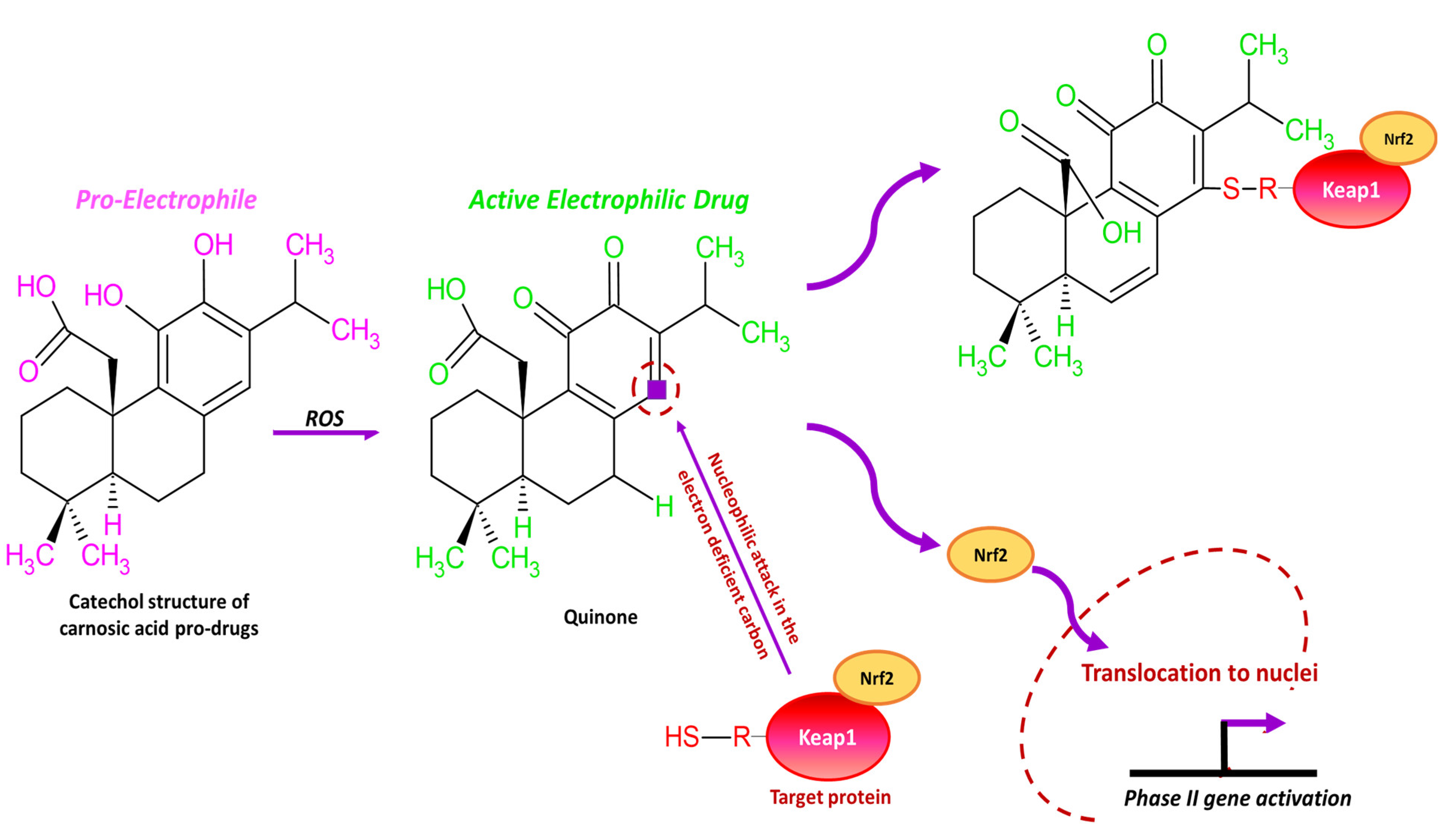
CA, in general, is considered a pro-electrophilic drug (PED) and is pathologically activated via stimulation of the Nrf2 pathway. CA, which is commonly extracted from Rosmarinus officinalis or synthesized, acts as a catechol-type PED drug. To accomplish oxidative activation of the pro-electrophilic state to the electrophilic state, electron acceptors, including ROS, tend to play a pivotal role. As a result, the quinone compound reacts with cysteine thiols. During this process, a cysteine thiol stimulates a nucleophilic attack of the electrophilic compound to constitute the addition product, CA, and hence, changes from an inactive (pro-electrophilic) state to an active (electrophilic) state when oxidative stress is present.
Consequently, CA transforms into its active state in conditions where oxidative and inflammatory stress are present in the tissue, protecting the tissue from stress in disorders including AD. This is accomplished by stimulating the KEAP1/Nrf2 mechanism via the quinone formation of CA. The Nrf2/KEAP1 pathway is one of the main constituents of the cellular defense mechanisms combating oxidative and inflammatory stress. Nrf2 works as a transcription factor responsible for the expression of phase II antioxidant and anti-inflammatory enzymes. KEAP1 protein, under normal conditions, is connected to Nrf2 and operates as an adaptor protein for cullin 3 (Cul3 in humans) E3 ubiquitin ligase, which ensures that Nrf2 is polyubiquitinated. Subsequently, Nrf2 is degraded by the proteasome.
Therefore, the transcriptional activity of Nrf2 is regulated and inhibited when pathogenesis is not present. KEAP1 consists of vital cysteine thiols that interact with CA after electrophilic conversion, as previously described. This reaction hinders KEAP1 from causing the ubiquitination and degradation of Nrf2. Nrf2, therefore, can be isolated from the cytoplasmic complex with KEAP1, and they can reach the nucleus and bind to AREs (antioxidant response elements) to induce target phase II genes in the well-coordinated formation of antioxidant as well as anti-inflammatory enzymes. These enzymes are responsible for the production of one major cellular antioxidant: glutathione (GSH). Thus, it can be concluded that Nrf2 activators have a protective role in numerous cell types, neurons included, via the regulation of chemical redox. In the brain, the upregulation of Nrf2 takes place predominantly in astrocytes as well as microglial cells; this biochemical pathway is shown in Figure 3 [84].
Figure 3.
Stimulation of the Nrf2 pathway to induce phase II gene activation by CA pro-drugs like catechol. Catechol is at first transformed to a CA congener called quinone, an active electrophilic drug, which undergoes a nucleophilic attack in its electron deficient carbon by the Keap1 target protein that carries the Nrf2 factor. This factor consequently translocates to the nuclei where phase II gene activation occurs.
3.5.2. In Vivo Health-Promoting Effects of Carnosic Acid against AD and PD
Taking a look into the in vivo studies on CA, a transgenic OW13 Caenorhabditis elegans model of PD was examined. The outcome suggested that a dose-dependent reduction of CA in human α-syn aggregation was found in the roundworm muscle cells. In the same study, in ROS-treated rats, the immunoblots displayed the same results as in the cells, meaning that the diterpene attenuated the upregulation of ubiquitinated proteins and reduced PINK1 and parkin protein levels [16]. Rats administered CA before exposure to 6-OHDA showed an enhancement of locomotor activity and reduction in the apomorphine-induced rotation. Also, the rats pretreated with CA showed increased defenses against the lipid peroxidation and GSH downregulation caused by 6-OHDA. Lastly, like in the in vitro experiment in the same study, pretreatment with CA led to a rise in the levels of the γ-glutamate–cysteine ligase catalytic subunit and γ-glutamate-cysteine ligase modifier subunit, superoxide dismutase, and glutathione reductase. CA treatment reversed the activation of JNK terminal kinase and p38, the reduction in the Bcl-2/Bax ratio, the increase in the cleaved caspase 3/caspase 3 and cleaved PARP/PARP ratios, as well as the decrease in tyrosine hydroxylase (TH) levels [10]. Another in vivo study in rats revealed that CA can effectively reverse the upregulation of ubiquitinated proteins and the decrease in PINK1 and parkin protein levels in the rats exposed to 6-OHDA, similar to the results of the in vitro experiment [16]. In an in vivo experiment for AD, CA administration in hAPP-J20 mice ameliorated the memory and learning deficits in the Morris water maze test [85].
The first appearance of the favorable effect of CA in vivo was witnessed in an experimental rat model of AD. This study suggested that CA (3 mg/kg) prevented hippocampal neurons from undergoing apoptosis, specifically those in the cornu ammonis 1 (CA1) region of the hippocampus, which impeded Aβ-related neurodegeneration [86]. The effect of CA (3 mg/kg) on memory and behavioral alterations caused by Aβ was also explored, which found that the molecule could reduce spatial and learning memory loss [87]. CA also diminished the dendritic spine loss in rat neurons treated with oligomeric Aβ [85], while its administration further ameliorated the memory and learning of hAPP-J20 mice in the Morris water maze test [85].
3.6. Rosmarinic Acid
3.6.1. In Vitro Health-Promoting Effects against AD and PD
The effects of RA were also investigated in a study on PD using the rat CGNs mentioned above. The findings suggested that RA could also decrease the CGN death caused by nitric oxide (NO) donors and sodium nitroprusside (nitrosative stress). Lastly, in contrast to CA’s function, RA protected CGNs from glutamate-induced excitotoxicity [12]. RA has also been investigated in SH-SY5Y cells induced with the ROS H2O2 that causes cell apoptosis. RA reduced the cell death caused by ROS, decreased the upregulation of Bax and downregulation of Bcl2, and activated the heme oxygenase-1 (HO-1) enzyme, thus making RA a potential neuroprotective agent [13]. Another study in H2O2-treated cells (N2A mouse neuroblastoma cells) examined the neuroprotective effect of RA. The results of the experiments claimed that RA prevented the toxicity of the induced ROS. Moreover, RA lessened the interference from lactate dehydrogenase, the mitochondrial membrane potential, and ROS production in the cells. Adding to the above, RA prevented genotoxicity and increased the levels of TH and brain-derived neurotrophic factor genes to reduce the ROS-induced cell damage, making it a potential neurodegenerative agent to treat NDs, like PD [88].
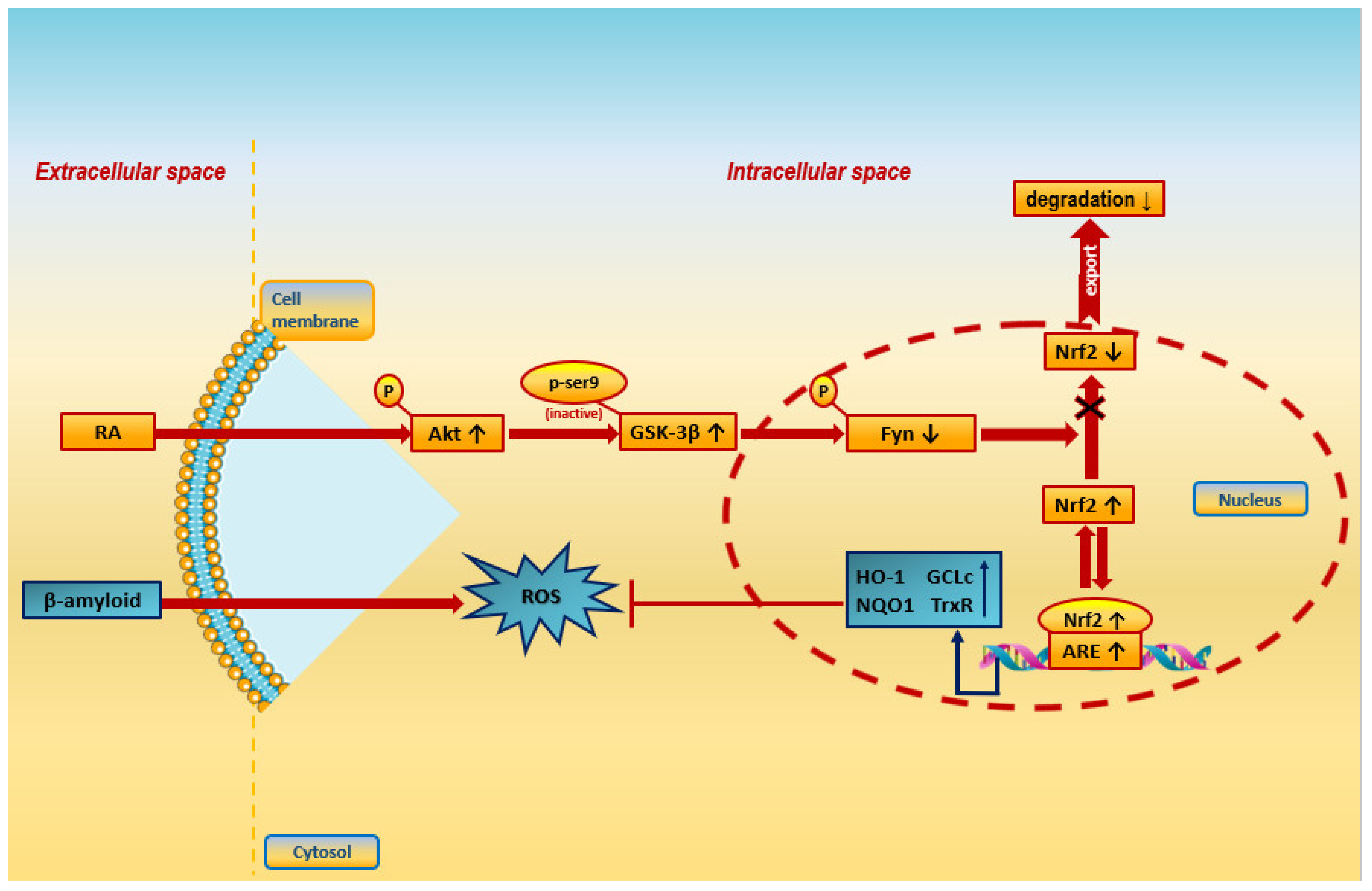
Concerning AD, a study that tested RA against cholinesterase enzymes proved that the compound was more active towards BChE than AChE after utilizing molecular docking studies [89]. In another trial, RA was also investigated for its AChE and BChE inhibition properties and the findings found that the induction of 85.8% inhibition against AChE required a concentration of just 1.0 mg/mL [90]. A similarly structured evaluation of the AChE inhibition ability and the antioxidant properties of RA confirmed noteworthy contraction responses in isolated guinea pig ilea. RA demonstrated higher radical scavenging abilities. Docking data for RA indicated strong similarities with AChE. In this study, in vitro and ex vivo studies and in silico docking of RA were synchronously utilized for the first time. In all the methods tested, RA showcased promising results [91]. On a comparative note, RA appears to be more effective than caffeic acid (one of its monomer structural components) in terms of anti-AChE activity. However, caffeic acid was found to be an essential structural feature that is responsible for RA’s binding ability [92,93]. Another study that investigated RA’s ability to inhibit fibrillization further observed morphological changes in atomic force microscopy (AFM) images after saturation. More specifically, RA bound to tau protein in vitro, resulting in a downregulation in amide regions I and III and, as a result, proves that this structure halts β-sheet aggregation [94]. More specific studies based on the “amyloid-β aggregation hypothesis”, which posits that Aβ aggregation inhibitors as therapeutic or preventive agents for AD, investigated the structure–reactivity relationships of RA-derived compounds and Aβ aggregation prevention abilities (molecular docking simulations and MSHTS assays). The study outcomes showed radical-scavenging abilities and simultaneously displayed significant hindrance to Aβ1-42 aggregation [93]. In cultures of PC12 cell lines that were exposed to Aβ1-42, cytotoxicity in connection with ROS formation, DNA fragmentation, lipid peroxidation, tau protein hyperphosphorylation, and caspase-3 activation were all found to be suppressed by RA [95]. Figure 4 summarizes all the above observations.
Figure 4.
RA downregulates Aβ-induced oxidative stress (ROS activity) by activating Nrf2 and Akt/GSK-3β/Fyn pathways in PC12 cells. RA crosses the cell membrane and induces the activation of a series of crucial factors in the Akt/GSK-3β/Fyn pathway inside the nucleus. Nrf2 increases in quantity and, via AREs, induces the activation of factors including HO-1, GCLc, NQO1, and TrxR, which inhibit the ROS activity that was previously initiated via Aβ’s action.
3.6.2. In Vivo Health-Promoting Effects against AD and PD
In an in vivo study on PD, RA was used in 6-OHDA-treated rats. The ROS reduced the DA levels in the striatum, while RA reversed these changes. Once again, the oxidizing factor increased the Bax/Bcl-2 ratio at the gene level, while RA attenuated this increase, demonstrating a neuro-rescue effect [9]. Another in vivo study in mice induced with 1-methyl-4-phenyl-1,2,3,6-tetrahydropyridine (MPTP), along with treatment with RA, was performed to evaluate RA’s potential protective properties. RA alleviated the hyper-locomotive activity of MPTP-treated animals. Moreover, DA signaling was increased under RA treatment, which also boosted the monoaminergic system in healthy untreated mice (without MPTP). Lastly, the MAO content was upregulated in the MPTP+AR group [96].
In an AD study that used Wistar rats, RA prevented the cholinergic damage and oxidative imbalances caused by Aβ, and was hypothesized to aid in the improvement of neural network synapses and auditory processes [97]. RA also significantly improved cognitive function and object perception in male ICR mice (intracerebroventricular injection) with aggregated Aβ25-35-induced AD [98]. Similar research also examined the protective effects of RA, which was hypothesized to be a natural scavenger of ONOO−, regarding memory impairment in mice subjected to acute i.c.v. injection of Aβ25-35. Co-injection of ONOO−, a compound lacking memory-impairing effects, with Aβ25-35, impeded the favorable effects of RA (0.25 mg/kg). The authors concluded that the beneficial memory effects of RA in Aβ25-35-induced neurotoxicity are a result of its ability to scavenge ONOO−, and consistent consumption of RA could serve as a protective agent against the memory loss observed in AD [99]. A study performed on female Wistar rats investigated the effects of RA administration on the pathology related to ovariectomy and D-galactose injection as a double-insult model for AD. This study concluded that RA could prevent both the biochemical and psychological alterations in the cerebrum in this AD model, which was attributed to its ability to attenuate lipid peroxidation and the inflammatory response [100]. The properties of RA for combating AD in vivo, via tau protein regulation, have been studied in adult and middle-aged male C57BL/6 mice, where it was discovered that the amount of phosphorylated tau protein increased as a result of aging and chronic restraint stress (CRS) [101].
3.7. Other Bioactive Compounds for Treating NDs
Carnosol does not appear in as many reports as RA and CA for neuroprotection against PD. One in vitro study in neuronal cells, specifically HT22 cells, had been found. The results showed an increase in ARE activity and GSH synthesis. In the PC12 cell line, there was a stimulation of ERK, JNK, p38, and PI3K/Akt; PI3K/Akt-dependent activation of Nrf2; an increase in HO-1; and a decrease in H2O2 toxicity [14,40]. Moreover, an older study on rotenone-induced neurotoxicity in SN4741 cells examined the neuroprotective effect of carnosol. The outcome was indeed proved the neuroprotective ability of carnosol, as cell viability was improved through inhibiting caspase-3. Moreover, CS increased the levels of TH, Nurrl, and extracellular signal-regulated kinase 1/2 [11]. In vivo, carnosol had an anti-depressant effect in mice [14].
Another RO compound investigated for its neuroprotective effect is eugenol or 2-methoxy-4-(2-propenyl-phenol). Eugenol was used in a study in PC12 cells examining cell viability and the regulation of DA release, and concluded that the compound may be beneficial against the symptoms of PD, as it can increase the hormone’s availability [102]. In an in vivo study, MPTP led to motor impairment in a mouse model, and a decrease in glutathione levels and lipid peroxidation, while treatment with the phenylpropanoid reversed these effects. Lastly, eugenol can reduce the possibility of PD development but it cannot cure PD [103]. Another in vivo study analyzed the effect of combining eugenol with levodopa in 6-OHDA-stimulated Wistar rats. The findings showed that the combination of these chemicals decreased the PD-associated symptoms, in contrast to L-dopa alone, and increased GSH synthesis [104]. Luteolin, a flavonoid compound of the herb, was also used in 6-OHDA-treated PC12 cells. Overall, cell pretreatment with luteolin reduced the ROS production induced by 6-OHDA and downregulated the p53, UPR (unfolded protein response), and Nrf2–ARE pathways, making it a potential neuroprotective agent against PD [105]. Also, a luteolin derivative, luteolin-7-O-glycoside (LUT-7-G), was given before the MPTP and 1-methyl-4-methylpyridinium (MPP+) treatment of SH-SY5Y cells, resulting in an extension of the cells’ life. On the one hand, there was an increase in the Bcl-2/Bax ratio, while on the other hand, the cleaved caspase-3 level was reduced. Additionally, there was an increase in estrogen receptor (ER), Erα, and Erβ levels, and a boost in the activation of the ERK1/2 (extracellular signal-regulated kinase 1/2)/STAT3 (signal transducer and activation of transcription 3)/c-Fos pathway.
In vivo, LUT-7-G pretreatment enhanced bradykinesia and muscle strength while balancing the capacity of the mice treated with MPTP. Lastly, the cells containing TH were protected from injury, TH nerve fibers were found at higher quantities, and MPTP-induced gliosis in the SN was reduced, making LUT-7-G a potential neuroprotective candidate [106]. Additionally, 1,8-cineole and a-pinene were examined in PC12 cells. Pretreatment with the two terpenes increased cell survival while inhibiting intracellular ROS accumulation and increasing the presence of antioxidant enzymes. The low levels of caspase-3 revealed minimal levels of apoptosis. Eliminating ROS and activating the Nrf2 factor through induction led to another conclusion: the two terpenes possess antioxidant effects and may be protective against diseases associated with oxidative stress, like Parkinson’s [107]. Lastly, ursolic acid (UA), another rosemary compound, was used in vivo in rotenone-treated rats, revealing its potential as a neuroprotective agent against PD. Treatment with UA protected TH-positive cells, enhanced cognitive function in the Barnes maze (BMT), and minimized the oxidative stress and inflammation caused by the rotenone infusion. Also, it mitigated the complex I inhibition to a significant level and facilitated the promotion of mitochondrial biogenesis (MB), making it a potential therapeutic agent to treat PD [108].
In AD models, the potency of different diterpenes isolated from Rosmarinus officinalis meant to act as AChE-inhibiting agents has been investigated. The use of in silico and molecular docking techniques aimed to explore how these molecules interact with the active region of AChE. Rosmanol was suggested as the candidate with the most potential for further clinical trials and research to validate the molecule’s efficacy in preventing and/or treating AD [109]. In an in vitro study, a-pinene and 1,8-cineole were found to be the main monoterpenes in the Rosmarinus officinalis essential oil (RO EO), and the conclusions suggested that the AChE-inhibiting properties of the RO EO was suspected to be based on a synergistic interaction between these different oil components [90]. 1,8-cineole has the ability to modulate tau phosphorylation via the downregulation of GSK-3β and Aβ production, which can be obtained by interacting with the active site of BACE-1, which was shown in vivo as well as in vitro. After this research, it was established that 1,8-cineole could be used in a therapeutic sense in the management of AD and in DM-related AD as well [110]. Eugenol at 10 or 30 mg/kg/day as a course of treatment for eight-month-old 5xFAD mice over a 2-month period successfully regulated the cognitive and neural losses as well as Aβ aggregation [111]. Eugenol, at 0.01 mg/kg, ameliorated the memorization deficits and suppressed the formation of amyloid deposits in AD rat models [112]. Lastly, eugenol exerted anti-amnesic activity in scopolamine-induced AD in rodents by diminishing hippocampal cholinergic deterioration, glutamate neurotoxicity, and mitochondrial dysfunction [113].
3.8. More Neuroprotective Properties of RO and Its Compounds
Rosmarinic and caffeic acids have also been investigated in mice, and were shown to be neuroprotective against oxidative stress and DNA damage [114]. In male Wistar rats, RA protected the spinal cord from injury, and demonstrated neuroprotection by decreasing the levels of cytokines, such as TNF-a and Nrf2, which are oxidative stress indicators, and other antioxidant enzymes [115]. In another study, including young and aged mice, the outcome indicated that the EO of R. officinalis improves memory in both age groups. Still, its efficacy was more apparent in aged mice [116]. In vivo, studies in humans also support the role of rosemary EOs in short-term image and numerical memory in secondary school students, as well as in the amelioration of cognition and the subjective state in healthy volunteers, with emphasis being given to the link between 1,8-cineole levels and their beneficial effect [117,118,119]. All the previous studies utilized inhalation as the administration method. As a noteworthy comment, it is interesting to mention that when comparing rosemary and lavender, it is clear that rosemary is better at ameliorating cognitive performance [117,119].
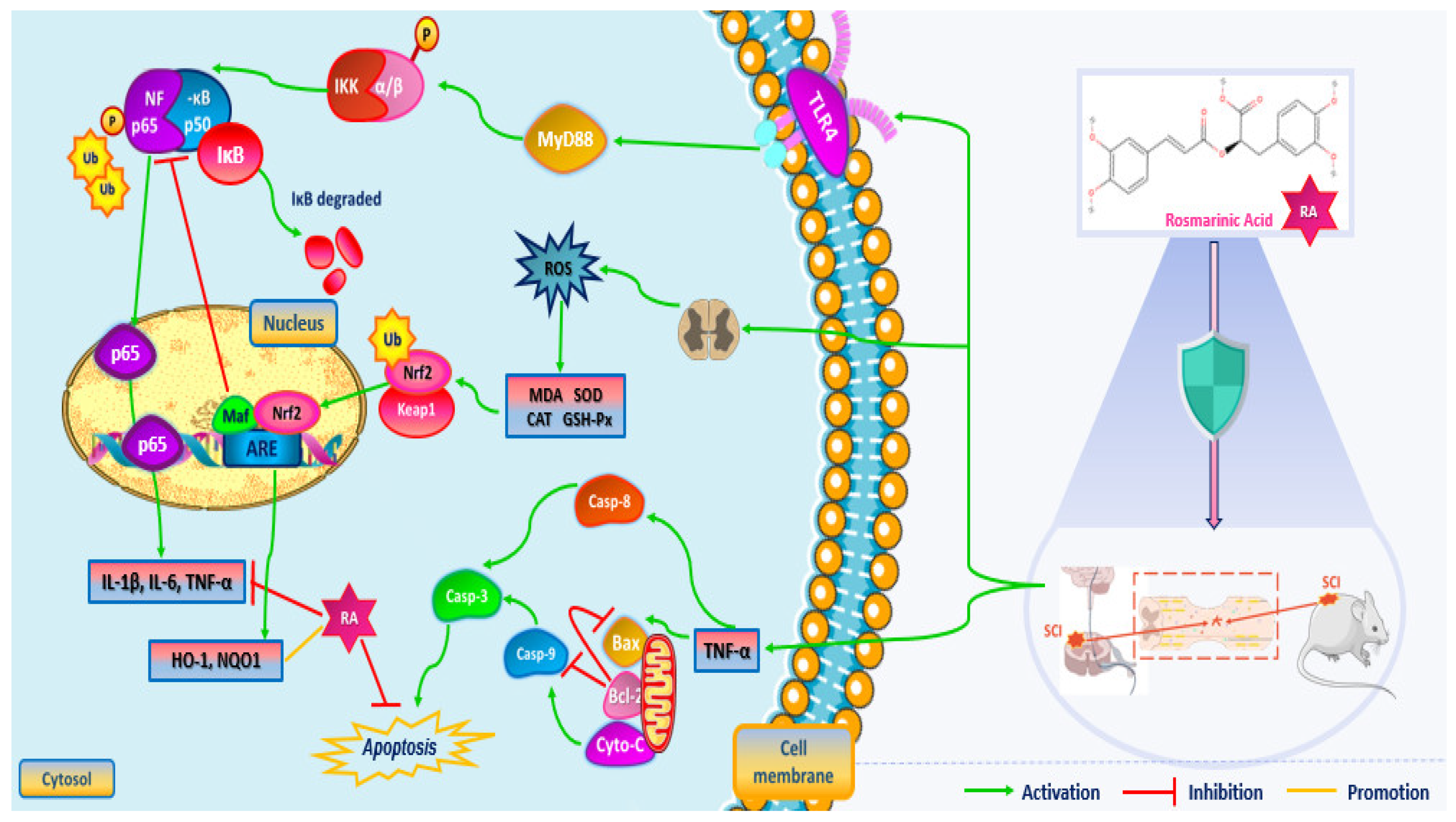
Moreover, CA presents potent inhibition of the nucleotide-binding domain, leucine-rich-containing family, pyrin domain-containing-3 (NLRP3) inflammasome both in vitro and in vivo. CA downregulates NLRP3 expression by inhibiting NF-κB, while at the same time, it acts on NLRP3 inflammasome formation and induction by reducing mitochondrial ROS and stopping NLRP3–NIMA-related kinase (NEK7) synergy [120]. CA is a potent blocking agent of the activation of superoxide anion via the xanthine oxidase pathway. It has promising protective abilities towards dopaminergic neuronal cells, protecting them from toxicity by boosting neurotrophic factors and slowing down cell death processes [121]. In another study evaluating the properties of an RO extract and spearmint extract (with the main constituents being CA and RA) on cognition and recall in a SAMP8 mouse model of rapid aging, improved performance was observed in most tests [122]. Camphor was found to have neuroprotective properties against depression. In Wister albino male rats, depression was induced by ciprofloxacin. The results after treatment with camphor showed an increase in catalase and Nrf2 activities and a downregulation of NO, malondialdehyde (MDA), TNF-α, and Toll-like receptor 7 (TLR4) serum levels, while there was also a rise in serotonin, DA, GABA (gamma-amino butyric acid), and Rho family GTPase-activating guanosine-5′-triphosphate (P190-RHO GTP) protein levels, with non-pathogenic neuronal cells in the front cortex of the brain, making camphor a potential neuroprotective compound against major depression [123]. Furthermore, the ability of RA to prevent spinal cord injury (SCI) and promoting nerve repair in an in vivo SCI rat model is shown in Figure 5.
Figure 5.
Pathways affected by RA as a protective agent against SCI while assisting in nerve restoration. RA displays neuroprotective properties, combating oxidative stress and inflammation by stimulating the Nrf2/HO-1 signaling pathway and inhibiting the NF-κB signaling mechanism in SCI rat models. RA: rosmarinic acid; SCI: spinal cord injury; TNF-α: tumor necrosis factor-α; IL-6: interleukin-6; IL-1β: interleukin-1β; MDA: malondialdehyde; SOD: superoxide dismutase; CAT: catalase; GSH-Px: glutathione peroxidase; ROS: reactive oxygen species; Casp-8: caspase-8; Casp-9: caspase-9; Casp-3: caspase-3; Bax: B-cell lymphoma 2-associated X; Bcl-2: B cell lymphoma 2; Cyto-C: cytochrome C; Nrf2: nuclear factor erythroid-derived 2-related factor 2; Keap: kelch-like ECH-associated protein; ARE: antioxidant responsive element; HO-1: heme oxygenase-1; NQO1: NAD(P)H quinone oxidoreductase 1; Maf: musculoaponeurotic fibrosarcoma; TLR4: Toll-like receptor 4; MyD88: myeloid differentiation factor-88; IKK: inhibitor of NF-κB kinase; Ub: ubiquitin; IκB: inhibitory IκB family; NF-κB: β-nuclear factor kappa.
Table 1.
Rosemary’s bioactive compounds and their reported biological activities and associated health-promoting effects.
Table 1.
Rosemary’s bioactive compounds and their reported biological activities and associated health-promoting effects.
| Compound | Chemical Group | Structure | Effect | Reference(s) |
|---|---|---|---|---|
| Rosmarinic acid | Phenolic acid | ![]() | Neuroprotective, antioxidant | [12] |
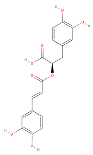
| Carnosic acid | Phenolic diterpene | ![]() | Neuroprotective, antioxidant, anti-inflammatory | [12,14] |
| Carnosol | Phenolic diterpene | ![]() | Neuroprotective, antioxidant, anti-inflammatory | [14] |
| Eugenol | Phenylpropanoid | ![]() | Anti-inflammatory, immunomodulatory, antioxidant | [103,104,124] |
| Camphor | Monoterpenoid | ![]() | Neuroprotective, antioxidant, anti-inflammatory | [123] |
| Luteolin | Flavonoid | ![]() | Neuroprotective, antioxidant | [125] |
| Eucalyptol/1,8-cineole | Monoterpenoid | ![]() | Antioxidant, anti-inflammatory | [126] |
| Ursolic acid | Triterpene | ![]() | Antioxidant, anti-inflammatory, neuroprotective | [127] |
| a-pinene | Monoterpene | ![]() | Neuroprotective, antioxidant | [107,128] |
| Rosmanol | Flavonoid | ![]() | Neuroprotective | [109] |
Table 2.
Experimental data on rosemary extracts and EOs, RA, CA, and other bioactive compounds of rosemary in neuroprotection against PD, AD, and other neurodegenerative conditions.
Table 2.
Experimental data on rosemary extracts and EOs, RA, CA, and other bioactive compounds of rosemary in neuroprotection against PD, AD, and other neurodegenerative conditions.
| Hypothesis and Intervention 1 | Experimental Details | Study Results | Year of Study | Reference |
|---|---|---|---|---|
| The neuroprotective effect of a rosemary EO was examined in vitro through the evaluation of H2O2-induced apoptosis in SH-SY5Y cells |
|
| 2010 | [129] |
| The impact of an R. officinalis EO on AD was examined in a mouse model |
|
| 2018 | [130] |
| The beneficial effects of an aromatherapy procedure in 28 older adults, where 17 of them had developed AD-type dementia, were evaluated |
|
| 2009 | [131] |
| The memory enhancement of an R. officinalis EO was explored in young and aged mice |
|
| 2014 | [116] |
| The study describes the effect of EOs on human short-term image and numerical memory |
|
| 2017 | [117] |
| This study evaluated the effect of lavender and rosemary EOs on the mood and cognitive performance of healthy volunteers |
|
| 2003 | [119] |
| This unprecedented study investigated the impact of a combination of rosemary and two other herbs on verbal recall in healthy humans and their clinical value for memory and brain function |
|
| 2017 | [132] |
| This study identified the antioxidative agents in rosemary and characterized their antioxidant effects in biological systems |
|
| 1995 | [121] |
| The effects of a rosemary extract and a spearmint extract, which both contained CA and RA, on cognition and memory in a SAMP8 mouse model that displayed rapid aging were studied |
|
| 2016 | [122] |
| Comparison of neuroprotective effect of R. officinalis RA and CA constituents through their impact on primary cultures of CGNs subjected to a variety of stressors |
|
| 2018 | [12] |
| The influence of RA and CA on seizures induced by PTZ were evaluated in this study |
|
| 2015 | [114] |
| In vivo study of RA effects in rats that were treated with 6-OHDA |
|
| 2012 | [9] |
| and SH-SY5Y cells treated with H2O2 |
|
| 2008 | [13] |
| RA activity in MPTP-treated mice |
|
| 2022 | [96] |
| RA in H2O2-treated N2A cells |
|
| 2014 | [88] |
| The inhibitory impact on AChE and BChE, as well as the metal-chelating ability, of 12 diterpenes including RA was examined |
|
| 2016 | [89] |
| RA’s inhibitory activity towards AChE and BChE was examined (RA was isolated from an R. officinalis extract and EO) |
|
| 2007 | [90] |
| AChE inhibition activity and antioxidant capacity of RA were examined to determine its potential as a candidate compound for AD treatment |
|
| 2014 | [91] |
| This study measured the AChE activities of phenolic acids and flavonoids individually or in combination |
|
| 2015 | [92] |
| The study assessed the structure–activity synergistic action of RA derivatives in terms of their anti-aggregation, antioxidant, and xanthine oxidase inhibition properties |
|
| 2017 | [93] |
| RA’s ability to inhibit fibrillization was assessed |
|
| 2017 | [94] |
| The study examined the effect of RA on Alzheimer amyloid peptide (A)-induced toxicity in cultured rat PC12 cells |
|
| 2006 | [95] |
| In an attempt to clarify whether RA prevents Aβ-induced peroxidation of lipids, and antioxidant defense and/or cholinergic damage, in addition to the main auditory deficits, Wistar rat were utilized |
|
| 2018 | [97] |
| The study assessed, in an Aβ25-35-injected mouse model, whether the administration of RA improved cognitive function |
|
| 2016 | [98] |
| An examination of the protective ability of RA as a natural ONOO− scavenger and preventing memory deterioration was conducted on a mouse model that was given an acute i.c.v. injection of A25-35 |
|
| 2007 | [99] |
| The effects of RA on the pathology related to ovariectomy and D-galactose injection (i.e., a double-insult in an AD model) were thoroughly assessed |
|
| 2015 | [100] |
| The outcomes of aging in a stress-induced tauopathy mouse model of chronic restraint stress and its possible effect were evaluated |
|
| 2015 | [101] |
| The study investigated whether RA is able to suppress TAC’s hepatotoxicity to slow down the progression of AD in mice |
|
| 2023 | [133] |
| This study aimed to thoroughly assess the value of RA in protecting against SCI |
|
| 2016 | [115] |
| Investigation of CA’s neuroprotective effects and its effects on behavioral activity in a rat model of PD, which was induced by 6-OHDA |
|
| 2014 | [10] |
| Investigation of whether autophagy is correlated with CA’s neuroprotective activity against 6-OHDA-induced neurotoxicity in SH-SY5Y cells |
|
| 2017 | [79] |
| Investigation of whether CA is neuroprotective against a paraquat (PQ)-induced PD in terms of cellular and mitochondrial-related redox parameters |
|
| 2016 | [17] |
| Study on whether R. officinalis-derived CA is able to protect against 6-OHDA-induced neurotoxicity via the upregulation of parkin both in vivo and in vitro in SH-SY5Y cells |
|
| 2016 | [16] |
| The established mechanism used by CA in the modulation of the neurotoxic impact of 6-OHDA in SH-SY5Y cells was observed |
|
| 2012 | [15] |
| The determination of whether CA can protect hippocampal neurons by reversing neurodegeneration in rats was this study’s main aim |
|
| 2011 | [86] |
| The study assessed whether CA’s administration owns a protective effect against memory loss induced by β-amyloid toxicity in rats |
|
| 2013 | [87] |
| The study in vitro examined the protective abilities of CA on primary neurons that were treated with oligomeric Aβ. In vivo on mouse models of AD after the delivery of CA, investigated learning and memory ability as well as synaptic damage |
|
| 2016 | [85] |
| This study investigated the possible use of CA to prevent MG-induced neurotoxicity |
|
| 2015 | [81] |
| The effect of CA on the production of Aβ1-42 peptides (Aβ42) and on the expressed genes in human neuroblastoma SH-SY5Y cells were explored |
|
| 2012 | [82] |
| Investigation of CA’s impact on the apoptosis induced by A42 or A43 peptides in cultured SH-SY5Y human neuroblastoma cells |
|
| 2014 | [83] |
| This study investigated the effects of CA on NLRP3 activation using in in vitro and in vivo experiments |
|
| 2023 | [120] |
| This study compared the phytochemical content and the biological properties of R. officinalis samples |
|
| 2013 | [80] |
| The impact of carnosol on rotenone-induced neurotoxicity in cultured SN4741 dopaminergic cells was studied |
|
| 2006 | [11] |
| The effect of eugenol in a mouse model induced with MPTP was studied |
|
| 2022 | [103] |
| The effect of eugenol along with levodopa in 6-OHDA-stimulated Wistar rats was studied |
|
| 2020 | [104] |
| The efficacy of eugenol on AD pathologies was explored using a 5X familiar AD mouse model (5XFAD) |
|
| 2023 | [111] |
| This study assessed the effect of eugenol on the amyloid plaques present in AD rat models |
|
| 2019 | [112] |
| This study aimed to explore the anti-amnesic effect of eugenol in scopolamine-treated AD rodents |
|
| 2019 | [113] |
| The activity of luteolin in 6-OHDA-treated PC12 cells |
|
| 2014 | [105] |
| Effect of 1,8 cineole and a-pinene as neuroprotective in H2O2-treated cells |
|
| 2016 | [107] |
| The potent pharmacological connection between 1,8-cineole, mood, and cognitive performance after exposure to R. officinalis aroma was assessed |
|
| 2012 | [118] |
| This study experimented on AGE-induced neuronal injury and intracerebroventricular AGE animals, as candidate AD models. Additionally, the impact of CIN on AD and the mechanisms both in vitro and in vivo were also investigated |
|
| 2022 | [110] |
| RA isolated from an R. officinalis extract and EO was evaluated for its AChE and BChE inhibition activity |
|
| 2007 | [90] |
| UA’s effect on rotenone-treated rats was studied |
|
| 2020 | [108] |
| Camphor’s ability to treat depression in rats was studied |
|
| 2021 | [123] |
| The study assessed the potency of different diterpenes that were isolated from rosemary to function as AChE inhibitors |
|
| 2024 | [109] |
1 In vitro and in vivo studies on the major R. officinalis compounds for treating NDs.
3.9. Rosemary Extracts and EOs for Treating NDs
Rosemary has been utilized in vitro on human SH-SY5Y dopaminergic cells treated with H2O2, a type of ROS that is responsible for causing oxidative stress and subsequent apoptosis to the human cells in PD. The R. officinalis treatment was suggested to suppress the H2O2-induced cytotoxicity in the SH-SY5Y cells. Furthermore, the herb extract effectively mitigated the disruption to the mitochondrial membrane composition and the apoptosis attributed to ROS. It also attenuated the increase in the expression of Bax, Bac, caspase-3, and caspase-9 while preventing the downregulation of Bcl-2. Lastly, RO inhibited the reduction in the levels of TH and aromatic amino acid decarboxylase (AADC) in SH-SY5Y cells [129].
The inhalation of rosemary EOs has been adequately studied as a treatment for Alzheimer’s. Studies using model mice (scopolamine-induced AD) have proven that the nasal administrative method of rosemary EO can improve cognitive function [130]. Aromatherapy (EO) has been studied in older adults with Alzheimer-type dementia. After therapy, all the patients displayed noteworthy alterations in cognitive function regarding personal orientation using the GBSS-J and TDAS (dementia test assessments). Overall, AD patients improved in their total TDAS scores. The biochemical analysis indicated no noteworthy deteriorations, meaning no adverse effects were present after using the aromatherapy [131]. In middle-aged healthy subjects, a double-blind, placebo-controlled pilot study investigated the impact of a mixture of rosemary and two other herbs on verbal recall and their clinical value for memory and brain function. This pioneering study demonstrated that treatment with SRM orally showed a more fruitful outcome than a placebo in terms of verbal episodic memory in the “under 63 years” age group. The study provided an effective trial protocol and noted no side effects [132].
4. Limitations and Future Perspectives
Despite the proposed benefits, several considerations must be taken into account when proposing the use of naturally grown herbs like rosemary for pharmaceutical and therapeutic uses. And, whilst the evidence suggests that rosemary has undeniable potential in this field, particularly for AD and PD [9,131], the consistency and validity of the results are the primary factors in need of optimization before establishing its use. A significant gap in the literature on this topic seems to stem from the fact that most of the experimental studies have been performed on animal models or in vitro [10,79,129,130]. So, there is an undeniable need for larger-scale clinical trials that perform a much more thorough investigation of the extracts’ results. Another gray area that needs to be addressed is the composition of the extract. Understanding that different cultivating conditions can produce many variables in compounds, it is safe to say that with the aid of biotechnology, further research should be conducted in order to by-pass this drawback [7]. More specifically, the mechanisms of action of other key components of RO, apart from CA and RA, should be fully evaluated in order to determine the correct dose of the extract as well as of each of its components. One solution may be the use of genetically modified rosemary, with a more “fixed” and better regulated consistency of compounds, which may also ameliorate sustainability issues and its future widespread use. Lastly, apart from its beneficial synergistic action alongside drugs, a definite area of interest in need of exploration is rosemary’s interactions with other treatments in order to minimize the possibilities of adverse reactions or the aggravation of any pre-existing side effects [133].
As far as the future perspective on functional foods and dietary implementations are concerned, it is widely supported by scientists that food antioxidants can diminish the symptoms of AD. This is in agreement with the hypothesis that oxidative stress might be associated with NDs [134]. For instance, a meal with rosemary or its extract as an ingredient contains several bioactive compounds, which can act synergistically and have been investigated for their health benefits. This concept can be intentionally used to improve fortified bio-functional foods or it can be incorporated into supplements or nutraceuticals [135]. In the cosmetic field, rosemary extracts have displayed more substantial antimicrobial effects on Gram-positive and Gram-negative bacteria and molds. In contrast, their impact on yeasts is weaker.
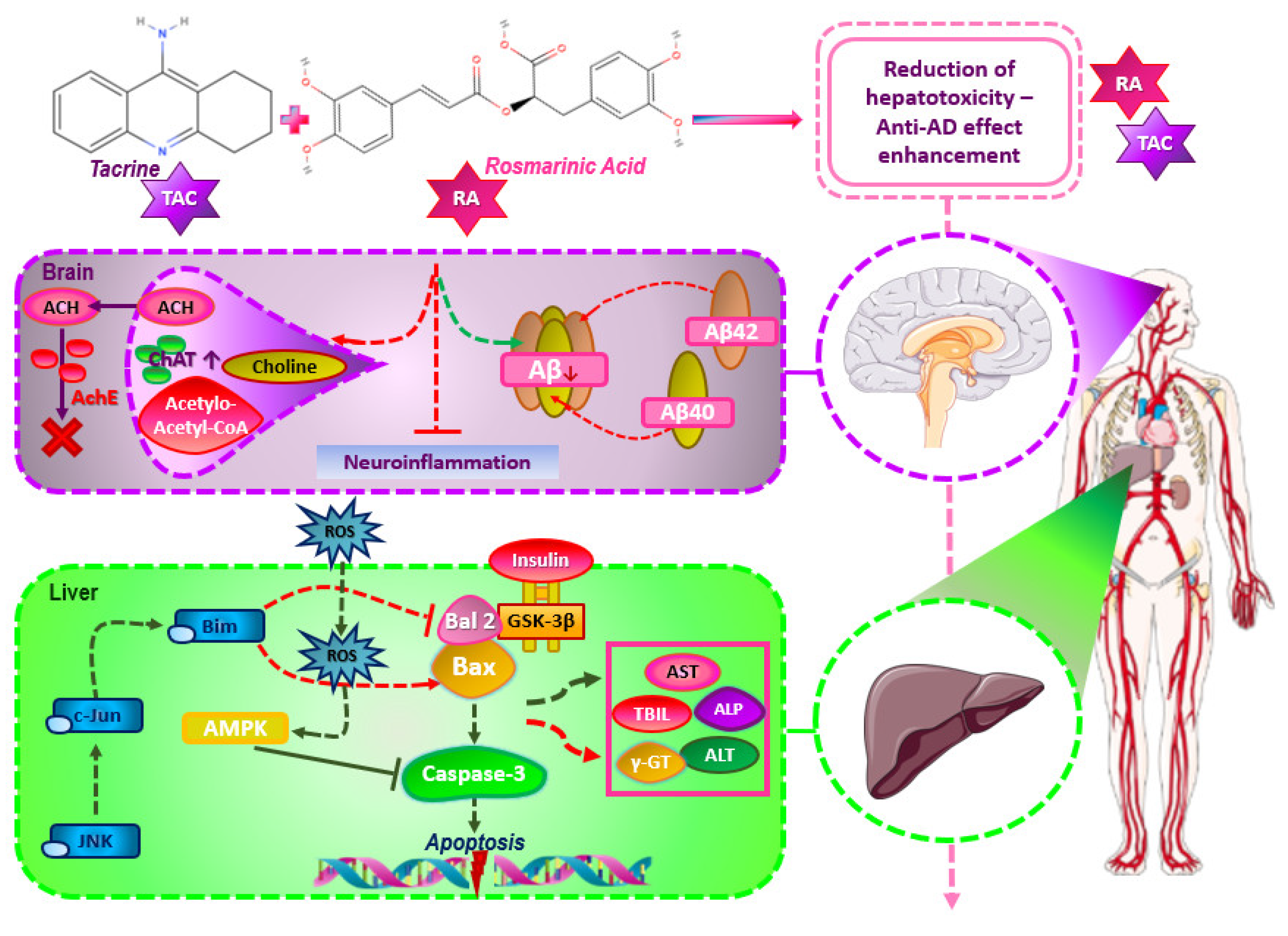
Nevertheless, the antimicrobial properties of rosemary extracts allow for their implementation as ingredients in a series of cosmetic products [136]. Lastly, in terms of pharmaceuticals, a break-through idea still in the making is the conceptualization of RA complexed or encapsulated with nanotechnology-based delivery systems that could improve its solubility, safeguard it from damage, permit its access to tissues that are difficult to enter, and consequently ameliorate its bioavailability. These systems could be of a polymer or lipid-based nature, whose production is optimized to contain a significant but safe amount of RA. Even though this system could face cardinal limitations, nasal delivery could act as a solution concerning the delivery route, providing direct access to the CNS [137]. Moreover, bioinspired compounds are also eligible candidates in the pharmaceutical industry. In the following paradigm, terpenes, to which rosemary attributes many of its beneficial effects, were isolated from microbial metabolites as novel meroterpenoid AChE inhibitors. Solid-state fermentation of Aspergillus terreus allowed for the extraction of terreulactones A and D. Terreulactone A and D belong to meroterpenoids and display AChE inhibition abilities. Isomers of terreulactone A were found to be 10 times weaker AChEIs than terreulactones. These novel inhibitors have a heterocycle, which interacts with the active site of the enzyme, and new substituents connected to the nitrogen atom N 20, which were found to be involved in adhering to the peripheral site of the enzyme [138]. RA combined with TAC and the first generation AChEI drug tacrine can enter the brain tissues of AD mice. The synergistic action of these drugs can enhance cognitive behavior and the level of AChE in the hippocampus, downregulate Aβ expression, and counteract Aβ aggregation. Both in vivo and in vitro experiments have suggested that RA is able to reverse the hepatotoxicity or liver injury caused by TAC. RA, in combination with TAC, can halt the cell death caused by Bcl-2/Bax, minimize the apoptosis attributed to caspase-3, inhibit the development of liver apoptosis by alleviating the hepatotoxicity of TAC, and inhibit the phosphorylation of JNK [133], which are vital processes and are summarized in Figure 6.
Figure 6.
Graphical illustration of the mechanism of tacrine (TAC) and rosmarinic acid (RA)’s synergistic action in reducing hepatotoxicity and enhancing anti-AD effects. RA combined with TAC is able to enter the brain tissues of the tested AD mice. This enhances cognitive behavior and AChE levels in the hippocampus, downregulates Aβ expression, and counteracts Aβ aggregation. The RA/TAC combination may halt the cell death induced by Bcl-2/Bax, minimize the apoptosis attributed to caspase-3, inhibit the development of liver apoptosis by alleviating the hepatotoxicity of TAC, and inhibit the phosphorylation of JNK.
5. Conclusions
It is widely apparent that rosemary holds excellent potential for use in neuroprotection, not only for Parkinson’s and Alzheimer’s patients but also in improving health in general. Although further studies are essential to verify the activity of drug interactions, evaluate the adverse effects, and determine the proper dosage that leads to a neuroprotective effect, this herb can be considered to have an important part in advancing medical interventions. More examinations of different signaling pathways that can be regulated by rosemary EOs, extracts, and components must be conducted in vivo and in vitro in brain cells to completely elucidate their great potential. Moreover, the clarification of whether this herb elicits neurotoxicity in human cells through laboratory experiments must be further studied. The synergistic effect of its compounds is also a potential factor that must be extensively investigated to maximize the positive influence of rosemary’s components. Lastly, it is crucial to investigate the possible correlation between the regulation of some mechanisms and rosemary’s effects on the homeostasis of redox or immune-related functions in vivo and in vitro in brain cells.
Author Contributions
Conceptualization, A.T.; methodology, A.T.; software, all authors; validation, A.T.; investigation, all authors; writing—original draft preparation, D.K., M.-P.L., T.A. and A.T.; writing—review and editing, A.O., A.M.G. and A.T.; visualization, A.T.; supervision, A.T.; project administration, A.T. All authors have read and agreed to the published version of the manuscript.
Funding
This research received no external funding.
Acknowledgments
We would like to thank the School of Chemistry of the Faculty of Science of the Democritus University of Thrace, the Department of Biological Sciences, the Bernal Institute, and the Health Research Institute of the University of Limerick for their continuous support.
Conflicts of Interest
The authors declare no conflicts of interest.
References
- Ghasemzadeh Rahbardar, M.; Hosseinzadeh, H. Therapeutic Effects of Rosemary (Rosmarinus officinalis L.) and Its Active Constituents on Nervous System Disorders. Iran. J. Basic Med. Sci. 2020, 23, 1100–1112. [Google Scholar] [CrossRef]
- Gonçalves, S.; Mansinhos, I.; Romano, A. Aromatic Plants: A Source of Compounds with Antioxidant and Neuroprotective Effects. In Oxidative Stress and Dietary Antioxidants in Neurological Diseases; Elsevier: Amsterdam, The Netherlands, 2020; pp. 155–173. ISBN 978-0-12-817780-8. [Google Scholar]
- Güneş, A.; Kordali, Ş.; Turan, M.; Usanmaz Bozhüyük, A. Determination of Antioxidant Enzyme Activity and Phenolic Contents of Some Species of the Asteraceae Family from Medicanal Plants. Ind. Crops Prod. 2019, 137, 208–213. [Google Scholar] [CrossRef]
- Sánchez-Camargo, A.D.P.; Herrero, M. Rosemary (Rosmarinus Officinalis) as a Functional Ingredient: Recent Scientific Evidence. Curr. Opin. Food Sci. 2017, 14, 13–19. [Google Scholar] [CrossRef]
- Christopoulou, S.D.; Androutsopoulou, C.; Hahalis, P.; Kotsalou, C.; Vantarakis, A.; Lamari, F.N. Rosemary Extract and Essential Oil as Drink Ingredients: An Evaluation of Their Chemical Composition, Genotoxicity, Antimicrobial, Antiviral, and Antioxidant Properties. Foods 2021, 10, 3143. [Google Scholar] [CrossRef]
- Rafie, H.; Soheila, H.; Grant, E. Rosmarinus officinalis (Rosemary): A Novel Therapeutic Agent for Antioxidant, Antimicrobial, Anticancer, Antidiabetic, Antidepressant, Neuroprotective, Anti-Inflammatory and Anti-Obesity Treatment. Herb. Med. Open Access 2017, 3, 8. [Google Scholar] [CrossRef][Green Version]
- Aziz, E.; Batool, R.; Akhtar, W.; Shahzad, T.; Malik, A.; Shah, M.A.; Iqbal, S.; Rauf, A.; Zengin, G.; Bouyahya, A.; et al. Rosemary Species: A Review of Phytochemicals, Bioactivities and Industrial Applications. S. Afr. J. Bot. 2022, 151, 3–18. [Google Scholar] [CrossRef]
- De Oliveira, J.R.; Camargo, S.E.A.; De Oliveira, L.D. Rosmarinus officinalis L. (Rosemary) as Therapeutic and Prophylactic Agent. J. Biomed. Sci. 2019, 26, 5. [Google Scholar] [CrossRef]
- Wang, J.; Xu, H.; Jiang, H.; Du, X.; Sun, P.; Xie, J. Neurorescue Effect of Rosmarinic Acid on 6-Hydroxydopamine-Lesioned Nigral Dopamine Neurons in Rat Model of Parkinson’s Disease. J. Mol. Neurosci. 2012, 47, 113–119. [Google Scholar] [CrossRef]
- Wu, C.-R.; Tsai, C.-W.; Chang, S.-W.; Lin, C.-Y.; Huang, L.-C.; Tsai, C.-W. Carnosic Acid Protects against 6-Hydroxydopamine-Induced Neurotoxicity in in Vivo and in Vitro Model of Parkinson’s Disease: Involvement of Antioxidative Enzymes Induction. Chem. Biol. Interact. 2015, 225, 40–46. [Google Scholar] [CrossRef] [PubMed]
- Kim, S.-J.; Kim, J.-S.; Cho, H.-S.; Lee, H.J.; Kim, S.Y.; Kim, S.; Lee, S.-Y.; Chun, H.S. Carnosol, a Component of Rosemary (Rosmarinus officinalis L.) Protects Nigral Dopaminergic Neuronal Cells. NeuroReport 2006, 17, 1729–1733. [Google Scholar] [CrossRef] [PubMed]
- Taram, F.; Ignowski, E.; Duval, N.; Linseman, D. Neuroprotection Comparison of Rosmarinic Acid and Carnosic Acid in Primary Cultures of Cerebellar Granule Neurons. Molecules 2018, 23, 2956. [Google Scholar] [CrossRef]
- Lee, H.J.; Cho, H.-S.; Park, E.; Kim, S.; Lee, S.-Y.; Kim, C.-S.; Kim, D.K.; Kim, S.-J.; Chun, H.S. Rosmarinic Acid Protects Human Dopaminergic Neuronal Cells against Hydrogen Peroxide-Induced Apoptosis. Toxicology 2008, 250, 109–115. [Google Scholar] [CrossRef]
- De Oliveira, M.R. The Dietary Components Carnosic Acid and Carnosol as Neuroprotective Agents: A Mechanistic View. Mol. Neurobiol. 2016, 53, 6155–6168. [Google Scholar] [CrossRef]
- Chen, J.-H.; Ou, H.-P.; Lin, C.-Y.; Lin, F.-J.; Wu, C.-R.; Chang, S.-W.; Tsai, C.-W. Carnosic Acid Prevents 6-Hydroxydopamine-Induced Cell Death in SH-SY5Y Cells via Mediation of Glutathione Synthesis. Chem. Res. Toxicol. 2012, 25, 1893–1901. [Google Scholar] [CrossRef]
- Lin, C.-Y.; Tsai, C.-W.; Tsai, C.-W. Carnosic Acid Protects SH-SY5Y Cells against 6-Hydroxydopamine-Induced Cell Death through Upregulation of Parkin Pathway. Neuropharmacology 2016, 110, 109–117. [Google Scholar] [CrossRef]
- De Oliveira, M.R.; Ferreira, G.C.; Schuck, P.F. Protective Effect of Carnosic Acid against Paraquat-Induced Redox Impairment and Mitochondrial Dysfunction in SH-SY5Y Cells: Role for PI3K/Akt/Nrf2 Pathway. Toxicol. In Vitro 2016, 32, 41–54. [Google Scholar] [CrossRef]
- Dhouibi, N.; Manuguerra, S.; Arena, R.; Messina, C.M.; Santulli, A.; Kacem, S.; Dhaouadi, H.; Mahdhi, A. Impact of the Extraction Method on the Chemical Composition and Antioxidant Potency of Rosmarinus officinalis L. Extracts. Metabolites 2023, 13, 290. [Google Scholar] [CrossRef]
- Leri, M.; Scuto, M.; Ontario, M.L.; Calabrese, V.; Calabrese, E.J.; Bucciantini, M.; Stefani, M. Healthy Effects of Plant Polyphenols: Molecular Mechanisms. Int. J. Mol. Sci. 2020, 21, 1250. [Google Scholar] [CrossRef]
- Feng, J.; Huang, Y.; Zhang, X.; Yang, Q.; Guo, Y.; Xia, Y.; Peng, C.; Li, C. Research and Application Progress of Radiomics in Neurodegenerative Diseases. Meta-Radiol. 2024, 2, 100068. [Google Scholar] [CrossRef]
- Armstrong, R. What Causes Neurodegenerative Disease? Folia Neuropathol. 2020, 58, 93–112. [Google Scholar] [CrossRef]
- Sasikumar, D.S.N.; Thiruselvam, P.; Sundararajan, V.; Ravindran, R.; Gunasekaran, S.; Madathil, D.; Kaliamurthi, S.; Peslherbe, G.H.; Selvaraj, G.; Sudhakaran, S.L. Insights into Dietary Phytochemicals Targeting Parkinson’s Disease Key Genes and Pathways: A Network Pharmacology Approach. Comput. Biol. Med. 2024, 172, 108195. [Google Scholar] [CrossRef] [PubMed]
- Eser, P.; Kocabicak, E.; Bekar, A.; Temel, Y. The Interplay between Neuroinflammatory Pathways and Parkinson’s Disease. Exp. Neurol. 2024, 372, 114644. [Google Scholar] [CrossRef] [PubMed]
- Fischer, R.; Maier, O. Interrelation of Oxidative Stress and Inflammation in Neurodegenerative Disease: Role of TNF. Oxid. Med. Cell. Longev. 2015, 2015, 610813. [Google Scholar] [CrossRef] [PubMed]
- Barzilay, J.I.; Abraham, L.; Heckbert, S.R.; Cushman, M.; Kuller, L.H.; Resnick, H.E.; Tracy, R.P. The Relation of Markers of Inflammation to the Development of Glucose Disorders in the Elderly. Diabetes 2001, 50, 2384–2389. [Google Scholar] [CrossRef] [PubMed]
- Pradhan, A.D. C-Reactive Protein, Interleukin 6, and Risk of Developing Type 2 Diabetes Mellitus. JAMA 2001, 286, 327. [Google Scholar] [CrossRef] [PubMed]
- Zandi, P.P.; Anthony, J.C.; Hayden, K.M.; Mehta, K.; Mayer, L.; Breitner, J.C.S. Reduced Incidence of AD with NSAID but Not H 2 Receptor Antagonists: The Cache County Study. Neurology 2002, 59, 880–886. [Google Scholar] [CrossRef] [PubMed]
- Prakash, J.; Yadav, S.K.; Chouhan, S.; Singh, S.P. Neuroprotective Role of Withania Somnifera Root Extract in Maneb–Paraquat Induced Mouse Model of Parkinsonism. Neurochem. Res. 2013, 38, 972–980. [Google Scholar] [CrossRef] [PubMed]
- Karim, A.; Yasser, M.; Ahmad, A.; Natsir, H.; Wahab, A.W.; Taba, P.; Pratama, I.; Rajab, A.; Abubakar, A.N.F.; Putri, T.W.; et al. A Review: Progress and Trend Advantage of Dopamine Electrochemical Sensor. J. Electroanal. Chem. 2024, 959, 118157. [Google Scholar] [CrossRef]
- Parkinson Disease. Available online: https://www.who.int/news-room/fact-sheets/detail/parkinson-disease (accessed on 17 April 2024).
- Singla, R.K.; Agarwal, T.; He, X.; Shen, B. Herbal Resources to Combat a Progressive & Degenerative Nervous System Disorder- Parkinson’s Disease. Curr. Drug Targets 2021, 22, 609–630. [Google Scholar] [CrossRef]
- Bjørklund, G.; Peana, M.; Maes, M.; Dadar, M.; Severin, B. The Glutathione System in Parkinson’s Disease and Its Progression. Neurosci. Biobehav. Rev. 2021, 120, 470–478. [Google Scholar] [CrossRef]
- Alqahtani, T.; Deore, S.L.; Kide, A.A.; Shende, B.A.; Sharma, R.; Dadarao Chakole, R.; Nemade, L.S.; Kishor Kale, N.; Borah, S.; Shrikant Deokar, S.; et al. Mitochondrial Dysfunction and Oxidative Stress in Alzheimer’s Disease, and Parkinson’s Disease, Huntington’s Disease and Amyotrophic Lateral Sclerosis—An Updated Review. Mitochondrion 2023, 71, 83–92. [Google Scholar] [CrossRef]
- Heo, J.Y.; Nam, M.-H.; Yoon, H.H.; Kim, J.; Hwang, Y.J.; Won, W.; Woo, D.H.; Lee, J.A.; Park, H.-J.; Jo, S.; et al. Aberrant Tonic Inhibition of Dopaminergic Neuronal Activity Causes Motor Symptoms in Animal Models of Parkinson’s Disease. Curr. Biol. 2020, 30, 276–291.e9. [Google Scholar] [CrossRef] [PubMed]
- Leite Silva, A.B.R.; Gonçalves De Oliveira, R.W.; Diógenes, G.P.; De Castro Aguiar, M.F.; Sallem, C.C.; Lima, M.P.P.; De Albuquerque Filho, L.B.; Peixoto De Medeiros, S.D.; Penido De Mendonça, L.L.; De Santiago Filho, P.C.; et al. Premotor, Nonmotor and Motor Symptoms of Parkinson’s Disease: A New Clinical State of the Art. Ageing Res. Rev. 2023, 84, 101834. [Google Scholar] [CrossRef]
- Rezazadeh Yazd, S.A.; Gashtil, S.; Moradpoor, M.; Pishdar, S.; Nabian, P.; Kazemi, Z.; Naeim, M. Reducing Depression and Anxiety Symptoms in Patients with Parkinson’s Disease: The Effectiveness of Group Cognitive Behavioral Therapy. Park. Relat. Disord. 2023, 112, 105456. [Google Scholar] [CrossRef] [PubMed]
- Wang, W.; Sun, M.; Li, H.; Wang, W.; Yan, M. The Delivery of Tyrosine Hydroxylase Accelerates the Neurorestoration of Macaca Rhesus Model of Parkinson’s Disease Provided by Neurturin. Neurosci. Lett. 2012, 524, 10–15. [Google Scholar] [CrossRef] [PubMed]
- Moreira, J.; Machado, M.; Dias-Teixeira, M.; Ferraz, R.; Delerue-Matos, C.; Grosso, C. The Neuroprotective Effect of Traditional Chinese Medicinal Plants—A Critical Review. Acta Pharm. Sin. B 2023, 13, 3208–3237. [Google Scholar] [CrossRef]
- Sivakumar, P.; Nagashanmugam, K.B.; Priyatharshni, S.; Lavanya, R.; Prabhu, N.; Ponnusamy, S. Review on the Interactions between Dopamine Metabolites and α-Synuclein in Causing Parkinson’s Disease. Neurochem. Int. 2023, 162, 105461. [Google Scholar] [CrossRef]
- De Oliveira, M.R. Carnosic Acid and Carnosol: Neuroprotection and the Mitochondria. In Oxidative Stress and Dietary Antioxidants in Neurological Diseases; Elsevier: Amsterdam, The Netherlands, 2020; pp. 217–230. ISBN 978-0-12-817780-8. [Google Scholar]
- Boelens Keun, J.T.; Arnoldussen, I.A.; Vriend, C.; van de Rest, O. Dietary Approaches to Improve Efficacy and Control Side Effects of Levodopa Therapy in Parkinson’s Disease: A Systematic Review. Adv. Nutr. 2021, 12, 2265–2287. [Google Scholar] [CrossRef]
- Faridzadeh, A.; Salimi, Y.; Ghasemirad, H.; Kargar, M.; Rashtchian, A.; Mahmoudvand, G.; Karimi, M.A.; Zerangian, N.; Jahani, N.; Masoudi, A.; et al. Neuroprotective Potential of Aromatic Herbs: Rosemary, Sage, and Lavender. Front. Neurosci. 2022, 16, 909833. [Google Scholar] [CrossRef]
- Sommer, D.B.; Stacy, M.A. What’s in the Pipeline for the Treatment of Parkinson’s Disease? Expert Rev. Neurother. 2008, 8, 1829–1839. [Google Scholar] [CrossRef]
- Foltynie, T.; Bruno, V.; Fox, S.; Kühn, A.A.; Lindop, F.; Lees, A.J. Medical, Surgical, and Physical Treatments for Parkinson’s Disease. Lancet 2024, 403, 305–324. [Google Scholar] [CrossRef] [PubMed]
- Su, D.; Zhang, X.; Su, Y.; Chan, P.; Xu, E. Effects of Different Levodopa Doses on Blood Pressure in Older Patients with Early and Middle Stages of Parkinson’s Disease. Heliyon 2023, 9, e17876. [Google Scholar] [CrossRef] [PubMed]
- Akushevich, I.; Yashkin, A.; Kovtun, M.; Kravchenko, J.; Arbeev, K.; Yashin, A.I. Forecasting Prevalence and Mortality of Alzheimer’s Disease Using the Partitioning Models. Exp. Gerontol. 2023, 174, 112133. [Google Scholar] [CrossRef] [PubMed]
- Iqbal, K.; Grundke-Iqbal, I. Alzheimer’s Disease, a Multifactorial Disorder Seeking Multitherapies. Alzheimers Dement. 2010, 6, 420–424. [Google Scholar] [CrossRef] [PubMed]
- Wojtunik-Kulesza, K.A.; Targowska-Duda, K.; Klimek, K.; Ginalska, G.; Jóźwiak, K.; Waksmundzka-Hajnos, M.; Cieśla, Ł. Volatile Terpenoids as Potential Drug Leads in Alzheimer’s Disease. Open Chem. 2017, 15, 332–343. [Google Scholar] [CrossRef]
- Cobley, J.N.; Fiorello, M.L.; Bailey, D.M. 13 Reasons Why the Brain Is Susceptible to Oxidative Stress. Redox Biol. 2018, 15, 490–503. [Google Scholar] [CrossRef] [PubMed]
- Raefsky, S.M.; Furman, R.; Milne, G.; Pollock, E.; Axelsen, P.; Mattson, M.P.; Shchepinov, M.S. Deuterated Polyunsaturated Fatty Acids Reduce Brain Lipid Peroxidation and Hippocampal Amyloid β-Peptide Levels, without Discernable Behavioral Effects in an APP/PS1 Mutant Transgenic Mouse Model of Alzheimer’s Disease. Neurobiol. Aging 2018, 66, 165–176. [Google Scholar] [CrossRef] [PubMed]
- Butterfield, D.A.; Mattson, M.P. Apolipoprotein E and Oxidative Stress in Brain with Relevance to Alzheimer’s Disease. Neurobiol. Dis. 2020, 138, 104795. [Google Scholar] [CrossRef]
- Ramassamy, C.; Krzywkowski, P.; Averill, D.; Lussier-Cacan, S.; Theroux, L.; Christen, Y.; Davignon, J.; Poirier, J. Impact of apoE Deficiency on Oxidative Insults and Antioxidant Levels in the Brain. Mol. Brain Res. 2001, 86, 76–83. [Google Scholar] [CrossRef]
- Esterbauer, H.; Schaur, R.J.; Zollner, H. Chemistry and Biochemistry of 4-Hydroxynonenal, Malonaldehyde and Related Aldehydes. Free Radic. Biol. Med. 1991, 11, 81–128. [Google Scholar] [CrossRef]
- Caberlotto, L.; Marchetti, L.; Lauria, M.; Scotti, M.; Parolo, S. Integration of Transcriptomic and Genomic Data Suggests Candidate Mechanisms for APOE4-Mediated Pathogenic Action in Alzheimer’s Disease. Sci. Rep. 2016, 6, 32583. [Google Scholar] [CrossRef] [PubMed]
- Di Domenico, F.; Tramutola, A.; Barone, E.; Lanzillotta, C.; Defever, O.; Arena, A.; Zuliani, I.; Foppoli, C.; Iavarone, F.; Vincenzoni, F.; et al. Restoration of Aberrant mTOR Signaling by Intranasal Rapamycin Reduces Oxidative Damage: Focus on HNE-Modified Proteins in a Mouse Model of down Syndrome. Redox Biol. 2019, 23, 101162. [Google Scholar] [CrossRef]
- Chang, S.; Ma, T.R.; Miranda, R.D.; Balestra, M.E.; Mahley, R.W.; Huang, Y. Lipid- and Receptor-Binding Regions of Apolipoprotein E4 Fragments Act in Concert to Cause Mitochondrial Dysfunction and Neurotoxicity. Proc. Natl. Acad. Sci. USA 2005, 102, 18694–18699. [Google Scholar] [CrossRef] [PubMed]
- Butterfield, D.A.; Reed, T.; Perluigi, M.; De Marco, C.; Coccia, R.; Cini, C.; Sultana, R. Elevated Protein-Bound Levels of the Lipid Peroxidation Product, 4-Hydroxy-2-Nonenal, in Brain from Persons with Mild Cognitive Impairment. Neurosci. Lett. 2006, 397, 170–173. [Google Scholar] [CrossRef] [PubMed]
- Fišar, Z.; Hansíková, H.; Křížová, J.; Jirák, R.; Kitzlerová, E.; Zvěřová, M.; Hroudová, J.; Wenchich, L.; Zeman, J.; Raboch, J. Activities of Mitochondrial Respiratory Chain Complexes in Platelets of Patients with Alzheimer’s Disease and Depressive Disorder. Mitochondrion 2019, 48, 67–77. [Google Scholar] [CrossRef] [PubMed]
- Dumont, M.; Beal, M.F. Neuroprotective Strategies Involving ROS in Alzheimer Disease. Free Radic. Biol. Med. 2011, 51, 1014–1026. [Google Scholar] [CrossRef] [PubMed]
- Eckert, A.; Schulz, K.L.; Rhein, V.; Götz, J. Convergence of Amyloid-β and Tau Pathologies on Mitochondria In Vivo. Mol. Neurobiol. 2010, 41, 107–114. [Google Scholar] [CrossRef] [PubMed]
- Rhein, V.; Song, X.; Wiesner, A.; Ittner, L.M.; Baysang, G.; Meier, F.; Ozmen, L.; Bluethmann, H.; Dröse, S.; Brandt, U.; et al. Amyloid-β and Tau Synergistically Impair the Oxidative Phosphorylation System in Triple Transgenic Alzheimer’s Disease Mice. Proc. Natl. Acad. Sci. USA 2009, 106, 20057–20062. [Google Scholar] [CrossRef] [PubMed]
- Van Dyck, C.H.; Swanson, C.J.; Aisen, P.; Bateman, R.J.; Chen, C.; Gee, M.; Kanekiyo, M.; Li, D.; Reyderman, L.; Cohen, S.; et al. Lecanemab in Early Alzheimer’s Disease. N. Engl. J. Med. 2023, 388, 9–21. [Google Scholar] [CrossRef]
- Cummings, J.; Lee, G.; Nahed, P.; Kambar, M.E.Z.N.; Zhong, K.; Fonseca, J.; Taghva, K. Alzheimer’s Disease Drug Development Pipeline: 2022. Alzheimers Dement. Transl. Res. Clin. Interv. 2022, 8, e12295. [Google Scholar] [CrossRef]
- Shi, M.; Chu, F.; Zhu, F.; Zhu, J. Impact of Anti-Amyloid-β Monoclonal Antibodies on the Pathology and Clinical Profile of Alzheimer’s Disease: A Focus on Aducanumab and Lecanemab. Front. Aging Neurosci. 2022, 14, 870517. [Google Scholar] [CrossRef] [PubMed]
- Kamaraj, C.; Ragavendran, C.; Kumar, R.C.S.; Ali, A.; Khan, S.U.; ur-Rehman Mashwani, Z.; Luna-Arias, J.P.; Pedroza, J.P.R. Antiparasitic Potential of Asteraceae Plants: A Comprehensive Review on Therapeutic and Mechanistic Aspects for Biocompatible Drug Discovery. Phytomedicine Plus 2022, 2, 100377. [Google Scholar] [CrossRef]
- Gou, J.; Lu, Y.; Xie, M.; Tang, X.; Chen, L.; Zhao, J.; Li, G.; Wang, H. Antimicrobial Activity in Asterceae: The Selected Genera Characterization and against Multidrug Resistance Bacteria. Heliyon 2023, 9, e14985. [Google Scholar] [CrossRef] [PubMed]
- Zhaogao, L.; Yaxuan, W.; Mengwei, X.; Haiyu, L.; Lin, L.; Delin, X. Molecular Mechanism Overview of Metabolite Biosynthesis in Medicinal Plants. Plant Physiol. Biochem. 2023, 204, 108125. [Google Scholar] [CrossRef]
- Pizani, R.S.; Viganó, J.; De Souza Mesquita, L.M.; Contieri, L.S.; Sanches, V.L.; Chaves, J.O.; Souza, M.C.; Da Silva, L.C.; Rostagno, M.A. Beyond Aroma: A Review on Advanced Extraction Processes from Rosemary (Rosmarinus officinalis) and Sage (Salvia Officinalis) to Produce Phenolic Acids and Diterpenes. Trends Food Sci. Technol. 2022, 127, 245–262. [Google Scholar] [CrossRef]
- Rustaiyan, A.; Faridchehr, A. Constituents and Biological Activities of Selected Genera of the Iranian Asteraceae Family. J. Herb. Med. 2021, 25, 100405. [Google Scholar] [CrossRef]
- Awuchi, C.G.; Morya, S. Herbs of Asteraceae Family: Nutritional Profile, Bioactive Compounds, and Potentials in Therapeutics. In Harvesting Food from Weeds; Gupta, P., Chhikara, N., Panghal, A., Eds.; Wiley: Hoboken, NJ, USA, 2023; pp. 21–78. ISBN 978-1-119-79197-3. [Google Scholar]
- Hechaichi, F.Z.; Bendif, H.; Bensouici, C.; Alsalamah, S.A.; Zaidi, B.; Bouhenna, M.M.; Souilah, N.; Alghonaim, M.I.; Benslama, A.; Medjekal, S.; et al. Phytochemicals, Antioxidant and Antimicrobial Potentials and LC-MS Analysis of Centaurea Parviflora Desf. Extracts. Molecules 2023, 28, 2263. [Google Scholar] [CrossRef]
- Alamgir, A.N.M. Pharmacognostical Botany: Classification of Medicinal and Aromatic Plants (MAPs), Botanical Taxonomy, Morphology, and Anatomy of Drug Plants. In Therapeutic Use of Medicinal Plants and Their Extracts: Volume 1; Progress in Drug Research; Springer International Publishing: Cham, Switzerland, 2017; Volume 73, pp. 177–293. ISBN 978-3-319-63861-4. [Google Scholar]
- Yang, J.; Goksen, G.; Zhang, W. Rosemary Essential Oil: Chemical and Biological Properties, with Emphasis on Its Delivery Systems for Food Preservation. Food Control 2023, 154, 110003. [Google Scholar] [CrossRef]
- Diniz Do Nascimento, L.; Moraes, A.A.B.D.; Costa, K.S.D.; Pereira Galúcio, J.M.; Taube, P.S.; Costa, C.M.L.; Neves Cruz, J.; De Aguiar Andrade, E.H.; Faria, L.J.G.D. Bioactive Natural Compounds and Antioxidant Activity of Essential Oils from Spice Plants: New Findings and Potential Applications. Biomolecules 2020, 10, 988. [Google Scholar] [CrossRef]
- Yahya, N.A.; Attan, N.; Wahab, R.A. An Overview of Cosmeceutically Relevant Plant Extracts and Strategies for Extraction of Plant-Based Bioactive Compounds. Food Bioprod. Process. 2018, 112, 69–85. [Google Scholar] [CrossRef]
- Kola, A.; Hecel, A.; Lamponi, S.; Valensin, D. Novel Perspective on Alzheimer’s Disease Treatment: Rosmarinic Acid Molecular Interplay with Copper(II) and Amyloid β. Life 2020, 10, 118. [Google Scholar] [CrossRef] [PubMed]
- Karagianni, K.; Pettas, S.; Kanata, E.; Lioulia, E.; Thune, K.; Schmitz, M.; Tsamesidis, I.; Lymperaki, E.; Xanthopoulos, K.; Sklaviadis, T.; et al. Carnosic Acid and Carnosol Display Antioxidant and Anti-Prion Properties in In Vitro and Cell-Free Models of Prion Diseases. Antioxidants 2022, 11, 726. [Google Scholar] [CrossRef] [PubMed]
- Vieira, C.; Rebocho, S.; Craveiro, R.; Paiva, A.; Duarte, A.R.C. Selective Extraction and Stabilization of Bioactive Compounds from Rosemary Leaves Using a Biphasic NADES. Front. Chem. 2022, 10, 954835. [Google Scholar] [CrossRef] [PubMed]
- Lin, C.-Y.; Tsai, C.-W. Carnosic Acid Attenuates 6-Hydroxydopamine-Induced Neurotoxicity in SH-SY5Y Cells by Inducing Autophagy Through an Enhanced Interaction of Parkin and Beclin1. Mol. Neurobiol. 2017, 54, 2813–2822. [Google Scholar] [CrossRef] [PubMed]
- Jemia, M.B.; Tundis, R.; Maggio, A.; Rosselli, S.; Senatore, F.; Menichini, F.; Bruno, M.; Kchouk, M.E.; Loizzo, M.R. NMR-Based Quantification of Rosmarinic and Carnosic Acids, GC–MS Profile and Bioactivity Relevant to Neurodegenerative Disorders of Rosmarinus officinalis L. Extracts. J. Funct. Foods 2013, 5, 1873–1882. [Google Scholar] [CrossRef]
- De Oliveira, M.R.; Ferreira, G.C.; Schuck, P.F.; Dal Bosco, S.M. Role for the PI3K/Akt/Nrf2 Signaling Pathway in the Protective Effects of Carnosic Acid against Methylglyoxal-Induced Neurotoxicity in SH-SY5Y Neuroblastoma Cells. Chem. Biol. Interact. 2015, 242, 396–406. [Google Scholar] [CrossRef] [PubMed]
- Meng, P.; Yoshida, H.; Matsumiya, T.; Imaizumi, T.; Tanji, K.; Xing, F.; Hayakari, R.; Dempoya, J.; Tatsuta, T.; Aizawa-Yashiro, T.; et al. Carnosic Acid Suppresses the Production of Amyloid-β 1–42 by Inducing the Metalloprotease Gene TACE/ADAM17 in SH-SY5Y Human Neuroblastoma Cells. Neurosci. Res. 2013, 75, 94–102. [Google Scholar] [CrossRef] [PubMed]
- Meng, P.; Yoshida, H.; Tanji, K.; Matsumiya, T.; Xing, F.; Hayakari, R.; Wang, L.; Tsuruga, K.; Tanaka, H.; Mimura, J.; et al. Carnosic Acid Attenuates Apoptosis Induced by Amyloid-β 1–42 or 1–43 in SH-SY5Y Human Neuroblastoma Cells. Neurosci. Res. 2015, 94, 1–9. [Google Scholar] [CrossRef]
- Satoh, T.; Trudler, D.; Oh, C.-K.; Lipton, S.A. Potential Therapeutic Use of the Rosemary Diterpene Carnosic Acid for Alzheimer’s Disease, Parkinson’s Disease, and Long-COVID through NRF2 Activation to Counteract the NLRP3 Inflammasome. Antioxidants 2022, 11, 124. [Google Scholar] [CrossRef]
- Lipton, S.A.; Rezaie, T.; Nutter, A.; Lopez, K.M.; Parker, J.; Kosaka, K.; Satoh, T.; McKercher, S.R.; Masliah, E.; Nakanishi, N. Therapeutic Advantage of Pro-Electrophilic Drugs to Activate the Nrf2/ARE Pathway in Alzheimer’s Disease Models. Cell Death Dis. 2016, 7, e2499. [Google Scholar] [CrossRef]
- Azad, N.; Rasoolijazi, H.; Joghataie, M.T.; Soleimani, S. Neuroprotective Effects of Carnosic Acid in an Experimental Model of Alzheimer’s Disease in Rats. Cell J. 2011, 13, 39–44. [Google Scholar]
- Rasoolijazi, H.; Azad, N.; Joghataei, M.T.; Kerdari, M.; Nikbakht, F.; Soleimani, M. The Protective Role of Carnosic Acid against Beta-Amyloid Toxicity in Rats. Sci. World J. 2013, 2013, 917082. [Google Scholar] [CrossRef]
- Ghaffari, H.; Venkataramana, M.; Jalali Ghassam, B.; Chandra Nayaka, S.; Nataraju, A.; Geetha, N.P.; Prakash, H.S. Rosmarinic Acid Mediated Neuroprotective Effects against H2O2-Induced Neuronal Cell Damage in N2A Cells. Life Sci. 2014, 113, 7–13. [Google Scholar] [CrossRef]
- Senol, F.S.; Ślusarczyk, S.; Matkowski, A.; Pérez-Garrido, A.; Girón-Rodríguez, F.; Cerón-Carrasco, J.P.; den-Haan, H.; Peña-García, J.; Pérez-Sánchez, H.; Domaradzki, K.; et al. Selective in Vitro and in Silico Butyrylcholinesterase Inhibitory Activity of Diterpenes and Rosmarinic Acid Isolated from Perovskia atriplicifolia Benth. and Salvia glutinosa L. Phytochemistry 2017, 133, 33–44. [Google Scholar] [CrossRef] [PubMed]
- Orhan, I.; Aslan, S.; Kartal, M.; Şener, B.; Hüsnü Can Başer, K. Inhibitory Effect of Turkish Rosmarinus officinalis L. on Acetylcholinesterase and Butyrylcholinesterase Enzymes. Food Chem. 2008, 108, 663–668. [Google Scholar] [CrossRef]
- DemiRezer, L.Ö.; Gürbüz, P.; KeliCen Uğur, E.P.; Bodur, M.; Özenver, N.; Uz, A.; Güvenalp, Z. Molecular Docking and Ex Vivo and in Vitro Anticholinesterase Activity Studies of Salvia Sp. and Highlighted Rosmarinic Acid. Turk. J. Med. Sci. 2015, 45, 1141–1148. [Google Scholar] [CrossRef] [PubMed]
- Szwajgier, D. Anticholinesterase Activity of Selected Phenolic Acids and Flavonoids–Interaction Testing in Model Solutions. Ann. Agric. Environ. Med. 2015, 22, 690–694. [Google Scholar] [CrossRef]
- Taguchi, R.; Hatayama, K.; Takahashi, T.; Hayashi, T.; Sato, Y.; Sato, D.; Ohta, K.; Nakano, H.; Seki, C.; Endo, Y.; et al. Structure–Activity Relations of Rosmarinic Acid Derivatives for the Amyloid β Aggregation Inhibition and Antioxidant Properties. Eur. J. Med. Chem. 2017, 138, 1066–1075. [Google Scholar] [CrossRef] [PubMed]
- Cornejo, A.; Aguilar Sandoval, F.; Caballero, L.; Machuca, L.; Muñoz, P.; Caballero, J.; Perry, G.; Ardiles, A.; Areche, C.; Melo, F. Rosmarinic Acid Prevents Fibrillization and Diminishes Vibrational Modes Associated to β Sheet in Tau Protein Linked to Alzheimer’s Disease. J. Enzyme Inhib. Med. Chem. 2017, 32, 945–953. [Google Scholar] [CrossRef]
- Iuvone, T.; De Filippis, D.; Esposito, G.; D’Amico, A.; Izzo, A.A. The Spice Sage and Its Active Ingredient Rosmarinic Acid Protect PC12 Cells from Amyloid-β Peptide-Induced Neurotoxicity. J. Pharmacol. Exp. Ther. 2006, 317, 1143–1149. [Google Scholar] [CrossRef]
- Presti-Silva, S.M.; Herlinger, A.L.; Martins-Silva, C.; Pires, R.G.W. Biochemical and Behavioral Effects of Rosmarinic Acid Treatment in an Animal Model of Parkinson’s Disease Induced by MPTP. Behav. Brain Res. 2023, 440, 114257. [Google Scholar] [CrossRef]
- Kantar Gok, D.; Hidisoglu, E.; Ocak, G.A.; Er, H.; Acun, A.D.; Yargıcoglu, P. Protective Role of Rosmarinic Acid on Amyloid Beta 42-Induced Echoic Memory Decline: Implication of Oxidative Stress and Cholinergic Impairment. Neurochem. Int. 2018, 118, 1–13. [Google Scholar] [CrossRef] [PubMed]
- Lee, A.Y.; Hwang, B.R.; Lee, M.H.; Lee, S.; Cho, E.J. Perilla frutescens Var. Japonica and Rosmarinic Acid Improve Amyloid-β 25-35 Induced Impairment of Cognition and Memory Function. Nutr. Res. Pract. 2016, 10, 274. [Google Scholar] [CrossRef]
- Alkam, T.; Nitta, A.; Mizoguchi, H.; Itoh, A.; Nabeshima, T. A Natural Scavenger of Peroxynitrites, Rosmarinic Acid, Protects against Impairment of Memory Induced by Aβ25–35. Behav. Brain Res. 2007, 180, 139–145. [Google Scholar] [CrossRef] [PubMed]
- Kantar Gok, D.; Ozturk, N.; Er, H.; Aslan, M.; Demir, N.; Derin, N.; Agar, A.; Yargicoglu, P. Effects of Rosmarinic Acid on Cognitive and Biochemical Alterations in Ovariectomized Rats Treated with D-Galactose. Folia Histochem. Cytobiol. 2016, 53, 283–293. [Google Scholar] [CrossRef] [PubMed]
- Shan, Y.; Wang, D.-D.; Xu, Y.-X.; Wang, C.; Cao, L.; Liu, Y.-S.; Zhu, C.-Q. Aging as a Precipitating Factor in Chronic Restraint Stress-Induced Tau Aggregation Pathology, and the Protective Effects of Rosmarinic Acid. J. Alzheimers Dis. 2015, 49, 829–844. [Google Scholar] [CrossRef] [PubMed]
- Pavan, B.; Bianchi, A.; Botti, G.; Ferraro, L.; Valerii, M.C.; Spisni, E.; Dalpiaz, A. Pharmacokinetic and Permeation Studies in Rat Brain of Natural Compounds Led to Investigate Eugenol as Direct Activator of Dopamine Release in PC12 Cells. Int. J. Mol. Sci. 2023, 24, 1800. [Google Scholar] [CrossRef] [PubMed]
- Vora, U.; Vyas, V.K.; Wal, P.; Saxena, B. Effects of Eugenol on the Behavioral and Pathological Progression in the MPTP-Induced Parkinson’s Disease Mouse Model. Drug Discov. Ther. 2022, 16, 154–163. [Google Scholar] [CrossRef] [PubMed]
- Moreira Vasconcelos, C.F.; Da Cunha Ferreira, N.M.; Hardy Lima Pontes, N.; De Sousa Dos Reis, T.D.; Basto Souza, R.; Aragão Catunda Junior, F.E.; Vasconcelos Aguiar, L.M.; Maranguape Silva Da Cunha, R. Eugenol and Its Association with Levodopa in 6-hydroxydopamine-induced Hemiparkinsonian Rats: Behavioural and Neurochemical Alterations. Basic Clin. Pharmacol. Toxicol. 2020, 127, 287–302. [Google Scholar] [CrossRef]
- Hu, L.-W.; Yen, J.-H.; Shen, Y.-T.; Wu, K.-Y.; Wu, M.-J. Luteolin Modulates 6-Hydroxydopamine-Induced Transcriptional Changes of Stress Response Pathways in PC12 Cells. PLoS ONE 2014, 9, e97880. [Google Scholar] [CrossRef]
- Qin, L.; Chen, Z.; Yang, L.; Shi, H.; Wu, H.; Zhang, B.; Zhang, W.; Xu, Q.; Huang, F.; Wu, X. Luteolin-7-O-Glucoside Protects Dopaminergic Neurons by Activating Estrogen-Receptor-Mediated Signaling Pathway in MPTP-Induced Mice. Toxicology 2019, 426, 152256. [Google Scholar] [CrossRef]
- Porres-Martínez, M.; González-Burgos, E.; Carretero, M.E.; Gómez-Serranillos, M.P. In Vitro Neuroprotective Potential of the Monoterpenes α-Pinene and 1,8-Cineole against H2O2-Induced Oxidative Stress in PC12 Cells. Z. Naturforschung C 2016, 71, 191–199. [Google Scholar] [CrossRef]
- Peshattiwar, V.; Muke, S.; Kaikini, A.; Bagle, S.; Dighe, V.; Sathaye, S. Mechanistic Evaluation of Ursolic Acid against Rotenone Induced Parkinson’s Disease–Emphasizing the Role of Mitochondrial Biogenesis. Brain Res. Bull. 2020, 160, 150–161. [Google Scholar] [CrossRef]
- Abbaoui, Z.; Merzouki, M.; Oualdi, I.; Bitari, A.; Oussaid, A.; Challioui, A.; Touzani, R.; Hammouti, B.; Agerico Diño, W. Alzheimer’s Disease: In Silico Study of Rosemary Diterpenes Activities. Curr. Res. Toxicol. 2024, 6, 100159. [Google Scholar] [CrossRef]
- An, F.; Bai, Y.; Xuan, X.; Bian, M.; Zhang, G.; Wei, C. 1,8-Cineole Ameliorates Advanced Glycation End Products-Induced Alzheimer’s Disease-like Pathology In Vitro and In Vivo. Molecules 2022, 27, 3913. [Google Scholar] [CrossRef]
- Jung, M.-J.; Kim, N.; Jeon, S.H.; Gee, M.S.; Kim, J.-W.; Lee, J.K. Eugenol Relieves the Pathological Manifestations of Alzheimer’s Disease in 5×FAD Mice. Phytomedicine 2023, 118, 154930. [Google Scholar] [CrossRef]
- Taheri, P.; Yaghmaei, P.; Tehrani, H.S.; Ebrahim-Habibi, A. Effects of Eugenol on Alzheimer’s Disease-like Manifestations in Insulin- and Aβ-Induced Rat Models. Neurophysiology 2019, 51, 114–119. [Google Scholar] [CrossRef]
- Garabadu, D.; Sharma, M. Eugenol Attenuates Scopolamine-Induced Hippocampal Cholinergic, Glutamatergic, and Mitochondrial Toxicity in Experimental Rats. Neurotox. Res. 2019, 35, 848–859. [Google Scholar] [CrossRef]
- Coelho, V.R.; Vieira, C.G.; De Souza, L.P.; Moysés, F.; Basso, C.; Papke, D.K.M.; Pires, T.R.; Siqueira, I.R.; Picada, J.N.; Pereira, P. Antiepileptogenic, Antioxidant and Genotoxic Evaluation of Rosmarinic Acid and Its Metabolite Caffeic Acid in Mice. Life Sci. 2015, 122, 65–71. [Google Scholar] [CrossRef]
- Shang, A.-J.; Yang, Y.; Wang, H.-Y.; Tao, B.-Z.; Wang, J.; Wang, Z.-F.; Zhou, D.-B. Spinal Cord Injury Effectively Ameliorated by Neuroprotective Effects of Rosmarinic Acid. Nutr. Neurosci. 2017, 20, 172–179. [Google Scholar] [CrossRef]
- Arzi, A.; Babaei Zarch, M.; Nazari, Z.; Azemi, M.E. Effect of Essential Oil of Leaf and Aerial Part of Rosmarinus officinalis on Passive Avoidance Memory in Aged and Young Mice. Jundishapur Sci. Med. J. 2014, 13, 503–511. [Google Scholar]
- Filiptsova, O.V.; Gazzavi-Rogozina, L.V.; Timoshyna, I.A.; Naboka, O.I.; Dyomina, Y.V.; Ochkur, A.V. The Effect of the Essential Oils of Lavender and Rosemary on the Human Short-Term Memory. Alex. J. Med. 2018, 54, 41–44. [Google Scholar] [CrossRef]
- Moss, M.; Oliver, L. Plasma 1,8-Cineole Correlates with Cognitive Performance Following Exposure to Rosemary Essential Oil Aroma. Ther. Adv. Psychopharmacol. 2012, 2, 103–113. [Google Scholar] [CrossRef] [PubMed]
- Moss, M.; Cook, J.; Wesnes, K.; Duckett, P. Aromas of Rosemary and Lavender Essential Oils Differentially Affect Cognition and Mood in Healthy Adults. Int. J. Neurosci. 2003, 113, 15–38. [Google Scholar] [CrossRef]
- Lin, G.; Li, N.; Li, D.; Chen, L.; Deng, H.; Wang, S.; Tang, J.; Ouyang, W. Carnosic Acid Inhibits NLRP3 Inflammasome Activation by Targeting Both Priming and Assembly Steps. Int. Immunopharmacol. 2023, 116, 109819. [Google Scholar] [CrossRef]
- Haraguchi, H.; Saito, T.; Okamura, N.; Yagi, A. Inhibition of Lipid Peroxidation and Superoxide Generation by Diterpenoids from Rosmarinus officinalis. Planta Med. 1995, 61, 333–336. [Google Scholar] [CrossRef]
- Farr, S.A.; Niehoff, M.L.; Ceddia, M.A.; Herrlinger, K.A.; Lewis, B.J.; Feng, S.; Welleford, A.; Butterfield, D.A.; Morley, J.E. Effect of Botanical Extracts Containing Carnosic Acid or Rosmarinic Acid on Learning and Memory in SAMP8 Mice. Physiol. Behav. 2016, 165, 328–338. [Google Scholar] [CrossRef]
- Salama, A.; Mahmoud, H.A.-A.; Kandeil, M.A.; Khalaf, M.M. Neuroprotective Role of Camphor against Ciprofloxacin Induced Depression in Rats: Modulation of Nrf-2 and TLR4. Immunopharmacol. Immunotoxicol. 2021, 43, 309–318. [Google Scholar] [CrossRef]
- Lee, J.; Hong, S.; Ahn, M.; Kim, J.; Moon, C.; Matsuda, H.; Tanaka, A.; Nomura, Y.; Jung, K.; Shin, T. Eugenol Alleviates the Symptoms of Experimental Autoimmune Encephalomyelitis in Mice by Suppressing Inflammatory Responses. Int. Immunopharmacol. 2024, 128, 111479. [Google Scholar] [CrossRef]
- Koriem, K.M.M.; El-Soury, N.H.T. Luteolin Amends Neural Neurotransmitters, Antioxidants, and Inflammatory Markers in the Cerebral Cortex of Adderall Exposed Rats. Neurosci. Lett. 2024, 823, 137652. [Google Scholar] [CrossRef]
- Venkataraman, B.; Almarzooqi, S.; Raj, V.; Bhongade, B.A.; Patil, R.B.; Subramanian, V.S.; Attoub, S.; Rizvi, T.A.; Adrian, T.E.; Subramanya, S.B. Molecular Docking Identifies 1,8-Cineole (Eucalyptol) as A Novel PPARγ Agonist That Alleviates Colon Inflammation. Int. J. Mol. Sci. 2023, 24, 6160. [Google Scholar] [CrossRef]
- Mirza, F.J.; Amber, S.; Sumera; Hassan, D.; Ahmed, T.; Zahid, S. Rosmarinic Acid and Ursolic Acid Alleviate Deficits in Cognition, Synaptic Regulation and Adult Hippocampal Neurogenesis in an Aβ1-42-Induced Mouse Model of Alzheimer’s Disease. Phytomedicine 2021, 83, 153490. [Google Scholar] [CrossRef]
- Hajizadeh Moghaddam, A.; Malekzadeh Estalkhi, F.; Khanjani Jelodar, S.; Ahmed Hasan, T.; Farhadi-Pahnedari, S.; Karimian, M. Neuroprotective Effects of Alpha-Pinene against Behavioral Deficits in Ketamine-Induced Mice Model of Schizophrenia: Focusing on Oxidative Stress Status. IBRO Neurosci. Rep. 2024, 16, 182–189. [Google Scholar] [CrossRef]
- Park, S.-E.; Kim, S.; Sapkota, K.; Kim, S.-J. Neuroprotective Effect of Rosmarinus officinalis Extract on Human Dopaminergic Cell Line, SH-SY5Y. Cell. Mol. Neurobiol. 2010, 30, 759–767. [Google Scholar] [CrossRef]
- Satou, T.; Hanashima, Y.; Mizutani, I.; Koike, K. The Effect of Inhalation of Essential Oil from Rosmarinus officinalis on Scopolamine-induced Alzheimer’s Type Dementia Model Mice. Flavour Fragr. J. 2018, 33, 230–234. [Google Scholar] [CrossRef]
- Jimbo, D.; Kimura, Y.; Taniguchi, M.; Inoue, M.; Urakami, K. Effect of Aromatherapy on Patients with Alzheimer’s Disease. Psychogeriatrics 2009, 9, 173–179. [Google Scholar] [CrossRef]
- Perry, N.S.L.; Menzies, R.; Hodgson, F.; Wedgewood, P.; Howes, M.-J.R.; Brooker, H.J.; Wesnes, K.A.; Perry, E.K. A Randomised Double-Blind Placebo-Controlled Pilot Trial of a Combined Extract of Sage, Rosemary and Melissa, Traditional Herbal Medicines, on the Enhancement of Memory in Normal Healthy Subjects, Including Influence of Age. Phytomedicine 2018, 39, 42–48. [Google Scholar] [CrossRef]
- Yang, M.; Zhang, X.; Qiao, O.; Ji, H.; Zhang, Y.; Han, X.; Wang, W.; Li, X.; Wang, J.; Guo, L.; et al. Rosmarinic Acid Potentiates and Detoxifies Tacrine in Combination for Alzheimer’s Disease. Phytomedicine 2023, 109, 154600. [Google Scholar] [CrossRef]
- Kayashima, T.; Matsubara, K. Antiangiogenic Effect of Carnosic Acid and Carnosol, Neuroprotective Compounds in Rosemary Leaves. Biosci. Biotechnol. Biochem. 2012, 76, 115–119. [Google Scholar] [CrossRef]
- Tsoupras, A.; Ni, V.L.J.; O’Mahony, É.; Karali, M. Winemaking: “With One Stone, Two Birds”? A Holistic Review of the Bio-Functional Compounds, Applications and Health Benefits of Wine and Wineries’ By-Products. Fermentation 2023, 9, 838. [Google Scholar] [CrossRef]
- Damianova, S.; Tasheva, S.; Stoyanova, A.; Damianov, D. Investigation of Extracts from Rosemary (Rosmarinus officinalis L.) for Application in Cosmetics. J. Essent. Oil Bear. Plants 2010, 13, 1–11. [Google Scholar] [CrossRef]
- Fachel, F.N.S.; Schuh, R.S.; Veras, K.S.; Bassani, V.L.; Koester, L.S.; Henriques, A.T.; Braganhol, E.; Teixeira, H.F. An Overview of the Neuroprotective Potential of Rosmarinic Acid and Its Association with Nanotechnology-Based Delivery Systems: A Novel Approach to Treating Neurodegenerative Disorders. Neurochem. Int. 2019, 122, 47–58. [Google Scholar] [CrossRef]
- Kim, W.-G.; Cho, K.-M.; Lee, C.-K.; Yoo, I.-D. Terreulactone A, a Novel Meroterpenoid with Anti-Acetylcholinesterase Activity from Aspergillus Terreus. Tetrahedron Lett. 2002, 43, 3197–3198. [Google Scholar] [CrossRef]
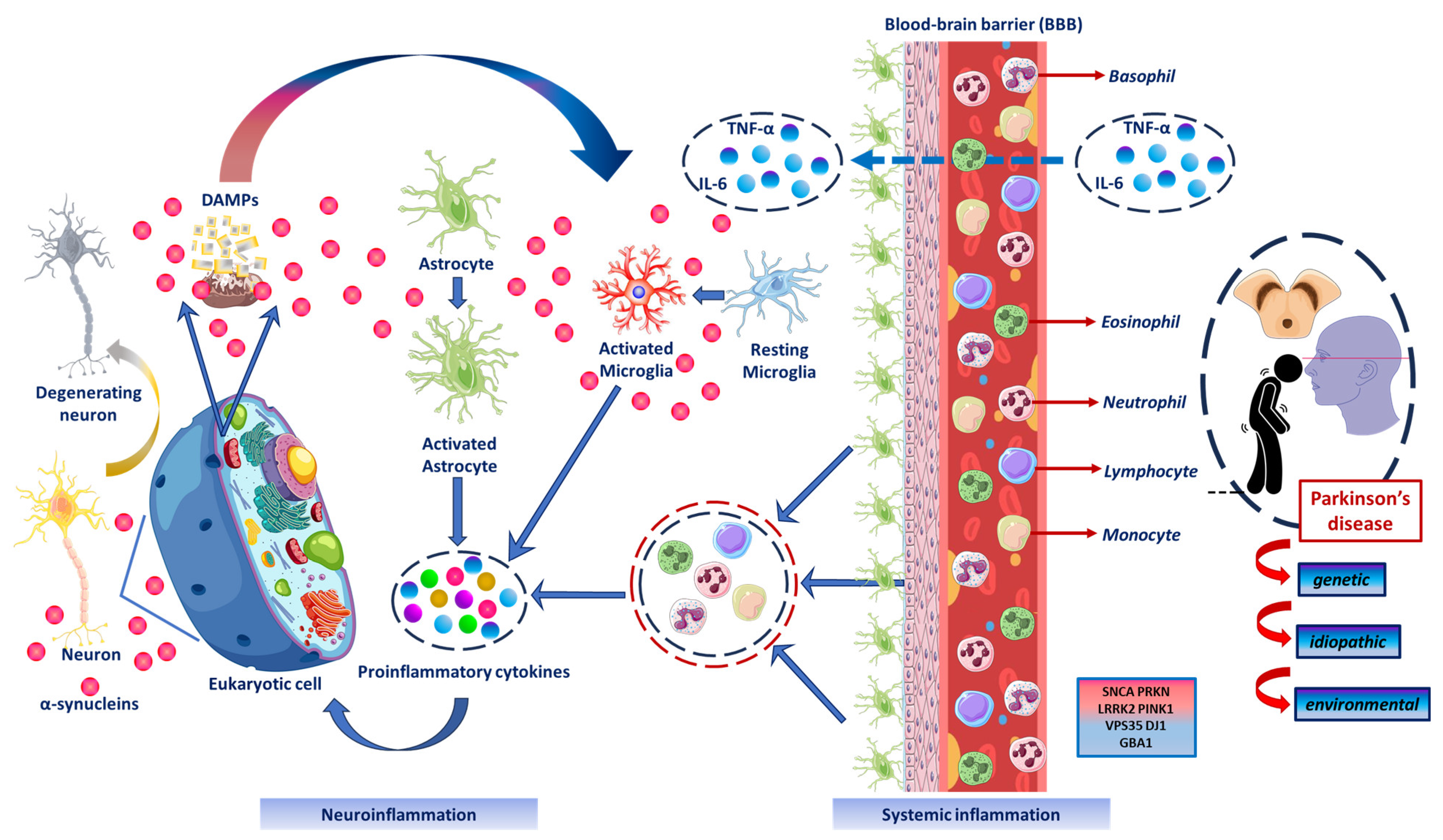
Disclaimer/Publisher’s Note: The statements, opinions and data contained in all publications are solely those of the individual author(s) and contributor(s) and not of MDPI and/or the editor(s). MDPI and/or the editor(s) disclaim responsibility for any injury to people or property resulting from any ideas, methods, instructions or products referred to in the content. |
© 2024 by the authors. Licensee MDPI, Basel, Switzerland. This article is an open access article distributed under the terms and conditions of the Creative Commons Attribution (CC BY) license (https://creativecommons.org/licenses/by/4.0/).