Article

An Environmental Pattern Recognition Method for Traditional Chinese Settlements Using Deep Learning


1
School of Information and Control Engineering, Xi’an University of Architecture and Technology, Xi’an 710055, China
2
College of Architecture, Xi’an University of Architecture and Technology, Xi’an 710055, China
*
Author to whom correspondence should be addressed.
Appl. Sci. 2023, 13(8), 4778; https://doi.org/10.3390/app13084778
Submission received: 20 February 2023 / Revised: 3 April 2023 / Accepted: 7 April 2023 / Published: 11 April 2023
(This article belongs to the Section Computing and Artificial Intelligence)

Abstract

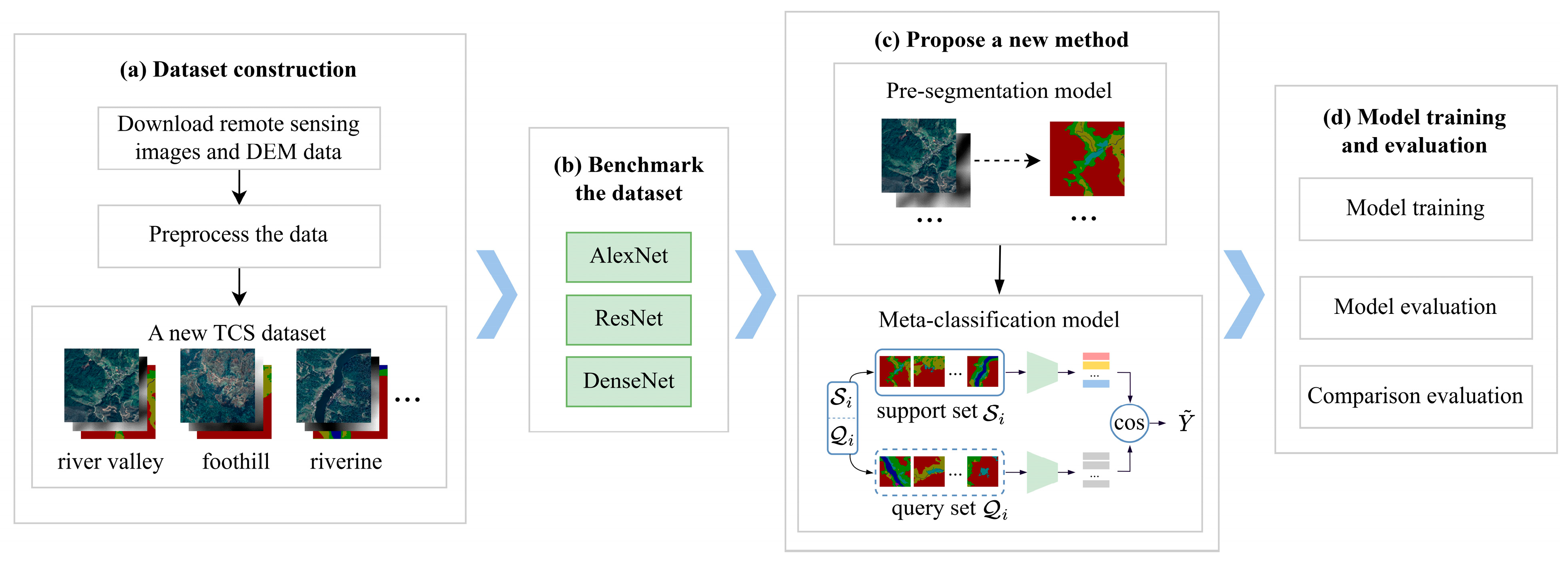
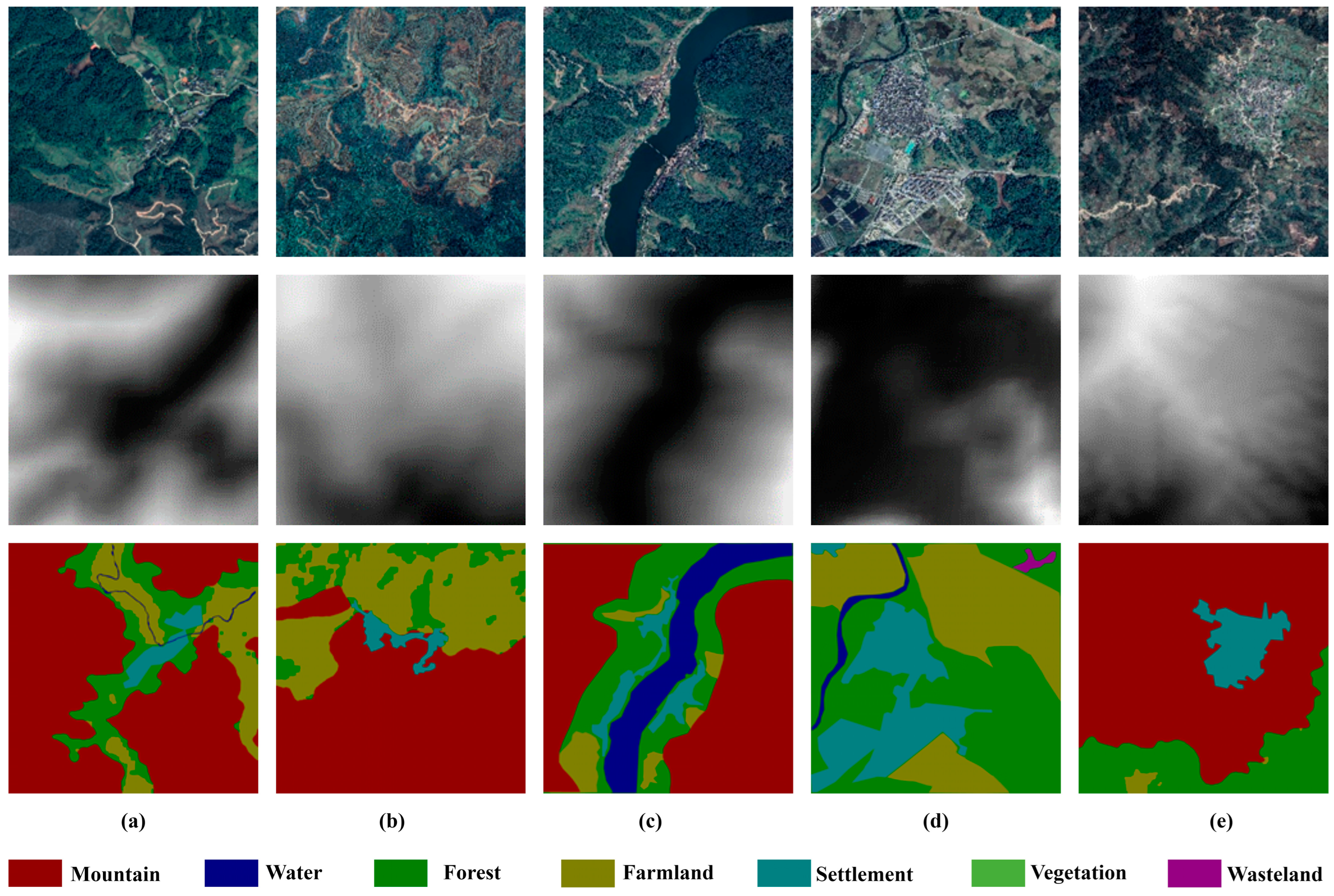
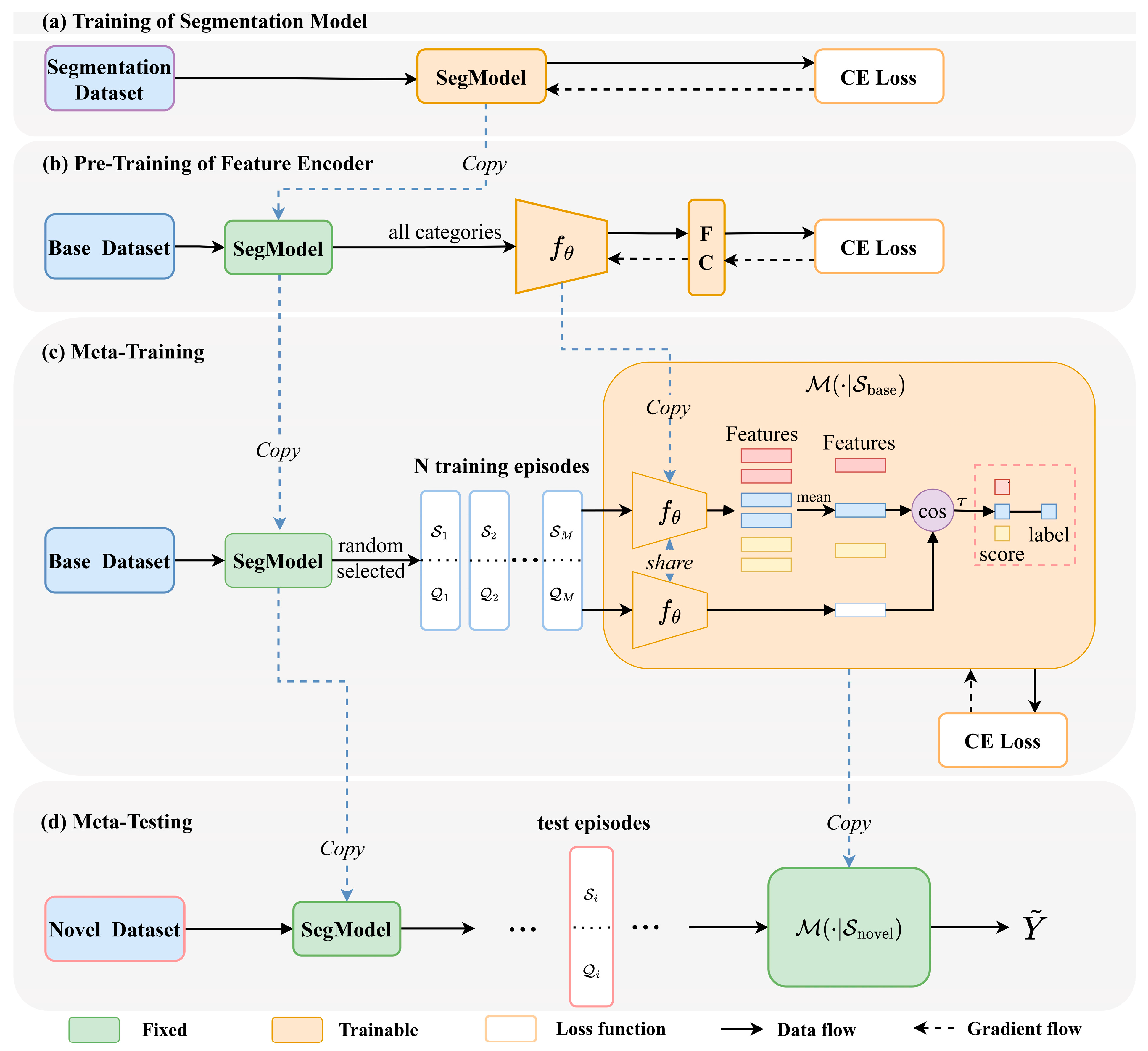
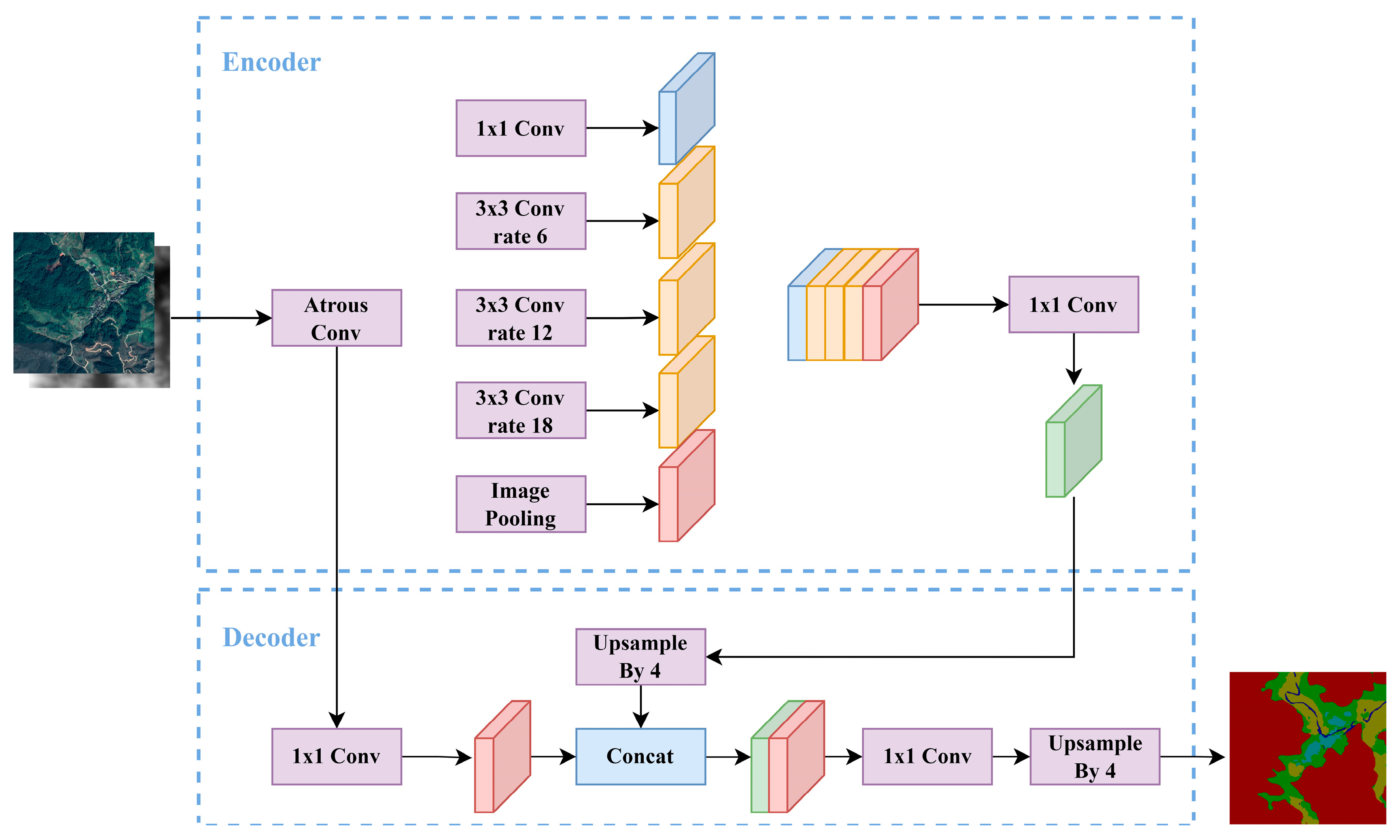
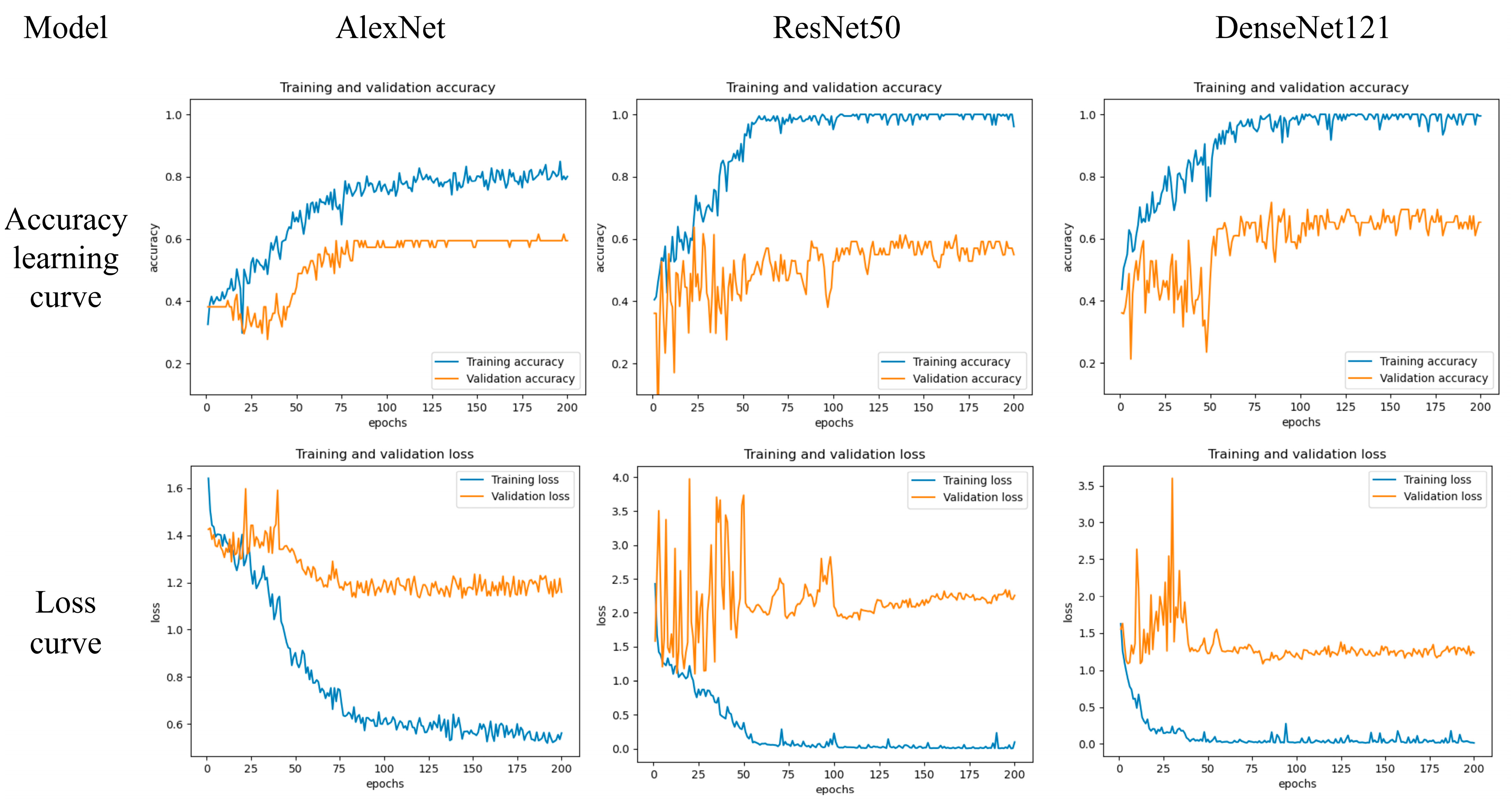
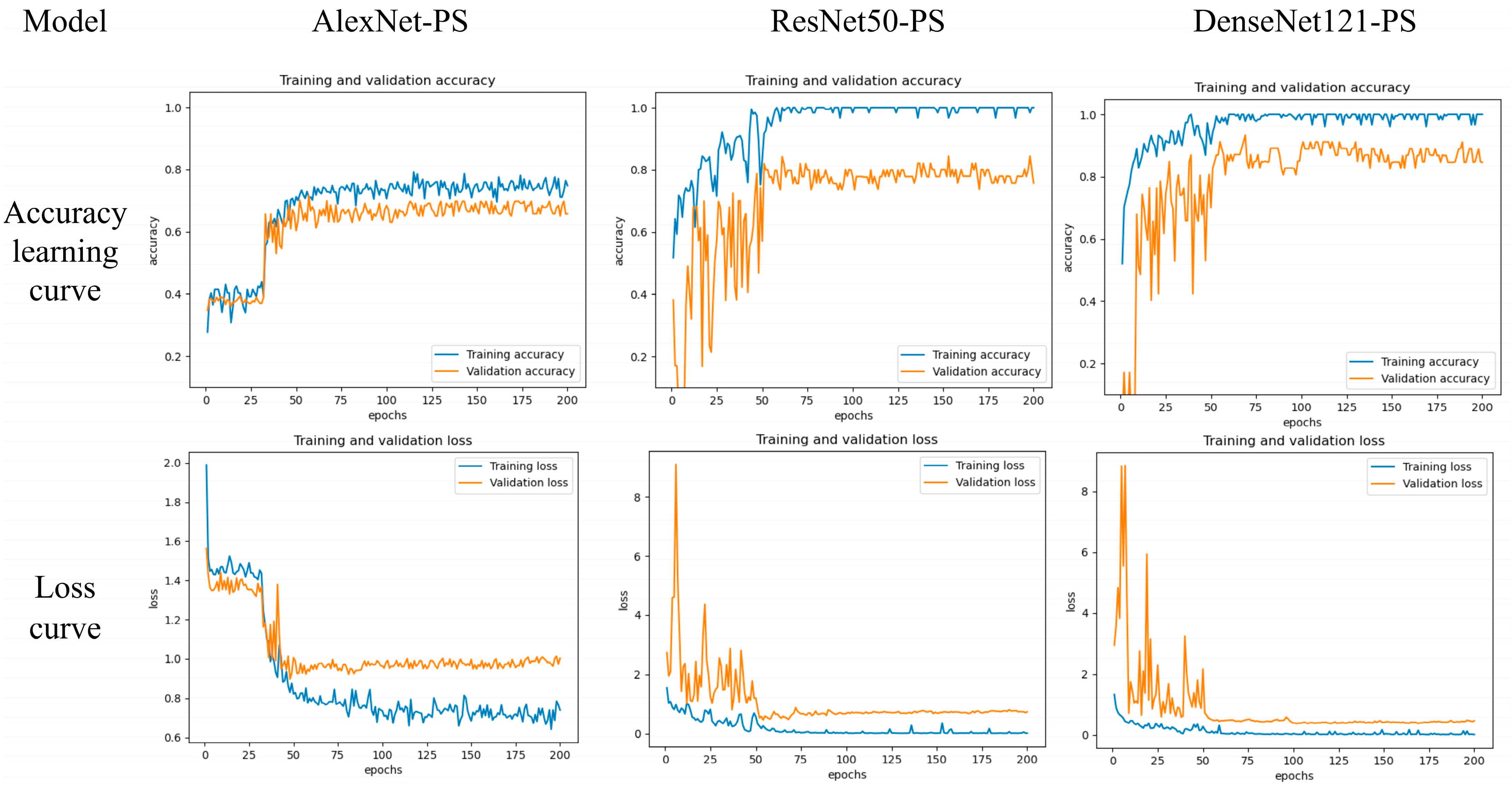
The recognition of environmental patterns for traditional Chinese settlements (TCSs) is a crucial task for rural planning. Traditionally, this task primarily relies on manual operations, which are inefficient and time consuming. In this paper, we study the use of deep learning techniques to achieve automatic recognition of environmental patterns in TCSs based on environmental features learned from remote sensing images and digital elevation models. Specifically, due to the lack of available datasets, a new TCS dataset was created featuring five representative environmental patterns. We also use several representative CNNs to benchmark the new dataset, finding that overfitting and geographical discrepancies largely contribute to low classification performance. Consequently, we employ a semantic segmentation model to extract the dominant elements of the input data, utilizing a metric-based meta-learning method to enable the few-shot recognition of TCS samples in new areas by comparing their similarities. Extensive experiments on the newly created dataset validate the effectiveness of our proposed method, indicating a significant improvement in the generalization ability and performance of the baselines. In sum, the proposed method can automatically recognize TCS samples in new areas, providing a powerful and reliable tool for environmental pattern research in TCSs.
Keywords: traditional Chinese settlements; environmental patterns; remote sensing images; digital elevation model; convolutional neural networks; few-shot learning traditional Chinese settlements; environmental patterns; remote sensing images; digital elevation model; convolutional neural networks; few-shot learning