
Article

The Historical Transformation of Peri-Urban Land Use Patterns, via Landscape GIS-Based Analysis and Landscape Metrics, in the Vesuvius Area


by
Elena Cervelli
1,2,3,* and
Stefania Pindozzi
1,2,3,4,*
1
Department of Agricultural Sciences, University of Naples Federico II, Via Università 100, 80055 Portici, Italy
2
Interdepartmental Laboratory of Territorial Planning (LUPT), University of Naples Federico II, Via Toledo 402, 80134 Naples, Italy
3
Task Force on Smart and Sustainable Mobility (SUM), University of Naples Federico II, 80134 Napoli, Italy
4
BAT Center—Interuniversity Center for Studies on Bioinspired Agro-Environmental Technology, University of Naples Federico II, 80055 Portici, Italy
*
Authors to whom correspondence should be addressed.
Appl. Sci. 2022, 12(5), 2442; https://doi.org/10.3390/app12052442
Submission received: 10 December 2021 / Revised: 17 January 2022 / Accepted: 24 February 2022 / Published: 26 February 2022

Abstract

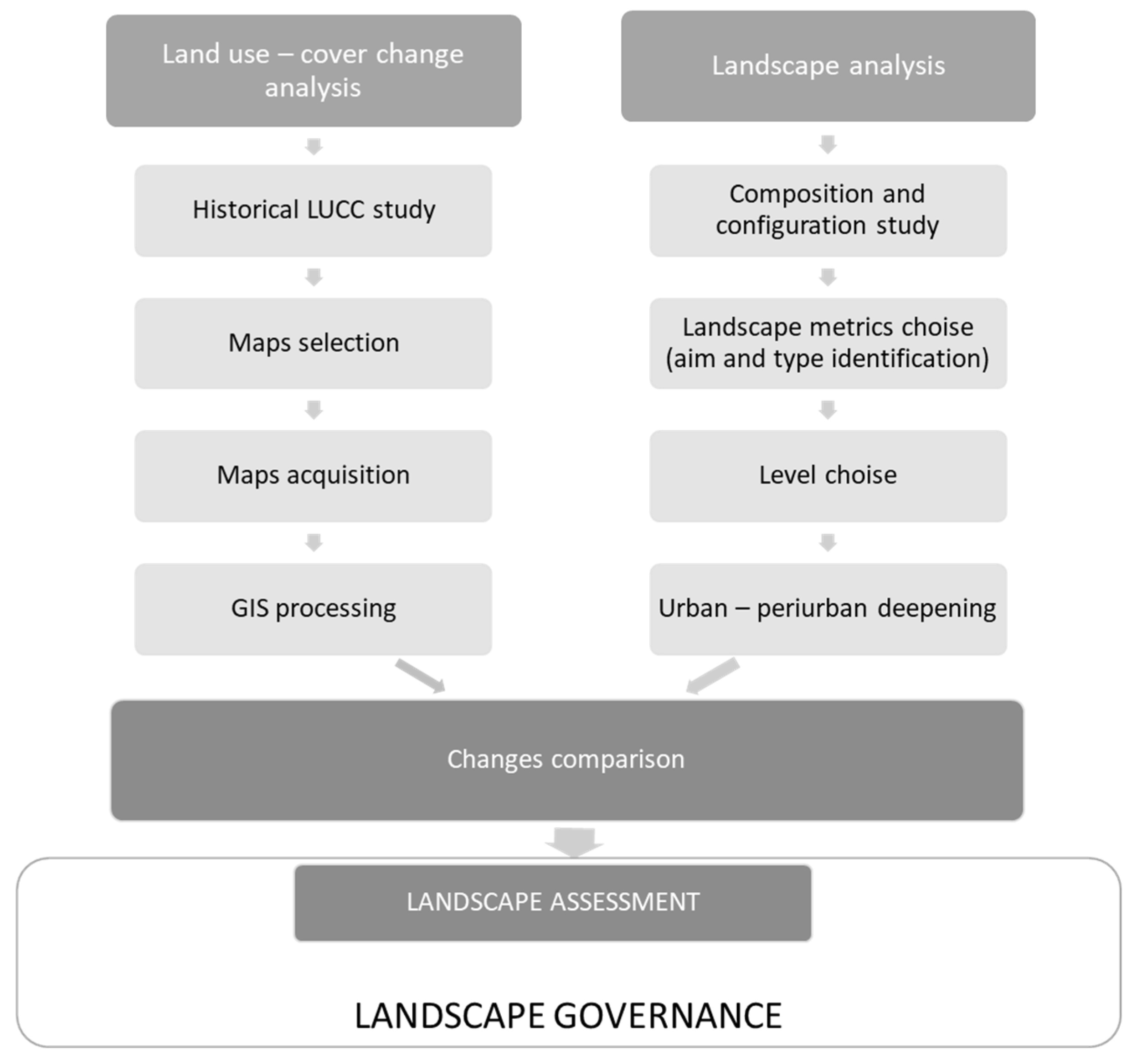
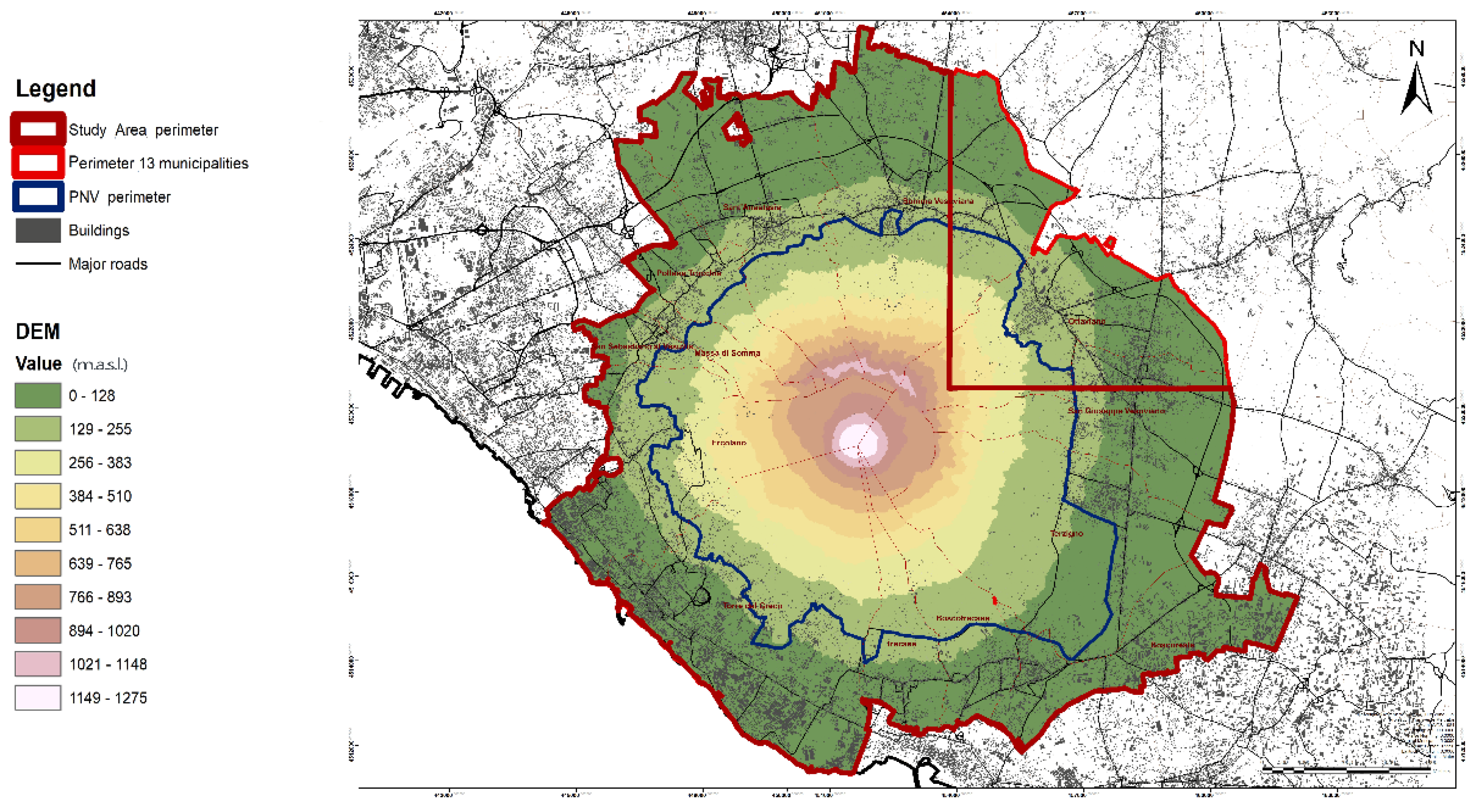
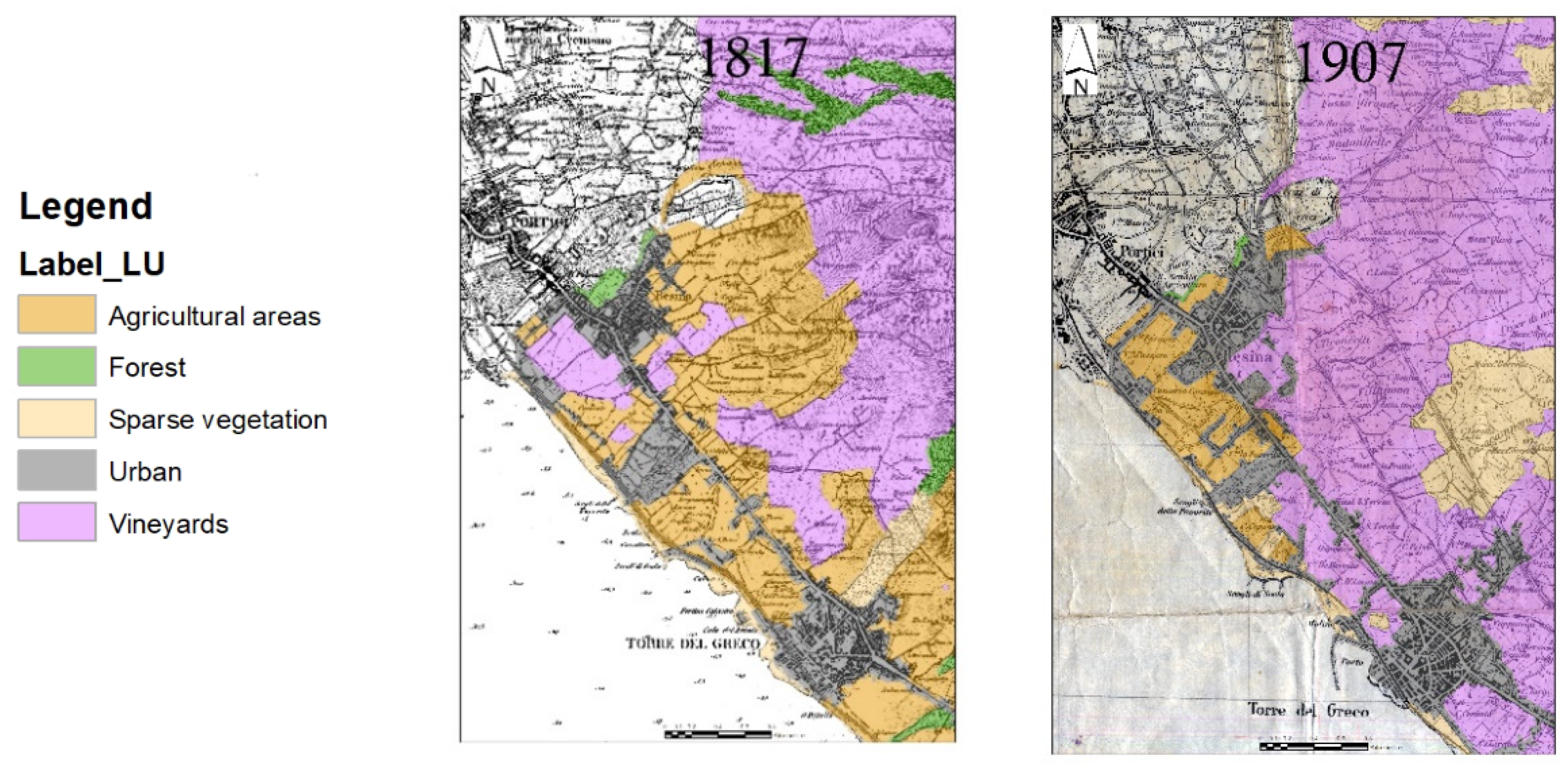
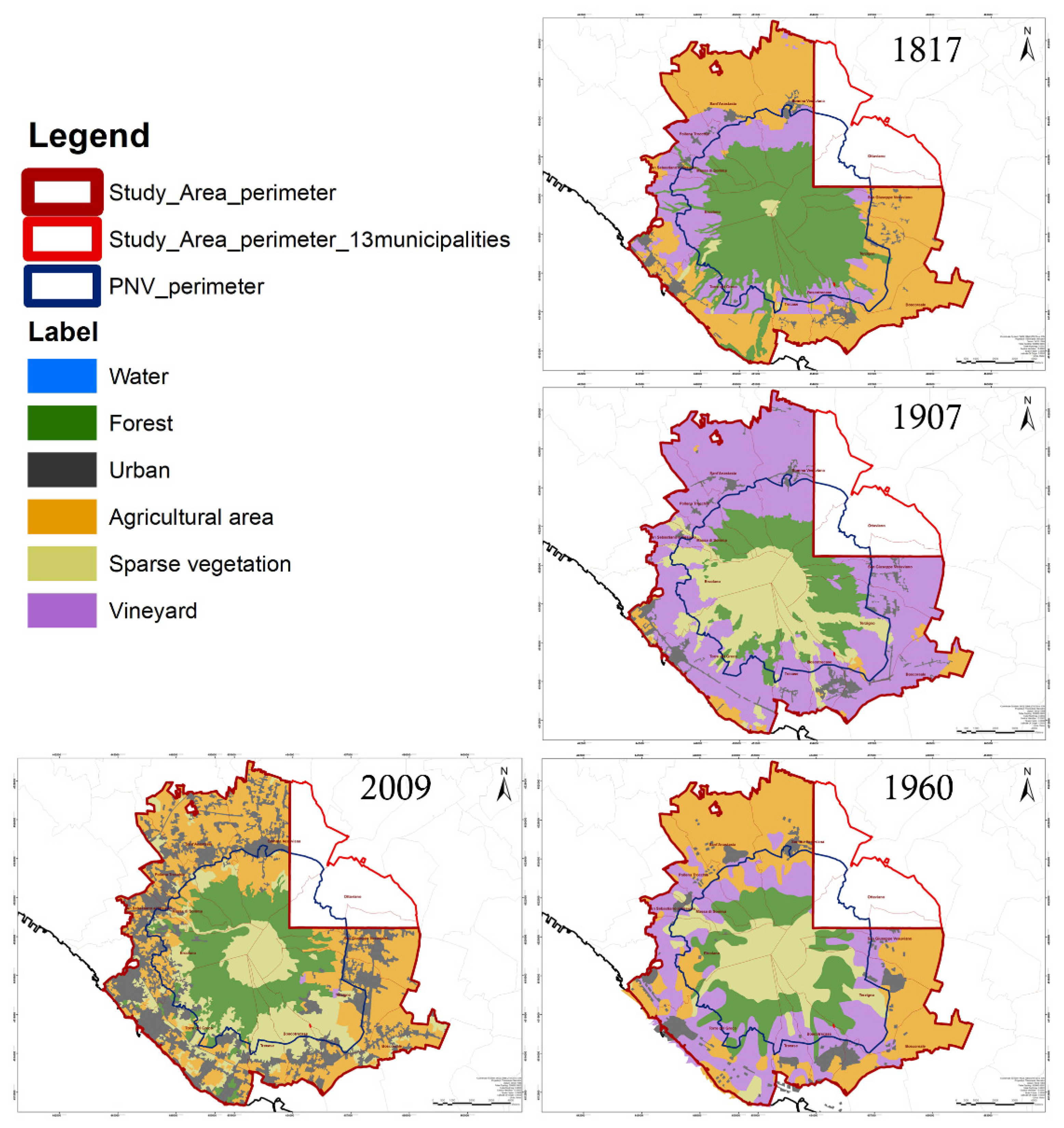
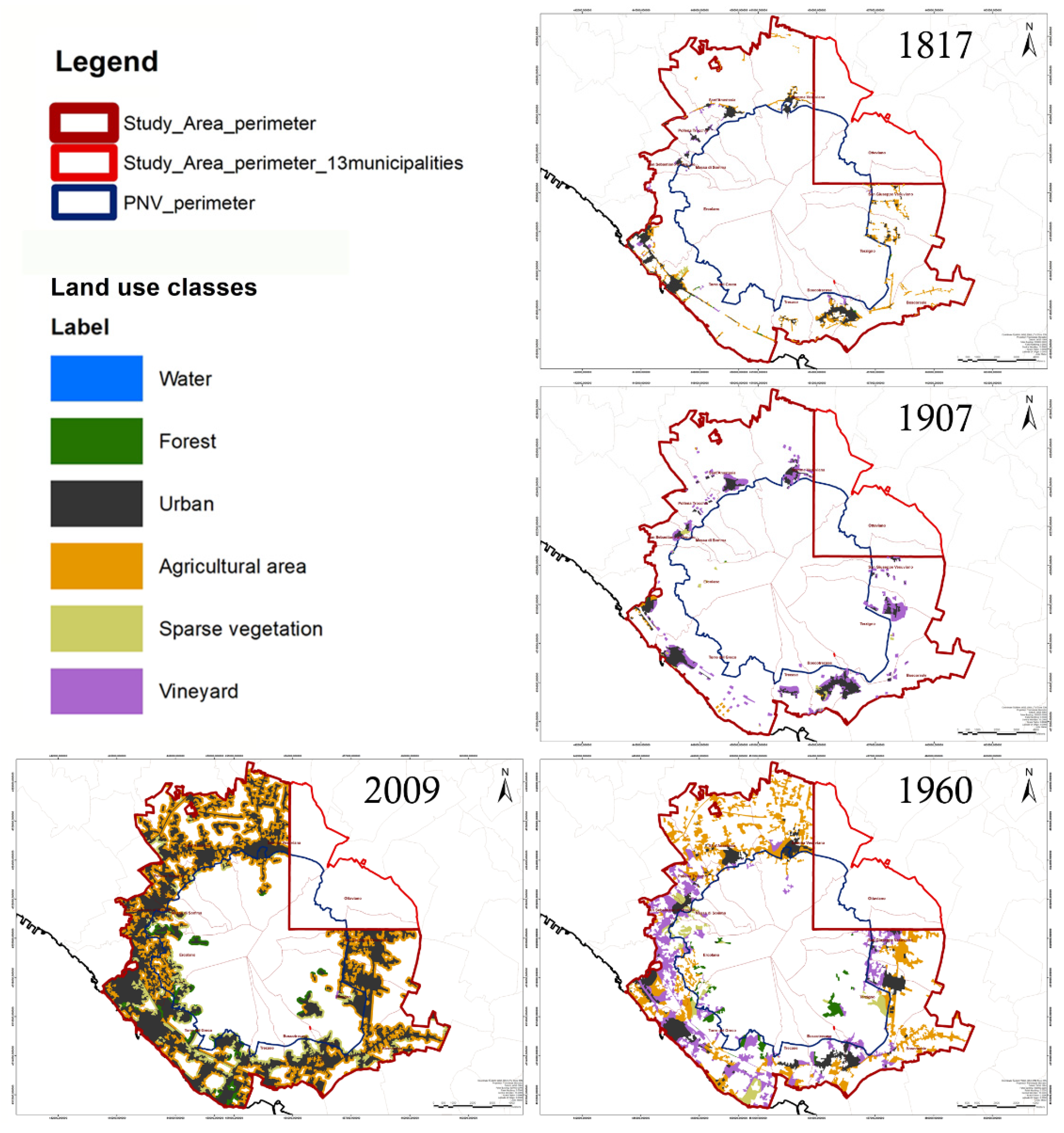
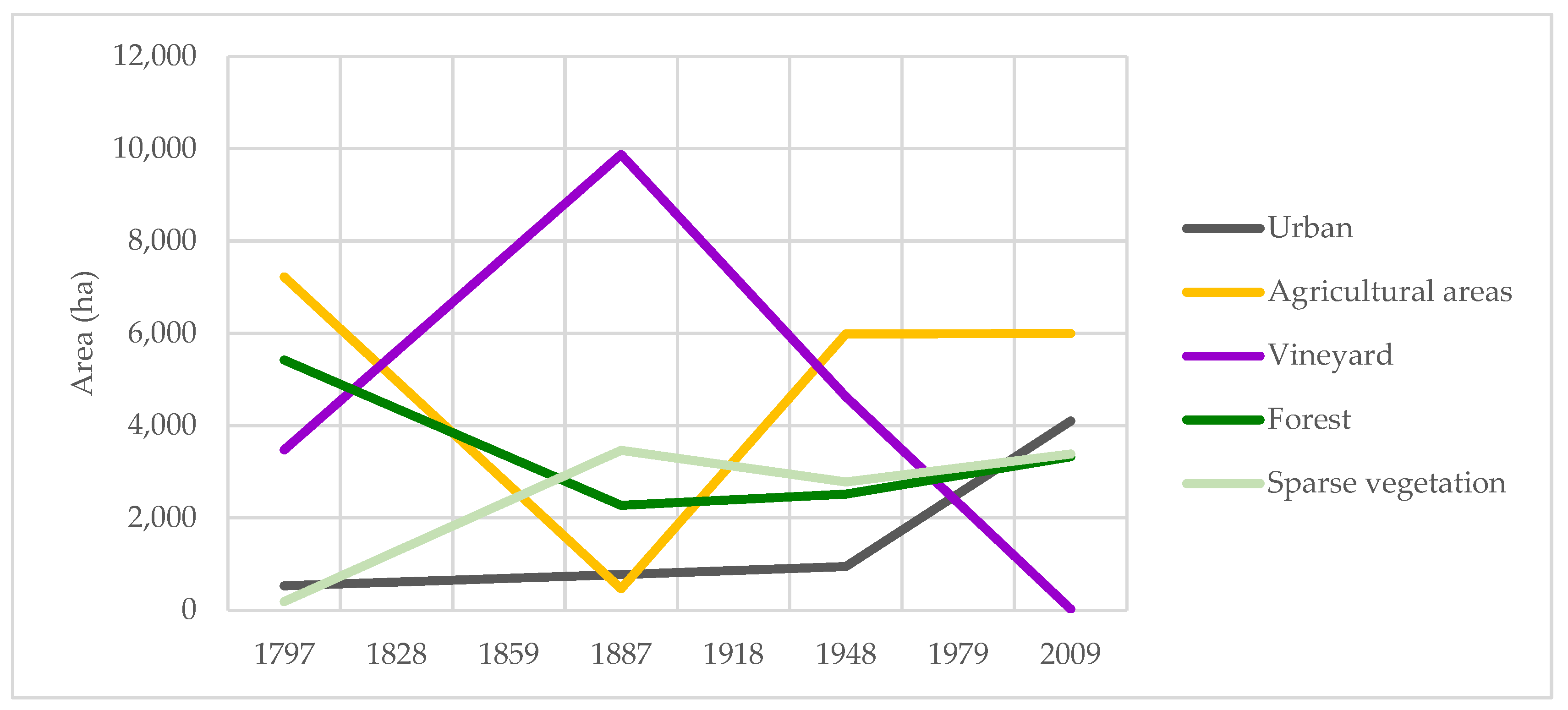
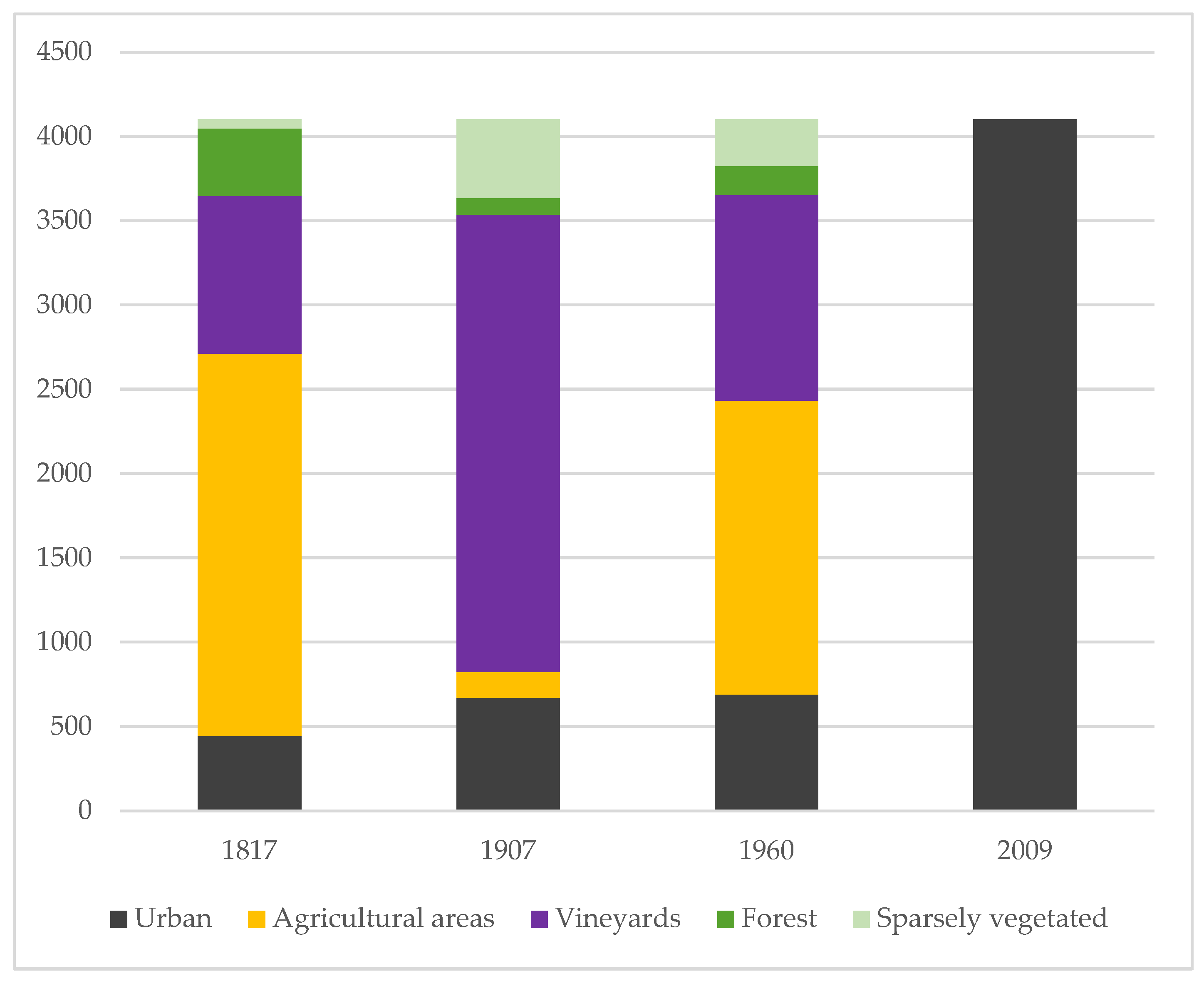
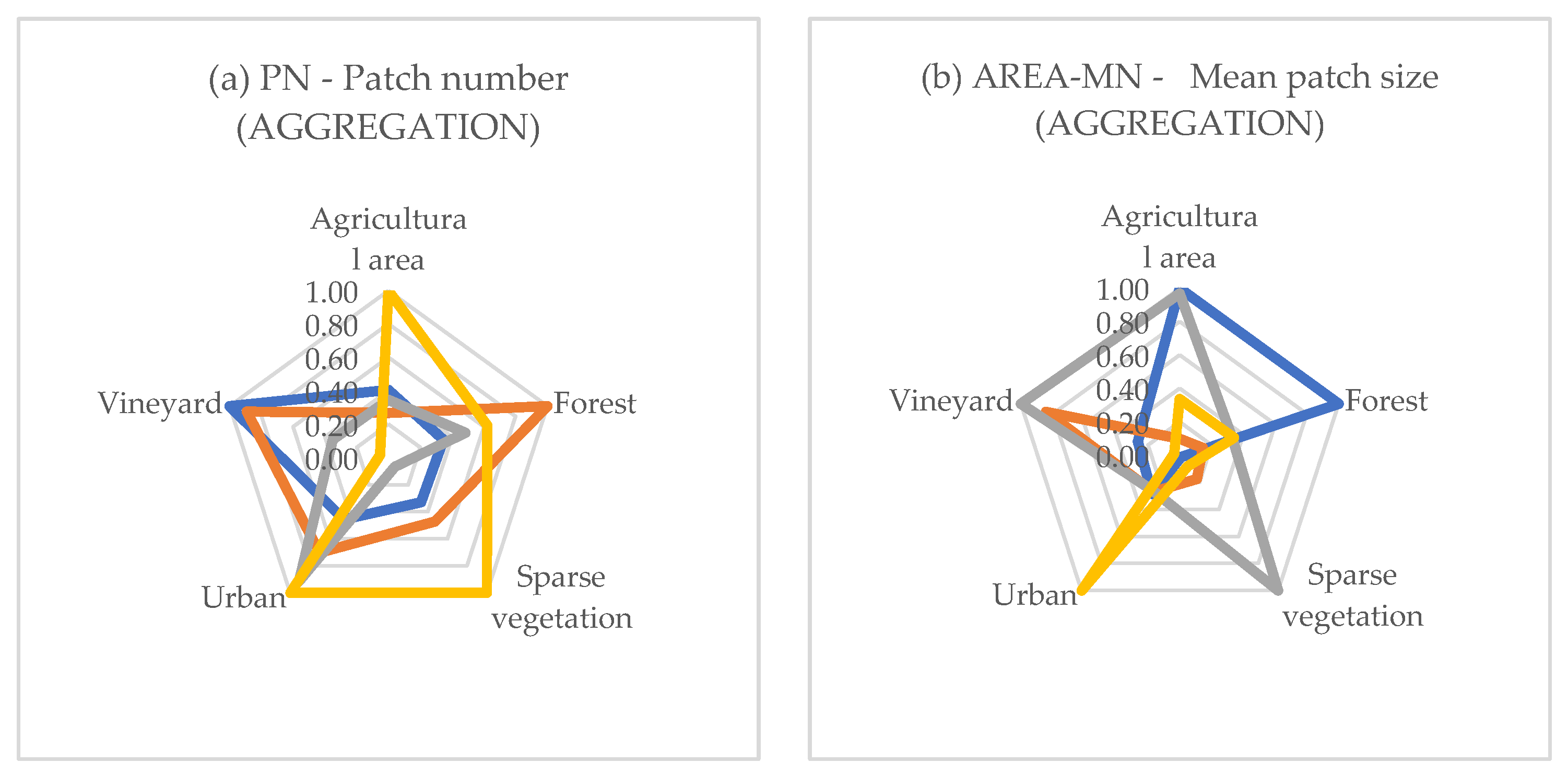
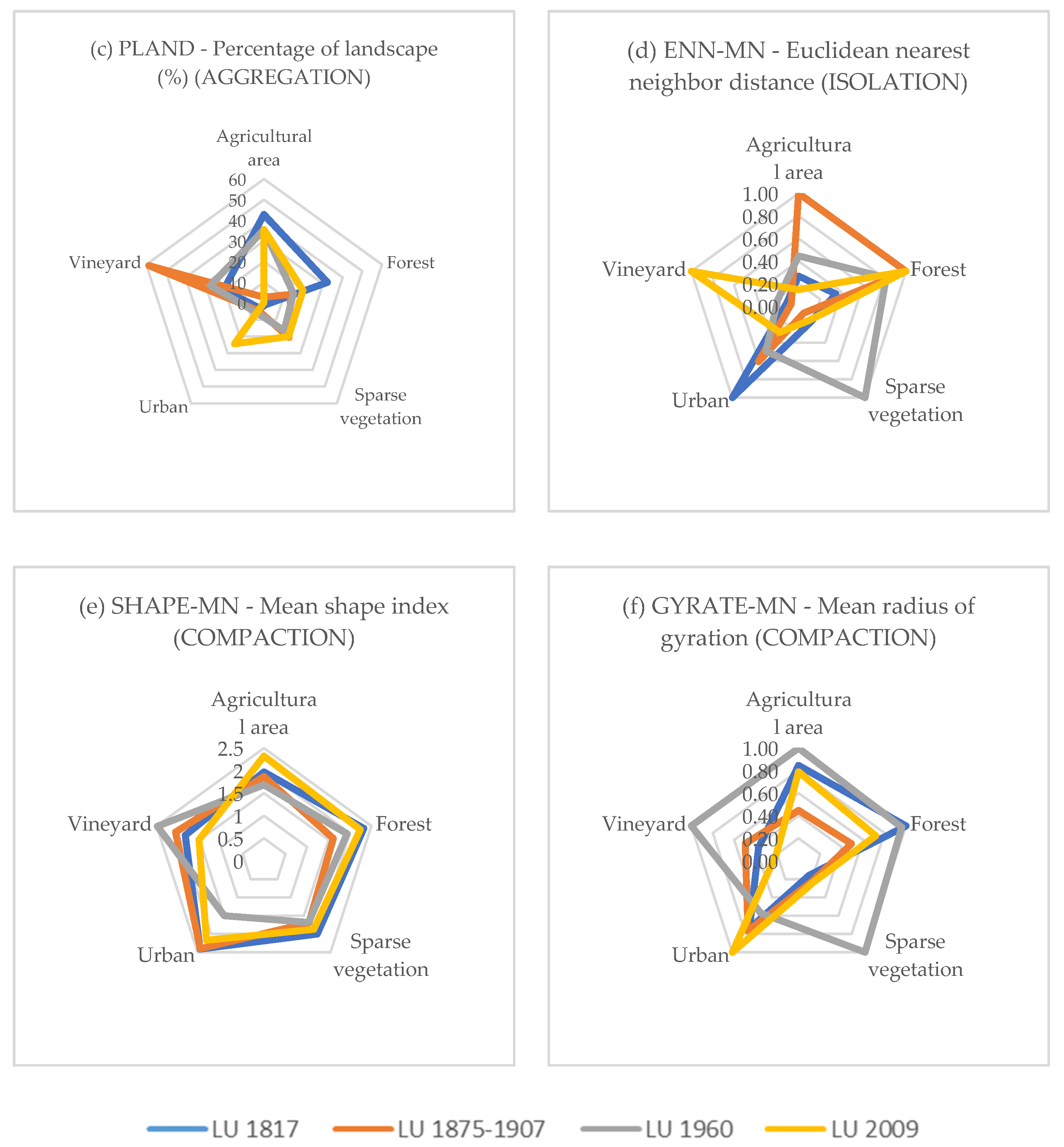
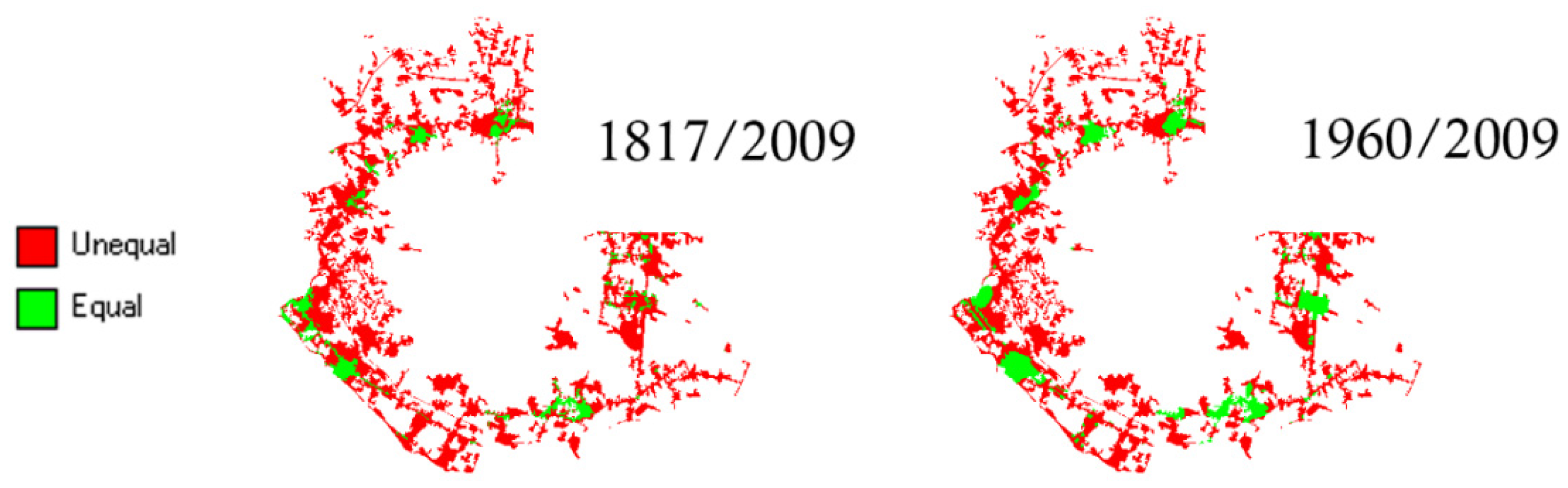
Peri-urban areas constitute an enormous resource in terms of natural capital, landscape heritage and economic activities, but, at the same time, they are often affected by physical and socio-economic degradation, drawing the attention of decision makers and planners. Many studies have focused on these contexts both in terms of suburbs, with a close dependence on urban centers, and new land typologies. The present paper focuses on documentary evidence of the direct impacts of urban growth on rural lands. The study area entails the Vesuvius National Park, which, belonging the Naples metropolis, is well-known for its historical, geo-morphologic and naturalistic value. Furthermore, the area has a history of high-quality cartographic production: the 1817, 1907, 1960, 2009 time steps maps were digitized, georeferenced, vectorized and compared in a GIS environment. The results highlight a strong change in land-use, in vineyards and urban class types, with a more disaggregated landscape mosaic. The approach shows that the historical modeling of land-use changes supports the understanding of current land-use dynamics and landscape patterns. The study also shows the need to integrate landscape planning and landscape ecology approaches, highlighting the close interactions between urban, agricultural and natural areas, for the purpose of supporting decision makers in land-use management and conservation policies.
Keywords: urban neighbour; historical maps; land use change; landscape metric; Geographic Information System (GIS) urban neighbour; historical maps; land use change; landscape metric; Geographic Information System (GIS)