
Computational Stemness and Cancer Stem Cell Markers in Oral Squamous Cell Carcinoma: A Systematic Review, Dual Meta-Analysis, and Functional Meta-Synthesis




Abstract
1. Introduction
2. Materials and Methods
2.1. Reporting Standards and Registration
2.2. Eligibility Criteria
- Participants (P): Adults with histologically confirmed oral squamous cell carcinoma (OSCC), irrespective of stage, primary treatment, or care setting.
- Interventions/Exposures (I): Two exposure families were considered: (i) computational stemness models derived from omic data (e.g., mRNAsi/OCLR-based indices, lncRNA or multigene prognostic signatures, and CSC gene-anchored models); and (ii) cancer stem cell immunomarkers assessed by immunohistochemistry (e.g., CD44, ALDH1/ALDH1A1, CD133, CD24, SLC7A11/xCT, including composite or invasive tumor front panels).
- Comparators (C): High versus low stemness risk or biomarker expression according to study-defined thresholds (e.g., median split, prespecified score, validated cut-off).
- Outcomes (O): Time-to-event outcomes with extractable effect estimates: overall survival (primary), and disease-specific and/or recurrence-free survival (secondary), preferentially reported as hazard ratios (HRs) with 95% confidence intervals. Clinicopathologic associations were collected when available.
- Study design (S): Human cohort studies (retrospective or prospective), including analyses of public OSCC datasets that report or allow derivation of HRs.
2.3. Information Sources and Search Strategy
2.4. Selection Process
2.5. Data Collection and Items
2.6. Risk of Bias Assessment
2.7. Certainty of Evidence
2.8. Data Synthesis and Statistical Analysis
2.9. Subgroup Analyses and Meta-Regression
2.10. Sensitivity Analyses
2.11. Functional Meta-Synthesis
3. Results
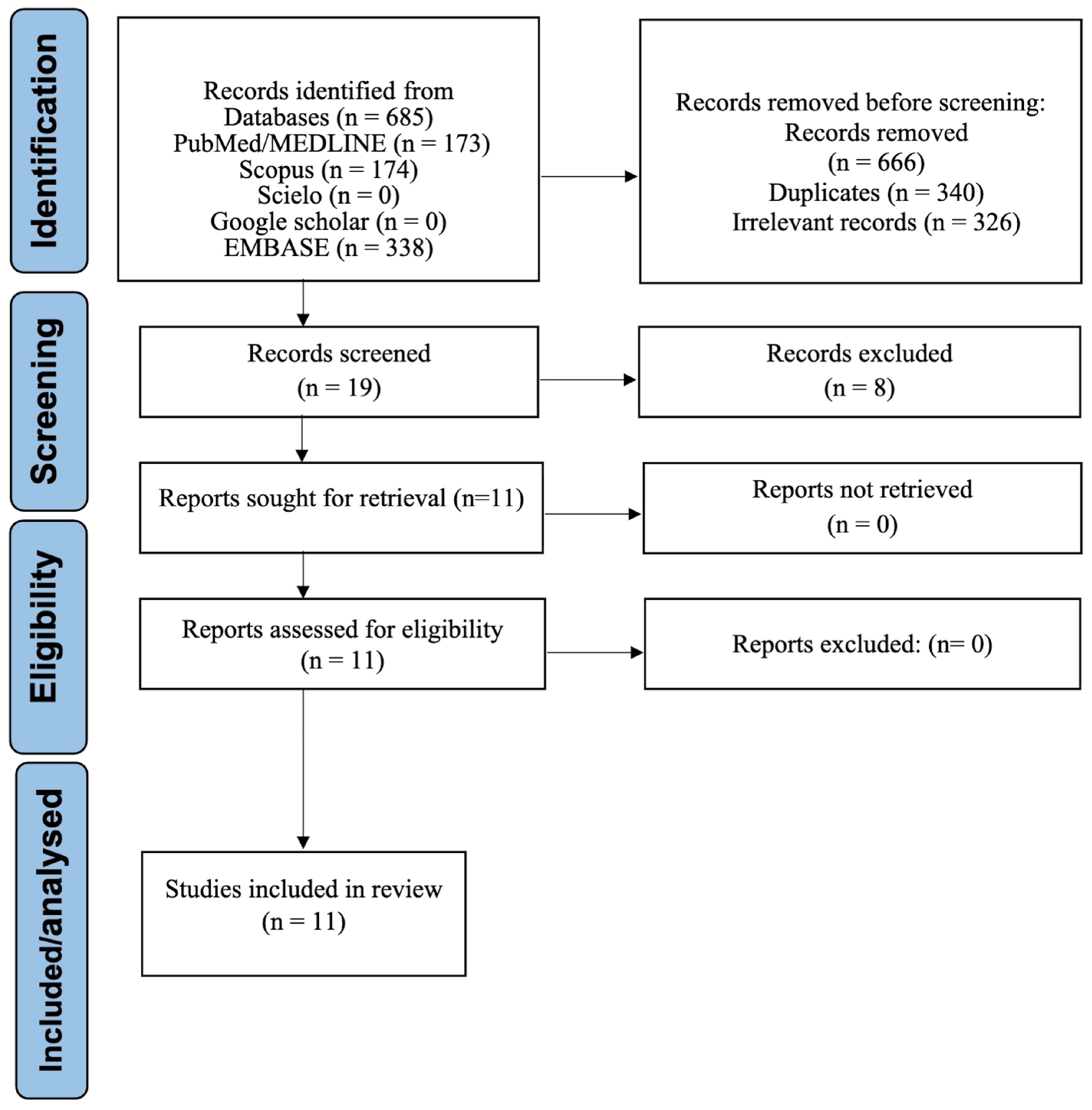
3.1. Study Selection
3.2. Characteristics of Included Studies
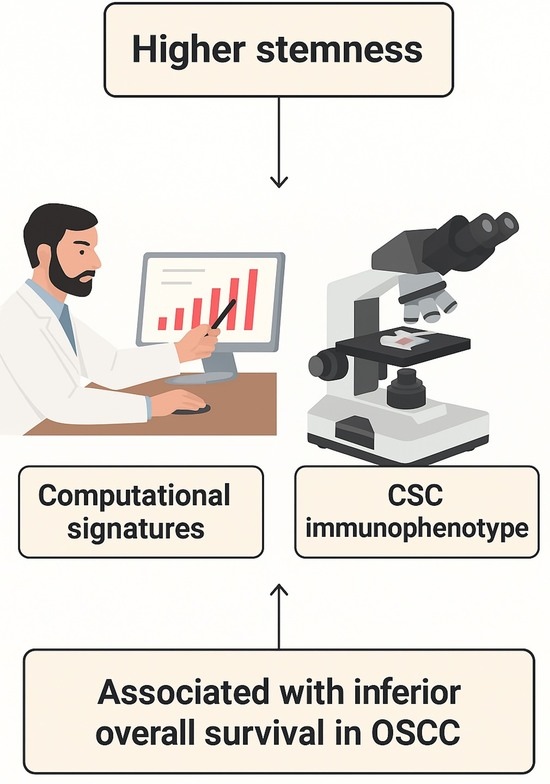
3.3. Computational Prognostic Signatures (Primary Outcome, Overall Survival)
3.3.1. Stemness-Related Gene Features Identified Across Computational Signatures
3.3.2. Additional Stemness-Related Features from Multigene and Epigenetic Signatures
3.4. CSC-IHC (Primary Outcome, Overall Survival)
Stemness-Related Immunohistochemical Markers Identified Across Included Studies
3.5. Functional Meta-Synthesis
3.6. Risk of Bias and Reporting Quality
3.7. Certainty of Evidence (GRADE)
4. Discussion
5. Conclusions
Supplementary Materials
Author Contributions
Funding
Institutional Review Board Statement
Informed Consent Statement
Data Availability Statement
Conflicts of Interest
References
- Sung, H.; Ferlay, J.; Siegel, R.L.; Laversanne, M.; Soerjomataram, I.; Jemal, A.; Bray, F. Global Cancer Statistics 2020: GLOBOCAN Estimates of Incidence and Mortality Worldwide for 36 Cancers in 185 Countries. CA Cancer J. Clin. 2021, 71, 209–249. [Google Scholar] [CrossRef]
- Chen, S.W.; Zhang, Q.; Guo, Z.M.; Chen, W.K.; Liu, W.W.; Chen, Y.F.; Li, Q.L.; Liu, X.K.; Li, H.; Ou-Yang, D.; et al. Trends in clinical features and survival of oral cavity cancer: Fifty years of experience with 3,362 consecutive cases from a single institution. Cancer Manag. Res. 2018, 10, 4523–4535. [Google Scholar] [CrossRef] [PubMed]
- Díaz-Laclaustra, A.I.; Álvarez-Martínez, E.; Ardila, C.M. Influence of Health System Affiliation and Pain Manifestation on Advanced Oral Cavity Squamous Cell Carcinoma Risk: A Retrospective Cohort Study in a Latin American Population. Dent. J. 2024, 12, 383. [Google Scholar] [CrossRef]
- Puram, S.V.; Tirosh, I.; Parikh, A.S.; Patel, A.P.; Yizhak, K.; Gillespie, S.; Rodman, C.; Luo, C.L.; Mroz, E.A.; Emerick, K.S.; et al. Single-Cell Transcriptomic Analysis of Primary and Metastatic Tumor Ecosystems in Head and Neck Cancer. Cell 2017, 171, 1611–1624.e24. [Google Scholar] [CrossRef]
- Prince, M.E.; Sivanandan, R.; Kaczorowski, A.; Wolf, G.T.; Kaplan, M.J.; Dalerba, P.; Weissman, I.L.; Clarke, M.F.; Ailles, L.E. Identification of a subpopulation of cells with cancer stem cell properties in head and neck squamous cell carcinoma. Proc. Natl. Acad. Sci. USA 2007, 104, 973–978. [Google Scholar] [CrossRef] [PubMed]
- Oliveira, L.R.; Castilho-Fernandes, A.; Oliveira-Costa, J.P.; Soares, F.A.; Zucoloto, S.; Ribeiro-Silva, A. CD44+/CD133+ immunophenotype and matrix metalloproteinase-9: Influence on prognosis in early-stage oral squamous cell carcinoma. Head Neck 2014, 36, 1539–1548. [Google Scholar]
- Lee, J.R.; Roh, J.L.; Lee, S.M.; Park, Y.; Cho, K.J.; Choi, S.H.; Nam, S.Y.; Kim, S.Y. Overexpression of cysteine-glutamate transporter and CD44 for prediction of recurrence and survival in patients with oral cavity squamous cell carcinoma. Head Neck 2018, 40, 2340–2346. [Google Scholar] [CrossRef]
- Ortiz, R.C.; Amôr, N.G.; Saito, L.M.; Santesso, M.R.; Lopes, N.M.; Buzo, R.F.; Fonseca, A.C.; Amaral-Silva, G.K.; Moyses, R.A.; Rodini, C.O. CSChighE-cadherinlow immunohistochemistry panel predicts poor prognosis in oral squamous cell carcinoma. Sci. Rep. 2024, 14, 10583. [Google Scholar] [CrossRef] [PubMed]
- Malta, T.M.; Sokolov, A.; Gentles, A.J.; Burzykowski, T.; Poisson, L.; Weinstein, J.N.; Kamińska, B.; Huelsken, J.; Omberg, L.; Gevaert, O.; et al. Machine Learning Identifies Stemness Features Associated with Oncogenic Dedifferentiation. Cell 2018, 173, 338–354.e15. [Google Scholar] [CrossRef]
- Feng, J.; Li, Y.; Wen, N. Characterization of cancer stem cell characteristics and development of a prognostic stemness index-related signature in oral squamous cell carcinoma. Dis. Markers 2021, 2021, 1571421. [Google Scholar] [CrossRef]
- Xu, Z.; Li, X.; Pan, L.; Tan, R.; Ji, P.; Tang, H. Development of a lncRNA-based prognostic signature for oral squamous cell carcinoma. J. Oral Pathol. Med. 2022, 51, 358–368. [Google Scholar]
- Yu, Y.; Niu, J.; Zhang, X.; Wang, X.; Song, H.; Liu, Y.; Jiao, X.; Chen, F. Identification and Validation of HOTAIRM1 as a Novel Biomarker for Oral Squamous Cell Carcinoma. Front. Bioeng. Biotechnol. 2022, 9, 798584. [Google Scholar] [CrossRef]
- Shi, M.; Huang, K.; Wei, J.; Wang, S.; Yang, W.; Wang, H.; Li, Y. Identification and Validation of a Prognostic Signature Derived from the Cancer Stem Cells for Oral Squamous Cell Carcinoma. Int. J. Mol. Sci. 2024, 25, 1031. [Google Scholar] [CrossRef] [PubMed]
- Lohavanichbutr, P.; Méndez, E.; Holsinger, F.C.; Rue, T.C.; Zhang, Y.; Houck, J.; Upton, M.P.; Futran, N.; Schwartz, S.M.; Wang, P.; et al. A 13-gene signature prognostic of HPV-negative OSCC: Discovery and external validation. Clin. Cancer Res. 2013, 19, 1197–1203. [Google Scholar] [CrossRef] [PubMed]
- Shen, S.; Wang, G.; Shi, Q.; Zhang, R.; Zhao, Y.; Wei, Y.; Chen, F.; Christiani, D.C. Seven-CpG-based prognostic signature coupled with gene expression predicts survival of oral squamous cell carcinoma. Clin. Epigenet. 2017, 9, 88. [Google Scholar] [CrossRef]
- Page, M.J.; McKenzie, J.E.; Bossuyt, P.M.; Boutron, I.; Hoffmann, T.C.; Mulrow, C.D.; Shamseer, L.; Tetzlaff, J.M.; Akl, E.A.; Brennan, S.E.; et al. The PRISMA 2020 statement: An updated guideline for reporting systematic reviews. BMJ 2021, 372, n71. [Google Scholar] [CrossRef]
- Hayden, J.A.; van der Windt, D.A.; Cartwright, J.L.; Côté, P.; Bombardier, C. Assessing bias in studies of prognostic factors. Ann. Intern. Med. 2013, 158, 280–286. [Google Scholar] [CrossRef]
- Altman, D.G.; McShane, L.M.; Sauerbrei, W.; Taube, S.E. Reporting Recommendations for Tumor Marker Prognostic Studies (REMARK): Explanation and elaboration. PLoS Med. 2012, 9, e1001216. [Google Scholar] [CrossRef] [PubMed]
- Guyatt, G.H.; Oxman, A.D.; Kunz, R.; Vist, G.E.; Falck-Ytter, Y.; Schünemann, H.J.; GRADE Working Group. GRADE guidelines: 1. Introduction—GRADE evidence profiles and summary of findings tables. J. Clin. Epidemiol. 2011, 64, 383–394. [Google Scholar] [PubMed]
- Götz, C.; Bissinger, O.; Nobis, C.; Wolff, K.D.; Drecoll, E.; Kolk, A. ALDH1 as a prognostic marker for lymph node metastasis in OSCC. Biomed. Rep. 2018, 9, 284–290. [Google Scholar] [CrossRef]
- Rao, R.S.; Raju, K.L.; Augustine, D.; Patil, S. Prognostic Significance of ALDH1, Bmi1, and OCT4 Expression in Oral Epithelial Dysplasia and Oral Squamous Cell Carcinoma. Cancer Control 2020, 27, 1073274820904959. [Google Scholar] [CrossRef]
- Tian, Y.; Wang, J.; Qin, C.; Zhu, G.; Chen, X.; Chen, Z.; Qin, Y.; Wei, M.; Li, Z.; Zhang, X.; et al. Identifying 8-mRNAsi-based signature for predicting survival in head and neck squamous cell carcinoma via machine learning. Front. Genet. 2020, 11, 566159. [Google Scholar] [CrossRef]
- Wu, Z.H.; Zhan, S.; Chen, Z.; Liu, J.; Xu, J. Identification of a cancer stem cells signature of head and neck squamous cell carcinoma. Front. Genet. 2022, 13, 867790. [Google Scholar] [CrossRef]
- Mirhashemi, M.; Sadeghi, M.; Ghazi, N.; Saghravanian, N.; Dehghani, M.; Aminian, A. Prognostic value of CD44 expression in oral squamous cell carcinoma: A meta-analysis. Ann. Diagn. Pathol. 2023, 67, 152213. [Google Scholar] [CrossRef] [PubMed]
- Mehendiratta, M.; Solomon, M.C.; Boaz, K.; Guddattu, V.; Mohindra, A. Clinico-pathological correlation of E-cadherin expression at the invasive tumor front of Indian oral squamous cell carcinomas: An immunohistochemical study. J. Oral. Maxillofac. Pathol. 2014, 18, 217–222. [Google Scholar] [CrossRef] [PubMed]
- de Freitas Filho, S.A.J.; Coutinho-Camillo, C.M.; Oliveira, K.K.; Bettim, B.B.; Pinto, C.A.L.; Kowalski, L.P.; Oliveira, D.T. Prognostic Implications of ALDH1 and Notch1 in Different Subtypes of Oral Cancer. J. Oncol. 2021, 2021, 6663720. [Google Scholar] [CrossRef]
- Kappler, M.; Kotrba, J.; Kaune, T.; Bache, M.; Rot, S.; Bethmann, D.; Wichmann, H.; Güttler, A.; Bilkenroth, U.; Horter, S.; et al. P4HA1: A single-gene surrogate of hypoxia signatures in oral squamous cell carcinoma patients. Clin. Transl. Radiat. Oncol. 2017, 5, 6–11. [Google Scholar] [CrossRef]
- Zhao, C.; Zhou, Y.; Ma, H.; Wang, J.; Guo, H.; Liu, H. A four-hypoxia-genes-based prognostic signature for oral squamous cell carcinoma. BMC Oral. Health 2021, 21, 232. [Google Scholar] [CrossRef] [PubMed]
- Koppula, P.; Zhuang, L.; Gan, B. Cystine transporter SLC7A11/xCT in cancer: Ferroptosis, nutrient dependency, and cancer therapy. Protein Cell 2021, 12, 599–620. [Google Scholar] [CrossRef] [PubMed]
- Ji, X.; Qian, J.; Rahman, S.M.J.; Siska, P.J.; Zou, Y.; Harris, B.K.; Hoeksema, M.D.; Trenary, I.A.; Heidi, C.; Eisenberg, R.; et al. xCT (SLC7A11)-mediated metabolic reprogramming promotes non-small cell lung cancer progression. Oncogene 2018, 37, 5007–5019. [Google Scholar] [CrossRef]
- Lin, W.; Wang, C.; Liu, G.; Bi, C.; Wang, X.; Zhou, Q.; Jin, H. SLC7A11/xCT in cancer: Biological functions and therapeutic implications. Am. J. Cancer Res. 2020, 10, 3106–3126. [Google Scholar] [PubMed]
- Yue, J.; Yin, Y.; Feng, X.; Xu, J.; Li, Y.; Li, T.; Liang, S.; He, X.; Liu, Z.; Wang, Y. Discovery of the Inhibitor Targeting the SLC7A11/xCT Axis through In Silico and In Vitro Experiments. Int. J. Mol. Sci. 2024, 25, 8284. [Google Scholar] [CrossRef]
- Zhang, Y.; Cai, H.; Liao, Y.; Zhu, Y.; Wang, F.; Hou, J. Activation of PGK1 under hypoxic conditions promotes glycolysis and increases stem cell-like properties and the epithelial-mesenchymal transition in oral squamous cell carcinoma cells via the AKT signalling pathway. Int. J. Oncol. 2020, 57, 743–755. [Google Scholar] [CrossRef] [PubMed]
- Li, Y.; Ge, Y.Z.; Qian, Y.; Chen, K.; Zhao, F.; Qin, Z.; Zhou, L.; Xu, L.; Xu, Z.; Dou, Q.; et al. The Role of P4HA1 in Multiple Cancer Types and its Potential as a Target in Renal Cell Carcinoma. Front. Genet. 2022, 13, 848456. [Google Scholar] [CrossRef] [PubMed]
- Hironaka, D.; Xiong, G. Enhanced Collagen Prolyl 4-Hydroxylase Activity and Expression Promote Cancer Progression via Both Canonical and Non-Canonical Mechanisms. Int. J. Mol. Sci. 2025, 26, 9371. [Google Scholar] [CrossRef]
- Elhamamsy, A.; Metge, B.J.; Swain, C.A.; Elbahoty, M.H.; Hinshaw, D.C.; Kammerud, S.C.; Chen, D.; Samant, R.S.; Shevde, L.A. Hypoxic stress incites HIF1α-driven ribosome biogenesis that can be exploited by targeting RNA Polymerase I. Nat. Commun. 2025, 16, 8018. [Google Scholar] [CrossRef]
- Tripathi, A.; Singh, M.; Mishra, P.; Fatima, N.; Kumar, V. Meta-Analysis of Prognostic Significance of Cancer Stem Cell Markers in Oral Squamous Cell Carcinoma. Asian Pac. J. Cancer Prev. 2024, 25, 3597–3607. [Google Scholar] [CrossRef]
- Zhou, C.; Sun, B. The prognostic role of the cancer stem cell marker aldehyde dehydrogenase 1 in head and neck squamous cell carcinomas: A meta-analysis. Oral. Oncol. 2014, 50, 1144–1148. [Google Scholar] [CrossRef]
- Fan, Z.; Li, M.; Chen, X.; Wang, J.; Liang, X.; Wang, H.; Wang, Z.; Cheng, B.; Xia, J. Prognostic Value of Cancer Stem Cell Markers in Head and Neck Squamous Cell Carcinoma: A Meta-analysis. Sci. Rep. 2017, 7, 43008. [Google Scholar] [CrossRef] [PubMed]
- Ardila, C.M.; Vivares-Builes, A.M.; Pineda-Vélez, E. Molecular Biomarkers and Machine Learning in Oral Cancer: A Systematic Review and Meta-Analysis. Oral Dis. 2025; early view. [Google Scholar] [CrossRef]
- Ardila, C.M.; Yadalam, P.K. Unresolved questions in the application of artificial intelligence virtual cells for cancer research. Mil. Med. Res. 2025, 12, 19. [Google Scholar] [CrossRef] [PubMed]



| Author, Year | Domain | Exposure/Signature | Endpoint(s) Reported | Effect Estimate (HR/CI) | Validation/Setting | Notes |
|---|---|---|---|---|---|---|
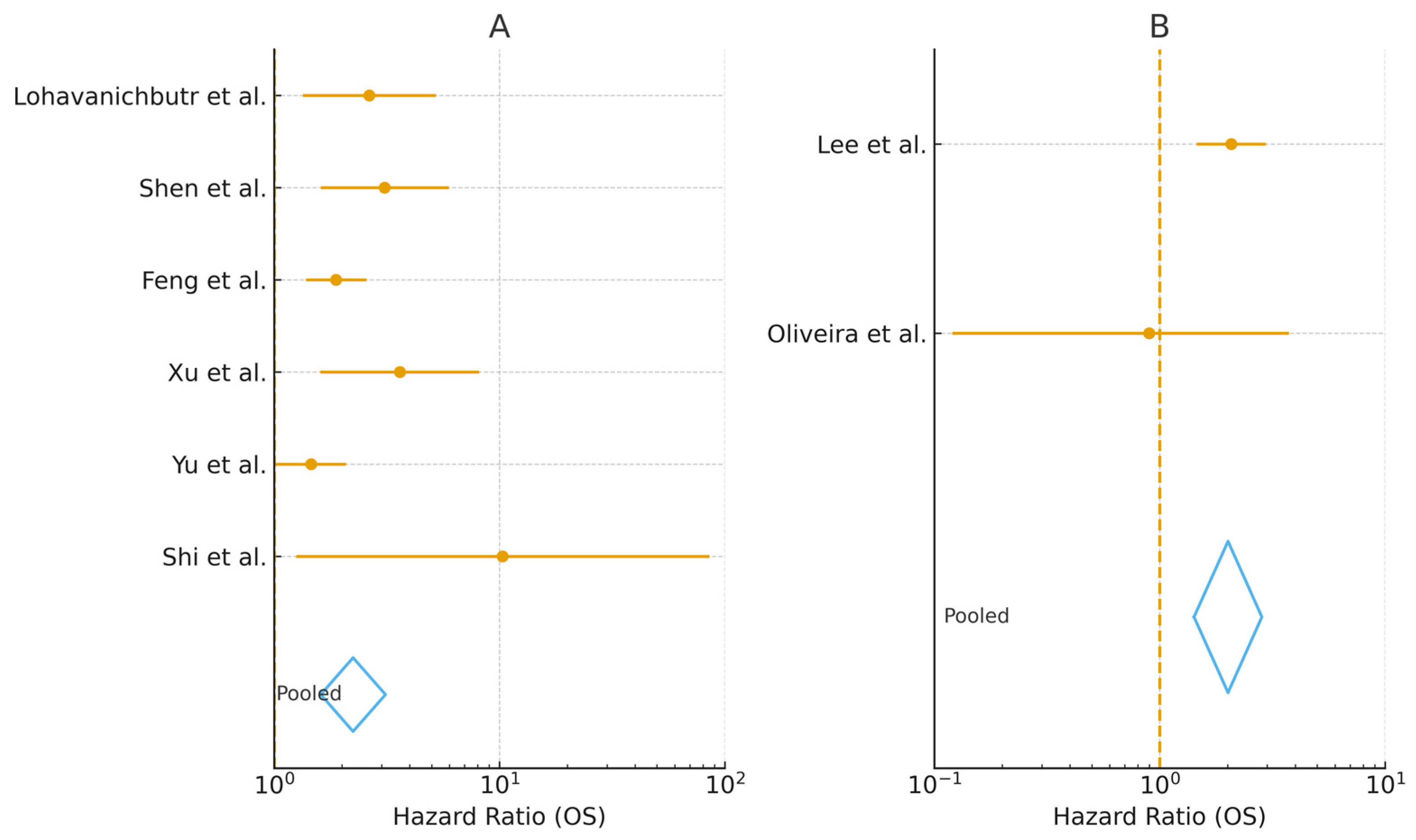
| Oliveira et al., 2014 [6] | CSC-IHC | CD44+/CD133+ phenotype | OS | RR (Cox) 0.897 (0.120–3.746) * | Tissue IHC | Reported as RR from a Cox model; CI and p are inconsistent (p = 0.027). Used with caution; flagged for verification. |
| Lee et al., 2018 [7] | CSC-IHC | CD44 and xCT (SLC7A11) | OS; RFS; DSS | HR 2.078 (1.457–2.962) (multivariable) | Tissue IHC | Center vs. invasive front reported; combined CD44 + xCT model. |
| Ortiz et al., 2024 [8] | CSC-IHC | CSChigh/E-cadlow; ALDH1high | OS (1-year HR); metastasis | HR 0.101 (0.0108–0.9355) at 1 year (multivariable) | Tissue IHC | Different time horizon; included only in sensitivity analyses. |
| Feng et al., 2021 [10] | Computational | mRNAsi index; 11-gene signature | OS | HR 1.883 (1.381–2.568) (multivariable) | Transcriptomics | Risk score model; Cox adjusted. |
| Xu et al., 2022 [11] | Computational | 14-lncRNA signature | OS | HR 3.61 (1.60–8.12) (multivariable) | Transcriptomics | External validation reported. |
| Yu et al., 2022 [12] | Computational | HOTAIRM1 (lncRNA) | OS | HR 1.458 (1.019–2.087) (multivariable) | Transcriptomics | Uni-/multivariable Cox reported. |
| Shi et al., 2024 [13] | Computational | 6-gene signature (CSC-derived) | OS | HR 10.32 (1.25–85.25) (univariate, KM-derived) | Transcriptomics | Signature-level HR from KM panel; per-gene HRs also reported. |
| Lohavanichbutr et al., 2013 [14] | Computational | 13-gene signature (HPV-negative) | OS | HR available | Transcriptomics | External validation reported. |
| Shen et al., 2017 [15] | Computational | 7-CpG methylation signature | OS (AUC also reported) | HR available (combined validation) | Epigenetics + gene expression (GE) | External validation; combined in analysis. |
| Götz et al., 2018 [20] | CSC-IHC | ALDH1 | OS (Cox mentioned; HR not reported/insufficient for extraction) | No Cox HR retrievable | Tissue IHC | Narrative only. |
| Rao et al., 2020 [21] | CSC-IHC | CSC panel | OS (Kaplan–Meier/log-rank only) | No Cox HR | Tissue IHC | Narrative only. |
| Marker/Gene/Signature | Evidence Stream | Associated Pathway | Biological Function | Stemness-Related Feature |
|---|---|---|---|---|
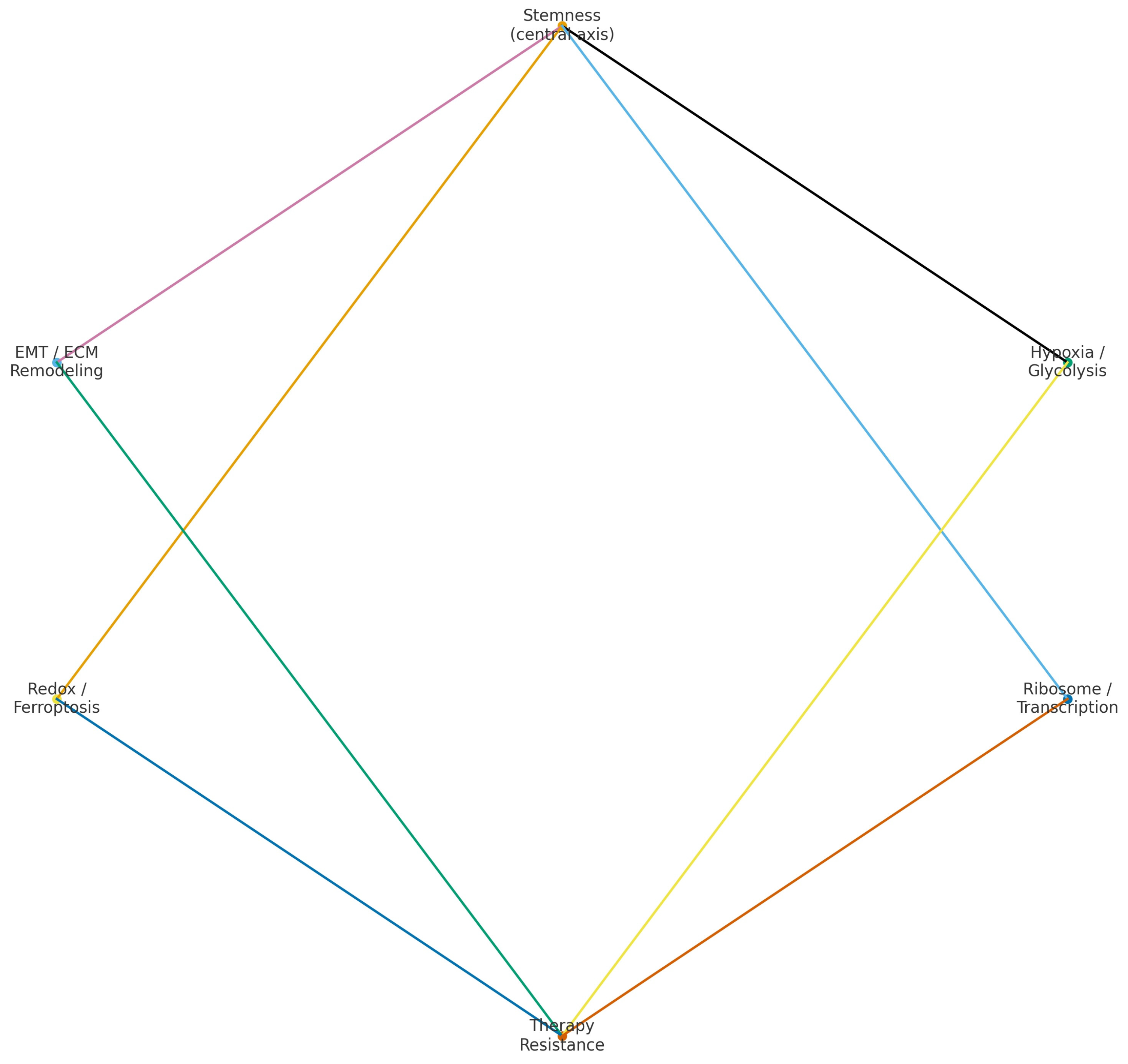
| PGK1 | Computational | Glycolysis | Catalyzes ATP-generating step in glycolysis | Supports metabolic activity associated with stem-like states |
| P4HA1 | Computational | ECM remodeling/Hypoxia | Collagen maturation and extracellular matrix organization | Reflects structural adaptation linked to stem-associated programs |
| ADM | Computational | Hypoxia/Angiogenesis | Peptide involved in hypoxia signaling and vascular response | Contributes to stress-responsive transcriptional programs |
| PTGR1 | Computational | Eicosanoid/Arachidonic acid metabolism | Enzyme in prostaglandin metabolism | Associated with metabolic and inflammatory regulation |
| RPL35A | Computational | Ribosome biogenesis | Component of the 60S ribosomal subunit | Supports biosynthetic capacity typical of proliferative states |
| POLR1D | Computational | Transcription/rRNA synthesis | Subunit of RNA polymerase I | Contributes to enhanced transcriptional output |
| 14-lncRNA signature | Computational | Regulatory non-coding networks | Modulation of gene expression and cellular signaling | Represents transcriptomic regulatory components associated with stemness patterns |
| HOTAIRM1 | Computational | lncRNA-mediated regulation | Regulation of gene expression linked to differentiation pathways | Associated with high-risk stemness indices |
| Multigene signatures (11-gene, 13-gene) | Computational | Mixed (metabolic, structural, regulatory) | Combined gene sets influencing multiple cellular programs | Capture multi-pathway contributions to stem-associated tumor profiles |
| 7-CpG methylation classifier | Computational | Epigenetic modification | DNA methylation affecting gene regulation | Reflects epigenetic patterns associated with de-differentiation |
| CD44 | IHC | Adhesion/EMT | Cell-surface receptor for hyaluronan | Marks cell adhesion variability associated with CSC profiles |
| CD133 | IHC | Stem cell membrane signaling | Pentaspan transmembrane protein | Used to identify subpopulations with stem-like properties |
| SLC7A11/xCT | IHC | Redox regulation/Cystine transport | Component of the cystine–glutamate antiporter | Contributes to regulation of redox balance in stem-associated phenotypes |
| ALDH1 | IHC | Retinoid/Aldehyde metabolism | Detoxifying enzyme family | Reflects enzyme activity associated with cellular self-renewal |
| E-cadherin | IHC | Cell–cell adhesion | Maintenance of epithelial integrity | Altered expression observed in invasive tumor front phenotypes |
| Domain/Scenario | Studies | k | Model | Pooled HR (95% CI) | Heterogeneity (I2) | Notes |
|---|---|---|---|---|---|---|
| Computational—main | [10,11,12,13,14,15] | 6 | Random-effects (REML) | 2.24 (1.61–3.12) | 49.1% | Includes Shi et al. [13] (KM-derived) |
| Computational—sensitivity (excl. Shi et al. [13]) | [10,11,12,13,14,15] | 5 | Random-effects (REML) | 2.13 (1.56–2.89) | 46.4% | Robust to exclusion |
| CSC-IHC—main | [6,7] | 2 | Random-effects (REML) | 2.01 (1.42–2.84) | ≈0% | Oliveira et al. [6] flagged; interpret with caution |
| CSC-IHC—sensitivity (exclude Oliveira et al. [6]) | [7] | 1 | Fixed effect | 2.078 (1.457–2.962) | Not applicable (k = 1) | Single-study estimate |
| CSC-IHC—sensitivity (include Ortiz et al. [8], 1-year) | [6,7,8] | 3 | Random-effects (REML) | 0.77 (0.16–3.81) | 73.7% | Different time horizon drives heterogeneity |
| Domain/Outcome | k (Studies) | Effect (Direction) | Overall Certainty | Downgrades (Why) | Notes |
|---|---|---|---|---|---|
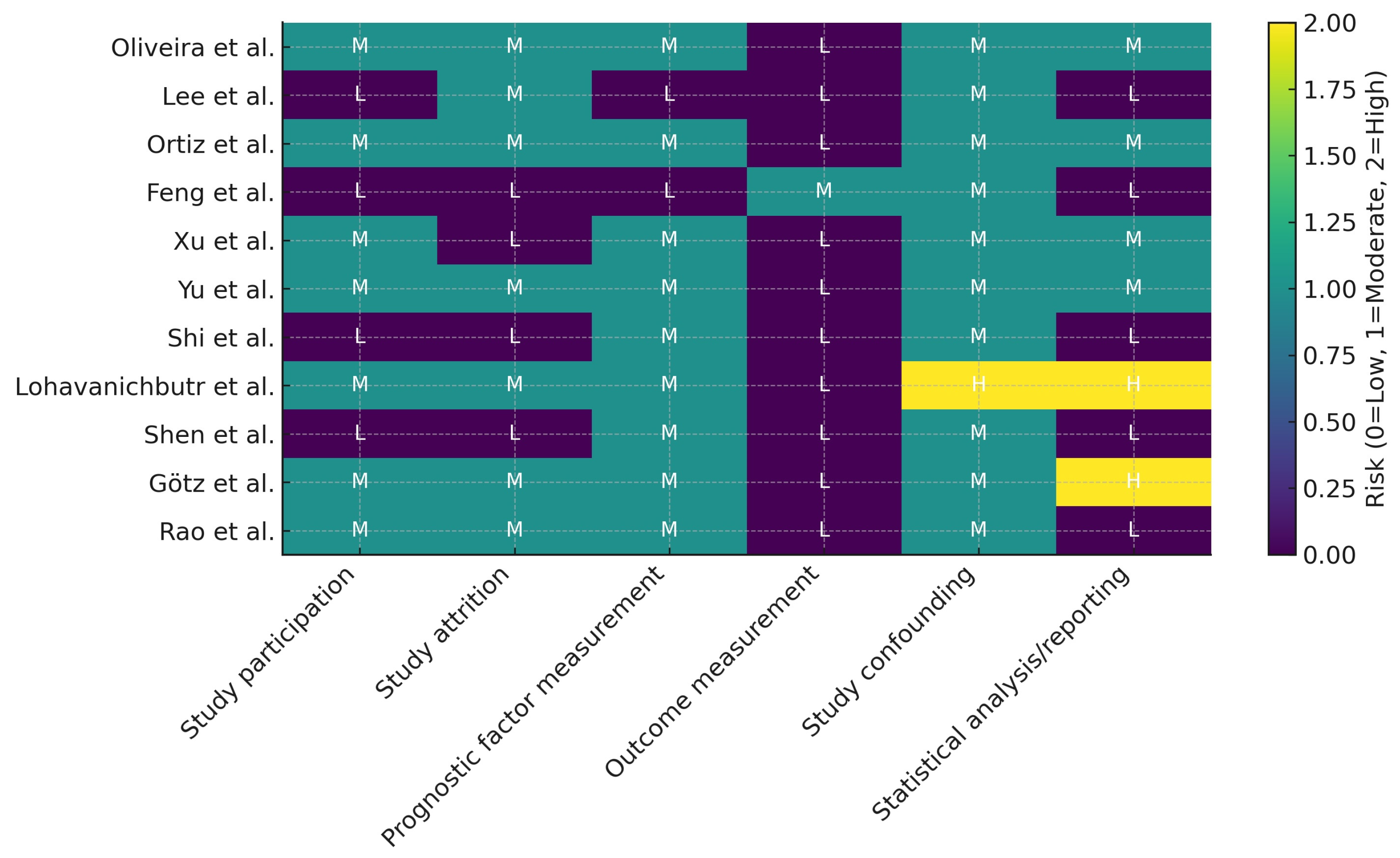
| Computational—Overall survival (OS) | 6 | Higher stemness → ↑ mortality (pooled HR ≈ 2.2) | Moderate | Risk of bias (some unadjusted/variable modeling); Inconsistency (I2 ≈ 49%); Imprecision (wide CI in some studies) | Sensitivity excluding Shi et al. [13] similar; small-study effects not assessable (k < 10). |
| CSC-IHC—Overall survival (OS) | 2 (main) | CSC-positive phenotype → ↑ mortality (pooled HR ≈ 2.0) | Low | Imprecision (wide CI, small k); Risk of bias (measurement/cut-off variation); Inconsistency (clinical heterogeneity) | Oliveira et al. [6] flagged (CI vs. p mismatch); Ortiz et al. [8] (1-year) used only in sensitivity. |
| Computational—DSS/RFS (if reported) | Sparse | Direction consistent where available | Very low | Serious imprecision; reporting sparsity; inconsistency likely | Not meta-analyzed due to limited reporting across studies. |
| CSC-IHC—DSS/RFS (subset) | Sparse | Direction consistent (worse in CSC-positive) | Low to very low | Serious imprecision; small k; variable definitions | Narrative emphasis; not pooled beyond OS. |
Disclaimer/Publisher’s Note: The statements, opinions and data contained in all publications are solely those of the individual author(s) and contributor(s) and not of MDPI and/or the editor(s). MDPI and/or the editor(s) disclaim responsibility for any injury to people or property resulting from any ideas, methods, instructions or products referred to in the content. |
© 2025 by the authors. Licensee MDPI, Basel, Switzerland. This article is an open access article distributed under the terms and conditions of the Creative Commons Attribution (CC BY) license.
Share and Cite
Ardila, C.M.; Pineda-Vélez, E.; Vivares-Builes, A.M. Computational Stemness and Cancer Stem Cell Markers in Oral Squamous Cell Carcinoma: A Systematic Review, Dual Meta-Analysis, and Functional Meta-Synthesis. Med. Sci. 2026, 14, 21. https://doi.org/10.3390/medsci14010021
Ardila CM, Pineda-Vélez E, Vivares-Builes AM. Computational Stemness and Cancer Stem Cell Markers in Oral Squamous Cell Carcinoma: A Systematic Review, Dual Meta-Analysis, and Functional Meta-Synthesis. Medical Sciences. 2026; 14(1):21. https://doi.org/10.3390/medsci14010021
Chicago/Turabian StyleArdila, Carlos M., Eliana Pineda-Vélez, and Anny M. Vivares-Builes. 2026. "Computational Stemness and Cancer Stem Cell Markers in Oral Squamous Cell Carcinoma: A Systematic Review, Dual Meta-Analysis, and Functional Meta-Synthesis" Medical Sciences 14, no. 1: 21. https://doi.org/10.3390/medsci14010021
APA StyleArdila, C. M., Pineda-Vélez, E., & Vivares-Builes, A. M. (2026). Computational Stemness and Cancer Stem Cell Markers in Oral Squamous Cell Carcinoma: A Systematic Review, Dual Meta-Analysis, and Functional Meta-Synthesis. Medical Sciences, 14(1), 21. https://doi.org/10.3390/medsci14010021