1. Introduction
The rumen is a vital digestive organ in ruminants and serves as the primary site for microbial fermentation that produces volatile fatty acids [
1]. Its diverse and symbiotic microbial community supports a wide array of metabolic functions, directly influencing both animal performance and host health [
2]. To enhance fattening efficiency, meat-producing ruminants are often fed high-energy grain diets. While such diets improve production performance, they also pose a threat to rumen health by inducing microbial dysbiosis [
3,
4]. This dysbiosis can disrupt ruminal fermentation and metabolic processes, compromise the integrity of the rumen epithelial barrier, and ultimately impair animal health and reduce farm profitability [
5,
6].
To maintain rumen health and epithelial barrier function, dietary additives are commonly incorporated into ruminant diets. For example, sodium bicarbonate helps neutralize fermentation acids and reduce epithelial damage [
7], while monensin modulates microbial composition and fermentation patterns, thereby supporting epithelial repair under high-concentrate feeding conditions [
8,
9]. Although yeast can effectively restore gastrointestinal microbial balance, especially when animals face digestive disorders or stress [
10,
11], its effects on growth performance in ruminants remain inconsistent due to strain specificity, limiting its reliable application in production [
12]. Moreover, conventional additives present notable limitations. Sodium bicarbonate provides only temporary acid neutralization and, when included at levels exceeding 12.5 g/kg dry matter (DM), fails to offer sustained buffering while potentially reducing feed intake and rumination [
13,
14]. Monensin, despite its efficacy, has raised concerns regarding antibiotic resistance, prompting regulatory restrictions in both the European Union [
15] and the United States [
16] on its use in food-producing animals. These limitations underscore the urgent need for novel feed additives that can effectively alleviate ruminal epithelial injury and preserve barrier function without compromising the growth performance of beef cattle.
The alkaline mineral complex (AMC) contains several probiotics, including
Bacillus subtilis (5 × 10
7 CFU/g) and
Bacillus licheniformis (1 × 10
8 CFU/g), along with mineral components such as sodium, potassium, zinc, germanium, and metasilicate, as detailed in
Supplementary Table S13 [
17,
18]. These probiotics help regulate gastrointestinal microbiota, suppress pathogenic bacteria, and enhance host immunity and disease resistance [
19,
20]. The mineral constituents contribute to maintaining extracellular fluid osmolality and acid-base balance, activating enzymatic activity, supporting immune function [
21], and exerting anti-inflammatory and metabolism-promoting effects [
22,
23]. Additionally, AMC possesses alkaline buffering capacity and has been shown to alleviate gastric mucosal damage induced by acidic substances such as indomethacin [
24]. It has also been safely and stably applied as a non-specific immune activator to promote growth performance in pigs [
25]. Collectively, these attributes suggest that AMC may offer effective acid-buffering and neutralizing capabilities and thus hold potential for alleviating rumen epithelial injury and supporting rumen health in fattening beef cattle.
Therefore, this study investigated the effects of dietary supplementation with AMC during the fattening phase on rumen epithelial damage and rumen health in beef cattle. Clinical symptoms in fattening cattle were systematically monitored, and histopathological examinations, combined with multi-omics analyses, were employed to assess the effects of AMC on rumen epithelial microbiota composition, metabolic pathways, and barrier function, while further exploring its potential underlying molecular mechanisms. This research provides a novel strategy for maintaining rumen health in beef cattle and supports the sustainable development of the beef cattle industry.
2. Materials and Methods
2.1. Animal Treatments and Experimental Diets
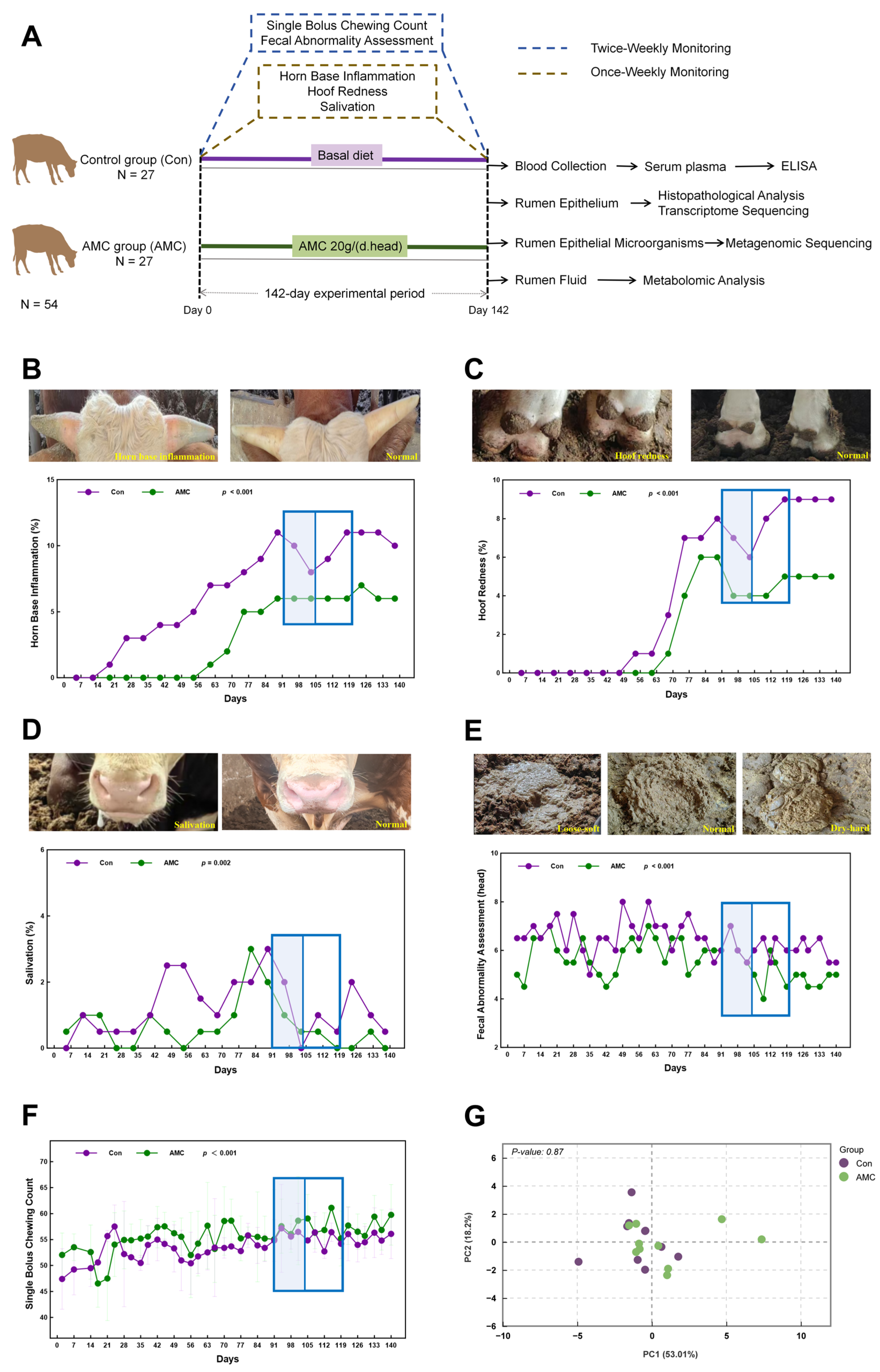
All animal procedures were conducted under the supervision of veterinarians at Caijiashan Livestock Breeding Co., Ltd. (Dazhou, China), a large-scale beef cattle operation located in Quxian County, Dazhou City, Sichuan Province, China. A total of 54 healthy Simmental crossbred bulls in the finishing phase, with comparable body condition, were randomly assigned to two groups (Con and AMC, N = 27 per group) using a completely randomized design. Randomization was performed using a random-number table generated by an independent researcher who was not involved in the animal management or data collection. One animal in the Con group died on day 54 due to extreme summer heat, resulting in final group sizes of 26 for Con and 27 for AMC by the end of the 142 day trial. Cattle in both groups were housed in well-ventilated pens with ad libitum access to water and fed a total mixed ration (TMR) formulated to meet the nutritional requirements of finishing beef cattle according to the NRC. The diet composition is detailed in
Supplementary Table S1, with a concentrate-to-forage ratio of approximately 6:4. The AMC product was provided by Beijing Jnnail Biotechnology Co., Ltd. (Product Code: Q/NEL002-2019). Throughout the 142-day trial, the Con group received 0 g/day of AMC, while the AMC group received 20 g/day. The dosage was determined based on the feeding regimen recommended by the manufacturer. The AMC was precisely weighed, premixed with the concentrate, and then uniformly blended into the TMR. All cattle were fed twice daily at 9:30 AM and 4:30 PM. Due to market-related factors, the scheduled slaughter date was delayed, necessitating a mid-experiment adjustment to the feed formulation. The basal diet composition for days 91 to 104 is provided in
Supplementary Table S12. The experimental design and timeline are summarized in
Figure 1.
2.2. Quantification of Single-Bolus Chewing Behavior
Rumination behavior is a critical indicator of digestive health in cattle [
26]. In this study, single-bolus chewing during each rumination event was quantified using a standardized visual counting method. For each observation, 10 animals were randomly selected from each group. Two trained observers, who were blinded to treatment allocation, simultaneously recorded the number of chews per bolus for each animal. Throughout the observation period, the observers remained separated from the treatment allocation process and were not involved in animal feeding or sample collection, ensuring the integrity of blinding. Observation began when the bolus was regurgitated into the oral cavity and ended upon completion of swallowing, ensuring precise enumeration of chews per bolus. Monitoring was conducted twice weekly, with each animal observed for three consecutive rumination events per session. The mean number of chews per bolus during rumination was then calculated for each animal.
2.3. Assessment of Abnormal Feces, Horn-Base Inflammation, Hoof Redness, and Excessive Salivation
An optimized fecal consistency scoring system [
27] (
Table 1), adapted from established methods and tailored for local fattening cattle, was utilized in this study. Scores of ≥4 indicated dry-hard feces, while scores of ≤2 indicated loose-soft feces; both were classified as abnormal feces. Assessments were conducted by a designated veterinarian who was blinded to group assignment, using a fixed-point observation protocol. For each session, ten animals were randomly selected from each group, and fecal consistency was scored two hours after both morning and evening feedings. Observations were performed twice weekly to ensure data continuity. In addition, veterinarians conducted weekly assessments to record the incidence of clinical signs, including excessive salivation, horn-base inflammation, and hoof redness, across all experimental animals. All assessors were blinded to treatment allocation throughout the study period.
2.4. Collection and Processing of Samples
On day 142, prior to morning feeding, 30 mL of jugular venous blood was collected from 10 randomly selected animals in each group. A 0.2 mL aliquot was transferred to EDTA anticoagulant tubes for complete blood count analysis using a five-part differential automated hematology analyzer (BC-5800, Mindray Bio-Medical Electronics Co., Ltd., Shenzhen, China). Additionally, 1 mL of blood was placed into heparin sodium tubes, centrifuged at 3000 rpm for 3 min, and the supernatant was collected. The remaining blood was left to stand for 30 min, then centrifuged at 3000 rpm for 8 min, and the resulting serum was transferred into 1.5 mL tubes and stored at −80 °C under refrigeration until further analysis.
After slaughter, rumen fluid was collected by filtering ruminal contents through four layers of gauze, and 20 mL was aliquoted into 2 mL cryotubes. Tissue specimens (2 cm × 2 cm) from the ruminal ventral sac were collected and fixed in 4% paraformaldehyde. Rumen ventral epithelial microbiota samples were collected following the protocol described by Qingmiao Ren et al. [
28]. The residual tissue was bluntly dissected to isolate the epithelium, which was then minced, divided into five 2 mL cryotubes, flash-frozen in liquid nitrogen, and stored at −80 °C. Tissue samples for subsequent omics sequencing were collected from five animals in each group, with samples from the Con group numbered AR1–5 and those from the AMC group numbered CR1–5. During transcriptome analysis, sample AR5 failed quality control; therefore, all subsequent analyses were performed using samples AR1–4 from the Con group and CR1–5 from the AMC group.
2.5. Enzyme-Linked Immunosorbent Assay (ELISA)
Rumen epithelium tissue was homogenized in sterile, pre-chilled saline at a ratio of 1:9 (
w/
v) using a tissue homogenizer to obtain a 10% (
w/
v) homogenate. The supernatant was collected for subsequent analyses. The concentrations of inflammatory cytokines, including interleukin-1β (IL-1β; Cat. No. H002-1-2), interleukin-6 (IL-6; Cat. No. H007-1-2), and tumor necrosis factor-α (TNF-α; Cat. No. H052-1-2), as well as oxidative stress markers, including malondialdehyde (MDA; Cat. No. A003-1), total antioxidant capacity (T-AOC; Cat. No. A015-2-1), glutathione peroxidase (GSH-Px; Cat. No. A005-1), superoxide dismutase (SOD; Cat. No. A001-3), and catalase (CAT; Cat. No. A007-7-1), were measured in both serum and rumen epithelial supernatant using commercial ELISA kits (Nanjing Jiancheng Bioengineering Institute, Nanjing, China) according to the manufacturer’s protocols. Histamine (HIS; Cat. No. H171-1-2) levels were determined in serum and rumen fluid, while lipopolysaccharide (LPS; Cat. No. E039-1-1) concentrations were measured in plasma and rumen fluid using ELISA kits from the same manufacturer. All kits have been validated by the manufacturers and are suitable for use with bovine serum, rumen fluid, and rumen epithelial homogenate samples [
17,
29].
2.6. Histopathological Analysis
Fixed ruminal tissues were rinsed, trimmed, and processed through graded ethanol dehydration, followed by xylene clearing and paraffin embedding. Sections were cut at a thickness of 5 μm with a Leica RM2235 microtome, mounted on slides, deparaffinized, and stained with hematoxylin-eosin (HE). After subsequent dehydration and clearing, coverslips were affixed with neutral resin. Entire tissue sections were systematically scanned under a light microscope, and representative photomicrographs of prominent pathological alterations were captured using a digital imaging system (Olympus BX61VS, Olympus Corporation, Tokyo, Japan).
2.7. Transcriptome Sequencing and Analysis
A total of 10 rumen tissues (AR1–5 from the Con group and CR1–5 from the AMC group) were randomly selected and sent to Beijing Novogene Co., Ltd. (Beijing, China) for transcriptome sequencing to characterize their gene expression profiles. Briefly, total RNA was extracted from rumen epithelial tissue samples using an RNA extraction mini kit (Qiagen, Hilden, Germany), and RNA integrity was assessed using the RNA Nano 6000 Assay Kit of the Bioanalyzer 2100 system (Agilent Technologies, Santa Clara, CA, USA). Total RNA was used for library construction. mRNA was purified with poly-T magnetic beads, fragmented at elevated temperature with divalent cations, and first-strand cDNA was synthesized from random hexamers using M-MuLV Reverse Transcriptase, followed by second-strand synthesis with DNA Polymerase I and RNase H. After end repair, adenylation, and adapter ligation, 370–420 bp fragments were selected with AMPure XP beads. Libraries were PCR-amplified with Phusion High-Fidelity DNA Polymerase and index primers, purified, and quality-checked on an Agilent Bioanalyzer 2100. Clustering of index-coded samples was performed on a cBot Cluster Generation System with TruSeq PE Cluster Kit v3-cBot-HS (Illumina) per the manufacturer’s instructions. After cluster generation, libraries were sequenced on an Illumina NovaSeq platform to yield 150 bp paired-end reads. The resulting RNA-Seq FASTQ files were aligned to the bovine genome (
http://ftp.ensembl.org/pub/release-105/fasta/bos_taurus/ (accessed on 15 January 2025)) using the Hisat2 (v2.0.5) algorithm [
30]. Binary alignment/map (BAM) files generated from the alignments were processed with Cufflinks to estimate transcript abundance and to detect potential isoforms. StringTie (v1.3.3b) was used to assemble mapped reads for each sample in a reference-guided approach [
31]. Transcript expression was quantified as counts, and principal component analysis (PCA) was performed using these count values. Differentially expressed genes (DEGs) between groups at each time point were identified using the DESeq2 (V3.20) package in the RStudio (V4.4.3) environment. KEGG and GO enrichment analyses of the DEGs were conducted with the ClusterProfiler package in the RStudio environment. Due to the failure of sample AR5 during quality control, this sample was excluded from sequencing, resulting in final sample sizes of N = 4 for the Con group and N = 5 for the AMC group. Although this imbalance may introduce potential bias in differential expression analysis, the DESeq2 algorithm used in this study incorporates a model that is relatively robust to unequal sample sizes by estimating dispersion across genes and applying shrinkage estimators. Nevertheless, the results should still be interpreted with appropriate caution.
2.8. Real-Time Quantitative Reverse Transcription PCR (RT-qPCR) Analysis
Approximately 20 mg of rumen epithelium tissue was excised and placed into 1 mL of TransZol reagent (TransGen Biotech, Beijing, China). The tissue was subsequently homogenized into a uniform slurry using an automatic grinder (MB-LD48S, Beijing Boaojuhe Technology Co., Ltd., Beijing, China). After centrifugation at 4 °C and 12,000×
g for 15 min, 1 mL of the supernatant was transferred to a new tube. Then, 200 μL of chloroform was added, and the mixture was vortexed vigorously, placed on ice for 3 min, and then centrifuged again at 4 °C and 12,000×
g for 15 min. Subsequently, 500 μL of the supernatant was transferred to a new tube, and 500 μL of isopropanol was added. The mixture was mixed gently and incubated on ice for 10 min, followed by another centrifugation at 4 °C and 12,000×
g for 10 min. To the resulting pellet, 700 μL of 75% ethanol was added, mixed gently, and centrifuged at 4 °C and 13,000×
g for 10 min. The ethanol was discarded, and the mixture was centrifuged again at 4 °C and 13,000×
g for 5 min. The residual ethanol was carefully removed with a pipette, and the sample was placed on ice in a clean hood to air dry for about 3 min. Then, 150 μL of DEPC water was added to each tube to dissolve the total RNA. RNA purity was verified by Nanodrop spectrophotometry (Thermo Fisher Scientific, Madison, WI, USA), ensuring A260/280 ratios between 1.8 and 2.0. After reverse transcription using a commercial kit (TransGen Biotech), quantitative PCR was performed with PerfectStart
® Green qPCR SuperMix using the following protocols: initial denaturation at 94 °C for 30 s, followed by 45 cycles of 94 °C for 5 s and 60 °C for 30 s. Relative gene expression levels were calculated using the 2
−ΔΔCq method, with β-actin serving as the housekeeping gene. Gene-specific primers used in this study are listed in
Table 2.
2.9. Immunoblotting Analysis
The rumen epithelium tissue was placed in a mortar precooled with liquid nitrogen and ground into a powder. A total of 50 mg of rumen epithelium powder was dissolved in 500 μL of RIPA lysis buffer (R0010, Solarbio, Beijing, China) and 50 μL of PMSF (P1045, Beyotime Biotechnology, Shanghai, China). The mixture was sonicated, and the supernatant was collected after centrifugation. The supernatant was diluted 50-fold, and the protein concentration was measured using a BCA assay kit (P0010S, Beyotime Biotechnology, Shanghai, China). After adjusting the sample to a final concentration of 4 μg/μL, Western blot analysis was performed. The procedure was as follows: SDS-PAGE (12%), transfer to membrane (4 °C, 300 mA, 75 min), blocking with blocking solution, overnight incubation with primary antibody at 4 °C, incubation with secondary antibody at room temperature for 1 h, and imaging. The primary antibodies used were Claudin 1 Rabbit mAb (CLDN1) (#A21971, 1:1000, ABclonal, Wuhan, China), Anti-Occludin antibody (OCLN) (#Ab216327, 1:5000, Abcam, Cambridge, UK), ZO1 Rabbit Polyclonal Antibody (TJP1) (#ER41204, 1:2500, Huabio, Hangzhou, China), and β-Actin Rabbit mAb (#AC026, 1:10,000, ABclonal, Wuhan, China); the secondary antibody was HRP-conjugated Goat anti-Rabbit IgG (#AS014, 1:10,000, ABclonal, Wuhan, China). Images were captured with a full-function imaging system (Touch Imager, Shanghai eBiotrade Technology Co., Ltd., China), and band gray values were analyzed using ImageJ software (V10.8).
2.10. Metagenomic Sequencing and Analysis
Microbial samples were transported to Novogene Co., Ltd. (Beijing, China) within 72 h on dry ice for metagenomic sequencing, using sample identifiers consistent with those in the transcriptomics study. For species annotation, the gene catalogue was aligned with the Micro NR database to obtain species annotations for each gene, which were then integrated with the gene abundance table to generate species abundance profiles across different taxonomic levels. Principal coordinates analysis (PCoA) was conducted based on Bray–Curtis distance to assess differences in community composition, and the quality of the PCoA results was evaluated using permutational multivariate analysis of variance (PERMANOVA). Functional annotation was performed by referencing common databases, including KEGG (
http://www.genome.jp/kegg/ (accessed on 16 April 2025)) for pathway annotation, eggNOG (
http://eggnog5.embl.de (accessed on 16 April 2025)) for orthologous gene clusters, and CAZy (
https://www.cazy.org/ (accessed on 16 April 2025)) for carbohydrate-active enzymes, enabling comprehensive functional annotation and abundance analysis. Based on species and functional abundance data, MetagenomeSeq and Linear discriminant analysis Effect Size (LEfSe) were used for multivariate statistical analyses. Comparative analysis of metabolic pathways was performed to identify differences in species and functional composition between groups.
2.11. Metabolomic Profiling and Analysis
Untargeted metabolomic sequencing and analysis were conducted by Biotree Biotech Co., Ltd. (Shanghai, China) to characterize the metabolite profiles in rumen fluid, using sample identifiers consistent with those in the transcriptomics study. Specifically, 50 μL of each sample was mixed with 200 μL of extraction solution (methanol:acetonitrile = 1:1, v/v, including internal standards), shaken at 750 rpm for 5 min, allowed to settle for 5 min, and then filtered through a protein precipitation plate to collect the filtrate. The raw data were converted to mzXML format using ProteoWizard and processed with an in-house R program based on XCMS for feature detection, extraction, alignment, and integration. Metabolite identification was performed using the R package and BiotreeDB (V3.0). The final dataset, containing feature number, sample name, and normalized feature area, was imported into SIMCA 18.0.1 (Sartorius Stedim Data Analytics AB, Umeå, Sweden) for multivariate analysis. Data were scaled and log-transformed to minimize noise and variance. An OPLS-DA (orthogonal projections to latent structures-discriminant analysis) approach was used to filter out orthogonal variables in metabolites that were not related to the classification variable, and non-orthogonal and orthogonal variables were analyzed separately to obtain more reliable inter-group differences in metabolites. Enrichment analysis of differentially expressed metabolites (DE Metas) was conducted using KEGG (
http://www.genome.jp/kegg/ (accessed on 15 January 2025)) and MetaboAnalyst 6.0 (
http://www.metaboanalyst.ca/). Correlation analysis between up- and downregulated DE Metas was conducted using an R package (V0.89); hierarchical clustering was performed with the complete linkage method, and distance was computed using Euclidean distance.
2.12. Statistical Analysis
All descriptive data are presented as mean ± standard deviation (SD). Data analyses were performed using SPSS 29 software (IBM; Armonk, NY, USA), Novomagic (
https://magic.novogene.com (accessed on 15 January 2025)), and Lims2 (
https://biotree.lims2.com (accessed on 15 January 2025)). Field data, including single rumination counts, fecal abnormality scores, horn-base inflammation, incidences of hoof redness, and salivation, were analyzed using a generalized linear mixed model (GLMM). In this model, each field parameter served as the dependent variable, with “Time” (morning or afternoon) and “Day” as fixed factors. “Day” was treated as a repeated-measures factor with a first-order autoregressive [AR(1)] covariance structure, and individual cattle were considered random effects. Factors with
p < 0.05 were considered to have significant effects on the outcomes. Statistical analyses for white blood cell count, ELISA, RT-qPCR data and immunoblotting analysis were as follows: parametric data were analyzed using Student’s
t-test, while nonparametric data were analyzed using the Mann–Whitney U test. GLMM,
t-test, and Mann–Whitney U test all considered differences to be significant at
p < 0.05. For transcriptome analysis, PCA was performed, and a PERMANOVA test was used to determine significant differences. DEGs were defined as those with
p < 0.05 and |log2(FoldChange)| > 1, while significant enrichment for KEGG and GO pathways was defined by
p < 0.05. In microbiome analysis, differences in relative abundance at each taxonomic level were considered significant at
p < 0.05. For metabolomics analysis, DE Metas were identified based on variable importance in projection (VIP) > 1 and
p < 0.05. It should be noted that the
p values reported for differential expression and pathway enrichment analyses of transcriptomic, metabolomic, and metagenomic data are unadjusted for multiple comparisons. Unless otherwise specified, all figures were generated using GraphPad Prism 10.1.2 (GraphPad Software, San Diego, CA, USA) and Adobe Illustrator 2024 (Adobe Systems Incorporated; San Jose, CA, USA).
4. Discussion
Although high-concentrate diets can improve short-term growth performance in ruminants, the subsequent accumulation of volatile fatty acids leads to a decrease in ruminal pH, directly compromising the structural and functional integrity of the rumen epithelial barrier [
32,
33]. An intact rumen epithelium is essential for efficient absorption and robust barrier function, which are fundamental for maintaining rumen health and productivity.
Throughout the 142-day feedlot period, clinical indicators were systematically evaluated using a standardized scoring system administered exclusively by a trained veterinarian according to established protocols, ensuring consistency and minimizing subjective variation. Results demonstrated that cattle supplemented with AMC exhibited significantly higher individual rumination bouts, along with significantly lower incidences of horn-base inflammation, hoof redness, excessive salivation, and abnormal feces, as well as trends toward improved lymphocyte and basophil percentages, reflecting better clinical health status in the AMC group compared to the Con group (
Figure 1B–F,
Table 3). These clinical indicators declined from day 91 to day 119 and then rose. This pattern occurred because the concentrate-to-forage ratio was adjusted on day 91 based on herd health, but the original diet structure was restored on day 105 while the AMC dose remained unchanged. Consequently,
Figure 1B–E reflects this trend; nevertheless, the AMC group’s health remained consistently better than that of the Con group. Previous research has demonstrated that saliva generated through chewing possesses buffering capacity, which is critical for rumen health [
34,
35]. Thus, monitoring mastication activity serves as a practical approach for early detection of ruminal acidosis. These findings indicate that AMC supplementation can enhance rumen homeostasis and overall health by increasing chewing activity, thereby stimulating saliva secretion and elevating rumen pH. However, it should be acknowledged that production performance data, including average daily gain, dry matter intake, and feed efficiency, were not collected in the present study. Therefore, further investigation is needed to determine whether the observed improvements in chewing activity and clinical health translate into enhanced digestion and growth performance in finishing beef cattle. Fecal consistency was evaluated as a key indicator of nutritional management and digestive efficiency [
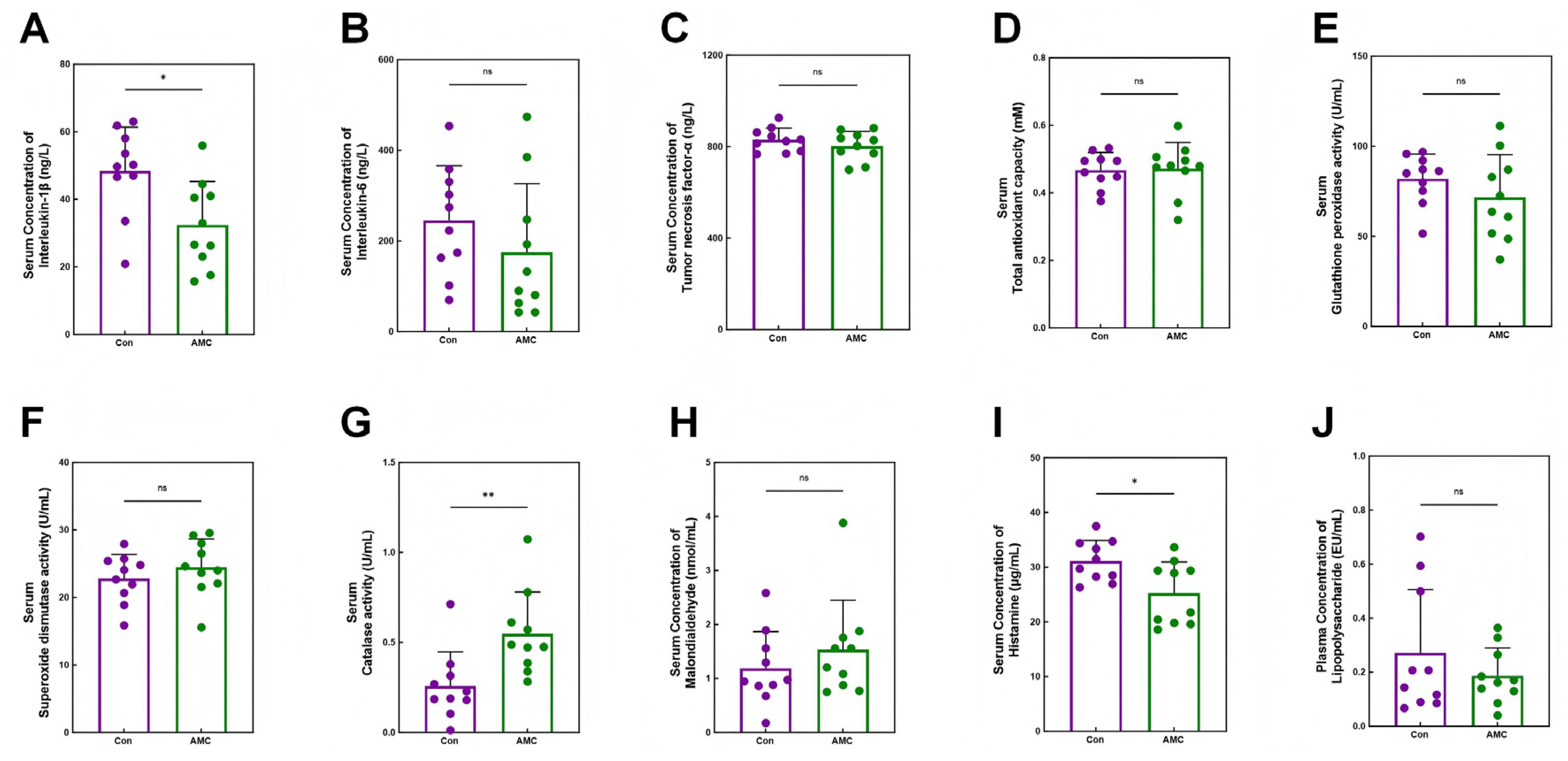
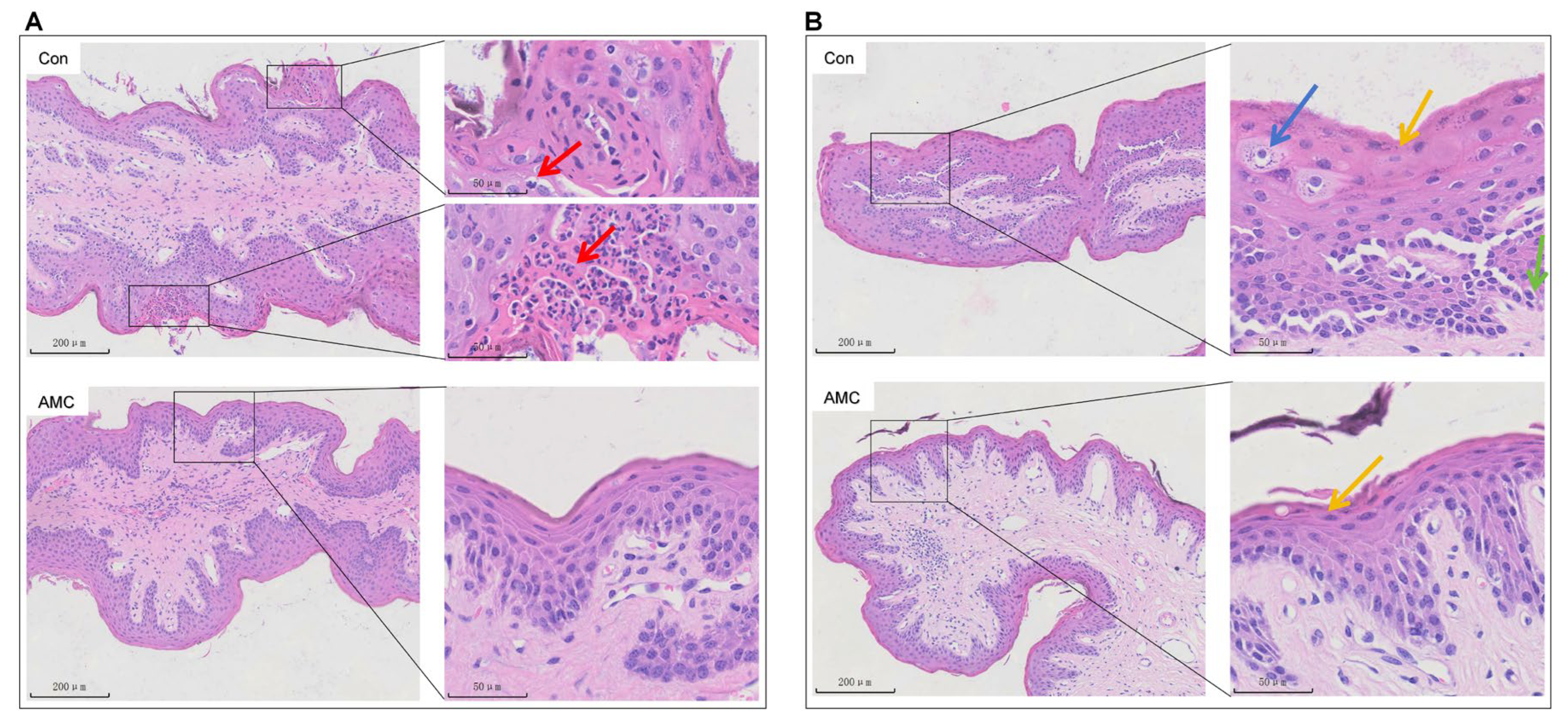
36], and the incidence of abnormal fecal conditions in AMC group cattle was significantly reduced, further indicating improved rumen health. This was confirmed by the reduction in inflammatory cytokines in the body (
Figure 2A–C) and the histological examination of the epithelium (
Figure 3A,B).
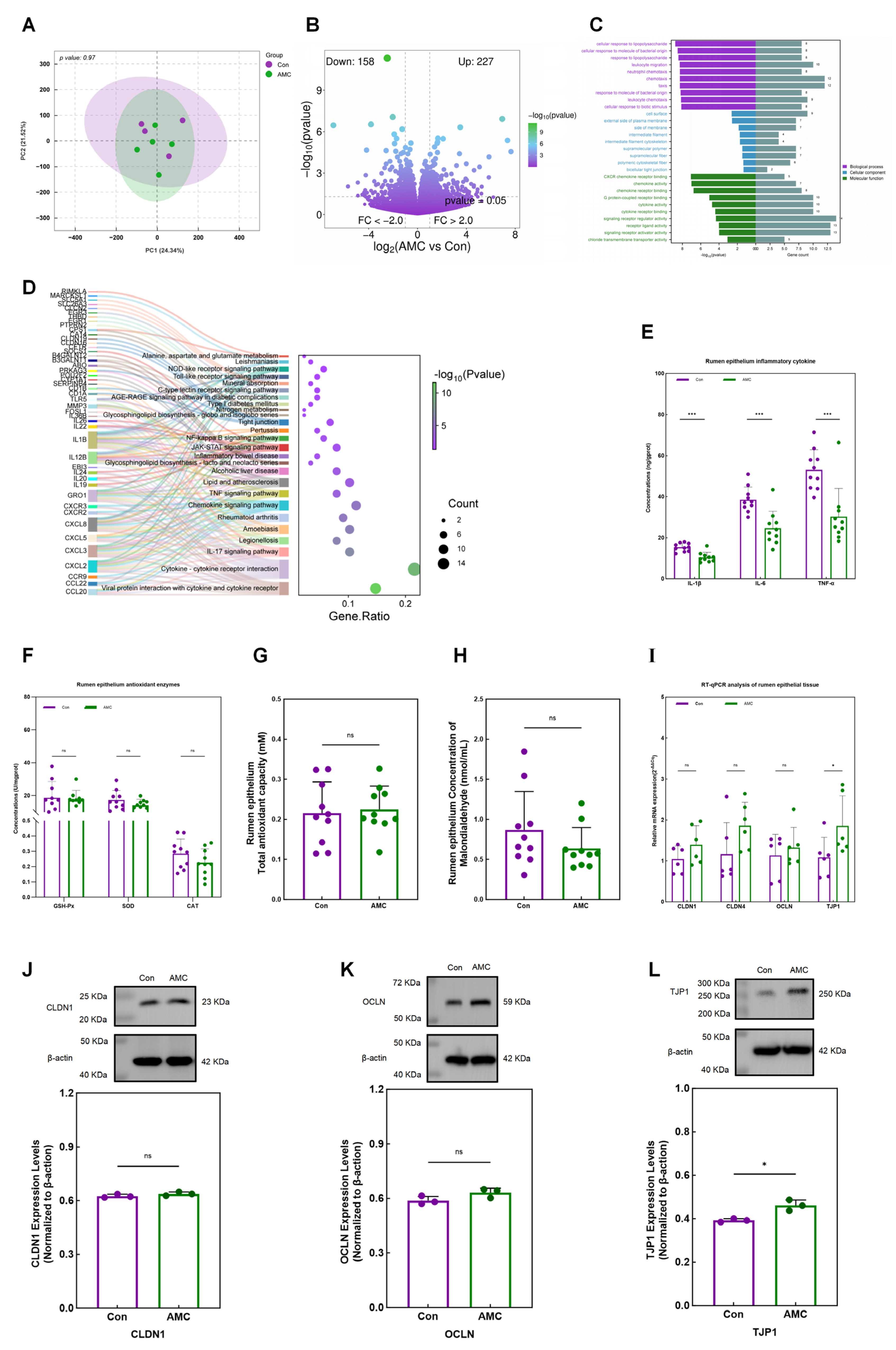
Transcriptional features related to inflammation, epithelial development, and metabolism showed associations with rumen epithelial characteristics. In this study, high-throughput RNA-Seq analysis was used to identify DEGs and perform KEGG functional enrichment in the rumen epithelial tissue of fed cattle. DEGs between the AMC and Con groups were significantly enriched in pathways such as Tight junction, Chemokine signaling pathway, Nitrogen metabolism, and Viral protein interaction with cytokine and cytokine receptor (
Figure 4D), all of which are associated with epithelial barrier function and immune responses. Notably, the AMC group exhibited upregulation of several chemokine- and cytokine-related genes, including
CCL20,
CCL22,
CXCL2,
CXCL3,
CXCL5,
IL19,
IL20, and
IL24 (
Figure 4D). Although some chemokine-related genes are typically associated with inflammatory responses, histological examination revealed that the rumen epithelium of AMC-supplemented cattle remained structurally intact with minimal inflammatory infiltration, suggesting that the observed gene expression changes may instead reflect enhanced immune surveillance or homeostatic regulation. For example, upregulation of the
CCL family genes affects immune system function;
CCL22 is constitutively expressed under homeostatic conditions and can be induced during inflammation to enhance immune response efficiency and bolster host defense against pathogens [
37]. Thus, the upregulation of such genes in the AMC group may indicate a role in immune modulation. However, it is important to acknowledge that the sample size for the omics analyses in this study was relatively small, which may limit statistical power and increase the risk of false-positive findings. Therefore, although these findings provide preliminary insights, further studies with larger cohorts and prospective power analysis are warranted to establish causality and validate the results presented here.
IL19,
IL20, and
IL24, members of the IL-10 cytokine family, possess anti-inflammatory and immunoregulatory functions [
38]. Specifically,
IL19 can reduce adhesion molecule expression and leukocyte infiltration [
39], while
IL20 participates in anti-inflammatory responses and mucosal healing, promoting epithelial innate immune responses and thus limiting damage from viral and bacterial infections [
40]. Additionally, enrichment of the epithelial tight junction pathway, with upregulation of
CD1A and
CD1B genes (
Figure 4D), underscores the importance of these genes in rumen epithelial immune function. Differential levels of inflammatory cytokines, antioxidant enzyme activities, and tight junction proteins between the AMC and Con groups were validated by ELISA, RT-qPCR and immunoblotting analyses (
Figure 4E–L), supporting the transcriptomic findings. Collectively, these results suggest that AMC supplementation is associated with enhanced rumen epithelial immune responses, maintenance of barrier integrity, and improved rumen health.
Our previous study demonstrated that alkaline mineral water (AMW) administration modulates the nasopharyngeal microbiota in transported calves [
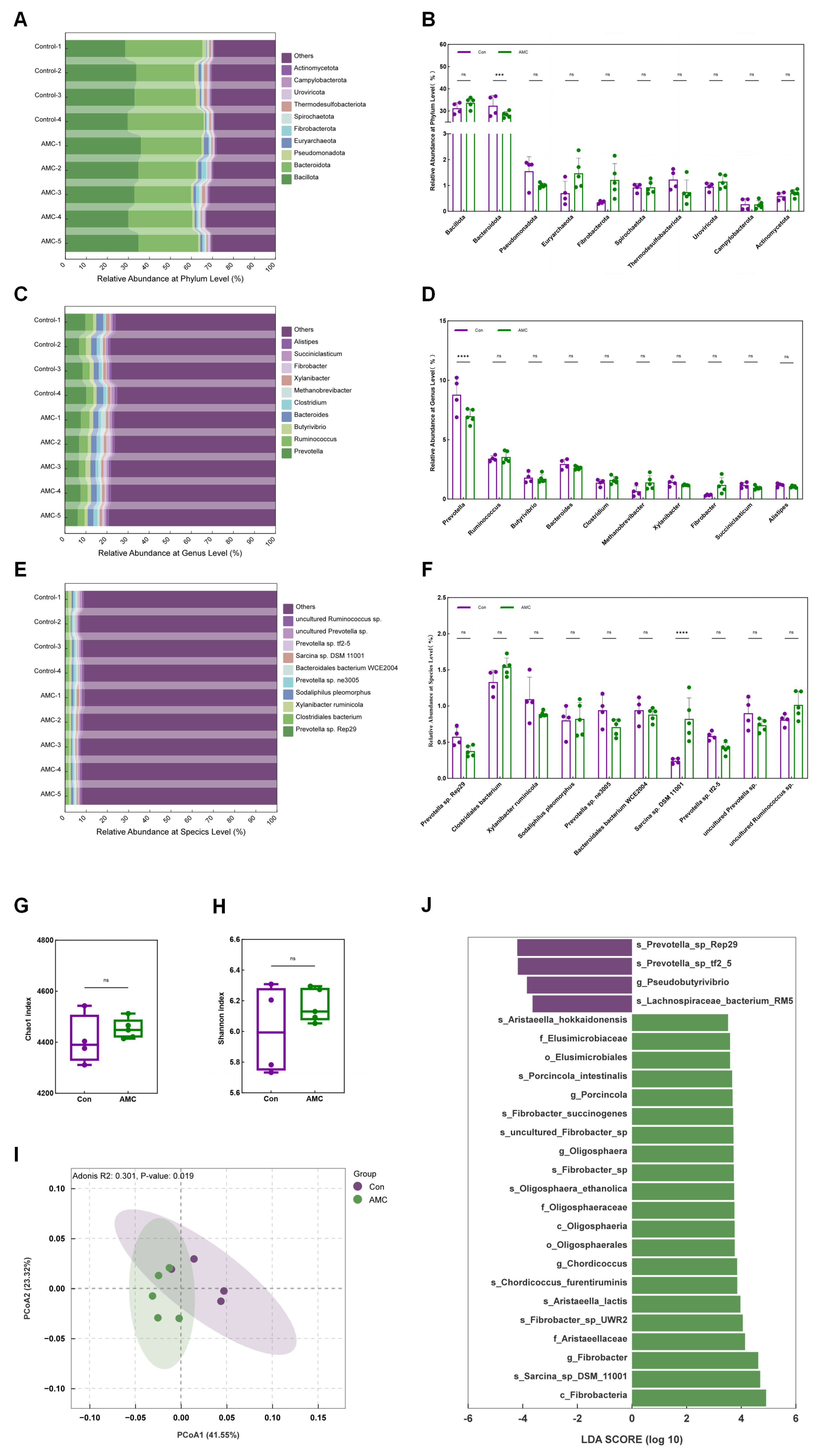
17]. Building on this, we investigated the impact of AMC supplementation on the ruminal epithelial mucosal microbiota of fattening beef cattle using rumen metagenomics. Specifically,
g_Fibrobacter sp. was identified as one of the biomarker species. The ruminal epithelial mucosal microbiota protects against harmful microorganisms by competing with pathogens and forming defensive biofilms, and its composition is sensitive to dietary changes and host regulation, directly influencing barrier function and local immune responses [
41,
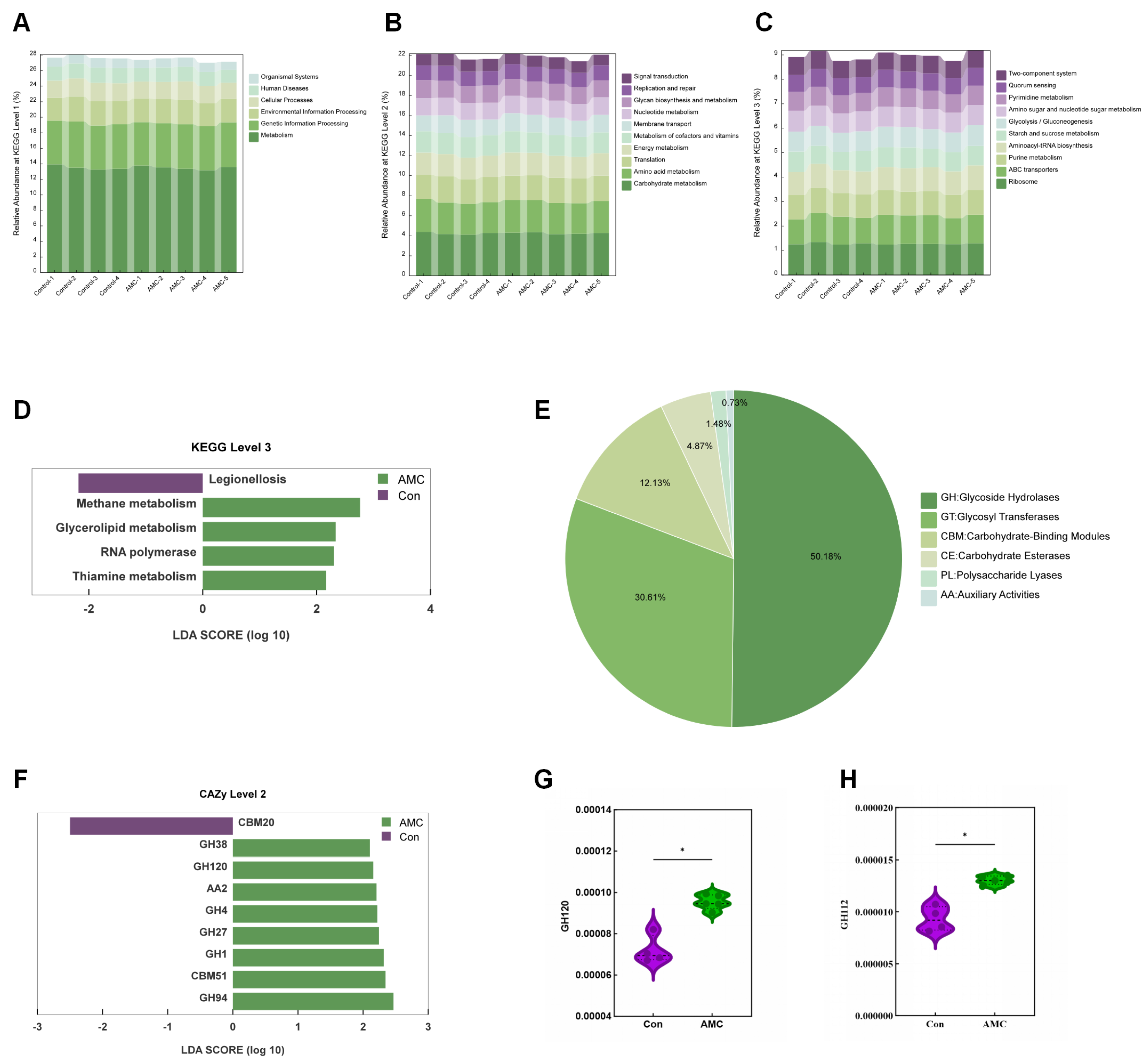
42]. KEGG pathway analysis indicated that the epithelial mucosa microbiota in the Con group was significantly enriched in pathogenic pathways, whereas the AMC group showed marked enrichment in beneficial metabolic pathways related to energy production, lipid metabolism, fundamental cellular functions, and vitamin synthesis (
Figure 6D). CAZy functional annotation further demonstrated that AMC supplementation was associated with enhanced carbohydrate degradation capabilities in the ruminal epithelial mucosal microbiota, as reflected by the enrichment of genes encoding fibrolytic and amylolytic enzymes (e.g., GH94 and GH1) and substrate-binding modules (e.g., CBM51, AA2). These changes suggest a potential shift in the functional profile of the microbial community—from a greater reliance on easily degradable starch (as inferred from the enrichment of CBM20 in the Con group) toward an increased capacity for the decomposition of complex plant polysaccharides. Such functional remodeling may not only improve host nutrient acquisition but also strengthen the epithelial biological barrier through GT-mediated biofilm synthesis, thereby potentially optimizing rumen health through both metabolic and protective mechanisms. Interestingly, these microbial findings align with the observed activation of epithelial tight junction pathways and increased expression of TJP1 protein in the AMC group. This convergence of microbiota and host transcriptomic data provides a mechanistic perspective on how AMC-induced shifts in microbial structure may be linked to enhanced epithelial barrier function and improved rumen health.
Rumen metabolomics provides insights into the interaction mechanisms between the rumen host, microbes, and their metabolites. Major rumen metabolites, particularly organic acids, are mainly produced by rumen microbes digesting the basal diet [
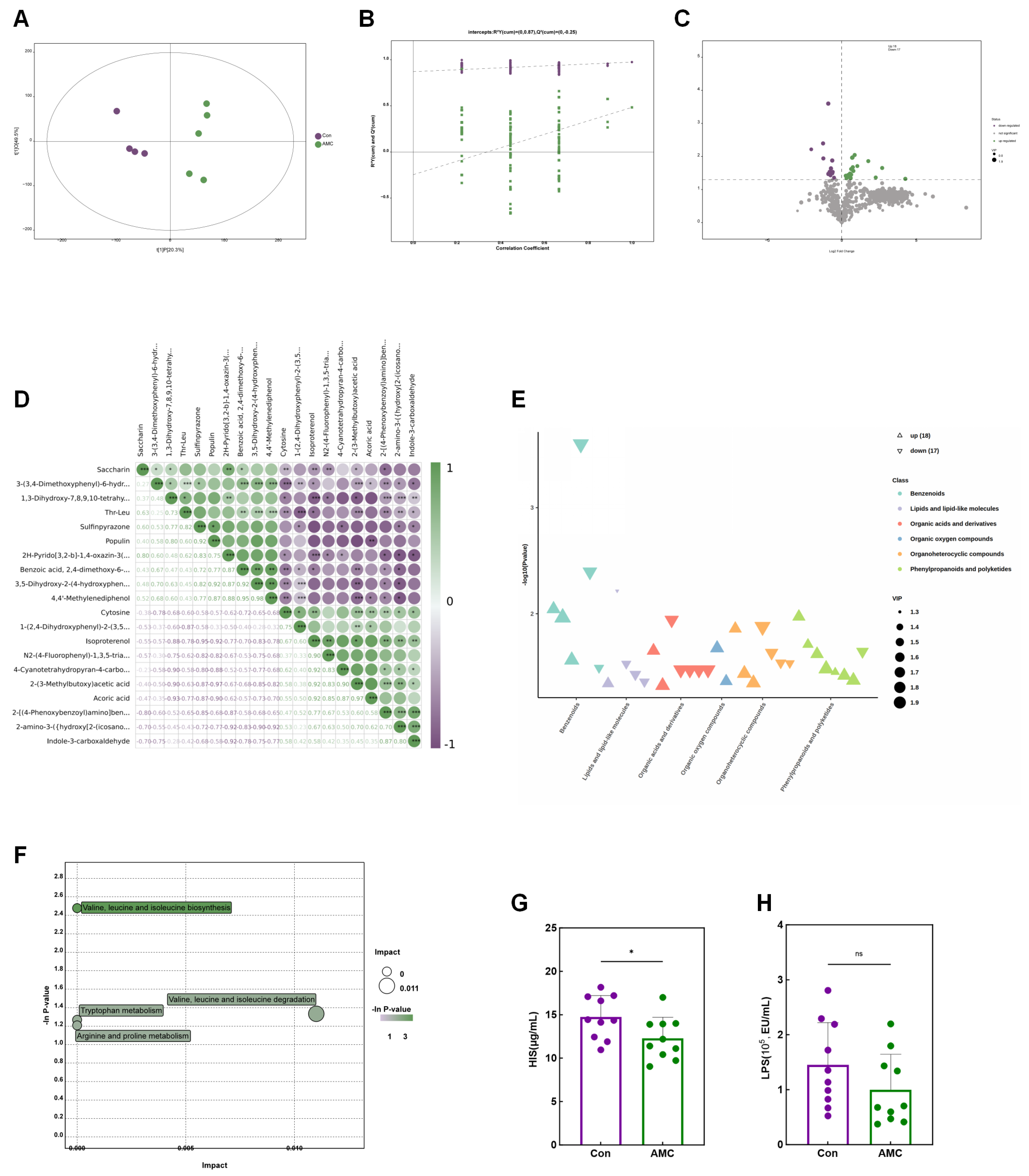
43]. Coupled with metagenomic analyses, these findings suggest that AMC supplementation may modulate the rumen metabolite profile by altering the mucosal-associated microbiota on the rumen epithelium, as further supported by changes in rumen fluid HIS and LPS concentrations (
Figure 7G–H). Notably, multiple studies have shown that tryptophan metabolism can regulate the gut microbiota and alleviate mucosal damage [
44,
45]. Based on these findings, we hypothesize that AMC may exert potential effects on tryptophan metabolism in ruminants.
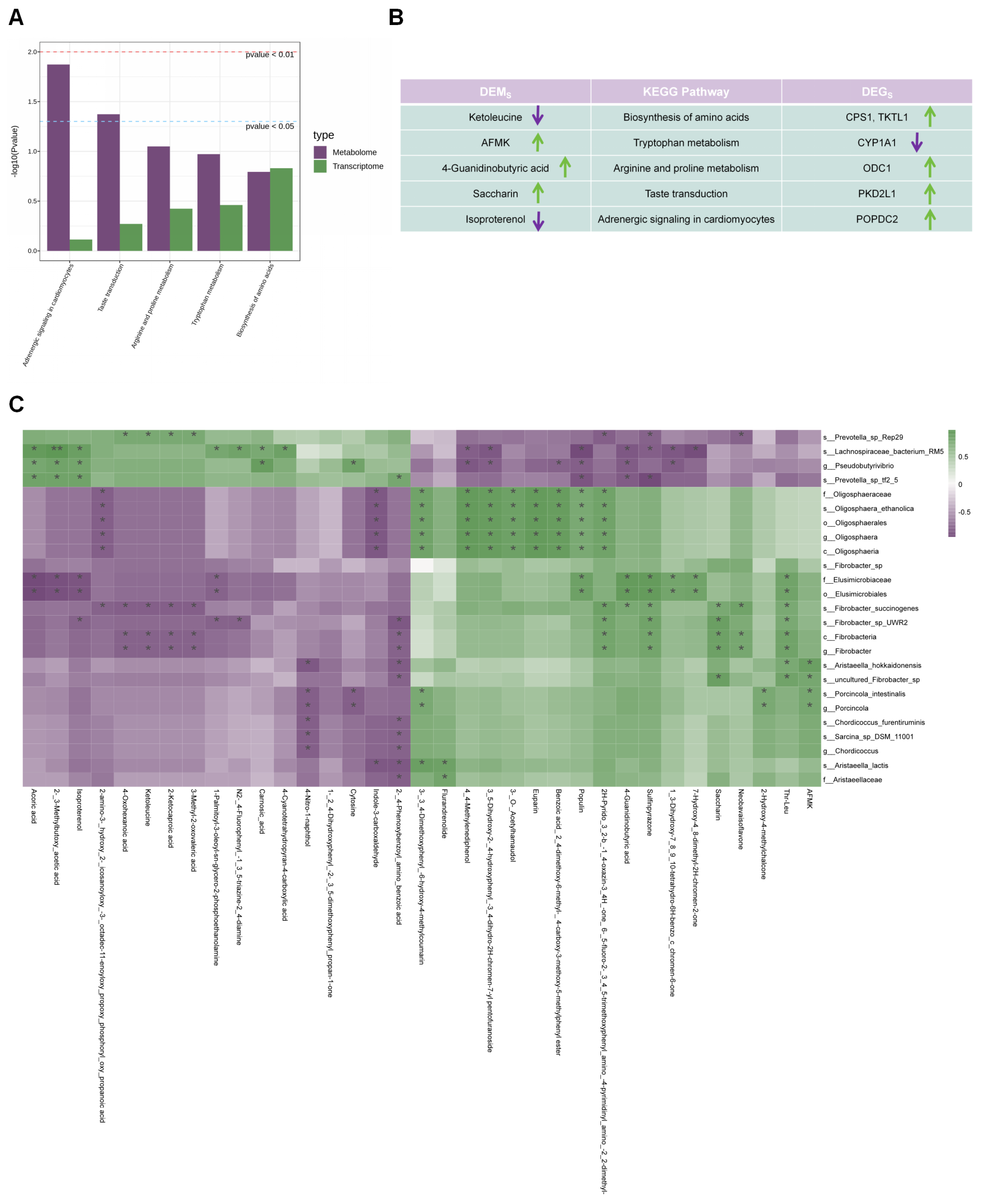
Subsequently, we integrated multi-omics data with phenotypic indicators and found that, in the AMC group, associated genes were predominantly enriched in Metabolic pathways, particularly in tryptophan metabolism and arginine and proline metabolism (
Figure 8A). Previous research has shown that proline can alleviate intestinal inflammation in mice and help maintain gut homeostasis [
46]. Metabolites derived from tryptophan, such as 5-hydroxy-L-tryptophan, indole-3-propionic acid, and indole-3-acetic acid, are effective in restoring intestinal structural integrity and permeability, thereby supporting epithelial barrier function and reducing inflammation [
47]. Further correlation analyses revealed that upregulated DE Metas, such as sulfinpyrazone, Thr-Leu, and 4-guanidinobutyric acid, possess anti-inflammatory effects [
48,
49,
50] and are positively correlated with
Fibrobacter in the AMC group (
Figure 8C). This finding suggests that
Fibrobacter fermentation may be associated with the production of anti-inflammatory metabolites and the suppression of ruminal epithelial inflammation. AMC supplementation was also associated with upregulation of metabolites such as AFMK, 4-guanidinobutyric acid, saccharin, and Thr-Leu, all of which showed positive correlations with fiber-degrading bacteria. Notably, AFMK is a potent antioxidant that may accumulate in response to activated tryptophan metabolism mediated by fiber bacteria [
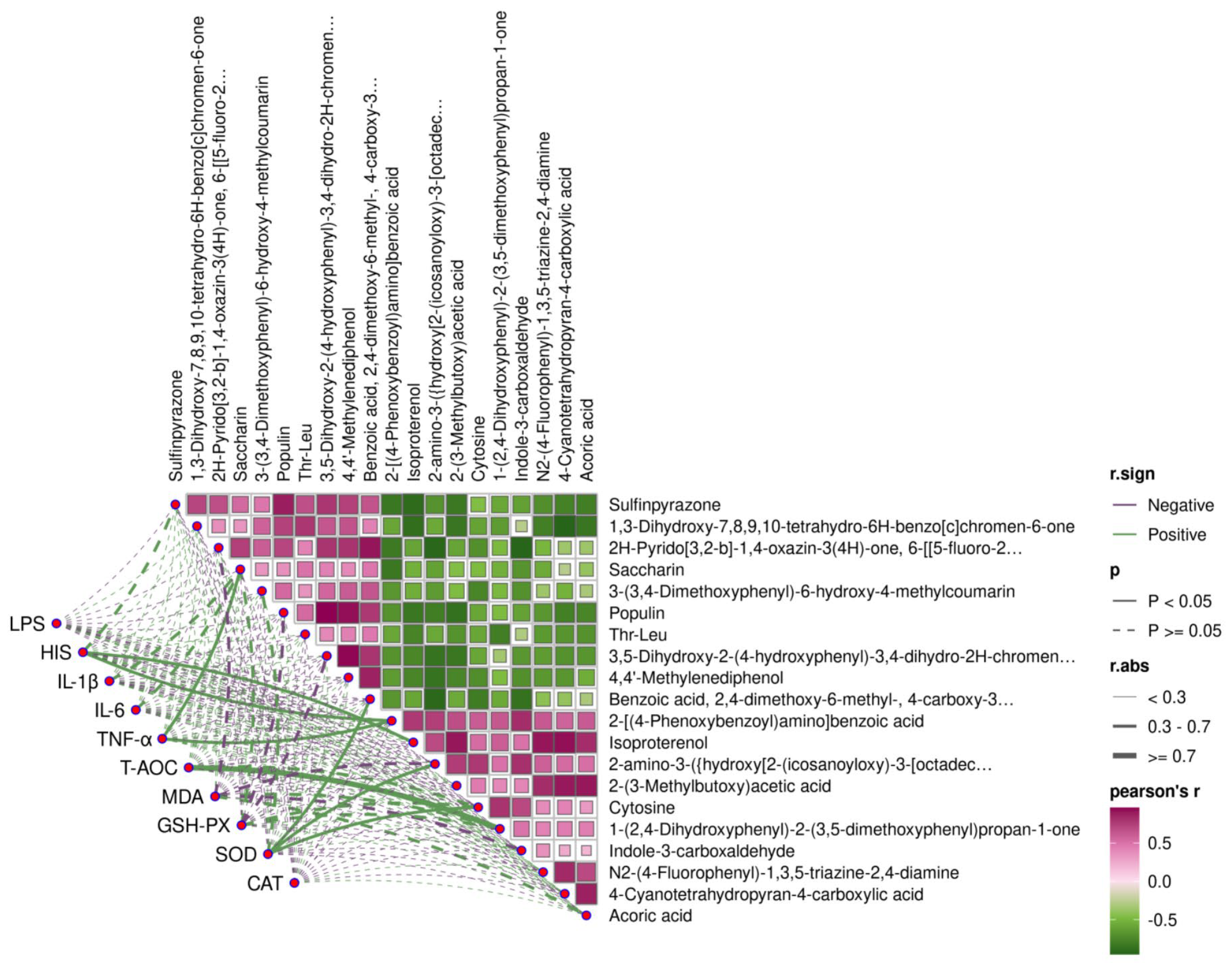
51], while the enrichment of 4-guanidinobutyric acid (an arginine metabolite) and saccharin suggests that the microbiota may influence host nitrogen cycling through nitrogen metabolism pathways. Positive correlations between rumen fluid HIS and epithelial TNF-α with DE Metas like 2-[(4-Phenoxybenzoyl)amino]benzoic acid and isoproterenol (
Figure 9) suggest that these metabolites may participate in mucosal immune responses by reducing HIS release or modulating pro-inflammatory pathways.
Fibrobacter, identified as a biomarker genus in the AMC group, promotes colonization of the epithelial mucosa and shows a positive association with sulfinpyrazone and a negative association with
Prevotella. Given that
Fibrobacter is involved in cellulose degradation, while
Prevotella, a Gram-negative genus, may produce harmful metabolites such as LPS when overgrown [
52,
53], shifts in their relative abundance may have differential effects on rumen health. However, several limitations of this study should be acknowledged. The sample size for the omics analyses (transcriptomics, metagenomics, and metabolomics) was relatively small (N = 4–5 per group), which may limit statistical power and increase the risk of false-positive or false-negative findings. Moreover, the
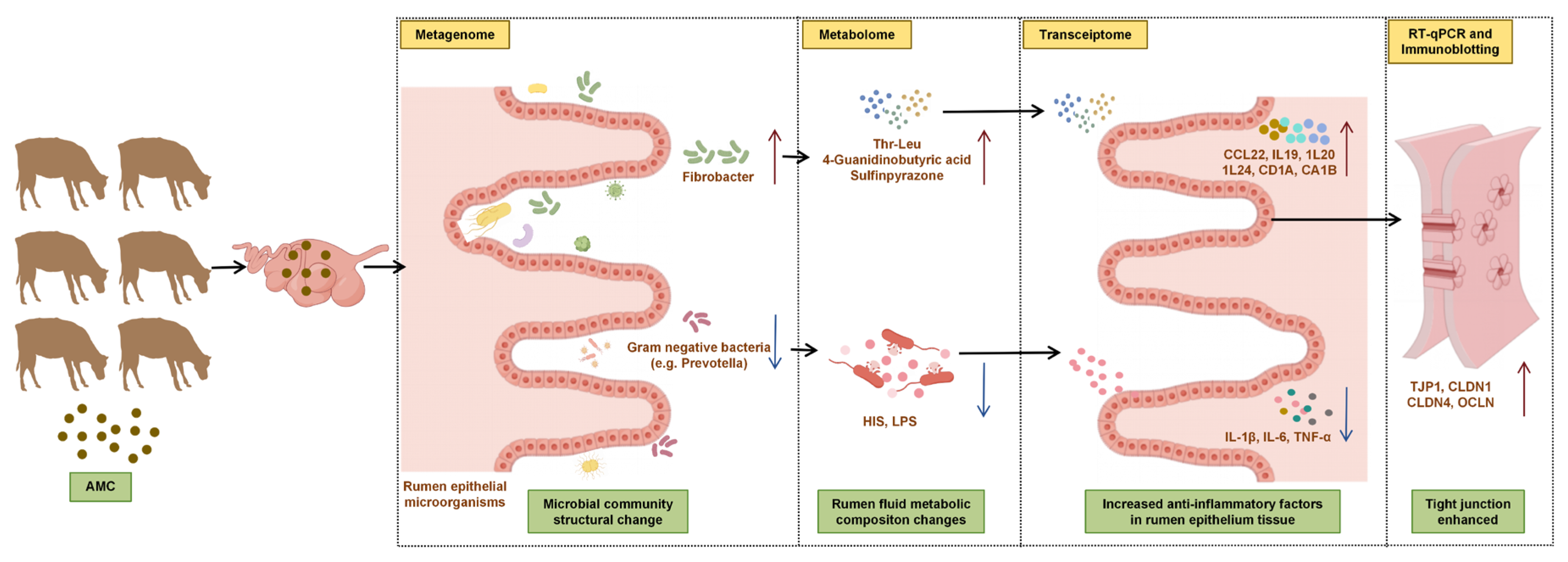
p values reported for differential expression and pathway enrichment analyses were unadjusted for multiple comparisons, further compounding this issue. Therefore, these findings should be considered preliminary and exploratory, and future studies with larger sample sizes and the application of more rigorous statistical methods (e.g., FDR) are warranted to validate the results presented here. In summary, the present study provides evidence that AMC supplementation is associated with improved clinical health outcomes and rumen epithelial integrity in fattening beef cattle. The observed changes in ruminal microbiota, metabolite profiles, and host gene expression suggest a coordinated response that may contribute to enhanced rumen health. However, given the correlational nature of these findings, the proposed mechanistic pathways, including the involvement of tryptophan metabolism, anti-inflammatory metabolites, and microbial shifts, should be considered hypotheses requiring direct validation in future intervention studies.




 ,
,