Metabolomic Markers Reveal How hCG–Ketoprofen Intervention Increase Pregnancy Percentage Following Timed Artificial Insemination in Dairy Cows
 , , ,
, , ,
Simple Summary
Abstract
1. Introduction
2. Materials and Methods
2.1. Animals, Housing Conditions and Experimental Materials
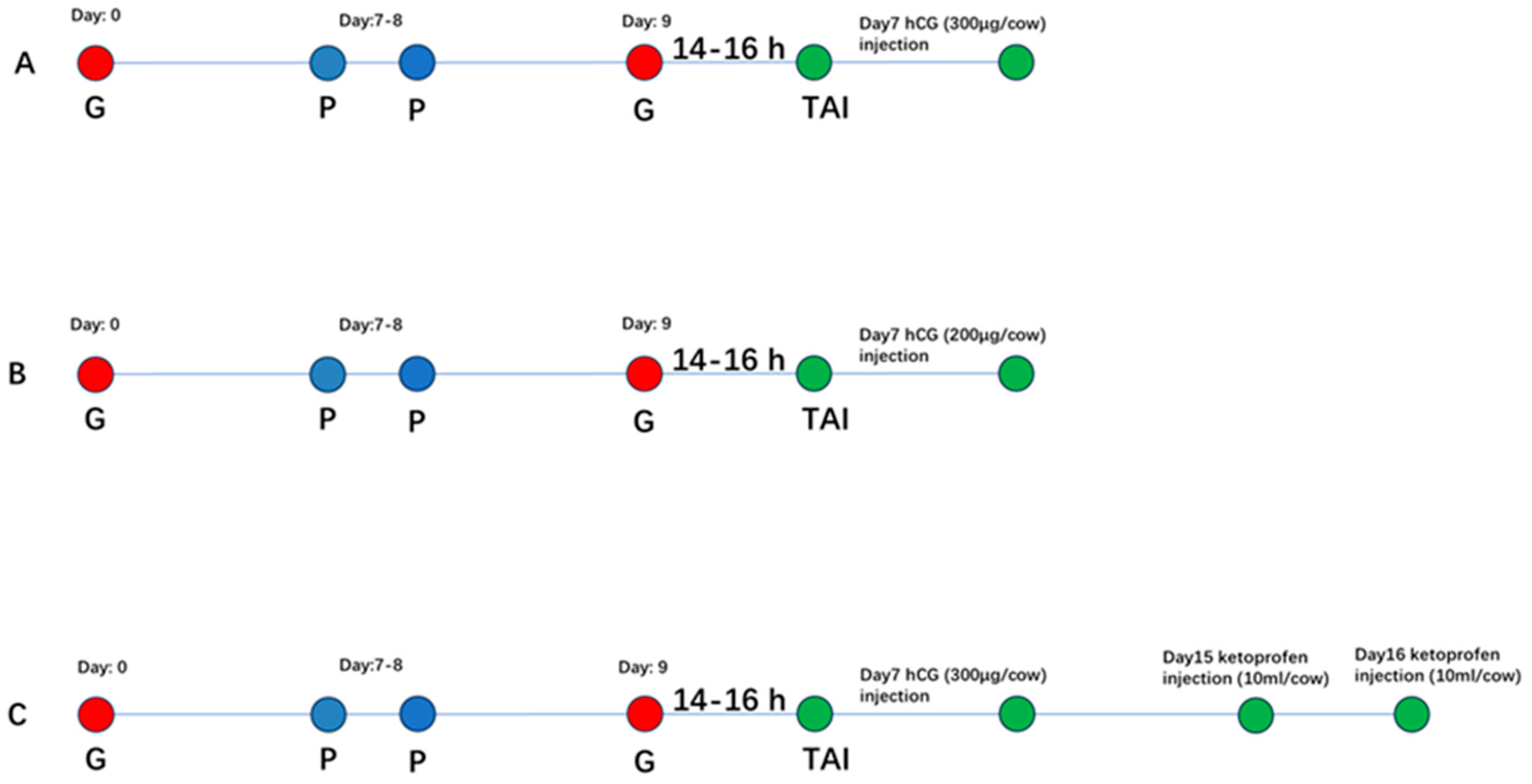
2.2. Experimental Design
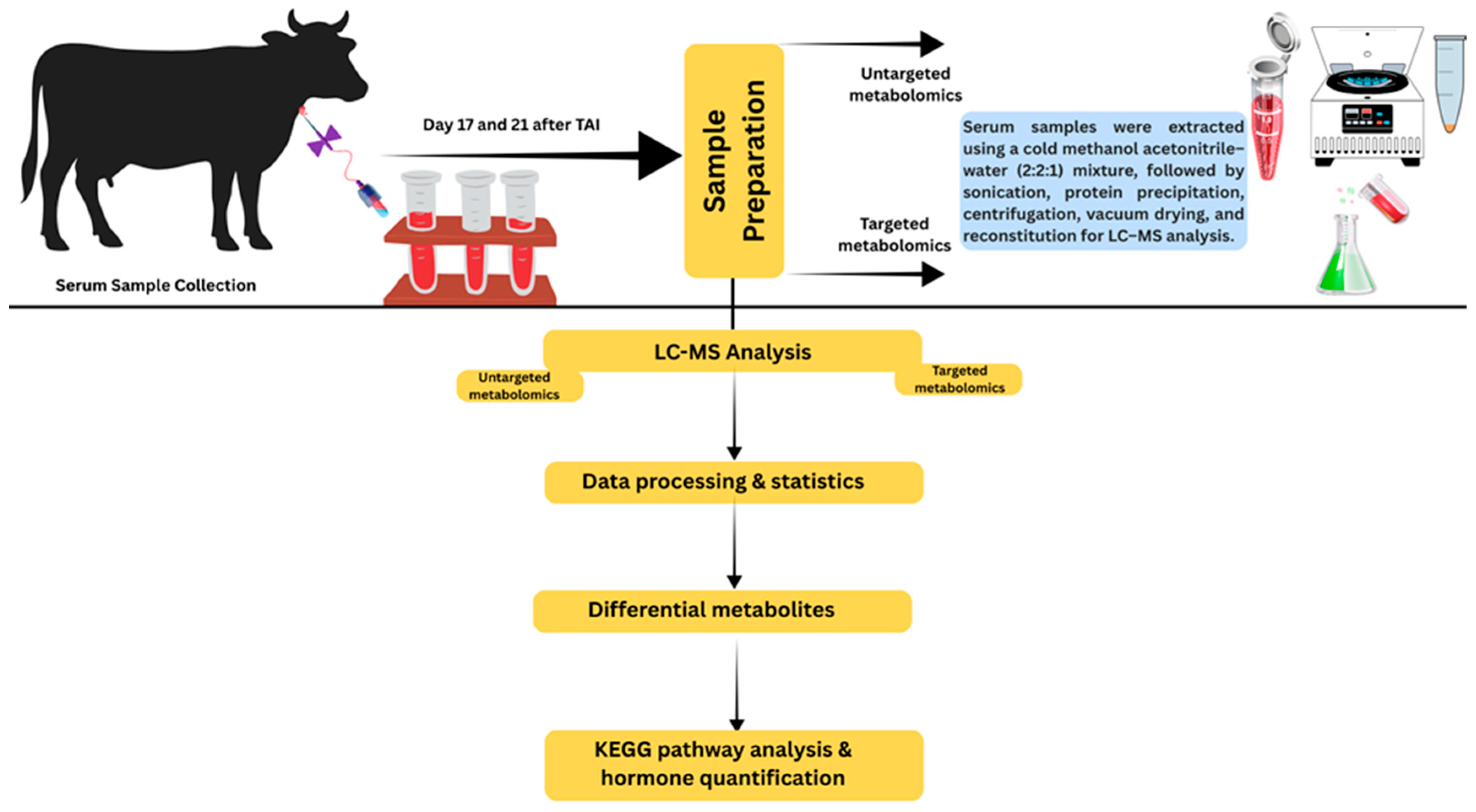
2.3. Blood Collection and Processing for Metabolomic Analysis
2.4. Serum Metabolite Analysis
2.4.1. Chromatography-Mass Spectrometry
2.4.2. Targeted Quantification of Estradiol, Progesterone, Melatonin and 21-Deoxycortisol
2.5. Pregnancy Status Evaluation
2.6. Data Preprocessing, Analysis and Metabolite Identification
3. Results
3.1. Data for the Effects of hCG and Ketoprofen on Pregnancy Percentages as a Result of Conception Resulting from TAI
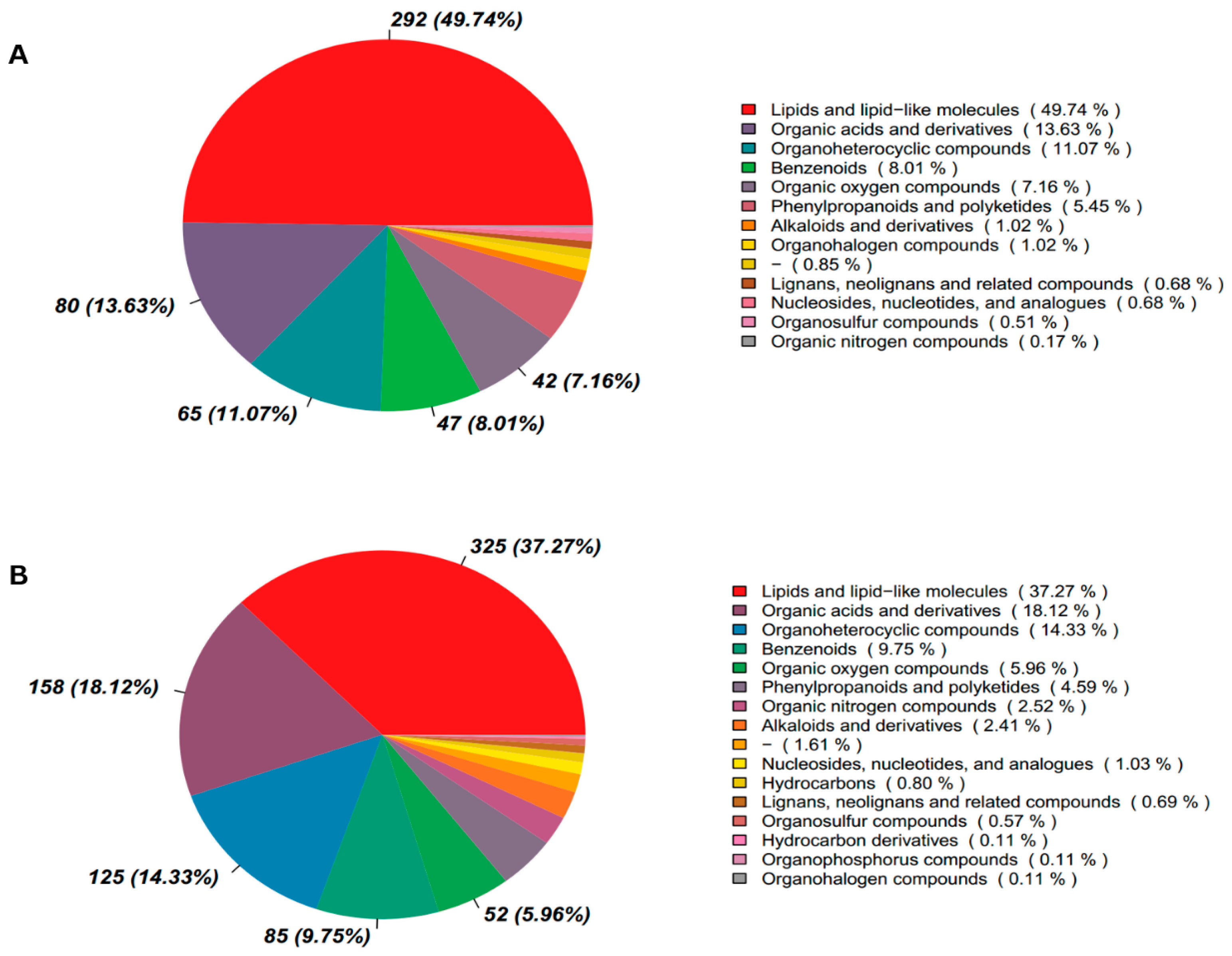
3.2. Metabolite Classification in Cattle After Ketoprofen Treatment
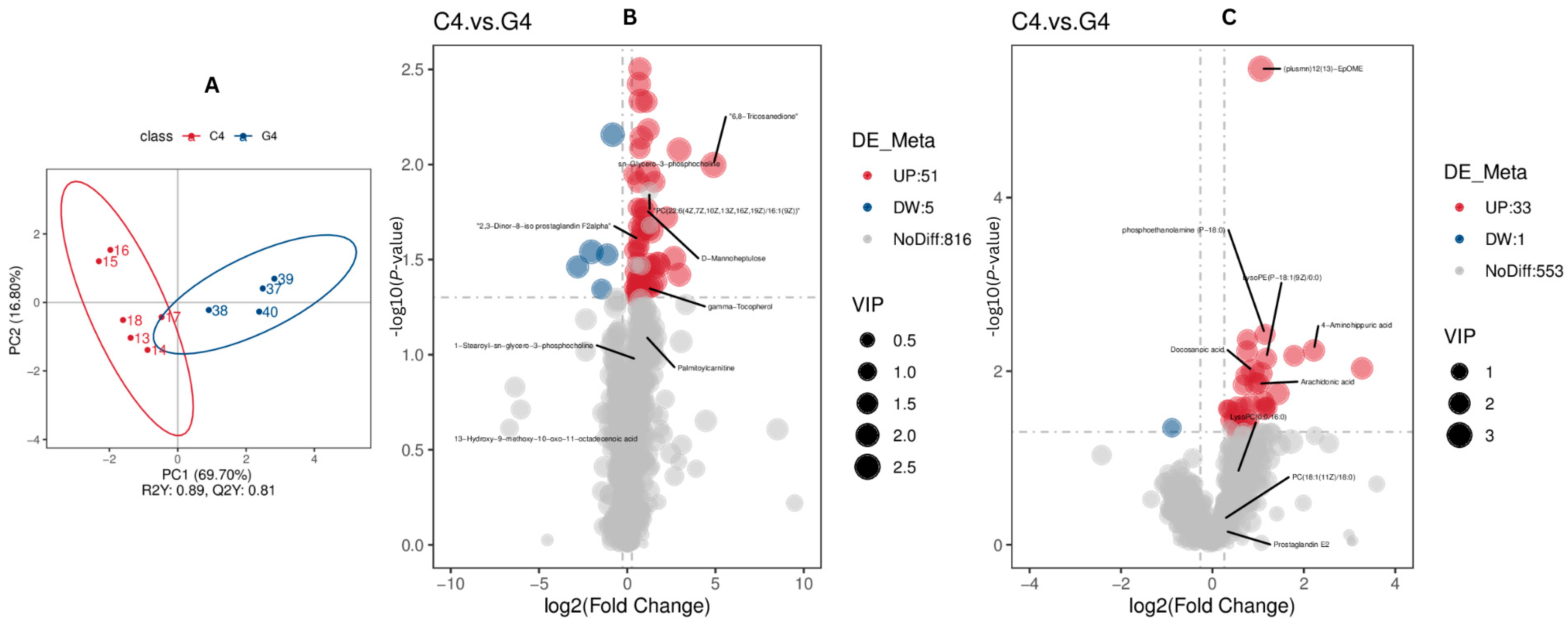
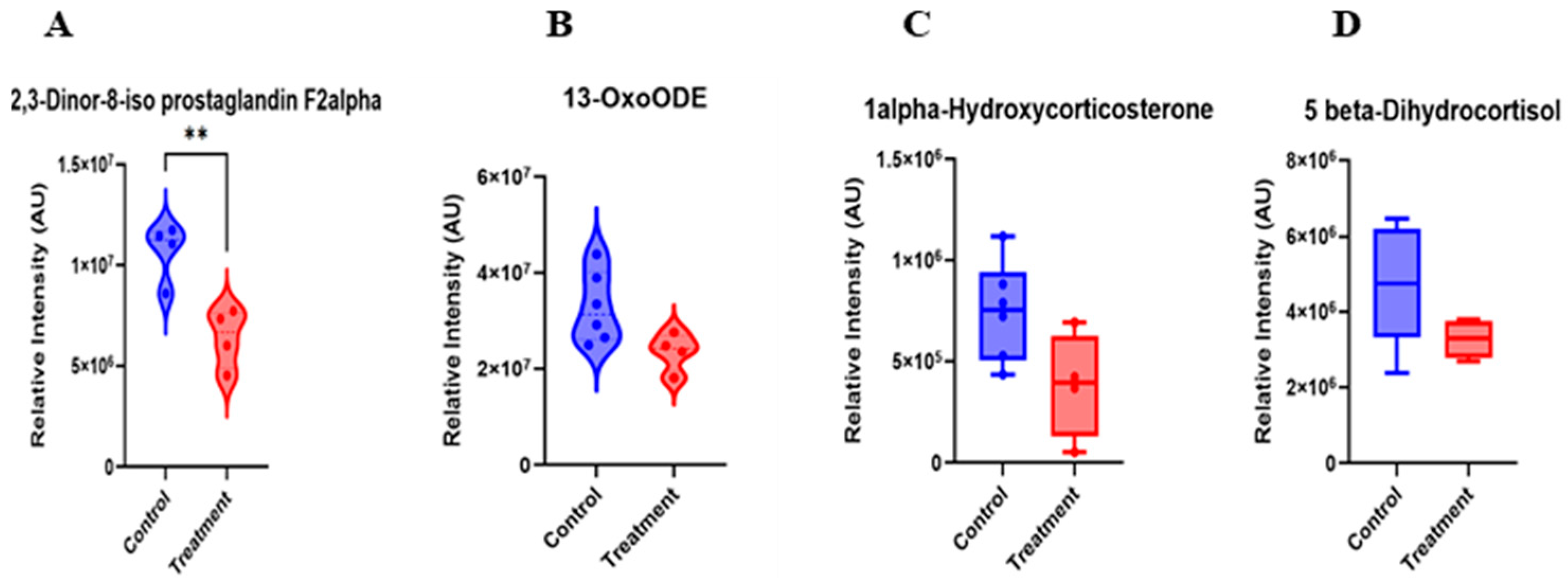
3.3. Screening of Differentially Abundant Metabolites Associated with Reproduction and Fertility on Day 17 of the TAI Treatment Regimen (Cows of C4 Compared with Those of G4 Group)
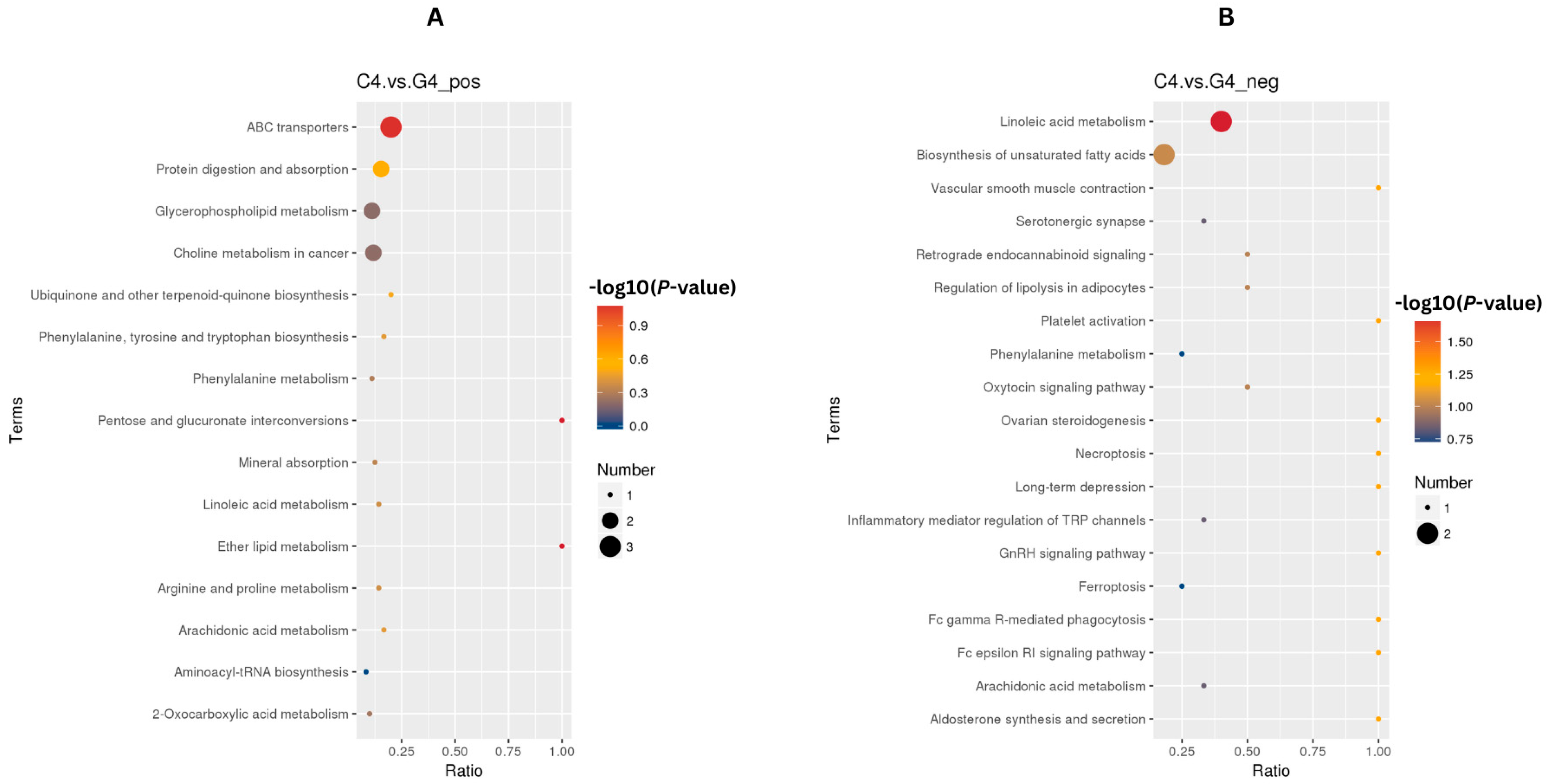
3.4. The Effects of Ketoprofen on Metabolic Pathways on Day 17 After TAI
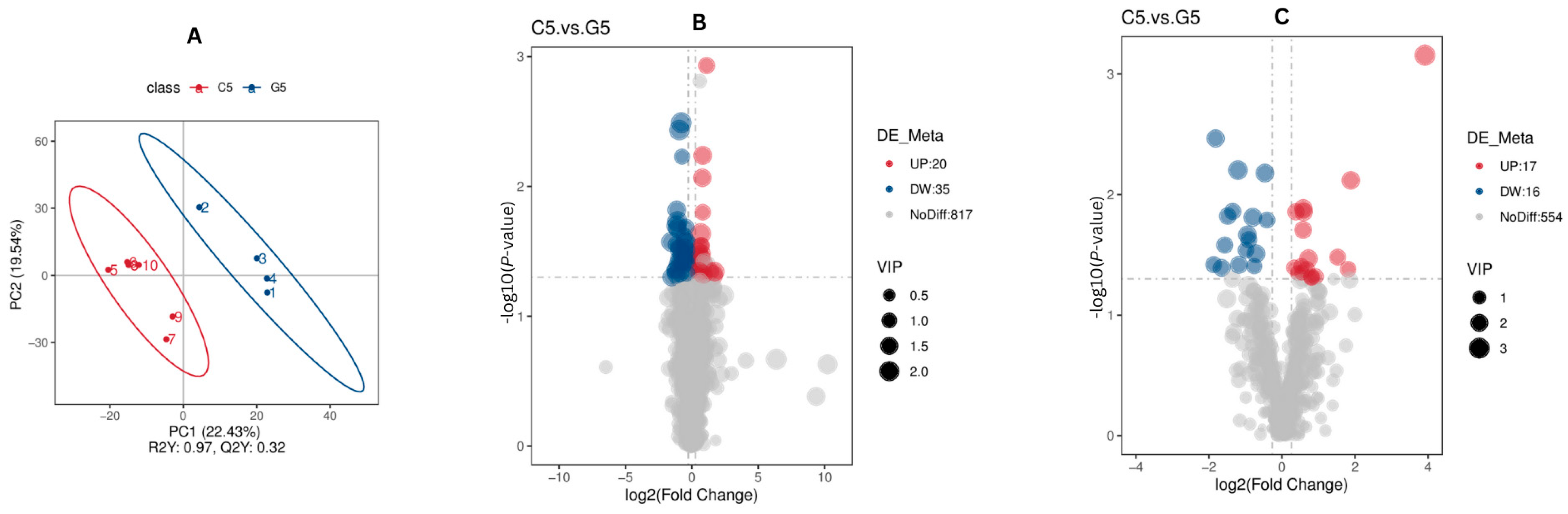
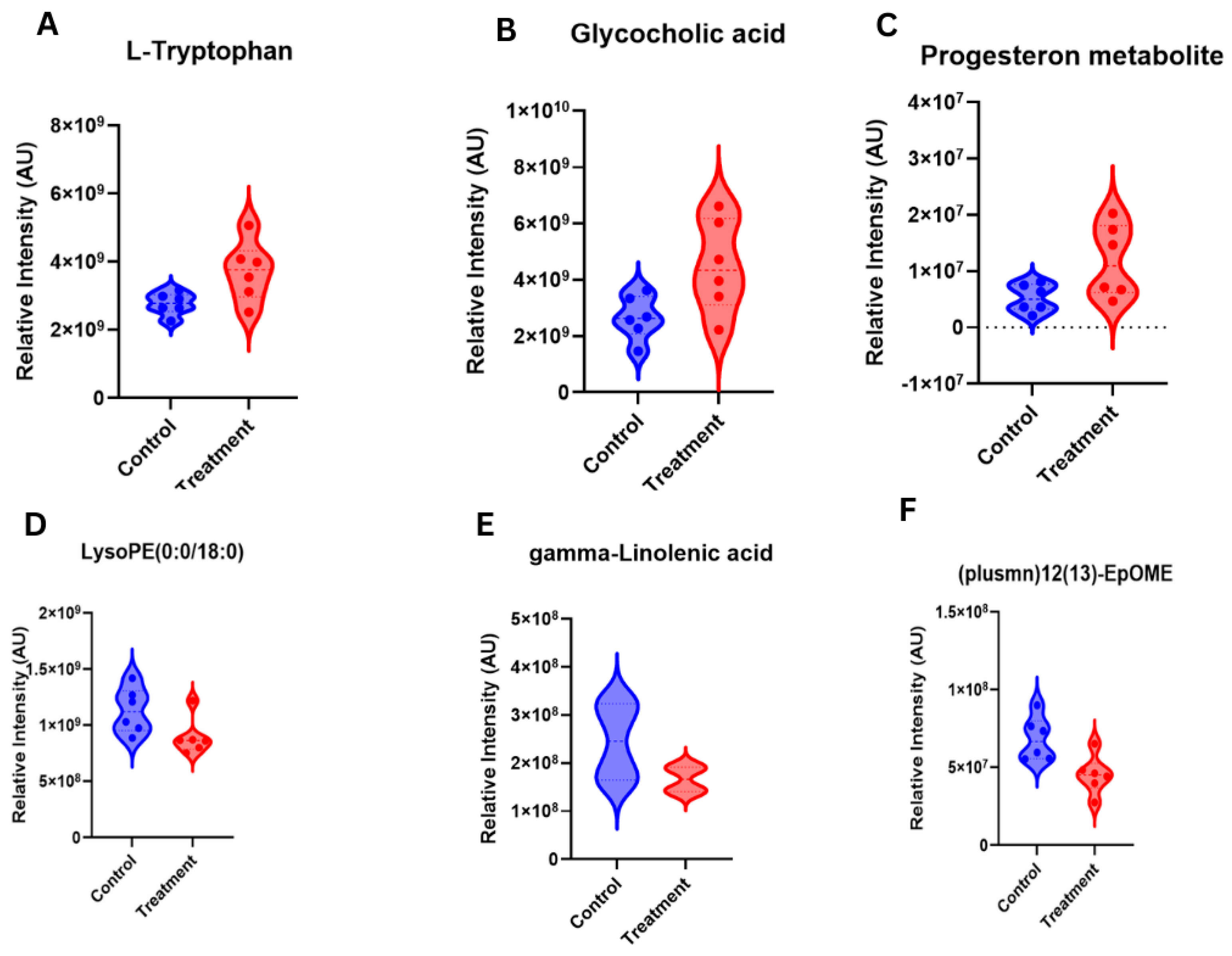
3.5. Screening of Differentially Abundant Metabolites Associated with Reproduction and Fertility on Day 21 After TAI (C5 Compared with G5)
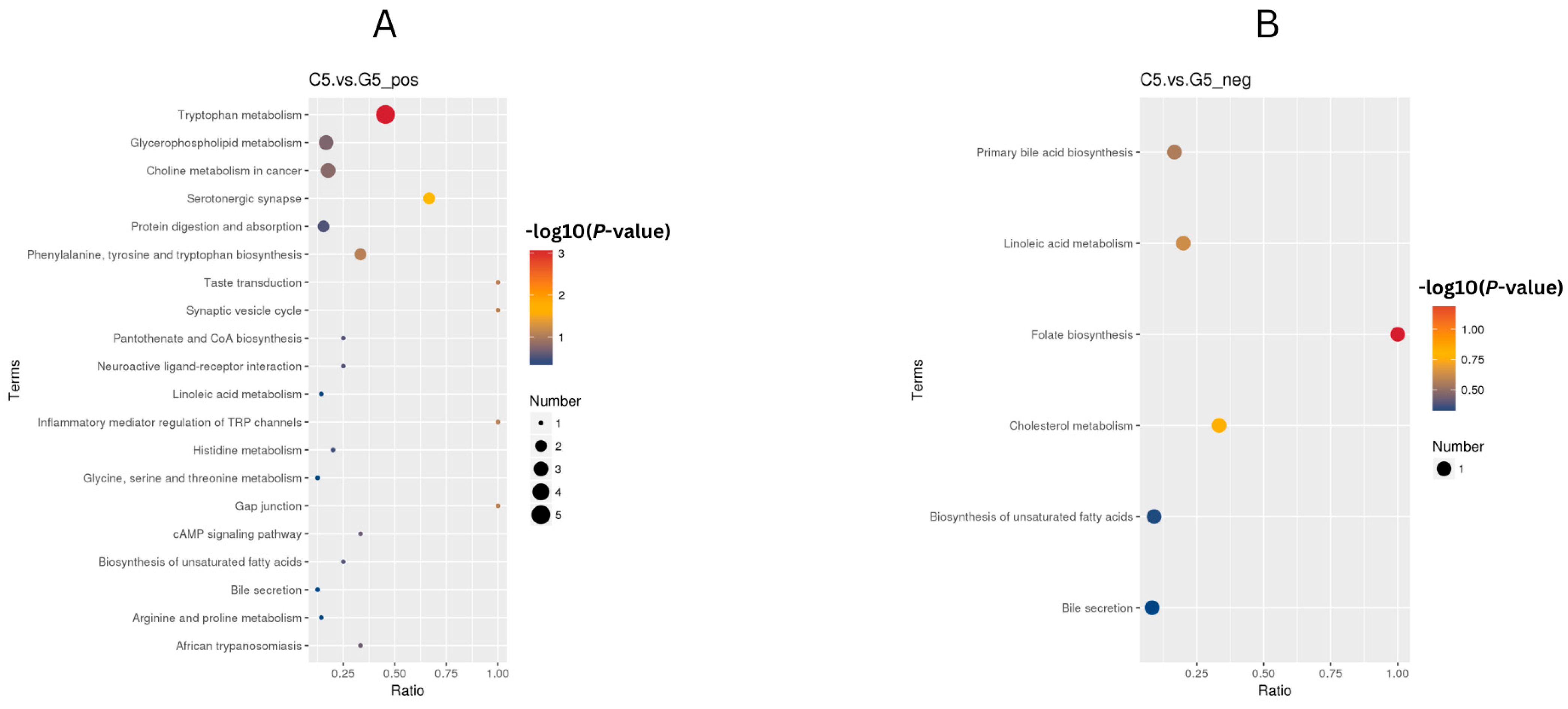
3.6. The Effects of Ketoprofen on Metabolic Pathways on Day 21 After TAI
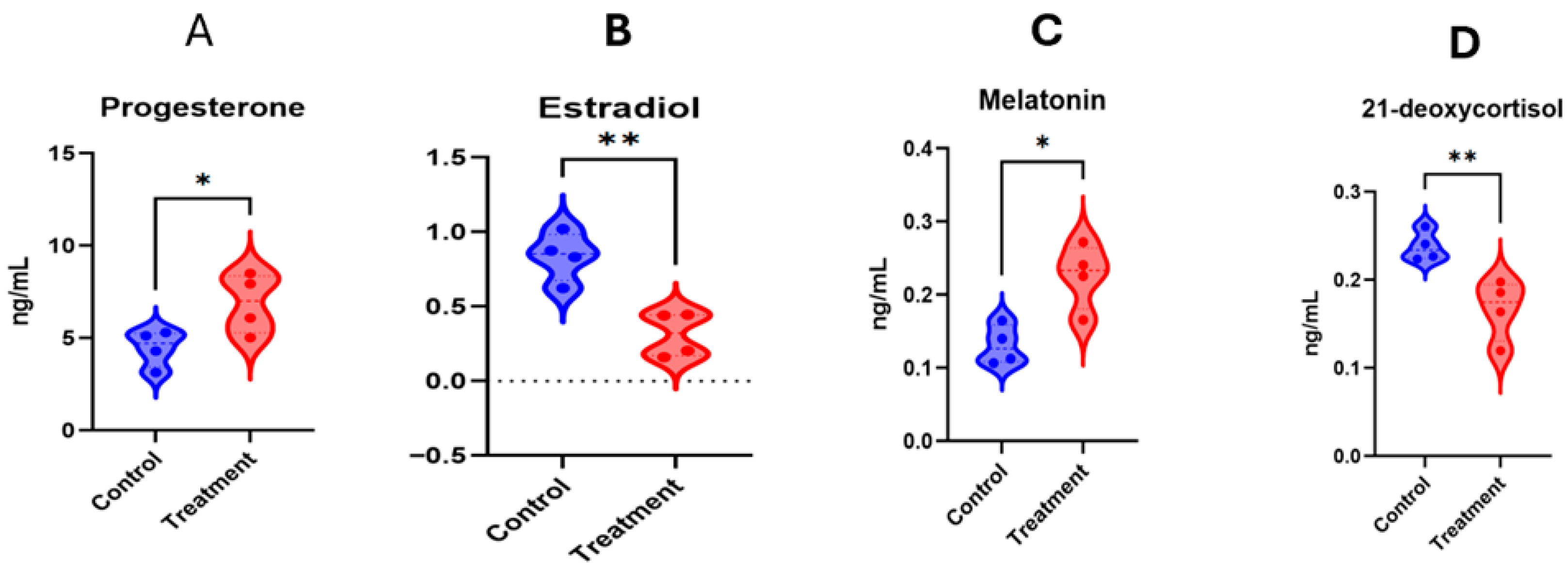
3.7. Targeted Metabolomics of Estradiol, Progesterone, Melatonin and 21-Deoxycortisol
4. Discussion
4.1. Effect of hCG and Ketoprofen Following TAI on the Pregnancy Percentage of the Dairy Cows
4.2. Metabolomic Profiling Findings Reveal Distinct Treatment-Induced Biomarker Changes
4.3. Day 17 Metabolomic Biomarkers: Anti-Inflammatory and Anti-Luteolytic Mechanisms
4.3.1. Suppression of Oxidative Stress and Lipid Peroxidation Markers
4.3.2. Modulation of Arachidonic Acid Metabolism
4.3.3. Suppression of Cortisol Pathway Metabolites
4.3.4. Upregulation of Glycerophospholipid Metabolism
4.3.5. Kegg Pathway Analysis: Dual Luteotropic and Anti-Luteolytic Mechanisms
4.4. Day 21 Metabolomic Signature: Neuroendocrine Optimization and Metabolic Remodeling
4.4.1. Upregulation of Tryptophan and Serotonergic Pathways
4.4.2. Improved Metabolism of Amino Acids
4.4.3. The Downregulation of Inflammatory Lipid Mediators
4.4.4. Alteration in Steroid Hormone Metabolism
4.4.5. Kegg Pathway Analysis: Switching to Neuroendocrine and Metabolic Support
4.5. Integration of Targeted and Untargeted Metabolomics: A Comprehensive Mechanistic Model
5. Conclusions
Supplementary Materials
Author Contributions
Funding
Institutional Review Board Statement
Informed Consent Statement
Data Availability Statement
Conflicts of Interest
References
- Ciornei, Ș.G. Embryo Transfer. In Animal Reproduction; IntechOpen: London, UK, 2021. [Google Scholar]
- Gui, L.S.; Dai, T.S.; Guo, X.R.; Wei, S.H.; Ma, Z.M.; Yang, D.; Ding, B.; Xiang, H.; Yu, Y.; Dan, X. Recent advances in early pregnancy loss diagnosis in dairy cows: New approaches. Reprod. Domest. Anim. 2024, 59, e14566. [Google Scholar] [CrossRef]
- Beasley, L.; Cogger, N.; Compton, C. Use of equine chorionic gonadotropin in lactating dairy cattle: A rapid review. N. Z. Vet. J. 2023, 71, 53–64. [Google Scholar] [CrossRef]
- Zheng, P.; Huang, H.; Li, X.; Huang, F.; Adeniran, S.O.; Wang, Z.; Feng, R.; Zhang, G. LRH-A3 and HCG increase pregnancy rate during timed artificial insemination in dairy cows. Anim. Sci. J. 2021, 92, e13549. [Google Scholar] [CrossRef] [PubMed]
- Cunha, T.O.; Martinez, W.; Walleser, E.; Martins, J.P.N. Effects of GnRH and hCG administration during early luteal phase on estrous cycle length, expression of estrus and fertility in lactating dairy cows. Theriogenology 2021, 173, 23–31. [Google Scholar] [CrossRef]
- Santos, A.; Minela, T.; Branen, J.; Pursley, J. Time to increase in pregnancy-specific protein B following artificial insemination is a direct determinant of subsequent pregnancy loss in lactating dairy cows. J. Dairy Sci. 2023, 106, 3734–3747. [Google Scholar] [CrossRef] [PubMed]
- Helmy, M.A.; Seksaka, M.A.; Hafez, E.M.; Elnagar, W.M. Impact of Premature Progesterone Rise on Intracytoplasmic Sperm Injection Outcomes Using Gonadotropin-Releasing Hormone Antagonist Protocol. Zagazig Univ. Med. J. 2023, 29, 193–200. [Google Scholar] [CrossRef]
- Hanlon, D.; Jarratt, G.; Davidson, P.; Millar, A.; Douglas, V. The effect of hCG administration five days after insemination on the first service conception rate of anestrous dairy cows. Theriogenology 2005, 63, 1938–1945. [Google Scholar] [CrossRef]
- Sánchez, J.M.; Randi, F.; Passaro, C.; Mathew, D.; Butler, S.; Lonergan, P. Effect of human chorionic gonadotrophin administration 2 days after insemination on progesterone concentration and pregnancy per artificial insemination in lactating dairy cows. J. Dairy Sci. 2018, 101, 6556–6567. [Google Scholar] [CrossRef]
- Chen, F.; Hou Ya Zhu, X.; Mei, C.; Guo, R.; Shi, Z. Impact of accessory corpus luteum induced by gonadotropin-releasing hormone or human chorionic gonadotropin on pregnancy rates of dairy cattle following embryo transfer: A META-analysis. Vet. Sci. 2023, 10, 309. [Google Scholar] [CrossRef]
- Besbaci, M.; Abdelli, A.; Minviel, J.-J.; Belabdi, I.; Kaidi, R.; Raboisson, D. Association of pregnancy per artificial insemination with gonadotropin-releasing hormone and human chorionic gonadotropin administered during the luteal phase after artificial insemination in dairy cows: A meta-analysis. J. Dairy Sci. 2020, 103, 2006–2018. [Google Scholar] [CrossRef]
- Bai, H.; Kawahara, M.; Takahashi, M.; Imakawa, K. Recent progress of interferon-tau research and potential direction beyond pregnancy recognition. J. Reprod. Dev. 2022, 68, 299–306. [Google Scholar] [CrossRef]
- Sánchez, J.M.; Mathew, D.J.; Passaro, C.; Fair, T.; Lonergan, P. Embryonic maternal interaction in cattle and its relationship with fertility. Reprod. Domest. Anim. 2018, 53, 20–27. [Google Scholar] [CrossRef]
- Wiltbank, M.C.; Monteiro, P.L.; Domingues, R.R.; Andrade, J.P.N.; Mezera, M.A. Maintenance of the ruminant corpus luteum during pregnancy: Interferon-tau and beyond. Animal 2023, 17, 100827. [Google Scholar] [CrossRef]
- Binelli, M.; Thatcher, W.; Mattos, R.; Baruselli, P.S. Antiluteolytic strategies to improve fertility in cattle. Theriogenology 2001, 56, 1451–1463. [Google Scholar] [CrossRef] [PubMed]
- Alkan, H.; Erdem, H. İneklerde nonsteroid antiinflamatuar ilaçların reprodüktif amaçlı kullanımı. Atatürk Üniv. Vet. Bilim. Derg. 2018, 13, 112–120. [Google Scholar]
- Smith, G.W.; Davis, J.L.; Tell, L.A.; Webb, A.I.; Riviere, J.E. Extralabel use of nonsteroidal anti-inflammatory drugs in cattle. J. Am. Vet. Med. Assoc. 2008, 232, 697–701. [Google Scholar] [CrossRef]
- Bülbül, B.; Dursun, S.; Kirbas, M.; Kose, M.; Umutlu, S. Düvelerde embriyo transferi öncesi flunixin meglumin uygulamasının gebelik oranı üzerine etkisi. Kafkas Üniv. Vet. Fakültesi Derg. 2010, 16, 105–109. [Google Scholar]
- Gaievski, F.R.; Kaminski, A.P.; Kozicki, L.E.; Segui, M.S.; Weiss, R.R.; Bergstein-Galan, T.G.; Talini, R.; Valle, V.M.; Lara, N.S.S.; Catalano, F.A.R. Comparison of the efficiency of progesterone, ketoprofen, or GnRH administration on the day of fixed-time transfer (FTET) of in vitro produced (IVP) embryos in suckled crossbred beef cows. N. Z. J. Agric. Res. 2024, 67, 240–250. [Google Scholar]
- Dursun, Ş. Laktasyonda Olmayan Isviçre Esmeri Inek ve Düvelerde Ketoprofen ve Flunixin Meglumin Uygulamasının Gebe Kalma Oranı Üzerine Etkisi. Ph.D. Thesis, Selçuk Üniversitesi Sağlık Bilimleri Enstitüsü, Konya, Turkey, 2011. [Google Scholar]
- Sun, H.; Wang, B.; Wang, J.; Liu, H.; Liu, J. Biomarker and pathway analyses of urine metabolomics in dairy cows when corn stover replaces alfalfa hay. J. Anim. Sci. Biotechnol. 2016, 7, 49. [Google Scholar] [CrossRef]
- Kenéz, Á.; Dänicke, S.; Rolle-Kampczyk, U.; von Bergen, M.; Huber, K. A metabolomics approach to characterize phenotypes of metabolic transition from late pregnancy to early lactation in dairy cows. Metabolomics 2016, 12, 165. [Google Scholar] [CrossRef]
- He, C.; Wang, J.; Zhang, Z.; Yang, M.; Li, Y.; Tian, X.; Ma, T.; Tao, J.; Zhu, K.; Song, Y.; et al. Mitochondria Synthesize Melatonin to Ameliorate Its Function and Improve Mice Oocyte’s Quality under in Vitro Conditions. Int. J. Mol. Sci. 2016, 17, 939. [Google Scholar] [CrossRef]
- Uçar, E.H.; Peker, C. The Effect of Human Chorionic Gonadotropin and Ketoprofen Applications on Pregnancy Rates in Dairy Cows After Artificial Insemination. Anim. Health Prod. Hyg. 2023, 12, 36–41. [Google Scholar]
- Kraevskiy, A.; Sokolyuk, V.; Travetskiy, M.; Chekan, O.; Musiienko, Y. Surfagon and Ketaprofen for increasing fertility and preventing embryonic death in cows after insemination AY. Ukr. J. Ecol. 2020, 10, 159–164. [Google Scholar]
- Spencer, J.; Konetchy, D.; Ahmadzadeh, A. Influences of non-steroidal anti-inflammatory drugs on dairy cattle reproductive performance. Appl. Anim. Sci. 2020, 36, 397–406. [Google Scholar]
- Besbaci, M.; Abdelli, A.; Belabdi, I.; Raboisson, D. Non-steroidal anti-inflammatory drugs at embryo transfer on pregnancy rates in cows: A meta-analysis. Theriogenology 2021, 171, 64–71. [Google Scholar]
- Sakai, S.; Yagi, M.; Fujime, N.; Kuse, M.; Sakumoto, R.; Yamamoto, Y.; Okuda, K.; Kimura, K. Heat stress influences the attenuation of prostaglandin synthesis by interferon tau in bovine endometrial cells. Theriogenology 2021, 165, 52–58. [Google Scholar] [CrossRef]
- Garcia-Ispierto, I.; López-Helguera, I.; Martino, A.; López-Gatius, F. Reproductive performance of anoestrous high-producing dairy cows improved by adding equine chorionic gonadotrophin to a progesterone-based oestrous synchronizing protocol. Reprod. Domest. Anim. 2012, 47, 752–758. [Google Scholar]
- Yilmazbas-Mecitoglu, G.; Gumen, A.; Karakaya-Bilen, E.; Keskin, A.; Guner, B.; Cakircali, R. The ovulatory response to human chorionic gonadotropin administration on day 4 post timed artificial insemination improved fertility in repeat breeder cows. Acta Vet. Brno 2021, 90, 15–20. [Google Scholar]
- Wiltbank, M.; Souza, A.; Carvalho, P.; Cunha, A.; Giordano, J.; Fricke, P.; Baez, G.; Diskin, M. Physiological and practical effects of progesterone on reproduction in dairy cattle. Animal 2014, 8, 70–81. [Google Scholar] [CrossRef] [PubMed]
- Lonergan, P.; Forde, N. Maternal-embryo interaction leading up to the initiation of implantation of pregnancy in cattle. Animal 2014, 8, 64–69. [Google Scholar] [CrossRef]
- Muñoz, M.; Uyar, A.; Correia, E.; Ponsart, C.; Guyader-Joly, C.; Martínez-Bello, D.; Guienne, B.M.-L.; Fernandez-Gonzalez, A.; Díez, C.; Caamaño, J.N.; et al. Metabolomic prediction of pregnancy viability in superovulated cattle embryos and recipients with Fourier transform infrared spectroscopy. BioMed Res. Int. 2014, 2014, 608579. [Google Scholar] [CrossRef] [PubMed]
- Aranciaga, N.; Morton, J.D.; Berg, D.K.; Gathercole, J.L. Proteomics and metabolomics in cow fertility: A systematic review. Reproduction 2020, 160, 639–658. [Google Scholar] [CrossRef]
- Boldeanu, L.; Văduva, C.-C.; Caragea, D.C.; Novac, M.B.; Manasia, M.; Siloși, I.; Manolea, M.M.; Boldeanu, M.V.; Dijmărescu, A.L. Association between serum 8-iso-prostaglandin F2α as an oxidative stress marker and immunological markers in a cohort of preeclampsia patients. Life 2023, 13, 2242. [Google Scholar]
- Yu, Y.; Yang, Q.; Wang, Z.; Ding, Q.; Li, M.; Fang, Y.; He, Q.; Zhu, Y.Z. The anti-inflammation and anti-nociception effect of ketoprofen in rats could be strengthened through co-delivery of a H2S donor, S-propargyl-cysteine. J. Inflamm. Res. 2021, 14, 5863–5875. [Google Scholar] [CrossRef]
- Miyazaki, Y.; Nakamura, T.; Takenouchi, S.; Hayashi, A.; Omori, K.; Murata, T. Urinary 8-iso PGF2α and 2,3-dinor-8-iso PGF2α can be indexes of colitis-associated colorectal cancer in mice. PLoS ONE 2021, 16, e0245292. [Google Scholar]
- Altuna-Coy, A.; Ruiz-Plazas, X.; Sánchez-Martin, S.; Ascaso-Til, H.; Prados-Saavedra, M.; Alves-Santiago, M.; Bernal-Escoté, X.; Segarra-Tomás, J.; Chacón, M.R. The lipidomic profile of the tumoral periprostatic adipose tissue reveals alterations in tumor cell’s metabolic crosstalk. BMC Med. 2022, 20, 255. [Google Scholar] [CrossRef] [PubMed]
- Deluao, J.C.; Winstanley, Y.; Robker, R.L.; Pacella-Ince, L.; Gonzalez, M.B.; McPherson, N.O. Oxidative stress and reproductive function: Reactive oxygen species in the mammalian pre-implantation embryo. Reproduction 2022, 164, F95–F108. [Google Scholar] [CrossRef]
- Das, A.; Roychoudhury, S. Reactive oxygen species in the reproductive system: Sources and physiological roles. In Oxidative Stress and Toxicity in Reproductive Biology and Medicine: A Comprehensive Update on Male Infertility—Volume One; Springer: Berlin/Heidelberg, Germany, 2022; pp. 9–40. [Google Scholar]
- Singh, S.P.; Ankesh Kumar, A.; Bhavsar, P.; Bhavsar, M.; Sourya, N.; Singh, A.K.; Sahu, M. Application of non-steroidal anti-inflammatory drugs (NSAIDs) for improvement of cattle fertility. Pharma Innov. 2021, 10, 404–407. [Google Scholar]
- Kmaid, S.; Albanell, S.; Saldaña, J.; Nuñez-Olivera, R.; Renaud, P.; Menchaca, A. Pregnancy rate after treatment with a nonsteroidal anti-inflammatory drug (tolfenamic acid) at the time of embryo transfer in recipient cows. Theriogenology 2025, 248, 117623. [Google Scholar] [CrossRef]
- Reddy, G.A.L.; Singh, M.; Kaur, R.D. Modulation of prostaglandin synthesis to improve farm animal reproduction. Int. J. Farm Sci. 2023, 13, 42–46. [Google Scholar] [CrossRef]
- Arthiya, K. CRISPR/CAS9 Mediated Editing of Cox-2 Gene in Luteal Cells of Buffalo; NDRI (SRS): Karnataka, India, 2022. [Google Scholar]
- Mahesh, G.; Anil Kumar, K.; Reddanna, P. Overview on the discovery and development of anti-inflammatory drugs: Should the focus be on synthesis or degradation of PGE2? J. Inflamm. Res. 2021, 14, 253–263. [Google Scholar] [CrossRef] [PubMed]
- Wang, B.; Wu, L.; Chen, J.; Dong, L.; Chen, C.; Wen, Z.; Hu, J.; Fleming, I.; Wang, D.W. Metabolism pathways of arachidonic acids: Mechanisms and potential therapeutic targets. Signal Transduct. Target. Ther. 2021, 6, 94. [Google Scholar] [CrossRef] [PubMed]
- Harwood, J.L. Polyunsaturated fatty acids: Conversion to lipid mediators, roles in inflammatory diseases and dietary sources. Int. J. Mol. Sci. 2023, 24, 8838. [Google Scholar] [CrossRef] [PubMed]
- Gilroy, D.W.; Bishop-Bailey, D. Lipid mediators in immune regulation and resolution. Br. J. Pharmacol. 2019, 176, 1009–1023. [Google Scholar] [CrossRef]
- Palme, R. Non-invasive measurement of glucocorticoids: Advances and problems. Physiol. Behav. 2019, 199, 229–243. [Google Scholar] [CrossRef]
- Penning, T.M.; Covey, D.F. 5β-Dihydrosteroids: Formation and Properties. Int. J. Mol. Sci. 2024, 25, 8857. [Google Scholar] [CrossRef]
- Wrzecińska, M.; Czerniawska-Piątkowska, E.; Kowalczyk, A. The impact of stress and selected environmental factors on cows’ reproduction. J. Appl. Anim. Res. 2021, 49, 318–323. [Google Scholar] [CrossRef]
- Fernandez-Novo, A.; Pérez-Garnelo, S.S.; Villagrá, A.; Pérez-Villalobos, N.; Astiz, S. The effect of stress on reproduction and reproductive technologies in beef cattle—A review. Animals 2020, 10, 2096. [Google Scholar] [CrossRef]
- Mbiydzenyuy, N.E.; Qulu, L.-A. Stress, hypothalamic-pituitary-adrenal axis, hypothalamic-pituitary-gonadal axis, and aggression. Metab. Brain Dis. 2024, 39, 1613–1636. [Google Scholar]
- Dong, J.; Li, J.; Li, J.; Cui, L.; Meng, X.; Qu, Y.; Wang, H. The proliferative effect of cortisol on bovine endometrial epithelial cells. Reprod. Biol. Endocrinol. 2019, 17, 97. [Google Scholar] [CrossRef]
- Dong, J.; Qu, Y.; Li, J.; Cui, L.; Wang, Y.; Lin, J.; Wang, H. Cortisol inhibits NF-κB and MAPK pathways in LPS activated bovine endometrial epithelial cells. Int. Immunopharmacol. 2018, 56, 71–77. [Google Scholar] [CrossRef]
- Cockcroft, S. Mammalian lipids: Structure, synthesis and function. Essays Biochem. 2021, 65, 813–845. [Google Scholar] [CrossRef]
- Guardiola, S.M.T.; Parra, C.M.; Úbeda, C.S. The Dialogue into the Sow Genital Tract: An Essential Process for Fertility. In Assisted Reproductive Technologies in Animals Volume 1: Current Trends for Reproductive Management; Springer: Berlin/Heidelberg, Germany, 2024; pp. 371–425. [Google Scholar]
- Ridgway, N.D. Phospholipid synthesis in mammalian cells. In Biochemistry of Lipids, Lipoproteins and Membranes; Elsevier: Amsterdam, The Netherlands, 2021; pp. 227–258. [Google Scholar]
- Murakami, M.; Yamamoto, K.; Taketomi, Y. Phospholipase A2 in skin biology: New insights from gene-manipulated mice and lipidomics. Inflamm. Regen. 2018, 38, 31. [Google Scholar] [CrossRef] [PubMed]
- Gimeno, I.; Garcia-Manrique, P.; Carrocera, S.; Lopez-Hidalgo, C.; Valledor, L.; Martin-Gonzalez, D.; Gómez, E. The metabolic signature of in vitro produced bovine embryos helps predict pregnancy and birth after embryo transfer. Metabolites 2021, 11, 484. [Google Scholar] [CrossRef]
- Gimeno, I.; García-Manrique, P.; Carrocera, S.; López-Hidalgo, C.; Muñoz, M.; Valledor, L.; Martín-González, D.; Gómez, E. Non-invasive identification of sex in cultured bovine embryos by UHPLC-MS/MS metabolomics. Metabolomics 2022, 18, 53. [Google Scholar]
- Miyamoto, A.; Shirasuna, K. Luteolysis in the cow: A novel concept of vasoactive molecules. Anim. Reprod. (AR) 2018, 6, 47–59. [Google Scholar]
- Yu, X.-H.; Tang, C.-K. ABCA1, ABCG1, and cholesterol homeostasis. In HDL Metabolism and Diseases; Springer: Berlin/Heidelberg, Germany, 2022; pp. 95–107. [Google Scholar]
- Wang, N.; Westerterp, M. ABC transporters, cholesterol efflux, and implications for cardiovascular diseases. In Lipid Transfer in Lipoprotein Metabolism and Cardiovascular Disease; Springer: Berlin/Heidelberg, Germany, 2020; pp. 67–83. [Google Scholar]
- Li, D.; Tan, F.; Lin, C.S.K.; Liu, Y.; Liu, J.; Gao, C. Advances in the metabolic engineering of Escherichia coli for the production of serotonin and its precursor, tryptophan. Biochem. Eng. J. 2024, 208, 109360. [Google Scholar] [CrossRef]
- Lv, J.; Liu, F. The role of serotonin beyond the central nervous system during embryogenesis. Front. Cell. Neurosci. 2017, 11, 74. [Google Scholar] [CrossRef]
- Amireault, P.; Sibon, D.; Côté, F. Life without peripheral serotonin: Insights from tryptophan hydroxylase 1 knockout mice reveal the existence of paracrine/autocrine serotonergic networks. ACS Chem. Neurosci. 2013, 4, 64–71. [Google Scholar]
- Fournier, S.B.; D’Errico, J.N.; Stapleton, P.A. Uterine vascular control preconception and during pregnancy. Compr. Physiol. 2021, 11, 1871–1893. [Google Scholar] [CrossRef]
- Grattan, D.R.; Ladyman, S.R. Maternal Recognition of Pregnancy. In Neuroendocrine Regulation of Mammalian Pregnancy and Lactation; Springer: Berlin/Heidelberg, Germany, 2024; pp. 1–20. [Google Scholar]
- Gumusoglu, S.; Scroggins, S.; Vignato, J.; Santillan, D.; Santillan, M. The serotonin-immune axis in preeclampsia. Curr. Hypertens. Rep. 2021, 23, 37. [Google Scholar] [CrossRef] [PubMed]
- Vujovic, S.; MiomiraIvovic, M. Detection and treatment of some endometrial receptivity disorders–A way to improve fertility rates. Gynecol. Reprod. Endocrinol. Metab. 2021, 2, 140–147. [Google Scholar]
- Gao, H. Amino acids in reproductive nutrition and health. In Amino Acids in Nutrition and Health: Amino Acids in Systems Function and Health; Springer Nature: Berlin/Heidelberg, Germany, 2020; pp. 111–131. [Google Scholar]
- Manta-Vogli, P.D.; Schulpis, K.H.; Dotsikas, Y.; Loukas, Y.L. The significant role of amino acids during pregnancy: Nutritional support. J. Matern.-Fetal Neonatal Med. 2020, 33, 334–340. [Google Scholar] [CrossRef]
- Bodis, J.; Farkas, B.; Nagy, B.; Kovacs, K.; Sulyok, E. The role of L-arginine-NO system in female reproduction: A narrative review. Int. J. Mol. Sci. 2022, 23, 14908. [Google Scholar] [CrossRef]
- Voros, C.; Sapantzoglou, I.; Mavrogianni, D.; Athanasiou, D.; Varthaliti, A.; Bananis, K.; Athanasiou, A.; Athanasiou, A.; Papahliou, A.M.; Zografos, C.G.; et al. Unlocking Implantation: The Role of Nitric Oxide, NO2-NO3, and eNOS in Endometrial Receptivity and IVF Success—A Systematic Review. Int. J. Mol. Sci. 2025, 26, 6569. [Google Scholar] [CrossRef]
- Abdelnaby, E.A.; Abo El-Maaty, A.M. Melatonin and CIDR improved the follicular and luteal haemodynamics, uterine and ovarian arteries vascular perfusion, ovarian hormones and nitric oxide in cyclic cows. Reprod. Domest. Anim. 2021, 56, 498–510. [Google Scholar] [CrossRef]
- Halloran, K.M.; Stenhouse, C.; Wu, G.; Bazer, F.W. Arginine, agmatine, and polyamines: Key regulators of conceptus development in mammals. In Amino Acids in Nutrition and Health: Amino Acids in Gene Expression, Metabolic Regulation, and Exercising Performance; Springer: Berlin/Heidelberg, Germany, 2021; pp. 85–105. [Google Scholar]
- Hu, S.; He, W.; Wu, G. Hydroxyproline in animal metabolism, nutrition, and cell signaling. Amino Acids 2022, 54, 513–528. [Google Scholar]
- Halloran, K.M.; Stenhouse, C. Key biochemical pathways during pregnancy in livestock: Mechanisms regulating uterine and placental development and function. Reprod. Fertil. 2025, 6, e250056. [Google Scholar] [CrossRef]
- Liu, B.; Duan, L.; Liu, X.; Bazer, F.W.; Wang, X. Uterine histotroph and conceptus development. IV. Metabolomic analyses of uterine luminal fluid reveals regulatory landscapes during the peri-implantation period of pregnancy in pigs. Biol. Reprod. 2025, 113, 1523–1538. [Google Scholar] [CrossRef]
- Hegazy, M.A.; Ahmed, S.M.; Sultan, S.M.; Afifi, O.F.; Mohamed, M.A.; Azab, A.E.; Hassanen, M.A.; Zaben, R.K. Metabolic dysfunction-associated steatotic liver disease and omega-6 polyunsaturated fatty acids: Friends or foes. World J. Hepatol. 2025, 17, 102286. [Google Scholar] [CrossRef]
- Xu, R.; Molenaar, A.J.; Chen, Z.; Yuan, Y. Mode and Mechanism of Action of Omega-3 and Omega-6 Unsaturated Fatty Acids in Chronic Diseases. Nutrients 2025, 17, 1540. [Google Scholar] [CrossRef]
- Anton, P.; Rutt, L.N.; Capper, C.; McCullough, R. Profiling the Oxylipidome in Aged Mice after Chronic Ethanol Feeding: Identifying a Disconnect between Cytokines and Lipid Metabolites. SSRN Electron. J. 2023, 107, 119–135. [Google Scholar] [CrossRef]
- Tsiara, I.; Correia, M.S.; Yang, F.; Zeng, W.; Seeburger, P.; Hervás Povo, B.; Lundgaard, I.; Menéndez-González, M.; Vujasinovic, M.; Löhr, J.-M.; et al. Global metabolomics profiling of glucuronides in human plasma, fecal, and cerebrospinal fluid samples. In Analytical and Bioanalytical Chemistry; Springer: Berlin/Heidelberg, Germany, 2025; pp. 1–12. [Google Scholar]
- Xu, X.; Bai, J.; Liu, K.; Xiao, L.; Qin, Y.; Gao, M.; Liu, Y. Association of metabolic and endocrine disorders with bovine ovarian follicular cysts. Animals 2023, 13, 3301. [Google Scholar] [CrossRef]
- Ku, C.W.; Tan, Z.W.; Lim, M.K.; Tam, Z.Y.; Lin, C.-H.; Ng, S.P.; Allen, J.C.; Lek, S.M.; Tan, T.C.; Tan, N.S. Spontaneous miscarriage in first trimester pregnancy is associated with altered urinary metabolite profile. BBA Clin. 2017, 8, 48–55. [Google Scholar] [CrossRef]
- Dorfner, M.; Klein, J.; Senkleiter, K.; Lanig, H.; Kreis, W.; Munkert, J. Addressing the Evolution of Cardenolide Formation in Iridoid-Synthesizing Plants: Site-Directed Mutagenesis of PRISEs (Progesterone-5β-Reductase/Iridoid Synthase-like Enzymes) of Plantago Species. Molecules 2024, 29, 5788. [Google Scholar] [CrossRef]
- Bäckström, T.; Andreen, L.; Birzniece, V.; Björn, I.; Johansson, I.-M.; Nordenstam-Haghjo, M.; Nyberg, S.; Sundström-Poromaa, I.; Wahlström, G.; Wang, M.; et al. The role of hormones and hormonal treatments in premenstrual syndrome. CNS Drugs 2003, 17, 325–342. [Google Scholar] [CrossRef]
- Schiera, G.; Di Liegro, C.M.; Di Liegro, I. Cell-to-cell communication in learning and memory: From neuro-and glio-transmission to information exchange mediated by extracellular vesicles. Int. J. Mol. Sci. 2019, 21, 266. [Google Scholar]
- Pacwa, A.; Mroz, K.; Liu, X.; Smedowski, A. The structure, function, and distribution of gap junctions in the retina: Life cycle in health and disease. J. Cell Commun. Signal. 2025, 19, e70036. [Google Scholar] [CrossRef] [PubMed]
- Kibschull, M.; Gellhaus, A.; Carette, D.; Segretain, D.; Pointis, G.; Gilleron, J. Physiological roles of connexins and pannexins in reproductive organs. Cell. Mol. Life Sci. 2015, 72, 2879–2898. [Google Scholar] [CrossRef] [PubMed]
- Marchais, M.; Gilbert, I.; Bastien, A.; Macaulay, A.; Robert, C. Mammalian cumulus-oocyte complex communication: A dialog through long and short distance messaging. J. Assist. Reprod. Genet. 2022, 39, 1011–1025. [Google Scholar] [CrossRef]
- Kshersagar, J.; Damle, M.N.; Sharma, R.; Joshi, M.G. Cell Communication in Endometrium: Understanding and Improving Endometrial Biomarkers. In Cell Biology and Translational Medicine; Springer: Berlin/Heidelberg, Germany, 2025; Volume 27. [Google Scholar]
- Ducker, G.S.; Rabinowitz, J.D. One-carbon metabolism in health and disease. Cell Metab. 2017, 25, 27–42. [Google Scholar] [CrossRef]
- Scheyer, N.; Guéant-Rodriguez, R.-M.; Agopiantz, M.; Leininger-Muller, B. Steroids and One-Carbon Metabolism: Clinical Implications in Endocrine Disorders. Neuroendocrinology 2025, 115, 875–902. [Google Scholar] [CrossRef]
- Qi, L.; Liu, Y.; Mei, H.; Mao, H.; Chen, L.; Wang, A.; Dai, Z.; Weng, S.; Wang, M.; Ke, Z.; et al. Heterodimeric Fc fused porcine FSH improved the reproductive performance of gilts. Theriogenology 2025, 250, 117720. [Google Scholar] [CrossRef]
- Cui, L.; Guo, J.; Wang, Z.; Zhang, J.; Li, W.; Dong, J.; Liu, K.; Guo, L.; Li, J.; Wang, H.; et al. Meloxicam inhibited oxidative stress and inflammatory response of LPS-stimulated bovine endometrial epithelial cells through Nrf2 and NF-κB pathways. Int. Immunopharmacol. 2023, 116, 109822. [Google Scholar]
- Pereira, G.; Guo, Y.; Silva, E.; Bevilacqua, C.; Charpigny, G.; Lopes-da-Costa, L.; Humblot, P. Progesterone differentially affects the transcriptomic profiles of cow endometrial cell types. BMC Genom. 2022, 23, 82. [Google Scholar] [CrossRef]
- Gutiérrez-Añez, J.C.; Henning, H.; Lucas-Hahn, A.; Baulain, U.; Aldag, P.; Sieg, B.; Hensel, V.; Herrmann, D.; Niemann, H. Melatonin improves rate of monospermic fertilization and early embryo development in a bovine IVF system. PLoS ONE 2021, 16, e0256701. [Google Scholar]





| Groups | No. of Inseminated Cows | No. of Pregnant Cows | Pregnancy Rate (%) |
|---|---|---|---|
| hCG+ketoprofen | 278 | 167 | 60.07 a |
| hCG 3 vials/head | 268 | 133 | 49.63 b |
| hCG 2 vials/head | 253 | 106 | 41.90 c |
| S. No | Metabolite Name | Key Stats |
|---|---|---|
| 1 | sn-Glycero-3-phosphocholine | FC: 2.24, p: 0.011, ROC: 1, VIP: 2.29 |
| 2 | 13-OxoODE | FC: 1.39, p: 0.037, ROC: 0.92, VIP: 1.58 |
| 3 | PC(18:0/18:1(9Z)-O(12,13)) | FC: 4.74, p: 0.019, ROC: 1, VIP: 1.60 |
| 4 | PC(18:0/18:1(12Z)-O(9S,10R)) | FC: 3.44, p: 0.033, ROC: 1, VIP:1.65 |
| 5 | 2,3-Dinor-8-iso prostaglandin F2alpha | FC: 1.58, p: 0.025, ROC:0.92, VIP: 1.37 |
| 6 | Arachidonic acid | FC: 2.02, p: 0.014, ROC: 0.92, VIP: 1.77 |
| 7 | LysoPE(P-18:1(9Z)/0:0) | FC: 2.26, p: 0.007, ROC: 1, VIP: 1.84 |
| 8 | phosphoethanolamine (P-18:0) | FC: 2.22, p: 0.004, ROC: 1, VIP: 1.72 |
| S. No | Metabolite Name | Key Stats |
|---|---|---|
| 1 | LysoPC(22:4) | FC: 0.58, p: 0.032, ROC: 0.94, VIP: 2.18 |
| 2 | Serotonin | FC: 0.72, p: 0.038, ROC: 0.83, VIP: 1.74 |
| 3 | L-Tryptophan | FC: 0.74, p: 0.038, ROC: 0.833, VIP: 1.33 |
| 4 | gamma-Linolenic acid | FC: 1.47, p: 0.045, ROC: 0.833, VIP:1.62 |
| 5 | 5-alpha-Dihydrotestosterone glucuronide | FC: 0.27, p: 0.038, ROC:0.86, VIP: 1.72 |
| 6 | 12(13)-EpOME | FC: 1.51, p: 0.013, ROC: 0.91, VIP: 2.15 |
| 7 | Conjugated linoleic acids (CLA) | FC: 1.44, p: 0.039, ROC: 0.91, VIP: 1.50 |
| 8 | LysoPE(20:3) | FC: 0.72, p: 0.006, ROC: 0.97, VIP: 2.25 |
| 9 | Glycocholic acid | FC: 0.59, p: 0.039, ROC: 0.833, VIP: 1.52 |
Disclaimer/Publisher’s Note: The statements, opinions and data contained in all publications are solely those of the individual author(s) and contributor(s) and not of MDPI and/or the editor(s). MDPI and/or the editor(s) disclaim responsibility for any injury to people or property resulting from any ideas, methods, instructions or products referred to in the content. |
© 2026 by the authors. Licensee MDPI, Basel, Switzerland. This article is an open access article distributed under the terms and conditions of the Creative Commons Attribution (CC BY) license.
Share and Cite
Kolachi, H.A.; Shahzad, M.; Ayantoye, J.O.; Yang, B.; Zhang, X.; Wan, P.; Zhao, X. Metabolomic Markers Reveal How hCG–Ketoprofen Intervention Increase Pregnancy Percentage Following Timed Artificial Insemination in Dairy Cows. Animals 2026, 16, 343. https://doi.org/10.3390/ani16020343
Kolachi HA, Shahzad M, Ayantoye JO, Yang B, Zhang X, Wan P, Zhao X. Metabolomic Markers Reveal How hCG–Ketoprofen Intervention Increase Pregnancy Percentage Following Timed Artificial Insemination in Dairy Cows. Animals. 2026; 16(2):343. https://doi.org/10.3390/ani16020343
Chicago/Turabian StyleKolachi, Hubdar Ali, Muhammad Shahzad, Jesse Oluwaseun Ayantoye, Baigao Yang, Xiaomeng Zhang, Pengcheng Wan, and Xueming Zhao. 2026. "Metabolomic Markers Reveal How hCG–Ketoprofen Intervention Increase Pregnancy Percentage Following Timed Artificial Insemination in Dairy Cows" Animals 16, no. 2: 343. https://doi.org/10.3390/ani16020343
APA StyleKolachi, H. A., Shahzad, M., Ayantoye, J. O., Yang, B., Zhang, X., Wan, P., & Zhao, X. (2026). Metabolomic Markers Reveal How hCG–Ketoprofen Intervention Increase Pregnancy Percentage Following Timed Artificial Insemination in Dairy Cows. Animals, 16(2), 343. https://doi.org/10.3390/ani16020343