
Characterization of Goat Production Systems in the Northern Dry Forest of Peru Using a Multivariate Analysis
by
 , , , , and
Victor Temoche
1,2,* ,
,
Irene Acosta
3,
Pablo Gonzales
4,
David Godoy Padilla
5,
Omar Jibája
2,
Juancarlos Cruz
6 and
Flor-Anita Corredor
6
1
Estación Experimental Los Cedros, Instituto Nacional de Innovación Agraria (INIA), Los Cedros, Corrales, Tumbes 24500, Peru
2
Departamento Académico de Medicina Veterinaria y Zootecnia, Facultad de Ciencias Agrarias, Universidad Nacional de Tumbes (Untumbes), Los Cedros, Corrales, Tumbes 24500, Peru
3
Estación Experimental Agraria Vista Florida, Instituto Nacional de Innovación Agraria (INIA) Chiclayo, Chiclayo 14006, Peru
4
Estación Experimental Agraria El Chira, Instituto Nacional de Innovación Agraria (INIA), Marcavelica, Sullana 20120, Peru
5
Escuela de Posgrado, Unidad de Posgrado de la Facultad de Zootecnia, Universidad Nacional Agraria La Molina, La Molina, Lima l2791, Peru
6
Estación Experimental La Molina, Dirección de Supervisión y Monitoreo en las Estaciones Experimentales Agrarias, Instituto Nacional de Innovación Agraria (INIA), La Molina, Lima l2791, Peru
*
Author to whom correspondence should be addressed.
Animals 2025, 15(4), 567; https://doi.org/10.3390/ani15040567
Submission received: 2 December 2024
/
Revised: 31 December 2024
/
Accepted: 3 January 2025
/
Published: 16 February 2025
(This article belongs to the Section Animal System and Management)
Simple Summary
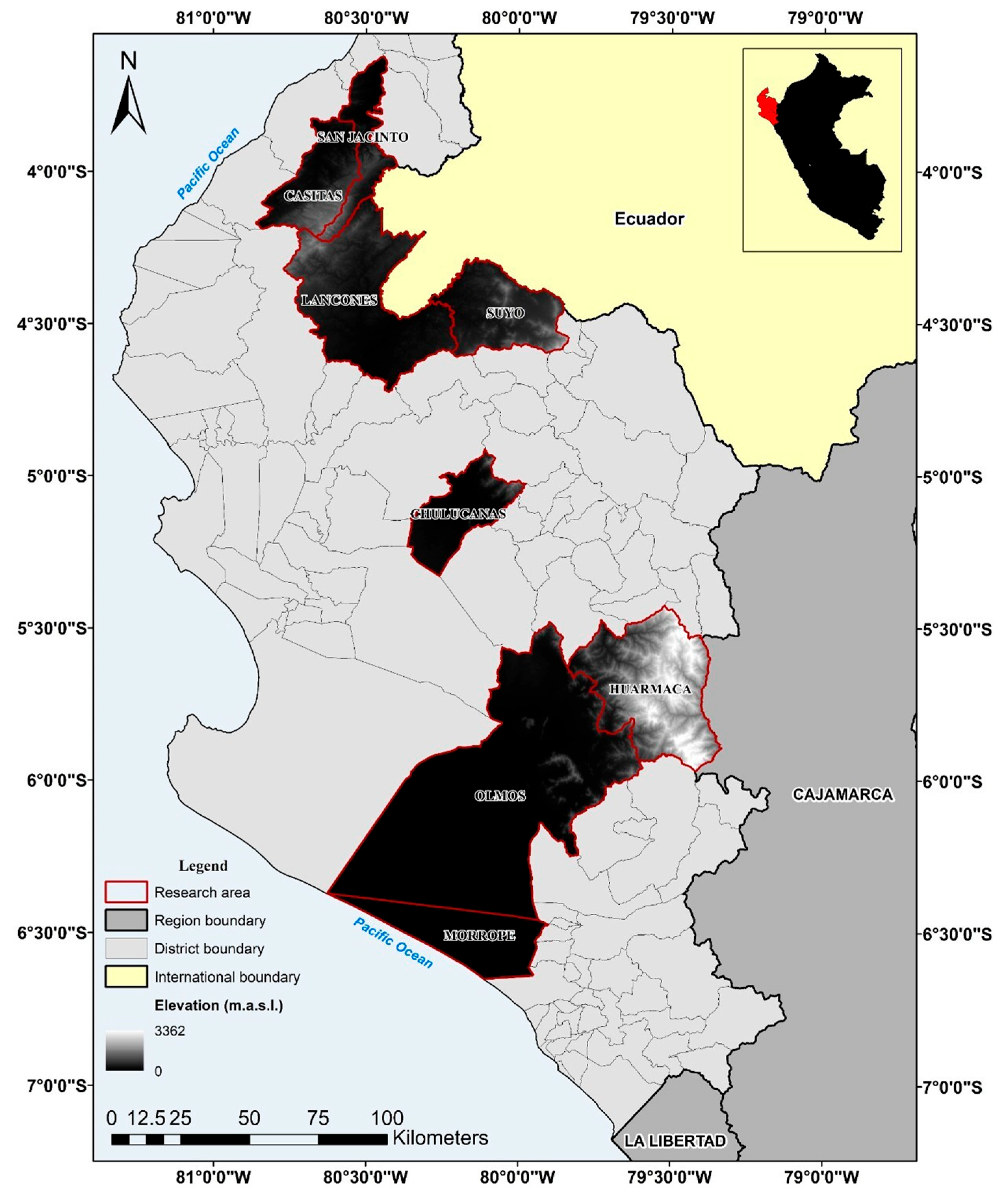
Goat farming is vital in rural communities, offering milk, meat, and financial stability, particularly in dry and resource-limited regions. This study examined goat production systems in northern Peru to explore their diversity and performance. Data from 284 farmers in Tumbes, Piura, and Lambayeque revealed two distinct systems: traditional systems, which rely on limited resources and basic practices; and modernized systems, which incorporate irrigation, improved breeding techniques, and better infrastructure. The modernized systems demonstrated higher productivity and stronger market connections, particularly in producing milk, cheese, and goat kids. In contrast, the traditional systems faced challenges such as limited access to water, outdated practices, and toxic plants. These findings emphasize the potential of modern technologies and improved management practices to boost productivity and livelihoods for rural families. Understanding these systems enables policymakers and organizations to create targeted strategies that enhance sustainability, promote innovation, and strengthen food security in northern Peru and similar regions globally.
Abstract
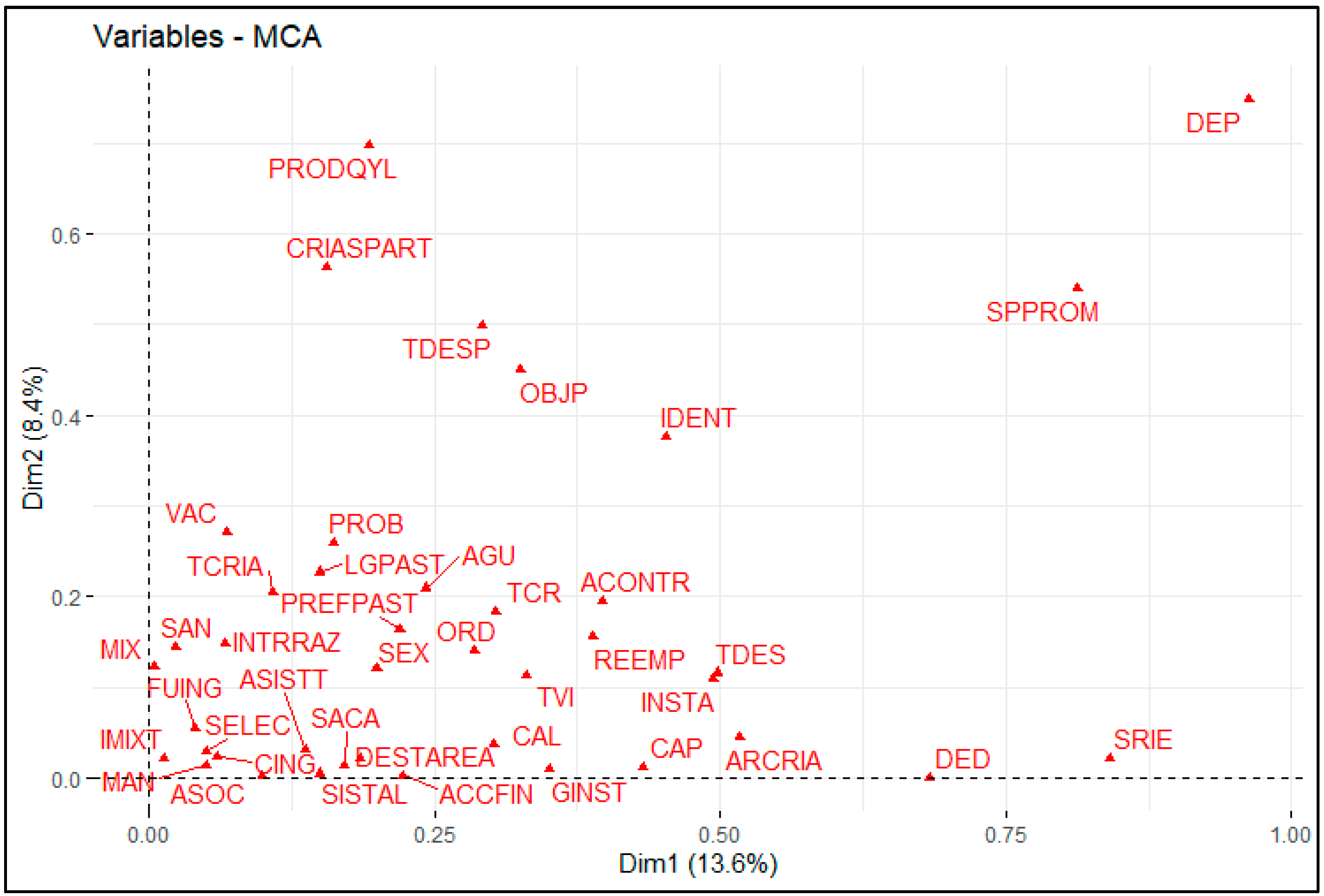
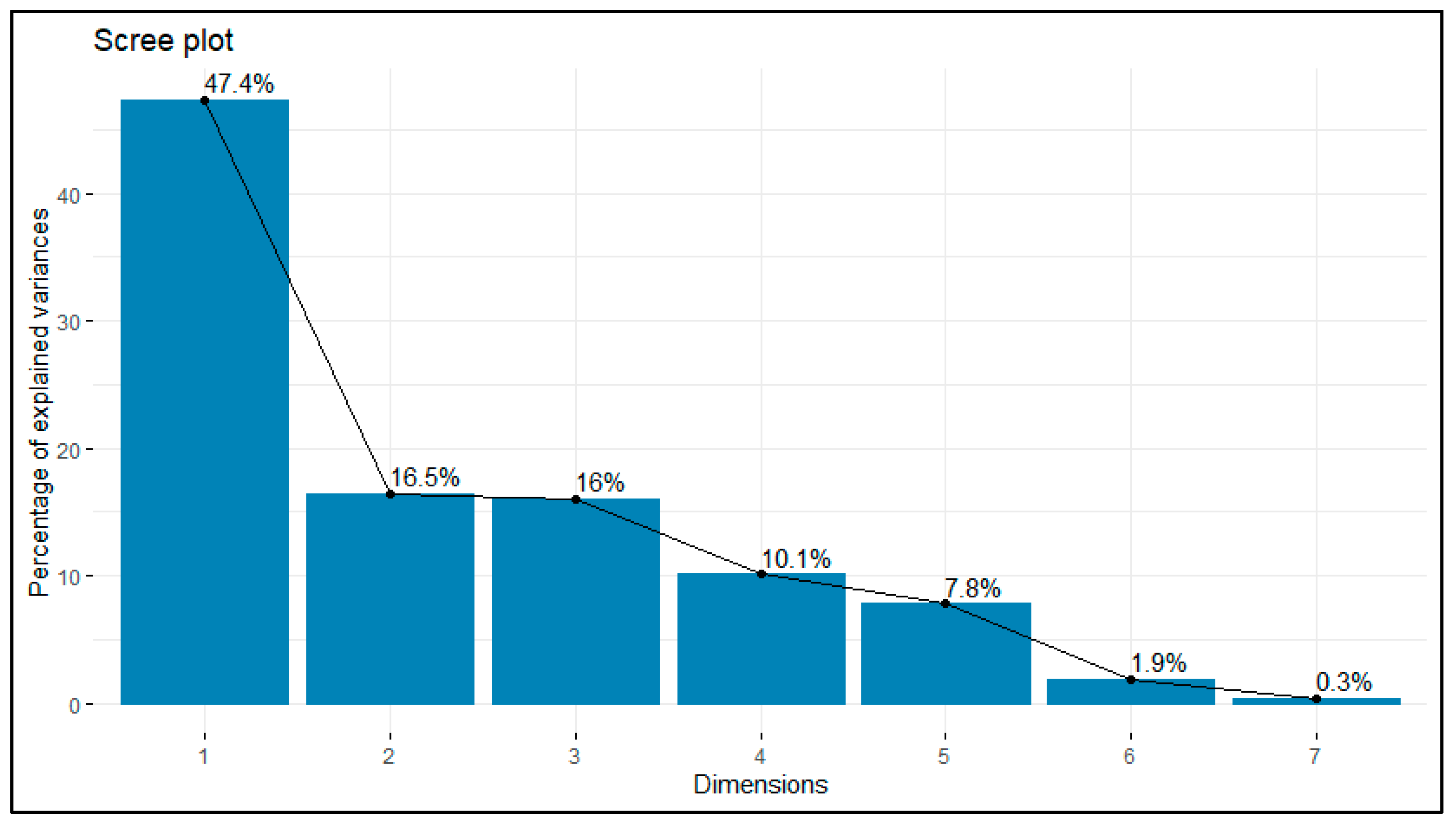
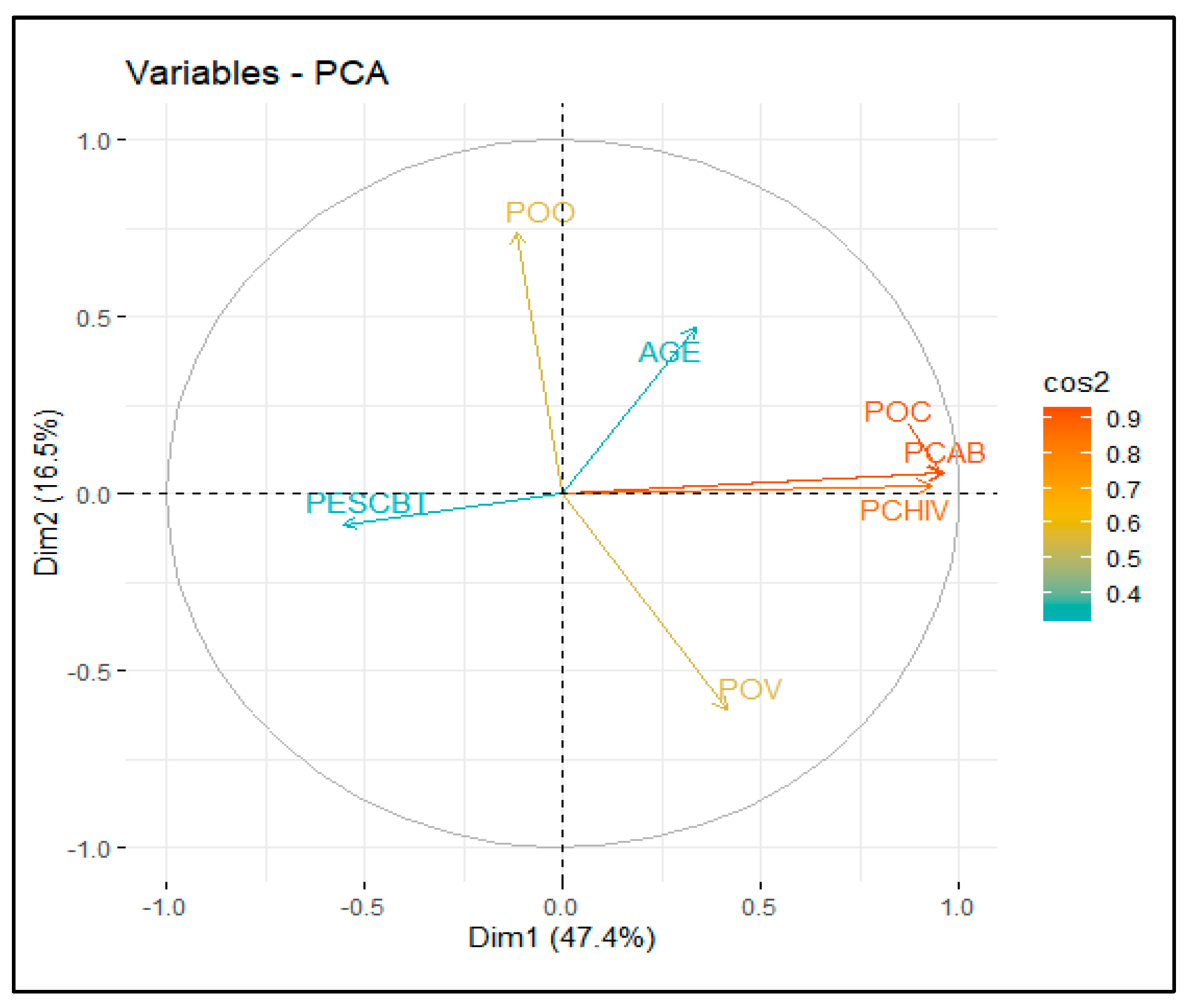
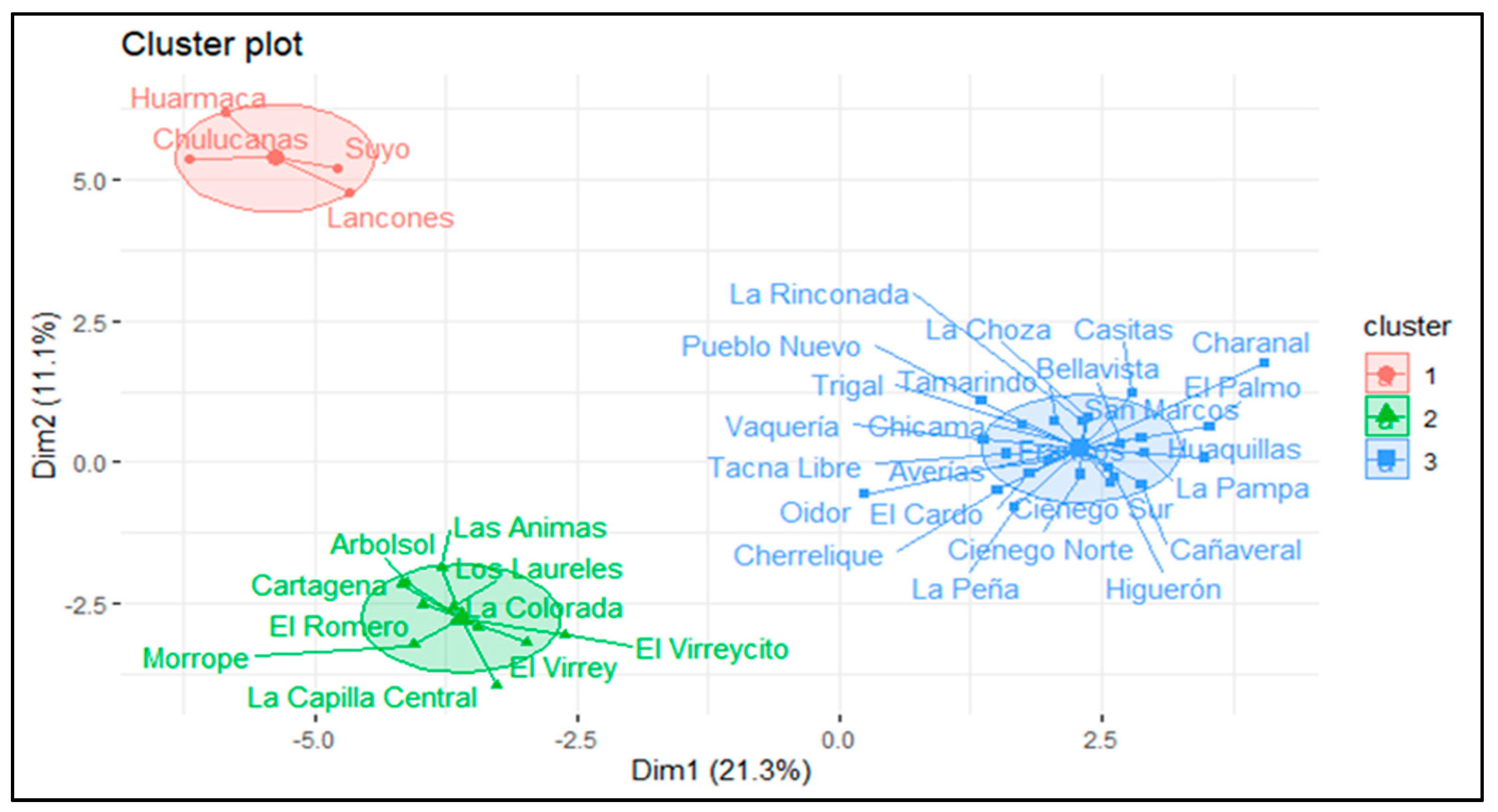
Goat production in the dry forest of northern Peru is essential for rural livelihoods but remains poorly characterized regarding its productivity and sustainability. This study used multivariate techniques—a multiple correspondence analysis (MCA), principal component analysis (PCA), factor analysis of mixed data (FAMD), and hierarchical cluster analysis (HCA)—to analyze data from 284 producers in Tumbes, Piura, and Lambayeque. Surveys captured 48 variables (41 qualitative, seven quantitative) on productivity, socioeconomics, and management. The MCA explained 22.07% of the variability in two dimensions, while the PCA accounted for 63.9%, focusing on productivity and diversification. The FAMD integrated these variables, explaining 51.12% of variability across five dimensions, emphasizing socioeconomic and management differences. The HCA identified three clusters: cluster 1 featured intensive systems with advanced management and commercial focus, cluster 2 included extensive systems limited by water scarcity, and cluster 3 reflected semi-intensive systems with irrigation and diversified production. These findings provide a detailed understanding of goat systems in northern Peru, identifying opportunities to improve resource use and tailor strategies to enhance sustainability. The multivariate analysis proved effective in capturing the complexity of these systems, supporting productivity and improving livelihoods in rural areas.