Review

Proactive Strategies to Prevent Biofilm-Associated Infections: From Mechanistic Insights to Clinical Translation


by
María Teresa Hernández-Huerta
1,
Eduardo Pérez-Campos
2,
Laura Pérez-Campos Mayoral
3,
Itzel Patricia Vásquez Martínez
3,
Wendy Reyna González
3,
Efrén Emmanuel Jarquín González
4,
Hanan Aldossary
5,
Ibrahim Alhabib
6,
Lamya Zohair Yamani
6,
Nasreldin Elhadi
6,
Ebtesam Al-Suhaimi
5,† and
Hector A. Cabrera-Fuentes
3,7,8,*,†
1
SECIHTI, Facultad de Medicina y Cirugía, Universidad Autónoma “Benito Juárez” de Oaxaca, Oaxaca 68020, Mexico
2
División de Estudios de Posgrado e Investigación, Tecnológico Nacional de México/Instituto Tecnológico de Oaxaca, Oaxaca 68030, Mexico
3
Centro de Investigación Facultad de Medicina UNAM-UABJO, Facultad de Medicina y Cirugía, Universidad Autónoma “Benito Juárez” de Oaxaca, Oaxaca 68020, Mexico
4
Dirección General de los Servicios de Salud de Oaxaca, Secretaria de Salud, Servicios de Salud de Oaxaca, Oaxaca 68000, Mexico
5
Vice Presidency for Scientific Research and Innovation, Imam Abdulrahman Bin Faisal University, P.O. Box 1982, Dammam 31441, Saudi Arabia
6
Department of Clinical Laboratory Sciences, College of Applied Medical Sciences, Imam Abdulrahman Bin Faisal University, P.O. Box 2035, Dammam 31441, Saudi Arabia
7
División de Estudios de Posgrado e Investigación, Tecnológico Nacional de México/Instituto Tecnológico de Tijuana, Tijuana 22414, Mexico
8
R&D Group, Vice Presidency for Scientific Research and Innovation, Imam Abdulrahman bin Faisal University (IAU), P.O. Box 1982, Dammam 31441, Saudi Arabia
*
Author to whom correspondence should be addressed.
These authors contributed equally to this work.
Microorganisms 2025, 13(12), 2726; https://doi.org/10.3390/microorganisms13122726
Submission received: 26 October 2025 / Revised: 24 November 2025 / Accepted: 26 November 2025 / Published: 29 November 2025
(This article belongs to the Section Biofilm)

Abstract

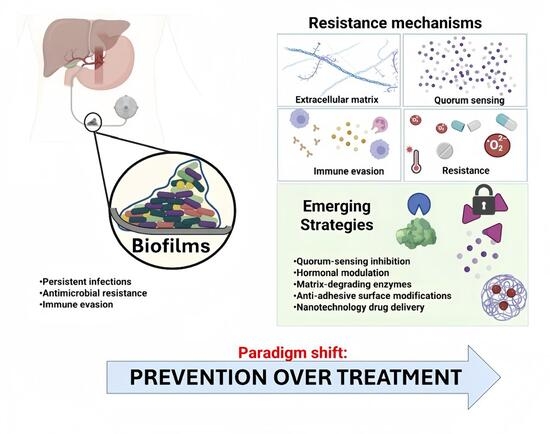
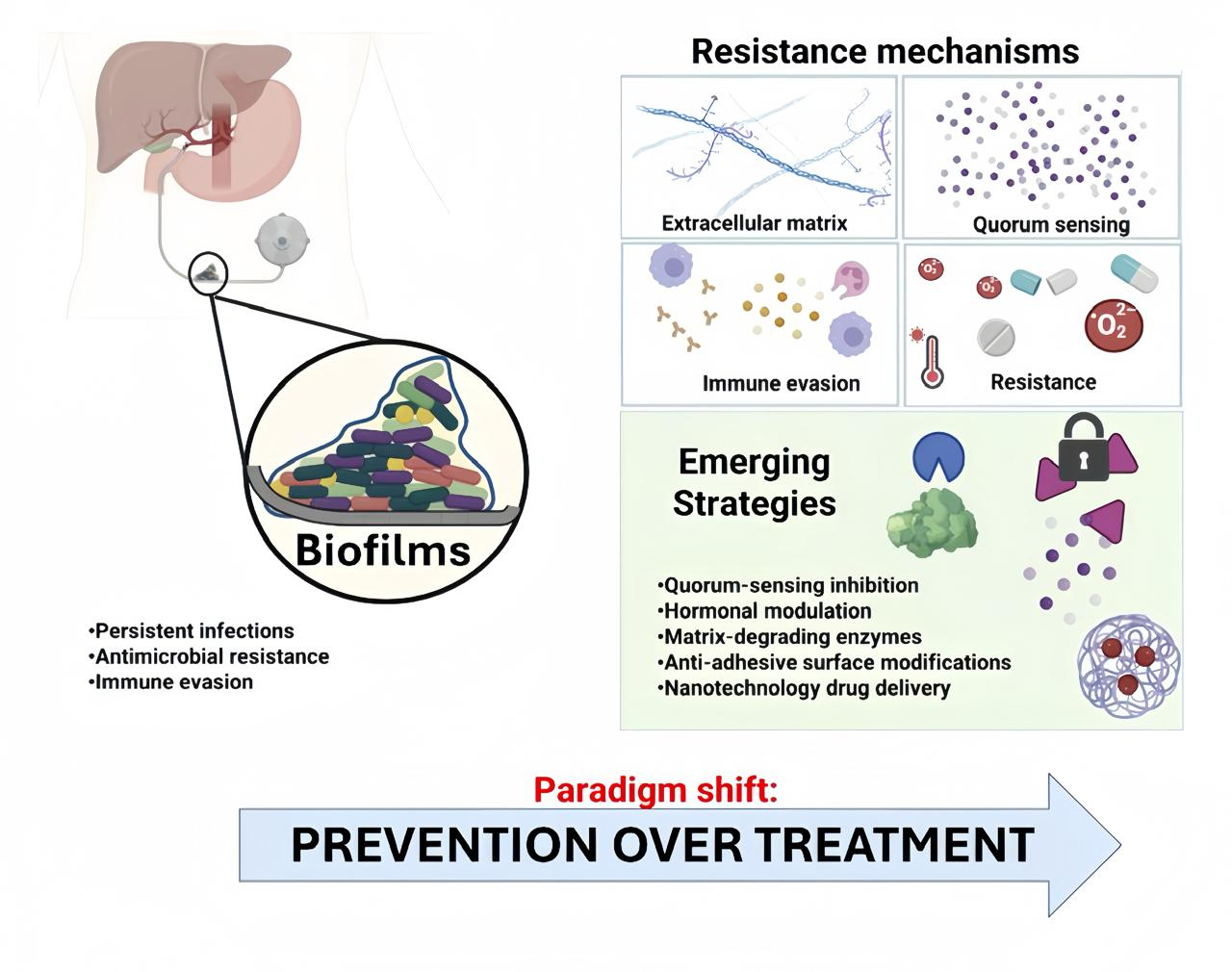
Biofilms are structured microbial communities that adhere to biotic and abiotic surfaces embedded in an autonomous extracellular matrix. These structures contribute to persistent infections, especially in patients with indwelling medical devices, due to their resistance to antimicrobial agents; they have evolved to evade host immune responses. Despite advances in antimicrobial therapies, biofilm-associated infections remain a major challenge in clinical infectious diseases. This perspective explores the underlying mechanisms of biofilm resilience and immune evasion, emphasizing the limitations of conventional treatments and the need to develop pre-emptive measures that focus on preventing biofilm formation rather than implementing a treatment. This work discusses emerging strategies, such as quorum-sensing inhibition, hormonal modulation, matrix-degrading enzymes, anti-adhesive surface modifications, and nanotechnology-based drug delivery, that offer promising avenues to disrupt biofilm formation and maturation. Also offers a shift from the paradigm, looking into proactive prevention rather than treatment, emphasizing clinical translation, scalability, and biocompatibility. Embedding these strategies into routine care could significantly reduce healthcare-associated infections, improve patient outcomes, and mitigate the development of antimicrobial resistance. Our analysis highlights biofilm prevention as a critical frontier in the future of infectious disease management.

Graphical Abstract

1. Introduction

Biofilms are structured microbial communities encased in an autonomously produced matrix of extracellular polymeric substances (EPS), primarily composed of polysaccharides, proteins, extracellular DNA, and lipids. These components facilitate adhesion to surfaces and confer protection against environmental insults. The specific matrix materials and emergent properties of biofilms result from interactions between resident microorganisms and ecological conditions [1] (Figure 1).
Thus, biofilms protect microorganisms, allowing them to survive in hostile environments [2]. They facilitate the exchange and storage of nutrients, promoting prolonged persistence on surfaces and conferring a significant advantage over free-floating cells [3]. Furthermore, biofilms facilitate the organization of bacteria into subpopulations with specialized functions, increasing collective efficiency [4]. Physical proximity between bacterial cells facilitates the exchange of plasmids and other genetic elements, accelerating adaptation and the spread of antimicrobial resistance [5]. Finally, they allow the creation of diverse microhabitats that benefit the various groups within the biofilm [6]. On the other hand, biofilms fulfill diverse ecological roles by playing a key role in the carbon, nitrogen, and sulfur cycles through processes of degradation, nitrification, denitrification, and sulfate reduction [6]; they form the base of food chains, serving as a fundamental nutrient resource at lower levels of ecosystems [7]; they colonize biological surfaces, for example, in plants they facilitate nitrogen fixation or protect against pathogens; in animals and humans, they allow the formation of beneficial commensal communities or can become pathogenic in the form of chronic infections, such as dental plaque or biofilms associated with medical devices [8]; biofilms have the capacity to modify the environment where they form; and they allow the emergence of new adaptations and the coexistence of species with different lifestyles thanks to the ease of genetic transfer and the chemical heterogeneity in each microbial subpopulation present in the biofilms [2,9].
Quorum sensing (QS), a cell-density-dependent communication system, modulates diverse bacterial phenotypes during biofilm development. It typically involves a two-component regulatory system consisting of a membrane-bound histidine kinase sensor, a cytoplasmic response regulator, and diffusible signaling molecules known as autoinducers, which orchestrate the expression of virulence and biofilm-associated genes. Furthermore, activation of QS pathways promotes biofilm growth and dispersal by regulating essential virulence factors [10].
Biofilms are implicated in the pathogenesis of chronic infections that exhibit marked resistance to conventional antimicrobial therapies, contributing to substantial global morbidity and mortality, particularly in patients with indwelling medical devices and/or compromised immune systems [11,12].
Biofilm-associated resistance arises from multiple factors, including reduced bacterial metabolic activity, restricted antibiotic penetration due to the EPS matrix, horizontal gene transfer within the community, and the presence of phenotypically distinct persister cells that exhibit transient tolerance to antimicrobials [13]. Antibiotic therapy often fails to eradicate infections caused by biofilms, which are responsible for approximately 65% of all human infections [14]. Therefore, biofilms represent a complex clinical problem and a growing threat to public health.

2. The Clinical Challenge of Biofilm

Biofilm formation is a complex process and is triggered by the adhesion of free-floating (planktonic) microorganisms to surfaces [15]. The first step involves the reversible adhesion of microorganisms to biotic or abiotic surfaces through weak acid-base, hydrophobic, van der Waals, and electrostatic interactions [16]; here, these microorganisms are polarly bound. Subsequently, the microorganisms lie flat on the surfaces and seek irreversible attachment, which is responsible for the development of resistance to physical factors that hinder biofilm formation [3,5]. Subsequently, colonization and proliferation occur.
Adhered microorganisms form microcolonies through multiplication and aggregate formation within the EPS, all in high concentrations of cyclic (3′-5′)-dimeric guanosine monophosphate (c-di-GMP) and through stronger interactions between adhesive proteins that bind collagen, lipopolysaccharides, flagella, and pili. Furthermore, significant amounts of EPS are produced [3,5,17] and continuous biofilm maturation facilitates microbial attachment to surfaces, thereby stabilizing the biofilm’s 3D structure [3]. The adhesive proteins present in microbial biofilms vary according to the species, some examples are pili in Pseudomonas aeruginosa, Neisseria, and Vibrio, which allow mannose recognition, adhesion, and motility [18,19]; microbial surface components recognizing adhesive matrix molecules (MSCRAMMs), surface adhesins that bind to surfaces, extracellular matrix, or host cells of Gram-positive bacteria [20]; and self-transporting adhesins that promote self-aggregation secreted by Gram-negative bacteria [21,22]. Biofilm maturation is a necessary step that promotes cell aggregation, forming potent niches that are highly resistant to processes that support evasion of host immune responses, oxidative damage, and metal cation damage. These cell aggregates are also resistant to antimicrobial agents, leading to continued survival.
Further modifications to the microenvironment can induce bacteria to leave the biofilm matrix, ultimately disseminating to new anatomical locations and spreading the infection [23]. Biofilm formation plays a crucial role in the development of antibiotic resistance. It contributes to the formation of persister cells, which are responsible for the resilient, often unmanageable persistence of microbial infections [24,25].
Implanted medical devices that are frequently colonized by biofilms include urinary catheters, pacemakers, mechanical heart valves, vascular grafts, and endotracheal tubes [26,27]. For example, orthopedic devices are commonly infected with Staphylococci and Gram-negative bacilli, while Pseudomonas aeruginosa and Staphylococci frequently colonize endotracheal tubes and contact lenses. Intravascular catheters tend to harbor Staphylococci, Enterococci, and Gram-negative bacilli, while pacemakers and heart valves are commonly infected with Staphylococci and Streptococci. Other devices, such as respiratory equipment, urinary catheters, cerebrospinal shunts, and dental implants, are associated with pathogens such as Acinetobacter baumannii, Enterococcus faecalis, Staphylococcus aureus, Propionibacterium, Prevotella intermedia, and Actinobacillus. The development of biofilms in medical devices depends on several factors. These devices can be made of polymers, metals, or ceramics, and each material affects the likelihood of biofilm infection. Hydrophobic polymers such as silicone, polyvinyl chloride, and polytetrafluoroethylene facilitate bacterial adhesion. In contrast, metals like titanium and stainless steel, as well as hydrophilic ceramics such as zirconia and hydroxyapatite, tend to decrease initial colonization. Furthermore, surface properties determine the risk of infection: (a) hydrophobic, rough, or positively/neutrally charged surfaces promote adhesion, and (b) hydrophilic surfaces limit initial contact. The chemical composition and specific coatings also influence the adhesion of certain pathogens [28]. The risk increases when devices are worn for extended periods, exposed to bodily fluids, or placed in environments with constant flow, as this promotes colonization by microorganisms such as Staphylococcus epidermidis, Staphylococcus aureus, and Pseudomonas aeruginosa. This diversity of characteristics underscores the clinical importance of biofilm formation across a wide range of medical devices [29]. Infections associated with biofilms include periodontitis, osteomyelitis, pulmonary infections in cystic fibrosis [30], endocarditis [31], dental plaque, chronic tonsillitis, and chronic laryngitis [32,33]. In addition, patient-related factors increase the risk of device-related infections. Among the most relevant are immunosuppression, diabetes, smoking, and diseases such as kidney failure or the need for hemodialysis. Finally, many of these infections originate from contamination of the device during insertion, either by microorganisms from healthcare personnel or the patient themselves, which facilitates biofilm formation [34].
Understanding the mechanisms involved allows us to develop effective therapeutic targets and anti-biofilm strategies, particularly through surface modifications, as these represent critical points for therapeutic intervention.
Therefore, biofilm prevention represents a more effective and viable strategy for treatment, both in terms of its effectiveness and long-term benefits, as well as its cost and patient quality of life. Once established, due to their nature, biofilms are extremely difficult to eradicate, leading to persistent infections, perioperative complications, and longer hospitalizations, which result in rising annual costs for hospitals and governments.
Furthermore, it is essential to consider that treating a biofilm-induced infection often requires high doses of antibiotics for prolonged periods, with limited success and risk of altering the patient’s microbiome and promoting antimicrobial resistance [35]. In many cases, treatment involves the surgical removal of contaminated medical devices, which carries a high risk to the patient’s health and additional expenses for healthcare systems. In contrast, prevention strategies are more effective, less costly, and sustainable over time. Preventing biofilm formation from its initial adhesion stage prevents the infection from progressing to a chronic, therapy-resistant state.
Thus, investing in prevention reduces the risk of clinical complications and the associated economic burden, combats antimicrobial resistance, protects vulnerable populations, and strengthens the quality of care in modern healthcare systems.

3. Immune Response to Biofilms

The host immune response is activated when virulence factors from certain microorganisms are detected, initiating host cell interactions that stimulate the release of substances that promote infection. However, pathogenic microorganisms develop mechanisms to evade the immune response, survive, and spread within the host. Furthermore, several studies have demonstrated that virulence factors promote biofilm formation and contribute to complications associated with antimicrobial resistance and the survival of pathogens on abiotic surfaces [36].
Biofilm-embedded bacteria display enhanced resilience to environmental and host-derived stressors compared to their planktonic counterparts, including desiccation, oxidative stress, UV radiation, exposure to innate and adaptive immune effectors, and antimicrobial agents. The host immune system lacks a dedicated response against biofilms; instead, biofilms employ multifaceted evasion strategies, including immune modulation, secretion of anti-inflammatory mediators, and physical shielding that impairs phagocytosis and complement activation. For example, biofilms can act as physical barriers that help bacteria avoid detection and phagocytosis. Additionally, they can activate genetic response regulators, switches, or suppressors that influence the activity of immune cells [37].
Planktonic infections, which occur without a biofilm, typically trigger a rapid response from neutrophils (PMNs) and result in the pro-inflammatory activation of macrophages. M1 macrophages promote Th1 polarization of CD4 cells by facilitating complement-mediated phagocytosis of intracellular pathogens and type I inflammation [38]. These macrophages play a crucial role in eliminating the infection due to their strong bactericidal activity. Furthermore, Th1 and Th17 cells are often recruited to enhance phagocyte activation and establish memory populations that enable a swift response in case of reinfection. In biofilm-associated infections, macrophages often adopt an M2-like phenotype, promoting tissue remodeling and immune tolerance rather than effective bacterial clearance, thereby contributing to the persistence of chronic infections. Although PMNs are still present in these cases, they are generally ineffective at clearing the infection [39].

4. Hormonal Modulation of Biofilm Formation: Endocrine, Metabolic, and Immune Interplay

4.1. Endocrine Regulation: Hormones as Biofilm Modulators

The concept of microbial endocrinology illustrates the intricate inter-kingdom crosstalk between host endocrine signals and bacterial QS systems, notably in Pseudomonas aeruginosa. Several human hormones, including insulin, sex steroids, and stress-related hormones, have been shown to influence bacterial virulence by interacting with bacterial QS pathways [40]. These hormonal signals can either suppress or enhance biofilm formation, suggesting a hormone-specific and pathogen-specific regulatory mechanism. For example, insulin has been implicated as a QS mimic that can modulate the expression of bacterial virulence factors, including those responsible for biofilm development [41]. While in some models, insulin suppresses biofilm growth, in diabetic contexts, insulin was found to enhance Pseudomonas aeruginosa biofilms by upregulating intracellular cyclic-di-GMP levels, a key regulator of bacterial adhesion and matrix production [42]. Notably, sex hormones such as estrogen and testosterone have also been proposed to affect bacterial colonization patterns, possibly contributing to sex differences in infection severity [19].

4.2. Metabolic Context: Biofilms at the Crossroads of Glucose, Insulin, and Metabolism

Host metabolic status plays a crucial role in shaping biofilm development. In individuals with diabetes, elevated serum glucose and insulin levels alter the microenvironment, promoting bacterial persistence. Multiple studies have demonstrated that insulin enhances the biofilm-forming capabilities of pathogens such as Escherichia coli and Pseudomonas aeruginosa, particularly under high-glucose conditions, possibly through interactions with bacterial receptors or signaling pathways [43,44].
Further complicating this relationship is the role of immunometabolic dysfunction in diseases such as metabolic syndrome and obesity, which impair cellular energy metabolism and exacerbate inflammatory responses. Metabolic disorders downregulate key immunometabolic pathways, including the PI3K-AKT-mTOR and TLR signaling pathways, thereby weakening the host’s ability to respond to biofilm-associated pathogens [45,46]. Moreover, adipokines such as resistin and pro-inflammatory cytokines from adipose tissue contribute to chronic inflammation and impaired healing, creating favorable niches for biofilm persistence in both periodontal and systemic infections [47,48].

4.3. Immune Interface: Hormonal Modulation of Host–Biofilm Immune Dynamics

Biofilms are adept at evading immune responses through the suppression of immune cell activation, the secretion of anti-inflammatory mediators, and the shielding provided by extracellular polymeric substances. Hormones can indirectly influence these dynamics by modulating immune cell recruitment and function. For instance, insulin treatment in diabetic mice increased neutrophil infiltration and lysis, leading to the release of extracellular DNA that enhanced biofilm matrix development and antimicrobial resistance [49]. Concomitantly, insulin suppressed macrophage activity, reducing the clearance of biofilm components and exacerbating chronic infection. Additionally, altered cytokine profiles—such as increased IL-4 and earlier IFN-γ expression—were reported in insulin-treated diabetic mice, further contributing to a skewed and ineffective immune response against biofilm pathogens [42]. These findings suggest that the insulin-glucose axis not only directly affects bacterial behavior but also reprograms the immune landscape, often favoring biofilm persistence. On a therapeutic note, immune-enhancing compounds such as vitamin C have shown promise in restoring immune clearance of biofilms by downregulating the recA gene, mitigating SOS response induction, and restoring antibiotic sensitivity in multidrug-resistant Escherichia coli [50]. Furthermore, obesity promotes the secretion of hormones such as leptin, insulin, and free fatty acids, as well as inflammatory molecules (RAGE, LRP1, cytokines, particularly IL-6 and TNF-α) [51]. These findings highlight a promising intersection of immunometabolism and biofilm control.
As summarized by Wu et al. (2025) [52], recent advances in microbial endocrinology reveal that many human hormones directly influence microbial growth, virulence, and biofilm behavior through inter-kingdom signaling. Host hormones such as catecholamines (epinephrine, norepinephrine, dopamine), opioid peptides (dynorphin, β-endorphin), natriuretic peptides, gastrin, serotonin, insulin, and sex hormones (estrogen) have all been shown to modulate bacterial quorum-sensing systems and virulence gene expression. These interactions can enhance biofilm formation, motility, and persistence in pathogens, including Pseudomonas aeruginosa, Escherichia coli, Vibrio spp., and Helicobacter pylori. Such hormone-mediated crosstalk suggests that endocrine disturbances, such as stress, diabetes, or metabolic disorders, may inadvertently favor biofilm-associated infections. Despite growing evidence, the specific microbial hormone receptors and signaling pathways remain only partially defined and represent an important target for future anti-biofilm strategies.

4.4. Targeted Strategy Against Biofilms Using Hormonal and Metabolic Controllers

An innovative strategy to control biofilms involves modulating host metabolic and hormonal pathways that indirectly influence microbial behavior, immune responses, and the structural integrity of biofilm communities. Based on the above references, biofilms are known to exploit host hormones, such as leptin and insulin, as well as metabolic cues, to enhance quorum sensing, virulence expression, and immune evasion.
Additionally, the gut microbiota, which coevolved with the host, supports immune development, nutrient absorption, and protection against pathogenic colonization. It suppresses pathogens through metabolic competition, niche occupation, and immune activation, while pathogens evolve to overcome this defense. Decoding this dynamic interplay offers promising avenues for infection control and immune-modulating therapies [53].
Leptin, a hormone primarily associated with satiety and energy regulation, has been shown to play critical roles in immune modulation and neuro-immune signaling [30]. Its dysregulation, commonly observed in obesity, alters cytokine profiles and immune cell responsiveness, potentially creating an immunosuppressive microenvironment that favors pathogens’ persistence. Thus, leveraging leptin-modulating agents to restore metabolic balance may indirectly suppress associated pathogens. In addition to host-derived hormones, microbial metabolites, such as short-chain fatty acids (SCFAs), play key roles in modulating immune and metabolic signaling pathways relevant to biofilm control. SCFAs—including acetate, propionate, and butyrate—serve as signaling molecules that influence G-protein-coupled receptor activity, histone deacetylase inhibition, and immune cell metabolism, thereby linking microbial metabolic output with host immunoregulation. Recent studies highlight Lactobacillus spp. as potential SCFAs producers that, although not traditionally associated with biofilm regulation, can modulate microbial community dynamics and host inflammatory responses. Advances in metabolic engineering and synthetic biology to optimize SCFAs yield from probiotic Lactobacillus strains may therefore represent a novel adjunctive strategy for managing inflammatory and biofilm-associated disorders [54].

5. Emerging Biofilm Prevention Strategies

Bacterial biofilm-associated infections are caused by groups of microorganisms originating from multiple species. This multispecies community includes bacteria, fungi, and occasionally components derived from the host, forming intricate and resilient microbial communities [55,56]. As a consequence of biofilm formation, they exhibit distinct characteristics within the multispecies interactions, such as metabolic activity, horizontal gene transfer, QS communication, antimicrobial tolerance, immune responses, and alterations in spatial organization and structure [57,58]. A recent study reported that increases in antimicrobial resistance and pathogenicity are driven by multispecies biofilms. However, fungal biofilms can increase bacterial drug resistance as demonstrated by synergistic interactions between Candida albicans and Pseudomonas aeruginosa or Staphylococcus aureus [59].
The extracellular matrix of biofilms forms a diffusion barrier that impairs the penetration of antibiotics and biocidal agents, effectively enhancing microbial survival and promoting phenotypic tolerance [60]. A biofilm helps pathogenic bacteria evade phagocytosis and resist attacks from antimicrobial substances, including reactive oxygen and nitrogen species. This ability to withstand immune responses and antibiotic treatments makes infections caused by bacteria residing in biofilms particularly challenging to treat [61].
Preventing biofilm formation is easier than eradicating it. The most common strategies for preventing biofilm formation include surface modification and coating, delivery systems, and anti-biofilm approaches. We can use several methods to combat bacterial infections due to their biofilm formation (Table 1).
These strategies include the use of bacterial adhesin inhibitors, surfactants, and dispersing enzymes, which prevent early biofilm formation and limit initial colonization on medical surfaces or tissues. Other potential approaches include quorum-sensing inhibitors (QSIs) and matrix-degrading enzymes, such as DNases and dispersin B, which can break down biofilm structures. These tools destabilize the mature biofilm structure, making it more susceptible to antimicrobial treatments. Additionally, we can use enzymes that inhibit EPS synthesis. Combining antibiotics with matrix-disrupting enzymes and using drugs that enhance penetration and target persister cells (which contribute to antibiotic tolerance) are also promising, somewhat personalized strategies. Inducing controlled dispersal, for example, with nitric oxide, allows us to target newly dispersed, more vulnerable bacterial cells. Furthermore, blocking dispersal signals can help prevent reinfection. Together, these methods can improve our ability to enhance therapeutic efficacy and reduce overreliance on antibiotics, which could help mitigate the global problem of antimicrobial resistance.
A thorough understanding of the molecular and environmental determinants is required for developing effective preventive therapies [38]. The role of these ecological interactions in determining treatment failure and infection persistence is becoming increasingly acknowledged. Preventive measures must therefore take interspecies communication and microbial dynamics into consideration. Targeting metabolic cross-feeding networks that promote polymicrobial survival, enzymatic biofilm matrix breakdown, and QS inhibition are examples of emerging strategies [62]. By altering microbial community structure, microbiome-based therapies, such as probiotics, modified commensal strains, and prebiotics, have shown promising results in reducing the formation of pathogenic biofilms [63]. The prevention and treatment of biofilm-associated infections may be significantly enhanced by combining these microbiota-aware approaches, strategies, and interventions with conventional infection control and biomaterial surface modifications. Future studies should focus on host reactions, in vivo interactions, and the potential of natural materials and polymeric devices to optimize treatment outcomes while mitigating the clinical burden of infections and reducing the burden of diseases linked to multispecies biofilms [38,42].
Beyond endocrine signaling, bacterial communication through QS networks also contributes to biofilm formation and host interaction. In Pseudomonas aeruginosa, N-acyl-homoserine-lactone-dependent QS systems regulate virulence, metabolism, and biofilm maturation while simultaneously modulating host calcium signaling, mitochondrial dynamics, and cytoskeletal responses. These interconnected pathways illustrate the bidirectional nature of bacteria–host communication and suggest that disrupting such signaling could attenuate infection severity and antibiotic resistance [64]. Host immunometabolism also shapes bacterial persistence and biofilm adaptation. Upon infection, macrophages undergo metabolic reprogramming that fuels inflammatory and bactericidal responses; however, pathogens such as Pseudomonas aeruginosa, Staphylococcus aureus, and Salmonella can exploit overlapping metabolic pathways to survive within inflamed tissues. By aligning their own metabolic networks with those of activated host cells, these bacteria enhance antibiotic tolerance, promote biofilm maturation, and generate persister cells that sustain chronic infection. This shared metabolic circuitry between host and pathogen underscores the immunometabolic regulation of biofilm resilience and highlights the potential of targeting host–pathogen metabolism to reduce infection persistence [65]. Biofilm formation relies on sophisticated cell-to-cell communication systems regulated by small signaling molecules, including N-acyl homoserine lactones (AHLs), autoinducer-2 (AI-2), and autoinducing peptides (AIPs). These QS pathways control gene expression related to adhesion, maturation, virulence, and antibiotic resistance. Targeting these systems through enzymatic degradation or signal inhibition (quorum quenching) represents a promising antibiofilm approach that can complement conventional antimicrobial therapies [66].
Table 1. Emerging Biofilm Prevention Strategies.
Emerging StrategyMechanism of ActionAdvantagesLimitationsClinical/Practical ApplicationsExamples/NotesRef.
SACsRelease of antimicrobials or reactive agents in response to microbial signalsHigh specificity; activity triggered only when bacteria are presentHigh production cost; potential cytotoxicityCatheters, endotracheal tubes, orthopedic implants, wound dressingsLight-activated coatings, antibiotic-eluting polymers[67,68]
MDEsEnzymatic degradation of EPS components (DNA, proteins, PS)Enhances antibiotic penetration and disrupts mature biofilmsLimited stability; immunogenicity concernsWound care, infected implants, chronic ulcersDNase I, dispersin B, proteinase K, subtilisin[69,70,71,72]
QSIsBlock communication signals required for adhesion, maturation, and virulenceLow likelihood of resistance; targets early biofilm formationLimited commercial availability; variable efficacyPrevention of device-associated infections; coatings; topical applicationsSynthetic furanones, ajoene, and plant-derived inhibitors[73,74,75]
Functionalized NPsDisrupt bacterial membranes; generate ROS; penetrate biofilm matrixPotent against MDR organisms; broad-spectrumPotential toxicity; environmental accumulationAntimicrobial catheters, dental materials, and topical antimicrobialsAg-S-1, AgNPs + Ca(OH)2[76,77,78,79,80]
Engineered BacteriophagesTarget and lyse specific biofilm-forming bacteria; self-amplifyingHigh specificity; active in dense biofilmsRegulatory challenges; narrow host rangeChronic device-related infections; wound therapyPhage cocktails, engineered biofilm-penetrating phages[81,82]
AMPsDisrupt bacterial membranes; inhibit adhesionLow resistance potential; broad-spectrumDegradation in physiological environmentsCoatings for implants, topical gels, and catheter lock solutionsMelittin, LL-37, indolicidin[83,84,85]
Anti-Adhesive Surface ModificationAlters physicochemical properties to prevent bacterial attachmentPrevents early colonization without antibioticsIneffective once biofilm formsTitanium implants, dental implants, vascular graftsPEGylation, zwitterionic coatings, plasma-treated surfaces[86,87,88]
Probiotics and Competitive ExclusionOccupy niches and inhibit pathogens through competition and metabolite secretionSafe, biocompatible; modulates microbiomeRequires sustained application; strain-dependent efficacyUrogenital/gastrointestinal mucosa, oral cavityLactobacillus spp., Bacillus subtilis[89,90,91]
SACs: Smart Antimicrobial Coatings; EPS: extracellular polymeric substances; DNA: Deoxyribonucleic Acid; PS: polysaccharides; DNase I: Deoxyribonuclease I; MDEs: Matrix-Degrading Enzymes; QSIs: Quorum Sensing Interference or Quorum Sensing Inhibitors; NPs: Nanoparticles; ROS: Reactive Oxygen Species; MDR: Multidrug-resistant; Ag-S-1: Ag-silicalite-1; AgNPs: Silver Nanoparticles; Ca(OH)2: calcium hydroxide; AMPs: Antimicrobial peptides; PEG: Polyethylene glycol.
Biomedical device companies have also incorporated a wide variety of anti-adhesive and anti-biofilm coatings designed to prevent microbial colonization and reduce the risk of implant-associated infections [25]. Among the most common strategies are photothermally activated antibacterial surfaces, coatings containing phenolic acids (such as tannic acid), and metal complexes that inhibit the adhesion of Escherichia coli and Staphylococcus aureus. Gold, silver, or zinc nanoparticles are also used, as well as bioactive materials such as hydroxyapatite, chitosan, or black phosphorus, which provide additional antimicrobial or anti-adhesive properties. Many devices use hydrophilic polymers, zwitterionic copolymers, or positively charged coatings to reduce initial interactions between the surface and bacteria. Others use more advanced systems, such as encapsulated photosensitizing agents, nitric oxide releasers, or coatings that release antibiotics (ciprofloxacin, diclofenac, or vancomycin) in a controlled manner. These technologies are applied to a wide range of devices—from catheters, stents, and contact lenses to dental, orthopedic, and subcutaneous implants—providing an effective barrier against pathogens such as Pseudomonas aeruginosa, Staphylococcus aureus, Streptococcus spp., and Bacillus subtilis.
Preventing microbial adhesion through engineered surface modification is one of the most promising strategies to reduce device-related infections. A growing body of evidence demonstrates that modifying surface chemistry or topography can significantly limit early microbial attachment and, consequently, biofilm initiation. As highlighted in a comprehensive review on anti-adhesive medical device technologies, two major approaches exist: (1) incorporating biocidal agents into the device surface, either through release-based or contact-active mechanisms, and (2) altering the physicochemical properties of the surface to prevent adhesion altogether [86]. While biocide-releasing coatings can be effective, their clinical application remains controversial due to concerns regarding toxicity and the selection of resistant strains. Anti-adhesive strategies, by contrast, focus on manipulating hydrophobicity, charge, roughness, and nanoscale structuring to minimize non-specific microbial attachment. Such approaches aim to reduce adhesion without exerting selective antimicrobial pressure, making them an attractive avenue for safer, long-term prevention. However, the literature also emphasizes that clinical evidence demonstrating improved outcomes with these modified surfaces is still limited, and further research is required to identify the most effective surface parameters for reducing microbial burden [86]. Recent advances demonstrate the utility of polymer surface modification in overcoming inherent material limitations. For example, polyetheretherketone (PEEK), although widely used in orthopedic and dental applications, exhibits strong hydrophobicity and poor intrinsic surface adhesion properties. Plasma treatment can transiently enhance surface hydrophilicity; however, these effects typically diminish rapidly. A combined plasma and PEG-silane strategy was shown to achieve stable long-term hydrophilic modification, as indicated by sustained decreases in contact angle and long-term retention of functional groups such as hydroxyl, peroxide, and carboxylic acids. These modifications improve surface energy and adhesion strength for prolonged periods—up to 48 days—far exceeding plasma treatment alone [87]. This evidence highlights how hybrid chemical treatments can provide durable anti-adhesive and biofilm-resistant properties to polymeric biomaterials. In addition to polymer modification, metallic materials—particularly titanium and its alloys—have been the focus of extensive surface engineering research due to their widespread use in orthopedic and dental implants. Although titanium exhibits excellent biocompatibility and mechanical performance, it still requires surface modification to enhance osseointegration and reduce bacterial colonization. Advanced techniques such as plasma spraying, physical vapor deposition, sol–gel coatings, and micro-arc oxidation have been shown not only to improve surface microstructure and mechanical stability but also to increase antibacterial performance. These modifications create micro-/nano-structured surfaces that support tissue integration while minimizing microbial attachment. Emerging composite coating strategies further combine multiple technologies to achieve synergistic improvements in bioactivity, mechanical strength, and antimicrobial effects [88]. Future research is expected to integrate multifunctional coatings that simultaneously optimize mechanical, biological, and antimicrobial characteristics for next-generation implants.
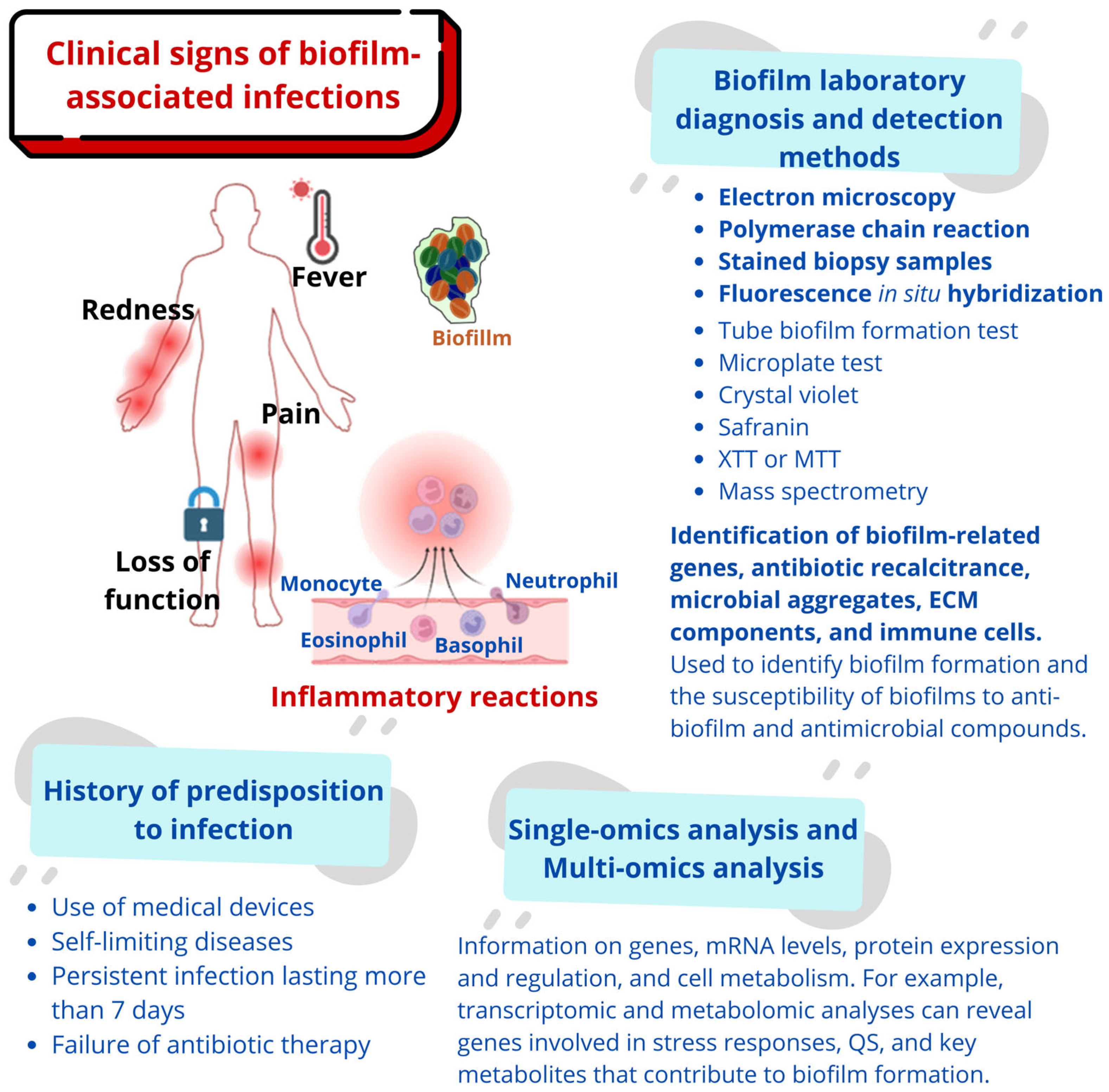
Collectively, these findings underscore the importance of non-biocidal, surface-based prevention strategies as an essential component of modern anti-biofilm design. Integrating chemical, physical, and hybrid surface treatments offers a promising approach to reducing device-associated infections while avoiding the drawbacks of antimicrobial release systems. It is also vital to consider biofilm detection and diagnosis methods, which are essential for prevention and guidance of clinical treatment [92,93], as shown in Figure 2.
Collectively, these solutions represent a multifunctional approach that combines physical, chemical, and pharmacological properties to prevent biofilm formation and ensure the safe and long-term functioning of implantable medical devices.

6. Limitations

While numerous anti-biofilm strategies show promising results in preclinical models, their clinical translation remains limited by several factors. Another critical limitation is the incomplete understanding of microbial gene expression regulation in drug-resistant biofilm communities. Biofilm-embedded bacteria display differential transcriptional profiles compared with planktonic cells, leading to the up-regulation of quorum-sensing genes, efflux pumps, and stress-response regulators that collectively enhance antimicrobial tolerance. Crosstalk between host-derived hormones and bacterial QS systems further modulates these transcriptional programs, influencing virulence and persistence [31,43]. In addition, immunometabolic adaptation in inflamed tissues enables pathogens such as Pseudomonas aeruginosa and Staphylococcus aureus to reprogram their metabolic and gene-expression networks toward persistence and antibiotic tolerance [44]. The dynamic regulation of these genes remains poorly characterized, particularly under host-like microenvironments, underscoring the need for multi-omics and transcriptomic approaches to unravel the regulatory circuits controlling biofilm resilience. Moreover, microbial metabolites such as SCFAs may indirectly influence global transcriptional responses, linking metabolic signaling to gene regulation in mixed-species biofilms [33].
Additionally, consider their ability to alter the complexity of in vivo biofilm environments, variability in host responses, and the challenges of delivering agents effectively at infection sites. Safety, scalability, and regulatory hurdles, especially for novel therapeutics such as engineered bacteriophages or functionalized nanoparticles, must be thoroughly addressed. Furthermore, the lack of standardized biofilm models for clinical testing hinders comparative assessment. Bridging these gaps will require interdisciplinary collaboration and sustained investment in translational research. Future efforts should focus on refining delivery systems for precision targeting of biofilms, developing immunomodulatory therapies to overcome tolerance mechanisms, and validating anti-biofilm agents in rigorous clinical trials. Emphasis should also be placed on scalable, biocompatible technologies that can be integrated into routine care settings, particularly in high-risk environments such as Intensive Care Units and surgical wards. Establishing global standards for anti-biofilm efficacy testing and encouraging collaborative innovation across microbiology, materials science, and clinical medicine will be essential to accelerate progress in this field.

7. Conclusions

Biofilm-related infections pose a significant challenge in clinical practice due to their complex structure, resistance to antimicrobial agents, and ability to evade the host immune response. As a result, prevention is not only more cost-effective but also more sustainable and clinically beneficial. To improve clinical outcomes, it is essential to focus on early adhesion prevention, disrupt biofilm maturation, and combine antimicrobial and immune therapies. Future efforts should prioritize the long-term efficacy, safety, detection methods, and scalability of these strategies in real-world settings. Ultimately, promoting biofilm prevention as a fundamental aspect of infection control will enhance patient safety, reduce antimicrobial resistance, and improve the quality and sustainability of modern healthcare.

Author Contributions

Conceptualization, M.T.H.-H., E.A.-S. and H.A.C.-F.; writing—original draft preparation, M.T.H.-H., E.P.-C., L.P.-C.M., I.P.V.M., W.R.G., E.E.J.G., H.A., I.A., L.Z.Y., N.E., E.A.-S. and H.A.C.-F.; writing—review and editing, M.T.H.-H., H.A., I.A., L.Z.Y., N.E., E.A.-S. and H.A.C.-F.; supervision, E.A.-S. and H.A.C.-F. All authors have read and agreed to the published version of the manuscript.

Funding

This research received no external funding.

Institutional Review Board Statement

Not applicable.

Informed Consent Statement

Not applicable.

Data Availability Statement

No new data were created or analyzed in this study. Data sharing is not applicable to this article.

Acknowledgments

H.A.C.-F. and E.E.J.G. are members of the Comité Científico de Salud de los Servicios de Salud de Oaxaca (SSO), México. M.T.H.-H., E.P.-C., L.P.-C.M., and H.A.C.-F. are members of the Comité Oaxaqueño de Trombosis, Hemostasia y Endotelio (COTHE) de los SSO, México. Thanks to the Secretaría de Ciencia, Humanidades, Tecnología e Innovación (SECIHTI) for the scholarship awarded to I.P.V.M. (CVU 1136736).

Conflicts of Interest

The authors declare no conflicts of interest.

Abbreviations

The following abbreviations are used in this manuscript:
AgNPsSilver Nanoparticles
AMPsCalcium Hydroxide
c-di-GMPCyclic Dimeric Guanosine Monophosphate
EPSExtracellular Polymeric Substances
MTT3-(4,5-dimethylthiazol-2-yl)-2,5-diphenyltetrazolium bromide
PEEKPolyetheretherketone
PEGPolyethylene Glycol
QSQuorum Sensing
QSIsQuorum Sensing Inhibitors/Quorum Sensing Interference
SCFAs Short-chain fatty acids
TLR Toll-Like Receptor
XTT2,3-bis(2-methoxy-4-nitro-5-sulfophenyl)-5-[(phenylamino)carbonyl]-2H-tetrazolium hydroxide

References

  1. Bamford, N.C.; MacPhee, C.E.; Stanley-Wall, N.R. Microbial Primer: An introduction to biofilms—What they are, why they form and their impact on built and natural environments. Microbiology 2023, 169, 001338. [Google Scholar] [CrossRef] [PubMed]
  2. Flemming, H.C.; van Hullebusch, E.D.; Neu, T.R.; Nielsen, P.H.; Seviour, T.; Stoodley, P.; Wingender, J.; Wuertz, S. The biofilm matrix: Multitasking in a shared space. Nat. Rev. Microbiol. 2023, 21, 70–86. [Google Scholar] [CrossRef] [PubMed]
  3. Hall-Stoodley, L.; Costerton, J.W.; Stoodley, P. Bacterial biofilms: From the natural environment to infectious diseases. Nat. Rev. Microbiol. 2004, 2, 95–108. [Google Scholar] [CrossRef] [PubMed]
  4. Nadell, C.D.; Xavier, J.B.; Foster, K.R. The sociobiology of biofilms. FEMS Microbiol. Rev. 2009, 33, 206–224. [Google Scholar] [CrossRef]
  5. Madsen, J.S.; Burmølle, M.; Hansen, L.H.; Sørensen, S.J. The interconnection between biofilm formation and horizontal gene transfer. FEMS Immunol. Med. Microbiol. 2012, 65, 183–195. [Google Scholar] [CrossRef]
  6. Battin, T.J.; Besemer, K.; Bengtsson, M.M.; Romani, A.M.; Packmann, A.I. The ecology and biogeochemistry of stream biofilms. Nat. Rev. Microbiol. 2016, 14, 251–263. [Google Scholar] [CrossRef]
  7. Azam, F.; Malfatti, F. Microbial structuring of marine ecosystems. Nat. Rev. Microbiol. 2007, 5, 782–791, Erratum in Nat. Rev. Microbiol. 2007, 5, 966. https://doi.org/10.1038/nrmicro1787. [Google Scholar] [CrossRef]
  8. Costerton, J.W.; Stewart, P.S.; Greenberg, E.P. Bacterial biofilms: A common cause of persistent infections. Science 1999, 284, 1318–1322. [Google Scholar] [CrossRef]
  9. Flemming, H.C. The perfect slime. Colloids Surf. B Biointerfaces 2011, 86, 251–259. [Google Scholar] [CrossRef]
  10. Beitelshees, M.; Hill, A.; Jones, C.H.; Pfeifer, B.A. Phenotypic Variation during Biofilm Formation: Implications for Anti-Biofilm Therapeutic Design. Materials 2018, 11, 1086. [Google Scholar] [CrossRef]
  11. Srinivasan, R.; Santhakumari, S.; Poonguzhali, P.; Geetha, M.; Dyavaiah, M.; Lin, X. Bacterial Biofilm Inhibition: A Focused Review on Recent Therapeutic Strategies for Combating the Biofilm Mediated Infections. Front. Microbiol. 2021, 12, 676458. [Google Scholar] [CrossRef] [PubMed]
  12. Ortega-Pena, S.; Hernandez-Zamora, E. Microbial biofilms and their impact on medical areas: Physiopathology, diagnosis and treatment. Bol. Med. Hosp. Infant. Mex. 2018, 75, 79–88. [Google Scholar] [CrossRef] [PubMed]
  13. Davies, D. Understanding biofilm resistance to antibacterial agents. Nat. Rev. Drug Discov. 2003, 2, 114–122. [Google Scholar] [CrossRef] [PubMed]
  14. Dostert, M.; Trimble, M.J.; Hancock, R.E.W. Antibiofilm peptides: Overcoming biofilm-related treatment failure. RSC Adv. 2021, 11, 2718–2728. [Google Scholar] [CrossRef] [PubMed]
  15. Sharma, S.; Mohler, J.; Mahajan, S.D.; Schwartz, S.A.; Bruggemann, L.; Aalinkeel, R. Microbial Biofilm: A Review on Formation, Infection, Antibiotic Resistance, Control Measures, and Innovative Treatment. Microorganisms 2023, 11, 1614, Correction in Microorganisms 2024, 12, 1961. https://doi.org/10.3390/microorganisms12101961. [Google Scholar] [CrossRef]
  16. Thewes, N.; Loskill, P.; Jung, P.; Peisker, H.; Bischoff, M.; Herrmann, M.; Jacobs, K. Hydrophobic interaction governs unspecific adhesion of staphylococci: A single cell force spectroscopy study. Beilstein J. Nanotechnol. 2014, 5, 1501–1512. [Google Scholar] [CrossRef]
  17. Chen, H.; Tian, Y.; Hu, Z.; Wang, C.; Xie, P.; Chen, L.; Yang, F.; Liang, Y.; Mu, C.; Wei, C.; et al. Bis-(3′-5′)-cyclic dimeric guanosine monophosphate (c-di-GMP) mediated membrane fouling in membrane bioreactor. J. Membr. Sci. 2022, 646, 120224. [Google Scholar] [CrossRef]
  18. Kline, K.A.; Dodson, K.W.; Caparon, M.G.; Hultgren, S.J. A tale of two pili: Assembly and function of pili in bacteria. Trends Microbiol. 2010, 18, 224–232. [Google Scholar] [CrossRef]
  19. Craig, L.; Forest, K.T.; Maier, B. Type IV pili: Dynamics, biophysics and functional consequences. Nat. Rev. Microbiol. 2019, 17, 429–440. [Google Scholar] [CrossRef]
  20. Foster, T.J.; Geoghegan, J.A.; Ganesh, V.K.; Höök, M. Adhesion, invasion and evasion: The many functions of the surface proteins of Staphylococcus aureus. Nat. Rev. Microbiol. 2014, 12, 49–62. [Google Scholar] [CrossRef]
  21. Henderson, I.R.; Owen, P.; Nataro, J.P. Molecular switches—The ON and OFF of bacterial phase variation. Mol. Microbiol. 1999, 33, 919–932. [Google Scholar] [CrossRef] [PubMed]
  22. Tielker, D.; Hacker, S.; Loris, R.; Strathmann, M.; Wingender, J.; Wilhelm, S.; Rosenau, F.; Jaeger, K.E. Pseudomonas aeruginosa lectin LecB is located in the outer membrane and is involved in biofilm formation. Microbiology 2005, 151 Pt 5, 1313–1323. [Google Scholar] [CrossRef]
  23. Zemke, A.C.; D’Amico, E.J.; Torres, A.M.; CarreñoFlórez, G.P.; Keeley, P.; DuPont, M.; Kasturiarachi, N.; Bomberger, J.M. Bacterial respiratory inhibition triggers dispersal of Pseudomonas aeruginosa biofilms. Appl. Environ. Microbiol. 2023, 89, e0110123. [Google Scholar] [CrossRef]
  24. Abdulwahhab, A.; Al Marjani, M.; Abdulghany, Z. Biofilm formation and persistence in antibioticresistant Escherichia coli: Nanoparticle strategies for managing conjugative resistance. Microbes Infect. Dis. 2024. [Google Scholar] [CrossRef]
  25. MuñozEgea, M.C.; GarcíaPedrazuela, M.; Mahillo, I.; Esteban, J. Effect of ciprofloxacin in the ultrastructure and development of biofilms formed by rapidly growing mycobacteria. BMC Microbiol. 2015, 15, 18. [Google Scholar] [CrossRef] [PubMed]
  26. Gopinathan, H.; Johny, T.K.; Bhat, S.G. Enhanced CAUTI Risk due to Strong Biofilm Forming MDR Bacteria in Indwelling Urinary Catheters. Austin. J. Microbiol. 2021, 6, 1030. [Google Scholar]
  27. Danin, P.E.; Girou, E.; Legrand, P.; Louis, B.; Fodil, R.; Christov, C.; Devaquet, J.; Isabey, D.; Brochard, L. Description and microbiology of endotracheal tube biofilm in mechanically ventilated subjects. Respir. Care 2015, 60, 21–29. [Google Scholar] [CrossRef]
  28. Katsikogianni, M.; Missirlis, Y.F. Concise review of mechanisms of bacterial adhesion to biomaterials and of techniques used in estimating bacteria-material interactions. Eur. Cells Mater. 2004, 8, 37–57. [Google Scholar] [CrossRef]
  29. Mishra, A.; Aggarwal, A.; Khan, F. Medical Device-Associated Infections Caused by Biofilm-Forming Microbial Pathogens and Controlling Strategies. Antibiotics 2024, 13, 623. [Google Scholar] [CrossRef]
  30. Asensio, N.C.; Rendón, J.M.; González López, J.J.; Tizzano, S.G.; Martín Gómez, M.T.; Burgas, M.T. Time-resolved dual transcriptomics of Pseudomonas aeruginosa biofilm formation in cystic fibrosis. Biofilm 2025, 10, 100301. [Google Scholar] [CrossRef]
  31. Lauten, A.; Martinović, M.; Kursawe, L.; Kikhney, J.; Affeld, K.; Kertzscher, U.; Falk, V.; Moter, A. Bacterial biofilms in infective endocarditis: An in vitro model to investigate emerging technologies of antimicrobial cardiovascular device coatings. Clin. Res. Cardiol. 2021, 110, 323–331. [Google Scholar] [CrossRef]
  32. Jamal, M.; Tasneem, U.; Hussain, T.; Andleeb, S. Bacterial Biofilm: Its Composition, Formation and Role in Human Infections. Res. Rev. J. Microbiol. Biotechnol. 2015, 4, 1–14. [Google Scholar]
  33. Rather, M.A.; Gupta, K.; Mandal, M. Microbial biofilm: Formation, architecture, antibiotic resistance, and control strategies. Braz. J. Microbiol. 2021, 52, 1701–1718. [Google Scholar] [CrossRef]
  34. Grari, O.; Ezrari, S.; El Yandouzi, I.; Benaissa, E.; Ben Lahlou, Y.; Lahmer, M.; Saddari, A.; Elouennass, M.; Maleb, A. A comprehensive review on biofilm-associated infections: Mechanisms, diagnostic challenges, and innovative therapeutic strategies. Microbe 2025, 8, 100436. [Google Scholar] [CrossRef]
  35. Wu, H.-M.C.; Wang, H.Z.; Høiby, N.; Song, Z.J. Strategies for combating bacterial biofilm infections. Int. J. Oral Sci. 2015, 7, 1–7. [Google Scholar] [CrossRef]
  36. Cangui-Panchi, S.P.; Nacato-Toapanta, A.L.; Enriquez-Martinez, L.J.; Salinas-Delgado, G.A.; Reyes, J.; Garzon-Chavez, D.; Machado, A. Battle royale: Immune response on biofilms—Host-pathogen interactions. Curr. Res. Immunol. 2023, 4, 100057. [Google Scholar] [CrossRef]
  37. Gonzalez, J.F.; Hahn, M.M.; Gunn, J.S. Chronic biofilm-based infections: Skewing of the immune response. Pathog. Dis. 2018, 76, fty023. [Google Scholar] [CrossRef] [PubMed]
  38. Atri, C.; Guerfali, F.Z.; Laouini, D. Role of Human Macrophage Polarization in Inflammation during Infectious Diseases. Int. J. Mol. Sci. 2018, 19, 1801. [Google Scholar] [CrossRef] [PubMed]
  39. Van, R.Z.; Kielian, T. Immune-based strategies for the treatment of biofilm infections. Biofilm 2025, 9, 100264. [Google Scholar] [CrossRef]
  40. Yong, V.F.L.; Soh, M.M.; Jaggi, T.K.; Mac Aogáin, M.; Chotirmall, S.H. The Microbial Endocrinology of Pseudomonas aeruginosa: Inflammatory and Immune Perspectives. Arch. Immunol. Ther. Exp. 2018, 66, 329–339. [Google Scholar] [CrossRef]
  41. Plotkin, B.J.; Halkyard, S.; Spoolstra, E.; Micklo, A.; Kaminski, A.; Sigar, I.M.; Konaklieva, M.I. The Role of the Insulin/Glucose Ratio in the Regulation of Pathogen Biofilm Formation. Biology 2023, 12, 1432. [Google Scholar] [CrossRef]
  42. Wei, Q.; Zhang, Z.; Luo, J.; Kong, J.; Ding, Y.; Chen, Y.; Wang, K. Insulin treatment enhances pseudomonas aeruginosa biofilm formation by increasing intracellular cyclic di-GMP levels, leading to chronic wound infection and delayed wound healing. Am. J. Transl. Res. 2019, 11, 3261–3279, Correction in Am. J. Transl. Res. 2020, 12, 8259–8261. [Google Scholar]
  43. Patel, N.; Curtis, J.C.; Plotkin, B.J. Insulin Regulation of Escherichia coli Abiotic Biofilm Formation: Effect of Nutrients and Growth Conditions. Antibiotics 2021, 10, 1349. [Google Scholar] [CrossRef] [PubMed]
  44. Abed, W.G.; Al-Shawk, R.S.; Jassim, K.A. The Role of Insulin Level on the Biofilm-Forming Capacity in Diabetes-Related Urinary Tract Infection. Mustansiriya Med. J. 2021, 20, 66–70. [Google Scholar] [CrossRef]
  45. Acierno, C.; Nevola, R.; Barletta, F.; Rinaldi, L.; Sasso, F.C.; Adinolfi, L.E.; Caturano, A. Multidrug-Resistant Infections and Metabolic Syndrome: An Overlooked Bidirectional Relationship. Biomedicines 2025, 13, 1343. [Google Scholar] [CrossRef]
  46. Mirzaei, R.; Sabokroo, N.; Ahmadyousefi, Y.; Motamedi, H.; Karampoor, S. Immunometabolism in biofilm infection: Lessons from cancer. Mol. Med. 2022, 28, 10. [Google Scholar] [CrossRef]
  47. Kamil, M.A.; Peeran, S.W.; Basheer, S.N.; Elhassan, A.; Alam, M.N.; Thiruneervannan, M. Role of Resistin in Various Diseases with Special Emphasis on Periodontal and Periapical Inflammation—A Review. J. Pharm. Bioallied. Sci. 2023, 15, S31–S35. [Google Scholar] [CrossRef]
  48. Checa-Ros, A.; Hsueh, W.C.; Merck, B.; González-Torres, H.; Bermúdez, V.; D’Marco, L. Obesity and Oral Health: The Link Between Adipokines and Periodontitis. TouchREV. Endocrinol. 2024, 20, 25–31. [Google Scholar] [CrossRef]
  49. Watters, C.; Everett, J.A.; Haley, C.; Clinton, A.; Rumbaugh, K.P. Insulin treatment modulates the host immune system to enhance Pseudomonas aeruginosa wound biofilms. Infect. Immun. 2014, 8, 92–100. [Google Scholar] [CrossRef]
  50. Rahim, S.; Rahman, R.; Jhuma, T.A.; Ayub, M.; Khan, S.N.; Hossain, A.; Karim, M.M. Disrupting antimicrobial resistance: Unveiling the potential of vitamin C in combating biofilm formation in drug-resistant bacteria. BMC Microbiol. 2025, 25, 212. [Google Scholar] [CrossRef]
  51. Al-Suhaimi, E.A.; AlRubaish, A.A.; Aldossary, H.A.; Homeida, M.A.; Shehzad, A.; Homeida, A.M. Obesity and Cognitive Function: Leptin Role Through Blood-Brain Barrier and Hippocampus. Mol. Neurobiol. 2025, 62, 16280–16301. [Google Scholar] [CrossRef]
  52. Wu, S.; Bu, X.; Chen, D.; Wu, X.; Wu, H.; Caiyin, Q.; Qiao, J. Molecules-mediated bidirectional interactions between microbes and human cells. NPJ Biofilms Microbiomes 2025, 11, 38. [Google Scholar] [CrossRef]
  53. Kamada, N.; Chen, G.Y.; Inohara, N.; Núñez, G. Control of pathogens and pathobionts by the gut microbiota. Nat. Immunol. 2013, 14, 685–690. [Google Scholar] [CrossRef]
  54. Nami, Y.; Shaghaghi Ranjbar, M.; Modarres Aval, M.; Haghshenas, B. Harnessing Lactobacillus-derived SCFAs for food and health: Pathways, genes, and functional implications. Curr. Res. Microb. Sci. 2025, 9, 100496. [Google Scholar] [CrossRef]
  55. Sadiq, F.A.; Burmølle, M.; Heyndrickx, M.; Flint, S.; Lu, W.; Chen, W.; Zhao, J.; Zhang, H. Community-wide changes reflecting bacterial interspecific interactions in multispecies biofilms. Crit. Rev. Microbiol. 2021, 47, 338–358. [Google Scholar] [CrossRef] [PubMed]
  56. Zhao, A.; Sun, J.; Liu, Y. Understanding bacterial biofilms: From definition to treatment strategies. Front. Cell. Infect. Microbiol. 2023, 13, 1137947. [Google Scholar] [CrossRef] [PubMed]
  57. Agarwal, H.; Gurnani, B.; Pippal, B.; Jain, N. Capturing the micro-communities: Insights into biogenesis and architecture of bacterial biofilms. BBA Adv. 2024, 7, 100133. [Google Scholar] [CrossRef] [PubMed]
  58. Liu, H.Y.; Prentice, E.L.; Webber, M.A. Mechanisms of antimicrobial resistance in biofilms. npj Antimicrob. Resist. 2024, 2, 27. [Google Scholar] [CrossRef]
  59. Mace, M.A.; Krummenauer, M.E.; Lopes, W.; Vainstein, M.H. Medically Important Fungi in Multi-Species Biofilms: Microbial Interactions, Clinical Implications and Therapeutic Strategies. Curr. Trop. Med. Rep. 2024, 11, 224–236. [Google Scholar] [CrossRef]
  60. Wang, X.; Chen, C.; Hu, J.; Liu, C.; Ning, Y.; Lu, F. Current strategies for monitoring and controlling bacterial biofilm formation on medical surfaces. Ecotoxicol. Environ. Saf. 2024, 282, 116709. [Google Scholar] [CrossRef]
  61. Omwenga, E.O.; Awuor, S.O. The Bacterial Biofilms: Formation, Impacts, and Possible Management Targets in the Healthcare System. Can J. Infect. Dis. Med. Microbiol. 2024, 2024, 1542576. [Google Scholar] [CrossRef] [PubMed]
  62. Jeong, G.J.; Khan, F.; Tabassum, N.; Cho, K.J.; Kim, Y.M. Strategies for controlling polymicrobial biofilms: A focus on antibiofilm agents. Int. J. Antimicrob. Agents 2024, 64, 107243. [Google Scholar] [CrossRef]
  63. Olaimat, A.N.; Ababneh, A.M.; Al-Holy, M.; Al-Nabulsi, A.; Osaili, T.; Abughoush, M.; Ayyash, M.; Holley, R.A. A review of bacterial biofilm components and formation, detection methods, and their prevention and control on food contact surfaces. Microbiol. Res. 2024, 15, 1973–1992. [Google Scholar] [CrossRef]
  64. Turkina, M.V.; Vikström, E. Bacteria-Host Crosstalk: Sensing of the Quorum in the Context of Pseudomonas aeruginosa Infections. J. Innate Immun. 2019, 11, 263–279. [Google Scholar] [CrossRef] [PubMed]
  65. Chen, Y.T.; Lohia, G.K.; Chen, S.; Riquelme, S.A. Immunometabolic Regulation of Bacterial Infection, Biofilms, and Antibiotic Susceptibility. J. Innate Immun. 2024, 16, 143–158. [Google Scholar] [CrossRef]
  66. Markowska, K.; Szymanek-Majchrzak, K.; Pituch, H.; Majewska, A. Understanding Quorum-Sensing and Biofilm Forming in Anaerobic Bacterial Communities. Int. J. Mol. Sci. 2024, 25, 12808. [Google Scholar] [CrossRef]
  67. Haidari, H.; Vasilev, K. Novel Antibacterial Materials and Coatings—A Perspective by the Editors. Materials 2023, 16, 6302. [Google Scholar] [CrossRef]
  68. Elashnikov, R.; Ulbrich, P.; Vokata, B.; Pavlickova, V.S.; Svorcik, V.; Lyutakov, O.; Rimpelová, S. Physically Switchable Antimicrobial Surfaces and Coatings: General Concept and Recent Achievements. Nanomaterials 2021, 11, 3083. [Google Scholar] [CrossRef]
  69. Kim, J.S.; Lim, M.C.; Kim, S.M.; Lee, J.Y. Extracellular matrix-degrading enzymes as a biofilm control strategy for food-related microorganisms. Food Sci. Biotechnol. 2023, 32, 1745–1761. [Google Scholar] [CrossRef]
  70. Kim, M.J.; Kim, J.S. Enhanced inactivation of Salmonella enterica Enteritidis biofilms on the stainless steel surface by proteinase K in the combination with chlorine. Food Control 2022, 132, 108519. [Google Scholar] [CrossRef]
  71. Lim, E.S.; Baek, S.Y.; Oh, T.; Koo, M.; Lee, J.Y.; Kim, H.J.; Kim, J.S. Strain variation in Bacillus cereus biofilms and their susceptibility to extracellular matrix-degrading enzymes. PLoS ONE 2021, 16, e0245708. [Google Scholar] [CrossRef]
  72. Ruiz-Sorribas, A.; Poilvache, H.; Kamarudin, N.H.N.; Braem, A.; Van Bambeke, F. Hydrolytic Enzymes as Potentiators of Antimicrobials against an Inter-Kingdom Biofilm Model. Microbiol. Spectr. 2022, 10, e0258921, Correction in Microbiol. Spectr. 2022, 11, e0467122. https://doi.org/10.1128/spectrum.04671-22. [Google Scholar] [CrossRef]
  73. Wu, S.; Liu, C.; Feng, J.; Yang, A.; Guo, F.; Qiao, J. QSIdb: Quorum sensing interference molecules. Brief Bioinform. 2021, 22, bbaa218. [Google Scholar] [CrossRef]
  74. McInnis, C.E.; Blackwell, H.E. Non-native N-aroyl L-homoserine lactones are potent modulators of the quorum sensing receptor RpaR in Rhodopseudomonas palustris. Chembiochem 2014, 15, 87–93. [Google Scholar] [CrossRef] [PubMed]
  75. Zhang, L.H.; Dong, Y.H. Quorum sensing and signal interference: Diverse implications. Mol. Microbiol. 2004, 53, 1563–1571. [Google Scholar] [CrossRef] [PubMed]
  76. Du, L.; Shi, W.; Hao, X.; Luan, L.; Wang, S.; Lu, J.; Zhang, Q. Synergistic Photodynamic/Antibiotic Therapy with Photosensitive MOF-Based Nanoparticles to Eradicate Bacterial Biofilms. Pharmaceutics 2023, 15, 1826. [Google Scholar] [CrossRef] [PubMed]
  77. Lluberas, G.; Batista-Menezes, D.; Zuñiga-Umaña, J.M.; Montes de Oca-Vásquez, G.; Lecot, N.; Vega-Baudrit, J.R.; Lopretti, M. Biofilms Functionalized Based on Bioactives and Nanoparticles with Fungistatic and Bacteriostatic Properties for Food Packing Uses. Biol. Life Sci. Forum. 2023, 28, 10. [Google Scholar]
  78. Sheng, Y.; Chen, Z.; Wu, W.; Lu, Y. Engineered organic nanoparticles to combat biofilms. Discov. Today 2023, 28, 103455. [Google Scholar] [CrossRef]
  79. Aldossary, H.A.; Rehman, S.; Jermy, B.R.; AlJindan, R.; Aldayel, A.; AbdulAzeez, S.; Akhtar, S.; Khan, F.A.; Borgio, J.F.; Al-Suhaimi, E.A. Therapeutic Intervention for Various Hospital Setting Strains of Biofilm Forming Candida auris with Multiple Drug Resistance Mutations Using Nanomaterial Ag-Silicalite-1 Zeolite. Pharmaceutics 2022, 14, 2251. [Google Scholar] [CrossRef]
  80. Fakeeha, G.; AlHarbi, S.; Auda, S.; Balto, H. The Impact of Silver Nanoparticles’ Size on Biofilm Eradication. Int. Dent. J. 2025, 75, 1213–1222. [Google Scholar] [CrossRef]
  81. Amankwah, S.; Abdella, K.; Kassa, T. Bacterial Biofilm Destruction: A Focused Review on The Recent Use of Phage-Based Strategies with Other Antibiofilm Agents. Nanotechnol. Sci. Appl. 2021, 14, 161–177. [Google Scholar] [CrossRef]
  82. Palma, M.; Qi, B. Advancing Phage Therapy: A Comprehensive Review of the Safety, Efficacy, and Future Prospects for the Targeted Treatment of Bacterial Infections. Infect. Dis. Rep. 2024, 16, 1127–1181. [Google Scholar] [CrossRef]
  83. Memariani, M.; Memariani, H. Anti-Biofilm Effects of Melittin: Lessons Learned and the Path Ahead. Int. J. Pep. Res. Ther. 2024, 30, 29. [Google Scholar] [CrossRef]
  84. Ridyard, K.E.; Overhage, J. The Potential of Human Peptide LL-37 as an Antimicrobial and Anti-Biofilm Agent. Antibiotics 2021, 10, 650. [Google Scholar] [CrossRef]
  85. Yuan, H.; Lyu, Y.; Cui, X.; Zhang, C.; Meng, Q. How antimicrobial peptide indolicidin and its derivatives interact with phospholipid membranes: Molecular dynamics simulation. J. Mol. Struct. 2024, 1312, 138625. [Google Scholar] [CrossRef]
  86. Desrousseaux, C.; Sautou, V.; Descamps, S.; Traore, O. Modification of the surfaces of medical devices to prevent microbial adhesion and biofilm formation. J. Hosp. Infect. 2013, 85, 87–93. [Google Scholar] [CrossRef] [PubMed]
  87. Sundriyal, P.; Sahu, M.; Prakash, O.; Bhattacharya, S. Long-term surface modification of PEEK polymer using plasma and PEG silane treatment. Surf. Interfaces 2021, 25, 101253. [Google Scholar] [CrossRef]
  88. Xue, T.; Attarilar, S.; Liu, S.; Liu, J.; Song, X.; Li, L.; Zhao, B.; Tang, Y. Surface Modification Techniques of Titanium and its Alloys to Functionally Optimize Their Biomedical Properties: Thematic Review. Front. Bioeng. Biotechnol. 2020, 8, 603072. [Google Scholar] [CrossRef] [PubMed]
  89. Barzegari, A.; Kheyrolahzadeh, K.; Hosseiniyan Khatibi, S.M.; Sharifi, S.; Memar, M.Y.; Zununi Vahed, S. The Battle of Probiotics and Their Derivatives Against Biofilms. Infect. Drug Resist. 2020, 13, 659–672. [Google Scholar] [CrossRef]
  90. Kaur, S.; Sharma, P.; Kalia, N.; Singh, J.; Kaur, S. Anti-biofilm Properties of the Fecal Probiotic Lactobacilli Against Vibrio spp. Front. Cell. Infect. Microbiol. 2018, 8, 120. [Google Scholar] [CrossRef]
  91. Salas-Jara, M.J.; Ilabaca, A.; Vega, M.; Garcia, A. Biofilm Forming Lactobacillus: New Challenges for the Development of Probiotics. Microorganisms 2016, 4, 35. [Google Scholar] [CrossRef] [PubMed]
  92. Silva, N.B.S.; Marques, L.A.; Röder, D.D.B. Diagnosis of biofilm infections: Current methods used, challenges and perspectives for the future. J. Appl. Microbiol. 2021, 131, 2148–2160. [Google Scholar] [CrossRef] [PubMed]
  93. Zhang, T.; Liu, Z.; Wang, H.; Zhang, H.; Li, H.; Lu, W.; Zhu, J. Multi-omics analysis reveals genes and metabolites involved in Bifidobacterium pseudocatenulatum biofilm formation. Front. Microbiol. 2023, 14, 1287680. [Google Scholar] [CrossRef] [PubMed]
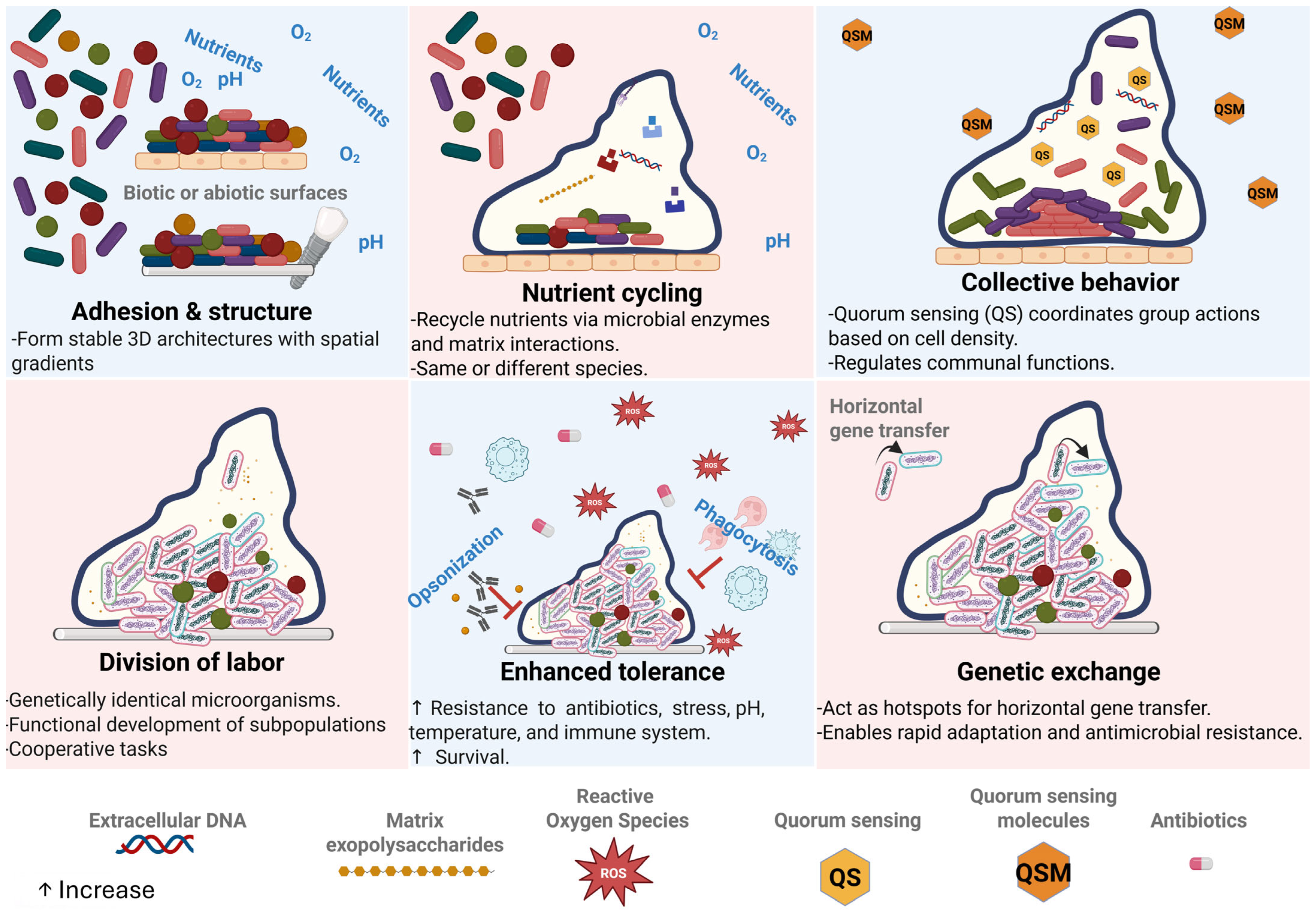
Figure 1. Emergent properties of biofilms include structural stability, antimicrobial resistance, immune evasion, and enhanced horizontal gene transfer.
Microorganisms 13 02726 g001
Figure 2. Biofilm detection and diagnosis methods. ECM: extracellular matrix; XTT: 2,3-bis (2-methoxy-4-nitro-5-sulfophenyl)-5-[(phenylamino) carbonyl 2H-tetrazolium hydroxide; MTT: 3-(4,5-dimethylthiazol-2-yl)-2,5-diphenyltetrazolium bromide; QS: quorum sensing.
Microorganisms 13 02726 g002
Disclaimer/Publisher’s Note: The statements, opinions and data contained in all publications are solely those of the individual author(s) and contributor(s) and not of MDPI and/or the editor(s). MDPI and/or the editor(s) disclaim responsibility for any injury to people or property resulting from any ideas, methods, instructions or products referred to in the content.