1. Introduction
Osteoarthritis (OA) is a progressive joint disease affecting over 300 million people globally and is a leading cause of disability and reduced quality of life [
1]. The condition is marked by the gradual deterioration of cartilage in the joints, leading to pain, stiffness, and limited mobility, especially in the hands, knees, and hips. While OA is most commonly associated with older adults, it also affects younger populations due to repetitive stress, injury, or hereditary factors [
2]. Previous studies have shown that maintaining finger mobility and consistent rehabilitation can significantly slow OA progression and improve patient outcomes. Systematic reviews indicate that targeted interventions such as exercise programs and splint use can enhance grip strength, range of motion, and functional performance in patients with hand OA [
3]. Similarly, a pilot clinical trial evaluating a wearable soft-robotic glove demonstrated measurable improvements in grip strength and functional hand use after only four weeks of home-based rehabilitation [
4]. Based on this evidence, it is hypothesized that the electrically actuated rehabilitation glove will replicate or enhance voluntary hand movements with improved consistency during guided trials. Additionally, the device is expected to demonstrate reliable, repeatable force output, indicating its potential as a practical rehabilitation tool for individuals with early-stage OA. By validating the glove’s ability to replicate healthy hand movements and quantifying assistive force values, this study contributes to the development of effective, measurable, and scalable rehabilitation tools for early-stage OA patients.
Stage 2 OA represents a critical point in disease progression where symptoms such as swelling, joint discomfort, and reduced range of motion become more persistent and noticeable. Importantly, it is still early enough for non-invasive rehabilitation efforts to help to slow the disease’s progression, reduce chronic pain, and maintain joint function [
5].
Current rehabilitation tools, including compression gloves and manual exercises, tend to be passive in nature and offer limited feedback for either the user or the clinician. More advanced robotic rehabilitation systems, including exoskeletons and soft actuated devices, have shown promise in post-stroke therapy but are often too bulky, costly, or complex for use in routine OA care [
5,
6]. Few existing technologies are explicitly designed for OA patients, particularly at early stages when targeted intervention could be most effective. Prior research, including works by Alhamad et al. [
7] and Megalingam et al. [
8], introduced servo-actuated and pneumatic gloves primarily for post-stroke rehabilitation. These studies demonstrated the feasibility of robotic hand assistance but highlighted persistent challenges with bulkiness, limited portability, and lack of OA-specific ergonomics [
7,
8]. The present glove builds on these foundations by introducing a compact, fully electromechanical actuation system optimized for Stage 2 OA. It combines low-cost 3D-printed components with integrated sensors and simplified control to enable safe, short-duration therapy sessions without reliance on external compressors. By focusing on usability, comfort, and portability, the device is designed to assist individuals with osteoarthritis in performing guided finger exercises, including abduction/adduction and flexion/extension movements. The glove’s compact and lightweight structure was developed to enable consistent, low-strain motion support during daily rehabilitation while recording kinematic and force data through embedded sensors. The primary objective of this study is to evaluate the accuracy and consistency of the developed glove in guiding finger flexion/extension and abduction/adduction movements. The study also compares user-initiated (unguided) hand movements with glove-assisted (guided) movements in terms of joint angles and force profiles. As a secondary objective, this study aims to establish a benchmark for healthy hand force values during basic grip tasks, such as squeezing a ball or jar, for future comparison with OA patient data.
2. Literature Review
Arthritis is a leading cause of disability, and adults with arthritis can experience difficulties in functioning, with the percentage of adults suffering from arthritis standing at 3.6% in adults aged 18–34 and 53.9% in adults aged 75 and older [
9]. The current treatment plan for OA leaves the patient with limited options, ranging from lifestyle changes to surgery [
10]. The qualification for surgery depends on the amount of pain the arthritis is causing, the degree to which the quality of life is negatively impacted, and the risks and benefits of surgery. Even if surgery is undergone for OA, the patient is heavily recommended to continue their self-management plan to maintain their joint health [
10].
As a chronic and progressive condition, OA does not have a cure, and its symptoms typically worsen over time, requiring patients to manage it for life. This progressive nature can lead to a psychological burden, as patients may face anxiety, depression, or frustration due to their declining abilities and chronic pain [
11].
The offering of an improved solution during the early stages of OA can improve the patient’s quality of life, allowing them to continue with daily activities and possibly avoid disability in the future [
12]. In doing so, patients can continue participating in daily tasks, social activities, and employment, which significantly reduces the emotional and psychological toll that OA can take on a person. OA is known to cause social withdrawal due to the pain and discomfort associated with simple activities like cooking, cleaning, or socializing [
13]. Developing an effective solution would support caregivers by reducing the time and effort needed to assist patients with OA, thereby lessening the burden on families and healthcare providers.
Developing a reusable, sustainable device for osteoarthritis treatment offers an opportunity to reduce reliance on single-use medical products, which are a significant source of healthcare waste [
14]. By replacing disposable supports or accessories with a long-lasting alternative, the overall environmental footprint of OA care can be lowered. Furthermore, an improved treatment plan may reduce a patient’s dependence on symptom-alleviating medications. This would, in turn, decrease the demand for pharmaceutical production and the associated environmental impacts from drug manufacturing processes.
OA is one of the leading causes of work disability, which accounts for a significant decrease in workplace productivity. In Canada, OA-related healthcare costs and lost productivity, amount to an estimated
$17.5 billion a year by 2031 [
15]. Due to the disease forcing greater numbers of people to stop working or to work less [
15]. For hospitals and healthcare systems, devices that improve rehabilitation outcomes can help reduce long-term care costs by promoting early-stage interventions and can reduce the costs of treatment by preventing treatable cases before expensive surgery becomes required for the patient’s health and safety [
6,
16].
Current rehabilitation solutions for osteoarthritis often include therapeutic gloves that provide compression and warmth to reduce swelling and stiffness. These gloves are typically designed to alleviate hand pain and improve function, but their effectiveness is limited. For example, a study published in BMC Musculoskeletal Disorders found that arthritis gloves offered minimal improvement in pain, stiffness, or hand function, and were not considered cost-effective [
17]. This highlights the limitations of conventional passive solutions in delivering significant therapeutic benefits.
Advancements in technology have led to the creation of robotic exoskeletons and soft exoskeleton hand devices, commonly used for post-stroke rehabilitation. For instance, a study in Sensors introduced a soft robotic hand training device utilizing pneumatic actuators to assist finger movement during exercises, demonstrating potential for use in OA rehabilitation [
7]. However, these devices are often bulky and complex, making them impractical for daily use by OA patients.
Despite these advancements, a significant gap remains in addressing the specific needs of OA patients. Current solutions are primarily designed for post-stroke patients and do not fully consider the unique challenges of chronic pain, joint degeneration, and long-term usability experienced by OA patients [
7,
18]. Furthermore, few devices leverage motorized assistance, which could offer more precise and adjustable therapeutic exercises. The absence of motorized components in existing designs stems from concerns over increased bulk and battery drain. The proposed project aims to bridge these gaps by developing a solution that incorporates motorized assistance to deliver controlled therapeutic exercises tailored for OA patients.
The rehabilitation glove developed in this study directly responds to the limitations identified in current osteoarthritis rehabilitation solutions. Bulky pneumatic and motorized robotic systems designed for post-stroke rehabilitation often depend on external air compressors or power units, restricting their use in home-based OA therapy. The proposed device, by contrast, is optimized for individuals with early-stage OA and provides a lightweight, compact solution suitable for daily rehabilitation. It integrates motorized assistance to deliver controlled and customizable therapeutic exercises, a functionality often missing from passive compression gloves or underpowered wearable devices. Furthermore, by using cost-effective materials and embedded sensors, the glove maintains affordability without compromising functionality or performance. The device is designed to be compatible with remote monitoring systems, enabling both users and clinicians to track rehabilitation progress in real time. For context, commercially available rehabilitation gloves are largely post-stroke pneumatic models, such as the OrtorEx rehabilitation glove, which retails between USD 60 and 150 depending on the seller [
19]. Comparable motor-assisted systems, including Syrebo and related hand-training gloves, are typically priced between USD 199 and 599 [
20]. Academic prototypes have reported hardware costs of approximately USD 220 [
21]. These devices generally rely on compressed-air actuation and offer limited data feedback. Compressed-air systems are not always practical or readily available in clinical or home-based rehabilitation settings. In contrast, the glove presented in this study introduces a fully electromechanical, sensor-integrated platform that eliminates the need for external air supply while maintaining a low-cost, compact design. This approach enhances portability, affordability, and ease of use, which are critical for long-term osteoarthritis rehabilitation. Together, these features address major barriers in accessibility and therapeutic effectiveness, offering a scalable solution tailored to the needs of OA patients.
3. Materials and Methods
3.1. Materials
The electromechanically actuated rehabilitation glove was assembled from commercially available components, with material selection focused on low cost, lightweight construction, and replicability. The base layer consisted of a standard neoprene glove with an elastic wrist band for size adjustability and user comfort. The rigid frame was fabricated using approximately 3.5 in3 of PLA filament on an FDM Bambu Lab CA 3D printer. Padding was added at contact points to reduce skin irritation. Velcro was used to secure the 3D printed frame to the glove base layer. The actuation system used four Miuzei SG90 micro servo motors (torque rating ~1.8 kg·cm at 4.8 V), selected from a 10-piece kit. Kevlar thread (70 lb tensile strength, 9KM DWLIFE) was used for tendon transmission. A set of compression and extension springs (NEIKO 50456A spring assortment) was used to provide restoring forces and maintain baseline finger positioning when motors were disengaged. These springs were mounted along the dorsal side of the fingers, aligned with the flexion/extension plane, and therefore did not restrict lateral abduction or adduction motion.
For sensing, five Bolsen Tech FSR402 force-sensitive resistors (0.5 inches in diameter) were mounted at the fingertips to measure grip strength. Flexion was recorded using three WG Sensor™ thin-film flex sensors (ZD10-100, 500 g range). All sensors were connected to an ESP32 microcontroller (Adafruit HUZZAH32 Feather Board, ESP-WROOM-32, 240 MHz, 520 KB SRAM) mounted on a breadboard. The system was powered by a 7.4 V rechargeable lithium-polymer (Li-Po) battery (2200 mAh), with additional testing supported by an external 26,800 mAh portable power bank for extended operation. Sensor signals were monitored and recorded via the Arduino IDE serial monitor. Unlike most prior rehabilitation gloves that rely on pneumatic or cable-driven actuation, the proposed system uses a fully electromechanical design, eliminating the need for external air compressors or tethered hardware. This approach simplifies operation, enhances portability, and reduces fabrication cost while maintaining precise control of motion.
The complete device weighed approximately 150 g, operated at 3.3 V input, and incorporated both mechanical and electronic safety features.
3.2. Device Development
The glove features a dual-layer architecture comprising a soft neoprene inner layer embedded with sensors and a rigid 3D-printed exoskeleton responsible for mechanical actuation. From the earliest design stages, all components and materials were selected in compliance with ISO 13485, ISO 10993-1, and IEC 60601-1 standards to ensure quality management, biocompatibility, and electrical safety. A weighted decision matrix, developed collaboratively with physiotherapists, patients, and engineers guided design trade-offs to align mechanical performance with comfort and therapeutic requirements.
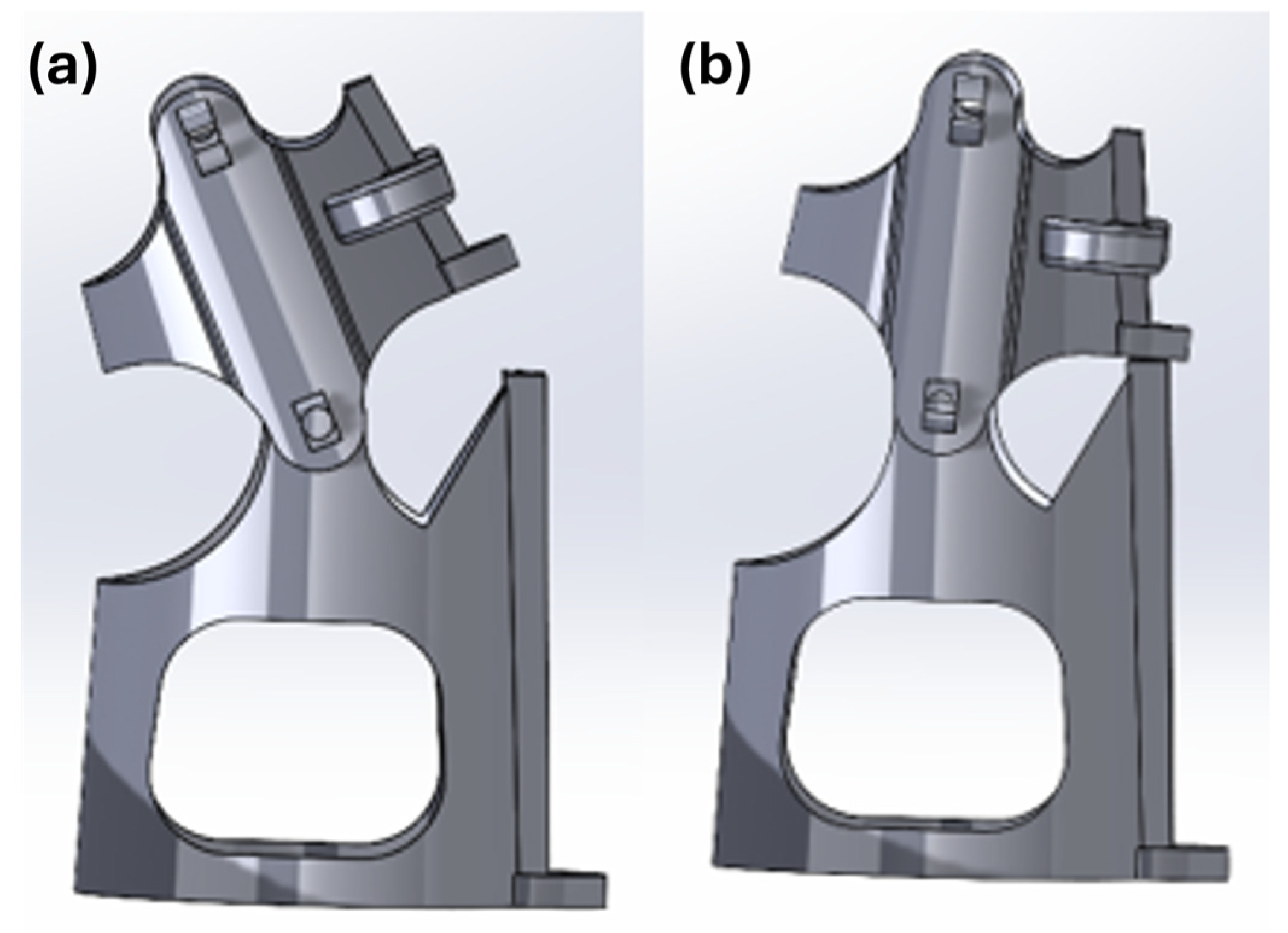
Three-dimensional modelling and structural refinement were performed using SolidWorks 2024. The exoskeleton underwent multiple optimization cycles to reduce weight, improve ergonomics, and enhance overall wearability. Early prototypes included bulky bases that caused discomfort; subsequent iterations introduced hollowed structures and internal padding, significantly improving comfort and fit. A key safety feature was the integration of mechanical stops at each finger bracket to prevent hyperextension,
Figure 1. These physical limits proved more reliable and inherently safer than the initial software-based kill switch, which was retained as a redundant safeguard. Each stop limits extension primarily at the proximal interphalangeal (PIP) joint, while allowing natural motion at the metacarpophalangeal (MCP) joint to ensure comfortable and physiologic finger alignment.
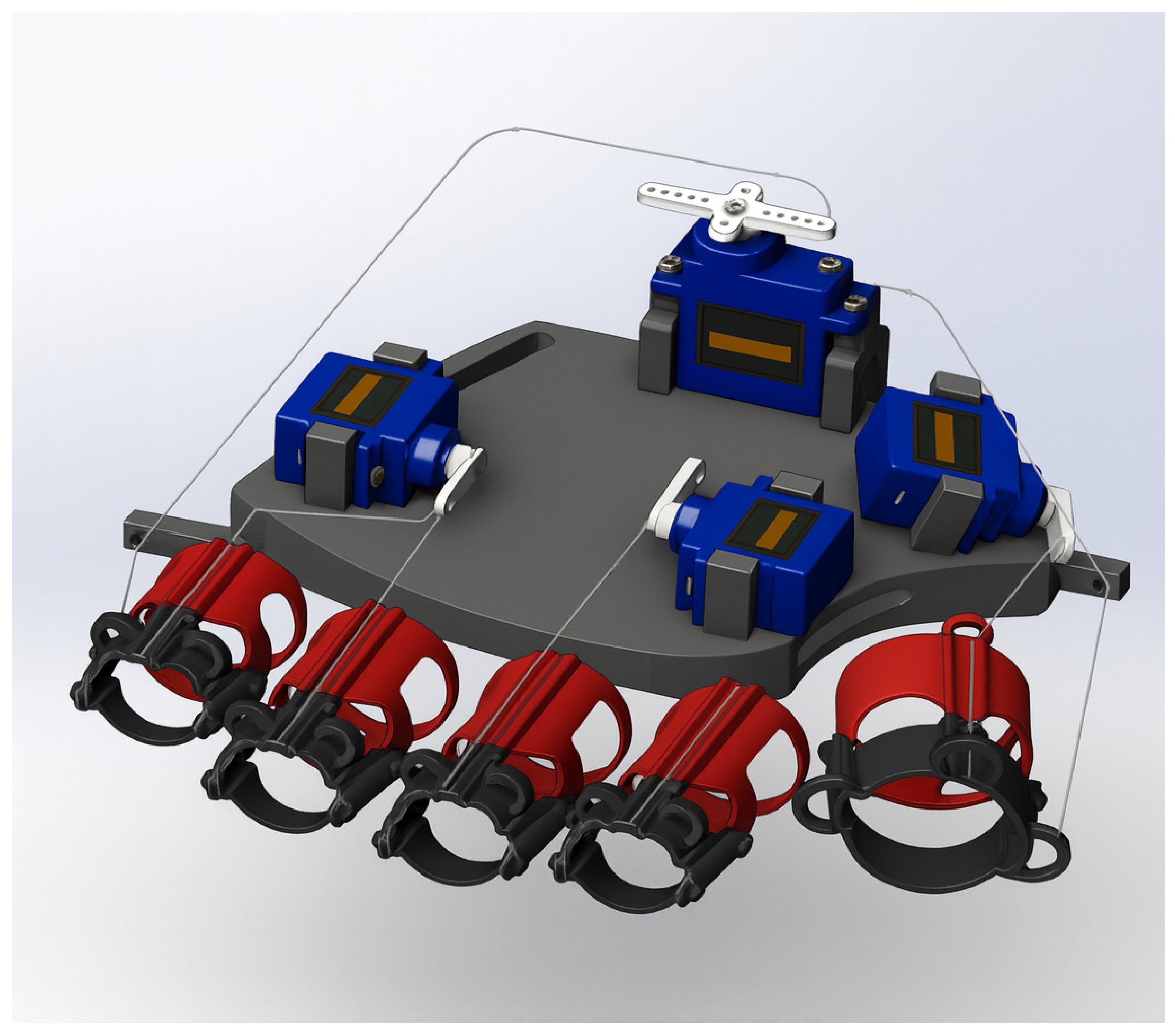
The actuation subsystem evolved through three principal configurations. The initial version employed individual linear actuators per finger, offering motion control but at the cost of excessive weight and power consumption. A second iteration replaced the linear actuators with servo motors, one per finger, reducing complexity but maintaining a bulky profile. The final configuration consolidated actuation into three servo motors to drive all five fingers: the index and middle fingers were coupled, as were the ring and pinkie fingers, while the thumb operated independently. A fourth motor enabled abduction/adduction via a torsion-based tensioning system. This arrangement improved mechanical efficiency, reduced power draw, and provided balanced weight distribution for prolonged use.
The tendon transmission system also underwent refinement. Initial prototypes utilized fishing line for tension transfer, which exhibited elongation and frictional wear over time. Replacing it with Kevlar thread resolved these issues, yielding consistent tension transmission and improved long-term durability. The final prototype incorporated optimized tendon routing and a compact servo assembly, enhancing both performance and reliability,
Figure 2.
Sensor integration focused on real-time monitoring of flexion and grip force. Force-sensitive resistors embedded at each fingertip measured grip strength, while flex sensors along the glove tracked finger articulation. An ESP32 microcontroller handled data acquisition and wireless communication. Although the Blynk platform was initially used for visualization, inconsistent sensor readings and limited configurability led to the adoption of direct data collection through the Arduino IDE’s serial interface. This adjustment improved data fidelity, simplified testing, and enabled more robust validation.
The Miuzei (SG90) 9 g micro servos used have a manufacturer-rated no-load speed of approximately 0.10 s per 60° rotation at 4.8 V [
22]. The force-sensitive resistors (Interlink FSR
® 400 series, model FSR402) report part-to-part repeatability of ±6% and single-part repeatability as low as 2% [
23]. The system’s average power consumption was estimated internally at approximately 2.1 W based on component current draw under typical operating loads.
Comprehensive bench and live evaluations confirmed the glove’s ability to execute all prescribed therapeutic motions safely and effectively. Testing with healthy participants demonstrated biomechanically consistent results, including peak grip forces at the middle finger, and validated both sensor accuracy and actuation stability. The integrated mechanical stops proved to be the most reliable safety feature, while the software-based cutoff remained as a secondary precaution.
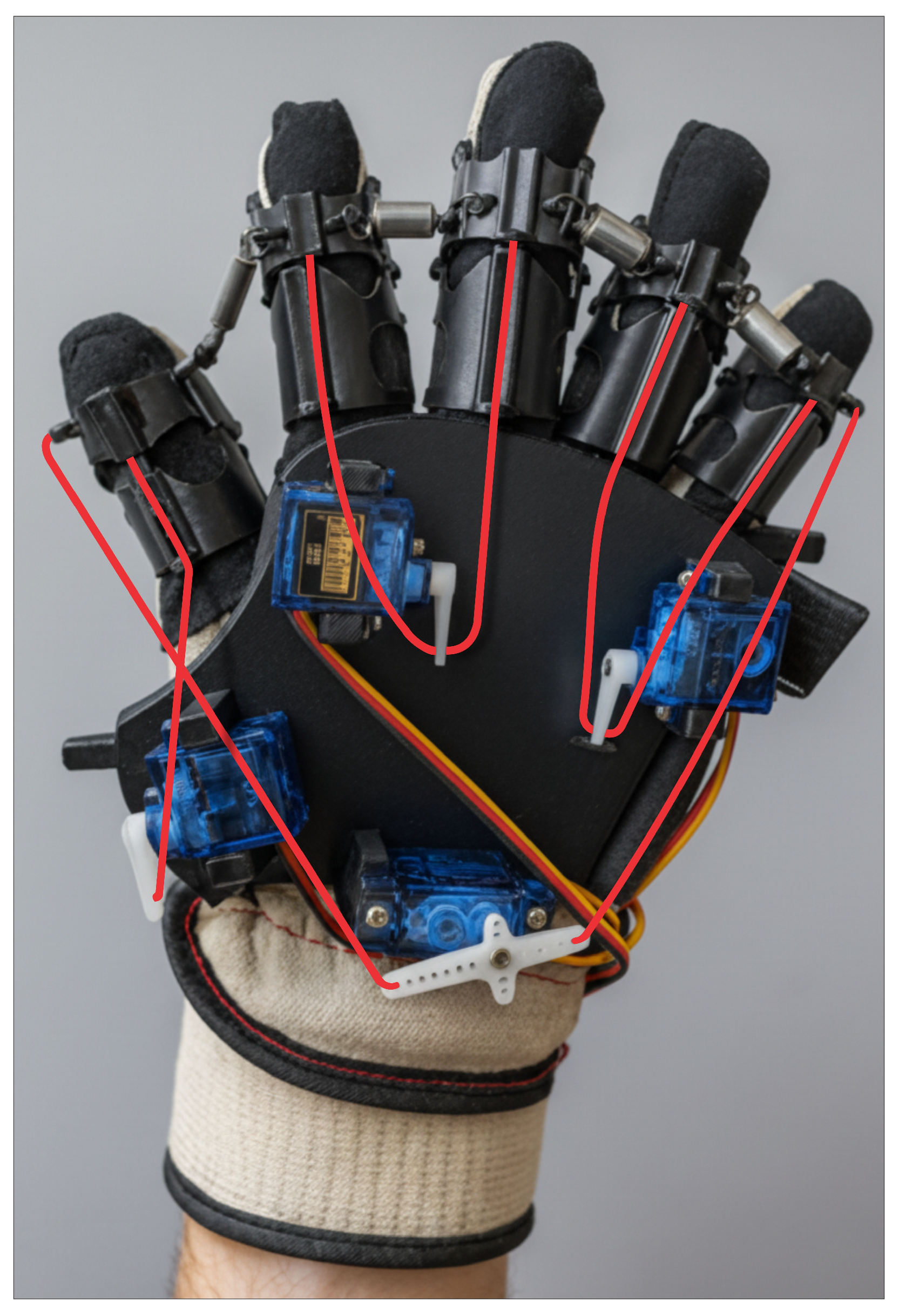
In summary, the smart rehabilitation glove effectively translated clinical requirements and user feedback into a manufacturable, patient-oriented device. Through iterative prototyping, material optimization, and system integration, the final prototype,
Figure 3, achieves a practical balance of safety, functionality, and cost efficiency. The resulting platform demonstrates robust mechanical design, precise control, and reliable sensor feedback.
3.3. Participants’ General Characteristics
This study was approved by the University of Guelph Research Ethics Board (REB #1570), and all participants provided written informed consent prior to data collection. A total of ten healthy adult volunteers were recruited. General characteristics of the participants are summarized in
Table 1, and inclusion/exclusion criteria are presented in
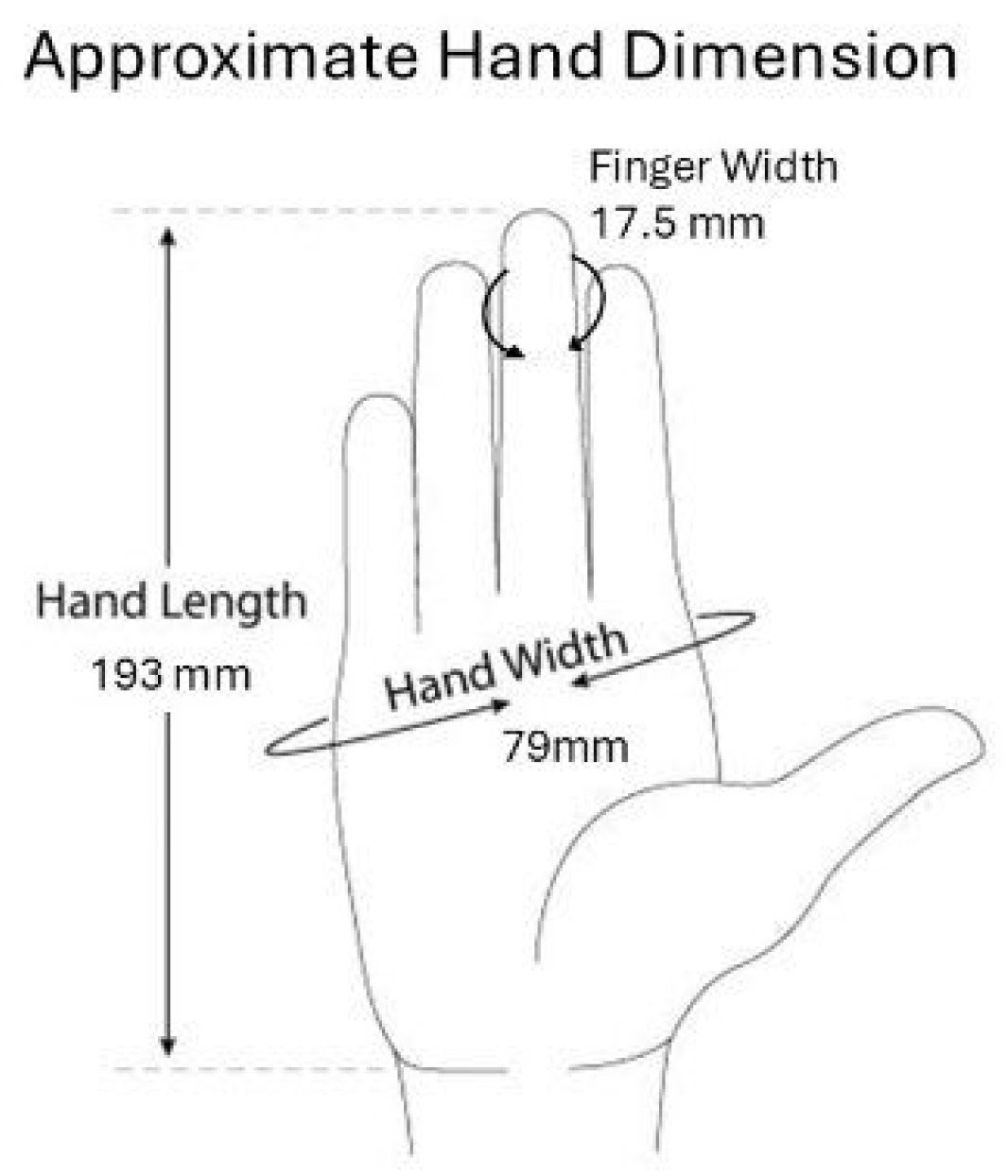
Table 2. Hand dimensions were selected to match a medium adult glove size, as shown in
Figure 4, ensuring consistent fit across participants during testing.
Each participant was assigned a unique anonymized ID (P01–P10) for data logging and analysis. Data were stored securely, and session logs were password-protected to ensure confidentiality. All participants successfully completed the full testing protocol without adverse events.
3.4. Experimental Procedure
All testing was conducted in the Robotics Institute Laboratory at the University of Guelph. Each participant completed the study individually in a controlled laboratory environment under the supervision of two researchers. Before data collection, the glove and its components were sanitized, and the system was powered on and calibrated to ensure full sensor functionality. A standardized pre-session checklist was followed to confirm motor response, signal integrity, and stable sensor readings. Each session lasted approximately 45 min and followed the same sequence of setup, trial execution, and data recording procedures to ensure consistency across participants.
Participants performed four exercises: two (flexion/extension and abduction/adduction) were conducted under both guided and unguided conditions, while two (ball gripping and water bottle gripping) were assessed only under the unguided condition. In the guided condition, the glove’s exoskeletal structure containing servo motors was worn over the base sensing glove. The motors provided controlled, repetitive motion through predefined trajectories. While the embedded sensors continuously recorded joint angles and applied forces. This condition simulated a rehabilitation-assisted exercise in which motion was externally initiated. In the unguided condition, the exoskeleton was fully removed, and only the sensor-embedded glove was worn. Participants performed voluntary, natural movements without mechanical assistance. This setup allowed the collection of baseline data. Which represents unassisted, physiologic hand motion and grip force, serving as a control for guided comparison. This approach was adopted to compare motor assisted movement with natural hand function while avoiding mechanical interference during voluntary tasks such as gripping.
3.4.1. Finger Flexion and Extension
This exercise evaluated the glove’s capacity to capture and replicate natural flexion/extension trajectories for the thumb, middle and pinkie fingers. Participants were seated comfortably with the forearm supported on a table to minimize compensatory motion.
For the unguided trials, only the sensing glove was worn. Participants were instructed to flex and extend their fingers, forming and releasing a fist in a natural and continuous rhythm for 60 s. Each trial was repeated three times with brief rests in between to prevent fatigue. Flex sensor data were recorded throughout, capturing the angular displacement of the fingers.
For the guided trials, the exoskeleton system containing servo motors was secured over the sensing glove. The same motion was performed passively by the servo motors while the participant remained relaxed. The servo motors actuated the fingers through a controlled flexion/extension range designed to mimic natural motion. Sensor readings were recorded simultaneously to capture joint movement under controlled actuation.
The objective of this exercise was to evaluate the glove’s ability to reproduce physiologic flexion/extension profiles and to compare the temporal and spatial characteristics of natural versus guided motion. The resulting flexion data were later filtered, normalized, and resampled for comparative analysis, as described in the post-processing section.
3.4.2. Finger Abduction and Adduction
This exercise examined the glove’s performance in tracking lateral finger motion and inter-finger spacing during abduction (finger spreading) and adduction (return to neutral). Participants were seated with their forearm resting comfortably and the palm placed flat on a horizontal surface.
In the unguided condition, participants performed abduction and adduction naturally, without external assistance. They were asked to abduct their fingers to their maximal comfortable spread and then return to a relaxed position. At the peak of abduction, the outline of each participant’s hand was traced onto a sheet of paper. The distances between adjacent fingertips (Thumb–Index, Index–Middle, Middle–Ring, and Ring–Pinkie) were measured in centimetres and recorded as the displacement values.
In the guided condition, the servo-actuated exoskeleton was worn over the sensing glove. The same sequence of abduction and adduction was initiated by the motors while participants remained passive. At the completion of motor-driven abduction, the hand outline was traced using the same method, and the same inter-finger distances were measured.
This measurement approach, based on physical displacement rather than joint angles, ensured consistency across participants and allowed for quantitative comparison between voluntary and controlled motion patterns.
In addition to the physical hand-tracing measurements, the glove’s dorsal flex sensors provided supplementary tracking of finger motion during abduction and adduction. These sensors were positioned along the proximal phalanges of the thumb, middle, and pinkie digits, allowing detection of lateral finger movement trends as participants spread and closed their fingers. Although precise abduction/adduction angles were not computed from sensor data, the flex sensors verified that motion occurred consistently with the traced hand outlines. Inter-finger spacing derived from the hand tracings therefore served as the primary quantitative measure of abduction/adduction range of motion, supported qualitatively by the corresponding flex-sensor signal changes.
3.4.3. Functional Grip Force
This assessment evaluated grip-force distribution during two functional tasks representative of daily hand use: stress ball squeezing (spherical grip) and water bottle gripping (rigid cylindrical grip). Participants performed both tasks under unguided, voluntary conditions, wearing only the sensing glove without motor assistance.
For the stress ball task, participants gripped a standard rubber stress ball at a comfortable pace for 30–60 s using full-finger engagement. Each trial was repeated three times, separated by short rest periods.
For the water bottle gripping task, a stainless-steel water bottle was used to simulate a rigid cylindrical container. Participants were instructed to grasp the bottle, maintaining a stable hold for several seconds before release. This exercise was also repeated three times.
Force data from all five fingertip sensors were continuously recorded during both activities. The resulting signals captured finger-specific force contributions associated with the two distinct grip geometries: spherical and cylindrical. These datasets established baseline benchmarks for evaluating the device in future clinical trial, enabling quantitative comparison of patient grip-force distribution and strength against healthy reference patterns.
3.5. Post Analysis Procedure
All recorded flexion/extension and grip-force data were processed in MATLAB R2025b using a consistent post-analysis procedure. Raw signals were first interpolated to fill zero value points and smoothed using a fourth-order, dual-pass Butterworth low-pass filter with a 3 Hz cutoff frequency, which removed high-frequency noise while preserving the true motion and force characteristics. Following filtration, both datasets were normalized to their respective ranges using min–max scaling, defined as
This normalization converted all measurements to a 0–1 range, allowing direct comparison across participants with varying hand sizes, strengths, and motion amplitudes. Each trial was then resampled to a uniform length of 1000 data points to standardize the time base and enable averaging across participants. Mean normalized trajectories were computed separately for guided and unguided conditions, generating representative profiles of joint motion and finger-specific force contribution. The x-axis in the resulting plots represents a normalized time scale (0–10 s equivalent) rather than absolute task duration, ensuring visual consistency across all participants. This unified processing approach ensured that both motion and force data were analysed under identical conditions, improving comparability and reducing variability between trials.
For the abduction and adduction trials, all inter-finger displacement measurements were tabulated in Microsoft Excel. Distances between adjacent digits (Thumb–Index, Index–Middle, Middle–Ring, and Ring–Pinkie) were averaged across participants for each condition. These mean displacement values provided a quantitative measure of how closely guided motion reproduced the natural range of lateral digit movement.
5. Discussion
This study builds on earlier servo-based and pneumatic-based rehabilitation gloves by demonstrating a compact, fully electromechanical design tailored for Stage 2 OA, offering improved portability and cost efficiency. As shown in
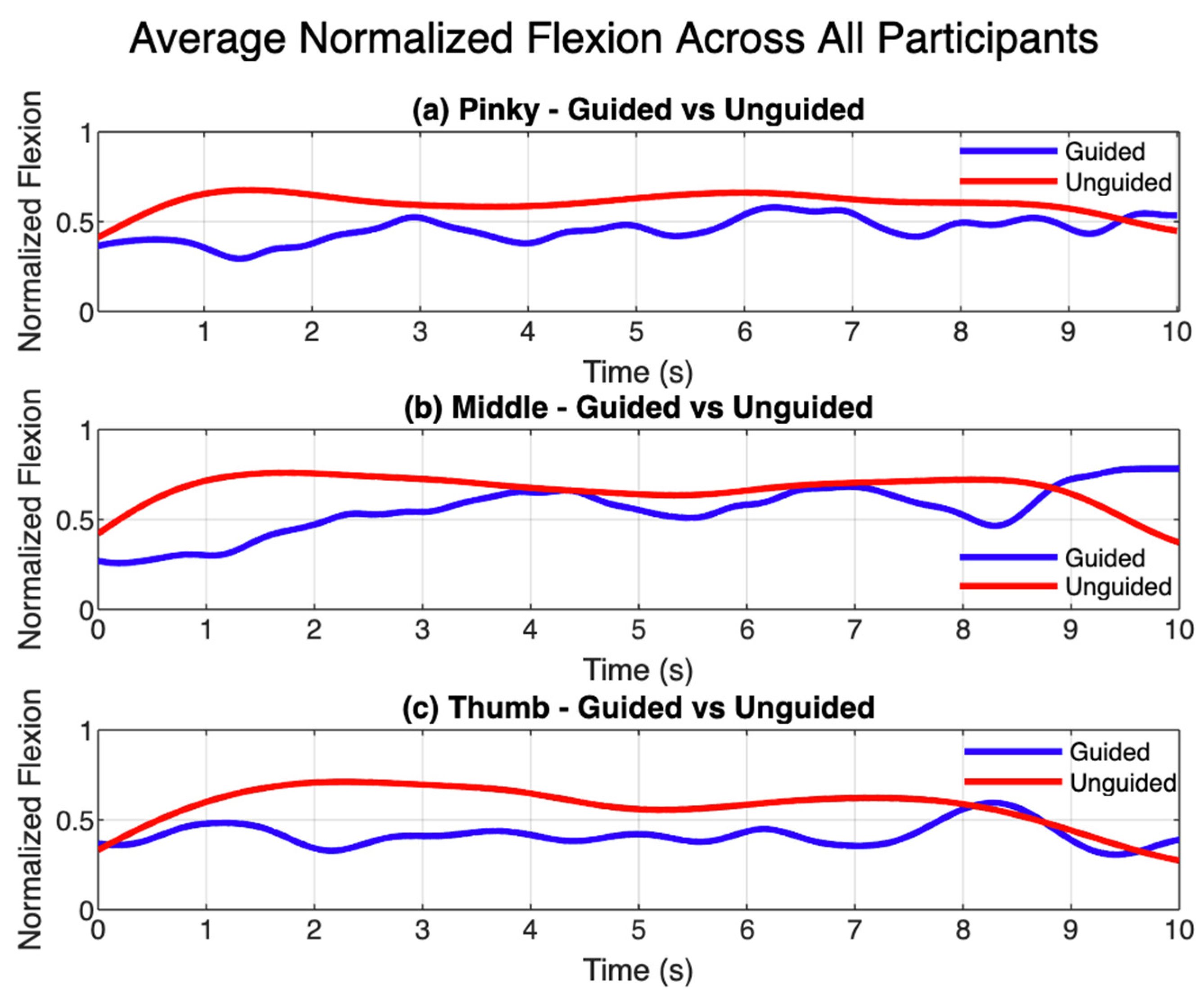
Figure 5, unguided finger movements appeared smoother than guided movements. The unguided condition reflected the natural kinematics of healthy motion, while the guided movements introduced minor irregularities due to the glove applying corrective force. Importantly, these results demonstrated that the device could collect motion data and apply controlled forces in real time. The unguided movement plots also served as an essential benchmark, representing the standard of natural, unrestricted motion. By using this benchmark, a clear reference point was established for evaluating the glove’s performance. The findings indicated that the glove is progressing toward this benchmark, showing strong potential to replicate natural movement patterns while still providing the corrective guidance required for rehabilitation. Overall, the results validated the capability of the smart rehabilitation glove as a tool for assisting hand therapy. The device demonstrated that it could guide movement in a way that approaches the smoothness of natural motion while simultaneously providing measurable data for clinical assessment. At the same time, the study highlighted opportunities for refinement, including design improvements and control optimization, which are expected steps in the development of a novel rehabilitation device. With these modifications, the glove is well positioned to further advance toward its objective of reliably mimicking natural hand movements and supporting functional recovery in patients.
As shown in
Table 3, the differences between guided and unguided finger spacing across all digit pairs were minimal, with variations of ≤0.4 cm. These results indicate that the smart rehabilitation glove was able to guide abduction/adduction movements while maintaining finger spacing that closely approximated natural, unguided motion. The close alignment between guided and unguided conditions strongly supports the hypothesis that the glove can mimic natural hand kinematics. Slight deviations were expected, given the mechanical intervention of the glove. Yet, the consistently low magnitude of difference across participants suggests that the device applies force in a controlled and non-disruptive manner. This outcome is particularly promising for treatment application, as it demonstrates the glove’s ability to provide corrective guidance while preserving the natural range of finger separation. Overall, these findings reinforce the device’s potential for the rehabilitation of patients with stage 2 OA.
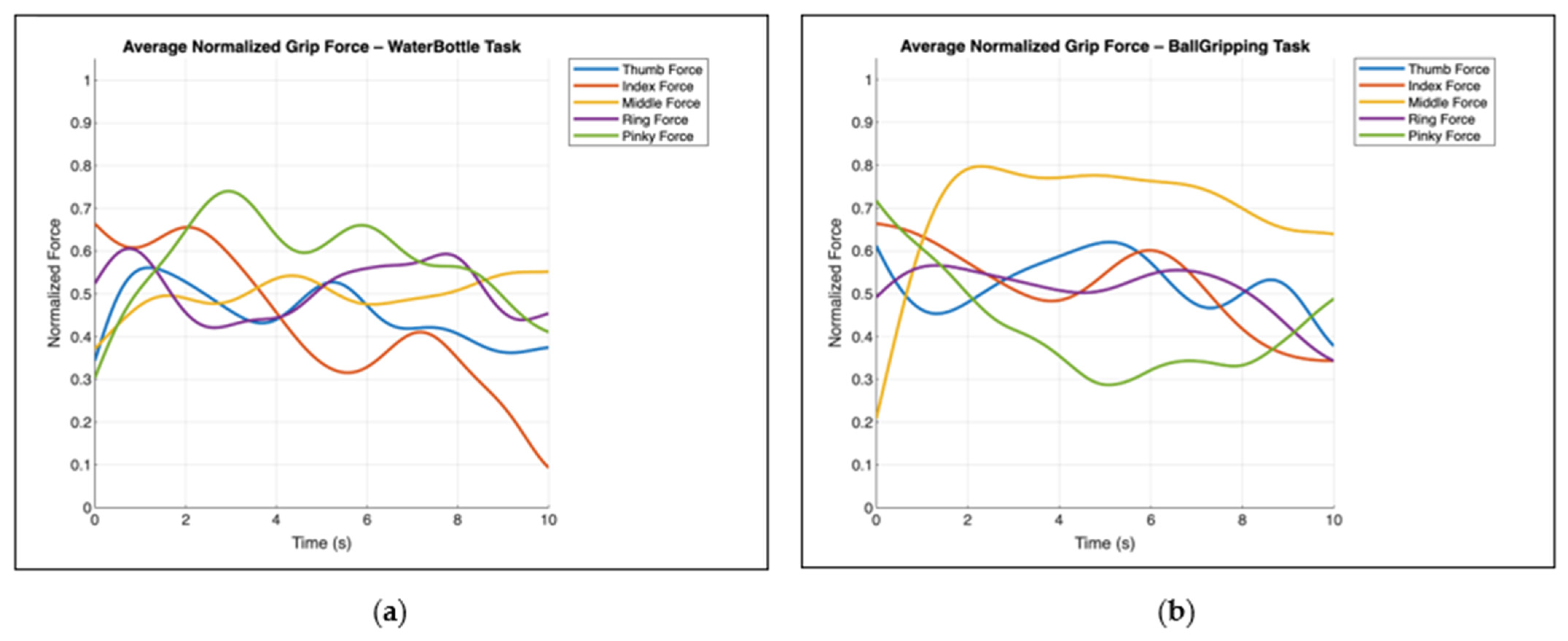
As illustrated in
Figure 6, the distribution of grip force varied depending on the surface geometry of the object being held. When gripping the cylindrical surface of a water bottle (
Figure 6a), the pinkie finger exhibited the highest force contribution. The mechanics of cylindrical gripping can explain this outcome: the pinkie and ring fingers provide stability and generate counterforce at the ulnar side of the hand, which is critical for securing objects of this shape. In contrast, when gripping a spherical surface such as a ball (
Figure 6b), the middle finger exerted the most significant force. This result reflects the biomechanical demands of spherical gripping, which require fingers to abduct and press radially toward the centre of the sphere. In this configuration, the middle finger occupies the most central position and is mechanically best positioned to generate force evenly across the surface of the object. Consequently, the distribution of force in spherical grips is less uniform and more dependent on central finger contribution compared to cylindrical grips. Together, these findings highlight the glove’s ability to capture and differentiate subtle variations in grip force distribution across object geometries. This capability is essential for rehabilitation applications, as it allows monitoring of finger-specific force contribution in functional tasks, providing insight into patient progress and the restoration of natural gripping strategies.
Moreover, these results contribute directly to the broader objective of establishing benchmarks for therapy, as they define reference patterns of grip force that can guide device calibration, clinical evaluation, and rehabilitation planning for Stage 2 OA patients. These benchmarks were obtained without exoskeletal assistance, representing the natural force distribution produced by healthy individuals. They therefore will serve as a baseline for using the device in future clinical trial. To provide a target for subject improvement.
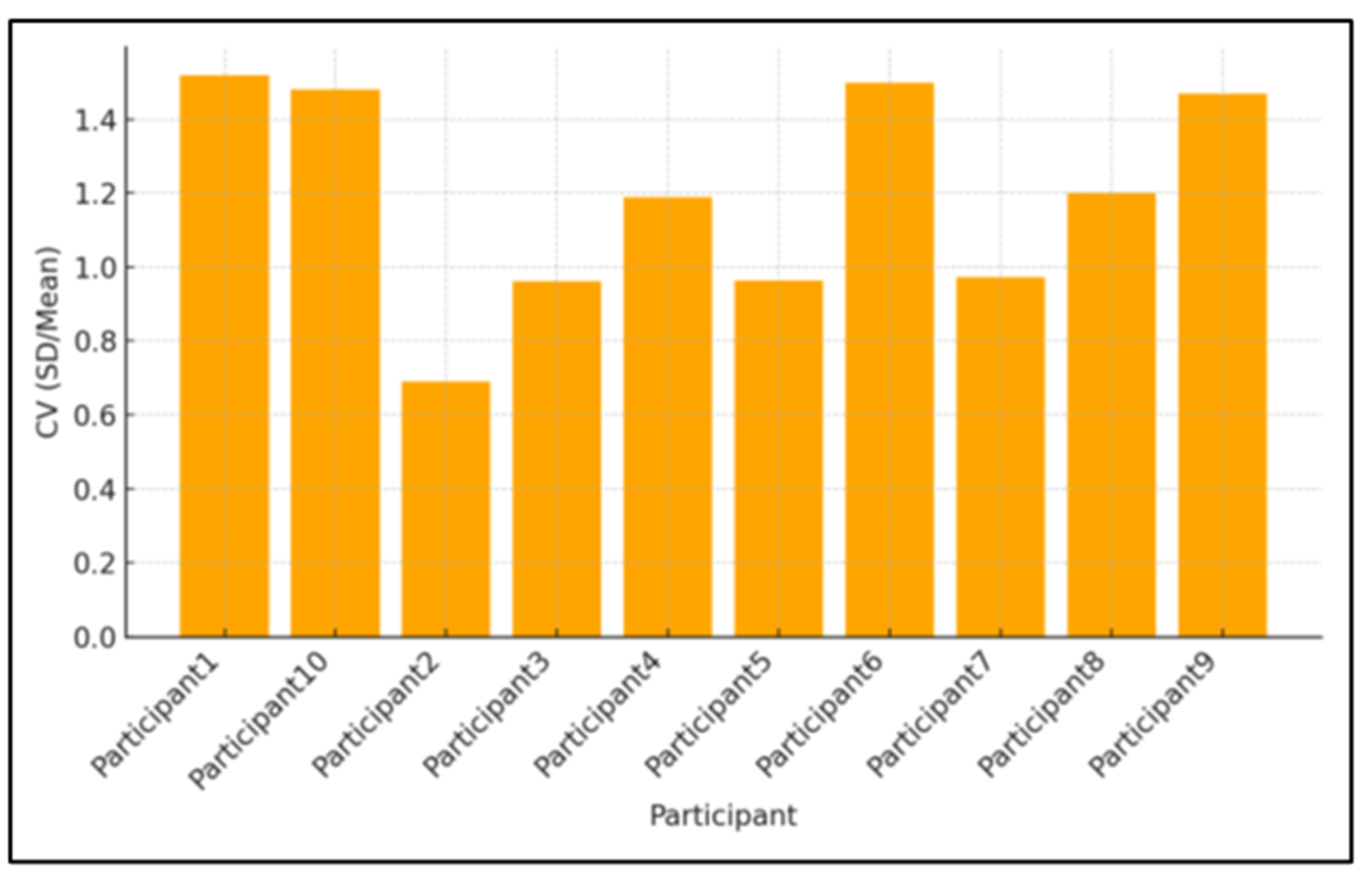
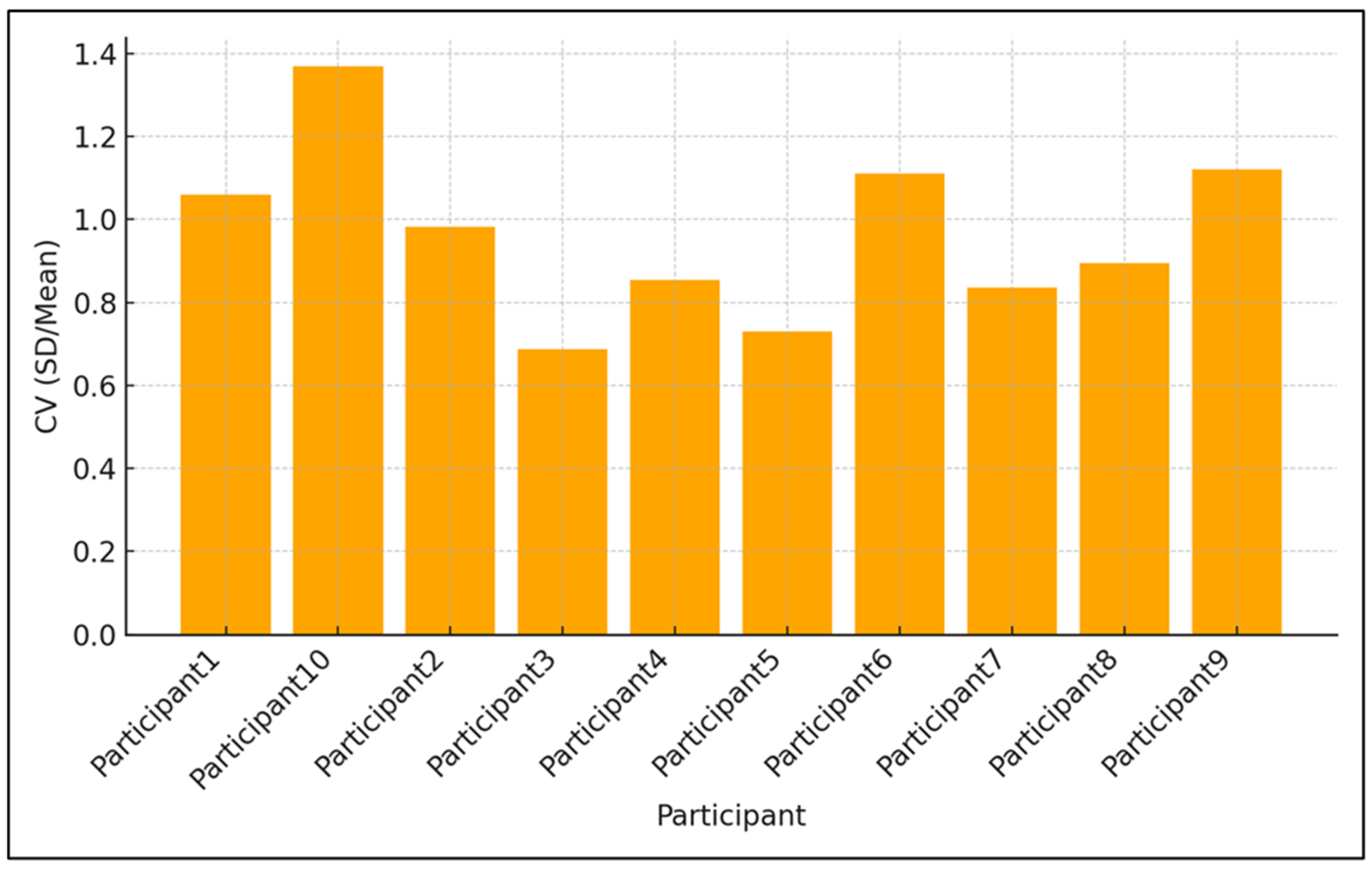
Statistical comparative analysis of the ball and water bottle grasping tasks reveals both task-dependent and individual-specific variations in gripping force behaviour. Across participants, median gripping forces tended to be higher in the water bottle task, reflecting the increased load and object size that demand greater finger activation. However, Interquartile Ranges (IQRs) were generally broader for the water bottle task, indicating greater variability and less uniform control compared to ball grasping, where force application was more consistent. This suggests that while participants adapted effectively to both tasks, gripping the water bottle required greater but less stable force, highlighting differences in motor coordination demands between the two object types.
User comfort and wear time were assessed. Participants wore the glove for 30–40 min per session without fatigue, skin irritation, or overheating; two reported minor thumb-strap pressure that resolved after loosening. This tolerance over ~40 min demonstrates short-term wearability. In consultation with a physiotherapist, we note that clinical sessions should be limited to ~15–20 min to minimize strain, consistent with gradual-loading protocols.
Device adaptability was incorporated into the design using average adult hand anthropometrics (length ≈ 193 mm, width ≈ 79 mm, finger width ≈ 17.5 mm), corresponding to a medium glove size (
Figure 4). Adjustable Velcro straps, flexible tendon routing, and repositionable anchor points allow the glove to accommodate a range of hand sizes without custom fabrication. Built-in mechanical tolerances support moderate variations in joint mobility typical of early- to mid-stage OA. For advanced cases, minor adjustments to tendon length or anchor placement may improve comfort and fit.
Limitations
While the developed glove demonstrated strong potential in reproducing natural motion and measuring grip-force distribution, several limitations should be acknowledged. First, this preliminary evaluation was conducted with healthy participants, and therefore the findings cannot be directly generalized to patients with osteoarthritis. As clarified in
Section 3, the present study focused on validating the design’s functionality and safety before clinical testing, a required step in the early development of rehabilitation devices.
Second, the trials were short-term, single-session evaluations lasting approximately 45 min. Although this duration was sufficient to assess functionality and comfort, it does not capture potential effects of extended use such as glove fatigue, calibration drift, or user adaptation.
Third, all testing was performed under bench-top data logging conditions, and wireless data transmission, clinician interface functionality, and at-home usability were not evaluated in this phase. These aspects will be addressed in future development cycles.
Finally, minor design constraints may influence lateral motion precision during abduction/adduction. Despite preserving near-natural finger spacing, minimal residual gaps between digits may occur due to the fabric’s lateral tension and glove geometry. These effects were small and did not interfere with natural motion but highlight areas for material and fit optimization in future iterations.
It is also important to note that this phase of testing served to establish baseline kinematic and force benchmarks in healthy subjects. While the glove was designed around the hand mechanics and comfort requirements of osteoarthritis patients, clinical testing has not yet been performed. A follow-up pilot study involving participants with Stage 2 OA is needed to validate fit, adaptability, and therapeutic performance under real clinical conditions.
6. Conclusions
This study presented an electrical driven glove to be used as an assistive device for stage 2 OA rehabilitation. The developed glove integrates embedded sensors capable of continuously monitoring joint kinematics and applied forces. The evaluation demonstrated that during flexion and extension tasks, the glove closely approached the benchmark of natural movement, indicating substantial progress toward replicating healthy kinematics. During abduction and adduction exercises, the glove preserved natural finger spacing. In grip force analysis, the device differentiated between cylindrical and spherical objects, capturing the expected variation in finger contribution.
Together, these results established baseline values for joint motion and force distribution, offering valuable references for future use of the device in a clinical setting. The findings from this preliminary study support progression to a future clinical evaluation involving Stage 2 OA patients to assess therapeutic outcomes. It is anticipated that patients will show reduced range of motion and altered grip-force distribution compared to healthy participants, reflecting the biomechanical impact of OA. However, individual outcomes may vary depending on disease severity and patient-specific motor adaptation, and thus the exact outcomes remain to be confirmed through clinical testing.
Future research will explore integrating wireless or mobile connectivity to enhance usability and enable home-based rehabilitation. Further development will also explore incorporating customized exercise protocols for individual fingers and conducting a clinical study to evaluate therapeutic performance.