


Abstract
Ophthalmic surgery requires micrometer-level precision due to the eye’s delicate anatomy, yet manual limitations and restricted 3D visualization make absolute accuracy challenging, driving interest in robotic and Artificial Intelligence technologies to enhance safety and precision. This is a narrative review of experimental and published studies on PubMed and Open Evidence to review the current advances, challenges, and translational potential of robotic-assisted needle insertion in corneal surgery. Topics include robotic corneal surgery platforms such as the da Vinci and custom microsurgical robots, telemanipulation, intraoperative optical coherence tomography (iOCT), and reinforcement learning applications. Recent advancements in the field have demonstrated enhanced needle insertion precision, tremor elimination, and improved visualization of needle trajectory in corneal procedures, including corneal lacerations, pterygium repairs and penetrating keratoplasties (PKs). Nonetheless, significant limitations in the state of the art persist, particularly concerning the integration of robotic systems into clinical practice in in vivo settings. Our results indicate that current studies are mostly conducted in an ex vivo setting, which introduces inherent biases and reduces the generalizability of findings to clinical practice. Additionally, the majority of these studies involve small sample sizes, limiting statistical power and the ability to draw robust conclusions. Together, these limitations highlight the need for larger, well-designed in vivo studies to validate and expand upon existing findings. This review bridges experimental innovation and clinical application, highlighting strategies to overcome current barriers in robotic corneal surgery.
1. Introduction
1.1. History
In the 1980s, the PUMA 200 robot became the first robot to assist in surgery, being used in conjunction with CT imaging to perform a brain biopsy. The significant breakthrough in microsurgery came with the introduction of the Da Vinci Surgical System in the late 1990s, which marked the beginning of modern robotic surgery. This platform has become the dominant robotic surgical platform, with more than 4000 units installed worldwide and over 1.5 million procedures performed in gynecology, urology, and general surgery [1].
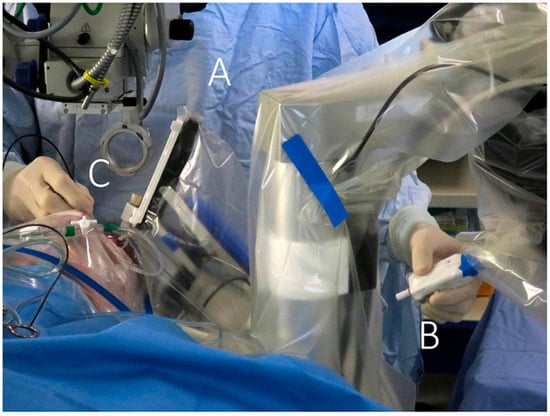
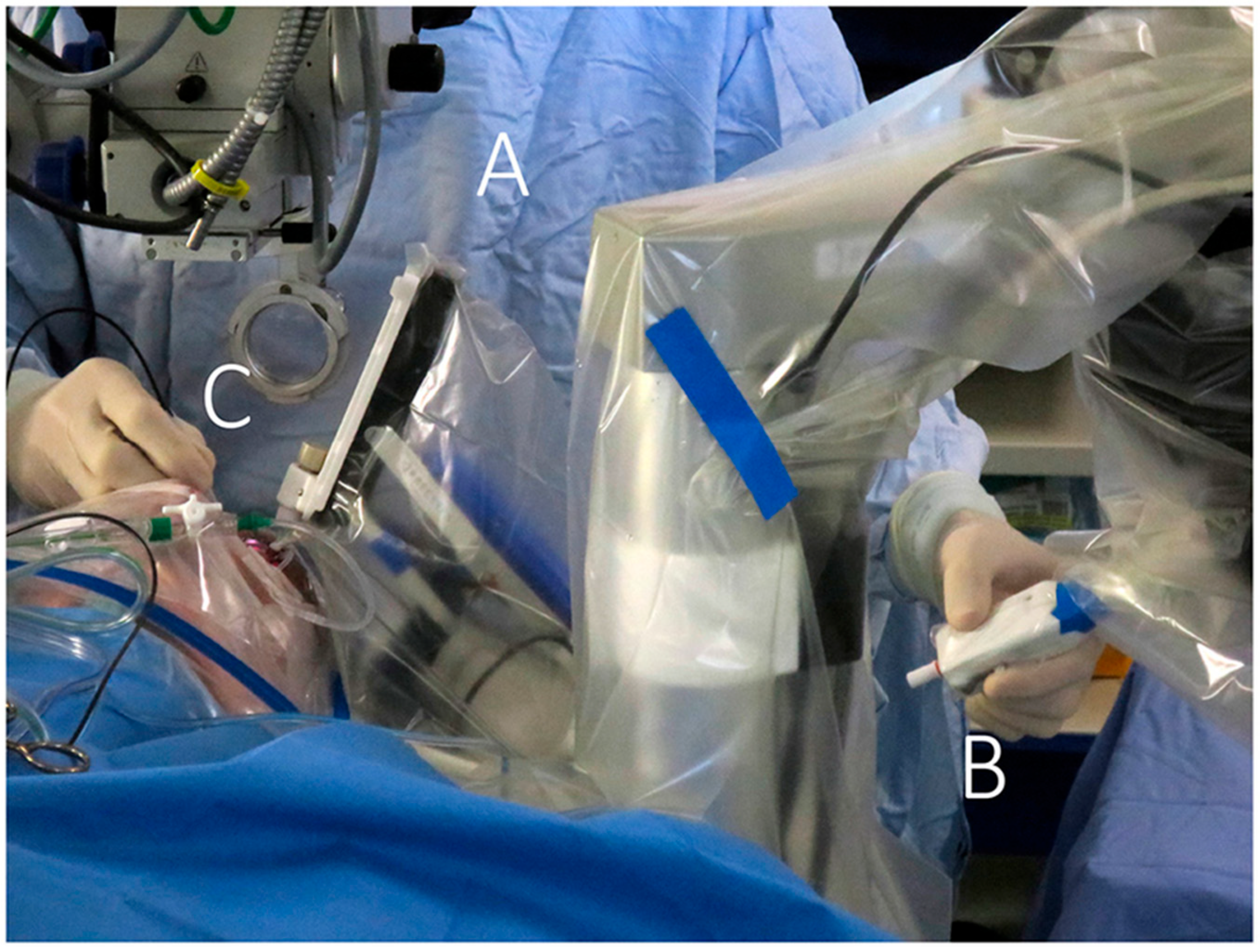
In 2007, the Da Vinci Surgical System demonstrated technical capability in performing delicate ophthalmic surgical tasks such as corneal suturing and pterygium repair in ex vivo and animal models [2]. However, this system encountered three significant limitations: restricted controllability of intraocular maneuvers due to a fixed rotation point above the robotic wrist, inferior image quality from the endoscope compared to an ophthalmic microscope, and compromised instrument handling caused by the absence of force sensors and haptic feedback [3]. These limitations highlighted the advantages of human dexterity in eye surgery, helping to explain why, despite rapid technological progress, the adoption of robotic systems in ophthalmology has lagged behind other surgical fields [1]. As of 2025, the Preceyes Surgical System (Figure 1), a telemanipulated robotic platform specifically developed for ophthalmic surgeries, remains the only system approved for clinical use and is currently limited to use in Europe [2].
Figure 1.
The Preceyes Surgical System (Preceyes bv, Eindhoven, The Netherlands). The instrument manipulator (A) is positioned beside the headrest and controlled by the surgeon using a handheld motion controller (B), while the other hand manages a light pipe (C) for endoillumination. The system’s compact design preserves the surgical field, enabling seamless integration of manual and robotic techniques into routine ophthalmic workflows [4].
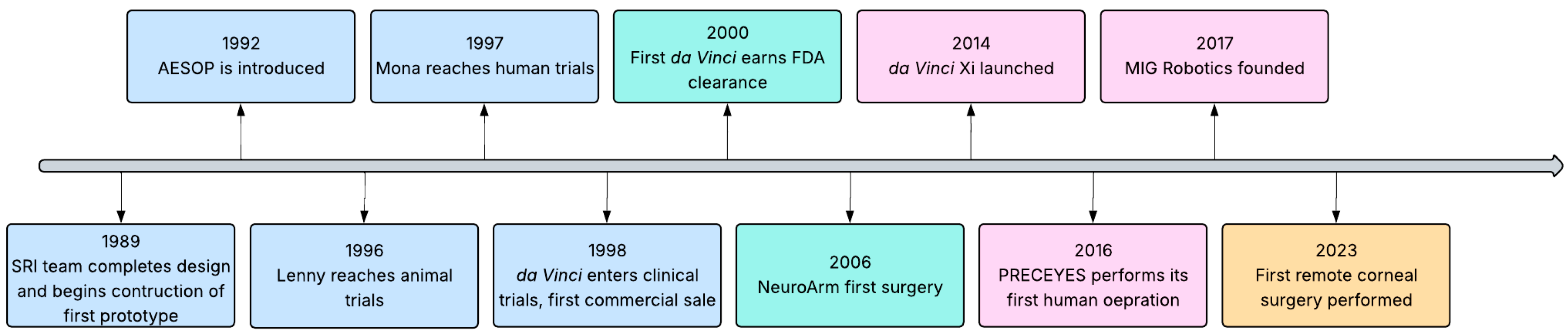
Furthermore, current applications focus primarily on vitreoretinal procedures [5], which are well documented in the literature [6,7]. In contrast, corneal surgeries have been mostly explored in simulated or ex vivo settings, with limited translation into clinical practice [5]. Moreover, there is a relative scarcity of published work reviewing the use of robotics in corneal surgery [5]. To address this gap, our review offers a focused overview of robotic integration in corneal procedures, particularly needle insertion, and highlights surgical advantages, clinical applications, and future directions. Key milestones in the development of surgical robotics, from early neurosurgical applications to modern ophthalmic systems, are illustrated in Figure 2.
Figure 2.
Developmental milestones in surgical robotics with a particular emphasis on ophthalmic surgery [1,2,3,4,5,6,7,8].
1.2. Clinical Need
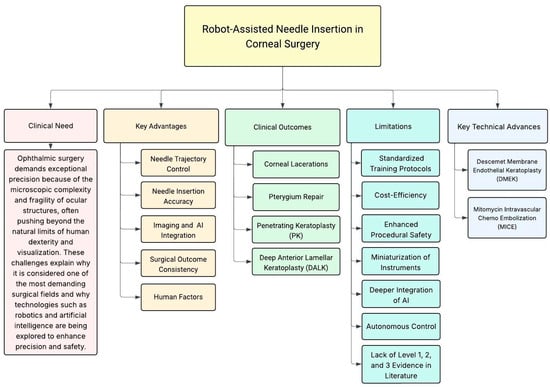
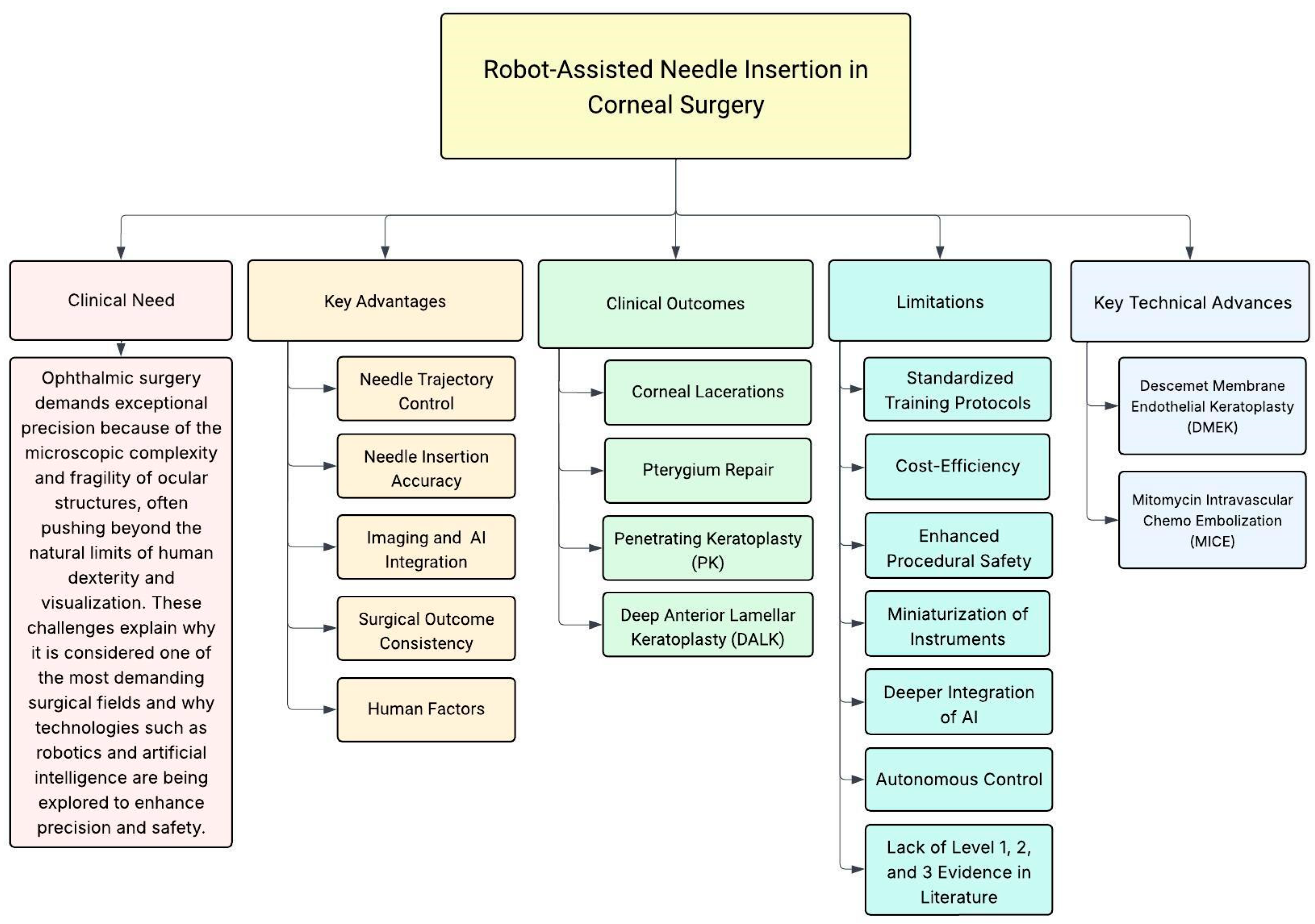
Ophthalmic surgeries require an exceptional level of precision due to the complexity and sensitivity of the eye [9]. The surgical field is extremely small, and ocular structures such as the cornea and lens are microscopic and highly delicate, necessitating manipulation at or near the limits of human physiological capability [9]. Surgeons undergo extensive training to master the delicate manipulation of ocular tissues [9]. This training is essential to achieve the high efficiency and success rates observed in modern ophthalmic surgery [9]. However, despite these advances, achieving absolute precision remains challenging due to the intricate microscopic anatomy of the eye, the technical demands of microsurgery that often exceed the natural capabilities of the human hand, and the difficulty of obtaining true three-dimensional visualization with a traditional human stereoscope [10]. These factors collectively explain why ophthalmic surgery is one of the most demanding surgical disciplines and why technological adjuncts such as robotics and artificial intelligence are being explored to further enhance precision and safety [10]. In this review, we summarize current advances and challenges in robotic-assisted needle insertion for corneal surgeries, with a focus on translational potential and future clinical integration. The structure and scope of this review are outlined in Table 1 and Figure 3.
Table 1.
Scope and limitations of key reviews on robotics in ophthalmology with respect to corneal surgery.
Figure 3.
Overview of Robot-Assisted Needle Insertion Approaches in Corneal Surgery.
1.3. Related Studies and Rationale
Some reviews have previously examined the role of robotics in ophthalmic surgery, but most have approached the field in a broad or posterior-segment-oriented manner, leaving corneal applications comparatively overlooked [1,2,3,5,6]. For example, de Smet provided an early overview of robotic-assisted ophthalmic surgery, charting the progress from general-purpose systems like the da Vinci robot to the development of specialized ophthalmic platforms [2]. While this review was important in defining the scope of robotic microsurgery, its emphasis was primarily on vitreoretinal procedures, with corneal interventions mentioned only in passing. Similarly, Gerber discussed advanced robotic surgical systems across ophthalmology, again underscoring posterior segment applications where clinical integration was beginning to occur, but offering little analysis of anterior segment or corneal surgery [1].
More recently, Iordachita et al. highlighted technical challenges such as force sensing, tremor elimination, and control strategies in intraocular microsurgery. Although highly detailed from an engineering standpoint, their review was not designed to assess specific surgical subspecialties and therefore did not address the unique demands of corneal procedures, particularly those involving needle insertion [10]. Alafaleq et al. took a broader perspective on robotics and cybersurgery in ophthalmology, while Chatzimichail et al. emphasized the intersection of artificial intelligence and robotics in transforming medical retina surgery [5,6]. Both reviews were forward-looking but largely centered on posterior segment advances, providing little insight into anterior segment procedures such as keratoplasty or corneal suturing.
Collectively, these earlier reviews established the promise of robotic technologies in ophthalmology but were constrained in three ways: they devoted limited attention to corneal interventions, they did not systematically examine robotic-assisted needle insertion tasks, and they lacked a translational analysis of how experimental advances could be integrated into clinical practice. These limitations leave a critical gap in the literature: while vitreoretinal robotics is beginning to enter routine use, the potential of robotics in corneal surgery, particularly for procedures that hinge on the precision of needle insertion and placement, remains poorly synthesized and insufficiently appraised.
As shown in Table 1, existing reviews have been instrumental in shaping the broader discourse on ophthalmic robotics, but their scope has remained largely posterior-segment-centric, with corneal procedures either absent or treated superficially. None has provided a systematic synthesis of robotic-assisted needle insertion tasks, despite the fact that these maneuvers form the cornerstone of corneal microsurgery.
It is precisely this gap that motivates the present review. By consolidating the scattered experimental and early clinical literature on robot-assisted corneal surgery, and by focusing specifically on needle insertion as a core microsurgical task, our work provides a comprehensive assessment of where robotics may offer tangible benefits, what technical and clinical hurdles remain, and how future research can bridge the divide between feasibility studies and real-world surgical practice.
2. Methodology
2.1. Review Objective
This review was conducted as a narrative review with the aim of mapping current knowledge on robot-assisted needle insertion in corneal surgeries, identifying gaps, and outlining future directions. Given the early and heterogeneous nature of the field, a narrative review methodology was deemed more appropriate than a scoping review or a systematic review. While a scoping review would catalog the breadth of available studies, it would offer limited synthesis or interpretation. A systematic review or meta-analysis, in turn, requires a sufficient number of homogeneous, high-quality studies with standardized outcomes, which are currently lacking in this emerging field. A narrative approach, therefore, allows for integration of diverse sources, including technical reports, feasibility studies, and clinical experiences, while highlighting key challenges, contextualizing findings across disciplines, and identifying avenues for future research.
2.2. Review Method
We performed a comprehensive literature search in PubMed and Open Evidence databses. The PubMed search covered the period from June 2005 to June 2025 using the following MeSH terms: ‘robotic’ AND ‘ophthalmology’. In Open Evidence, a medicine-specific large language model (LLM), was used to search for relevant publications. We used keyword-based prompts including “pivotal studies of robotic-assisted ophthalmic surgeries”, “pivotal studies of robotic-assisted corneal surgeries”, “pivotal studies of robotic-assisted ophthalmic surgeries needle insertion”, “robotic-assisted needle insertion ophthalmic surgeries”, “robotic-assisted needle insertion corneal surgeries.”
Only studies published in English were included. Reference lists of relevant articles and review papers were also screened to identify additional eligible works.
2.3. Inclusion/Exclusion Criteria
Articles were included if they met the following criteria:
- Focused on robotic assistance in ophthalmology with relevance to corneal surgery.
- Addressed needle insertion techniques, whether in ex vivo, animal, or clinical studies.
- Included either experimental validation, clinical applications, or authoritative re-views of technological advancements (e.g., from human trials, case series, or clinical evaluations).
- Literature was published in English.
Exclusion criteria included:
- 5.
- Studies unrelated to robotic systems.
- 6.
- Studies that focused exclusively on non-corneal ophthalmic procedures.
- 7.
- Conceptual, simulation-only and digital prototyping works lacking experimental or clinical evaluation. Conference abstracts, theses, and preprints were also excluded.
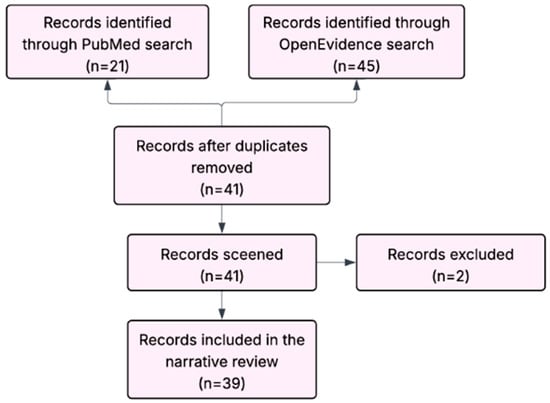
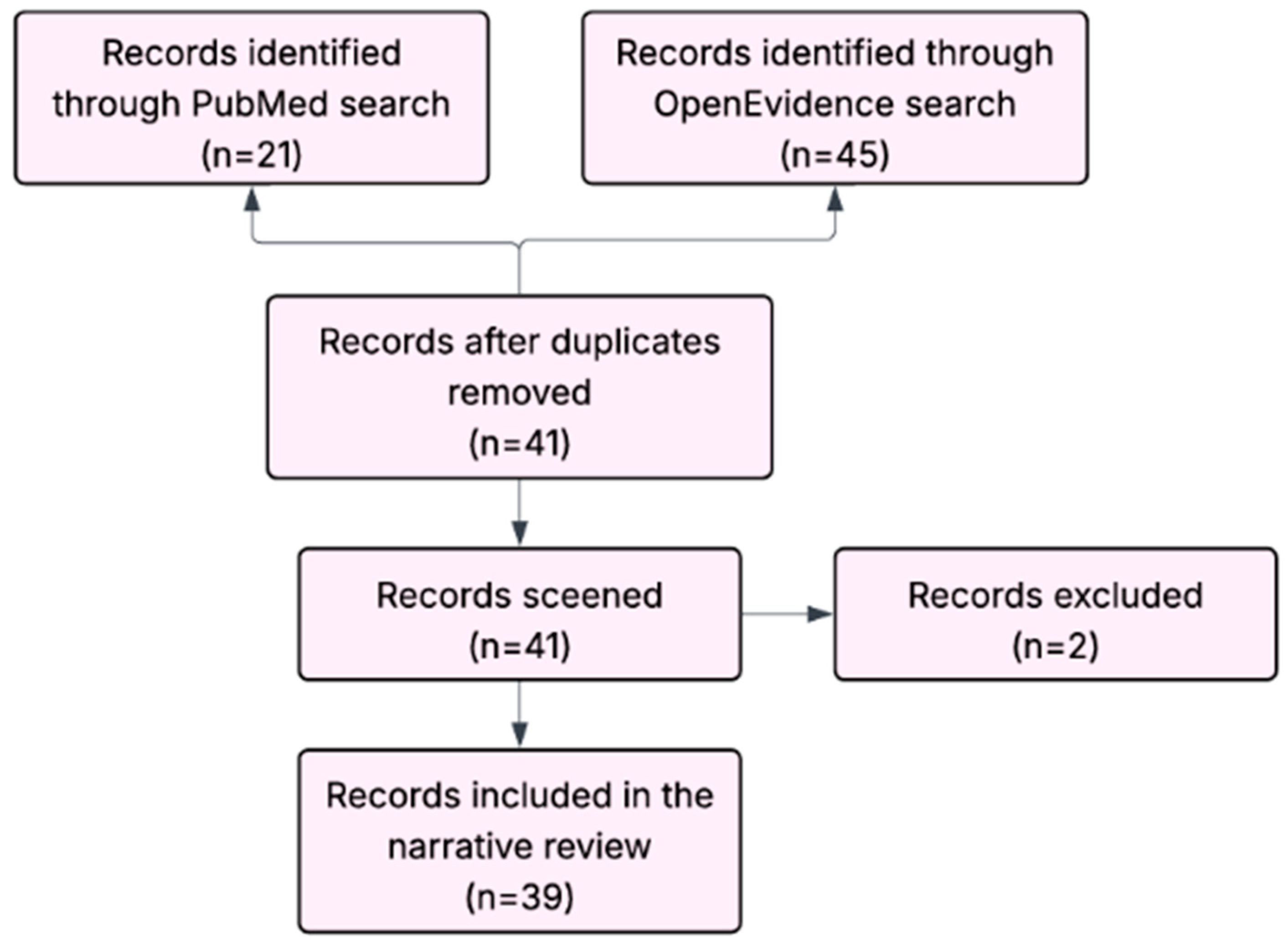
The initial search yielded 66 records. After removal of duplicates, 41 titles were screened and reviewed against the eligibility criteria, revealing 39 eligible publications. As this is a narrative review, the PRISMA guideline was not formally adopted; however, a similar structured framework was implemented to ensure a transparent and systematic process (Figure 4). Collected data were charted into evidence tables capturing study design, robotic platform used, surgical context, outcomes related to needle insertion (e.g., trajectory control, accuracy, complication rates), and main findings.
Figure 4.
Literature identification and screening process.
2.4. Data Synthesis
The findings were synthesized narratively, structured by surgical context (corneal laceration repair, pterygium repair, PK, deep anterior lamellar keratoplasty). Advantages and limitations of robotic systems were extracted thematically, and emerging applications such as AI integration and imaging-guided approaches were highlighted. Given the scope of this review, no formal risk of bias assessment or quantitative synthesis was conducted.
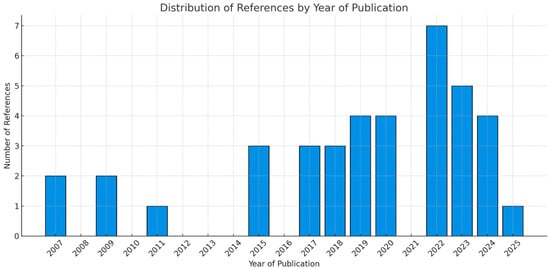
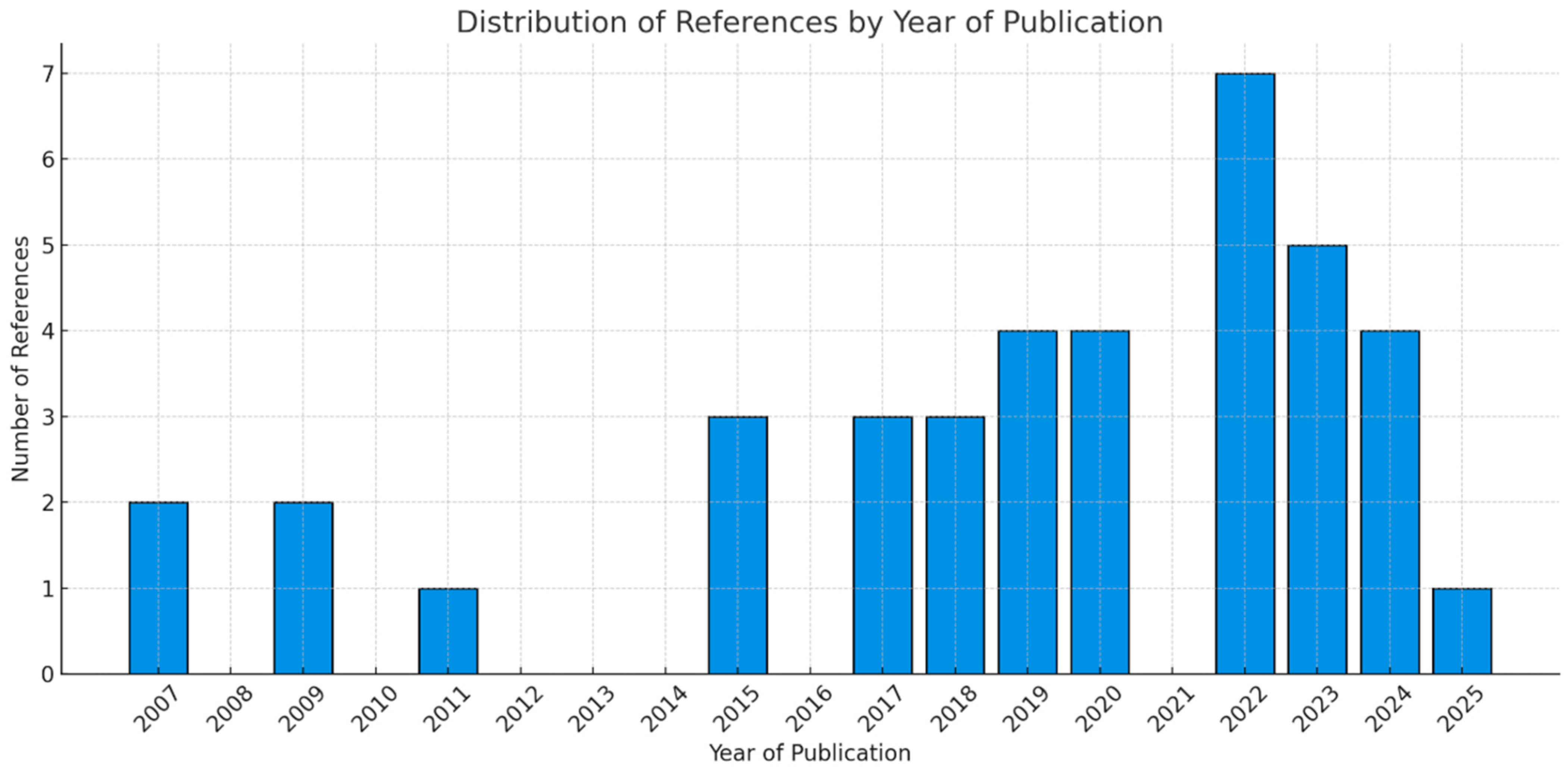
The temporal distribution of references in this review highlights the evolving trajectory of robot-assisted approaches in corneal surgery (Figure 5). The earliest cited works, concentrated between 2007 and 2011, primarily represent feasibility studies that explored the application of large, general-purpose surgical robots, such as the da Vinci system, to ocular tasks [3,9,11,12,13]. These studies laid the groundwork by demonstrating technical possibility but were constrained by instrument size, lack of force feedback, and visualization limitations, which prevented immediate clinical translation.
Figure 5.
Distribution of References Included By Year [1,2,3,4,5,6,7,8,9,10,11,12,13,14,15,16,17,18,19,20,21,22,23,24,25,26,27,28,29,30,31,32,33,34,35,36,37,38,39].
In 2015, the field began to diversify modestly, with experimental reports on specific corneal procedures (e.g., suturing, pterygium repair, graft preparation) [14,15,16]. However, these remained largely pilot efforts, serving more to underscore technical challenges than to establish clinical pathways.
A notable shift occurs from 2017 to 2018, when references reflect both refinement of robotic systems and growing interest in anterior segment applications [2,8,17,18,19,20]. This period also coincides with the emergence of specialized ophthalmic robotic platforms, signaling a move away from adapting general-purpose robots toward designing systems tailored for microsurgery.
There is an increase in annual papers published in 2019 to 2024 from prior years of three papers, which account for more than 60% of all included references. This surge reflects not only technical innovation, such as OCT-guided robotic platforms, machine learning-based insertion planning, and miniaturized cooperative systems, but also a broadening of research interest across multiple corneal procedures (DALK, PK, pterygium repair, and graft preparation) [4,5,6,10,21,22,23,24,25,26,27,28,29,30,31,32]. The clustering of work in these years suggests that the field has entered a rapid innovation cycle, driven by advances in imaging, AI integration, and microscale robotic design.
By contrast, 2025 references remain sparse, indicating that while early work from this year is beginning to appear, comprehensive validation studies are still forthcoming [7]. Taken together, the distribution reveals a field that has moved from sporadic feasibility demonstrations to a phase of accelerated development and proof-of-concept refinement. However, the recency of the majority of publications also underscores a critical limitation: robust clinical validation and long-term outcome studies remain scarce.
3. Robotic Technology Advancements in Corneal Procedures
Robot-assisted needle insertion in ophthalmology has the potential to improve surgical precision and enhance patient safety [21,33]. Integrating robotics into ophthalmic procedures may increase the accuracy of needle placement, reduce the likelihood of complications, and contribute to better overall surgical outcomes [21,33].
3.1. Needle Trajectory Control
One of the primary advantages of robot-assisted needle insertion is the ability to provide precise control over needle trajectories. For instance, using optical coherence tomography (OCT) in robotic systems allows real-time imaging and feedback, which is crucial for delicate procedures such as corneal needle insertions in deep anterior lamellar keratoplasty (DALK) surgery [34,35]. Draelos et al. demonstrated that reinforcement learning algorithms, combined with real-time OCT, can optimize robotic systems. This enables the systems to adapt to patients’ unique anatomical variations and enhance the precision of needle placements in ophthalmic surgeries [35]. Leveraging Dijkstra’s algorithm for pre-operative path planning, the researchers achieved a dramatic reduction in corneal perforation rates. Their OCT-guided manual technique, based on these computed paths, reduced the rate to 8% (2/25), down from 44% (11/25) with freehand insertion [35].
3.2. Needle Insertion Accuracy
The mechanics of needle-tissue interaction are critical in understanding how robotic systems can be designed to minimize tissue damage while maximizing insertion accuracy. Research indicates that the force exerted by the needle during insertion can significantly affect the outcome of the procedure [11,36]. Advanced robotic systems are equipped with force sensors that provide feedback on the interaction between the needle and tissue, allowing for real-time adjustments to ensure safe and effective insertion [11,36]. This feedback mechanism is particularly important in ophthalmology, where tissues are delicate and require careful handling.
In addition, the development of flexible needles has revolutionized the approach to needle insertion in ophthalmology. Flexible needles can navigate through complex anatomical structures without causing significant trauma to surrounding tissues [14,22]. Studies have shown that robotic systems capable of steering flexible needles can achieve higher precision in targeting specific areas within the eye, such as during intravitreal injections [14,22]. In Moreira et al.’s study, the flexible needle steering system demonstrated high precision, achieving an average targeting error of 0.42 ± 0.17 mm in homogeneous gelatin phantoms and 1.63 ± 0.29 mm in complex biological tissues [14]. This flexibility is crucial in procedures where precision is paramount, such as in the treatment of retinal diseases.
3.3. Imagine Modalities and AI Integration
In addition to flexibility, the integration of imaging technologies, such as ultrasound, into robotic systems has enhanced the capabilities of needle insertion techniques. These imaging modalities provide real-time guidance, allowing surgeons to visualize the path of the needle and make the necessary adjustments during the procedure [23]. For instance, ultrasound-guided robotic systems have been shown to improve the accuracy of needle placements in various surgical contexts, including ophthalmology [23]. The combination of imaging and robotic assistance not only increases the precision of needle insertions but also reduces the time required for procedures, leading to improved patient outcomes [23].
In ophthalmic microsurgery, the integration of iOCT has shown substantial promise in enhancing needle placement accuracy. OCT proves particularly useful in procedures such as DALK, where it enables real-time depth-resolved visualization of both the corneal layers and the needle, addressing the limitations of traditional microscopic guidance [24]. Furthermore, robotic systems equipped with OCT-guided needles, such as the Auto-DALK platform, have demonstrated superior precision compared to manual or assisted free-hand insertions, with significantly reduced perforation rates [25]. In ex vivo porcine and human cornea models, the Auto-DALK system achieved a mean insertion depth of 90.05% ± 2.33% of corneal thickness without any perforations, compared to 79.16% ± 5.68% for unassisted free-hand and 86.20% ± 5.31% for assisted free-hand insertions, both of which had higher perforation rates and greater variability in depth [25]. Similarly, volumetric OCT-guided robotic needle insertion in human corneas resulted in perforation rates of 0% and needle placement accuracy that met or exceeded that of experienced surgeons, while manual freehand insertions had perforation rates as high as 44% [35]. In particular, position-guided needles combined with swept-source or M-mode OCT provide intuitive, real-time feedback during the big-bubble phase of the procedure, facilitating safer and more consistent surgical outcomes [17].
The application of machine learning and artificial intelligence in robotic systems is another area of active research. These technologies can analyze large datasets from previous surgeries to identify patterns and optimize needle insertion techniques [37]. For example, machine learning algorithms can predict the optimal insertion angle and depth based on the patient’s anatomy, to possibly enhance the accuracy of robotic-assisted procedures [37]. This predictive capability allows for personalized treatment plans that cater to the unique needs of each patient.
3.4. Surgical Outcomes Consistency
Furthermore, the use of robotic systems in ophthalmology has been associated with a reduction in variability in surgical outcomes. Studies have shown that robotic-assisted procedures tend to yield more consistent results compared to manual techniques, which can be influenced by the surgeon’s experience and physical condition [11,26]. This consistency is particularly beneficial in complex cases where precision is critical, such as in the treatment of cataracts or retinal detachment.
3.5. Human Factors
The design of robotic systems for ophthalmic applications also considers the ergonomic aspects of surgery. Traditional needle insertion techniques can be physically demanding for surgeons, leading to fatigue and decreased performance over time [18]. Robotic systems alleviate some of this physical burden by allowing remote operation and providing haptic feedback that mimics the sensation of manual insertion. This feature enables surgeons to maintain a high level of precision without the physical strain associated with manual techniques [18]. As a result, robotic systems can extend the careers of ophthalmic surgeons by reducing the risk of musculoskeletal injuries.
4. Clinical Outcomes
Robotic systems offer numerous advantages, including enhanced precision, tremor elimination, superior dexterity, and improved visualization. However, there remains a striking paucity of literature specifically addressing their application in corneal surgeries. While robotic platforms have been better explored in other ophthalmic subspecialties, most notably vitreoretinal procedures, their use in corneal interventions, particularly for needle insertion tasks like corneal suturing, pterygium repairs, PKs, and DALKs, has yet to be thoroughly studied [7]. This lack of evidence highlights a critical gap in current research and underscores the need to investigate the feasibility, safety, and potential clinical benefits of robotic assistance in needle insertion for corneal surgeries. Among these procedures, DALK appears to be the context where robot-assisted needle insertion has the greatest potential impact, given the critical importance of precise stromal depth control for successful big-bubble formation.
4.1. Corneal Lacerations
Robot-assisted corneal surgeries were initially explored in ex vivo and animal models, focusing on corneal suturing and pterygium repair using the first generation of the Da Vinci Surgical System. This platform features three robotic arms with wrist-like articulation and seven degrees of freedom, paired with high-definition, three-dimensional stereoscopic visualization [2]. The first corneal suturing procedures were carried out in 2007 on five harvested porcine eyes [12]. These eyes were positioned anatomically within a foam head mounted on a standard operating room table [12]. Three robotic arms were used to position a videoscope and two 8-mm wristed end-effector instruments, capable of 360° rotation over the eye undergoing the operation [12]. A horizontal corneal laceration 8 mm in length and a 90% depth of the corneal thickness was made in all five eyes using a 2.7-mm keratome across the apex of the cornea to simulate a corneal laceration [12]. Three surgeons performed surgical closure of the laceration with three separate interrupted sutures using 10-0 microfilament nylon (10-0 MFN) [12]. This was done remotely from a robotic console [12]. In the two remaining eyes, two of the surgeons placed three sutures each across the corneal laceration using standard ophthalmic instruments and an ocular microscope [12].
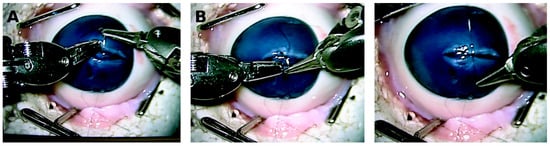
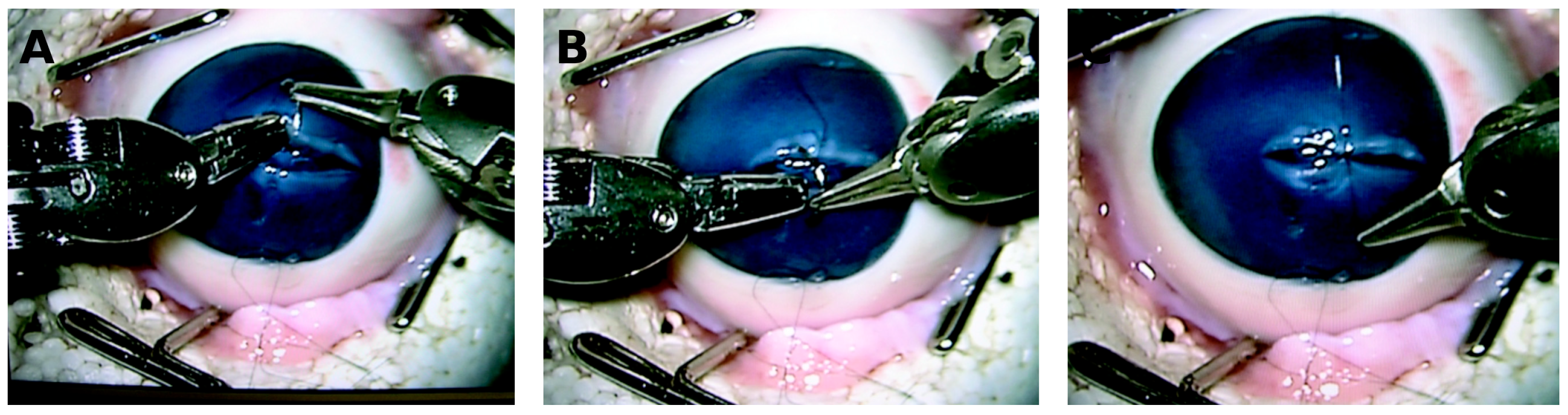
The greatest advance using the robot from a needle-insertion point of view was the visualization of the needle’s trajectory using the 0°, three-dimensional endoscope [12]. This camera provided enhanced depth perception for the surgeon [12]. All key surgical landmarks, including the depth of suture placement, were clearly and easily identifiable [12]. The configuration of the robotic arms and the stereoscopic camera used for these early procedures is shown in Figure 6. Although this level of precision appeared particularly relevant for microsurgical tasks like corneal suturing, the robotic instruments available at that time, such as 5-mm effector arms and microforceps designed primarily for cardiac applications, did not provide the optimal delicacy required for tissue handling and stable needle placement in ophthalmic procedures [12]. Overall, this ex vivo study demonstrated only preliminary feasibility and highlighted the need for further dedicated research to assess whether these advantages could translate into clinical practice.
Figure 6.
(A) Robotic microforceps grasping the wound. (B) Robotic microforceps grasping the cornea and inserting the first suture. (C) Robotic tightening of the suture [12].
4.2. Pterygium Repair
While technically feasible, robot-assisted pterygium repair remains investigational, with reports limited to experimental procedures in animal models and a few isolated human cases [15,16]. The first pterygium surgeries were performed using the Da Vinci Si HD robotic surgical system. This platform comprises three main components: a mobile instrument cart equipped with four articulated arms, an imaging cart, and a surgeon-operated console for controlling the robotic arms [15]. The mobile cart houses four articulated robotic arms—three for surgical instruments and one for a high-definition 12-mm stereoscopic camera providing 3D visualization with up to 15× magnification [15]. The surgeon operates from a console equipped with a stereo viewer, telemanipulation handles, and foot pedals, enabling precise control of the robotic arms [15]. The system also allows motion scaling to enhance surgical accuracy by factors of 1.5:1, 2:1, or 3:1 [15].
From January to May 2014, the first robot-assisted pterygium surgeries were performed on twelve ex vivo ocular models prepared by layering animal tissues to replicate ocular anatomy [15]. Intraocular pressure was restored with a BSS injection [15]. All surgical procedures were performed by an ophthalmic surgeon certified in robotic microsurgery by the Robotic Assisted Microsurgical and Endoscopic Society (RAMSES) [15]. The model simulated a nasal lesion on the right eye [15]. Using robotic instruments, the pterygium was dissected, and horizontal and vertical incisions were made to remove the tissue [15]. Residual glue on the cornea was scarified, and an 8 × 6 mm beef graft was harvested, repositioned over the defect, and sutured with eight interrupted 8-0 polyglactin sutures [15].
This study confirmed the feasibility of robot-assisted pterygium surgery, with a mean operative time of 36 min [15]. The Da Vinci Si HD system enabled precise ocular surface maneuvers with no intraoperative complications or instrument conflicts across all twelve procedures [15]. The longer operative time was not due to limitations of the robotic system itself, but rather to the surgeons’ limited experience with robotic corneal surgery compared to their extensive background in conventional manual ophthalmic microsurgery (2 years vs. 20 years) [15].
Despite this learning curve, the robotic platform enabled stable, precise needle placement and suture control during graft fixation [15]. The absence of haptic feedback was effectively compensated by enhanced visual guidance, and the 3D stereoscopic camera of the Da Vinci Si HD system offered excellent magnification and depth perception, comparable to modern surgical microscopes [15]. These advancements highlight the growing potential of robotic systems in ophthalmology, especially for fine tasks like needle insertion [15].
The first robot-assisted pterygium repair surgery in a human eye was performed in 2015, also using the Da Vinci Si HD Robotic Surgical System [16]. The patient was a 73-year-old who presented with two pterygia in the right eye: a nasal pterygium measuring 2.5 mm in length and 5.2 mm in height, and a temporal pterygium measuring 1.8 mm by 5.2 mm [16]. The procedure involved pterygia dissection, conjunctival incisions with Potts scissors, scarification of the episcleral and corneal surfaces, and hemostasis using a cautery hook [16]. A conjunctival graft was prepared and sutured, with two additional sutures placed temporally. There were no complications or need for manual conversion [16]. The surgery lasted 60 min and 30 s, and the patient was discharged within 24 h with an uneventful recovery [16]. Surgeons noted that the Da Vinci Si HD system offered the precision and dexterity needed for delicate ocular surface surgery [16].
This study highlights several features of robotic surgery that are directly applicable to needle insertion in corneal procedures. Motion scaling and the suppression of physiological tremor allowed for high-quality, controlled movements, which are both essential for precise needle placement in delicate corneal layers [16]. The enhanced mobility of the distal articulating arm and the ability to adjust instrument orientation within the surgical field enabled fine control over needle trajectory, which is particularly valuable in anatomically challenging cases, such as when operating on patients with prominent facial features [16]. Additionally, the system’s high-resolution, three-dimensional visualization offered image quality comparable to modern surgical microscopes, further supporting accurate and safe needle guidance [16]. While the current robotic tools were not originally optimized for ophthalmic microsurgery, they were found to be safe for ocular surface tissues and offered acceptable millimetre-level precision [16].
To summarize, the primary advantages of robot-assisted needle insertion in pterygium repairs are precise control of needle trajectory and enhanced real-time visualization, offering essential guidance throughout the surgery. These benefits demonstrate the potential of robotic systems to enhance the consistency, safety, and accuracy of needle insertion in corneal procedures. However, these observations are primarily derived from experimental or isolated case reports, and their generalizability to routine clinical practice remains unproven.
4.3. Penetrating Keratoplasty
With the success of corneal suturing and pterygium repair, the feasibility of robot-assisted surgeries was explored in PK, a full-thickness corneal transplant. The potential of robot-assisted PK was tested in 2007 using the Da Vinci Si Surgical System on enucleated porcine and cadaver eyes [13]. From a needle-insertion standpoint, the robot enhances instrument dexterity through the EndoWrist system, offering 7 degrees of freedom in tight spaces [13]. It filters tremors, amplifies small joystick motions for greater precision, and eliminates surgeon fatigue, which are factors that collectively support more controlled, accurate, and potentially safer needle placement in ocular surgery [13]. However, the authors identified poor visualization, limited instrument maneuverability, and the lack of haptic feedback as challenges stemming from the system’s design not being tailored for ophthalmic surgery [13]. These issues were seen as obstacles to further research with the Da Vinci system [13].
In 2017, a study reevaluated the feasibility and outcomes of robot-assisted PK, using the newest Da Vinci Surgical System, the Da Vinci Xi [19], geared specifically towards microsurgeries [2]. The specific improvements of the Da Vinci Xi system over the Si HD model include enhanced optics, an autofocus camera, redesigned arms for closer port placement, an overhead arm architecture for improved anatomical access, and faster docking [2,10]. These features directly address several technical limitations previously observed in robot-assisted anterior segment ophthalmic surgeries, such as pterygium repair and corneal suturing [2,10].
Chammas et al.’s study demonstrated that robot-assisted PK is technically feasible in human corneal transplant models [19]. An ophthalmic surgeon certified by RAMSES and experienced in keratoplasty and robotic microsurgery successfully performed all key PK steps, including corneal trephination, button removal, and reattachment, across twelve cases [19]. Precise suture placement was confirmed by SD-OCT, with no intraoperative complications or unexpected events such as thread or needle breakage or robotic arm conflicts [19]. The mean operative time of 43.4 min was comparable to manual PK, reflecting improvements in the system’s optics and instruments [19].
The Da Vinci Xi platform significantly improved visualization and control compared to earlier systems [19]. Its high-resolution 3D imaging and autofocus capability enabled precise needle positioning and suture placement, confirmed by intraoperative SD-OCT [19]. Furthermore, the redesigned robotic arms enhance maneuverability, enabling delicate needle handling to prevent tissue damage or instrument conflicts [19]. Although the system lacks haptic feedback, surgeons can compensate through enhanced visual cues during needle tying, with no thread or needle breakage reported [19]. The robot’s millimetric precision, tremor filtering, and motion scaling improve needle insertion accuracy. This leads to increased consistency and reduced variability in surgical outcomes [19].
Finally, an important factor to consider is the ergonomic aspect of surgery. The ability of surgeons to perform high-precision procedures remotely has diminished the physical strain associated with the manual techniques [18]. Robotic systems also allowed pauses without losing instrument position, supporting endurance and minimizing fatigue [19].
Challenges remain, including high cost, workflow adaptations, and the need for dedicated ophthalmic instruments [19]. However, the integration with imaging, AI, and telesurgery features holds promise for automated, precise needle-based suturing and broader accessibility in corneal microsurgery, although significant clinical evaluation is still lacking [19].
4.4. Deep Anterior Lamellar Keratoplasty
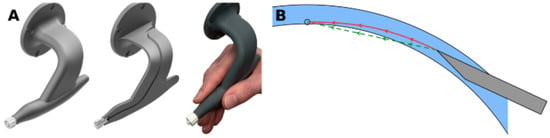
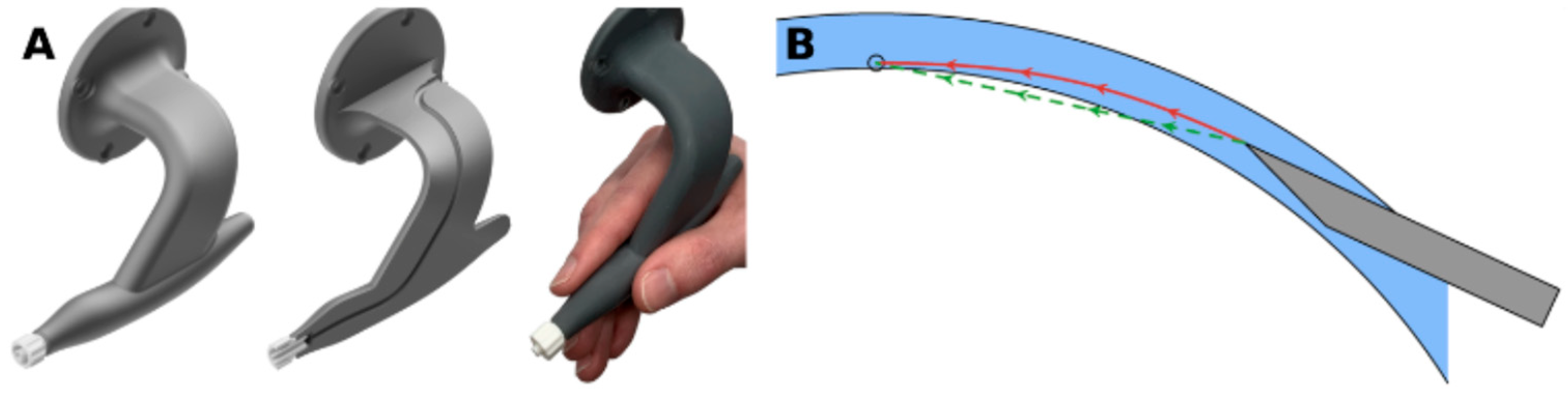
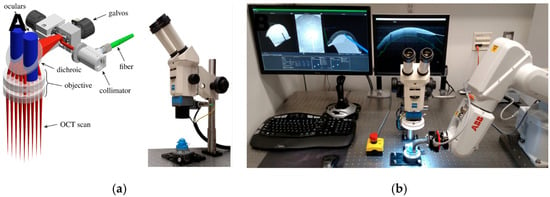
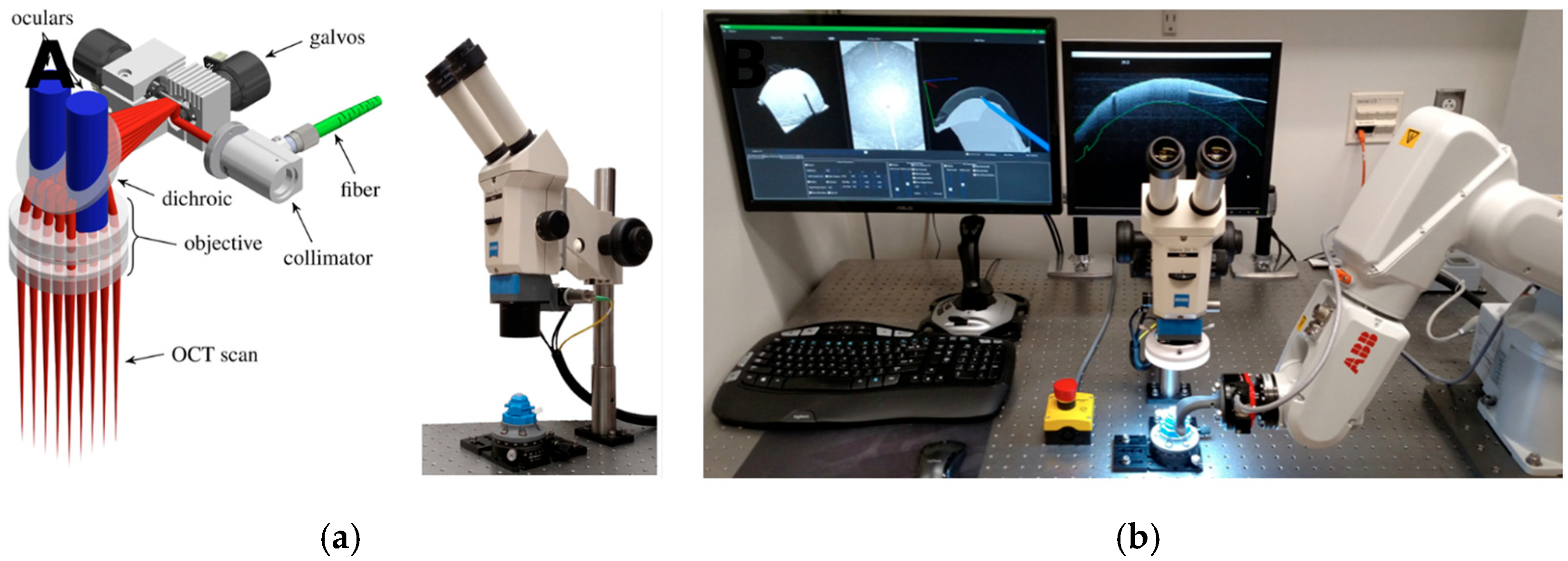
Despite the marked reduction in corneal transplant rejection rates after PK and the progressive improvements in both prevention and pharmacological management, this complication remains one of the most concerning following the procedure [38]. Therefore, in recent years, the surgical technique of DALK has been developed to prevent endothelial rejection [38]. DALK is a partial-thickness corneal transplant that involves the removal of the epithelium, Bowman’s layer, and part of the stroma while preserving the host endothelium [26]. Consequently, it represents a less invasive technique [26]. Although robot-assisted needle insertion has also been applied in other corneal procedures analyzed earlier, DALK probably represents the field where this technology holds the greatest potential to become a valuable tool for the surgeon, due to the unique technical challenges and the critical importance of precise stromal dissection [38]. Figure 7 and Figure 8 demonstrate the current tools available for improved needle insertion accuracy or ergonomics.
Figure 7.
(A) Ergonomic DALK handle with internal channel for pneumodissection. (B) This comparison illustrates two robotic needle advancement trajectories: a simpler linear approach (green) that pre-orients the needle for a straight-line advancement versus a more dynamic cubic approach (red) that continuously adjusts the needle’s angle to follow the curved path of the cornea (blue) [35].
Figure 8.
(a) Design of microscope-integrated anterior segment scanner and assembled scanner suspended below stereo microscope with view of phantom cornea in artificial anterior chamber. (b) DALK workstation with operator console, surgeon station, and robot arm [35].
Draelos et al. developed a cooperative robotic system integrating real-time volumetric OCT guidance to assist needle insertion during DALK, reported in 2020 [35]. The platform provided two operational modes: a cooperative mode to stabilize hand tremor and an automated mode using insertion plans derived from OCT tracking [35]. The authors compared four approaches (manual insertion, manual insertion with OCT visualization, cooperative robotic insertion, and fully automated robotic insertion) in ex vivo human corneas (N = 40 insertions, 10 per group) [35]. The mean insertion error was significantly reduced in the automated mode (37 ± 19 μm) and the cooperative mode (42 ± 20 μm), compared to manual insertion (108 ± 86 μm) and manual OCT-guided insertion (65 ± 51 μm) [35]. Additionally, error variance decreased by approximately 80%. The perforation rate was 20% in manual insertions, while no perforations occurred in either robotic mode [35]. Volumetric OCT visualization alone improved depth control compared to manual insertion without imaging, but the combination of OCT and robotic actuation achieved the highest consistency of target depth [35]. These findings support the hypothesis that combining real-time volumetric imaging and robotic control can improve reliability and safety during critical phases of DALK.
Edwards et al. presented a data-driven modelling approach to improve robot-assisted needle insertion for DALK by predicting corneal deformation during the procedure [27]. Their framework combined ex vivo porcine cornea experiments with statistical models trained to estimate tissue displacement and optimize insertion trajectories in real time [27]. The system was evaluated in 40 automated insertions, demonstrating that model-based planning reduced mean insertion error to 27 μm ± 17 μm, compared to 76 μm ± 51 μm with non-predictive open-loop control [27]. Variance of depth error was decreased by approximately 70% [27]. These findings suggest that incorporating predictive deformation models can enhance the precision and safety of robotic lamellar keratoplasty.
Zhao et al. compared robot-assisted cannula insertion with conventional manual techniques during simulated big-bubble DALK in ex vivo porcine corneas [28]. The robot-assisted approach achieved a mean insertion depth of 89.3% ± 2.1% of total corneal thickness, significantly more consistent than the manual group (81.7% ± 6.8%) [28]. Pneumodissection success rates were higher in the robotic group, and no perforations were observed during robot-assisted procedures [28]. These results indicate that robot-assisted insertion not only improves depth accuracy but also enhances procedural safety compared to freehand techniques.
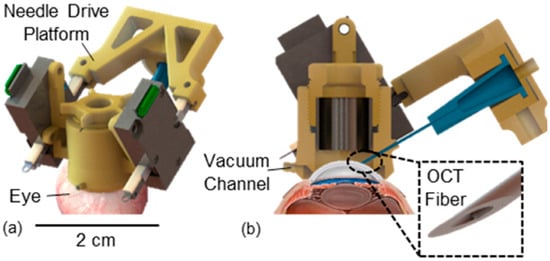
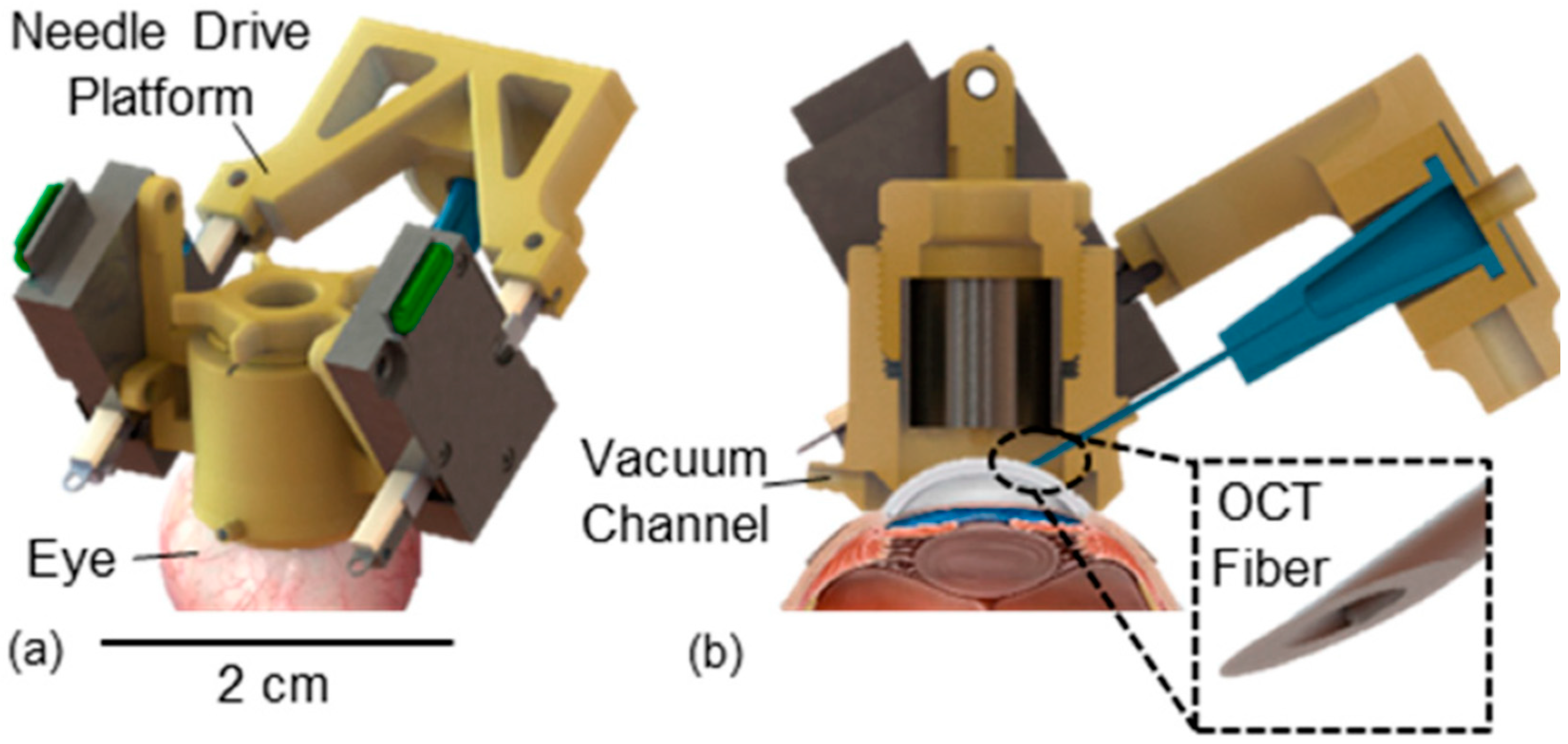
Opfermann et al. reported that AutoDALK is a hands-free, eye-mounted robotic system developed to automate and improve needle placement during DALK [29]. This platform integrates piezo motors, an OCT sensor, and a vacuum trephine to achieve precise and repeatable insertion. Finite element analysis confirmed sufficient rigidity, with minimal deformation (0.026 mm) under load [29]. Positional testing according to ISO 230-2:2014 standards demonstrated micrometre-level accuracy (mean deviation ~9 μm) and high repeatability [29,40]. The motors generated thrust exceeding the force required for corneal penetration (0.89 N) [29,40].
In ex vivo porcine eyes (N = 5 AutoDALK, N = 4 manual), AutoDALK achieved more consistent needle depth (84.81 ± 1.52%) and significantly deeper pneumodissection (88.69%) compared to manual insertion (87.01 ± 6.99% and 70.22%, respectively) [29]. No perforations occurred with AutoDALK, while manual insertion resulted in one perforation [29]. The authors note that further development is needed to validate sterilization methods, in vivo performance, and integration of automated depth detection using machine learning [29]. An overview of the AutoDALK robotic system, including its OCT-guided needle, is provided in Figure 9.
Figure 9.
Isometric (a) and cross-sectional (b) views of the AutoDALK robot mounted on an eye. The 25G needle equipped with an OCT fiber is highlighted within the dashedbox [29].
These comparative findings across different robotic platforms and insertion strategies are summarized in Table 2, highlighting performance metrics, success and perforation rates, and overall outcomes versus manual techniques. Lastly, evidence-based medicine employs hierarchical systems to rank the quality and reliability of clinical research, with the most established being the traditional framework (Levels I–V) [39]. This system categorizes evidence from the highest quality to the lowest: Level I (high-quality RCTs or meta-analyses of RCTs), Level II (lesser-quality RCTs or prospective comparative studies), Level III (retrospective cohort or case–control studies), Level IV (case series), and Level V (expert opinion or case reports) [36].
Table 2.
Findings of key reviews on robotics in ophthalmology with respect to corneal surgery.
5. Limitations
5.1. Limitations of the Starte-of-the-Art
Despite the numerous advantages of robot-assisted needle insertion in corneal procedures, challenges remain. The integration of robotic systems into clinical practice requires significant investment in training and infrastructure [41]. Surgeons must become proficient in operating these advanced systems, which may involve a steep learning curve [41]. Additionally, the cost of robotic systems can be a barrier to widespread adoption, particularly in resource-limited settings [41]. Addressing these aspects will be crucial for the future of robotic-assisted ophthalmic surgery.
The integration of robotics into ophthalmology, particularly corneal surgeries, represents a significant technological advancement, with specialized platforms emerging to address microsurgical precision needs in eye surgery [41]. The technology offers crucial advantages, including enhanced surgical precision, tremor elimination, motion scaling, improved visualization, and potential for remote surgery capabilities [41]. However, several challenges currently limit widespread adoption, primarily high initial costs, complex technical requirements, limited force feedback, and space constraints in ocular procedures [41]. While showing promise in both retinal microsurgery and anterior segment procedures, the technology faces implementation barriers, including concerns about cost-effectiveness, steep learning curves for surgeons, and limited availability [41].
In contrast, robot-assisted surgery for posterior segment diseases has progressed beyond the experimental stage. Multiple studies have demonstrated the feasibility and safety of robotic platforms, such as the Preceyes Surgical System, for procedures including epiretinal membrane peeling and subretinal injection in clinical settings [20,31]. Moreover, the integration of intraoperative OCT has further improved accuracy and reproducibility during vitreoretinal surgery [31,32]. These advances illustrate how the combination of robotics, iOCT, and digital visualization is becoming increasingly standardized in posterior segment procedures [42].
Compared to these developments, robot-assisted needle insertion in corneal surgery remains largely limited to ex vivo or proof-of-concept studies, highlighting the opportunity to adapt and refine these technologies for anterior segment applications [12,13,16,19,27,29,33,35]. Future work should leverage the lessons learned from vitreoretinal surgery, including workflow integration, user training, and system miniaturization, to accelerate the clinical translation of robotic platforms for corneal microsurgery.
5.2. Limitations of Current Studies
The current body of research is limited by several key factors. Many studies are conducted ex vivo, which introduces inherent biases and reduces the generalizability of findings to clinical practice [12,13,16,19,27,29,33,35]. Additionally, the majority of these studies involve small sample sizes, limiting statistical power and the ability to draw robust conclusions. Finally, there is a notable lack of Level 1, 2, and 3 Evidence in the literature, which is essential for establishing causality and guiding evidence-based interventions. Together, these limitations highlight the need for larger, well-designed in vivo studies to validate and expand upon existing findings
5.3. Limitations of This Review
This review has several limitations. Only English-language papers were included, which may have led to the exclusion of relevant studies published in other languages. As such, we acknowledge that this might have biased our work towards English literature. Additionally, the search was restricted to PubMed and Open Evidence databases, potentially overlooking studies indexed elsewhere. Gray literature, including conference abstracts, theses, and preprints, was also not considered, which may have resulted in publication bias and limited the comprehensiveness of the review.
6. Future Directions
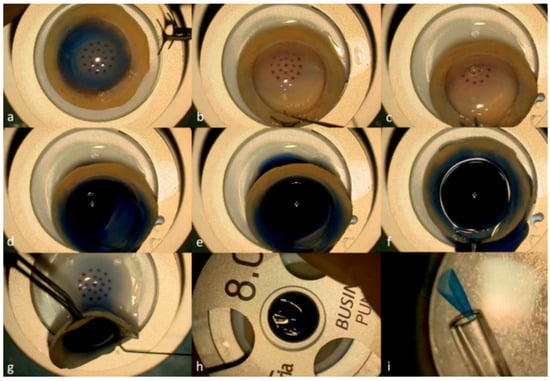
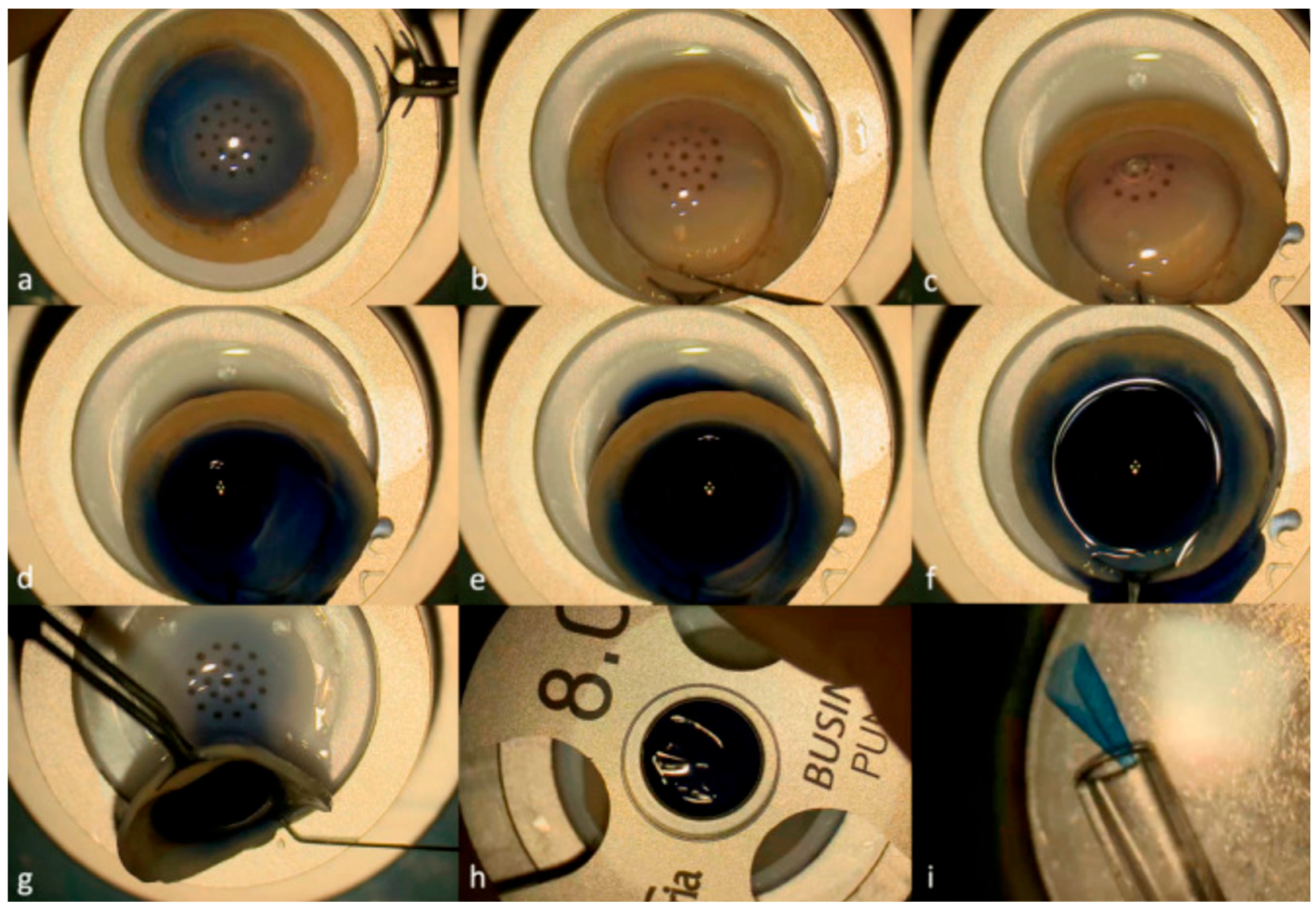
Certain corneal surgical techniques could benefit from robot-assisted needle insertion, particularly Descemet membrane endothelial keratoplasty (DMEK) graft preparations using the “blister” (hydrodissection) method (Figure 10) [43]. In this approach, the donor cornea, endothelial side up, is placed on a Teflon punch block and stained with 0.06% Trypan Blue [43]. A 30G needle attached to a 1 cc syringe filled with Optisol-GS is inserted as horizontally as possible into the sclera 2 mm outside the limbus and advanced 1.5–2 mm into the stroma toward the pre-Descemet space [43]. Balanced salt solution is gently injected under soft pressure to create a fluid blister that expands evenly toward the limbus, cleaving Descemet’s membrane (DM) and endothelium from the underlying stroma with minimal direct tissue manipulation [43,44]. Once the blister reaches the limbus, its diameter is measured and the fluid is drained through several punch sites. The isolated DM is then repositioned onto the stromal bed [43,44].
Figure 10.
Steps of graft preparation using the liquid bubble technique: (a) donor cornea placed on a punch base with the endothelium facing up and stained with trypan blue; (b) creation of a narrow tunnel using a Sinskey hook under the trabecular meshwork and the Descemet membrane; (c) the radial insertion of a 30G Rycroft anterior segment cannula connected to a syringe filled with balanced salt solution (BSS) and trypan blue into the stroma–Descemet membrane interface; (d) the trypan blue and BSS injection leading to bubble formation; (e) the complete formation of the bubble just before and (f) after removal of the cannula; (g) liquid removal by holding the graft vertically and by applying gentle pressure posteriorly to the injection site; (h) punch of 8 mm; (i) insertion of the graft into the injector prior to transplantation [43].
The principal advantages of this technique include rapid execution, minimal or absent residual stroma in DMEK preparations, and high reproducibility in a standardized manner with minimal tissue manipulation (“no-touch” approach) [43,45,46]. Achieving entry into the true pre-Descemet space is essential [47,48]. Injections that are too stromal or overly hydrated fail to separate Descemet’s membrane cleanly and are associated with greater endothelial damage and reduced corrected global endothelial cell density [47,48]. Multiple attempts or injection sites are often necessary, underscoring the technical sensitivity of the procedure [47,48].
Additionally, there is a risk of graft tears or incomplete separation, sometimes necessitating conversion to manual dissection, which may increase tissue damage. The method is technically demanding, requiring precise fluid control and handling [43,46]. These challenges could be mitigated by incorporating robot-assisted needle insertion, which can help ensure precise needle tip placement and trajectory within the pre-Descemet plane, thereby avoiding unintended entry into the stroma. Additionally, integration of imaging modalities and AI could provide real-time visualization to enhance procedural accuracy.
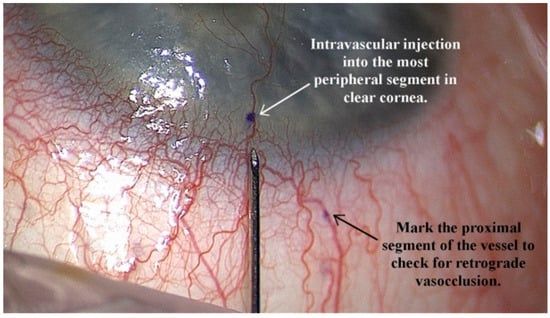
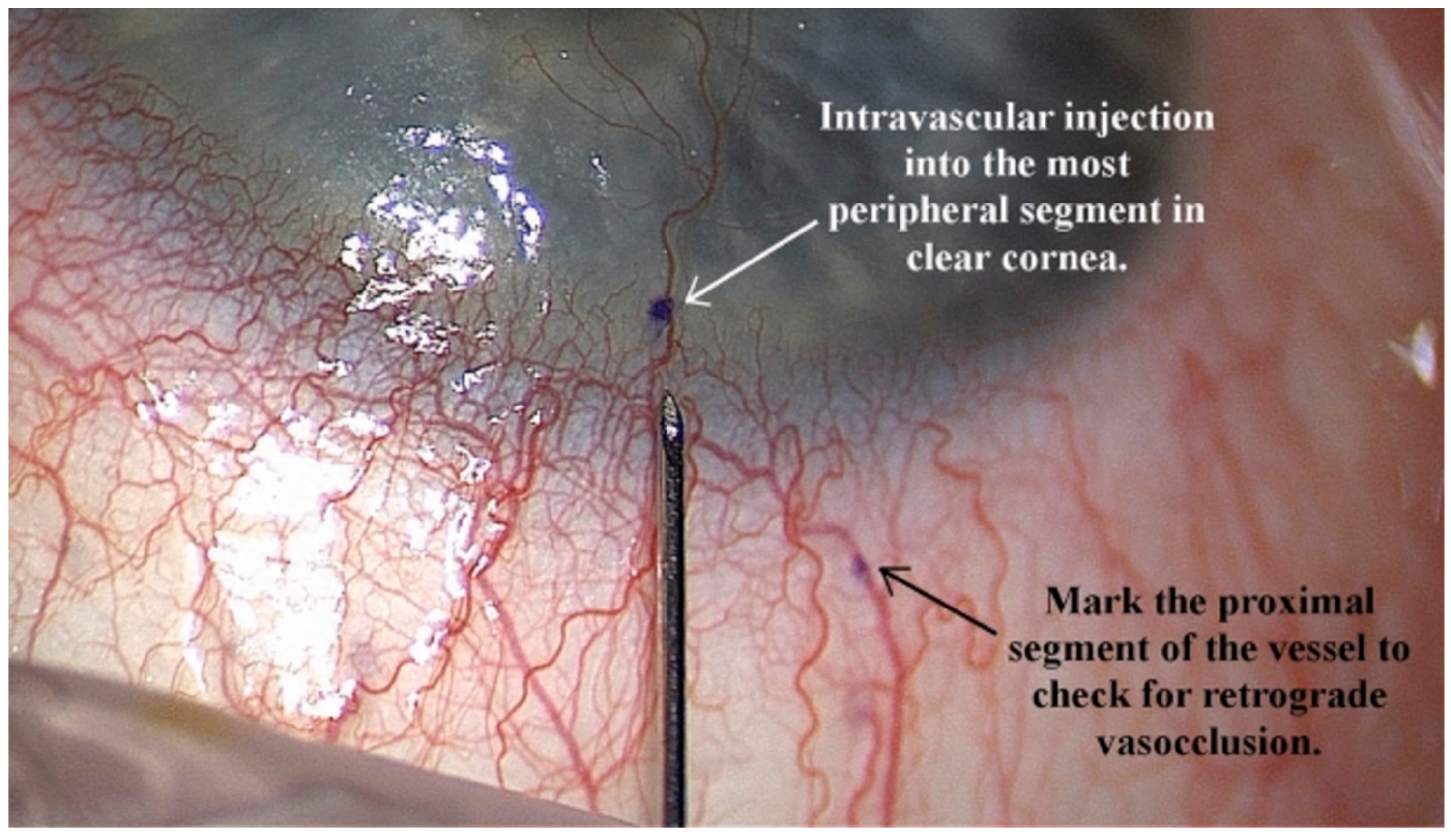
Another corneal surgical technique that could greatly benefit from robot-assisted needle insertion is mitomycin intravascular chemoembolization (MICE), shown in Figure 11 [49,50]. This technique is applied in the treatment of corneal neovascularization, a pathological response to a diverse number of infectious, traumatic, ischemic, and foreign body-associated etiologies [49,50]. In the MICE procedure, a 1.0 cc syringe is partially filled with MMC (0.4 mg/mL) and attached to a 33-gauge needle, angled at approximately 15 degrees [49,50]. The largest bore corneal vessel just inside the limbus is cannulated and a small volume of MMC (0.01 to 0.05 mL) is injected [49,50].
Figure 11.
MICE technique: the largest bore corneal vessel just inside the limbus is identified (white arrow). The needle is angled at approximately 15° from the corneal surface to cannulate the vessel, and a small volume of MMC is injected with enough retrograde hydrostatic force to fill both the efferent and afferent vessels (black arrow) [49].
According to a few studies, MICE appears effective in reducing corneal neovascularization, with a low recurrence rate, and in preparing patients for further procedures such as PK or DALK [51,52,53]. However, MICE remains technically challenging due to the difficulty of cannulating small-caliber vessels under the microscope or at the slit lamp and concerns regarding treatment of deep neovascularization because of the cytotoxic effect of mitomycin C on endothelial cells [51,52,53]. Integrating MICE into robot-assisted needle insertion could allow better needle tip placement, and integration with an OCT system could increase precision, both extending the indication to challenging and deep neovascularization and reducing the risk of toxicity induced by the mitomycin injection.
7. Conclusions
Certain robotic-assisted needle insertion techniques represent a significant advancement in corneal surgery, with current platforms achieving micrometer-level precision. Integration of intraoperative OCT, predictive modeling, and AI has also been shown to eliminate perforations in experimental settings while reducing tremor and surgeon fatigue. However, clinical translation remains limited. Most studies are ex vivo with small samples and lack Level 1–3 evidence, contrasting sharply with posterior segment robotics where platforms like Preceyes are clinically established. Moving forward requires well-designed in vivo studies with standardized outcomes, alongside addressing high costs, learning curves, and workflow integration. With clinical validation, robotic-assisted needle insertion could redefine standards in established procedures in the clinical setting and enable novel interventions such as DMEK hydrodissection and MICE where manual precision remains challenging.
Author Contributions
Conceptualization, E.-R.Z., A.C.R., G.R., and A.H.; methodology, E.-R.Z., A.C.R.; software, E.-R.Z., A.C.R., and G.B.; validation, E.-R.Z., A.C.R., G.B., G.R., and A.H.; formal analysis, E.-R.Z., A.C.R., G.B., and A.H.; investigation, E.-R.Z., A.C.R., G.B., and A.H.; resources, E.-R.Z., A.C.R., G.B., G.R., and A.H.; data curation, E.-R.Z., A.C.R., G.B.; writing—original draft preparation, E.-R.Z., A.C.R., G.B., and A.H.; writing—review and editing, E.-R.Z., A.C.R., G.B., G.R., and A.H.; visualization, E.-R.Z., A.C.R., G.B., and A.H.; supervision, G.R. and A.H.; project administration, E.-R.Z., A.C.R. and A.H.; funding acquisition, N/A. All authors have read and agreed to the published version of the manuscript.
Funding
This research received no external funding.
Data Availability Statement
Not applicable.
Acknowledgments
During the preparation of this manuscript/study, the authors used OpenEvidence, for the purposes of literature searches and text generation. The authors have reviewed and edited the output and take full responsibility for the content of this publication.
Conflicts of Interest
The authors declare no conflicts of interest.
Abbreviations
The following abbreviations are used in this manuscript:
| CT | Computed Tomography |
| DALK | Deep Anterior Lamellar Keratoplasty |
| DM | Descemet Membrane |
| DMEK | Descemet Membrane Endothelial Keratoplasty |
| iOCT | Intraoperative Optical Coherence Tomography |
| KP | Penetrating Keratoplasty |
| LLM | Large Language Model |
| MICE | Mitomycin Intravascular Chemo Embolization |
| MMC | Mitomycin-C |
| OCT | Optical Coherence Tomography |
| RAMSES | Robotic Assisted Microsurgical and Endoscopic Society |
| SC-OCT | Spectral Domain Optical Coherence Tomography |
References
- Gerber, M.J.; Pettenkofer, M.; Hubschman, J.P. Advanced robotic surgical systems in ophthalmology. Eye 2020, 34, 1554–1562. [Google Scholar] [CrossRef] [Scilit]
- de Smet, M.D.; Naus, G.J.L.; Faridpooya, K.; Mura, M. Robotic-assisted surgery in ophthalmology. Curr. Opin. Ophthalmol. 2018, 29, 248–253. [Google Scholar] [CrossRef] [Scilit]
- Bourla, D.H.; Hubschman, J.P.; Culjat, M.; Tsirbas, A.; Gupta, A.; Schwartz, S.D. Feasibility study of intraocular robotic surgery with the da Vinci surgical system. Retina 2008, 28, 154–158. [Google Scholar] [CrossRef] [Scilit]
- Ladha, R.; Caspers, L.E.; Willermain, F.; de Smet, M.D. Subretinal Therapy: Technological Solutions to Surgical and Immunological Challenges. Front. Med. 2022, 9, 846782. [Google Scholar] [CrossRef] [Scilit] [PubMed]
- Alafaleq, M. Robotics and cybersurgery in ophthalmology: A current perspective. J. Robot. Surg. 2023, 17, 1159–1170. [Google Scholar] [CrossRef] [Scilit] [PubMed]
- Chatzimichail, E.; Feltgen, N.; Motta, L.; Empeslidis, T.; Konstas, A.G.; Gatzioufas, Z.; Panos, G.D. Transforming the future of ophthalmology: Artificial intelligence and robotics’ breakthrough role in surgical and medical retina advances: A mini review. Front. Med. 2024, 11, 1434241. [Google Scholar] [CrossRef] [Scilit] [PubMed]
- Mi, H.; MacLaren, R.E.; Cehajic-Kapetanovic, J. Robotising vitreoretinal surgeries. Eye 2025, 39, 673–682. [Google Scholar] [CrossRef] [Scilit]
- George, E.I.; Brand, T.C.; LaPorta, A.; Marescaux, J.; Satava, R.M. Origins of Robotic Surgery: From Skepticism to Standard of Care. JSLS J. Soc. Laparoendosc. Surg. 2018, 22, e2018.00039. [Google Scholar] [CrossRef] [Scilit]
- Saleh, G.M.; Lindfield, D.; Sim, D.; Tsesmetzoglou, E.; Gauba, V.; Gartry, D.S.; Ghoussayni, S. Kinematic analysis of surgical dexterity in intraocular surgery. Arch. Ophthalmol. 2009, 127, 758–762. [Google Scholar] [CrossRef] [Scilit]
- Iordachita, I.I.; de Smet, M.D.; Naus, G.; Mitsuishi, M.; Riviere, C.N. Robotic Assistance for Intraocular Microsurgery: Challenges and Perspectives. Proceedings of the IEEE. Inst. Electr. Electron. Eng. 2022, 110, 893–908. [Google Scholar] [CrossRef] [Scilit]
- Roesthuis, R.J.; van Veen, Y.R.J.; Jahya, A.; Misra, S. Mechanics of needle-tissue interaction. In Proceedings of the 2011 IEEE/RSJ International Conference on Intelligent Robots and Systems, San Francisco, CA, USA, 25–30 September 2011; IEEE: New York, NY, USA, 2011; pp. 2557–2563. [Google Scholar] [CrossRef] [Scilit]
- Tsirbas, A.; Mango, C.; Dutson, E. Robotic ocular surgery. Br. J. Ophthalmol. 2007, 91, 18–21. [Google Scholar] [CrossRef] [Scilit]
- Bourges, J.L.; Hubschman, J.P.; Burt, B.; Culjat, M.; Schwartz, S.D. Robotic microsurgery: Corneal transplantation. Br. J. Ophthalmol. 2009, 93, 1672–1675. [Google Scholar] [CrossRef] [Scilit]
- Moreira, P.; Misra, S. Biomechanics-Based Curvature Estimation for Ultrasound-Guided Flexible Needle Steering in Biological Tissues. Ann. Biomed. Eng. 2015, 43, 1716–1726. [Google Scholar] [CrossRef] [Scilit]
- Bourcier, T.; Nardin, M.; Sauer, A.; Gaucher, D.; Speeg, C.; Mutter, D.; Marescaux, J.; Liverneaux, P. Robot-Assisted Pterygium Surgery: Feasibility Study in a Nonliving Porcine Model. Transl. Vis. Sci. Technol. 2015, 4, 9. [Google Scholar] [CrossRef] [Scilit]
- Bourcier, T.; Chammas, J.; Becmeur, P.H.; Danan, J.; Sauer, A.; Gaucher, D.; Liverneaux, P.; Mutter, D. Robotically Assisted Pterygium Surgery: First Human Case. Cornea 2015, 34, 1329–1330. [Google Scholar] [CrossRef] [Scilit]
- Shin, S.; Bae, J.K.; Ahn, Y.; Kim, H.; Choi, G.; Yoo, Y.S.; Joo, C.K.; Moon, S.; Jung, W. Lamellar keratoplasty using position-guided surgical needle and M-mode optical coherence tomography. J. Biomed. Opt. 2017, 22, 1–7. [Google Scholar] [CrossRef] [Scilit] [PubMed]
- Shin, J.; Zhong, Y.; Gu, C. Master-slave robotic system for needle indentation and insertion. Comput. Assist. Surg. 2017, 22 (Suppl. S1), 100–105. [Google Scholar] [CrossRef] [Scilit] [PubMed]
- Chammas, J.; Sauer, A.; Pizzuto, J.; Pouthier, F.; Gaucher, D.; Marescaux, J.; Mutter, D.; Bourcier, T. Da Vinci Xi Robot-Assisted Penetrating Keratoplasty. Transl. Vis. Sci. Technol. 2017, 6, 21. [Google Scholar] [CrossRef] [Scilit]
- Edwards, T.L.; Xue, K.; Meenink, H.C.M.; Beelen, M.J.; Naus, G.J.L.; Simunovic, M.P.; Latasiewicz, M.; Farmery, A.D.; de Smet, M.D.; MacLaren, R.E. First-in-human study of the safety and viability of intraocular robotic surgery. Nat. Biomed. Eng. 2018, 2, 649–656. [Google Scholar] [CrossRef] [Scilit] [PubMed]
- Thirunavukarasu, A.J.; Hu, M.L.; Foster, W.P.; Xue, K.; Cehajic-Kapetanovic, J.; MacLaren, R.E. Robot-Assisted Eye Surgery: A Systematic Review of Effectiveness, Safety, and Practicality in Clinical Settings. Transl. Vis. Sci. Technol. 2024, 13, 20. [Google Scholar] [CrossRef] [Scilit]
- Zhao, Y.-J.; Lu, J.-L.; Zhang, Y.-D.; Zhang, H.; Pei, Y.-Y. Structural design and puncture control of insertion robot for FBG embedded cannula flexible needle. IEEE Access 2023, 11, 79295–79304. [Google Scholar] [CrossRef] [Scilit]
- Liu, J.; Sun, W.; Zhao, Y.; Zheng, G. Ultrasound Probe and Hand-Eye Calibrations for Robot-Assisted Needle Biopsy. Sensors 2022, 22, 9465. [Google Scholar] [CrossRef] [Scilit]
- Tian, Y.; Draelos, M.; McNabb, R.P.; Hauser, K.; Kuo, A.N.; Izatt, J.A. Optical coherence tomography refraction and optical path length correction for image-guided corneal surgery. Biomed. Opt. Express 2022, 13, 5035–5049. [Google Scholar] [CrossRef] [Scilit]
- Guo, S.; Sarfaraz, N.R.; Gensheimer, W.G.; Krieger, A.; Kang, J.U. Demonstration of Optical Coherence Tomography Guided Big Bubble Technique for Deep Anterior Lamellar Keratoplasty (DALK). Sensors 2020, 20, 428. [Google Scholar] [CrossRef] [Scilit]
- Aldebasi, T.; Gangadharan, S.; Alshammari, Y.S.; Alruhaimi, S.S.; Alrashid, S.O.; Ardah, H.; Shahrani, J.A.; Shahrani, S.A.; Badri, M.; Alfardan, F. Comparison of clinical outcomes, complications and patient satisfaction following deep anterior lamellar keratoplasty and penetrating keratoplasty. BMC Ophthalmol. 2024, 24, 501. [Google Scholar] [CrossRef] [Scilit]
- Edwards, W.; Tang, G.; Tian, Y.; Draelos, M.; Izatt, J.; Kuo, A.; Hauser, K. Data-Driven Modelling and Control for Robot Needle Insertion in Deep Anterior Lamellar Keratoplasty. IEEE Robot. Autom. Lett. 2022, 7, 1526–1533. [Google Scholar] [CrossRef] [Scilit] [PubMed]
- Zhao, Y.; Jablonka, A.M.; Maierhofer, N.A.; Roodaki, H.; Eslami, A.; Maier, M.; Nasseri, M.A.; Zapp, D. Comparison of Robot-Assisted and Manual Cannula Insertion in Simulated Big-Bubble Deep Anterior Lamellar Keratoplasty. Micromachines 2023, 14, 1261. [Google Scholar] [CrossRef] [Scilit] [PubMed]
- Opfermann, J.D.; Wang, Y.; Kaluna, J.; Suzuki, K.; Gensheimer, W.; Krieger, A.; Kang, J.U. Design and Evaluation of an Eye Mountable AutoDALK Robot for Deep Anterior Lamellar Keratoplasty. Micromachines 2024, 15, 788. [Google Scholar] [CrossRef] [Scilit] [PubMed]
- Faridpooya, K.; van Romunde, S.H.M.; Manning, S.S.; van Meurs, J.C.; Naus, G.J.L.; Beelen, M.J.; Meenink, T.C.M.; Smit, J.; de Smet, M.D. Randomised controlled trial on robot-assisted versus manual surgery for pucker peeling. Clin. Exp. Ophthalmol. 2022, 50, 1057–1064. [Google Scholar] [CrossRef] [Scilit]
- Turgut, F.; Somfai, G.M.; Heussen, F.M.; Eberle, A.; de Smet, M.D.; Becker, M.D. Robot-Assisted Epiretinal Membrane Peeling: A Prospective Assessment of Pre- and Intra-Operative Times and of Surgeons’ Subjective Perceptions. J. Clin. Med. 2023, 12, 2768. [Google Scholar] [CrossRef] [Scilit]
- Ciarmatori, N.; Pellegrini, M.; Nasini, F.; Talli, P.M.; Sarti, L.; Mura, M. The State of Intraoperative OCT in Vitreoretinal Surgery: Recent Advances and Future Challenges. Tomography 2023, 9, 1649–1659. [Google Scholar] [CrossRef] [Scilit]
- Pandey, S.K.; Sharma, V. Robotics and ophthalmology: Are we there yet? Indian J. Ophthalmol. 2019, 67, 988–994. [Google Scholar] [CrossRef] [Scilit]
- Keller, B.; Draelos, M.; Zhou, K.; Qian, R.; Kuo, A.; Konidaris, G.; Hauser, K.; Izatt, J. Optical Coherence Tomography-Guided Robotic Ophthalmic Microsurgery via Reinforcement Learning from Demonstration. IEEE Trans. Robot. 2020, 36, 1207–1218. [Google Scholar] [CrossRef] [Scilit]
- Draelos, M.; Tang, G.; Keller, B.; Kuo, A.; Hauser, K.; Izatt, J.A. Optical Coherence Tomography Guided Robotic Needle Insertion for Deep Anterior Lamellar Keratoplasty. IEEE Trans. Bio-Med. Eng. 2020, 67, 2073–2083. [Google Scholar] [CrossRef] [Scilit]
- Ebrahimi, A.; Patel, N.; He, C.; Gehlbach, P.; Kobilarov, M.; Iordachita, I. Adaptive Control of Sclera Force and Insertion Depth for Safe Robot-Assisted Retinal Surgery. In Proceedings of the IEEE International Conference on Robotics and Automation, Montreal, QC, Canada, 20–24 May 2019; Volume 2019, pp. 9073–9079. [Google Scholar] [CrossRef] [Scilit]
- Takács, B.; Haidegger, T. Autonomous applied robotics: Ultrasound-based robot-assisted needle insertion system concept and development. In Proceedings of the 2020 IEEE 15th International Conference of System of Systems Engineering (SoSE), Budapest, Hungary, 2–4 June 2020; IEEE: New York, NY, USA, 2020; pp. 487–492. [Google Scholar] [CrossRef] [Scilit]
- Hos, D.; Matthaei, M.; Bock, F.; Maruyama, K.; Notara, M.; Clahsen, T.; Hou, Y.; Le, V.N.H.; Salabarria, A.C.; Horstmann, J.; et al. Immune reactions after modern lamellar (DALK, DSAEK, DMEK) versus conventional penetrating corneal transplantation. Prog. Retin. Eye Res. 2019, 73, 100768. [Google Scholar] [CrossRef] [Scilit]
- Pfeil, A.; Cazzato, R.L.; Barbé, L.; De Marini, P.; Chiang, J.B.; Garnon, J.; Renaud, P.; Gangi, A. Robotically Assisted CBCT-Guided Needle Insertions: Preliminary Results in a Phantom Model. Cardiovasc. Interv. Radiol. 2019, 42, 283–288. [Google Scholar] [CrossRef] [Scilit]
- ISO 230-2:2014; Test Code for Machine Tools—Part 2: Determination of Accuracy and Repeatability of Positioning of Numerically Controlled Axes. International Organization for Standardization: Geneva, Switzerland, 2014.
- Hohmann, E.; Feldman, M.; Hunt, T.J.; Cote, M.P.; Brand, J.C. Research Pearls: How Do We Establish the Level of Evidence? Arthrosc. J. Arthrosc. Relat. Surg. 2018, 34, 3271–3277. [Google Scholar] [CrossRef] [Scilit] [PubMed]
- Poh, S.S.J.; Sia, J.T.; Yip, M.Y.T.; Tsai, A.S.H.; Lee, S.Y.; Tan, G.S.W.; Weng, C.Y.; Kadonosono, K.; Kim, M.; Yonekawa, Y.; et al. Artificial Intelligence, Digital Imaging, and Robotics Technologies for Surgical Vitreoretinal Diseases. Ophthalmol. Retin. 2024, 8, 633–645. [Google Scholar] [CrossRef] [Scilit] [PubMed]
- Blavakis, E.; Kecik, M.; Panos, G.D.; Thumann, G.; Massa, H. Descemet Membrane Endothelial Keratoplasty Graft Preparation Using the Liquid Bubble Technique with Subtrabecular Hydrodissection: A Retrospective Real-Life Study. J. Clin. Med. 2024, 13, 6048. [Google Scholar] [CrossRef] [Scilit] [PubMed]
- Abdullayev, E.; Gorovoy, M.; Sprehe, N. Descemet’s membrane (DM) grafts preparations for DMEK with a liquid ‘blister’ separation method. In Proceedings of the Fall Education Symposium, Tampa, FL, USA, 14 October 2016. [Google Scholar]
- Solley, K.D.; Berges, A.J.; Phillips, E.; Ding, A.S.; Diaz, C.M.; Pramanik, S.; Yazdi, Y.; Parikh, K.S. DescePrep Significantly Increases Descemet Membrane Endothelial Keratoplasty Processing Efficiency and Success Rate in Diabetic Human Donor Corneas in Comparison with Manual Dissection. Cornea 2022, 41, 1284–1290. [Google Scholar] [CrossRef] [Scilit]
- Szurman, P.; Januschowski, K.; Rickmann, A.; Damm, L.J.; Boden, K.T.; Opitz, N. Novel liquid bubble dissection technique for DMEK lenticule preparation. Graefe’s Arch. Clin. Exp. Ophthalmol. 2016, 254, 1819–1823. [Google Scholar] [CrossRef] [Scilit]
- Parekh, M.; Borroni, D.; Ruzza, A.; Levis, H.J.; Ferrari, S.; Ponzin, D.; Romano, V. A comparative study on different Descemet membrane endothelial keratoplasty graft preparation techniques. Acta Ophthalmol. 2018, 96, e718–e726. [Google Scholar] [CrossRef] [Scilit] [PubMed]
- Bhogal, M.; Balda, M.S.; Matter, K.; Allan, B.D. Global cell-by-cell evaluation of endothelial viability after two methods of graft preparation in Descemet membrane endothelial keratoplasty. Br. J. Ophthalmol. 2016, 100, 572–578. [Google Scholar] [CrossRef] [Scilit]
- Mimouni, M.; Ouano, D. Initial outcomes of mitomycin intravascular chemoembolization (MICE) for corneal neovascularization. Int. Ophthalmol. 2022, 42, 2407–2416. [Google Scholar] [CrossRef] [Scilit] [PubMed]
- Velazquez, D.C.; Ortiz-Morales, G.; Vera-Duarte, G.R.; Navas, A.; Ramirez-Miranda, A.; Graue-Hernandez, E.O. Mitomycin Intravascular Chemoembolization for Corneal Neovascularization. Cornea 2024, 44, 965–969. [Google Scholar] [CrossRef] [Scilit]
- Mansur, S.; Cheung, A.Y. Treatment of Corneal Neovascularization Before Deep Anterior Lamellar Keratoplasty. Cornea 2024, 44, 845–850. [Google Scholar] [CrossRef] [Scilit]
- Rangu, N.; Riaz, K.M. Mitomycin intravascular chemoembolization (MICE) to treat corneal vascularization prior to penetrating keratoplasty. Am. J. Ophthalmol. Case Rep. 2024, 33, 101993. [Google Scholar] [CrossRef] [Scilit]
- Addeen, S.Z.; Oyoun, Z.; Alfhaily, H.; Anbari, A. Outcomes of mitomycin C intravascular chemoembolization (MICE) in refractory corneal neovascularization after failed keratoplasty. Digit. J. Ophthalmol. DJO 2023, 29, 9–13. [Google Scholar] [CrossRef] [Scilit] [PubMed]

Disclaimer/Publisher’s Note: The statements, opinions and data contained in all publications are solely those of the individual author(s) and contributor(s) and not of MDPI and/or the editor(s). MDPI and/or the editor(s) disclaim responsibility for any injury to people or property resulting from any ideas, methods, instructions or products referred to in the content. |
© 2025 by the authors. Licensee MDPI, Basel, Switzerland. This article is an open access article distributed under the terms and conditions of the Creative Commons Attribution (CC BY) license (https://creativecommons.org/licenses/by/4.0/).