Article

Research on the Optimization of the PID Control Method for an EOD Robotic Manipulator Using the PSO Algorithm for BP Neural Networks


College of Field Engineering, Army Engineering University of PLA, Nanjing 210007, China
*
Author to whom correspondence should be addressed.
Actuators 2024, 13(10), 386; https://doi.org/10.3390/act13100386
Submission received: 26 August 2024 / Revised: 24 September 2024 / Accepted: 25 September 2024 / Published: 1 October 2024
(This article belongs to the Section Actuators for Robotics)

Abstract

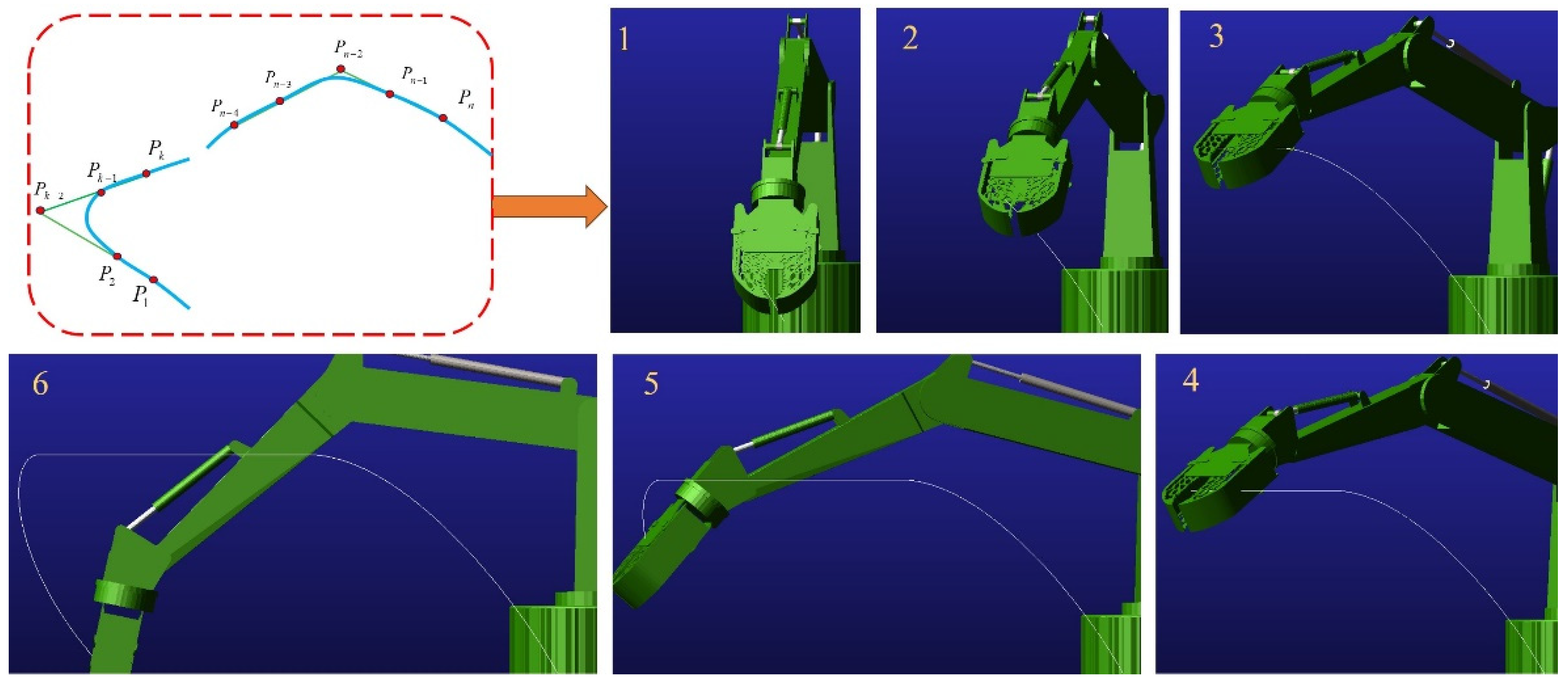
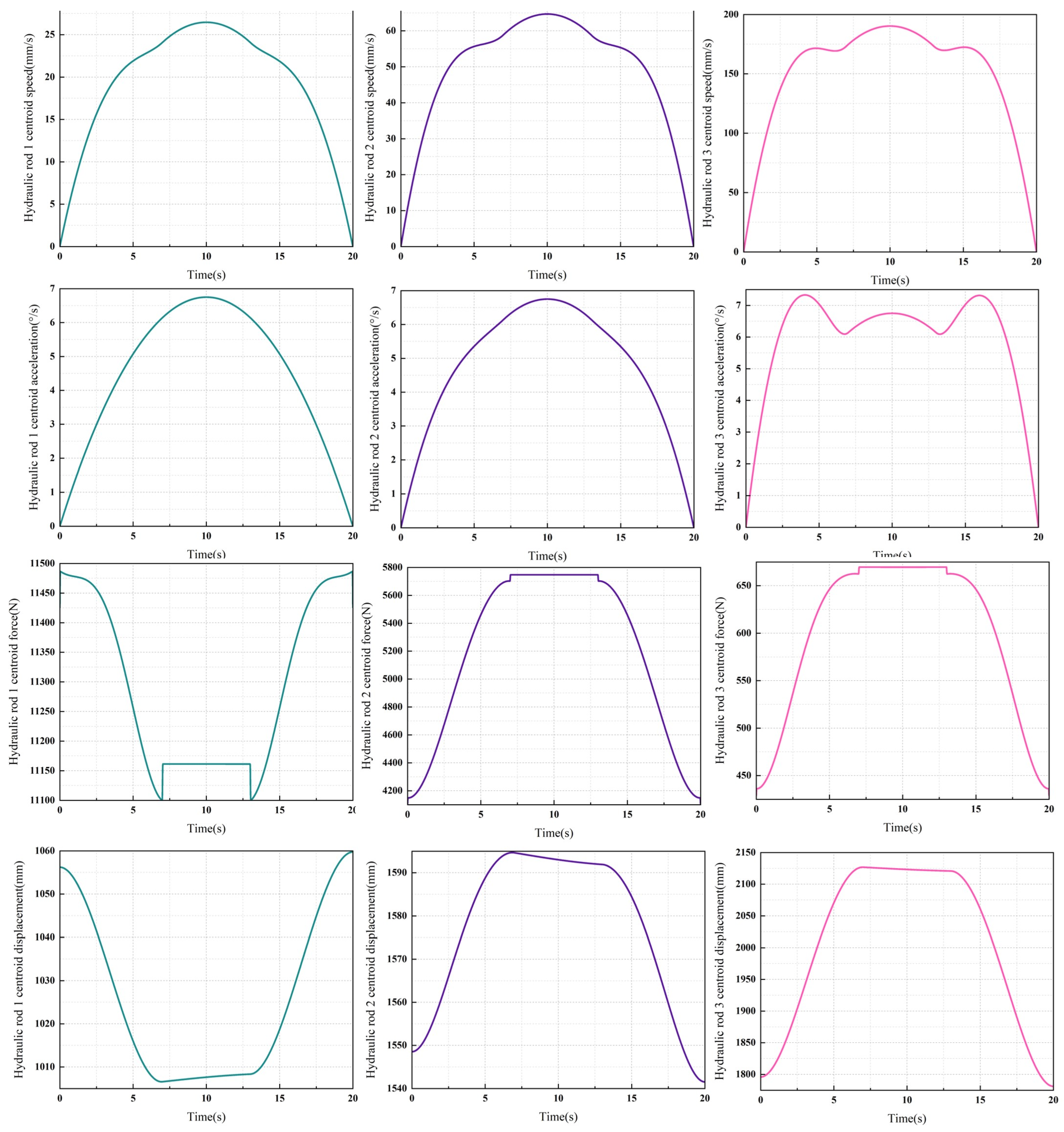
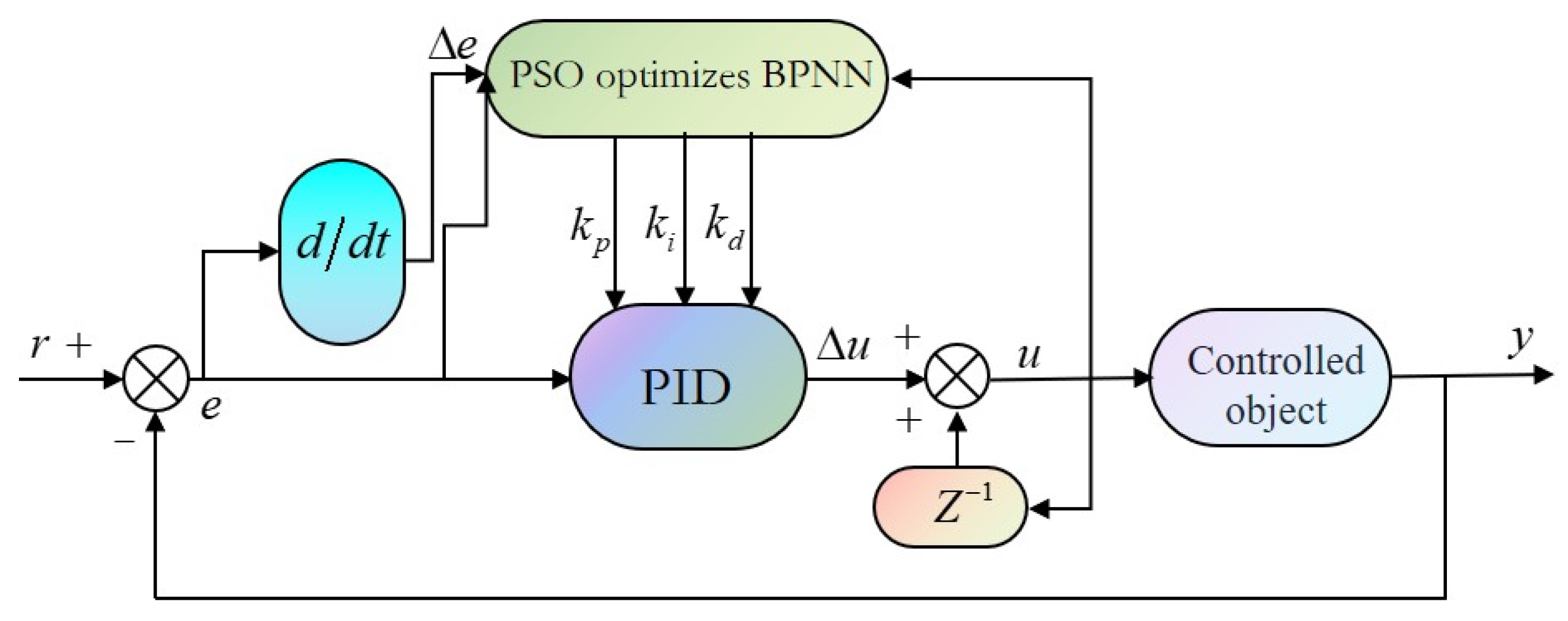
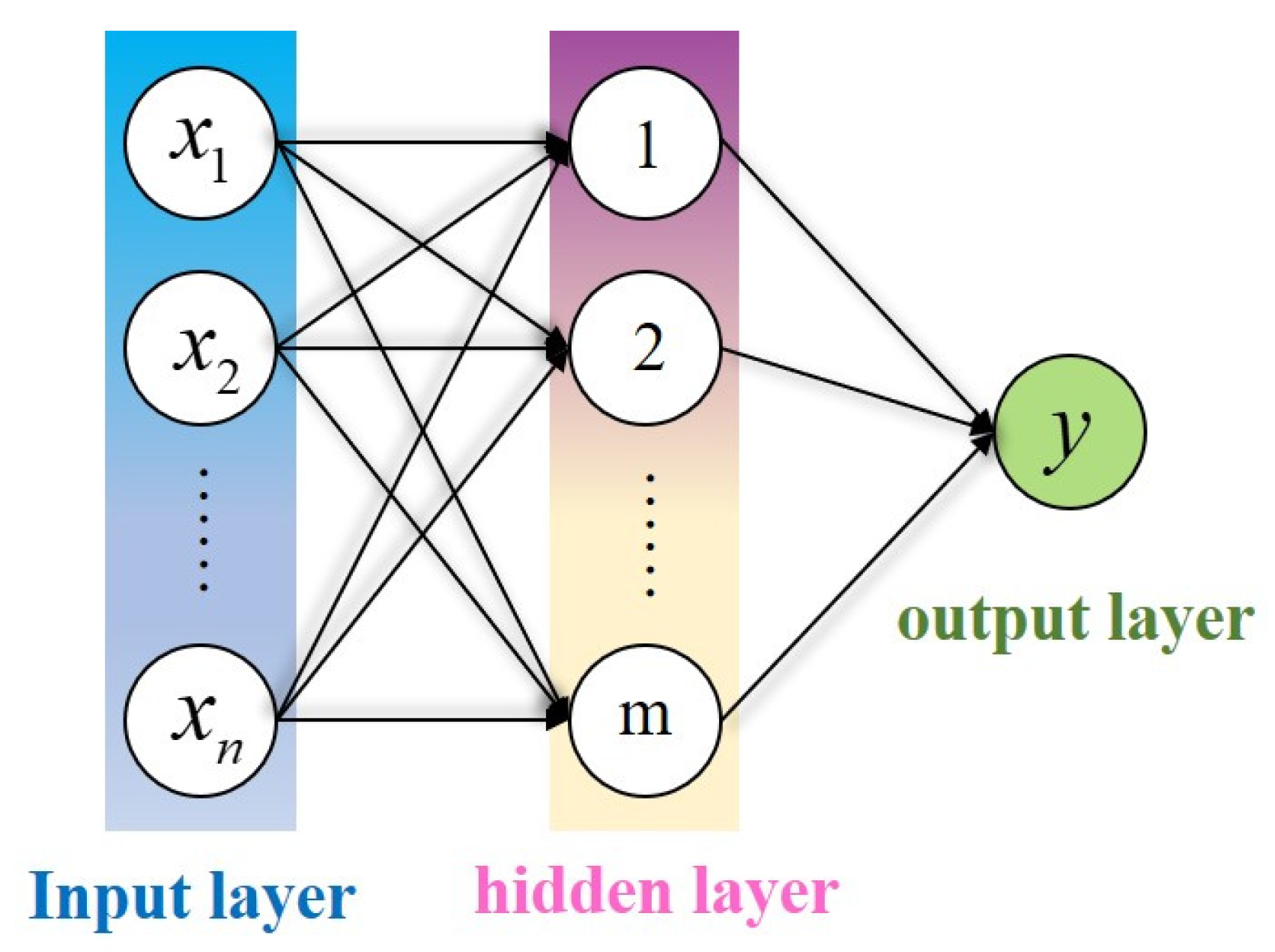
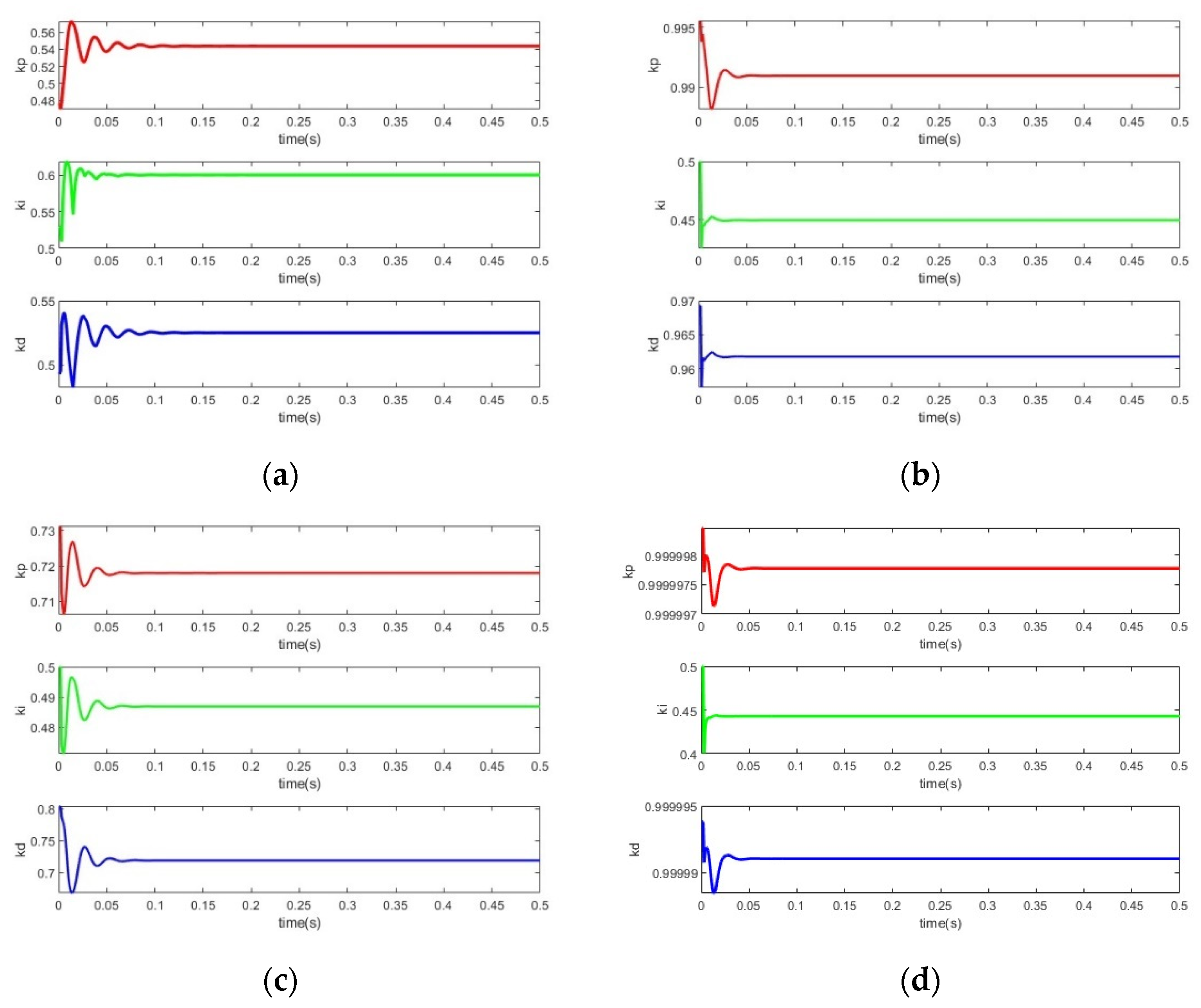
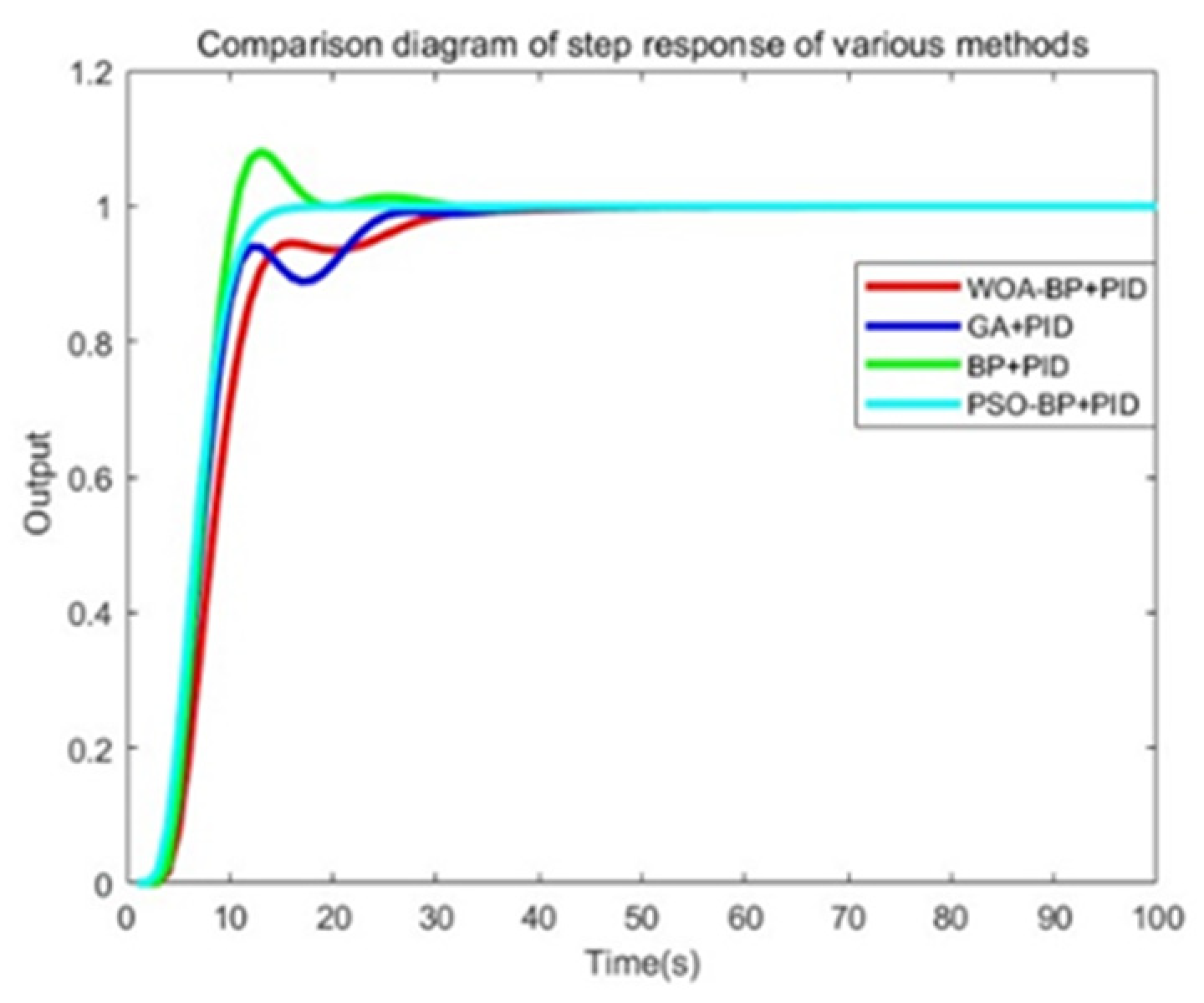
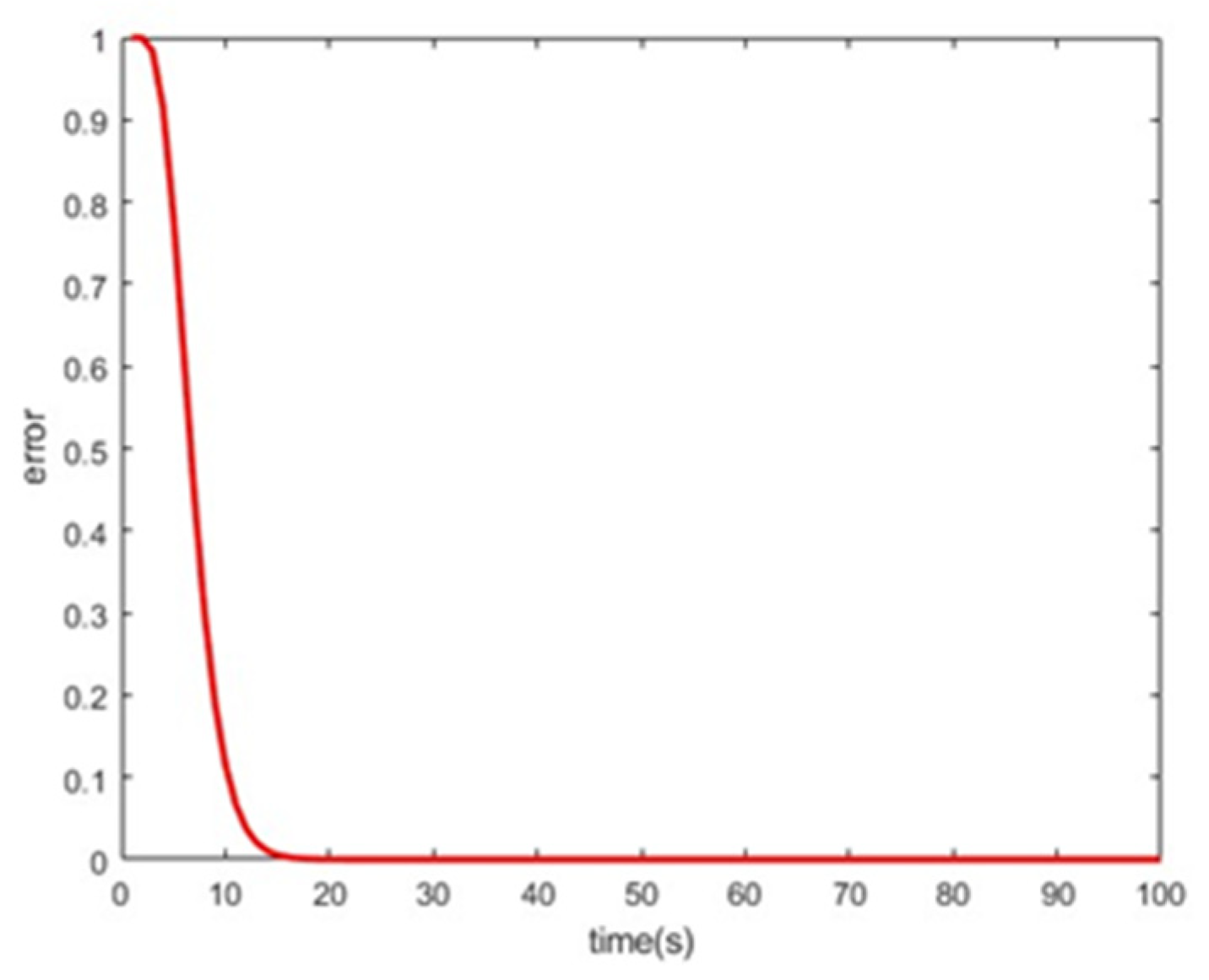
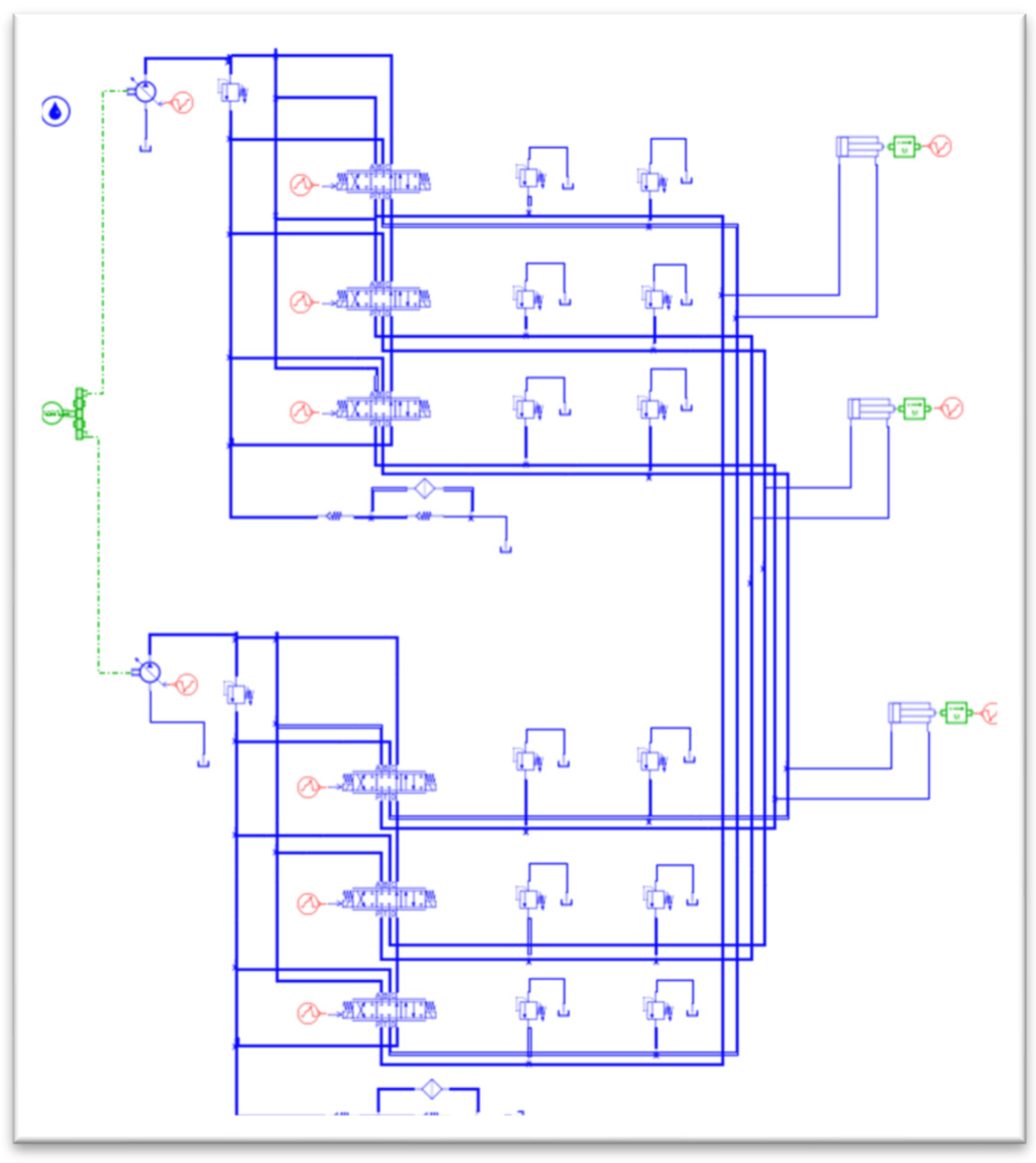
Large-scale explosive ordnance disposal (EOD) robotic manipulators can replace manual EOD tasks, offering higher efficiency and better safety. This study focuses on the control strategies and response speeds of EOD robotic manipulators. Using Adams to establish the dynamic model of an EOD robotic manipulator and constructing a hydraulic system model in AMEsim, a co-simulation model is integrated. This study proposes a PID control strategy optimized by the particle swarm optimization (PSO) algorithm for a backpropagation (BP) neural network and simulates the system’s step response for analysis. To address the vibration issues arising during the manipulator’s motion, B-spline curves are used for trajectory optimization to reduce vibrations. The PSO algorithm optimizes the connection weight matrix of the BP neural network, solving the potential problem of local minima during the training process of the BP neural network, thereby enhancing the global search capability, learning efficiency, and network performance. Simulation results indicate that compared to traditional BP+PID control, genetic algorithm (GA)+PID control, and whale optimization algorithm (WOA)-BP+PID control, the PSO-BP+PID algorithm control rapidly tunes the PID control parameters Kp, Ki, and Kd. Under the same step function conditions, the overshoot is only 1.37%, significantly lower than other methods, and the settling time is only 14 s. After stabilization, there is almost no error, demonstrating faster response speed, higher control accuracy, and stronger robustness. This research has theoretical value and reference significance for the control methods and improvements in EOD robotic manipulators.
Keywords: explosive ordnance disposal manipulator; integrated simulation; control strategy; PSO-BP+PID; PID control explosive ordnance disposal manipulator; integrated simulation; control strategy; PSO-BP+PID; PID control