Article

Metabolomic Insights into MYMV Resistance: Biochemical Complexity in Mung Bean Cultivars

by
Sudha Manickam
1,*,†,
Veera Ranjani Rajagopalan
1,†,
Madhumitha Balasubramaniam
2,3,†,
Karthikeyan Adhimoolam
4,
Senthil Natesan
1 and
Raveendran Muthurajan
1,*
1
Department of Plant Biotechnology, Centre for Plant Molecular Biology and Biotechnology, Tamil Nadu Agricultural University, Coimbatore 641003, Tamil Nadu, India
2
Department of Plant Pathology, Agricultural College and Research Institute, Tamil Nadu Agricultural University, Madurai 625104, Tamil Nadu, India
3
School of Agricultural Sciences, Karunya Institute of Technology and Sciences, Coimbatore 641114, Tamil Nadu, India
4
Subtropical Horticulture Research Institute, Jeju National University, Jeju 63243, Republic of Korea
*
Authors to whom correspondence should be addressed.
These authors contributed equally to this work.
Pathogens 2026, 15(1), 46; https://doi.org/10.3390/pathogens15010046
Submission received: 27 September 2025 / Revised: 2 December 2025 / Accepted: 4 December 2025 / Published: 31 December 2025
(This article belongs to the Section Immunological Responses and Immune Defense Mechanisms)

Abstract

Yellow Mosaic Disease (YMD) caused by mungbean yellow mosaic virus (MYMV, begomovirus) is one of the main causes of low mungbean (Vigna radiata L.) productivity, primarily in South Asia. Agroinoculation screening for MYMV resistance in mungbean cultivar VGGRU 1, an interspecific derivative of mungbean × rice bean and VRM (Gg)1 across replications, revealed VGGRU1 as highly resistant to MYMV infection. Gas chromatography mass spectrometry analysis was performed on the methanolic leaf extracts of susceptible and resistant genotypes, along with necessary controls. The metabolite profiling of the susceptible and resistant genotypes, along with controls, identified 121 discriminant metabolites belonging to 24 different classes of metabolites. A maximum number of 27 metabolites were accumulated in agroinoculated VGGRU1 alone. Metabolite profiles of VGGRU1 and VRM1 were clustered hierarchically and revealed substantial variations between the genotypes. Fold change revealed the upregulation of amino acids and phenol in the resistant genotype. The resistant genotype, VGGRU1, showed significantly higher levels of key defense-related metabolites, such as amino acids and phenolics. In this study, 18 significant VIP metabolites were identified, differentiating the resistant VGGRU1 and susceptible VRM (Gg)1 genotypes.

1. Introduction

Mungbean (Vigna radiata (L.) Wilczek), indigenous to India or the Indo-Burma region, ranks as the third most notable self-pollinated, short-duration grain legume crop, following chickpea and pigeon pea. The crop plays a vital role in mitigating protein malnutrition, particularly in developing countries, serving as an affordable and substantial source of dietary protein across Asia, most notably for impoverished populations. With a high percentage of easily digestible, top-quality protein (24%) and minimal flatulence, along with its elevated iron content (40–70 ppm), mungbean is an excellent addition to balanced diets. Additionally, mungbean sprouts are highly valued in Asian cuisine not only for their seeds but also for their rich content of vitamin C and folate [1,2,3].
Mungbean is susceptible to pests and diseases, including Yellow Mosaic Disease (YMD) caused by mungbean yellow mosaic virus (MYMV), which results in yield losses of up to 100% in the Indian subcontinent and South-East Asia. Three distinct begomoviruses have been identified as the primary pathogens responsible for YMD: MYMV, mungbean yellow mosaic India virus (MYMIV), and horse gram yellow mosaic virus (HgYMV). In India, YMD is attributed to MYMV/MYMIV, and according to reports, MYMV is predominantly found in southern India, whereas MYMIV is prevalent in the northern, central, and eastern regions of the country [4,5]. Apart from mungbean, YMD also impacts other leguminous crops including cowpea, horse gram, pigeon pea, French bean, black gram, moth bean, Lima bean, and soybean [6,7]. The virus spreads via the whitefly’s proboscis in a persistent and circulative manner, infiltrating the host’s phloem cells [8]. Whiteflies can inflict significant damage to a plant with a single attack, posing challenges for effective management. The two indigenous cryptic species, Asia II-1 and Asia II-8, are reported to be prevalent in different regions of India [9]. Mungbean plants infected within three weeks of sowing may have a reduced yield up to 85%. The initial symptoms after infection appear as small yellow lesions on the young leaves with less intensity [10], evolving into a mosaic pattern of yellowing, eventually leading to complete chlorosis, desiccation, and senescence of the foliage [11]. The affected mungbean plants exhibit reduced pod size and chlorotic leaves, leading to diminished photosynthetic efficiency and a consequential decrease in overall yield.
The use of pesticides to manage YMD (for controlling whiteflies) was initially considered effective, but the disease is spreading due to the development of pesticide-resistant vectors. Additionally, excessive chemical usage has led to detrimental effects on the environment and human health [12]. However, utilizing mungbean cultivars resistant to MYMV has long been recognized as an effective and cost-efficient strategy for virus control. Unfortunately, confirming resistance through field screening presents challenges due to the non-consistence of MYMV symptoms in field conditions due to factors like environmental variations, whitefly genotypes, and host characteristics. This variability can impede infection development in the field, thus making it difficult to identify truly resistant lines. Consequently, significant research efforts have focused on screening mungbean germplasms using agroinoculation, an innovative strategy that utilizes the tumor-inducing plasmid of Agrobacterium tumefaciens to introduce infectious viral clones into plants. This approach induces MYMV symptoms through encapsidation and replication, and its effectiveness in screening has been successfully demonstrated by some researchers [13,14]. Still, a limited number of mungbean lines demonstrated resistance to YMD, although the majority exhibited low yields [15,16,17]. Reports by Khattak [18] and Akhtar [19] indicate that mungbean germplasm possessing high yield potential tends to be susceptible to YMD. However, achieving high-yielding mungbean varieties that are resistant to YMD necessitates a comprehensive understanding of genetic variations in metabolite accumulation. Non-targeted metabolomics enables the profiling of a wide range of secondary metabolites in plants. In this study, a non-targeted metabolomics approach was used to analyze the metabolomic profiles of high-yielding susceptible cultivar VRM (Gg)1 and resistant cultivar VGGRU1. Investigating the intricate metabolome of VGGRU1 and VRM (Gg)1 would enable us to understand and map these traits for utilization in breeding programs.

2. Materials and Methods

2.1. Plant Material

MYMV-resistant mungbean cultivar VGGRU 1 (interspecific derivative of mungbean × rice bean) and susceptible cultivar VRM (Gg)1 were used in this study. Seed materials were obtained from Agricultural Research Station, Tamil Nadu Agricultural University, located in Virinjipuram, Tamil Nadu.

2.2. Agroinoculation

The study utilized the infectious clone that was developed from our previous study [20], derived from the MYMV genome. Agroinoculation was performed on 2-day-old sprouted seeds of both resistant and susceptible lines, along with the empty vector, mock control, and untreated control following a previously established protocol by [21]. The agroinoculated plants were cultivated in a growth chamber set at 25 °C, with 60–70% relative humidity under a 16/8 h photoperiod at the department of biotechnology, center for plant molecular biology and biotechnology, Coimbatore. Hoagland’s solution (KNO3-6 mM, Ca(NO3)2·4H2O-4 mM, KH2PO4-1 mM, MgSO4·7H2O-2 mM, H3BO3-46 µM, MnCl2·4H2O-9 µM, ZnSO4·7H2O-0.8 µM, CuSO4·5H2O-0.3 µM, (NH4)6Mo7O24·4H2O-0.125 µM, and Fe-EDTA-100 µM) was applied twice a week to promote plant growth, and symptom development was monitored starting from the 15th day post-inoculation on trifoliate leaves. The presence of yellow mosaic symptoms at a specific time was recorded as susceptible, while their absence indicated resistance to the disease. Uninoculated plants of each genotype were kept as controls for comparison. Following the expression of symptoms, freshly harvested leaves were utilized for GC-MS/MS analysis. Figure 1 represents the schematic figure illustrating the experimental design.

2.3. Extraction and Mass Spectrometric Analysis of Secondary Metabolites

The VRM (Gg) 1 and VGGRU-1 treated with Agrobacterium + MYMV genome cloned vector along with the untreated control were used for further study. Secondary metabolites were extracted from the fresh leaves of VGGRU1 control, VGGRU1 infected with MYMV genome, VRM (Gg)1 control, and VRM (Gg1) infected with MYMV genome using the previously described Soxhlet extraction method [22]. Three biological replications were used in each sample. The leaves were first pulverized using liquid nitrogen in a mortar and pestle. Approximately 25 mg of the powdered leaf sample was then soaked in 100% methanol (HPLC grade) overnight. The mixture was heated in a water bath at 70 °C for 10 min, followed by centrifugation at 13,000× g for 10 min at 4 °C. The supernatant was collected and filtered through a 0.2-micron filter. The filtered extracts were concentrated using a vacuum evaporator, and 1 mL of the concentrated filtrate was transferred into vials for analysis by mass spectrometry. For mass spectrometric analysis, a GC-MS/MS instrument (Perkin Elmer Inc., Akron, OH, USA) equipped with a DB-5 MS capillary standard non-polar column (30 m length, inner diameter: 0.25 mm, film thickness: 0.25 μm, Perkin Elmer Inc., Akron, OH, USA), located in the Department of Agricultural Microbiology at Tamil Nadu Agricultural University, Coimbatore, India, was utilized. One microliter of the methanolic extract sample was injected into the GC-MS/MS system with helium as the carrier gas. The peaks were detected over a 30 min run time. Towards the end of each run, a high temperature (260 °C) was maintained for approximately 5 min, followed by syringe washing with methanol (three times) and equilibration (2–3 min) to prevent contamination. The GC-MS/MS analysis involved scanning a mass range of 50–1000 m/z with a fragmentation energy of 70 eV. Precursor ions were isolated using an isolation window of 10 m/z. The raw mass spectra obtained were converted to ABF format using an ABF converter (https://www.reifycs.com/abfconverter/, accessed on 25 November 2021) for further analysis.

2.4. Analysis and Pathway Mapping Using Statistical Methods

The processing and annotation of spectral peaks were conducted using MS-DIAL [22]; principal component analysis (PCA) and partial least squares discriminant analysis (PLS-DA) were performed using MetaboAnalyst 5.0 (https://www.metaboanalyst.ca/, accessed on 29 November 2021) [23], where missing values were replaced by 1/5 of the minimum positive values. To identify significant metabolites distinguishing VGGRU1 and VRM (Gg)1, these metabolites were mapped onto metabolic pathways using Metabo Analyst 5.0 [23]. Significant pathways showing differences between VGGRU1 and VRM (Gg)1 were identified using the Kyoto Encyclopedia of Genes and Genomes (KEGG) database [24].

3. Results

VGGRU1, a high-level MYMV-resistant derivative of Vigna radiata × Vigna umbellata, whereas VRM (Gg)1 is a MYMV-susceptible genotype (Table 1).

3.1. Agroinoculation Screening and Symptom Development

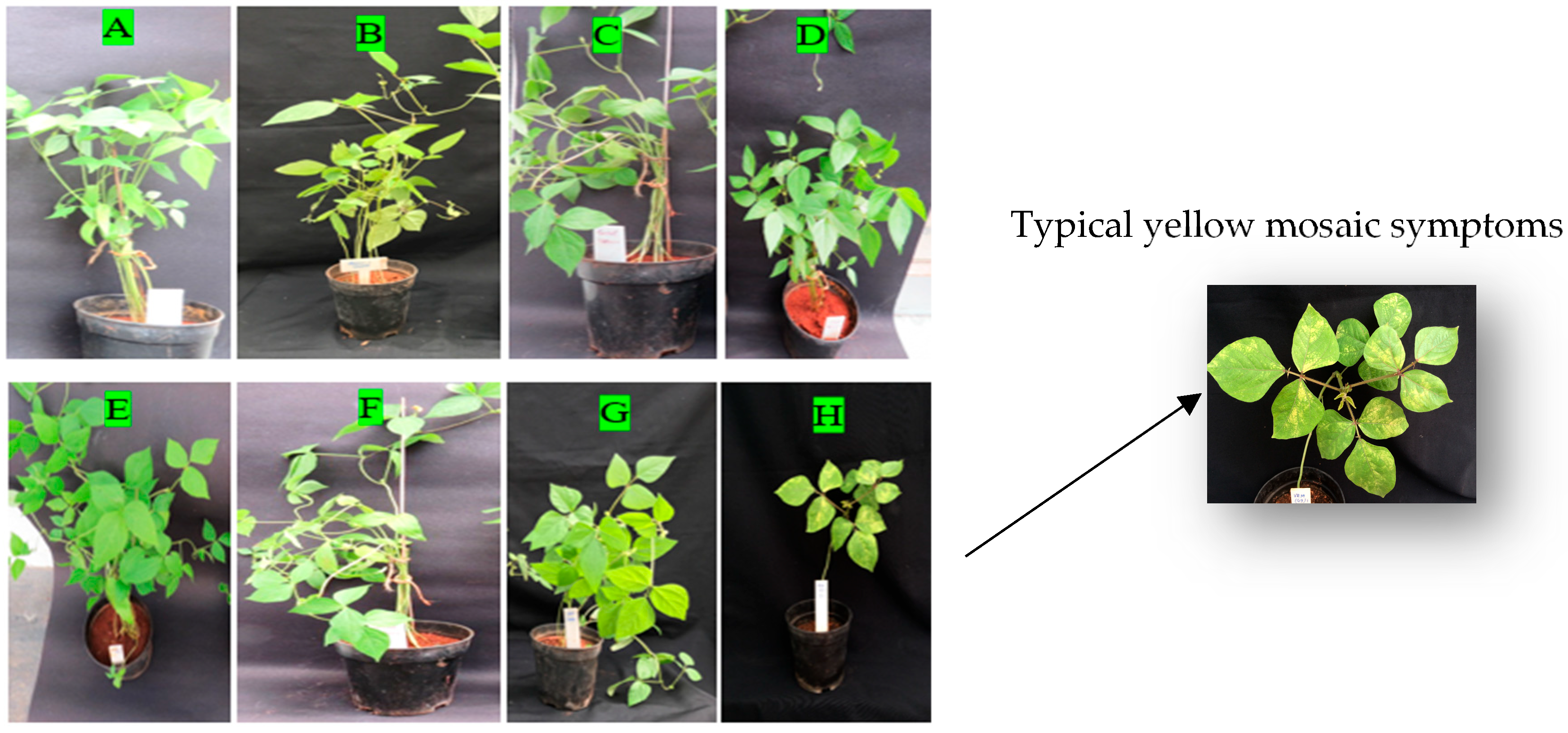
Following MYMV inoculation on two mungbean genotypes, VRM (Gg) 1 and VGGRU-1, in susceptible mungbean genotype VRM (Gg) 1, a typical mosaic symptom was noted. Conversely, the resistant genotype VGGRU-1 did not exhibit any signs until 40 DPI (Figure 2). The plants inoculated with (Agrobacterium + empty vector), mock control with buffer alone, and the untreated control for both the susceptible and resistant genotype did not show any typical yellow mosaic symptoms across replications.

3.2. Metabolite Profiles of the Susceptible and Resistant Mung Bean Genotypes

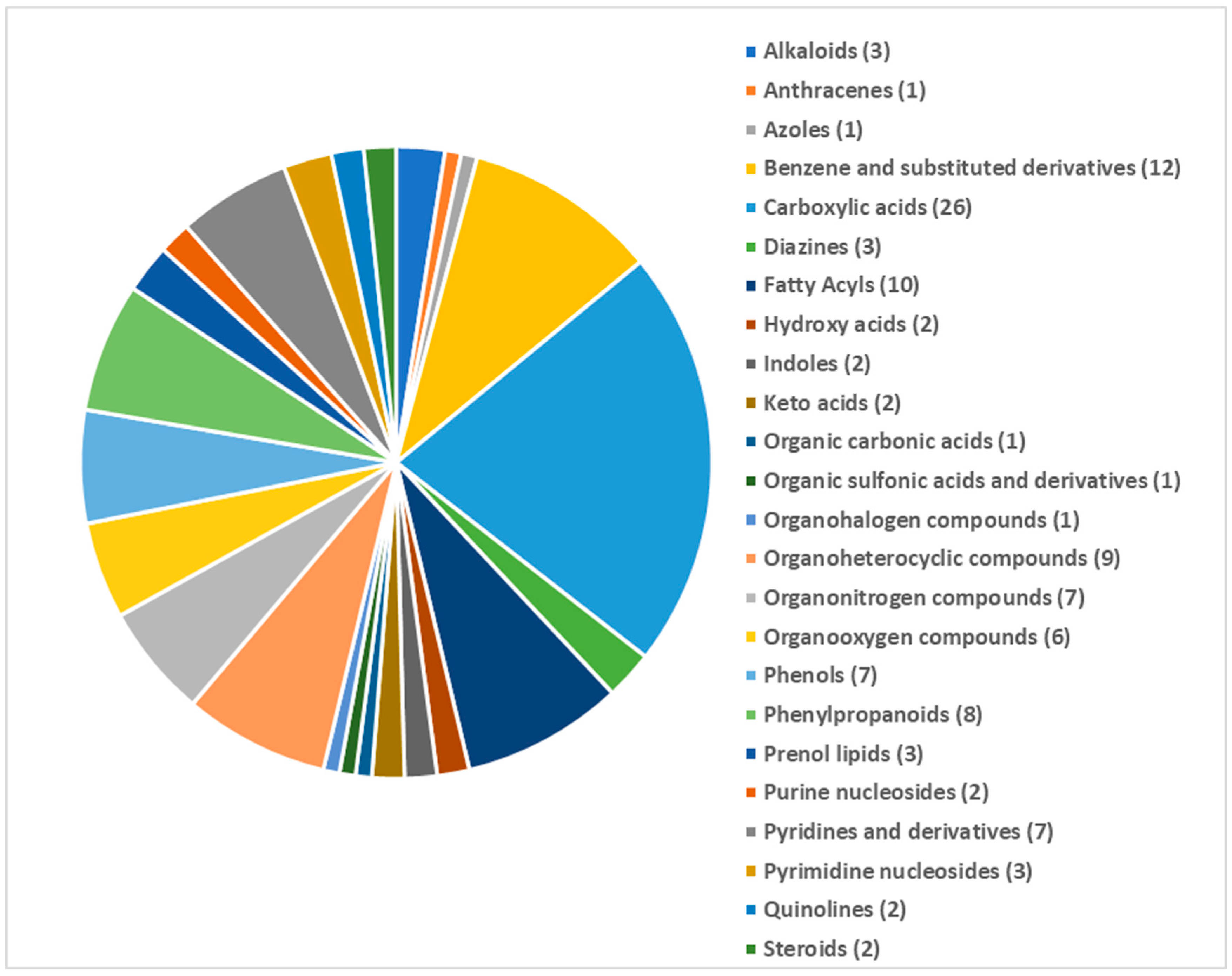
The metabolite profiling of the control VGGRU1, treated VGGRU1, control VRM (Gg)1, and treated VRM (Gg)1 identified 121 discriminant metabolites belonging to 24 different metabolite classes (Figure 3).
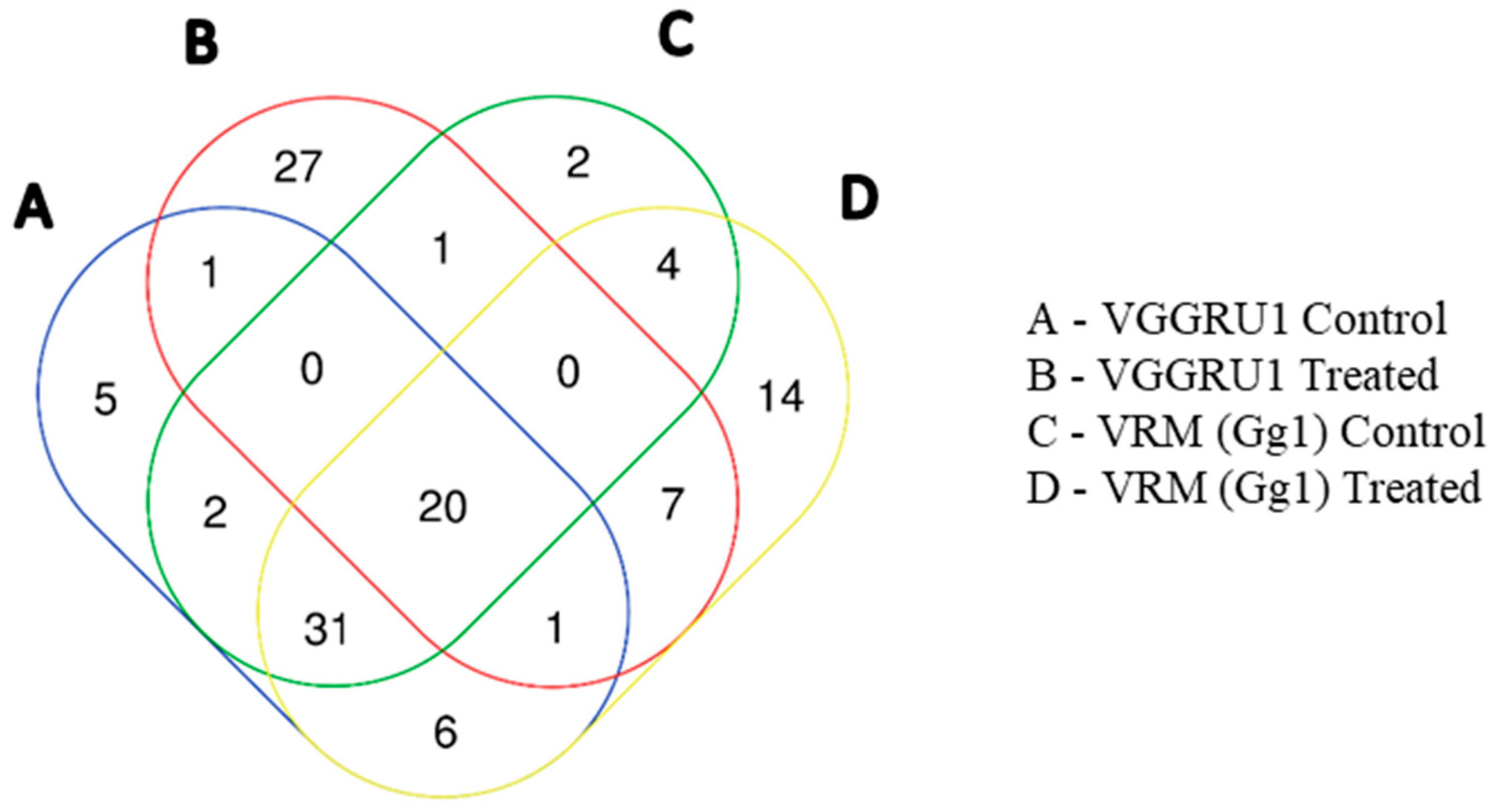
A total of 20 metabolites were observed in all the four samples. A maximum number of 27 metabolites were accumulated in the VGGRU1 treated group alone (Figure 4).
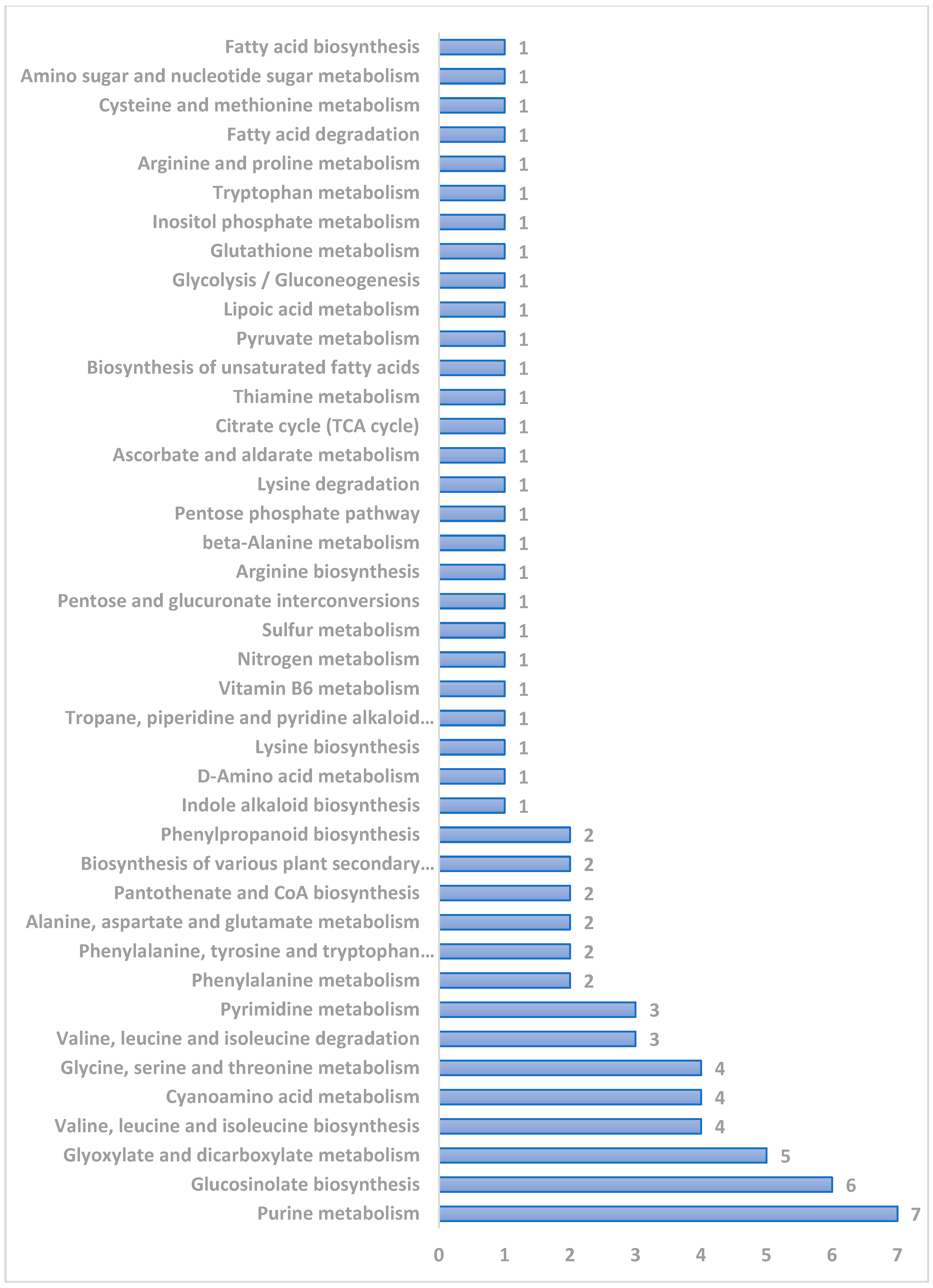
Mapping of all 24 different metabolite classes against KEGG metabolic pathways revealed 41 different sub-pathways (Figure 5 and Supplementary Table S1).
Many of the metabolites are mapped onto purine metabolism (7), glucosinolate metabolism (6), glyoxylate and dicarboxylate metabolism (5), valine, leucine, and isoleucine biosynthesis (4), cyanoaminoacid metabolism (4), and glycine, serine, and threonine metabolism (4).

3.3. Chemometric Analysis

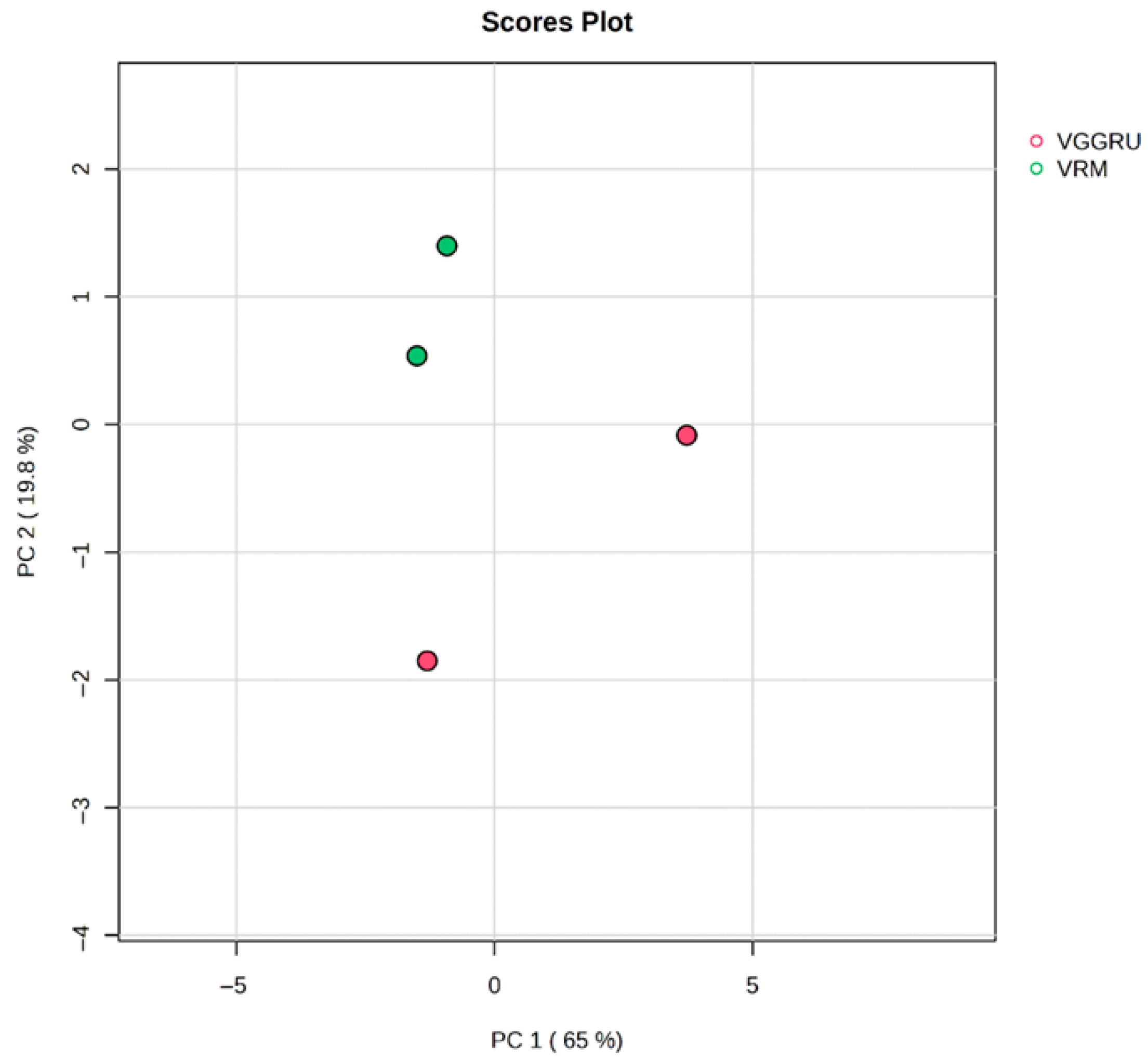
Metabolite profiles of VGGRU1 and VRM1 were clustered hierarchically and revealed substantial variations between the genotypes. Multivariate analysis viz principal component analysis (PCA) and partial least square-discriminant analysis (PLS-DA) was performed to identify the metabolite variation between VGGRU1 and VRM (Gg)1. A principal component analysis (PCA) estimated the metabolic differences between the resistant VGGRU1 and the susceptible VRM (Gg)1. The PCA results revealed that the first component, PC1, accounted for 65.3% of the variance, while PC2 explained 19.6% of the total variance of 84.9% (Figure 6).
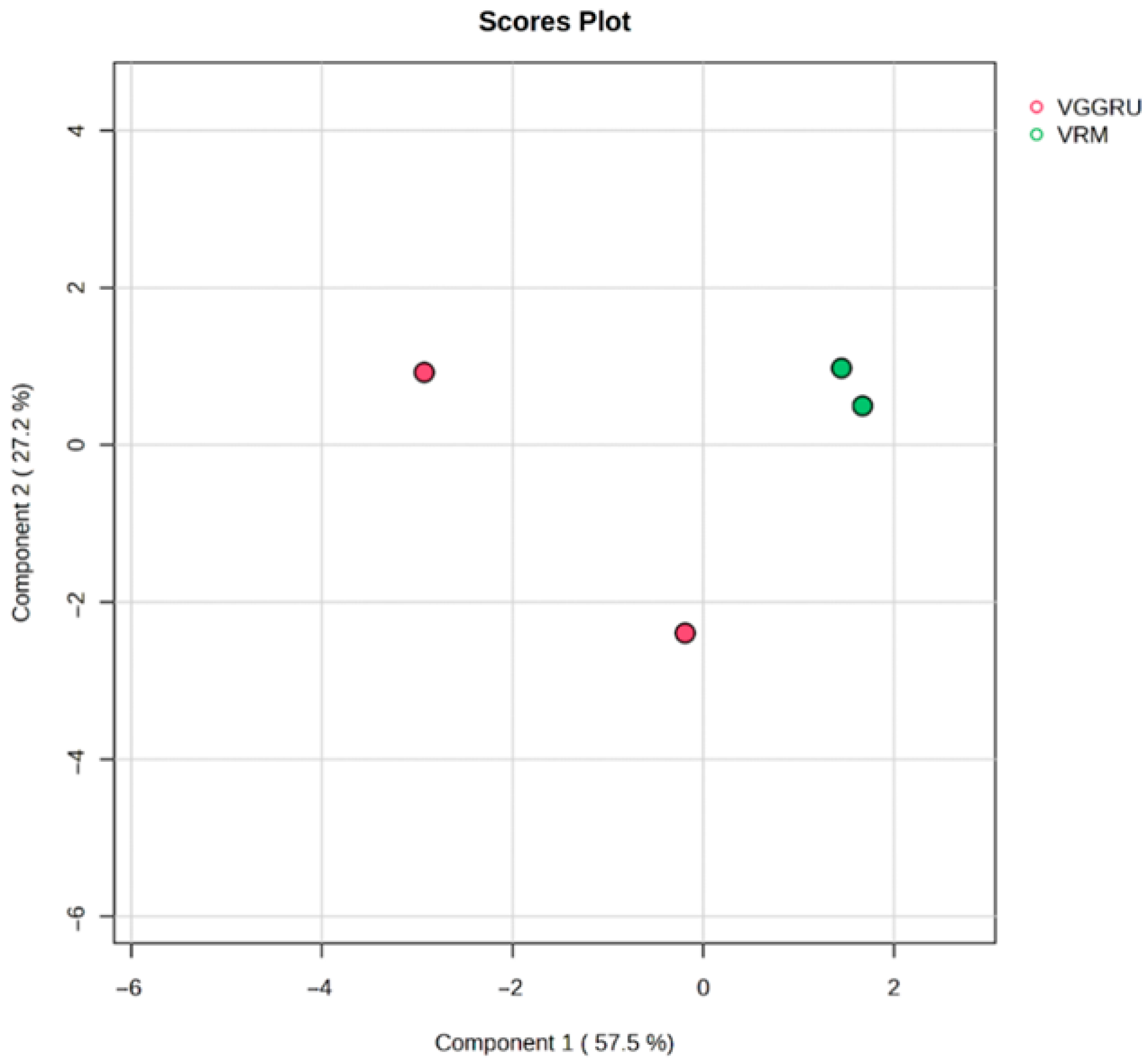
The partial least square-discriminant analysis (PLS-DA) results revealed similar differences, with a cumulative variance of 89.3% (component 1 explains 61.3% and component 2 explains 28% of the variance) (Figure 7).
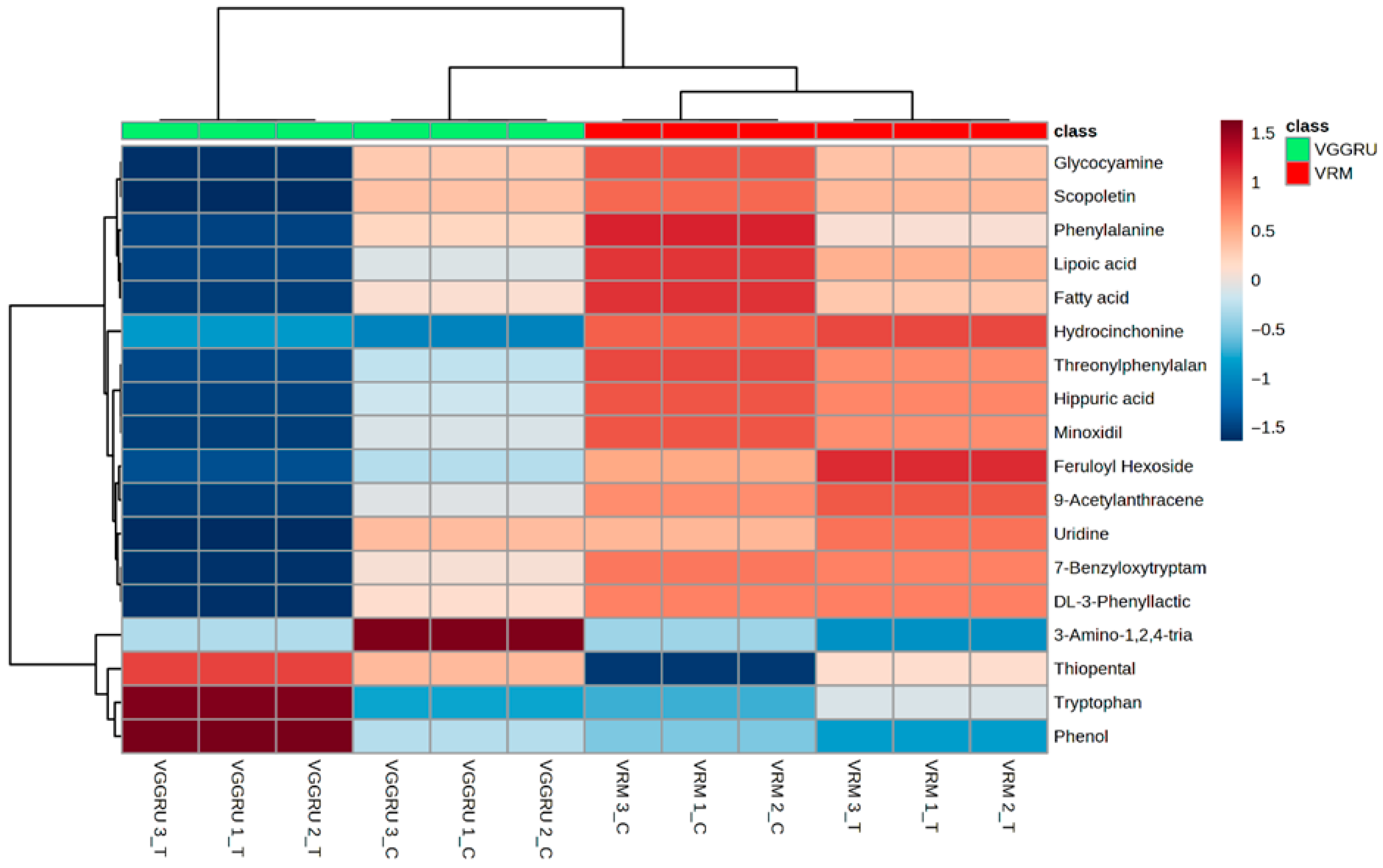
Out of 121 annotated metabolites, the PLS-DA identified 18 significant VIP metabolites differentiating the resistant VGGRU1 and susceptible VRM (Gg)1 genotypes with a VIP score of more than 1 (Figure 8).

3.4. Hierarchial Clustering and Fold Change Analysis

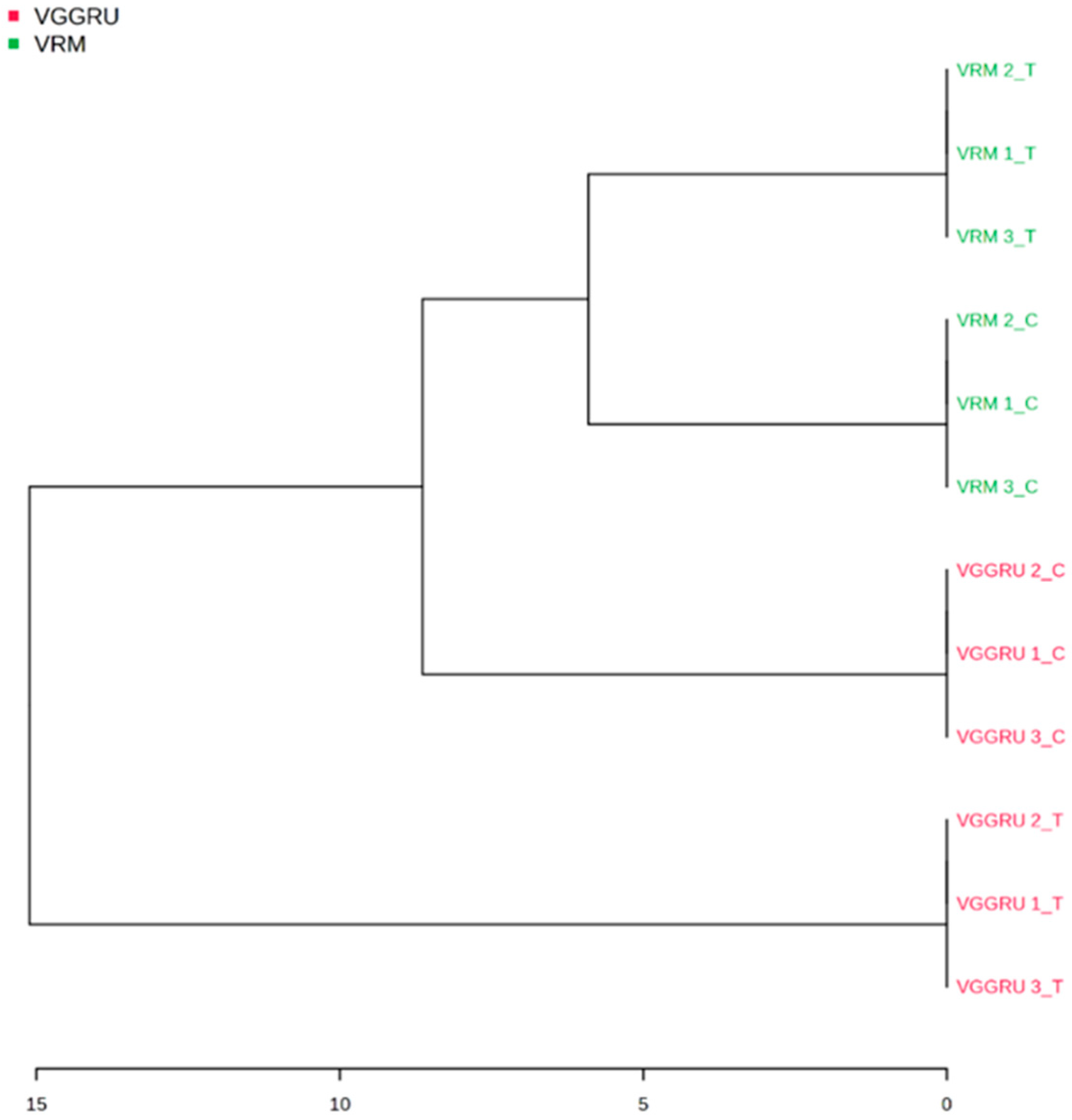
In order to comprehend the metabolic diversity between the VGGRU1 control, VGGRU1 treated, VRM (Gg1) control, and VRM (Gg1) treated groups, hierarchical clustering was used. As a result, the data was grouped into two major clusters: the first cluster consisted of the VGGRU1 treated, VRM control, and VRM treated groups, while the second cluster was composed of the VGGRU1 treated group alone (Figure 9).
Eight upregulated metabolites and thirteen downregulated metabolites were found when the abundance ratios of the metabolites found in the VGGRU1 and the VRM (Gg1) were examined. While polyphenols, essential amino acids, phenolic acids, and alkaloids are among the downregulated metabolites, amino acids and phenol made up most of the upregulated metabolites (Table 2).

3.5. Pathway Analysis

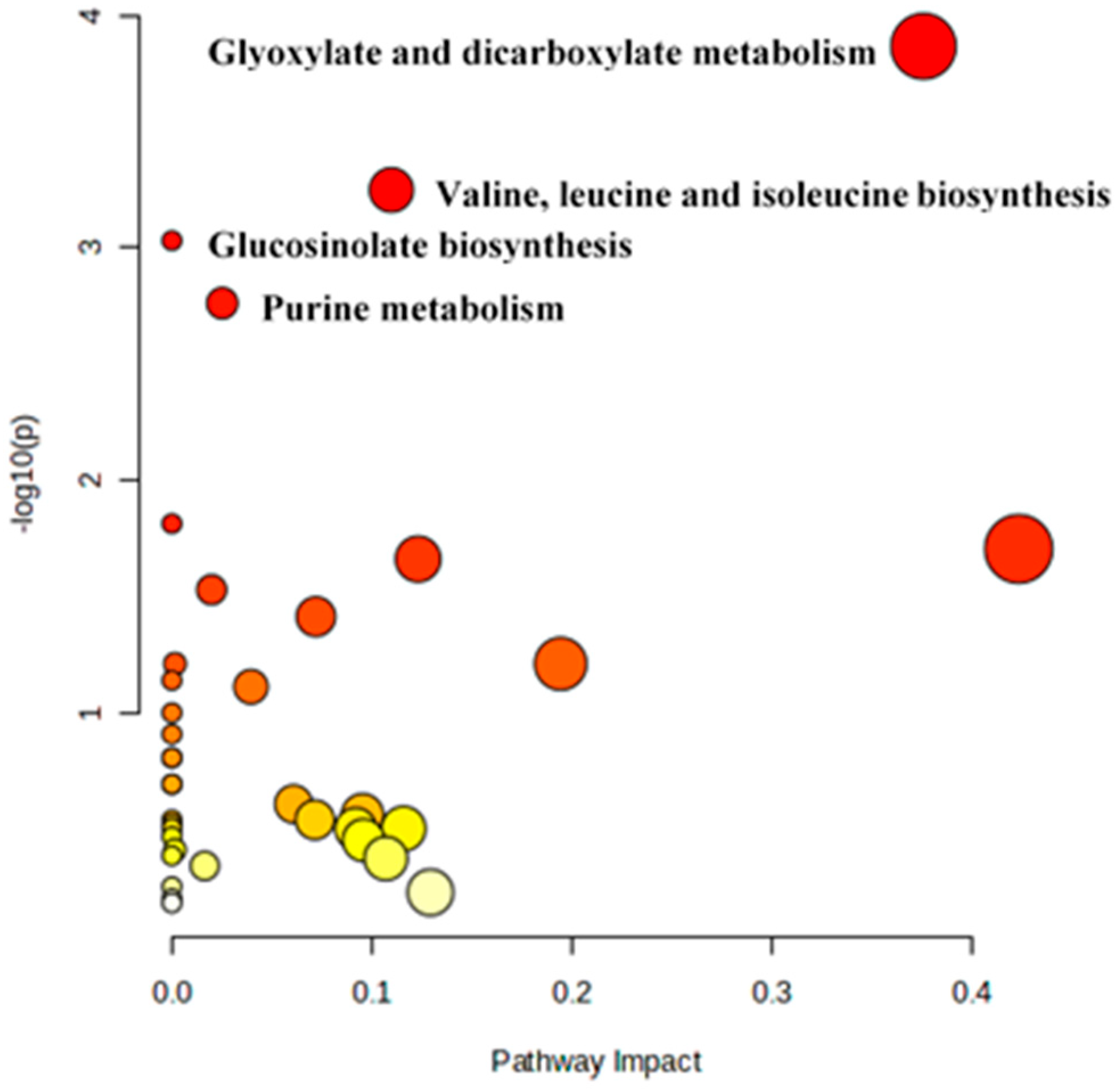
Pathway mapping against the KEGG database identified four significant pathways, which showed an FDR of less than 0.05 (Table 3, Figure 10). Glyoxylate and dicarboxylate metabolism showed the highest –log10(p) value of 3.866, followed by valine, leucine, and isoleucine biosynthesis (3.248), glucosinolate biosynthesis (3.0302), and purine metabolism (2.7611).

4. Discussion

MYMV and MYMIV are the primary causes of YMD in mungbean and its relatives, such as cowpea and black gram [25]. Crop loss of MYMV might vary from 40 to 100 percent, depending on the cultivar and infection duration [26]. The begomoviruses that cause YMD have been thoroughly reported in several legume crops in India [27,28,29,30,31]. The breeding program for disease resistance in legume crops against YMD may be greatly impacted by the emergence of MYMV-resistant varieties.
Identification of MYMV resistance through visual observation is not often easy, because the symptoms are not always evident in practice. A 100% infection rate cannot be guaranteed by whitefly-based inoculation since MYMV is not mechanically transferred. In the past, our team has used rolling circle amplification (RCA) to define a distinct strain of MYMV and created an agroinfectious construct with a bipartite genome (DNA A + DNA B) [14,20]. This agroinoculation approach offers systemic infection in the plants [32]. The primary advantage of agroinoculation is that, in contrast to spontaneous infections, it results in uniform disease signs that are easier to quantify [33]. The search for MYMV resistance often fails in legume breeding; however, numerous studies have demonstrated a wild legume rice bean (V. umbellata) that possesses notable resistance to YMV infection [33,34]. Therefore, in the present study we have chosen an MYMV cultivar, which is an interspecific derivative of Vigna radiata (mungbean) × Vigna umbellata (rice bean) that has proven high-level resistance against MYMV in the field, as well agroinoculation and susceptible cultivar VRM (Gg)1 [20]. The infectivity was confirmed across replications.
Advanced molecular methods have been developed to analyze the transcriptomes, proteomes, and metabolomes of crop plants [35]. The present study aimed to unravel the metabolome complexity of mungbean resistant VGGRU1 and susceptible cultivar VRM (Gg)1. There have been a few attempts to measure the amounts of proteins, carbohydrates, and antioxidants in the leaves of VGGRU1 and VRM (Gg)1, but no comprehensive study has examined the makeup of the secondary metabolites in these leaves [36]. In this study, non-targeted metabolomic profiling was carried out in the MYMV-treated and control plants of VGGRU1 and VRM (Gg)1.
The GC-MS/MS metabolite profiling of the control VGGRU1, treated VGGRU1, control VRM (Gg)1, and treated VRM (Gg)1 revealed a total of 121 discriminant metabolites belonging to 24 different metabolite classes. Of these 121 metabolites, a total of 20 metabolites were observed in all four samples, and a maximum number of 27 metabolites were accumulated in the VGGRU1-treated group alone. Interestingly, mapping of all 24 different metabolite classes against KEGG metabolic pathways revealed 41 different sub-pathways. The PCA results revealed a unique separation between the resistant and susceptible cultivars based on the metabolites. The fold change analysis revealed that the defense metabolites such as the phenolic compound, amino acids and fatty acid ester were upregulated, whereas stress-related amino acids and sugars were downregulated in the leaves of the mungbean cultivar. The PLS-DA identified 18 significant VIP metabolites belonging to coumarin, amino acids, sugars, alkaloids, antioxidants, and carboxylic acids differentiating the resistant VGGRU1 and susceptible VRM (Gg)1 genotypes, which are known for their antimicrobial and defense responses. Fold change analyses also confirmed the abundance of polyphenols, essential amino acids, phenolic acids, and alkaloids.
The accumulation of a few defenses related to biomolecules such as Tryptophan, Phenol, 3-Amino-1,2,4-triazole, Cyprodinil, 2-Amino-3-methylimidazo (4,5-f) quinoline, Diethyldiallylmalonate, glycine, and Hypoxanthine was observed. Tyrosine (Tyr), phenylalanine (Phe), and Tryptophan (Trp or W), three polar amino acids with an indole ring, are members of the aromatic amino acid group. Tryptophan is a substance that can be found free or in proteins [37]. It acts as a precursor to a wide range of secondary metabolites such as phytoalexins, indole glucosinolates, the plant hormone auxin, serotonin, and melatonin [38,39,40]. Many plant families, including Brassicaceae, Fabaceae, Solanaceae, Vitaceae, and Poaceae, produce phytoalexins as a defense mechanism against pathogens [41,42]. Therefore, the accumulation of Tryptophan in VGGRU1 might act as a precursor in phytoalexin production, which in turn activates a wide range of molecules such as terpenoids, glycosteroids, and alkaloids, which possess antioxidant activity [43,44,45].
Glycine regulates the trans membranous trafficking of Ca++ and is crucial for preserving the intracellular concentration of one carbon group. Ionized calcium functions as a cytoprotectant and is essential for cell signal transmission [46]. Additionally, glycine contributes to the synthesis of glycine-rich proteins, the expression of which is controlled by stress stimuli from the outside world. Thus, resistance may have been conferred by the buildup of glycine, which may have aided in efficient signal transmission in VGGRU1.
Phenolic compound functions are diverse in plants, ranging from roles in growth and development to providing plant defense, i.e., antimicrobial activity [47]. During plant organism interactions, phenolics are significantly greater in plants fed upon by insects or colonized by microorganisms as compared to untouched plants [48]. In VGGRU1, the overexpression of phenols is noted, and this may have been a source of protection from virus-induced damages, thereby conferring resistance; in addition, phenolic production was often considered to be associated with SA-resistance and JA responses that induce plant defense [49,50,51,52,53].
A strong antioxidant, scopoletin is a member of the coumarin class of secondary metabolites [54]. Depending on the genotype, age, plant part, and physiological condition, the endogenous level of scopoletin frequently correlates with the extent of disease susceptibility or resistance in various plants [55,56,57,58,59,60,61]. Upregulation of scopoletin in VRM (Gg)1 may induce its susceptibility.
Under stress conditions, many plant species accumulate proline as an adaptive response to adverse conditions [62]. The proline content increases upon pathogen infection [63], possibly to decrease the rate of disease progression as a part of basal defense response; the upregulation of proline in VRM (Gg)1 combatted the pathogen and failed to resist the invasion and developed characteristic YMV symptoms.
Stress-responsive metabolites, like amino acids and alkaloids, were increased in VRM (Gg)1, but they were unable to fend off the pathogen invasion and instead displayed the telltale signs of YMV. A few inadequately filled pods and new flowers appearing up until harvest are signs that the plant’s stress-responsive function may not be functioning or that certain metabolites may have been redirected in the plant’s developmental process.

5. Conclusions

The study highlights VGGRU1, an interspecific mungbean derivative, as highly resistant to MYMV, with metabolomic profiling revealing distinct biochemical differences from the susceptible genotype VRM (Gg)1. Gas chromatography-mass spectrometry identified 121 metabolites, with VGGRU1 uniquely accumulating 27 compounds upon MYMV agroinoculation. Key defense-related metabolites, including amino acids and phenolics, were significantly upregulated in the resistant genotype. Multivariate analyses (PCA and PLS-DA) confirmed clear separation between the genotypes, identifying 18 significant VIP metabolites, while KEGG pathway mapping revealed four enriched pathways. These findings suggest a strong metabolic basis for MYMV resistance in VGGRU1 and provide useful targets for resistance breeding.

Supplementary Materials

The following supporting information can be downloaded at: https://www.mdpi.com/article/10.3390/pathogens15010046/s1, Table S1: Metabolites present in each identified pathway; Figure S1: Graphs denote qRT-PCR-based validation of DEGs of mungbean leaves infected with mungbean yellow mosaic virus. The y-axis denotes relative fold change compared to control and infected. Data represent means ± SD of three replicates.

Author Contributions

S.M.: Investigation, Supervision, V.R.R.: Writing—review and editing, M.B.: Investigation, Methodology, Writing—original draft, K.A.: Methodology, S.N.: Review and editing, R.M.: Overall supervision. All authors have read and agreed to the published version of the manuscript.

Funding

This work was supported by the Department of Biotechnology, Ministry of Science and Technology, India, under the grant No. BT/INF/22/SP45584/2022.

Institutional Review Board Statement

Not applicable.

Informed Consent Statement

Not applicable.

Data Availability Statement

All the data are available in the main text itself.

Conflicts of Interest

The authors declare no conflicts of interest.

References

  1. Selvi, R.; Muthiah, A.R.; Manivannan, N.; Raveendran, T.S.; Manickam, A.; Samiyappan, R. Tagging of RAPD marker for MYMV resistance in mungbean [Vigna radiata (L.) Wilczek]. Asian J. Plant Sci. 2006, 5, 277–280. [Google Scholar] [CrossRef]
  2. Vairam, N.; Lavanya, S.A.; Muthamilan, M.; Vanniarajan, C. Screening of M3 mutants for yellow vein mosaic virus resistance in greengram [Vigna radiata (L.) Wilczek]. Int. J. Plant Sci. 2016, 11, 265–269. [Google Scholar] [CrossRef]
  3. Nair, R.M.; Yang, R.Y.; Easdown, W.J.; Thavarajah, D.; Thavarajah, P.; Hughes, J.D.; Keatinge, J.D. Biofortification of mung bean (Vigna radiata) as a whole food to enhance human health. J. Sci. Food Agric. 2013, 93, 1805–1813. [Google Scholar] [CrossRef]
  4. Karthikeyan, A.S.; Vanitharani, R.; Balaji, V.; Anuradha, S.; Thillaichidambaram, P.; Shivaprasad, P.V.; Parameswari, C.; Balaman, V.; Saminathan, M.; Veluthambi, K. Analysis of an isolate of mungbean yellow mosaic virus (MYMV) with a highly variable DNA B component. Arch. Virol. 2004, 149, 1643–1652. [Google Scholar] [CrossRef]
  5. Usharani, K.S.; Surendranath, B.; Haq, Q.M.R.; Malathi, V.G. Yellow mosaic virus infecting soybean in Northern India is distinct from the species infecting soybean in southern and western India. Curr. Sci. 2004, 86, 845850. [Google Scholar]
  6. Ramesh, S.V.; Chouhan, B.S.; Ramteke, R. Molecular detection of Begomovirus (family: Geminiviridae) infecting Glycine max (L.) Merr. And associated weed Vigna trilobata. J. Crop Weed 2017, 13, 64–67. [Google Scholar]
  7. Dikshit, H.K.; Mishra, G.P.; Somta, P.; Shwe, T.; Alam, A.K.M.M.; Bains, T.S. Classical genetics and traditional breeding in mung bean. In The Mungbean Genome Compendium of Plant Genomes; Nair, R.M., Ed.; Springer: Berlin/Heidelberg, Germany, 2020; pp. 43–54. [Google Scholar] [CrossRef]
  8. Kamireddy, R.; Lakra, N.; Ahlawat, Y.; Sundaramoorthy, M.; Menon, S.V.; Manorama, K.; Upadhyay, S.K. Integrated Morphological, Biochemical and Molecular Screening of Mungbean (Vigna radiata L.) Genotypes for Mungbean Yellow Mo saic Virus (MYMV) Resistance. Plant Physiol. Biochem. 2025, 229, 110596. [Google Scholar] [CrossRef]
  9. Deepa, H.; Govindappa, M.R.; Kenganal, M.; Kulkarni, S.A.; Biradar, S.A. Screening of greengram genotypes against Mungbean Yellow Mosaic Virus diseases under field condition. Int. J. Pure Appl. Biosci. 2017, 5, 1049–1056. [Google Scholar] [CrossRef]
  10. Karthikeyan, A.; Shobhana, V.G.; Sudha, M.; Raveendran, M.; Senthil, N.; Pandiyan, M.; Nagarajan, P. Mungbean yellow mosaic virus (MYMV): A threat to green gram (Vigna radiata) production in Asia. Int. J. Pest. Manag. 2014, 60, 314–324. [Google Scholar] [CrossRef]
  11. Nair, R.M.; Gotz, M.; Winter, S.; Giri, R.R.; Boddepalli, V.N.; Sirari, A.; Bains, T.S.; Taggar, G.K.; Dikshit, H.K.; Aski, M.; et al. Identification of mungbean lines with tolerance or resistance to yellow mosaic in fields in India where different begomovirus species and different Bemisia tabaci cryptic species predominate. Eur. J. Plant Pathol. 2017, 42, 110–117. [Google Scholar] [CrossRef]
  12. Mishra, A.K.; Arya, R.; Tyagi, R.; Grover, D.; Mishra, J.; Vimal, S.R.; Mishra, S.; Sharma, S. Non-judicious use of pesticides indicating potential threat to sustainable agriculture. In Sustainable Agriculture Reviews 50: Emerging Contaminants in Agriculture; Springer: Berlin/Heidelberg, Germany, 2021; pp. 383–400. [Google Scholar]
  13. Sudha, M.; Karthikeyan, A.; Nagarajan, P.; Raveendran, M.; Senthil, N.; Pandiyan, M.; Angappan, K.; Ramalingam, J.; Bharathi, M.; Rabindran, R.; et al. Screening of mungbean (Vigna radiata) germplasm for resistance to Mungbean yellow mosaic virus using agroinoculation. Can. J. Plant Pathol. 2013, 35, 424–430. [Google Scholar] [CrossRef]
  14. Madhumitha, B.; Aiyanathan, K.E.A.; Raveendran, M.; Sudha, M. Identification and confirmation of resistance in mung bean [Vigna radiata (L.) Wilczek] derivatives to mungbean yellow mosaic virus (MYMV). Legum. Res. 2022, 45, 122–127. [Google Scholar] [CrossRef]
  15. Pathak, A.K.; Jhamaria, S.L. Evaluation of mungbean (Vigna radiata L.) varieties to yellow mosaic virus. J. Mycol. Pl. Pathol. 2004, 34, 64–65. [Google Scholar]
  16. Salam, S.A.; Patil, M.S.; Byadgi, A.S. Integrated disease management of Mungbean Yellow Mosaic Virus. Ann. Plant Prot. Sci. 2009, 17, 157–160. [Google Scholar]
  17. Basavaraj, S.; Padmaja, A.S.; Nagaraju, N.; Ramesh, S. Identification of stable sources of resistance to mung bean yellow mosaic virus (MYMV) disease in mung bean [Vigna radiata (L.) Wilczek]. Plant Genet. Resour. 2019, 17, 362–370. [Google Scholar]
  18. Khattak, G.S.S.; Saeed, I.; Shah, S.A. Breeding high yielding and disease resistant mungbean (Vigna radiata (L.) Wilczek) genotypes. Pak. J. Bot. 2008, 40, 1411–1417. [Google Scholar]
  19. Akhtar, K.P.; Sarwar, G.; Abbas, G.; Asghar, M.J.; Sarwar NShah, T.M. Screening of mung bean germplasm against mung bean yellow mosaic India virus and its vector Bemisia tabaci. Crop Prot. 2011, 30, 1202–1209. [Google Scholar] [CrossRef]
  20. Balasubramaniam, M.; Thangavel, T.; Aiyanathan, K.E.A.; Rathnasamy, S.A.; Rajagopalan, V.R.; Subbarayalu, M.; Natesan, S.; Kanagarajan, S.; Muthurajan, R.; Manickam, S. Manickam Unveiling mungbean yellow mosaic virus: Molecular insights and infectivity validation in mung bean (Vigna radiata) via infectious clones. Front. Plant Sci. 2024, 15, 1401526. [Google Scholar] [CrossRef]
  21. Jacob, S.; Vanitharani, R.; Karthikeyan, A.; Chinchore, Y.; Thillaichidambaram, P.; Veluthambi, K. Mungbean yellow mosaic virus-Vi agroinfection by codelivery of DNA A and DNA B from one Agrobacterium strain. Plant Dis. 2003, 87, 247–251. [Google Scholar] [CrossRef]
  22. Ramalingam, A.P.; Mohanavel, W.; Premnath, A.; Muthurajan, R.; Prasad, P.; Perumal, R. Large-Scale Non-Targeted Metabolomics Reveals Antioxidant, Nutraceutical and Therapeutic Potentials of Sorghum. Antioxidants 2021, 10, 1511. [Google Scholar] [CrossRef] [PubMed]
  23. Pang, Z.; Chong, J.; Zhou, G.; de Lima Morais, D.A.; Chang, L.; Barrette, M.; Gauthier, C.; Jacques, P.É.; Lin, S.; Xia, J. Metabo Analyst 5.0: Narrowing the gap between raw spectra and functional insights. Nucleic Acids Res. 2021, 49, 388–396. [Google Scholar] [CrossRef] [PubMed]
  24. Kanehisa, M.; Sato, Y.; Kawashima, M.; Furumichi, M.; Tanabe, M. KEGG as a reference resource for gene and protein annotation. Nucleic Acids Res. 2016, 44, 457–462. [Google Scholar] [CrossRef] [PubMed]
  25. Kang, B.C.; Yeam, I.; Jahn, M.M. Genetics of plant virus resistance. Annu. Rev. Phytopathol. 2005, 43, 581–621. [Google Scholar] [CrossRef]
  26. Pierre, R.E. Observation on golden mosaic of bean (Phaseolous vulgaris L.) in Jamaica. In Tropical Diseases of Legumes; Bird, J., Maramoroscheds, K., Eds.; Academic Press: New York, NY, USA, 1975; pp. 35–39. [Google Scholar]
  27. Muniyappa, V.; Rajeshwari, R.; Bharathan, N.; Reddy, D.V.R.; Nolt, B.L. Isolation and characterization of a geminivirus causing yellow mosaic disease of Horsegram (Macrotyloma uniflorum (Lam.) Verdc.) in India. J. Phytopathol. 1987, 119, 81–87. [Google Scholar] [CrossRef]
  28. Maruthi, M.N.; Rekha, A.R.; Govindappa, M.R.; Colvin, J.; Muniyappa, V. A distinct begomovirus causes Indian dolichos yellow mosaic disease. Plant Pathol. 2006, 55, 290. [Google Scholar] [CrossRef]
  29. Kamaal, N.; Akram, M.; Pratap, A.; Yadav, P. Characterization of a new begomovirus and a beta satellite associated with the leaf curl disease of French bean in Northern India. Virus Genes 2013, 46, 120–127. [Google Scholar]
  30. Ansar, M.; Agnihotri, A.K.; Akram, M.; Bhagat, A.P. First report of Tomato leaf curl Joydebpur virus infecting French bean (Phaseolus vulgaris L.). J. Gen. Plant Pathol. 2019, 85, 444–448. [Google Scholar] [CrossRef]
  31. Venkataravanappa, V.; Prasanna, H.C.; Reddy, C.N.L.; Chauhan, N.; Shankarappa, K.S.; Krishnareddy, M. Molecular characterization of recombinant Bipartite begomovirus associated with mosaic and leaf curl disease of Cucumber and Muskmelon. Indian Phytopathol. 2021, 74, 775–785. [Google Scholar] [CrossRef]
  32. Kundu, A.; Singh, P.K.; Dey, A. Complex molecular mechanisms underlying MYMIV-resistance in Vigna mungo revealed by comparative transcriptome profiling. Sci. Rep. 2019, 9, 8858. [Google Scholar] [CrossRef]
  33. Sudha, M.; Karthikeyan, A.; Shobhana, V.; Nagarajan, P.; Raveendran, M.; Senthil, N.; Pandiyan, M.; Angappan, K.; Balasubramanian, P.; Rabindran, R. Search for Vigna species conferring resistance to mungbean yellow mosaic virus in mung bean. Plant Genet. Resour. 2015, 13, 162–167. [Google Scholar] [CrossRef]
  34. Kashiwaba, K.; Tomooka, N.; Kaga, A.; Han, O.K.; Vaughan, D.A. Characterization of resistance to three bruchid species (Callosobruchus spp., Coleoptera, Bruchidae) in cultivated rice bean (Vigna umbellata). J. Econ. Entomol. 2003, 96, 207–213. [Google Scholar] [CrossRef]
  35. Singh, R.K.; Sood, P.; Prasad, A.; Prasad, M. Advances in omics technology for improving crop yield and stress resilience. Plant Breed. 2021, 140, 719–731. [Google Scholar] [CrossRef]
  36. Madhumitha, B.; Aiyanathan, K.E.A.; Sudha, M. Coat protein-based characterization of Mungbean yellow mosaic virus in Tamil Nadu. J. Pharmacogn. Phytochem. 2019, 8, 2119–2123. [Google Scholar]
  37. Palego, L.; Betti, L.; Rossi, A.; Giannaccini, G. Tryptophan biochemistry: Structural, nutritional, metabolic, and medical aspects in humans. J. Amino Acid. 2016, 2016, 8952520. [Google Scholar] [CrossRef]
  38. Pedras, M.S.; Yaya, E.E.; Glawischnig, E. The phytoalexins from cultivated and wild crucifers: Chemistry and biology. Nat. Prod. Rep. 2011, 28, 1381–1405. [Google Scholar] [CrossRef]
  39. Won, C.; Shen, X.; Mashiguchi, K.; Zheng, Z.; Dai, X.; Cheng, Y.; Kasahara, H.; Kamiya, Y.; Chory, J.; Zhao, Y. Conversion of tryptophan to indole-3-acetic acid by tryptophan aminotransferases of Arabidopsis and yuccas in Arabidopsis. Proc. Natl. Acad. Sci. USA 2011, 108, 18518–18523. [Google Scholar] [CrossRef] [PubMed]
  40. Lynch, J.H.; Qian, Y.; Guo, L.; Maoz, I.; Huang, X.Q.; Garcia, A.S.; Louie, G.; Bowman, M.E.; Noel, J.P.; Morgan, J.A.; et al. Modulation of auxin formation by the cytosolic phenylalanine biosynthetic pathway. Nat. Chem. Biol. 2020, 16, 850–856. [Google Scholar] [CrossRef] [PubMed]
  41. Ahuja, I.; Kissen, R.; Bones, A.M. Phytoalexins in defense against pathogens. Trends Plant Sci. 2012, 17, 73–90. [Google Scholar] [CrossRef]
  42. Singh, R.; Chandrawat, K.S. Role of Phytoalexins in Plant Disease Resistance. Int. J. Curr. Microbiol. App Sci. 2017, 6, 125–129. [Google Scholar] [CrossRef]
  43. Sanchez-Vallet, A.; Ramos, B.; Bednarek, P.; López, G.; Pislewska-Bednarek, M.; Schulze-Lefert, P.; Molina, A. Tryptophan-derived secondary metabolites in Arabidopsis thaliana confer non-host resistance to necrotrophic Plectosphaerella cucumerina fungi. Plant J. 2010, 63, 115–127. [Google Scholar] [CrossRef] [PubMed]
  44. Burow, M.; Halkier, B.A. How does a plant orchestrate defense in time and space? Using glucosinolates in Arabidopsis as case study. Curr. Opin. Plant Biol. 2017, 38, 142–147. [Google Scholar] [CrossRef]
  45. Hiruma, K. Roles of Plant-Derived Secondary Metabolites during Interactions with Pathogenic and Beneficial Microbes under Conditions of Environmental Stress. Microorganisms 2019, 7, 362. [Google Scholar] [CrossRef]
  46. Gundersen, R.Y.; Vaagenes, P.; Breivik TFonnum, F.; Opstad, P.K. Glycine-An important neurotransmitter and cytoprotective agent. Acta Anaesthesiol. Scand. 2005, 49, 1108–1116. [Google Scholar] [CrossRef]
  47. Dixon, R.A.; Achnine, L.; Kota, P.; Liu, C.J.; Reddy, M.S.; Wang, L. The phenylpropanoid pathway and plant defence—A genomics perspective. Mol. Plant Pathol. 2002, 3, 371–390. [Google Scholar] [CrossRef]
  48. Stout, M.J.; Thaler, J.S.; Thomma, B.P. Plant-mediated interactions between pathogenic microorganisms and herbivorous arthropods. Annu. Rev. Entomol. 2006, 51, 663–689. [Google Scholar] [CrossRef]
  49. Wallis, C.M.; Galarneau, E.R. Phenolic Compound Induction in Plant-Microbe and Plant-Insect Interactions: A Meta- Analysis. Front. Plant Sci. 2020, 11, 580753. [Google Scholar] [CrossRef] [PubMed]
  50. Vogt, T. Phenylproapanoid biosynthesis. Mol. Plant 2010, 3, 2–20. [Google Scholar] [CrossRef] [PubMed]
  51. Yang, H.R.; Tang, K.; Liu, H.T.; Huang, W.D. Effect of salicylic acid on jasmonic acid-related defense response of pea seedlings to wounding. Sci. Hort. 2011, 128, 166–173. [Google Scholar] [CrossRef]
  52. Yan, J.; Deng, Y.; Yu, J.; Zhang, Y.; Chi, D. A study on JA- and BTH-induced resistance of Rosa rugosa ‘Plena’ to powdery mildew (Sphaerotheca pannosa). J. Res. 2018, 29, 823–831. [Google Scholar] [CrossRef]
  53. Islam, M.T.; Lee, B.R.; La, V.H.; Lee, H.; Jung, W.J.; Bae, D.W.; Kim, T.H. p-Courmaric acid induces jasmonic acid-mediated phenolic accumulation and resistance to black rot disease in Brassica napus. Physiol. Mol. Plant Pathol. 2019, 106, 270–275. [Google Scholar] [CrossRef]
  54. Beyer, S.F.; Beesley, A.; Rohmann, P.F.; Schultheiss, H.; Conrath ULangenbach, C.J. The Arabidopsis non-host defence-associated coumarin scopoletin protects soybean from Asian soybean rust. Plant J. 2019, 99, 397–413. [Google Scholar] [CrossRef] [PubMed]
  55. Chong, J.; Baltz, R.; Schmitt, C.; Beffa, R.; Fritig BSaindrenan, P. Downregulation of a pathogen-responsive tobacco UDP-Glc: Phenylpropanoid glucosyltransferase reduces scopoletin glucoside accumulation, enhances oxidative stress, and weakens virus resistance. Plant Cell 2002, 14, 1093–1107. [Google Scholar] [CrossRef]
  56. El Oirdi, M.; Trapani, A.; Bouarab, K. The nature of tobacco resistance against Botrytis cinerea depends on the infection structures of the pathogen. Env. Microbiol. 2010, 12, 239–253. [Google Scholar] [CrossRef]
  57. Yuan, X.; Yang, F.; Wang, Y.; Li, S.; Zhang, D.; Liang, W.; Yang, Q. Scopoletin negatively regulates the HOG pathway and exerts antifungal activity against Botrytis cinerea by interfering with infection structures, cell wall, and cell membrane formation. Phytopathol. Res. 2024, 6, 1. [Google Scholar] [CrossRef]
  58. Agati, G.; Brunetti, C.; Tuccio, L.; Degano, I.; Tegli, S. Retrieving the in vivo Scopoletin Fluorescence Excitation Band Allows the Non-invasive Investigation of the Plant–Pathogen Early Events in Tobacco Leaves. Front. Microbiol. 2022, 13, 889878. [Google Scholar] [CrossRef]
  59. Sharma, A.; Sharma, A.; Sharma, A.; Kumar, Y.; Sharma, P.; Bhardwaj, R.; Sharma, I. Polyphenol phytoalexins as the determinants of plant disease resistance. In Plant Phenolics in Biotic Stress Management; Springer Nature Singapore: Singapore, 2024; pp. 243–274. [Google Scholar]
  60. Prats, E.; Llamas, M.J.; Jorrin, J.; Rubiales, D. Constitutive coumarin accumulation on sunflower leaf surface prevents rust germ tube growth and appressorium differentiation. Crop Sci. 2007, 47, 1119–1124. [Google Scholar] [CrossRef]
  61. Sun, H.; Wang, L.; Zhang, B.; Ma, J.; Hettenhausen, C.; Cao, G.; Sun, G.; Wu, J.; Wu, J. Scopoletin is a phytoalexin against Alternaria alternata in wild tobacco dependent on jasmonate signalling. J. Exp. Bot. 2014, 65, 4305–4315. [Google Scholar] [CrossRef] [PubMed]
  62. Verbruggen, N.; Hermans, C. Proline accumulation in plants: A review. Amino Acids 2008, 35, 753–759. [Google Scholar] [CrossRef]
  63. Fabro, G.; Kovács, I.; Pavet, V.; Szabados, L.; Alvarez, M.E. Proline accumulation and AtP5CS2 gene activation are induced by plant-pathogen incompatible interactions in Arabidopsis. Mol. Plant Microbe Interact. 2004, 17, 343–350. [Google Scholar] [CrossRef] [PubMed]
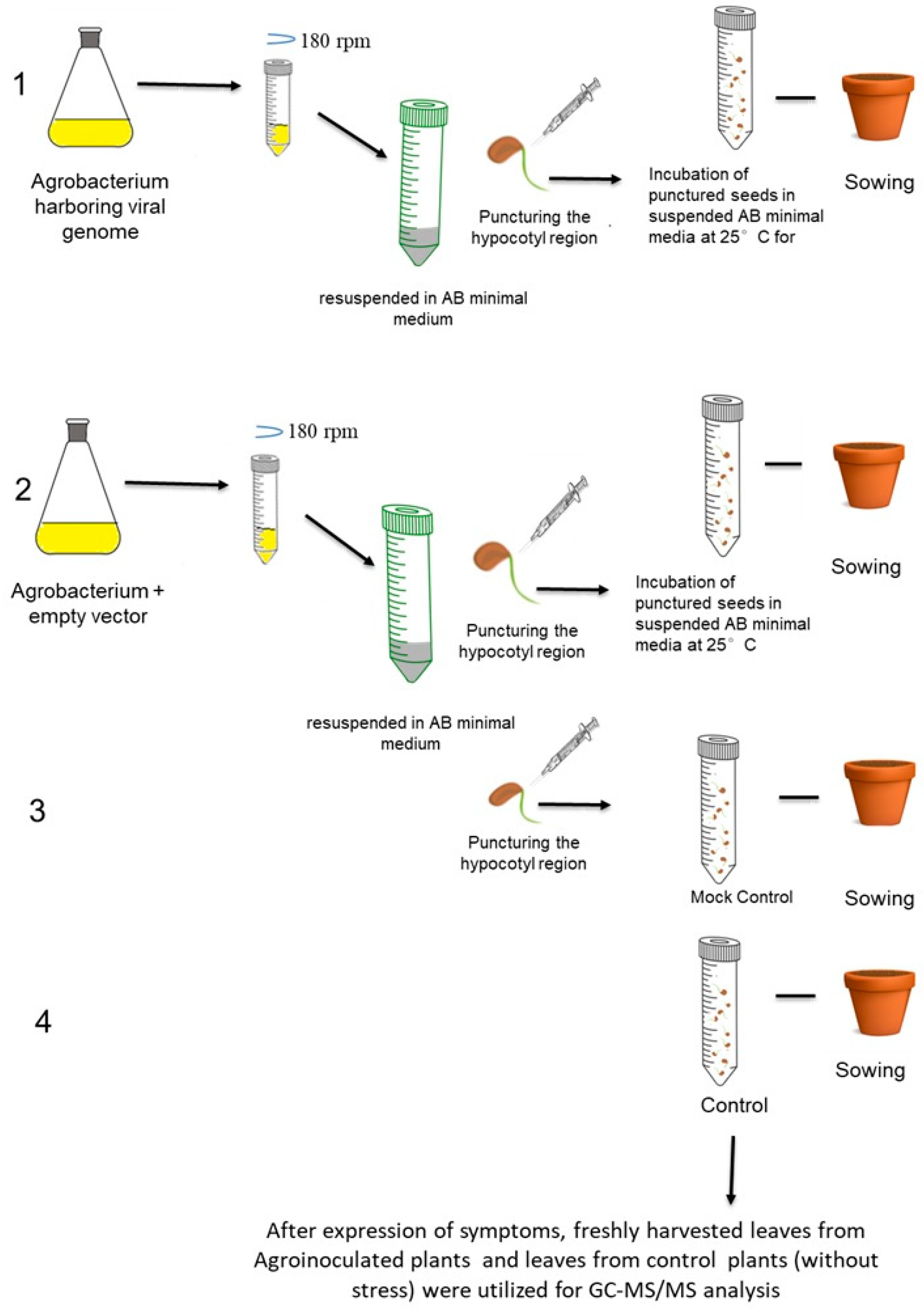
Figure 1. Schematic representation of the experimental design: 1. inoculation of seeds with Agrobacterium + MYMV genome cloned vector, 2. inoculation of seeds with Agrobacterium + empty vector, 3. mock control, and 4. untreated control followed by sowing. Experiment was performed for both VGGRU1 and VRM (Gg)1, and symptomatic, healthy leaves were subjected for GC-MS analysis.
Pathogens 15 00046 g001
Figure 2. (A) VGGRU-1 treated (Agrobacterium + empty vector), (B) VGGRU-1 (mock control), (C) VGGRU-1 untreated control, (D) VGGRU-1 treated (Agrobacterium + MYMV genome cloned vector), (E) VRM (Gg) 1 treated (Agrobacterium + empty vector), (F) VRM (Gg) 1 (mock control), (G) VRM (Gg) 1 untreated control, and (H) VRM (Gg) 1 treated (Agrobacterium + MYMV genome cloned vector).
Pathogens 15 00046 g002
Figure 3. Classification of 121 metabolites into different metabolite classes expressed in the metabolite profiling of the control VGGRU1, treated VGGRU1, control VRM (Gg)1, and treated VRM (Gg)1.
Pathogens 15 00046 g003
Figure 4. Venn diagram showing accumulation of number of metabolites in VGGRU1 and VRM (Gg)1.
Pathogens 15 00046 g004
Figure 5. Mapping of 24 different metabolite classes against KEGG metabolic pathways. (Numbers at the end of the bar indicate total number of metabolites involved in each pathway).
Pathogens 15 00046 g005
Figure 6. Score plots of principal component analysis of VGGRU1 and VRM (Gg1) metabolites.
Pathogens 15 00046 g006
Figure 7. Partial least square-discriminant analysis (PLS-DA) score plot for metabolite profiles between VGGRU1 and VRM (Gg1).
Pathogens 15 00046 g007
Figure 8. Heat map of PLS-DA VIP metabolites discriminating VGGRU1 and VRM (Gg1) (scale indicates chromatogram peak intensity from low (blue) to high (red)).
Pathogens 15 00046 g008
Figure 9. Clustering based on metabolite profiles.
Pathogens 15 00046 g009
Figure 10. Major pathway discriminating VGGRU1 and VRM (Gg1).
Pathogens 15 00046 g010
Table 1. Details of the agronomic characteristics of mungbean genotypes VGGRU1 and VRM (Gg)1.
CultivarOriginDays of MaturityPedigreeFeatures
VGGRU1TNAU, Coimbatore, India60–75 daysHigh-level MYMV-resistant derivative of Vigna radiata × Vigna umbellataMYMV resistant
VRM (Gg)1TNAU, Coimbatore, India56–67 daysPure line selection from
K 851
MYMV susceptible
Table 2. Abundance ratio of 21 metabolites showing more than 2-fold change between VGGRU1 and VRM (Gg)1.
S. NoCompound NameFold ChangeLog 2 (Fold Change)
1.Tryptophan17.1024.0961
2.3-Amino-1,2,4-triazole15.4783.9522
3.Phenol6.41352.6811
4.Cyprodinil3.45211.7875
5.2-Amino-3-methylimidazo(4,5-f) quinoline2.77091.4703
6.Diethyldiallylmalonate2.51431.3301
7.Glycine2.42291.2768
8.Hypoxanthine2.04051.0289
9.Scopoletin0.49484−1.015
10.Proline0.4582−1.1259
11.Phenylalanine0.38899−1.3622
12.DL-3-Phenyllactic acid0.36861−1.4398
13.7-Benzyloxytryptamine0.3423−1.5467
14.9-Octadecanoic acid0.33494−1.578
15.9-Acetylanthracene0.25516−1.9705
16.Minoxidil0.24339−2.0387
17.Lipoic acid0.24194−2.0473
18.Hippuric acid0.20954−2.2547
19.Hydrocinchonine0.18042−2.4706
20.Threonylphenylalanine0.17216−2.5382
21.Feruloyl Hexoside0.13926−2.8442
Table 3. List of significant metabolic pathways discriminating VGGRU1 and VRM (Gg)1.
S. NoPathwayRaw p Value−log(p)FDR
1.Glyoxylate and dicarboxylate metabolism0.0001363.8660.012388
2.Valine, leucine, and isoleucine biosynthesis0.0005653.2480.025707
3.Glucosinolate biosynthesis0.0009333.03020.028296
4.Purine metabolism0.0017342.76110.039438
Disclaimer/Publisher’s Note: The statements, opinions and data contained in all publications are solely those of the individual author(s) and contributor(s) and not of MDPI and/or the editor(s). MDPI and/or the editor(s) disclaim responsibility for any injury to people or property resulting from any ideas, methods, instructions or products referred to in the content.