Article

Transcriptome Analysis and CFEM Gene Overexpression in Metschnikowia bicuspidata Under Hemocyte and Iron Ion Stress


1
Key Laboratory of Livestock Infectious Diseases in Northeast China, Ministry of Education, Key Laboratory of Zoonosis, Shenyang Agricultural University, Shenyang 110866, China
2
College of Aquaculture and Life Sciences, Dalian Ocean University, Dalian 116023, China
3
Panjin Guanghe Crab Industry Co., Ltd., Panjin 124000, China
*
Author to whom correspondence should be addressed.
Pathogens 2025, 14(7), 691; https://doi.org/10.3390/pathogens14070691

Submission received: 19 June 2025 / Revised: 10 July 2025 / Accepted: 10 July 2025 / Published: 14 July 2025

Abstract

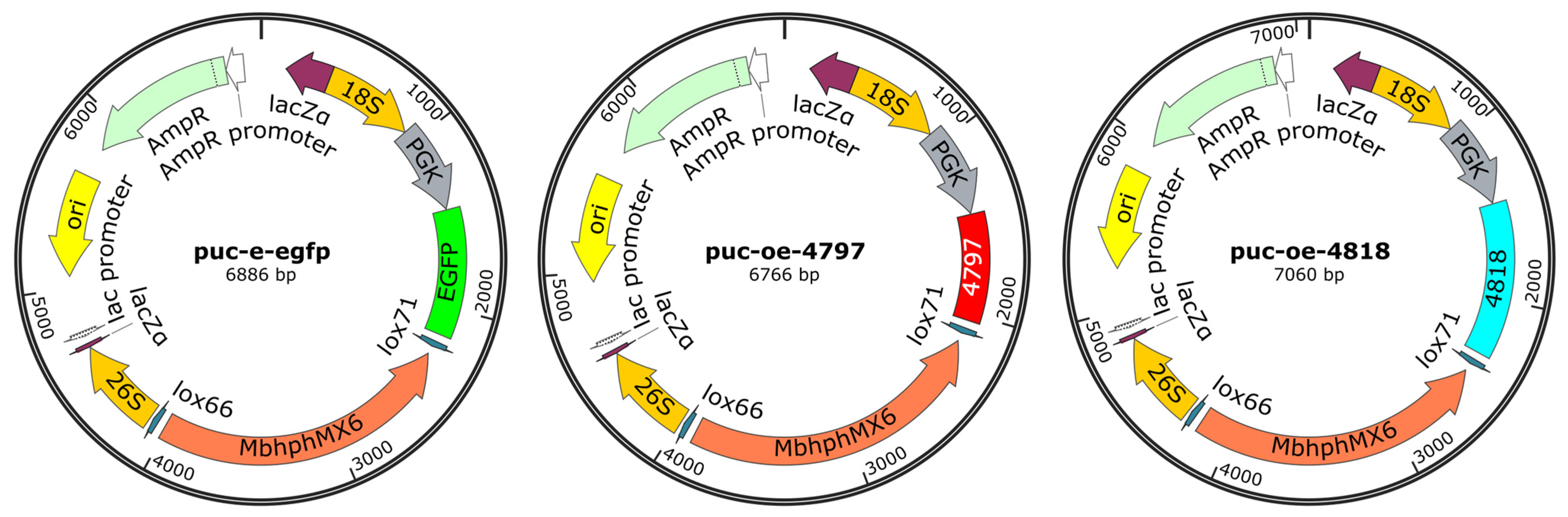
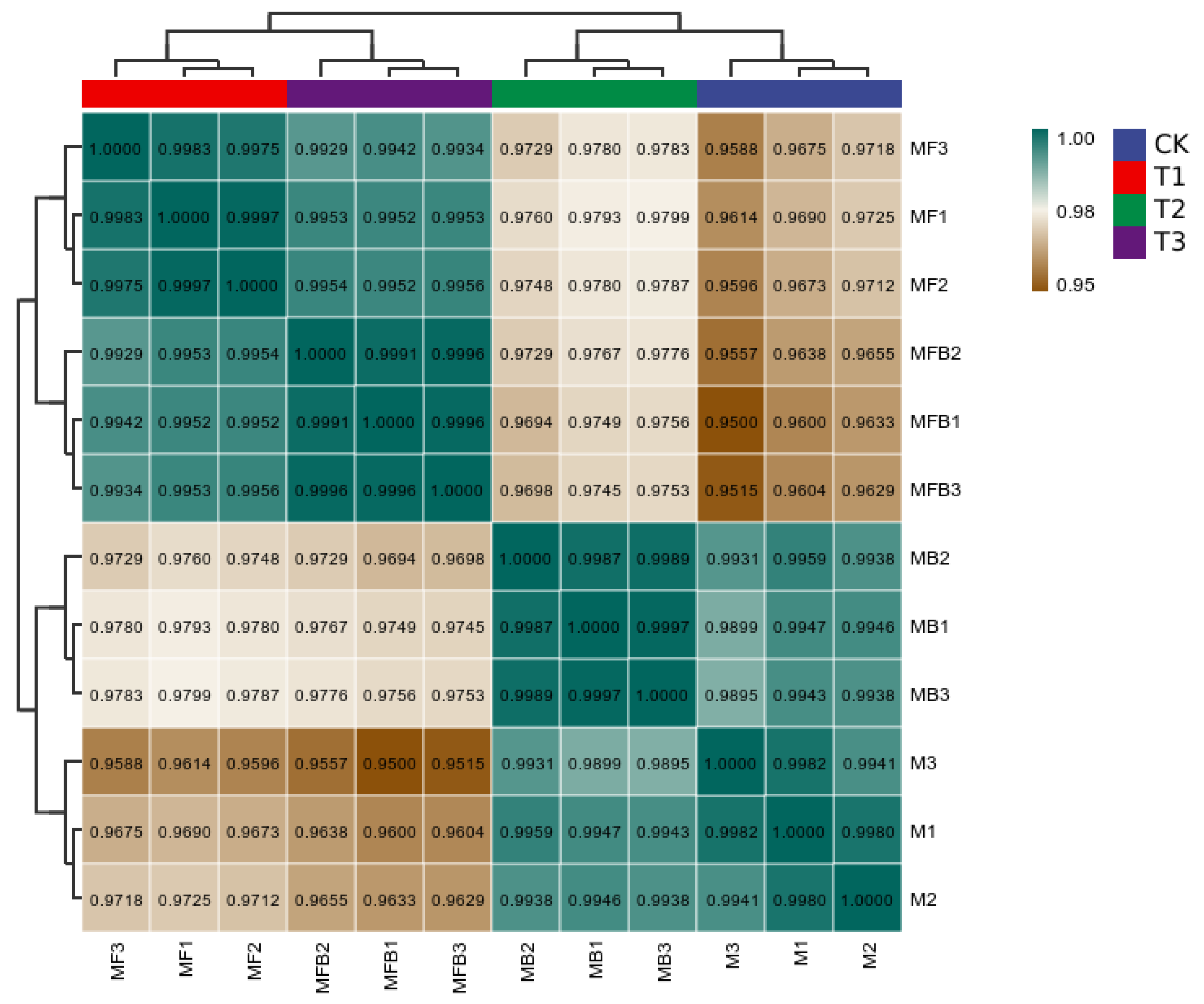
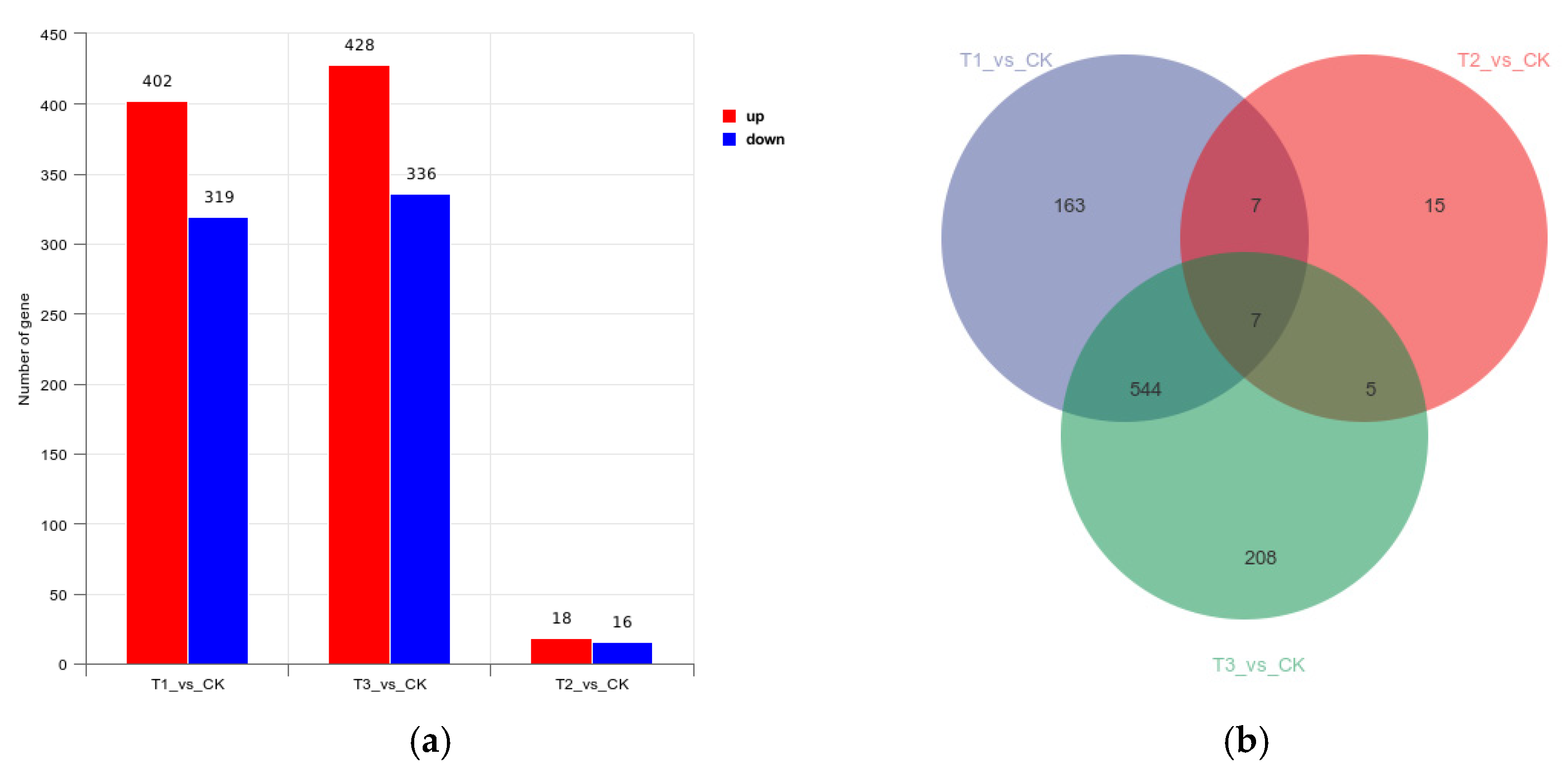
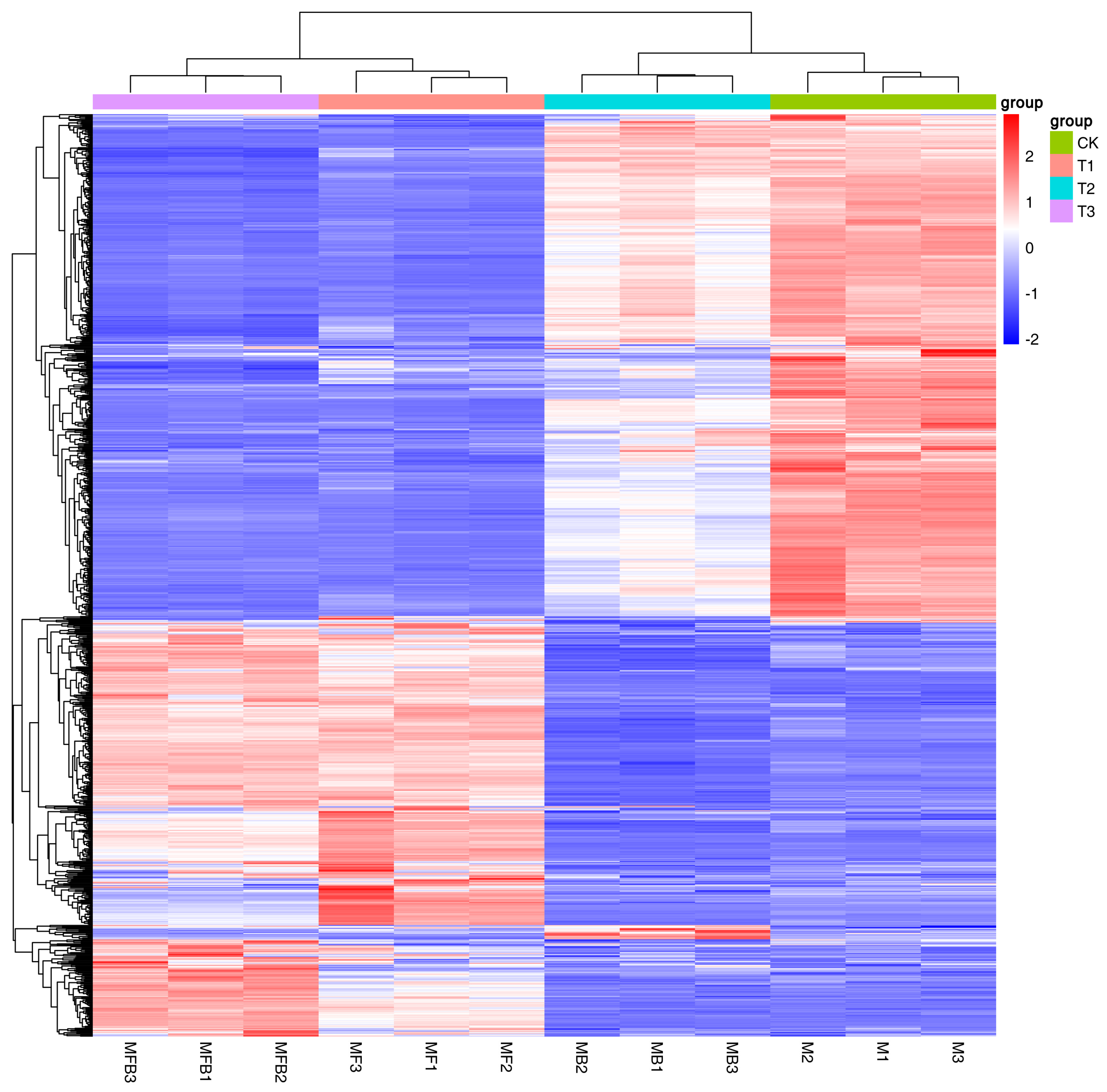
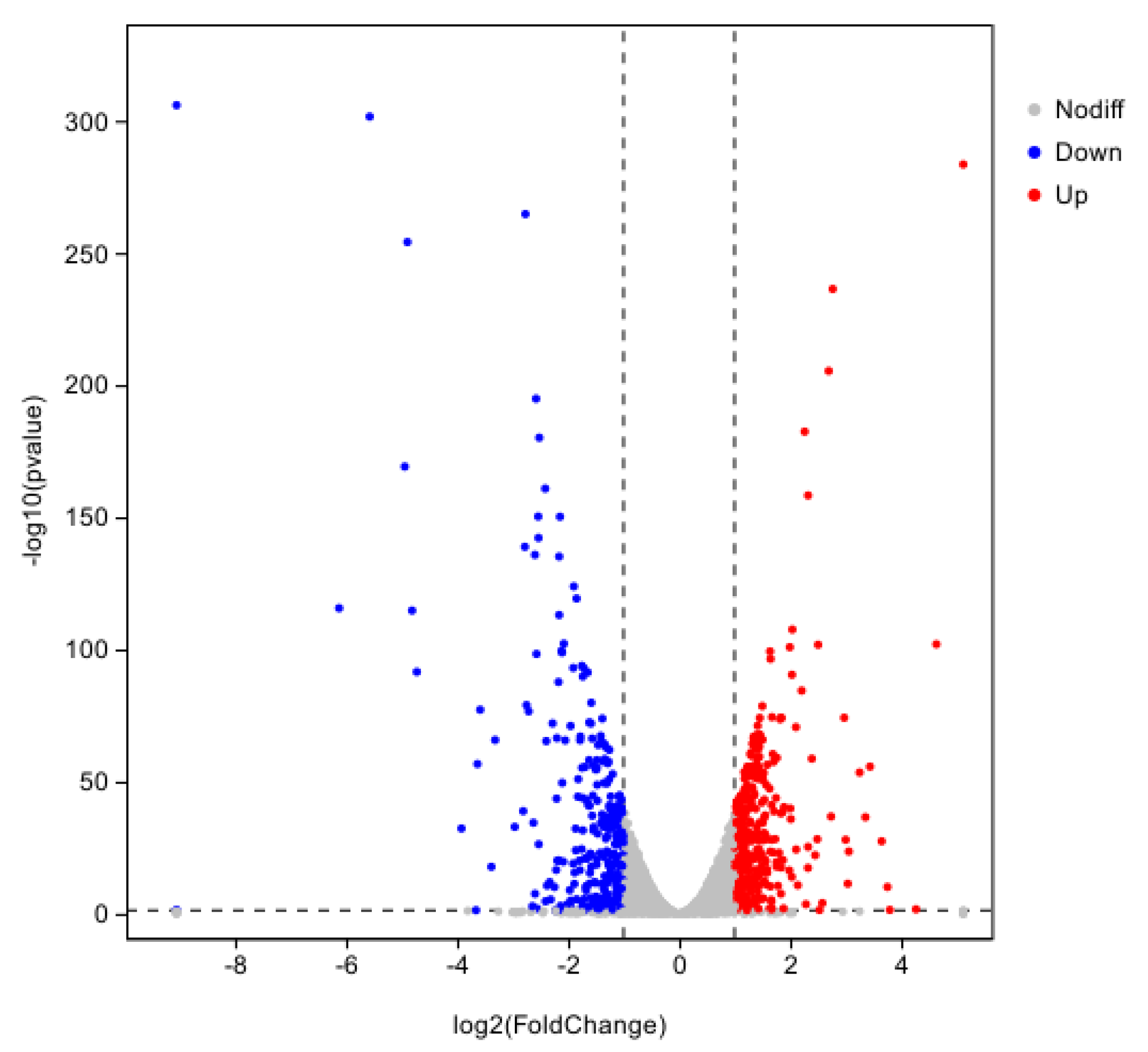
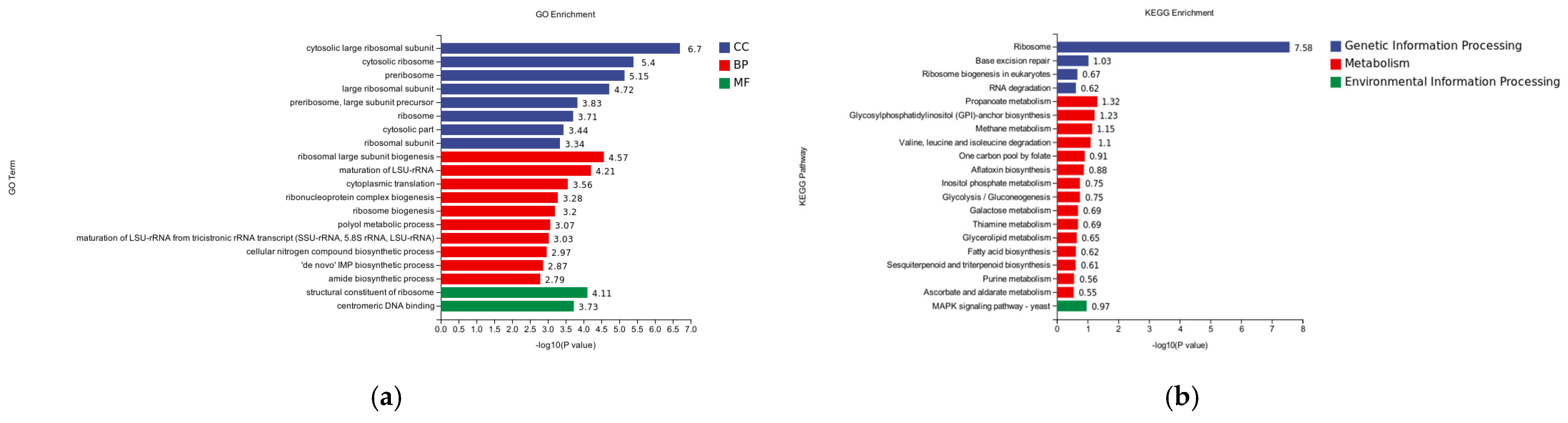
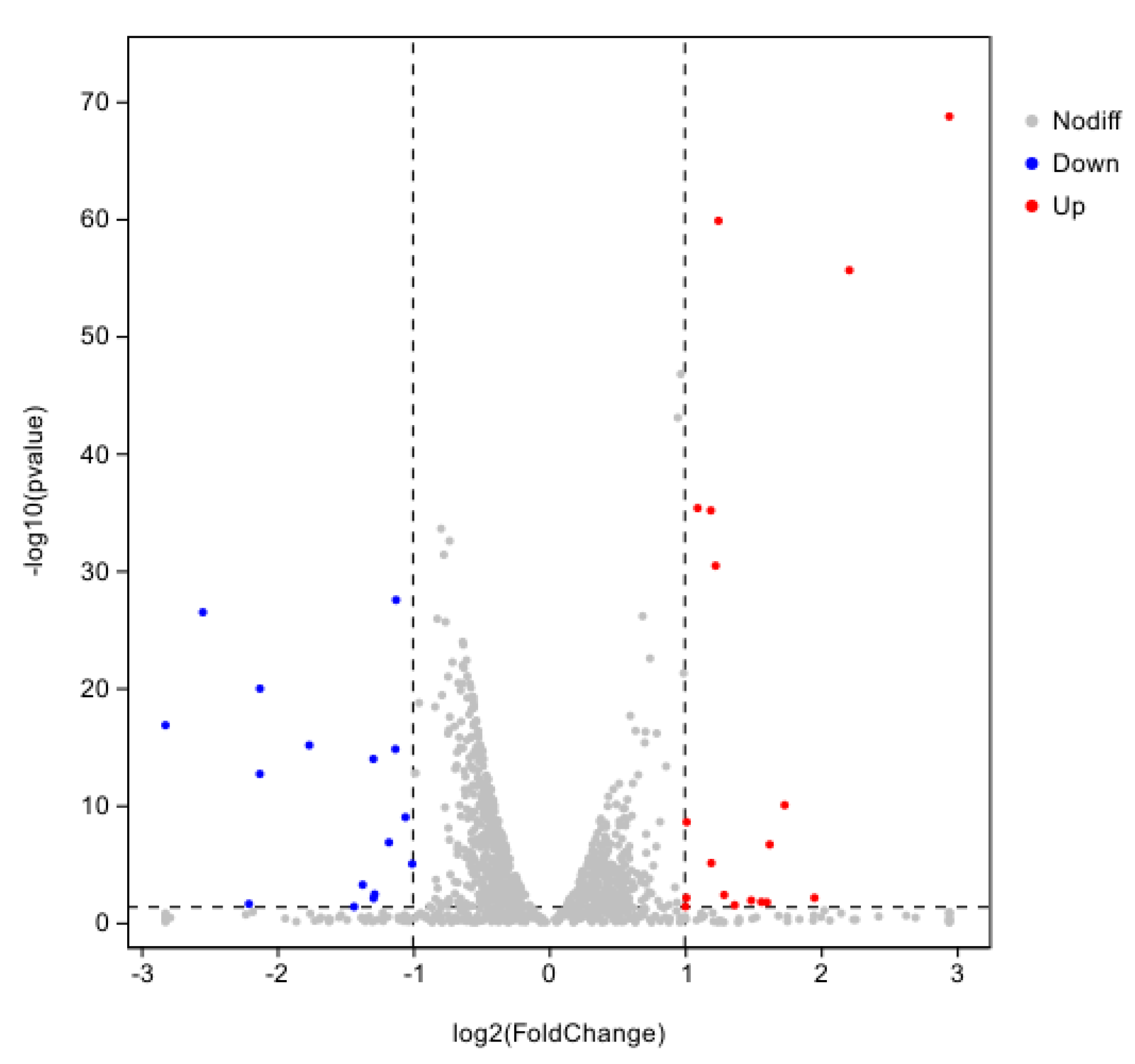
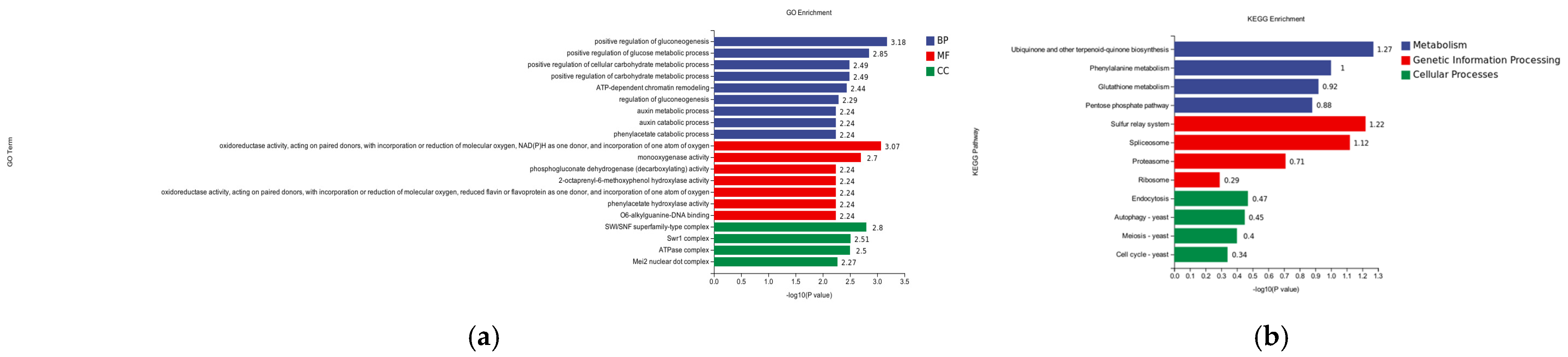
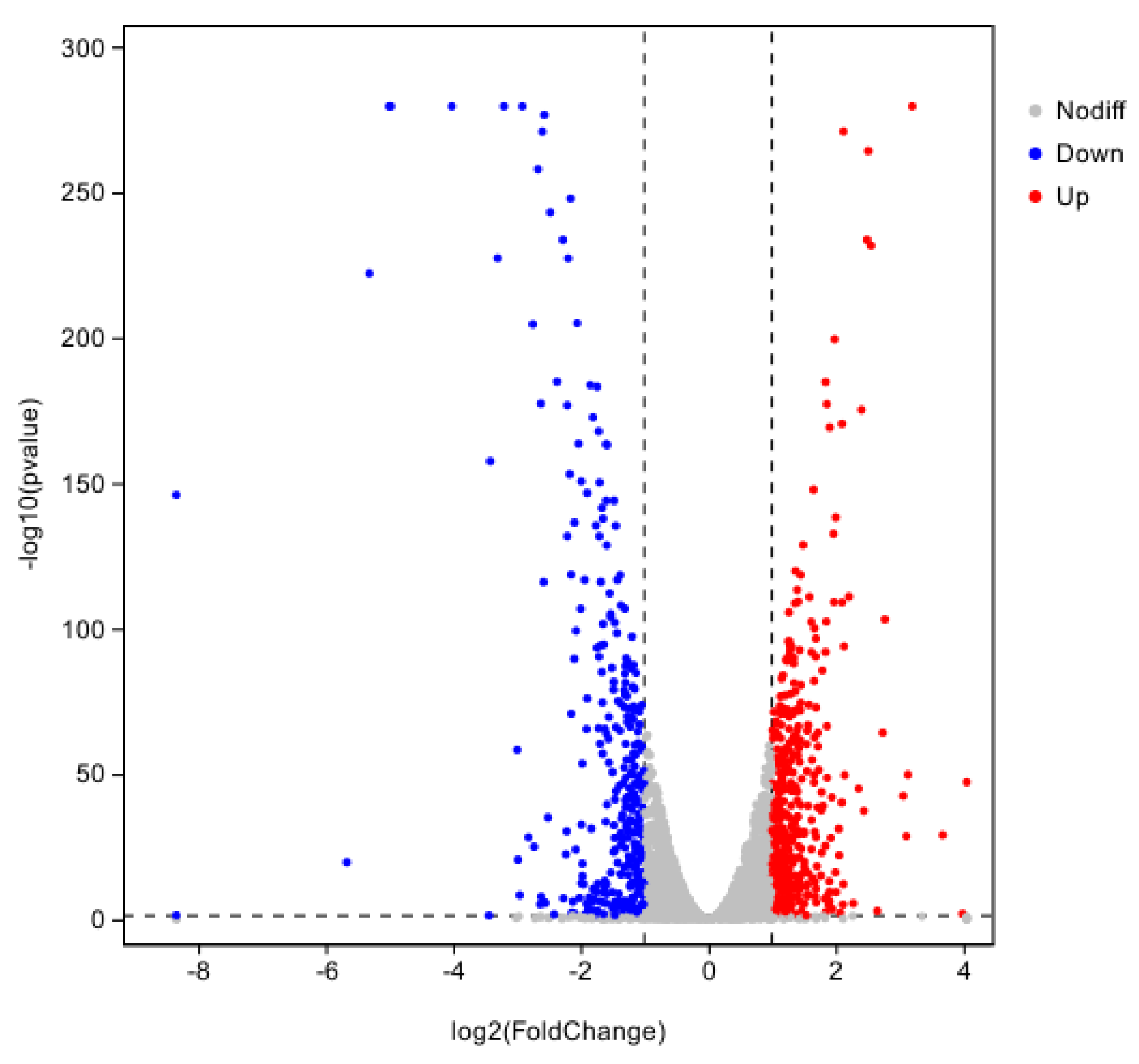
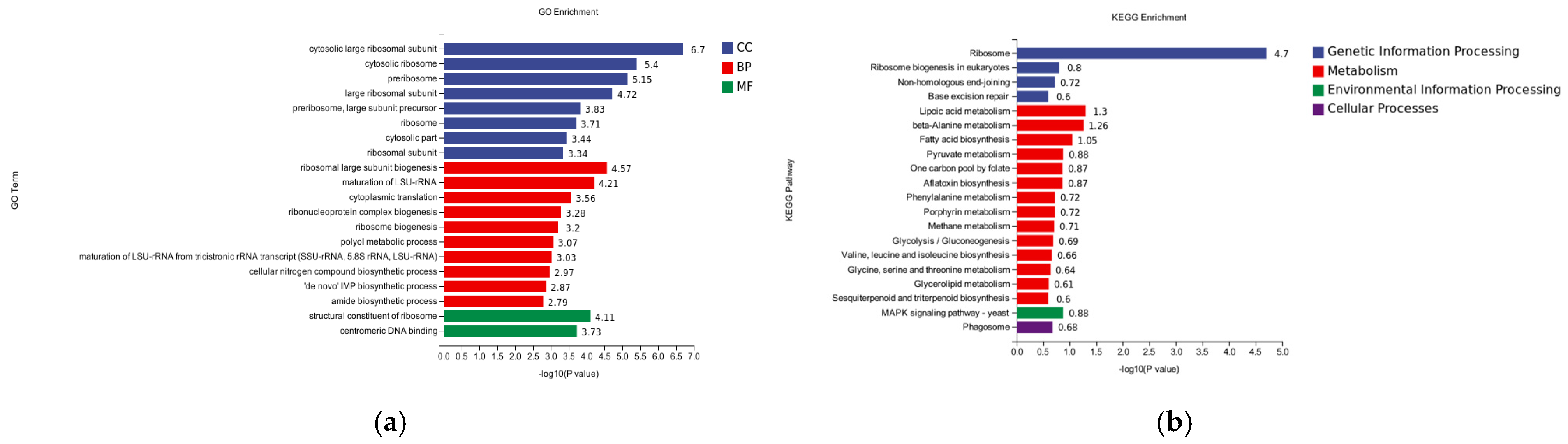
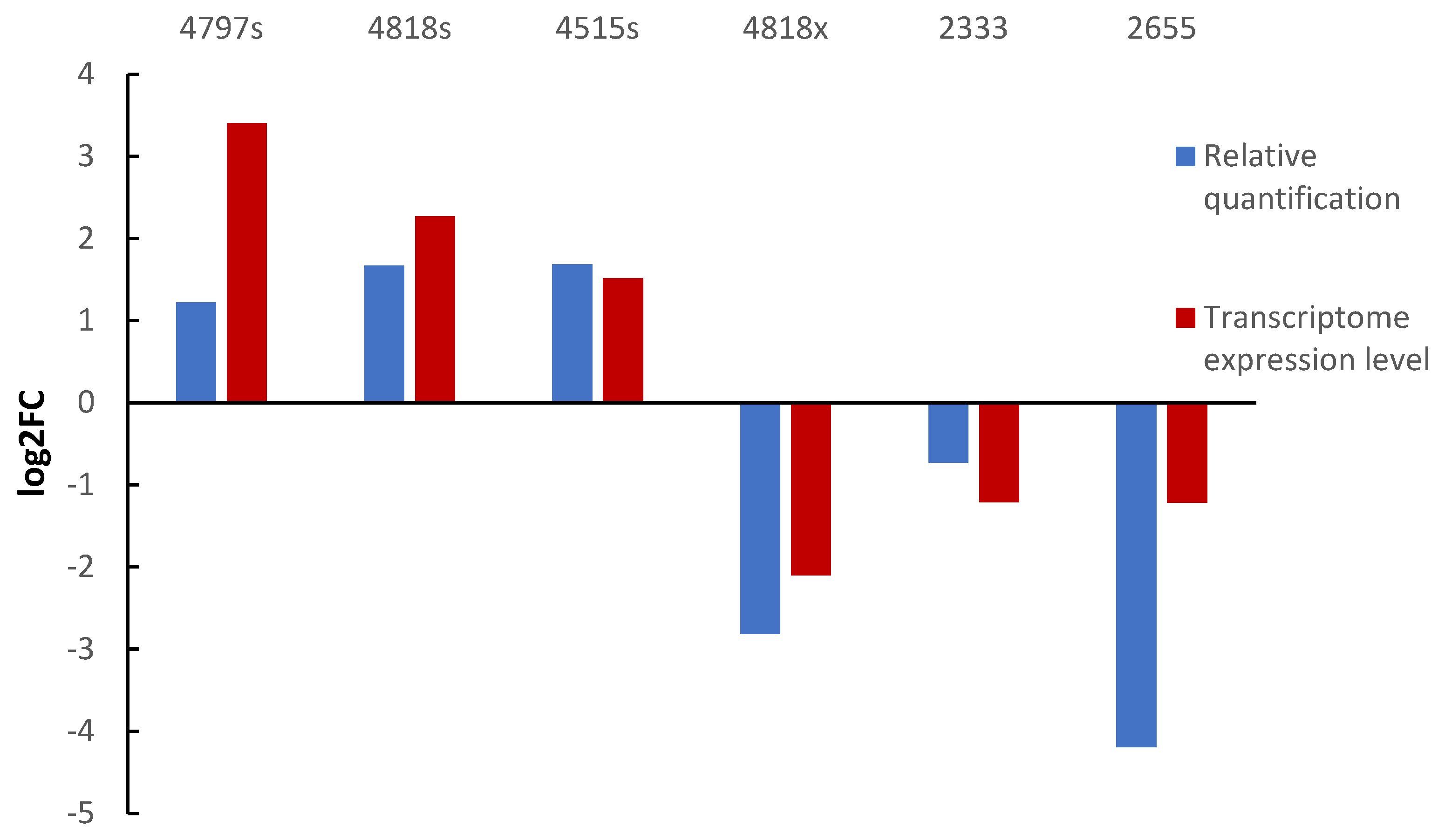
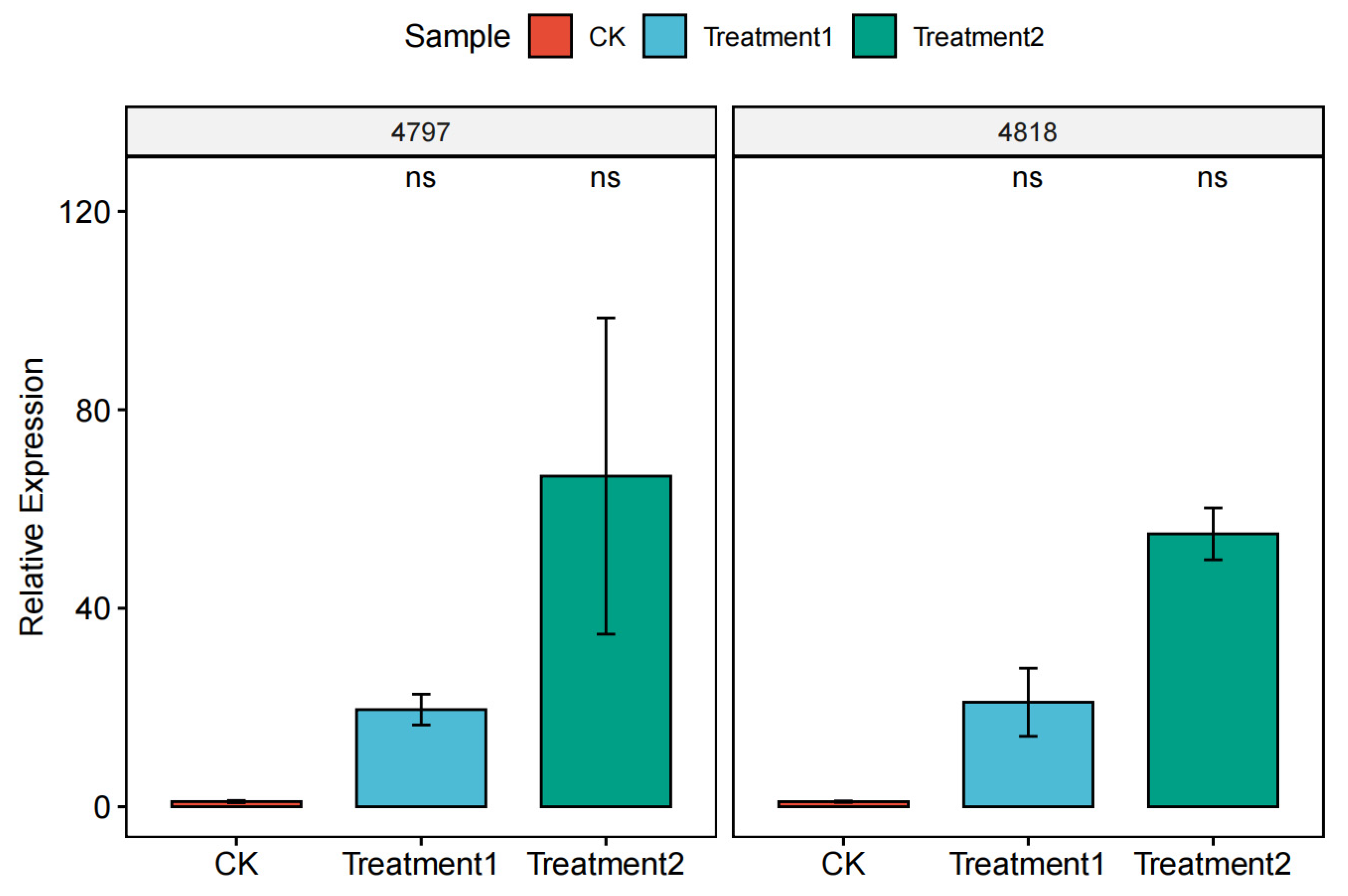
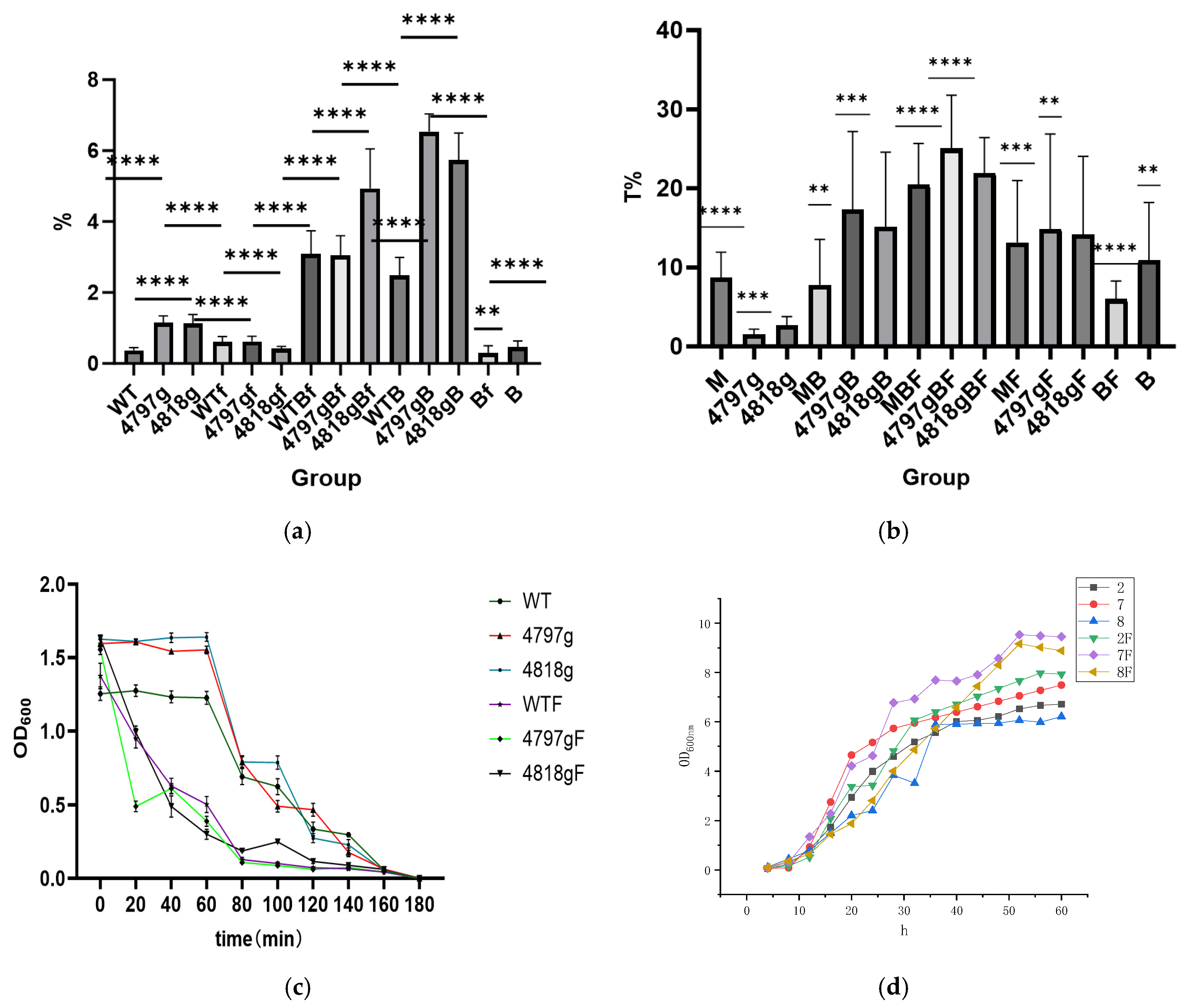
The “milky disease” in Chinese mitten crabs (Eriocheir sinensis), caused by Metschnikowia bicuspidata, poses significant threats to aquaculture, though its pathogenic mechanisms remain poorly understood. This study employs transcriptomic sequencing to analyze gene expression changes in Metschnikowia bicuspidata under hemocyte challenge, iron overload (1 mmol/mL), and combined stress, with functional validation through Common in Fungal Extracellular Membrane (CFEMgene) overexpression strains. Key findings reveal that (1) hemocyte challenge activated base excision repair (−log10[P] = 7.58) and ribosome biogenesis pathways, indicating fungal adaptation through DNA repair and enhanced protein synthesis to counter host immune attacks (e.g., ROS-mediated damage). (2) Iron overload induced glutathione metabolism and pentose phosphate pathway enrichment, demonstrating mitigation of ferroptosis through NADPH/GSH antioxidant systems and autophagy/proteasome coordination. (3) Under combined stress, ribosome biogenesis (−log10[P] = 1.3) and non-homologous end-joining pathways coordinated DNA repair with stress protein synthesis, complemented by vacuolar V-ATPase-mediated iron compartmentalization. (4) CFEM genes showed significant upregulation under hemocyte stress, with overexpression strains exhibiting enhanced biofilm formation (35% increased MTT cytotoxicity) and infectivity (40% higher infection rate), confirming CFEM domains mediate pathogenesis through iron homeostasis and virulence factor production. This work elucidates how M. bicuspidata employs metabolic reprogramming, oxidative stress responses, and CFEM-mediated iron regulation to establish infection, providing critical insights for developing targeted control strategies against milky disease.
Keywords: CFEM; hemocyte stress; Metschnikowia bicuspidata; transcriptome CFEM; hemocyte stress; Metschnikowia bicuspidata; transcriptome