Look Back in Angria (The Brontë Family Fandom)

Department of English, University of Utah, Salt Lake City, UT 84112, USA
Humanities 2022, 11(5), 114; https://doi.org/10.3390/h11050114
Submission received: 13 June 2022
/
Revised: 21 August 2022
/
Accepted: 22 August 2022
/
Published: 5 September 2022
(This article belongs to the Special Issue The Past, Present and Future of Fan-Fiction)
Abstract
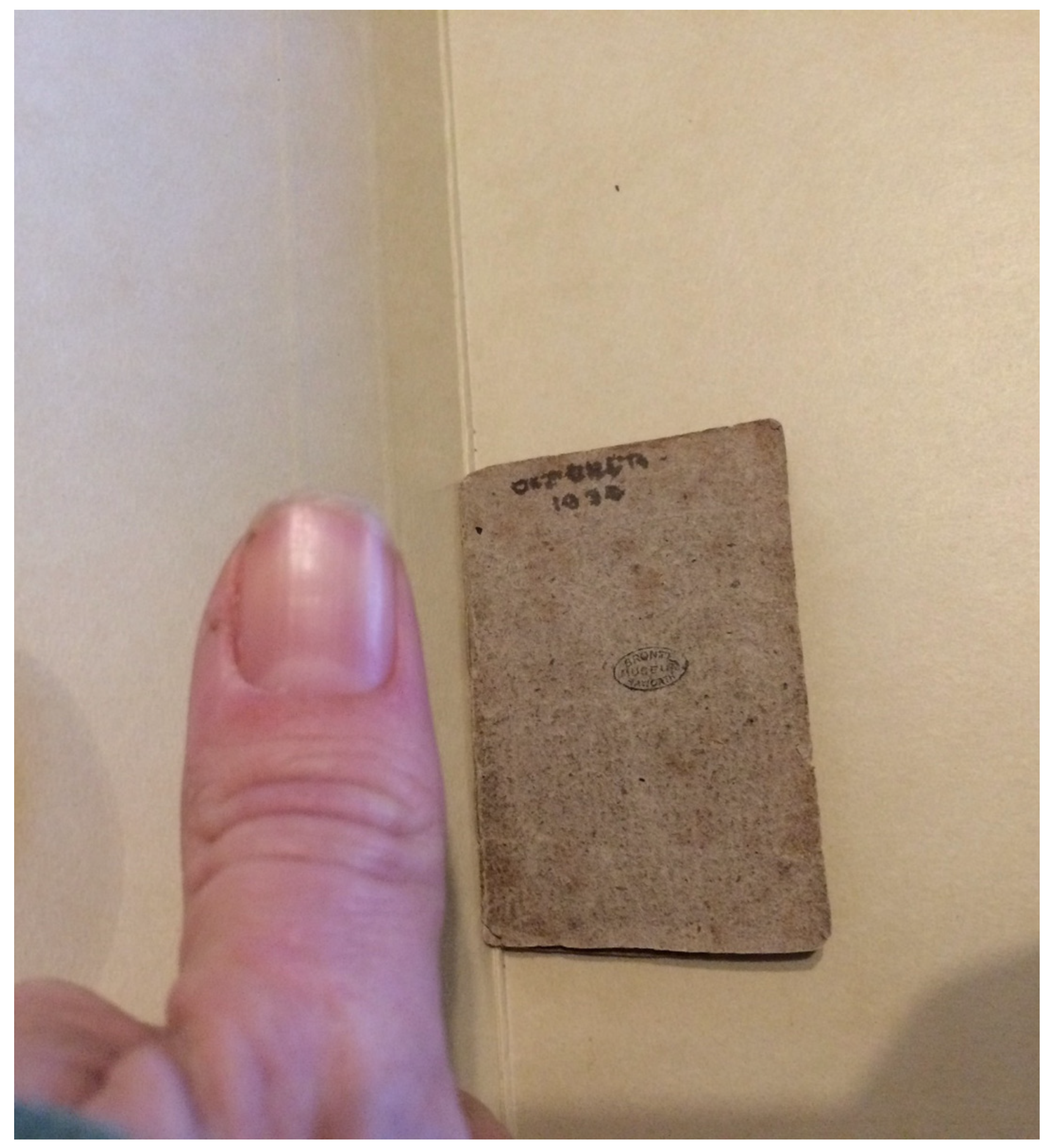
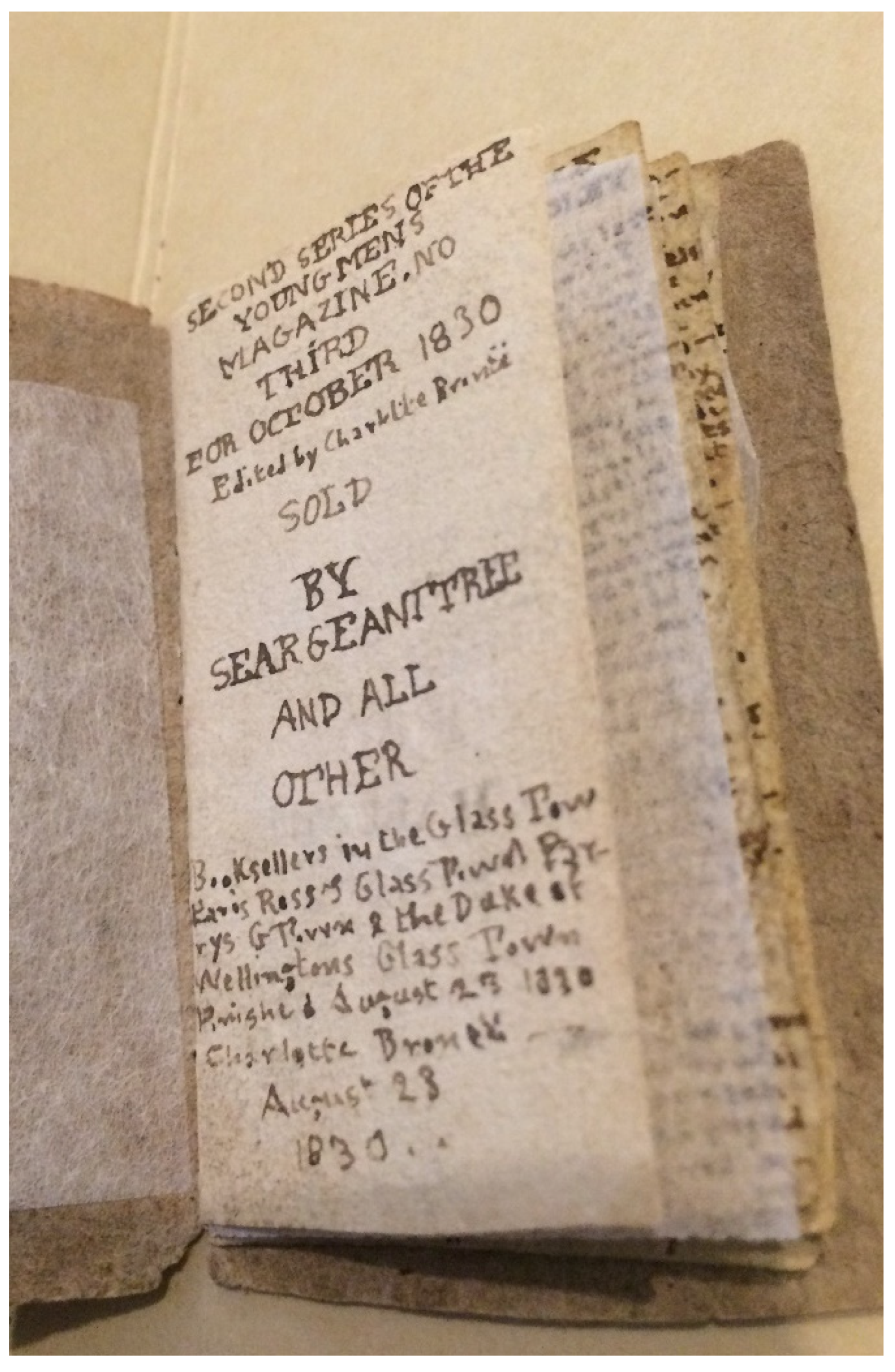
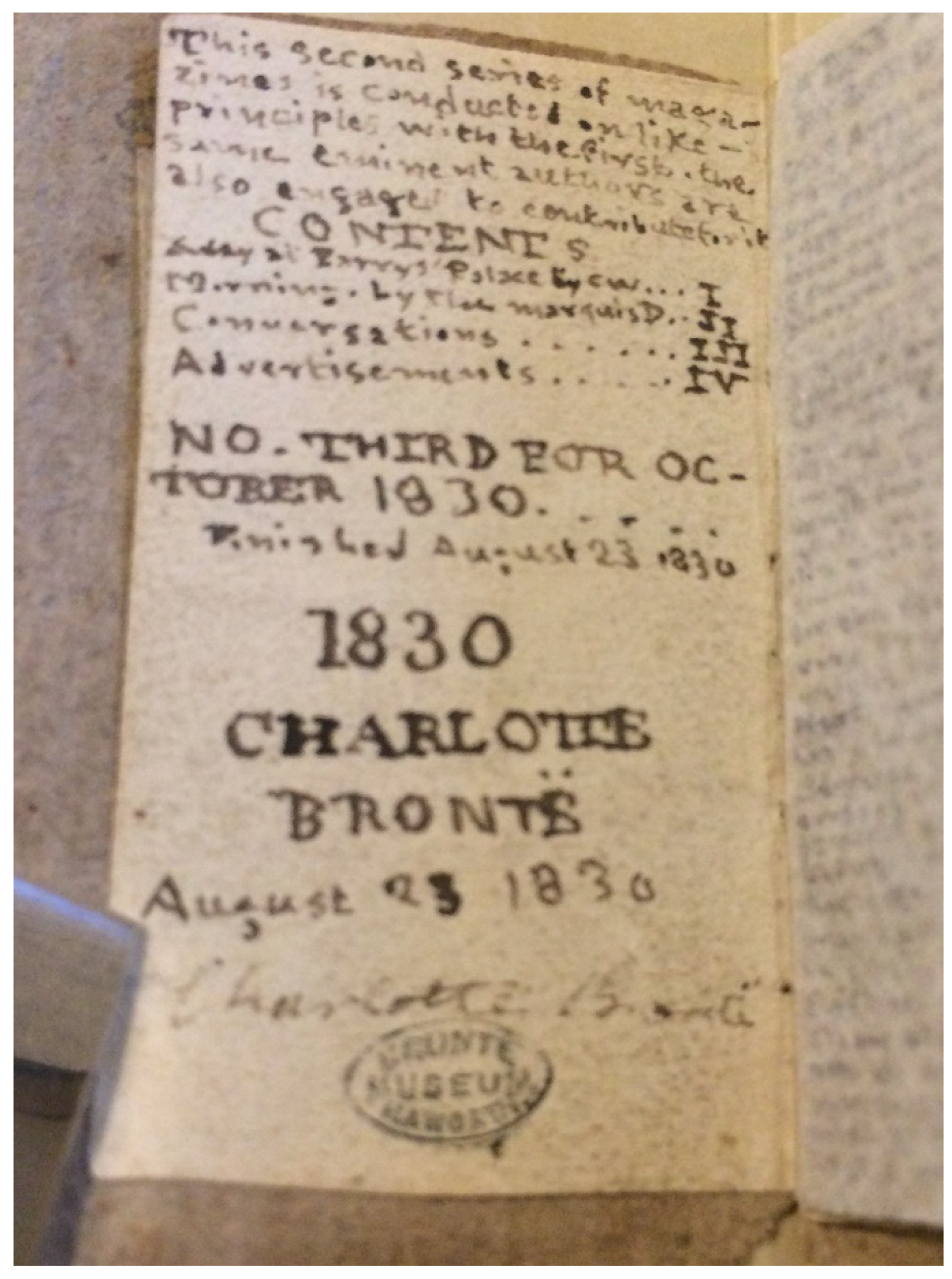
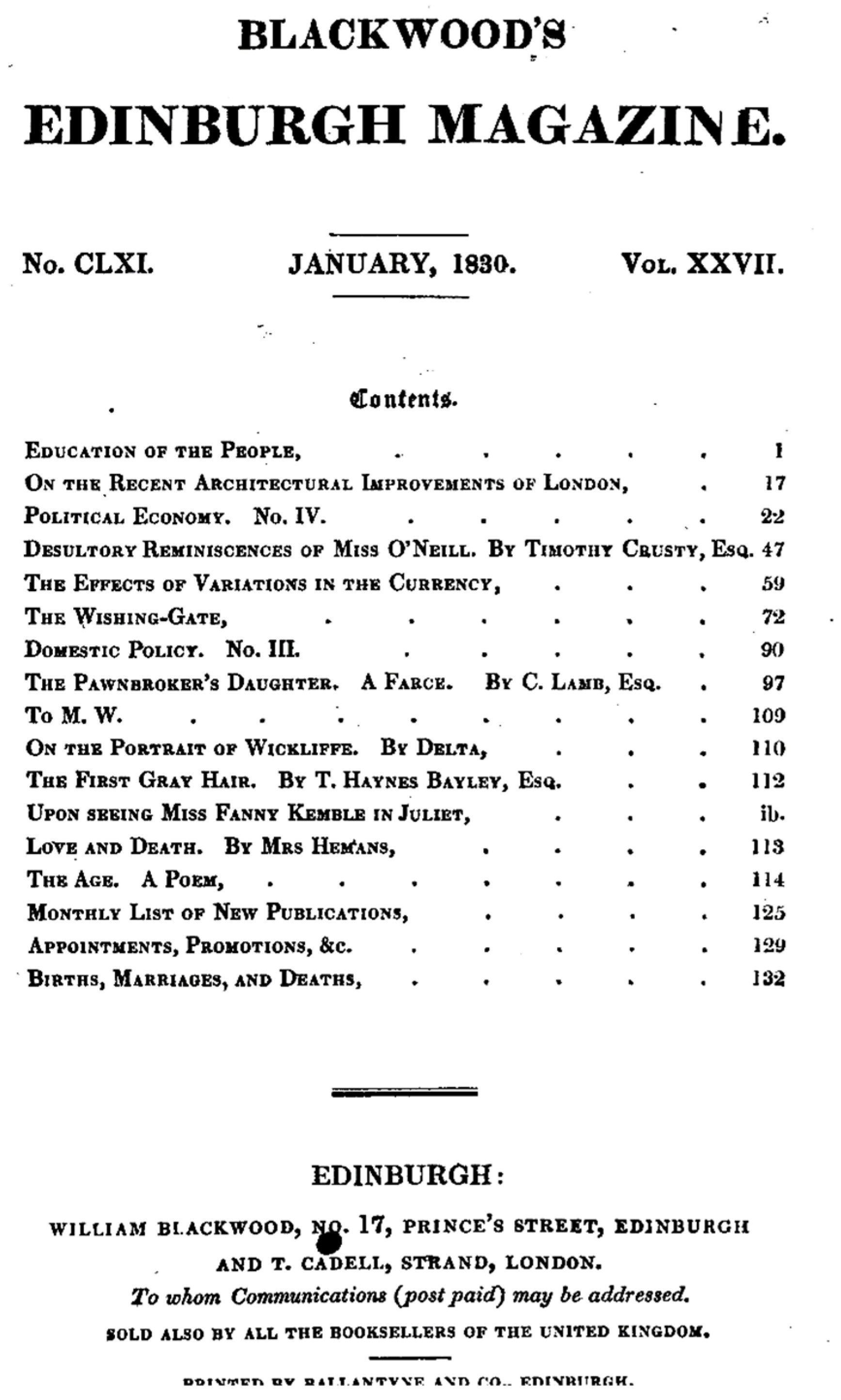
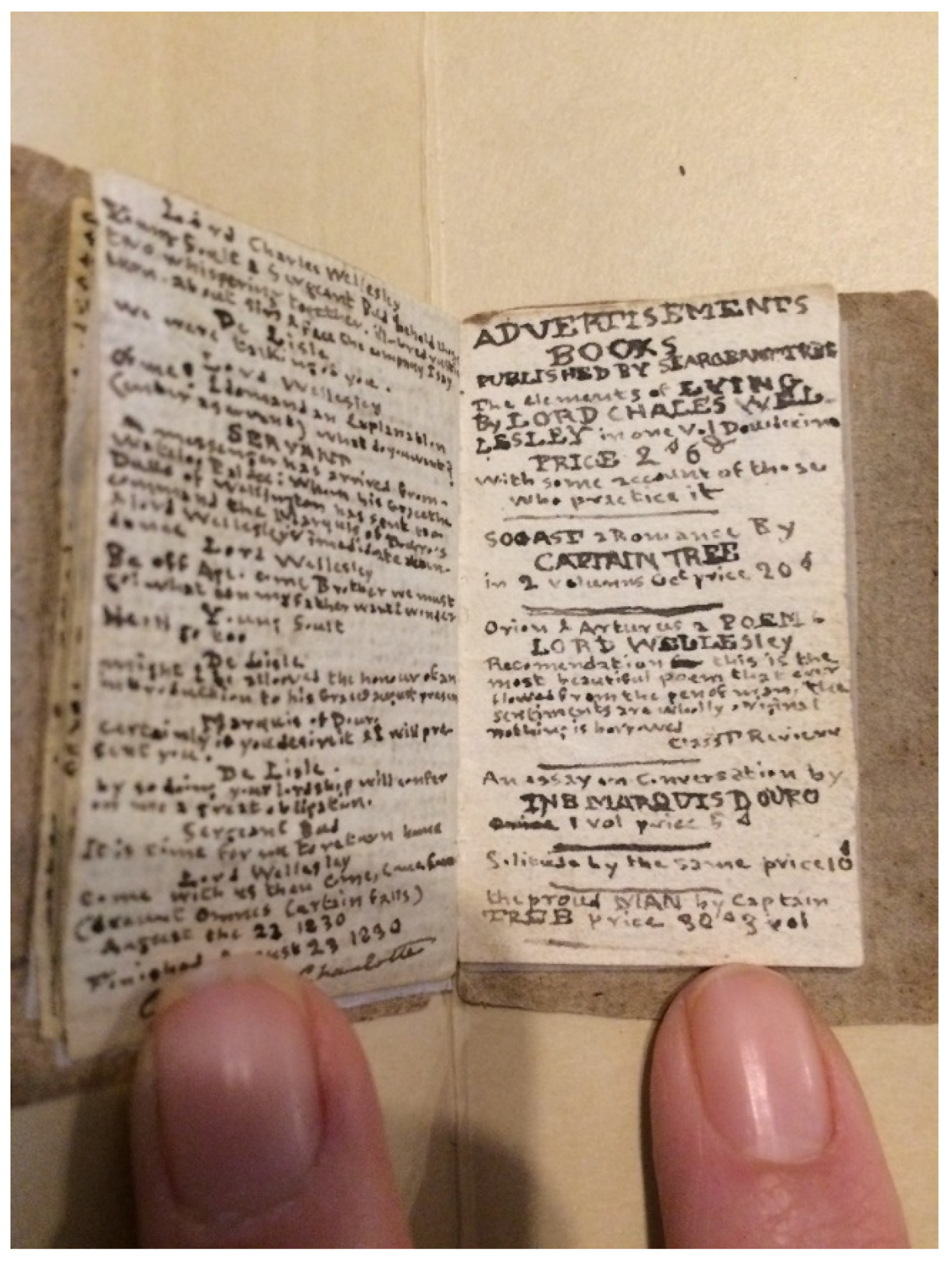
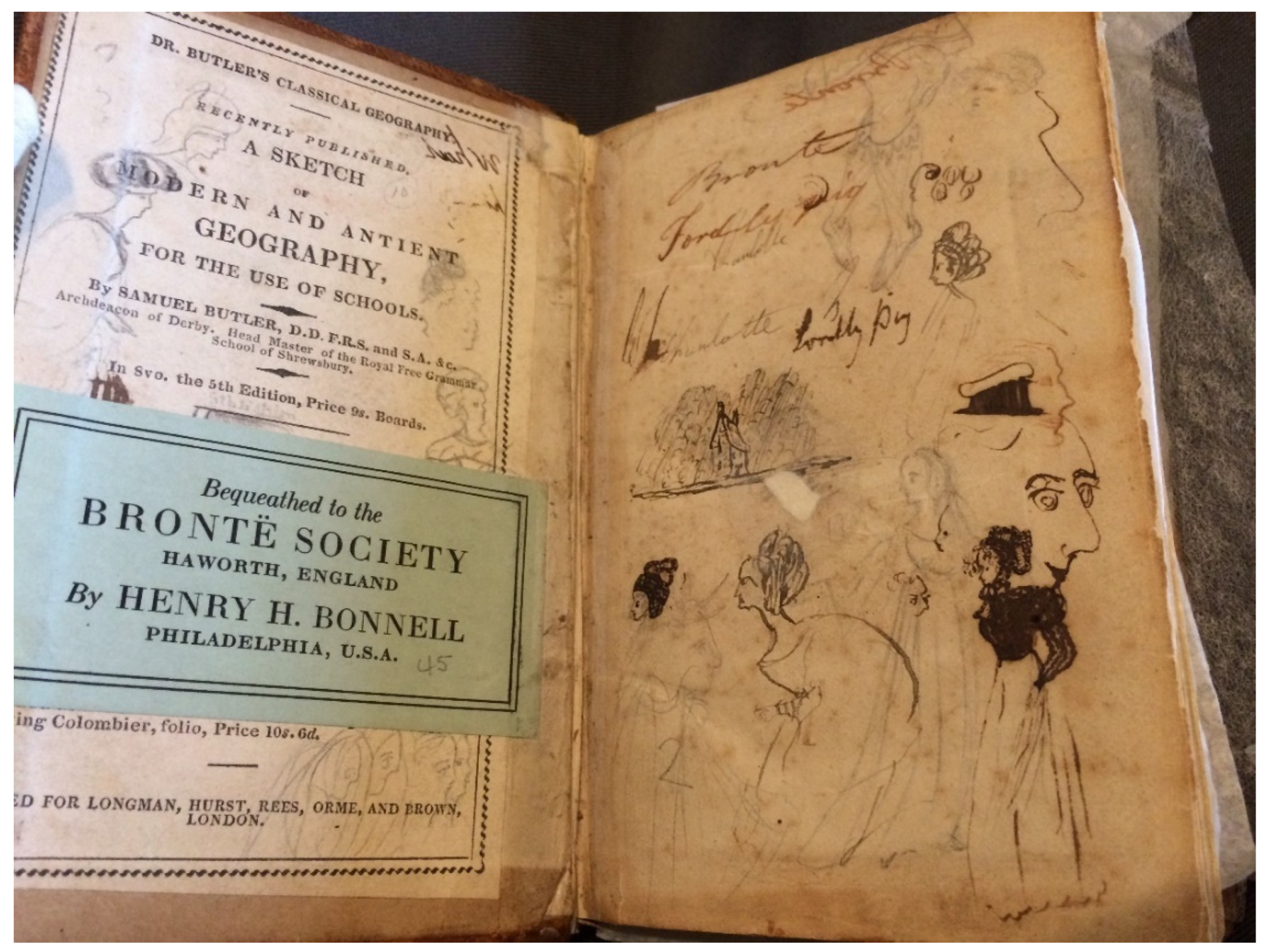
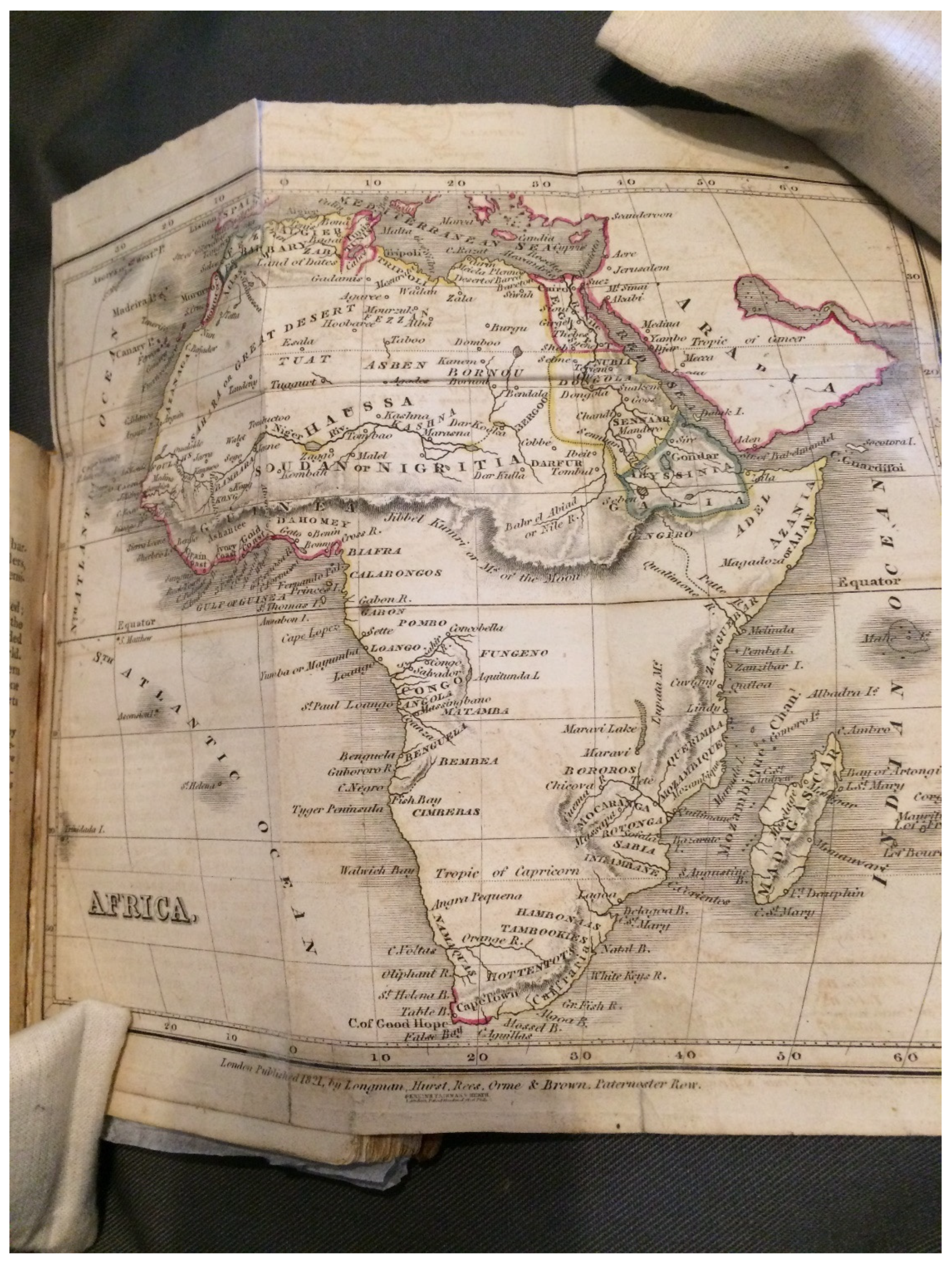
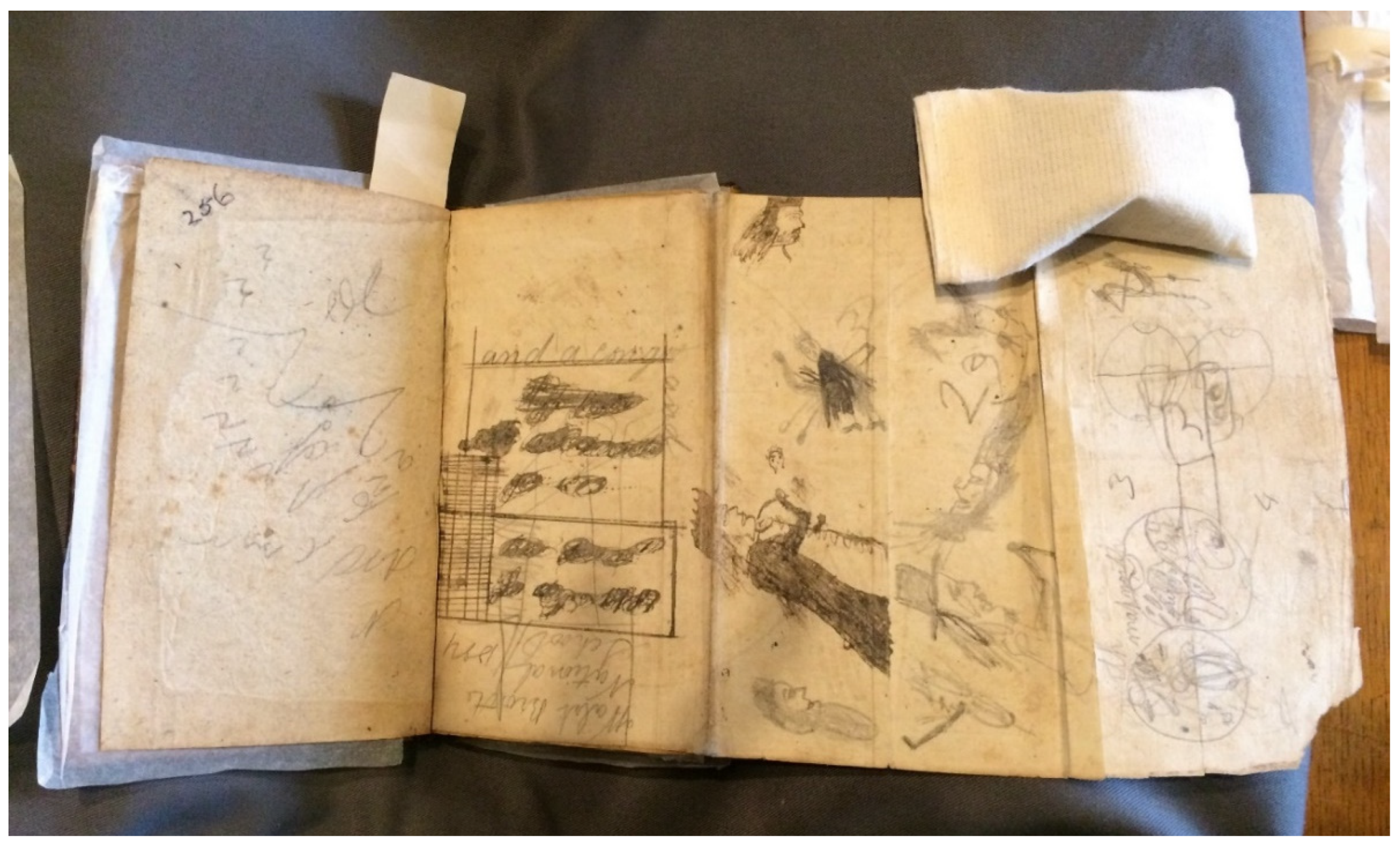
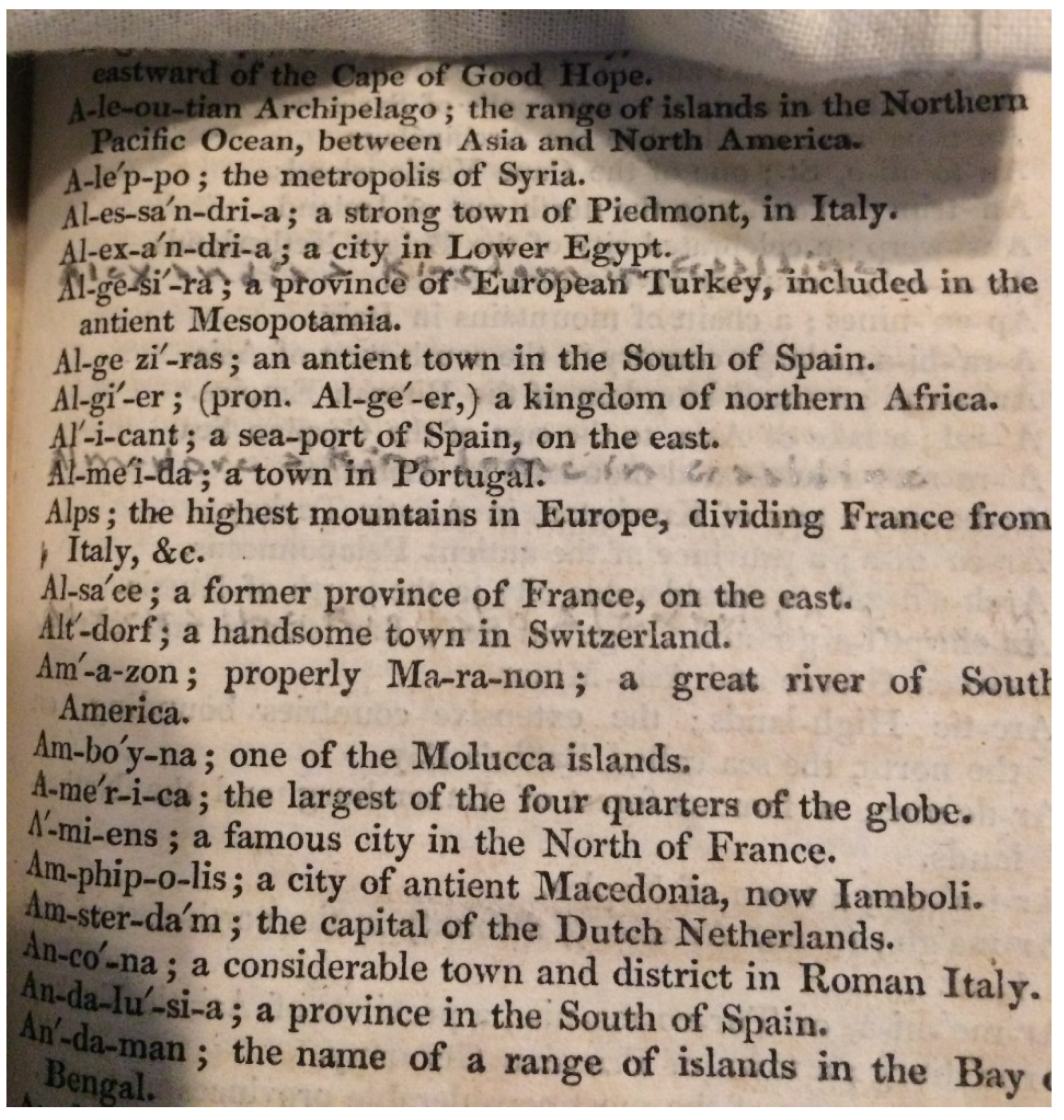
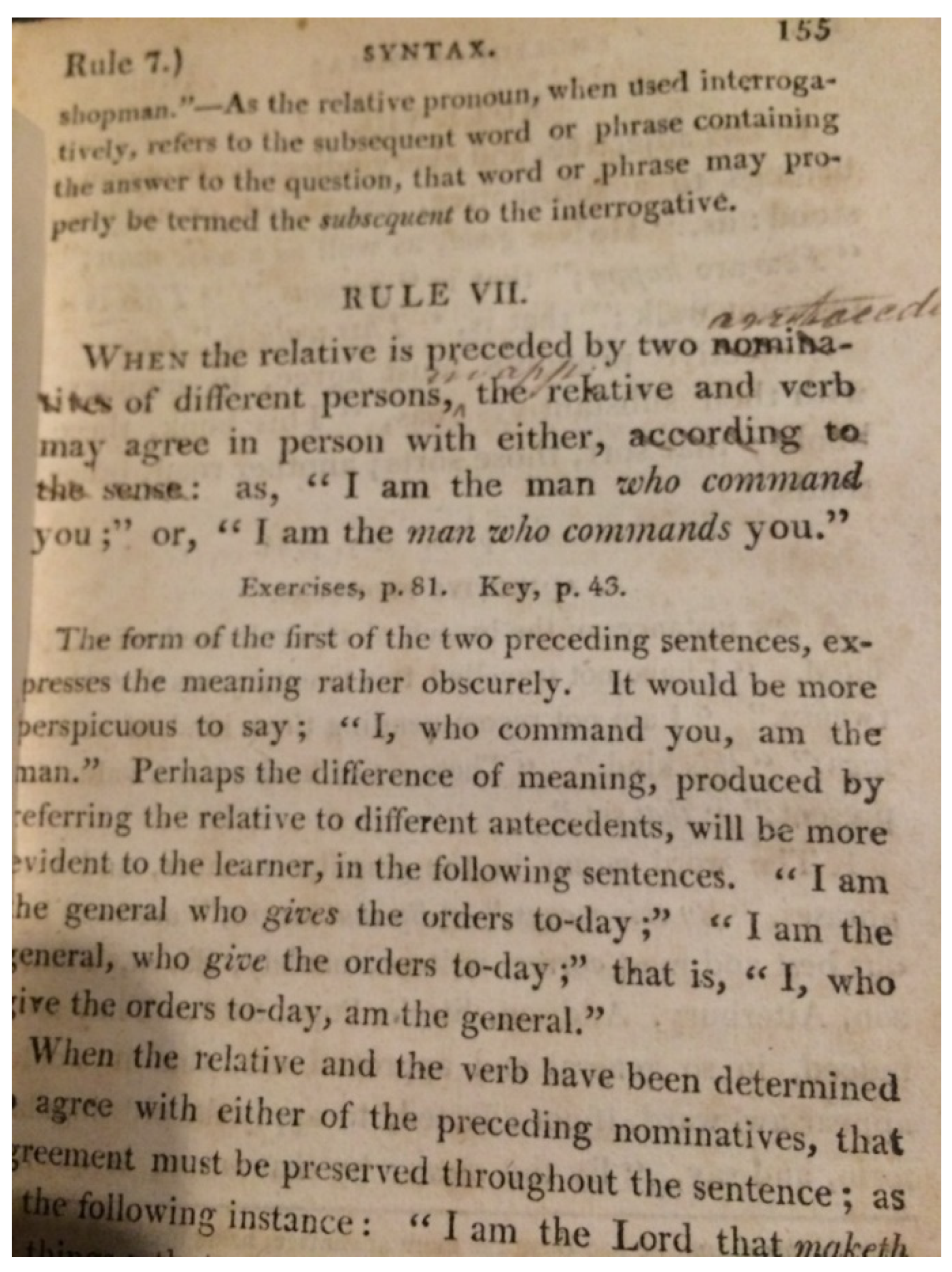
Transhistorical accounts of fanfiction often refer to the Brontës’ juvenilia, but such references are largely cursory even as they make a claim about the siblings’ Angria and Gondal writings that needs more careful consideration. This essay offers a more thorough examination of what it means to claim “the Brontës wrote fanfic”, analyzing their family- and site-specific mode of creative production and consumption in relation both to established definitions of contemporary fanfiction and to their own sources and environment. Archival research has enabled me to situate some of the Brontës’ earliest texts in their original tiny, hand-produced format alongside the print periodicals and physical books that the young authors read and transformed. I analyze how the siblings’ books mimic the multiplicity and flexibility of authorship modeled in their local newspaper and how their drawing, marginalia, and corrections accentuate the interactive nature of the printed book. Viewing the Brontë siblings as a family fandom enthusiastically devoted to the creation and appreciation of transformative works helps make visible a model of authorship they share with contemporary fanfiction: authorship not just as collaboration but as play and exchange among diverse materials, sources, activities, media, writers, and readers. Then, as now, this mode exists simultaneously with commercial authorship but is distinct from it, as the siblings recognized, altering their plots, practice, and presentation for their novels.
Keywords:
fanfiction; juvenilia; The Brontës; Angria; Gondal; authorship; interactive media; print culture; hand-made books
Share and Cite
MDPI and ACS Style
Jamison, A. Look Back in Angria (The Brontë Family Fandom). Humanities 2022, 11, 114. https://doi.org/10.3390/h11050114
AMA Style
Jamison A. Look Back in Angria (The Brontë Family Fandom). Humanities. 2022; 11(5):114. https://doi.org/10.3390/h11050114
Chicago/Turabian StyleJamison, Anne. 2022. "Look Back in Angria (The Brontë Family Fandom)" Humanities 11, no. 5: 114. https://doi.org/10.3390/h11050114
APA StyleJamison, A. (2022). Look Back in Angria (The Brontë Family Fandom). Humanities, 11(5), 114. https://doi.org/10.3390/h11050114
Note that from the first issue of 2016, this journal uses article numbers instead of page numbers. See further details here.