


Abstract
The number of older women imprisoned is increasing around the world, leading to an increased demand on health and social care services within prisons. Imprisoned women are considered older by age 50 as they experience a disproportionate burden of cancer and disease. Access to prison cancer screening programmes in prison should mirror access in the community; however, this is not always the case. The purpose of this scoping review is to systematically review the literature relating to enablers and barriers of cancer screening programmes in imprisoned older women. We performed a scoping review using the Arksey and O’Malley framework. Twelve studies were identified. Locations of studies varied across high-income countries. Enablers and barriers were identified within operational, personal, and accessibility categories. To improve mortality relating to cancer diagnosis it is vital that older imprisoned women are supported to access cancer screening. It was identified that older imprisoned women have different needs to other prison populations, and the barriers and enablers identified relate to staffing, communication, peer support, and processes to improve the experience of the older prison population. There is limited research in this area, and older women are a minority in a marginalized prison population. More research is needed to ensure the appropriate and effective development of cancer screening services.
1. Introduction
The number of older women who are justice-involved (from arrest through to community orders, prison sentences, and trials) is growing rapidly around the world (Fazel and Baillargeon 2011; Williams et al. 2014; Maschi et al. 2013). In line with this, the demand for health and social services in this population is growing both in prisons and in the community (Aday and Krabill 2013; Williams et al. 2012).
In the UK, people are living longer today compared to a century ago. Census data demonstrates that the female population over sixty-five grew by 1.9 million (6.7%) between 2011 and 2021 (Office for National Statistics 2021). The population of older women in prison has grown at a faster rate; The Prison Reform Trust estimate the UK female prison population aged fifty years and older was 514 in March 2024, an increase of 179.5% between 2003 and 2023 (Price 2024).
Whilst the female prison population is ageing, they are not living well for longer and are disproportionately affected by health inequalities (NIHR 2023; Golembeski et al. 2020). Poverty and social exclusion underpin wider determinants that cause multi-morbidities (Pathirana and Jackson 2018). Houchin (2005) found imprisoned people are drawn from the most deprived sections of society and defined deprivation as poor educational achievement, limited employment experience, extensive health problems, and lower life expectancy. In line with NIHR (2023) and Golembeski et al. (2020), health inequalities were driven by the quality of access to health services, resulting in higher levels of morbidity in prisoner populations, especially amongst older adults (Houchin 2005). Criminal justice-involved women are considered older adults from fifty due to a disproportionate burden of cancer, chronic illness, and disability at earlier ages (Merkt et al. 2020).
Underpinning this high burden are poverty, poor access to health care, living in substandard housing with limited access to heating, and even homelessness (Zhang et al. 2021; Makaroun et al. 2017; Yoshikawa et al. 2012; Glei et al. 2022). In addition, those facing poverty are more likely to have a poor diet, smoke, struggle with alcoholism, participate in drug use, and be physically inactive (Zhang et al. 2021; Makaroun et al. 2017; Yoshikawa et al. 2012; Glei et al. 2022; Warren Andersen et al. 2016; Patel et al. 2020; Petrovic et al. 2018).
Poverty is strongly linked to increased rates of cancer and higher cancer mortality (Cancer Research UK 2020). It is thought that poverty is the initial contributing factor to cancer disparities among different groups in society (Heidary et al. 2013). Precise rates of cervical cancer for women over the age of fifty in prison in England are not available; however, evidence suggests cervical cancer in situ in this population is twice as high compared to the general population, with cancer screening rates being much lower (Armes et al. 2024; Brousseau et al. 2019).
In the UK, cancer screening programmes are in place to help diagnose cancer or identify the risk of cancer earlier to improve the likelihood of successful treatment (NHS England 2025). Whilst the methods and timeliness of cancer screening change from country to country, most other high-resource countries also screen for cervical, breast, and bowel cancer in women from the general population (Ebell et al. 2018). The World Health Organisation support the principle of ‘equivalence of care’ for imprisoned people, and therefore cancer screening in prison should be equivalent to that in the general population; however, evidence suggests this is not the case in most countries (World Health Organization 2022).
The increasing number of older imprisoned women and the inequities with cancer screening uptake this population faces are two global public health concerns. It is vital to understand barriers and enablers that affect cancer screening uptake for older women in prison to improve quality of care and equity of outcomes. When using “uptake” in this article, we are referring to the extent to which eligible women participate in cancer screening, regardless of the country or screening delivery model. To date, there has not been a systematic appraisal of the literature regarding this; therefore, the aim of this scoping review is to synthesise the available evidence in this area to inform future service developments and research in this important area.
2. Materials and Methods
2.1. Search Strategy
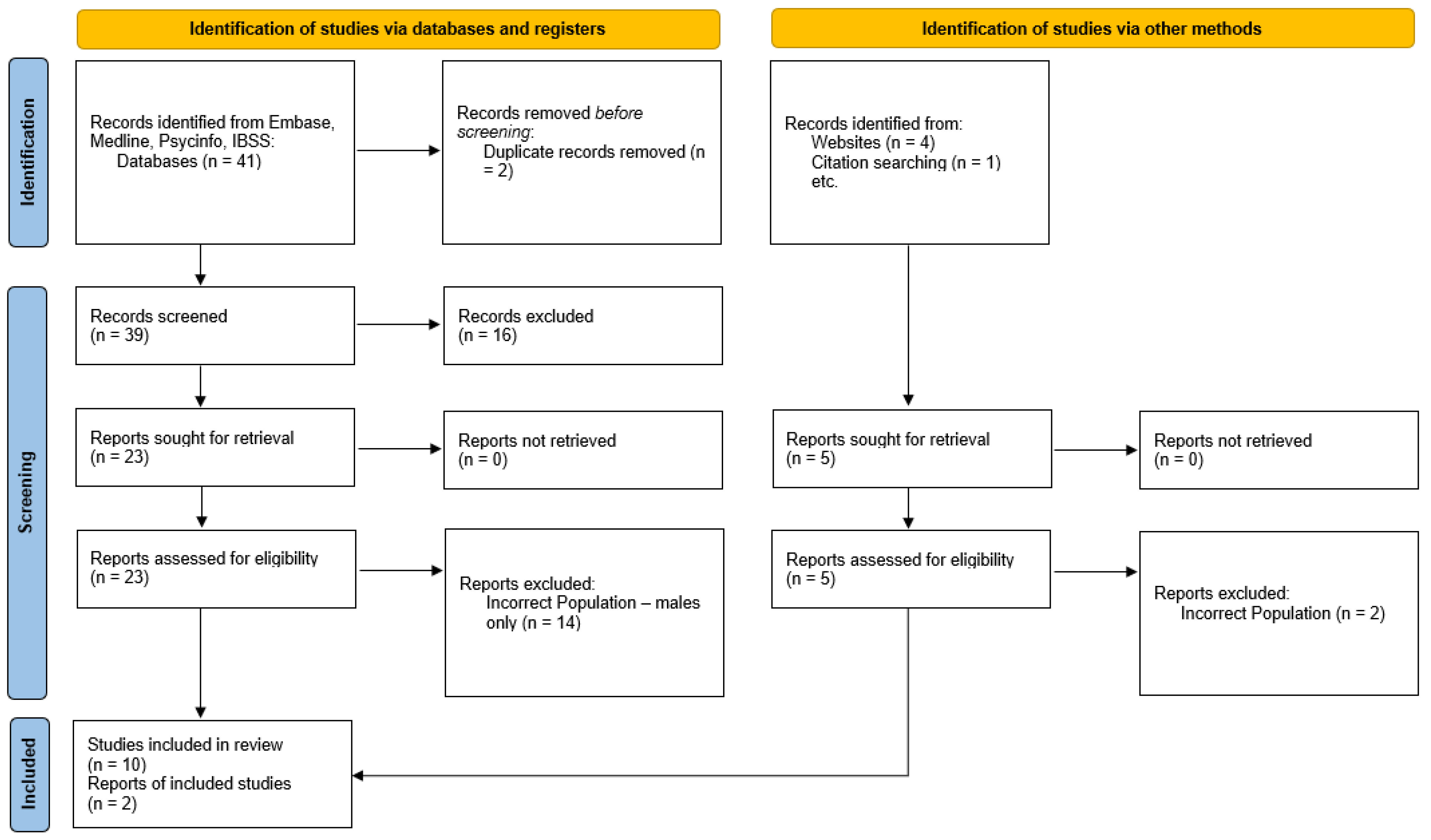
Arksey and O’Malley was the chosen methodological framework used for this scoping review (Arksey and O’Malley 2005). The framework is a six-stage systematic approach that provides a clear process for identifying, mapping, and summarising existing research on a topic. The six stages include 1. identifying the research question, 2. identifying relevant studies, 3. study selection, 4. charting the data, 5. collating and reporting results, and 6. consultation (this stage is optional) (Levac et al. 2010; Arksey and O’Malley 2005). Using this framework enables you to examine the extent and nature of evidence regarding a topic, highlighting research gaps (Levac et al. 2010; Arksey and O’Malley 2005). A systematic search was carried out on four databases, Embase, Medline, Psycinfo, and IBSS, in September 2025. Grey literature was searched for through hand searching reference lists and websites of national organisations (Prison Reform Trust, UK Government and Women in Prison). Figure 1 below presents the PRISMA 2020 flow chart. For search terms, see Appendix A, Table A1.
Figure 1.
PRISMA flowchart.
2.2. Inclusion and Exclusion Criteria
All studies were included regardless of publication date, study type, and location. The cancer screening had to be specifically for females in prison, over fifty years of age, rather than the general prison population. Studies were excluded if they contained screening data for other illnesses other than cancer or male cancer screening. Studies reported in languages other than English were excluded, and reports were excluded; in addition, if the article was unavailable to read, it was excluded.
2.3. Screening, Data Extraction, and Analysis
Studies retrieved were imported into Rayyan, and duplicates were removed. All abstracts were screened by NA to identify articles meeting the inclusion criteria. Data were extracted from included studies using a data collection template.
For each article, information was extracted on (1) identification of the study with author, year, location, and title; (2) study details, with study type, aim of the study, sample size, and age range; (3) type of cancer screened for; and (4) screening period (prior, during, or after imprisonment). Enablers and barriers to cancer screening for older women in prison were grouped into accessibility, personal, and operational categories. Included studies described specific enablers and barriers; however, the grouping and naming of the categories reflect the authors’ interpretation to meaningfully organise the findings across studies. The categories were achieved through the iterative processes of data charting and summarising the data. The quantitative reporting of outcome data was heterogenous and limited, so it was not appropriate to combine effect estimates.
3. Results
Twelve studies were identified. Apart from one study in 2005 (Magee et al. 2005), the research was undertaken between 2010 and 2025 (see Appendix B, Table A2). (Price 2024; Aday and Farney 2014; Against Violence and Abuse AVA 2019; Besney et al. 2018; Di Giuseppe et al. 2022; Magee et al. 2005; Mantell et al. 2025; Mehta et al. 2020; Nijhawan et al. 2010; Pickett et al. 2018; da Silva et al. 2017; Hewson et al. 2024). The studies varied in geographical location (see Appendix B, Table A2). Four were from the USA (4/12) (Aday and Farney 2014; Magee et al. 2005; Nijhawan et al. 2010; Pickett et al. 2018), three were from the UK (3/12) (Price 2024; Against Violence and Abuse AVA 2019; Hewson et al. 2024), one was from Brazil (1/12) (da Silva et al. 2017), one was from Italy (1/12) (Di Giuseppe et al. 2022), one was from Canada (1/12) (Besney et al. 2018), one was from Australia (1/12) (Mantell et al. 2025), and one was from North India (1/12) (Mehta et al. 2020).
Five studies were cross-sectional (Di Giuseppe et al. 2022; Mehta et al. 2020; Nijhawan et al. 2010; Pickett et al. 2018; da Silva et al. 2017), four studies were mixed-methods (Aday and Farney 2014; Against Violence and Abuse AVA 2019; Besney et al. 2018; Di Giuseppe et al. 2022), and three studies were qualitative (Magee et al. 2005; Mantell et al. 2025; Hewson et al. 2024). Eleven of the twelve studies included both enablers and barriers to uptake to cancer screening services in the older female population in prison (Price 2024; Against Violence and Abuse AVA 2019; Besney et al. 2018; Di Giuseppe et al. 2022; Magee et al. 2005; Mantell et al. 2025; Mehta et al. 2020; Nijhawan et al. 2010; Pickett et al. 2018; da Silva et al. 2017; Hewson et al. 2024). One study included barriers to cancer screening only (Aday and Farney 2014). Of the enabling factors identified, eleven were in the personal enablers and twelve were in the operational enablers. For barriers identified, five were accessibility barriers, six were personal barriers, and eleven related to operational barriers.
3.1. Barriers to Cancer Screening Uptake in Older Imprisoned Women
Six studies reported quantitative barriers to cancer screening uptake in older imprisoned women, and four studies reported qualitative barriers. These are summarised in Table 1 and Table 2.
Table 1.
Barriers to cancer screening uptake in older female prisoners (quantitative).
Table 2.
Qualitative findings relating to barriers to cancer screening uptake in older imprisoned women.
3.1.1. Accessibility Barriers
Knowledge was identified as a key barrier to accessing cancer screening services. Research reported a large proportion of older women in prison had never heard about cervical cancer screening (85.9%) and 50% of older women in prison were illiterate (Di Giuseppe et al. 2022; Mehta et al. 2020), preventing them from being able to read information regarding how to access cancer screening or understand the benefits of cancer screening.
Qualitative findings added further insights to this accessibility barrier, highlighting frequent lack of communication or miscommunication impacts the knowledge older women have regarding cancer screening, leaving them to feel like prison is a “world of chaos”.
3.1.2. Personal Barriers
The quantitative findings suggested that age was an important factor, with women aged over 65 years being less likely to have been screened for cervical cancer (da Silva et al. 2017).
Furthermore, the qualitative findings identified that past experiences impact older women’s ability to engage with cancer screening (Magee et al. 2005). A large percentage of the women were reported to have previously been raped and sexually abused (Magee et al. 2005). Older women explained the nature of the tests were rough and inhumane, stating they would not be comfortable with a male provider administering screening. In another study, where all participants were over the age of 50, it was found that older female prisoners feel as if the prison staff who carry out cancer screening look down on them, adding to the tension (Aday and Farney 2014).
3.1.3. Operational Barriers
The nature of short sentences for older women is problematic in not only accessing cancer screening services but also receiving the results of any screening that does take place whilst in prison. Besney et al. (2018) found the average length of stay was less than half (11.25 days) of the wait to be assessed by the Women’s Health Centre for cancer screening (24.4 days), resulting in 62% of older women being released prior to being screened (Besney et al. 2018).
Qualitative findings highlight the impact short sentences have on accessibility of cancer screening when released from prison. It was found that older women are left to start healthcare screening arrangements again on their own once back in the community (Besney et al. 2018; Hewson et al. 2024) and often are not able to navigate this process.
3.2. Enablers in Cancer Screening Uptake in Older Imprisoned Women
Table 3 includes quantitative data from five studies reporting enablers in cancer screening uptake in older female prisoners, and Table 4 includes qualitative data from five studies.
Table 3.
Enablers that increase cancer screening uptake in older imprisoned women.
Table 4.
Qualitative findings relating to enablers of cancer screening uptake in older female prisoners.
3.2.1. Accessibility Enablers
Knowledge and awareness are important enablers, especially when trusted relatives or friends can share insights. It was found if a family member or friend had previously experienced cancer, this increased the uptake of cancer screening in older women by 3.358 (95% CI 1.091–10.331) times compared to older female prisoners without cancer history in their family/friends (Di Giuseppe et al. 2022). Likewise, being aware of what the HPV infection is increased the uptake of cancer screening in the older population by 10.305 (95%CI 2.962–35.85) times compared to those who are not aware of the HPV infection (Di Giuseppe et al. 2022). This is in line with the findings relating to the level of education—the more education an older woman in prison had, the more likely they were to have had cancer screening (Nijhawan et al. 2010).
Qualitative findings support the need for older women to have sufficient knowledge regarding cancer screening but highlighted the information needs to be presented in a way they can relate to and understand (Magee et al. 2005).
3.2.2. Personal Enablers
Experiencing intimate partner violence (IPV) as an older prisoner increased the likelihood of engaging with cancer screening; 71.4% of older female prisoners who had experienced IPV engaged with cancer screening, compared to 12.2% of older female prisoners who had not experienced IPV (Pickett et al. 2018).
Qualitative findings differed to the quantitative findings of past experiences. Qualitative findings highlighted the importance of social support when accessing cancer screening services as an older woman in prison (Magee et al. 2005) and being able to abstain from alcohol and drugs to create the space to consider their health needs (Besney et al. 2018).
3.2.3. Operational Enablers
In line with the barrier identified relating to sentence length, those sentenced to more than 13 months in prison had greater uptake of cancer screening than those with shorter sentences (da Silva et al. 2017). Qualitative findings go on to explain that peer mentors and healthcare assistants would provide a good mechanism of support to increase cancer screening through relationship building. Relationship building and trust take time and are not possible with shorter sentences (Against Violence and Abuse AVA 2019).
In addition, qualitative findings highlight the importance of having a purpose-built women’s health centre or ambulatory care (Besney et al. 2018; Price 2024) as this shortened the wait to be seen, older women felt their differing care needs were met, and relevant information was provided in ways the women could understand (Price 2024; Besney et al. 2018). The women’s health centre is delivered through the prisons’ health service infrastructure rather than an external non-profit organisation (Besney et al. 2018).
When prison staff are able to make links with secondary care and community provision, older women are likely to be better supported to access cancer screening following release from prison (Hewson et al. 2024).
4. Discussion
Individuals in prison are an understudied population, and among them, both older people and women are even less likely to have been researched (Price 2024; Aday and Farney 2014; Against Violence and Abuse AVA 2019; Besney et al. 2018; Di Giuseppe et al. 2022; Magee et al. 2005; Mantell et al. 2025; Mehta et al. 2020; Nijhawan et al. 2010; Pickett et al. 2018; da Silva et al. 2017; Hewson et al. 2024; Munday et al. 2019). To our knowledge, this scoping review is the first to examine the literature regarding enablers and barriers in cancer screening uptake in older women in prison. The overall literature contains large gaps; however, this scoping review found twelve studies that provide data on solvable barriers and enablers that will improve cancer screening uptake in older women in prison (Price 2024; Aday and Farney 2014; Against Violence and Abuse AVA 2019; Besney et al. 2018; Di Giuseppe et al. 2022; Magee et al. 2005; Mantell et al. 2025; Mehta et al. 2020; Nijhawan et al. 2010; Pickett et al. 2018; da Silva et al. 2017; Hewson et al. 2024).
Most of the relevant research considered cervical cancer screening (Besney et al. 2018; Di Giuseppe et al. 2022; Magee et al. 2005; Mehta et al. 2020; da Silva et al. 2017), and there was a reasonable spread of geographic locations, suggesting barriers and enablers are consistent in prisons across high-income countries. None of the research was from lower- and middle-income countries (LMICs), and given 65% of all cancer deaths occurred in LMICs in 2020 (International Agency for Research on Cancer (IARC) 2020), this is an important finding and highlights the urgent need for more research assessing cancer screening processes and barriers and enablers to access in LMICs. Only one paper looked at breast screening, and none of the papers considered colorectal screening. This paucity of research differs from research on other health inclusion groups such as homeless populations, vulnerable migrants, sex workers, and Gypsy, Roma, and Traveller communities, where data regarding barriers to cancer screening uptake is much more available and includes breast screening (Ponce-Chazarri et al. 2023; Al-Assil et al. 2025; Nassur et al. 2025; Hawkins et al. 2024; Bolarinwa and Holt 2023; Fox et al. 2025), lung screening (Al-Assil et al. 2025; Nassur et al. 2025; Hawkins et al. 2024; Bolarinwa and Holt 2023; Fox et al. 2025), colorectal screening (Al-Assil et al. 2025; Nassur et al. 2025; Fox et al. 2025), and cervical screening (Al-Assil et al. 2025; Nassur et al. 2025; Hawkins et al. 2024; Bolarinwa and Holt 2023; Derveeuw et al. 2025). Health inclusion groups are of interest as, like older women in prison, they are also socially excluded and experience multiple overlapping risk factors for poor health like poverty, violence, and complex trauma leading to significant health inequalities and poor cancer screening uptake (Luchenski et al. 2018).
Highlighted often in the findings was the barrier that being illiterate creates for older women in prison (Against Violence and Abuse AVA 2019; Di Giuseppe et al. 2022; Magee et al. 2005; Mehta et al. 2020; Nijhawan et al. 2010). Accessibility is key to uptake of cancer screening, and often older women in prison cannot read documentation and are not aware of the risks of cancer or the purpose of screening (Against Violence and Abuse AVA 2019; Di Giuseppe et al. 2022; Magee et al. 2005; Mehta et al. 2020; Nijhawan et al. 2010). Being able to understand information regarding cancer screening is key to accessing services. Hawkins et al. (2024) completed a service evaluation and found older women experiencing homelessness often have a lack of knowledge regarding cervical cancer, contributing to the low uptake of cancer screening in this population too (Hawkins et al. 2024). However, those aged 55–59 years were most likely to engage if supported (da Silva et al. 2017; Hawkins et al. 2024), suggesting that if services consider knowledge barriers and communication when designing cervical cancer screening services for older women in prison, this is likely to have a positive impact on uptake. There are examples of general education programmes in prisons that aim to support literacy in high-income countries; however, they are not tailored to the differing needs of older females (Lacey 2023; Kendall and Hopkins 2019; South et al. 2014). In the UK, Australia, and America, the education initiatives are usually delivered by non-profit charities and focus on a peer-led model where other imprisoned individuals are trained to help learners improve basic reading and numeracy skills (South et al. 2014; Lacey 2023). Most prosecutions for females are concentrated between the ages of 20 and 45, and whilst the older female prison population is growing, there are still more female prisoners who are younger (Ministry of Justice and HM Prison and Probation Service 2019; Statistico 2024). This may make the peer model difficult when trying to increase literacy in older females. Kendall and Hopkins (2019) found peer mentoring is most effective when mentors and learners can relate to each other, which is considerably harder with a large age gap.
Personal barriers such as the women’s past experiences prior to imprisonment affected whether they engaged with cancer screening and highlighted the need for female health workers (Price 2024; Aday and Farney 2014; Besney et al. 2018; Magee et al. 2005). This is in line with findings from other populations with low cancer screening uptake. A rapid review looking at barriers to breast, cervical, and colorectal cancer screening faced by refugees resettled in the United States found Bosnian, Iraqi, and Somali refugees expressed a strong preference for female providers administering cancer screening, with most reporting refusal of screening from male providers due to past sexual assault (Nassur et al. 2025). Cancer screening services in populations who have faced prior trauma need to consider operational aspects of a programme and the personnel delivering the cancer screening tests to reduce cancer screening disparities.
Operational components were frequently discussed as a barrier. Older women often faced short sentences (Besney et al. 2018), so if they did receive cancer screening whilst in prison, they never received the results as they had often been released before the results were available (Against Violence and Abuse AVA 2019; Besney et al. 2018; Magee et al. 2005). Transitional care to the community is an area needing development, and despite there being pockets of good practice, it is not universal across the studies and women are left to start healthcare arrangements again on their own once back in the community (Besney et al. 2018; Hewson et al. 2024). This is problematic if they do indeed need further diagnostic tests to confirm a screening result and treatment.
Many studies reported a lack of communication, poorly coordinated care, and complex booking systems the women simply could not navigate. The reasons for these included shortages of staff, reduced capacity in prison, and lack of funding (Against Violence and Abuse AVA 2019; Besney et al. 2018; Magee et al. 2005; Hewson et al. 2024). In addition, the nature of the setting—lack of privacy and cleanliness of the facility—prevented engagement (Against Violence and Abuse AVA 2019; Magee et al. 2005). These barriers are not unique to older women in prison. Health-system-level barriers have been identified frequently in the literature for Travellers who transition between different communities (Fox et al. 2025; Luchenski et al. 2018). Availability, timeliness, and length of primary care appointments were all identified as barriers to cancer screening uptake in the Traveller population. Results and follow-up care were often miscommunicated (Fox et al. 2025; Luchenski et al. 2018).
The literature did identify several enablers found to increase the uptake of cancer screening in older women in prison. Increasing knowledge and understanding through effective communication is important in increasing accessibility. It is clear in this scoping review that older imprisoned women require different engagement to the rest of the prison population (Price 2024; Aday and Farney 2014; Against Violence and Abuse AVA 2019; Besney et al. 2018; Di Giuseppe et al. 2022; Magee et al. 2005; Mantell et al. 2025; Mehta et al. 2020; Nijhawan et al. 2010; Pickett et al. 2018; da Silva et al. 2017; Hewson et al. 2024); this is not any different to the female older population in the general population (Luchenski et al. 2018). Effective health care messaging for older adults requires changing communication styles and addressing diverse needs and abilities so that information is presented in a way that is relatable and can be understood by an older woman in prison (Magee et al. 2005). Whilst not identified in this scoping review, a systematic review looking at patient-reported factors associated with older adults’ uptake of cancer screening has shown that involving older people in their decision making and having a communication strategy addressing understanding of risk help with cancer screening uptake (Smith et al. 2021).
Adding to this, peer support was identified as an effective way to build knowledge, self-confidence, and skills to navigate health screens both in prison and in the community. Often older women feel they trust fellow prisoners at a greater depth compared to staff (Against Violence and Abuse AVA 2019; Hewson et al. 2024). In addition, if a family member or friend had received cancer screening, the women were more likely to engage with cancer screening themselves (Di Giuseppe et al. 2022). Trusted advocates of health promotion activities such as cancer screening are critical when working with vulnerable populations. This approach of social network-based advocacy groups has been used for many health inclusion groups across the world (Wagner et al. 2023).
Operationally, having appropriate health care workers, with supportive attitudes, acts as an enabler to cancer screening uptake in older women in prison (Price 2024; Against Violence and Abuse AVA 2019; Besney et al. 2018; Hewson et al. 2024). When a staff member has capacity to build a relationship, identify eligible prisoners, invite them to be screened, support them with information, and communicate with them about appointments, results, and follow up, older female prisoners are happier with the process and are more likely to engage (Price 2024; Against Violence and Abuse AVA 2019; Besney et al. 2018; Hewson et al. 2024). Similarly, when there was a purpose-built health wing, with private examination rooms, clean environments, and helpful staff, older females sought healthcare more frequently and a larger percentage had up-to-date screening records (Besney et al. 2018). In line with this finding, mobilising health care was found to increase cancer screening uptake. Bringing screening units inside prisons was felt to be more dignified by older female prisoners as they did not need to be seen chained to an officer in public (Price 2024; Pickett et al. 2018). This is in keeping with other research reporting that some Gypsies, Roma, and Travellers feel stigma attached to cancer screening going into health care settings they are not familiar with (Fox et al. 2025). Mobile screening units in the community alleviate some of the feelings of stigma in this population (Fox et al. 2025). In the UK and USA, commissioners of health services support mobile health screening teams and units to enter prisons. This model relies on collaboration between prison healthcare teams and local public screening services (Public Health England 2021; Intermountain Health 2025). In contrast, in India, a non-profit organization called “Vishwanath Cancer Care Foundation” provides mobile cancer screening for women in prison in Madhya Pradesh (Kidwai 2023). Whilst it is not possible to analyse the difference in effectiveness of models in this review, we do know from this review that uptake of screening in older female prison populations depends on trust and accessibility. Charities often can engage individuals through a range of activities and prioritise building trusted relationships (Chien et al. 2020), while older women in prison often do not trust staff from health services due to prior experiences. Further work could consider reviewing the effectiveness and acceptability of different models in various contexts to enhance cancer screening service in prisons across the world.
This study has many implications for future work. Given the consistent finding that low literacy and understanding of cancer and importance of screening act as key barriers to accessing cancer screening in older female prison populations (Against Violence and Abuse AVA 2019; Di Giuseppe et al. 2022; Magee et al. 2005; Mehta et al. 2020; Nijhawan et al. 2010), cancer screening programmes delivered by health care staff and non-profit organisations should adopt age-appropriate, plain language, non-written communication strategies. This could include verbal invites, visual aids, and one-to-one explanations. Evidence from both prison and community inclusion health programmes highlights that addressing knowledge gaps and tailoring communication for older adults improve screening uptake (da Silva et al. 2017; Hawkins et al. 2024).
Secondly, we have explored the nature of personal histories and trauma and the implications this has for women accessing screening (Price 2024; Aday and Farney 2014; Besney et al. 2018). Evidence from inclusion health populations, including refugees who have experienced sexual abuse, demonstrates that access to female health care providers and a trauma-informed approach support women to have the confidence to engage with health care (Nassur et al. 2025). The trauma-informed approach involves careful prioritisation of female workers, continuity in care, and individual choice-based interactions.
Operationally, dedicated health staff who have time, access to robust co-ordination systems, and appropriate physical environments are important. An audit of this and consultation with prisoners who experience the environment in each prison will help make local changes (Besney et al. 2018; Hewson et al. 2024). Purpose-built health spaces and streamlined referral processes are important recommendations. If it is not possible to have a dedicated health space, evidence from the UK and USA supports collaborative models between prison health care teams and public screening services using mobile units (Public Health England 2021; Intermountain Health 2025). Bringing services directly to the prisons is perceived as more dignified and accessible for older women.
Finally, there is a large absence of research from lower–middle-income countries (LMICs). This is an important evidence gap as the majority of global cancer deaths occur in these countries (Pramesh et al. 2022). Future research should consider context-specific evaluations of cancer screening barriers and enablers in older female prisoners in LMICs, differentiating between the different cancer types and different processes of screening.
5. Conclusions
This is the first scoping review assessing barriers and enablers in cancer screening in the older female prison population. The review was robust and ensured systematic collection of relevant papers, using Arksey and O’Malley’s framework (Arksey and O’Malley 2005). The number of studies included was relatively low (12), indicating more work needs to be focused in this area.
The findings regarding barriers and enablers within the categories of personal, accessibility, and operational provide a basis for health providers to consider in the design and development of prison health services moving forward. We highlight differences in what the older female population needs compared to the rest of the prison population, identifying that a more person-centred approach is required with additional research at local levels. Furthermore, staff lack capacity to support these varying needs to increase uptake of cancer screening. Training for staff, awareness raising around older women’s needs, and targeted cancer screening promotion are suggested actions for the women’s prison estate. It would be beneficial to develop a more comprehensive data collection tool for cancer screening invite/uptake to monitor progress but also to make identifying eligible participants easier. Best practices for prisons who have higher rates of cancer screening uptake in the older female population can be shared.
Older women in prison are likely to be at increased risk of a range of cancers (Cancer Research UK 2020; Heidary et al. 2013; Armes et al. 2024; Brousseau et al. 2019) and yet are less likely to have been screened than their peers in the community. It is vital the population are supported to increase their engagement with cancer screening. The results from this scoping review provide a baseline to consider regarding staffing, communication, peer support, and processes to improve the experience of the older prison population. The particular dearth of research in this area—older women are a small and neglected minority within a larger marginalised population—should also be addressed to ensure the appropriate and effective development of cancer screening services.
Funding
This research received no external funding.
Institutional Review Board Statement
Not applicable.
Informed Consent Statement
Not applicable.
Data Availability Statement
No new data were created or analyzed in this study. Data sharing is not applicable to this article.
Conflicts of Interest
The authors declare no conflicts of interest.
Appendix A
Table A1.
Search terms.
Appendix B
Table A2.
Study characteristics.
References
- Aday, Ronald, and Jennifer Krabill. 2013. Older and Geriatric Offenders: Critical Issues for the 21st Century. In Special Needs Offenders in Correctional Institutions. Thousand Oaks: Sage. [Google Scholar]
- Aday, Ronald, and Lori Farney. 2014. Malign neglect: Assessing older women’s health care experiences in prison. Journal of Bioethical Inquiry 11: 359–72. [Google Scholar] [CrossRef] [Scilit]
- Against Violence and Abuse AVA. 2019. An Evaluation of Women in Prison’s Health Matters Project. London: Against Violence and Abuse AVA. [Google Scholar]
- Al-Assil, Talal, Claire Kalina, Madison C. Laird, Ryan C. Olivier, Nataly Dawood, Neya Suresh Kumar, Raven Riordan, Saad Shebrain, Cheryl Dickson, and Gitonga Munene. 2025. Sheltered yet unscreened: Exploring cancer screening rates and barriers in the unhoused (homeless) population. American Journal of Surgery 248: 116289. [Google Scholar] [CrossRef] [Scilit]
- Arksey, Hilary, and Lisa O’Malley. 2005. Scoping Studies: Towards a Methodological Framework. International Journal of Social Research Methodology: Theory & Practice 8: 19–32. [Google Scholar] [CrossRef] [Scilit]
- Armes, Jo, Renske Visser, Margreet Lüchtenborg, Jennie Huynh, Sue Wheatcroft, Alyce-Ellen Barber, Emma Plugge, Rachel M. Taylor, Rachael Maree Hunter, and Elizabeth Anne Davies. 2024. Cancer in prison: Barriers and enablers to diagnosis and treatment. eClinicalMedicine 72: 102540. [Google Scholar] [CrossRef] [Scilit]
- Besney, Jonathan D., Cybele Angel, Diane Pyne, Rebecca Martell, Louanne Keenan, and Rabia Ahmed. 2018. Addressing Women’s Unmet Health Care Needs in a Canadian Remand Center: Catalyst for Improved Health? Journal of Correctional Health Care: The Official Journal of the National Commission on Correctional Health Care 24: 276–94. [Google Scholar] [CrossRef] [Scilit]
- Bolarinwa, Obasanjo Afolabi, and Nicole Holt. 2023. Barriers to breast and cervical cancer screening uptake among Black, Asian, and Minority Ethnic women in the United Kingdom: Evidence from a mixed-methods systematic review. BMC Health Services Research 23: 390. [Google Scholar] [CrossRef] [Scilit] [PubMed]
- Brousseau, Erin Christine, Susie Ahn, and Kristen A. Matteson. 2019. Cervical Cancer Screening Access, Outcomes, and Prevalence of Dysplasia in Correctional Facilities: A Systematic Review. Journal of Women’s Health 28: 1661–69. [Google Scholar] [CrossRef] [Scilit]
- Cancer Research UK. 2020. Cancer in the UK 2020: Socio-Economic Deprivation. Cambridge: Cancer Research UK. [Google Scholar]
- Chien, Shih-Ying, Ming-Chuen Chuang, and I-Ping Chen. 2020. Why People Do Not Attend Health Screenings: Factors That Influence Willingness to Participate in Health Screenings for Chronic Diseases. International Journal of Environmental Research and Public Health 17: 3495. [Google Scholar] [CrossRef] [Scilit] [PubMed]
- da Silva, Elaine Regina Prudêncio, Albert Schiaveto de Souza, Taiana Gabriela Barbosa de Souza, Daniel Henrique Tsuha, and Ana Rita Barbieri. 2017. Screening for cervical cancer in imprisoned women in Brazil. PLoS ONE 12: e0187873. [Google Scholar] [CrossRef] [Scilit] [PubMed]
- Derveeuw, Sarah, Katrien Vanthomme, Sara Willems, and Sorana Toma. 2025. Migrant and ethnic inequalities in cervical cancer screening: Exploring the role of cultural health capital using data from the Belgian Health Interview Survey. BMC Public Health 25: 2262. [Google Scholar] [CrossRef] [Scilit]
- Di Giuseppe, Gabriella, Lucio Folcarelli, Raffaele Lanzano, Francesco Napolitano, and Maria Pavia. 2022. HPV Vaccination and Cervical Cancer Screening: Assessing Awareness, Attitudes, and Adherence in Detained Women. Vaccines 10: 1280. [Google Scholar] [CrossRef] [Scilit] [PubMed]
- Ebell, Mark H., Thuy Nhu Thai, and Kyle J. Royalty. 2018. Cancer screening recommendations: An international comparison of high income countries. Public Health Reviews 39: 7. [Google Scholar] [CrossRef] [Scilit]
- Fazel, Seena, and Jacques Baillargeon. 2011. The health of prisoners. Lancet 377: 956–65. [Google Scholar] [CrossRef] [Scilit]
- Fox, Patricia, Reuel Jalal, Regina Joye, Patricia Fitzpatrick, Lynsey Kavanagh, Mary Brigid Collins, Una Kennedy, Triona McCarthy, Maria McEnery, Aine Lyng, and et al. 2025. Barriers and Enablers to Cancer Prevention, Screening and Early Detection Among Travellers in Ireland: Healthcare Professionals Perspectives. Seminars in Oncology Nursing 41: 151889. [Google Scholar] [CrossRef] [Scilit]
- Glei, Dana A., Chioun Lee, and Maxine Weinstein. 2022. Assessment of Mortality Disparities by Wealth Relative to Other Measures of Socioeconomic Status Among US Adults. JAMA Network Open 5: e226547. [Google Scholar] [CrossRef] [Scilit]
- Golembeski, Cynthia A., Carolyn B. Sufrin, Brie Williams, Precious S. Bedell, Sherry A. Glied, Ingrid A. Binswanger, Donna Hylton, Tyler N. A. Winkelman, and Jaimie P. Meyer. 2020. Improving Health Equity for Women Involved in the Criminal Legal System. Women’s Health Issues: Official Publication of the Jacobs Institute of Women’s Health 30: 313–19. [Google Scholar] [CrossRef] [Scilit]
- Hawkins, Katie Eirian, Kyra Gourlay, and Kate Cuschieri. 2024. Challenges for cervical screening in people experiencing homelessness. BMJ Sexual & Reproductive Health 50: 150–51. [Google Scholar] [CrossRef] [Scilit]
- Heidary, Fatemeh, Abolfazl Rahimi, and Reza Gharebaghi. 2013. Poverty as a risk factor in human cancers. Iranian Journal of Public Health 42: 341–43. [Google Scholar]
- Hewson, Thomas, Adam O’Neill, Leanne Heathcote, Jennifer Shaw, Catherine Robinson, Jane Senior, and Katrina Forsyth. 2024. Long-term physical health conditions in older adults in prison: A brief report from a nominal group. The Journal of Forensic Psychiatry & Psychology 36: 89–104. [Google Scholar] [CrossRef] [Scilit]
- Houchin, Roger. 2005. Social Exclusion and Imprisonment in Scotland. Edinburgh: Scottish Prison Service. [Google Scholar]
- Intermountain Health. 2025. Intermountain St. James Hospital Provides Breast Cancer Screenings to Montana Inmates with Mobile Mammography Unit. Available online: https://news.intermountainhealth.org/intermountain-health-st-james-hospital-provides-breast-cancer-screenings-to-inmates-with-mobile-mammography-unit/#:~:text=Intermountain%20St.,to%20the%2050%20women%20here.%E2%80%9D (accessed on 9 September 2025).
- International Agency for Research on Cancer (IARC). 2020. The Global Cancer Observatory. Available online: https://gco.iarc.fr/en (accessed on 28 November 2025).
- Kendall, Alex, and Thomas Hopkins. 2019. Inside Out Literacies. International Journal of Bias, Identity and Diversities in Education 4: 82–99. [Google Scholar] [CrossRef] [Scilit]
- Kidwai, Kausar. 2023. Addressing Inequities in Cancer Prevention Services for Women Prisoners in Madhya Pradesh. Available online: https://www.karkinos.in/addressing-inequities-in-cancer-prevention-services-for-women-prisoners-in-madhya-pradesh/#:~:text=Vishwanath%20Cancer%20Care%20Foundation%20(VCCF)%20and%20Karkinos%20Healthcare%20spearheading%20cancer%20screening%20initiatives%20in%20prisons (accessed on 9 September 2025).
- Lacey, Andrew. 2023. Peer-led literacy: A prison library’s collaboration with the Shannon Trust. Library and Information Research. Early View. Published 3 February 2023. [Google Scholar] [CrossRef] [Scilit]
- Levac, Danielle, Heather Colquhoun, and Kelly O’Brien. 2010. Scoping Studies: Advancing the Methodology. Implementation Science 5: 69. [Google Scholar] [CrossRef] [Scilit]
- Luchenski, Serena, Nick Maguire, Robert W. Aldridge, Andrew Hayward, Alistair Story, Patrick Perri, James Withers, Sharon Clint, Suzanne Fitzpatrick, and Nigel Hewett. 2018. What works in inclusion health: Overview of effective interventions for marginalised and excluded populations. Lancet 391: 266–80. [Google Scholar] [CrossRef] [Scilit]
- Magee, Catherine G., Jen R. Hult, Ruby Turalba, and Shelby McMillan. 2005. Preventive care for women in prison: A qualitative community health assessment of the Papanicolaou test and follow-up treatment at a California state women’s prison. American Journal of Public Health 95: 1712–17. [Google Scholar] [CrossRef] [Scilit]
- Makaroun, Lena K., Rebecca T. Brown, Luz. Grisell Diaz-Ramirez, Cyrus Ahalt, William. John Boscardin, Sean Lang-Brown, and Sei Lee. 2017. Wealth-Associated Disparities in Death and Disability in the United States and England. JAMA Internal Medicine 177: 1745–53. [Google Scholar] [CrossRef] [Scilit]
- Mantell, Rhys, Adrienne Withall, Amanuel Hagos, Kylie Radford, Natasha Ginnivan, Phillip Snoyman, Peter Schofield, Tony Butler, and Jane Hwang. 2025. A critical realist analysis of digital health screening for older people in prison. SSM—Qualitative Research in Health 8: 100581. [Google Scholar] [CrossRef] [Scilit]
- Maschi, Tina, Deborah Viola, and Fei Sun. 2013. The high cost of the international aging prisoner crisis: Well-being as the common denominator for action. The Gerontologist 53: 543–54. [Google Scholar] [CrossRef] [Scilit]
- Mehta, Sumita, Anshuja Singla, and Payal Jadaun. 2020. Cervical Cancer Screening Behind Bars: A Woman’s Right. Journal of Clinical and Diagnostic Research 14: QC9–QC11. [Google Scholar] [CrossRef] [Scilit]
- Merkt, Helene, Sophie Haesen, Leila Meyer, Reto W. Kressig, Bernice S. Elger, and Tenzin Wangmo. 2020. Defining an age cut-off for older offenders: A systematic review of literature. International Journal of Prisoner Health 16: 95–116. [Google Scholar] [CrossRef] [Scilit]
- Ministry of Justice and HM Prison and Probation Service. 2019. Strengthening Prisoners Family Ties Policy Framework. London: Ministry of Justice and HM Prison and Probation Service. [Google Scholar]
- Munday, David, Jane Leaman, Éamonn O’Moore, and Emma Plugge. 2019. The prevalence of non-communicable disease in older people in prison: A systematic review and meta-analysis. Age and Ageing 48: 204–12. [Google Scholar] [CrossRef] [Scilit]
- Nassur, Jamie, Devesh Dajee, Amy Leader, and Katherine DiSantis. 2025. Barriers to Breast, Cervical, and Colorectal Cancer Screenings Faced by Refugees Resettled in the United States: A Rapid Review. Journal of Immigrant and Minority Health 27: 609–22. [Google Scholar] [CrossRef] [Scilit]
- NHS England. 2025. Screening and Earlier Diagnosis. Available online: https://www.england.nhs.uk/cancer/early-diagnosis/screening-and-earlier-diagnosis/ (accessed on 11 September 2025).
- NIHR Evidence. 2023. Multiple Conditions and Health Inequalities: Addressing the Challenge with Research. London: NIHR. Available online: https://evidence.nihr.ac.uk/collection/multiple-long-term-conditions-multimorbidity-and-inequality-addressing-the-challenge-insights-from-research/ (accessed on 10 September 2025).
- Nijhawan, Ank E., Rachel Salloway, Amy S. Nunn, Michael Poshkus, and Jennifer G. Clarke. 2010. Preventive healthcare for underserved women: Results of a prison survey. Journal of Women’s Health 19: 17–22. [Google Scholar] [CrossRef] [Scilit]
- Office for National Statistics. 2021. Census. Newport: Office for National Statistics. [Google Scholar]
- Patel, Shivani A., Maya Krasnow, Kaitlyn Long, Theresa Shirey, Neal Dickert, and Alanna A. Morris. 2020. Excess 30-Day Heart Failure Readmissions and Mortality in Black Patients Increases with Neighborhood Deprivation. Circulation: Heart Failure 13: e007947. [Google Scholar] [CrossRef] [Scilit]
- Pathirana, Thanya I., and Caroline A. Jackson. 2018. Socioeconomic status and multimorbidity: A systematic review and meta-analysis. Australian and New Zealand Journal of Public Health 42: 186–94. [Google Scholar] [CrossRef] [Scilit]
- Petrovic, Dusan, Carlos de Mestral, Murielle Bochud, Mel Bartley, Mika Kivimäki, Paolo Vineis, Johan Mackenbach, and Silvia Stringhini. 2018. The contribution of health behaviors to socioeconomic inequalities in health: A systematic review. Preventive Medicine 113: 15–31. [Google Scholar] [CrossRef] [Scilit]
- Pickett, Michelle L., Molly Allison, Katelyn Twist, Jennifer R. Klemp, and Megha Ramaswamy. 2018. Breast Cancer Risk Among Women in Jail. BioResearch Open Access 7: 139–44. [Google Scholar] [CrossRef] [Scilit]
- Ponce-Chazarri, Laura, Jose Antonio Ponce-Blandón, Palmira Immordino, Antonio Giordano, and Fátima Morales. 2023. Barriers to Breast Cancer-Screening Adherence in Vulnerable Populations. Cancers 15: 604. [Google Scholar] [CrossRef] [Scilit]
- Pramesh, Chandrasekhar S., Rajendra Badwe, Nirmala Bhoo-Pathy, Christopher Booth, Girish Chinnaswamy, Anna Dare, Victor Andrade, David Hunter, Satish Gopal, Mary Gospodarowicz, and et al. 2022. Priorities for cancer research in low- and middle-income countries: A global perspective. Nature Medicine 28: 649–57. [Google Scholar] [CrossRef] [Scilit]
- Price, Jayne. 2024. Growing Old and Dying Inside: Improving the Experiences of Older People Serving Long Prison Sentences. London: Prison Reform Trust. [Google Scholar]
- Public Health England. 2021. NHS Population Screening: I, Proving Access for People in Secure and Detained Settings. London: Public Health England. [Google Scholar]
- Smith, Jenna, Rachael H. Dodd, Karen M. Gainey, Vasi Naganathan, Erin Cvejic, Jesse Jansen, and Kirsten J. McCaffery. 2021. Patient-Reported Factors Associated with Older Adults’ Cancer Screening Decision-making: A Systematic Review. JAMA Network Open 4: e2133406. [Google Scholar] [CrossRef] [Scilit]
- South, Jane, Anne-Marie Bagnall, Claire Hulme, James Woodall, Roberta Longo, Rachael Dixey, Karina Kinsella, Gary Raine, Karen Vinall, and Judy Wright. 2014. A systematic review of the effectiveness and cost-effectiveness of peer-based interventions to maintain and improve offender health in prison settings. Health Services and Delivery Research, 1–218. [Google Scholar] [CrossRef] [Scilit]
- Statistico. 2024. Distribution of Prisoners in the US by Gender and Age. Available online: https://www.statistico.com/s/us-prisoner-distribution-by-sex-and-age?utm_source=chatgpt.com (accessed on 12 January 2026).
- Wagner, Glenn J., Joseph K. B. Matovu, Margrethe Juncker, Eve Namisango, Kathryn Bouskill, Sylvia Nakami, Jolly Beyeza-Kashesya, Emmanuel Luyirika, Laura M. Bogart, Harold D. Green, and et al. 2023. Effects of a peer advocacy intervention on cervical cancer screening among social network members: Results of a randomized controlled trial in Uganda. Journal of Behavioral Medicine 46: 930–39. [Google Scholar] [CrossRef] [Scilit]
- Warren Andersen, Shaneda, William J. Blot, Xiao-Ou Shu, Jennifer S. Sonderman, Mark D. Steinwandel, Margaret K. Hargreaves, and Wei Zheng. 2016. Adherence to Cancer Prevention Guidelines and Cancer Risk in Low-Income and African American Populations. Cancer Epidemiology, Biomarkers & Prevention: A Publication of the American Association for Cancer Research, Cosponsored by the American Society of Preventive Oncology 25: 846–53. [Google Scholar] [CrossRef] [Scilit]
- Williams, Brie A., Cyrus Ahalt, Irena Stijacic-Cenzer, Alexander K. Smith, Joe Goldenson, and Christine S. Ritchie. 2014. Pain behind bars: The epidemiology of pain in older jail inmates in a county jail. Journal of Palliative Medicine 17: 1336–43. [Google Scholar] [CrossRef] [Scilit]
- Williams, Brie A., Marc F. Stern, Jeff Mellow, Meredith Safer, and Robert B. Greifinger. 2012. Aging in correctional custody: Setting a policy agenda for older prisoner health care. American Journal of Public Health 102: 1475–81. [Google Scholar] [CrossRef] [Scilit]
- World Health Organization. 2022. Cancer and Cardiovascular Health Inequities in Prison Settings: A Rapid Literature Review. Geneva: World Health Organization. [Google Scholar]
- Yoshikawa, Hirokazu, James. Lawrence Aber, and William R. Beardslee. 2012. The effects of poverty on the mental, emotional, and behavioral health of children and youth: Implications for prevention. The American Psychologist 67: 272–84. [Google Scholar] [CrossRef] [Scilit]
- Zhang, Yan-Bo, Chen Chen, Xiong-Fei Pan, Jingyu Guo, Yanping Li, Oscar H. Franco, Gang Liu, and An Pan. 2021. Associations of healthy lifestyle and socioeconomic status with mortality and incident cardiovascular disease: Two prospective cohort studies. BMJ (Clinical Research Edition) 373: N604. [Google Scholar] [CrossRef] [Scilit]

Disclaimer/Publisher’s Note: The statements, opinions and data contained in all publications are solely those of the individual author(s) and contributor(s) and not of MDPI and/or the editor(s). MDPI and/or the editor(s) disclaim responsibility for any injury to people or property resulting from any ideas, methods, instructions or products referred to in the content. |
© 2026 by the authors. Licensee MDPI, Basel, Switzerland. This article is an open access article distributed under the terms and conditions of the Creative Commons Attribution (CC BY) license.