Microbiologically Influenced Corrosion of a Pipeline in a Petrochemical Plant

 ,
,
Abstract
1. Introduction
2. Materials and Methods
2.1. Case Background
2.2. Experiment
3. Result and Discussion
3.1. Visual Observations
3.2. Chemical Analysis
3.3. Morphology of Pits
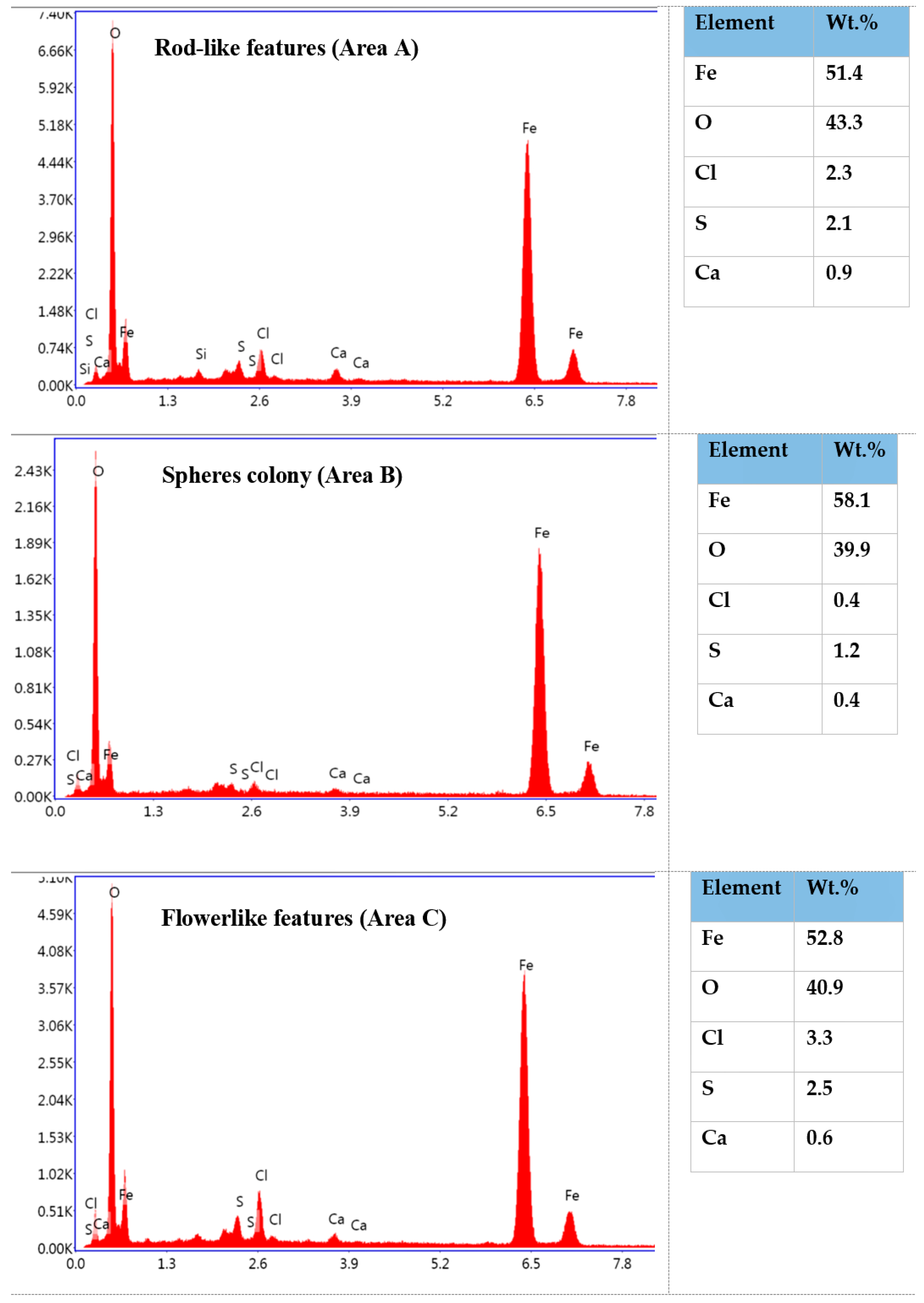
3.4. Analysis of Corrosion Products/Biofilm at the Outer Surface
- (i)
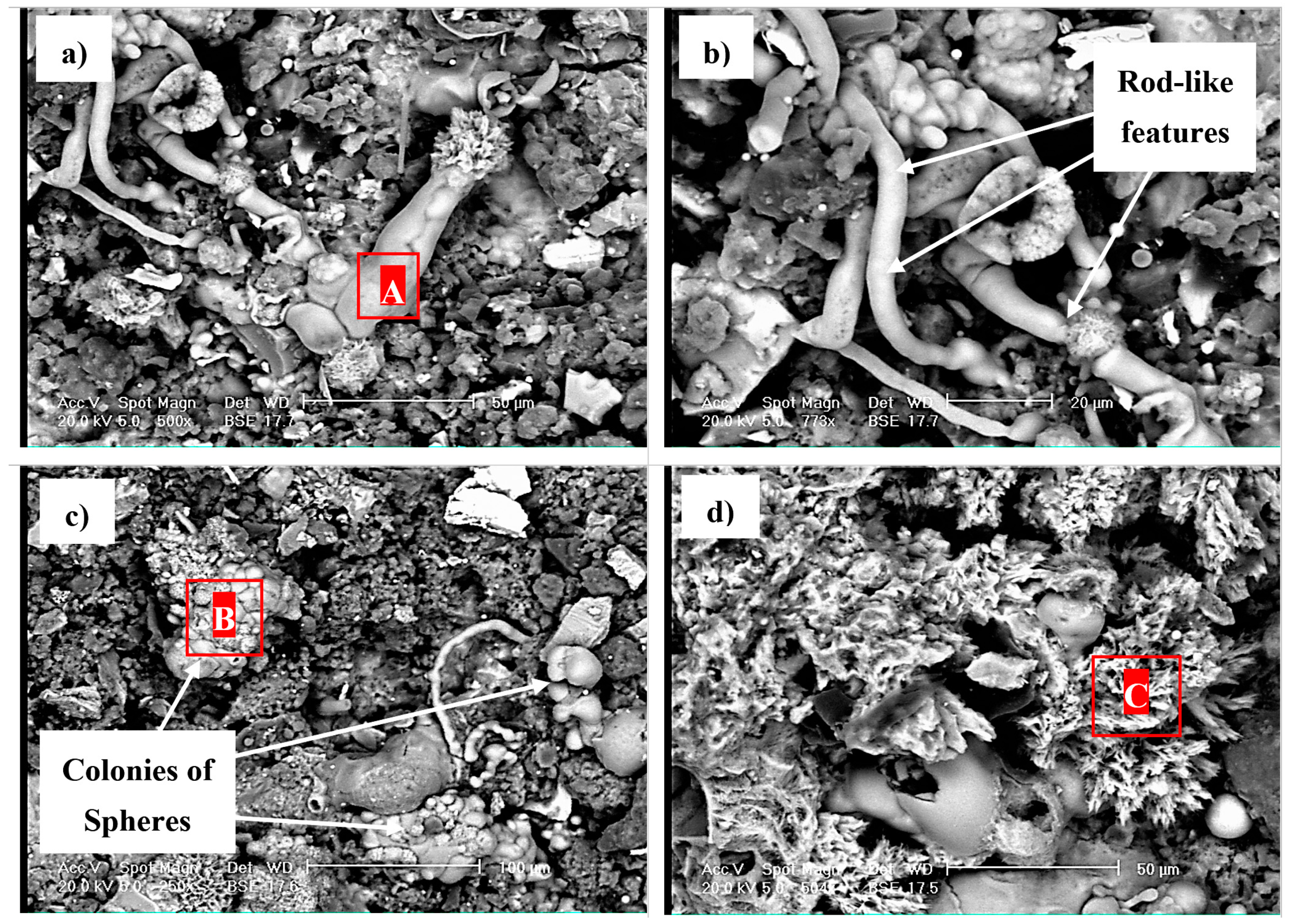
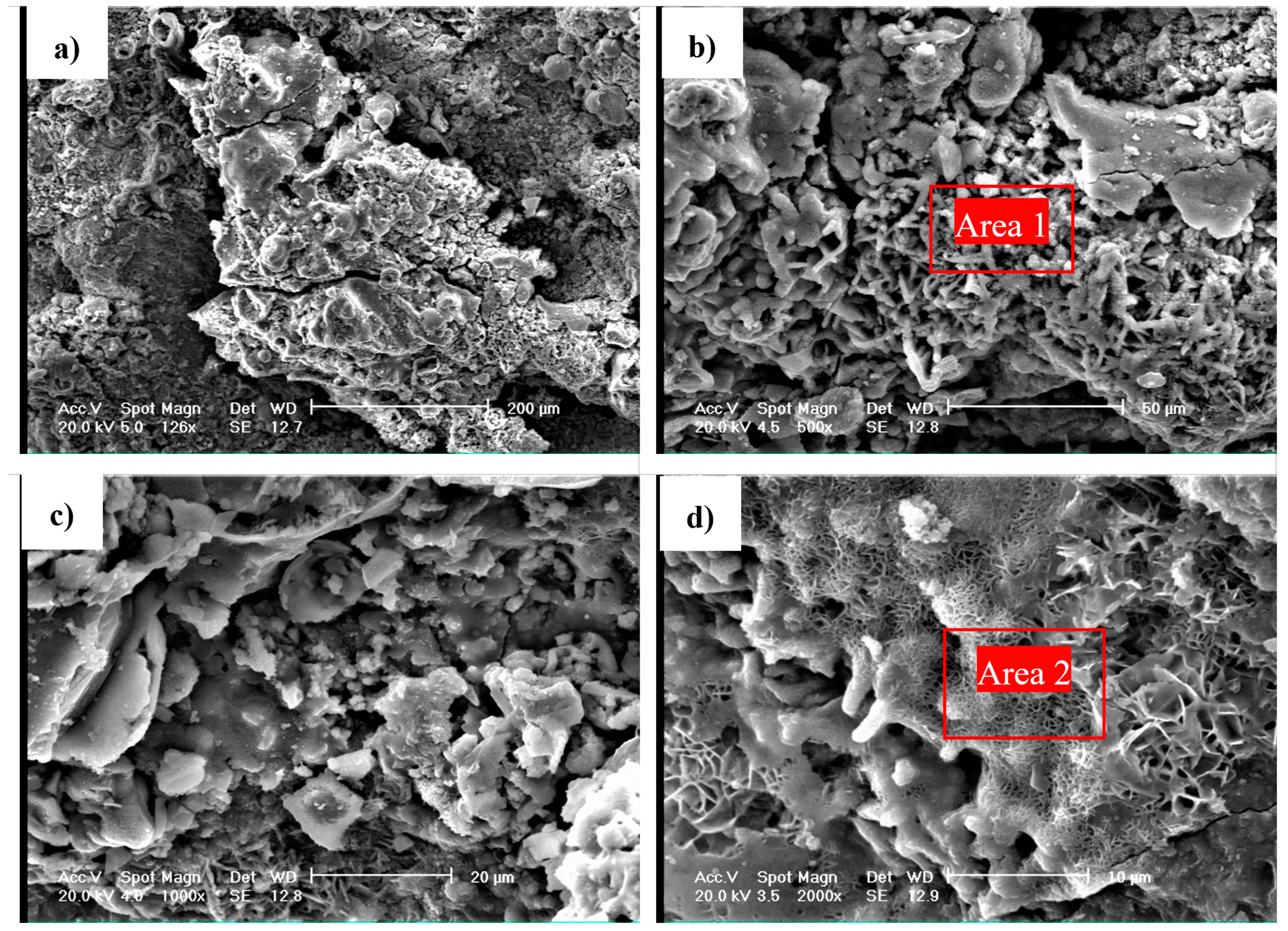
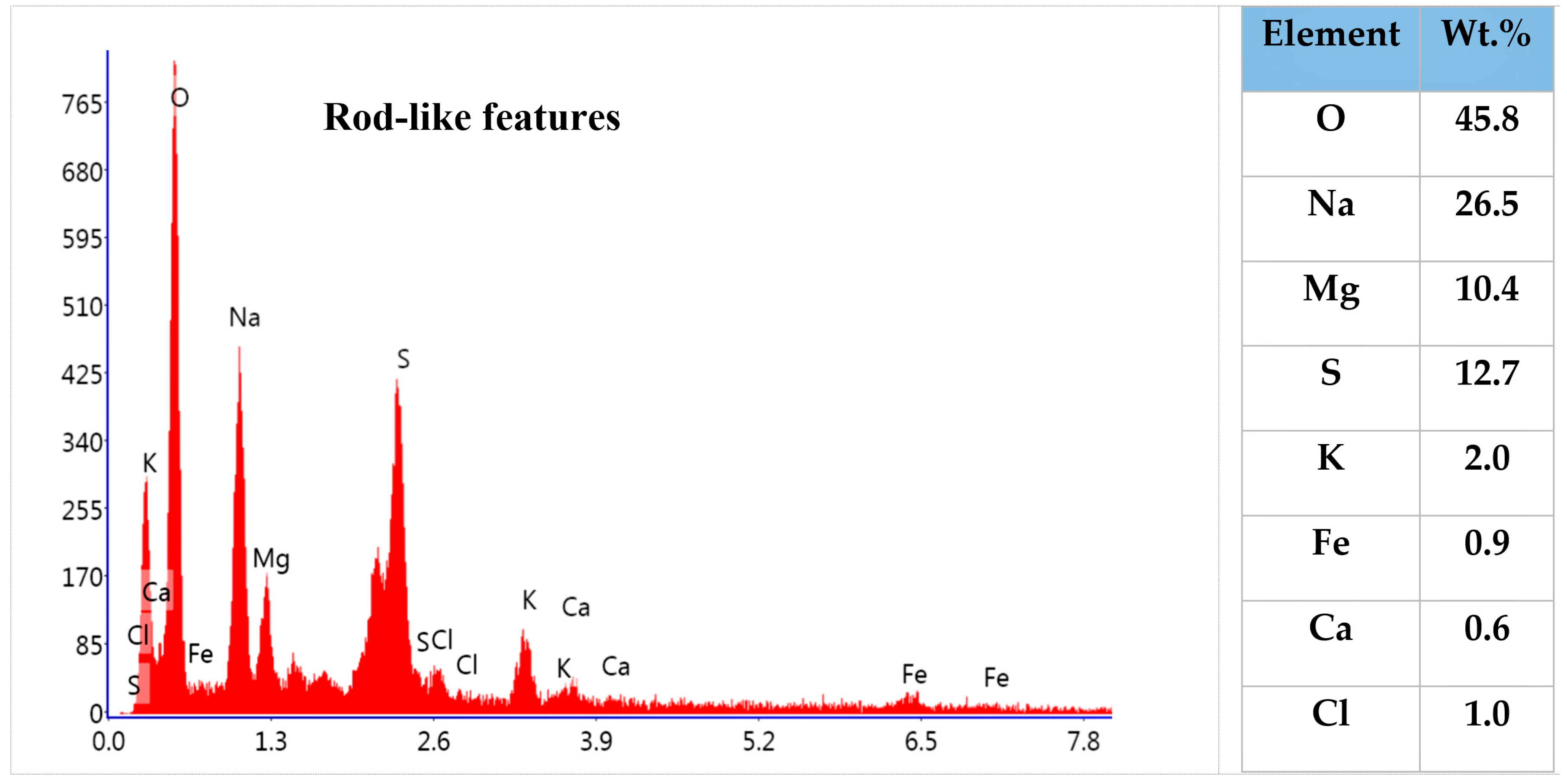
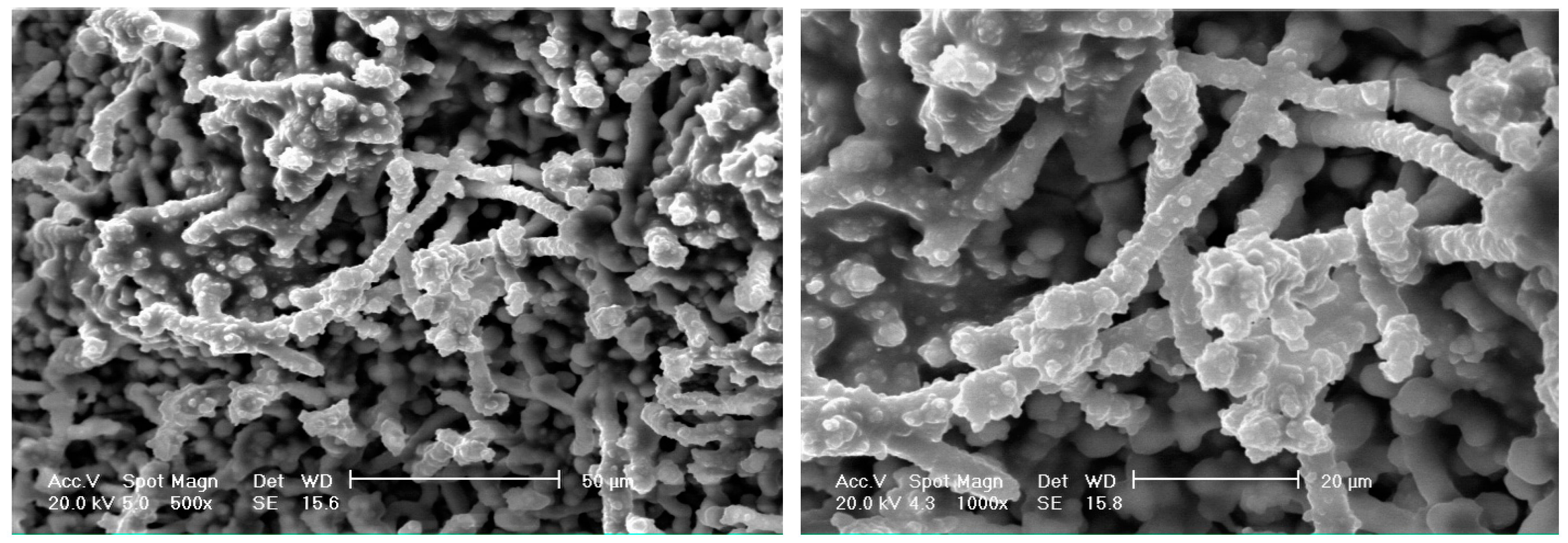
- Rod-shaped products, with approximate length of 50 µm;
- (ii)
- Colonies of spheres, with their size ranging from 10 to 100 µm;
- (iii)
- Flower-like surface features, all shown in Figure 5.
- (i)
- use natural organic compounds as electron donors,
- (ii)
- oxidize hydrogen,
- (iii)
- utilize aromatic and aliphatic hydrocarbons, and
- (iv)
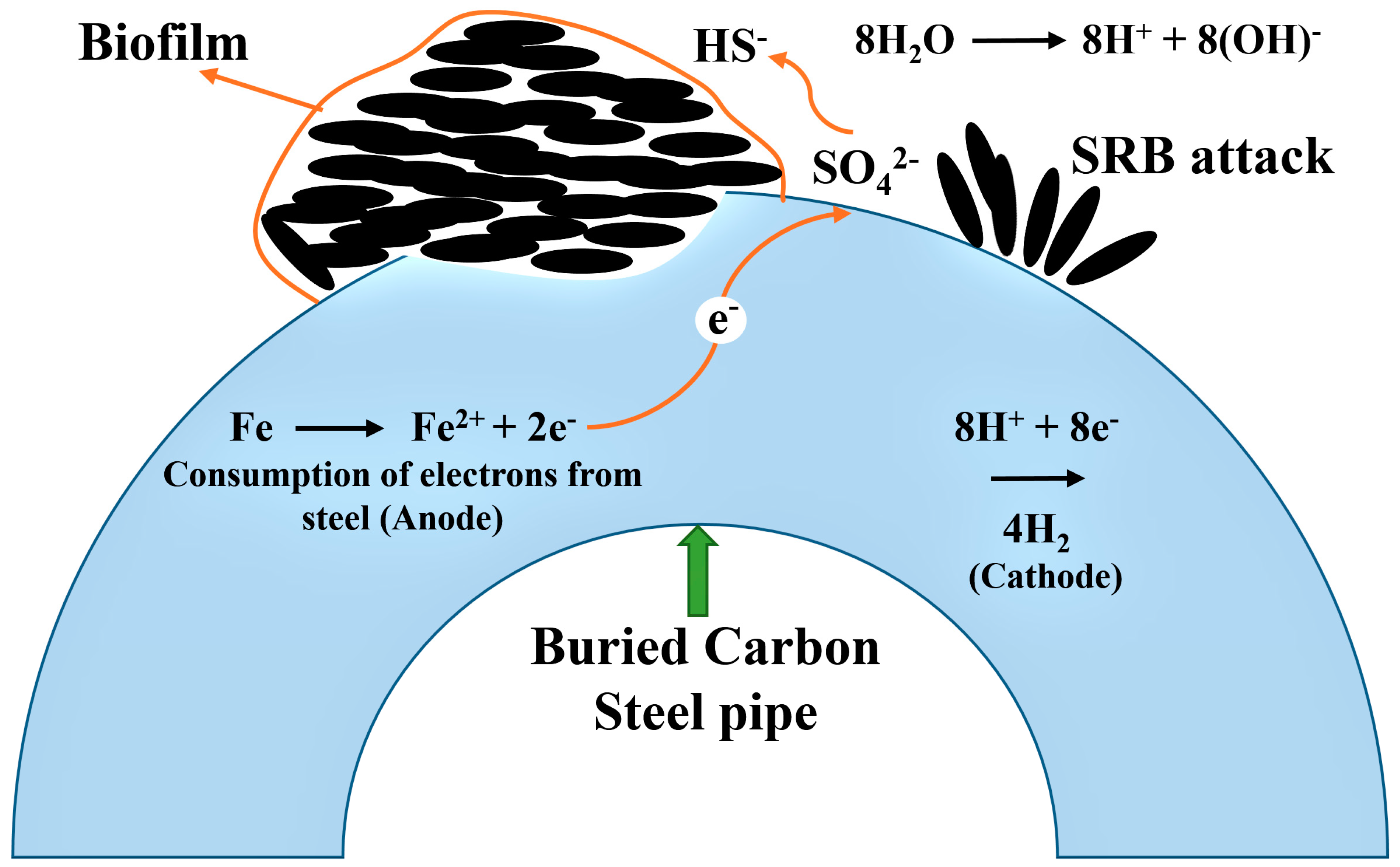
- reduce sulfate to sulfide [17].
3.5. Analysis of Corrosion Products at the Inner Surface
3.6. SRB Monitoring at the Corroded Site
4. Conclusions
- (i)
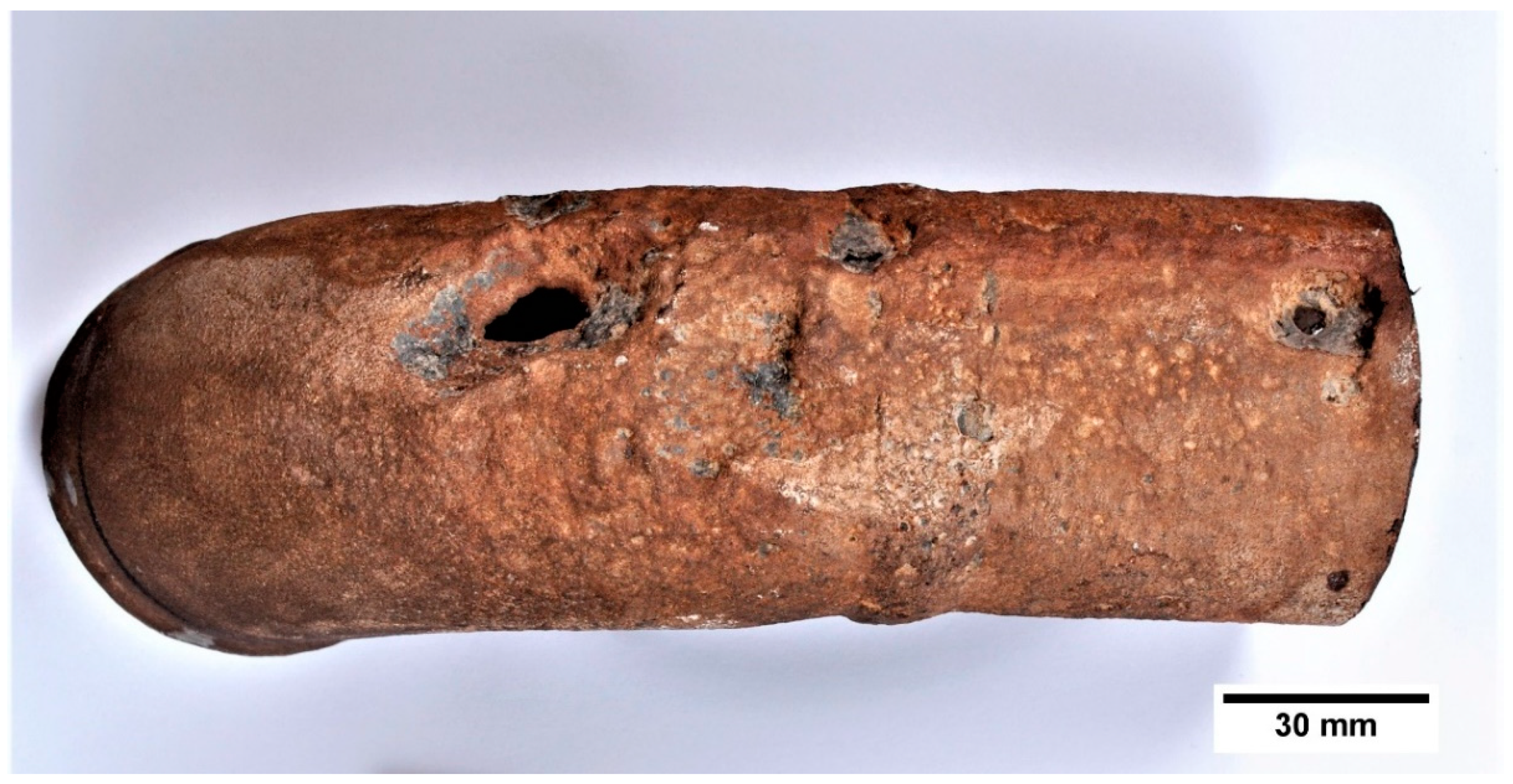
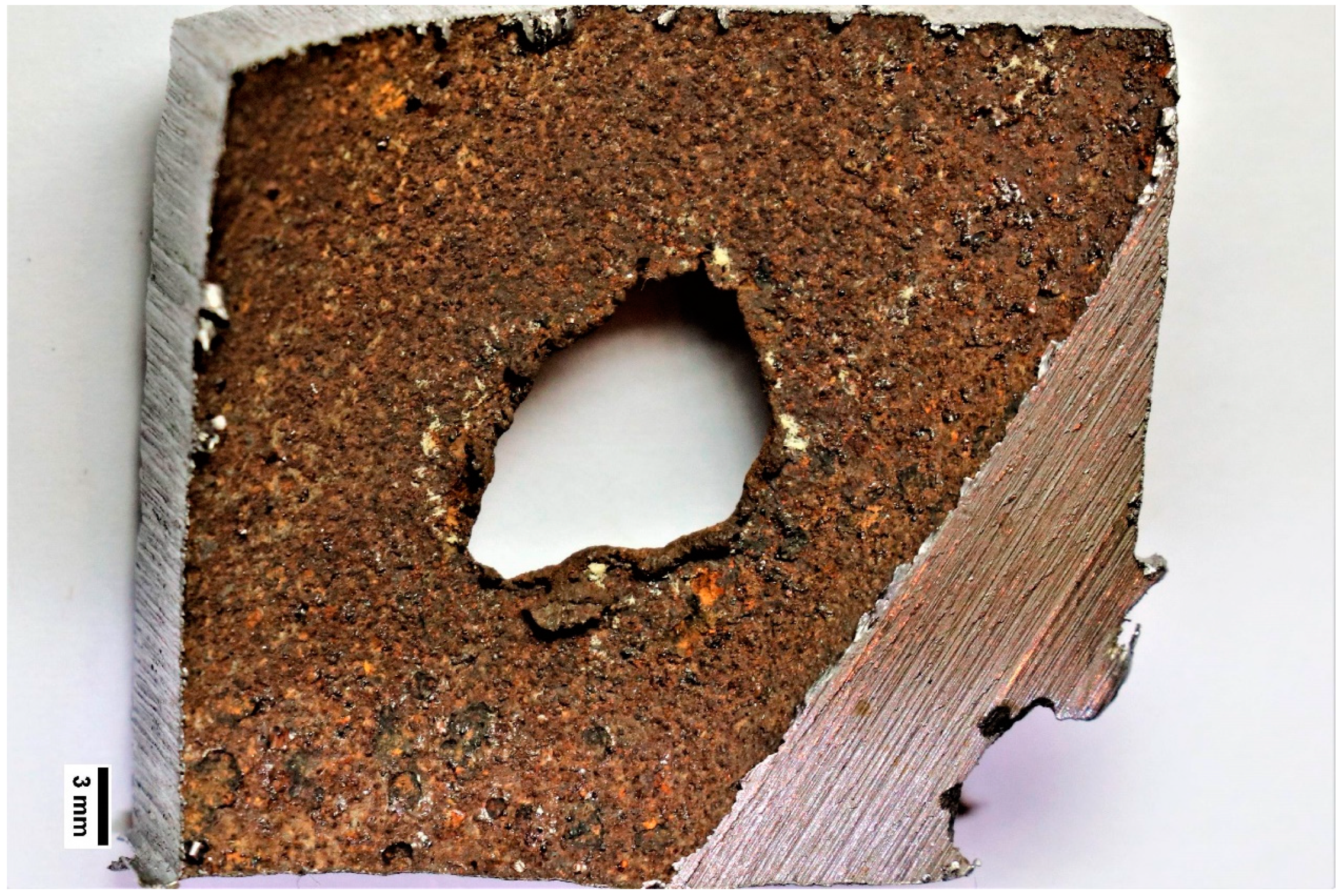
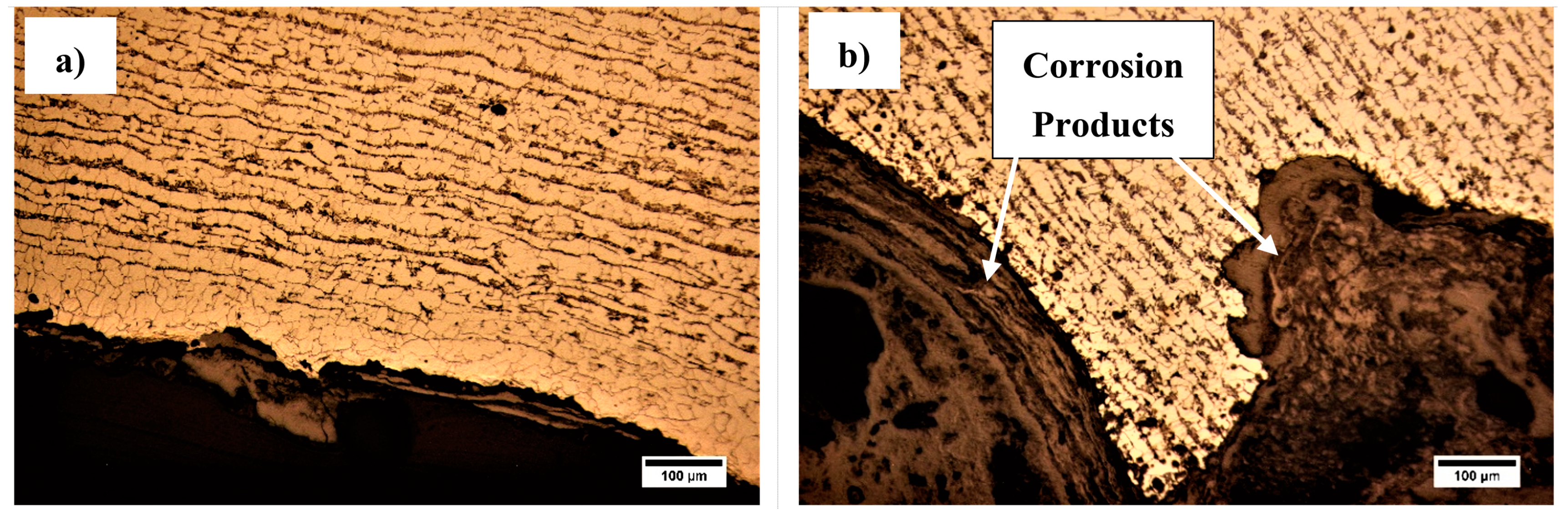
- The observed failure was in the form of localized pitting corrosion, which originated from the outer surface of the elbow. Observed pits had a different size and morphology, with some being very small, while a few were deep and had already turned into a hole penetrating the pipe wall.
- (ii)
- The corrosion at the inner surface was predominantly in the form of a homogeneous general corrosion. It appears that the corrosion products at the outer surface have three distinctive morphologies: Rod-like morphologies, colonies of spheres, and flower-like morphologies. These features in some cases were as large as a few hundred micrometers.
- (iii)
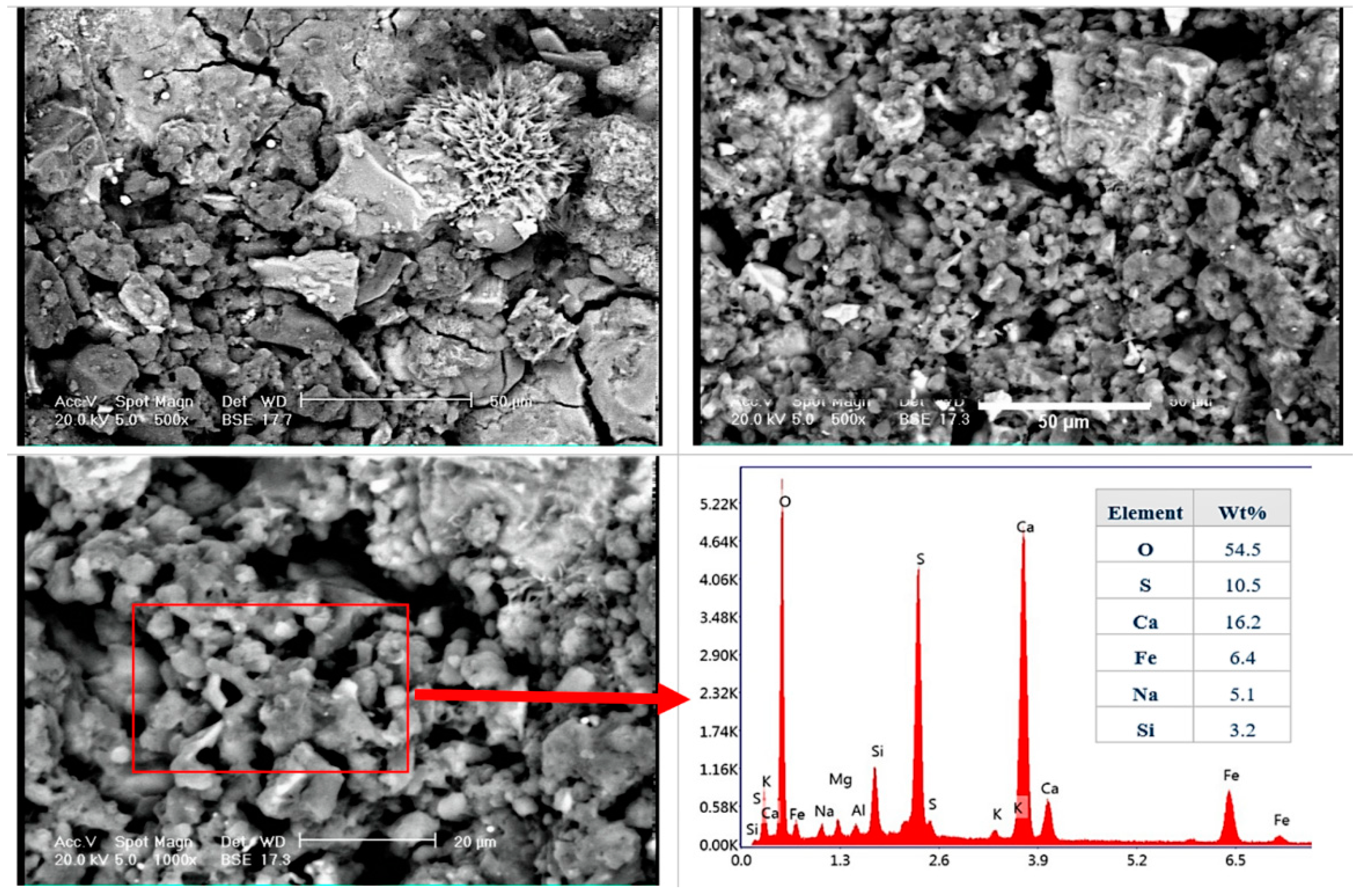
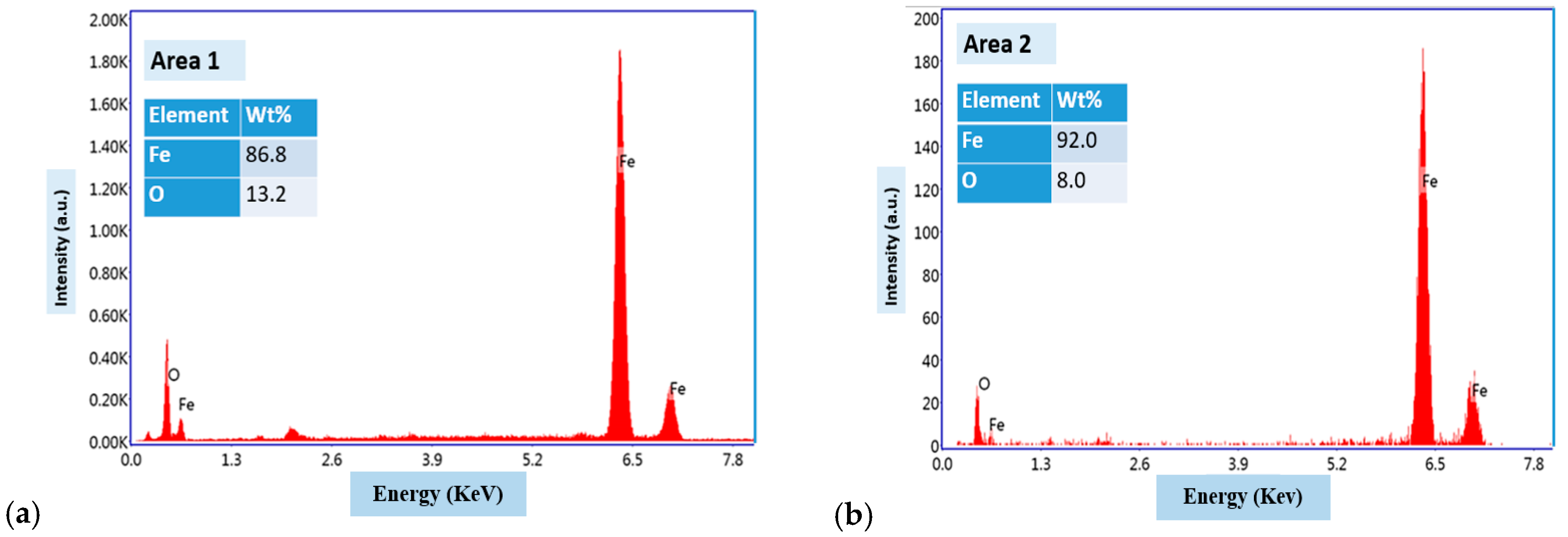
- The EDS results showed a high concentration of sulfur in the chemistry of these products, inferring that these features are SRB-related products. This was confirmed by SRB inoculation experiments.
- (iv)
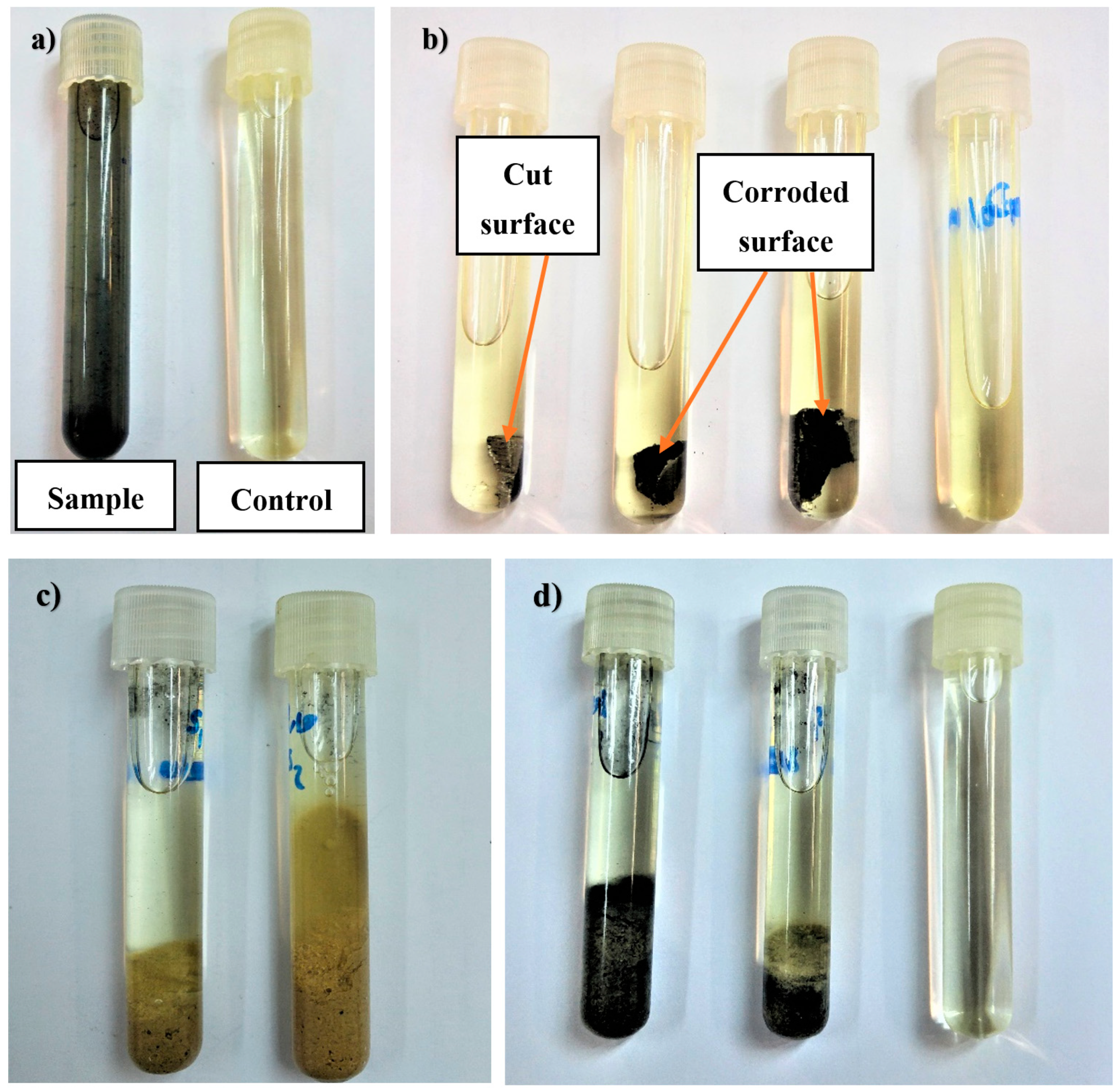
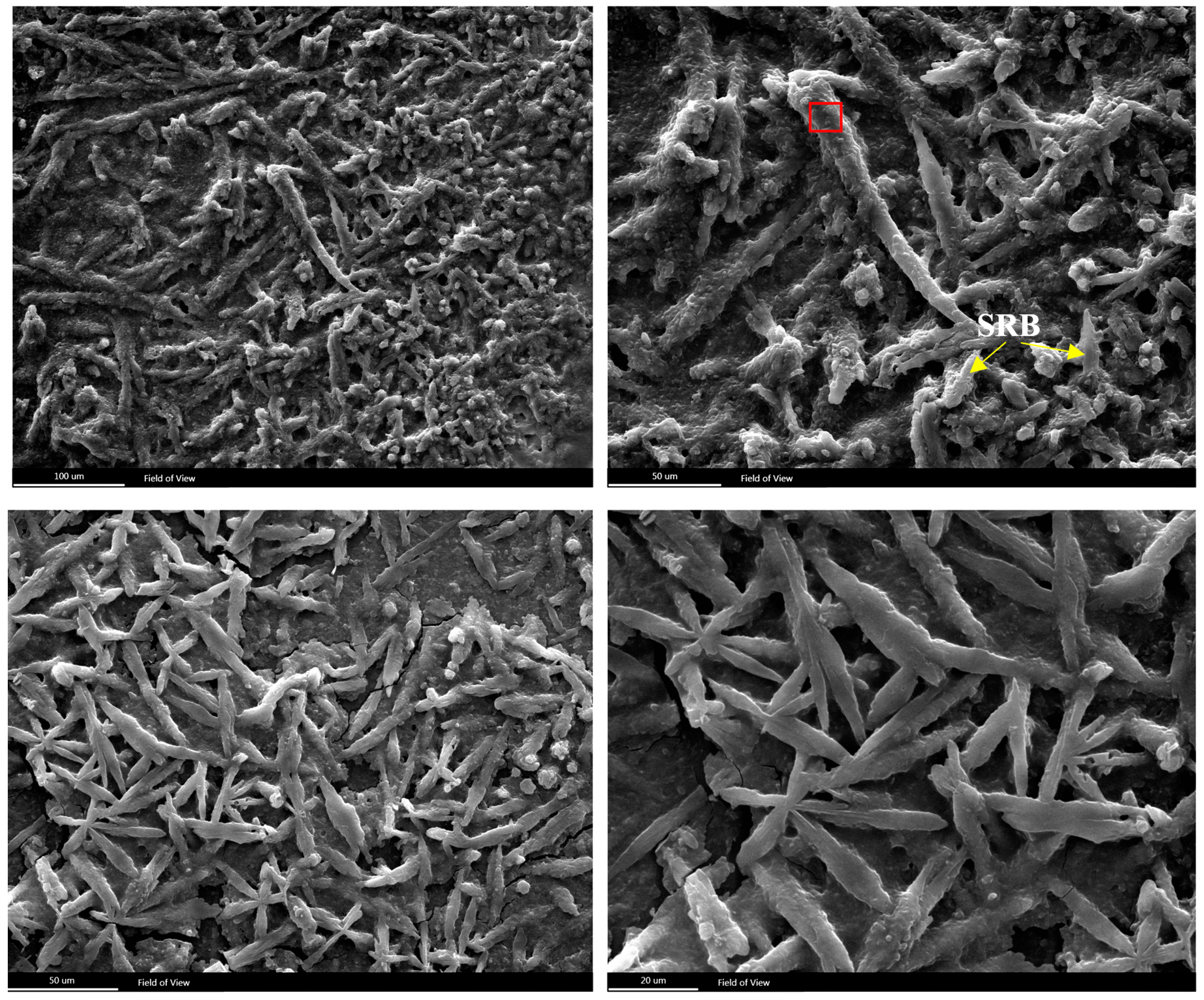
- In order to prove the presence of SRB, corroded parts of elbows and samples of soil close to the damaged areas were inoculated in SRB-specific media and incubated in anaerobic conditions. The black precipitation was created due to SRB growth, confirming the existence of SRB and that it had a corrosion-inducing role in this failure. This was confirmed by microscopy results.
Author Contributions
Funding
Conflicts of Interest
References
- Shi, X.; Yan, W.; Xu, D.; Yan, M.; Yang, C.; Shan, Y.; Yang, K. Microbial corrosion resistance of a novel Cu-bearing pipeline steel. J. Mater. Sci. Technol. 2018, 34, 2480–2491. [Google Scholar] [CrossRef] [Scilit]
- Usher, K.M.; Kaksonen, A.H.; Cole, I.; Marney, D. Critical review: Microbially influenced corrosion of buried carbon steel pipes. Int. Biodeterior. Biodegrad. 2014, 93, 84–106. [Google Scholar] [CrossRef] [Scilit]
- Jia, R.; Unsal, T.; Xub, D.; Lekbach, Y.; Gu, T. Microbiologically influenced corrosion and current mitigation strategies: A state of the art review. Int. Biodeterior. Biodegrad. 2019, 137, 42–58. [Google Scholar] [CrossRef] [Scilit]
- Kiani Khouzani, M.; Bahrami, A.; Eslami, A. Metallurgical aspects of failure in a broken femoral HIP prosthesis. Eng. Fail. Anal. 2018, 90, 168–178. [Google Scholar] [CrossRef] [Scilit]
- Liu, H.; Sharma, M.; Wang, J.; Cheng, Y.F.; Liu, H. Microbiologically influenced corrosion of 316L stainless steel in the presence of Chlorella vulgaris. Int. Biodeterior. Biodegrad. 2018, 129, 209–216. [Google Scholar] [CrossRef] [Scilit]
- Liu, H.; Cheng, Y.F. Microbial corrosion of X52 pipeline steel under soil with varied thicknesses soaked with a simulated soil solution containing sulfate-reducing bacteria and the associated galvanic coupling effect. Electrochim. Acta 2018, 266, 312–325. [Google Scholar] [CrossRef] [Scilit]
- Little, B.J.; Lee, J.S. Microbiologically Influenced Corrosion; Wiley-Interscience A John Wiley & Sons: Hoboken, NJ, USA, 2007. [Google Scholar]
- Lekbach, Y.; Xu, D.; El Abed, S.; Dong, Y.; Liu, D.; Saleem Khan, M.; Koraichi, S.I.; Yang, K. Mitigation of microbiologically influenced corrosion of 304L stainless steel in the presence of Pseudomonas aeruginosa by Cistus ladanifer leaves extract. Int. Biodeterior. Biodegrad. 2018, 133, 159–169. [Google Scholar] [CrossRef] [Scilit]
- Li, S.Y.; Kim, Y.G.; Jeon, K.S.; Kho, Y.T. Microbiologically Influenced Corrosion of Underground Pipelines under the Disbonded Coatings. Metals Mater. 2000, 6, 281–286. [Google Scholar] [CrossRef] [Scilit]
- Maruthamuthu, S.; Kumar, B.D.; Ramachandran, S.; Anandkumar, B.; Palanichamy, S.; Chandrasekaran, M.; Subramanian, P.; Palaniswamy, N. Microbial Corrosion in Petroleum Product Transporting Pipelines. Ind. Eng. Chem. Res. 2011, 50, 8006–8015. [Google Scholar] [CrossRef] [Scilit]
- Li, X.; Wang, H.; Hu, X.; Hu, C.; Liao, L. Characteristics of corrosion sales and biofilm in aged pipe distribution systems with switching water source. Eng. Fail. Anal. 2012, 60, 166–175. [Google Scholar] [CrossRef] [Scilit]
- Kiani Khouzani, M.; Bahrami, A.; Yazdan Mehr, M. Spark plasma sintering of Stellite®-6 superalloy. J. Alloys Compd. 2019, 782, 461–468. [Google Scholar] [CrossRef] [Scilit]
- El Hajj, H.; Abdelouas, A.; El Mendili, Y.; Karakurt, G.; Grambow, B.; Martin, C. Corrosion of carbon steel under sequential aerobic–anaerobic environmental conditions. Corros. Sci. 2013, 76, 432–440. [Google Scholar] [CrossRef] [Scilit]
- Queiroz, G.A.D.; Andrade, H.S.; Malta, T.B.S.; Vinhas, G.; Lima, M.A.G.D.A. Bioflm Formation and Corrosion on Carbon Steel API 5LX60 in Clayey Soil. Mater. Res. 2018, 21, e20170338. [Google Scholar] [CrossRef] [Scilit]
- Tanner, R.S. Monitoring sulfate-reducing bacteria: Comparison of enumeration media. J. Microbiol. Methods 1989, 10, 83–90. [Google Scholar] [CrossRef] [Scilit]
- Maluckov, B.S. Corrosion of steels induced by microorganisms. Metall. Mater. Eng. 2012, 18, 223–231. [Google Scholar]
- AlAbbas, F.M.; Williamson, C.; Bhola, S.M.; Spear, J.R.; L Olson, D.; Mishra, B.; Kakpovbia, A.E. Microbial Corrosion in Linepipe Steel Under the Influence of a Sulfate-Reducing Consortium Isolated from an Oil Field. J. Mater. Eng. Perf. 2013, 22, 3517–3529. [Google Scholar] [CrossRef] [Scilit]
- Vargas, I.T.; Alsina, M.A.; Pavissich, G.P.; Jeria, G.A.; Pastén, P.A.; Walczak, M.; Pizarro, M.E. Multi-technique approach to assess the effects of microbial biofilms involved in copper plumbing corrosion. Bioelectrochemistry 2014, 97, 15–22. [Google Scholar] [CrossRef] [Scilit] [PubMed]
- Song, X.; Yang, Y.; Yu, D.; Lan, G.; Wang, Z.; Mou, X. Studies on the impact of fluid flow on the microbial corrosion behavior of product oil pipelines. J. Petroleum Sci. Eng. 2016, 146, 803–812. [Google Scholar] [CrossRef] [Scilit]
- Li, C.; Zhong, S.; Zhang, F.; Wang, Z.; Jiang, F.; Wan, Y. Response of microbial communities to supercritical CO2 and biogeochemical influences on microbially mediated CO2-saline-sandstone interactions. Chem. Geol. 2017, 473, 1–9. [Google Scholar] [CrossRef] [Scilit]
- Ding, Q.; Fang, L.; Cui, Y.; Yang, W. Experimental Study on the Influence of Sulfate Reducing Bacteria on the Metallic Corrosion Behavior under Disbonded Coating. Int. J. Corros. 2017, 2017, 9740817. [Google Scholar] [CrossRef] [Scilit]
- Javaherdashti, R. Impact of sulphate-reducing bacteria on the performance of engineering materials. Appl. Microbiol. Biotechnol. 2017, 91, 1507–1517. [Google Scholar] [CrossRef] [Scilit] [PubMed]
- Sun, C.; Xu, J.; Wang, F.H.; Yu, C.K. Effect of sulfate reducing bacteria on corrosion of stainless steel 1Cr18Ni9Ti in soils containing chloride ions. Mater. Chem. Phys. 2011, 126, 330–336. [Google Scholar] [CrossRef] [Scilit]
- Husson, O. Redox potential (Eh) and pH as drivers of soil/plant/microorganism systems: A transdisciplinary overview pointing to integrative opportunities for agronomy. Plant Soil 2013, 362, 389–417. [Google Scholar] [CrossRef] [Scilit]


| Parameters | Percentage of Coarse Particles (>76.2 mm) | pH (%) | SO3 (%) | Cl (%) | Salt Content (%) | Plasticity Index | Liquid Limit (%) |
|---|---|---|---|---|---|---|---|
| Sample result | 9.0 | 8.5 | 0.14 | 0.03 | 0.05 | N.A. | 17 |
| Specifications limit | - | - | - | - | - | ≤6% | ≤25% |
| Elements | C | Mn | P | S | Si | Cr | Mo | Ni | Cu | V | Nb |
|---|---|---|---|---|---|---|---|---|---|---|---|
| Sample | 0.20 | 0.64 | 0.02 | 0.01 | 0.23 | 0.03 | ≤0.05 | 0.01 | 0.01 | - | - |
| ASTM-A234 WPB | 0.3 | 0.29–1.06 | 0.05 | 0.058 | 0.1 min | 0.4 | 0.15 | 0.4 | 0.4 | 0.08 | 0.02 |
© 2019 by the authors. Licensee MDPI, Basel, Switzerland. This article is an open access article distributed under the terms and conditions of the Creative Commons Attribution (CC BY) license (http://creativecommons.org/licenses/by/4.0/).
Share and Cite
Kiani Khouzani, M.; Bahrami, A.; Hosseini-Abari, A.; Khandouzi, M.; Taheri, P. Microbiologically Influenced Corrosion of a Pipeline in a Petrochemical Plant. Metals 2019, 9, 459. https://doi.org/10.3390/met9040459
Kiani Khouzani M, Bahrami A, Hosseini-Abari A, Khandouzi M, Taheri P. Microbiologically Influenced Corrosion of a Pipeline in a Petrochemical Plant. Metals. 2019; 9(4):459. https://doi.org/10.3390/met9040459
Chicago/Turabian StyleKiani Khouzani, Mahdi, Abbas Bahrami, Afrouzossadat Hosseini-Abari, Meysam Khandouzi, and Peyman Taheri. 2019. "Microbiologically Influenced Corrosion of a Pipeline in a Petrochemical Plant" Metals 9, no. 4: 459. https://doi.org/10.3390/met9040459
APA StyleKiani Khouzani, M., Bahrami, A., Hosseini-Abari, A., Khandouzi, M., & Taheri, P. (2019). Microbiologically Influenced Corrosion of a Pipeline in a Petrochemical Plant. Metals, 9(4), 459. https://doi.org/10.3390/met9040459