


Abstract
Rare earth elements (REEs) are key materials for the development of renewable energy devices such as high-power magnets for wind turbines, electric vehicles, or fuel cells for hydrogen generation, aiming to fulfill the objectives of the European Green Deal for a carbon-neutral economy. The increased demand for REEs and their criticality strongly require the improvement of their extraction technologies from primary resources and the enhancement of their circularity reuse rate from secondary resources. The aim of this paper is to focus attention on the possibilities offered by emerging methods such as microwave (MW) treatment and mechanochemistry in waste electric and electronic equipment (WEEE) processing and the reuse of end-of-life (EoL) magnets, directed toward the tailoring of rational REE material flows. The discussed investigation examples explore some key features of conventional and new methods for efficient, environmentally friendly, and scalable REE extraction and reuse, with the final goal of producing recycled NdFeB powders, with potential use in the redesign and fabrication of new REE-based magnets.
1. Introduction or How Big Is the REEs Challenge
Rare earth elements (REEs), both heavy REEs (HREEs) and light REEs (LREEs), are vital materials for Europe’s economy with a growing application in traditional and emerging sectors such as the green transition, aerospace and defense, as well as large variety of equipment and high-technology devices used in our everyday life. The current very high supply risk for REEs combines with the growing demand for REEs, driven by the Green Deal Industrial Plan [1]. Thus, rare earths are considered by the authorities across the globe to be among the most resource-critical raw materials due to their high importance and hindered access [2,3,4]. In the fourth Critical Raw Materials (CRMs) list of the European Commission, their criticality was classified far above the threshold values [2]. In parallel, REEs are also included in the list of strategic raw materials according to the Critical Raw Materials Act [3]. Evaluation criteria for the criticality of REEs include taking into account their economic importance, availability, recyclability, substitutability, changing technological dynamics, and future requirements. Nowadays, most of the green energy technologies are REE-dependent and, in particular, the neodymium iron boron (NdFeB) permanent magnets are largely used in motors or generators to produce strong magnetic fields. Recently, the Joint Research Centre of the European Commission published a study that translates the climate neutrality scenarios for 2030 and 2050 into the estimated demand for some raw materials. Figure 1 represents a systematic analysis of raw material flows and their criticality for some key technologies used in three strategic sectors: renewable energy, e-mobility, and defense and aerospace. The data analysis clearly underlines the importance and criticality of both HREEs and LREEs. The further demand for REEs is expected to additionally increase, as the next generation of green technologies for hydrogen energy production, such as electrolysers and fuel cells for stationary and transport applications, also contains REEs [4,5,6].
Figure 1.
Climate neutrality scenarios for 2030 and 2050 with the estimated demand for raw materials, according to a study published by the Joint Research Centre of the European Commission. Analysis of raw material flows and their criticality for some key technologies used in three strategic sectors: renewable energy, e-mobility, and defense and aerospace. Reprinted with permission from ref. [4]. 2020, European Commission.
The high value of the REEs for the preparation of advanced materials [7] is strongly connected with their unique magnetic, optic, electronic, and conductive properties, which are highly desirable for a broad range of technological applications [8,9,10]. The main fields of REE application currently include the production of new and high-technology materials such as magnets, catalysts, metal alloys, electronics, NiMH batteries, fluorescent lamps, glass, and ceramics. According to the published statistics, the biggest share in these high-tech applications of REEs is their strategic importance for the production of magnets for electronics and communications equipment [11], leading to enhancements of the implementation of the principles of the circular economy [12,13,14]. New methods were also proposed for recovery of REEs from waste electric and electronic equipment (WEEE) [15,16,17] and other types of metallic wastes [18] for renewable energy, robotics, electric vehicles (EVs), and aerospace and defense applications. Most permanent magnets, and particularly the most performant types, contain REEs, mainly neodymium, praseodymium, dysprosium, and terbium, together with other CRMs such as boron, samarium, nickel, or cobalt. NdFeB is the mass market rare earth permanent magnet material [5,11,14]. Permanent magnet production is the largest application of REEs, accounting for 21% of the production of REEs by volume and generating about 37% of the total value of the REE market [5,7]. Thus, NdFeB permanent magnets have been the focus of the research and innovative efforts for increasing of their circularity. Presently, the recycling of these EoL products in the EU is performed predominantly on a small scale or in the framework of research projects [6,9,19].
Rare earth permanent magnets usually contain more than 30 wt.% of the REEs [19,20,21]. They can be classified into three main types, samarium cobalt (SmCo), samarium iron nitrogen (SmFeN), and neodymium iron boron (NdFeB) [22]. Due to their better performance and good price, NdFeB permanent magnets have been incorporated into a wide range of products, such as wind turbines, electric vehicles, magnet resonance imaging devices, industrial robots, light means of transport, cooling generators, heat pumps, electric motors, industrial electric pumps, automatic washing machines, tumble dryers, microwaves, vacuum cleaners, and dishwashers, as well as a huge variety of smart and electronic devices [23,24,25].
According to their composition, the NdFeB permanent magnets form the following main groups: NdFeB magnets manufactured into either resin-bonded alloys (containing usually 10% epoxy resin or a polymer), or into fully dense sintered magnets with the magnetic matrix Nd2Fe14B [26]. At this time, both types of REE scrap are expected to become more available with the increasing collection of EoL goods. Thus, the rising opportunity for recycling a variety of products containing NdFeB magnets allows a systematic approach to recycling scrap magnets as a potential secondary resource [8]. Different treatment approaches for recycling REE-containing spent magnets [27] or scrap have been extensively investigated [28,29,30].
2. Recycling
Recycling permanent magnets is an effective way to both reduce environmental damage and conserve resources [31]. Currently, recycling practices focus more on the recycling of sintered NdFeB magnets than on the recycling of resin-bonded ones, as they occupy the main market and also concentrate more resources [32,33]. Sources of NdFeB sintered magnet waste are industrial waste and end-of-life waste from decommissioned devices containing NdFeB sintered magnets [28,32]. For example, during the shaping and finishing process, up to 30% of the raw materials are wasted as scraps during NdFeB production [24]. Some investigations even reported that 6–73% of the raw materials become swarf generated during NdFeB magnet manufacturing [19,25]. The lifetime of permanent magnets varies by application. If, in the case of consumer electronics, this is from 2 to 3 years, for wind turbines, the lifetime of permanent magnets can reach up to 20–30 years [32,33]. The NdFeB magnets lose their advanced magnetic properties predominantly due to heat generation and metal oxidation, thus then being categorized as waste. The REE content in the scrap generated during manufacturing and in the EoL magnets is usually much higher than the one in the primary ores; thus, there is a huge potential for the recovery of RE metals. The REE content in NdFeB-type magnets is from 27 to 32 wt.% [7,9,10]. In order to modify some of the physical and magnetic properties of the magnetically hard phase to suit wide application needs, magnets contain various RE metals such as Pr, Dy, Gd, Tb, and other trace elements together with Nd. The chemical composition of magnets also includes Fe from 67 to 73 wt.%, B ≈ 1 wt.%, and minor additions of transition metals, such as Ni, Co, Mn, Cu [20,33,34]. A comparison of these numbers with the REE content in the natural ores manifests the need for recycling. The rare earth elements are relatively abundant in the earth’s crust, but their concentration in ores is low. The abundances of individual REEs can vary widely, but the crustal abundance of the most abundant RE element—cerium (Ce)—is about 43 ppm [5,10,14].
Processing of the waste steams also prevents the deposition of the significant and increasing quantities of NdFeB magnet waste generated as a result of both the production and disposal of permanent magnets at the end of their service. Annually, almost 22% (>26,000 t) of all REEs produced worldwide are utilized in the production of NdFeB magnets. However, only around 1% of the REEs are recycled from EoL products, with the rest deposited as waste and being removed from the materials cycle [35,36]. It is hard to estimate the global annual production of permanent magnets due to their increased inclusion as part of different products and assemblies. Nevertheless, summarizing different data sources, a general picture of the estimated market shares from rare earth mining to rare earth magnets manufacturing in 2019 can be seen in Figure 2. In this year, about 130,000 t of NdFeB magnets were produced worldwide. The figure clearly shows a very high production concentration from REEs mining to recycling. China is the leading country across all rare earth value chain steps, e.g., 94% of REE magnets were produced in the country. Today, about 16,000 t of magnets are imported from China each year, vs. the approximately 1000 t production capacity of Europe [7].
Figure 2.
Summary about the estimated market shares from rare earth mining to rare earth magnets manufacturing in 2019, based on the published data [23]. Adapted from Ref. [23].
According to the published reports, the recycling of waste magnets can be significantly more energy efficient and eco-friendly compared to primary ore mining [5,12,20]. A Comparative Life Cycle Assessment has been performed by Jin et al., evaluating NdFeB magnets produced from newly mined (“virgin”) material and magnets produced by a magnet-to-magnet recycling approach [23]. The study evaluates the environmental impact of NdFeB magnet production using virgin and recycled materials. The performed analysis identified the biggest emission sources and processes that affect LCA outcomes. The reported findings are in parallel with many other investigations [19,20,36]. Despite the facts that an exact quantitative measurement of each environmental impact factor cannot be easily performed, and that LCA analysis is always based on some assumptions, a dramatic decrease in the environmental impacts for the recycled magnet production compared to the virgin production road was clearly demonstrated (Figure 3).
Figure 3.
Comparative results on the calculated environmental impacts of the production of virgin and recycled (magnet-to-magnet) NdFeB magnets, based on the published data [23]. The major contributing factors in each category are given on the right-hand side. Adapted from Ref. [23].
The recycling approach has significantly less environmental impact than virgin magnet production in all of the impact categories. In the case of magnet-to-magnet recycling, the environmental impact of recycled magnet production per category is at least twice less. Adding together the resource availability of natural and urban mining, processing costs, and logistics, there is no single category wherein the use of primary REEs has some benefits compared to the recycling approach. Numerous investigations have reported that in cases of good waste separation and appropriate processing, the recycled magnets even offer stronger magnetic performance and a better microstructure than those produced from primary resources.
The size, mass, and REE content of permanent magnets vary from application to application, and also from one generation to another. The recycling routes of permanent magnets can be traced in Figure 3. These approaches are largely based on the damage of EoL magnets and their further use. Thus, the resources needed for recycling (such as energy, technological and economical resources, use of chemicals) and the environmental impact of the processing method vary on a wide range of levels. It can be seen that there are two routes in the view, namely: direct reuse/recycling, indirect (or extended) recycling [35,37,38]. The preprocessing of permanent magnets includes important steps for recycling and varies depending on their source of origin. For better handling in the disassembly process, the magnets can be demagnetized by applying a strong external magnetic field of opposite polarity. In fact, demagnetization also occurs by subjecting the magnet to above-Curie temperature, but this is an energy-consuming process. An important consideration during disassembly is to keep the magnet coating intact to avoid oxidation [37]. Direct recycling refers to minimal damage to the original shape of the magnet, while indirect recycling refers to several processes such as crushing, grinding, dissolution (hydrometallurgical), melting (pyrometallurgical), etc., which prolong the reinsertion of the magnet or the values recovered from them in an application [24]. Figure 4 and Figure 5 present in a comprehensive way the recycling principles and routes.
Figure 4.
Recycling approaches of permanent magnets.
Figure 5.
Recycling routes of permanent magnets based on NdFeB.
The reuse of permanent magnets can be approached in different ways: full reuse of the magnet and reuse of magnet segments in the so-called “Lego” design [35]. Reusing the complete magnet, specifically the magnet ring or magnet block, is practically the simplest reuse route, but it can be applied in a few scenarios due to the different shapes of the magnets [39]. The “Lego” design approach comes in to solve this problem, by dividing the magnet into small segments of standard sizes [40]. Characteristics of magnets, such as dimensions, shape, magnetic properties, and chemical compositions often make reuse not feasible [41]. On the other hand, a major challenge in direct magnet recycling is the ability to identify defect-free magnets. A recent study [42] demonstrated the use of ultrasonic testing (UT) for the detection and characterization of internal defects in sintered magnets.
Several direct reuse methods of NdFeB permanent magnets are currently being developed: powder re-sintering, melt spinning (MS), hydrogen decrepitation (HD), and hydrogenation–disproportionation–desorption–recombination (HDDR) [21,43,44,45]. Melt spinning is applied to produce textured polycrystalline powders to obtain magnets with isotropic bonds [31].
In the last two decades, the attention of researchers has been directed to the use of hydrogen to obtain a fine powder from magnets. Thus, another direct recycling method refers to hydrogen decrepitation (HD) followed by re-sintering [46]. The hydrogen decrepitation process takes place at temperatures between room temperature and 400 °C, after which, through the reversible adsorption of hydrogen gas by the NdFeB alloys, friable, demagnetized powders with particle sizes between 6 and 600 μm are obtained after hydrogenation [47,48]. Unlike HD, the HDDR process operates at higher temperatures (750–950 °C), resulting in finer anisotropic powders (the easy magnetic axes of the powder particles are aligned in one direction) with a grain size of up to about 300 nm [30,49]. In Table 1, the most recent representative studies for each recycling laboratory-scale technology are selectively presented.
Table 1.
Key approaches for the recycling of permanent magnets and the respective recently obtained results.
The advantages and limitations of each technology are presented in Table 2. Efforts were made to recover REEs from the waste/spent NdFeB magnets, and the sludge produced during the shaping of magnets and alloys. Fast oxidation of Nd-containing materials and Nd loss by evaporation were found to be the major challenges during waste treatment. The content of REEs in EoL magnets depends on the application domain but also on the magnet’s producer. For example, Nickel-Metal Hydride (Ni-MH) batteries contain about 10 wt.% LREE (La, Ce, Pr, Nd) depending on the type and capacity, NdFeB magnets contain 22–31 wt.% Nd and 0.07–13% Pr and 0.7–4.2 wt.% Dy, depending on the type and supply power; SmCo magnets contain 22–40 wt.% Sm; magnets for electric motors contain around 30% REEs (Nd, Tb, Dy); circuit boards contain around 24 wt.% Nd and 1.6 wt.% Dy.
Table 2.
The advantages and limitations of each technology used for recycling NdFeB permanent magnets [26,46,64,65,66].
The recycling of REEs from permanent magnets demonstrates significantly less environmental impact in comparison to the use of primary REE-containing materials, but it also has a huge potential for additional improvement. Nowadays, REE recycling has to reach both high recovery rates and high economic and environmental standards by following green principal rules such as low energy consumption, reduced or zero use of chemicals, reduction in waste emissions (solid, liquid, and gas products) and formation of less toxic emissions, and implementation of industrial symbiosis. Recently, pyrometallurgical and hydrometallurgical approaches for the recovery of REEs from primary and secondary ores have been largely exploited on an industrial scale, but they are energy and time consuming, costly, and have a large environmental footprint (Table 2).
As for an example, in the case of hydrometallurgical processes, leaching followed by solvent extraction is used for separation of Nd. Leaching of the main components of NdFeB magnets requires the use of highly concentrated mineral acids like HCl, HNO3, and H2SO4 according to the reactions:
where (s) represent a solid phase and (a) designates aqueous species. Recovery of Nd from acidic solutions obtained is usually performed with organic acids:
where HR represents the associated acidic extractant molecules.
Thus, new approaches have to be developed together with investigations on the improvement of conventional industrial methods [11,12,14]. Some of these approaches are based on the material activation before or during REE extraction (e.g., by MW and mechanochemical methods), while other ones utilize extracting compounds (e.g., surfactants). These emerging technologies include an application of supercritical fluid [13], molten salt [15], electrochemistry [16], MWs, and mechanochemistry [17,18]. All these methods have a significant potential to be an alternative to the present industrial technologies, moving us toward the achievement of efficient, less-energy-consuming, eco-friendly, and scalable extraction of valuable metals. These recycling technologies utilize heat, electricity, light, MWs, and mechanical forces, thus achieving unexpected experimental results and significant improvements in target metal extraction and selectivity.
3. Microwave Treatment of WEEE
Melting metals and alloys in conventional furnaces such as blast furnaces, reverberatory furnaces, cupola furnaces, electric arc furnaces, induction furnaces, crucible furnaces, etc. have some inherent disadvantages: consumption of a significant amount of energy, duration of the heating/melting process, the possibility of metal melt contamination with fuel combustion products, emission of high levels of pollutants, etc. In order to overcome the disadvantages of conventional melting, one or more of the advanced melting technologies such as dielectric melting, infrared melting, electron beam melting, plasma melting, microwave melting, etc. have been developed during recent decades, in particular for specific requirements and applications (special alloys, high purity/quality, small batches, etc.) [67,68]. The discovery of microwave heating is a significant discovery in the history of material processing research. Microwaves are electromagnetic radiations having a wave-length between 1 mm and 1 m and are used in modern technologies such as communications, medical treatments, remote sensing, and materials processing [69]. The electromagnetic nature of microwaves results in the interaction of inherently present electric and magnetic fields with electrons, ions, and molecules at micro-levels. Microwave heating is explained by the dipolar permanent polarization of the molecules due to chemical bonding, and they are realigned in the presence of a high-frequency electric field.
The dielectric properties of materials have a strong effect on heating, according to equation [70]:
where the real term, ε′, quantifies the ability to store energy, while the imaginary term and ε″ is the measure of the ability to convert the stored energy into useful heat.
ε* = ε′ − jε″
The ratio ε″/ε′ represents the loss tangent, tan δg, which assesses if the material is suitable for microwave-based heating. Microwaves obey the laws of optics, so they can be transmitted, absorbed, and reflected during the interaction with materials, as presented in Table 3.
Table 3.
Interactions of MWs with materials.
The penetration levels may be estimated from the calculated penetration depth:
where α is the attenuation factor, f is the microwave frequency, µ0 and µ′ represent the magnetic permeability of free space (4π × 10−7 F/m) and material, respectively, ε0 is the permittivity of the free space (8.854 × 10⁻¹² F/m), K′ is the relative dielectric constant of the material (ε′/ε0), and δ is the dielectric loss.
At frequencies near the microwave regime, the penetration depths are smaller than the size of the processing material and, hence, the microwave heating of the material may result.
When microwaves are absorbed in a material, the electron fluctuation is finally transferred to the lattice ions, and they will create vibrations in the atomic lattice, resulting in heating energy. The heating rate varies with the electromagnetic properties of the material (permittivity and permeability), the thermal conductivity, the heat capacity, the bulk density, the power level, the particle size, the sample mass or sample size, the geometry of both the sample and the microwave cavity (furnace), the presence of microwave susceptor materials, and the occurrence of chemical reactions or phase changes.
The internationally standardized frequency bands, which are used for industrial and domestic applications, are 2450 MHz and 915 MHz, respectively [71]. Microwave heating receives considerable attention due to its major advantages such as high heating rates, reduced processing time, low power consumption, and fewer environmental hazards. During microwave heating, a large amount of heat may be generated for a lossy material throughout the volume, whereas for conventional heating, the material is heated via an external heat source and subsequent heat transfer (through conduction, convection, or radiation processes, Figure 6) [72,73].
Figure 6.
Heating pattern in conventional vs. microwave mode.
Microwaves find an important application in various non-conventional heating methods: drying of foodstuffs [74], obtaining of activated carbons [75], processing of high-melting-temperature glasses at high heating rates [76], curing of polymers [77], treatment of wastes [78], ceramic processing [79], joining of ceramic materials [80]. In the metallurgical field, the microwave heating technique has been used in various processes such as powder sintering [81], joining [82], cladding [83], and casting [84,85].
Regarding the use of microwave energy in WEEE recycling, most studies and research have focused on the thermal pyrolysis of the non-metallic materials (plastic, glass, and ceramics) present in various types of WEEE, with or without the addition of MW susceptor materials (direct or indirect MW heating).
The non-metallic components of WEEE have better microwave absorption performance, so they can be decomposed (and subsequently, gaseous products removed) by heating selectively in the microwave field [86]. After the non-metallic components are removed, the remaining valuable metals are enriched and can be recovered by simple methods (such as, for non-ferrous metals, by hydrometallurgical or pyrometallurgical traditional routes). In addition, compared with the traditional pyrolysis, the formation of dioxins, furans, and other toxic substances can be further reduced in microwave pyrolysis (or separately in a microwave-heated thermal filter), due to its higher reaction speed [87]. The effect of the non-metallic/metallic ratio, milled WEEE particle size, MW heating rate, MW power, presence and composition of MW absorbent materials, etc. on the degree of decomposition of non-metallic components was studied [88].
Table 4 presents a comparison between the energy consumption of classical melting equipment and the non-conventional melting of non-ferrous metals, including MW methods.
Table 4.
Comparison of energy consumption of some melting technologies.
The magnetic properties of the REE-based permanent magnets (NdFeB and Sm-Co magnets) are closely related to the structure, phases present, processing route, etc. A method of improving magnetic properties is the obtaining of nanostructured magnets; therefore, developing nanostructured magnets requires the study of novel synthesis techniques.
Conventional preparation techniques (powder metallurgy route) have limitations of inhomogeneity, contamination, poor control of microstructure, and high cost due to the use of elemental rare earth metals. On the other hand, bottom-up chemical methods offer better control of structure at the nanoscale. The use of metal salts as precursors significantly reduces the cost. Hence, a cost-effective, bottom-up, microwave synthesis method is promising to produce homogenous particles by uniform microwave heating.
The novel synthesis of Nd2Fe14B nanoparticles by a microwave-assisted combustion process is presented in [99]. The process consisted of NdFeB mixed oxide preparation by microwave-assisted combustion, followed by the reduction of the mixed oxide by CaH2. A range of magnetic properties was obtained by varying the microwave power, reduction temperature, and Nd-to-Fe ratio.
In [100], nanostructured NdFeB particles were prepared by microwave combustion and reduction diffusion, resulting in a transformation from metal salts (nitrates) to mixed metal oxides consisting of CoFe2O4, NdFeO3, Nd3FeO6, and Fe2O3. Further, Nd2(Fe,Co)14B nanosized powder was obtained by the microwave reduction diffusion process, in which the mixed metal oxide was reduced by CaH2. The effects of processing parameters on properties and structure were studied. It was found that the structure and magnetic properties can be controlled by the microwave power. A promising and energy-saving approach to recycle NdFeB magnet wastes, i.e., the autocombustion method assisted by microwaves followed by a reduction and diffusion process, is proposed to synthesize hard magnetic NdFeB composite powders [63]. The RE elements and Fe oxides were firstly obtained from the oxidized and contaminated magnet wastes by the autocombustion method assisted with microwave heating. After a simple reduction process with CaH2, nanostructured NdFeB powders were directly produced, which can be turned into new magnets with properties comparable to those obtained by other methods using pure reagents (metals).
Another method of using microwaves to recycle REE magnets consists in microwave irradiation of demagnetized and crushed HDD magnets for a predetermined time [101]. It was found that, within 1.2 min of microwave exposure, a temperature of ~ 600 °C was attained, which produced significant oxidation of the material. After the oxidation, the recovery of metal was carried out by the leaching and precipitation route.
A one-stage microwave oven digestion procedure to recover waste Sm-Co magnet samples was carried out in a mixture of HCl/HNO3/HF/H2SO4 [102]. Experimental parameters related to the microwave decomposition processes (acid concentration, time, and temperature) were optimized for achieving the quantitative recovery of elements (>95%).
To evaluate the elemental composition of ground Nd-based magnets and recycling possibilities, four dissolution techniques were investigated [103]: (1) closed-vessel acid digestion, (2) microwave assistance, (3) focused infrared digestion, and (4) alkaline fusion.
Figure 7 presents the schematic design of a MW furnace used for the study of MW treatment of WEEE.
Figure 7.
The experimental microwave melting furnace. Legend: 1. furnace body (steel); 2. thermal insulation material; 3. microwave-susceptible material (SiC); 4. graphite/SiC crucible; 5. charge; 6. magnetron; 7. furnace cover (steel); 8. thermocouple (Pt/Pt-Rh type); 9. outlet gas tube (steel); 10. gas nozzle; 11. The resultant gas treatment heat exchanger; 12. microwave-susceptible material (SiC granules); 13. Magnetron; 14. Gas nozzle; 15. Venturi tube.
4. Mechanochemistry
Mechanochemistry provides additional possibilities for the design of advanced reactions and processes for the recycling and reuse of waste NdFeB magnets in line with the circular economy rules for a sustainable future [17,18,104,105]. The method utilizes mechanical energy to induce physical and chemical transformations to design complex and nanostructured materials, boosts dispersion and transformation of multiphase compounds, and significantly increases reaction rates and efficiency by the creation of fresh highly reactive surfaces.
Mechanochemistry affords versatile chemical processes that do not require the use of bulk solvents, thus significantly reducing the generation of waste and pollution while simultaneously cutting down on economic costs. Mechanochemical treatment typically increases yields in comparison to the analogous reactions in solution, considerably reduces reaction duration, and provides better stoichiometry control and enhanced product selectivity [106,107,108,109]. Mechanochemical reactions can lead to products not obtainable by other synthetic methods, in terms of structures, stoichiometries, or unique compositions [104,105,106,107]. The use of this method opens new avenues in preparative chemistry, including both organic and inorganic synthesis. Numerous authors have investigated the compliance of the method with the established Principles of Green Chemistry and Engineering, revealing the benign-by-design nature of mechanochemistry [105,110,111]. Thus, the method is capable of providing advanced materials with unique characteristics and properties, while being environmentally friendly and respecting all the twelve green chemistry principles. The benefits of mechanochemistry justify the method with the so-called Chemistry 4.0 and the current global goals for sustainable economic and industrial development.
In particular, mechanochemistry has been successfully applied for the recycling of NdFeB magnets in both directions: the direct reuse of materials or the indirect reuse for the chemical recovery of the rare earth elements (Figure 8). The first one is the utilization of mechanochemistry for the direct reuse of spent materials, and the production of new magnets with similar or advanced properties. The second direction concerns the enhancement of REE extraction toward a greener and more efficient recovery method. Thus, mechanochemical activation can be applied both as a separate or simultaneous milling and leaching technique. Separate mechanical treatment (activation) of REE-containing wastes was reported to improve the leaching process with an additional treatment under milder conditions, dramatically decreasing treatment temperature and time, as well as the need for the use of aggressive, toxic, and corrosive chemicals [107,111,112]. Even though the term mechanochemistry or mechanochemical activation is not exactly mentioned, a large number of investigations have been focused on the impact of mechanical pretreatment on NdFeB magnet recycling, such as shredding, cutting, crushing, grinding, and milling [111,112,113].
Figure 8.
Mechanochemistry recycling route for recovery of NdFeB magnets.
On the other side, the benefits of mechanochemical methods for metal recovery were intentionally investigated, based on the collected knowledge about the material activation possibilities. It was reported that mechanochemical processing of NdFeB scrap by simultaneous milling of waste together with a leaching agent, metal-chelating agent, water, or other additives, leads to the activation of material in the presence of the used additive (which is also activated by mechanical treatment). Thus, the mechanical activation dramatically changes the reactivity and reaction mechanism of the leaching reactions due to the achieved structural evolution, bond breakage, particle size reduction, increase in specific surface area, or energy accumulation. The selection of the appropriate treatment conditions could significantly enhance metal extraction efficiency, preventing harmful and toxic emissions, saving resources (e.g., time, chemicals, energy, water, other consumables), and shortening the number of operation steps in one-pot or even one-step processing. The later one is very beneficial from a technological and economic standpoint [113,114,115,116].
Recent studies have shown that both REE recycling from waste magnets and metal separation can be improved by employing combinations of leaching and mechanochemistry [117,118,119].
Thus, chemical reactions can be initiated by the simultaneous grinding of materials with appropriate reactants that enable selective extraction of the valuable metals. A new combined mechano-hydrometallurgical method for the recovery of rare earth elements and Co from permanent NdFeB magnets was introduced by Loy and co-authors [119]. The recovery is based on a mechanochemically assisted ferric sulfate leaching approach. The recovery process includes (1) mechanochemical activation of powder materials, the NdFeB waste and ferric sulfate, toward the mechanochemical conversion of the metals to their respective water-soluble sulfates; (2) recovery of REEs and Co by leaching the activated powder in water and removal of the solid residue by filtration; (3) precipitation of the REEs by oxalic acid, removing the mixed rare earth oxalates by filtration; and (4) calcinations of the rare earth oxalates for the preparation of the respective RE oxides. Thus, the suggested procedure offers a green, novel, and prospective method for metal recovery from NdFeB magnets that consumes only small amounts of energy and cheap ingredients such as ferric sulfate, oxalic acid, and water. A low-intensity mortar grinding (performed by a Pulverisette 2, Fritsch, Germany) resulted in a high leaching yield (>95%) of rare earth elements, a full recovery of cobalt, and improved iron selectivity. The complete leaching process was carried out at room temperature without using mineral acids or pyrometallurgical pretreatments, thus avoiding the production of toxic gas emissions or pollutants.
Mao et al. demonstrated that ball milling activation coupled with selective leaching by hydrochloric acid is a feasible and green approach for the efficient recovery of REEs [120]. The authors proposed a simultaneous ball milling and extraction process for the recovery of REEs from discarded NdFeB magnets, which involved mechanical activation and selective acid leaching. The impact of the processing parameters on the REE leaching kinetics was studied, such as the ball milling speed, hydrochloric acid concentration, and solid/liquid ratio. The optimum conditions were found (650 rpm activation speed, 0.4 M hydrochloric acid, 100 g/L solid/liquid ratio), where the leaching speed of REEs was triple that of the one without activation. Thus, the leaching efficiency of REEs increased up to 99% with low hydrochloric acid consumption. The final separation rate of recovered rare earth oxides reached up to 99.9%.
A grinding and roasting pretreatment was obtained to increase the selective leaching of Nd and Dy from NdFeB scraps in the study of Yoon [113]. The magnet scraps were initially ball milled with NaOH and water, and then roasted under ambient conditions. Optimal conditions for the recycling of waste NdFeB magnets were obtained by the variation of milling parameters (water quantity from 0 to 5 cm3, milling time from 30 to 240 min, and the stoichiometric ratio of NaOH to Nd), as well as roasting and leaching conditions (roasting temperature and duration, leaching time and acetic acid concentration, leaching agitation speed, pulp density, and leaching time). Subsequently, high leaching and selectivity rates were registered: 94.2%, 93.1%, 1.0% of Nd, Dy, Fe, respectively. The best treatment conditions found were 30 min grinding time and 550 rpm rotational speed of the planetary ball mill, 5 cm3 volume of added water, a stoichiometric molar ratio of NaOH to Nd of 15; roasting at 400 °C for 2 h, leaching at 90 °C, 1 kmol·m−3 in acetic acid concentration, 400 rpm in leaching agitation speed, 1% in leaching pulp density, and a leaching time of 180 min.
A direct mechanochemical preparation of reusable NdFeB magnet powders was suggested by the vacuum impact milling of hard disk scrap, as an alternative to using complex and expensive processes to recover Nd, Pr, and Dy through the use of hydrogen and/or aggressive chemical agents [121].
The good quality of the obtained NdFeB recycled powders was confirmed by analyzing their magnetic properties and chemical composition, as well as the oxygen content. The proposed new method is a scalable and environmentally friendly alternative for the reuse of powders from NdFeB magnets, not requiring the use of hydrogen, chemicals, or a high temperature. The properties of the obtained magnets were compared to those of materials produced by a traditional impact mill operating in a glove box in an Ar atmosphere.
Efficient recycling of NdFeB sintered magnets, obtained from the voice coil motors of hard disk drives, was presented by Zakotnik et al. [122], employing roller ball milling after hydrogen decrepitation of the scrap during which the components of the magnet were hydridized. For the production of sintered magnets, the decrepitated powder was ball milled for 0.5 h, 1 h, or 20 h in cyclohexane. The maximum energy of the recycled magnet was registered as being 15% lower than the original magnet value. The density of the magnet powder was improved in order to enhance its performance, by varying the milling duration and sintering time (at 1080 °C). The better magnet performance was obtained as result of 20 h of mechanical treatment before sintering.
An innovative method for the production of isotropic and anisotropic magnets without the addition of new material was published by M. Xia et al. [123]. The suggested approach combines hydrogen decrepitation of anisotropic sintered NdFeB magnets and a press-less process of powder sintering in graphite crucibles (Figure 9). The new recycled magnets were produced directly from hydride powder. The addition of a ball milling step leads to further disintegration of the hydride powder and the preparation of magnets with a higher density. The registered coercivity of the ball milled powder was Hci = 957 kA/m, which is significantly higher than the value of the hydride powder in the first case, Hci = 534 kA/m. Thus, the coercivity of the original N48M magnet was reached at 86% (ball milled powder) and 48% (without ball milling).
Figure 9.
Schematic view of the Hydrogen Decrepitation Press-Less Process (HD-PLP) recycling of anisotropic sintered NdFeB magnets. Reprinted with permission from ref. [123]. 2017, ScienceDirect.
NdFeB magnets from electronic waste products were successfully recycled by ball milling in the study of Noodam et al. [124].
New composite materials were prepared by coating colloids prepared using the as-obtained NdFeB powders on rubberwood. Their magnetic properties were registered by vibrating sample magnetometry, magnetic moment measurements, and attraction tests with an iron-core solenoid. The milling parameters had a significant impact on the magnetic squareness and coercive field values. The increase in the coercive field of the magnetic wood composites was obtained with the increasing of the milling duration (130–300 min). By varying the milling time and the concentrations in the coating lacquer (0.43–1.00 g/cm3), the magnetic squareness and the coercive field of the NdFeB magnetic wood composites were optimized. It was registered that the magnetic moment and magnetization can be increased by increasing the NdFeB/lacquer ratio used for coating. An exponential decrease in the electrical current required to attract the magnetic wood composites with the increase in NdFeB concentration was also registered.
Another example of reuse of NdFeB sintered magnets was published by Li and co-authors [125].
Nanocomposite powders of α-Fe/Fe2B/Nd2O3 were prepared by oxidation at 300 °C for 2 h of the sludge powders. These materials are good candidates to be electromagnetic (EM) absorbents in the 4.5–8.5 GHz range. It was shown that ball milling of the α-Fe/Fe2B/Nd2O3 powder with 4.8 mass% of amorphous carbon (a-C) resulted in improved EM absorption behavior. The samples showed excellent electromagnetic wave absorption properties in the GHz range. The amorphous carbon has low electrical conductivity and serves as an isolator to decrease the permeability caused by the eddy current induced in Fe fine particles. Optimization of ball milling time increases the uniformity of dispersion of α-Fe and Fe2B particles in the a-C powders. As a result of the increased electrical resistivity of the nanocomposite powders, the EM absorption properties of the prepared nanocomposites improved.
Production of bonded magnets is widespread, because of the lower costs without extensive loss of material or magnetic properties [126]. NdFeB magnets are manufactured as resin-bonded alloys that contain 10% epoxy resin or polymer. The manufacturing of complex-shaped magnets is facilitated by embedding the NdFeB magnet material in a polymer matrix, but the overall magnetic strength per volume is lower than that of a sintered magnet. The amount of polymeric material is usually in the range of 2.5–12 wt.%. Presently, the mainly used polymeric binders are the polyamides nylon 6 (PA), nylon 11 (PA11), and nylon 12 (PA12), and poly-p-phenylene sulfide (PPS) and epoxy resins. Thus, up to 70 vol% of the produced magnet can be polymer, and only 30 vol% can be magnet powder. Therefore, the recycling approach of bonded magnets has to be different from that of sintered magnets [126].
A method for direct recycling and reuse of additive-manufactured bonded magnets was suggested by Gandha et al. [127], where the cryomilling of the scrap powder was applied. They used a cryogenic grinder with a liquid nitrogen tub and insulated chilled samples in liquid nitrogen, and then pulverized them with a magnetically driven impactor. No degradation of the magnet material was registered under the treatment conditions, milling at liquid nitrogen temperatures (−196 °C) for 30 min, using a 6870D Freezer/Mill-SPEX. The cryomilled powder was compression-molded in a cylindrical die at a uniaxial pressure of 10 MPa and 200 °C. The experimental procedure for the recycling of additively printed solder magnets is shown in Figure 10. The comparison of magnetic, thermal, and mechanical properties of the as-prepared material with the original AM magnet indicates that this process is suitable for remaking bonded magnets. Recycled magnets have an improved density and remanence, compared to the starting bonded magnets. The use of simple physical cryomilling, the elimination of harsh chemical use or the need to work in an inert atmosphere, as well as the preservation of the original magnetic properties, make the proposed process eco-friendly and a sustainable method for the reuse of bonded magnet materials for permanent magnet production (Figure 11).
Figure 10.
Experimental procedure for recycling additively printed bonded magnets. Reprinted with permission from ref. [127]. 2019, ScienceDirect.
Figure 11.
(a) Starting AM bonded magnets (65 vol% NdFeB in nylon), (b) cryomilled powder, and (c) recycled bonded magnets. Reprinted with permission from ref. [127]. 2019, ScienceDirect.
The waste processing described in the presented examples is currently on a laboratory scale, but there are big expectations that they will be applied in the field of industries that emit the respective waste materials. Mechanochemistry offers a significant potential to replace classical extractive metallurgy due to numerous advantages such as high efficiency (higher leaching yields and selectivity), a significantly lower environmental footprint (solvent-free processing, dramatic reduction in chemical consumption, very low toxic emissions and waste), and a decrease in the number of technological stages, with the possibility for one-pot and one-step waste processing [104,111,112]. Mechanochemical treatment of the magnets together with the appropriate additives leads to a sufficient release of the REEs, reducing the dissolution time and increasing leaching efficiency and selectivity. The high potential for the reuse of magnet scrap was also presented.
5. Conclusions and Perspectives
The recycling routes of permanent magnets based on NdFeB may be classified as direct reuse/recycling, and indirect (or extended) recycling. Direct recycling refers to minimal damage to the original shape of the magnet, while indirect recycling refers to several processes such as crushing, grinding, dissolution (hydrometallurgical), melting (pyrometallurgical), etc. that prolong the reinsertion of the magnet or the values recovered from it in an application. The preprocessing of permanent magnets includes important steps for recycling and varies depending on their source of origin. An important consideration during disassembly is to keep the magnet coating intact to avoid oxidation. Several direct reuse methods of NdFeB permanent magnets are currently encountered: powder re-sintering, melt spinning (MS), hydrogen decrepitation (HD), and hydrogenation–disproportionation–desorption–recombination (HDDR). Melt spinning is applied to produce textured polycrystalline powders to obtain magnets with isotropic bonds.
Numerous papers review the reuse of RE permanent magnets and the recovery of REEs, which are definitely considered sustainable and greener approaches in comparison to the use of primary REE-containing ores. The present investigation is focused on the need for further improvement of REE recycling technologies toward increasing both recovery efficiency and meeting economic and environmental standards according to the green principles rules: less energy and chemical consumption, zero or reduced solid, liquid, and gas waste emissions, a significant decrease in the toxicity of emissions, and optimization of processing steps. The goal of the paper is also to discuss in detail the high recycling potential of two emergent methods, namely microwave processing and mechanochemistry. Both of them were poorly described before in regard to the recycling of RE permanent magnets.
Microwave processing is an innovative way to treat WEEE. This is due to its ability to efficiently remove and recover the polymer coatings and to use concentrated energy more effectively in order to obtain an Nd-rich metal that may be used as a raw material for permanent magnets synthesis. Moreover, this process is suitable for recycling oxidized EoL magnets due to the better microwave absorption of the non-metallic components.
Mechanochemistry offers a significant potential to replace classical extractive metallurgy due to its numerous advantages such as higher leaching yields and selectivity, a significantly lower environmental footprint (solvent-free processing, dramatic reduction in chemical consumption, very low toxic emissions and wastes), and a decrease in the number of technological stages.
Works are in progress toward combining the microwave processing of REE-containing magnets and mechanochemistry with the aim of obtaining NdFeB powders with properties enabling the redesigning of REE-based magnets and their recycling by additive manufacturing technology.
Author Contributions
Conceptualization, Z.C.-Z. and R.-R.P.; methodology: A.E.S. and D.P.; validation: M.B. and D.P.; formal analysis, R.-R.P. and S.A.F.; investigation, Z.C.-Z., S.A.F., D.P. and M.B.; resources, R.-R.P. and Z.C.-Z.; writing—original draft preparation, A.E.S.; writing—review and editing, Z.C.-Z.; supervision, R.-R.P. All authors have read and agreed to the published version of the manuscript.
Funding
UEFISCDI in the frame of COFUND-ERAMIN-3-MW4REMAM-2 Contract 309/2022 and BNSF in the frame of contract H2020 ERA-MIN3 BNSF Project No KП-06-ДO02-3/06/06/2022.
Conflicts of Interest
The authors declare no conflict of interest.
References
- Lemonnier, V. Communication from the Commission to the European Parliament, the European Council, the Council, the European Economic and Social Committee and the Committee of the Regions, a Green Deal Industrial Plan for the Net-Zero Age; European Commission: Brussels, Belgium, 2023. [Google Scholar]
- Critical Raw Materials Resilience: Charting a Path towards Greater Security and Sustainability; European Commission and Social Committee: Brussels, Belgium, 2020.
- RMIS—Critical, Strategic and Advanced Materials. Available online: https://rmis.jrc.ec.europa.eu/eu-critical-raw-materials (accessed on 21 March 2024).
- European Commission; Bobba, S.; Carrara, S.; Huisman, J.; Mathieux, F.; Pavel, C. Critical Raw Materials for Strategic Technologies and Sectors in the EU—A Foresight Study; European Commission: Brussels, Belgium, 2020; ISBN 9789-2761-53375. [Google Scholar]
- van Nielen, S.S.; Sprecher, B.; Verhagen, T.J.; Kleijn, R. Towards Neodymium Recycling: Analysis of the Availability and Recyclability of European Waste Flows. J. Clean. Prod. 2023, 394, 136252. [Google Scholar] [CrossRef] [Scilit]
- Ibanescu, D.; Cailean (Gavrilescu), D.; Teodosiu, C.; Fiore, S. Assessment of the Waste Electrical and Electronic Equipment Management Systems Profile and Sustainability in Developed and Developing European Union Countries. Waste Manag. 2018, 73, 39–53. [Google Scholar] [CrossRef] [Scilit] [PubMed]
- Gauß, R.; Burkhardt, C.; Carencotte, F.; Gasparon, M.; Gutfleisch, O.; Higgins, I.; Karajić, M.; Klossek, A.; Mäkinen, M.; Schäfer, B.; et al. Rare Earth Magnets and Motors: A European Call for Action, A Report by the Rare Earth Magnets and Motors Cluster of the European Raw Materials Alliance; European Institute of Innovation & Technology (EIT): Budapest, Hungary, 2021; pp. 1–35. [Google Scholar]
- Priya, A.; Hait, S. Comparative Assessment of Metallurgical Recovery of Metals from Electronic Waste with Special Emphasis on Bioleaching. Environ. Sci. Pollut. Res. 2017, 24, 6989–7008. [Google Scholar] [CrossRef] [Scilit] [PubMed]
- Habib, K. A Product Classification Approach to Optimize Circularity of Critical Resources—The Case of NdFeB Magnets. J. Clean. Prod. 2019, 230, 90–97. [Google Scholar] [CrossRef] [Scilit]
- Lixandru, A.; Venkatesan, P.; Jönsson, C.; Poenaru, I.; Hall, B.; Yang, Y.; Walton, A.; Güth, K.; Gauß, R.; Gutfleisch, O. Identification and Recovery of Rare-Earth Permanent Magnets from Waste Electrical and Electronic Equipment. Waste Manag. 2017, 68, 482–489. [Google Scholar] [CrossRef] [Scilit] [PubMed]
- Periyapperuma, K.; Sanchez-Cupido, L.; Pringle, J.M.; Pozo-Gonzalo, C.; Jones, M. Analysis of Sustainable Methods to Recover Neodymium. Sustain. Chem. 2021, 2, 550–563. [Google Scholar] [CrossRef] [Scilit]
- Chen, T.L.; Kim, H.; Pan, S.Y.; Tseng, P.C.; Lin, Y.P.; Chiang, P.C. Implementation of Green Chemistry Principles in Circular Economy System towards Sustainable Development Goals: Challenges and Perspectives. Sci. Total Environ. 2020, 716, 136998. [Google Scholar] [CrossRef] [Scilit] [PubMed]
- Li, K.; Xu, Z. A Review of Current Progress of Supercritical Fluid Technologies for E-Waste Treatment. J. Clean. Prod. 2019, 227, 794–809. [Google Scholar] [CrossRef] [Scilit]
- Lorenz, T.; Bertau, M. Recycling of Rare Earth Elements. Phys. Sci. Rev. 2017, 2. [Google Scholar] [CrossRef] [Scilit]
- Amietszajew, T.; Sridhar, S.; Bhagat, R. Metal Recovery by Electrodeposition from a Molten Salt Two-Phase Cell System. J. Electrochem. Soc. 2016, 163, D515–D521. [Google Scholar] [CrossRef] [Scilit]
- Ashiq, A.; Cooray, A.; Srivatsa, S.C.; Vithanage, M. Electrochemical Enhanced Metal Extraction from E-Waste. Handb. Electron. Waste Manag. Int. Best Pract. Case Stud. 2019, 2020, 119–139. [Google Scholar] [CrossRef] [Scilit]
- Ou, Z.; Li, J.; Wang, Z. Application of Mechanochemistry to Metal Recovery from Second-Hand Resources: A Technical Overview. Environ. Sci. Process. Impacts 2015, 17, 1522–1530. [Google Scholar] [CrossRef] [Scilit] [PubMed]
- Tan, Q.; Li, J. Recycling Metals from Wastes: A Novel Application of Mechanochemistry. Environ. Sci. Technol. 2015, 49, 5849–5861. [Google Scholar] [CrossRef] [Scilit] [PubMed]
- Chowdhury, N.A.; Deng, S.; Jin, H.; Prodius, D.; Sutherland, J.W.; Nlebedim, I.C. Sustainable Recycling of Rare-Earth Elements from NdFeB Magnet Swarf: Techno-Economic and Environmental Perspectives. ACS Sustain. Chem. Eng. 2021, 9, 15915–15924. [Google Scholar] [CrossRef] [Scilit]
- Zakotnik, M.; Tudor, C.O.; Peiró, L.T.; Afiuny, P.; Skomski, R.; Hatch, G.P. Analysis of Energy Usage in Nd–Fe–B Magnet to Magnet Recycling. Environ. Technol. Innov. 2016, 5, 117–126. [Google Scholar] [CrossRef] [Scilit]
- Xiao, F.; Hu, W.; Zhao, J.; Zhu, H.; Xiao, F.; Hu, W.; Zhao, J.; Zhu, H. Technologies of Recycling REEs and Iron from NdFeB Scrap. Metals 2023, 13, 779. [Google Scholar] [CrossRef] [Scilit]
- Behrsing, T.; Blair, V.L.; Jaroschik, F.; Deacon, G.B.; Junk, P.C. Rare Earths—The Answer to Everything. Molecules 2024, 29, 688. [Google Scholar] [CrossRef] [Scilit] [PubMed]
- Jin, H.; Afiuny, P.; McIntyre, T.; Yih, Y.; Sutherland, J.W. Comparative Life Cycle Assessment of NdFeB Magnets: Virgin Production versus Magnet-to-Magnet Recycling. Procedia CIRP 2016, 48, 45–50. [Google Scholar] [CrossRef] [Scilit]
- Mahandra, H.; Malik, M.; Ormerod, J.; Karati, A.; Singh Baghel, A.P.; Prodius, D.; Nlebedim, I.C. Sourcing, Refining and Recycling of Rare-Earth Magnets. Sustainability 2023, 15, 14901. [Google Scholar] [CrossRef] [Scilit]
- Kumari, A.; Sinha, M.K.; Pramanik, S.; Sahu, S.K. Recovery of Rare Earths from Spent NdFeB Magnets of Wind Turbine: Leaching and Kinetic Aspects. Waste Manag. 2018, 75, 486–498. [Google Scholar] [CrossRef] [Scilit]
- Binnemans, K.; Jones, P.T.; Blanpain, B.; Van Gerven, T.; Yang, Y.; Walton, A.; Buchert, M. Recycling of Rare Earths: A Critical Review. J. Clean. Prod. 2013, 51, 1–22. [Google Scholar] [CrossRef] [Scilit]
- Rollat, A.; Guyonnet, D.; Planchon, M.; Tuduri, J. Prospective Analysis of the Flows of Certain Rare Earths in Europe at the 2020 Horizon. Waste Manag. 2016, 49, 427–436. [Google Scholar] [CrossRef] [Scilit] [PubMed]
- Yue, M.; Yin, X.; Liu, W.; Lu, Q. Progress in Recycling of Nd-Fe-B Sintered Magnet Wastes. Chin. Phys. B 2019, 28, 077506. [Google Scholar] [CrossRef] [Scilit]
- Ni’am, A.C.; Wang, Y.F.; Chen, S.W.; You, S.J. Recovery of Rare Earth Elements from Waste Permanent Magnet (WPMs) via Selective Leaching Using the Taguchi Method. J. Taiwan Inst. Chem. Eng. 2019, 97, 137–145. [Google Scholar] [CrossRef] [Scilit]
- Habibzadeh, A.; Kucuker, M.A.; Gökelma, M. Review on the Parameters of Recycling NdFeB Magnets via a Hydrogenation Process. ACS Omega 2023, 8, 17431–17445. [Google Scholar] [CrossRef] [Scilit] [PubMed]
- Hassan, B. Environmental Impact of Modern Permanent Magnets. Modern Permanent Magnets [Working Title]; IntechOpen: Rijeka, Croatia, 2023. [Google Scholar] [CrossRef] [Scilit]
- Yang, Y.; Walton, A.; Sheridan, R.; Güth, K.; Gauß, R.; Gutfleisch, O.; Buchert, M.; Steenari, B.M.; Van Gerven, T.; Jones, P.T.; et al. REE Recovery from End-of-Life NdFeB Permanent Magnet Scrap: A Critical Review. J. Sustain. Metall. 2016, 3, 122–149. [Google Scholar] [CrossRef] [Scilit]
- Becci, A.; Beolchini, F.; Amato, A.; Ippolito, M.; Innocenzi, V. Sustainable Strategies for the Exploitation of End-of-Life Permanent Magnets. Processes 2021, 9, 857. [Google Scholar] [CrossRef] [Scilit]
- Peiró, L.T.; Méndez, G.V.; Ayres, R.U. Material Flow Analysis of Scarce Metals: Sources, Functions, End-Uses and Aspects for Future Supply. Environ. Sci. Technol. 2013, 47, 2939–2947. [Google Scholar] [CrossRef] [Scilit]
- Li, Z.; Kedous-Lebouc, A.; Dubus, J.M.; Garbuio, L.; Personnaz, S. Direct Reuse Strategies of Rare Earth Permanent Magnets for PM Electrical Machines—An Overview Study. EPJ Appl. Phys. 2019, 86, 20901. [Google Scholar] [CrossRef] [Scilit]
- Jowitt, S.M.; Werner, T.T.; Weng, Z.; Mudd, G.M. Recycling of the Rare Earth Elements. Curr. Opin. Green Sustain. Chem. 2018, 13, 1–7. [Google Scholar] [CrossRef] [Scilit]
- Heim, M.; Wirth, F.; Boschert, L.; Fleischer, J. An Approach for the Disassembly of Permanent Magnet Synchronous Rotors to Recover Rare Earth Materials. Procedia CIRP 2023, 116, 71–76. [Google Scholar] [CrossRef] [Scilit]
- Orefice, M.; Van den Bulck, A.; Blanpain, B.; Binnemans, K. Selective Roasting of Nd–Fe–B Permanent Magnets as a Pretreatment Step for Intensified Leaching with an Ionic Liquid. J. Sustain. Metall. 2020, 6, 91–102. [Google Scholar] [CrossRef] [Scilit]
- Li, Z.; Kedous-lebouc, A.; Dubus, J.; Garbuio, L.; Li, Z.; Kedous-lebouc, A.; Dubus, J.; Garbuio, L.; Personnaz, S.; Li, Z.; et al. Reuse and Recycle Strategies of Rare Earth Permanent Magnets for PM Electrical Machines—An Overview Study. In Proceedings of the Symposium de Genie Electrique (SGE 2018), Nancy, France, 3–5 July 2018. [Google Scholar]
- Hogberg, S.; Holboll, J.; Mijatovic, N.; Jensen, B.B.; Bendixen, F.B. Direct Reuse of Rare Earth Permanent Magnets-Coating Integrity. IEEE Trans. Magn. 2017, 53, 8000609. [Google Scholar] [CrossRef] [Scilit]
- Coelho, F.; Abrahami, S.; Yang, Y.; Sprecher, B.; Li, Z.; Menad, N.-E.; Bru, K.; Marcon, T.; Rado, C.; Saje, B.; et al. Upscaling of Permanent Magnet Dismantling and Recycling through VALOMAG Project. Mater. Proc. 2021, 5, 74. [Google Scholar] [CrossRef] [Scilit]
- Cui, B.; Cui, J.; Barnard, D.J.; Bond, L.J. Internal Defect Detection and Characterization of Samarium-Cobalt Sintered Magnets by Ultrasonic Testing Technique. J. Magn. Magn. Mater. 2023, 570, 170524. [Google Scholar] [CrossRef] [Scilit]
- Itoh, M.; Masuda, M.; Suzuki, S.; Machida, K.I. Recycling of Rare Earth Sintered Magnets as Isotropic Bonded Magnets by Melt-Spinning. J. Alloys Compd. 2004, 374, 393–396. [Google Scholar] [CrossRef] [Scilit]
- Walton, A.; Yi, H.; Rowson, N.A.; Speight, J.D.; Mann, V.S.J.; Sheridan, R.S.; Bradshaw, A.; Harris, I.R.; Williams, A.J. The Use of Hydrogen to Separate and Recycle Neodymium–Iron–Boron-Type Magnets from Electronic Waste. J. Clean. Prod. 2015, 104, 236–241. [Google Scholar] [CrossRef] [Scilit]
- Checa Fernández, B.L.; Martín, J.M.; Sarriegui, G.; Burgos, N. Effect of Temperature on Particle Shape, Size, and Polycrystallinity of Nd-Fe-B Powders Obtained by Hydrogen Decrepitation. J. Mater. Res. Technol. 2023, 24, 1454–1467. [Google Scholar] [CrossRef] [Scilit]
- Kumari, A.; Sahu, S.K. A Comprehensive Review on Recycling of Critical Raw Materials from Spent Neodymium Iron Boron (NdFeB) Magnet. Sep. Purif. Technol. 2023, 317, 123527. [Google Scholar] [CrossRef] [Scilit]
- Li, X.T.; Yue, M.; Zhou, S.X.; Kuang, C.J.; Zhang, G.Q.; Dong, B.S.; Zeng, H. Effect of Hydrogen Pressure on Hydrogen Absorption of Waste Nd-Fe-B Sintered Magnets. J. Magn. Magn. Mater. 2019, 473, 144–147. [Google Scholar] [CrossRef] [Scilit]
- Lixandru, A. Recycling of Nd-Fe-B Permanent Magnets by Hydrogen Processes. Ph.D Thesis, Technische Universität Darmstadt, Darmstadt, Germany, 2018. [Google Scholar]
- Poenaru, I.; Patroi, E.A.; Patroi, D.; Iorga, A.; Manta, E. HDDR as Advanced Processing Method and Recycling Technology to Address the Rare-Earth Resource Criticality in High Performance Nd2Fe14B Magnets Production. J. Magn. Magn. Mater. 2023, 577, 170777. [Google Scholar] [CrossRef] [Scilit]
- Lee, K.; Yoo, K.; Yoon, H.S.; Kim, C.J.; Chung, K.W. Demagnetization Followed by Remagnetization of Waste NdFeB Magnet for Reuse. Geosyst. Eng. 2013, 16, 286–288. [Google Scholar] [CrossRef] [Scilit]
- Hogberg, S.; Pedersen, T.S.; Bendixen, F.B.; Mijatovic, N.; Jensen, B.B.; Holboll, J. Direct Reuse of Rare Earth Permanent Magnets-Wind Turbine Generator Case Study. In Proceedings of the 2016 XXII International Conference on Electrical Machines (ICEM), Lausanne, Switzerland, 4–7 September 2016; pp. 1625–1629. [Google Scholar] [CrossRef] [Scilit]
- Michalski, B.; Szymanski, M.; Gola, K.; Zygmuntowicz, J.; Leonowicz, M. Experimental Evidence for the Suitability of the Hydrogen Decomposition Process for the Recycling of Nd-Fe-B Sintered Magnets. J. Magn. Magn. Mater. 2022, 548, 168979. [Google Scholar] [CrossRef] [Scilit]
- Zhao, H.; Yin, W.; Ding, G.; Ju, J.; Tang, X.; Chen, R.; Yuan, J.; Yan, A. Preparation of Anisotropic (Ce, Nd, Pr)-Fe-B Powder with HDDR Method from Wasted Sintered Magnets. J. Magn. Magn. Mater. 2022, 562, 169745. [Google Scholar] [CrossRef] [Scilit]
- Périgo, E.A.; Da Silva, S.C.; Martin, R.V.; Takiishi, H.; Landgraf, F.J.G. Properties of Hydrogenation-Disproportionation-Desorption-Recombination NdFeB Powders Prepared from Recycled Sintered Magnets. J. Appl. Phys. 2012, 111, 07A725. [Google Scholar] [CrossRef] [Scilit]
- Xia, D.; Charpentier, N.M.; Maurice, A.A.; Brambilla, A.; Yan, Q.; Gabriel, J.C.P. Sustainable Route for Nd Recycling from Waste Electronic Components Featured with Unique Element-Specific Sorting Enabling Simplified Hydrometallurgy. Chem. Eng. J. 2022, 441, 135886. [Google Scholar] [CrossRef] [Scilit]
- Du, C.; Ma, S.; Xie, M.; Yang, F.; Zhao, Z.; Chen, Y.; Ma, Y. Recovery of High-Value Rare Earth Elements from Waste NdFeB by the Water-Soluble Ammonium Salt [Hbet]Cl. Sep. Purif. Technol. 2023, 308, 122946. [Google Scholar] [CrossRef] [Scilit]
- Ciro, E.; Alzate, A.; López, E.; Serna, C.; Gonzalez, O. Neodymium Recovery from Scrap Magnet Using Ammonium Persulfate. Hydrometallurgy 2019, 186, 226–234. [Google Scholar] [CrossRef] [Scilit]
- Stopic, S.; Polat, B.; Chung, H.; Emil-Kaya, E.; Smiljanić, S.; Gürmen, S.; Friedrich, B. Recovery of Rare Earth Elements through Spent NdFeB Magnet Oxidation (First Part). Metals 2022, 12, 1464. [Google Scholar] [CrossRef] [Scilit]
- Chung, H.; Stopic, S.; Emil-Kaya, E.; Gürmen, S.; Friedrich, B. Recovery of Rare Earth Elements from Spent NdFeB-Magnets: Separation of Iron through Reductive Smelting of the Oxidized Material (Second Part). Metals 2022, 12, 1615. [Google Scholar] [CrossRef] [Scilit]
- Makarova, I.; Soboleva, E.; Osipenko, M.; Kurilo, I.; Laatikainen, M.; Repo, E. Electrochemical Leaching of Rare-Earth Elements from Spent NdFeB Magnets. Hydrometallurgy 2020, 192, 105264. [Google Scholar] [CrossRef] [Scilit]
- Jeon, Y.; Hur, J.; Jeong, G.Y.; Sohn, S.; Park, J. Selective and Efficient Extraction of Nd from NdFeB Magnets via Ionization in LiCl-KCl-CdCl2 Melt. J. Alloys Compd. 2021, 860, 158424. [Google Scholar] [CrossRef] [Scilit]
- Auerbach, R.; Bokelmann, K.; Stauber, R.; Gutfleisch, O.; Schnell, S.; Ratering, S. Critical Raw Materials–Advanced Recycling Technologies and Processes: Recycling of Rare Earth Metals out of End of Life Magnets by Bioleaching with Various Bacteria as an Example of an Intelligent Recycling Strategy. Miner. Eng. 2019, 134, 104–117. [Google Scholar] [CrossRef] [Scilit]
- Zhou, X.; Tian, Y.L.; Yu, H.Y.; Zhang, H.; Zhong, X.C.; Liu, Z.W. Synthesis of Hard Magnetic NdFeB Composite Particles by Recycling the Waste Using Microwave Assisted Auto-Combustion and Reduction Method. Waste Manag. 2019, 87, 645–651. [Google Scholar] [CrossRef] [Scilit] [PubMed]
- Li, X.; Li, Z.; Binnemans, K. Closed-Loop Process for Recovery of Metals from NdFeB Magnets Using a Trichloride Ionic Liquid. Sep. Purif. Technol. 2021, 275, 119158. [Google Scholar] [CrossRef] [Scilit]
- Laputka, M.; Xie, W. A Review of Recent Advances in Pyrometallurgical Process Measurement and Modeling, and Their Applications to Process Improvement. Min. Metall. Explor. 2021, 38, 1135–1165. [Google Scholar] [CrossRef] [Scilit]
- Kumari, R.; Samadder, S.R. A Critical Review of the Pre-Processing and Metals Recovery Methods from e-Wastes. J. Environ. Manag. 2022, 320, 115887. [Google Scholar] [CrossRef] [Scilit] [PubMed]
- Chandrasekaran, S.; Basak, T.; Ramanathan, S. Experimental and Theoretical Investigation on Microwave Melting of Metals. J. Mater. Process. Technol. 2011, 211, 482–487. [Google Scholar] [CrossRef] [Scilit]
- Jones, D.A.; Lelyveld, T.P.; Mavrofidis, S.D.; Kingman, S.W.; Miles, N.J. Microwave Heating Applications in Environmental Engineering—A Review. Resour. Conserv. Recycl. 2002, 34, 75–90. [Google Scholar] [CrossRef] [Scilit]
- Loharkar, P.K.; Ingle, A.; Jhavar, S. Parametric Review of Microwave-Based Materials Processing and Its Applications. J. Mater. Res. Technol. 2019, 8, 3306–3326. [Google Scholar] [CrossRef] [Scilit]
- Chandrasekaran, S.; Ramanathan, S.; Basak, T. Microwave Material Processing-a Review. AIChE J. 2012, 58, 330–363. [Google Scholar] [CrossRef] [Scilit]
- Pickles, C.A. Microwaves in Extractive Metallurgy: Part 1—Review of Fundamentals. Miner. Eng. 2009, 22, 1102–1111. [Google Scholar] [CrossRef] [Scilit]
- Singh, S.; Gupta, D.; Jain, V.; Sharma, A.K. Microwave Processing of Materials and Applications in Manufacturing Industries: A Review. Mater. Manuf. Process. 2015, 30, 1–29. [Google Scholar] [CrossRef] [Scilit]
- El Khaled, D.; Novas, N.; Gazquez, J.A.; Manzano-Agugliaro, F. Microwave Dielectric Heating: Applications on Metals Processing. Renew. Sustain. Energy Rev. 2018, 82, 2880–2892. [Google Scholar] [CrossRef] [Scilit]
- Khraisheh, M.A.M.; Cooper, T.J.R.; Magee, T.R.A. Microwave and Air Drying I. Fundamental Considerations and Assumptions for the Simplified Thermal Calculations of Volumetric Power Absorption. J. Food Eng. 1997, 33, 207–219. [Google Scholar] [CrossRef] [Scilit]
- Ji, Y.; Li, T.; Zhu, L.; Wang, X.; Lin, Q.; Ji, Y.; Li, T.; Zhu, L.; Wang, X.; Lin, Q. Preparation of Activated Carbons by Microwave Heating KOH Activation. Appl. Surf. Sci. 2007, 254, 506–512. [Google Scholar] [CrossRef] [Scilit]
- Almeida, F.J.M.; Martinelli, J.R.; Partiti, C.S.M. Characterization of Iron Phosphate Glasses Prepared by Microwave Heating. J. Non. Cryst. Solids 2007, 353, 4783–4791. [Google Scholar] [CrossRef] [Scilit]
- Yarlagadda, K.D.V.P.; Hsu, S.H. Experimental Studies on Comparison of Microwave Curing and Thermal Curing of Epoxy Resins Used for Alternative Mould Materials. J. Mater. Process. Technol. 2004, 155–156, 1532–1538. [Google Scholar] [CrossRef] [Scilit]
- Appleton, T.J.; Colder, R.I.; Kingman, S.W.; Lowndes, I.S.; Read, A.G. Microwave Technology for Energy-Efficient Processing of Waste. Appl. Energy 2005, 81, 85–113. [Google Scholar] [CrossRef] [Scilit]
- Menezes, R.R.; Kiminami, R.H.G.A. Microwave Sintering of Alumina–Zirconia Nanocomposites. J. Mater. Process. Technol. 2008, 203, 513–517. [Google Scholar] [CrossRef] [Scilit]
- Yarlagadda, P.K.D.V.; Soon, R.C.T. Characterisation of Materials Behaviour in Microwave Joining of Ceramics. J. Mater. Process. Technol. 1998, 84, 162–174. [Google Scholar] [CrossRef] [Scilit]
- Wang, L.; Guo, S.; Gao, J.; Yang, L.; Hu, T.; Peng, J.; Hou, M.; Jiang, C. Microwave Sintering Behavior of FeCuCo Based Metallic Powder for Diamond Alloy Tool Bit. J. Alloys Compd. 2017, 727, 94–99. [Google Scholar] [CrossRef] [Scilit]
- Badiger, R.I.; Narendranath, S.; Srinath, M.S. Joining of Inconel-625 Alloy through Microwave Hybrid Heating and Its Characterization. J. Manuf. Process. 2015, 18, 117–123. [Google Scholar] [CrossRef] [Scilit]
- Kaushal, S.; Gupta, D.; Bhowmick, H. Investigation of Dry Sliding Wear Behavior of Ni-SiC Microwave Cladding. J. Tribol. 2017, 139, 041603. [Google Scholar] [CrossRef] [Scilit]
- Mishra, R.R.; Sharma, A.K. Structure-Property Correlation in Al–Zn–Mg Alloy Cast Developed through in-Situ Microwave Casting. Mater. Sci. Eng. A 2017, 688, 532–544. [Google Scholar] [CrossRef] [Scilit]
- Singh, S.; Gupta, D.; Jain, V. Novel Microwave Composite Casting Process: Theory, Feasibility and Characterization. Mater. Des. 2016, 111, 51–59. [Google Scholar] [CrossRef] [Scilit]
- Sun, J.; Wang, W.; Liu, Z.; Ma, C. Recycling of Waste Printed Circuit Boards by Microwave-Induced Pyrolysis and Featured Mechanical Processing. Ind. Eng. Chem. Res. 2011, 50, 11763–11769. [Google Scholar] [CrossRef] [Scilit]
- Liu, Y.; Zhang, J.; Yang, X.; Yang, W.; Chen, Y.; Wang, C. Efficient Recovery of Valuable Metals from Waste Printed Circuit Boards by Microwave Pyrolysis. Chinese J. Chem. Eng. 2021, 40, 262–268. [Google Scholar] [CrossRef] [Scilit]
- Risco, Á.; Sucunza, D.; González-Egido, S. Chemical Recovery of Waste Electrical and Electronic Equipment by Microwave-Assisted Pyrolysis: A Review. J. Anal. Appl. Pyrolysis 2021, 159, 105323. [Google Scholar] [CrossRef] [Scilit]
- Li, T.; Hassan, M.; Kuwana, K.; Saito, K.; King, P. Performance of Secondary Aluminum Melting: Thermodynamic Analysis and Plant-Site Experiments. Energy 2006, 31, 1769–1779. [Google Scholar] [CrossRef] [Scilit]
- White, D.; Reeves, M.; Campbell, P.; Neff, D. Reverberatory and Stack Furnaces, Casting. In ASM Handbook; ASM International: Almere, The Netherlands, 2008; Volume 15. [Google Scholar] [CrossRef] [Scilit]
- Edgerley, C.J.; Smith, L.; Wilford, C.F. Electric Metal Melting—A Review. Power Eng. J. 1988, 2, 83–92. [Google Scholar] [CrossRef] [Scilit]
- BCS Incorporated. Advanced Melting Technologies: Energy Saving Concepts and Opportunities for the Metal Casting Industry. ITP Met. Cast. 2005, 46. Available online: https://www.energy.gov/eere/amo/articles/itp-metal-casting-advanced-melting-technologies-energy-saving-concepts-and (accessed on 3 April 2024).
- Grzella, J.; Sturm, P.; Kruger, J.; Reuter, M.A.; Kogler, C.; Probst, T. Chapter 5, Metallurgical Furnaces; Wiley-VCH Verlag GmbH & Co. KGaA: Weinheim, Germany, 2005. [Google Scholar]
- Lunetto, V.; Galati, M.; Settineri, L.; Iuliano, L. Unit Process Energy Consumption Analysis and Models for Electron Beam Melting (EBM): Effects of Process and Part Designs. Addit. Manuf. 2020, 33, 101115. [Google Scholar] [CrossRef] [Scilit]
- Baumers, M.; Tuck, C.; Wildman, R.; Ashcroft, I.; Hague, R. Shape Complexity and Process Energy Consumption in Electron Beam Melting: A Case of Something for Nothing in Additive Manufacturing? J. Ind. Ecol. 2017, 21, S157–S167. [Google Scholar] [CrossRef] [Scilit]
- Wilson, J.M.; Piya, C.; Shin, Y.C.; Zhao, F.; Ramani, K. Remanufacturing of Turbine Blades by Laser Direct Deposition with Its Energy and Environmental Impact Analysis. J. Clean. Prod. 2014, 80, 170–178. [Google Scholar] [CrossRef] [Scilit]
- Risthaus, T.; Wang, J.; Li, J.; Catelani, F.; Silva Costa-Júnior, F.; Calixto De Andrade, M.; Gouthama, T.R.; Harisha, G.; Manjunatha, Y.R.; Kumara, M.; et al. Melting of Tin Using Muffle Furnace and Microwave Energy and Its Characterization. IOP Conf. Ser. Mater. Sci. Eng. 2016, 149, 012100. [Google Scholar] [CrossRef] [Scilit]
- Lingappa, M.S.; Srinath, M.S.; Amarendra, H.J. Melting of 60Sn40Pb Alloyusing Microwave Energy and Its Characterization. Mater. Today Proc. 2017, 4, 471–476. [Google Scholar] [CrossRef] [Scilit]
- Swaminathan, V.; Deheri, P.K.; Bhame, S.D.; Ramanujan, R.V. Novel Microwave Assisted Chemical Synthesis of Nd2Fe14B Hard Magnetic Nanoparticles. Nanoscale 2013, 5, 2718–2725. [Google Scholar] [CrossRef] [Scilit]
- Tan, X. Microwave Processing of Nd-Fe-Co-B Magnetic Materials. Ph.D. Thesis, Nanyang Technological University, Singapore, 2018. [Google Scholar] [CrossRef] [Scilit]
- Tanvar, H.; Kumar, S.; Dhawan, N. Microwave Exposure of Discarded Hard Disc Drive Magnets for Recovery of Rare Earth Values. JOM 2019, 71, 2345–2352. [Google Scholar] [CrossRef] [Scilit]
- Korotkova, N.A.; Baranovskaya, V.B.; Petrova, K.V. Microwave Digestion and ICP-MS Determination of Major and Trace Elements in Waste Sm-Co Magnets. Metals 2022, 12, 1308. [Google Scholar] [CrossRef] [Scilit]
- Bonin, M.; Fontaine, F.G.; Larivière, D. Comparative Studies of Digestion Techniques for the Dissolution of Neodymium-Based Magnets. Metals 2021, 11, 1149. [Google Scholar] [CrossRef] [Scilit]
- Guo, X.; Xiang, D.; Duan, G.; Mou, P. A Review of Mechanochemistry Applications in Waste Management. Waste Manag. 2010, 30, 4–10. [Google Scholar] [CrossRef] [Scilit] [PubMed]
- Zhang, Z.Y.; Zhang, F.S.; Yao, T.Q. An Environmentally Friendly Ball Milling Process for Recovery of Valuable Metals from E-Waste Scraps. Waste Manag. 2017, 68, 490–497. [Google Scholar] [CrossRef] [Scilit] [PubMed]
- Baláž, P. Mechanochemistry in Nanoscience and Minerals Engineering; Springer: New York, NY, USA, 2008; pp. 1–413. [Google Scholar] [CrossRef] [Scilit]
- Baláž, P.; Achimovicová, M.; Baláž, M.; Billik, P.; Zara, C.Z.; Criado, J.M.; Delogu, F.; Dutková, E.; Gaffet, E.; Gotor, F.J.; et al. Hallmarks of Mechanochemistry: From Nanoparticles to Technology. Chem. Soc. Rev. 2013, 42, 7571–7637. [Google Scholar] [CrossRef] [Scilit] [PubMed]
- Cherkezova-Zheleva, Z.; Paneva, D.; Encheva, E.; Tsvetkov, M.; Krstić, J.; Grilli, M.L. Application of Mechanochemically Treated Waste Materials for Water Remediation. Phys. Status Solidi 2022, 219, 2100515. [Google Scholar] [CrossRef] [Scilit]
- Baláž, P. Extractive Metallurgy of Activated Minerals; Elsevier: New York, NY, USA, 2000; Volume 10, p. 278. [Google Scholar]
- Anastas, P.T.; Zimmerman, J.B. Design through the 12 Principles of Green Engineering. IEEE Eng. Manag. Rev. 2007, 35, 16. [Google Scholar] [CrossRef] [Scilit]
- Baláž, M. Environmental Mechanochemistry Recycling Waste into Materials Using High-Energy Ball Milling. In Environmental Mechanochemistry; Springer: New York, NY, USA, 2021. [Google Scholar] [CrossRef] [Scilit]
- Nasser, A.; Mingelgrin, U. Mechanochemistry: A Review of Surface Reactions and Environmental Applications. Appl. Clay Sci. 2012, 67–68, 141–150. [Google Scholar] [CrossRef] [Scilit]
- Yoon, H.S.; Kim, C.J.; Chung, K.W.; Jeon, S.; Park, I.; Yoo, K.; Jha, M.K. The Effect of Grinding and Roasting Conditions on the Selective Leaching of Nd and Dy from NdFeB Magnet Scraps. Metals 2015, 5, 1306–1314. [Google Scholar] [CrossRef] [Scilit]
- Todorovsky, D.; Terziev, A.; Milanova, M. Influence of Mechanoactivation on Rare Earths Leaching from Phosphogypsum. Hydrometallurgy 1997, 45, 13–19. [Google Scholar] [CrossRef] [Scilit]
- Zhihan, Z.; Zhi, W.; Dong, W.; Yong, L.; Wanhai, X.; Chenghao, L.; Yang, L.; Jian, W.; Guobiao, L. A Green Process for Selective REEs Recovery from Rare Earth Waste through Mechanochemical Activation. Sep. Purif. Technol. 2023, 315, 123654. [Google Scholar] [CrossRef] [Scilit]
- Papagianni, S.; Moschovi, A.M.; Sakkas, K.M.; Chalaris, M.; Yakoumis, I. Preprocessing and Leaching Methods for Extraction of REE from Permanent Magnets: A Scoping Review. AppliedChem 2022, 2, 14. [Google Scholar] [CrossRef] [Scilit]
- Editors, A.; Kumar Jyothi, R.; Kumar Jha, M.; Lee, J.-Y.; Romano, P.; Rahmati, S.; Adavodi, R.; Birloaga, I.; Vegliò, F. Leaching of Rare Earth Elements from Permanent Magnet Swarf in Citric Acid: Effects of Acid Concentration on Extraction Kinetics. Metals 2023, 13, 1801. [Google Scholar] [CrossRef] [Scilit]
- Bérardan, D.; Franger, S.; Dragoe, D.; Meena, A.K.; Dragoe, N. Colossal Dielectric Constant in High Entropy Oxides. Phys. Status Solidi Rapid Res. Lett. 2016, 10, 328–333. [Google Scholar] [CrossRef] [Scilit]
- Van Loy, S.; Önal, M.A.R.; Binnemans, K.; Van Gerven, T. Recovery of Valuable Metals from NdFeB Magnets by Mechanochemically Assisted Ferric Sulfate Leaching. Hydrometallurgy 2020, 191, 105154. [Google Scholar] [CrossRef] [Scilit]
- Mao, F.; Zhu, N.; Zhu, W.; Liu, B.; Wu, P.; Dang, Z. Efficient Recovery of Rare Earth Elements from Discarded NdFeB Magnets by Mechanical Activation Coupled with Acid Leaching. Environ. Sci. Pollut. Res. Int. 2022, 29, 25532–25543. [Google Scholar] [CrossRef] [Scilit] [PubMed]
- Pošković, E.; Franchini, F.; Ceroni, M.; Innocenti, C.; Ferraris, L.; Sangregorio, C.; Caneschi, A.; Actis Grande, M. Study of an Impact Mill-Based Mechanical Method for NdFeB Magnet Recycling. Metals 2023, 13, 1103. [Google Scholar] [CrossRef] [Scilit]
- Zakotnik, M.; Harris, I.R.; Williams, A.J. Possible Methods of Recycling NdFeB-Type Sintered Magnets Using the HD/Degassing Process. J. Alloys Compd. 2008, 1–2, 525–531. [Google Scholar] [CrossRef] [Scilit]
- Xia, M.; Abrahamsen, A.B.; Bahl, C.R.H.; Veluri, B.; Søegaard, A.I.; Bøjsøe, P. Hydrogen Decrepitation Press-Less Process Recycling of NdFeB Sintered Magnets. J. Magn. Magn. Mater. 2017, 441, 55–61. [Google Scholar] [CrossRef] [Scilit]
- Noodam, J.; Sirisathitkul, C.; Matan, N.; Rattanasakulthong, W.; Jantaratana, P. Magnetic Properties of NdFeB-Coated Rubberwood Composites. Int. J. Miner. Metall. Mater. 2013, 20, 65–70. [Google Scholar] [CrossRef]
- Li, D.; Horikawa, T.; Liu, J.; Itoh, M.; Machida, K.I. Electromagnetic Wave Absorption Properties of Iron/Rare Earth Oxide Composites Dispersed by Amorphous Carbon Powder. J. Alloys Compd. 2006, 408–412, 1429–1433. [Google Scholar] [CrossRef] [Scilit]
- Önal, M.A.R.; Dewilde, S.; Degri, M.; Pickering, L.; Saje, B.; Riaño, S.; Walton, A.; Binnemans, K. Recycling of Bonded NdFeB Permanent Magnets Using Ionic Liquids. Green Chem. 2020, 22, 2821–2830. [Google Scholar] [CrossRef] [Scilit]
- Gandha, K.; Ouyang, G.; Gupta, S.; Kunc, V.; Parans Paranthaman, M.; Nlebedim, I.C. Recycling of Additively Printed Rare-Earth Bonded Magnets. Waste Manag. 2019, 90, 94–99. [Google Scholar] [CrossRef] [Scilit] [PubMed]
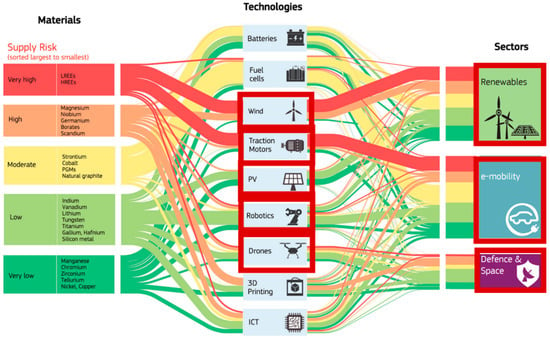
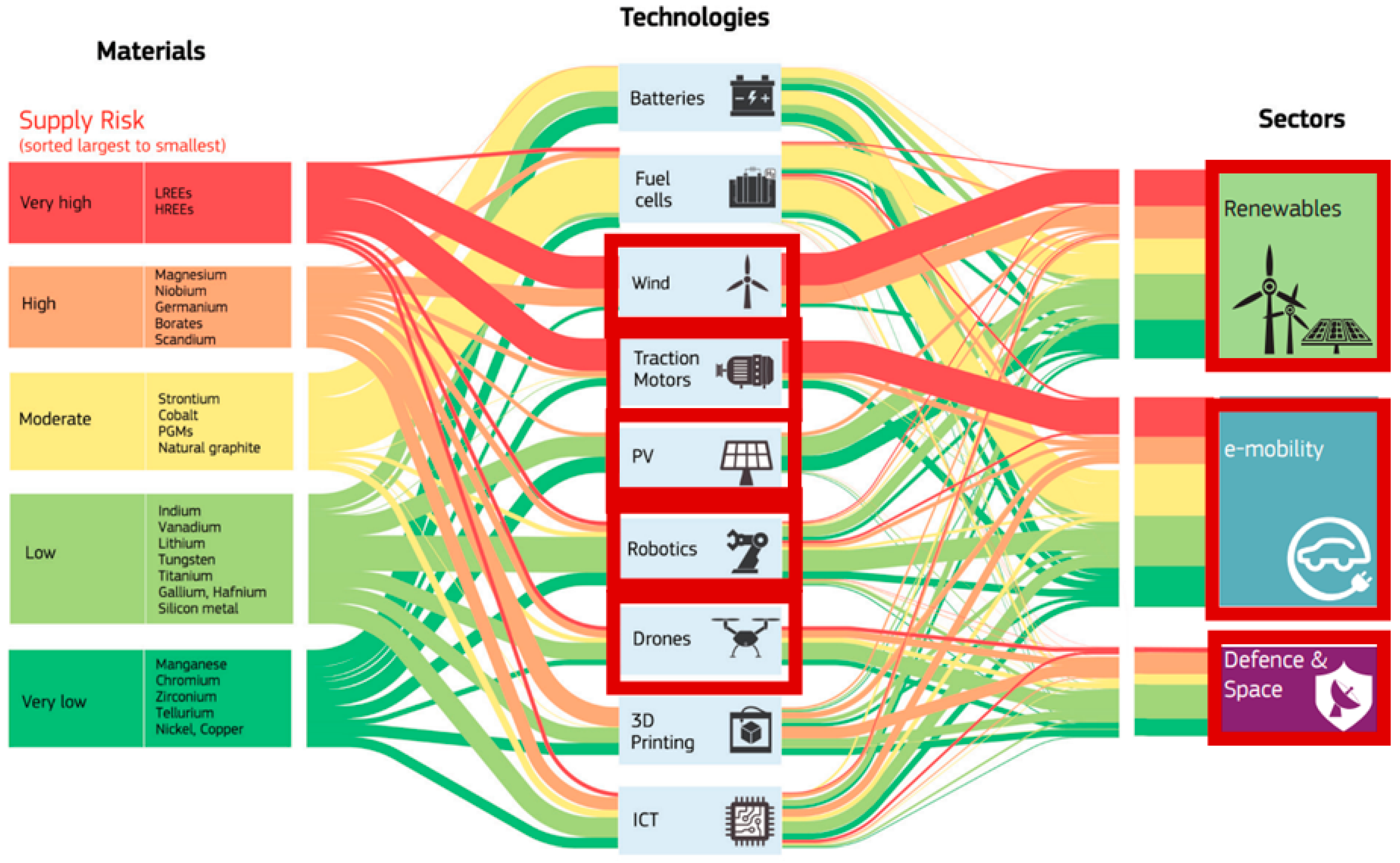
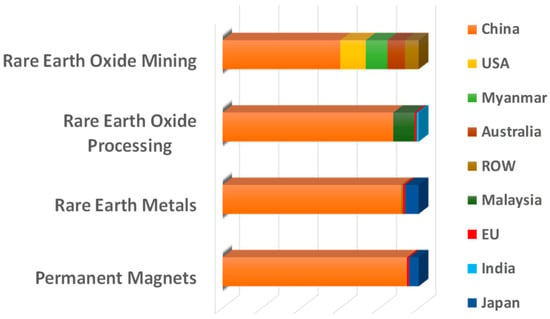
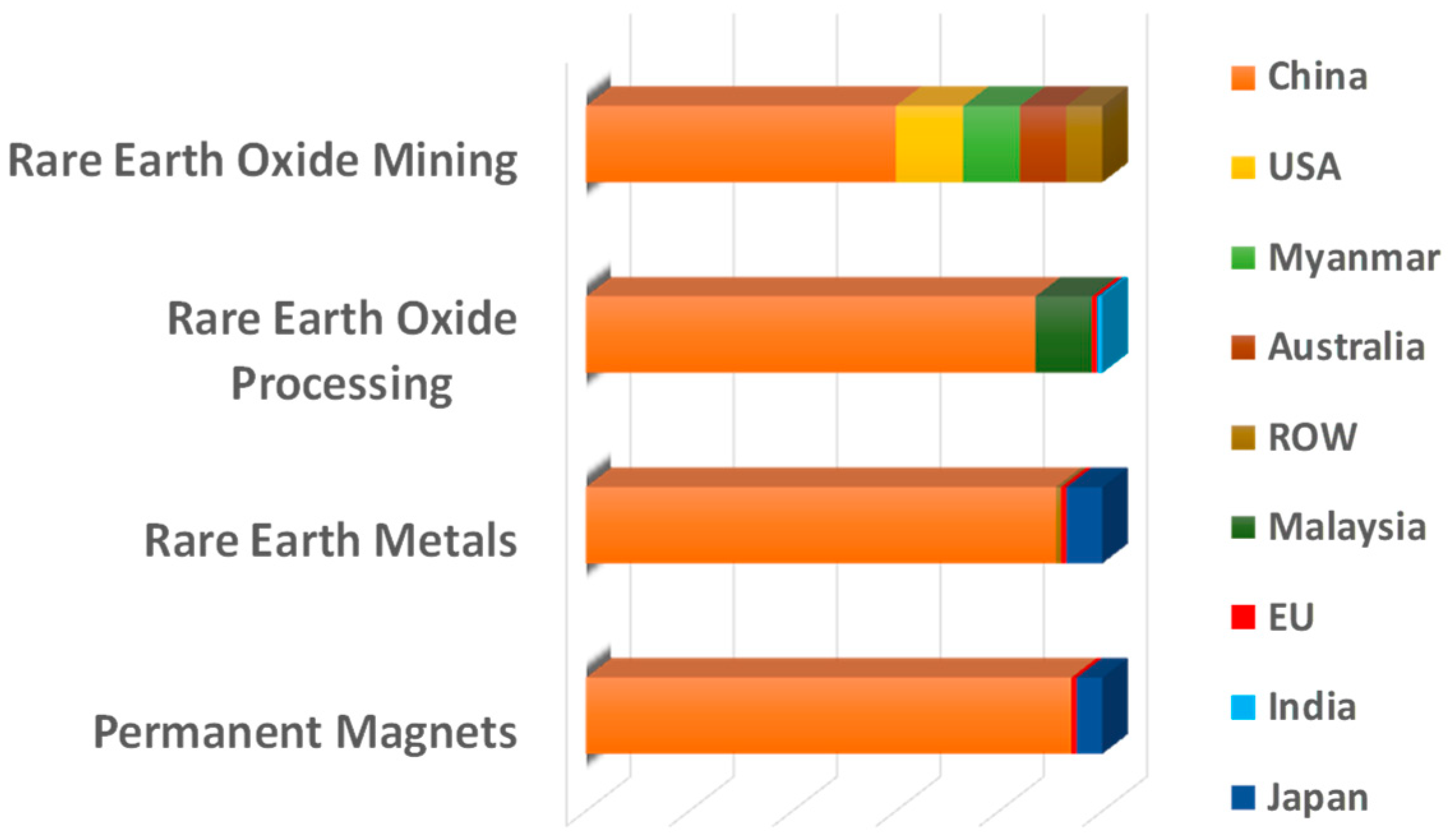
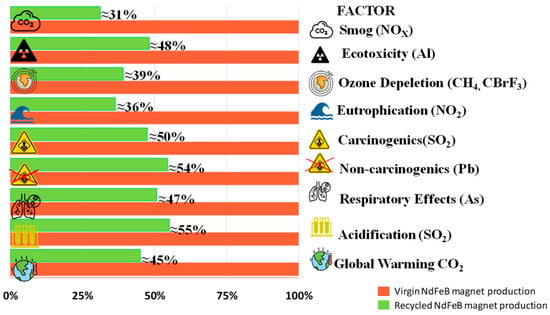
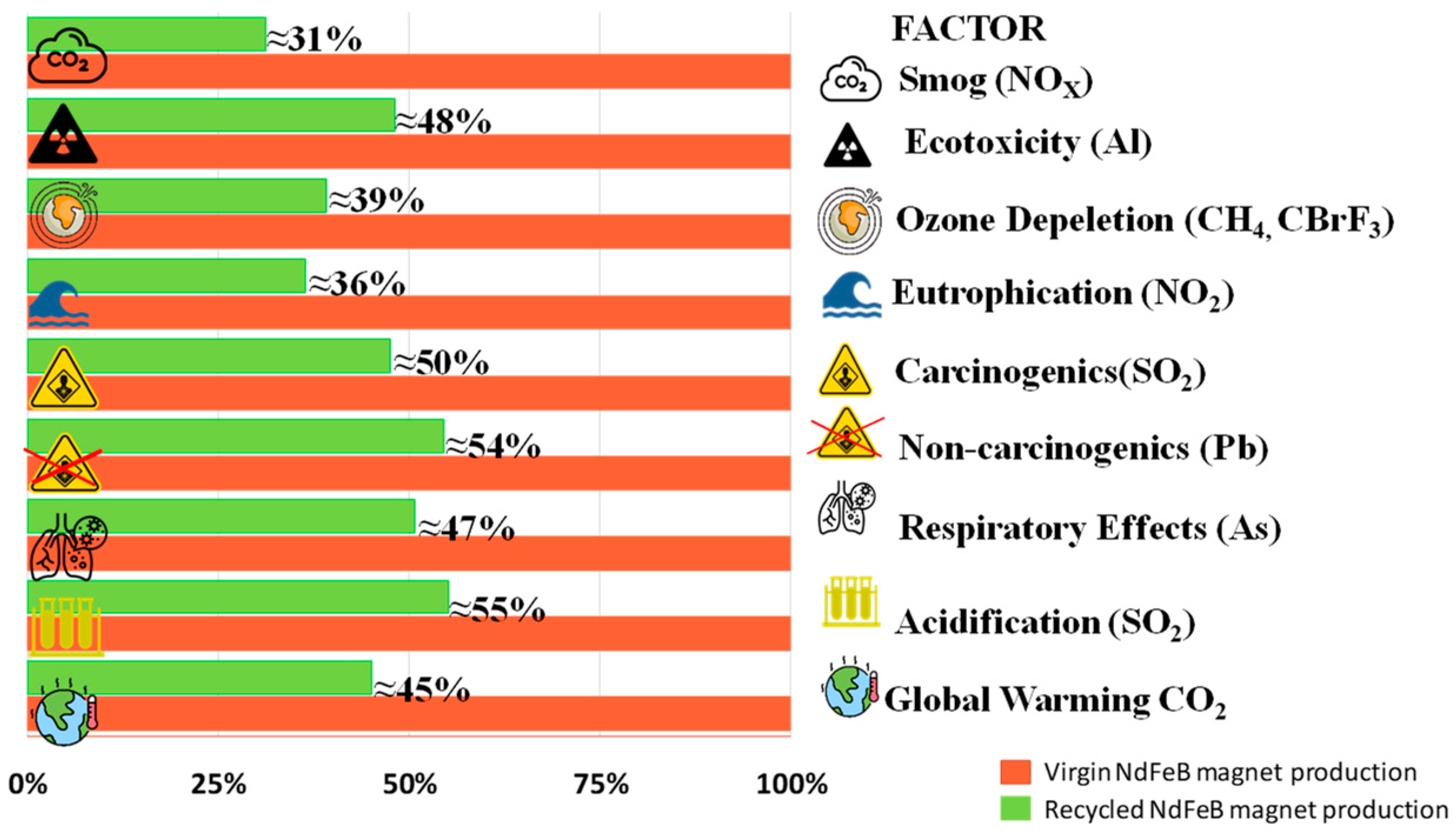
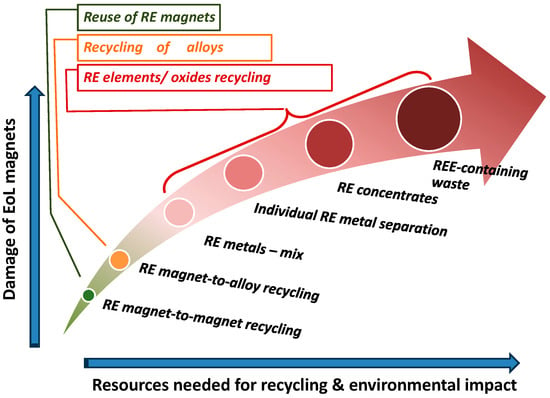
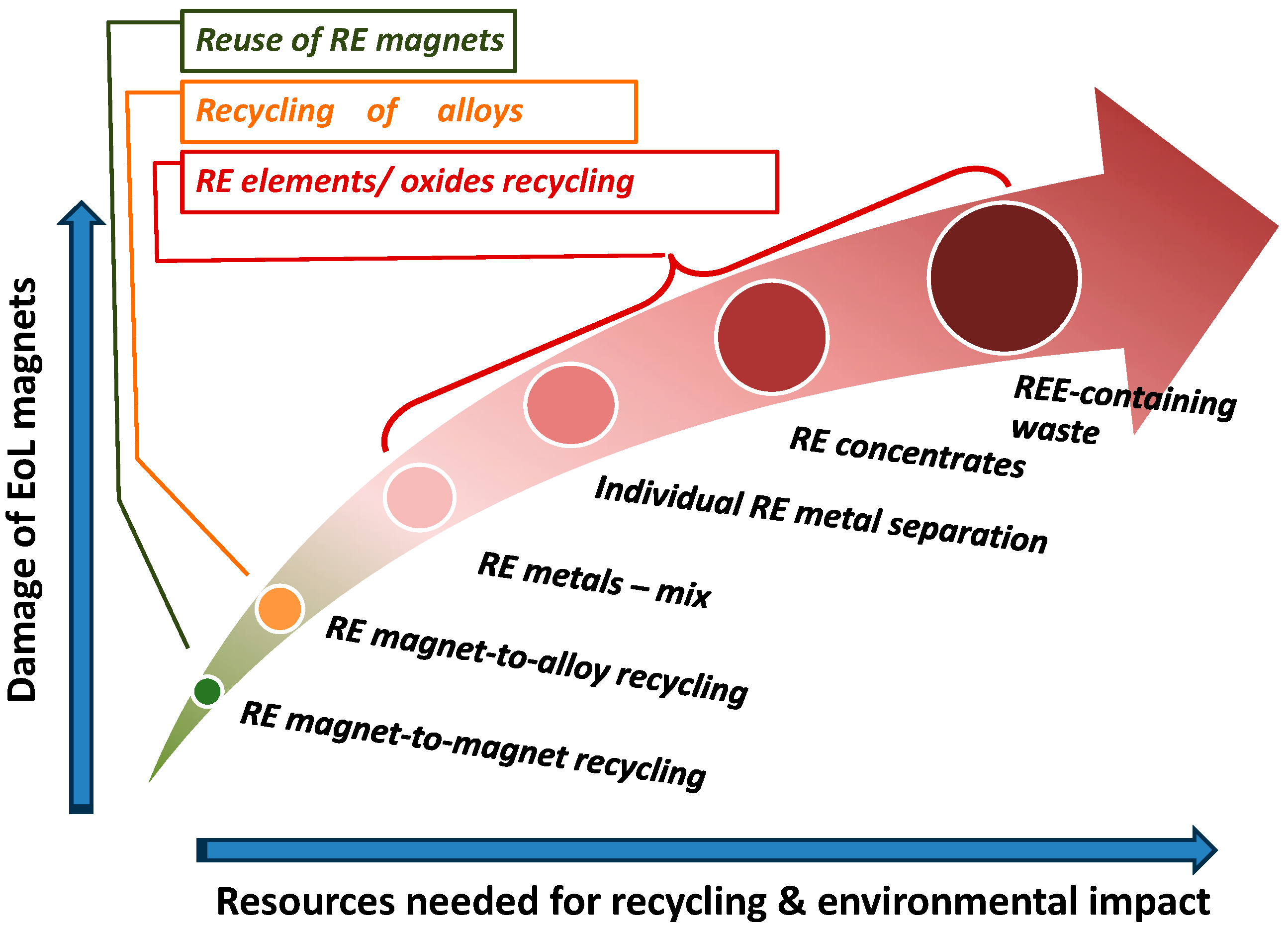
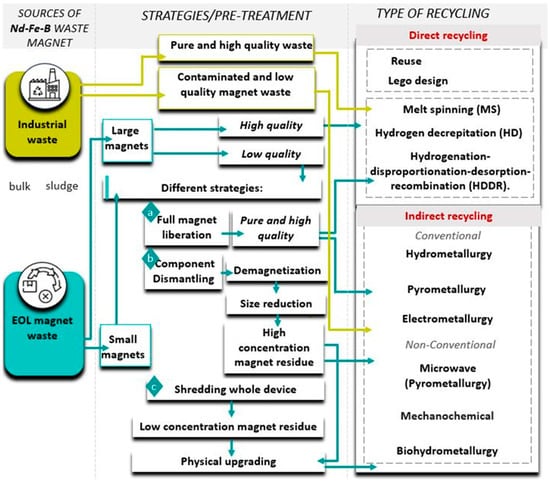
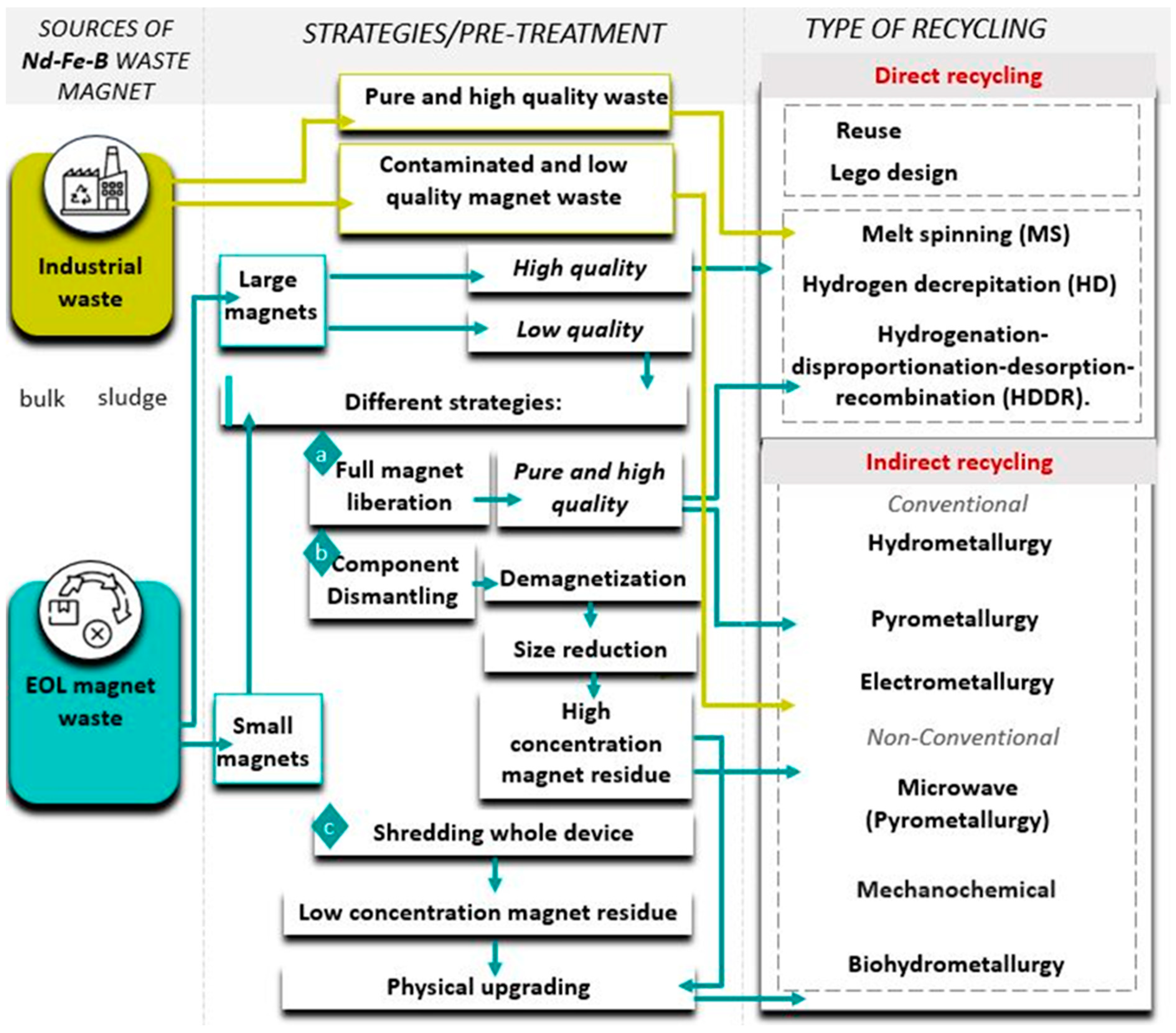
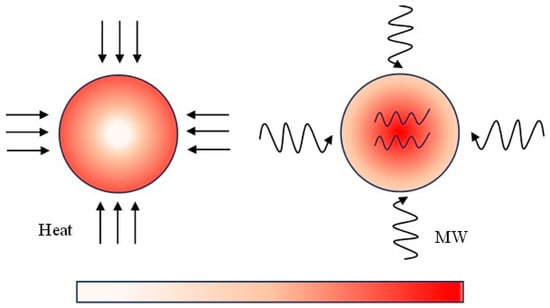
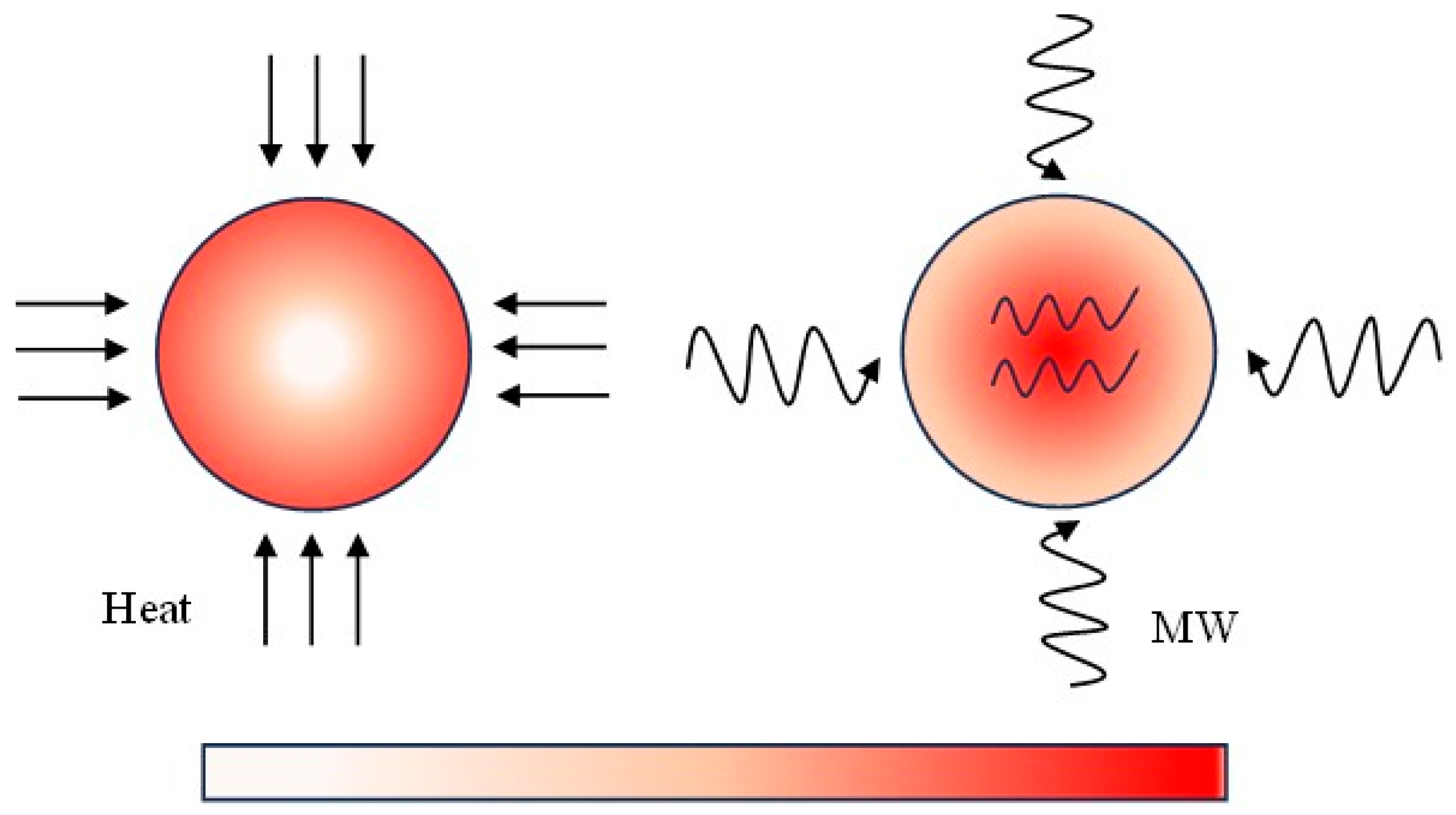
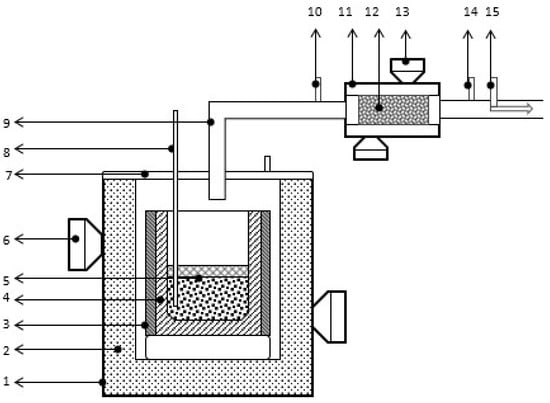
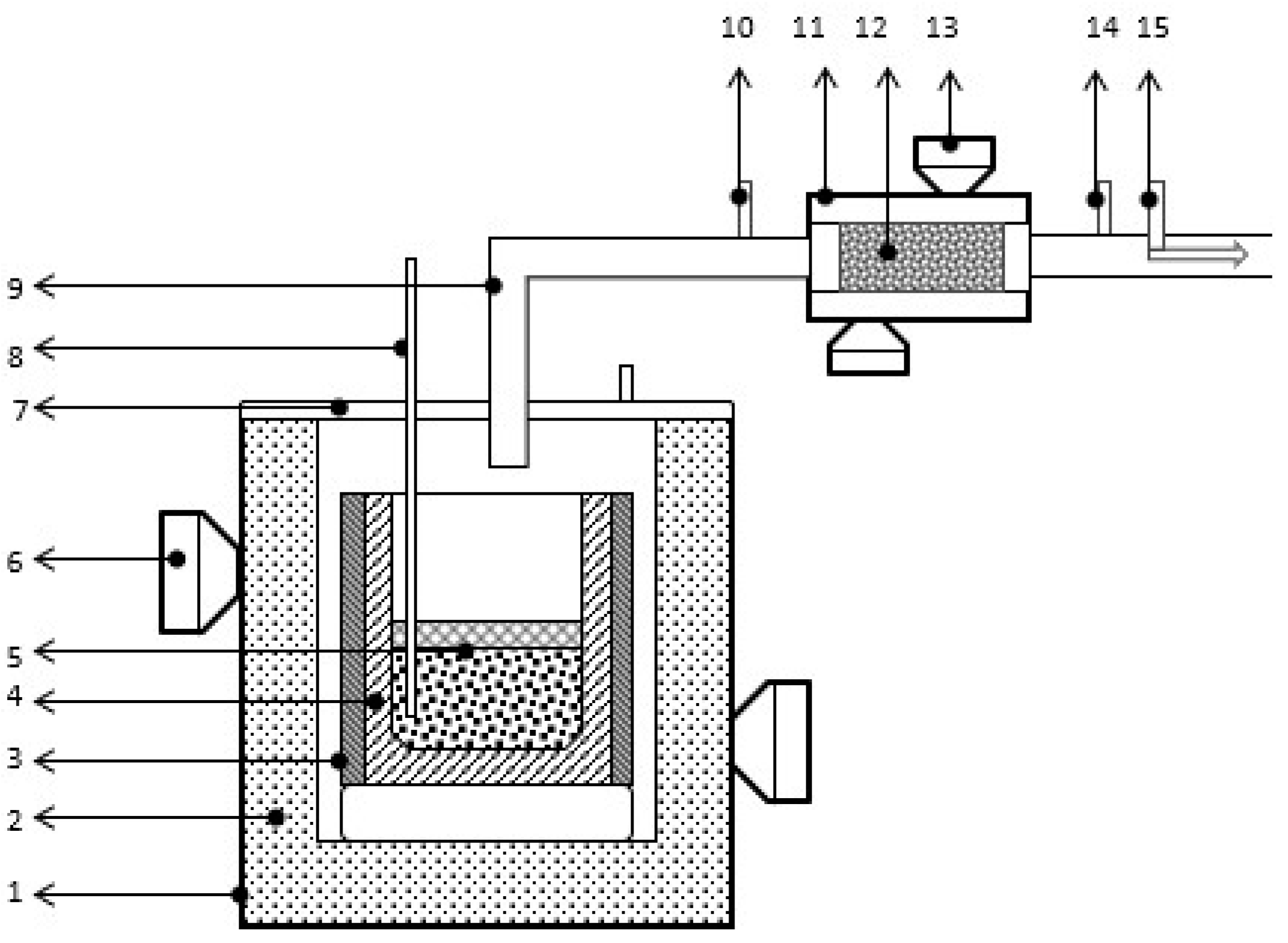
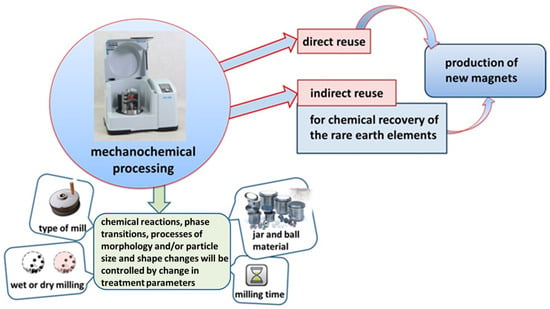
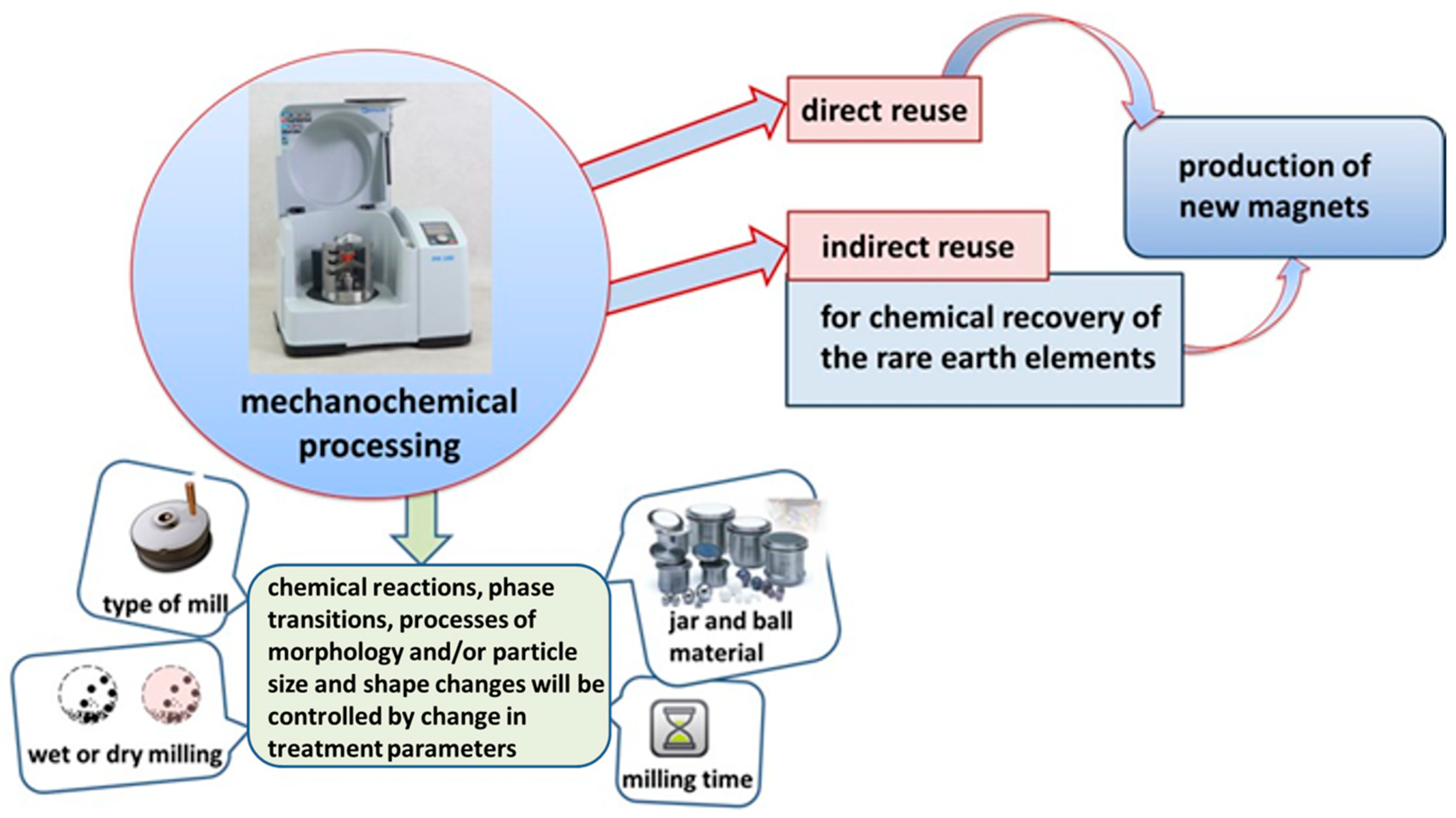
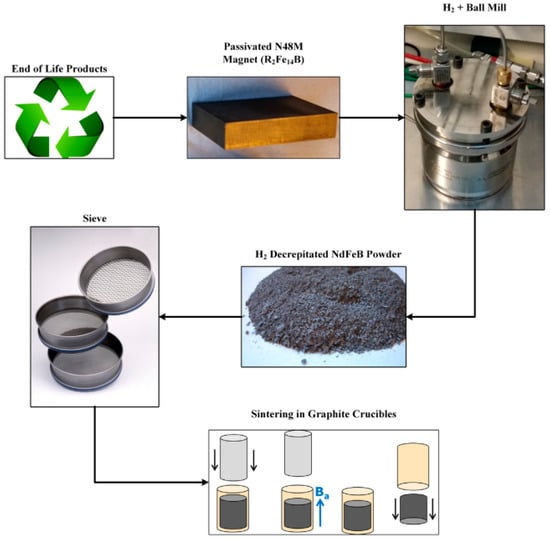
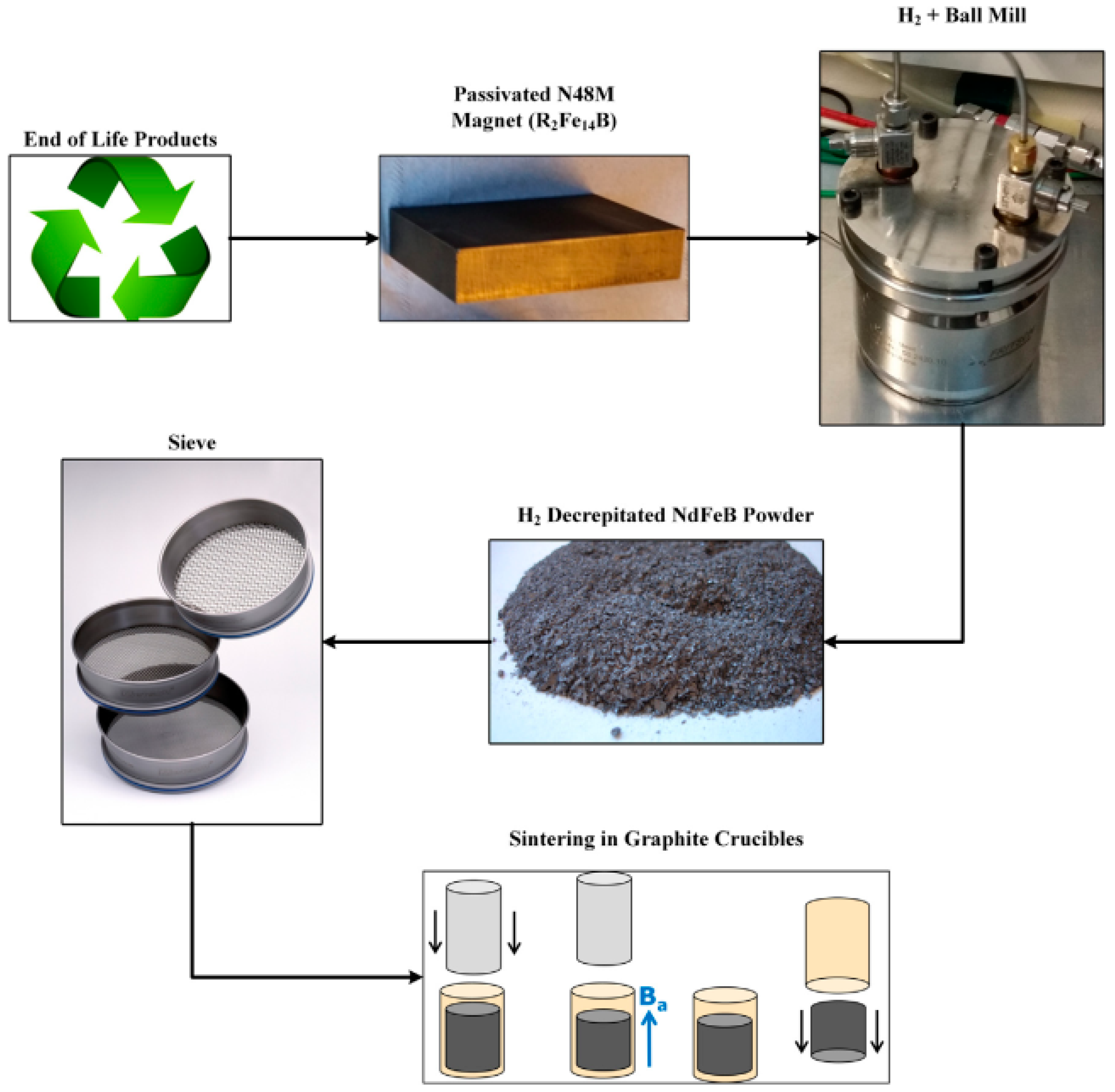
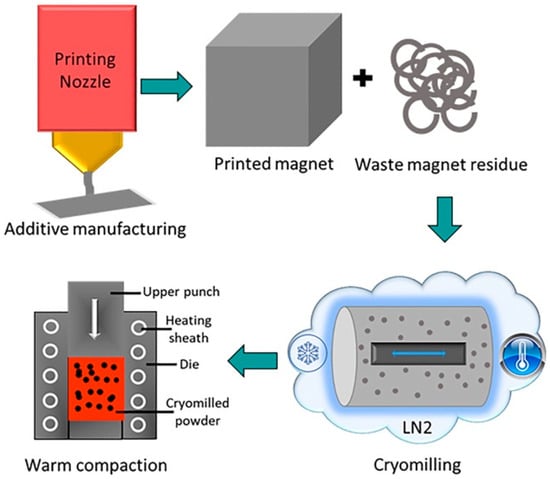
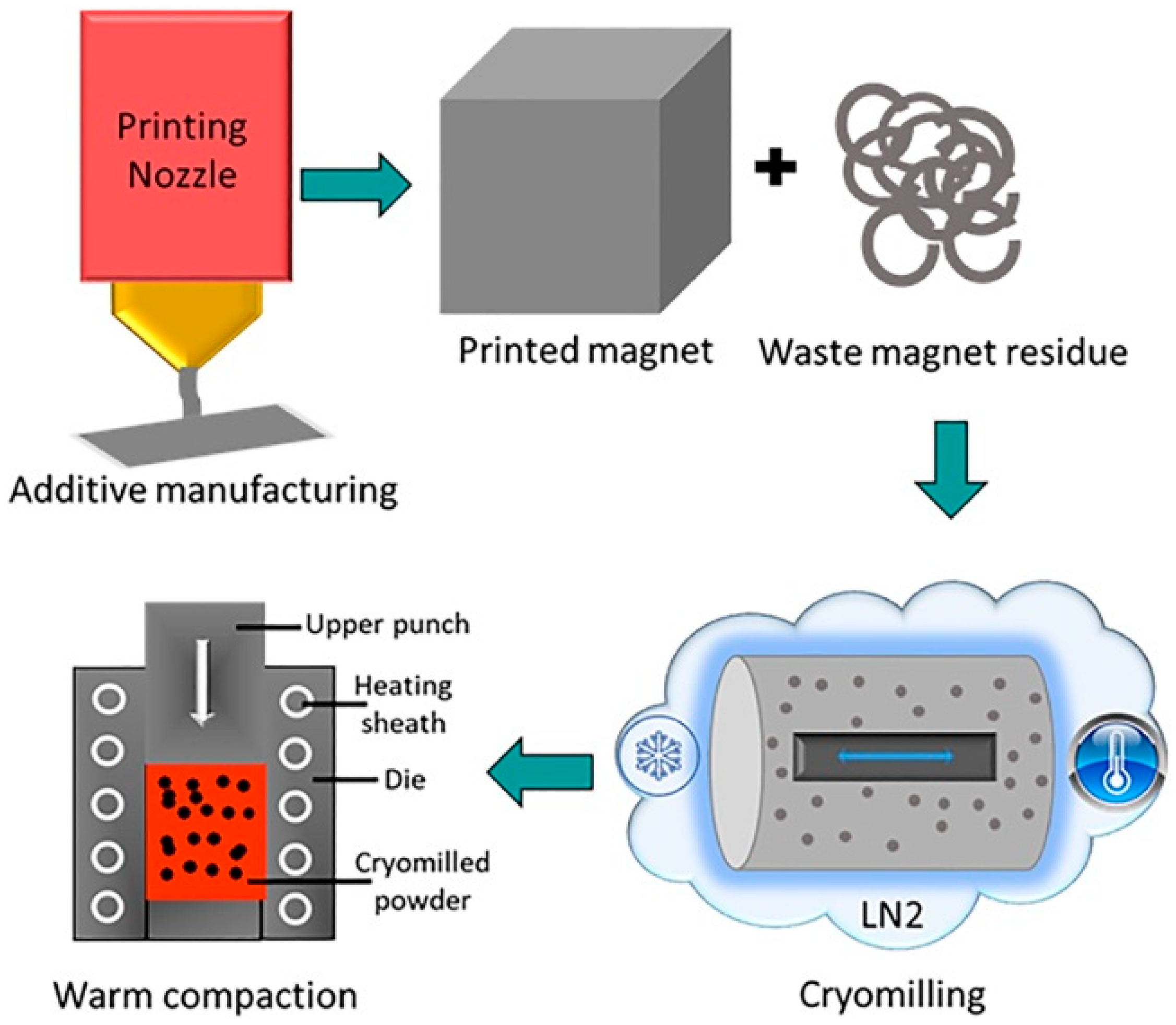
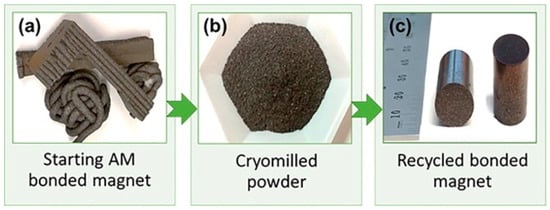
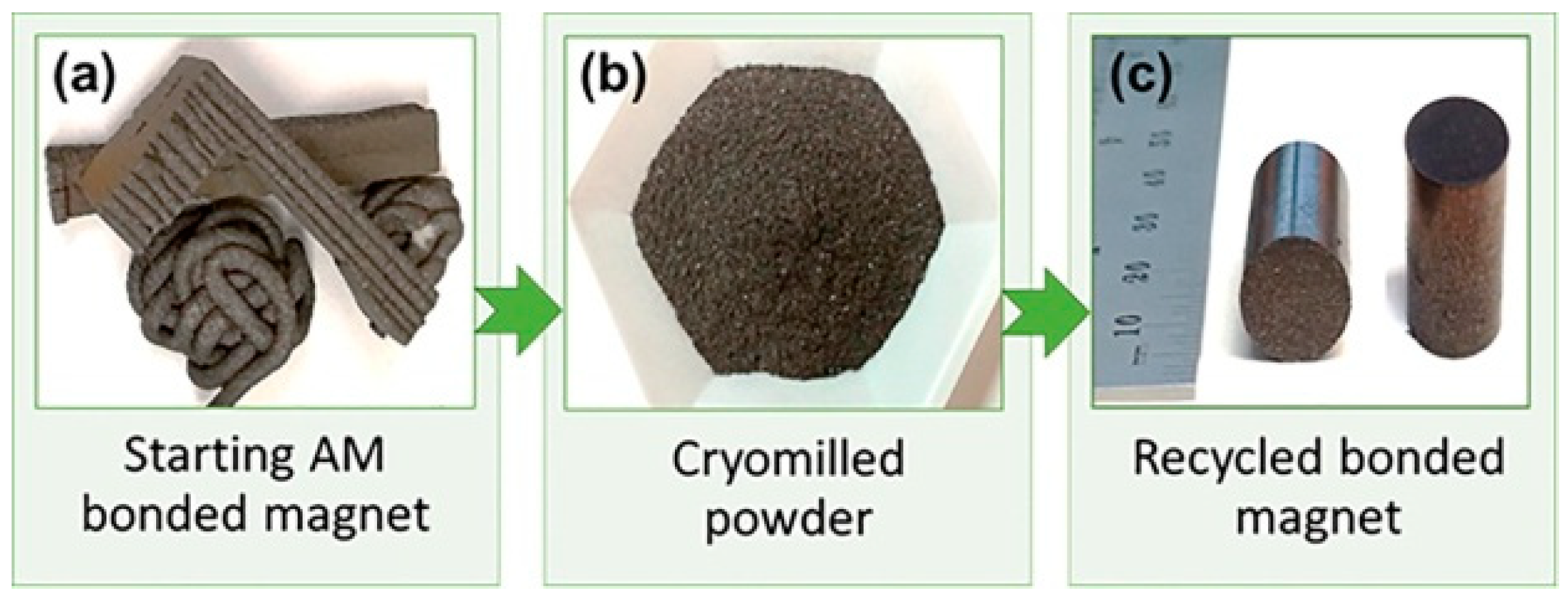





Disclaimer/Publisher’s Note: The statements, opinions and data contained in all publications are solely those of the individual author(s) and contributor(s) and not of MDPI and/or the editor(s). MDPI and/or the editor(s) disclaim responsibility for any injury to people or property resulting from any ideas, methods, instructions or products referred to in the content. |
© 2024 by the authors. Licensee MDPI, Basel, Switzerland. This article is an open access article distributed under the terms and conditions of the Creative Commons Attribution (CC BY) license (https://creativecommons.org/licenses/by/4.0/).